In This Guide
- Can You Drive an RV in Norway? License & Age Rules
- Road Conditions & Terrain in Norway
- RV Size Limits, Bridges & Restricted Zones
- Fuel: Diesel vs. Petrol & Cost per 100 km
- Tolls, Vignettes & Border Rules
- Driving Tips for RV Rental for Couples Travelers
- Recommended RV Class for Norway Roads
- Should I Choose a Compact Van Instead of a Large RV in Norway?
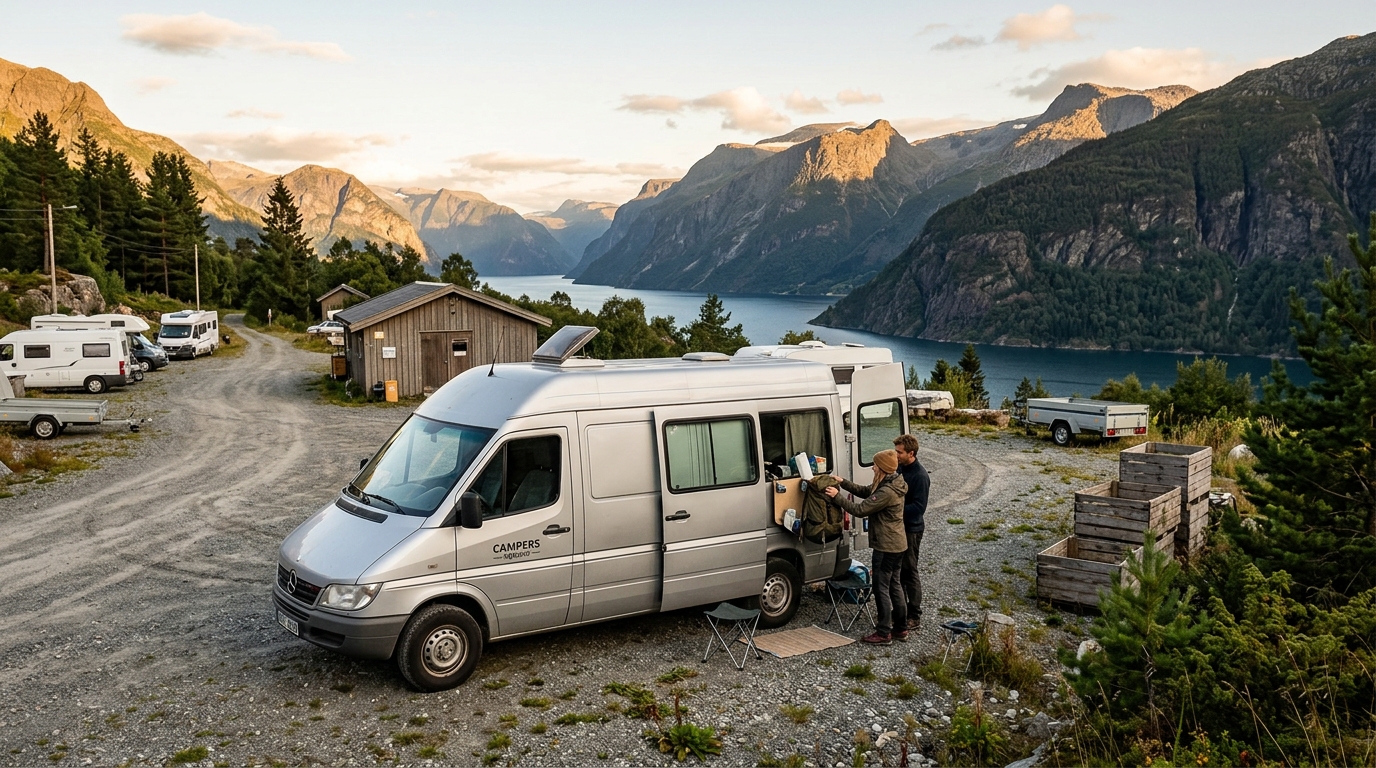
- Can I Park Anywhere? Free & Wild Camping Rules in Norway
- Can I Drive an RV Into the City Center? Heights, Tunnels & Local Signage
- How much does it cost to rent an RV in Norway?
- What are the best RV routes for couples in Norway?
- How long does it take to drive across Norway in an RV?
- Can I bring my dog on an RV trip to Norway?
- When is the best time to RV in Norway?
- Internet Connectivity & Remote Work Options for RV Couples in Norway
Imagine yourselves winding through spectacular fjords, hiking to breathtaking viewpoints, and waking up to panoramic ocean views, all from the comfort of your own mobile home. RV travel for couples in Norway offers an unparalleled sense of freedom and intimacy, allowing you to discover the country's romantic landscapes at your own pace. With Bandana Caravan, your journey to find the perfect rented motorhome or campervan is simple and transparent. For live availability and current prices, start with our RV Rental Norway - Complete Guide 2026 guide, where you'll find everything you need to begin your unforgettable Norwegian adventure.
Can You Drive an RV in Norway? License & Age Rules
A standard Category B driver's license is typically sufficient for driving most RVs in Norway that are suitable for couples, as many popular models for two people weigh up to 3,500 kg. However, for larger RVs exceeding 3,500 kg, a Category C1 (up to 7,500 kg) or Category C (over 7,500 kg) license is required, so always verify your vehicle's Gross Vehicle Weight Rating (GVWR) with your chosen rental. The minimum driver age for RV rental in Norway is usually 21 or 23 across most of our partner suppliers, with no young driver surcharges and no vehicle class restrictions based on age, making it accessible for many couples. Foreign drivers should carry a valid national driver's license and, for those from non-EU/EEA countries, an International Driving Permit (IDP) is highly recommended for smooth interactions, though not always legally mandatory.
Road Conditions & Terrain in Norway
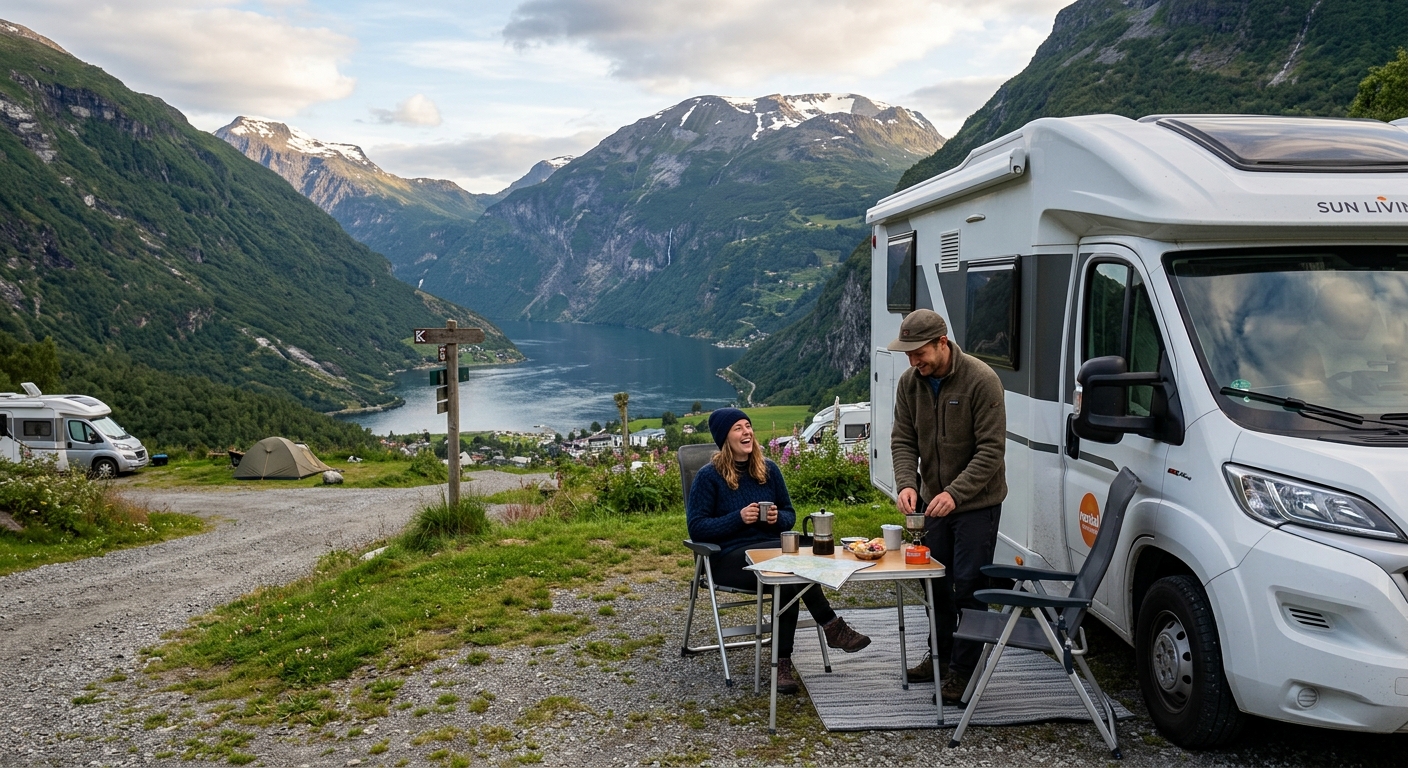
Norway's extensive road network is generally well-maintained, but the terrain varies significantly, presenting diverse driving experiences for couples exploring by RV. Expect narrow roads, numerous hairpin bends, and often long tunnels (some of which may be single-lane or integrate ferry crossings) in the dramatic fjord and mountain regions. These routes, however, offer breathtaking scenic views, encouraging a slower, more deliberate driving pace perfectly suited for couples who enjoy the journey as much as the destination. While gravel roads are common in more remote areas or leading to hiking trails, a typical rented RV for couples will navigate them without issue; just drive slowly and carefully. The country's unique geography makes driving an RV through Norway a truly unparalleled experience, offering access to stunning natural beauty that traditional travel methods often miss.
RV Size Limits, Bridges & Restricted Zones
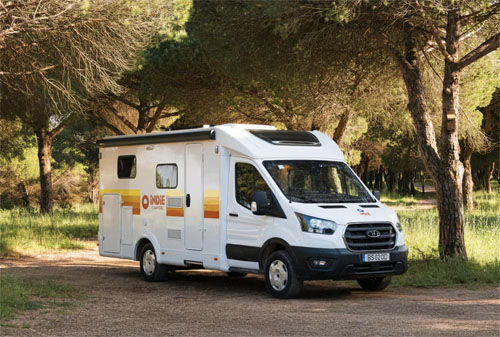
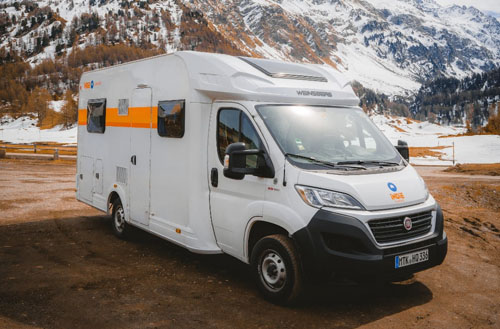
Norway generally accommodates motorhomes and campervans, but couples should be mindful of specific height, width, and weight restrictions, particularly on older bridges, winding mountain roads, and certain ferry routes. Smaller RVs and campervans like a Class B - Camper Van, with an average length of 5.8 meters and often featuring "Ideal for a couple" features like a shower and toilet, or a Class SI - Semi-integrated RV, averaging 6.9 meters in length, rarely encounter major issues. Always pay close attention to clear road signs indicating maximum height (Høydemaksimering), weight (Vektmaksimering), or length (Lengdemaksimering) limits. While environmental zones in major cities are less common for modern rental RVs, it's wise to check local regulations for cities like Oslo or Bergen. Planning ahead for popular ferry crossings during peak season is advisable, and while not always strictly necessary, booking ensures a smoother experience.
Fuel: Diesel vs. Petrol & Cost per 100 km
Most rental motorhomes and campervans available through Bandana Caravan in Norway run on diesel fuel, which is widely accessible at service stations throughout the country. While petrol (gasoline) stations are also common, diesel is the primary fuel for RVs, so always confirm your specific vehicle's fuel type before your journey. The typical fuel consumption for a Bandana Class B - Camper Van is approximately 8-10 Liters/100 km, while a Class SI - Semi-integrated RV averages 10-11 Liters/100 km, based on our global fleet averages. Fuel prices in Norway are notably among the highest in Europe, often exceeding 20-25 NOK per liter, making budgeting for this expense a critical part of your trip planning. When creating your adventure on RV PLANET routes, you can itemize and track every expense, including fuel, for easy budgeting. On the routes offered through RV PLANET routes, you can itemize and track every expense along the way for easy budgeting.
Tolls, Vignettes & Border Rules
Norway utilizes an extensive automatic toll system called AutoPASS on its major roads, bridges, and tunnels, with almost no physical toll booths on popular routes. Visitors can register their rented RV with AutoPASS or a compatible system like EasyGo to manage tolls directly, or the rental company will manage payment and pass the charges on to you, often with an administrative fee. Many of our partner RV rental providers offer vehicles equipped with AutoPASS transponders, simplifying payment and potentially avoiding higher costs or fines. No vignettes are required for standard roads in Norway; charges are strictly per passage. If your romantic RV journey takes you beyond Norway's borders into neighboring countries like Sweden or Finland, be sure to research their specific toll systems or road use charges in advance to avoid any unexpected surprises.
Driving Tips for RV Rental for Couples Travelers
Embracing a slower pace is key to enjoying Norway's stunning scenic routes; aim for a maximum of 100-150 km per day on average, allowing ample time for spontaneous stops at breathtaking viewpoints and charming local attractions. Pre-planning ferry crossings is highly recommended, as many fjord routes require them; check schedules and consider booking in advance, especially during peak season, to avoid delays. Mastering the art of navigating narrow roads is crucial, so practice backing up and managing tight turns, particularly on steep mountain passes and single-lane tunnels that utilize passing points. Utilize navigation systems with RV-specific settings that allow you to input your campervan or motorhome dimensions to avoid unsuitable roads or height-restricted passages. Finally, Norwegian weather can change rapidly, even in summer, so pack layers and waterproof gear for all outdoor activities, ensuring your comfort no matter the forecast.
Recommended RV Class for Norway Roads
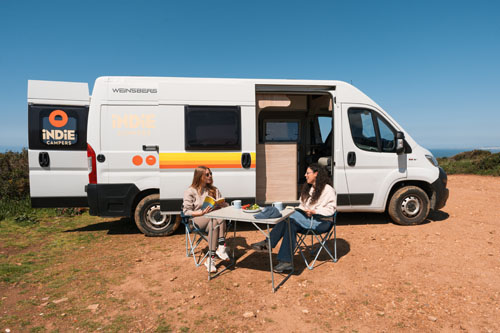
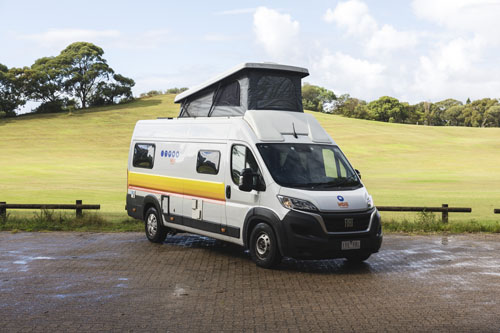
For couples embarking on a Norwegian RV adventure, a Class B - Camper Van or a Class SI - Semi-integrated RV is generally the most recommended choice, striking an ideal balance between comfort and maneuverability. Class B Camper Vans, such as the "Active Classic" with "Ideal for a couple" features and an average length of 5.8 meters, offer superb agility for navigating narrow mountain roads and easier parking in charming towns. A "cruise america example EX-Group A" is another excellent option for couples, with a compact 5.99-meter length and a fuel consumption of just 8 Liters/100 km. Meanwhile, a Class SI - Semi-integrated RV, with an average length of 6.9 meters, provides a more spacious living area, a dedicated bed, and enhanced amenities without becoming overly cumbersome on Norwegian routes. These RV classes ensure you have sufficient interior space for two while retaining the agility needed to explore Norway's challenging yet incredibly rewarding landscapes. Their lower profiles also minimize concerns about height restrictions that might affect larger Class C or Class A motorhomes.
Should I Choose a Compact Van Instead of a Large RV in Norway?
When choosing an RV rental for couples in Norway, the decision between a compact van (Class B Camper Van) and a slightly larger motorhome (Class SI Semi-integrated) depends on your priorities, as both are generally manageable on Norway's roads. A compact van, typically around 5.8 meters long, offers superior maneuverability, easier parking in quaint villages, and better fuel efficiency, often consuming just 8-10 Liters/100 km. However, a larger Class SI Semi-integrated RV, averaging 6.9 meters, usually provides a more spacious internal layout, often including a fixed bed and a more substantial bathroom, which can significantly enhance comfort on an extended road trip. While a compact van is ideal for ultimate agility and navigating very tight spots, the added living space and amenities of a slightly larger RV are still highly accessible across most Norwegian roads. Ultimately, consider whether maximum driving ease or greater indoor comfort and storage is more important for your romantic escape.
Can I Park Anywhere? Free & Wild Camping Rules in Norway
Norway's 'Allemannsretten' (Everyman's Right) generally allows free and wild camping in uncultivated land, offering couples incredible opportunities to connect with nature, provided you stay at least 150 meters from the nearest inhabited house or cabin. This cherished right, however, comes with strict responsibilities: adhering to 'Leave No Trace' principles is paramount, meaning absolutely no littering, no damage to nature, and no disturbing local wildlife. Responsible waste disposal, including gray water and toilet waste, is crucial; always utilize designated facilities at official campsites or roadside service points to empty your tanks. While overnight parking in designated rest areas or larger parking lots is often tolerated, always look for signage indicating any specific restrictions. Local regulations can vary by region, so it's always best practice to check with local authorities or tourist information before parking overnight, especially in popular tourist areas or national parks where rules may be more stringent.
Can I Drive an RV Into the City Center? Heights, Tunnels & Local Signage
Yes, you can drive a rented RV into almost any city center in Norway without major issues, but careful attention to local signage regarding height limits, tunnels, and environmental zones is essential for a smooth experience. Major Norwegian cities such as Oslo, Bergen, and Trondheim often have underground parking garages with height restrictions, so it's best to plan for surface parking or designated RV parking areas. Always pay close attention to blue signs indicating maximum height (Høydemaksimering) before entering any tunnels or underpasses. While some city centers may have environmental zones, modern rental RVs are typically exempt from these restrictions, but it's always wise to briefly check local rules. For larger cities, many couples find it more convenient to park their motorhome or campervan on the outskirts and utilize Norway's excellent public transport network to explore the downtown areas, saving time and avoiding potential parking challenges.
How much does it cost to rent an RV in Norway?
The cost of renting an RV for couples in Norway is dynamic, similar to flight tickets, changing daily based on seasonality, RV class, and rental duration. Expect to pay anywhere from €100-€150 per day for a compact campervan in the shoulder season (May-June, September-October) to €200-€300+ per day for a larger semi-integrated RV during peak summer (July-August). Beyond the base rental fee, couples should meticulously budget for high fuel costs (e.g., 10-12 Liters/100 km for most RVs at an average of 20-25 NOK per liter), frequent ferry fees which can add up quickly, and automatic road tolls. To save money, consider cooking your own romantic meals in your RV's kitchen – exploring local markets for fresh ingredients is a delightful activity for two! Here's an RV-friendly recipes playlist for inspiration. Traveling in the shoulder seasons significantly reduces costs and offers fewer crowds. Factor in optional extras like bedding, kitchen kits, or a top-level deductible reimbursement for extra peace of mind, which can typically add to the total cost. You'll find that many national and state parks reserve 25-30% of spots for first-come-first-serve campers, so even last-minute travelers can find a spot; if not at the first campground, then the next one. For detailed budgeting and expense tracking for your specific itinerary, our RV PLANET routes allow you to itemize and track every expense along the way, ensuring full transparency with no hidden fees or surprises.
What are the best RV routes for couples in Norway?
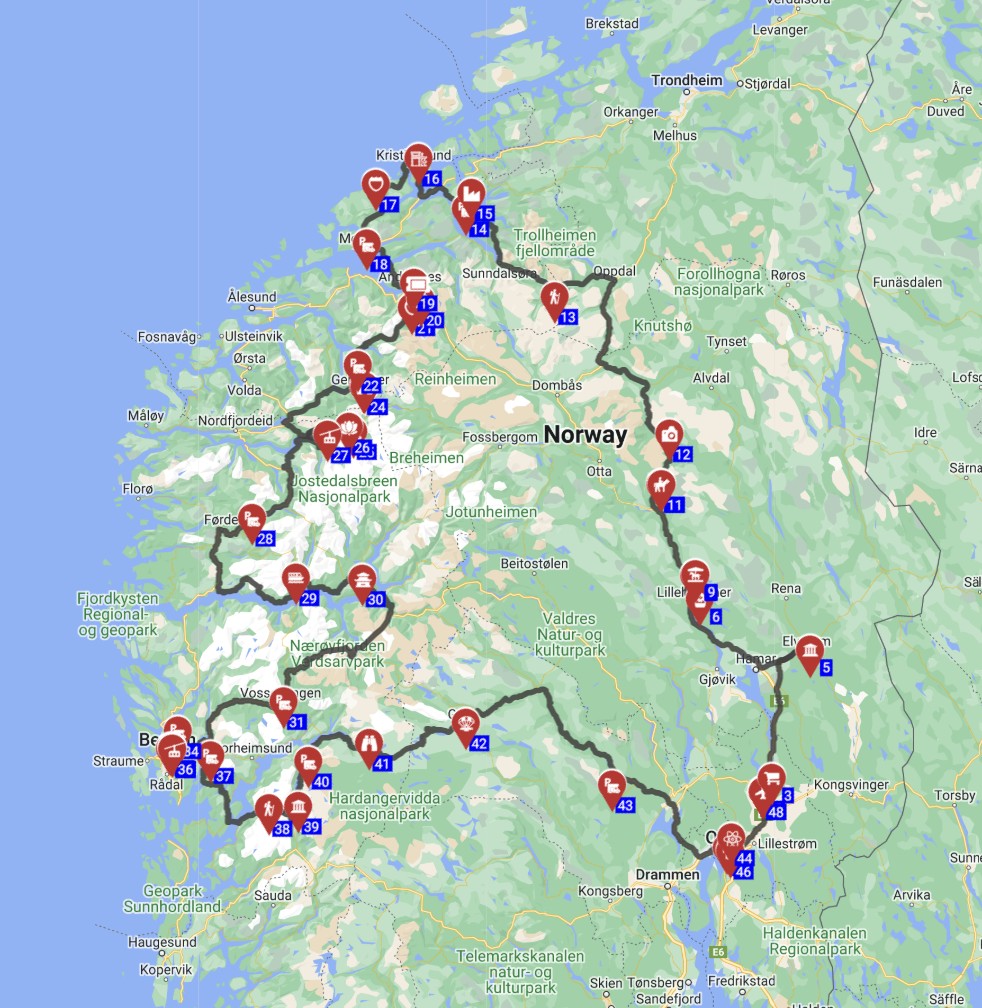
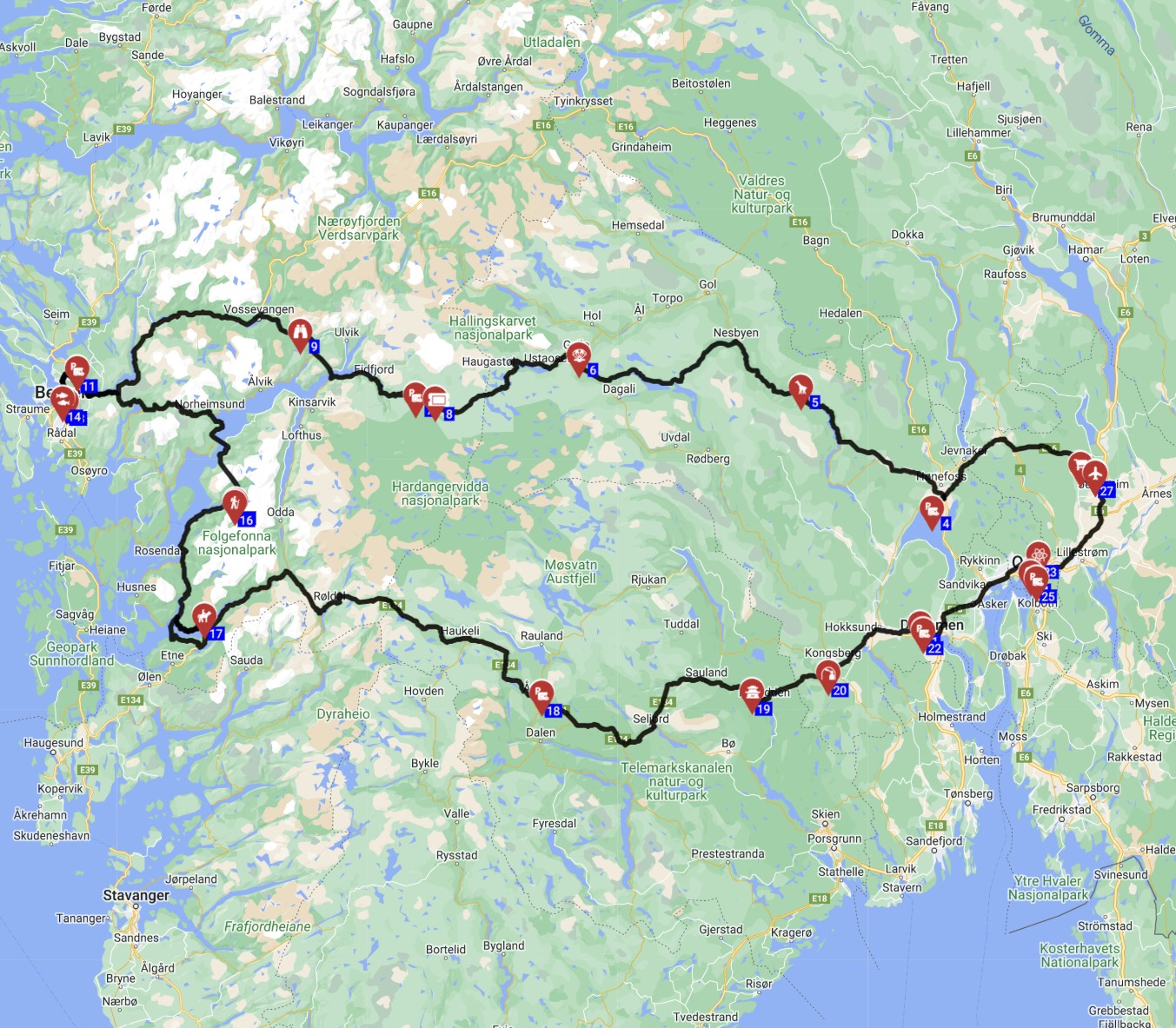
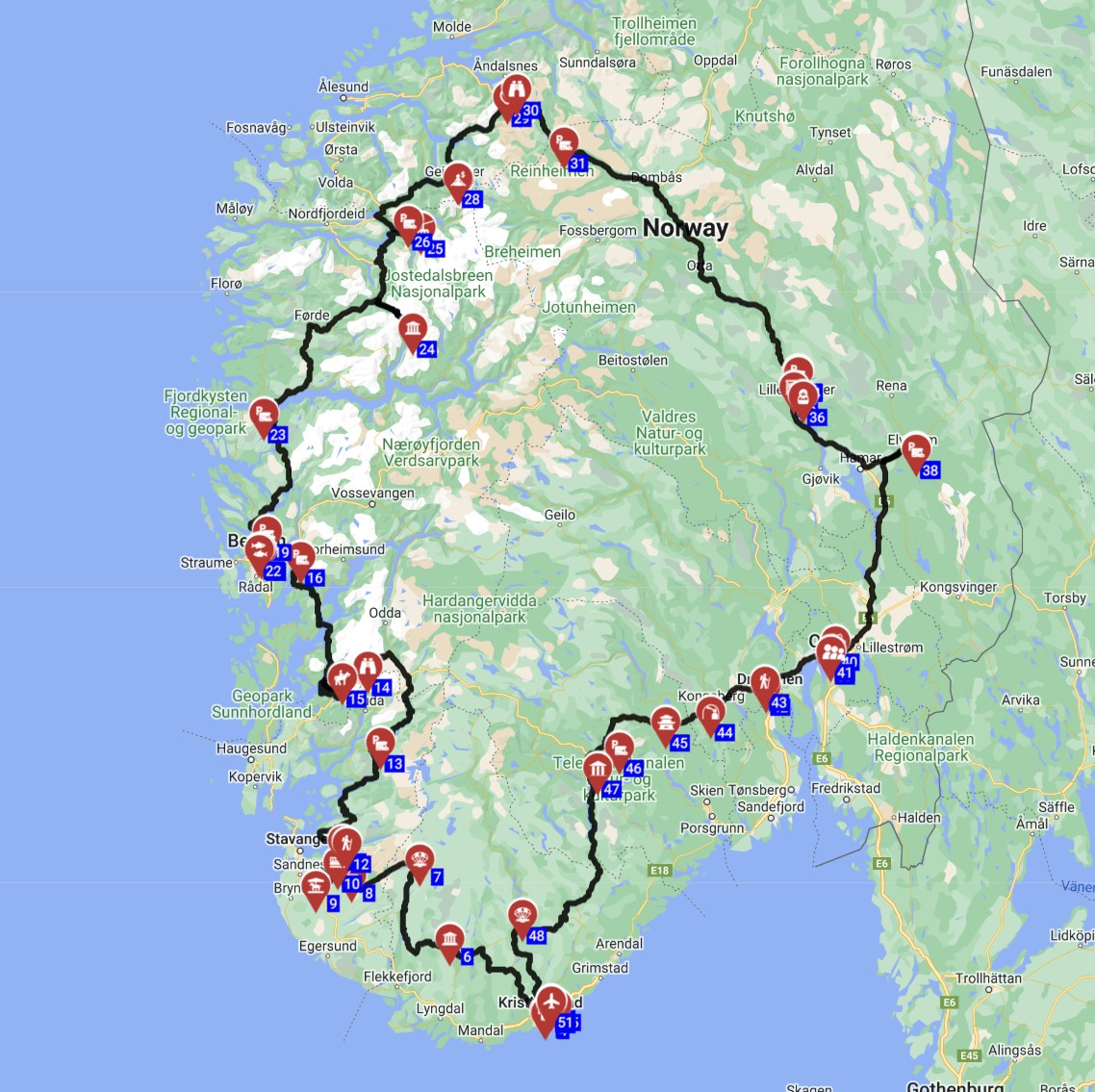
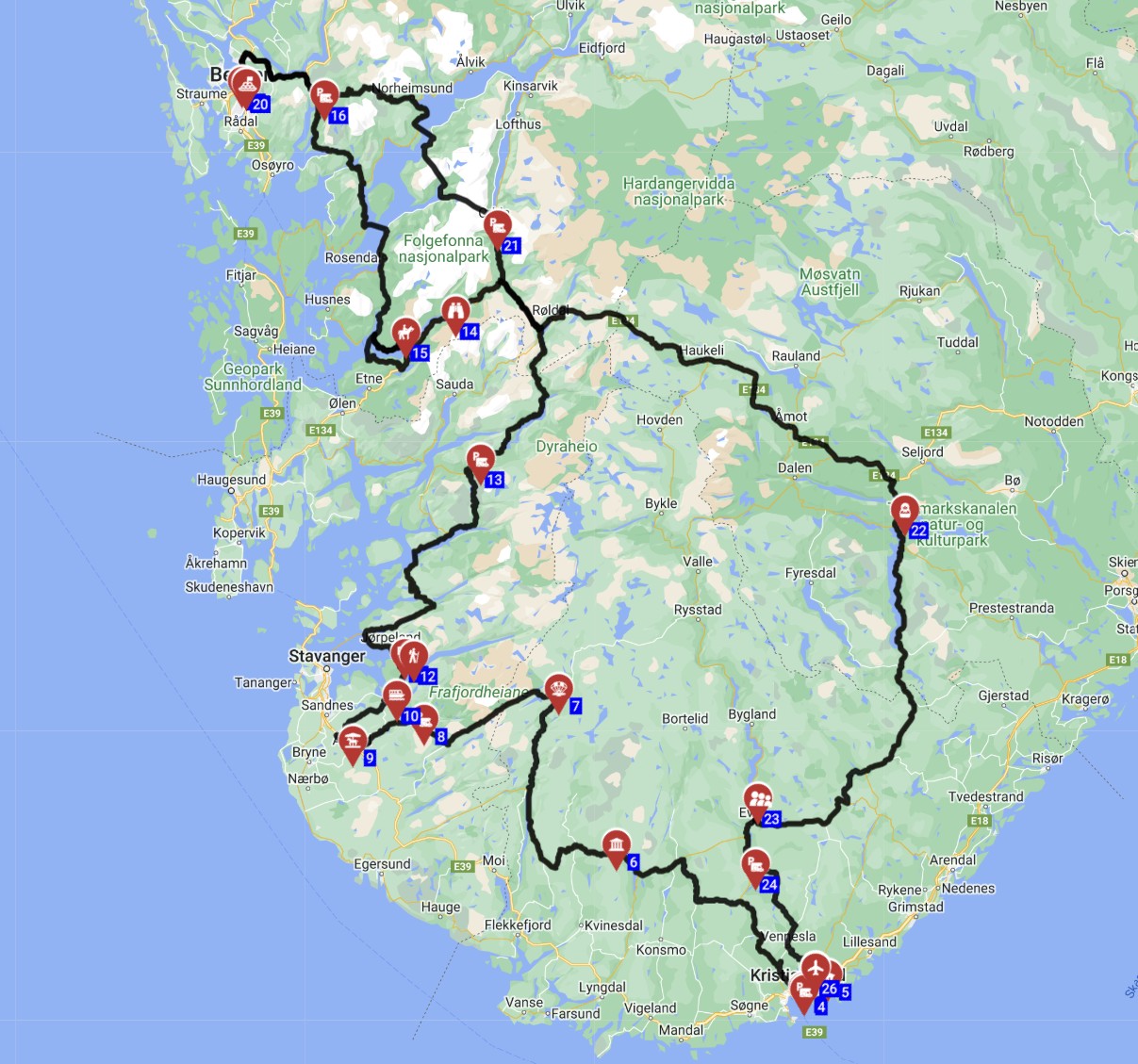
The best RV routes for couples in Norway offer a magical blend of iconic fjords, majestic mountains, and charming villages, perfect for creating lasting memories together. Popular itineraries often include driving along the Norwegian Scenic Routes (Nasjonal turistveger), such as the dramatic Atlantic Road, the winding Trollstigen mountain pass, or the picturesque Hardangerfjord route. For couples, focusing on a specific region like the 'Fjord Norway' area, stretching from Bergen to Ålesund and encompassing the stunning Geirangerfjord and Sognefjord, allows for a deep exploration without excessive driving. To discover off-the-beaten-path experiences and local secrets, consider detours to the Sunnmøre Alps for incredible peaks and hidden valleys, or explore the serene fishing villages of Senja beyond the more famous Lofoten. Connecting with local culture and etiquette means incorporating stops at small independent museums, local farm shops for fresh produce, or attending a local festival. Remember to engage respectfully with locals, and a few Norwegian phrases can go a long way. Our pre-planned routes at RV PLANET, created by professionals, are an invaluable resource for couples seeking guided adventures. For example, consider the "Bergen Round trip - Norway’s Coastal Wonders", an 8-day itinerary covering 782.9 km, including stops at 2 hiking areas and a scenic route to truly immerse yourselves in the region.
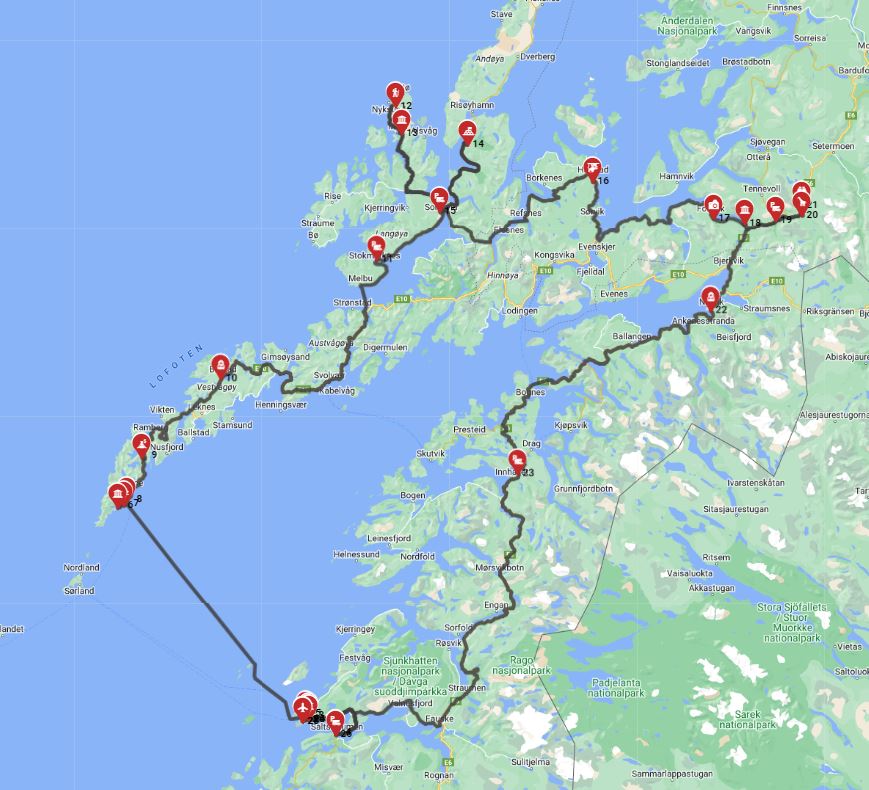
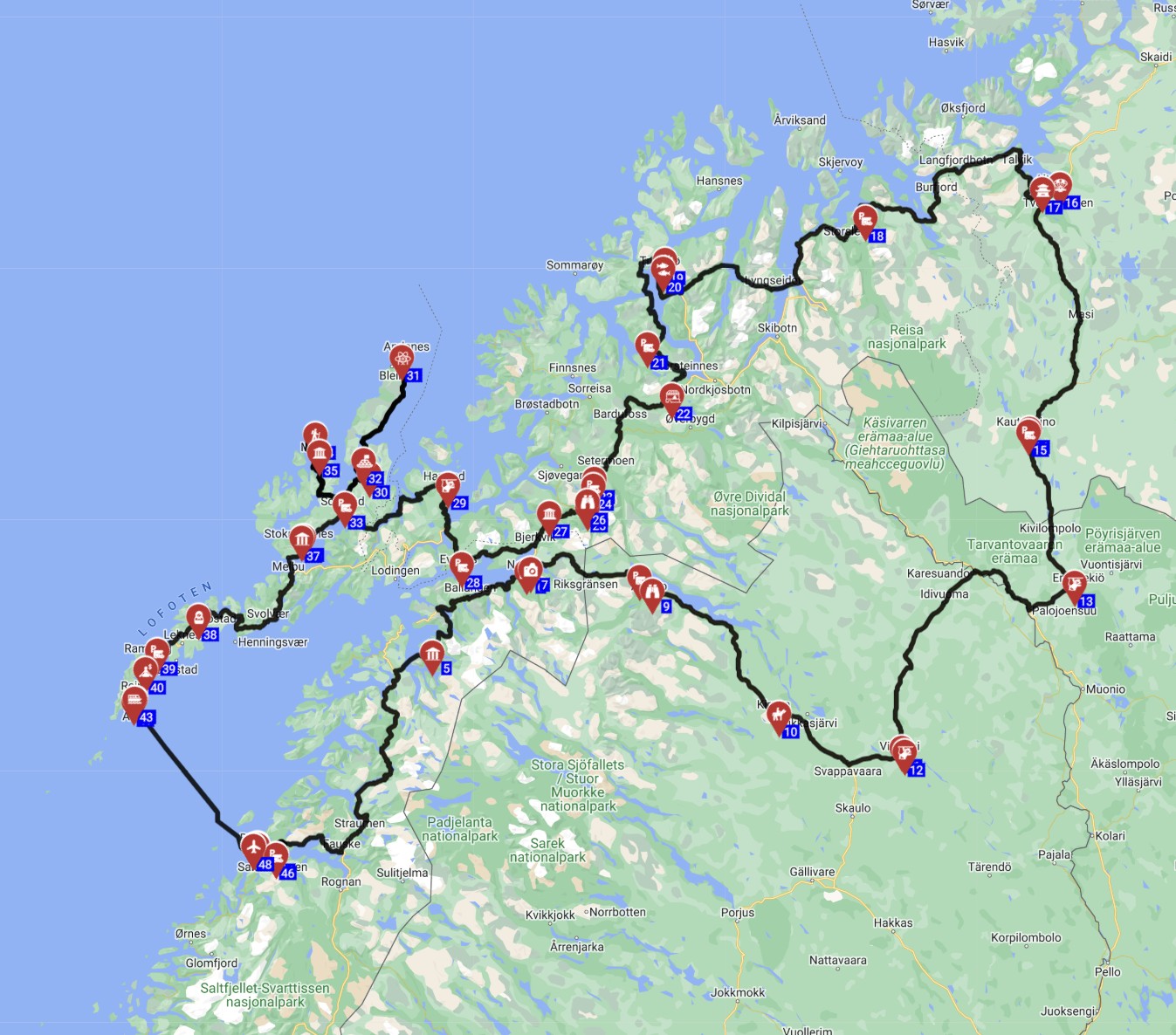
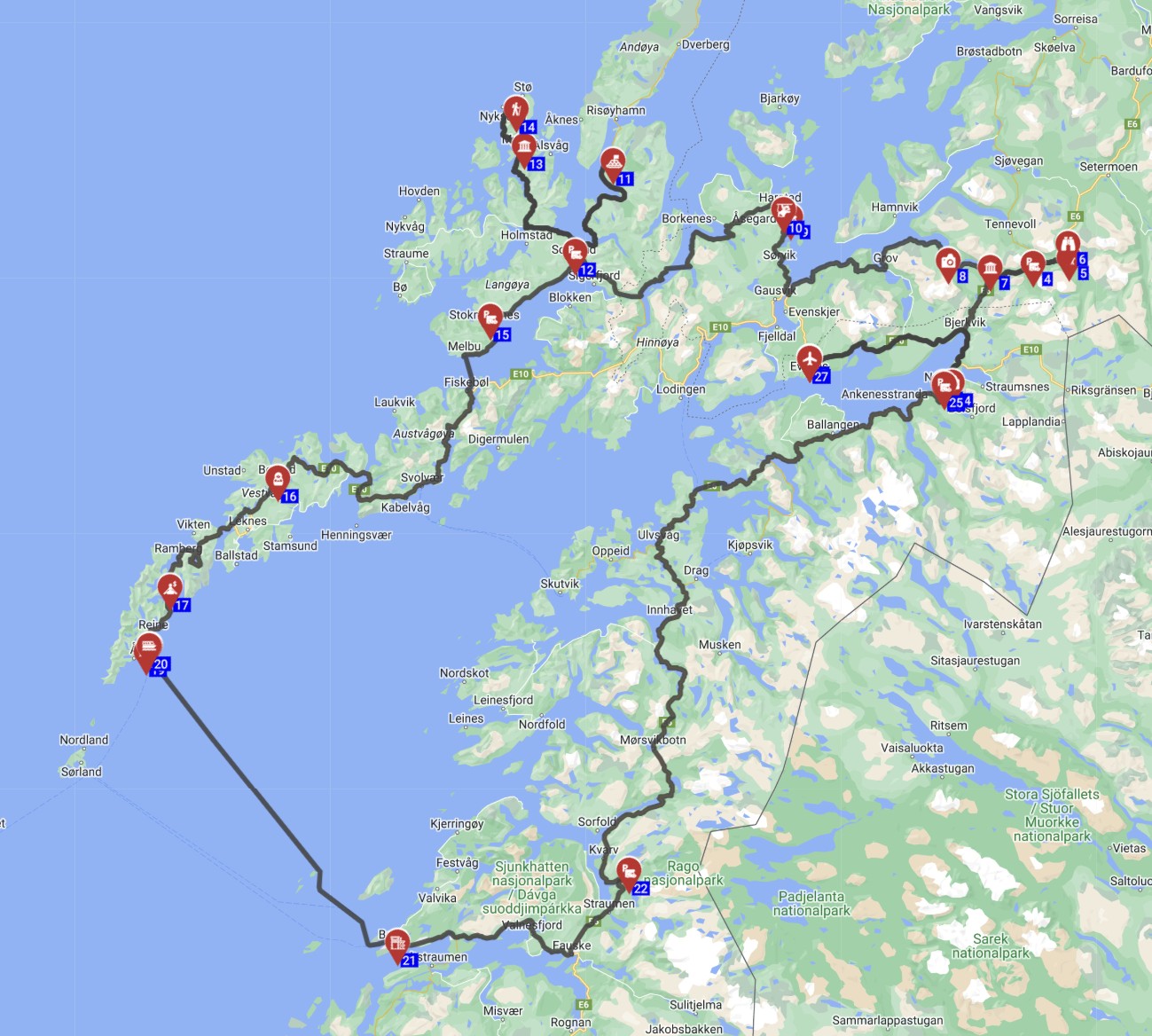
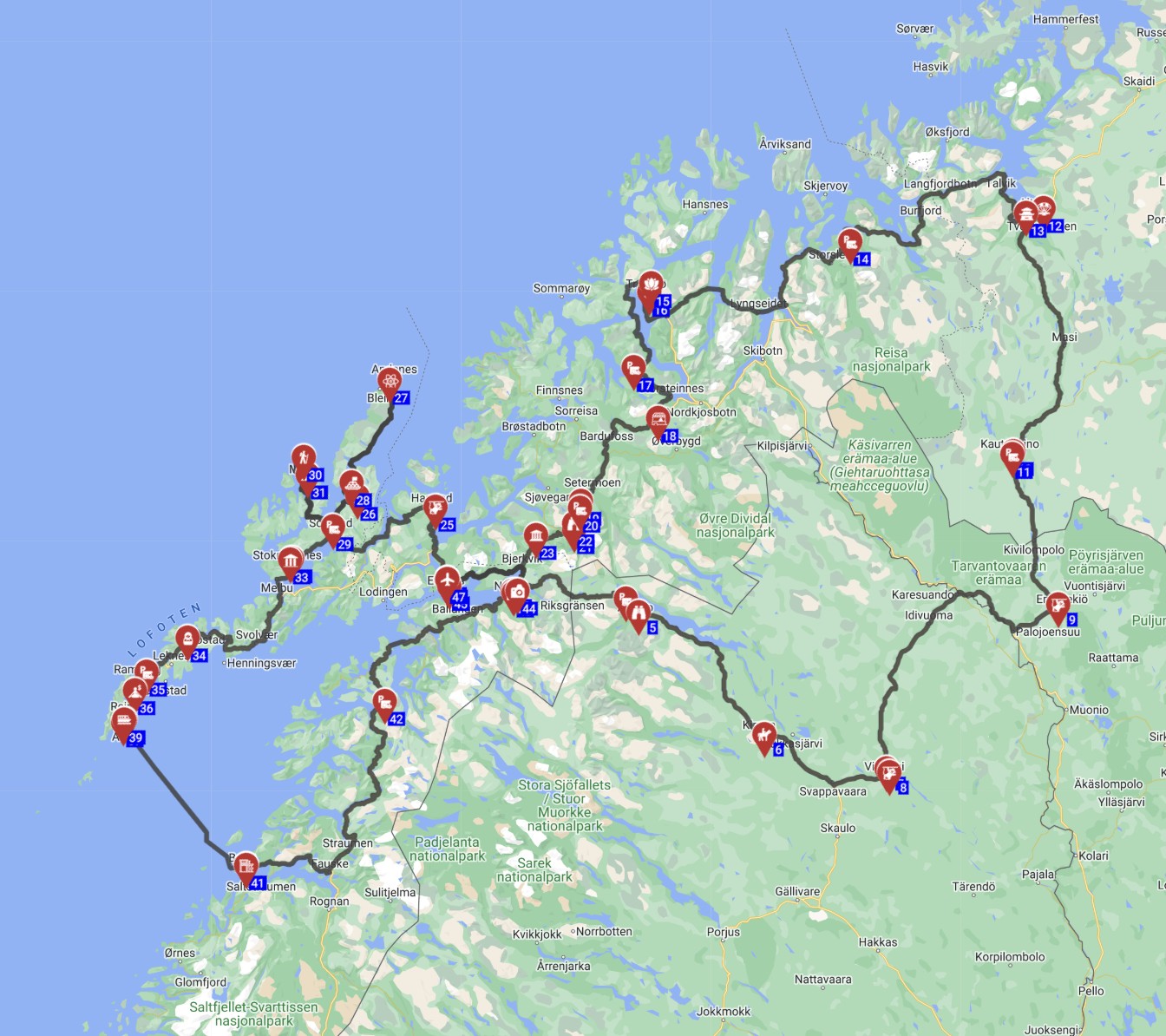
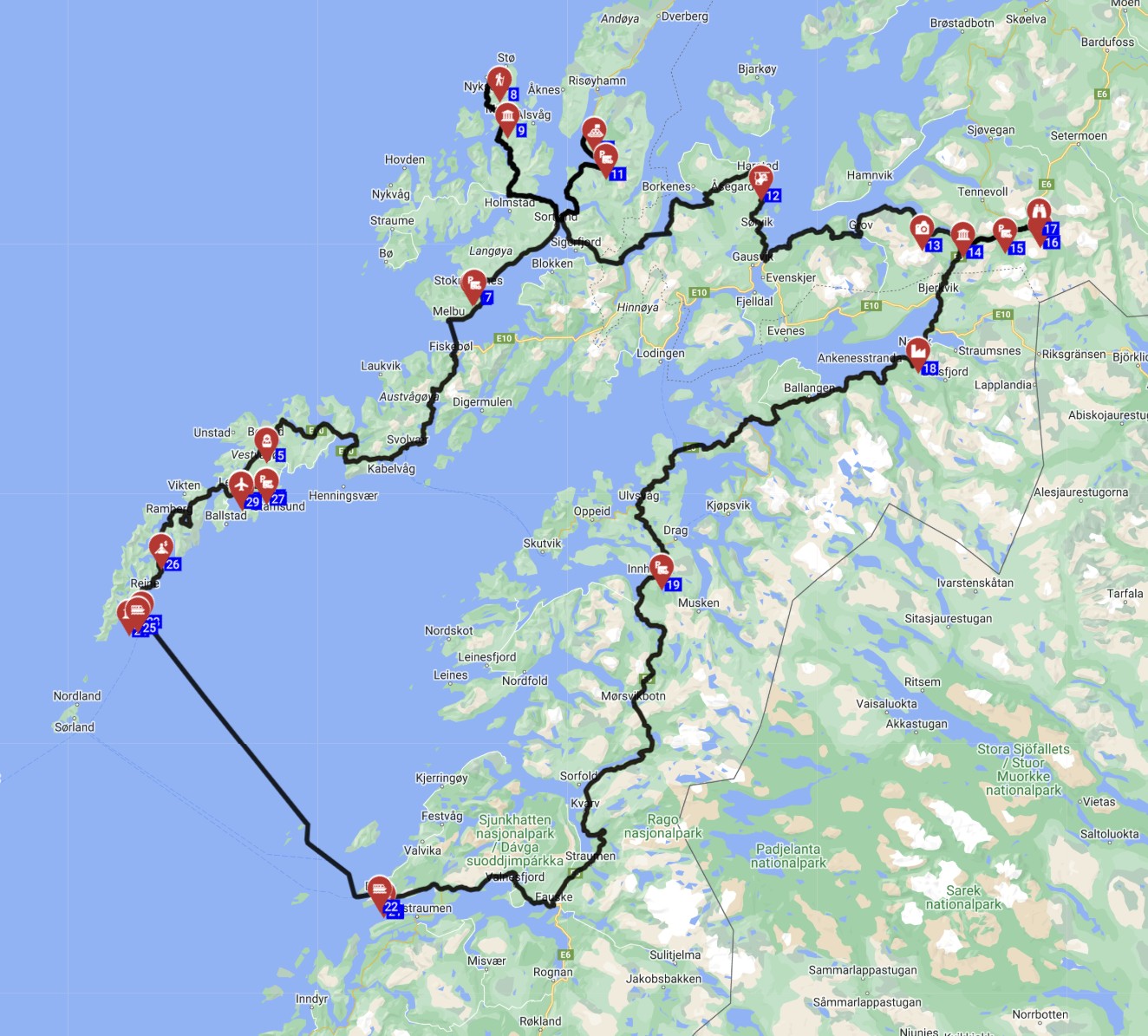
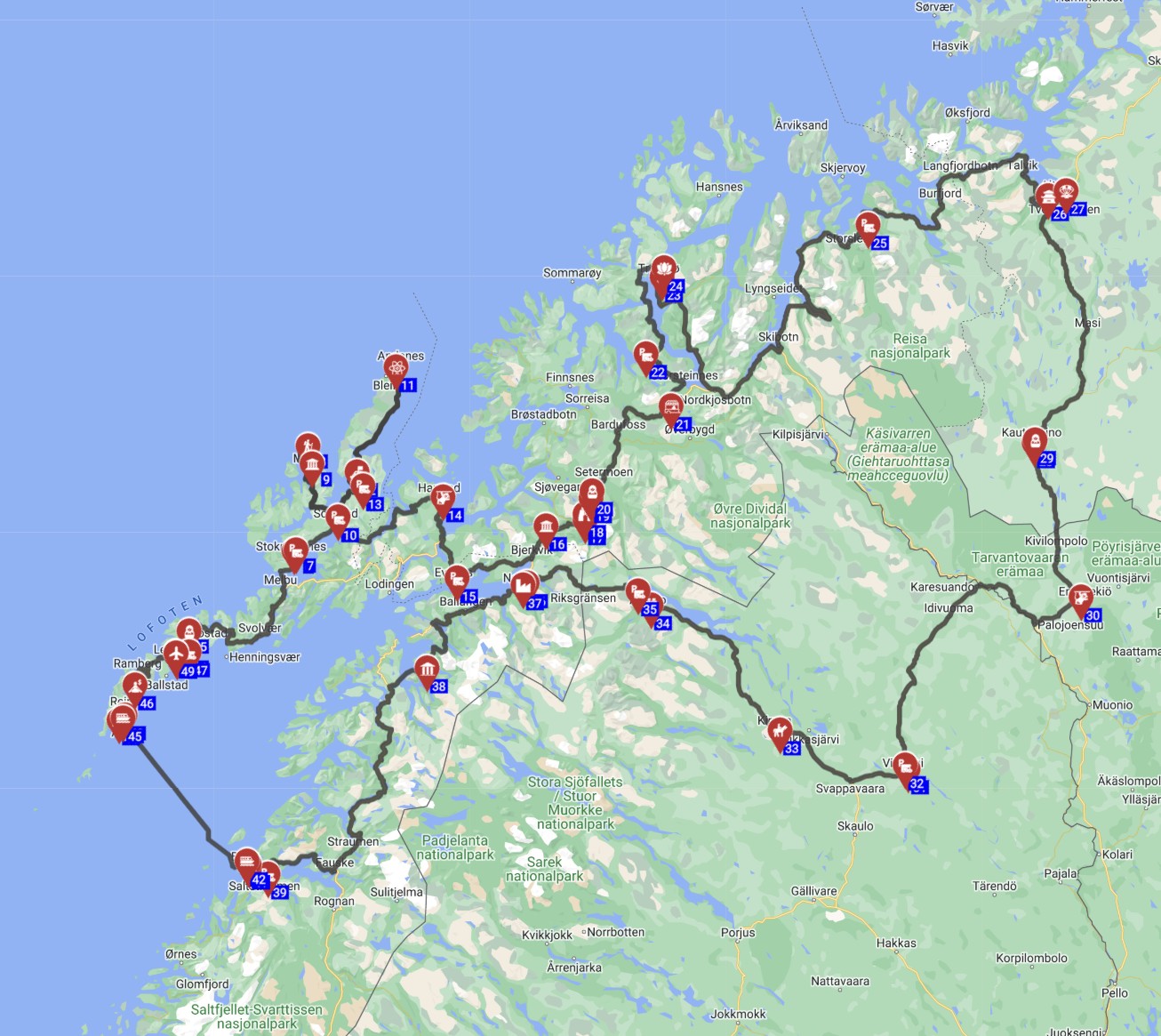
Another excellent option for an extended adventure is the "Tromsø Round Trip - Arctic Wonders: Northern Norway Family Road Trip," a 15-day, 2402.5 km journey that includes wildlife watching and visits to 4 museums, perfect for couples fascinated by Arctic nature and history. If you're looking for a comprehensive Scandinavian RV rental experience, the "Stockholm Round trip - Sweden, Denmark and Norway Family Adventure" spans 22 days and 3673.6 km, incorporating 6 museums and 3 scenic routes, offering a grand tour that starts in Sweden but includes significant time in Norway. This route is a great example of how to make your trip more than just a drive; it's an opportunity to connect with the culture, the food, and the scenery of multiple countries slowly.
🎬 Video coming soon
How long does it take to drive across Norway in an RV?
Driving across Norway from south to north, for example, from Kristiansand to Nordkapp, in a rented RV typically requires a minimum of 7-10 days of dedicated driving for couples, covering over 2,000 km. However, for a truly romantic and scenic journey that allows for genuine immersion, a travel duration of 2-3 weeks is highly recommended. The sheer geographical length of Norway, combined with varying speed limits, frequent ferry crossings, and often winding mountain roads, means that actual driving time is considerably longer than a direct distance calculation might suggest. For instance, the drive from Oslo to Nordkapp is over 2,000 km, which, even at an average RV speed of 60-70 km/h and factoring in stops for photos and relaxation, translates to many full days behind the wheel. Couples should ideally plan for an average of 3-5 hours of driving per day to allow ample time for sightseeing, leisurely hikes, and enjoying the unique charm of Norwegian campsites. Always factor in potential minor delays due to rapidly changing weather, occasional road closures, or delightful spontaneous detours to truly appreciate the breathtaking landscape.
Can I bring my dog on an RV trip to Norway?
Yes, bringing your beloved dog on an RV trip to Norway is often possible, allowing couples to share their adventure with their furry companion, but it requires careful adherence to strict pet import regulations and specific rental company policies. Dogs entering Norway from other EU/EEA countries must be microchipped, possess a valid EU pet passport, be vaccinated against rabies, and have received deworming treatment for tapeworm (Echinococcus multilocularis) 1-5 days before entry. It is crucial to verify with your specific RV rental company about their pet-friendly policies; not all RVs allow pets, and additional cleaning fees (typically €50-€150) or a refundable deposit are common if pets are permitted. In Norway, dogs must generally be kept on a leash in public areas, especially in national parks and during bird breeding seasons, and are usually not allowed inside food establishments or on public transport (always check local rules). Always ensure your pet is comfortable with long drives, has access to fresh water, and adequate space and ventilation within the RV to ensure their comfort and safety throughout the journey.
When is the best time to RV in Norway?
The best time for couples to embark on an RV adventure in Norway largely depends on their preferred activities, as each season offers a unique experience. Summer, from June to August, provides the warmest weather, longest daylight hours (including the magical Midnight Sun above the Arctic Circle), and is ideal for hiking, kayaking, and exploring the fjords. This is also peak tourist season, meaning higher prices for RV rentals and campsites, and more crowds. Spring, during May to early June, is characterized by blooming fruit trees in the fjords, spectacular melting waterfalls, and lush greenery, with largely clear roads and fewer crowds, offering lower prices. Autumn, from September to October, brings stunning fall foliage, crisp air, and excellent opportunities for aurora hunting in the northern regions, though some tourist attractions begin to close. RVing in winter (November to April) is a challenging but uniquely rewarding experience for experienced cold-weather drivers, offering activities like skiing, dog sledding, and consistent Northern Lights viewing in the Arctic, but many campsites are closed and winter-ready RVs are essential. For most couples seeking a balance of good weather, accessible activities, and fewer crowds, late May to early June or late August to mid-September are excellent choices for their romantic escape.
Internet Connectivity & Remote Work Options for RV Couples in Norway
Staying connected while exploring Norway by RV is generally manageable for couples, with reliable mobile data coverage available in most populated areas and along main routes, though it can become spotty in remote mountain regions or deep fjords. Many campgrounds and tourist centers offer Wi-Fi access, sometimes for a fee. For those looking to combine travel with remote work, purchasing a local Norwegian SIM card with a generous data plan is highly recommended; major providers like Telenor and Telia offer good coverage. Alternatively, some RV rental suppliers provide mobile Wi-Fi hotspots as an optional add-on for a more consistent connection. Planning your overnight stops at campsites known for good connectivity can help ensure you have the bandwidth needed for video calls or uploads. By managing your expectations for connectivity in the most isolated areas, couples can comfortably enjoy Norway's stunning nature while staying in touch or handling necessary work commitments from their mobile office.
What You Shouldn't Miss
- **Kayak through Geirangerfjord:** Experience the UNESCO-listed Geirangerfjord from water level, paddling past towering waterfalls and sheer cliffs for an intimate and breathtaking couples' activity.
- **Drive the Atlantic Road:** This iconic 8.3-kilometer stretch of highway connects islands with spectacular bridges, offering panoramic views of the ocean and coastal scenery.
- **Hike to Pulpit Rock (Preikestolen):** Embark on a moderate 4-hour round-trip hike to this famous flat-topped cliff, offering one of the most stunning fjord views in Norway—perfect for a memorable photo together.
- **Explore Bergen's Bryggen Wharf:** Wander through the colorful, historic wooden buildings of Bryggen, a UNESCO World Heritage site, then take the Fløibanen Funicular for city views.
- **Chase the Northern Lights in Tromsø:** During autumn and winter, drive your rented RV north to the "Gateway to the Arctic" and seek out the magical Aurora Borealis dancing across the sky.
- **Visit a Stave Church:** Discover Norway's unique medieval wooden architecture by visiting one of the country's well-preserved stave churches, like Urnes Stave Church (UNESCO listed).
Final Thoughts
A romantic RV adventure through Norway is an unparalleled way for couples to connect with each other and the breathtaking natural world. From the dramatic fjords to the vibrant cityscapes, a rented campervan or motorhome provides the flexibility and comfort to create a truly personalized journey. Remember to travel slowly, aiming for just 100-150 km per day on average, allowing you both to savor every moment, immerse yourselves in the local culture, and appreciate the stunning scenery at your leisure.
Whether you're planning a week-long trip to explore the coastal wonders or a two-week adventure into the Arctic, Bandana Caravan is here to support you every step of the way. We believe in full transparency and offer 24/7 support for your pre-booking and booking needs, ensuring your trip starts on the right foot. Don't wait to turn your dreams of a romantic Norwegian road trip into a reality.
Discover top destinations, planning tips, all in one place! Plan a trip itinerary in advance with minimal effort and maximum enjoyment. Get inspired for your next trip!
Compare RV Rental Prices for Norway