For live availability and current prices, start with our RV Rental Central North US - Complete Guide 2026 guide.
In This Guide
- Can You Drive an RV in Central North US? License & Age Rules
- Road Conditions & Terrain in Central North US
- RV Size Limits, Bridges & Restricted Zones
- Fuel: Diesel vs. Petrol & Cost per 100 km
- Tolls, Vignettes & Border Rules
- Driving Tips for Couples Travelers
- Recommended RV Class for Central North US Roads
- Should I Choose a Compact Van Instead of a Large RV in Central North US?
- Can I Park Anywhere? Free & Wild Camping Rules in Central North US
- Can I Drive an RV Into the City Center? Heights, Tunnels & Local Signage
- Can you rent an RV to drive across America?
- How much is it to rent a drivable RV for a month?
- What are the requirements for renting an RV?
- Is it cheaper to rent an RV or stay in a hotel?
- What is the 3-3-3 rule for RV?
- Can I rent an RV in one state and return it in another?
- Can you take a rented RV across the border?
- Can you rent an RV with a regular license?
- Can you drive an RV with a regular license in the USA?
- What size RV can you drive without a special license?
Can You Drive an RV in Central North US? License & Age Rules
Most RVs for couples in the Central North US, with a Gross Vehicle Weight Rating (GVWR) under 26,001 pounds, can be driven with a standard Class D driver's license. Drivers generally need to be at least 21 years old to rent an RV, with some companies requiring 25+. Foreign drivers require a valid home country license and often an International Driving Permit (IDP) or certified English translation. Always verify specific state DMV requirements within the Central North US for any minor variations, ensuring your adventurous spirit is matched by compliance.
Road Conditions & Terrain in Central North US
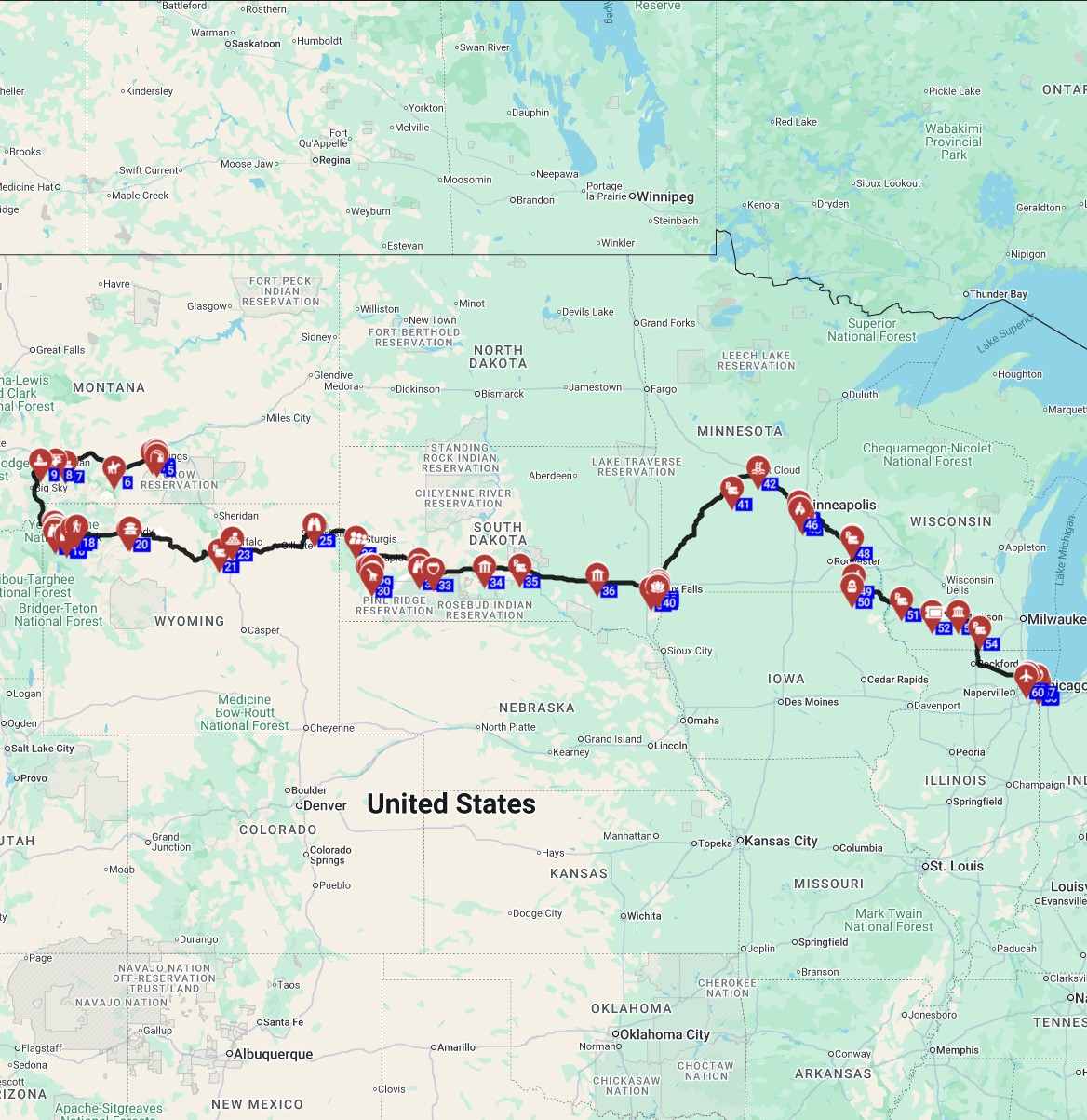
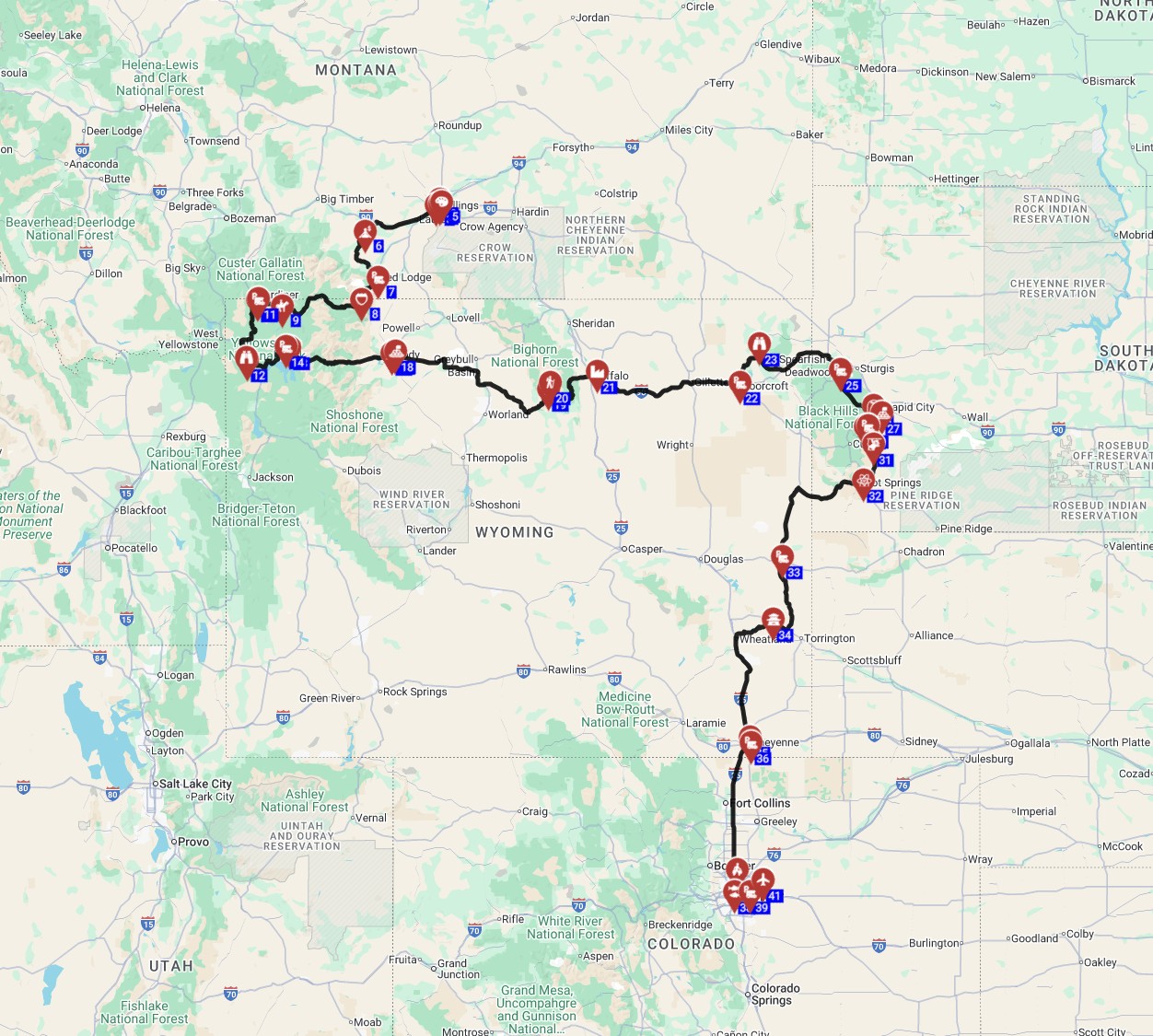
Road conditions in the Central North US range from multi-lane interstates to scenic state highways and occasional gravel roads, featuring diverse terrain from flat plains to rolling hills and some mountainous areas, all generally suitable for RV travel. Major interstates like I-90 and I-94 provide smooth, efficient travel for long distances. Secondary roads offer access to picturesque towns and natural attractions, ideal for a couple's scenic tour. Be prepared for varying landscapes across states, from the plains of the Dakotas to the forested regions of Minnesota and Wisconsin. We encourage you to travel slowly, embracing the journey as much as the destination, allowing you to fully experience the region’s beauty and charm. Drive slowly and carefully, and you can drive almost anywhere without issues. No need to stress — just use common sense and pay attention.
RV Size Limits, Bridges & Restricted Zones
While most standard RV sizes are accommodated on major routes in the Central North US, drivers must remain vigilant for specific height and weight restrictions, particularly on older bridges, in certain parks, or within smaller urban areas. Typical RV lengths up to 45 feet are generally allowed on interstates and main highways. Always watch for posted bridge clearances, especially on secondary roads, where limits below 13 feet 6 inches (4.1 meters) can exist. Some national and state parks, such as specific areas in the Black Hills, might have length or width restrictions for certain scenic drives or campgrounds. Environmental zones are uncommon in this region, but always verify specific city regulations before you set off.
Fuel: Diesel vs. Petrol & Cost per 100 km
RVs in the Central North US operate on either diesel or petrol (gasoline), with many rental RVs typically consuming 8-12 Liters per 100 km, influenced by the RV class and fuel type. Petrol is widely available and powers most Class B (Camper Vans) and many Class C (Alcove) RVs, while diesel is common at truck stops and for larger Class A (Integrated) and some Class SI (Semi-integrated) models. Based on typical fleet averages, Class B Camper Vans typically consume 8-10 Liters/100 km, Class SI Semi-integrated RVs average 10-11 Liters/100 km, and Class C Alcove models are around 10-12 Liters/100 km. Budgeting for approximately $0.20-$0.30 per kilometer for fuel is a reasonable estimate, though actual costs vary with market prices. Some RVs may include fuel discount cards, which can help manage costs for couples on their journey. On the routes offered through RV PLANET routes, you can itemize and track every expense along the way for easy budgeting.
Tolls, Vignettes & Border Rules
Tolls in the Central North US are typically limited to specific turnpikes or bridges, often collected electronically or via cash, and no vignettes are required; however, cross-border travel into Canada necessitates proper documentation and rental permissions. Toll roads are less frequent in the Central North US compared to other regions, but can be found in states like Illinois or Ohio. Tolls are paid electronically (e.g., E-ZPass) or at cash lanes; ensure your RV is correctly classified by height and axle count. No vignettes or pre-purchased road tax stickers are used in the United States. For travel into Canada, couples must carry valid passports, the RV rental agreement, proof of insurance (with a Canadian endorsement), and potentially a letter of permission from the rental company. Bandana may offer options to pre-purchase or rent toll passes for seamless travel and to avoid fines.
Driving Tips for Couples Travelers
For couples renting an RV in the Central North US, a relaxed pace, effective navigation, and thoughtful planning can significantly enhance their romantic and adventurous road trip. Embrace spontaneity by prioritizing scenic routes and unplanned stops over rigid schedules, allowing for memorable experiences unique to couples. Leverage RV-specific GPS to use navigation tools that account for RV dimensions, avoiding low bridges or restricted roads, with one partner navigating for reduced driver stress. Opt for efficient packing, focusing on essentials and personal comforts without excess luggage. Research campgrounds with amenities or locations that appeal to couples, such as quiet sites, scenic views, or proximity to local attractions like wineries. Crucially, maintain open communication, discussing driving shifts, preferred stopovers, and budget expectations beforehand to ensure a harmonious travel experience.
Recommended RV Class for Central North US Roads
For couples traveling through the Central North US, Class B Camper Vans and Class SI (Semi-integrated) RVs are highly recommended due to their excellent balance of maneuverability, comfort, and fuel efficiency on diverse regional roads. Class B Camper Vans, averaging 5.8 meters in length from Bandana's fleet, are ideal for couples, offering easy maneuverability, good fuel economy (typically 8-10 Liters/100 km), and suitability for fitting into standard parking spaces and accessing smaller parks. Class SI (Semi-integrated) RVs, with an average length of 6.9 meters in Bandana's fleet, provide more living space and amenities than a Class B, while remaining manageable for two people, typically consuming 10-11 Liters/100 km. Both classes offer adequate ground clearance for the paved roads and well-maintained gravel paths commonly found throughout the Central North US. These RV types strike a great balance for couples, offering sufficient personal space without being overly cumbersome to drive or park, making them versatile for exploring diverse attractions.
Should I Choose a Compact Van Instead of a Large RV in Central North US?
While a compact van offers superior maneuverability and simpler parking, a larger RV often provides significantly more comfort and indoor living space, which can be a preferred trade-off for couples exploring the Central North US, given that most roads accommodate standard RV sizes. Compact vans, such as Class B models, excel in tight urban environments and offer easier parking, beneficial for frequent city exploration. Larger RVs, like Class C or SI models, provide more extensive amenities, dedicated living areas, and enhanced comfort for longer trips or when spending more time inside the vehicle. The Central North US generally features well-maintained highways and state routes that comfortably handle larger RVs, making maneuverability less of a universal concern. The choice ultimately depends on a couple's travel style: prioritize nimble urban access with a compact van, or opt for greater comfort and amenities with a larger RV for a more spacious experience.
Can I Park Anywhere? Free & Wild Camping Rules in Central North US
Free and wild camping (boondocking) in the Central North US is generally permitted on designated public lands such as those managed by the Bureau of Land Management (BLM) and National Forests, but is strictly prohibited on private property or undesignated public spaces. Look for vast tracts of BLM land and National Forests, especially in the western parts of the Central North US (e.g., South Dakota, Nebraska), for dispersed camping opportunities. Overnight parking on private property, including many retail parking lots (like Walmart), is at the discretion of the owner or manager; always ask permission. Adhere to 'Leave No Trace' principles: pack out all trash, dispose of waste properly, and minimize environmental impact. Remember that rules vary by region—always check local regulations and follow local law before parking overnight in any specific county, city, or park.
Can I Drive an RV Into the City Center? Heights, Tunnels & Local Signage
Yes, an RV can generally be driven into most city centers in the Central North US, provided drivers pay close attention to local signage, particularly regarding height restrictions, tunnel clearances, and specific parking regulations. Major arterial roads leading into and through cities like Minneapolis or Chicago are designed to accommodate large vehicles, including RVs. Be vigilant for low bridges, underpasses, and parking garage height limits, especially in older downtown areas; always know your RV's exact height. RV parking in city centers can be challenging; seek out designated oversized vehicle parking or park on the periphery and use public transport. While environmental zones are less common than in European cities, always check for local restrictions, especially for older vehicles. Utilize RV-specific GPS navigation to plan routes that avoid unsuitable roads and facilitate easier city navigation.
Can you rent an RV to drive across America?
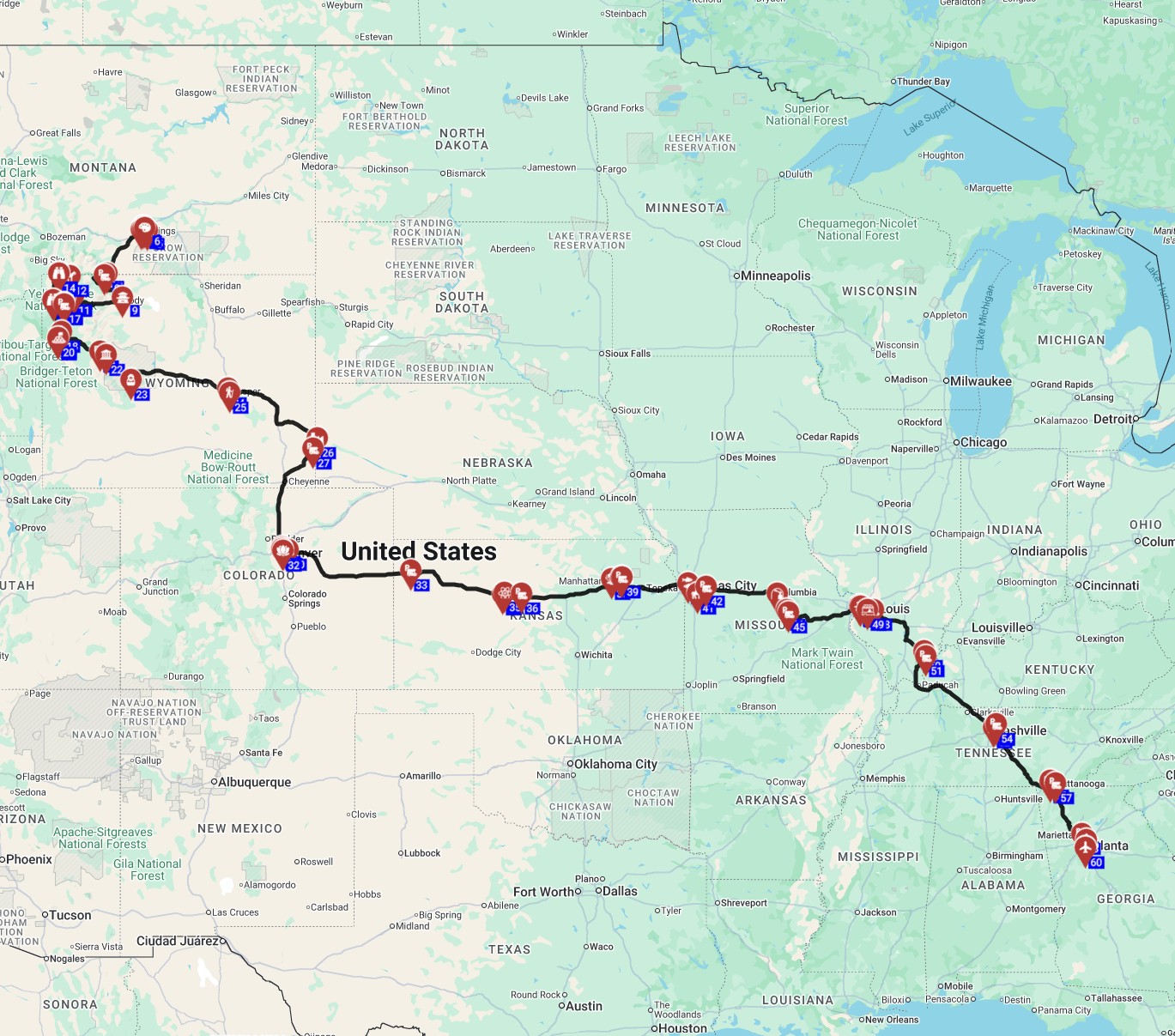
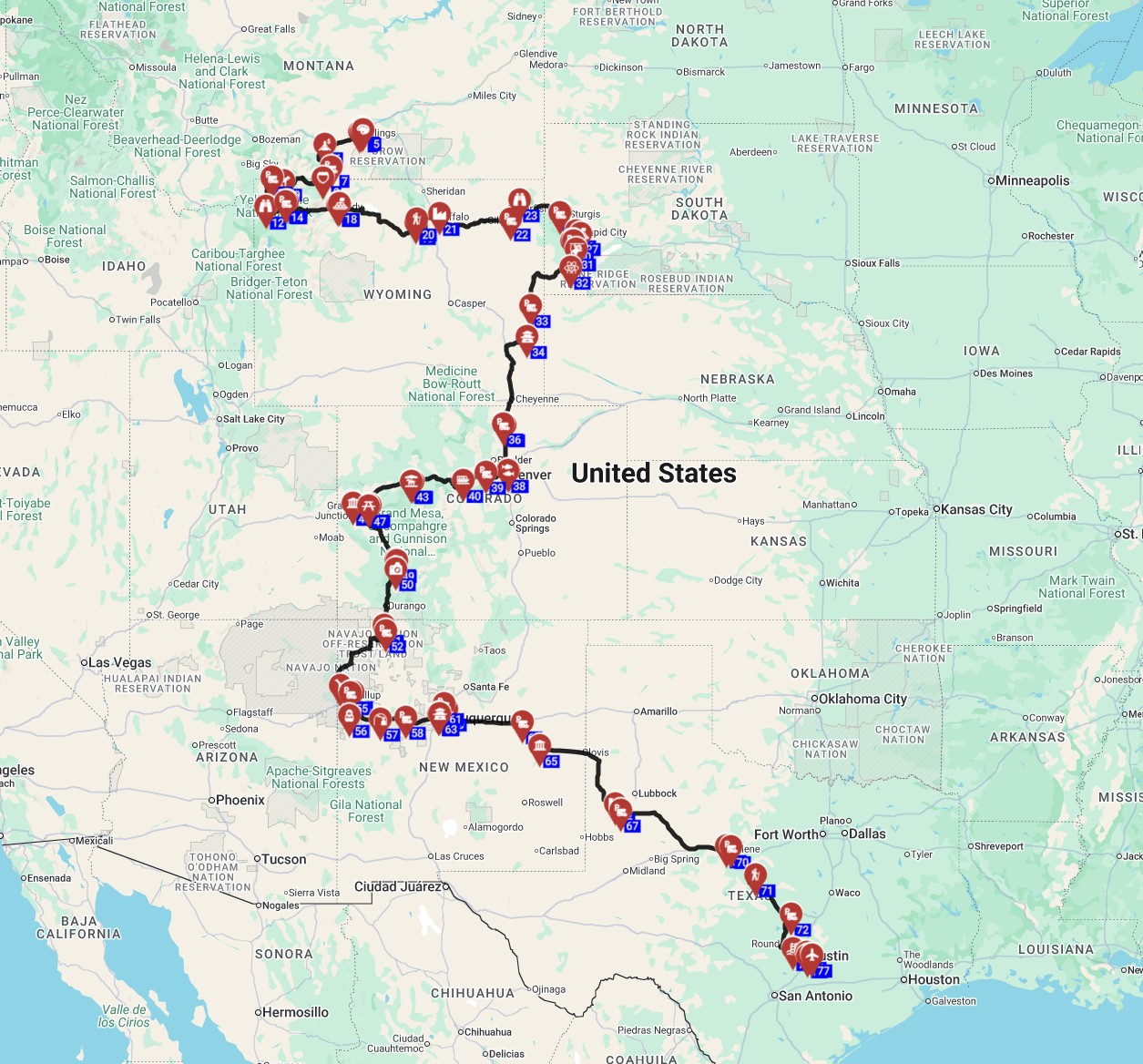
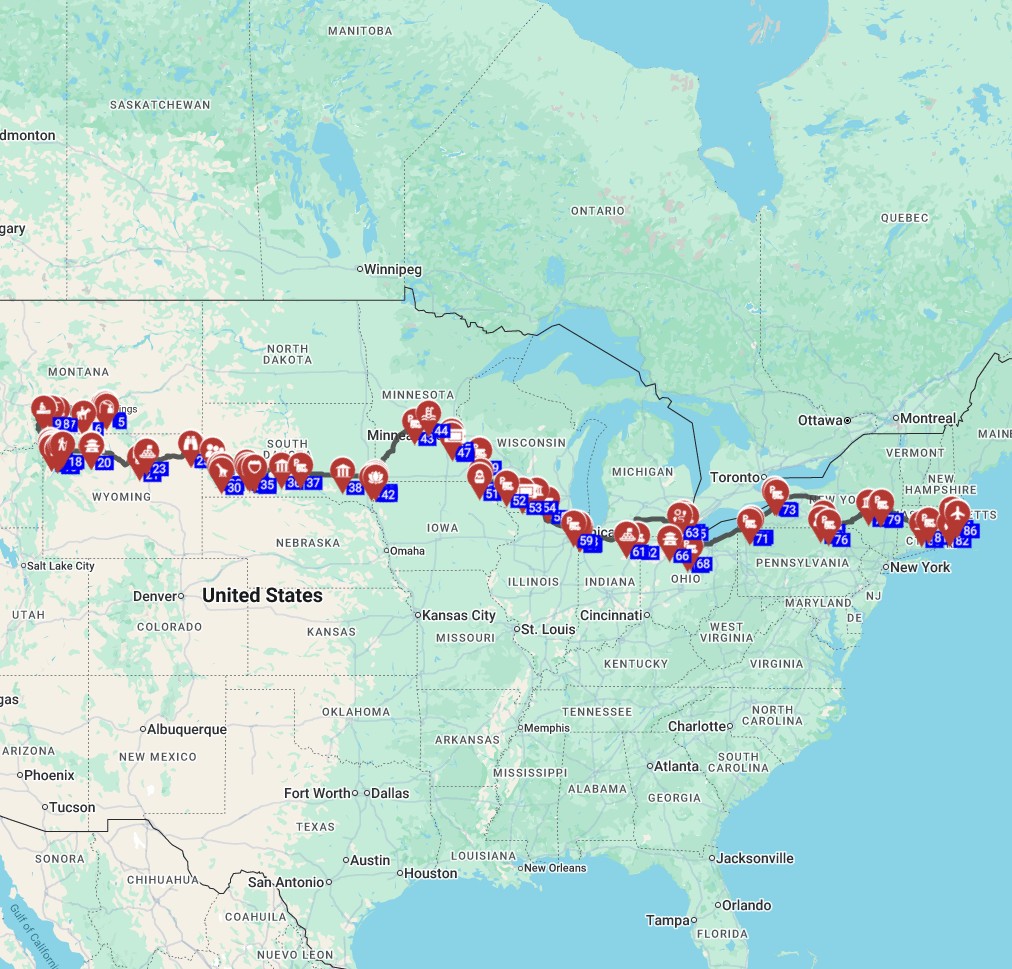
Yes, it is entirely possible to rent an RV for a cross-America journey, with many rental companies offering suitable mileage packages for extensive travel, perfect for couples seeking a grand adventure. Most major RV rental providers, including Bandana's partners, support cross-country trips, often with vehicles equipped for long-haul comfort. Carefully review rental agreements for mileage limits; unlimited mileage options are often available and recommended for extensive journeys. Plan your route to account for diverse climates, road conditions, and popular attractions across the entire United States. Ensure your RV insurance coverage is valid nationwide to protect against unforeseen incidents during your epic road trip.
How much is it to rent a drivable RV for a month?
The cost to rent a drivable RV for a month in the Central North US typically ranges from $2,500 to $6,000+, influenced by the RV class, season, rental company, and additional fees beyond just the base rental. The base rental cost for RVs often includes discounts compared to daily or weekly rentals; a Class B van may be on the lower end, while a Class C or SI could be higher, especially during peak season. For fuel estimates, for a month-long trip covering roughly 3,000 miles (approx. 4,800 km) with a Class SI RV (10-11L/100km or 10-12 MPG), expect fuel costs between $1,200 and $1,800, depending on fluctuating fuel prices. Campground fees can add $30-$70 per night for private campgrounds with full hookups, potentially adding $900-$2,100 for a month, though state parks or free boondocking can reduce this significantly. Rental company insurance packages typically cost $20-$60 per day ($600-$1,800/month); verify if personal auto insurance or credit card benefits offer any supplemental coverage. Confirm mileage allowances; some rentals include unlimited miles, while others charge $0.35-$0.75/mile over a set limit, a crucial factor for long trips. Lastly, account for other costs like propane refills ($20-$50), dump station fees ($5-$25), and provisioning (groceries, activities, park passes), which can add hundreds to thousands of dollars to the total trip cost.
What are the requirements for renting an RV?
To rent an RV in the Central North US, standard requirements include possessing a valid driver's license, meeting specific age limits (typically 21-25+), having a major credit card for payment and deposit, and providing proof of adequate insurance coverage. A valid driver's license, a standard Class D license is sufficient for most RVs under 26,001 lbs GVWR; foreign drivers need their home license plus an International Driving Permit (IDP) or certified translation. Age limits mean most rental companies mandate drivers be at least 21, with some requiring 25 for larger vehicles or to avoid young driver surcharges. A major credit card is essential for booking, security deposits (which can range significantly), and covering any incidentals during the rental period. Insurance options require renters to secure coverage, either through the rental company's offerings, a binder from personal auto insurance, or certain credit card coverages; understand liability, collision, and roadside assistance options. While not always explicit, some rental providers might perform soft credit checks or request higher deposits based on their risk assessment. It's vital to review the entire rental agreement thoroughly to understand specific terms, including cancellation policies, mileage limits, and permitted travel areas, which can vary by provider and state within the Central North US.
Is it cheaper to rent an RV or stay in a hotel?
For couples, renting an RV can often be more cost-effective than continuous hotel stays for extended trips in the Central North US, primarily due to the significant savings from preparing your own meals and avoiding restaurant expenses. When comparing initial costs, RV rental fees, fuel, campground fees, and insurance are the primary expenses, while hotel stays involve nightly room rates, often coupled with resort or parking fees. The significant food savings come from an RV's kitchen, allowing couples to prepare most meals, drastically cutting down on dining out costs—a major hidden expense for hotel-based travel. Beyond direct costs, RVs offer unparalleled freedom and a unique immersive travel experience, allowing access to scenic locations often far from hotels. Be mindful of potential hidden costs for RVs like mileage overage charges, propane refills, dump station fees, and minor maintenance. Similarly, hotels can have high restaurant prices, resort fees, parking charges, and pet fees, alongside potentially higher costs for flexible bookings. For a multi-week Central North US itinerary, a budget-conscious couple utilizing a smaller RV, cooking, and some boondocking will typically find RV travel cheaper than a comparable hotel-based trip, which can quickly accumulate expenses well over $5,000-$8,000. For ideas you can prep on the road, watch our RV-friendly recipes playlist on YouTube.
What is the 3-3-3 rule for RV?
The 3-3-3 rule for RV travel is a popular guideline for safe and enjoyable journeys, recommending that RVers drive no more than 300 miles a day, arrive at their destination by 3 PM, and stay for at least 3 nights. Driving no more than 300 miles a day helps prevent driver fatigue, allows for leisurely stops, and reduces travel stress, making the journey more pleasant for couples, especially across the often vast distances of the Central North US. Arriving by 3 PM ensures ample daylight for navigating new campgrounds, setting up your RV, and securing a preferred site, also leaving time to explore the immediate surroundings or relax. Staying for at least 3 nights encourages longer stays, reducing the frequency of packing and unpacking, allowing for deeper exploration of local attractions and providing valuable downtime for couples. For regional adaptation in the Central North US, while 300 miles is a good target, be flexible on the plains; early arrival is critical for popular spots like the Black Hills or Door County, WI; use longer stays to fully immerse in areas like the Ozarks or Minnesota's North Shore, accounting for local road conditions and unique rest stops.
Can I rent an RV in one state and return it in another?
Yes, many RV rental companies offer one-way rentals, enabling you to pick up an RV in one state within the Central North US and drop it off in another, although these rentals typically incur an additional one-way fee. One-way rentals are commonly available between major rental hubs or popular tourist destinations, facilitating linear itineraries. Expect a one-way fee, which can range from a few hundred to over a thousand dollars, depending on the distance and specific route, such as connecting Chicago to Minneapolis or Kansas City to Denver. This option is ideal for couples planning a specific scenic route, allowing them to explore without the need to loop back to the initial pickup location. Booking one-way rentals well in advance is highly recommended due to limited availability and the logistical challenges for rental companies. Always confirm the one-way policy, associated fees, and available drop-off locations directly with your chosen rental provider.
Can you take a rented RV across the border?
Yes, you can typically take a rented RV across the US-Canada border from the Central North US, provided you have all necessary documentation, including valid passports, your driver's license, and explicit permission and insurance endorsements from your rental company. It is crucial to inform your RV rental company of your intent to cross into Canada, as most require a specific 'Canada Endorsement' or letter of permission, often with an additional fee. Ensure your rental insurance policy extends to Canada; if not, supplemental cross-border insurance may be required. Essential documentation includes valid passports for all travelers, your valid driver's license, the RV rental agreement, proof of registration, and the rental company's Canadian permission letter. Be prepared to declare all goods at Canadian customs, including food items, and be aware of specific border crossing points (e.g., from Michigan or Minnesota) for wait times and RV regulations.
Can you rent an RV with a regular license?
Yes, for most RVs suitable for couples, you can rent and drive them in the Central North US with a standard, regular driver's license (typically a Class D in the US), provided the vehicle's Gross Vehicle Weight Rating (GVWR) remains below 26,001 pounds. This 26,001-pound threshold covers nearly all recreational vehicles, encompassing Class B camper vans, Class C motorhomes, and many Class SI and A models. Rental companies will verify your current and valid driver's license at pickup; ensure it is up-to-date. This means couples can confidently choose from a wide array of RV options for their Central North US adventure without needing to acquire a special commercial driver's license (CDL). Refer to the section 'Can You Drive an RV in Central North US? License & Age Rules' and 'Recommended RV Class for Central North US Roads' for more details on suitable RV types and licensing.
Can you drive an RV with a regular license in the USA?
Yes, in the USA, a regular driver's license (e.g., a Class D in most states) is sufficient to drive the vast majority of RVs, including those commonly rented by couples, as long as the vehicle's Gross Vehicle Weight Rating (GVWR) does not exceed 26,001 pounds. This weight limit covers nearly all recreational vehicles, encompassing Class B camper vans, Class C motorhomes, and many Class A and Class SI models. You typically do not need a Commercial Driver's License (CDL) for personal recreational vehicle use in the United States, as long as the weight limit is observed. State DMVs provide specific license classifications, but the federal standard for non-commercial vehicle operation is consistent across the Central North US. Couples can confidently select from a broad range of RV options for their Central North US adventure without the requirement of obtaining a special license.
What size RV can you drive without a special license?
You can drive most RV sizes without a special license in the Central North US, specifically any RV with a Gross Vehicle Weight Rating (GVWR) under 26,001 pounds (approximately 11,793 kg), which encompasses almost all Class B, C, and many Class SI and A models. This weight limit means that Class B Camper Vans (avg. 5.8m), Class SI Semi-integrated RVs (avg. 6.9m), and Class C Alcove RVs (avg. 7.5m) from Bandana's fleet are all well within the regular license requirement. Even a significant number of larger Class A Integrated RVs (avg. 7.5m from Bandana's fleet) fall below this critical weight threshold. The key determinant is the GVWR, not solely the physical length or sleeping capacity, so always verify the vehicle's specifications. For couples, this provides extensive choice, from agile camper vans to more spacious semi-integrated models, all without the need for a special driving endorsement. Consult 'Can You Drive an RV in Central North US? License & Age Rules' and 'Recommended RV Class for Central North US Roads' for more details on suitable RV types and licensing.
What You Shouldn't Miss
- Historic Main Street Exploration: Wander through charming towns like Galena, Illinois, or Stillwater, Minnesota, for antique shops, local boutiques, and cozy cafes perfect for couples.
- Scenic Drives: Traverse the scenic byways of Wisconsin's Door County or the Black Hills of South Dakota for breathtaking landscapes and romantic pull-offs.
- National Park Wonders: Explore the unique geological formations of Badlands National Park or the vast prairie landscapes of Theodore Roosevelt National Park, many with RV-friendly campgrounds.
- Cultural Stops: Visit the Rock & Roll Hall of Fame in Cleveland, Ohio, or delve into the automotive history in Detroit, Michigan, for a dose of American culture.
- Lake Superior's Majesty: Drive a portion of the Lake Superior Circle Tour, experiencing the immense beauty and rugged coastline of the largest freshwater lake by surface area.
Final Thoughts
Renting an RV for a couple's trip in the Central North US offers an unparalleled blend of freedom, intimacy, and adventure. From the vast plains to the scenic Great Lakes, this region provides a diverse backdrop for unforgettable memories.
By choosing the right vehicle, planning wisely, and embracing the slow travel ethos, you and your partner can create a truly romantic and enriching road trip experience. Bandana Caravan is here to support you every step of the way, ensuring your journey is as smooth and enjoyable as possible.
Get inspired for your next trip! Discover top destinations, planning tips, all in one place! Plan a trip itinerary in advance with minimal effort and maximum enjoyment.