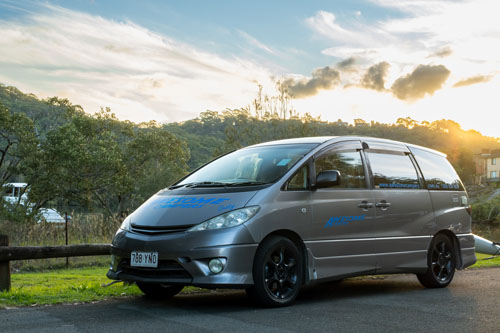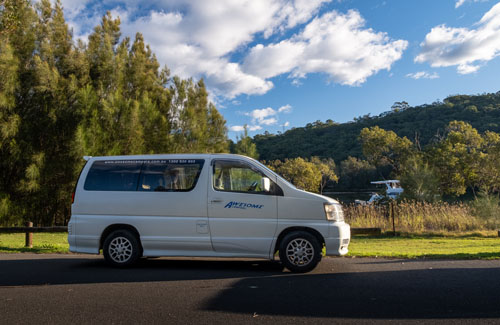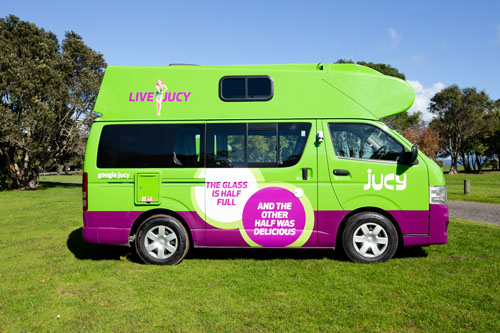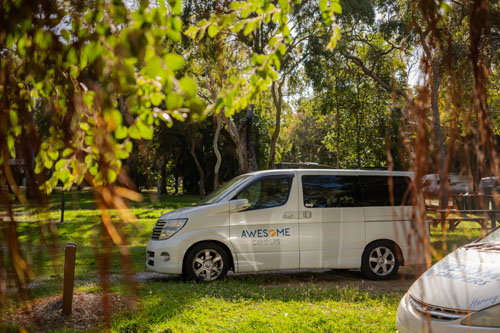
For live availability and current prices, start with our RV Rental Australia - Complete Guide 2026 guide.
In This Guide
- Can You Drive an RV in Australia? License & Age Rules
- Road Conditions & Terrain in Australia
- RV Size Limits, Bridges & Restricted Zones
- Fuel: Diesel vs. Petrol & Cost per 100 km
- Tolls, Vignettes & Border Rules
- Driving Tips for rv rental Travelers
- Recommended RV Class for Australia Roads
- Should I Choose a Compact Van Instead of a Large RV in Australia?
- Can I Park Anywhere? Free & Wild Camping Rules in Australia
- Can I Drive an RV Into the City Center? Heights, Tunnels & Local Signage
- Are RVs allowed in Australia?
- Can you sleep in a motorhome while driving in Australia?
- How much does it cost to travel around Australia in a motorhome?
- What is the average cost of insuring a motorhome in Australia?
- What You Shouldn't Miss
- Why Book with Bandana Caravan
- Final Thoughts
- Frequently Asked Questions
Imagine embarking on a romantic RV journey across Australia, where every sunrise brings a new panorama and every evening offers a secluded spot under a canopy of stars. Australia, a land of staggering natural beauty and endless adventure, is perfectly suited for couples seeking an unforgettable road trip. With a rented RV or campervan, you have the ultimate freedom to chase sunsets, discover hidden beaches, and explore vibrant cities at your own pace. Whether you dream of coastal drives, outback expeditions, or vineyard tours, a motorhome adventure here promises intimacy and excitement. For live availability and current prices, start with our RV Rental Australia - Complete Guide 2024 guide, which offers a comprehensive overview to kickstart your planning.
Can You Drive an RV in Australia? License & Age Rules
Yes, most RVs, including campervans and motorhomes up to 4.5 tonnes Gross Vehicle Mass (GVM), can be driven in Australia with a standard car license from your home country, provided it's current and valid. For international visitors, a valid foreign driver's license in English is acceptable; if your license is not in English, an International Driving Permit (IDP) or an official English translation is required. US citizens, for instance, can legally drive in Australia with their valid US driver's license for a tourist stay, though an IDP is highly recommended as a supplementary document for added peace of mind and easier communication with local authorities. There is generally no 'special' license needed for typical rental RVs in Australia, which usually fall under the 4.5-tonne GVM threshold, making it accessible for nearly all drivers. The minimum driver age for most RV rentals in Australia is 21 years, a welcoming policy that avoids young driver surcharges and expands access to incredible destinations for younger adventurous couples. Some premium vehicles or specific rental companies might have a minimum age of 25, but this is less common for standard campervan and motorhome rentals.
Road Conditions & Terrain in Australia
Australia offers a diverse range of road conditions, from excellent well-maintained sealed highways connecting major cities to unsealed, remote tracks in the Outback, requiring careful consideration for a comfortable RV trip. While main routes, such as the coastal highways, are generally excellent, expect varying terrain including coastal roads, mountain passes (especially in the Great Dividing Range), and long stretches of flat, open desert roads. Driving a rented RV in Australia often involves covering longer distances between towns and services, particularly in regional and remote areas, necessitating careful planning for fuel, water, and supplies. Many remote roads, especially in national parks or off-the-beaten-path destinations, may be unsealed gravel or dirt, which can be challenging for some RV types and may void rental agreements if driven on without permission. Always check current road conditions and weather advisories, particularly during the wet season in northern Australia (November to April) when heavy rainfall and flooding can close roads, or during bushfire season (summer) in other regions, which impacts routes and safety. For reliable road information, state road authority websites or local visitor centers are excellent resources.
RV Size Limits, Bridges & Restricted Zones
While Australia generally accommodates large vehicles, RV travelers should be aware of height, weight, and length restrictions, especially when navigating city centers, national parks, or specific ferry crossings. Typical rental RVs like Class C Alcove motorhomes, averaging 7.5 meters in length, or Class SI Semi-integrated models, averaging 6.9 meters, are well within legal limits for most Australian roads. You'll want to watch for signage indicating low bridges, particularly in older urban areas or on smaller regional roads, as well as weight limits on certain bridges or unsealed tracks. Some national parks or environmentally sensitive areas may have restrictions on vehicle size or type, especially for 2WD vehicles on unsealed roads, and some remote tracks may require 4WD capability, so always check park websites in advance. Ferry services, such as those to Fraser Island or Kangaroo Island, have specific length and weight restrictions and require advance booking for RVs, so plan ahead for those unique island adventures. You don't need to stress about driving a larger RV in Australian cities; just drive slowly and carefully, and you can drive almost anywhere without issues, using common sense and paying attention.
Fuel: Diesel vs. Petrol & Cost per 100 km
Most rental RVs in Bandana Caravan's global fleet, including Class B Camper Vans and Class SI Semi-integrated motorhomes, typically run on diesel fuel, which is widely available across Australia. Diesel vehicles generally offer better fuel efficiency, with our Class B Camper Vans usually consuming around 8-10 Liters/100 km and Class C Alcove models consuming 10-12 Liters/100 km. Fuel prices in Australia fluctuate significantly by region, often being higher in remote areas and on weekends, so budgeting for around AUD $1.80 to $2.50+ per liter is advisable for 2024. Based on these averages, a rented RV consuming 10-12 Liters/100 km could cost approximately AUD $18-$30 per 100 km, depending on current fuel prices. Carrying a fuel discount card, sometimes offered by rental companies or obtainable from supermarkets, can help reduce costs, and planning fuel stops in larger towns is crucial for remote travel. For comprehensive budgeting and to track every expense like fuel, campground fees, and tolls along the way, we recommend exploring RV PLANET routes. On the routes offered through RV PLANET routes, you can itemize and track every expense along the way for easy budgeting.
Tolls, Vignettes & Border Rules
Australia uses electronic tolls, primarily located in major cities like Sydney, Melbourne, and Brisbane, with no physical toll booths where you can stop and pay cash. There are no national vignettes or border tolls between Australian states, simplifying interstate travel. Toll roads are managed by various operators (e.g., Transurban) and require an electronic tag or an account to be set up, or a temporary pass purchased within a few days of travel to avoid fines. Many RV rental companies, including Bandana Caravan's partners, offer the option to pre-purchase toll passes or include an electronic tag with your rental, simplifying travel and preventing unexpected charges. Interstate travel within Australia generally has no border controls or specific border rules beyond standard road rules varying slightly between states and territories; however, always check local fire restrictions or agricultural quarantine zones when crossing state lines. Be aware that driving through toll zones without a valid payment method will incur a toll notice and potentially administration fees from your rental company, so it's always best to be prepared.
Driving Tips for rv rental Travelers
When driving a rented RV in Australia, always remember that Australians drive on the left side of the road, and the steering wheel is on the right side of the vehicle, which takes some adjustment. Australia's vast distances necessitate regular breaks; planning stops every 2-3 hours is crucial to combat fatigue and allow for rest and sightseeing. Drive cautiously, especially at dawn and dusk, as kangaroos, emus, and other wildlife are common, particularly in rural and remote areas, and can cause significant damage if hit. When venturing into remote regions, carry ample water, extra fuel, a first-aid kit, and consider a satellite phone or emergency beacon as mobile phone coverage can be limited or nonexistent outside major towns. Utilize technology by downloading offline maps and camping apps like WikiCamps Australia for navigation, finding campgrounds (both paid and free), and checking fuel prices, which are indispensable for an Australian RV trip. Finally, plan your route around seasonal weather patterns, such as avoiding the tropical north during the wet season (November-April) when flooding is common, and be aware of bushfire risks during summer in other regions.
Recommended RV Class for Australia Roads
For most Australian road trips, a Class SI - Semi-integrated or Class C - Alcove motorhome is highly recommended, balancing comfort, space, and suitability for diverse road conditions. Class SI vehicles, averaging 6.9 meters in length, offer a good compromise between maneuverability and interior amenities, suitable for couples or small families, typically accommodating 3-4 adults with 3-4 sleeping places. Class C Alcove motorhomes, at an average length of 7.5 meters, provide more living space and sleeping capacity, often with 4-6 sleeping places, ideal for larger families or groups, and handle well on main sealed roads. Both classes typically offer sufficient ground clearance for well-maintained unsealed roads, allowing you to venture beyond the main highways without concern. For budget travelers or those seeking maximum maneuverability in urban areas and tighter spots, a Class B - Camper Van, averaging 5.8 meters in length, is also an excellent option, though with less internal space. Our partners, including leading RV suppliers worldwide like Apollo and Britz, offer a wide variety of these rental options to perfectly match your travel style and needs. Regardless of the size, remember to travel slowly, averaging a maximum of 100-150 km per day, allowing you to truly immerse yourself in the culture, food, and scenery.
Should I Choose a Compact Van Instead of a Large RV in Australia?
Choosing between a compact van (like a Class B Camper Van, averaging 5.8 meters) and a larger RV (such as a Class C Alcove at 7.5 meters or Class SI Semi-integrated at 6.9 meters) in Australia primarily depends on your comfort preferences, group size, and desired amenities, as most main road conditions accommodate both. While a compact van offers easier maneuverability, better fuel efficiency (e.g., 8-10 Liters/100 km for a Class B), and simpler parking in some areas, a larger RV provides significantly more indoor space, a dedicated bathroom, and greater comfort for longer trips, often featuring a 90-liter refrigerator and multiple sleeping configurations. For couples or solo travelers prioritizing nimble driving and accessibility to smaller towns or tighter campsites, a compact campervan like the "rv rental denver example Category Van" or "2 Berth Hi Top" can be an excellent choice. However, for families or groups who value comfort, dedicated sleeping areas, a full kitchen (often with a 3-burner gas stove), and onboard facilities, a larger Class C Alcove or Class SI Semi-integrated RV often provides a superior travel experience without significant driving limitations on main roads. No need to stress about driving larger RVs in Australian cities; drive slowly and carefully, and you can drive almost anywhere without issues. Bandana RV offers full transparency with no hidden fees, helping you compare options across 50+ leading suppliers like Apollo and Britz to find the perfect fit.
Can I Park Anywhere? Free & Wild Camping Rules in Australia
No, you cannot generally park and sleep anywhere in a rented motorhome or campervan in Australia; strict rules apply regarding free and wild camping, with regulations varying significantly by state, territory, and local council. While designated free camping spots exist, often found in national parks, state forests, or specific rest areas, overnight parking outside these designated areas is typically prohibited and can result in fines of up to AUD $200-$500. Popular apps like WikiCamps Australia are invaluable resources for finding legal free camping sites, caravan parks, and designated rest areas that permit overnight stays, often detailing amenities like fresh water tanks (average 80-150 liters) and dump points. Always look for 'no overnight parking' or 'no camping' signs, especially in urban areas, beach car parks, and private land, and respect local bylaws. Adhering to these rules not only keeps you out of trouble but also helps preserve Australia's natural beauty for all travelers. Before heading out, researching local council websites for specific camping regulations in your chosen region is a smart move.
Can I Drive an RV Into the City Center? Heights, Tunnels & Local Signage
Yes, you can drive almost anywhere, including an RV into Australian city centers, but paying close attention to local signage, particularly for height limits and restricted zones, is crucial. Most Australian cities have well-maintained roads designed to accommodate various vehicle sizes, including delivery trucks and buses, making RV access generally straightforward. Primary concerns include specific low bridges, especially in older areas, and tunnels with height restrictions (which are usually clearly marked well in advance). Also, be cautious of carparks with limited clearance, which often range from 2.0-2.2 meters, making them unsuitable for most motorhomes. Always be vigilant for signs indicating 'low clearance,' 'no standing,' 'no stopping,' or 'residential parking permits only,' as failing to observe these can lead to fines. For very large RVs, it may be more practical to park slightly outside the immediate city center in designated RV-friendly parking areas or caravan parks and use public transport for inner-city exploration. Remember, just drive slowly and carefully, and you can drive almost anywhere without issues.
Are RVs allowed in Australia?
Yes, RVs are absolutely allowed and are a highly popular mode of travel throughout Australia, with a thriving RV rental market catering to both domestic and international tourists. The country's vast landscapes, stunning coastlines, and well-developed road trip culture make RV travel an ideal way to explore, offering flexibility and access to many natural attractions. A wide range of RV types, from compact campervans like a "Happy 1" (ideal for a couple) to large luxury motorhomes (including Class A Integrated and Class C Alcove models designed for families of 2+2 or bigger groups), are available for rental. Australia boasts numerous caravan parks, national park campgrounds, and designated free camping areas specifically designed to accommodate RVs, offering everything from basic unpowered sites to full hook-ups with amenities. While generally allowed, it's essential to adhere to specific road rules, parking regulations, and local bylaws, especially concerning overnight stays outside designated camping areas, to ensure a smooth journey. For options and pricing, check out our "RV Rental in Australia - Prices and Best Deals 2024" guide.
Can you sleep in a motorhome while driving in Australia?
No, it is illegal and highly dangerous to sleep in a rented motorhome while it is actively being driven in Australia, as all occupants must be properly seated and restrained with seatbelts. Australian road safety laws mandate that every person in a moving vehicle must occupy a designated seat and wear a seatbelt appropriate for their age and size. Sleeping in an RV while it is parked, however, is perfectly legal and common, provided you are in a designated camping area or a location where overnight parking is permitted. Passengers found unrestrained while the vehicle is in motion can incur significant fines for both the passenger and the driver, emphasizing the importance of safety. Motorhomes are designed for comfortable sleeping when stationary, offering various bed configurations, like the 140/200cm double bed in the "EcoLine 2" campervan, and living spaces that are unsafe for use during transit. Always prioritize safety and adhere to traffic regulations to ensure a worry-free romantic RV trip in Australia.
How much does it cost to travel around Australia in a motorhome?
The cost to travel around Australia in a rented motorhome varies significantly based on factors like rental duration, RV class, time of year, fuel consumption, and individual spending habits, typically ranging from AUD $2,000 to $6,000+ for a month-long trip for two. RV rental costs themselves can range anywhere from AUD $70 - $250+ per day for a standard rental, with compact Class B Camper Vans generally at the lower end and larger Class C Alcove or Class A Integrated models at the higher end, especially during peak season (December-February). Fuel will be a significant expense; with Bandana RV's fleet averaging 8-12 Liters/100 km, budget approximately AUD $20-$35 per 100 km for fuel, depending on current prices and your chosen RV. Accommodation at powered sites in caravan parks can cost AUD $30-$60+ per night, though utilizing free camping can significantly reduce this. Daily expenses for groceries (especially if cooking in your RV, which is easy with our RV-friendly recipes playlist), dining out, national park fees, and attractions can range from AUD $50-$150+ per person. A reasonable overall budget for a month-long RV trip in Australia for two, excluding flights, might be around AUD $4,000 - $8,000, but prices are dynamic, so check "RV Rental Deals in Australia - Latest Offers 2024" for current options.
What is the average cost of insuring a motorhome in Australia?
When renting an RV in Australia, the primary insurance cost is typically included in your rental agreement, often with a standard excess (deductible) that can range from AUD $5,000 to $8,000, which is the maximum amount you'd pay in case of damage. Most rental companies offer various levels of excess reduction options, allowing you to pay an additional daily fee, often AUD $30-$60 per day, to significantly lower or even eliminate your liability in case of an accident. It's highly recommended to consider this optional upgrade for a top-level deductible reimbursement or to purchase a third-party travel insurance policy that specifically covers rental vehicle excess to protect against high out-of-pocket costs. For instance, a basic Class B Camper Van rental of 1 week at AUD $100/day might have an additional AUD $210-$420 for excess reduction, greatly reducing your financial risk. Always review the specific insurance terms and conditions provided by your RV rental company to understand what is covered, what exclusions apply, and your maximum liability to ensure you travel with complete peace of mind. Bandana Caravan offers full price transparency, so you'll always know what you're paying for.
What You Shouldn't Miss
Australia is a continent of unparalleled beauty, offering countless romantic experiences for couples on an RV adventure. Here are some top recommendations:
- **The Great Ocean Road, Victoria:** This iconic 243 km coastal drive offers breathtaking views, the Twelve Apostles, and charming seaside towns. It's a perfect week-long trip to savor slowly, enjoying gourmet food and stunning scenery.
- **Uluru-Kata Tjuta National Park, Northern Territory:** Witness the spiritual heart of Australia with the majestic Uluru at sunrise and sunset. Explore the ancient rock formations of Kata Tjuta with numerous hiking trails, making it an unforgettable Outback experience.
- **Whitsunday Islands, Queensland:** Park your RV in a mainland caravan park and take a boat trip to these pristine islands, famous for Whitehaven Beach and the Great Barrier Reef. Snorkeling, sailing, and soaking up the tropical sun create lasting memories.
- **Tasmanian Wilderness World Heritage Area, Tasmania:** Immerse yourselves in ancient rainforests and rugged mountains. Numerous well-maintained walking tracks and secluded campgrounds offer a truly wild and romantic escape.
- **Margaret River Region, Western Australia:** Indulge in world-class wines, delicious local produce, and stunning surf beaches. Many vineyards and artisan producers welcome RV visitors, and scenic coastal drives await.
- **Blue Mountains, New South Wales:** Just a short drive from Sydney, this stunning region offers dramatic cliff faces, eucalyptus forests, and charming villages. Hike to waterfalls, enjoy panoramic views, and find cozy spots to park your camper for the night.
Looking for expert insights from Avi Bandana? Top 5 Adventures - recommendations from Avi Bandana
Avi Bandana, our founder and a true RV specialist, has personally explored countless routes. For those seeking meticulously planned adventures, our sister company rvplan.net offers incredible itineraries. Here are some of Avi's top route plans for RV rental in Australia:
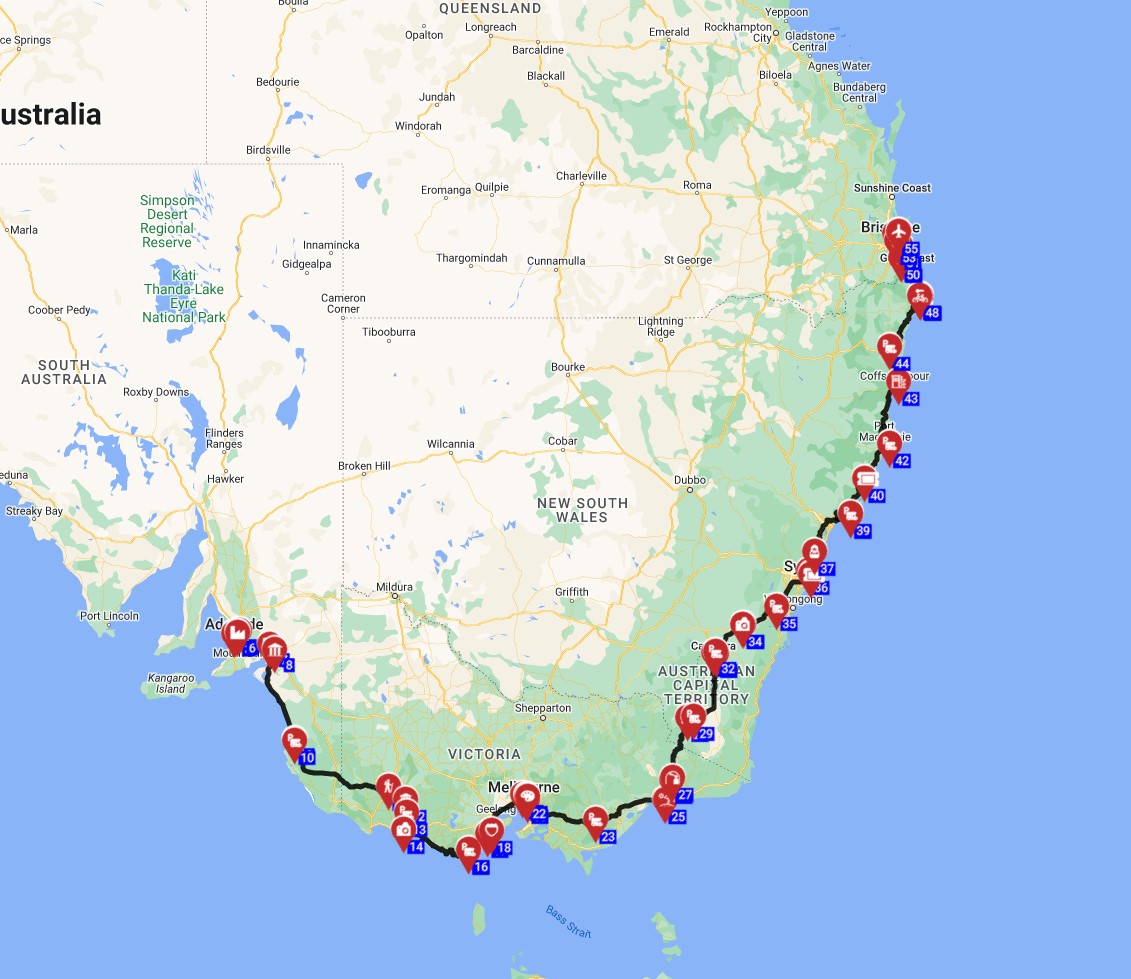
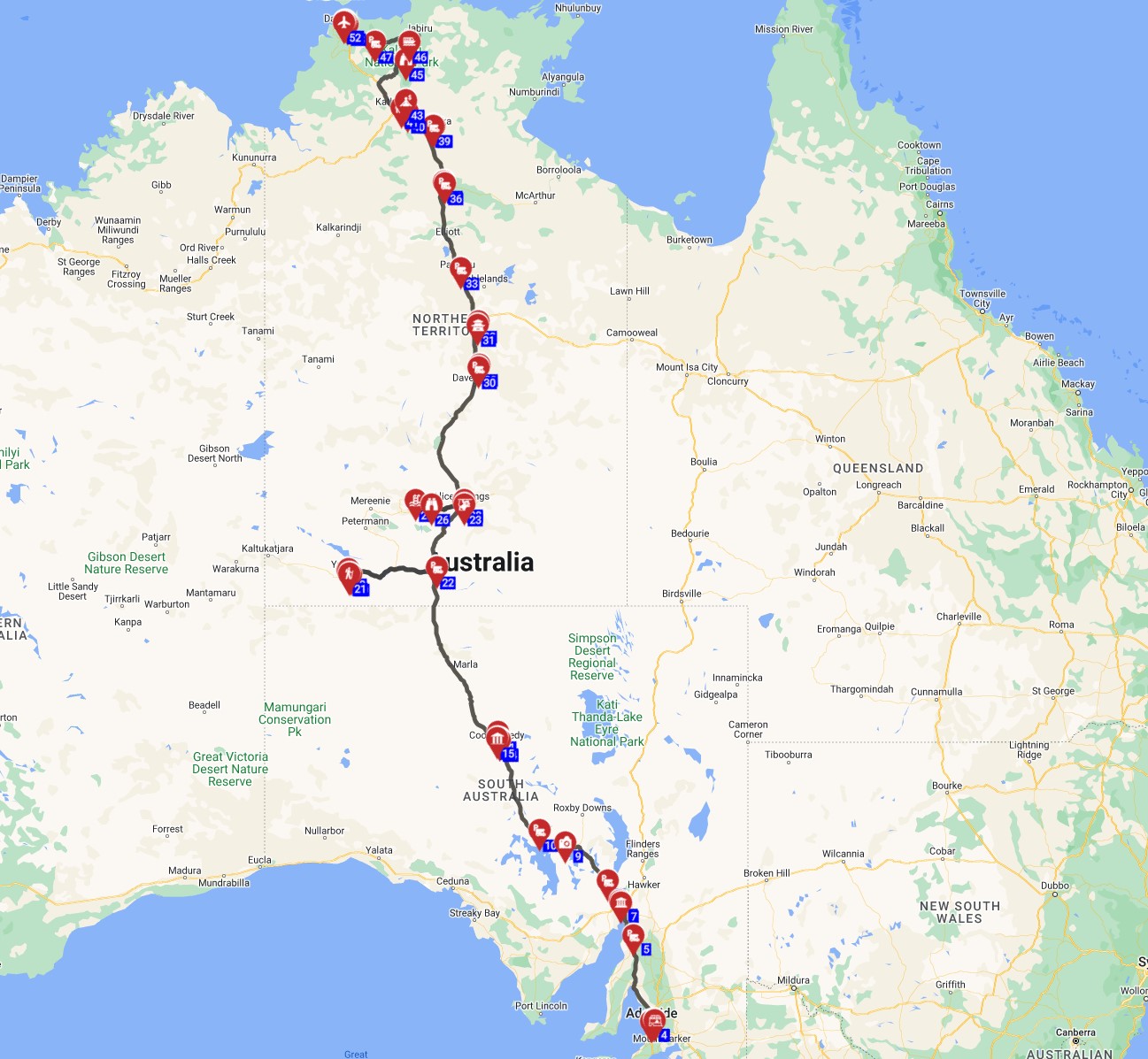
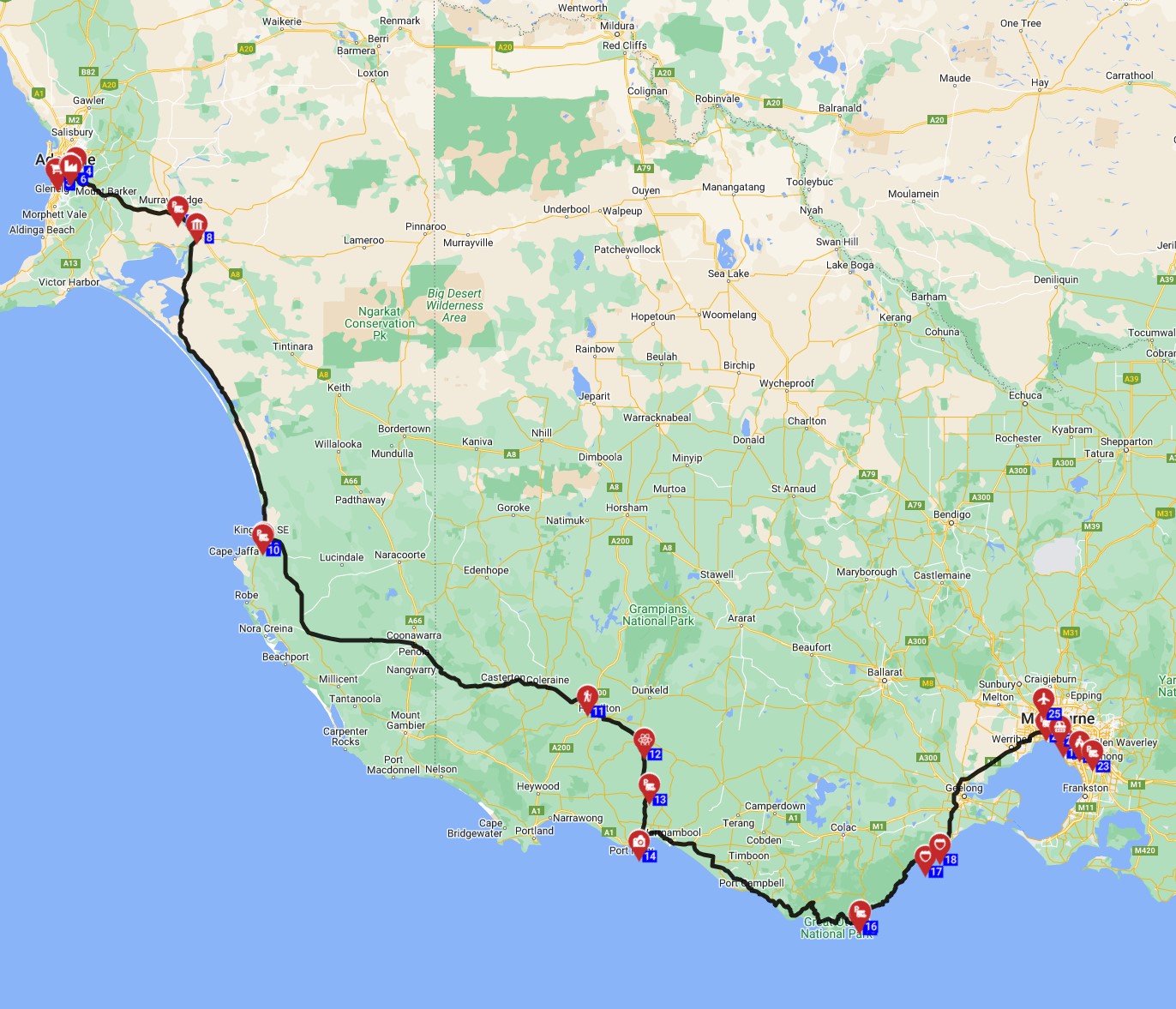
This epic 26-day, 5,622.8 km journey takes you from Melbourne to Darwin, immersing you in Australia's diverse heartland. It includes 5 distinct hiking areas, 3 fascinating museums, and opportunities for wildlife watching and water activities like canoeing. It's a truly comprehensive experience that connects you to the vastness of the continent.
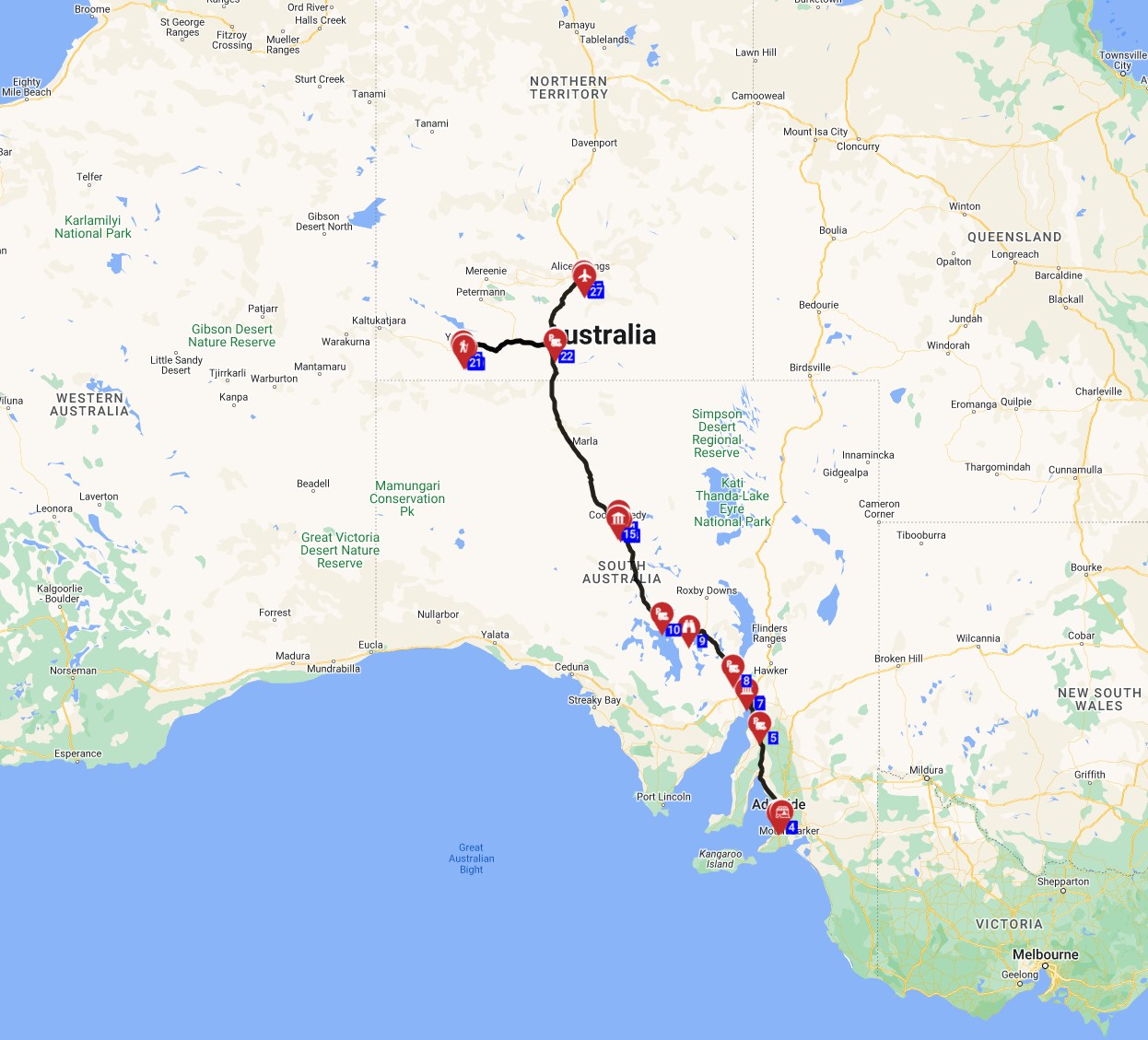
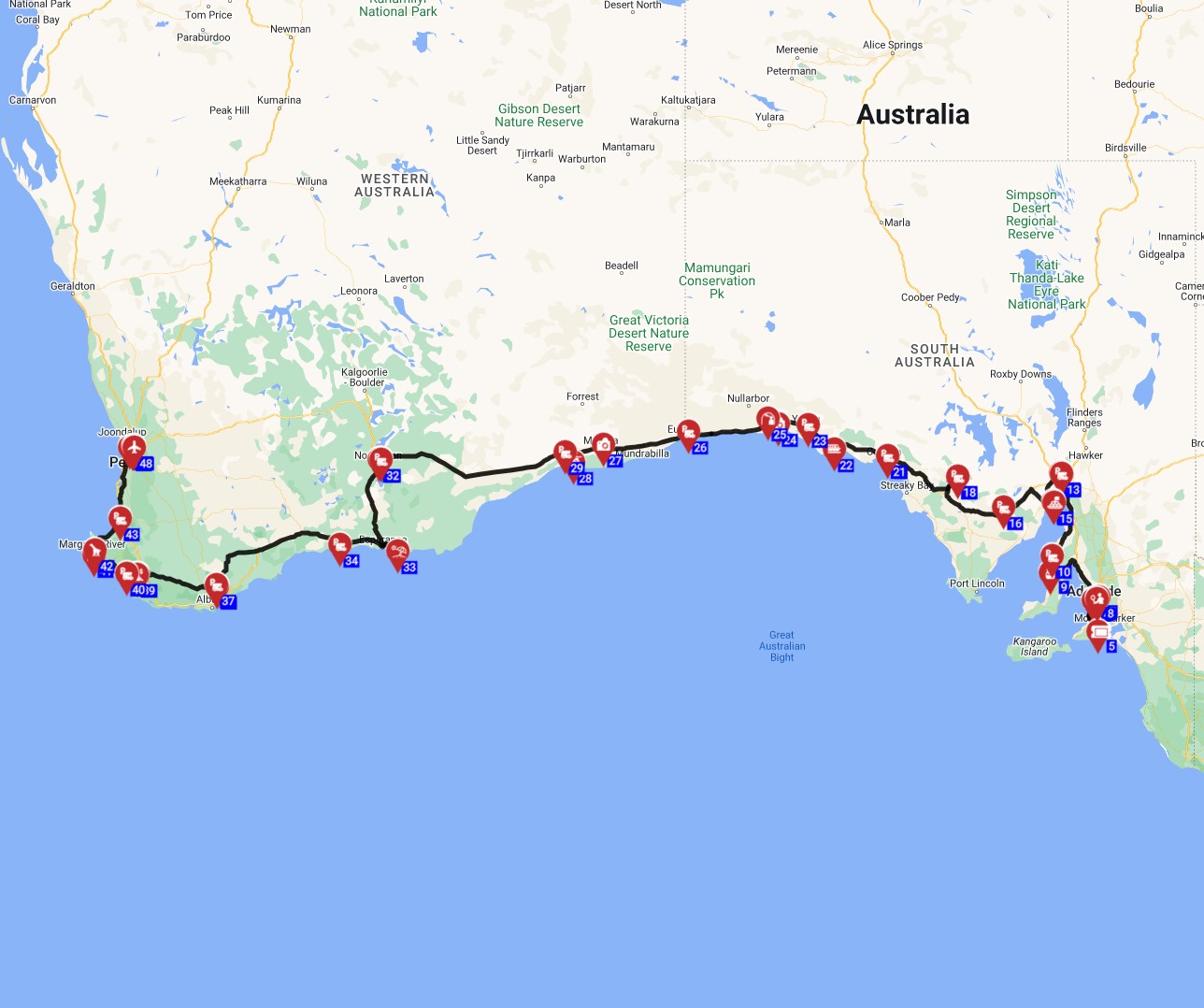
Discover Australia's spiritual heart on this 21-day, 5,447.3 km itinerary from Perth to Alice Springs. This route plan features 2 wildlife watch opportunities, 3 museums, and multiple natural features, offering a deep dive into the country's ancient landscapes and vibrant Indigenous culture.
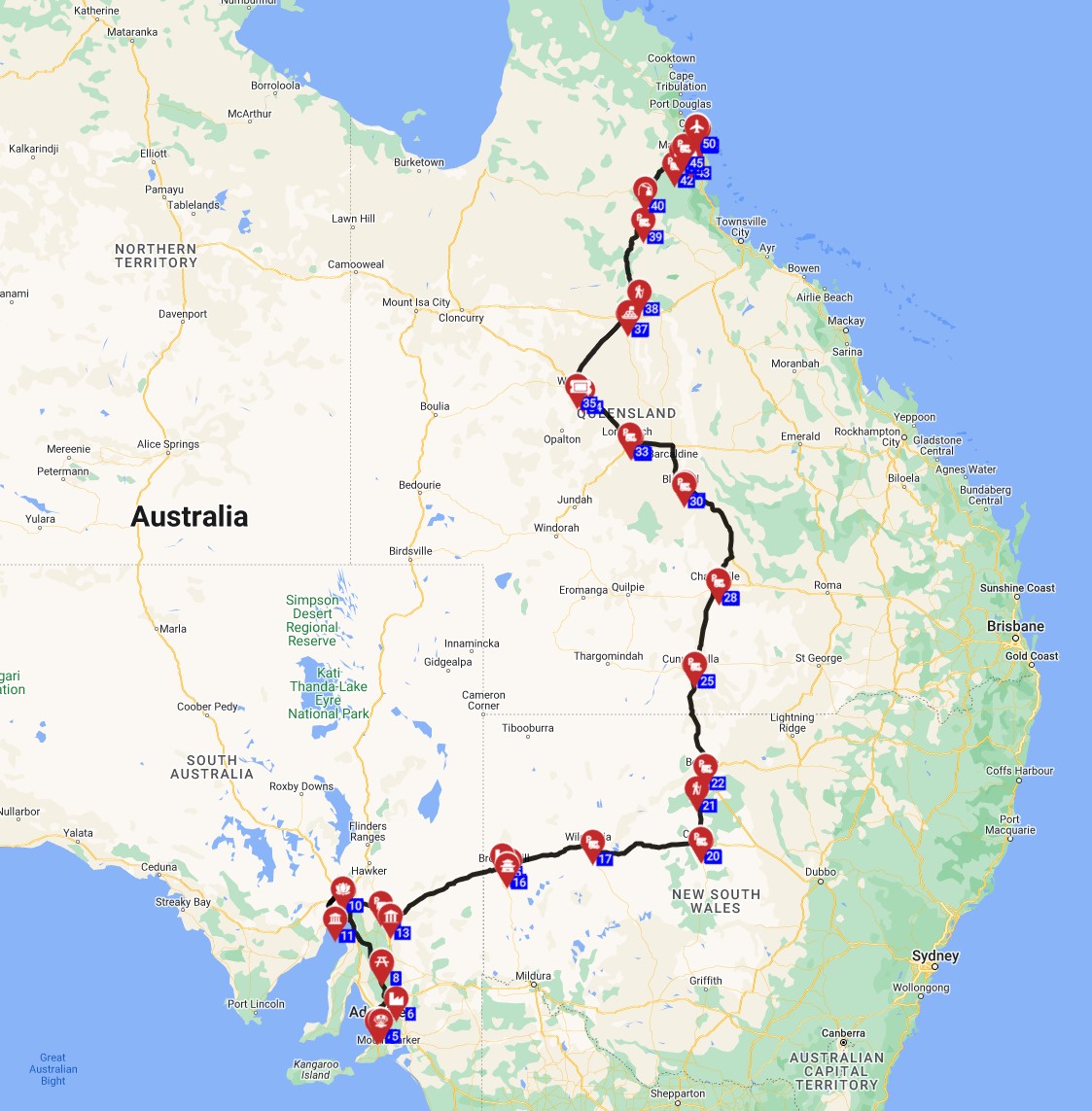
This 17-day, 4,003.6 km journey from Cairns to Alice Springs is a northern horizon adventure. It includes 3 distinct hiking areas, 2 swimming spots perfect for cooling off, and several natural features, making it ideal for couples who love both tropical and desert landscapes.
🎬 Video coming soon
Final Thoughts
Embarking on a romantic RV adventure in Australia is an incredible way to create unforgettable memories with your loved one. From the stunning coastlines to the vast, star-filled Outback, a rented motorhome or campervan offers the ultimate freedom and flexibility to explore this magnificent country at your own pace. Remember, planning is key, but don't let it overshadow the joy of spontaneous discovery. Take it slowly, breathe in the fresh air, and connect with the unique culture and breathtaking scenery around you.
We're here to support you every step of the way, from comparing prices across 50+ suppliers to helping you understand all the details. So, what are you waiting for? Get inspired for your next trip, discover top destinations, and find the perfect RV for your romantic getaway in Australia!
Plan a trip itinerary in advance with minimal effort and maximum enjoyment by exploring the many routes and resources available.