In This Guide
- Where to Camp in Japan - Top Options
- Campground Types in Japan (National, Private, Wild)
- Featured RV Park or Campground in Japan
- Hookups & Amenities - What to Expect
- Booking Windows & Reservations in Japan
- Nearby Supermarkets & Resupply Points
- Best RV Class for Camping in Japan
- How to Save on Campgrounds in Japan
- What is the best time of year to rent an RV in Japan?
- How much does it cost to rent an RV in Japan for a couple?
- What are the rules for driving an RV in Japan?
- Are RVs allowed on all roads in Japan?
- Is it easy to find RV parking in Japan?
- Can foreigners rent an RV in Japan?
- What are Michi-no-Eki and how can RVers use them?
- How do you manage waste and utilities in a Japanese RV?
- What is the cultural etiquette for RV camping in Japan?
- Is it safe to RV camp in Japan?
- Can you travel with pets in an RV in Japan?
- What are the internet and GPS options for RVing in Japan?
- What You Shouldn't Miss
- Why Book with Bandana Caravan
- Final Thoughts
- Frequently Asked Questions
Embarking on a romantic RV camping adventure in Japan is an incredible way for couples to experience this captivating country. Imagine waking up to serene views of Mount Fuji, sharing a traditional Japanese breakfast cooked in your cozy campervan, or discovering hidden onsen (hot springs) together after a day of exploring ancient temples. Japan offers a unique blend of vibrant culture, breathtaking landscapes, and culinary delights that are perfectly suited for a couples' road trip. With a rented motorhome, you gain the freedom and flexibility to craft an intimate journey at your own pace, creating memories that will last a lifetime.
For live availability and current prices, start with our RV Rental Japan - Complete Guide 2026 guide, which provides a comprehensive overview of RV travel in the country. Our goal at Bandana RV is to make your dream trip a reality, offering full transparency and support every step of the way.
🎬 Video coming soon
Where to Camp in Japan - Top Options
Japan offers diverse and stunning camping experiences, perfect for couples seeking natural beauty and tranquility on their RV adventure. Couples can find exceptional camping spots from the northern island of Hokkaido, known for its vast national parks and volcanic landscapes, down to the scenic coastal sites in Shikoku and Kyushu.
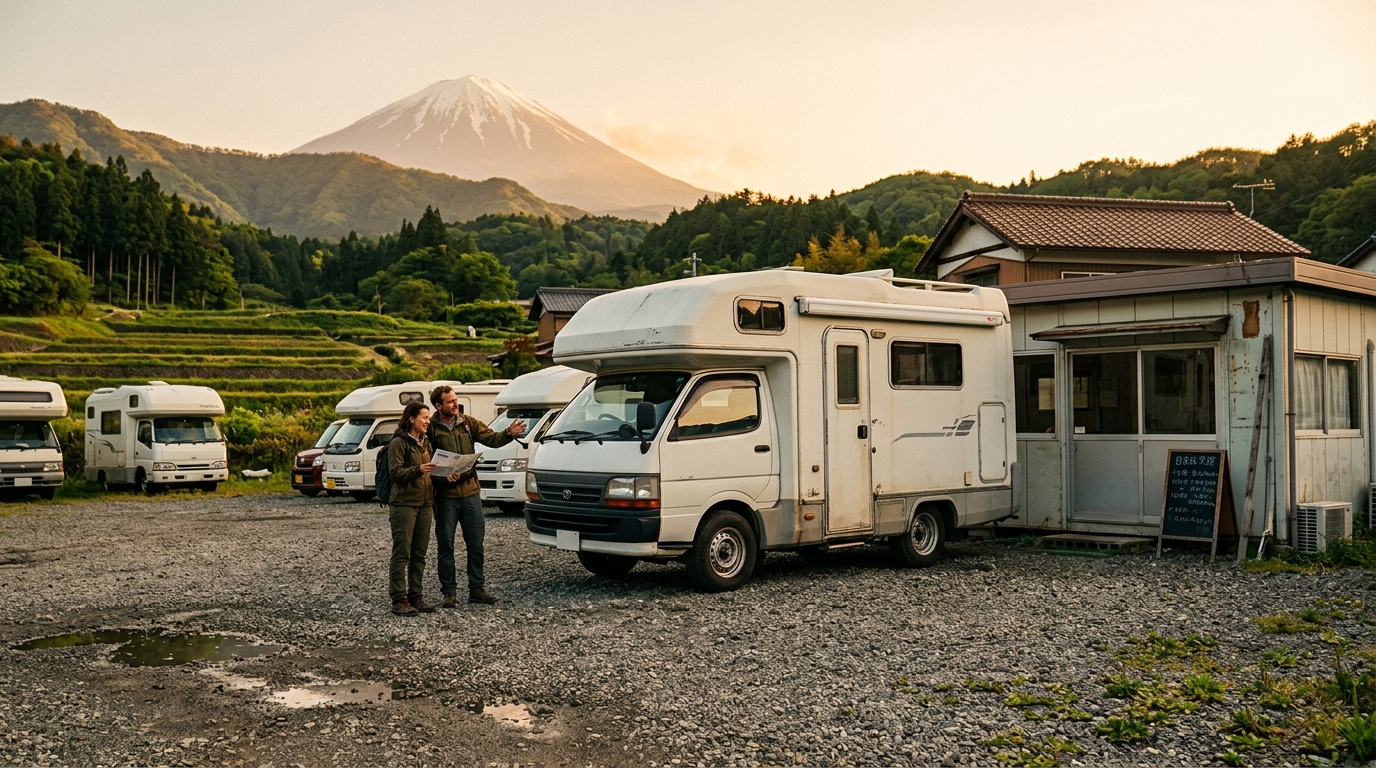
Popular choices for romantic getaways include tranquil lakeside campgrounds near iconic Mt. Fuji, offering breathtaking morning views and serene environments, or coastal parks with unparalleled ocean vistas, ideal for sunset strolls. Many campgrounds throughout Japan prioritize on-site amenities like clean showers, modern cooking facilities, and even access to local hot springs, ensuring a comfortable and relaxing trip for two. For example, sites around Lake Kawaguchiko near Mt. Fuji provide stunning views and well-equipped facilities. When planning your route, remember that traveling slowly, perhaps a maximum of 100-150 km per day on average, allows you to truly feel the place, connect to the culture, the food, and the scenery, enhancing the romantic aspect of your rented RV journey.
Campground Types in Japan (National, Private, Michi-no-Eki)
Japan features a variety of official options for RV camping, including national park campgrounds, private campgrounds, and "Michi-no-Eki" roadside stations, with true 'wild camping' generally discouraged and often illegal. National park campgrounds typically offer basic facilities like restrooms and water in stunning natural settings, often requiring reservations well in advance, particularly for popular spots like those in Hokkaido's Shiretoko National Park. Private campgrounds, such as those near Kyoto or Nagano, tend to provide more amenities like hot showers, electrical hookups (typically 100V), and sometimes even glamping options, offering a more luxurious experience for couples.
Michi-no-Eki serve as crucial rest stops along Japan's road network, providing free overnight parking for RVs without the expectation of traditional camping setups (e.g., no awnings, outdoor cooking). These stations are invaluable cultural hubs, often featuring local produce markets, restaurants, and tourist information, perfect for discovering regional specialties. Relying on Michi-no-Eki or proper campgrounds ensures you respect local customs and regulations, making for a smooth and enjoyable RV rental experience in Japan.
Featured RV Park or Campground in Japan
When selecting an RV park or campground in Japan, couples should prioritize facilities that offer a balance of convenience and natural beauty to ensure a comfortable and memorable stay. An ideal choice would be a location like Fuji Auto Camping Ground in Shizuoka Prefecture, which provides well-maintained sites with electrical hookups (100V) and clean amenities, all within sight of Mount Fuji. Other top-rated campgrounds often include features such as modern, clean restrooms, hot showers (some are coin-operated, so have coins handy), and sometimes even communal kitchens or BBQ areas, enhancing the cooking experience for two. For preparing delicious meals on board your rented motorhome, be sure to check out our RV-friendly recipes playlist.
Proximity to local attractions, hiking trails, or natural hot springs (onsen) is also a significant bonus for couples. These facilities are generally well-managed and provide a safe, welcoming environment, making them perfect for a romantic RV rental trip through Japan.
Hookups & Amenities - What to Expect
In Japan, RV campgrounds generally provide essential hookups and amenities, though the availability and type can vary significantly between upscale private resorts and more rustic national park sites. Couples can typically expect 100V electricity outlets, which means you'll need a suitable adapter for any foreign 110V or 220-240V appliances you bring. Fresh water refills are readily available at most designated campgrounds, ensuring you can keep your tanks topped up for cooking and showering.
Grey and black water disposal stations are common at larger campgrounds and many Michi-no-Eki, making proper waste management straightforward and environmentally responsible. Many sites also offer access to clean showers (some are coin-operated, so always carry Yen coins), convenient laundry facilities, and sometimes Wi-Fi. However, internet connectivity might be stronger and more reliable if you also plan for a portable Wi-Fi device or local SIM card, particularly when venturing into more remote areas of Japan. These amenities contribute greatly to a comfortable and self-sufficient experience in your rented motorhome.
Booking Windows & Reservations in Japan
For RV couples planning a trip to Japan, booking campgrounds well in advance is highly recommended, especially during popular periods like the cherry blossom season (spring, March-May) and autumn foliage (fall, September-November). While many national park campgrounds reserve 25-30% of spots for online bookings, the remainder are often available on a first-come, first-served basis, providing some flexibility for spontaneous travelers in Japan. It is always advisable to call ahead to your desired campground to confirm availability before driving, particularly if traveling during shoulder seasons or to more remote locations, as this can save significant travel time.
Even without a reservation, you will almost certainly find a place to stay on your RV rental journey; if not at the first campground, then at a nearby Michi-no-Eki or another private campground, as Japan has a well-developed network of these facilities. This blend of reservation systems and first-come-first-serve options allows both meticulous planners and more flexible adventurers to enjoy RV camping in Japan. For those who like everything organized, consider our Rent&Plan service, which offers pre-planned routes by professionals, and a 25% planning discount when you use rvplan.net.
Nearby Supermarkets & Resupply Points
Maintaining your provisions while RVing in Japan for two is straightforward, with numerous supermarket chains available for resupply points across the country. Couples can look for major chains such as AEON (イオン), Ito-Yokado (イトーヨーカドー), and Seiyu (西友), which offer a wide range of groceries, fresh produce, and household items in most towns and cities. These stores are excellent for stocking up your rented motorhome's kitchen. On the routes offered through RV PLANET routes, you can itemize and track every expense along the way for easy budgeting.
Convenience stores like 7-Eleven, FamilyMart, and Lawson are ubiquitous, providing quick options for snacks, drinks, and essential toiletries, often with ATMs and free Wi-Fi access. Many Michi-no-Eki also feature local product markets, which are perfect for discovering regional specialties and fresh, seasonal ingredients, adding a unique culinary dimension to your trip. Remember that on RV PLANET routes, travelers can itemize and track every expense along the way for easy budgeting of these ancillary costs like groceries.
Best RV Class for Camping in Japan
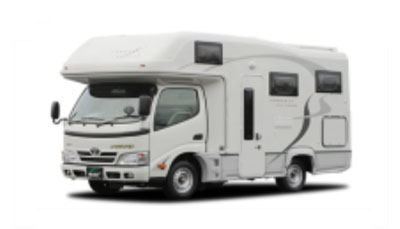
For couples RV camping in Japan, a compact and maneuverable RV class is generally best suited due to the country's narrow roads, smaller parking spaces, and winding mountain routes. While Bandana RV offers a range of options, optimizing for size will greatly enhance your driving experience. Drive slowly and carefully, and you can drive almost anywhere without issues. No need to stress - just use common sense and pay attention.
Class SI - Semi-integrated
Bandana's Class SI - Semi-integrated RVs, such as the "2 Berth Tamar" or "2 Berth Rover" are a popular choice for couples seeking a balance of space and maneuverability, with an average length around 6.9 meters. These units typically sleep 3.8 people and comfortably accommodate 3.4 adults, offering ample living space without being overly cumbersome for Japan's infrastructure. With an average load capacity of 72.2 kg and fuel consumption around 10-11 Liters/100 km, they are efficient and comfortable for extended trips for two, providing features like a front air condition, shower, and toilet, making them ideal for a romantic week-long trip in Japan.
Class C - Alcove
Class C - Alcove RVs from Bandana, averaging 7.5 meters in length, provide more headroom and sleeping capacity, typically for 5.8 people or 4.4 adults, making them a more spacious option for couples who prioritize comfort. While offering generous living areas and an average load capacity of 42.4 kg, their larger size might present more challenges on Japan's narrower streets and smaller parking lots, especially in cities like Kyoto. Fuel consumption for these models typically ranges from 10-12 Liters/100 km. An example suitable for couples could be a smaller variant like the "24' Class C Motorhome," which is often equipped with automatic transmission and a generator.
Class B - Camper Van
Bandana's Class B - Camper Vans are highly recommended for couples RVing in Japan, boasting an average length of 5.8 meters for superior maneuverability on tight roads and easy parking. These compact units, like the "2 Berth Hi Top" or "Category Van", typically sleep 3.2 people and comfortably accommodate 2.7 adults, offering sufficient amenities for two without excessive bulk. With an average load capacity of 37 kg and efficient fuel consumption of 8-10 Liters/100 km, campervans are an agile and economical choice for exploring both urban and rural Japan. Many come with automatic transmission, front air conditioning, and are considered recent models, offering a great balance of comfort and practicality.
Class A - Integrated
Class A - Integrated RVs, with an average length of 7.5 meters, are the largest option in Bandana's fleet, sleeping 4.4 people and accommodating 4 adults, ideal for couples desiring maximum luxury and space. While offering premium comfort and a high load capacity of 209.5 kg, their substantial size makes them less practical for Japan's infrastructure, including many narrow roads and limited parking. Fuel consumption for these models typically ranges from 8-12 Liters/100 km. For a country-wide exploration in Japan, particularly focusing on scenic routes and less dense areas, a Class A might be enjoyable for couples, but local navigation might require extra caution.
Class TC - Truck Camper
Bandana's Class TC - Truck Campers, such as the "Patagonia Camper 4x4 double cab" are an excellent choice for couples in Japan due to their compact size (average 5.5 meters) and ability to navigate diverse terrain. These units typically sleep 2.4 people and comfortably accommodate 2.1 adults, providing cozy, self-contained living ideal for two travelers. Despite their smaller footprint, they offer an average fuel consumption of 12-17 Liters/100 km, making them a versatile option for exploring both urban and rural Japan, often with features like 4-wheel drive and front air conditioning.
How to Save on Campgrounds in Japan
Couples can significantly reduce their campground expenses in Japan by utilizing campground discount cards, which often offer savings on nightly rates at participating sites. These membership cards can pay for themselves over a two-week adventure, especially if you plan multiple campground stays. Opting for municipal or regional campgrounds over private resorts can also provide a more budget-friendly experience without sacrificing essential amenities, as many government-run sites are well-maintained and affordable.
Booking during the shoulder season (e.g., late spring or early autumn, outside major holidays like Golden Week) can result in lower prices and fewer crowds, making your RV rental trip more economical and peaceful. Additionally, consider staying 3+ nights at one location to inquire about potential weekly rates or long-stay discounts, as some campgrounds offer reduced prices for extended bookings. Another great tip for saving money is to compare Cheap RV Rental in Japan - Budget Guide 2026 options available through Bandana.
What is the best time of year to rent an RV in Japan?
The best time of year to rent an RV in Japan for couples largely depends on your desired experiences, with spring (March-May) and autumn (September-November) generally offering the most pleasant weather and stunning natural beauty. Spring is ideal for cherry blossom viewing, though popular routes like those leading to Mount Yoshino require early booking due to high demand and can be crowded. Autumn provides spectacular foliage drives and comfortable temperatures, perfect for outdoor activities like hiking in regions such as Nagano.
Summer (June-August) offers opportunities for beach camping and mountain escapes, but can be hot and humid with potential typhoon risks, which requires careful monitoring of weather forecasts. Winter (December-February) is excellent for ski trips in regions like Hokkaido or Nagano, with specialized winter-ready RVs available from some suppliers. Each season presents unique charms, allowing couples to tailor their RV rental in Japan to their personal preferences.
How much does it cost to rent an RV in Japan for a couple?
The cost to rent an RV in Japan for a couple can vary significantly based on the RV class, rental duration, season, and additional inclusions like insurance and mileage packages. Typically, a compact campervan (Class B or TC) suitable for two might range from ¥10,000 to ¥25,000 (approximately $70-$175 USD) per day, with prices higher during peak seasons such as cherry blossom season or Golden Week, and for larger models like Class C motorhomes. This average rate is dynamic and changes daily based on availability and supplier marketing decisions, so the final price is set at the actual booking time.
Beyond the rental fee, couples should budget for fuel (around 8-12 Liters/100 km for most campervans and motorhomes), tolls (which can be substantial, costing upwards of ¥10,000 for long distances), campground fees (typically ¥1,000-¥5,000 per night for a powered site), and groceries. Detailed budgeting, accounting for varying rental costs, fuel consumption estimates, and diverse camping/parking fees across different regions of Japan, can be easily managed by utilizing RV PLANET routes, where travelers can itemize and track every expense. For a comprehensive look at pricing, consult our RV Rental in Japan - Prices and Best Deals 2026 guide.
What are the rules for driving an RV in Japan?
Driving a rented RV in Japan requires adherence to specific rules, including possessing an International Driving Permit (IDP) alongside your national driver's license, and understanding local traffic laws. The minimum driver age for renting a motorhome in Japan is 21 years old, and a valid IDP is mandatory for foreigners to legally drive, so ensure yours is issued before your trip. Traffic drives on the left side of the road, and while major routes often have English translations on signs, primary reliance on an English-compatible GPS system is highly recommended for clear navigation.
It's crucial to be aware of speed limits, which are typically 100 km/h on expressways, 60 km/h on national roads, and 30-50 km/h in urban areas, and strictly adhere to parking regulations to avoid fines. Drive slowly and carefully, and you can drive almost anywhere without issues. No need to stress - just use common sense and pay attention. Understanding these rules ensures a safe and enjoyable RV rental experience throughout Japan.
Are RVs allowed on all roads in Japan?
While RVs are generally allowed on most public roads in Japan, drivers should be mindful of vehicle size restrictions and the narrowness of many rural and urban streets. Expressways and national routes are well-suited for rented RV travel, offering smooth journeys between major destinations. However, smaller local roads, especially in historic districts, winding mountain passes, or some older city centers, can be challenging for larger motorhomes.
It is advisable to use a GPS system that allows for vehicle dimension input to help avoid roads with height or weight restrictions, or those that might be too narrow for your specific RV type. Compact RVs like campervans (Class B) with an average length of 5.8 meters are particularly advantageous for navigating Japan's diverse road network with greater ease. These smaller vehicles, ideal for a couple, provide the flexibility to explore more off-the-beaten-path locations without the stress of maneuvering a larger recreational vehicle.
Is it easy to find RV parking in Japan?
Finding RV parking in Japan is generally manageable, especially with the widespread network of Michi-no-Eki (roadside stations) and designated campgrounds, but urban areas can be challenging. Michi-no-Eki offer free overnight parking specifically for RVs, providing safe and convenient stops with amenities like clean restrooms and local shops. These stations are a cornerstone of RV travel in Japan, offering reliable overnight locations.
Designated RV parking areas are also available at many tourist attractions, national parks, and some shopping centers, though these may have size restrictions or charge fees. In cities, conventional parking garages and lots are often too small or have height restrictions for rented motorhomes, making Michi-no-Eki on the outskirts, combined with public transport, a better option for city exploration. With proper planning and reliance on these established resources, couples will find parking for their RV rental in Japan to be a manageable aspect of their trip.
Can foreigners rent an RV in Japan?
Yes, foreigners can absolutely rent an RV in Japan, provided they meet specific requirements primarily related to their driver's license and age. The most critical requirement is possessing a valid International Driving Permit (IDP) issued in your home country, which must be presented alongside your original national driver's license. Without an IDP, you will not be legally allowed to drive in Japan.
Most rental companies, including Bandana's partners, require renters to be at least 21 years old, with some potentially requiring the license to have been held for a minimum period (e.g., one year). There are no young driver surcharges in Japan based on vehicle class. It is advisable to book through reputable international rental platforms like Bandana Caravan, or local companies accustomed to foreign customers, as they can assist with English language support and necessary documentation, making the booking process seamless. For more details on the booking process, check out our Last-Minute RV Rental in Japan - What to Expect 2026 guide.
What are Michi-no-Eki and how can RVers use them?
Michi-no-Eki are government-designated roadside stations in Japan, serving as multi-purpose rest stops that RVers can utilize for safe overnight parking and accessing local services. These stations typically offer clean restrooms, free parking, tourist information, and often feature local product markets, restaurants, and sometimes even onsen (hot springs) or electric vehicle charging stations. For couples exploring Japan by rented motorhome, Michi-no-Eki are invaluable resources.
RVers can park overnight at Michi-no-Eki, treating them as safe havens, but it is crucial to observe cultural etiquette: traditional camping activities like setting up awnings, extensive outdoor cooking, or extended stays are generally prohibited and discouraged out of respect for local communities and the station's primary purpose. They are a crucial part of the RV infrastructure in Japan, distinct from official campgrounds, and serve as excellent cultural hubs for discovering regional specialties and getting a taste of local life, making your journey more authentic and enjoyable.
How do you manage waste and utilities in a Japanese RV?
Managing waste and utilities in a rented Japanese RV involves utilizing designated facilities at campgrounds and Michi-no-Eki, aligning with Japan's high standards of cleanliness and environmental responsibility. Greywater (from sinks and showers) and blackwater (from toilets) must be disposed of at specific dump stations found at most official campgrounds and some larger Michi-no-Eki, never in unauthorized areas. This practice is vital for maintaining Japan's pristine environment.
Fresh water refills are typically available at campgrounds and certain Michi-no-Eki, ensuring you can replenish your supply as needed for your week-long trip. Laundry facilities are commonly found at private campgrounds and coin laundromats in towns, providing convenient options for keeping your clothes clean. Electricity (typically 100V) can be accessed via hookups at serviced sites, although most modern motorhomes are designed to operate efficiently on their internal battery systems for several days without external power. Always ensure your waste tanks are empty before returning your RV to avoid additional cleaning fees.
What is the cultural etiquette for RV camping in Japan?
Observing local cultural etiquette is paramount for RV camping in Japan, emphasizing respect for public spaces, quietness, and cleanliness. At Michi-no-Eki, it is important to treat them as rest stops rather than campgrounds; refrain from extending awnings, setting up outdoor chairs, or engaging in extensive outdoor cooking. This respects their designated purpose and the local community.
Maintain low noise levels, especially at night, and always dispose of waste properly in designated bins or facilities, meticulously separating recyclables as per local rules. When visiting onsen (hot springs), follow bathing customs strictly, including showering thoroughly before entering the communal baths and respecting privacy. Interactions with locals should always be polite and appreciative; a simple 'Arigatou gozaimasu' (thank you very much) goes a long way in fostering positive experiences. These practices ensure a harmonious and respectful RV rental trip through Japan.
Is it safe to RV camp in Japan?
RV camping in Japan is exceptionally safe, characterized by remarkably low crime rates and well-maintained infrastructure, though specific preparedness for natural events is advisable. Japan has robust systems for earthquake and typhoon warnings; familiarizing yourself with local emergency procedures and using apps for alerts, such as the Japan Meteorological Agency's official app, is highly recommended. For safety and peace of mind on your RV rental journey, ensure you're aware of the optional upgrade to a top-level deductible reimbursement plan available through Bandana, providing extra financial protection.
In case of unexpected breakdowns or medical assistance needs, having comprehensive travel insurance and knowing basic Japanese phrases or utilizing translation apps can be invaluable for communicating with local services. Most campgrounds and Michi-no-Eki are well-lit, regularly patrolled, and secure, providing peace of mind for couples traveling. Overall, Japan is an incredibly safe destination for an RV adventure.
Can you travel with pets in an RV in Japan?
Traveling with pets in a rented RV in Japan is possible but requires careful planning due to strict import regulations and varying policies at rental companies and campgrounds. If you plan to bring a pet from abroad, strict import procedures, including vaccinations, microchipping, and health certificates, must be completed well in advance-often months before your trip-to comply with Japanese law.
Pet policies for RV rentals vary significantly between suppliers; you must confirm with your chosen company beforehand, as some may not allow pets or will charge additional cleaning fees. Many campgrounds, Michi-no-Eki, and public establishments also have restrictions on pets, often requiring them to be leashed, confined to designated areas, or not allowed indoors. Always research and confirm pet-friendly locations along your route and adhere to local etiquette, such as cleaning up after your pet promptly, to ensure a smooth and respectful trip for everyone in Japan.
What are the internet and GPS options for RVing in Japan?
Reliable internet and GPS navigation are crucial for RVing in Japan, with several excellent options available for foreign travelers. Portable Wi-Fi devices, often called "pocket Wi-Fi," offer consistent internet access for multiple devices and are widely available for rent at major airports or through online providers, typically costing around ¥500-¥1,000 per day. For smartphones, purchasing a local prepaid SIM card or an eSIM provides convenient data connectivity, enabling you to use navigation apps like Google Maps, which supports English and offers excellent real-time traffic updates.
While many Michi-no-Eki and some campgrounds offer free Wi-Fi, coverage can be inconsistent, making a personal internet solution highly recommended for uninterrupted connectivity, especially for a week-long trip. Ensure your GPS system or navigation app has English language options and is updated with Japan's road network, as traditional car navigation systems often operate only in Japanese. These options ensure you stay connected and on track throughout your RV rental adventure in Japan.
What You Shouldn't Miss
- Hokkaido's Scenic Drives: Drive through Daisetsuzan National Park, Japan's largest national park, in a rented campervan, offering stunning mountain scenery and wildlife spotting.
- Mount Fuji Views from Lake Kawaguchiko: Camp at a lakeside site near Kawaguchiko for iconic views of Mt. Fuji, perfect for a romantic sunrise with your RV rental as your backdrop.
- Kyoto's Cultural Gems: Park your compact motorhome on the outskirts of Kyoto and use public transport to explore ancient temples, serene gardens, and vibrant Gion district.
- Onsen Hopping in Hakone: Discover numerous hot springs in the Hakone region, an ideal way for couples to relax and experience traditional Japanese bathing after a day of driving.
- Shimanami Kaido Cycling: Cycle parts of the picturesque Shimanami Kaido, a 70 km bridge and island route connecting Honshu and Shikoku, with your rented campervan providing support.
- Avi Bandana's Top 5 Adventures: Looking for expert insights from Avi Bandana? For more personal recommendations, check out our Top 5 Adventures - recommendations from Avi Bandana guide.
Final Thoughts
A romantic RV camping trip in Japan offers an unparalleled blend of adventure, culture, and intimate moments for couples. From the serene landscapes of Hokkaido to the bustling streets of Tokyo, having a rented motorhome provides the freedom to explore at your own pace, savoring every experience from shared meals to quiet sunrises. Remember that planning your adventure is part of the fun, and with Bandana's transparent pricing and dedicated support, you'll feel confident every step of the way.
Embrace the local etiquette, utilize the extensive Michi-no-Eki network, and choose a compact campervan or motorhome to navigate Japan's charming roads with ease. This journey isn't just a trip; it's an opportunity to deepen your connection as you discover the beauty of Japan together. So, what are you waiting for? Get inspired for your next trip and plan a trip itinerary in advance with minimal effort and maximum enjoyment!
Start comparing rv rental for Rentals in Japan today and begin crafting your unforgettable couples' adventure. Discover top destinations, planning tips, all in one place!