In This Guide
- Where to Camp in Australia - Top Options
- Campground Types in Australia (National, Private, Wild)
- Featured RV Park or Campground in Australia
- Hookups & Amenities - What to Expect
- Booking Windows & Reservations in Australia
- Nearby Supermarkets & Resupply Points
- Best RV Class for Camping in Australia
- How to Save on Campgrounds in Australia
- Driving Your Rental RV in Australia: Local Road Rules
- Connecting on the Road: SIM Cards and Remote Connectivity
- Environmental Responsibility and Indigenous Cultural Awareness
- Can you park an RV anywhere in Australia?
- What are RV parks called in Australia?
- Where can you park overnight for free in Australia?
- What is the average caravan park fee in Australia?
- How much do campsites cost in Australia?
- Are RVs allowed in Australia?
- How can I book campsites in Australia?
- Do you need to pre-book campsites in Australia?
- What is ghost camping in Australia?
Where to Camp in Australia - Top Options
Australia offers diverse camping experiences from coastal holidays to rugged Outback adventures, providing a perfect backdrop for romantic RV camping. Popular regions for RV camping include the stunning coastlines of Queensland and New South Wales, the iconic red center of the Northern Territory, and the scenic routes of Western Australia and Victoria. Consider areas like the Great Ocean Road, where you can find picturesque spots, or explore campgrounds within national parks like those in the Blue Mountains or Kakadu for varied experiences.
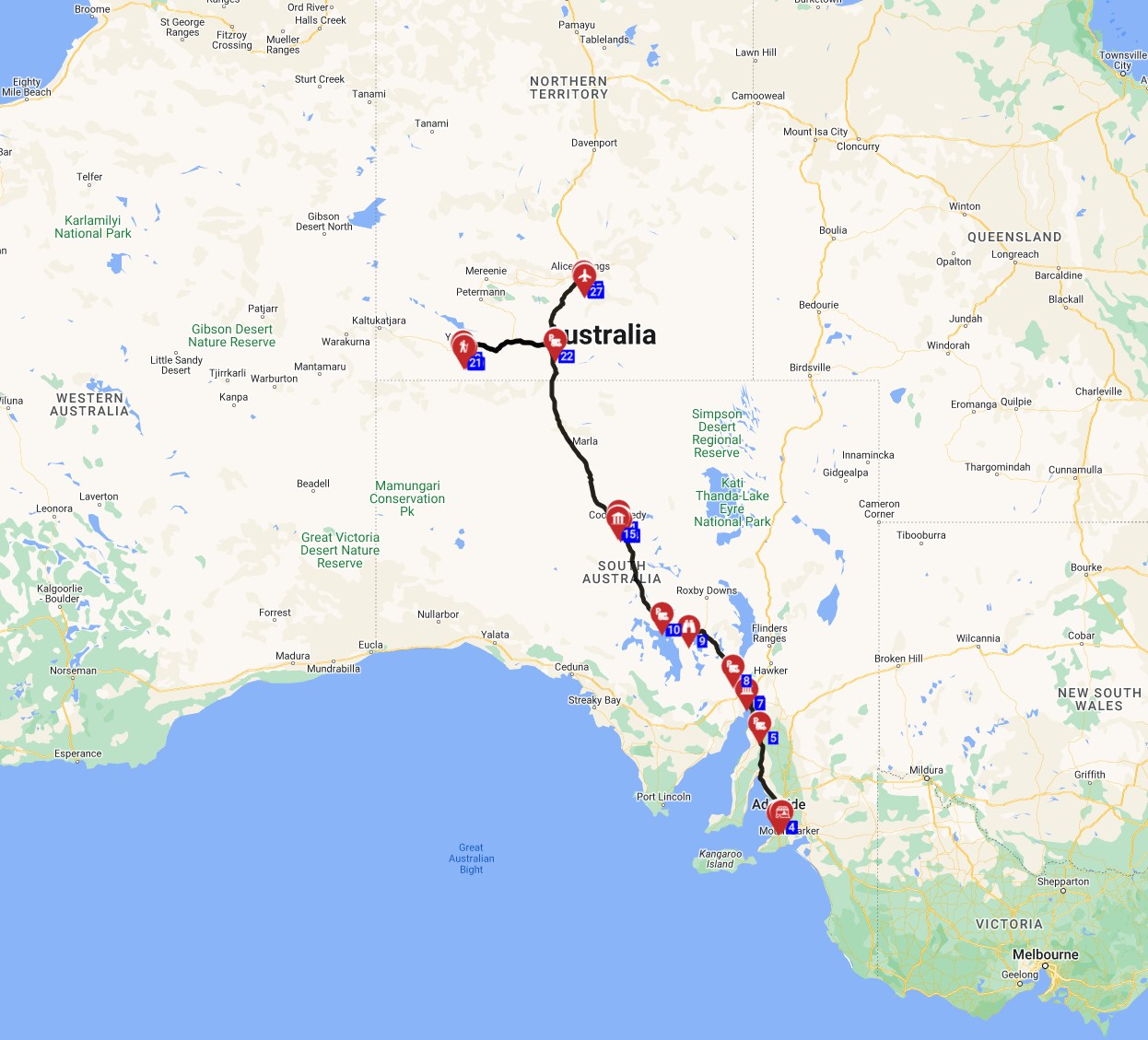
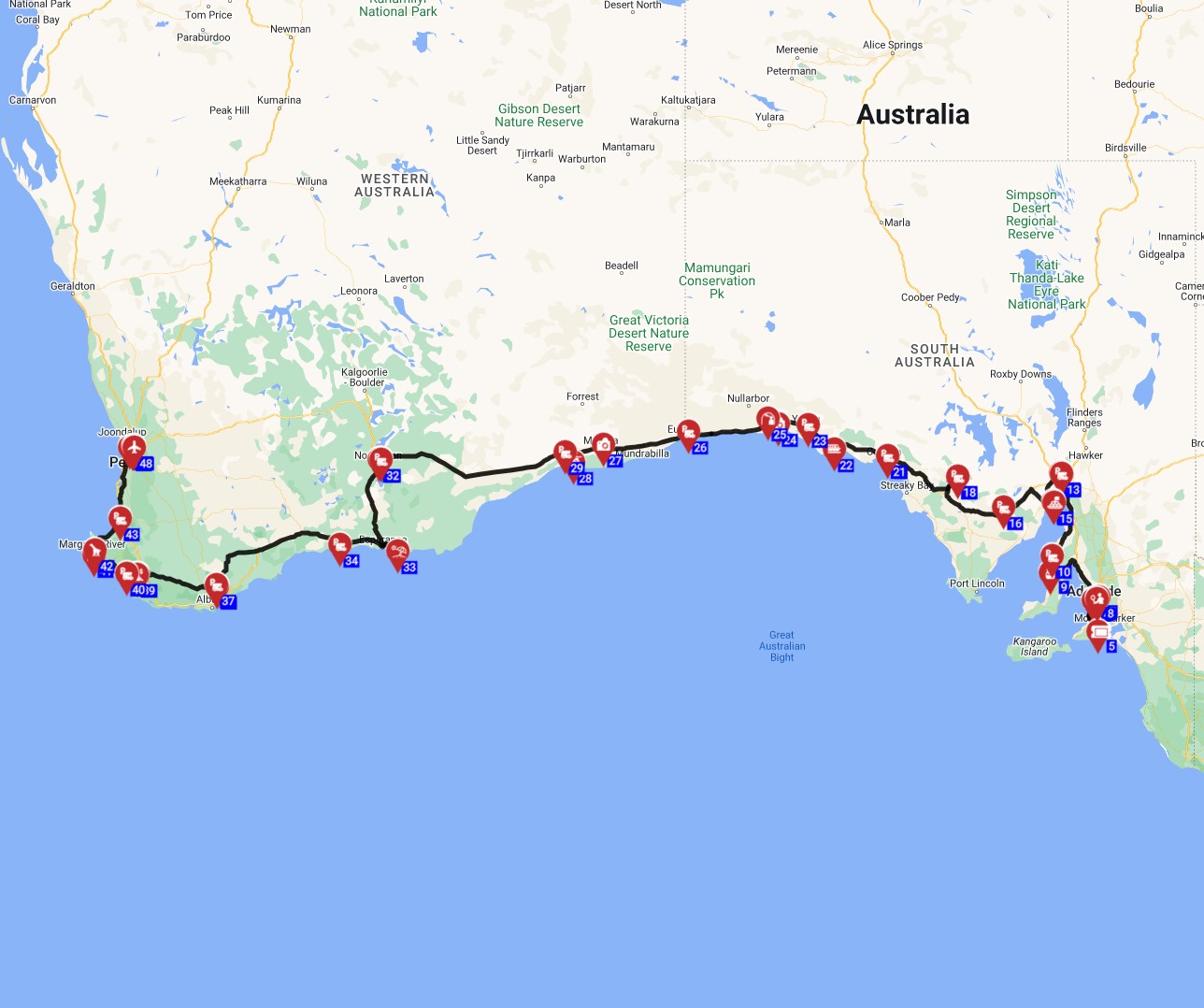
For an epic adventure, consider exploring one of RV PLANET's professionally crafted route plans. The "Perth to Alice Springs - The Dreamtime Highway: A Journey Through Australia's Heart" route offers a 21-day, 5447.3 km journey through diverse landscapes, including 2 wildlife watch opportunities, 2 hiking areas, and 5 points of interest. This type of pre-planned itinerary gives you and your partner more time to enjoy the scenery and each other's company, rather than stressing about logistics. Bandana Caravan's sister company, RV PLANET, offers 1,300+ such routes across 5 continents, ensuring you have incredible options for your next RV rental adventure.
Campground Types in Australia (National, Private, Wild)
Australia provides a spectrum of camping options for rented RVs: national park campgrounds, private caravan or holiday parks, and designated free 'wild' or 'freedom' camping sites. National park campgrounds often offer basic facilities, sometimes without power, but immerse you in untouched nature, typically requiring permits and advanced bookings through state park services. Private caravan parks, abundant across the country, provide comprehensive amenities like powered sites (offering 230-240V electricity, Type I outlet), hot showers, laundries, and often swimming pools or communal kitchens, making them highly suitable for all motorhome and campervan types.
Freedom camping is legally permitted only in specifically designated areas such as some roadside rest stops, specific council-managed sites, and certain state forests, with strict 'Leave No Trace' principles paramount. Always consult local regulations and signage, as unauthorized overnight parking can result in fines. When considering ancillary trip costs like campground fees, fuel, and propane, remember that RV PLANET routes allow you to itemize and track every expense for easy budgeting, ensuring no surprises. On the routes offered through RV PLANET routes, you can itemize and track every expense along the way for easy budgeting.
Featured RV Park or Campground in Australia
When planning your rented RV adventure in Australia, look for parks that cater to your specific needs, whether it's proximity to attractions, comprehensive amenities, or a more secluded natural setting. Many top-rated caravan parks, like Big4 Holiday Parks or Discovery Parks, offer extensive facilities including powered sites, dump points, laundry, and often Wi-Fi, making them ideal for various motorhome and campervan sizes. Seek out parks with positive reviews regarding cleanliness, staff helpfulness, and suitability for your specific Class B campervan or Class C motorhome.
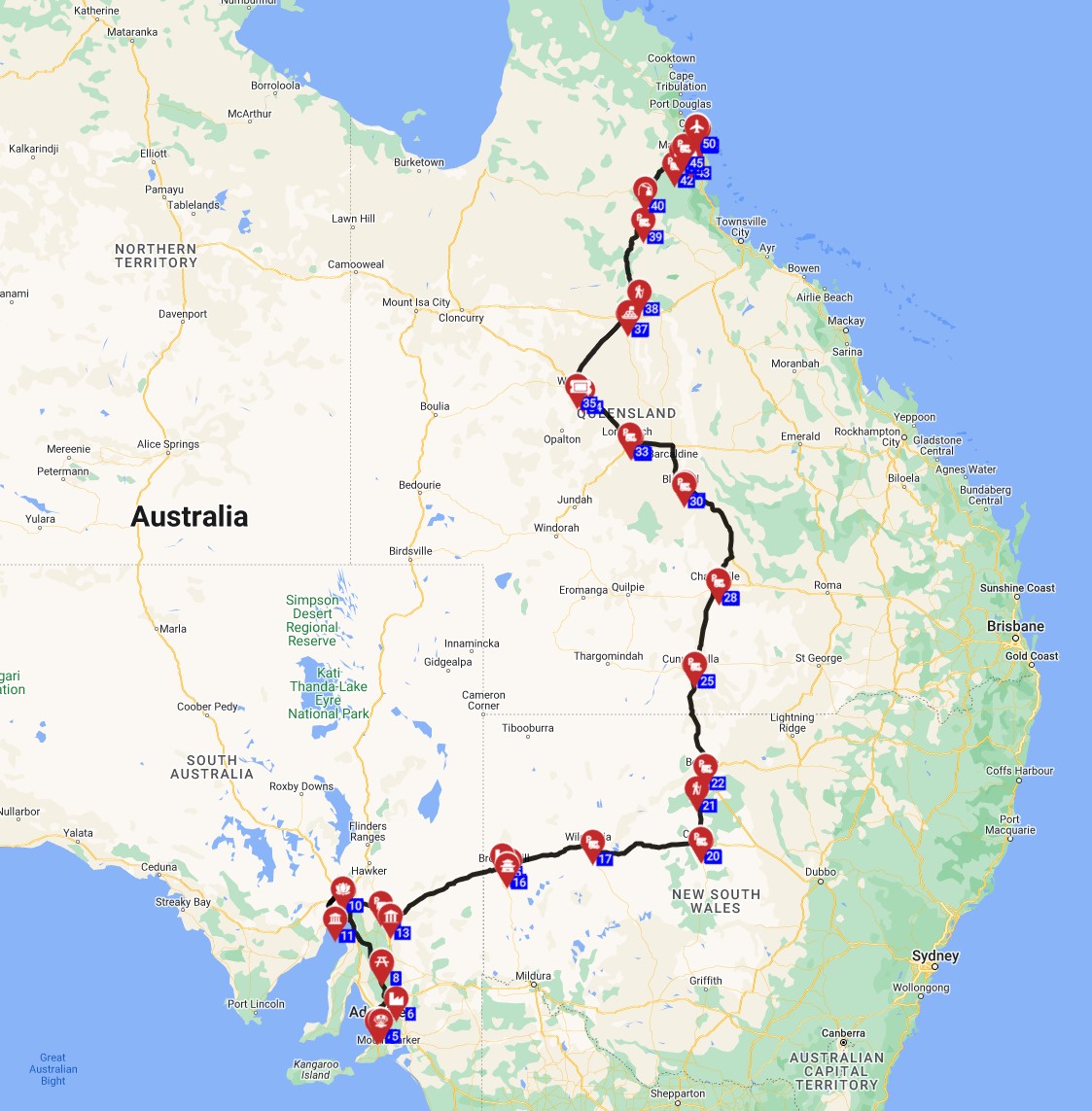
A great example of a route that takes you through well-equipped parks and stunning natural features is the "Cairns to Alice Springs - Northern Horizons: A Journey Through Australia's Heartland" trip, a 17-day, 4003.6 km journey. This route includes 3 hiking areas, 2 caves, and 2 natural features, ensuring a rich and diverse experience. These longer route plans are perfect for couples who want to truly immerse themselves in Australia's beauty, traveling slowly at around 100-150 km per day to connect deeply with the culture, food, and scenery.
Hookups & Amenities - What to Expect
Most caravan parks in Australia offer 'powered sites' providing 230-240V electricity (Type I outlet, three flat pins) and usually a water tap for direct connection, crucial for extended stays in a rented motorhome. Common amenities include shared bathroom blocks with hot showers and toilets, laundry facilities (often coin-operated), and communal kitchens or BBQ areas. Dump points for grey and black water are widely available at caravan parks and some public rest areas, though not all national park campgrounds will have them.
Wi-Fi connectivity varies significantly; while some private parks offer free or paid Wi-Fi, it can be unreliable, especially in remote areas where satellite communication might be necessary. Planning your meals is part of the fun of RV travel; having a fully equipped kitchen in your rental campervan allows you to cook delicious meals on the go. Check out our RV-friendly recipes playlist for inspiration!
Booking Windows & Reservations in Australia
For RV travelers planning a week-long trip or longer adventure in Australia, booking campsites well in advance is highly recommended, especially during peak seasons (school holidays, long weekends like Easter and Christmas) and for popular destinations such as coastal regions or national parks. While pre-planners enjoy the certainty of reserved spots, spontaneous travelers can often find same-day or next-day availability at private caravan parks, particularly in less touristy areas. It's always advisable to call ahead before driving to confirm availability.
Many national park campgrounds release only a limited percentage (e.g., 25-30%) of spots for advanced reservations, with the remainder allocated on a first-come, first-served basis. Rest assured, while your first-choice campground might be full, you will almost certainly find a suitable place to stay, even if it's the next campground down the road. This flexibility is part of the charm of renting an RV in Australia. Bandana Caravan offers full transparency with no hidden fees, so you can compare final prices across suppliers and book confidently.
Nearby Supermarkets & Resupply Points
RV travelers in Australia can easily resupply at major supermarket chains like Woolworths and Coles, found in most towns and cities across the country, providing access to a wide range of groceries and essentials. For remote areas, plan your route to include smaller regional towns that may have independent grocers, roadhouses, or general stores, which are crucial for stocking up on fuel, water, and non-perishable items. Always carry extra water, especially when venturing into remote Outback regions, and ensure your rented RV's fuel tank is topped off as service stations can be scarce between major hubs.
Beyond basic supplies, remote area preparedness is vital in Australia. Consider bringing a personal locator beacon (PLB) or satellite phone for emergency communication in areas with no mobile service, particularly when exploring isolated national parks or unsealed roads. Understanding these safety measures is part of Bandana Caravan's commitment to supporting travelers before, during, and after their booking, ensuring you have peace of mind on your Australian adventure.
Best RV Class for Camping in Australia
The ideal RV class for camping in Australia depends on your travel style and intended destinations, with Class B Camper Vans and Class C Alcove models being popular choices for couples. Class B Camper Vans, like the "rv rental denver example Category Van" or "hire campervan example Paradise S/T" (both ideal for a couple), are agile and fuel-efficient, averaging around 5.8m in length and consuming about 10 Liters/100 km. These compact campervans are perfect for navigating diverse terrains, parking in tighter spots, and exploring national parks where larger vehicles might be restricted on certain unsealed roads.
For more spacious living and amenities, Class C Alcove motorhomes, averaging 7.5m in length and accommodating up to 4 adults, with 10-12 Liters/100 km fuel consumption (like the "cruise america rv rental example Explorer" with its 82-liter fresh water tank and 82-liter waste water tank), are ideal for longer trips primarily using private caravan parks with full hookups. Even a robust "Patagonia Camper 4x4 double cab" (an ideal-for-a-couple Class TC - Truck Camper) can offer off-road capability for more adventurous couples, though these are specific vehicles within the rental fleets. With Bandana Caravan, a true RV specialist, you get genuine insights into which rented RV best suits your Australian romantic escape.
How to Save on Campgrounds in Australia
To save on campground fees in Australia, consider utilizing discount cards offered by RV rental providers or membership programs like Big4 or Discovery Parks, which can provide savings at participating caravan parks. Booking during the shoulder season (spring or autumn, generally September-November or March-May) or off-peak periods can significantly reduce nightly rates compared to expensive peak season travel (December-February). Opt for municipal or regional council-run campgrounds over private resorts, as they often offer more basic facilities at a lower cost, or seek out designated free camping areas where permitted.
Planning longer stays of three or more nights can unlock weekly rates at many caravan parks, offering better value than nightly bookings. If traveling in a group, sharing hookup costs can be beneficial. As true RV specialists, Bandana Caravan helps you compare options transparently, ensuring you find great value without hidden fees.
Driving Your Rental RV in Australia: Local Road Rules
Driving your rented RV in Australia requires adherence to specific local road rules, most notably that vehicles drive on the left side of the road, and the steering wheel is on the right side of the vehicle. Speed limits vary by state and road type, typically 50 km/h in urban areas, 100 km/h on rural highways, and up to 110 km/h on some freeways. Drive slowly and carefully, and you can drive almost anywhere without issues. No need to stress - just use common sense and pay attention.
Wildlife encounters, particularly with kangaroos, are common, especially at dawn and dusk, so reduce speed and be vigilant. On remote Outback roads, you may encounter large multi-trailer trucks known as 'road trains' (up to 53.5 meters long); it is crucial to pull completely off the road and slow down to allow them to pass safely. A standard car driver's license is sufficient for all motorhome classes, and an International Driving Permit (IDP) is recommended for non-English speaking visitors but generally not mandatory.
Connecting on the Road: SIM Cards and Remote Connectivity
Staying connected while on a romantic RV rental trip in Australia is generally straightforward in populated areas, where you can acquire a local SIM card from providers like Telstra, Optus, or Vodafone upon arrival. Telstra typically offers the best coverage in regional and remote areas, which is important for uninterrupted communication and navigation. However, mobile phone service can become scarce or non-existent in many remote Outback regions and national parks.
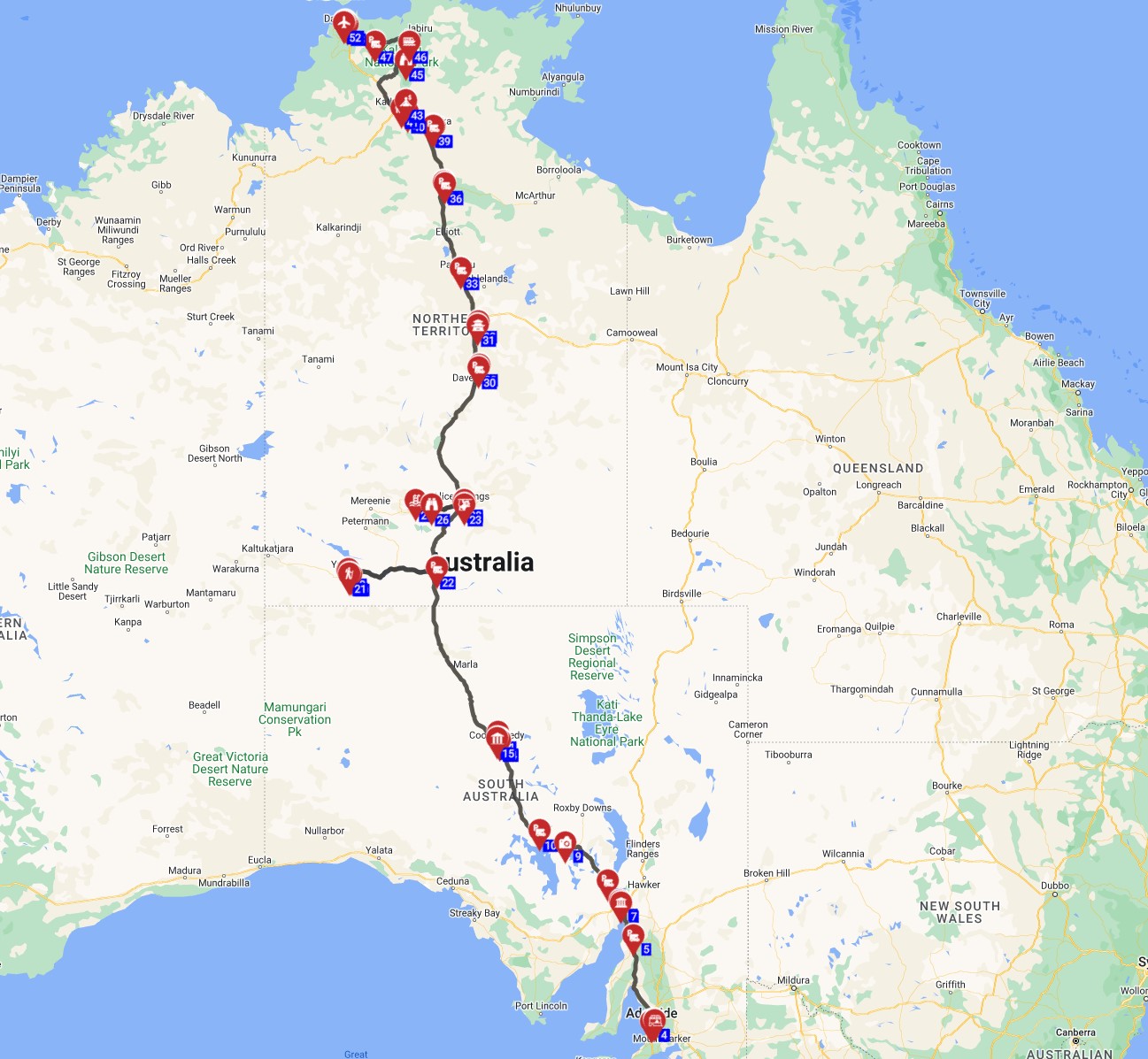
For truly off-grid adventures, especially when following routes like "Melbourne to Darwin - Australia’s Heartline Road Trip" (a 26-day, 5622.8 km journey with 5 hiking areas and 4 natural features), it's highly advisable to consider a satellite phone or a personal locator beacon (PLB) for emergency communication. While these are optional, they provide a crucial safety net. Many modern rented motorhomes or campervans may offer USB charging points, like the 'rv rentals atlanta example US Tourer', ensuring your devices stay powered even when far from an electrical hookup.
Environmental Responsibility and Indigenous Cultural Awareness
When enjoying your rented motorhome adventure in Australia, practicing environmental responsibility and cultural awareness is paramount. Adhere strictly to 'Leave No Trace' principles by packing out all rubbish, properly disposing of waste at designated dump points (available at most caravan parks), and respecting wildlife by never feeding animals. Australia's ecosystems are sensitive, and illegal waste disposal, often associated with 'ghost camping,' can incur significant fines and harm the environment.
Many parts of Australia, particularly in the Northern Territory, are Indigenous lands with deep cultural significance. When visiting these areas, such as Kakadu National Park or Uluru-Kata Tjuta National Park, follow all designated rules, obtain any required permits, and show respect for local customs and traditions. This respectful approach not only preserves these precious areas but also enhances your understanding and appreciation of Australia's rich heritage.
Can you park an RV anywhere in Australia?
No, you cannot park a rented RV just anywhere in Australia; regulations vary significantly by state, territory, and land ownership, prohibiting unauthorized overnight parking in most public areas. Free camping, also known as 'freedom camping,' is only permitted in designated areas such as specific rest stops, roadside bays, and certain council-managed sites, not indiscriminately. Parking in national parks or protected areas typically requires booking a designated campsite and may involve specific permits and fees, with strict rules against dispersed camping to protect sensitive ecosystems. Violating parking regulations can result in fines, particularly in popular tourist areas or residential zones where local bylaws often prohibit overnight RV parking.
What are RV parks called in Australia?
RV parks in Australia are commonly referred to as 'caravan parks' or 'holiday parks,' offering a range of amenities for travelers. These terms are largely interchangeable and typically describe commercial establishments providing powered and unpowered sites for motorhomes and campervans, along with facilities like showers, laundries, and sometimes even swimming pools. Some areas may also use terms like 'tourist park' or 'camping ground,' particularly when referring to more basic or publicly managed sites. It's helpful to use 'caravan park' when searching for accommodation as it is the most widely understood local term.
Where can you park overnight for free in Australia?
Free overnight parking for rented RVs in Australia, often called 'freedom camping,' is permitted in designated rest areas, certain roadside stops, and specific council-managed sites, but strict rules apply and vary by region. Popular resources for finding legal free camping spots include apps like WikiCamps Australia or CamperMate, which provide user-generated information on locations, facilities, and local regulations. Always look for signage indicating 'no overnight camping' or 'no parking' to avoid fines, and adhere to 'Leave No Trace' principles by taking all rubbish with you and leaving the site as you found it. Some regional towns actively encourage free overnight parking to support local businesses, often providing basic amenities like public toilets, but this is always subject to local council rules.
What is the average caravan park fee in Australia?
The average caravan park fee in Australia typically ranges from AUD $30 to $60 per night for a powered site, though prices vary significantly based on location, amenities, and season. Coastal and prime tourist locations, especially during peak holiday periods (e.g., school holidays or Christmas), can see fees climb to AUD $70-$90 or more for premium sites or cabins. More basic, regional caravan parks or those further inland may offer unpowered sites for as little as AUD $20-$35 per night. Some parks offer weekly or monthly rates that can reduce the average daily cost, and membership with certain holiday park chains can provide discounts, enhancing your rented RV experience.
How much do campsites cost in Australia?
Campsite costs in Australia vary widely, from free designated areas to over AUD $80 per night for premium private holiday parks with extensive facilities for your rented RV. National park campgrounds generally range from AUD $6 to $25 per night, often requiring an additional park entry fee or pass (like a multi-day or annual pass), and may offer limited amenities such as basic toilets and no power hookups. Private caravan parks (holiday parks) typically charge AUD $30 to $60 for a powered site, depending on location, season, and the level of amenities such as swimming pools, laundries, and entertainment.
When budgeting for your RV rental, also account for fuel costs, specific permits (e.g., for some national parks or Indigenous lands), and potential vehicle insurance specifics beyond the rental agreement. Bandana Caravan emphasizes full price transparency so you understand all costs upfront, ensuring no surprises.
Are RVs allowed in Australia?
Yes, RVs are widely allowed and popular for travel throughout Australia, with a robust infrastructure of caravan parks, national parks, and designated camping areas supporting their use. Australia's vast landscapes and well-maintained road networks, though some remote routes require careful planning, make it an ideal destination for RV exploration. Drivers should be aware of specific road rules, particularly regarding speed limits, wildlife hazards (like kangaroos), and driving on unsealed roads, which may be restricted by some rental agreements. Ensure your chosen rented RV type, such as a smaller Class B Camper Van or Class C motorhome, is suitable for your planned route, especially if venturing into more remote areas or national parks with restricted access for larger vehicles.
How can I book campsites in Australia?
Campsites in Australia can be booked through various channels, including direct reservations with private caravan parks, state and territory park websites (e.g., Parks Australia, NSW National Parks), and third-party booking platforms. For private caravan and holiday parks, most have their own websites for online booking, or you can call them directly, especially for immediate availability for your rented RV. National park campsites are typically booked via the relevant state or territory's park service website (e.g., Parks Victoria, Queensland Parks and Wildlife Service), which often require creating an account.
Third-party apps and websites like WikiCamps Australia or CamperMate can also facilitate bookings and provide comprehensive lists of available campsites, including last-minute options. For finding campsites and campgrounds during your trip, we recommend using RV PLANET (rvplan.net) - a great resource for locating available spots along your route.
Do you need to pre-book campsites in Australia?
Pre-booking campsites in Australia is highly recommended, especially during peak seasons (school holidays, public holidays), and for popular national parks or coastal areas, to ensure availability and secure your preferred spot for your rented RV. During off-peak times or in less frequented regions, you may find spots available without pre-booking, but always calling ahead or checking online availability before arriving is a good practice. Popular destinations like the Whitsundays, the Great Ocean Road, or campgrounds within proximity to major cities often fill up months in advance. Some national park campgrounds operate on a first-come, first-served basis for a portion of their sites, but relying solely on this can be risky during busy periods.
What is ghost camping in Australia?
'Ghost camping' in Australia typically refers to unauthorized or illegal overnight stays in undesignated areas with a rented RV, often in an attempt to avoid fees or regulations, which can result in fines and environmental damage. This practice includes camping in public car parks, roadside pull-offs not marked for overnight stays, or private property without permission, and is actively discouraged by local authorities. Engaging in ghost camping can lead to significant fines, particularly in regions with strong environmental protections, and contributes to negative perceptions of RV travelers. To avoid ghost camping, always utilize designated campgrounds-whether paid caravan parks, national park sites, or approved free camping locations-and adhere to 'Leave No Trace' principles to preserve Australia's sensitive ecosystems.
What You Shouldn't Miss
- **The Great Ocean Road:** Drive this iconic coastal route in Victoria, offering breathtaking views of the Twelve Apostles and lush rainforest. Spend a night at a caravan park in Apollo Bay.
- **Uluru-Kata Tjuta National Park:** Experience the spiritual heart of Australia in the Northern Territory. Witness sunrise and sunset over Uluru, respectfully engage with Anangu culture, and camp at Ayers Rock Resort Campground.
- **Fraser Island (K'gari):** Explore the world's largest sand island in Queensland with a 4x4 campervan. Drive along 75 Mile Beach, swim in Lake McKenzie, and camp at beachfront sites (permits required).
- **Blue Mountains National Park:** Discover stunning lookouts and vast wilderness near Sydney. Hike to waterfalls, see the Three Sisters, and find serene campsites that allow you to unwind in nature.
- **Kakadu National Park:** Journey through ancient landscapes and Indigenous rock art sites in the Northern Territory. Explore diverse ecosystems and camp within the park's designated areas (fees apply).
- **Tasmania's Wilderness:** Take your rented motorhome on a ferry to explore Tasmania's rugged coastlines, pristine national parks, and vibrant local produce markets. Camp overlooking Freycinet National Park.
Looking for expert insights from Avi Bandana? Top 5 Adventures - recommendations from Avi Bandana.
🎬 Video coming soon
Final Thoughts
Embarking on a romantic RV camping adventure in Australia is truly an unforgettable experience, offering the freedom to explore breathtaking landscapes at your own pace. Whether you're drawn to the vibrant coastlines, the ancient Outback, or the serene national parks, a rented motorhome or campervan provides the perfect base for your journey. We understand that planning can feel daunting, but with Bandana Caravan's transparent pricing, expert knowledge, and comprehensive support, you can compare and book your ideal RV with complete confidence.
Remember to travel slowly, averaging 100-150 km per day, allowing yourselves ample time to immerse in the local culture, savor the delicious food, and connect with the stunning scenery. Australia is a land of wonders, and with the right preparation and a trusted partner like Bandana Caravan, your romantic escape will be everything you've dreamed of and more. Get inspired for your next trip and discover all the planning tips you need in one place!
Discover top destinations, planning tips, all in one place! Compare RV Rental Prices for Australia Now