For live availability and current prices, start with our RV Rental Cairns - Complete Guide 2026 guide.
In This Guide
- Can You Drive an RV in Cairns? License & Age Rules
- Road Conditions & Terrain in Cairns
- RV Size Limits, Bridges & Restricted Zones
- Fuel: Diesel vs. Petrol & Cost per 100 km
- Tolls, Vignettes & Border Rules
- Driving Tips for pet friendly rv rental Travelers
- Recommended RV Class for Cairns Roads
- Should I Choose a Compact Van Instead of a Large RV in Cairns?
- Can I Park Anywhere? Free & Wild Camping Rules in Cairns
- Can I Drive an RV Into the City Center? Heights, Tunnels & Local Signage
- What is the 3 3 3 rule for RVs and campers?
- Can I put my dog in my camper while driving?
- How big of an RV can you drive without a special license?
- How to travel with pets in an RV?
- What to do in Cairns with a dog?
- Where does a dog sleep in a VW campervan?
- Does RV insurance cover animal damage?
- What's the average price for RV insurance?
Can You Drive an RV in Cairns? License & Age Rules
Driving an RV in Cairns is straightforward, with most rental RVs under 4.5 tonnes Gross Vehicle Mass (GVM) manageable on a standard Australian car license (Class C or equivalent). Foreign drivers should carry their national license, ideally with an International Driving Permit (IDP) or an official English translation. The minimum driver age for RV rentals in Cairns is typically 21, though some premium vehicles might have a higher age requirement, often 25+. Always ensure your license covers the GVM of your chosen RV, which is clearly listed in the vehicle's specifications.
Road Conditions & Terrain in Cairns
The roads immediately surrounding Cairns are generally well-maintained and sealed, providing a smooth driving experience for RVs of all sizes. However, the terrain does vary, featuring flat coastal stretches alongside winding, hilly roads, such as the notoriously steep Kuranda Range, which requires careful navigation and reduced speed. When venturing to more remote attractions or national park campgrounds, be aware that some roads may be unsealed; always check your rental agreement regarding off-road use. Far North Queensland experiences a distinct wet season, typically from November to April, characterized by heavy rainfall that can lead to slippery roads and occasional localized flooding. Wildlife is another factor to consider, particularly cassowaries and kangaroos on rural roads, and the ever-present warning signs for crocodiles near waterways. It's crucial to drive slowly and scan the verges, especially at dawn and dusk, to avoid potential hazards.
RV Size Limits, Bridges & Restricted Zones
Cairns is generally RV-friendly, with no significant height or weight restrictions on its major roads that would hinder most standard rental RVs. You won't typically encounter low bridges or tunnels in the central Cairns area that pose a challenge for typical RV dimensions. For destinations like the Daintree National Park, while accessible, RV drivers should be mindful of narrower roads and the specific capacity and operating hours of the Daintree River Ferry. Always pay close attention to local signage for any particular restrictions, especially in smaller towns or national park areas, and when planning for ferry crossings, ensure your vehicle's dimensions are accommodated.
Fuel: Diesel vs. Petrol & Cost per 100 km
Most modern rental RVs, including Class C - Alcove, Class SI - Semi-integrated, and Class TC - Truck Camper models, are diesel-powered. However, some Class B - Camper Vans may be petrol. Diesel and petrol are readily available in Cairns and along major routes, but it's wise to plan fuel stops for remote areas. The average fuel consumption for a Class C - Alcove RV from our fleet is around 14 litres per 100km. Class B - Camper Vans typically average 13-14 litres per 100 km, while Class SI - Semi-integrated models are around 11-14 Litres/100km, and Class TC - Truck Campers average 12-14 Litres/100km. Fuel prices fluctuate, so budget for higher costs than a standard car. Some rental agreements might include fuel discount cards or loyalty programs. On the routes offered through RV PLANET routes, you can itemize and track every expense along the way for easy budgeting.
Tolls, Vignettes & Border Rules
Australia generally does not utilize vignettes, and there are no toll roads directly within or immediately surrounding Cairns. Toll roads are primarily found in larger capital cities like Sydney, Melbourne, and Brisbane, which are a considerable distance from Cairns. The Daintree River Ferry, essential for accessing the northern part of the Daintree National Park, is a paid service but not considered a 'toll' in the traditional sense. As Cairns is within Australia, there are no international border rules or crossings to consider for a domestic RV trip.
Driving Tips for pet friendly rv rental Travelers
When planning your pet-friendly RV adventure around Cairns, remember to schedule frequent stops every 2-3 hours for both human and pet comfort, allowing ample time for stretching, hydration, and bathroom breaks. Always drive on the left-hand side of the road and remain vigilant for wildlife, particularly at dawn and dusk, reducing speed in designated wildlife corridors. Acclimatizing your RV to the tropical Cairns climate is key; ensure consistent use of air conditioning and ventilation, especially for pets, and check that all windows are securely screened against insects. Be mindful of the longer braking distances required for RVs, maintaining a safe following distance, especially during the wet season's wet weather conditions. Lastly, secure all loose items within the RV, including pet bowls and toys, to prevent shifting during transit, and always ensure pets are safely restrained in a harness or crate.
Recommended RV Class for Cairns Roads
All available RV classes – Class B - Camper Van, Class C - Alcove, Class SI - Semi-integrated, and Class TC - Truck Camper – are generally well-suited for Cairns' road conditions. For families or those traveling with pets who desire more space, the Class C - Alcove, typically around 7.6 meters long and accommodating over 5 people, offers ample comfort and facilities. The Class SI - Semi-integrated, averaging 6.5 meters, provides a good balance of living space and slightly better maneuverability than larger alcoves, making it versatile for Cairns' main roads and easier parking. Consider the Class B - Camper Van (average length 5.8m) or Class TC - Truck Camper (average length 5.9m) for improved fuel efficiency and easier access to smaller spots, ideal for solo travelers or couples with smaller pets.
Should I Choose a Compact Van Instead of a Large RV in Cairns?
Generally, there's no issue driving any RV size in Cairns, as major roads are accommodating. The decision between a compact van and a larger RV often comes down to prioritizing indoor space for travelers and pets over minor maneuverability gains. A compact van, like a Class B - Camper Van (average length 5.8m), offers easier parking in busy areas and potentially better fuel economy (13-14 L/100km). Larger RVs, such as Class C - Alcoves (average length 7.6m) or Class SI - Semi-integrated models (average length 6.5m), provide significantly more living space, which is beneficial for multiple travelers and pets, especially during periods of tropical weather. Ultimately, the choice depends on your group size, pet needs, desired amenities, and comfort level with driving a larger vehicle rather than specific road limitations.
Can I Park Anywhere? Free & Wild Camping Rules in Cairns
Wild camping and free overnight parking are generally restricted or illegal in populated areas and national parks around Cairns, unless specifically designated. The Cairns Regional Council has bylaws against overnight parking outside approved areas, and non-compliance can result in fines. While designated free camping areas, such as some rest stops, exist further afield, they often require self-contained vehicles and can be limited. It is highly recommended for pet-friendly travel that you book into designated RV parks and campgrounds in and around Cairns, many of which offer specific pet-friendly facilities and services. Remember that rules can vary by region, so always check local regulations and adhere to local laws before parking overnight, particularly when traveling with pets.
Can I Drive an RV Into the City Center? Heights, Tunnels & Local Signage
Yes, you can generally drive an RV into Cairns city center without major issues, as there are no prohibitive height restrictions for tunnels or bridges within the main city grid. Parking can be more challenging for larger RVs, with limited dedicated oversized vehicle spots. Consider utilizing peripheral parking areas and public transport if you plan extended stays in the city center. Always pay close attention to local signage regarding height limits, no-stopping zones, residents-only streets, and specific parking regulations to avoid fines. Planning your route in advance to identify suitable parking or drop-off points is advisable, especially when visiting popular attractions within the city center, to ensure a smooth experience with your RV and pet.
What is the 3 3 3 rule for RVs and campers?
The 3-3-3 rule is a popular guideline for safe and enjoyable RV travel, recommending driving no more than 300 miles (approximately 480 km) a day, arriving at your destination by 3 PM, and staying for a minimum of 3 nights. This rule promotes a relaxed travel pace, reduces driver fatigue, and allows ample time for setting up camp and exploring the local area. Adhering to the 3-3-3 rule is particularly beneficial for pet-friendly RV travel in Cairns, as it provides consistent routines and sufficient rest/play time for your animals. While a guideline, adapting the '300 miles' to '3-4 hours of driving' is often more practical for enjoying scenic routes around Cairns like the Atherton Tablelands or Daintree without rushing.
Can I put my dog in my camper while driving?
Yes, you can have your dog in your camper while driving, provided they are safely secured and cannot distract the driver, adhering to local animal transport laws. Australian road rules mandate that animals are appropriately restrained or contained while in a vehicle to prevent interference with the driver and ensure the animal's safety. Using a crash-tested crate, a secure harness that attaches to a seatbelt, or a sturdy carrier is recommended for pet safety during travel in your RV. Never allow your dog to sit on your lap, roam freely, or stick their head out of the window while the RV is in motion, as these pose significant safety risks.
How big of an RV can you drive without a special license?
In Australia, most RVs up to 4.5 tonnes Gross Vehicle Mass (GVM) can be driven with a standard car license (Class C), which covers the majority of rental RVs available in Cairns. This includes popular models like Class C - Alcove (average length 7.6m), Class B - Camper Van (average length 5.8m), Class SI - Semi-integrated (average length 6.5m), and Class TC - Truck Camper (average length 5.9m). For RVs exceeding 4.5 tonnes GVM, a higher class of license, suchB as a Light Rigid (LR) or Medium Rigid (MR) license, would be required, though these are less common for rental fleets. Always confirm the GVM of your chosen rental RV and ensure your existing driver's license category legally permits you to operate it before booking.
How to travel with pets in an RV?
Traveling with pets in an RV requires careful planning. Key considerations include securing them properly during transit, ensuring regular exercise and hydration stops, checking pet-friendly policies of campgrounds and attractions, and packing essential pet supplies. Prioritize pet safety by using appropriate restraints like crates or seatbelt harnesses while driving, and never leave pets unattended in a hot RV in Cairns' tropical climate. Research and book pet-friendly RV parks and campsites in advance, as rules and availability can vary significantly, especially during peak seasons. Pack a dedicated pet bag with food, water bowls, medications, vaccination records, toys, waste bags, and familiar bedding to help them settle in. Plan your itinerary to include pet-friendly activities and allow for frequent breaks, providing opportunities for your pet to stretch their legs and relieve themselves.
What to do in Cairns with a dog?
Cairns offers a variety of pet-friendly activities, including exploring specific dog-friendly beaches, walking trails, and market areas. However, it's important to note that national parks typically have strict no-pet policies. You can enjoy walks along designated sections of the Cairns Esplanade, which features dog-friendly paths and open spaces, but always keep dogs on a leash. Many local dog-friendly cafes and breweries welcome well-behaved pets in their outdoor seating areas. Consider exploring freshwater swimming holes outside of national park boundaries, such as some areas along Stoney Creek, after confirming local pet regulations. Day trips to pet-friendly markets, certain botanical garden areas (always check specific access rules), or scenic drives through the Atherton Tablelands, stopping at designated pet-friendly viewpoints and picnic areas, are also great options.
Where does a dog sleep in a VW campervan?
In a VW campervan, a dog typically sleeps in a designated pet bed on the floor, within a secured crate, or sometimes on a protected part of the bed, depending on the dog's size and owner preference, ensuring their safety and comfort. For smaller dogs, a soft-sided crate or a dedicated bed placed securely in a footwell or on the floor behind the front seats often works best in the compact space of a Class B - Camper Van (average length 5.8m). Larger dogs might require the space provided by folding down a dinette or seating area, with blankets or a robust bed to protect the RV's upholstery. Ensure the sleeping area is well-ventilated, especially in Cairns' tropical climate, and position it away from doors or windows where the dog might interfere with access or escape.
Does RV insurance cover animal damage?
RV rental insurance policies vary, and many standard coverage options may not explicitly cover damage caused by animals, such as chewing or scratching, to the interior of the rental vehicle. This often necessitates specific additional pet damage waivers. It is crucial to review the terms and conditions of your rental agreement and insurance policy carefully for specific exclusions related to pet damage. Some rental companies offer optional 'pet damage excess reduction' or 'pet cleaning fees' that can provide coverage or reduce costs for incidental pet-related wear and tear. Always communicate that you are traveling with a pet when booking your RV to ensure you are fully aware of all applicable policies, fees, and potential damage liability.
What's the average price for RV insurance?
The average price for RV rental insurance varies significantly based on coverage level, deductible, rental duration, and the specific rental provider. Typically, costs can range from basic liability packages to comprehensive zero-excess options. Basic insurance, often included in the rental price, usually covers third-party liability and includes a high excess (deductible) for damage to the rental RV itself. Optional excess reduction packages can range from approximately AUD $25-$70 per day, significantly lowering your out-of-pocket expenses in case of an incident. Comprehensive packages, potentially offered by external travel insurance providers, might cover a broader range of incidents, including personal belongings and trip cancellation, but these are separate from the RV rental's direct insurance. It's always advisable to compare the total cost, including insurance, when booking your pet-friendly RV rental in Cairns to find the best value for your trip and peace of mind.
What You Shouldn't Miss
- Embark on the "
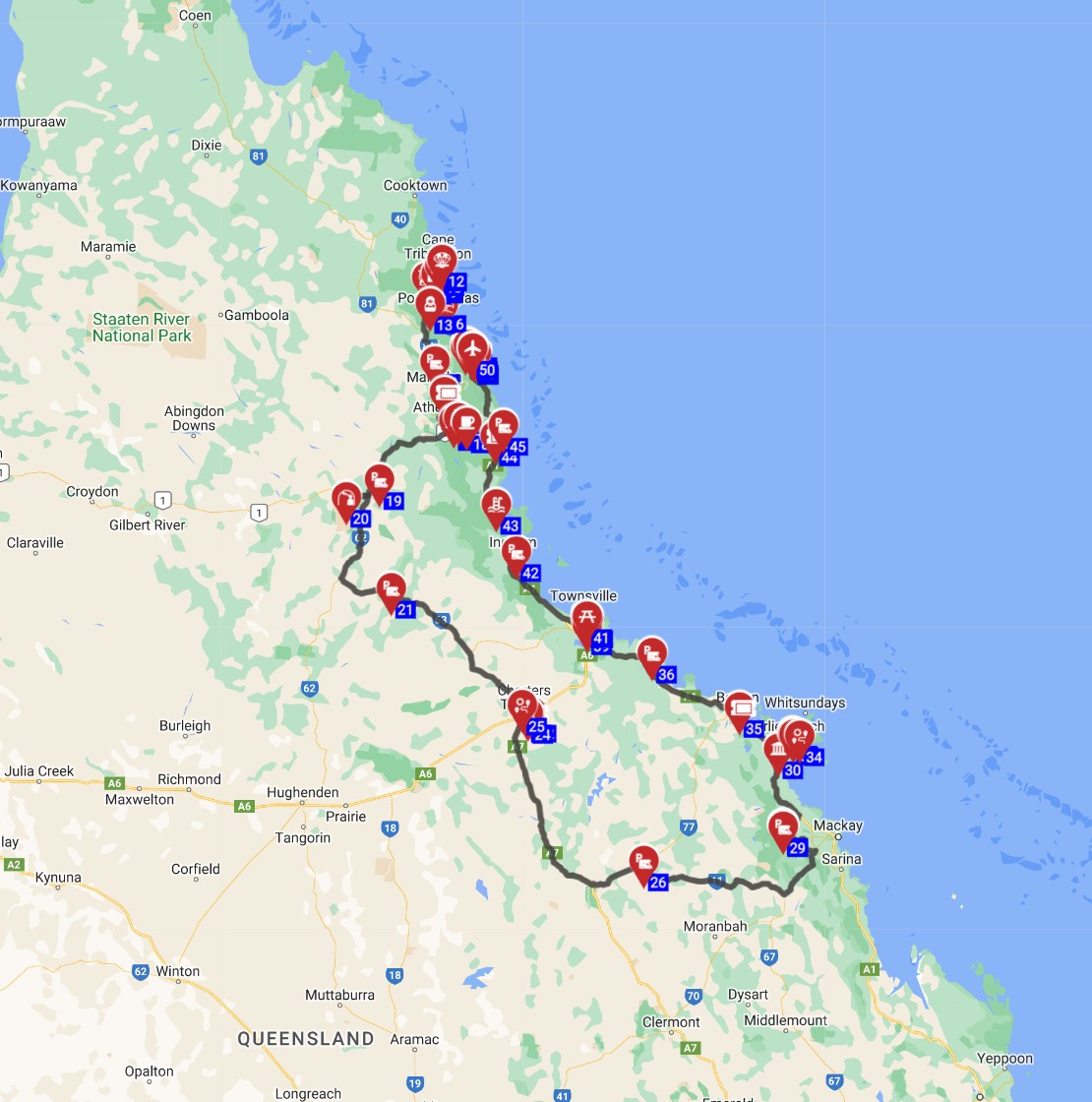
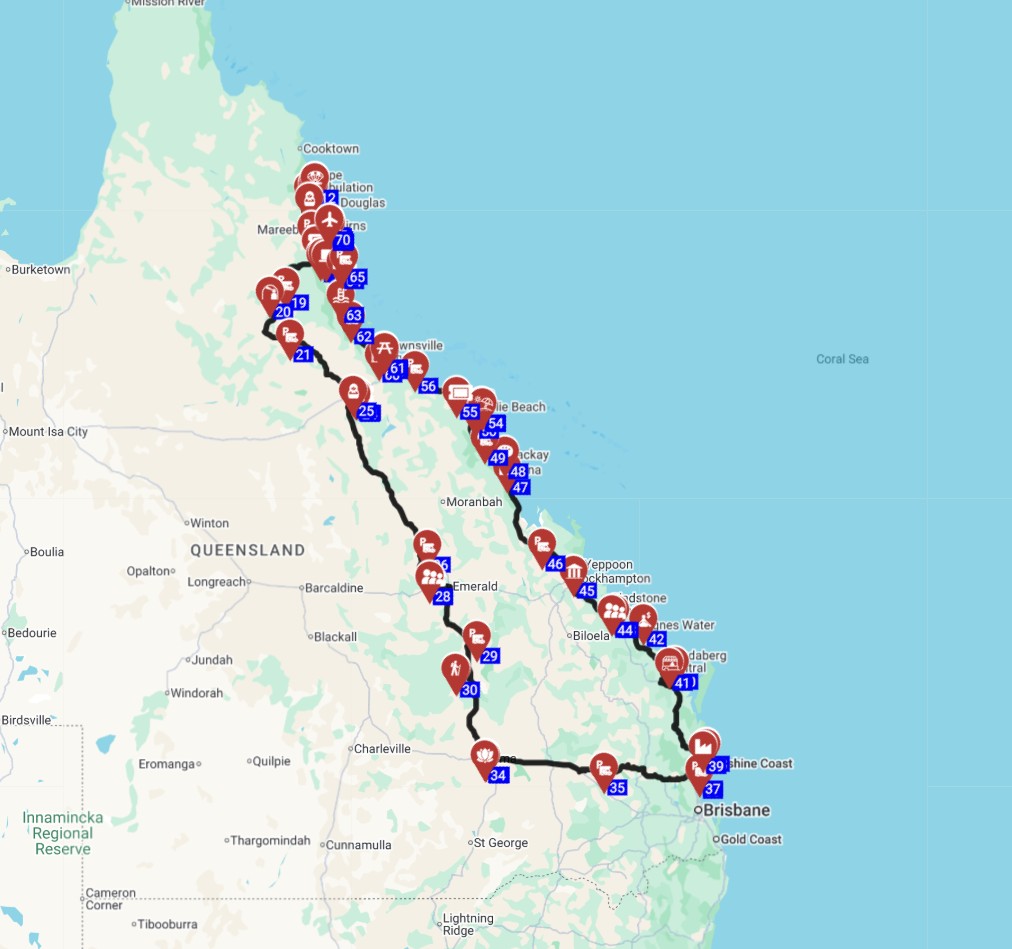
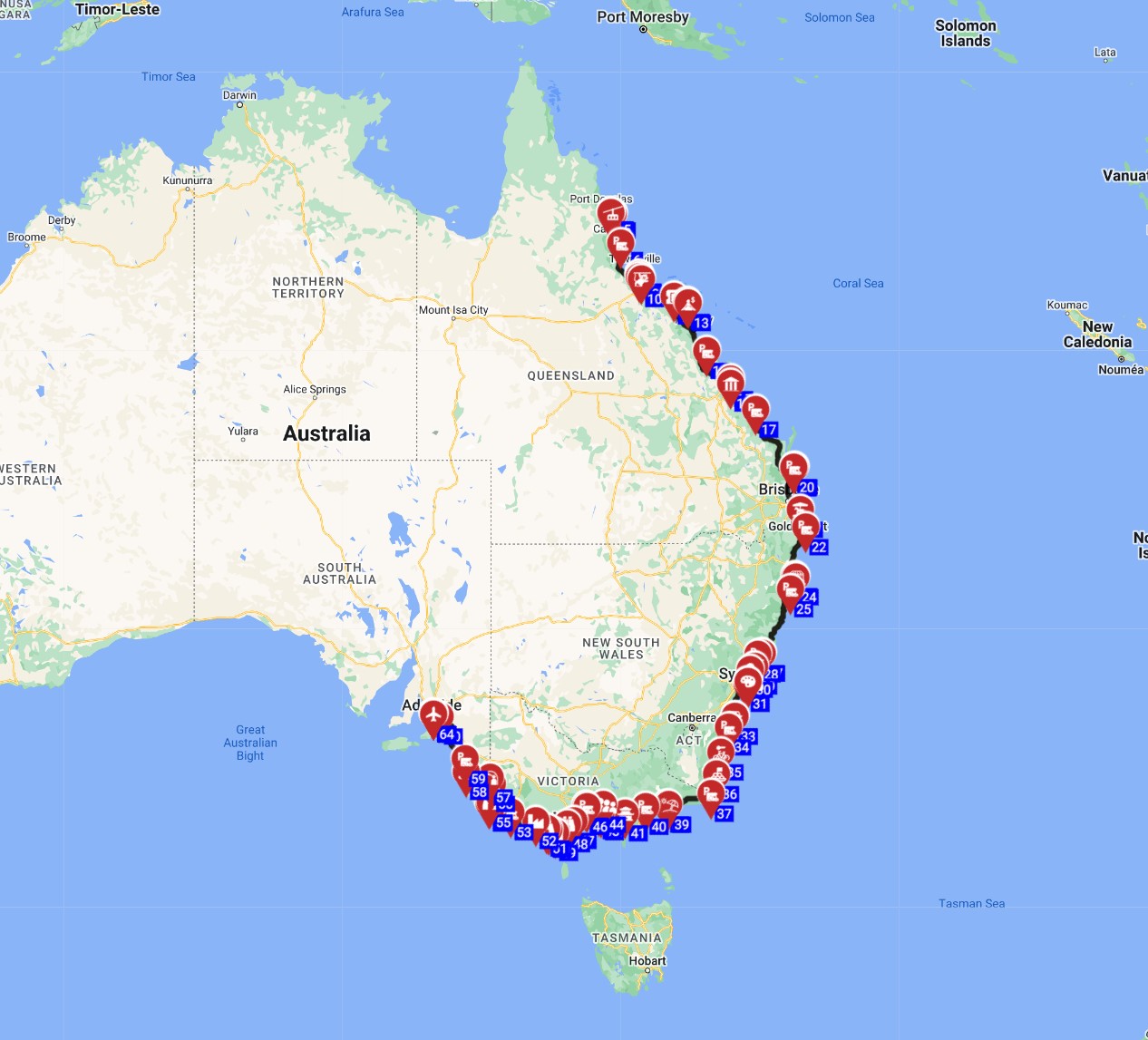
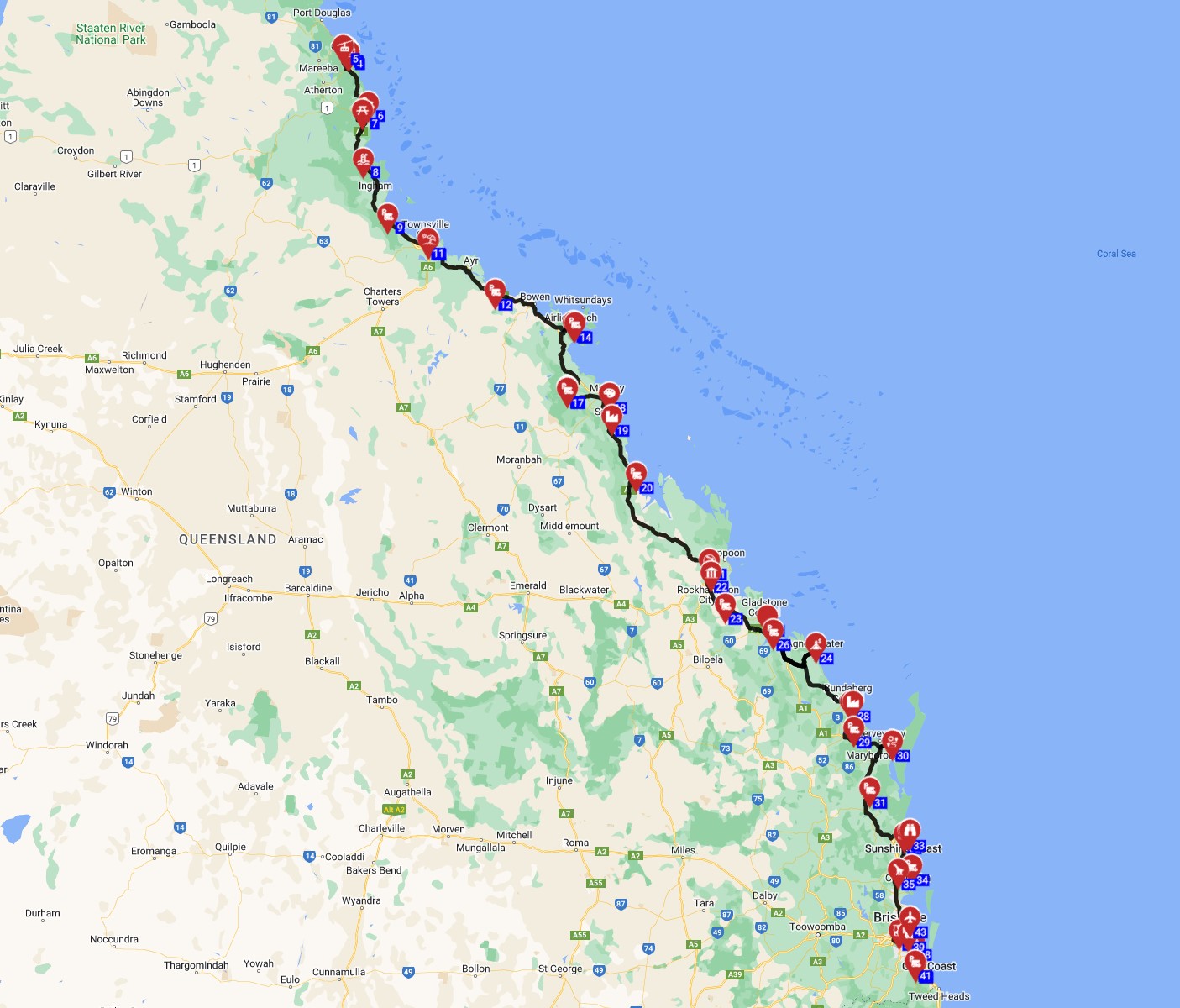
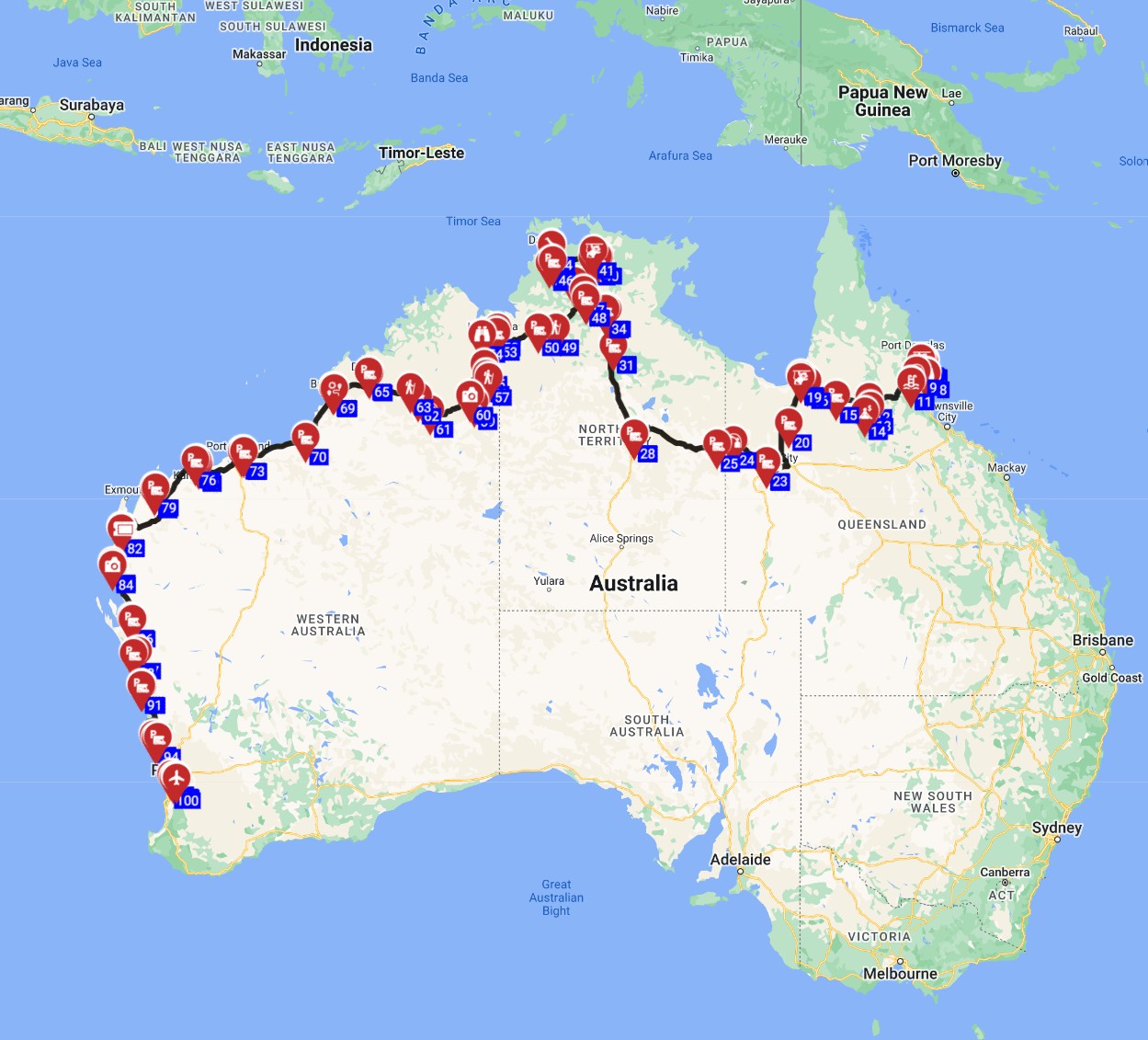
" (23 days, 5942 km) RV road trip to experience wildlife watching, rainforest exploration, and unique cultural encounters. This route includes 2 Animals Shows/Wildlife watches, 2 Art Galleries, and 5 hiking areas.
 Cairns to Broome - Via the Savannah Way
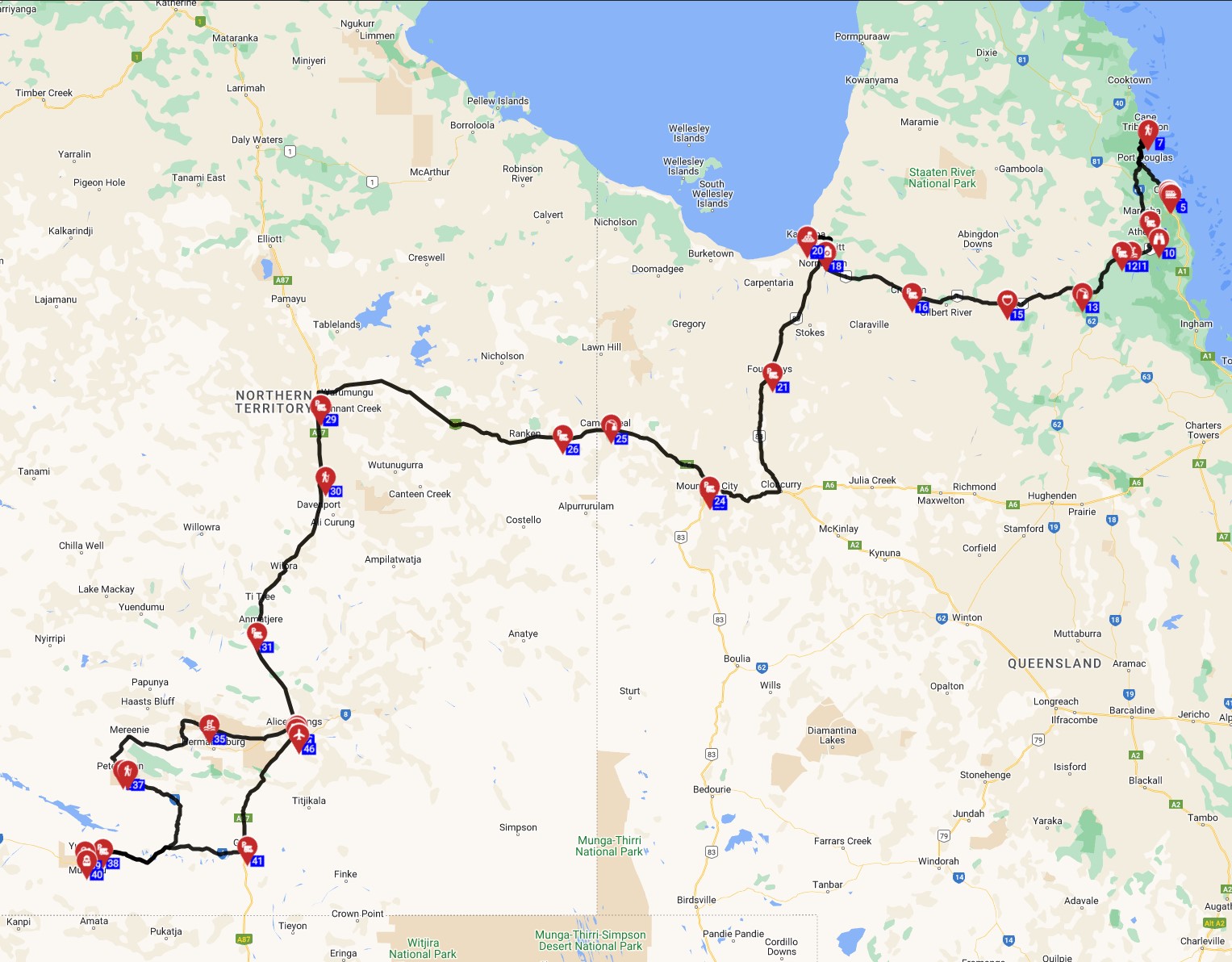
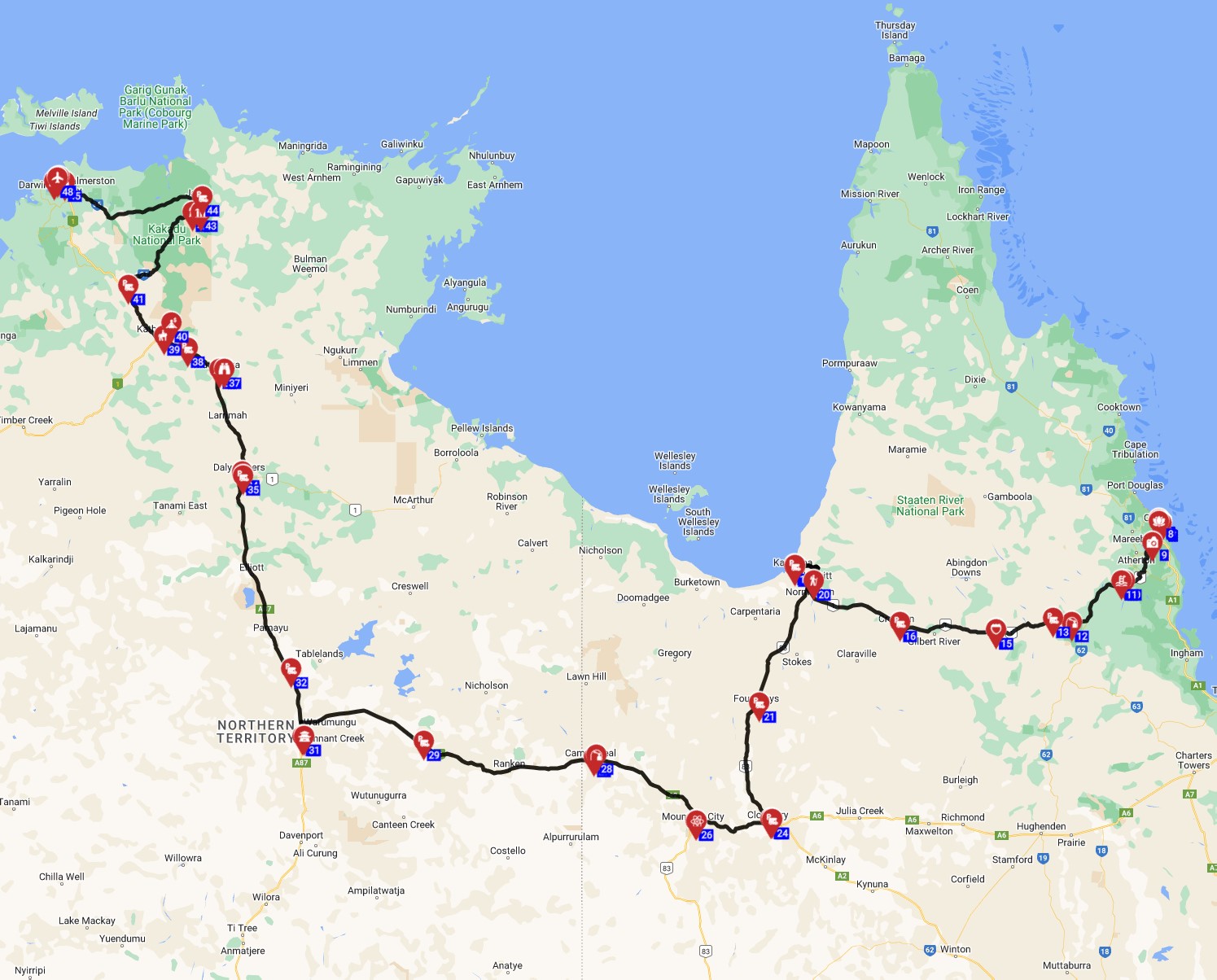
 - Explore the "Cairns to Darwin - The Savannah Way" (17 days, 3431 km) for a diverse adventure featuring 1 Wildlife watch, 1 Aquarium, and 2 caves, offering a blend of natural wonders and historical sites.
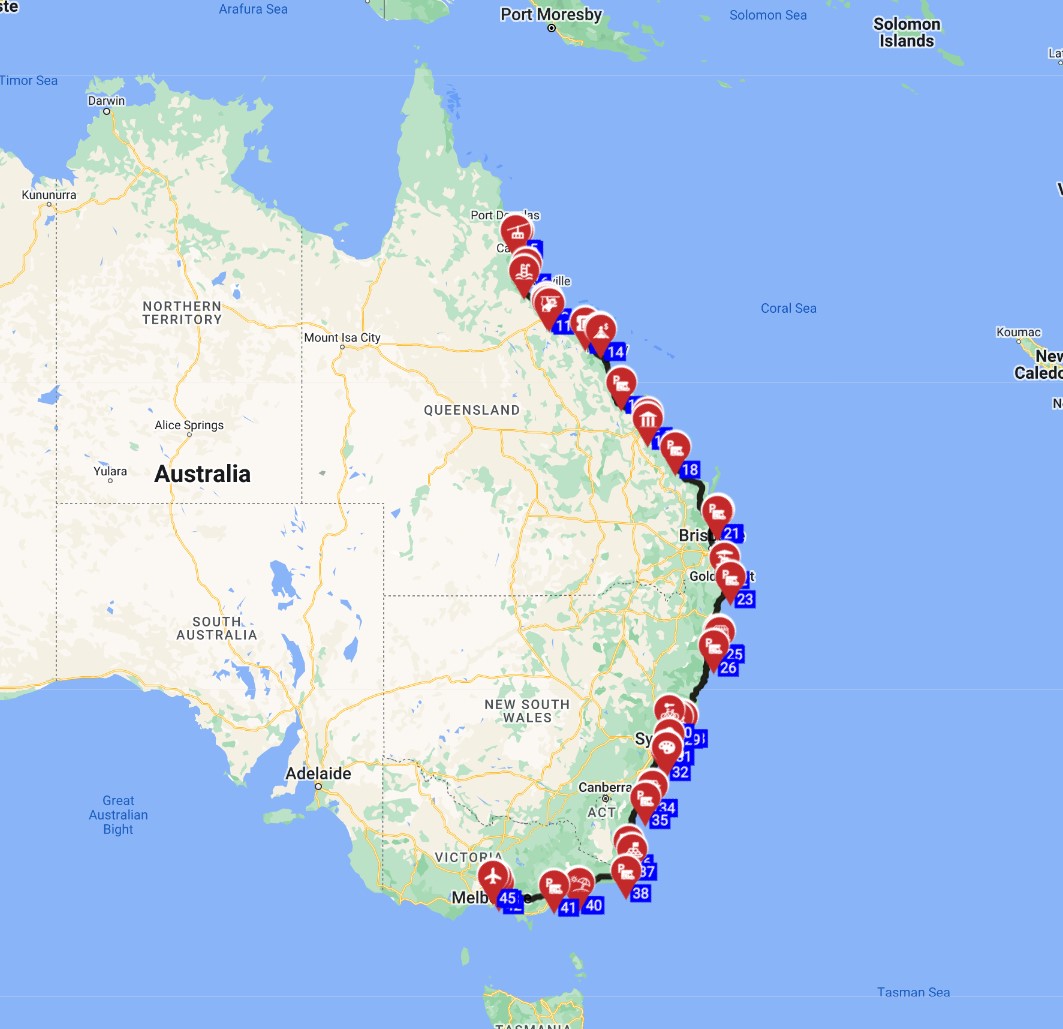
- Discover the "
" (18 days, 3871 km), an 18-day journey through 3 Museums and 2 Natural Features, perfect for a comprehensive Australian outback experience.
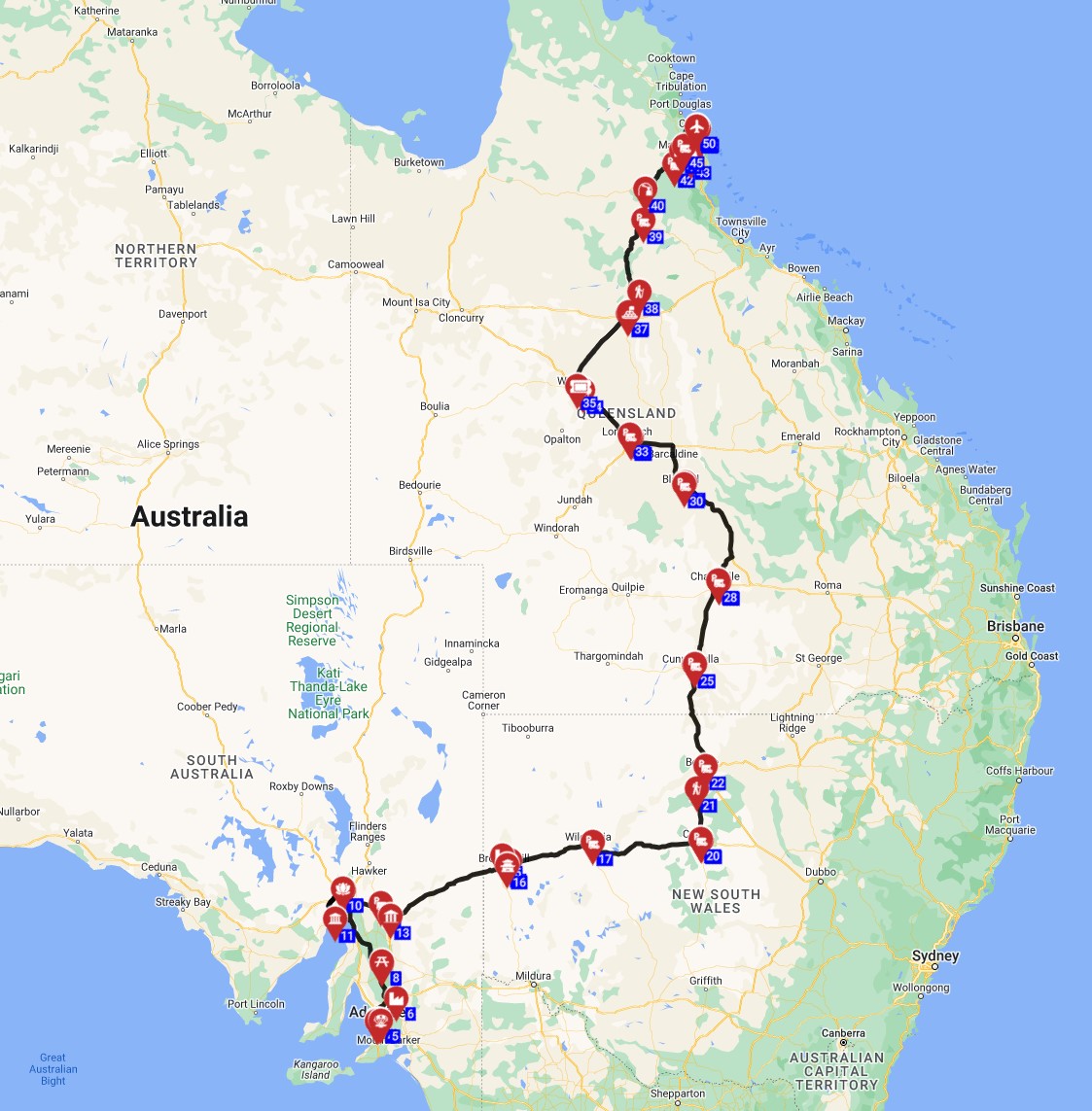 Adelaide to Cairns - Inland Wonders RV Road Trip
 - Hike through the Wet Tropics Rainforest, a UNESCO World Heritage site, and discover natural swimming holes like Josephine Falls or Babinda Creek for a refreshing dip.
- Drive the scenic route through the Atherton Tablelands, exploring volcanic craters, waterfalls, and charming country towns, all while being mindful of cassowaries.
Final Thoughts
Renting a pet-friendly RV in Cairns opens up a world of adventure, allowing you to explore the stunning natural beauty of Tropical North Queensland at your own pace. With the right planning and understanding of local conditions, your RV journey with your furry companions can be incredibly rewarding and memorable.
Remember to book your RV well in advance, especially if traveling during peak seasons, and consider using resources like RV PLANET (rvplan.net) to find the perfect route and campsites for your specific needs. Get inspired for your next trip and discover top destinations and planning tips all in one place!
Find Pet Friendly RV Rentals in Cairns