In This Guide
- Can You Drive an RV in Australia? License & Age Rules
- Road Conditions & Terrain in Australia
- RV Size Limits, Bridges & Restricted Zones
- Fuel: Diesel vs. Petrol & Cost per 100 km
- Tolls, Vignettes & Border Rules
- Driving Tips for rv rental Travelers
- Recommended RV Class for Australia Roads
- Should I Choose a Compact Van Instead of a Large RV in Australia?
- Can I Park Anywhere? Free & Wild Camping Rules in Australia
- Can I Drive an RV Into the City Center? Heights, Tunnels & Local Signage
- How to Plan Pet-Friendly RV Routes in Australia?
- What You Shouldn't Miss
- Why Book with Bandana Caravan
- Final Thoughts
- Frequently Asked Questions
Imagine yourself cruising along Australia's stunning coastlines or venturing into its vast, rugged Outback, with the freedom of your own rented motorhome. Australia offers an incredible RV adventure, a journey of discovery across diverse landscapes, from sun-drenched beaches to ancient red deserts. At Bandana RV, we've been helping travelers like you plan these unforgettable trips since 2001, providing direct partnerships with 50+ leading RV suppliers worldwide to ensure you find the perfect vehicle for your Australian escapade. We are true RV specialists, not just a side department of a travel agency, and our deep local expertise means you get the best advice and support every step of the way. For live availability and current prices, start with our RV Rental Australia - Complete Guide 2026 guide.
Can You Drive an RV in Australia? License & Age Rules
Most standard rental RVs in Australia, specifically those with a Gross Vehicle Mass (GVM) up to 4.5 tonnes, can be driven with a regular car license (equivalent to a Class C license in Australia). This means you generally won't need a special license for the majority of rental motorhomes and campervans. Drivers must typically be at least 21 years old to rent an RV in Australia, and importantly, there are no young driver surcharges or vehicle class restrictions based on age through our partners. For international visitors, a valid foreign driver's license is acceptable, especially if it's in English. However, if your license is not in English, an International Driving Permit (IDP) is strongly recommended and often required, serving as an official English translation of your license. We handle the details, so you can focus on living the journey, from your initial inquiry until your booking is confirmed.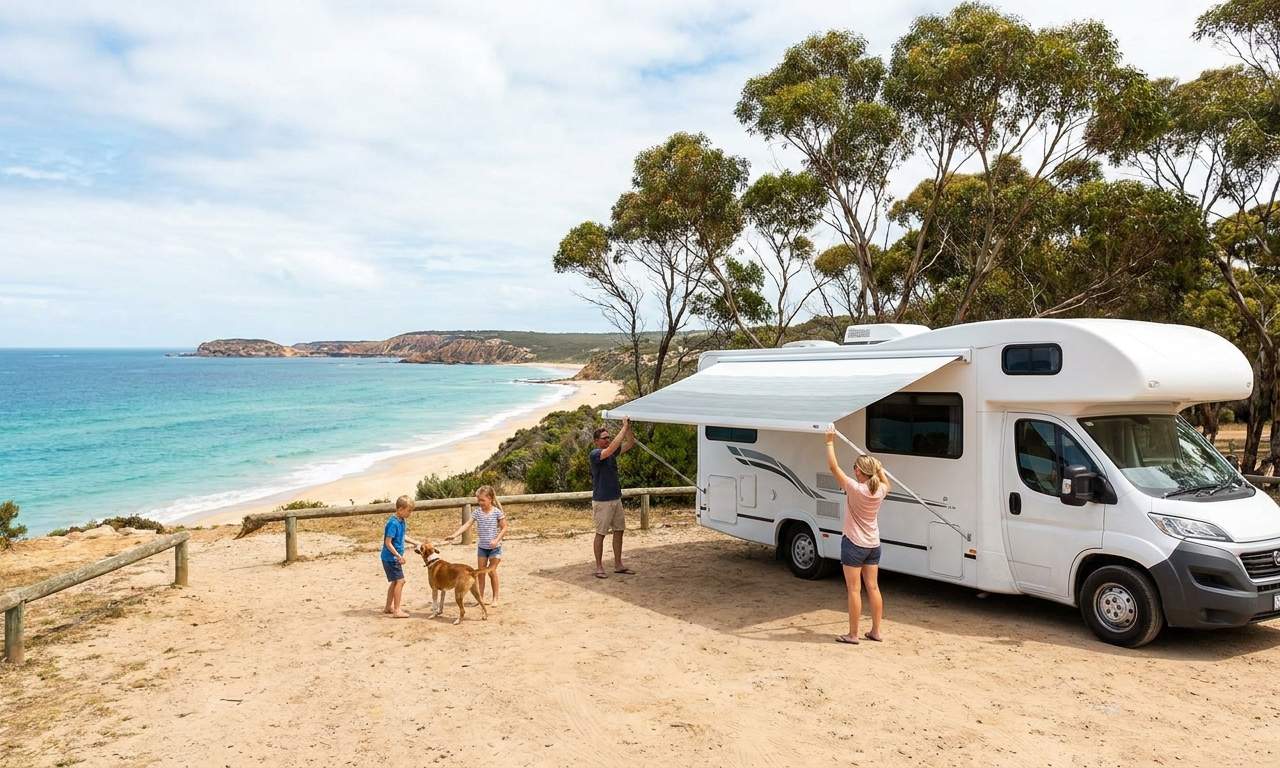
Road Conditions & Terrain in Australia
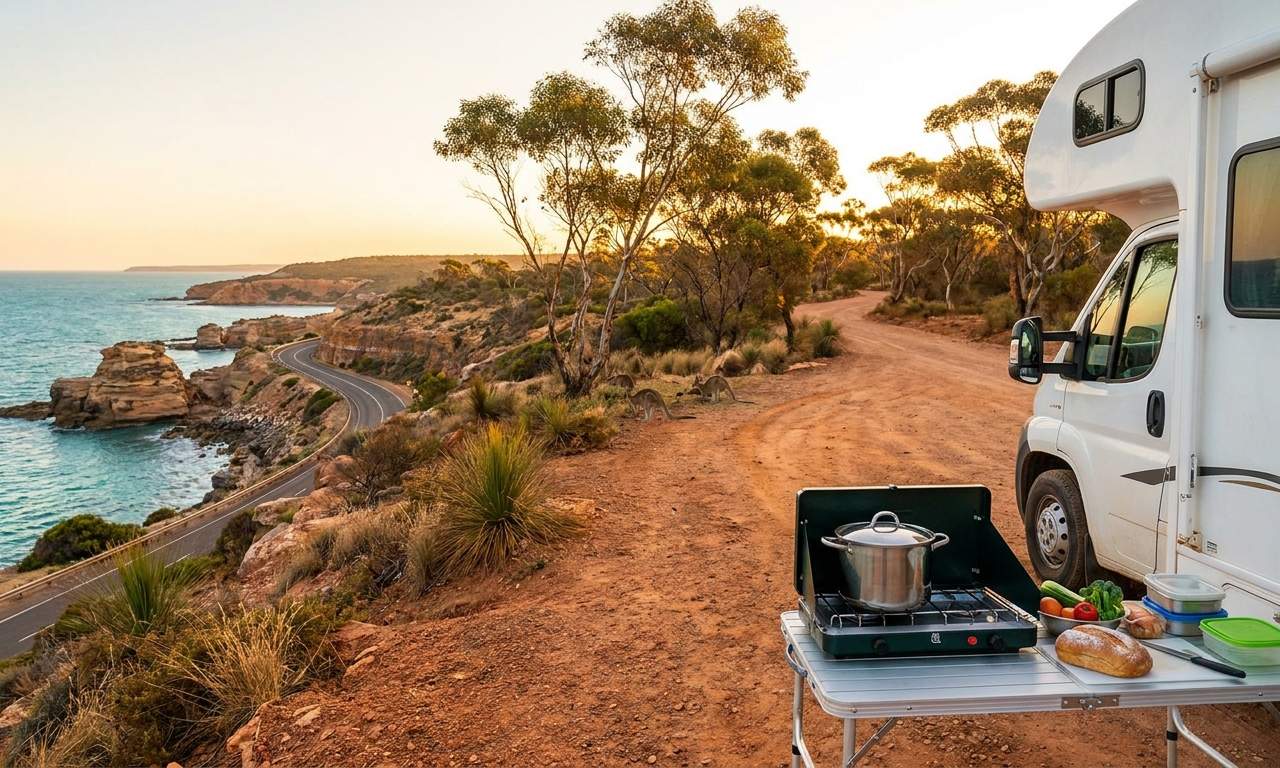
Australia boasts extensive networks of well-maintained sealed roads, particularly along the coastlines and between major cities, making RV travel straightforward for most rental vehicles. However, venturing into remote areas, such as parts of the Outback, often involves unsealed, gravel, or dirt roads that may require a 4WD vehicle and specific driving precautions. Road hazards unique to Australia include prolific wildlife, such as kangaroos, emus, and wallabies, which are especially active at dawn and dusk. This necessitates slower driving, particularly outside urban areas, to avoid collisions. Be prepared for long distances between towns and services in regional areas, requiring careful planning for fuel, water, and provisions. You will also encounter 'road trains' - multi-trailer trucks that can be up to 53.5 meters (175.5 feet) long; overtaking these behemoths requires extreme caution and a lot of clear road. We always recommend traveling slowly, averaging a maximum of 100-150 km per day, to take time to feel the place, connect to the culture, the food, and the scenery.RV Size Limits, Bridges & Restricted Zones
While Australia generally accommodates large RVs and campervans, drivers should always be mindful of vehicle dimensions, particularly height and length, when navigating urban areas, older infrastructure, or specific scenic routes. Most bridges and tunnels in Australia have adequate clearance for standard rental RVs, but it's crucial to always observe signage for specific height and weight limits, especially in older city centers or when approaching national park entrances. Environmental zones or restricted access areas are less common for general RV travel in Australia compared to some other countries. However, certain national parks or remote tracks may have vehicle type restrictions, such as requiring 4WD only, or mandate specific permits. If planning to take your rented RV on a ferry, for example to Kangaroo Island or Tasmania, always check size and weight restrictions and book well in advance, as capacity can be limited and costs are proportional to vehicle dimensions.Fuel: Diesel vs. Petrol & Cost per 100 km
Most rental RVs and motorhomes in Australia operate on diesel fuel, which is generally more fuel-efficient for larger vehicles compared to petrol (gasoline). Both petrol and diesel are widely available across Australia; however, fuel stops can be infrequent in remote Outback regions, necessitating careful planning for refuels. Based on Bandana's global fleet averages, a Class SI - Semi-integrated RV typically consumes 10-11 Liters/100 km, while a larger Class C - Alcove might use 10-12 Liters/100 km. Assuming an average fuel cost of AUD $2.00 per liter, the cost per 100 km for a rented RV could range from AUD $20 to $24, varying significantly with market prices and vehicle efficiency. When planning your trip, consider that some RV rental agreements may include fuel discount cards or perks, which can help offset these costs. For comprehensive trip cost estimation, including fuel and other ancillary expenses, RV PLANET routes allow you to itemize and track every expense along the way for easy budgeting.Tolls, Vignettes & Border Rules
Australia has electronic tolls primarily on motorways around major cities such as Sydney, Melbourne, and Brisbane, with no physical toll booths to pay cash. Unlike some European countries, there are no national vignettes or border crossing rules to contend with when driving a rented RV between states or territories within Australia, as it is a single country. Toll payments are managed electronically via an e-Tag or e-Pass. As a visitor, you can set up a temporary pass online, or more commonly, rental companies often offer pre-paid toll options or will bill you for usage post-rental, sometimes with a small administration fee. Failing to pay a toll can result in significant fines, so it is advisable to discuss toll management with your rental provider at pickup or pre-purchase a pass if available for your chosen route.Driving Tips for rv rental Travelers
Always drive on the left side of the road in Australia, and traffic circles (roundabouts) flow clockwise. Being alert for wildlife is crucial, especially at dawn and dusk, by slowing down and scanning the road shoulders, particularly in rural and regional areas. Plan your route with consideration for long distances between towns, ensuring you have adequate fuel, water, and food supplies, particularly for Outback journeys, as services can be few and far between. Take frequent breaks, every 2-3 hours, to combat driver fatigue, which is especially important when driving larger rented RVs or covering vast Australian distances. Familiarize yourself with your specific RV's dimensions and handling before embarking on your trip, perhaps by practicing turns and parking in a safe, open area. For connectivity, consider a local SIM card for phone service or a satellite phone for truly remote areas, as mobile coverage can be patchy outside major towns.Recommended RV Class for Australia Roads
For general touring on Australia's well-maintained sealed roads and popular coastal routes, a Class SI - Semi-integrated RV offers a superb balance of comfort and maneuverability. Many of our Class SI - Semi-integrated RVs, like the "2 Berth Tamar," average around 6.9 meters in length and typically sleep 3-4 people, consuming approximately 10-11 Liters/100 km, making them versatile for couples or small families. Alternatively, a Class B - Camper Van is excellent for couples or solo travelers seeking more agility, easier parking, and slightly better fuel economy, averaging 5.8 meters in length with common fuel consumption of 8-10 Liters/100 km (e.g., our "Active Standard"). For larger families or those desiring more interior space and amenities, a Class C - Alcove RV, averaging 7.5 meters in length and sleeping 4-6 people, is a popular choice, though it will be less agile in tight spaces (e.g., our "4 Berth Deluxe"). Choosing the right rented motorhome depends on your group size, budget, and desired level of comfort.🎬 Video coming soon
Should I Choose a Compact Van Instead of a Large RV in Australia?
For most of Australia's popular touring routes, a larger RV, such as a Class C or Semi-integrated motorhome, presents no significant driving issues, offering enhanced comfort, more living space, and better amenities over a compact van. Drive slowly and carefully, and you can drive almost anywhere without issues. No need to stress - just use common sense and pay attention. A compact campervan (Class B) genuinely helps in specific scenarios like navigating very tight city streets, parking in standard car parks, or accessing some smaller, more remote campsites not suitable for larger vehicles. The trade-off for a compact van's maneuverability is often reduced interior space, smaller kitchens or bathrooms (or none at all), and less storage, which can impact comfort on longer week-long trips or extended road trips. For a more comfortable experience with home-like conveniences, sticking with a larger rented RV is usually the preferred option for many travelers in Australia, as the main roads are generally wide and accommodating.Can I Park Anywhere? Free & Wild Camping Rules in Australia
No, you cannot indiscriminately park anywhere for overnight camping in a rented motorhome in Australia; strict rules govern where you can legally stay. Designated campsites, including commercial caravan parks and national park campgrounds, are the most common and safest options, offering essential amenities like power, water, and waste disposal. Free camping, often called 'bush camping' or 'freedom camping,' is permitted in specific areas such as designated rest stops, some state forests, and certain council-managed sites, but these often have limited or no amenities. Always look for signage indicating 'no overnight parking' or 'no camping' and adhere to local council regulations, as fines for illegal camping can be substantial. Rules vary significantly by state and local council; always check local government websites or apps like WikiCamps Australia for up-to-date information on legal free camping spots and their specific conditions. Responsible water and waste management are crucial; utilize dump points at caravan parks or designated facilities for grey and black water disposal, and always take all rubbish with you.Can I Drive an RV Into the City Center? Heights, Tunnels & Local Signage
Yes, you can almost always drive a rented RV into Australian city centers, but careful attention to local signage is paramount. Drive slowly and carefully, and you can drive almost anywhere without issues. No need to stress - just use common sense and pay attention. Pay close attention to height limits posted for car parks, tunnels, and older underpasses, as these can be restrictive for taller RVs. Be aware of weight restrictions on certain bridges or historic streets, though these are less common for standard rental RVs. Always observe local signage for environmental zones (rare but emerging), residents-only parking, or restricted turning lanes that might apply to larger vehicles. Parking a large RV in city centers can be challenging due to limited space and height restrictions in multi-story car parks; often, it's easier to park your motorhome on the outskirts and use public transport to explore the city itself.How to Plan Pet-Friendly RV Routes in Australia?
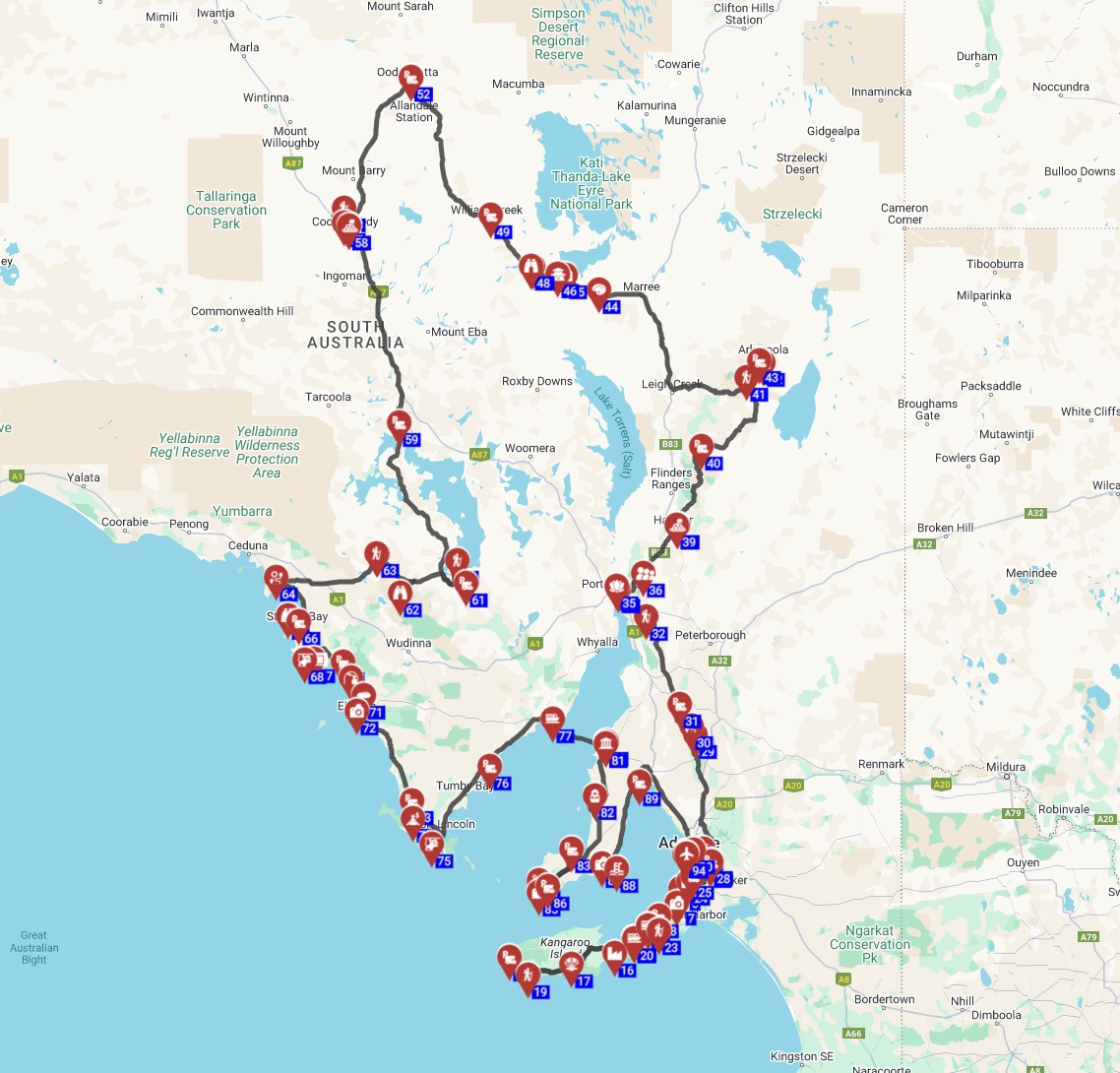
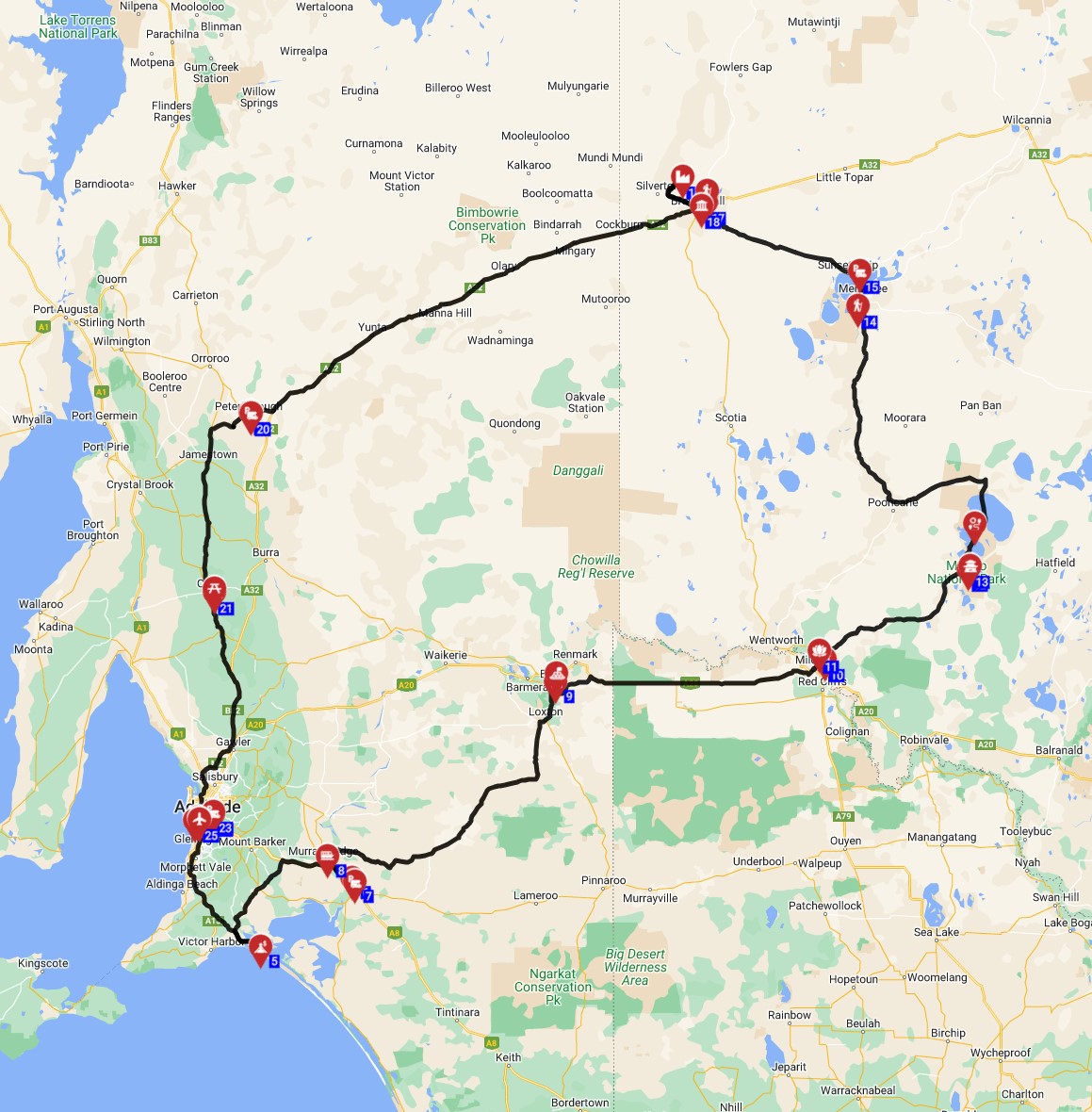
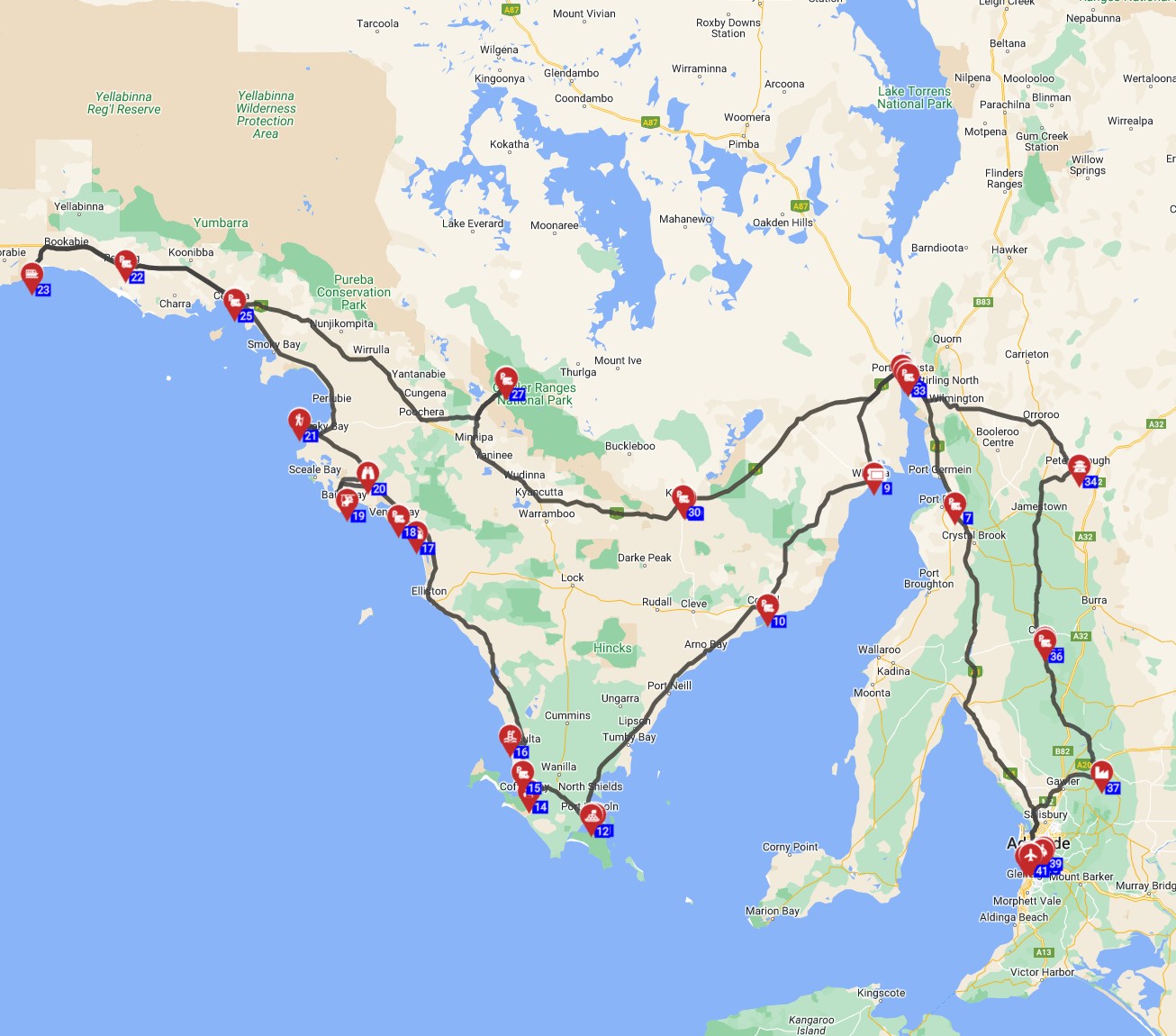
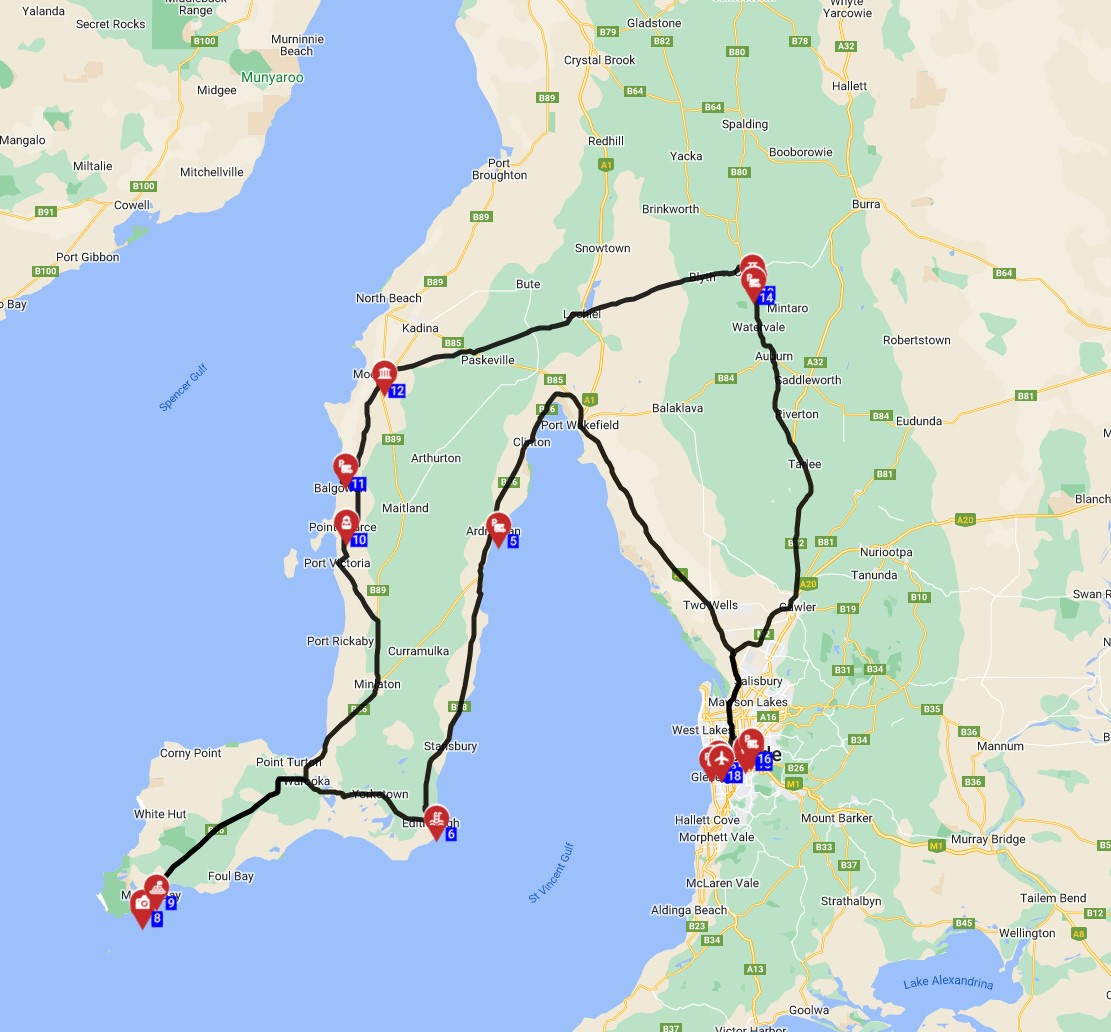
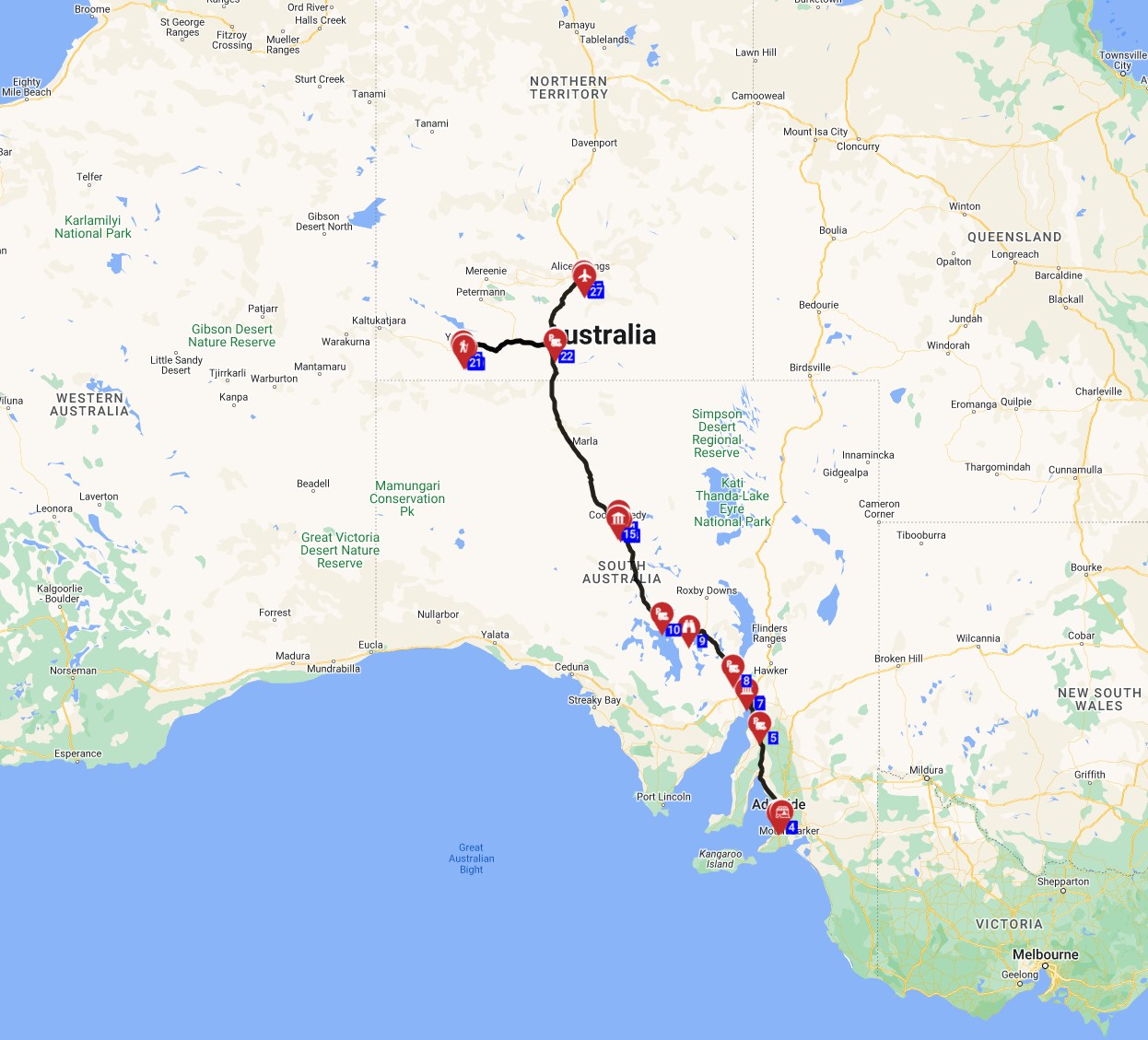
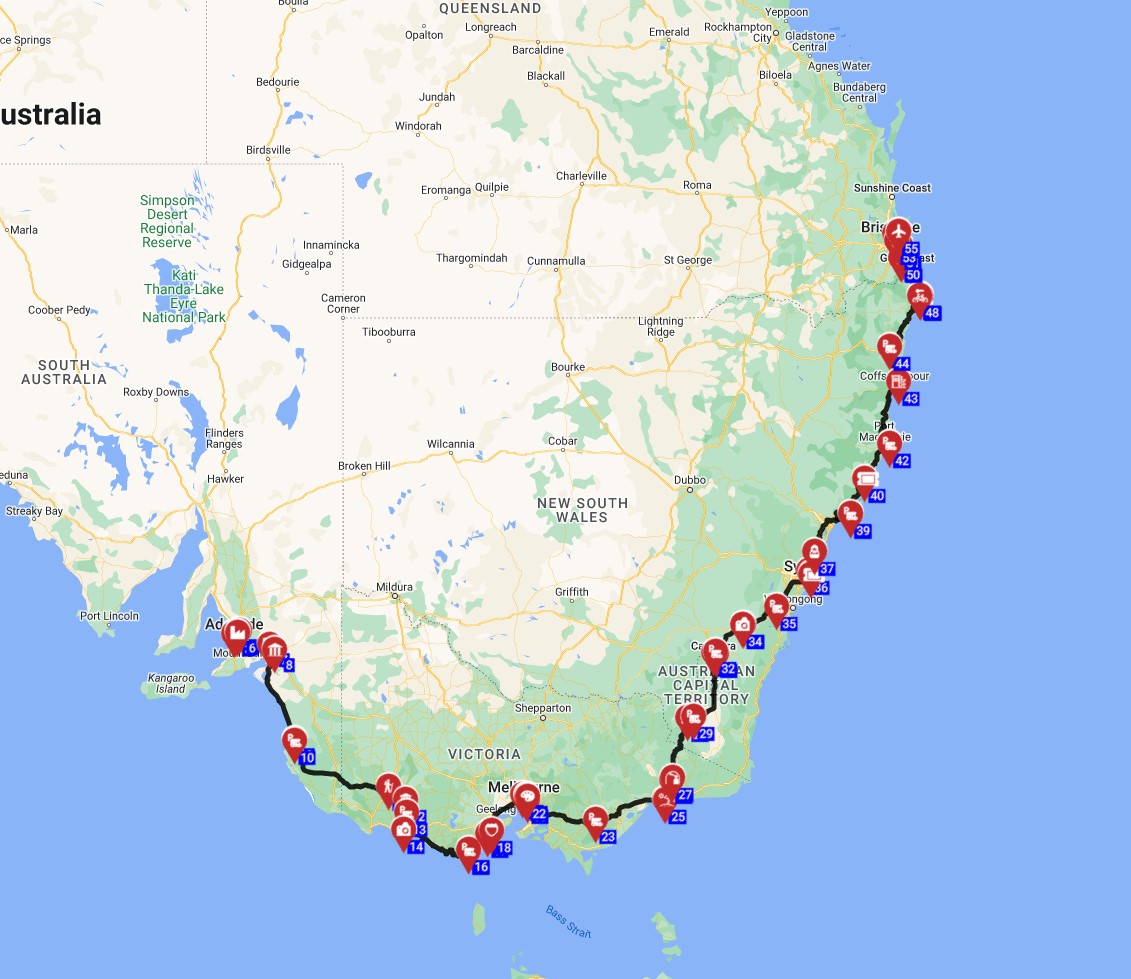
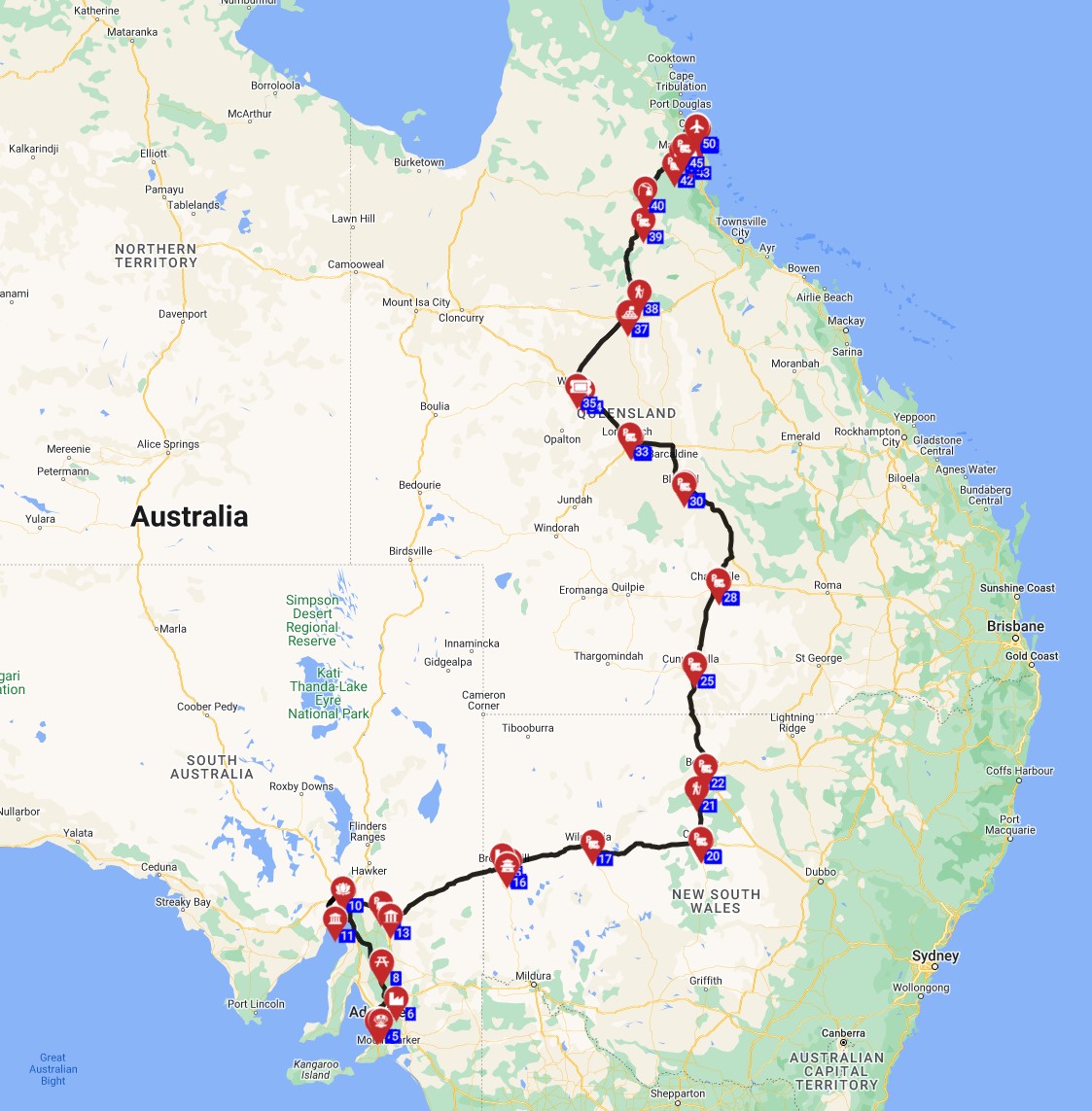
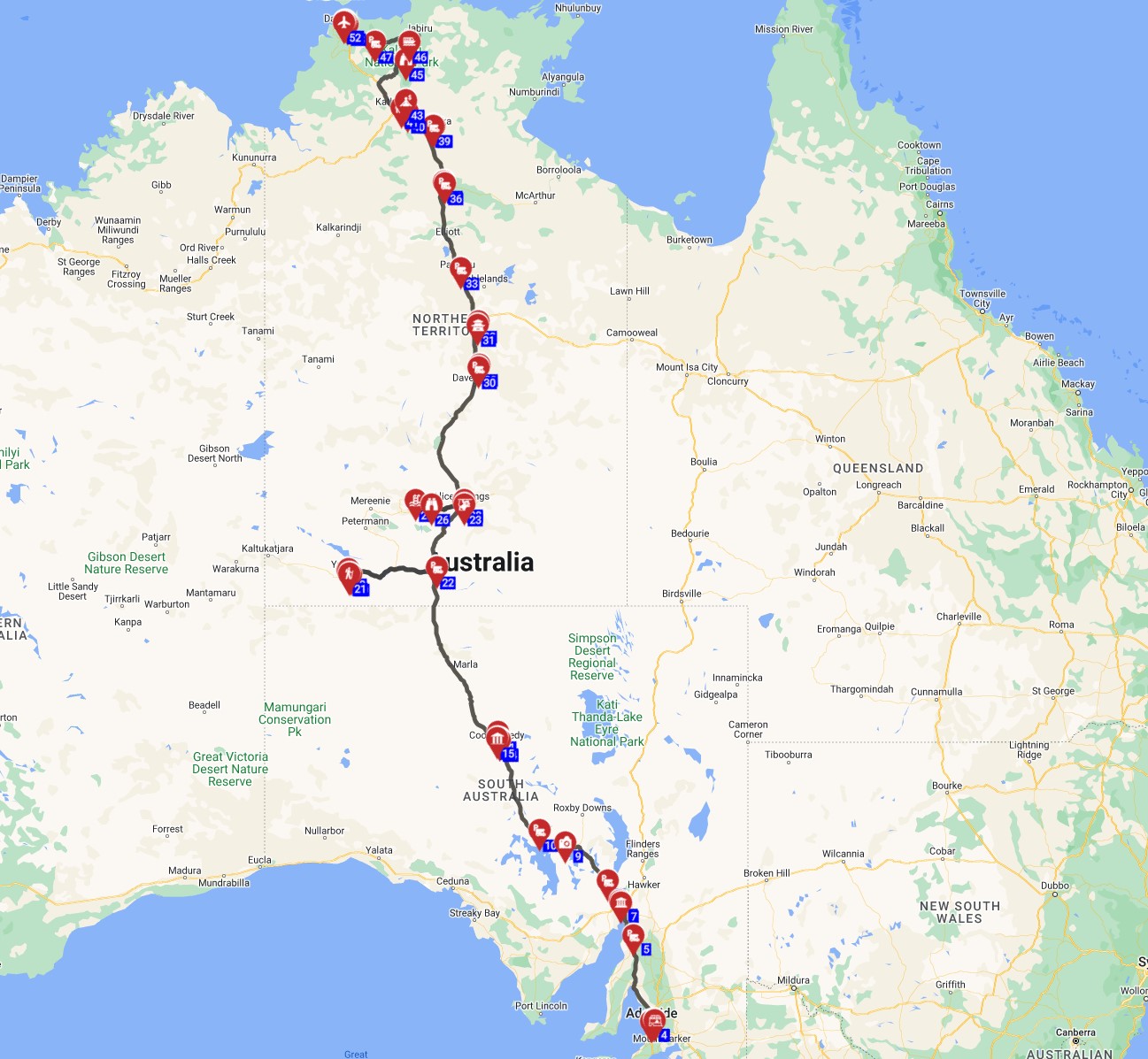
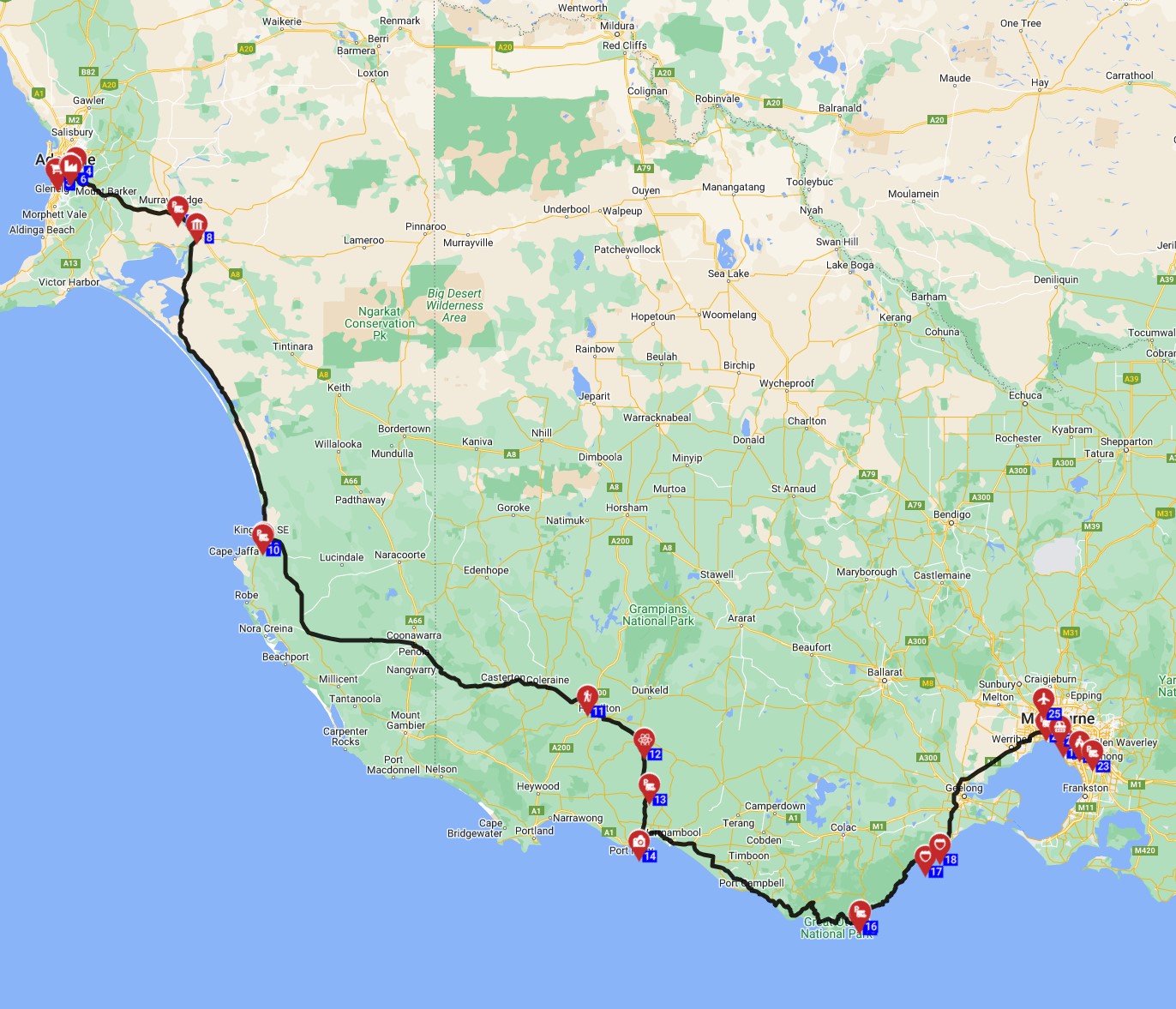
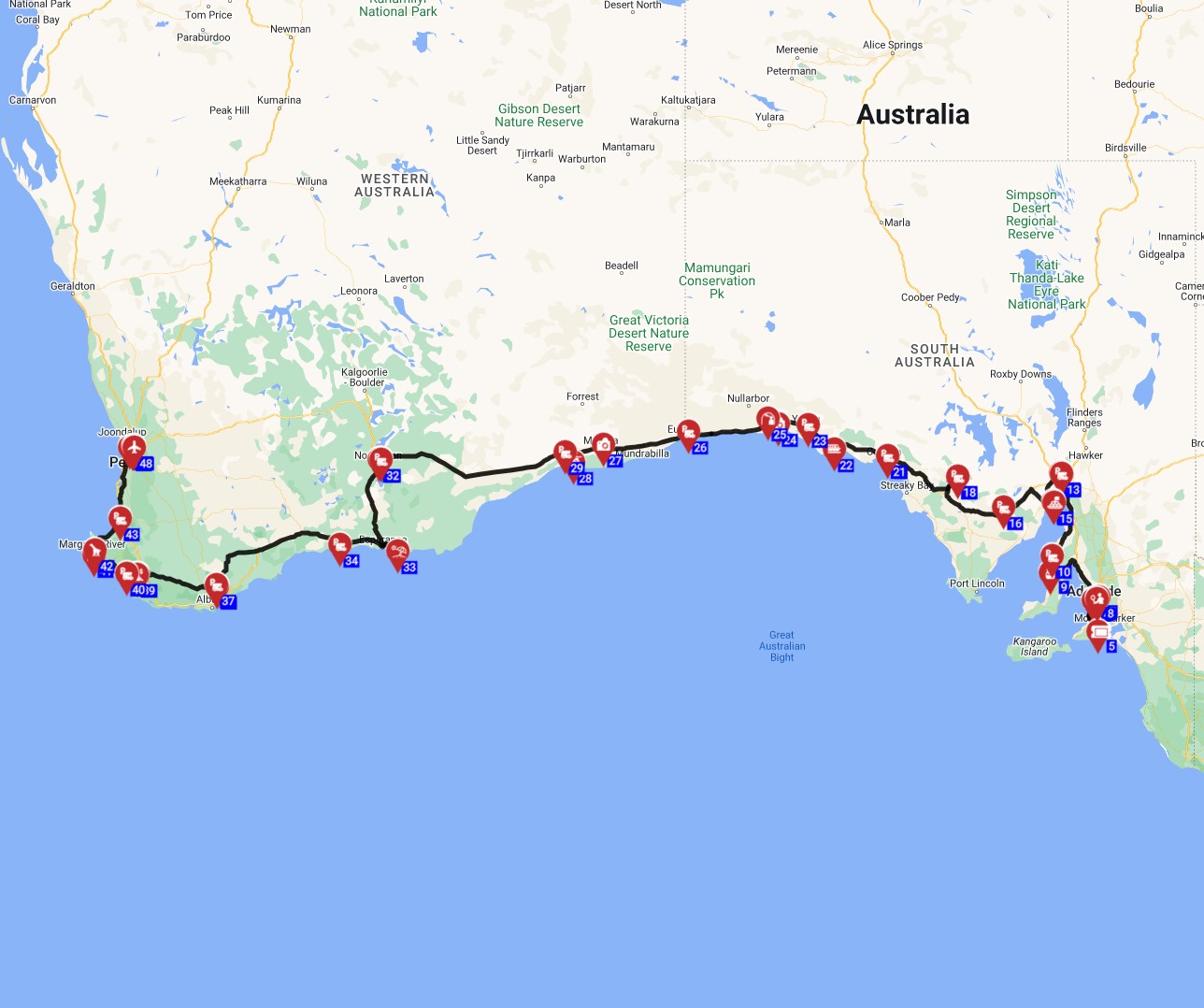
Planning pet-friendly RV routes in Australia requires a little extra thought, as rules for animal companions vary widely across the country. While many rental motorhomes, such as certain Class C - Alcove models (e.g. "24' Class C Motorhome"), do permit pets (often with an additional fee), it's crucial to confirm the specific pet policy with your chosen supplier beforehand. National parks in Australia generally restrict pets (with exceptions for assistance animals), but many state forests, regional parks, and private caravan parks are wonderfully pet-friendly, offering designated areas and amenities. When developing your route plans, look for campgrounds that specifically welcome animals. For pre-planned itineraries crafted by professionals, Rent&Plan offers fantastic options. Our RV PLANET routes include details like nearby pet-friendly attractions or suitable stopping points, and you can enjoy a 25% planning discount when utilizing rvplan.net for your adventure. Imagine exploring these routes with your furry friend by your side! This 26-day, 5622.8 km journey takes you from Melbourne to Darwin, featuring a rich mix of 2 animals shows or wildlife watches, 1 aquarium, 1 botanical garden, and 2 family activities, among its 30+ points of interest. It's a fantastic way to see Australia's diverse landscapes and cities with a rented motorhome, experiencing everything from coastal beauty to the heart of the continent. Embark on a 21-day, 5447.3 km adventure from Perth to Alice Springs, which includes 2 animals shows or wildlife watches, 1 beach, 1 botanical garden, and 3 museums. This itinerary is perfect for discovering Australia's captivating interior by rented campervan. This 17-day, 4003.6 km journey from Cairns to Alice Springs offers 1 animals show or wildlife watch, 1 art gallery, 2 caves, and 3 hiking areas, making it an excellent option for those seeking a mix of tropical and arid landscapes in a rented RV. Remember, many beautiful cooking options exist within your motorhome – explore our RV-friendly recipes playlist for inspiration.What You Shouldn't Miss
- Drive the Great Ocean Road (Victoria): Experience one of the world's most scenic coastal drives, a 243 km stretch offering dramatic cliffs, pristine beaches, and iconic landmarks like the Twelve Apostles.
- Explore Uluru-Kata Tjuta National Park (Northern Territory): Witness the majestic beauty of Uluru and Kata Tjuta, sacred Aboriginal sites, and immerse yourself in ancient culture and breathtaking desert sunsets.
- Discover the Daintree Rainforest (Queensland): Journey through the world's oldest continually surviving tropical rainforest, a UNESCO World Heritage site where the rainforest meets the reef, offering unique wildlife encounters.
- Experience Sydney Harbour (New South Wales): Take in the iconic Sydney Opera House and Harbour Bridge, perhaps with a ferry ride, before retreating to a nearby RV-friendly campground.
- Hike in the Blue Mountains (New South Wales): Explore dramatic scenery, including eucalyptus forests, waterfalls, and the famous Three Sisters rock formation, with numerous walking trails suitable for all fitness levels.
- Unwind in Tasmania's Freycinet National Park: Discover the stunning Wineglass Bay, explore pink granite mountains, and enjoy the pristine natural beauty of this island state.
Why Book with Bandana Caravan
Full Transparency
No hidden fees, no surprises. What you see is truly what you get with your RV rental. We compare final prices across 50+ suppliers so you don't have to.
Dedicated Support
Real people are here to assist you through pre-booking comparison, booking support, and post-booking coordination. Your journey matters to us.
Top-Level Deductible Options
Travel with peace of mind knowing you can upgrade to a top-level deductible reimbursement for extra security on your adventure.
Expert Route Planning
Access 1,300+ pre-planned routes across 5 continents via our sister company, RV PLANET (rvplan.net). Get 25% off planning services!
Founded in 2001, Bandana Caravan has over 23 years helping tens of thousands of travelers explore the world by RV. We partner directly with 50+ leading RV suppliers worldwide, including trusted names like El Monte, Apollo, and Britz. Our bookings are available in 30+ currencies with full price transparency, ensuring no hidden fees or conversion commissions. With coverage across 50+ countries, we offer local expertise and support wherever your rental motorhome takes you.
Final Thoughts
An RV adventure through Australia is more than just a trip; it is an invitation to explore vast, vibrant landscapes at your own pace, creating memories that will last a lifetime. With a rented motorhome or campervan, you unlock unparalleled freedom to discover hidden gems, camp under starry skies, and immerse yourself in the unique Australian culture. Remember our key advice: drive slowly, plan for fuel and water in remote areas, and always check local regulations for camping and pet travel. At Bandana RV, we are passionate about making your dream RV trip a reality. We're here to help you navigate the details, ensuring a smooth and enjoyable experience from the moment you start planning. So go ahead, get inspired for your next trip and discover top destinations, planning tips, all in one place. Your ultimate Australian RV adventure awaits!On the routes offered through RV PLANET routes, you can itemize and track every expense along the way for easy budgeting.