In This Guide
- Where to Camp in Canada - Top Options
- Campground Types in Canada (National, Private, Wild)
- Featured RV Park or Campground in Canada
- Hookups & Amenities - What to Expect
- Booking Windows & Reservations in Canada
- Nearby Supermarkets & Resupply Points
- Best RV Class for Camping in Canada
- How to Save on Campgrounds in Canada
- What are the pet travel requirements for Canada from the US?
- How much does it cost to rent a pet friendly RV in Canada?
- What type of license do I need to drive an RV in Canada?
- Can US citizens RV in Canada for an extended period?
- How do I find pet friendly campgrounds in Canada?
- What are the rules for pets in Canadian National Parks?
- Is it safe to RV in remote areas of Canada with pets?
- What are common RV electrical hookup types in Canada?
- Where can I find propane and fuel for my RV in Canada?
- Are there different RV road rules between Canadian provinces?
- What are some unique pet friendly RV routes in Canada?
Where to Camp in Canada - Top Options
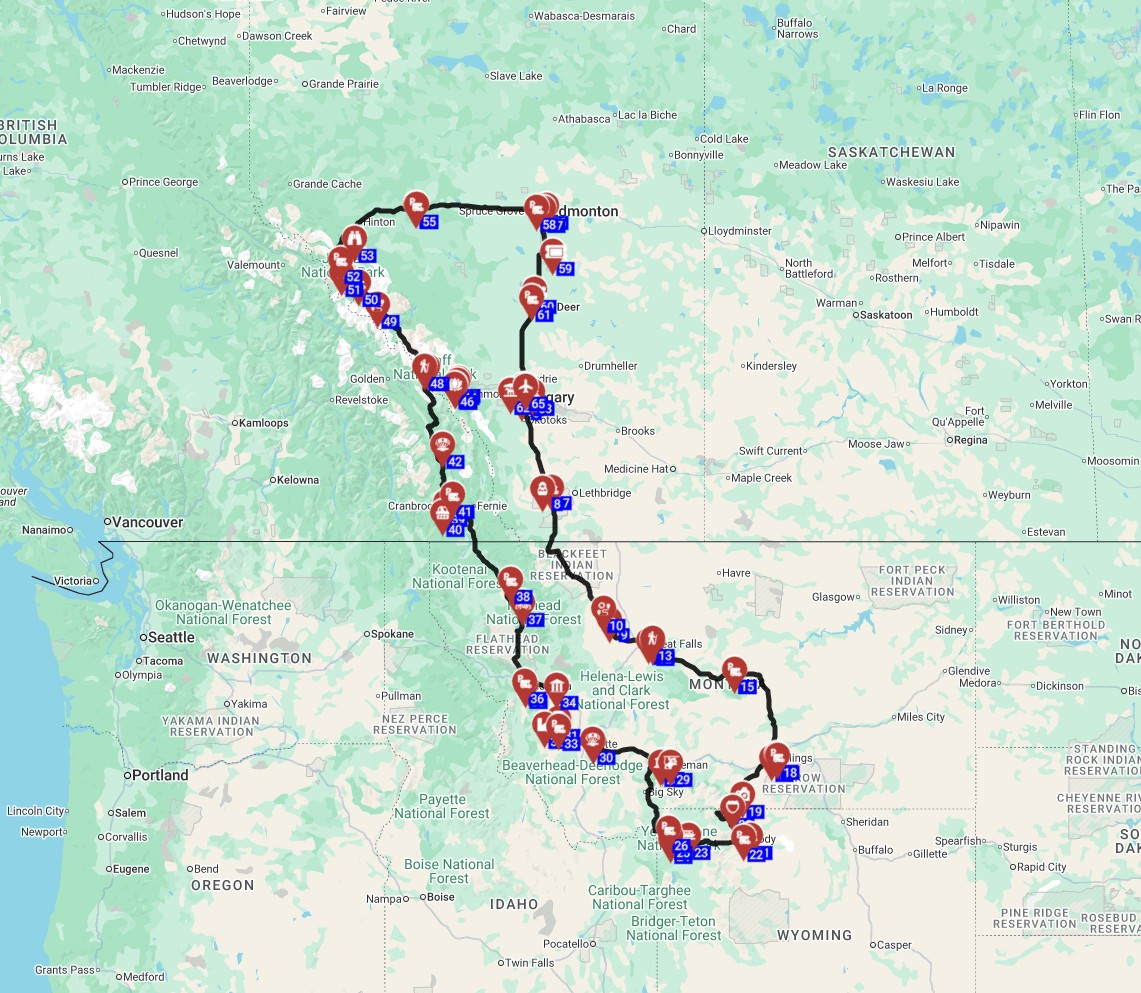
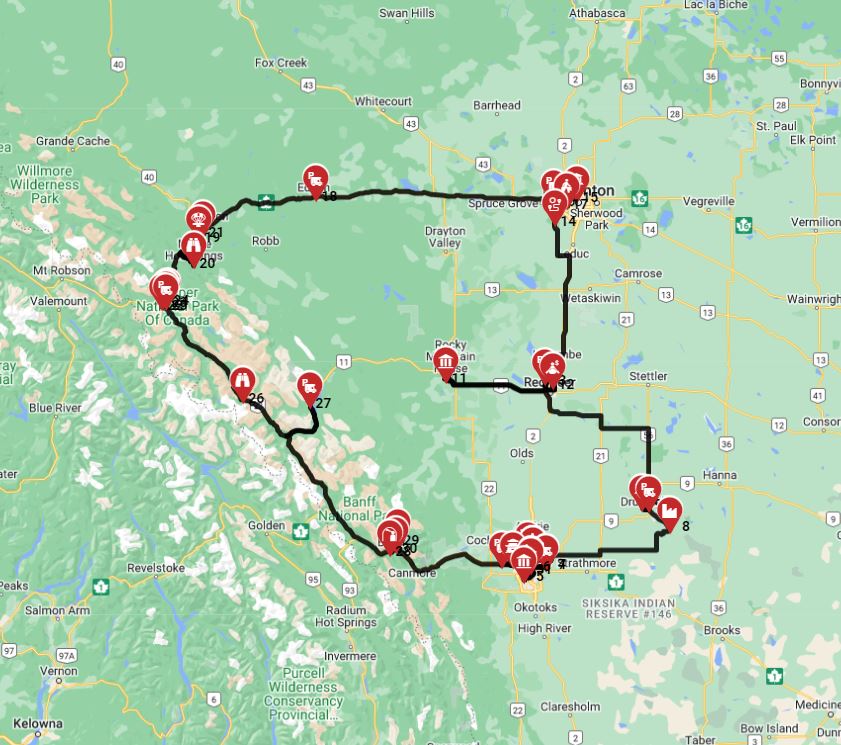
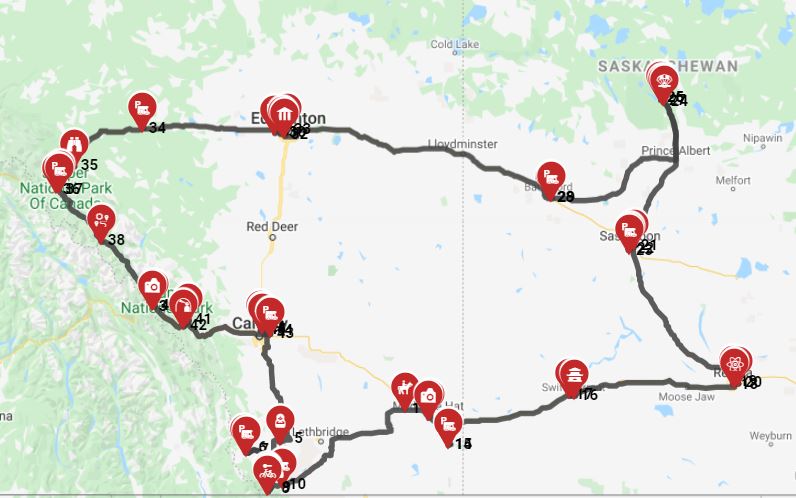
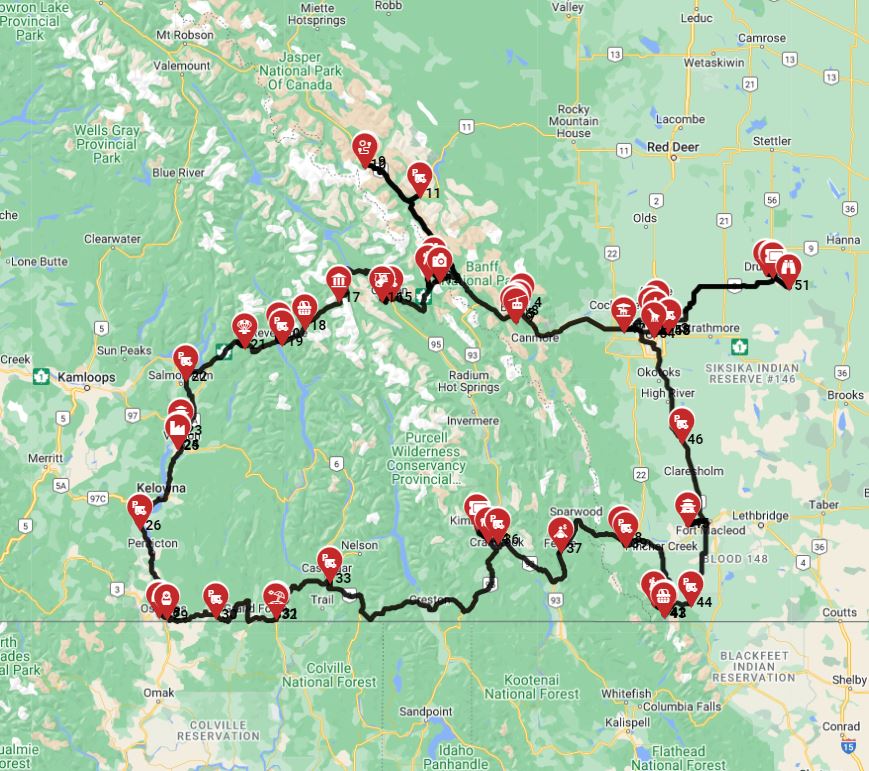
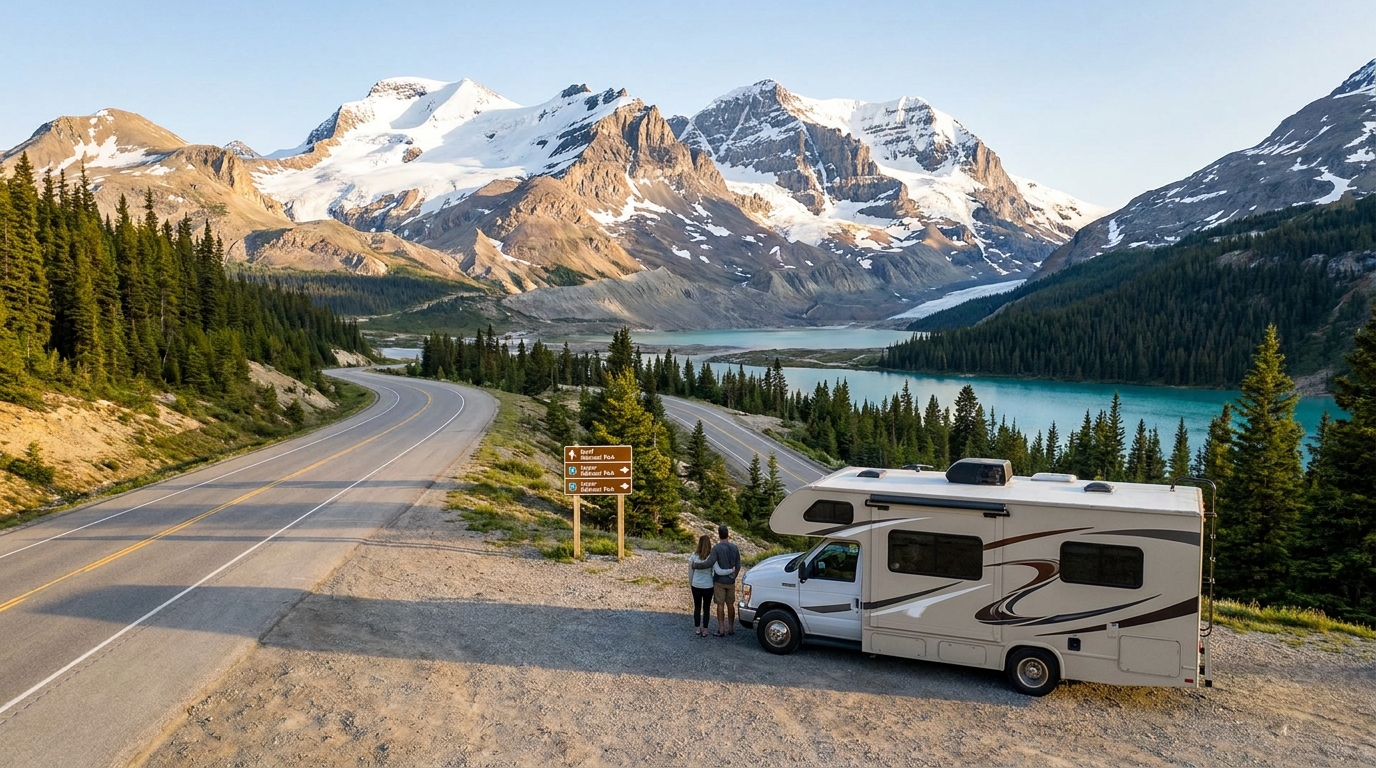
Popular regions in Canada, such as the majestic Canadian Rockies, offer stunning scenery and numerous pet-friendly trails, though booking well in advance is crucial, especially in peak summer season. Coastal British Columbia, including areas around Vancouver Island and the Sunshine Coast, provides a mix of ocean views, lush forests, and charming towns with various pet-friendly campgrounds. For a quintessential Canadian wilderness experience, Ontario's Algonquin Provincial Park offers RV-accessible campsites and designated pet areas. Many of these regions boast extensive trail networks, perfect for hiking with your dog, provided they are always on a leash. Exploring Canada's Heartland in a Motorhome from Halifax to Whitehorse is a monumental 37-day, 9199.1 km journey that showcases the incredible diversity of this country, featuring 4 hiking areas and numerous natural features, making it ideal for adventurous pet owners.Campground Types in Canada (National, Private, Wild)
Canada offers a variety of camping experiences, each with its own charm and rules regarding pets. National and Provincial Parks provide breathtaking scenic beauty and often require reservations, especially for pet-friendly sites, with strict rules regarding leashes (typically no longer than 3 meters or 10 feet) and wildlife protection. Private campgrounds, such as those found across British Columbia and Ontario, usually provide more amenities like full hookups, Wi-Fi, and laundry facilities, often catering specifically to pet owners with designated dog parks or washing stations. Wild camping, or boondocking, is generally restricted in populated or protected areas; travelers must confirm legality and safety beforehand, as rules vary by province and municipality, and always be prepared for no services. When planning your route, exploring options like those found in RV PLANET routes can help you budget for various ancillary costs, from campground fees to fuel, ensuring a smooth adventure.Featured RV Park or Campground in Canada
When choosing an RV park or campground in Canada for your pet-friendly adventure, prioritize those with explicit pet-friendly policies, dedicated dog walking areas, and convenient waste stations. Checking recent reviews regarding pet policies and overall cleanliness can provide valuable insights into the best options for your furry companion. Look for amenities such as full electrical, water, and sewer hookups, clean washrooms, and easy access to local attractions or hiking trails that welcome pets. For instance, the Tunnel Mountain Village Campground in Banff National Park is a popular choice, offering over 600 sites, some with electrical hookups, and proximity to numerous dog-friendly trails. Remember to confirm specific pet rules directly with any campground before arrival, as some may have breed or size restrictions.Hookups & Amenities - What to Expect
In Canada, standard RV electrical hookups commonly provide 15, 30, or 50 amp services, so it is always wise to bring appropriate adapters to ensure compatibility with various campground pedestals. Water hookups at serviced sites deliver potable water directly to your RV, while dump stations are widely available for grey and black water disposal; always confirm water potability before consuming. While many private campgrounds offer Wi-Fi, reliability and speed can vary, especially in remote areas where cellular service may also be spotty, necessitating offline navigation or entertainment options. Many RVs come equipped with a kitchen area, including a gas stove and refrigerator, perfect for preparing meals on the go. If you’re looking for inspiration on what to cook, check out our RV-friendly recipes playlist.Booking Windows & Reservations in Canada
For popular National and Provincial Parks in Canada, reservations often open 3 to 8 months in advance, especially for summer travel, and pet-friendly sites are in high demand, so early planning is recommended. However, spontaneous travelers can still find availability, as many national park campgrounds reserve only 25%-30% of their spots for advance reservations, leaving the remaining spots for first-come, first-served arrivals. If you prefer to travel without a rigid itinerary, arriving early in the day at your desired campground can significantly increase your chances of securing a spot; if not at the first campground, then often at the next one. It's always a good idea to call ahead to a few campgrounds before driving long distances, particularly when traveling with pets.Nearby Supermarkets & Resupply Points
Major grocery chains, such as Loblaws (including Real Canadian Superstore), Sobeys, and Save-On-Foods, are prevalent across Canada, offering comprehensive selections for food, beverages, and essential pet supplies. When venturing into smaller towns or remote areas, be aware that you might find independent grocers or smaller convenience stores with limited stock, so it is advisable to stock up in larger centers before heading off-grid for an extended period. Plan for fresh water refills and propane tank exchanges at designated RV service centers or larger gas stations, which are common along main routes. For budgeting your ancillary trip costs, including fuel, groceries, and campground fees, remember that RV PLANET (rvplan.net) routes allow travelers to itemize and track every expense along the way for easy budgeting.Best RV Class for Camping in Canada
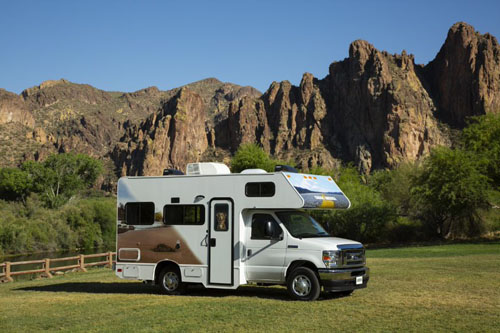
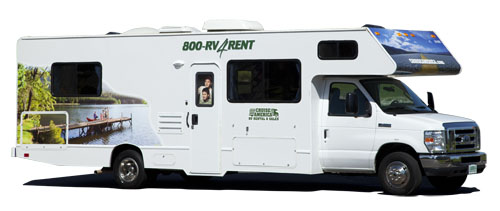
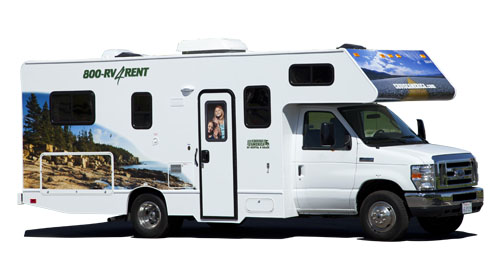
Choosing the best RV class for your Canadian adventure with pets depends on your travel style and group size. Class B Camper Vans, like the "rv rental denver example Category Van" which is ideal for a couple, or the "Active Classic" at an RV size - Small, are excellent for couples or small families seeking maneuverability, offering better fuel economy (around 10 Liters/100 km) and easier access to smaller provincial parks or urban areas. Class C Alcove RVs, such as the "24' Class C Motorhome" with a sleeping capacity of 5 and dimensions around 7.46m length, provide a good balance of space and drivability for families, with ample storage for pet gear and a fuel consumption typically ranging from 10-12 Liters/100 km. It is also important to consider the average load capacity, for example, a Class SI Semi-integrated at 72.2 kg versus a Class C at 42.4 kg, to ensure you have enough room for all your essentials, including pet food and equipment, without exceeding weight limits.How to Save on Campgrounds in Canada
To help you manage your budget, utilizing campground discount cards, such as those sometimes provided by RV rental companies like our partners, can provide reduced rates at participating private parks across Canada. Traveling during the shoulder seasons, which typically include late spring (May-June) or early fall (September-October), can lead to significantly lower campground rates and less crowded sites compared to the peak summer months. Additionally, opting for municipal or regional campgrounds often presents a more affordable alternative to private resorts, as they usually offer basic amenities at a lower price point. For longer trips, planning to stay three or more nights at a single location can often qualify you for weekly rates, which are generally more cost-effective than daily fees. For more strategies on managing your trip expenses, refer to our "Cheap RV Rental in Canada - Budget Guide 2026".What are the pet travel requirements for Canada from the US?
To bring your pet (dog or cat) into Canada from the U.S. in 2026, you typically need a valid rabies vaccination certificate signed by a licensed veterinarian, indicating the vaccine type, date of administration, and duration of immunity. Pets under three months old are generally exempt from rabies vaccination requirements, but it is always best to verify the latest regulations with the Canadian Food Inspection Agency (CFIA) before travel, as rules can change. While microchipping is not strictly required for U.S. pets entering Canada, it is highly recommended for identification, and ensuring your pet is healthy and free of disease is paramount for a smooth border crossing experience.How much does it cost to rent a pet friendly RV in Canada?
The cost of renting a pet-friendly RV in Canada can range widely, typically from CAD $150 to $400+ per night, depending on the RV class, rental season, duration, and the specific pet fee, which can be an additional CAD $25-100 per rental or CAD $10-25 per night. Budgeting for a pet-friendly RV trip should also include fuel costs (e.g., a "MHLUX" Class A motorhome can consume 14-18 miles/gallon), campground fees (CAD $30-$70/night for serviced sites), and pet-related expenses like food, treats, and any necessary veterinary care. Prices are dynamic, similar to flight tickets, changing daily based on availability, seasonality, and supplier marketing decisions, so the final price is set at the actual booking time. Additional costs might include optional insurance upgrades for a top-level deductible, convenience kits, mileage packages, and activities, so always obtain a detailed quote through Bandana's transparent comparison platform to see the final price with no hidden fees or surprises. For a more detailed breakdown, explore "RV Rental in Canada - Prices and Best Deals 2026".What type of license do I need to drive an RV in Canada?
For the vast majority of recreational vehicles (RVs) available for rental in Canada, including all Class A, Class B, and Class C motorhomes and campervans, a standard car driver's license from your home country or state is sufficient. There is no need for a special license, Commercial Driver's License (CDL), or any additional permits. For international visitors from non-English speaking countries, an International Driving Permit (IDP) is recommended as a supplementary document, especially if your license is not in English or French, though it is not mandatory in most cases. The minimum rental age for all motorhome classes is 21, and thankfully, there are no young driver surcharges or vehicle class restrictions based on age with our partners.Can US citizens RV in Canada for an extended period?
U.S. citizens can generally visit Canada for up to six months without needing a visa, and this policy extends to RV travel, allowing for extended explorations with your mobile home. However, the exact duration of your stay is ultimately at the discretion of the Canada Border Services Agency (CBSA) officer at your point of entry. If you plan to stay longer than six months, you must apply for a visitor record before your initial authorized stay expires, demonstrating sufficient funds to support yourself and a clear intent to leave Canada at the end of your visit. It is also crucial to ensure your U.S. vehicle insurance provides adequate coverage in Canada, or purchase supplementary Canadian coverage, as proof of insurance may be required, especially for longer stays. For detailed information on cross-border travel, you might also find our "RV Rental USA - Complete Guide 2026" helpful.How do I find pet friendly campgrounds in Canada?
Finding pet-friendly campgrounds in Canada is most efficiently done by utilizing comprehensive online camping directories, specific park websites (such as Parks Canada or provincial park sites), or dedicated camping apps that allow filtering by pet policies. Always confirm directly with the chosen campground about their specific pet rules, including leash requirements, restricted areas (e.g., some beaches or swimming zones), and any breed or size limitations, especially if you have multiple or larger pets. Look for campgrounds that explicitly mention amenities like designated dog parks, pet washing stations, or convenient access to nearby pet-friendly trails to enhance both your and your pet's camping experience. Remember to book popular sites well in advance, as pet-friendly spots are often in high demand during peak season.What are the rules for pets in Canadian National Parks?
Pets are generally welcome in most Canadian National Parks, but they must always be kept on a leash no longer than 3 meters (10 feet) to protect sensitive wildlife and ensure the safety and enjoyment of all visitors. Typically, pets are allowed in designated campgrounds, on front country trails, and in day-use areas, which provides ample opportunity for walks and exploration. However, pets are often restricted from backcountry areas, specific sensitive wildlife habitats (like nesting bird sites), or some public buildings to minimize disturbance and potential conflict. It is absolutely crucial for pet owners to pack out all pet waste, prevent their pets from disturbing wildlife or other visitors, and always check the specific park's regulations before your visit, as rules can vary slightly between parks.Is it safe to RV in remote areas of Canada with pets?
RVing in remote areas of Canada with pets can be a very safe and rewarding experience with proper preparation and adherence to wildlife safety protocols. Researching local wildlife activity, carrying bear spray, and securing all food and scented items in bear-proof containers are crucial steps. Never leave pets unattended outside, keep them leashed at all times to prevent encounters with animals like bears, moose, or coyotes, and educate yourself on what to do in case of an animal encounter. Ensure you have reliable communication devices, such as a satellite messenger in areas without cell service, and inform someone of your itinerary. It’s also wise to be aware of how to access emergency services in different provinces if needed. Drive slowly and carefully, and you can drive almost anywhere without issues. No need to stress-just use common sense and pay attention.What are common RV electrical hookup types in Canada?
RV electrical hookups in Canada primarily consist of 15-amp, 30-amp, and 50-amp services, which are standard across North America. A 15-amp connection, similar to a typical household outlet, is sufficient for basic needs like charging devices, running minimal lights, and powering small appliances, often requiring an adapter for RV use. The 30-amp service is the most common for many motorhomes and campervans, providing enough power for one air conditioning unit and multiple other appliances. Larger RVs, especially those with multiple air conditioners or extensive electrical demands, will benefit from a 50-amp service, which uses a four-prong plug and offers more robust power. Always carry a variety of electrical adapters (e.g., 30-amp to 15-amp, 50-amp to 30-amp) to ensure you are prepared for any campground's setup, guaranteeing a smooth and powered stay.Where can I find propane and fuel for my RV in Canada?
Propane for RVs in Canada is widely available at dedicated propane stations, many gas stations (particularly larger ones catering to trucks and RVs), and some hardware or big-box stores in more populated towns and cities. Fuel, both gasoline and diesel, is readily accessible across Canada, with numerous gas stations along major highways and in urban centers. However, availability may decrease significantly in very remote northern regions or less-traveled routes, where stations can be sparse and operating hours limited. It is crucial to plan your fuel and propane stops carefully in advance, especially when venturing off main highways, and be aware that fuel prices can vary significantly between provinces and even within different regions of the same province. Filling up when you see a station, especially in remote areas, is always a good strategy to avoid running low.Are there different RV road rules between Canadian provinces?
While federal regulations cover some overarching aspects of road safety, RV road rules, including speed limits, towing laws, and specific driver licensing requirements for larger vehicles, can indeed vary between Canadian provinces and territories. For example, specific rules regarding cell phone use while driving, seatbelt laws, and even overall vehicle length restrictions might differ from one province to the next. It is highly advisable to briefly review the highway traffic acts or official travel guidelines for each province you plan to visit to ensure full compliance. Always pay close attention to provincial road signage, which clearly indicates local regulations, and be aware of different camping and fire pit rules that may apply in provincial parks versus national parks or private campgrounds.What are some unique pet friendly RV routes in Canada?
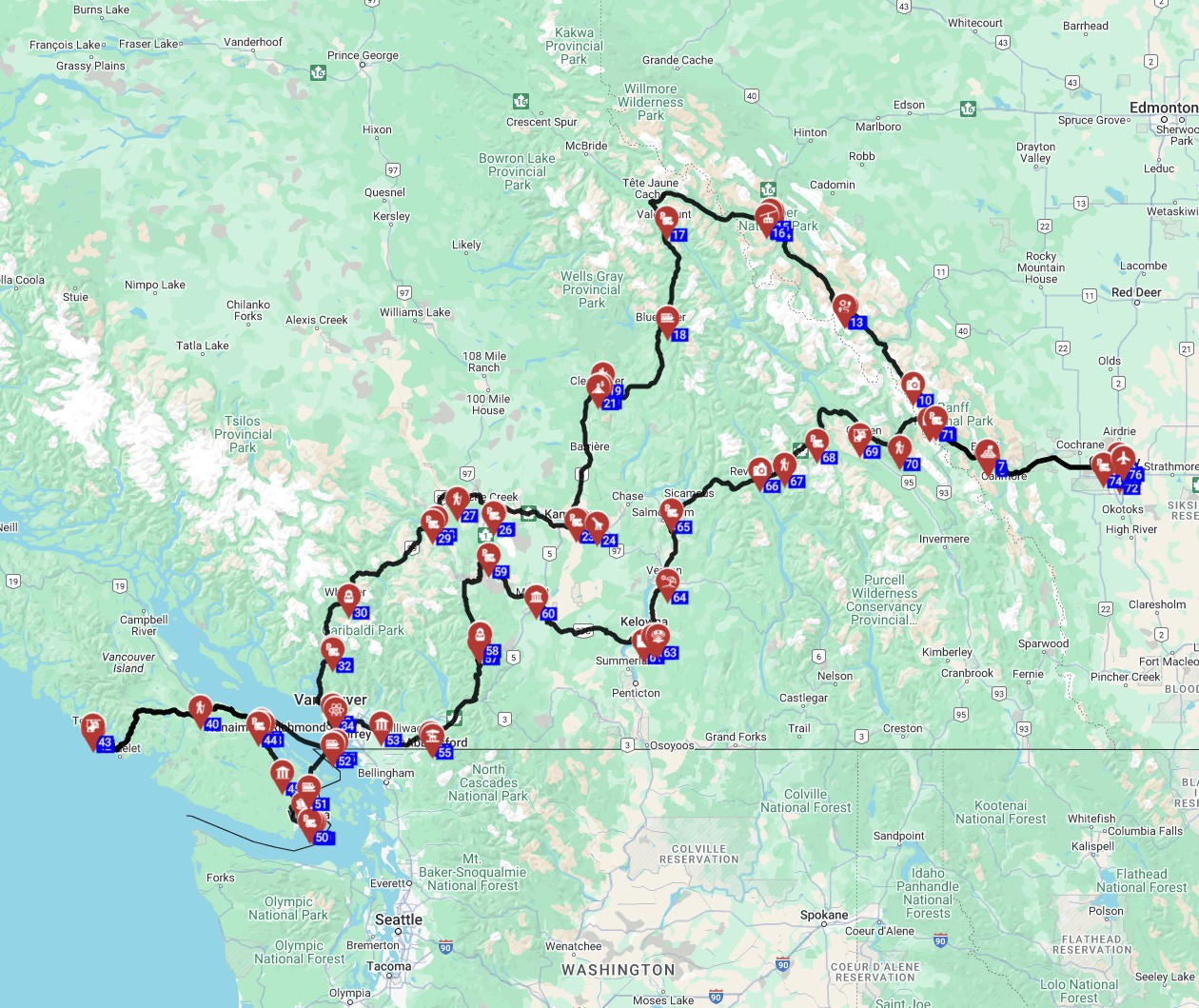
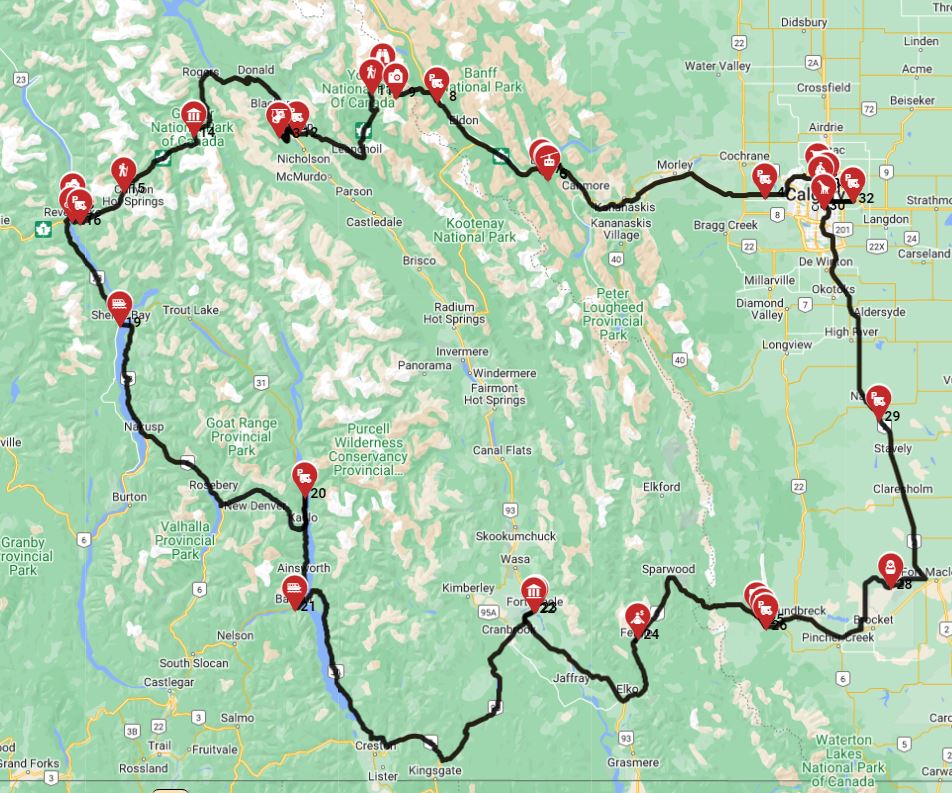
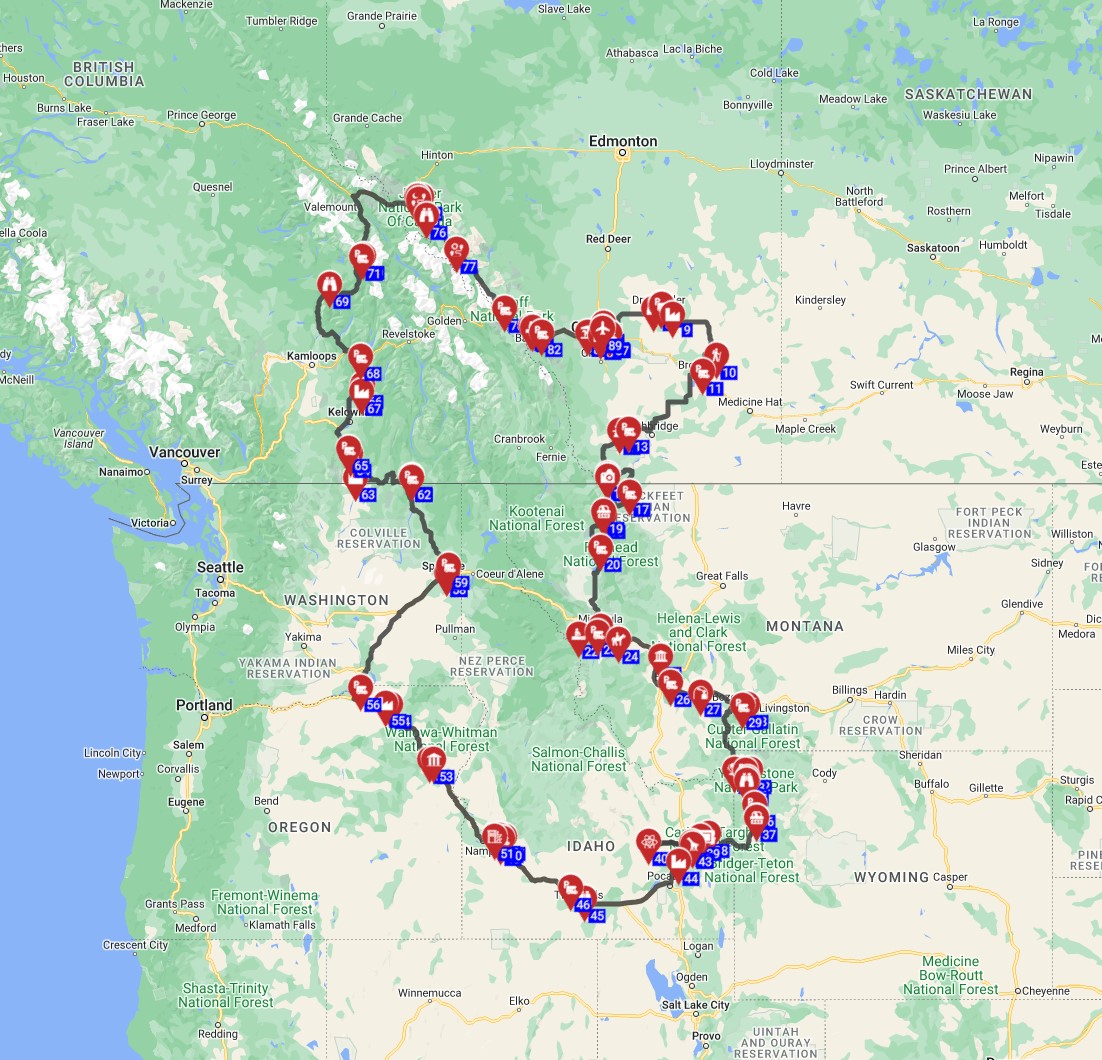
Canada boasts a wealth of unique pet-friendly RV routes beyond the most famous national parks, offering diverse landscapes and experiences. Explore the breathtaking scenic Cabot Trail in Nova Scotia, which provides stunning coastal views and numerous provincial parks and trails that warmly welcome leashed pets, with many local accommodations being pet-friendly. Another fantastic option is discovering the charming towns and smaller provincial parks along Ontario's Georgian Bay Coastal Route, which offers diverse landscapes, dog-friendly beaches, and opportunities for unique local festivals. For a more rugged adventure, consider an RV journey through the Kootenay Rockies in British Columbia, where you can find hidden gems like regional parks, natural hot springs, and less crowded hiking trails where pets are often more welcome than in the busiest national park areas. If you are looking for a West Canada adventure with your pet, a
Vancouver Round Trip - West Canada Cycling Adventure
What You Shouldn't Miss
- **Explore the Bay of Fundy, New Brunswick:** Witness the world's highest tides with your dog on a leash, enjoying coastal trails and discovering unique sea caves at low tide.
- **Hike in Kananaskis Country, Alberta:** Offers a less-crowded alternative to Banff National Park with numerous pet-friendly hiking trails and stunning mountain vistas.
- **Visit the Eastern Townships, Quebec:** Discover charming, dog-welcoming villages, vineyards, and scenic routes through rolling hills, perfect for slow travel with your rented motorhome.
- **Stargaze in a Dark-Sky Preserve:** Experience unparalleled night skies in places like Grasslands National Park, Saskatchewan, where light pollution is minimal, offering incredible astrophotography opportunities for you and your pet.
- **Experience Fogo Island, Newfoundland:** Drive your campervan to this unique, remote island known for its distinct culture, stunning geological formations, and welcoming attitude towards leashed dogs.
Looking for expert insights from Avi Bandana? Top 5 Adventures - recommendations from Avi Bandana
🎬 Video coming soon
Final Thoughts
Embarking on a pet-friendly RV adventure through Canada is an experience that promises stunning natural beauty and unforgettable memories for you and your furry companion. From the towering peaks of the Rockies to the serene coastlines and vibrant cities, Canada welcomes you with open arms and plenty of dog-friendly options. With the right planning, a suitable rental motorhome, and a spirit of adventure, you're set for an incredible journey. We at Bandana Caravan are here to support you every step of the way, offering transparent pricing, expert advice, and a wide selection of vehicles to ensure your trip is as smooth and enjoyable as possible. So pack your bags, grab your pet's favorite leash, and get ready to discover the magic of Canada from the comfort of your rented home on wheels. Compare Pet-Friendly Motorhome Prices for Canada and start planning your dream getaway today!On the routes offered through RV PLANET routes, you can itemize and track every expense along the way for easy budgeting.