For live availability and current prices, start with our RV Rental Australia - Complete Guide 2026 guide.
In This Guide
- Where to Camp in Australia - Top Options
- Campground Types in Australia (National, Private, Wild)
- Featured Rv Park or Campground in Australia
- Hookups & Amenities - What to Expect
- Booking Windows & Reservations in Australia
- Nearby Supermarkets & Resupply Points
- Best RV Class for Camping in Australia
- How to Save on Campgrounds in Australia
- Can you park an RV anywhere in Australia?
- What are RV parks called in Australia?
- Where can you park overnight for free in Australia?
- What is the average caravan park fee in Australia?
- How much do campsites cost in Australia?
- Are RVs allowed in Australia?
- How can I book campsites in Australia?
- Do you need to pre-book campsites in Australia?
- What is ghost camping in Australia?
- What You Shouldn't Miss
- Why Book with Bandana Caravan
- Final Thoughts
- Frequently Asked Questions
Embarking on a pet-friendly RV adventure across Australia offers an unparalleled opportunity to explore its vast, stunning landscapes with your beloved canine companion right by your side. Australia's diverse regions, from the sun-drenched East Coast to the rugged Red Centre, welcome motorhome travelers and their furry friends, provided you plan thoughtfully for dog-welcoming sites and adhere to local regulations. For live availability and current prices, start with our RV Rental Australia - Complete Guide 2024 guide, which provides a comprehensive overview of everything you need to know for your journey.
Where to Camp in Australia - Top Options
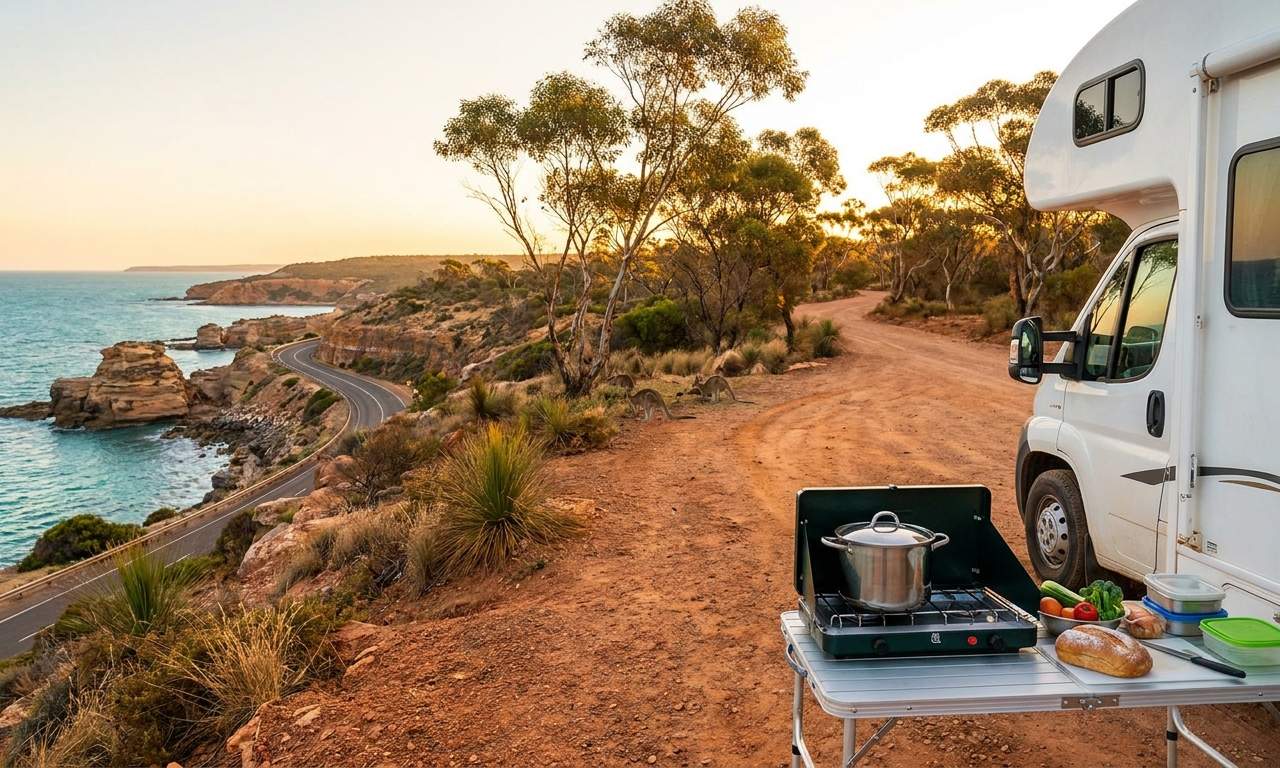
Australia offers diverse pet-friendly camping experiences, from vibrant coastal caravan parks to expansive outback stations, with popular regions like Queensland and New South Wales on the East Coast providing numerous dog-welcoming beaches and privately managed parks. Navigating Australia's vast distances requires preparedness, particularly in remote areas where unsealed roads are common, and wildlife hazards such as kangaroos and emus are a consideration. For instance, the renowned Grampians in Victoria offers some scenic campsites where pets are permitted on leash, typically outside national park boundaries. Private caravan parks, which are widely available in tourist hubs and offer amenities like powered sites, pools, and recreational areas, are often the most accommodating for pets. Remember, driving slowly and carefully, you can drive almost anywhere without issues. No need to stress - just use common sense and pay attention, especially when encountering Australia’s unique wildlife.🎬 Video coming soon
Campground Types in Australia (National, Private, Wild)
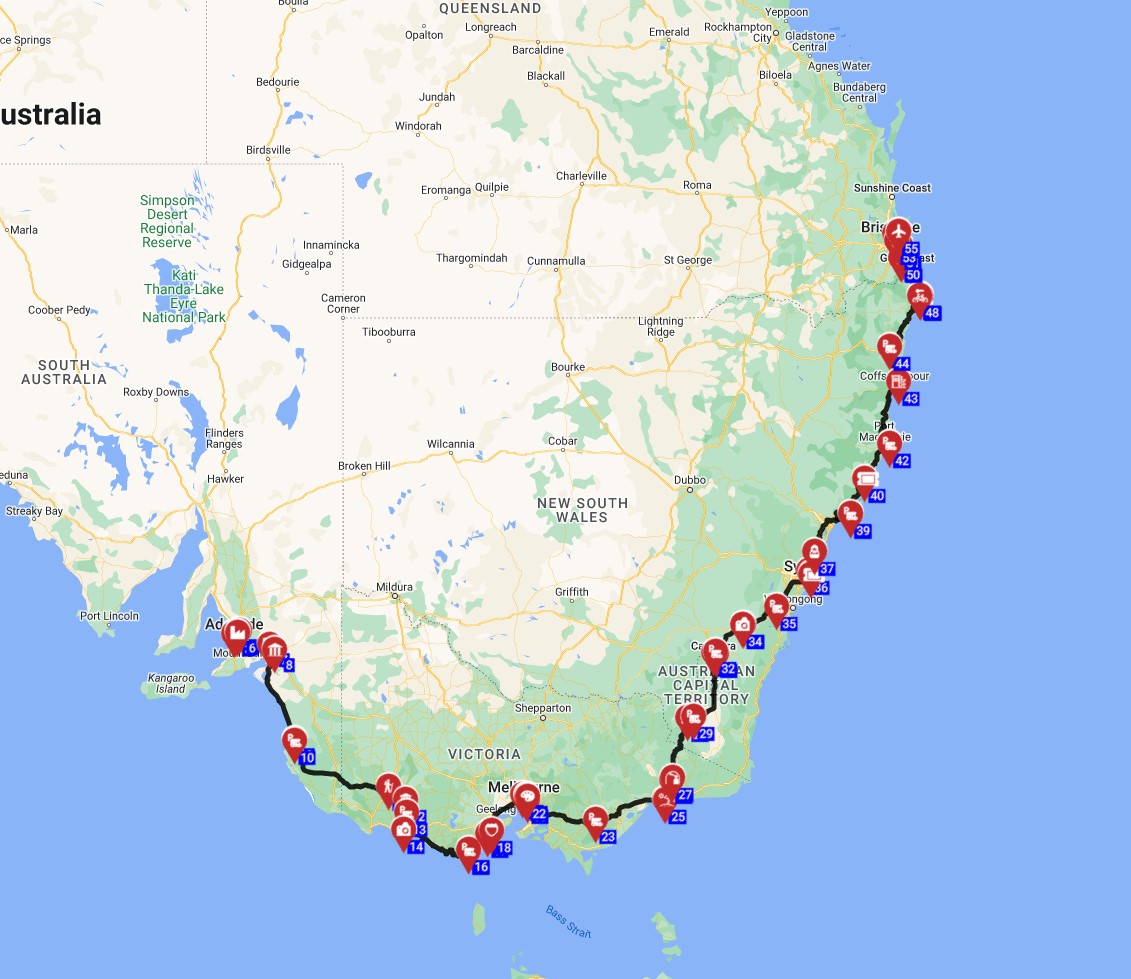
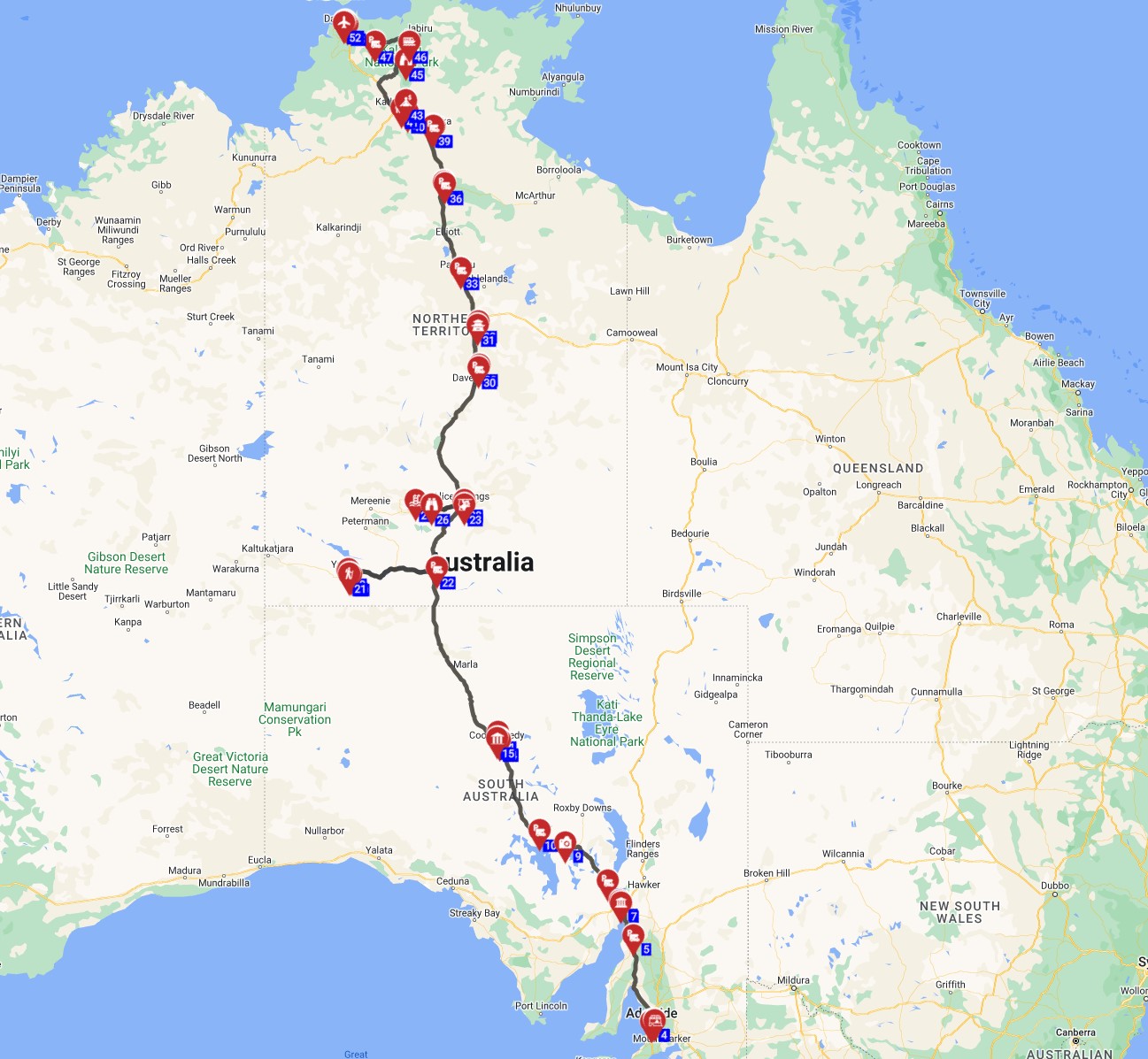
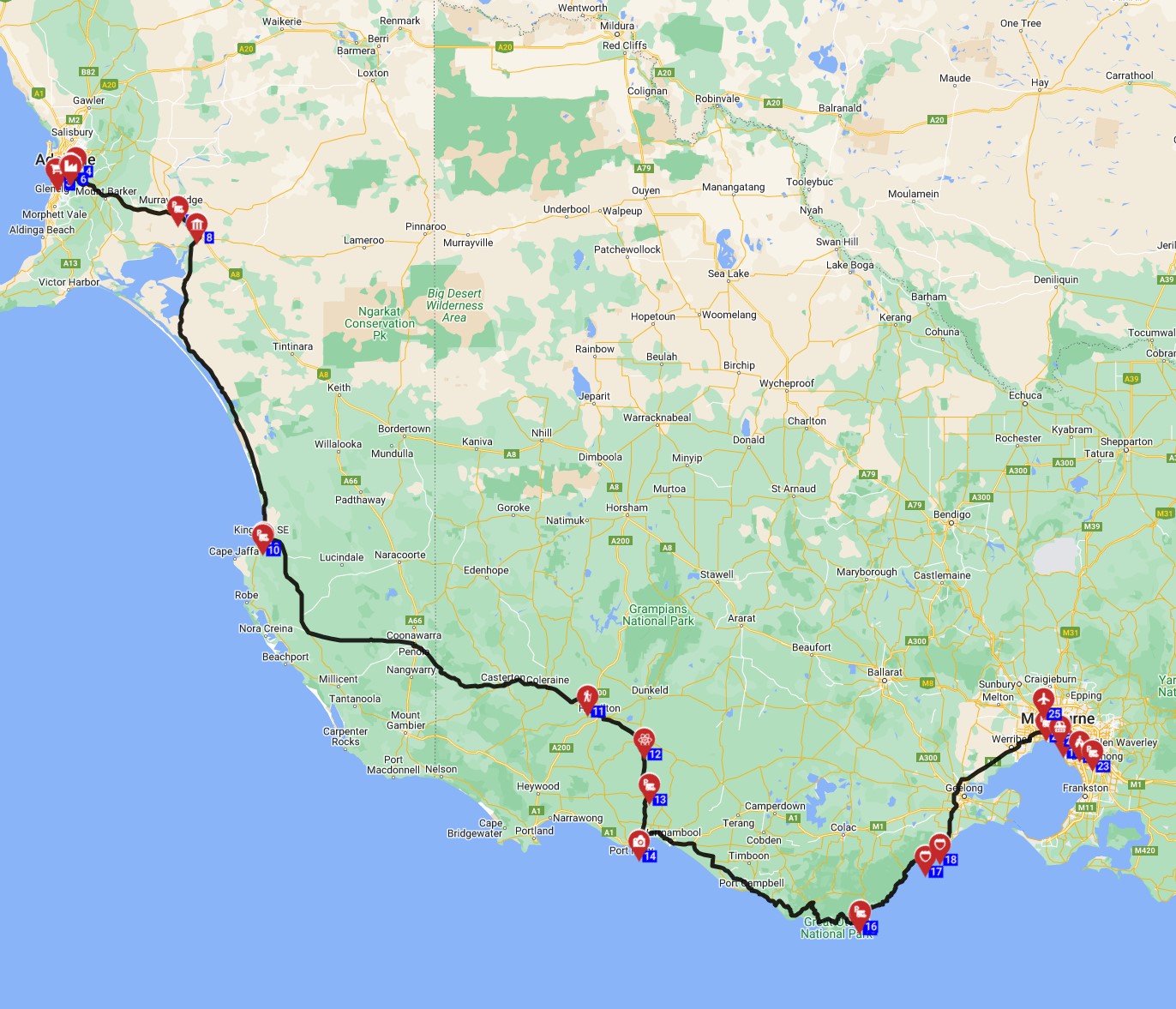
Australia features three primary types of campgrounds- National Park sites, private caravan parks, and designated 'wild' or freedom camping spots- each with distinct experiences and varying pet policies. National Park campgrounds, managed by state and territory parks services, often restrict pets to protect native flora and fauna, so always check individual park rules well in advance. Private caravan parks, widely known as holiday parks in Australia, are commercially operated and frequently offer extensive pet-friendly amenities such as powered sites, water hookups, dump points, hot showers, laundry facilities, and sometimes even dedicated dog washes or off-leash areas. Wild or freedom camping, while appealing for its rustic nature, is strictly regulated; it is generally only legal in specifically designated areas, often clearly signposted, or on private land with prior permission. Always adhere to 'Leave No Trace' principles in all camping environments, ensuring all waste, including pet waste, is properly disposed of to protect Australia's sensitive ecosystems. If you're looking for an expansive route, consider the "Melbourne to Darwin - Australia’s Heartline Road Trip" over 26 days and 5622.8 km, featuring multiple natural features and tourist attractions ideal for a pet-friendly exploration.Featured RV Park or Campground in Australia
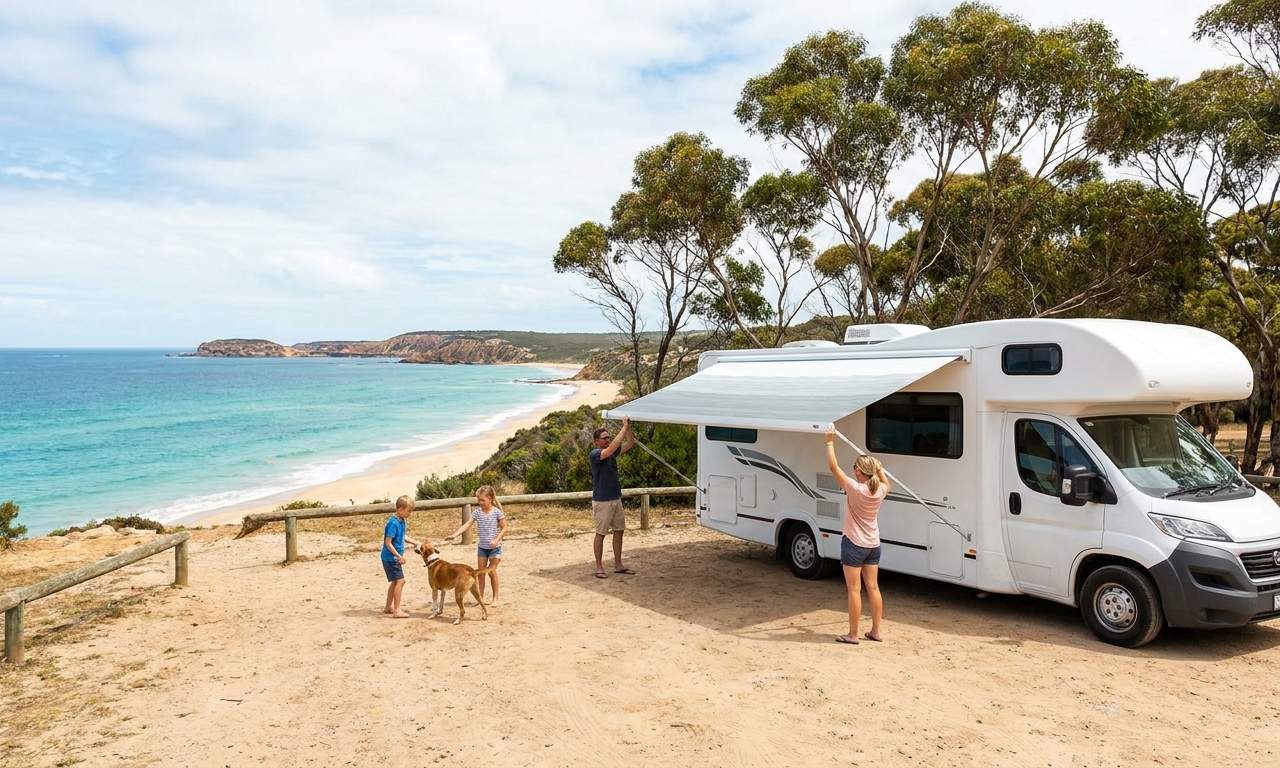
Many premier caravan parks across Australia, such as those within the BIG4 Holiday Parks network, offer comprehensive amenities and family-friendly, pet-welcoming environments ideal for rented RV travelers. For instance, the BIG4 Gold Coast Holiday Park in Queensland is renowned for its dedicated dog-walking areas, dog wash facilities, and a variety of powered and unpowered sites suitable for Class B campervans and larger Class C motorhomes, some of which are explicitly listed as "Pet Friendly" in supplier fleets. These parks typically provide essential facilities like 240V AC powered sites, dump points, and fresh water access. Additionally, many offer comforts such as camp kitchens where you can prepare RV-friendly recipes playlist, communal BBQ areas, playgrounds for kids, and often Wi-Fi, making them a comfortable base for your pet-friendly adventures. Booking ahead, particularly during school holidays, ensures you secure a spot.Hookups & Amenities - What to Expect
When renting an RV in Australia, travelers can typically expect private caravan parks and some designated national park campgrounds to offer essential hookups and amenities including 240V AC electricity, potable water, and dump points for grey and black water tanks. Powered sites provide standard Australian 240-volt AC power outlets, compatible with most rental RV appliances. Dump stations, often called 'sullage points,' are widely available at caravan parks and many rest stops, crucial for managing waste water. Most private parks extend their offerings to include hot showers, flush toilets, coin-operated laundry facilities, communal kitchens, and Wi-Fi (though often with data limits or a fee), making longer trips comfortable. These facilities are especially valuable when traveling with pets, ensuring you have the resources needed for their care. Remember, Bandana Caravan offers full price transparency, so you'll always know what's included and what might be an extra fee.Booking Windows & Reservations in Australia
For RV camping in Australia, pre-planning is highly recommended, with popular campsites and caravan parks requiring bookings well in advance, especially during peak seasons like school holidays and long weekends. High-demand locations, particularly national park campgrounds (where pets might be restricted to certain areas) and coastal caravan parks, can be fully booked months ahead. However, many national or state parks often reserve 25%-30% of their spots for online reservations, leaving the remainder available on a first-come, first-served basis, meaning checking in person can sometimes secure a spot. For spontaneous travelers, calling the campground directly before driving long distances, particularly in remote regions, is crucial to confirm availability and avoid disappointment; rest assured, you'll almost certainly find a place, if not at the first campground, then at the next one. For planning your routes and finding available spots, RV PLANET (rvplan.net) is a great resource.Nearby Supermarkets & Resupply Points
For RV travelers in Australia, major supermarket chains like Woolworths, Coles, and Aldi are ubiquitous in most towns and cities, providing convenient and affordable resupply points for groceries, fresh produce, and other essentials along popular routes. These large retailers offer comprehensive selections, including fresh meat, dairy, and a wide variety of packaged goods, which is ideal for stocking your rented motorhome's fridge (e.g., an "Eclipse Camper" with a 170-liter refrigerator) and pantry. In more remote areas, smaller local general stores or roadhouses serve as crucial resupply points, although prices may be higher and selections more limited. Planning ahead for fuel and water in remote stretches, especially for extended outback trips, is essential due to the vast distances between services. On RV PLANET routes, travelers can itemize and track every expense, including groceries and fuel, for easy budgeting throughout their journey.Best RV Class for Camping in Australia
The best RV class for pet-friendly camping in Australia largely depends on your travel style and preferred terrain, with Class B Camper Vans offering agility for diverse routes and Class C Alcoves providing more space for families. Smaller Class B Camper Vans, typically around 5.8 meters long, are excellent for navigating various Australian terrains, including some unsealed roads, and are well-suited for stealth camping or national park camping due to their compact size and often self-contained nature. For example, Bandana's fleet includes campervans averaging 3.2 sleeping places, 2.7 adults, and a fuel consumption of 8-10 Liters/100 Km, making them efficient and easy to park. For families or those desiring more comfort with pets, Class C Alcove motorhomes, averaging 7.5 meters in length, provide significantly more living space, with options like a "24' Class C Motorhome" often explicitly listed as "Pet Friendly." These larger vehicles offer 5.8 sleeping places and accommodation for 4.4 adults. While consuming 10-12 Liters/100 Km, their additional amenities often make them more reliant on powered sites in caravan parks, though many are self-contained enough for short periods of freedom camping.How to Save on Campgrounds in Australia
To save on campground fees in Australia, consider utilizing discount cards, travelling during shoulder seasons, opting for municipal or regional campgrounds over private resorts, and taking advantage of weekly rates for longer stays. Many RV rental companies partner with holiday park chains like BIG4 or Discovery Parks to offer discount cards, potentially reducing nightly rates by 10% or more. Booking during the shoulder seasons (spring-September to November, and autumn-March to May) or off-peak periods can result in significantly lower prices compared to the peak summer (December-February) and winter holiday times. Municipal and regional council-run campgrounds are frequently more affordable than privately owned holiday parks, although they may offer fewer amenities. Staying for three or more nights at a single location often qualifies you for a discounted weekly rate, which is more economical than paying nightly. You can also explore designated free camping areas where permitted; always verify regulations. When planning your budget, remember to factor in potential savings from choosing flexible dates, as highlighted in our "Budget RV Driving in Australia - Save on Fuel 2024" guide.Can you park an RV anywhere in Australia?
No, you cannot park an RV anywhere in Australia; overnight parking and camping are governed by strict state and local government regulations, with designated areas being the only legal options for most travelers. Australian road rules and vehicle regulations strictly prohibit parking and sleeping in a rented RV on public roadsides, in residential areas, or in national parks unless specifically signposted as a campground or overnight rest area. Designated RV parking areas include private caravan parks, national and state park campgrounds (with specific pet rules), and specific council-approved free camping spots. Disregarding these regulations can lead to substantial fines, particularly in popular tourist areas, and it is crucial to adhere to 'Leave No Trace' principles to protect Australia's sensitive ecosystems. For comprehensive details on local road rules, our "RV Driving Deals in Australia - Routes and Savings 2024" offers valuable insights.What are RV parks called in Australia?
In Australia, what are commonly referred to as 'RV parks' in North America are predominantly known as 'caravan parks' or 'holiday parks,' offering a wide range of amenities and facilities for recreational vehicles. These establishments cater to caravans, motorhomes, campervans, and tents, providing powered and unpowered sites, and often cabins. Terms like 'tourist parks' or 'camping grounds' are also used, especially in relation to national or state park facilities. These terms generally imply a place with designated sites, access to water, and often communal facilities like showers and laundries, many of which are pet-friendly.Where can you park overnight for free in Australia?
You can park overnight for free in Australia only in specifically designated 'free camping' areas, at rest stops with explicit overnight permits, or on private land with the owner's explicit permission, as unsupervised roadside camping is generally illegal and can incur fines. These designated free camping spots are often managed by local councils or state forestry departments and are typically listed in comprehensive camping apps like WikiCamps Australia or found on clear signage. Rest stops along major highways sometimes allow overnight parking for self-contained vehicles, but specific signage must always be checked as rules vary by state and individual location. It is imperative to practice 'Leave No Trace' principles in all free camping areas, ensuring all rubbish is taken with you and minimizing environmental impact.What is the average caravan park fee in Australia?
The average caravan park fee in Australia typically ranges from AUD $30 to $60 per night for a powered site, though prices can fluctuate significantly based on location, season, and the level of amenities offered. Budget-friendly options in regional areas or during off-peak seasons might start from AUD $25-$35 per night, often providing basic facilities. Premium holiday parks in popular tourist destinations, especially during peak seasons (December-February school holidays, long weekends), can charge upwards of AUD $60-$80, and sometimes even higher for prime beachfront or large family sites. These fees generally include access to powered sites, water, dump points, and basic park facilities like showers and toilets, but additional costs for Wi-Fi, specific activities, or pet surcharges may apply. Remember, prices are dynamic and change daily based on availability and seasonality.How much do campsites cost in Australia?
Campsite costs in Australia vary widely, typically ranging from free for very basic designated sites to over AUD $80 per night for premium caravan park spots, influenced by location, facilities, and seasonality. National and state park campsites, which often offer fewer amenities and stricter pet policies (usually no pets or restricted areas), typically cost between AUD $7-$25 per night, with booking fees potentially added. Privately run caravan and holiday parks generally charge AUD $30-$60 for a powered site, increasing significantly in peak seasons or for family-friendly resorts that include facilities like pools or pet-specific areas. Factors influencing price include the presence of hookups (power, water), proximity to major attractions, and additional amenities like camp kitchens, communal BBQ areas, and Wi-Fi. Booking early can sometimes secure better rates, as explained in our "Family RV Rental in Australia - Pricing Guide 2024" for a more detailed breakdown.Are RVs allowed in Australia?
Yes, RVs, known as motorhomes or campervans, are widely allowed and incredibly popular for rental travel in Australia, supported by a robust infrastructure of caravan parks, campgrounds, and designated rest areas. Travelers must ensure they hold the appropriate standard car driver's license for the rented RV size and weight, as no special license, CDL, or additional permits are required for any rental motorhome. An International Driving Permit (IDP) is recommended for visitors from non-English-speaking countries but is not mandatory in most cases. Australia has specific road rules and vehicle regulations that all RV drivers must adhere to, which can vary slightly between states. Various types of rental RVs, from compact campervans like a "2 Berth Hi Top" with a 70-liter fuel tank to large Class C motorhomes, are available through Bandana Caravan and our 50+ leading global suppliers, including Apollo and Britz.How can I book campsites in Australia?
You can book campsites in Australia through various methods, including online booking portals for national parks and private caravan parks, direct calls to campgrounds, and dedicated camping apps like WikiCamps Australia. For national and state park campsites, bookings are typically made via the respective state's parks and wildlife service websites (e.g., NSW National Parks and Wildlife Service, Parks Victoria). Private caravan parks, especially large chains like BIG4 or Discovery Parks, have their own online booking systems, or you can call them directly to inquire about pet-friendly availability. Camping apps and websites provide comprehensive directories, reviews, and sometimes direct booking links for both paid and free sites across the country, often including real-time availability. For finding campsites and campgrounds during your trip, we recommend using RV PLANET (rvplan.net) - a great resource for locating available spots along your route.Do you need to pre-book campsites in Australia?
Yes, it is highly recommended to pre-book campsites in Australia, particularly if traveling during peak seasons, school holidays, or to popular destinations, to guarantee a spot and avoid disappointment, especially for pet-friendly sites. While some flexibility exists, particularly in less-traveled regions or during off-peak times, popular national park campgrounds and well-located caravan parks can be fully booked months in advance. Pre-booking ensures you secure a suitable site, which is particularly important if you require specific hookups or a larger spot for your rented RV. For spontaneous travelers, calling ahead to campgrounds on your intended route is a good strategy to check last-minute availability, as many parks hold back some sites, ensuring you'll find a spot if not at the first campground, then the next one.What is ghost camping in Australia?
In Australia, 'ghost camping' refers to the illegal practice of setting up camp in undesignated areas, typically without permission or payment, and often attempting to remain unnoticed. This practice is distinct from legal 'freedom camping' or 'wild camping' in specifically designated areas where it's permitted for self-contained RVs. Ghost camping can lead to significant fines, eviction by authorities, and unfortunately, contribute to environmental damage if waste, including human and pet waste, is not properly managed. Authorities actively monitor and enforce regulations against illegal camping to protect Australia's pristine natural environments and ensure fair use of authorized facilities, so always use official campgrounds.What You Shouldn't Miss
- Explore Queensland's Dog-Friendly Beaches: Imagine golden sands and clear waters where your dog can run free, such as sections of Palm Cove beach near Cairns. Many coastal caravan parks in Queensland welcome pets, making it a perfect base.
- Journey through the Grampians National Park (Victoria): While national park regulations generally restrict pets inside park boundaries, surrounding areas and specific campgrounds like those at Halls Gap offer pet-friendly sites and walking trails with stunning views of the rugged ranges.
- Discover the Great Ocean Road (Victoria) with Your Pup: Take a rented motorhome along this iconic coastal route. While the Twelve Apostles are off-limits for pets, numerous picturesque towns along the way have pet-friendly accommodations and scenic walking tracks where your dog can join you.
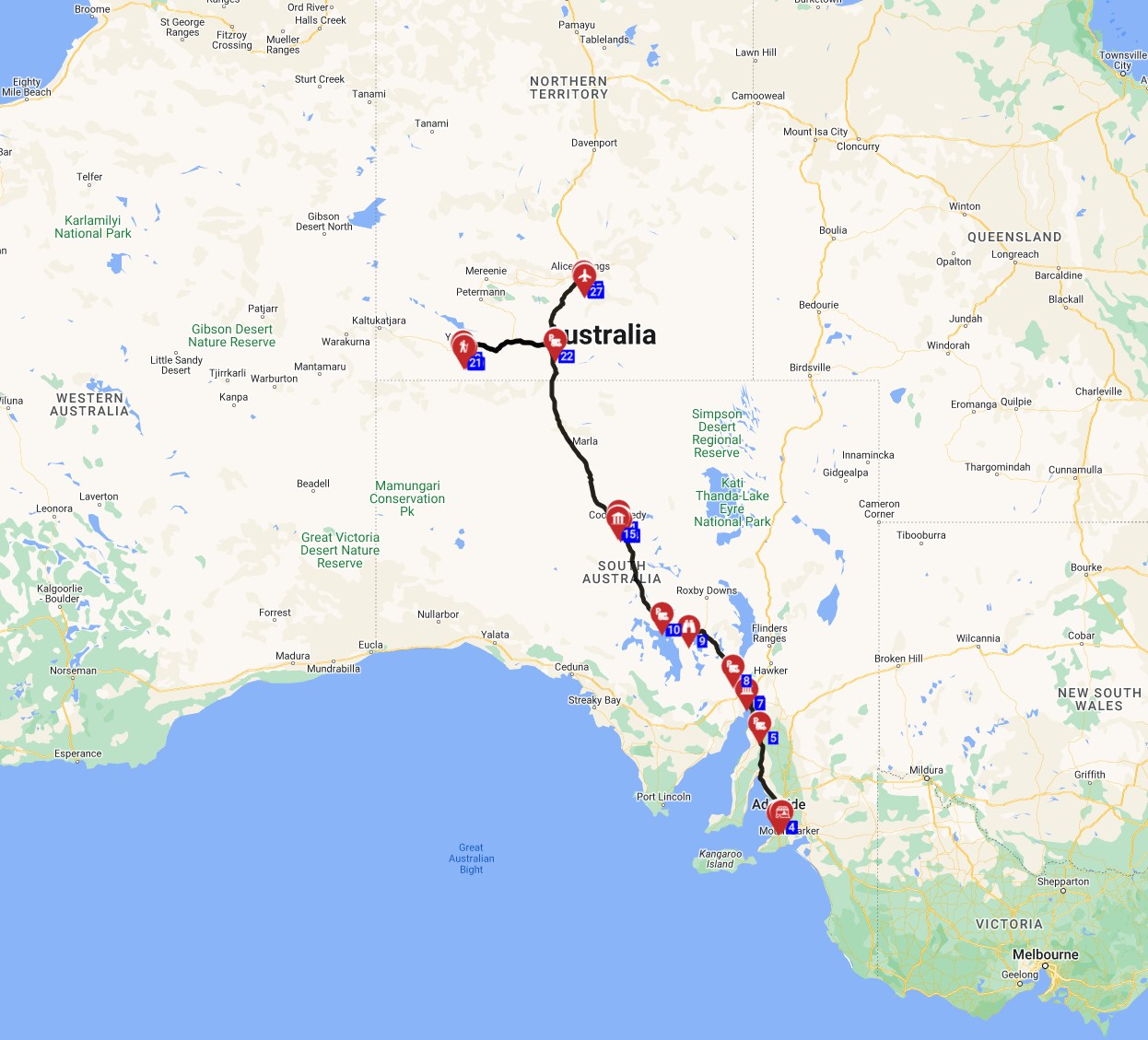
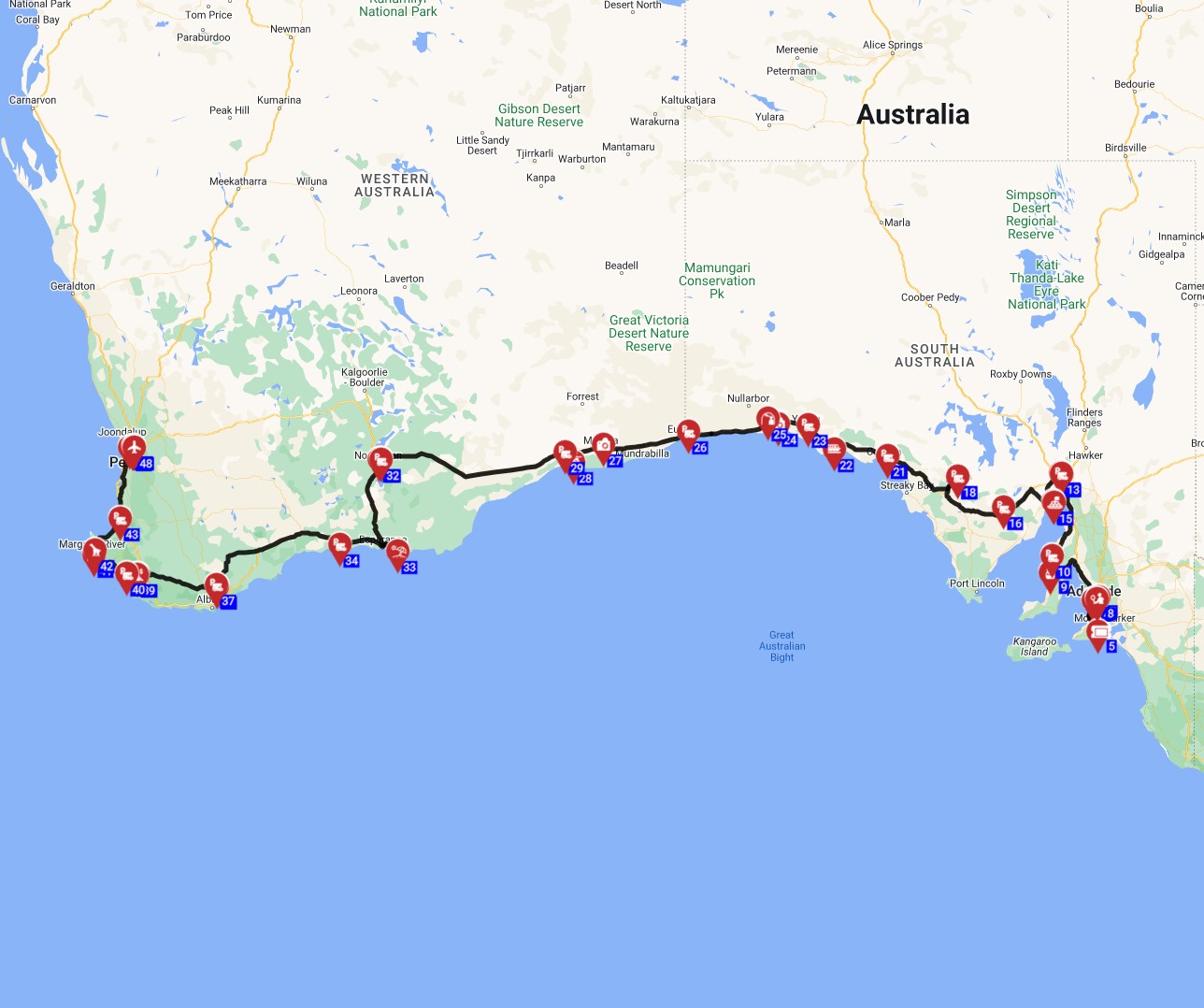
- Outback Adventures to Alice Springs: With a rented 4x4 campervan, venture into Australia's heart. Many outback roadhouses and station stays are dog-friendly, offering unique cultural experiences, as detailed in our "Perth to Alice Springs - The Dreamtime Highway: A Journey Through Australia's Heart" itinerary, covering 5447.3 km over 21 days.
- Wine Region Stays (e.g., Hunter Valley, Barossa Valley): Many wineries and vineyards in Australia's famous wine regions offer pet-friendly cellar doors and picnic areas, allowing you to enjoy gourmet delights with your dog. Numerous caravan parks nearby cater to pet owners.
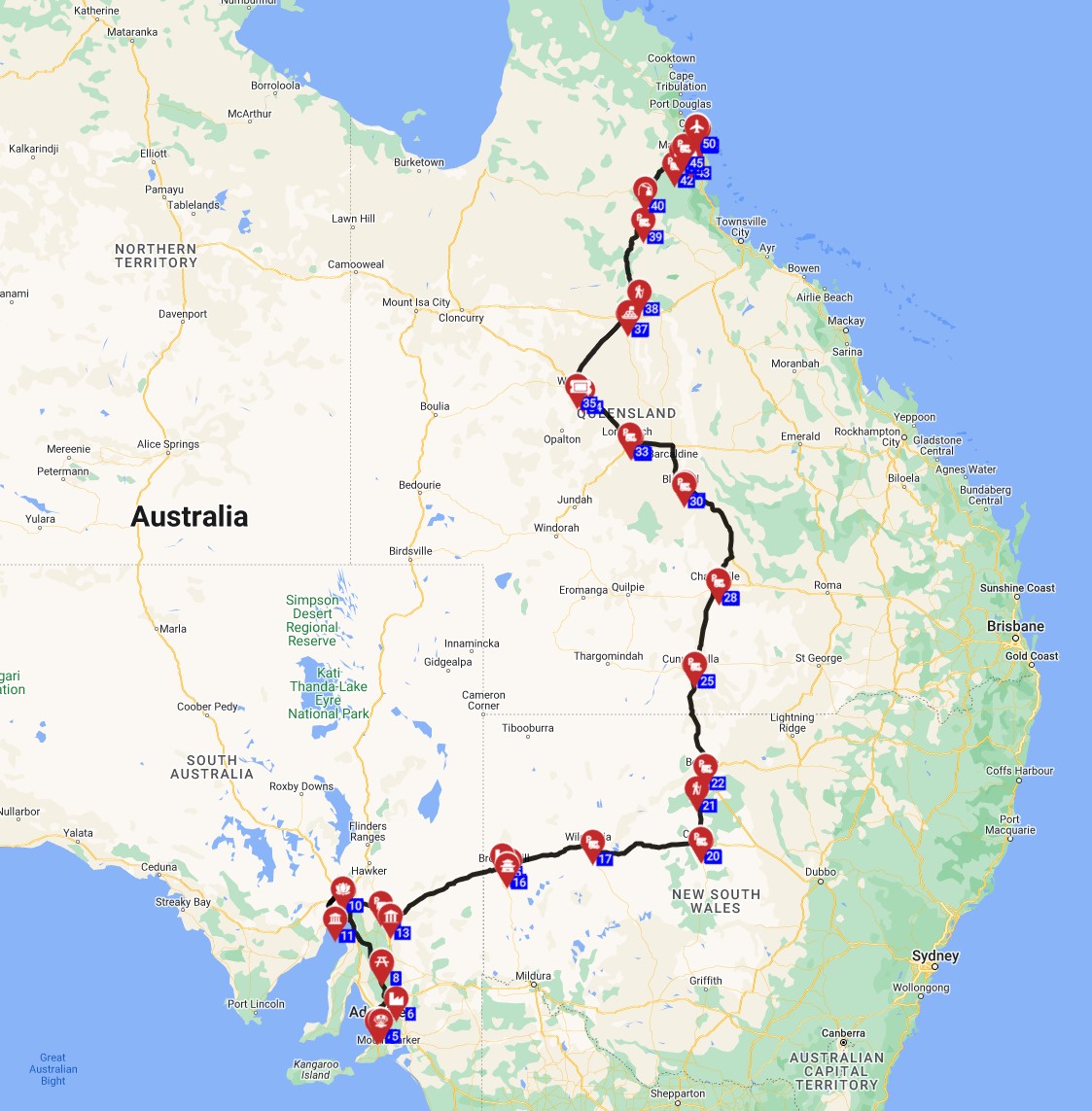
- Northern Horizons from Cairns to Alice Springs: Embark on a 17-day, 4003.6 km journey, exploring incredible landscapes. This itinerary, "Cairns to Alice Springs - Northern Horizons: A Journey Through Australia's Heartland", includes wildlife watching and natural features where pet rules vary, so planning is key.
Looking for expert insights from Avi Bandana?
Top 5 Adventures - recommendations from Avi Bandana
Final Thoughts
Australia truly is a dream destination for pet-friendly RV travel, offering everything from stunning coastlines to ancient outback landscapes, all waiting to be explored with your furry companion. With careful planning, understanding local pet regulations, and utilizing resources like RV PLANET (rvplan.net), you can craft an unforgettable journey that everyone, including your dog, will love. Remember to travel slowly, averaging a maximum of 100-150 km per day, allowing you ample time to truly feel the place, connect with the local culture, savor the food, and immerse yourself in the breathtaking scenery. Whether you choose a compact campervan for agile exploration or a spacious Class C motorhome for family comfort, Bandana Caravan is here to make your Australian adventure seamless and transparent. We take care of the small details, because that's what makes the big difference. So, pack your bags (and your dog's!), get ready for an incredible road trip, and discover why life is now!On the routes offered through RV PLANET routes, you can itemize and track every expense along the way for easy budgeting.