In This Guide
- Top 5 Tips for RV Rental in Australia
- Before You Book - Class, Dates, Insurance
- Pre-Trip Prep - Packing Checklist for Australia
- On the Road - Driving, Fueling, Navigation
- At the Campground - Setup, Hookups & Etiquette
- RV Rental-Specific Tips for Australia
- Common Mistakes to Avoid in Australia
- What is the 3-3-3 rule for campervan?
- What are the drawbacks of renting an RV?
- How much does it cost to rent a RV in Australia?
- Can you park an RV anywhere in Australia?
- How much is a 1 week RV rental?
- Is it worth having a toilet in a campervan?
- Can US citizens rent a car in Australia?
- What is the 3-3-3 rule for RV travel?
- What not to do in Australia as an American?
- Is 3000 AUD enough for 2 weeks in Australia?
- Top Cities for RV Rental in Australia
- What You Shouldn't Miss
- Why Book with Bandana Caravan
- Final Thoughts
- Frequently Asked Questions
Embarking on a one-way RV adventure through Australia offers unparalleled freedom, allowing you to traverse diverse landscapes from bustling cities to the remote Outback. As true RV specialists, Bandana Caravan has been helping tens of thousands of travelers discover the world by rented motorhome since 2001, providing a seamless and transparent booking experience. For live availability and current prices, start with our RV Rental Australia - Complete Guide 2026 guide.
Top 5 Tips for RV Rental in Australia
Securing your preferred RV in Australia often means booking early, especially for high demand periods like summer (December-February) to guarantee vehicle availability and potentially better rates. Secondly, carefully choose the right rented RV size and type for your group, whether a compact campervan like an "Active Compact Select" perfect for a couple, or a larger 6-berth motorhome like the "Euro Deluxe" for families, keeping in mind both comfort and ease of driving on Australia's varied roads. Thirdly, thoroughly understand all insurance options available, beyond the basic coverage typically included, to ensure peace of mind for potential incidents. You can upgrade to a top-level deductible for extra peace of mind, an optional enhancement for your rental experience. Fourth, meticulously plan your itinerary with realistic daily driving distances, aiming for about 100-150 km per day on average, to fully account for Australia's immense size and diverse road conditions. Finally, familiarize yourself with specific Australian road rules, including driving on the left-hand side and understanding unique signage like those for road trains, which are essential for safe travel. We recommend exploring RV PLANET routes to gain insights into pre-planned itineraries that detail specific attractions and drive times, ensuring your trip flows smoothly and you can itemize and track every expense along the way for easy budgeting. On the routes offered through RV PLANET routes, you can itemize and track every expense along the way for easy budgeting.
Before You Book - Class, Dates, Insurance
Before confirming your RV rental in Australia, critical decisions revolve around selecting the right vehicle class, booking dates strategically, and understanding your insurance coverage. Choosing the appropriate RV class for your Australian adventure significantly impacts comfort, cost, and accessibility; for instance, a 2WD motorhome is suitable for sealed highways, while a 4x4 campervan, like the "4x4 Camper B - THOR" with its powerful Turbo Diesel engine, is recommended for accessing unsealed roads and more remote areas. Remember, Bandana Caravan only rents motorhomes and campervans, ensuring you have a reliable vehicle for your journey. Locking in your rental dates well in advance, particularly 6-12 months ahead for peak seasons (December-February, Easter, school breaks), is crucial for securing availability and often better pricing, though last-minute deals can sometimes be found for spontaneous travelers. Rental agreements typically include basic insurance, but understanding comprehensive coverage is key for peace of mind; while basic insurance is always included, you can select options during your search to compare prices that include the most comprehensive coverage, ensuring all relevant insurance choices are clearly displayed.
Consider additional coverage for windscreen, tires, and undercarriage, especially if you plan on venturing off major routes or through rugged terrain. For detailed planning, consider exploring one-way RV rentals example Overlander options if you intend to pick up and drop off in different cities, understanding that these often come with additional fees. Our platform allows you to compare final prices across over 50 leading RV suppliers worldwide, ensuring full transparency with no hidden fees or surprises.
Pre-Trip Prep - Packing Checklist for Australia
Effective pre-trip preparation for your Australian RV rental adventure involves a strategic packing checklist, taking into account the country's diverse climates and terrains. Begin by packing lightweight, breathable clothing for warmer climates and essential warmer layers for cooler evenings or regions like Tasmania. A wide-brimmed hat, sunglasses, and high-SPF sunscreen are non-negotiable for sun protection. Don't forget swimsuits and quick-dry towels for Australia's many beaches and swimming holes. Sturdy walking shoes and comfortable sandals or flip-flops will cover all your footwear needs. Reusable water bottles and, for remote areas, water purification tablets or a filter are vital for staying hydrated. While many rentals come with kitchenware, bringing basic cooking essentials like oil, salt, and pepper can be handy, and a cooler or esky for extra food storage is often invaluable. For safety, a comprehensive first-aid kit with sting treatment, antiseptic, pain relievers, and any personal medications is crucial. Insect repellent is a must, especially for tropical regions and evenings. For communication in remote areas, a UHF radio or satellite phone is highly recommended, as mobile reception can be sparse. An emergency breakdown kit with jumper cables and basic tools is a smart addition. Always carry your valid driver's license and consider an International Driving Permit (IDP) if your license is not in English. Finally, keep physical and digital copies of all important documents, including your passport, visa (if applicable), RV rental agreement, and insurance details, and pre-book any necessary National Park passes or permits.
When planning meals, remember that cooking in your rented RV is part of the adventure; find inspiration with our RV-friendly recipes playlist.
On the Road - Driving, Fueling, Navigation
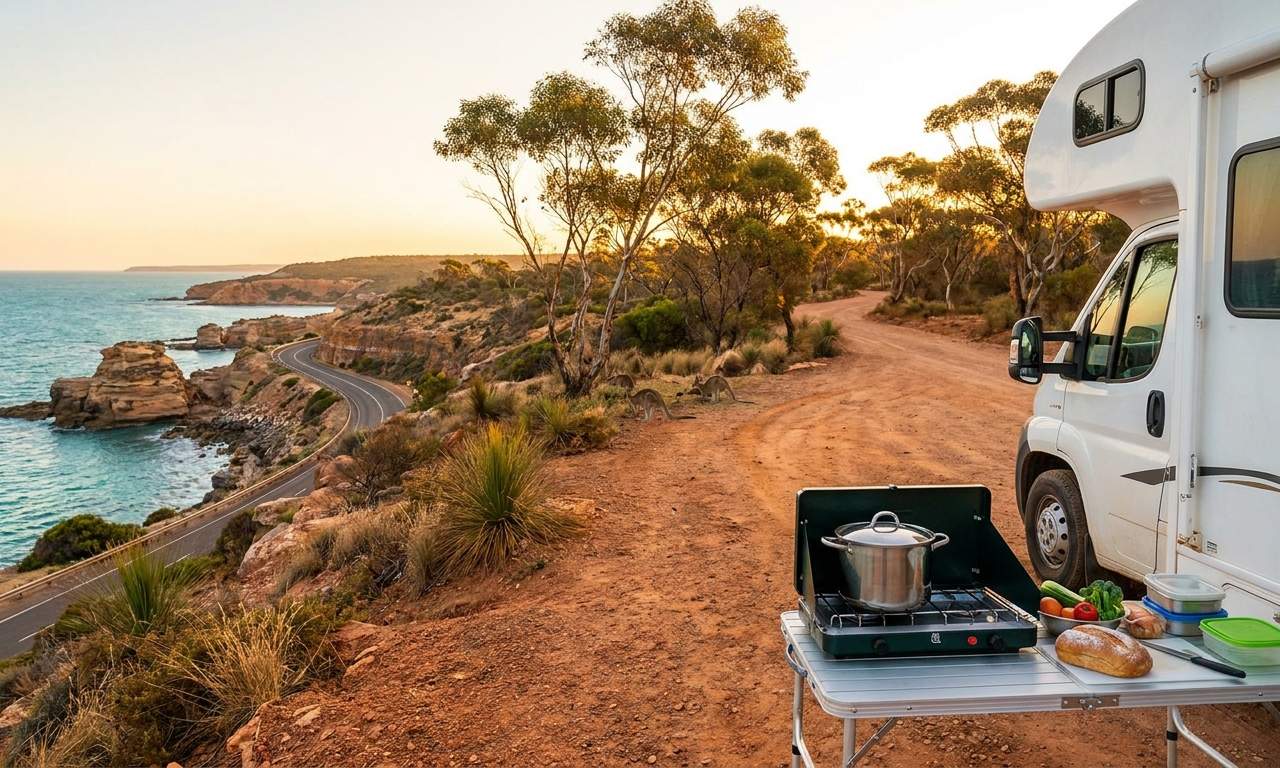
Navigating Australia's vast road networks requires specific driving practices, vigilant fueling strategies, and reliable navigation. In Australia, vehicles drive on the left-hand side of the road, and speed limits are measured in kilometers per hour, with typical highway limits around 100-110 km/h; always adhere to posted signage, which can vary regionally, including specific rules like the Melbourne hook turn for right-hand turns from left lanes. Drive slowly and carefully, and you can drive almost anywhere without issues. No need to stress - just use common sense and pay attention. When driving through rural and outback areas, exercise extreme caution, especially at dawn and dusk, as wildlife hazards such as kangaroos, wallabies, and emus are highly active and pose significant collision risks; slowing down and being alert can help mitigate these dangers. Planning fuel stops meticulously is crucial, especially in remote regions where petrol stations can be hundreds of kilometers apart; always keep your tank topped up when opportunities arise, and consider carrying extra fuel for very isolated routes. While GPS systems are helpful, traditional maps are essential backups in areas with poor mobile reception. For truly remote travel, invest in a local SIM card, consider a UHF radio for communicating with truck drivers on remote roads (such as when passing a 53.5-meter long road train), or a satellite phone for emergency communication, as connectivity can be sparse. Beyond avoiding unsealed roads if your rental RV is not a 4x4, be aware that even sealed roads can have unexpected hazards like potholes or flood damage, particularly after heavy rain during the wet season in the north. Our expertise, built over two decades, helps ensure you're prepared for these unique Australian driving conditions. For deeper insights into road conditions and planning, consult guides like RV Travel Guide to Australia - Tips and Top Spots 2026.
At the Campground - Setup, Hookups & Etiquette
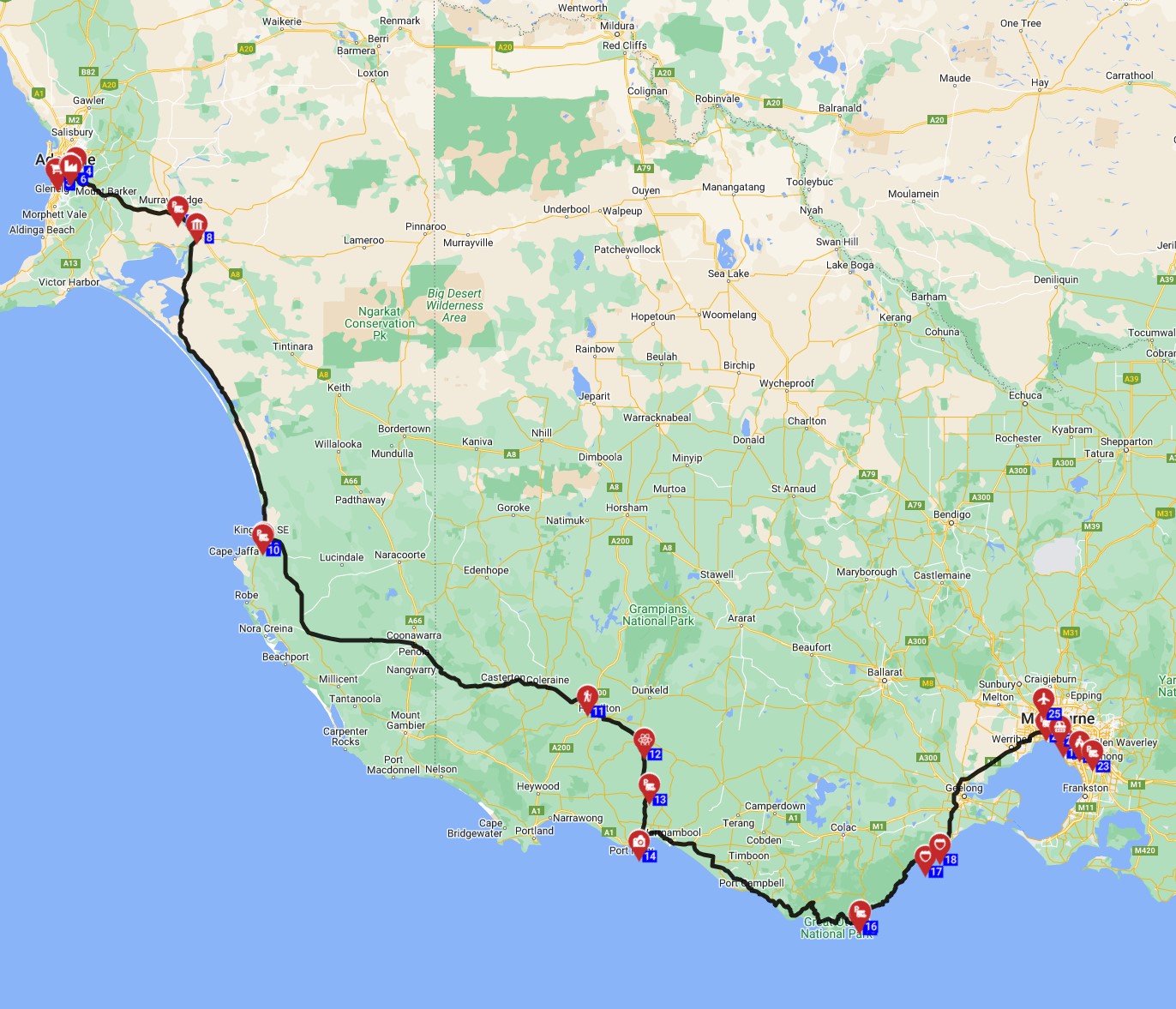
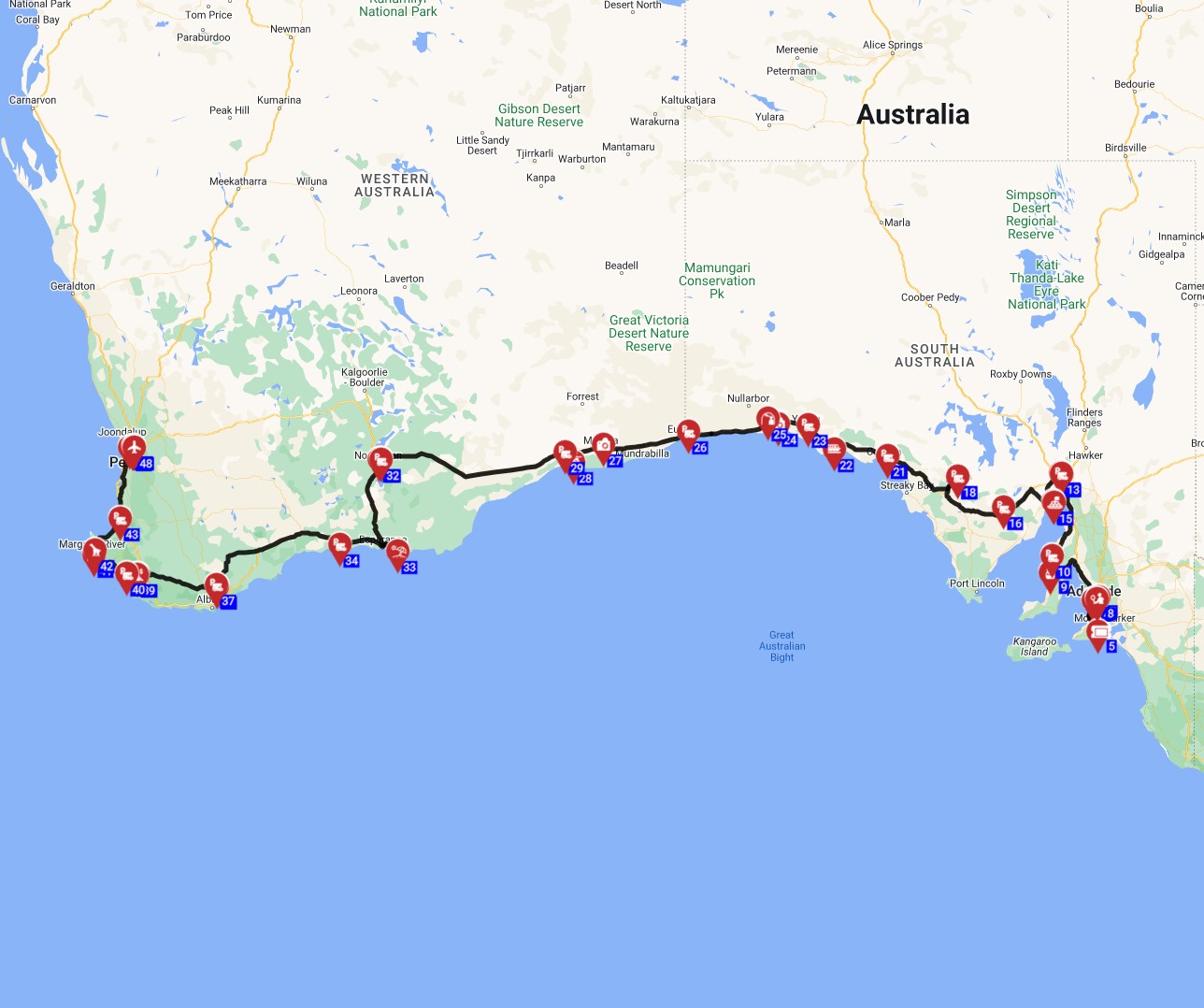
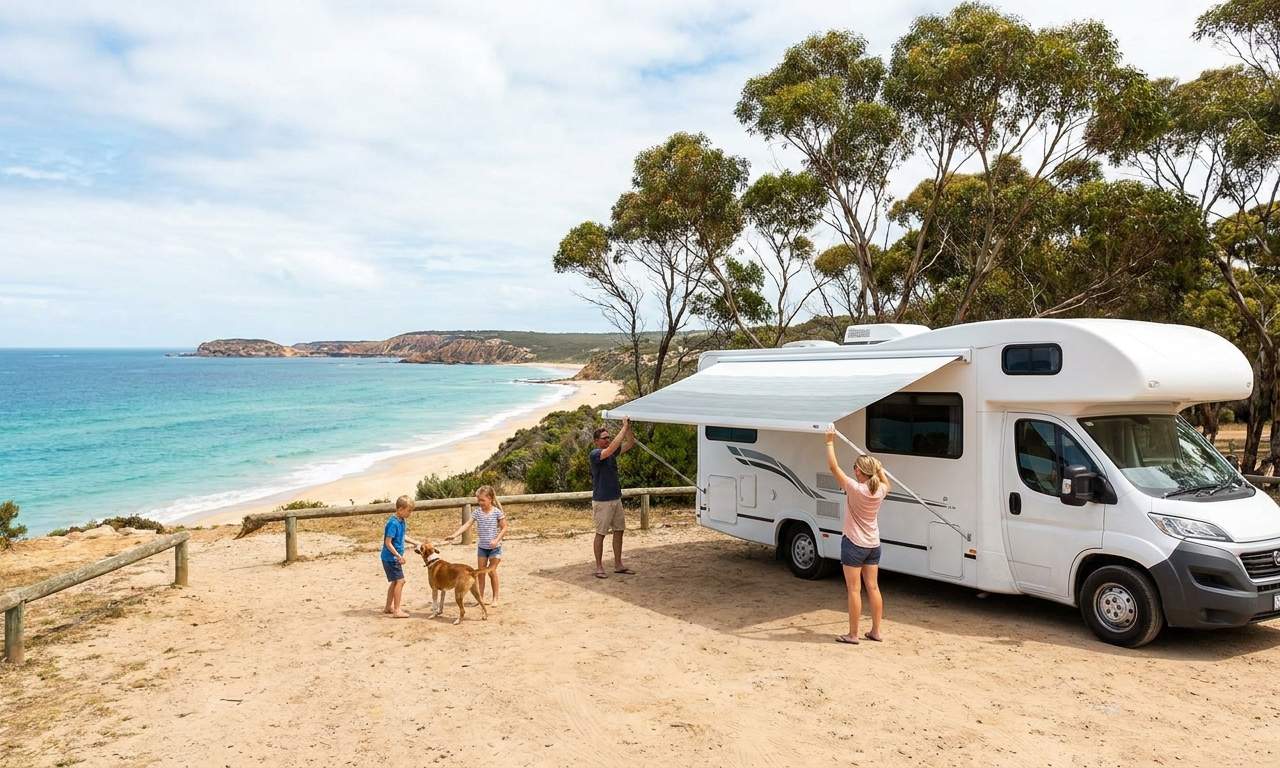
Mastering campsite setup, utility hookups, and local etiquette is key to a comfortable RV rental experience in Australia's numerous campgrounds. Upon arrival at a campground, choose a level spot if possible, or use leveling blocks to ensure your rented RV is stable and appliances function correctly, then orient your motorhome for optimal shade or sun, depending on the weather, and extend awnings carefully. When connecting utilities, follow a specific order: first, securely connect the electricity cable to the power pedestal and your RV, then attach the freshwater hose to the RV and the tap, opening the tap slowly, and finally, if available, connect the grey water and black water hoses to the dump point before use. Remember to reverse this process when disconnecting, starting with the sewage hose, rinsing it, then the freshwater hose, and finally the electricity. Campground etiquette in Australia is generally relaxed but important: respect quiet hours, typically from 9 or 10 PM to 7 or 8 AM, by minimizing noise from generators, music, and conversation. Always clean up your site, dispose of rubbish in designated bins, and be mindful of your water and power consumption. When camping in or near Indigenous communities, practice cultural etiquette by asking permission before entering private or sacred areas and respect local customs. Exploring unique Australian camping experiences like station stays or national park campgrounds often comes with specific rules and opportunities to interact respectfully with local environments and communities. Planning ahead using resources like rvplan.net can help you locate these unique camping opportunities and their associated requirements, giving you full transparency for your trip. For ideas on places to stay, check out our one-way rv rental example P 23-26 recommendations.
RV Rental-Specific Tips for Australia
Maximizing your RV rental experience in Australia involves several key vehicle-specific considerations and adherence to rental agreements. Before departing, conduct a detailed walkthrough with the rental company to document any existing damage, test all appliances, and understand how to operate features like water pumps and gas stoves on your rented motorhome or campervan. Pay close attention to clauses regarding mileage limits, road restrictions (e.g., many unsealed roads often void insurance on 2WD vehicles), one-way fees, and fuel policies to avoid unexpected charges; for example, a large Class C motorhome like the "C-LARGE" may have different mileage inclusions than a compact campervan. For highly sought-after national park campgrounds or unique station stays, especially during peak seasons (December-February), pre-booking permits and sites is essential as availability can be limited, sometimes requiring bookings months in advance. Familiarize yourself with your RV's grey and black water tanks and plan for regular dump station stops, as responsible waste disposal is crucial and often legally enforced. Be prepared for Australia's diverse climates; ensure your RV's air conditioning and heating are functioning well, and know how to manage water storage and consumption, especially in hotter or remote regions. Finally, understand the required fuel level, cleanliness standards, and specific drop-off times to avoid additional fees upon return. Bandana Caravan partners with over 50 leading RV suppliers, including Apollo and Britz, to offer a comprehensive range of motorhome rental options across Australia, providing various features and amenities. We handle the details, you live the journey, with personal service from day one until your booking is confirmed.
Common Mistakes to Avoid in Australia
To ensure a smooth and enjoyable RV rental trip in Australia, be aware of common pitfalls that first-time renters often encounter. Instead of underestimating distances, which are vast across Australia's 7.692 million km² landmass, plan realistic daily driving itineraries, aiming for no more than 100-150 km per day on average, and factor in extra time for scenic stops, wildlife viewing, and rest, as travel times are often longer than anticipated. Always check your rental agreement for roads where your RV coverage is invalid (e.g., many unsealed roads are restricted for 2WD motorhomes) and plan routes accordingly, sticking to approved paths for safety and insurance validity; ignoring road restrictions can lead to significant penalties. Regularly check local weather forecasts and understand regional weather patterns, such as the wet season in Northern Australia (November-April) or bushfire season in drier areas (often September-March), to adjust plans for safety. Pre-planning is key; for popular campgrounds, national parks, or unique experiences like one-way rv rentals example Trailfinder Camper, book your accommodation and permits in advance, particularly during peak travel times. Diligently monitor your fuel gauge and water tank levels, and refuel/replenish whenever possible, especially before entering remote areas where services can be hundreds of kilometers apart; running out of fuel or water in the Outback is a serious mistake. Finally, educate yourself on Indigenous cultural protocols, dispose of waste responsibly, and practice 'Leave No Trace' principles to protect Australia's unique natural beauty and cultural heritage. Our team, with local expertise and support in over 50 countries, helps you navigate these nuances.
What is the 3-3-3 rule for campervan?
The "3-3-3 rule" for campervan travel in Australia recommends limiting driving to no more than 3 hours a day, stopping by 3 PM to find a campsite, and staying at least 3 nights in one location. This guideline aims to promote a more relaxed pace of travel, prevent driver fatigue on long Australian roads, and allow ample time to explore destinations in depth. By adhering to this rule, travelers can truly immerse themselves in Australia's diverse culture, food, and scenery, making the most of their rented campervan experience.
What are the drawbacks of renting an RV?
While offering incredible freedom, renting an RV in Australia can present a few drawbacks compared to other travel methods. These can include higher fuel consumption, especially for larger motorhomes like a "Comfort Family 6", which can impact the overall trip budget for covering Australia's vast distances. RVs typically have slower travel speeds than regular cars, and larger models might face restricted access to certain tight city streets or challenging terrains without a 4x4 model. There's also a learning curve associated with operating a larger vehicle and managing onboard systems like water, waste (e.g., black and grey water tanks with capacities around 100-150 liters), and propane. The total trip cost, when factoring in rental fees, fuel, and campsite charges (ranging from AUD $20-60/night), can sometimes exceed other travel options, and there's the ongoing responsibility of vehicle maintenance checks and waste disposal.
How much does it cost to rent a RV in Australia?
The cost to rent an RV in Australia can vary significantly, typically ranging from AUD $70 for a compact campervan like a "Paradise S/T" to AUD $400+ per day for a large, modern motorhome. This dynamic pricing is influenced by factors such as the vehicle's size and luxury level, the rental season (peak seasons like December-February are often 30-50% more expensive), the duration of the rental (longer rentals often have lower daily rates), and the specific pickup/drop-off locations which can incur one-way fees. Beyond the base rental, a comprehensive budget should account for fuel (a major expense in Australia, with petrol prices fluctuating), campground fees (AUD $20-60 per night), national park permits (some costing AUD $10-30 per vehicle), food, and potential one-way fees or additional insurance upgrades. For a comfortable 2-week trip, a realistic daily budget often starts around AUD $200-300 including all expenses, bringing the total trip cost to AUD $2800-4200. Exploring options for "RV Rental Deals in Australia - Latest Offers 2026" can help uncover savings.
Can you park an RV anywhere in Australia?
No, you cannot park an RV anywhere in Australia, as parking regulations vary significantly by state, territory, and local council, with specific restrictions on overnight parking in public areas, national parks, and city centers. While free camping (or "bush camping") is permitted in some designated areas, it's generally restricted to private property with permission, specific government-managed sites, or areas where "no camping" signs are absent, making it essential to research and use camping apps or guidebooks to find legal and safe overnight spots. Obtaining permits for national parks or Indigenous lands is often mandatory, with fines for illegal camping ranging from AUD $100 to $2000 in some jurisdictions. Always call ahead to campgrounds before driving long distances to confirm availability, especially for sites within national parks or popular coastal areas which often fill up, with many national/state parks reserving only 25-30% of spots for pre-booking. For finding campsites and campgrounds during your trip, we recommend using RV PLANET (rvplan.net) - a great resource for locating available spots along your route.
How much is a 1 week RV rental?
A 1-week RV rental in Australia can range from approximately AUD $490 (for a budget campervan like the "Hi5 Camper" during low season) to over AUD $2800 (for a premium 6-berth motorhome during peak season), depending heavily on the class of RV, the time of year, and the specific rental company and pickup location. This figure typically covers the base rental cost, but travelers should budget extra for ancillary costs including fuel (which could be AUD $300-800 for 700-1500 km of driving), campsite fees (AUD $140-420 for 7 nights), insurance upgrades, and provisions. A one-week trip could see total expenses, including all these factors, range from AUD $1000 to over $4000. For specific pricing, always check "Weekly RV Rental in Australia - Pricing 2026" on comparison platforms.
Is it worth having a toilet in a campervan?
Having a toilet in a campervan, such as the "Euro Mini" model, is generally considered worth it for enhanced convenience, especially for remote travel, night-time use, or when public facilities are scarce or unappealing. While it adds to the vehicle's size and requires regular emptying and maintenance of the waste tank (typically every 2-3 days for a 100-liter tank), a built-in toilet offers significant privacy and flexibility. This feature expands options for wild camping where access to facilities is limited and makes long drives more comfortable by reducing the need for frequent stops. For longer extended road trips, a toilet and shower facility can greatly improve the overall travel experience.
Can US citizens rent a car in Australia?
Yes, US citizens can rent an RV or campervan in Australia, provided they meet specific requirements, which include holding a valid US driver's license, being at least 21 years old (Bandana Caravan adheres to this minimum age with no young driver surcharges), and often possessing an International Driving Permit (IDP) in conjunction with their US license. While an IDP is not strictly mandatory in all states, it is highly recommended for visitors from non-English-speaking countries and offers peace of mind, translating your license into 10 languages. It is also crucial to ensure appropriate insurance coverage is in place, as standard US policies typically do not extend overseas; comprehensive insurance options are available for an optional upgrade. God is in the small details, and we take care of them, helping you confirm all necessary documentation before your journey.
What is the 3-3-3 rule for RV travel?
The 3-3-3 rule for RV travel, which also applies to campervans and motorhomes in Australia, suggests driving no more than 300 miles (approximately 480 kilometers or 3 hours at typical highway speeds), stopping travel by 3 PM to set up camp, and staying a minimum of 3 nights in one place. This approach is designed to reduce travel stress, enhance safety by mitigating driver fatigue, and allow for more immersive experiences at each destination rather than constantly moving. Embracing slow travel, averaging 100-150 km per day, perfectly aligns with this rule, letting you truly feel the place, connect to the culture, the food, and the scenery Australia has to offer.
What not to do in Australia as an American?
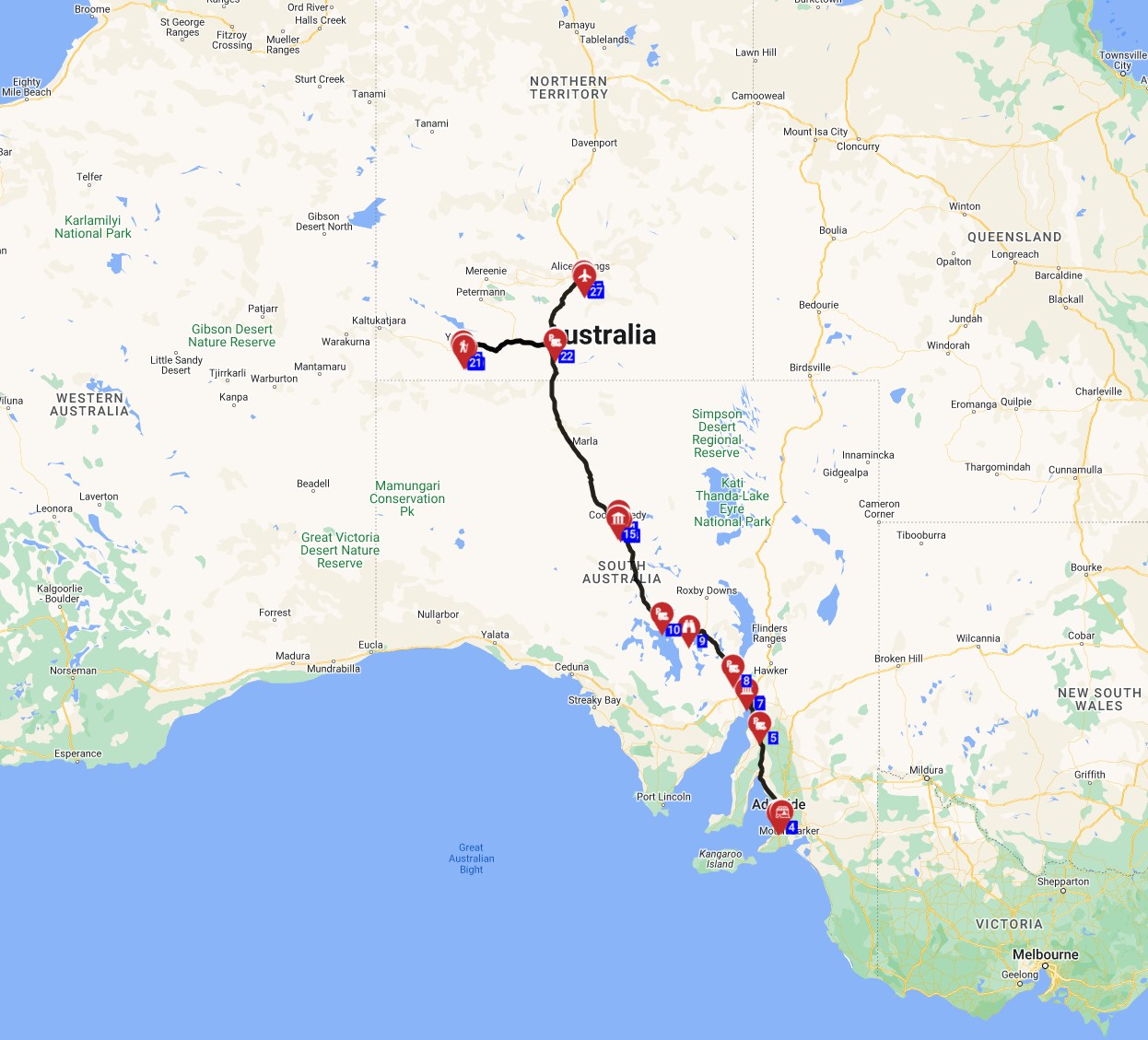
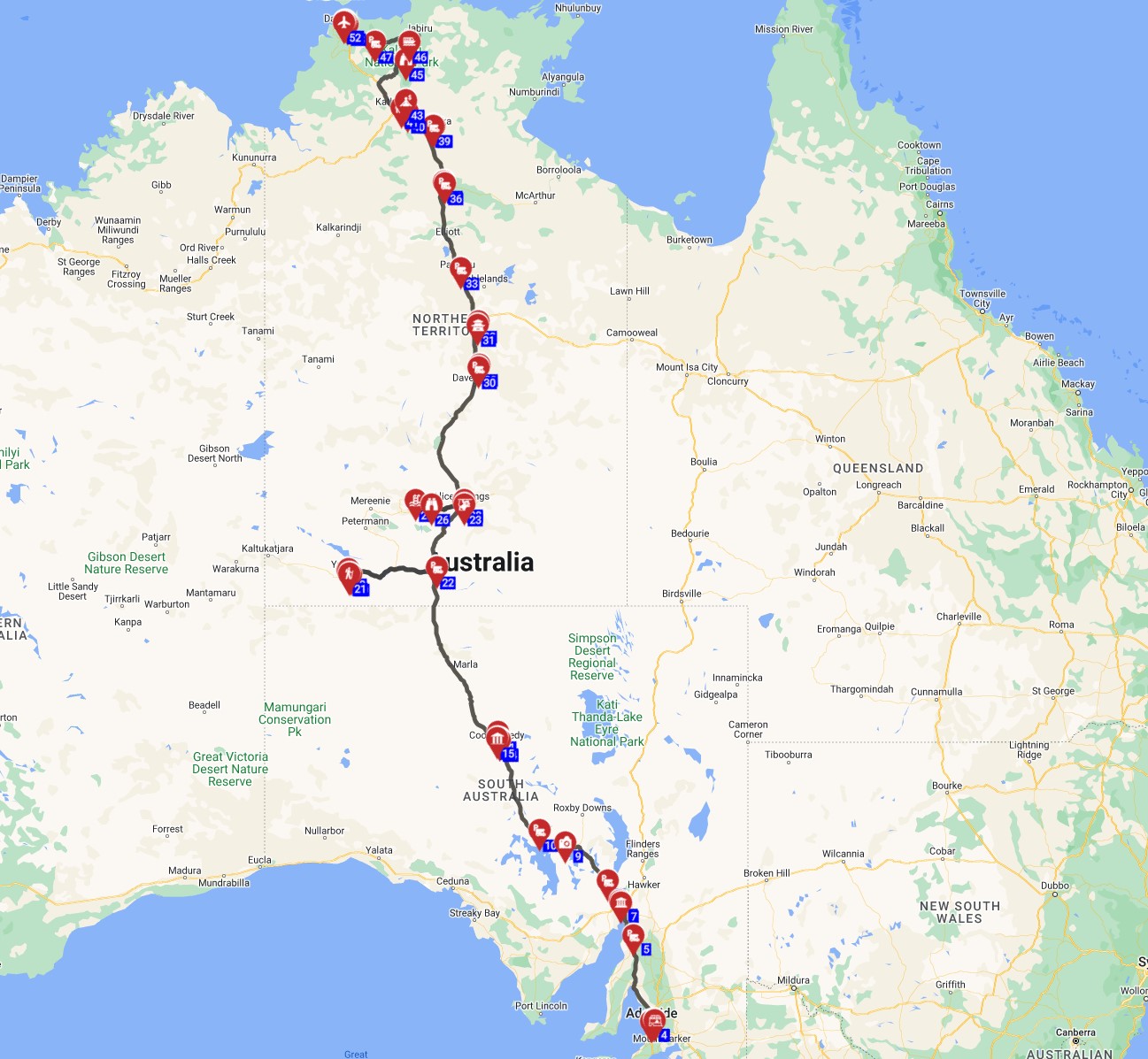
When traveling in Australia as an American, it's wise to avoid several common pitfalls to ensure a respectful and safe trip. Do not underestimate the vastness of the country and its driving distances; instead, consult resources like RV PLANET routes for realistic itineraries, recognizing that a trip from Perth to Alice Springs covers over 5,400 km. Avoid ignoring warnings about active wildlife, especially kangaroos, at dawn and dusk, which cause thousands of vehicle collisions annually. Failing to secure necessary permits for national parks (e.g., specific permits for Kakadu National Park) or Indigenous lands is a mistake, as fines can be substantial. Never neglect checking local road conditions or fail to follow specific road rules like driving on the left and understanding roundabouts. Culturally, avoid overly direct or loud communication in casual settings, understand that tipping is not customary (unless for exceptional service, usually less than 10%), and always ask permission before taking photos of Indigenous people or entering sacred sites. Additionally, never feed wild animals, as it can harm them and lead to fines, and always be prepared for Australia's strong sun exposure with high-SPF sunscreen and wide-brimmed hats.
Is 3000 AUD enough for 2 weeks in Australia?
AUD 3000 could be a tight but manageable budget for a 2-week RV trip in Australia, particularly if you focus on a specific region, travel off-peak (avoiding December-February), and practice budget-conscious choices like cooking most meals in your rented RV (saving potentially AUD $50-100/day on dining out) and utilizing free or low-cost camping. This budget might primarily cover basic RV rental (approximately AUD $1000-2000 for 14 days) and a portion of the fuel costs (AUD $500-1000 for an estimated 2,000-4,000 km of driving, depending on vehicle and fuel efficiency), leaving limited funds for paid campgrounds, extensive activities, or dining out. For a more comfortable experience including diverse activities, some paid accommodation (e.g., Big4 Holiday Parks), and a buffer for unexpected expenses, a higher budget, potentially AUD 4000-6000 or more, would be advisable. Bandana Caravan offers bookings in over 30 currencies with full price transparency, helping you track your expenditure effectively.
Top Cities for RV Rental in Australia
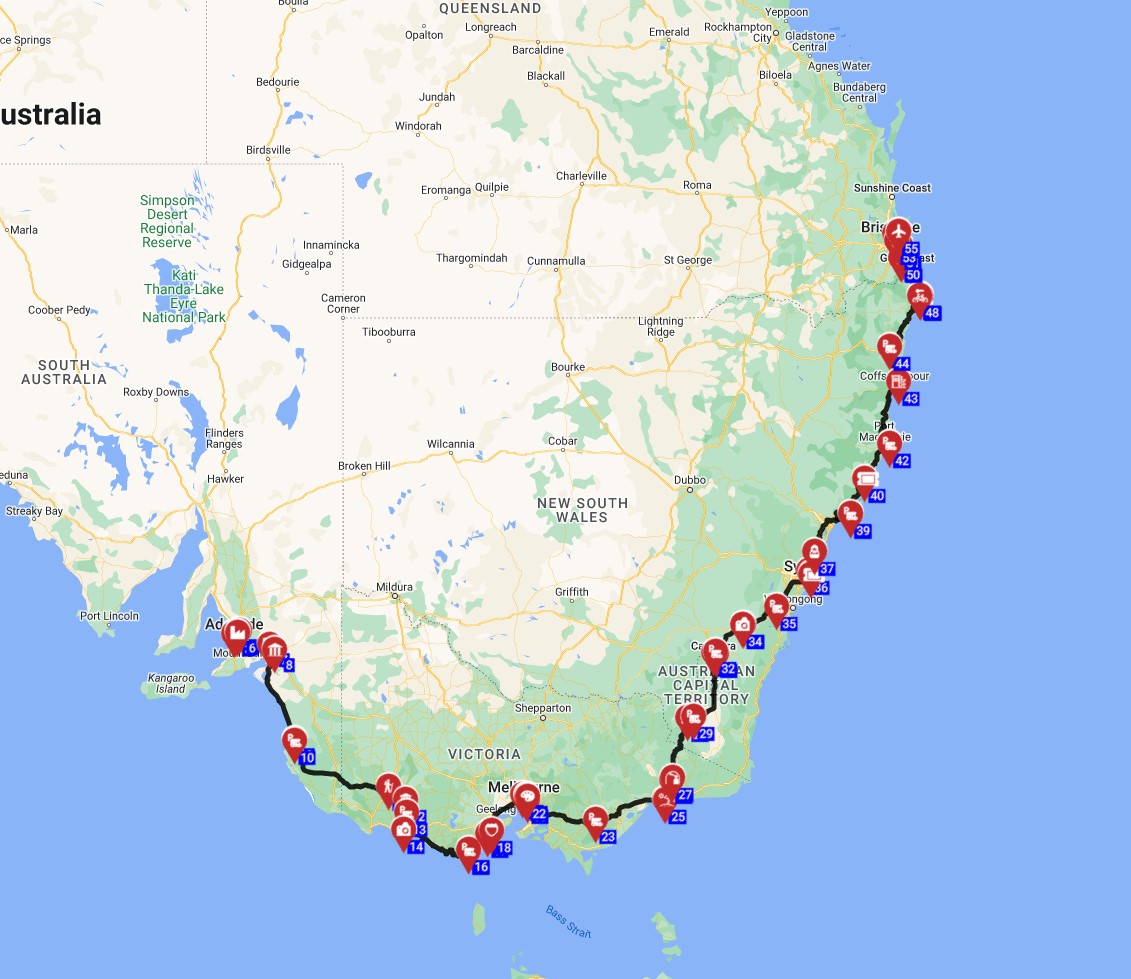
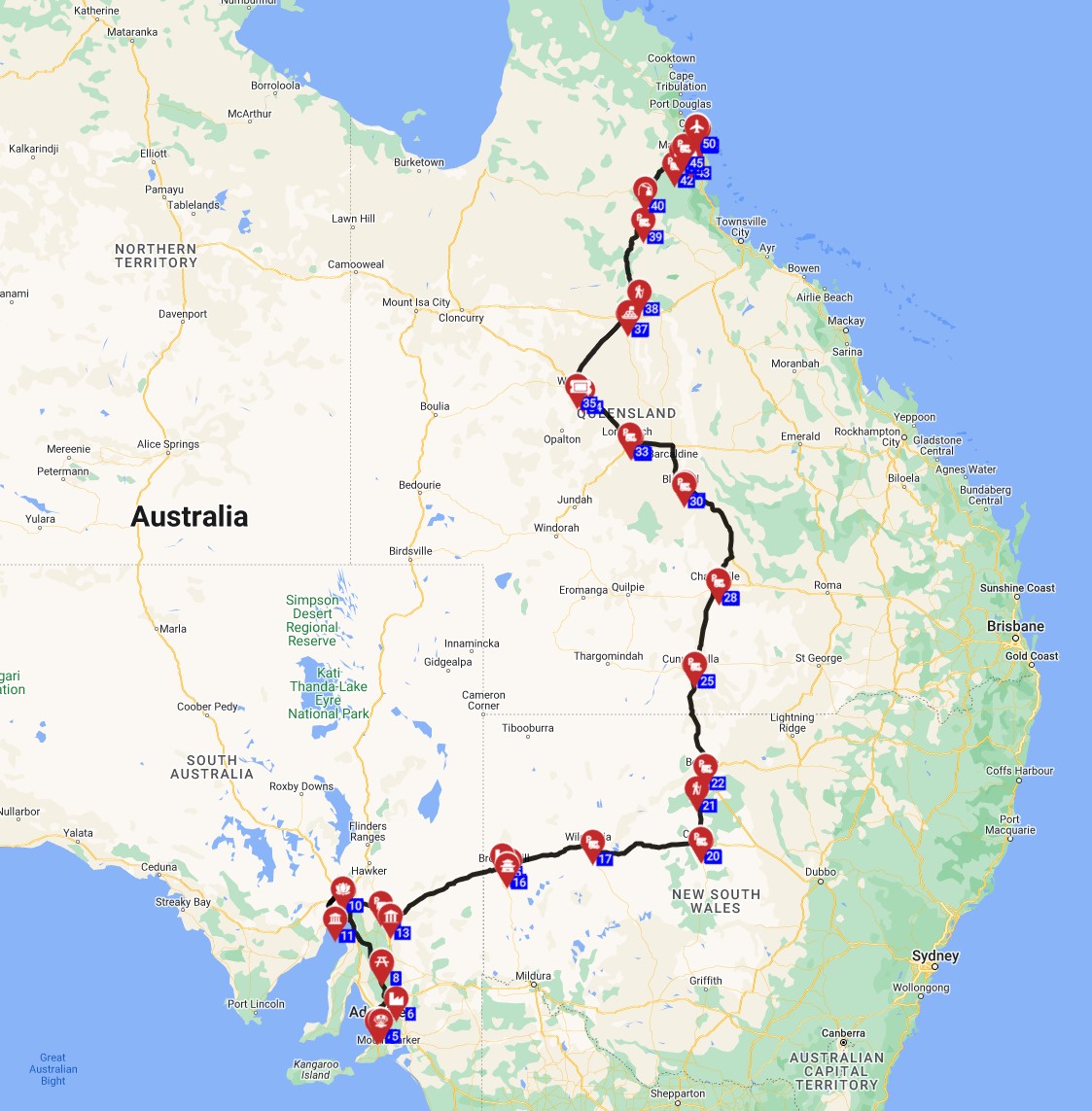
Australia boasts several excellent gateway cities for starting your RV rental adventure, each offering unique attractions and convenient access points to the country's diverse landscapes. Sydney, with iconic landmarks like the Opera House and Harbour Bridge, serves as a popular starting point for coastal trips north towards Brisbane or south towards Melbourne. Melbourne, known for its vibrant arts scene and European flair, is ideal for exploring the Great Ocean Road or venturing into the country's southeastern regions. In Western Australia, Perth provides access to stunning beaches, national parks like Nambung National Park, and routes into the vast interior. For those seeking tropical adventures, Cairns in Queensland is the perfect base for exploring the Great Barrier Reef, the Daintree Rainforest, and the Northern Horizons itinerary. Brisbane offers a mix of urban charm and proximity to the Gold Coast and Sunshine Coast, great for families. Meanwhile, Adelaide is your gateway to South Australia's wine regions and the Flinders Ranges, offering a blend of culinary and natural experiences. For exploring the rugged heart of the continent, Alice Springs stands as the quintessential hub for Outback adventures to Uluru and beyond. Each of these cities provides ample opportunities to pick up a rented motorhome or campervan from one of our 50+ trusted suppliers.
🎬 Video coming soon
What You Shouldn't Miss
Australia offers a wealth of incredible experiences that are perfectly suited for a rented RV adventure. Don't miss cruising the breathtaking Great Ocean Road in Victoria, home to the Twelve Apostles, where you can easily find scenic viewpoints and charming coastal towns to stop and explore. Venture into the Australian Outback to witness the majestic Uluru-Kata Tjuta National Park, a sacred Indigenous site that offers profound cultural experiences and stunning sunrises and sunsets. Explore the ancient rainforests of Daintree National Park in Queensland, where the rainforest meets the reef, offering unique wildlife spotting opportunities. A trip to Tasmania, often accessible via a ferry with your RV, reveals rugged wilderness, pristine beaches, and unique wildlife like Tasmanian devils. For urban exploration with a natural twist, park your RV near Sydney's Royal National Park, the world's second-oldest national park, and enjoy coastal walks just south of the city. Embrace the freedom of your rented motorhome to discover hidden gems and iconic sights at your own pace. With Bandana Caravan, your journey is seamless from the first click.
Looking for expert insights from Avi Bandana? Top 5 Adventures - recommendations from Avi Bandana
Final Thoughts
Australia is a land of incredible contrasts, from vibrant coastal cities to the ancient, rugged Outback, all waiting to be discovered on your terms. A rented RV provides the perfect mobile headquarters to explore this vast and beautiful country, offering flexibility, comfort, and the freedom to chase the horizon. Whether you're planning a week-long trip to explore the Great Ocean Road or an extended road trip across the continent, meticulous planning combined with a sense of adventure will ensure an unforgettable experience.
Remember, we're here to support you every step of the way, from comparing prices for a "rent a motorhome example CA-25" to advising on the best routes. With our full transparency and dedicated expertise, your Australian RV journey will be as smooth and surprising-free as possible. So, what are you waiting for? The open roads of Australia are calling!
Get inspired for your next trip! Discover top destinations, planning tips, all in one place!
Find RV Rentals in Australia