In This Guide
- The 5 RV Families Compared for Germany
- Class A (Integrated) - Best For
- Price Comparison by RV Class in Germany
- Class SI (Semi-Integrated) - Best For
- Class C (Alcove) - Best For
- Class B (Campervan) - Best For
- Class TC (Truck Camper) - Best For
- Side-by-Side Comparison Table
- Our Recommendation for One-Way RV Rental Travelers in Germany
- Is it possible to rent an RV one way?
- Is Germany RV friendly?
- Can you camp anywhere in Germany?
- What are the best places to travel with an RV in Germany?
- How much does it cost to rent an RV in Germany?
- What are the requirements to rent an RV in Germany?
- Do you need a special license to drive an RV in Germany?
- Do I need to make reservations for RV parks in Germany?
- Are there tolls for RVs in Germany?
- What side of the road do you drive on in Germany?
- Is it easy to drive an RV in Europe?
- Can you take a motorhome to the Black Forest?
- What You Shouldn't Miss
- Why Book with Bandana Caravan
- Final Thoughts
- Frequently Asked Questions
Embarking on a one-way RV rental adventure in Germany offers an unparalleled sense of freedom, allowing you to seamlessly explore the country's diverse landscapes and rich culture without the need to circle back to your starting point. Imagine picking up your comfortable motorhome in a vibrant city like Munich, traveling north through historic towns and scenic routes, and dropping it off in a bustling hub like Berlin, all while carrying your home-away-from-home with you. For live availability and current prices, start with our RV Rental Germany - Complete Guide 2026 guide.
At Bandana RV, we specialize in making these dream trips a reality, providing full transparency with no hidden fees and 24/7 support from real people, not automated systems. As true RV specialists with over 23 years of experience, we understand the nuances of a European road trip and are dedicated to ensuring your Germany adventure is smooth and memorable. Whether you're a seasoned RVer or planning your first week-long trip, our expertise helps you compare motorhome options from leading global suppliers, including El Monte, Cruise America, Apollo, and Britz, ensuring you find the perfect mobile home for your journey.
The 5 RV Families Compared for Germany
Choosing the right RV family is critical for a one-way trip in Germany, impacting maneuverability on diverse terrain, fuel efficiency, and overall comfort for your group size and trip length. Germany's blend of autobahns, scenic country roads, and city centers means an RV's dimensions and handling characteristics significantly influence your travel experience. Consider factors like the number of travelers, desired amenities, and your comfort level with driving larger vehicles when selecting your ideal RV class. We offer a range of motorhome and campervan options to suit every preference, from compact models perfect for couples to spacious ones for larger families.
Class A (Integrated) - Best For
Class A (Integrated) motorhomes are best suited for one-way RV renters in Germany seeking luxurious comfort, spacious living, and a commanding road presence, ideal for larger groups or families. Bandana's fleet typically features Class A models with an average length of 7.5 meters, accommodating around 4.4 sleeping places, and offering a significant average load capacity of 209.5 kg. These integrated RVs, often consuming 11-12 liters per 100 km, provide ample amenities and storage, though their size can be a trade-off for navigating quaint German villages or smaller Stellplätze. You'll enjoy features like a full kitchen, a spacious shower, and a comfortable toilet, making extended trips incredibly comfortable. If you plan a longer, leisurely tour through Europe, consider our "RV Rental Europe - Complete Guide 2026" for more expansive planning.
Price Comparison by RV Class in Germany
RV rental prices in Germany for one-way trips vary significantly by RV class, rental duration, and booking seasonality, with smaller campervans generally being more budget-friendly than larger motorhomes. Prices are dynamic, similar to flight tickets, changing daily based on availability, seasonality, and supplier marketing decisions. The final price is set at the actual booking time. For a week-long trip, you might find prices ranging from €90 per day for a compact campervan to over €250 for a large Class A motorhome during peak summer months. To help with your budgeting, remember that RV PLANET routes allow you to itemize and track every expense. Our "RV Rental in Germany - Prices and Best Deals 2026" provides further insights into managing costs. On the routes offered through RV PLANET routes, you can itemize and track every expense along the way for easy budgeting.
Live April Price Comparison — RV Class × Trip Length
| Trip length | Class A | Class B | Class C | Class SI | Class TC |
|---|---|---|---|---|---|
| 1 week 15/04 → 22/04 | Check prices | 658.68 € EUR | 1,966.00 € EUR | 859.28 € EUR | Check prices |
| 2 weeks 15/04 → 29/04 | Check prices | 1,021.00 € EUR | 3,435.00 € EUR | 1,335.90 € EUR | Check prices |
| 1 month 01/04 → 30/04 | Check prices | 1,662.75 € EUR | 5,407.07 € EUR | 2,198.38 € EUR | Check prices |
Estimates only — flex-rate prices change daily based on availability and season.
These prices are estimates that update daily based on availability and demand; for the most accurate, live numbers for your specific travel dates, please use the search box at the top of the page. Booking 3-6 months in advance often secures better rates, especially for high-demand periods.
Class SI (Semi-Integrated) - Best For
Class SI (Semi-integrated) motorhomes are an excellent balanced choice for one-way RV renters in Germany, combining comfortable living spaces with better maneuverability than their larger Class A counterparts. Bandana's fleet typically offers semi-integrated RVs averaging 6.9 meters in length, providing approximately 3.8 sleeping places, and consuming around 10-11 liters per 100 km. With an average load capacity of 72.2 kg, these RVs are well-suited for couples or small families exploring Germany's diverse landscapes, offering a good compromise between space and ease of driving on both autobahns and narrower country roads. They often feature a well-equipped kitchen for preparing RV-friendly recipes playlist on the go, a shower, and a toilet. For families, these models offer great flexibility.
Class C (Alcove) - Best For
Class C (Alcove) motorhomes are ideal for one-way RV renters in Germany traveling with families or larger groups, thanks to their distinctive over-cab sleeping area that maximizes bed count without significantly increasing footprint. Bandana's fleet typically features Alcove models averaging 7.5 meters in length, providing a generous 5.8 sleeping places, and consuming roughly 10-12 liters per 100 km. These RVs, with an average load capacity of 42.4 kg, offer a cost-effective solution for family adventures, navigating Germany's well-maintained roads while providing ample space for everyone. Our "Family RV Driving in Germany - Safe Routes 2026" offers tailored advice for larger groups.
Class B (Campervan) - Best For
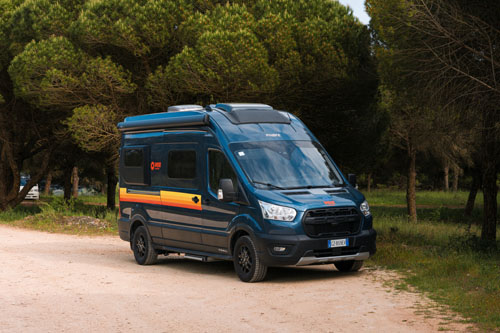
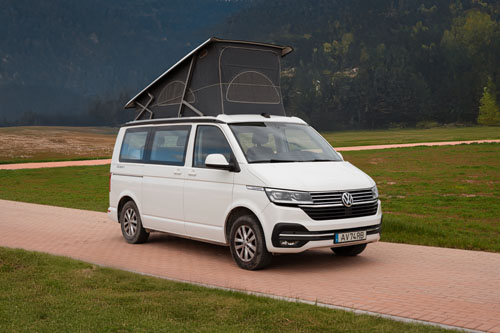
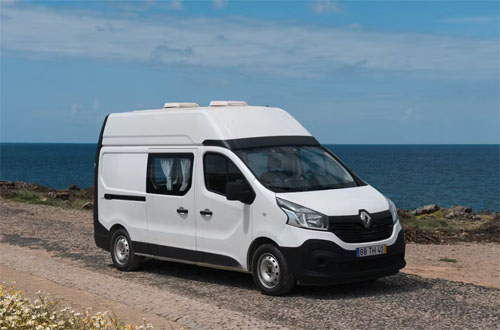
Class B (Campervan) models are perfect for one-way RV renters in Germany prioritizing agility, fuel economy, and the ability to easily navigate city centers and smaller roads. Bandana's fleet typically offers campervans averaging 5.8 meters in length, accommodating around 3.2 sleeping places, and demonstrating excellent fuel efficiency at approximately 8-10 liters per 100 km. With an average load capacity of 37 kg, these compact RVs are ideal for solo travelers, couples, or small groups seeking an adventurous and flexible German road trip experience, allowing access to more secluded spots and easier parking. These nimble vehicles are also great for discovering hidden gems and local markets, offering a unique cultural immersion.
Class TC (Truck Camper) - Best For
Class TC (Truck Camper) vehicles are best for adventurous one-way renters in Germany looking for robust, flexible options capable of handling more varied terrain and offering off-grid capabilities. Bandana's fleet typically features Truck Campers averaging 5.5 meters in length, with about 2.4 sleeping places, consuming approximately 12-17 liters per 100 km. These versatile units are ideal for couples or solo travelers aiming to explore Germany's national parks or more remote regions, providing a blend of utility and compact living. While their off-road capability is a plus, always remember that off-roading in Germany is generally restricted to designated paths.
Side-by-Side Comparison Table
Choosing the right RV for a one-way rental in Germany depends on a balance of size, sleeping capacity, fuel efficiency, and your specific travel style. The following table provides a quick overview of the key characteristics for each RV family to help you make an informed decision for your German adventure:
| RV Family | Avg Length (m) | Sleeps (Avg) | Fuel Use (Avg L/100km) | Best Use Case in Germany |
|---|---|---|---|---|
| Class A (Integrated) | 7.5 | 4.4 | 11-12 | Luxury, large groups, long trips, comfortable touring |
| Class SI (Semi-integrated) | 6.9 | 3.8 | 10-11 | Couples/small families, balanced comfort & maneuverability |
| Class C (Alcove) | 7.5 | 5.8 | 10-12 | Families with children, maximum sleeping capacity |
| Class B (Campervan) | 5.8 | 3.2 | 8-10 | Solo/couples, urban exploration, flexibility, fuel efficiency |
| Class TC (Truck Camper) | 5.5 | 2.4 | 12-17 | Adventurous couples, off-road capability, flexible base camp |
This comparison should assist in narrowing down the best RV type for your one-way German road trip based on your specific needs and priorities. Remember, Bandana RV offers full transparency in comparing these options, so what you see is what you pay.
Our Recommendation for One-Way RV Rental Travelers in Germany
For most one-way RV rental travelers in Germany, the Class SI (Semi-integrated) motorhome is our primary recommendation due to its optimal balance of comfort, amenities, and maneuverability on both German autobahns and scenic routes. Its average length of 6.9 meters makes it easier to navigate smaller towns and Stellplätze compared to larger Class A or C models, while still providing ample living space for couples or small families. A strong runner-up is the Class B (Campervan), especially for solo adventurers or couples prioritizing agility, fuel economy, and the flexibility to explore urban areas and more remote spots without parking hassles. Both options ensure a rewarding journey, allowing you to travel slowly, averaging 100-150 km per day, and truly connect with the local culture and scenery.
Is it possible to rent an RV one way?
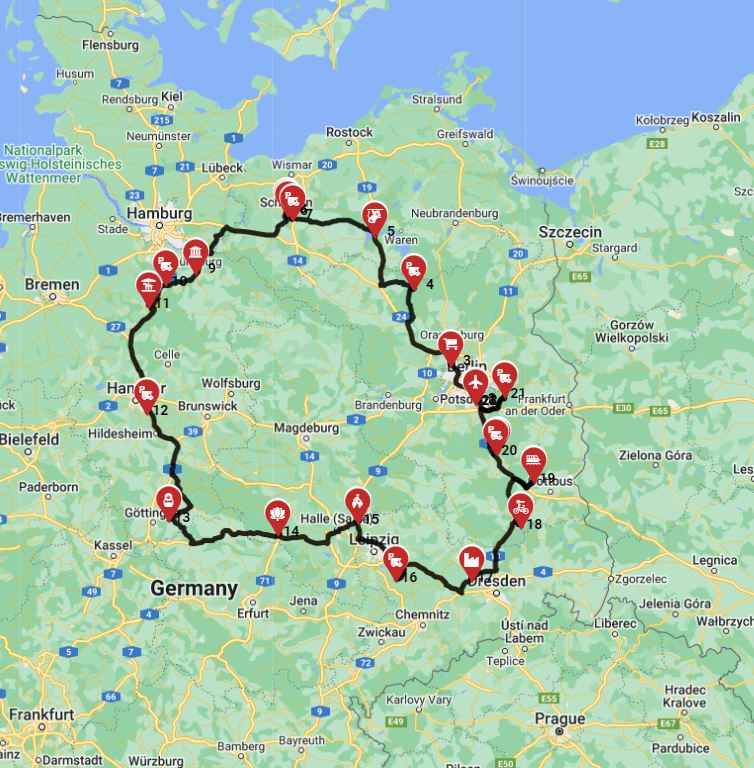
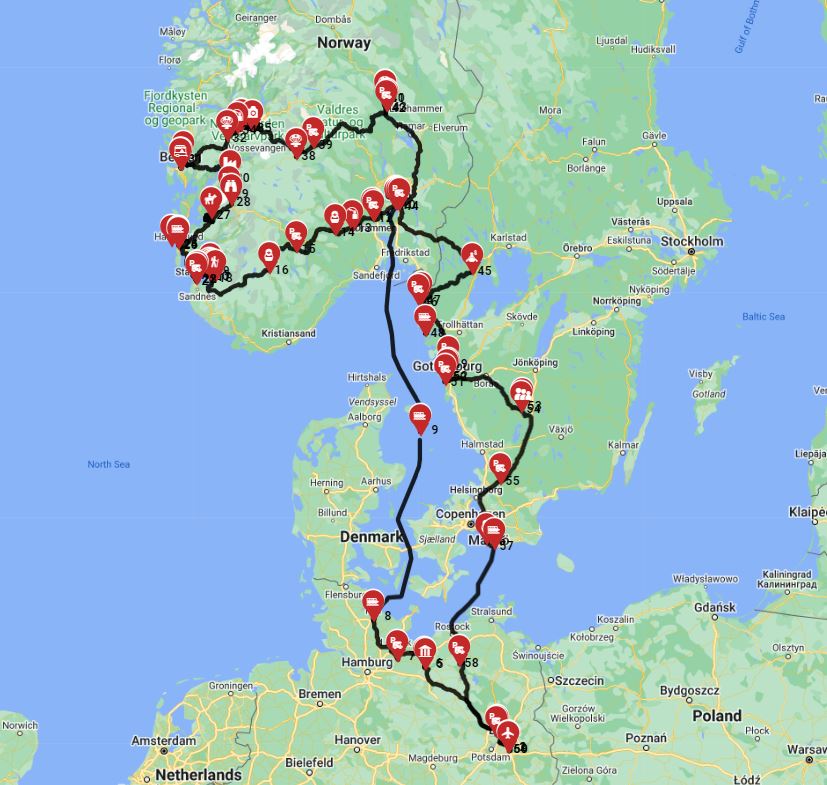
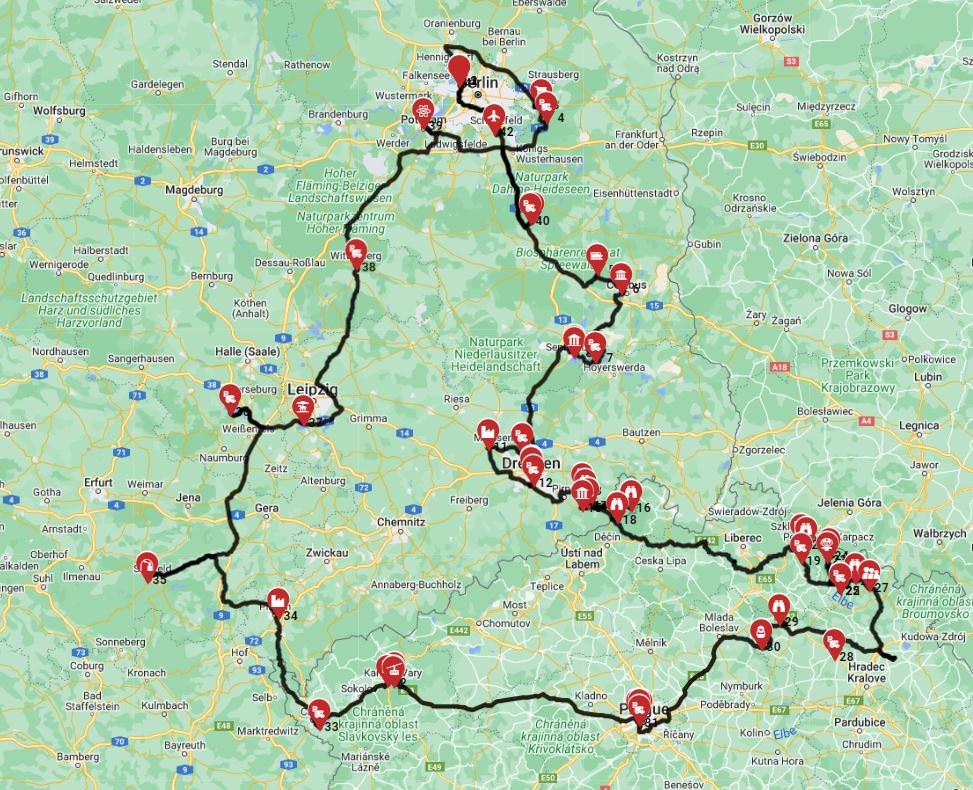
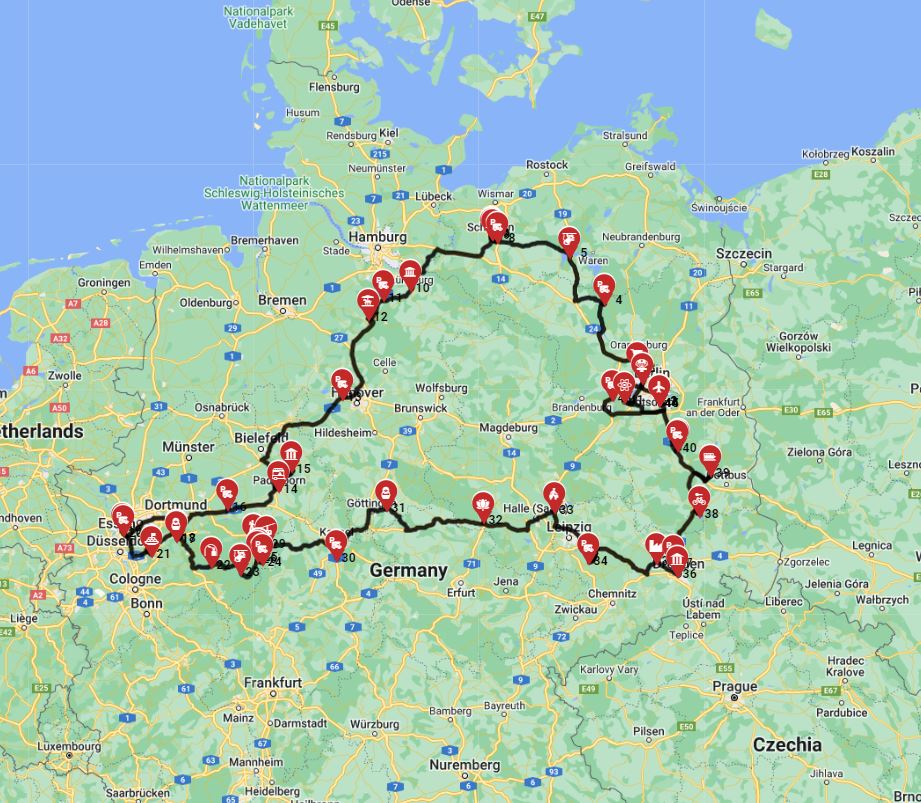
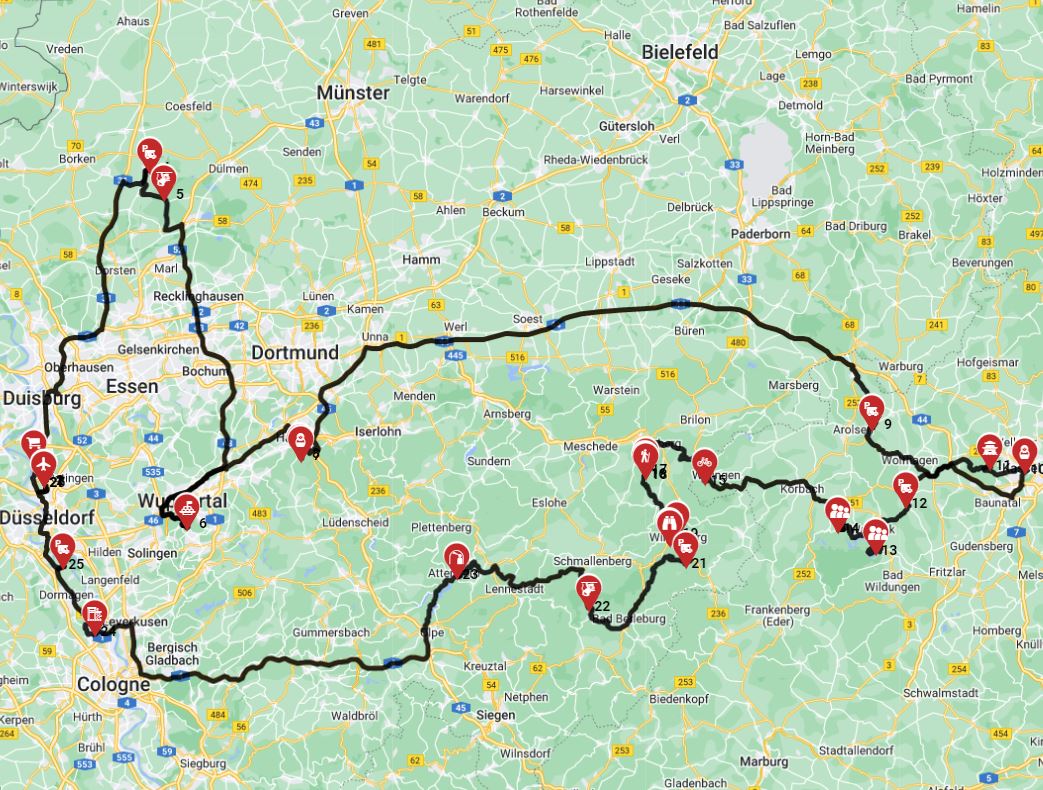
Yes, it is definitely possible to rent an RV one-way in Germany, offering significant flexibility for travelers who wish to explore different regions without backtracking to their original pickup location. One-way rentals typically incur an additional fee, often called a 'one-way fee' or 'relocation fee,' to cover the cost of returning the vehicle to its home depot. Bandana facilitates one-way RV rentals across Germany, allowing you to pick up your vehicle in one city, such as Munich, and drop it off in another, like Berlin or Frankfurt. This option is perfect for travelers with a specific route in mind, like the Frankfurt Roundtrip - North Germany - Including Hamburg & Berlin, which spans 15 days and 2230.1 km, allowing you to maximize your exploration.
Whether you're looking for last-minute one-way RV rental deals in Germany or planning an elaborate two-week adventure, our platform helps you compare options from 50+ leading RV suppliers worldwide. Our 24/7 support team is here to help you before, during, and after your booking, ensuring a seamless experience.
Is Germany RV friendly?
Germany is exceptionally RV-friendly, boasting excellent infrastructure, a comprehensive network of Stellplätze (motorhome parking spots) and campgrounds, and well-maintained roads suitable for various RV sizes. Travelers will find a welcoming attitude towards RVs, with clear signage, dedicated parking areas, and abundant facilities for waste disposal and fresh water replenishment. For cultural immersion, RV travel allows easy access to local markets, food festivals, and lesser-known villages, though familiarizing yourself with basic German etiquette, such as greeting locals and respecting quiet hours, enhances the experience. Integrating RV travel with other modes of transport is straightforward, with many cities offering 'Park and Ride' options, and efficient public transport making city exploration easy after parking your RV. If you're interested in more localized advice, our "Cheap RV Camping in Germany - Budget Sites 2026" guide provides further details.
Can you camp anywhere in Germany?
No, you cannot typically camp anywhere in Germany; free camping or 'wild camping' is generally prohibited outside of designated areas and can result in significant fines. Instead, Germany offers an extensive network of over 5,000 'Stellplätze' (motorhome parking spots) and traditional campgrounds, providing legally sanctioned and often well-equipped places to park overnight. Stellplätze are specifically designed for motorhomes, often located near towns or attractions, providing basic services like fresh water, waste disposal, and sometimes electricity, with costs usually ranging from €5-€20 per night. Traditional campgrounds offer more amenities like showers, restrooms, and recreational facilities, with fees typically between €15-€40 per night. While many national and state parks reserve only 25-30% of spots for advanced booking, the rest are first-come-first-serve. You'll find a spot; if not at the first campground, then the next one. Always call ahead before driving.
What are the best places to travel with an RV in Germany?
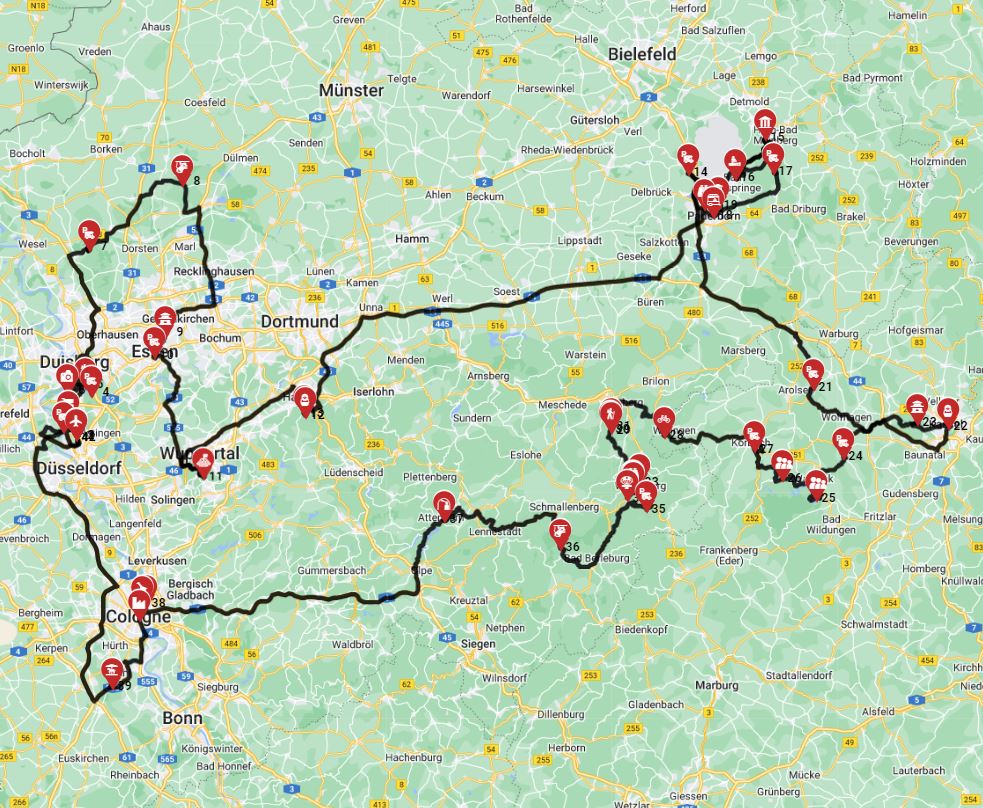
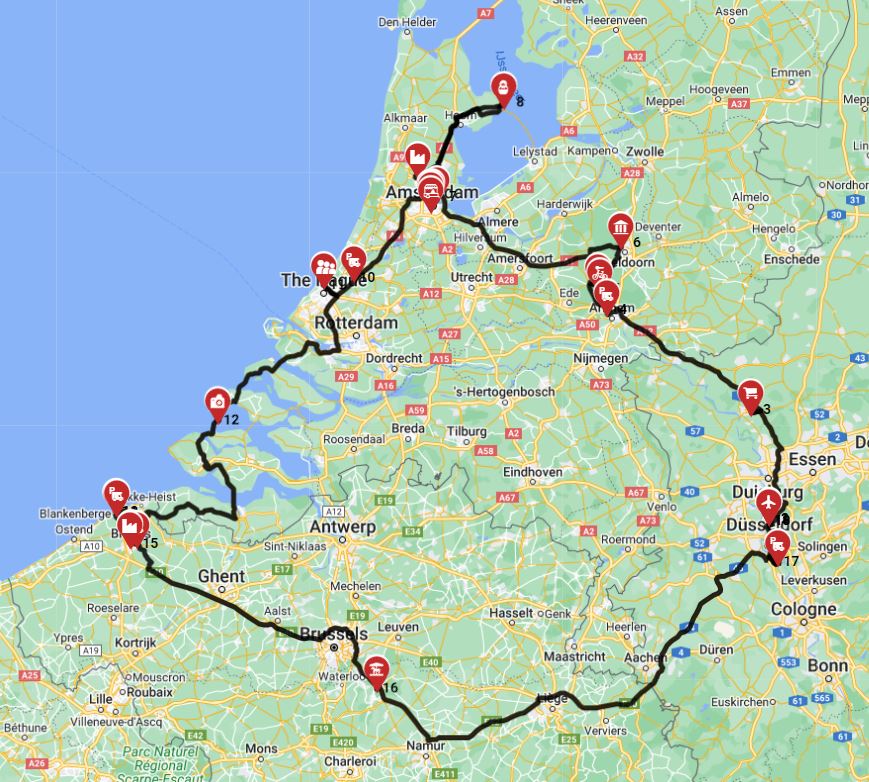
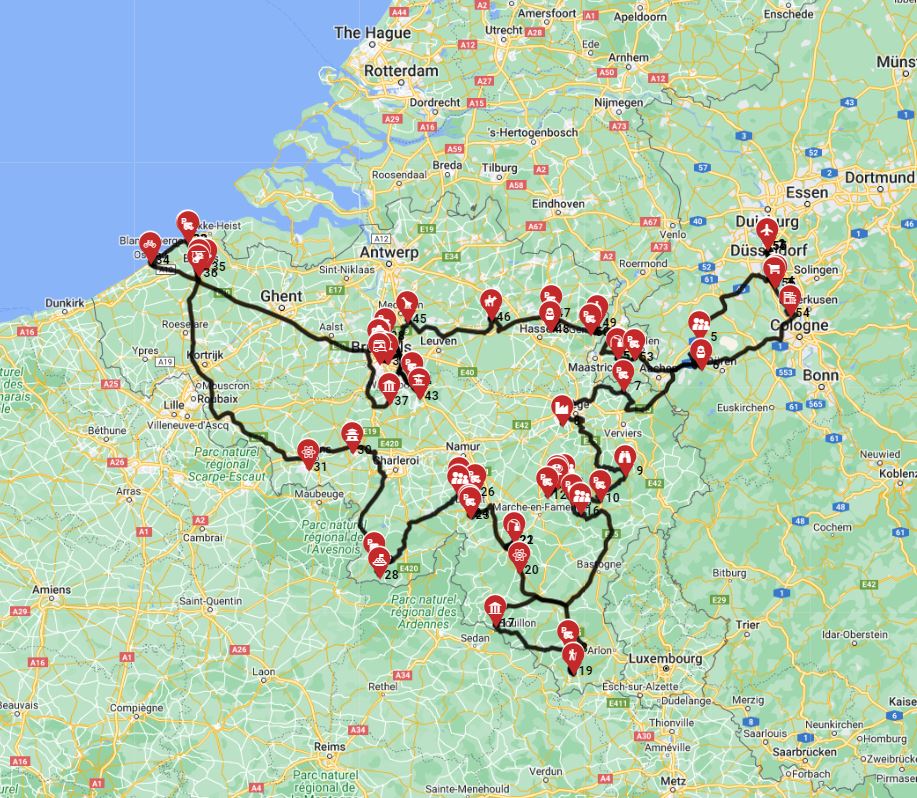
The best places to travel with an RV in Germany span from the picturesque Bavarian Alps in the south to the historic Baltic Sea coast in the north, offering diverse landscapes and cultural experiences. Popular routes include the Romantic Road, famed for its medieval towns and castles like Neuschwanstein, and the scenic Wine Route (Weinstraße) in Rhineland-Palatinate, perfect for exploring vineyards and local festivals. For off-the-beaten-path destinations, consider the Harz Mountains for hiking and charming villages, the Mecklenburg Lake District for water activities, or the Black Forest for its stunning natural beauty and traditional cuckoo clocks. Our Rent&Plan service offers pre-planned routes by professionals, like the Dusseldorf Roundtrip - Germany / Netherlands / Belgium, an 8-day, 1076.2 km adventure including amusement parks, historical sites, and traditional restaurants.
For finding campsites and campgrounds during your trip, we recommend using RV PLANET (rvplan.net) - a great resource for locating available spots along your route. You can also get a 25% planning discount when utilizing rvplan.net for your travel plans.
How much does it cost to rent an an RV in Germany?
The cost to rent an RV in Germany varies significantly based on the RV class, rental duration, season, and the specific rental company, with daily rates typically ranging from €80 for a compact campervan to over €200 for a large luxury motorhome. Beyond the base rental fee, detailed budgeting for an RV trip should include fuel (which can be 10-17 liters/100 km depending on RV class and driving conditions), campsite or Stellplatz fees (€10-€40 per night), groceries, and potential one-way rental charges. Ancillary expenses might include navigation apps, attraction entry fees, and unexpected costs like LPG refills or roadside assistance. For a more detailed breakdown, consider our "Weekly RV Rental in Germany - Pricing 2026" guide. This comprehensive budget is crucial for a stress-free trip. With Bandana, we believe in full transparency, ensuring no hidden fees and no surprises when you compare final prices across suppliers.
What are the requirements to rent an RV in Germany?
To rent an RV in Germany, renters typically need to be at least 21 years old, possess a valid driver's license held for a minimum of 1-3 years (check specific supplier requirements), and often an International Driving Permit (IDP) if their license is not from the EU/EEA. An IDP is recommended for visitors from non-English-speaking countries but is not mandatory in most cases. A valid credit card is also required for the security deposit, which can range from €500 to €2,500 depending on the vehicle and rental company. It is advisable to have travel insurance, and some rental companies may require additional documentation or proof of insurance coverage. We offer top-level deductible reimbursement options for extra peace of mind.
Do you need a special license to drive an RV in Germany?
No, a standard car driver's license (Class B in Europe) is generally sufficient for most rental motorhomes and campervans in Germany, as long as the vehicle's Gross Vehicle Weight (GVW) does not exceed 3,500 kg. This covers the vast majority of available Class B, Class C, and Class SI motorhome rentals. For larger RVs with a GVW between 3,500 kg and 7,500 kg, a Class C1 license (or equivalent from your home country) is required, while vehicles exceeding 7,500 kg demand a Class C license. Most rental campervans and semi-integrated motorhomes fall within the 3,500 kg limit, making them accessible to standard license holders, but always confirm the vehicle's weight class with your rental provider to ensure compliance.
Do I need to make reservations for RV parks in Germany?
Yes, it is highly recommended to make reservations for RV parks and popular Stellplätze in Germany, especially during peak season (June to August), national holidays, and weekends, to secure a spot. While spontaneous arrivals at less popular Stellplätze might be possible, booking ahead prevents disappointment, particularly if you're traveling with a larger RV or to a sought-after destination. Using apps like Campercontact, Park4Night, or ADAC Stellplatzführer can help you find and sometimes reserve spots, offering peace of mind during your one-way journey. Many national and state parks only reserve 25-30% of their spots in advance, leaving the majority available on a first-come, first-served basis. Don't stress too much- you'll find a spot. If not at the first campground, then the next one. Just call ahead before driving.
Are there tolls for RVs in Germany?
For RVs up to 3.5 tons (3,500 kg), which includes most campervans and many semi-integrated models, there are generally no tolls on German autobahns (motorways), as the country's extensive road network is largely free for passenger vehicles. However, RVs exceeding 3.5 tons are subject to the 'LKW-Maut' (truck toll) system, which applies to commercial vehicles on autobahns and specific federal roads, similar to commercial trucks. It's crucial to verify your RV's Gross Vehicle Weight (GVW) and understand the toll requirements, as failure to comply can result in significant fines. Additionally, some specific routes, tunnels, or environmental zones (Umweltzonen) may have additional charges or restrictions regardless of weight. Always check for required 'Feinstaubplakette' (fine dust stickers) if driving into city centers, as over 50 German cities enforce these 'Umweltzonen'.
What side of the road do you drive on in Germany?
In Germany, drivers operate vehicles on the right side of the road, and overtaking is typically done on the left. This standard European driving convention means that the steering wheel in German RVs is on the left side of the vehicle. International drivers from countries that drive on the left (e.g., UK, Australia, South Africa) should practice and adjust to driving on the right before embarking on a long RV journey. Take your time, drive slowly and carefully, and you can drive almost anywhere without issues. No need to stress - just use common sense and pay attention to road signs and other drivers.
Is it easy to drive an RV in Europe?
Driving an RV in Europe, including Germany, is generally considered easy due to well-maintained road networks, clear signage, and robust RV infrastructure, though city centers can present challenges for larger vehicles. European countries have diverse road conditions, from wide autobahns in Germany to narrower mountain passes and historic town streets, requiring drivers to be adaptable. Familiarity with local traffic laws, speed limits, and parking regulations is crucial, and utilizing RV-specific navigation apps can greatly assist in planning routes that avoid low bridges or restricted zones. Overall, driving a rented motorhome through Germany provides an incredible opportunity to see the continent at your own pace. For broader travel insights, check out our "RV Rental Europe - Complete Guide 2026".
Can you take a motorhome to the Black Forest?
Yes, you can absolutely take a motorhome to the Black Forest (Schwarzwald) in Germany, as it is an incredibly popular and RV-friendly destination known for its scenic routes, charming villages, and numerous campgrounds and Stellplätze. The region offers breathtaking landscapes, from dense pine forests to rolling hills and picturesque valleys, with well-maintained roads suitable for various RV sizes, though some smaller, more winding roads might be challenging for very large Class A models. Visitors can explore famous towns like Freiburg, Baden-Baden, and Triberg, enjoy hiking, cycling, and indulge in local culinary delights like Black Forest cake, with ample opportunities to park and immerse themselves in the natural beauty. Travel slowly, max 100-150 km per day on average. Take time to feel the place, connect to the culture, the food, and the scenery. Consider a two-week adventure here to fully experience the region's charm.
What You Shouldn't Miss
- Explore the Romantic Road: Drive through enchanting medieval towns like Rothenburg ob der Tauber and Dinkelsbühl, culminating in the fairytale Neuschwanstein Castle. This 460 km route offers countless opportunities for picturesque overnight stops at local Stellplätze.
- Cruise the Rhine Valley: Rent a motorhome and embark on a serene journey along the Rhine River, passing vine-covered hills, historic castles, and charming villages. Many towns offer RV parking with easy access to river cruises and wine tastings.
- Experience Berlin's History and Culture: Park your RV at a nearby campground or Stellplatz and use public transport to explore iconic sites like the Brandenburg Gate, Reichstag Building, and Museum Island. Don't miss sampling local street food at a traditional market.
- Hike in the Bavarian Alps: Head south to enjoy breathtaking mountain scenery, with countless hiking trails and opportunities for outdoor activities near popular RV-friendly towns like Garmisch-Partenkirchen. Enjoy views of Germany's highest peak, Zugspitze.
- Discover the Baltic Sea Coast: For a different kind of German experience, drive your rented RV along the Baltic Sea, visiting white-sand beaches, charming fishing villages, and historic Hanseatic cities like Lübeck and Rostock. Enjoy fresh seafood and explore national parks like Jasmund, famous for its chalk cliffs.
Looking for expert insights from Avi Bandana? Top 5 Adventures - recommendations from Avi Bandana
Final Thoughts
A one-way RV rental in Germany opens up a world of discovery, allowing you to immerse yourself in stunning landscapes and vibrant culture at your own pace. With Bandana RV, you're not just renting a vehicle; you're gaining a partner dedicated to making your journey as seamless and enjoyable as possible. Our commitment to full transparency, expert guidance, and supportive service means you can focus on making unforgettable memories, whether you're exploring bustling cities or serene mountain roads.
We've helped thousands of travelers create their perfect mobile home adventure, and we're ready to help you plan yours. So, pack your bags, choose your route, and get ready for the freedom of the open road. The heart of Europe awaits!
🎬 Video coming soon