In This Guide
- The 4 RV Families Compared for Boston
- Class A (Integrated) - Best For
- Price Comparison by RV Class in Boston
- Class SI (Semi-Integrated) - Best For
- Class C (Alcove) - Best For
- Class B (Campervan) - Best For
- Side-by-Side Comparison Table
- Our Recommendation for one way rv rental Travelers in Boston
- Does Outdoorsy do one-way RV rentals?
- Navigating and Parking an RV in Boston - What You Need to Know
- RV-Friendly Campgrounds Near Boston with Public Transport Access
- Comprehensive Cost Breakdown for Your Boston One Way RV Trip
- Combining Boston City Exploration with New England Nature Escapes
- Seasonal Advice for RVing in Boston - Best Times to Visit
- Essential RV Logistics Near Boston - Dump Stations and More
- What You Shouldn't Miss
- Why Book with Bandana Caravan
- Final Thoughts
- Frequently Asked Questions
The 4 RV Families Compared for Boston
Choosing the right motorhome family for a one-way rental in Boston is crucial, as the vehicle's size, maneuverability, and amenities significantly impact your experience navigating urban streets, finding parking, and embarking on scenic New England routes. Your decision should consider factors like the length of your trip, the size of your travel group (typically families of 4-6 or retired couples), and whether your primary focus is city exploration or venturing into surrounding nature. For live availability and current prices, start with our RV Rental Boston - Complete Guide 2026 guide. Bandana RV, with over 23 years of experience, specializes in helping travelers find the perfect fit, offering full price transparency and no hidden fees from our direct partnerships with over 50 leading RV suppliers worldwide.Class A (Integrated) - Best For
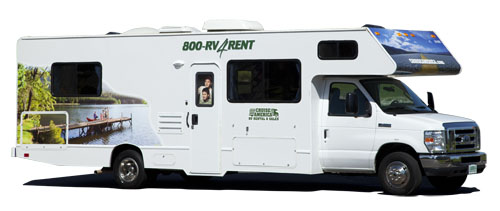
Class A integrated motorhomes, typically averaging 7.5 meters in length and sleeping about 4.4 people, are best suited for large families or groups seeking a luxurious and spacious one-way RV experience, especially when the destination involves minimal city driving in Boston. These RVs offer ample living space and a high average load capacity of 209.5 kg for carrying significant gear on longer hauls. However, their size can be a significant trade-off for navigating Boston's narrow streets, where low bridges on roads like Storrow Drive are infamous, and finding suitable parking. Fuel consumption for a Class A usually ranges from 11-12 Liters/100 km, making them a less economical choice for city-heavy travel compared to smaller options.Price Comparison by RV Class in Boston
Understanding the cost structure for a one-way RV rental in Boston is essential for budgeting, as prices fluctuate based on RV class, rental duration, season, and demand. Pricing is dynamic, much like flight tickets, and flex-rates update daily. For the most accurate and real-time figures, always use the search box at the top of the page. You can save up to 25% by booking at least 90 days in advance, a tip for those planning an extended road trip. When considering overall trip expenses, remember that on RV PLANET routes, travelers can itemize and track every expense along the way for easy budgeting, ensuring full transparency in your total trip cost. Our "Cheap RV Rental in Boston - Budget Guide 2026" also provides excellent insights into optimizing your costs.🎬 Video coming soon
| Family | Avg Length (m) | Sleeps (avg) | Fuel Use (L/100km) | Best Use Case in Boston |
|---|---|---|---|---|
| Class A (Integrated) | 7.5 | 4.4 | 11-12 | Luxury, large groups, long trips; avoid city center. |
| Class SI (Semi-Integrated) | 6.9 | 3.8 | 10-11 | Balanced comfort/maneuverability for small families; good for outskirts/day trips. |
| Class C (Alcove) | 7.5 | 5.8 | 10-12 | Families, cost-effective base camps; challenging for city driving. |
| Class B (Campervan) | 5.8 | 3.2 | 10 | Urban exploration, couples/solo; easiest for city navigation/parking. |
Please note that prices are estimated and update daily, reflecting current availability and demand. For the most accurate and real-time figures, always use the search box at the top of the page.
Class SI (Semi-Integrated) - Best For
Class SI semi-integrated motorhomes, with an average length of 6.9 meters and sleeping around 3.8 people, offer a balanced option for one-way RV travelers in Boston, particularly couples or small families. These vehicles provide more amenities and comfort than a campervan while being significantly easier to maneuver and park than Class A or C RVs. This makes them ideal for exploring areas slightly outside Boston proper or as a base for day trips into the city. Bandana's fleet typically shows an average load capacity of 72.2 kg and a common fuel consumption of 10-11 Liters/100 km, positioning them as an efficient and versatile choice for a memorable one-way caravan trip. Consider viewing our "Luxury RV Rental in Boston - Premium Prices 2026" guide for details on premium Class SI options.Class C (Alcove) - Best For
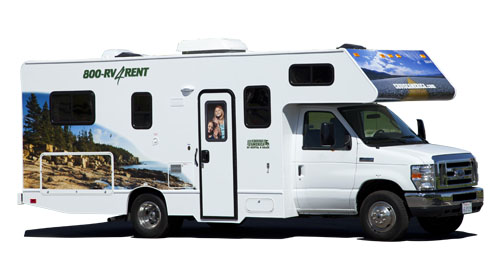
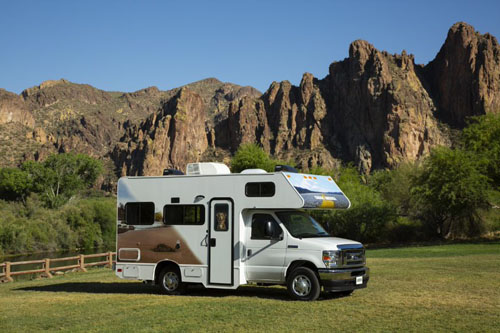
Class C alcove motorhomes, characterized by their overhead sleeping area and an average length of 7.5 meters, are best for families or larger groups seeking a cost-efficient one-way RV rental to or from Boston, comfortably sleeping an average of 5.8 people. While their size (similar to Class A in length) can present challenges for city driving and parking within Boston, their extra sleeping capacity (averaging 4.4 adults) and relatively modest fuel consumption (10-12 Liters/100 km) make them ideal for establishing a base camp outside the city and commuting in, or for exploring the wider New England region. Bandana's global fleet average for these RVs indicates a load capacity of approximately 42.4 kg. If you’re traveling with family, our "Family RV Rental in Boston - Pricing Guide 2026" offers more tailored advice.Class B (Campervan) - Best For
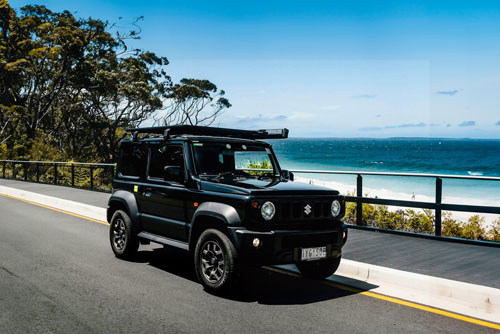
Class B campervans, with their compact average length of 5.8 meters and ability to sleep around 3.2 people, are the ultimate choice for one-way RV travelers in Boston prioritizing maneuverability, fuel economy, and ease of urban navigation. These campervans are perfect for solo adventurers, couples, or small groups aiming to explore Boston directly, as their smaller footprint allows for easier parking and navigating narrower city streets. Bandana's fleet typically shows an average load capacity of 37 kg and a common fuel consumption of 10 Liters/100 km, making them an economical and practical option for a city-centric RV trip. A rented campervan is ideal for those who want to drive slowly and carefully, exploring the city without issues.Side-by-Side Comparison Table
To aid in your decision for a one-way RV rental in Boston, the table below provides a concise comparison of the key features for each motorhome family available, highlighting their average specifications and suitability for Boston-specific travel scenarios. This transparent overview allows you to compare final prices and make an informed choice with no surprises.| Family | Avg Length (m) | Sleeps (avg) | Fuel Use (L/100km) | Best Use Case in Boston |
|---|---|---|---|---|
| Class A (Integrated) | 7.5 | 4.4 | 11-12 | Luxury, large groups, long trips; avoid city center. |
| Class SI (Semi-Integrated) | 6.9 | 3.8 | 10-11 | Balanced comfort/maneuverability for small families; good for outskirts/day trips. |
| Class C (Alcove) | 7.5 | 5.8 | 10-12 | Families, cost-effective base camps; challenging for city driving. |
| Class B (Campervan) | 5.8 | 3.2 | 10 | Urban exploration, couples/solo; easiest for city navigation/parking. |
Our Recommendation for one way rv rental Travelers in Boston
For one-way RV travelers primarily focused on experiencing Boston and its immediate surroundings, a Class B Campervan is our top recommendation due to its unparalleled maneuverability, compact size (avg. 5.8m), and superior fuel economy (avg. 10 L/100km), making it the easiest to navigate and park within the city's challenging urban environment. As a strong runner-up, a Class SI Semi-integrated motorhome (avg. 6.9m) offers a better balance of living comfort and manageable size for small families or couples who plan to base themselves slightly outside Boston and commute in, or who aim to explore more of the wider New England region with greater comfort. Remember, a standard car driver's license is sufficient for all motorhome classes, making your choice straightforward based on preference and travel style.Does Outdoorsy do one-way RV rentals?
Yes, Outdoorsy does offer one-way RV rentals, providing flexibility for travelers looking to pick up an RV in one location, such as Boston, and drop it off in another. However, the availability of one-way rentals on platforms like Outdoorsy is largely dependent on individual RV owners and their willingness to facilitate such arrangements, as well as the specific route and demand. Users typically need to specify their pick-up and drop-off locations in the search filter to see available options, and should be prepared for potential additional one-way fees charged by the owner to cover repositioning costs. Bandana RV offers a comprehensive comparison of one-way options from various suppliers, ensuring you find the best value with full transparency.Navigating and Parking an RV in Boston - What You Need to Know
Navigating and parking a rented RV within Boston's historic and densely packed streets requires careful planning due to low bridges, narrow roadways, and stringent parking regulations. Crucially, RV drivers must avoid Storrow Drive and Memorial Drive, which have notorious low bridge clearances (often under 10 feet) that can cause significant damage to taller vehicles. Street widths in many areas, particularly in neighborhoods like the North End or Beacon Hill, are not conducive to larger RVs. For parking, aim for designated oversized vehicle lots or private garages on the city's periphery, or utilize Boston's extensive public transportation ('T') system from an RV-friendly base camp outside the city, as on-street RV parking is virtually nonexistent and illegal in many residential zones. Drive slowly and carefully, and you can drive almost anywhere without issues. No need to stress - just use common sense and pay attention. For additional local driving tips, check out our "RV Driving in Boston for Seniors - Comfort Routes 2026" guide.RV-Friendly Campgrounds Near Boston with Public Transport Access
To effectively explore Boston by RV, establishing a base camp at an RV-friendly campground just outside the city and utilizing public transportation is highly recommended. Campgrounds like the Boston/Cape Cod KOA in Middleboro, with its 300+ sites offering a mix of full hookups and rustic spots, or Harold Parker State Forest in North Andover, offering 89 campsites, provide facilities for RVs and are within a reasonable drive of commuter rail stations. For instance, from the Middleboro/Lakeville commuter rail station, you can reach South Station in downtown Boston in approximately 50 minutes. Similarly, campgrounds near the MBTA's Orange or Red Line stations, such as those in the southern suburbs, provide direct 'T' access, generally requiring a 30-60 minute commute into the city, making day trips convenient without the hassle of driving an RV into the urban core. For finding campsites and campgrounds during your trip, we recommend using RV PLANET (rvplan.net) - a great resource for locating available spots along your route.Comprehensive Cost Breakdown for Your Boston One Way RV Trip
Beyond the one-way RV rental fee (refer to our pricing table above for estimates, with daily rates for a Class C motorhome ranging from $150-$350), a comprehensive budget for your Boston trip should account for several other variable costs. Expect to pay $50-$100 per night for RV campgrounds near Boston, depending on amenities and season. Tolls, particularly on the Massachusetts Turnpike (I-90) and through tunnels (e.g., Ted Williams Tunnel to Logan Airport), can add up, so consider an EZ-Pass, which can be included as an add-on during booking. Fuel costs will vary significantly by RV class (e.g., Class B at 10 L/100km vs. Class A at 11-12 L/100km) and your total mileage, which for a Chicago to Boston trip (2348.1 km) could amount to $250-500 in fuel. Finally, budget for public transport fares; a 7-day MBTA pass for unlimited subway and bus travel is approximately $22.50, offering a cost-effective way to navigate Boston without driving your RV. Don't forget potential one-way drop-off fees, which for a trip from Salt Lake City to Boston (5567.5 km) could be $500-$1000. When planning with RV PLANET routes, you can itemize and track every expense along the way for easy budgeting. For more details on budgeting, explore our "Weekly RV Rental in Boston - Pricing 2026" guide.Combining Boston City Exploration with New England Nature Escapes
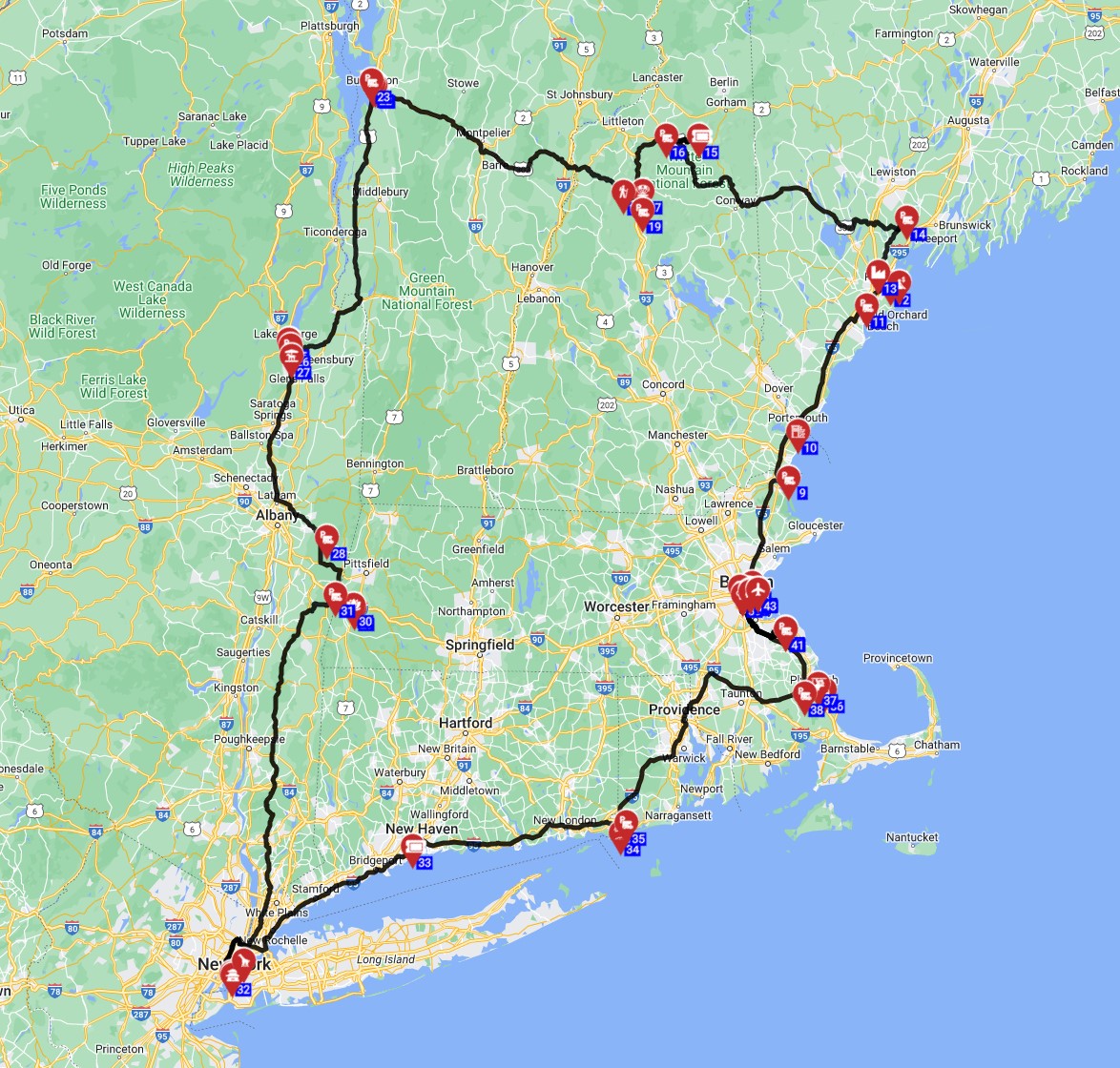
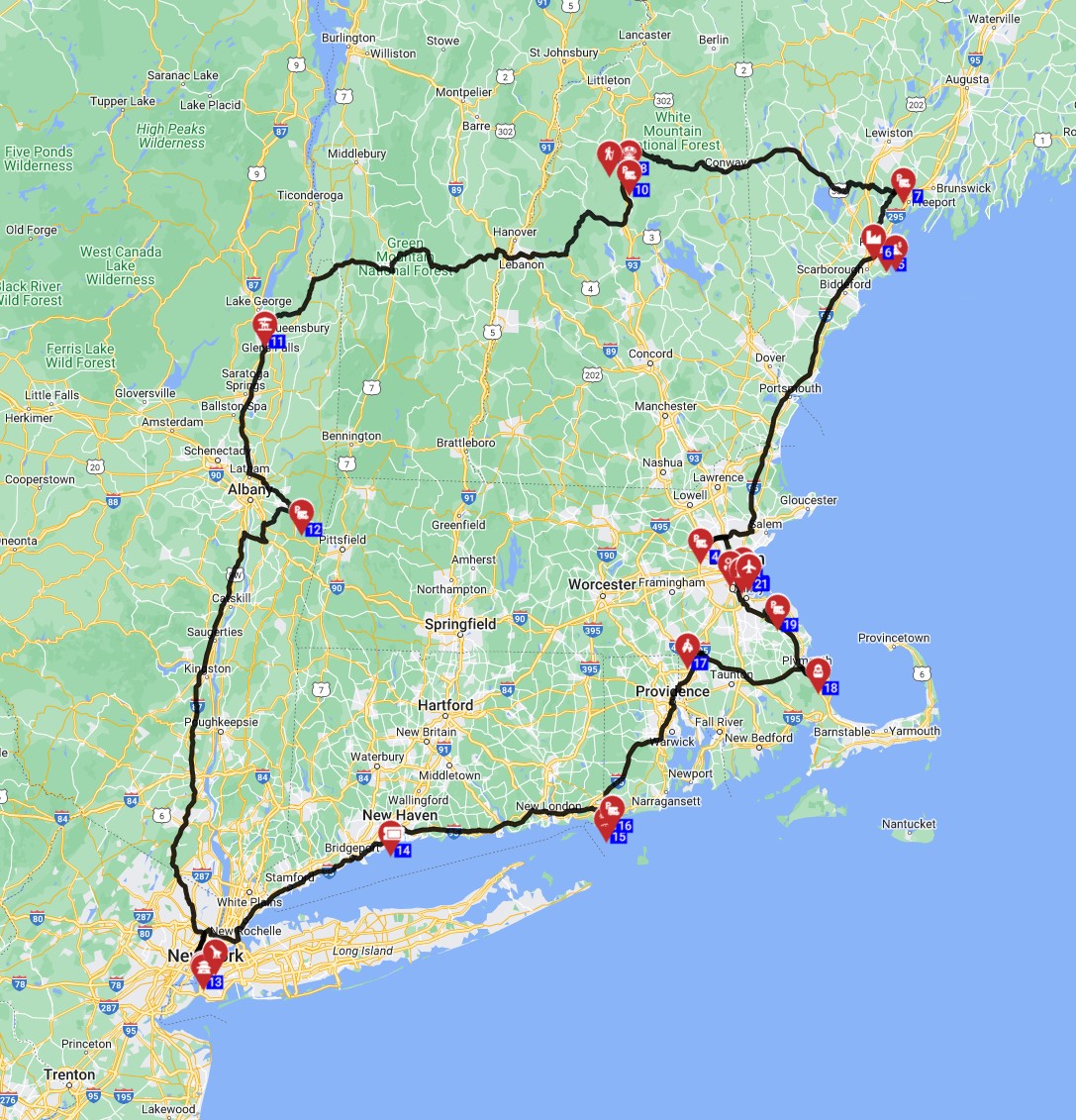
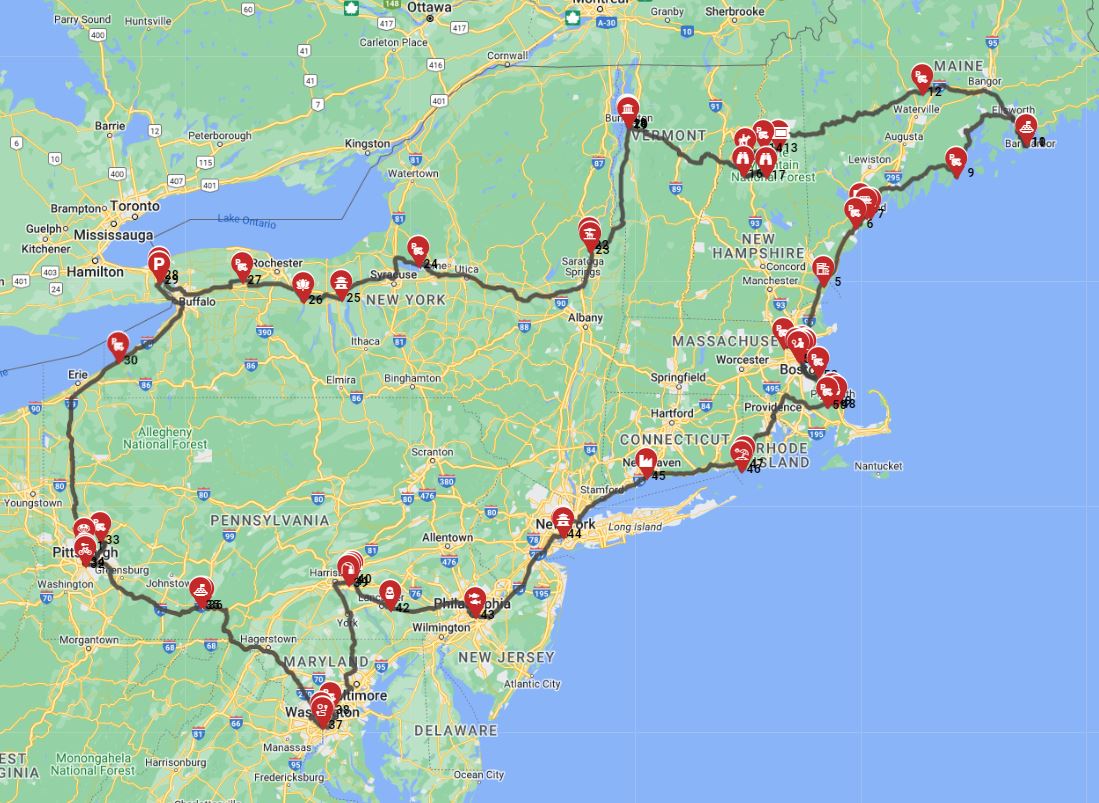
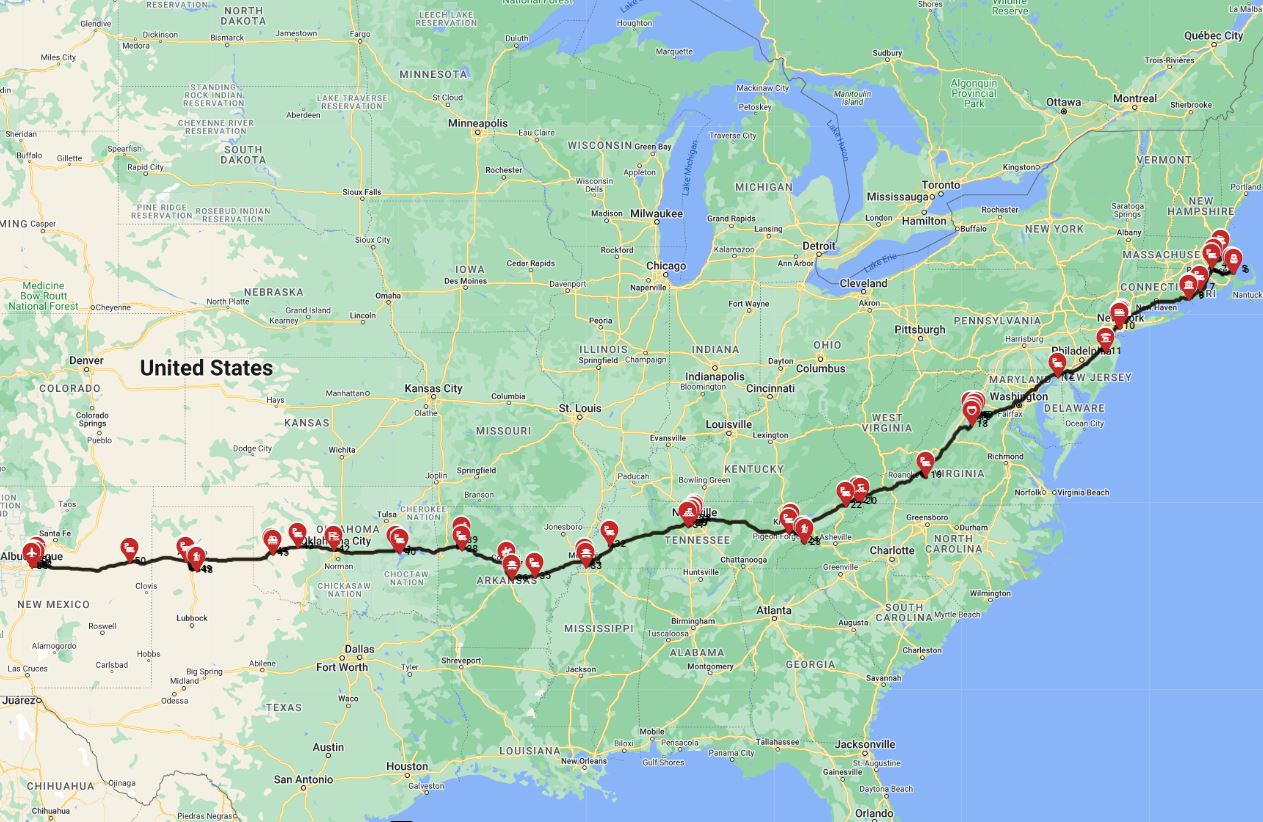
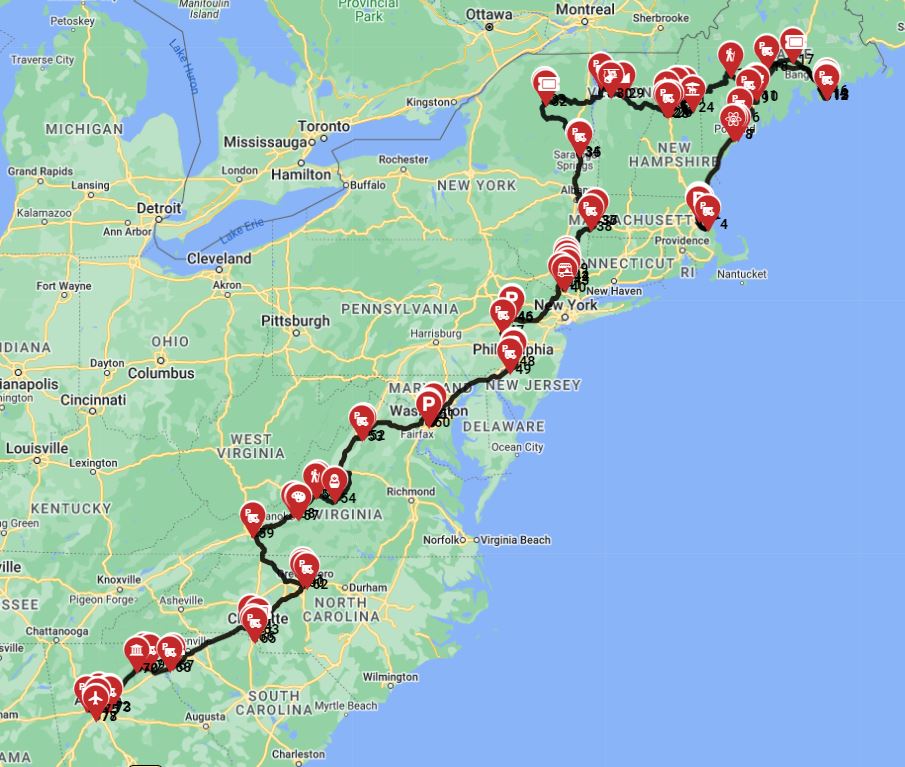
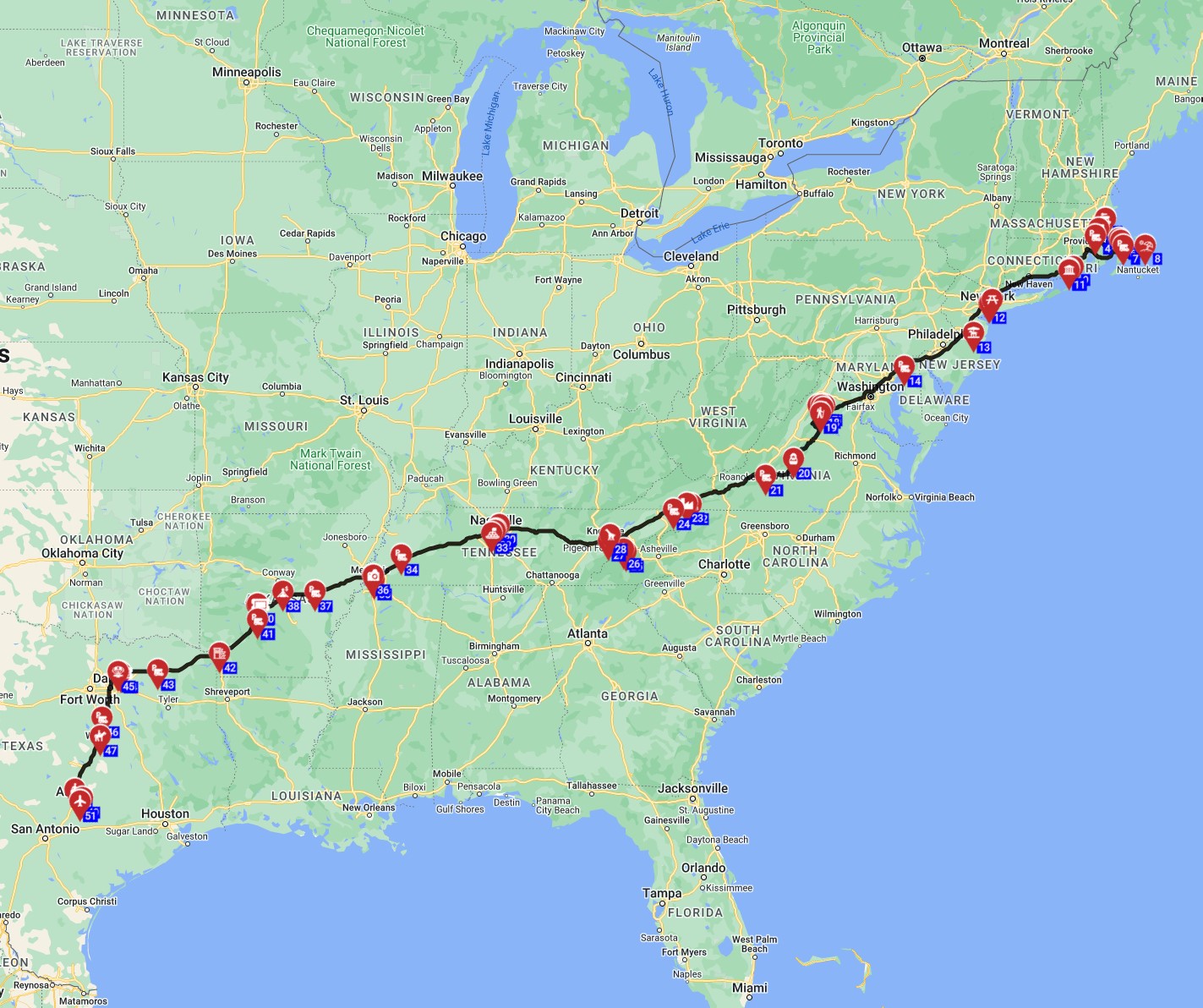
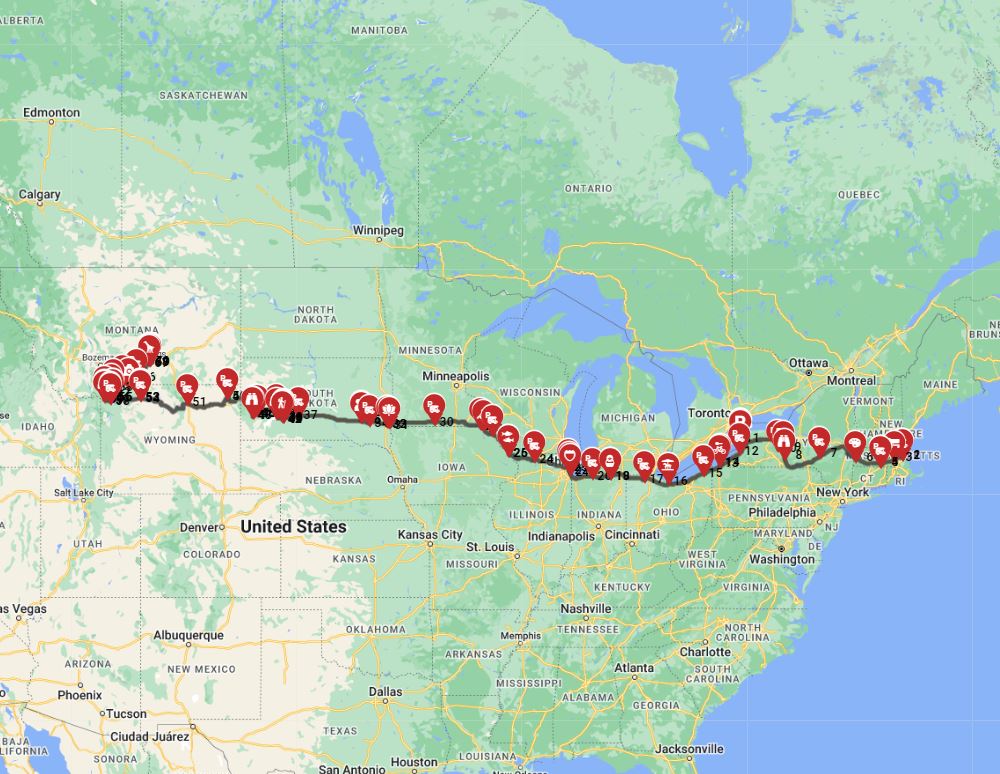
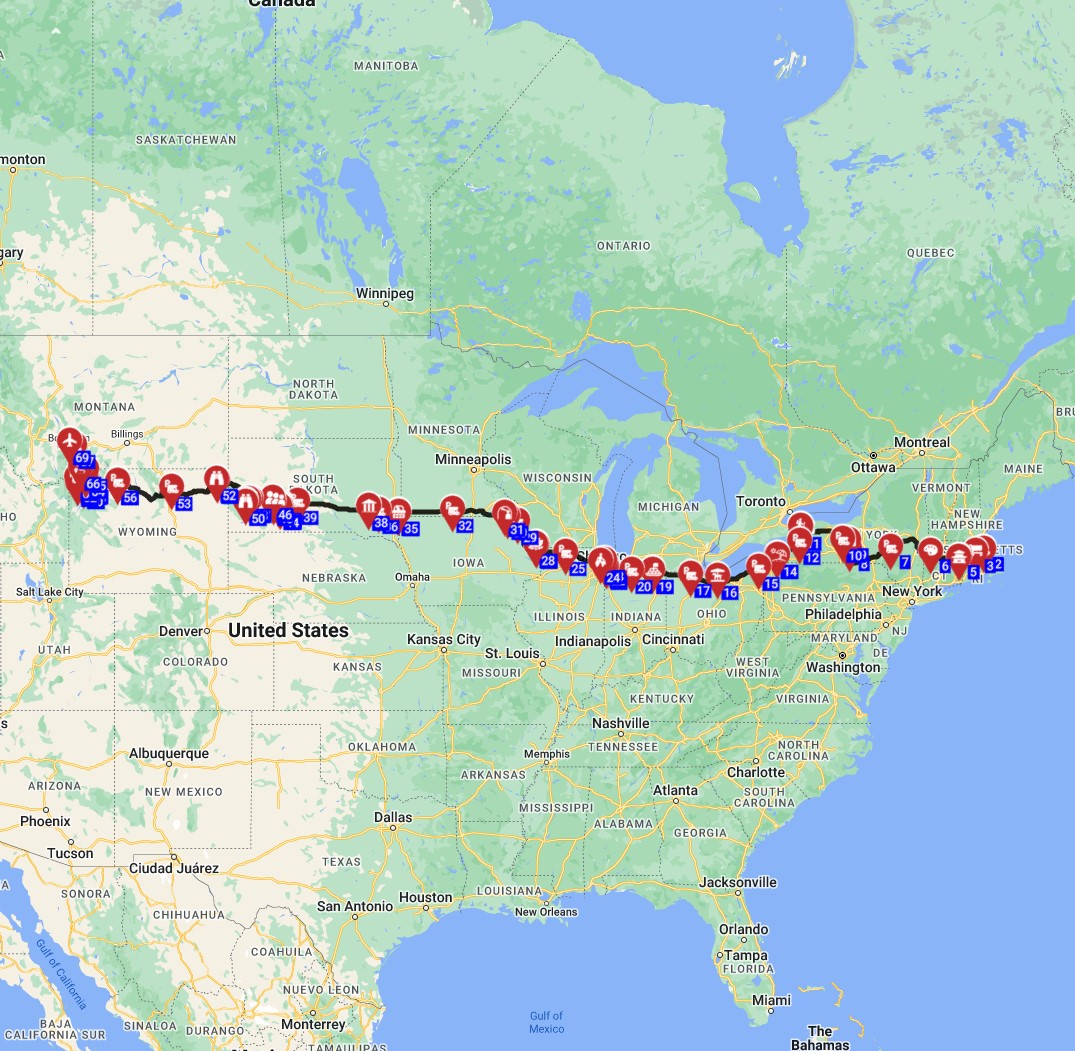
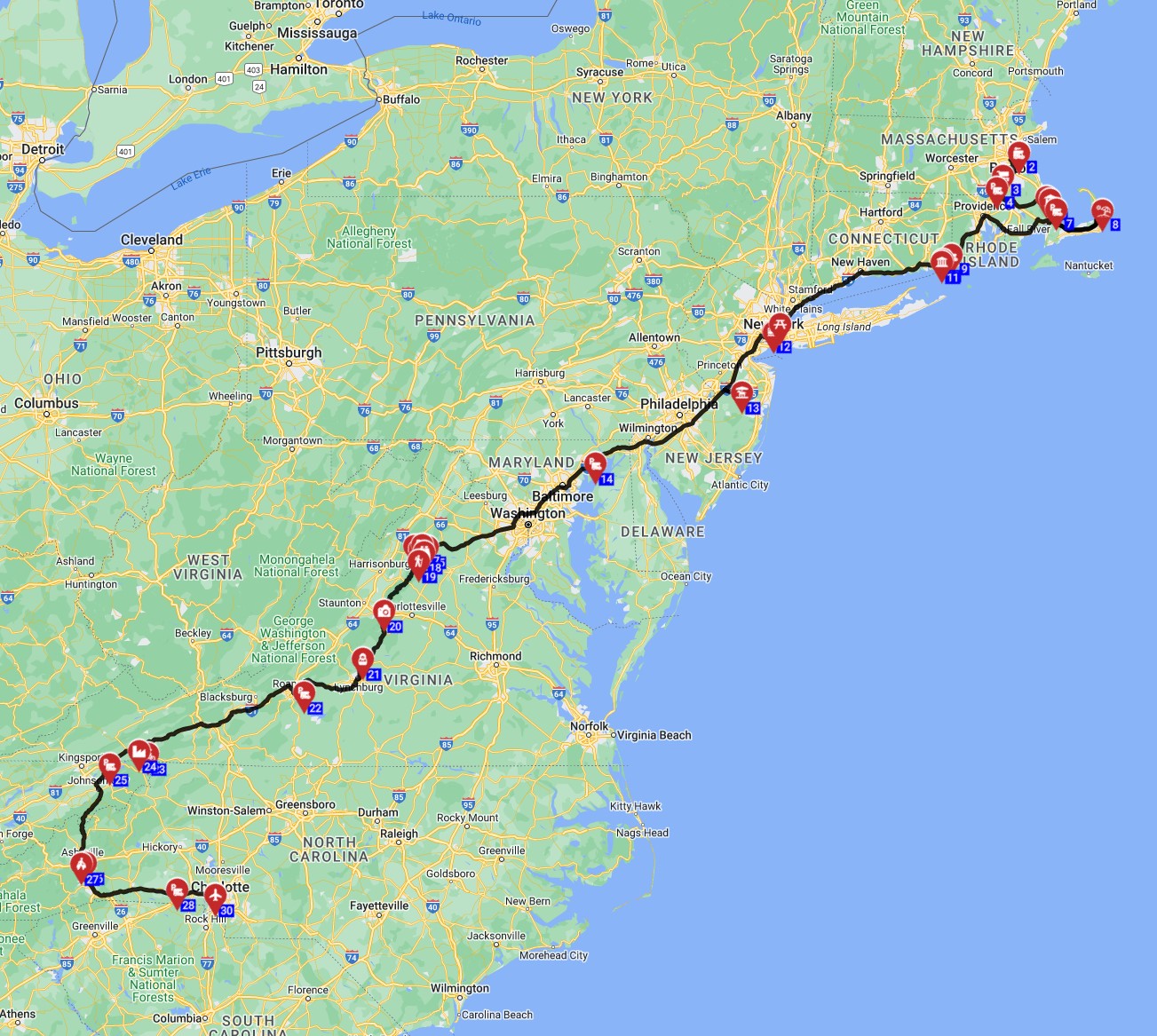
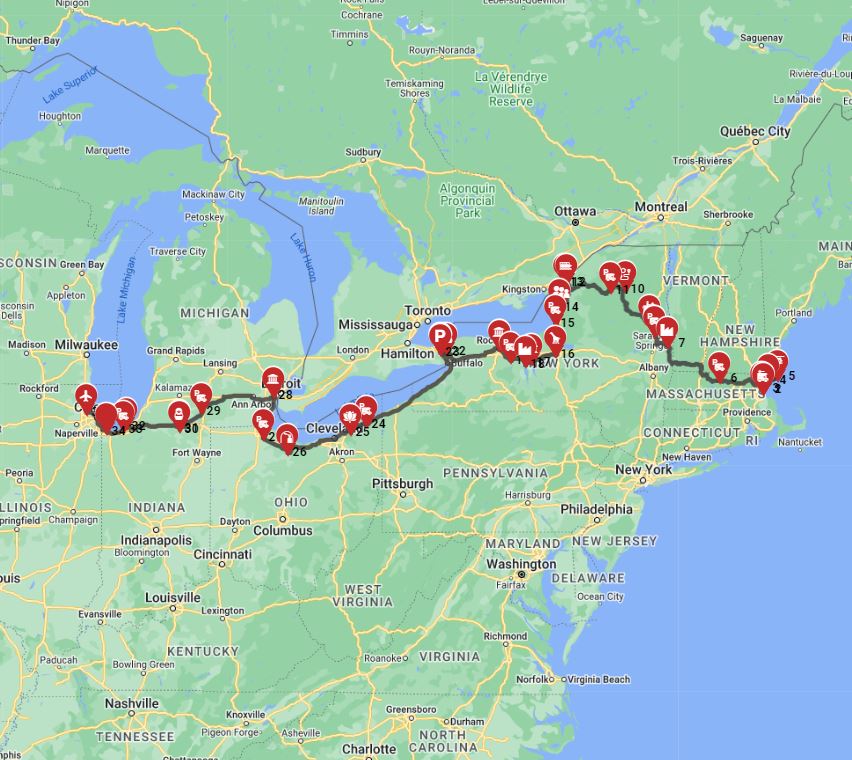
One of the greatest advantages of a one-way RV rental in Boston is the flexibility to combine urban exploration with diverse New England nature and coastal escapes. Strategically set up your rented RV base camp outside the immediate city, then utilize public transport for Boston's historical sites like the Freedom Trail and Fenway Park. For nature, consider day trips to the picturesque beaches and charming towns of Cape Cod (about 1-1.5 hours south, offering 1 beach and multiple scenic routes), the rugged beauty of the North Shore (e.g., Gloucester, America's oldest seaport, 45-60 minutes north, great for whale watching), or even the hiking trails and scenic drives of southern New Hampshire (1-1.5 hours north, with numerous natural features). This approach allows you to experience the best of both worlds, from rich history to pristine natural landscapes. Remember to travel slowly, max 100-150 km per day on average, to truly feel the place, connect to the culture, the food, and the scenery. For an example of such a diverse itinerary, consider the "Salt Lake City to Boston - Mountains, Monuments, and Memories" route plan which includes 5 hiking areas and 4 natural features across 5567.5 km. Another excellent option for combining urban and natural experiences is the "
Chicago to Boston - The Rust Belt to Revolution Route
Seasonal Advice for RVing in Boston - Best Times to Visit
The best time for a one-way RV rental in Boston largely depends on your travel preferences, with each season offering a unique experience. Spring (April-May) and Fall (September-October) are generally ideal, featuring pleasant weather, fewer crowds, and stunning fall foliage throughout Massachusetts. Summer (June-August) is popular for coastal activities but brings higher temperatures, increased tourism, and traffic congestion, especially on routes like I-93. Winter RVing (November-March) is challenging due to cold weather, potential snow, and many campgrounds closing. Additionally, be mindful that hurricane season officially runs from June 1st to November 30th, with peak activity typically in August and September, so monitoring weather forecasts is crucial during these months. For a visual guide, consider our "RV Travel Guide to Boston - Tips and Top Spots 2026" video.Essential RV Logistics Near Boston - Dump Stations and More
Successful RV travel, especially a one-way trip through Boston, requires planning for essential logistics such as waste disposal, water refills, and propane exchanges. Dump stations are typically available at RV campgrounds, truck stops (e.g., many Pilot Flying J locations along I-90 west of Boston), and some public rest areas; using an RV-specific app like iOverlander or RV LIFE Trip Wizard can help locate these. For example, there's a dump station near the Boston RV & Camping Expo grounds in Hanover, about 30 minutes south of downtown. For water refills, most campgrounds provide potable water, and some gas stations or RV dealers near Route 1 in Saugus or Route 9 in Framingham may also offer this service. Propane exchanges for cooking and heating can be found at many gas stations, hardware stores (like U-Haul or Tractor Supply), and dedicated propane retailers throughout the greater Boston area, ensuring your comfort throughout your journey. For those planning to cook meals in their RV kitchen, check out our RV-friendly recipes playlist for delicious ideas.What You Shouldn't Miss
- **Walk the Freedom Trail:** This 4 km walking trail connects 16 historically significant sites in downtown Boston, including the Massachusetts State House, Paul Revere House, and the USS Constitution. It's the perfect way to explore Boston's rich history on foot.
- **Explore the Boston Public Garden:** Adjacent to Boston Common, the Public Garden is America's first botanical garden. Enjoy a leisurely stroll, or take a ride on the iconic Swan Boats, operating from April to September.
- **Visit the North End:** Boston's oldest residential community, the North End, is a vibrant Italian neighborhood. Indulge in authentic pasta dishes, delicious cannolis, and explore the narrow, historic streets.
- **Catch a Red Sox Game at Fenway Park:** Immerse yourself in America's favorite pastime at the oldest ballpark in MLB. Even if you're not a baseball fan, the atmosphere is unforgettable.
- **Day Trip to Cape Ann:** Drive your rented motorhome north to Cape Ann, exploring coastal towns like Gloucester and Rockport, known for their artistic communities, beautiful beaches, and fresh seafood. This offers a lovely contrast to the urban bustle.
Looking for expert insights from Avi Bandana? Top 5 Adventures - recommendations from Avi Bandana
Avi Bandana, our founder, is a seasoned RV traveler with over 25 years of experience. He personally curates recommendations to ensure every journey is exceptional. His advice for Boston often emphasizes balancing the historical city with the serene New England coastline, always advocating for a slow travel approach to truly soak in the unique charm of each locale.
Final Thoughts
Embarking on a one-way RV rental adventure in Boston offers an incredible blend of historic city exploration and scenic New England beauty. Whether you opt for the nimble Class B campervan to navigate urban charm or a spacious Class C motorhome for family comfort as a basecamp, the freedom of a rented RV is unmatched. We are here to support you every step of the way, from comparing final prices to coordinating your perfect getaway, always with full transparency. Imagine yourself driving along the picturesque coastlines, pausing at quaint towns, and then returning to the comforts of your mobile home after a day of sightseeing. Your dream Boston RV trip is within reach, and with Bandana RV, it's easier and more transparent than ever to plan. So, what are you waiting for? Your Massachusetts adventure awaits! Find Motorhome Rentals in BostonOn the routes offered through RV PLANET routes, you can itemize and track every expense along the way for easy budgeting.