In This Guide
- Best Japan RV Itinerary for one way rv rental - Overview
- 7-Day Classic Route in Japan
- 14-Day Extended Journey in Japan
- Recommended RVPlan Trip for Japan
- Must-See Stops Along the Way (Avi Bandana Picks)
- Daily Driving Distances & Drive Times in Japan
- Best RV Class for This Itinerary - Couple & Family Picks
- How much does it cost to rent an RV in Japan?
- Can foreigners rent an RV in Japan?
- What are the rules for driving an RV in Japan?
- Where can I park an RV overnight in Japan?
- What are some tips for RV living in Japan?
- Is RV travel in Japan safe?
- Can I travel with pets in an RV in Japan?
- What is the best time to RV in Japan?
- Are one-way RV rentals common in Japan?
- Top Cities for RV Rental in Japan
- Country-Wide Practical Information for RV Travelers in Japan
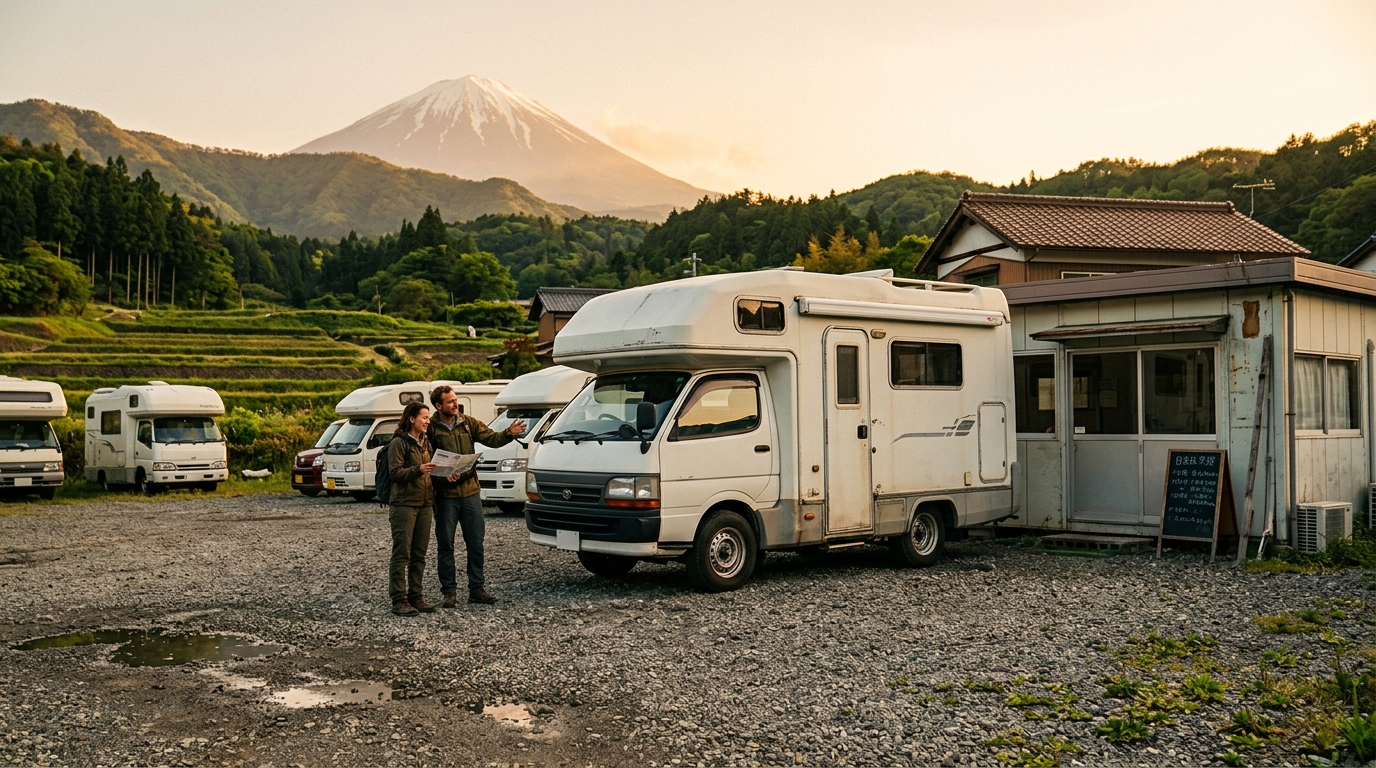
Embarking on a one-way RV rental adventure in Japan offers an unparalleled freedom to explore its rich tapestry of ancient traditions, bustling modern cities, and breathtaking natural landscapes. Imagine waking up to the serene views of Mount Fuji, spending your day wandering through historic Kyoto temples, and ending it with a soak in a natural hot spring, all from the comfort and convenience of your rented motorhome or campervan. Our comprehensive RV Rental Japan - Complete Guide 2026 provides all the information you need to plan an unforgettable journey.
Best Japan RV Itinerary for one way rv rental - Overview
A one-way RV rental itinerary in Japan offers a unique blend of cultural immersion and scenic exploration, typically covering 1,000-1,500 km over a minimum of 7 days. This allows travelers to seamlessly traverse distinct regions without the need for backtracking, maximizing their time experiencing Japan's diverse offerings. The best seasons for an RV adventure are Spring (March-May) for cherry blossoms and Autumn (September-November) for vibrant fall foliage, though each season has its unique charm and considerations.
For international visitors, securing a motorhome rental in Japan involves specific planning around licensing and insurance. Bandana RV specializes in simplifying this process, providing full transparency on pricing with no hidden fees and offering 24/7 support throughout your booking journey. This means you can focus on visualizing your journey through ancient forests and along scenic coastlines, rather than stressing about logistics. If you're considering a broader adventure across the continent, our RV Rental Asia - Complete Guide 2026 offers a great starting point for inspiration.
7-Day Classic Route in Japan
A 7-day classic one-way RV itinerary in Japan efficiently connects major cultural highlights, starting in Tokyo and concluding in Osaka, covering approximately 600-700 km. This route offers a condensed yet rich experience of Japan's Honshu island. You'll want to drive slowly, averaging no more than 100-150 km per day, to truly savor each location.
- Day 1: Tokyo to Hakone (90 km / 56 miles). Explore the stunning Hakone Open-Air Museum and take a scenic cruise on Lake Ashi with views of Mt. Fuji. Overnight parking is available at Michi-no-Eki Hakone-Toge.
- Day 2: Hakone to Fuji Five Lakes (70 km / 43 miles). Immerse yourself in iconic Mt. Fuji views, particularly from the Chureito Pagoda. Designated campsites near Lake Kawaguchiko offer comfortable overnight stays.
- Day 3: Fuji Five Lakes to Matsumoto (150 km / 93 miles). Visit the impressive Matsumoto Castle and the unique Daio Wasabi Farm. Michi-no-Eki Furusato-Matsumoto provides a convenient stopover.
- Day 4: Matsumoto to Takayama (120 km / 75 miles). Wander through Takayama's beautifully preserved Old Town and delve into history at Hida Folk Village. Overnight at Michi-no-Eki Hida Takayama.
- Day 5: Takayama to Shirakawa-go then Kanazawa (100 km / 62 miles). Discover the UNESCO World Heritage site of Shirakawa-go village with its traditional gassho-zukuri farmhouses, then continue to Kanazawa to stroll through Kenrokuen Garden. Overnight options are available at Michi-no-Eki Kanazawa.
- Day 6: Kanazawa to Kyoto (180 km / 112 miles). Experience the cultural heart of Japan, visiting Kinkaku-ji (Golden Pavilion) and the serene Arashiyama Bamboo Grove. Seek out designated RV parks outside of Kyoto, or consider cities like Kyoto for your stay.
- Day 7: Kyoto to Osaka (60 km / 37 miles). Conclude your journey in Osaka, exploring Osaka Castle and the vibrant Dotonbori district, before dropping off your rented RV. Other nearby drop-off locations include Hiratuska Kanagawa, Izumisano, Kai Yamanashi, Nagano, Nagoya, Nagoyaminami, and Takamatsu-Kagawa.
14-Day Extended Journey in Japan
An extended 14-day one-way RV itinerary in Japan allows for deeper exploration of multiple regions, ensuring a comprehensive cultural and scenic experience while maintaining the recommended slow travel pace of a maximum of 100 miles or 150 km per day. This route, for example, could span from the Kanto region down to Kyushu, offering varied landscapes and city experiences.
- Kanto & Chubu Region (Days 1-4): Begin your adventure in Tokyo, then journey to Nikko's elaborate shrines and temples, the resort town of Karuizawa, the picturesque Fuji Five Lakes region, and finally, Hamamatsu. This segment focuses on iconic cultural sites and stunning natural beauty.
- Kansai Region (Days 5-8): From Hamamatsu, head to Nara, famous for its ancient temples and friendly deer. Spend two full days immersing yourself in Kyoto's historical charm before unwinding at a traditional hot spring in Kinosaki Onsen.
- Chugoku Region (Days 9-11): Continue from Kinosaki Onsen to explore the unique sand dunes of Tottori, the tranquil gardens of Okayama, and the poignant history of Hiroshima.
- Kyushu Region (Days 12-14) (via ferry/bridge): Conclude your journey by traveling to the distinct regional cultures of Fukuoka and Nagasaki in Kyushu before your RV drop-off. This journey truly emphasizes flexibility and immersive exploration, characteristics of a memorable RV vacation.
Recommended RVPlan Trip for Japan
For travelers seeking custom, professionally designed itineraries for their one-way RV rental in Japan, exploring options through RV PLANET (rvplan.net) is highly recommended. This comprehensive trip-planning software allows you to simplify route creation, accurately estimate total trip costs, and efficiently identify optimal stops tailored to your interests and timeframe. For finding campsites and campgrounds during your trip, we recommend using RV PLANET (rvplan.net) - a great resource for locating available spots along your route. On the routes offered through RV PLANET routes, you can itemize and track every expense along the way for easy budgeting.
RV PLANET offers a 25% planning discount for using its robust tools, making your adventure both organized and affordable. With access to 1,300+ pre-planned routes across 5 continents, including detailed itineraries for Japan, you can easily discover unique rural experiences, off-the-beaten-path destinations, and local attractions that perfectly fit your vision. This level of meticulous planning ensures you spend less time stressing and more time creating cherished memories on your rented mobile home.
Must-See Stops Along the Way (Avi Bandana Picks)
Looking for expert insights from Avi Bandana? Top 5 Adventures - recommendations from Avi Bandana
As true RV specialists, we know that the heart of any motorhome adventure lies in discovering local gems and connecting with the culture. Here are some must-see stops along your one-way RV itinerary in Japan:
- Traditional Visits: Dedicate time to historic castles, such as the iconic Matsumoto Castle, ancient temples like Todai-ji in Nara, and serene gardens, exemplified by Kanazawa's Kenrokuen Garden, to delve into Japan's profound heritage. These sites offer a deep dive into Japanese art, architecture, and spiritual practices.
- Traditional Markets: Immerse yourself in the vibrant local atmosphere at markets like Kyoto's Nishiki Market or Kanazawa's Omicho Market. Here, you can find fresh produce, regional delicacies, and artisan crafts, offering a genuine taste of local life.
- Local Industry Tours: Consider visiting a sake brewery in the Kansai region, a soy sauce factory in Shodoshima, or a wasabi farm in Nagano to learn about traditional production methods. These tours provide unique insights into Japanese craftsmanship and often include delicious samples.
- Traditional Restaurants: Venture beyond major cities to enjoy authentic flavors at small, local eateries, known as izakayas, soba/udon shops, or ramen-ya, found in rural towns. Preparing meals in your RV's basic kitchen from local ingredients is also a fantastic way to save money and enjoy the flavors of the region. For inspiration, check out our RV-friendly recipes playlist.
Daily Driving Distances & Drive Times in Japan
Avi Bandana recommends maintaining a maximum average daily driving distance of 100 miles or 150 km when exploring Japan by RV, ensuring ample time for sightseeing and comfortable navigation. This slower pace allows travelers to truly appreciate the country's diverse scenery and cultural stops, especially given that many rural roads can be narrow or winding.
For efficient travel on Japan's extensive expressway network, utilizing an ETC (Electronic Toll Collection) card is highly recommended, as it offers convenience and can provide significant discounts, sometimes up to 50% on certain routes or during off-peak hours. Reliable GPS and mapping applications are essential tools, helping to overcome language barriers on road signs, many of which are primarily in Japanese. For instance, common drive times include Tokyo to Hakone, which is approximately 90 km and takes about 1.5-2 hours, Kyoto to Osaka is around 60 km and typically takes 1-1.5 hours, and Kanazawa to Shirakawa-go is about 80 km, usually requiring 1-1.5 hours of driving.
🎬 Video coming soon
Best RV Class for This Itinerary - Couple & Family Picks
Choosing the right rented RV class for your one-way itinerary in Japan significantly enhances your travel experience, with options available for every group size and preference. Bandana RV offers a selection of motorhomes and campervans perfectly suited for Japanese roads and travel styles.
- For Couples: Class B - Camper Van. Bandana's global fleet data shows that campervans are ideal for 2-3 adults, typically averaging 5.8 meters in length with 2.7 sleeping places. These smaller, more maneuverable vehicles are perfect for navigating Japan's potentially narrower rural roads and city streets, offering essential amenities without feeling cumbersome. Fuel consumption for these models typically ranges from 8-10 Liters/100 km, making them economical. An example could be the "rv rental denver example Category Van" with features like front air conditioning, shower, and toilet, ideal for a couple and a recent model.
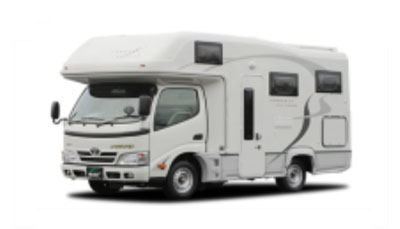
- For Families: Class C - Alcove. For families or larger groups of 4-6 people, a Class C motorhome is recommended. Bandana's global fleet data indicates these motorhomes average 7.5 meters in length and comfortably accommodate around 4.4 adults with 5.8 sleeping places. They provide ample space and facilities like a functional kitchen, dining area, and larger sleeping quarters, ensuring comfort for everyone. Fuel consumption typically averages 10-12 Liters/100 km. An example is the "rv rentals example Comfort Class", offering three double beds, ideal for a big family or group of friends, and up to 3 years on the road.
Consider Bandana's 'Rent & Plan' service, which combines your RV rental with a custom, expert-designed itinerary and access to trip-planning software, streamlining your Japan adventure. As true RV specialists, we understand the nuances of motorhome travel and are here to ensure you select the perfect mobile home for your journey.
How much does it cost to rent an RV in Japan?
The cost of a one-way RV rental in Japan is dynamic, fluctuating daily based on availability, seasonality, and supplier decisions, much like flight tickets. Daily rental fees generally range from JPY 15,000 to JPY 40,000+ for a Class C motorhome, but a significant factor for one-way trips is the additional drop-off fee, which typically costs JPY 20,000 to JPY 50,000 or more, depending on the rental company and the distance between your pickup and drop-off locations.
Beyond the base rental price, comprehensive budgeting must include ancillary costs such as fuel, which typically averages 10-12 liters/100 km for larger motorhomes. Expressway tolls in Japan can be significant, so securing an ETC (Electronic Toll Collection) card is a smart investment, potentially offering discounts and streamlining payments. Camping and parking costs vary; while 'Michi-no-Eki' often provide free overnight parking, dedicated campgrounds and RV parks typically charge JPY 2,000-5,000 per night for full hookups. Don't forget to budget for food (whether cooking in your RV kitchen or dining out) and other personal expenses. For itemized expense tracking and budgeting on your trip, exploring RV PLANET routes can be incredibly helpful. You'll find what you need to know about pricing in our "RV Rental in Japan - Prices and Best Deals 2026" guide.
Tips for saving money include booking your one-way RV rental in Japan well in advance (3-6 months), traveling during off-peak seasons, and utilizing the many free overnight parking options at 'Michi-no-Eki'. For more detailed financial planning, consult our "Cheap RV Rental in Japan - Budget Guide 2026" or if you are looking for premium options, our "Luxury RV Rental in Japan - Premium Prices 2026" itinerary. We pride ourselves on full transparency, ensuring what you see is what you pay, with no surprise fees at pickup, which is why we compare final prices across 50+ suppliers.
Can foreigners rent an RV in Japan?
Yes, foreigners can rent an RV in Japan, provided they meet specific documentation requirements. The primary requirement is an International Driving Permit (IDP) based on the 1949 Geneva Convention, which must be presented alongside your valid original driver's license from your home country and your passport. The IDP serves as an official translation of your license and is mandatory for legal driving in Japan. For live availability and current prices, start with our RV Rental Japan - Complete Guide 2026 guide.
It's crucial to choose reputable rental companies that offer clear rental terms and English-speaking support for international tourists. Bandana Caravan has direct partnerships with 50+ leading RV suppliers worldwide, including trusted names like Apollo and Britz, many of whom operate in Japan, making your booking process smooth and reliable. The minimum rental age for RVs in Japan is typically 21 years old across all motorhome classes (Class A, Class B, Class C), with no young driver surcharges. We also recommend securing comprehensive insurance coverage, and you can even upgrade to a top-level deductible for extra peace of mind, ensuring a worry-free journey.
What are the rules for driving an RV in Japan?
When driving a rented RV in Japan, drivers must diligently adhere to several key rules, most notably Japan's left-hand traffic laws, meaning you will be driving on the left side of the road with the steering wheel on the right side of the vehicle. Strict speed limits apply across the country: typically 80-100 km/h on expressways, 40-60 km/h on general roads, and 30 km/h in residential areas, all of which are rigorously enforced.
Familiarization with Japanese road signs is crucial; while some major signs include English translations, many others are primarily pictorial or in Japanese script, making reliable GPS navigation essential. Drive slowly and carefully, and you can drive almost anywhere without issues. No need to stress - just use common sense and pay attention, even in dense urban areas like Tokyo or Osaka. Most expressways are tolled, so obtaining an Electronic Toll Collection (ETC) card is highly recommended for convenience and potential discounts. It's also vital to remember that Japan enforces strict anti-drunk driving laws with a zero-tolerance policy for alcohol consumption before operating any vehicle.
Where can I park an RV overnight in Japan?
Overnight RV parking in Japan is primarily permitted at two main types of locations: Michi-no-Eki (roadside stations) and designated campgrounds or RV parks. Japan boasts over 1,200 Michi-no-Eki nationwide, which are government-designated roadside facilities that generally allow free overnight parking for RVs and cars.
It's important to understand that while Michi-no-Eki provide a safe and convenient place to rest, they are not traditional campsites; extensive outdoor setup such as deploying awnings, setting out tables, or cooking outdoors is generally prohibited as a matter of local etiquette. For those seeking full hookups (electricity, water, waste disposal) and traditional camping amenities, dedicated campgrounds and RV parks are available, typically charging between JPY 2,000-5,000 per night. Wild camping, or boondocking, is generally not allowed or socially acceptable in Japan, so always respect private property and local regulations by utilizing approved parking areas. When planning your route, for finding campsites and campgrounds during your trip, we recommend using RV PLANET (rvplan.net) - a great resource for locating available spots along your route.
What are some tips for RV living in Japan?
Effective water resource management is key for RV living in Japan; plan to refill your fresh water tanks at designated campgrounds or public facilities, always asking permission if it's not a clear RV service point. Similarly, utilize designated dump stations at RV parks for gray and black water disposal, as unauthorized dumping is strictly prohibited and carries significant social and legal penalties.
While many Michi-no-Eki do not offer electricity hookups, dedicated campgrounds usually do, so plan your stays accordingly or be prepared to rely on solar power or your RV's battery system for off-grid nights. Stocking up on cooking essentials and groceries from local supermarkets is a convenient way to prepare meals in your RV's basic kitchen facilities. For easy RV-friendly meal ideas, be sure to check out our RV-friendly recipes playlist. Coin-operated laundromats are common in towns and cities, and some larger Michi-no-Eki and campgrounds may also offer laundry facilities. Adhere strictly to Japan's rigorous trash separation rules, which often require meticulous sorting into multiple categories; always carry appropriate bags and dispose of waste only at approved locations. Finally, embrace Japan's renowned onsen (hot spring) culture by familiarizing yourself with local etiquette, which generally includes showering before entry, avoiding swimwear, maintaining quiet, and understanding the specific tattoo policies of each establishment.
Is RV travel in Japan safe?
RV travel in Japan is exceptionally safe, largely due to the country's remarkably low crime rate and its consistently high-quality infrastructure, including well-maintained roads and reliable public services. To ensure maximum safety and peace of mind, it is crucial that your RV rental agreement includes comprehensive roadside assistance, and you should always have emergency contact numbers readily accessible.
Foreign visitors should also carry adequate travel insurance for medical emergencies, familiarize themselves with the locations of the nearest hospitals along their route, and ideally have critical medical information translated into Japanese. While Japan is very safe from a crime perspective, it is located in an active seismic zone. Therefore, travelers should be prepared for natural disasters such as earthquakes, tsunamis, and typhoons by monitoring local alerts (like the J-Alert system), regularly checking weather forecasts, and understanding basic evacuation procedures. Exercise caution when driving in challenging weather conditions, especially during winter months when snow tires or chains may be necessary in certain regions, or during the active typhoon season (June-October) which can bring heavy rain and strong winds. Maintaining reliable communication with a local SIM card or a portable pocket Wi-Fi device is also vital for navigation and any unforeseen circumstances during your adventure.
Can I travel with pets in an RV in Japan?
Traveling with pets in a rented RV in Japan is indeed possible, but it requires extensive pre-planning due to stringent import regulations if you are bringing your own pet from abroad, and varying policies among rental companies. Japan has strict animal import regulations that typically involve microchipping, specific vaccinations, and health certificates, often requiring several months of preparation before your trip.
When booking your RV rental, always confirm the specific pet policy of your chosen supplier, as some may have breed or size restrictions, or levy additional cleaning fees. Pet-friendly facilities in Japan are more limited compared to some Western countries; while leashed pets are often allowed in outdoor areas of Michi-no-Eki, many indoor establishments, restaurants, and some campgrounds may not permit them. It is paramount to always keep pets leashed in public areas and strictly adhere to waste disposal rules, promptly cleaning up after them. Additionally, be highly mindful of leaving pets unattended in the RV during hot weather, especially during Japan's humid summers, as internal temperatures can rise quickly and pose a severe danger.
What is the best time to RV in Japan?
The best time to plan your one-way RV adventure in Japan depends largely on your desired experiences, as each season offers unique advantages and challenges. Spring, from March to May, is widely considered ideal for its mild temperatures and spectacular cherry blossom viewing, though this popularity means it is a peak season requiring early bookings for both RVs and campgrounds. For those interested in seeing fall foliage and enjoying comfortable temperatures with lower humidity, Autumn (September to November) is an excellent choice, particularly in mountainous regions.
Summer, from June to August, can be very hot and humid, especially in central and southern Japan, and also coincides with an active typhoon season which necessitates vigilant weather monitoring and flexible travel plans. Winter, spanning December to February, transforms regions like Hokkaido and the Japanese Alps into a snowy wonderland, offering fantastic opportunities for skiing and snow festivals, but requires careful driving with appropriate snow tires or chains, and many rural campgrounds may be closed during this period. Aligning your RV trip with specific seasonal events, festivals, or natural phenomena you wish to experience will ensure a truly unique and memorable journey.
Are one-way RV rentals common in Japan?
One-way RV rentals are available from select suppliers in Japan, though they are not as broadly common or extensively advertised as in countries like the United States or Australia. Travelers planning a one-way itinerary should anticipate incurring an additional 'one-way fee,' which typically ranges from JPY 20,000 to JPY 50,000 or more, depending on the rental company and the distance between the pickup and drop-off locations. For live availability and current prices, start with our "RV Rental Japan - Complete Guide 2026" guide.
Due to the logistical requirements and sometimes limited availability, pick-up and drop-off locations for one-way rentals might be restricted to specific major city depots, such as Tokyo, Osaka, or Fukuoka. Therefore, it is highly recommended to book one-way RV rentals well in advance, especially during peak travel seasons, to secure your preferred vehicle and route. The primary benefit of a one-way rental is the exceptional ability to cover significant distances and explore distinct regions of Japan, from Honshu to Kyushu, without the need to backtrack to your original pick-up location, saving valuable travel time. We ensure full transparency on all fees, including any one-way charges, so there are no surprises at pickup. For pricing information, be sure to check our "Weekly RV Rental in Japan - Pricing 2026" or "Last-Minute RV Rental in Japan - What to Expect 2026" pages.
Top Cities for RV Rental in Japan
Japan offers several excellent cities for picking up or dropping off your one-way RV rental, providing convenient access to diverse regions. These urban centers serve as ideal starting or ending points for your mobile home adventure, enabling you to travel seamlessly across the country.
- Tokyo: As the bustling capital, Tokyo is a major hub with multiple rental depots, perfect for starting an itinerary heading south towards Kyoto or west towards the Japanese Alps.
- Osaka: A vibrant city known for its food and culture, Osaka is a popular drop-off point for those traveling from Tokyo or an excellent starting point for exploring the Kansai region and beyond.
- Kyoto: While renowned for its ancient temples and gardens, Kyoto also offers convenient RV rental access for exploring central Japan and the scenic routes towards Kanazawa or the Fuji Five Lakes area.
- Nagoya: Located between Tokyo and Kyoto, Nagoya is a strategic point for rentals, offering access to the Chubu region's mountains and coastline.
- Fukuoka: As a gateway to the southern island of Kyushu, Fukuoka is ideal for longer one-way rentals covering the entire breadth of Japan.
- Sapporo: For travelers wishing to explore the northern island of Hokkaido, Sapporo serves as the primary RV rental hub, offering access to its vast natural landscapes and ski resorts.
- Hiratuska Kanagawa: A coastal city near Tokyo, offering alternative pickup options for exploring the Hakone and Fuji regions.
- Izumisano: Conveniently located near Kansai International Airport, it's a practical choice for those flying into Osaka.
- Takamatsu-Kagawa: Situated on Shikoku island, it's a great choice for exploring this less-traveled region before heading back to Honshu.
Each of these cities, along with others like Kai Yamanashi and Nagano, offers unique opportunities for starting or ending your memorable one-way RV journey.
Country-Wide Practical Information for RV Travelers in Japan
Navigating Japan in a rented RV requires some country-specific knowledge to ensure a smooth and enjoyable trip. Japan drives on the left side of the road, and all rental vehicles will have the steering wheel on the right, which may take some adjustment for drivers accustomed to right-hand traffic. Speed limits are strictly enforced: generally 80-100 km/h on expressways, 40-60 km/h on general roads, and 30 km/h in urban and residential areas. Drive slowly and carefully, and you can drive almost anywhere without issues. No need to stress - just use common sense and pay attention, particularly in cities.
Fuel in Japan is readily available, with most service stations offering both regular gasoline (レギュラー - regyuraa) and diesel (ディーゼル - diizeru). It’s essential to know your vehicle's fuel type before filling up. Road conditions are generally excellent, but rural roads can be narrow, so choosing a suitable RV size is important. Using an Electronic Toll Collection (ETC) card is highly recommended for expressways to avoid manual payment delays and potentially access discounts. In emergencies, remember the key numbers: 110 for police and 119 for fire or ambulance services. For staying connected, purchasing a local SIM card or renting a portable pocket Wi-Fi device offers reliable internet access for navigation and communication throughout your journey.
What You Shouldn't Miss
- Explore the enchanting temples and bamboo forests of Kyoto.
- Witness the majestic beauty of Mount Fuji from Lake Kawaguchiko.
- Immerse yourself in the traditional architecture of Shirakawa-go village, a UNESCO World Heritage site.
- Wander through the historic streets and try Hida beef in Takayama.
- Relax and rejuvenate in an authentic onsen (hot spring) town like Hakone or Kinosaki Onsen.
- Visit the Daio Wasabi Farm near Matsumoto for a unique culinary experience.
Final Thoughts
A one-way RV rental in Japan is more than just a vacation; it's an immersive journey that offers unparalleled flexibility and access to the country's diverse beauty, from its iconic cities to its serene rural landscapes. With careful planning and the right resources, you can unlock an adventure filled with cultural discovery, culinary delights, and unforgettable scenic drives. Remember to embrace the local customs, travel at a relaxed pace, and let the open road guide you through this extraordinary nation.
At Bandana RV, we are dedicated to making your travel dreams a reality, providing you with transparent pricing, reliable support, and the perfect motorhome to suit your needs. We're here to assist you every step of the way, ensuring your one-way RV adventure in Japan is smooth, enjoyable, and packed with incredible memories.
Get inspired for your next trip! Plan your one-way RV adventure in Japan today and discover top destinations, planning tips, all in one place!