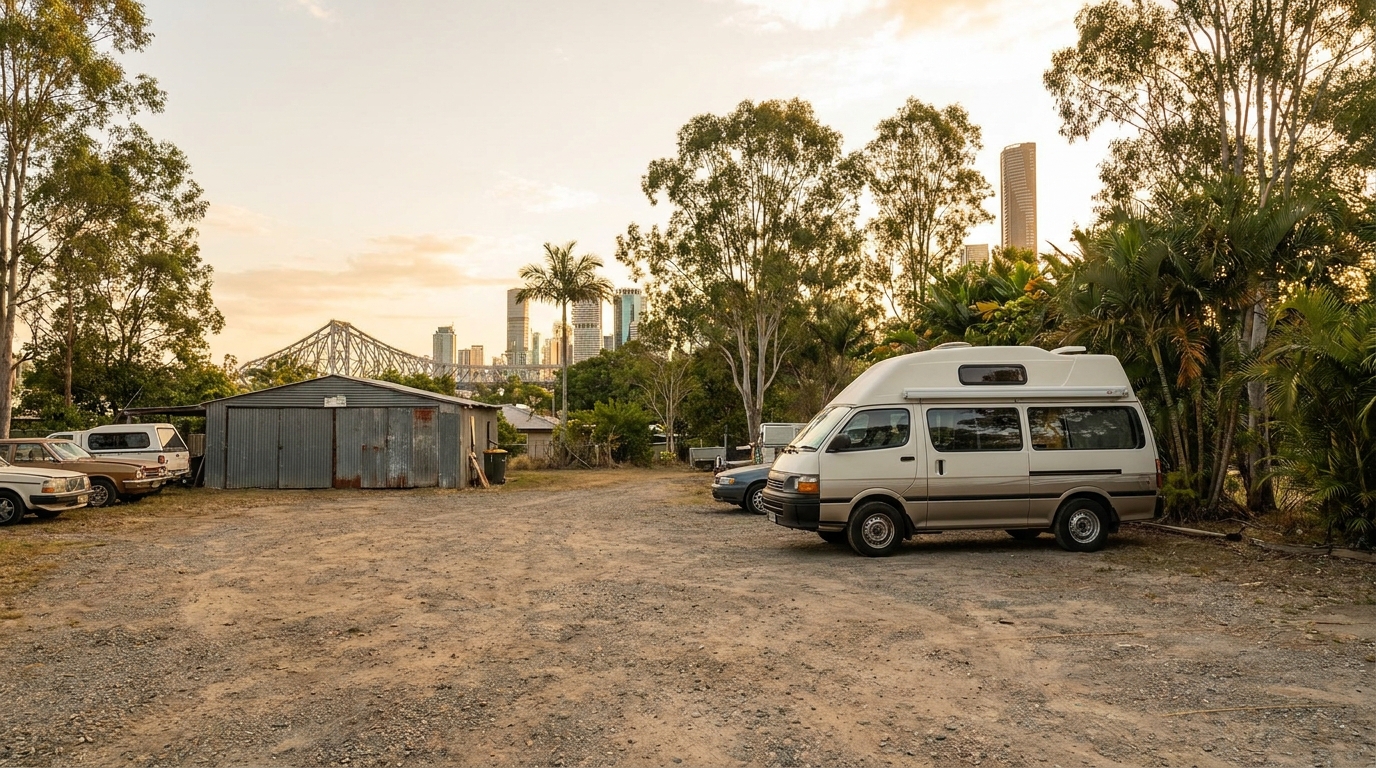
For live availability and current prices, start with our RV Rental Brisbane - Complete Guide 2026 guide.
In This Guide
- Can You Drive an RV in Brisbane? License & Age Rules
- Road Conditions & Terrain in Brisbane
- RV Size Limits, Bridges & Restricted Zones
- Fuel: Diesel vs. Petrol & Cost per 100 km
- Tolls, Vignettes & Border Rules
- Driving Tips for one way rv rental Travelers
- Recommended RV Class for Brisbane Roads
- Should I Choose a Compact Van Instead of a Large RV in Brisbane?
- Can I Park Anywhere? Free & Wild Camping Rules in Brisbane
- Can I Drive an RV Into the City Center? Heights, Tunnels & Local Signage
- What license do you need to drive an RV in Australia?
- Can you drive an RV one-way?
- Can you stop anywhere in a motorhome in Australia?
- Do you need a special license to drive an RV in Australia?
- How much is it to hire a campervan in Brisbane?
- What is the largest campervan you can drive on a car licence?
- Can you get temporary RV insurance?
- How much does it cost to insure a motorhome in Australia?
- How much is insurance on a $200,000 RV?
- Can I drive a motorhome with a car license in Australia?
- Sample one way rv rental Itineraries from Brisbane
- Traveling with Pets in Your Brisbane RV Rental
Can You Drive an RV in Brisbane? License & Age Rules
Yes, you can absolutely drive an RV in Brisbane! A standard Australian car license, classified as a Class C, generally permits you to drive RVs up to 4.5 tonnes Gross Vehicle Mass (GVM). This covers the vast majority of rental motorhomes and campervans. Most rental companies require drivers to be at least 21 years old, with some larger vehicle classes or specific suppliers having a minimum age of 25. International visitors can typically use their valid foreign driver's license, though an International Driving Permit (IDP) or an official English translation is often recommended for smoother interactions.
For detailed information on license requirements applicable to your specific rental, it's always best to check with the rental provider during the booking process. This ensures you are fully compliant and ready for your Australian adventure.
Road Conditions & Terrain in Brisbane
Brisbane's road infrastructure is generally excellent, featuring well-maintained major highways and urban roads that are very suitable for RV travel. The city itself has smooth, wide roads, making navigation straightforward. However, as you venture into the surrounding regions of Queensland, the terrain can become more diverse. You might encounter coastal routes with gentle undulations, or head inland towards hilly hinterlands that can feature winding roads.
It's important to note that most rental agreements have restrictions on driving on unsealed roads. These are generally not permitted unless you have obtained specific prior approval from the rental company and are prepared to drive with extra caution. Always adhere to these guidelines to ensure your rental agreement remains valid.
RV Size Limits, Bridges & Restricted Zones
When driving a rented RV in Brisbane and surrounding areas, it's crucial to be aware of size limits, particularly regarding height. Standard heavy vehicle height limits in Australia are often around 4.3 meters, but it is vital to always check local signage, especially for bridges, tunnels, and multi-story car parks within Brisbane. While most urban roads accommodate larger vehicles when driven considerately, some older infrastructure might have lower clearances.
Weight restrictions are also common on older bridges and in certain national parks; always heed posted limits. While Brisbane doesn't have strict environmental zones like some European cities, drivers should be mindful of general urban parking restrictions and any height-limited car parks you might encounter. Planning your route and being observant of signage will ensure smooth travels.
Fuel: Diesel vs. Petrol & Cost per 100 km
The majority of larger RVs in Bandana's Brisbane fleet, such as Class C Alcove models and Class SI Semi-integrated motorhomes, typically run on diesel. These vehicles often have fuel consumption rates averaging around 13 litres per 100 km. Some smaller Class B Camper Vans might use petrol and can have consumption rates ranging from 10-14 litres per 100 km. Diesel is generally more fuel-efficient for larger vehicles.
Fuel is widely available across Australia. As an estimate, for an RV averaging 13 L/100 km at an approximate fuel price of AUD$2.00/L (for 2026), you can expect fuel costs of about AUD$26 per 100 km. Remember that these figures are subject to market fluctuations and vary by vehicle type and driving conditions. Some rental agreements may include fuel discount cards, offering added savings. On the routes offered through RV PLANET routes, you can itemize and track every expense along the way for easy budgeting.
Tolls, Vignettes & Border Rules
Brisbane features several cashless toll roads, including sections of the Gateway Motorway and the Legacy Way tunnel. It's important to be aware that Australia does not use vignettes for toll collection; instead, tolls are paid on a per-use basis or via an electronic tag linked to an account. For seamless travel, it is highly recommended to pre-arrange an e-tag or a toll pass with your rental provider before you depart.
Many rental companies offer the convenience of adding an e-tag to your rental agreement, which simplifies toll payments and helps you avoid potential fines associated with missed payments. This is a small but significant detail for ensuring a hassle-free one-way RV rental experience.
Driving Tips for one way rv rental Travelers
Embarking on a one-way RV rental adventure from Brisbane comes with its own set of driving considerations. Always allow for extra stopping distance and take wider turns, accounting for your rental RV's larger size and weight. Plan your routes meticulously, cross-referencing with local signage for any height restrictions on bridges or tunnels, especially within urban areas like Brisbane.
Budgeting for fuel and potential tolls is essential for a smooth journey. Consider securing an e-tag for those cashless toll roads common around Brisbane and across Australia. Remember to take frequent breaks, especially on longer one-way trips, to stay refreshed and ensure your safety. Finally, familiarize yourself thoroughly with all your rented RV's systems—water, waste, and power—before you set off to prevent common issues from disrupting your journey.
Recommended RV Class for Brisbane Roads
When navigating Brisbane's roads and the surrounding Queensland areas, a Class SI - Semi-integrated RV, typically around 6.5 meters in length, offers an excellent balance of maneuverability and interior space. These vehicles are well-suited for both city driving and exploring scenic routes.
For those needing more sleeping capacity, perhaps for families or larger groups, Class C - Alcove RVs (averaging 7.6 meters) also navigate major Brisbane roads comfortably. These often provide more sleeping places, typically around 5.2 on average, and generous living space. Alternatively, smaller Class B Camper Vans, usually around 5.7 meters, are superb for those prioritizing ease of urban parking and access to tighter spots, while still offering essential amenities for a comfortable trip.
Should I Choose a Compact Van Instead of a Large RV in Brisbane?
While larger RVs, such as Class C Alcove models, navigate Brisbane's main roads and highways without significant issues, a compact van, like a Class B Camper Van, offers superior maneuverability and significantly easier parking in congested urban centers. This can be a real advantage if your itinerary involves extensive city exploration.
The choice often boils down to balancing comfort and amenities against ease of driving and parking. Larger RVs provide more living space and facilities, which can be crucial for longer trips or for families. However, for navigating very narrow or winding hinterland roads, a compact van might offer a marginal advantage in terms of stress-free driving and accessibility.
Can I Park Anywhere? Free & Wild Camping Rules in Brisbane
In Queensland, including the Brisbane region, wild camping or free camping is generally restricted or outright prohibited in urban areas, most national parks (unless specifically designated), and on private property without explicit permission. These regulations are in place to protect sensitive environments and manage visitor impact.
Designated rest areas located along highways may permit overnight parking for a limited period, typically up to 24 hours. However, these are intended for rest breaks, not extended camping. Always seek out official campgrounds, caravan parks, or designated free camping sites. It’s crucial to check local council regulations for specific rules before parking overnight, as these can vary significantly even within short distances. Following local laws and respecting signage is key to a responsible RV journey.
Can I Drive an RV Into the City Center? Heights, Tunnels & Local Signage
Yes, you can generally drive an RV into Brisbane's city center. However, be prepared for specific challenges, primarily limited street parking for larger vehicles and potential height restrictions in multi-story car parks. Many of Brisbane's tunnels, such as Legacy Way and Clem7, are designed to accommodate standard RV heights (often with 4.6m or 5.0m clearance), but it's always prudent to heed posted signage.
For more convenient central city exploration, consider parking your rented RV at a secure facility on the outskirts of the CBD and then utilizing Brisbane's excellent public transport network, which often includes accessible routes for RV travelers. This approach can save time and reduce driving stress.
What license do you need to drive an RV in Australia?
To drive most rental RVs and campervans in Australia, a standard Class C (car) driver's license is sufficient, provided the vehicle's Gross Vehicle Mass (GVM) does not exceed 4.5 tonnes. This GVM limit covers the majority of rental motorhomes and campervans available across the country.
However, if you intend to drive an RV that exceeds the 4.5-tonne GVM limit, a higher class of license, such as a Light Rigid (LR) or Medium Rigid (MR) license, will be mandatory. International drivers need to present their valid foreign driver's license, ideally accompanied by an International Driving Permit (IDP) or an official English translation. Always confirm the specific GVM of any motorhome you plan to rent to ensure it aligns with your license class.
Can you drive an RV one-way?
Absolutely! One-way RV rentals are a very common and convenient option in Australia, allowing you to pick up your vehicle in one city, like Brisbane, and drop it off in another, facilitating flexible travel itineraries across the vast continent.
Most major RV rental companies offer one-way hires between key destinations, connecting popular routes and cities. Be aware that a one-way fee, often called a relocation surcharge, typically applies. This fee can vary significantly based on the demand for the specific route and the time of year, so it's worth comparing options.
Can you stop anywhere in a motorhome in Australia?
No, you generally cannot stop and camp just anywhere in a motorhome across Australia. Regulations for overnight parking and free camping are specific and vary greatly by state, territory, and even local council rules.
Wild camping is largely restricted or illegal in urban areas, national parks (unless in designated sites with permits), and on private land without explicit permission. Designated rest stops are typically intended for short breaks and might permit overnight parking for a limited period, such as 24 hours, but are not designed as full camping sites. Always research and opt for official campgrounds, caravan parks, or designated free camping areas, ensuring you adhere to all posted signage and local laws for a responsible and enjoyable trip.
Do you need a special license to drive an RV in Australia?
Generally, a special license is not required for the majority of rental RVs in Australia. Most rental vehicles fall within the 4.5-tonne Gross Vehicle Mass (GVM) limit, which is covered by a standard Class C (car) license.
However, if your chosen RV exceeds the 4.5-tonne GVM limit, you would indeed need a higher class of license, such as a Light Rigid (LR) or Medium Rigid (MR) license. For a comprehensive understanding of Australian RV license requirements, it’s always best to refer back to the specific details for the vehicle you are renting.
How much is it to hire a campervan in Brisbane?
The cost to hire a campervan in Brisbane typically ranges from AUD $80 to AUD $300+ per day. This price is influenced by several factors, including the vehicle's size, age, the duration of your rental, the season, and whether you've secured early booking discounts.
If you opt for a one-way rental departing from Brisbane, expect an additional relocation fee, usually falling between AUD $150 and $700, depending on your drop-off location. Remember that your total trip budget should also account for other essential costs such as fuel (estimated at AUD $26-30 per 100 km), campsite fees (ranging from AUD $30-70 per night), toll roads, and any optional excess reduction insurance you might choose.
What is the largest campervan you can drive on a car licence?
In Australia, the largest campervan or motorhome you can legally operate with a standard Class C (car) license is one with a Gross Vehicle Mass (GVM) of up to 4.5 tonnes.
This 4.5-tonne GVM limit encompasses nearly all common rental RV categories, including compact Class B Camper Vans (averaging 5.7m), mid-sized Class SI Semi-integrated models (averaging 6.5m), and even many larger Class C Alcove motorhomes (averaging 7.6m). It is always prudent to check the specific vehicle's GVM on its compliance plate to ensure it aligns with your license class before confirming your rental.
Can you get temporary RV insurance?
When renting an RV in Australia, temporary RV insurance is inherently part of your rental agreement, though it typically comes with a high standard excess (deductible), often ranging from AUD $5,000 to $7,500.
Most rental companies offer optional 'excess reduction' or 'all-inclusive' packages that significantly lower this liability, effectively providing enhanced temporary coverage for the duration of your rental. It's also advisable to review your personal travel insurance or credit card's rental car coverage terms, as some policies may offer supplementary protection, although these often have limitations specifically for RVs.
How much does it cost to insure a motorhome in Australia?
For a privately owned motorhome in Australia, comprehensive annual insurance costs typically range from AUD $800 to $2,500 or more. This pricing is influenced by factors such as the vehicle's value, your driving history, postcode, and the specific coverage level chosen.
In the context of an RV rental, the base insurance is usually included. However, reducing the high standard excess can add an additional AUD $40-80 per day through an optional waiver offered by the rental provider. The cost is fundamentally tied to the level of risk, the value of the asset, and the desired scope of protection against damage, theft, and third-party liability.
How much is insurance on a $200,000 RV?
Comprehensive insurance for a privately owned RV valued at AUD $200,000 in Australia would typically range from AUD $1,500 to $3,000 or more per year. This estimate is influenced by individual circumstances and the specific policy features selected.
For a rental RV of similar value, while standard insurance is part of the rental fee, you will face a high excess (e.g., AUD $5,000-$7,500) should any damage occur. Purchasing an optional excess reduction package from the rental company for such a valuable vehicle is highly recommended to significantly mitigate potential out-of-pocket expenses, costing an additional AUD $40-80 per day.
Can I drive a motorhome with a car license in Australia?
Yes, you can drive most motorhomes in Australia with a standard Class C (car) license, provided the vehicle's Gross Vehicle Mass (GVM) does not exceed 4.5 tonnes.
This 4.5-tonne GVM limit encompasses the vast majority of rental motorhomes and campervans available across the country. Always confirm the specific GVM of any motorhome you intend to rent to ensure it aligns with your current driver's license class for legal and safe travel.
Sample one way rv rental Itineraries from Brisbane
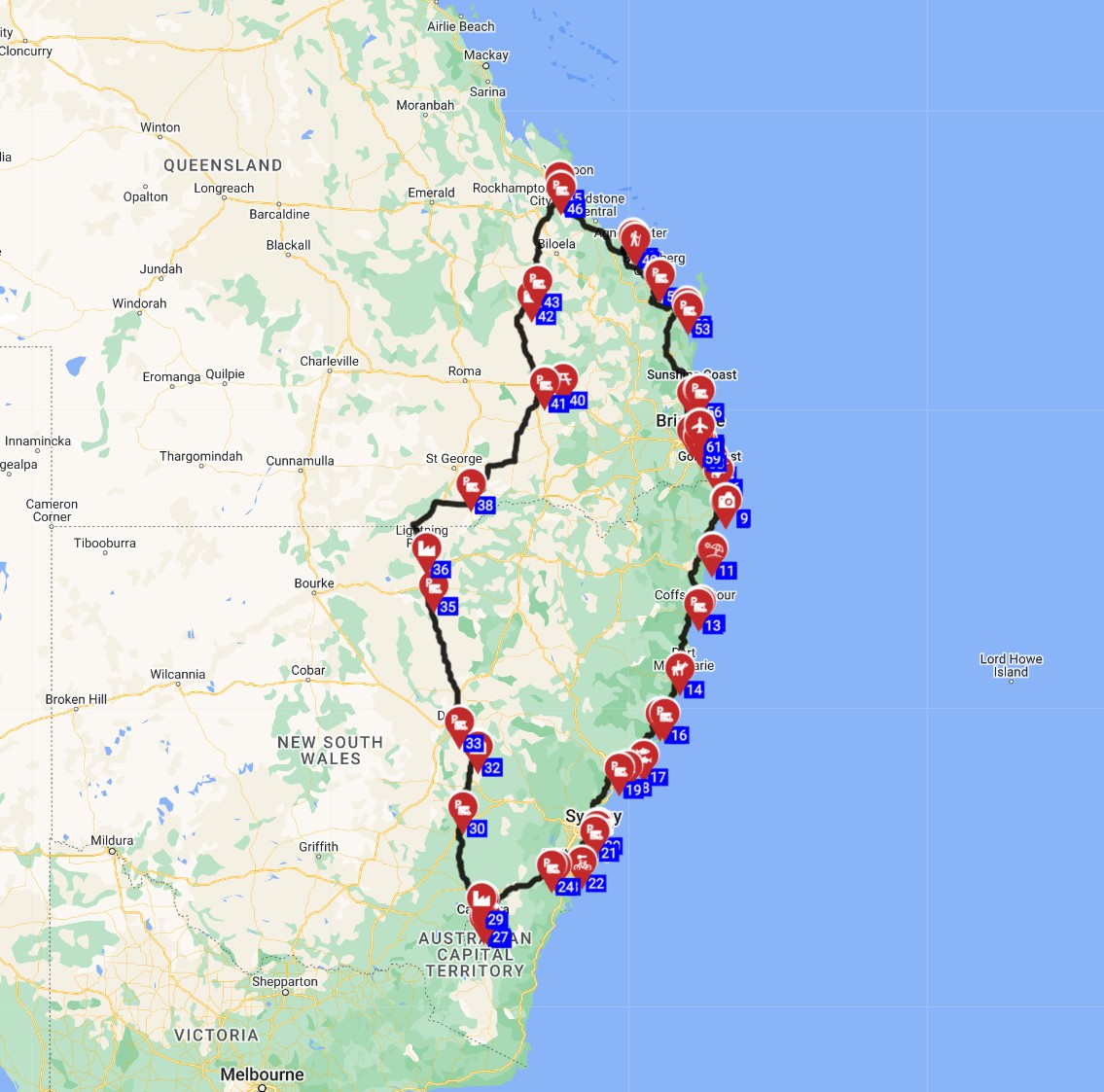
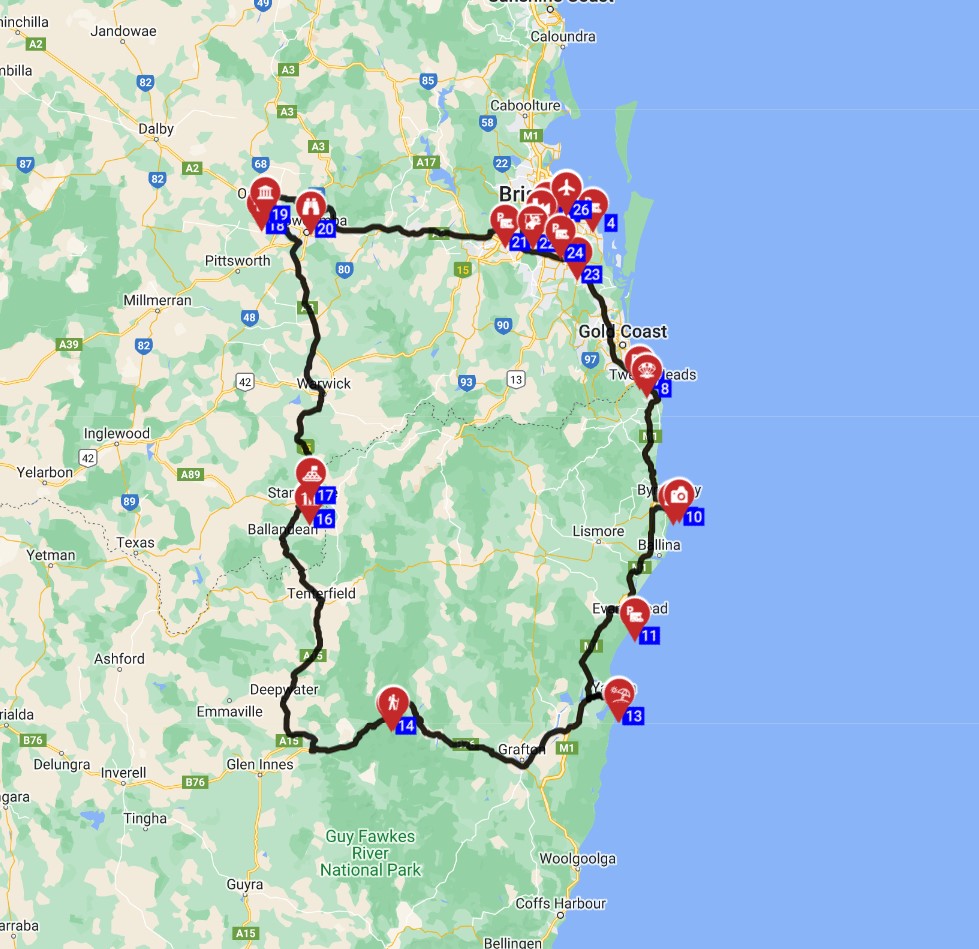
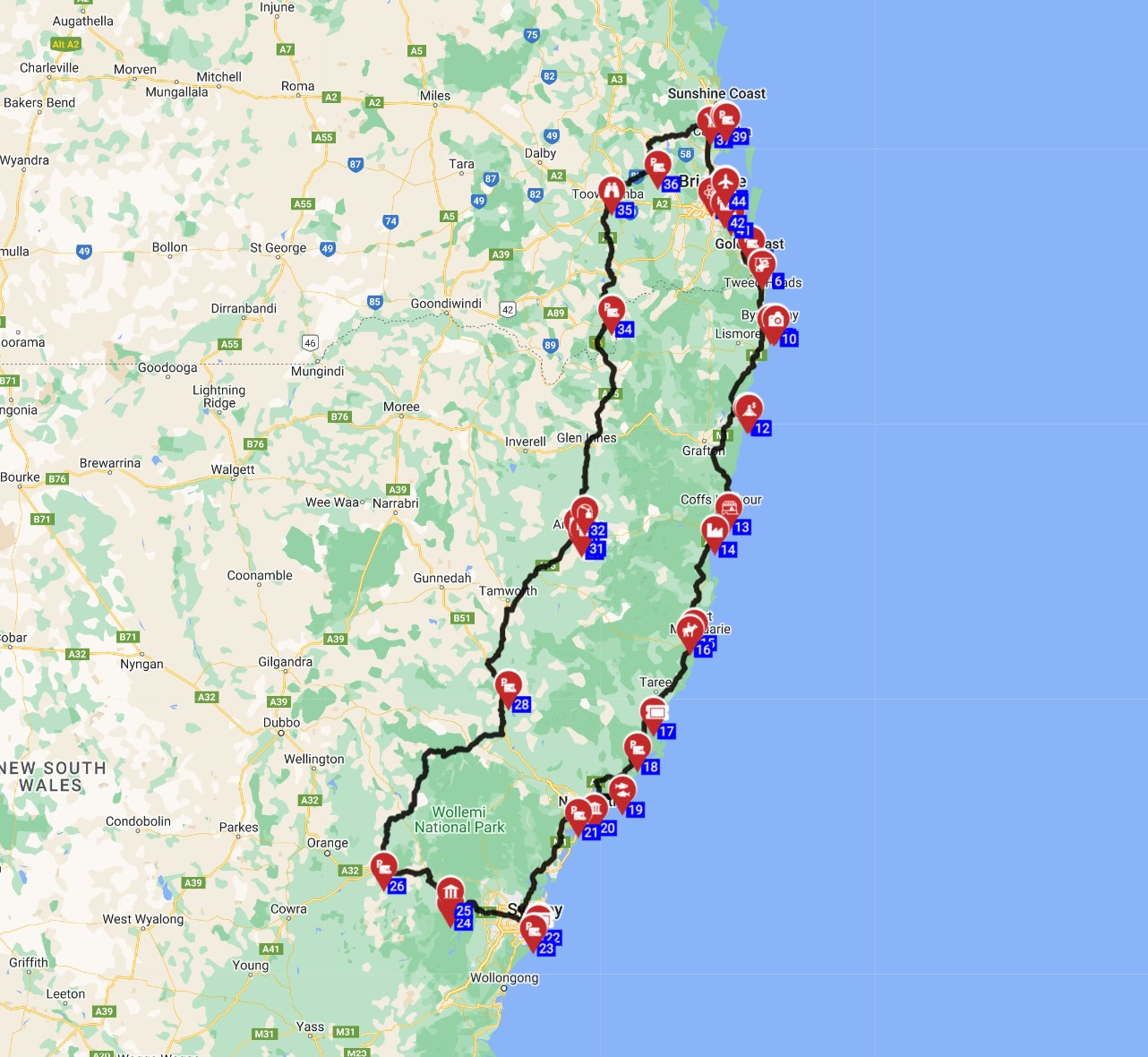
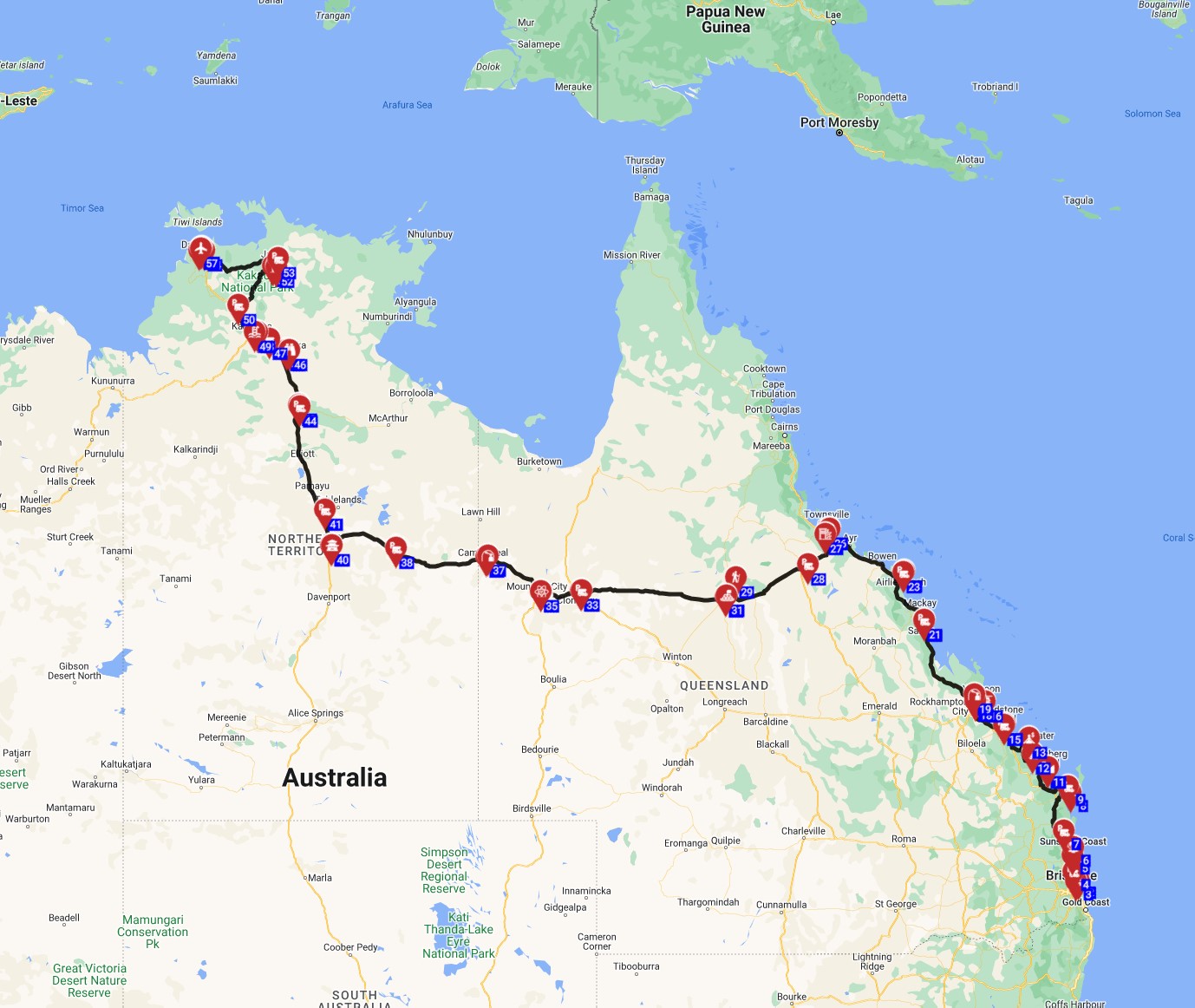
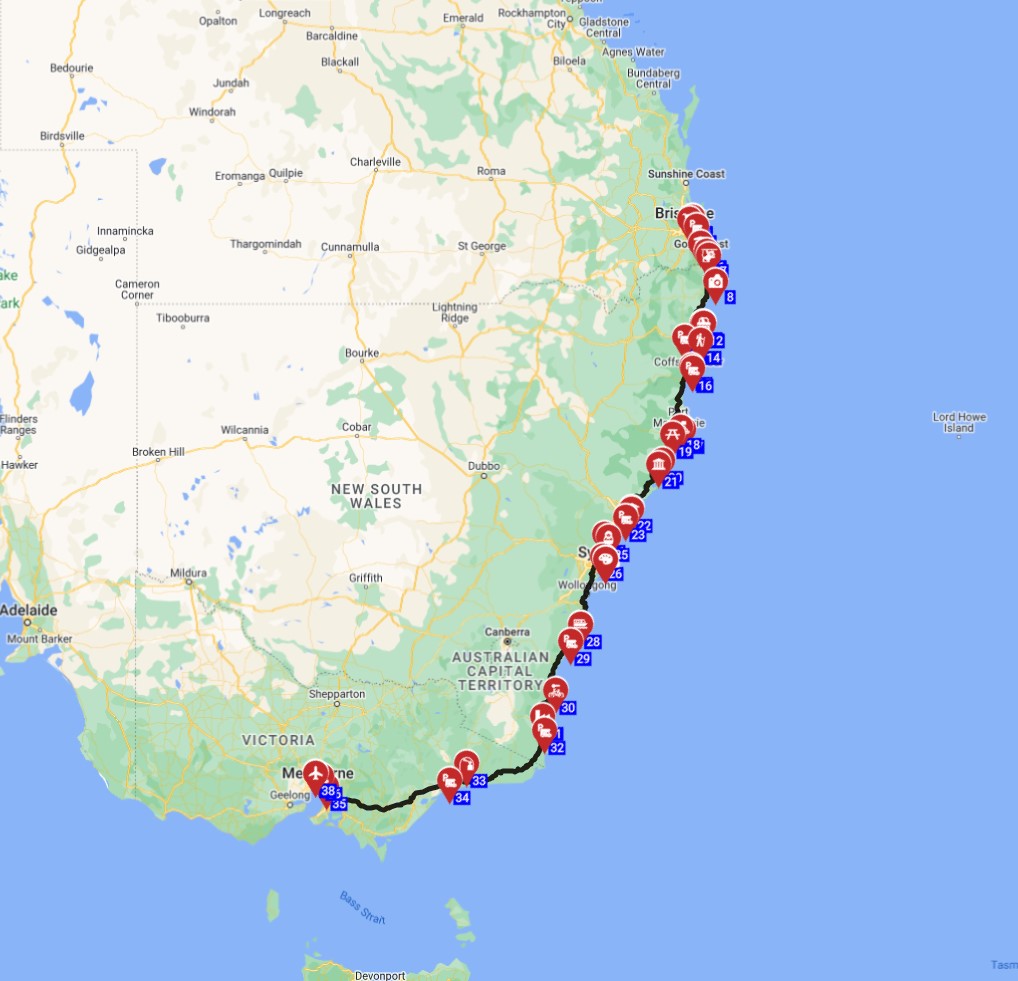
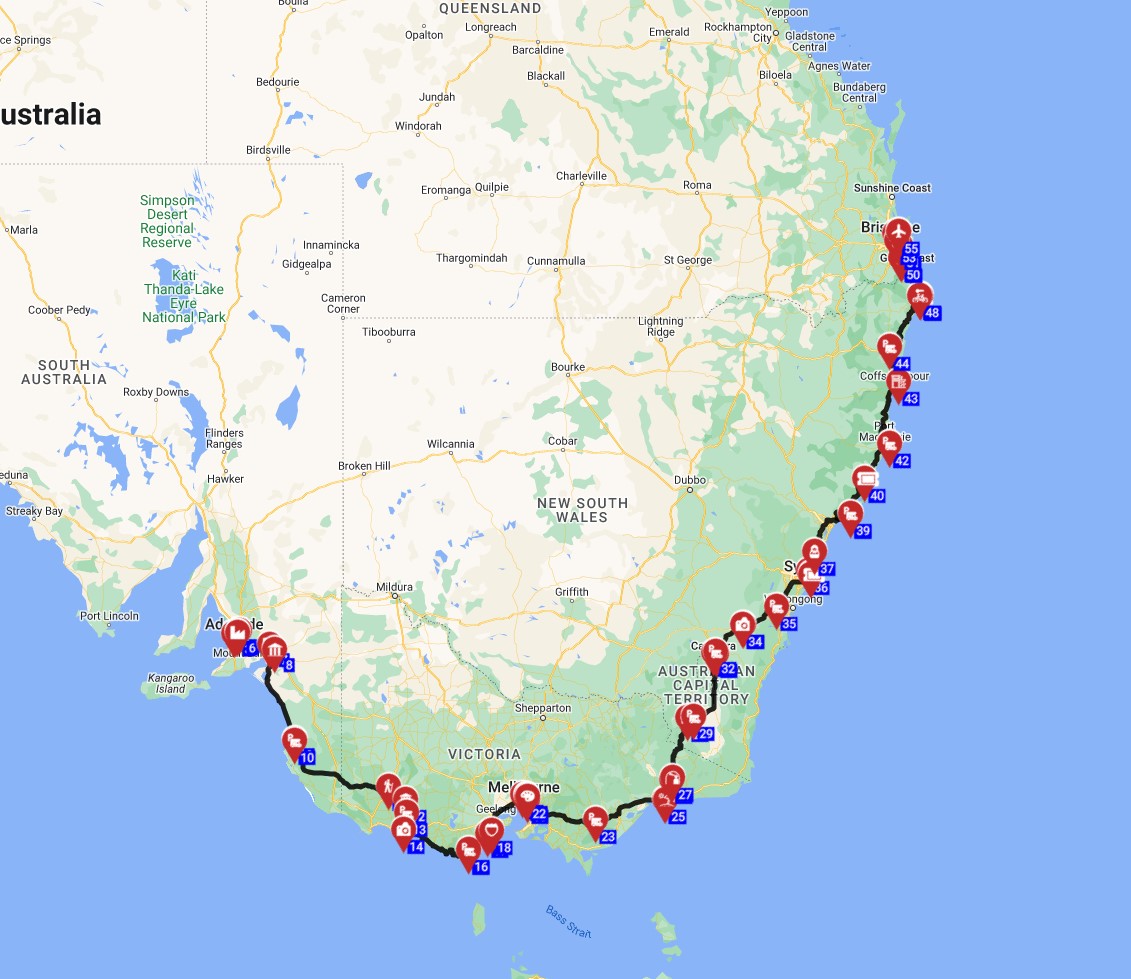
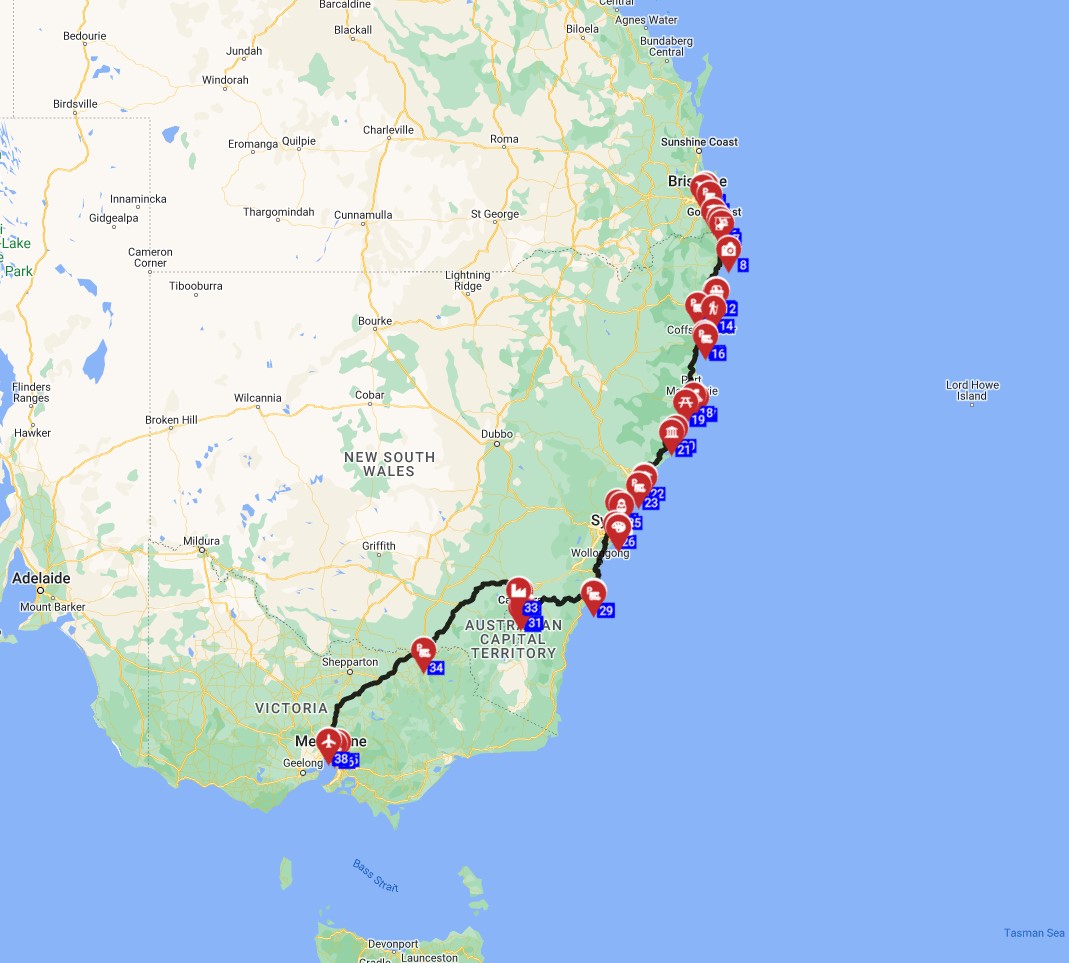
To help you envision your one-way RV adventure, here are a few popular itinerary ideas starting from Brisbane:
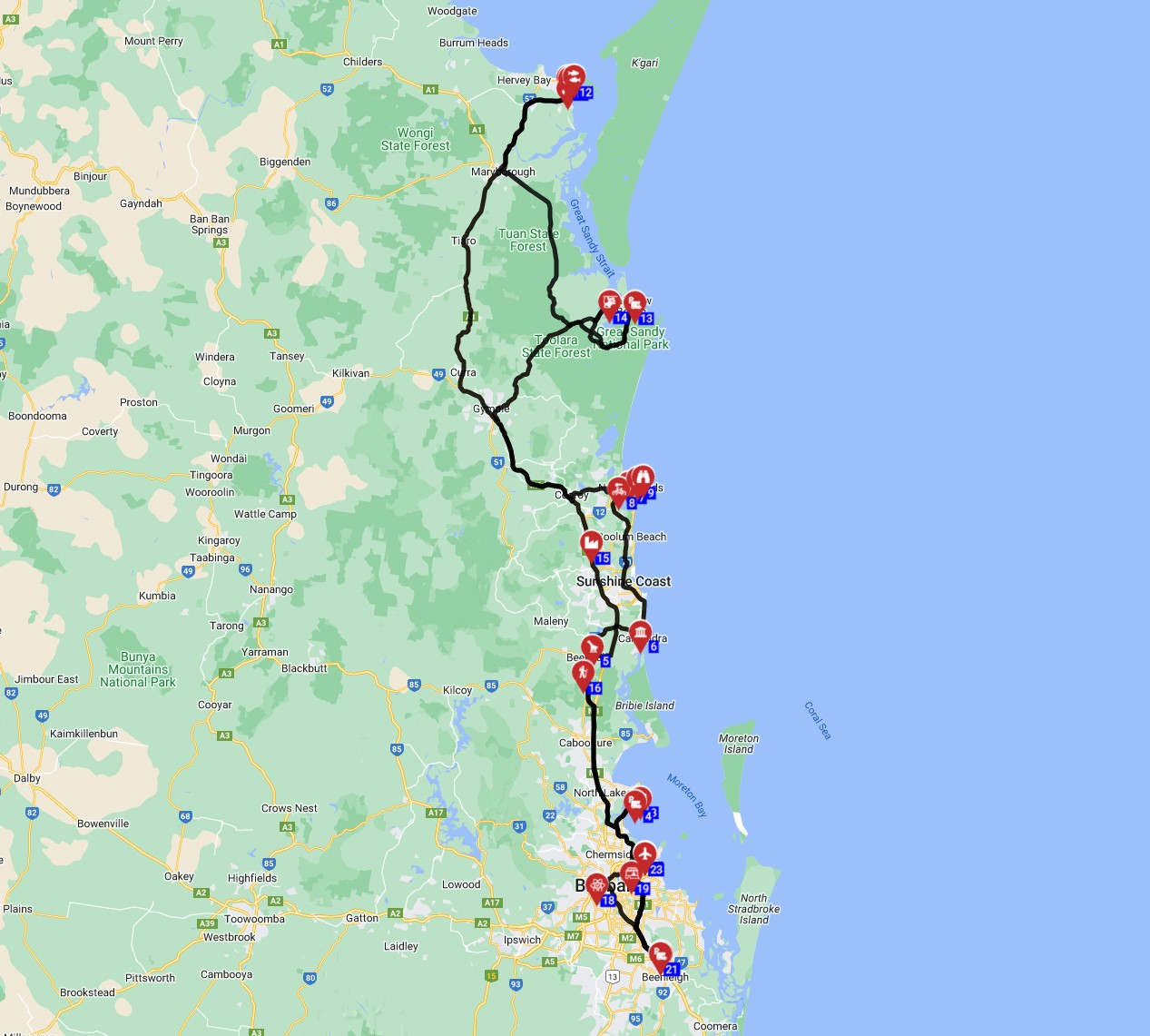
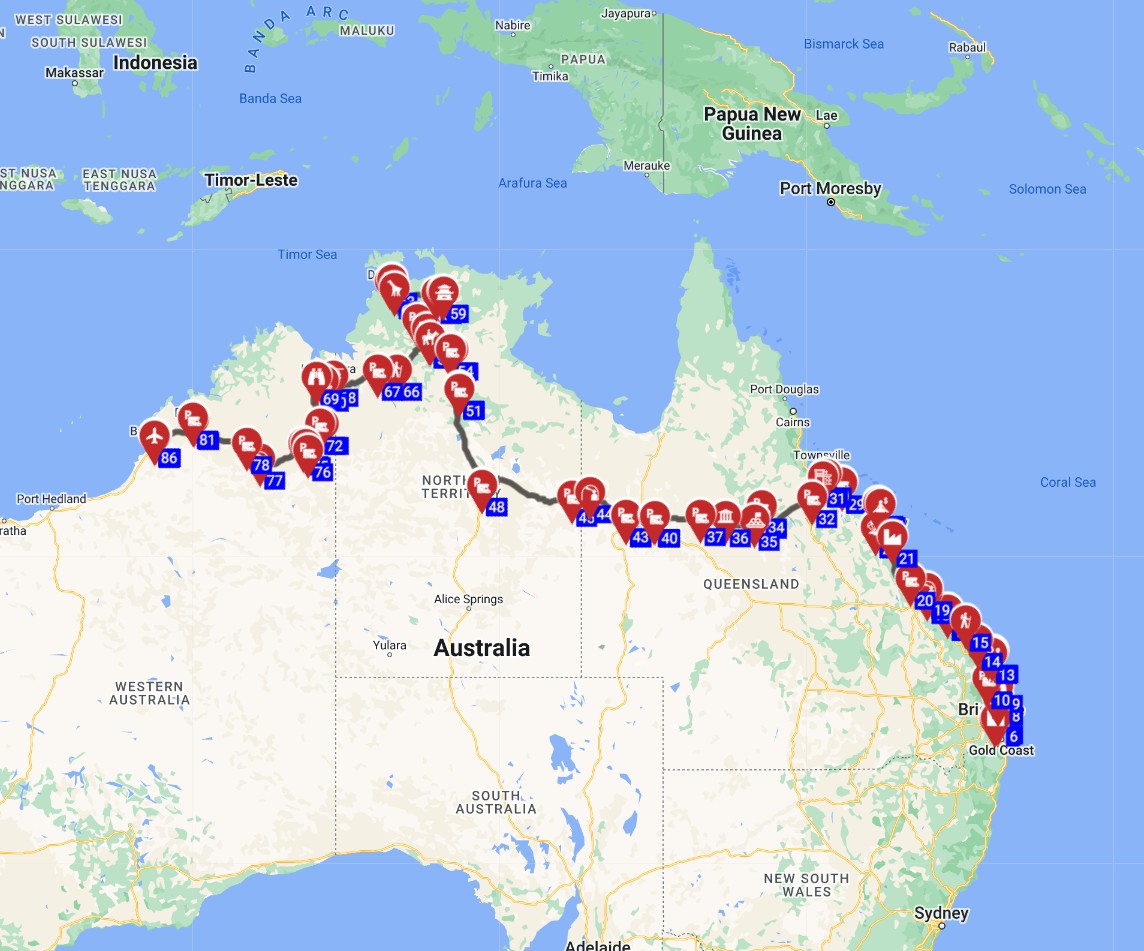
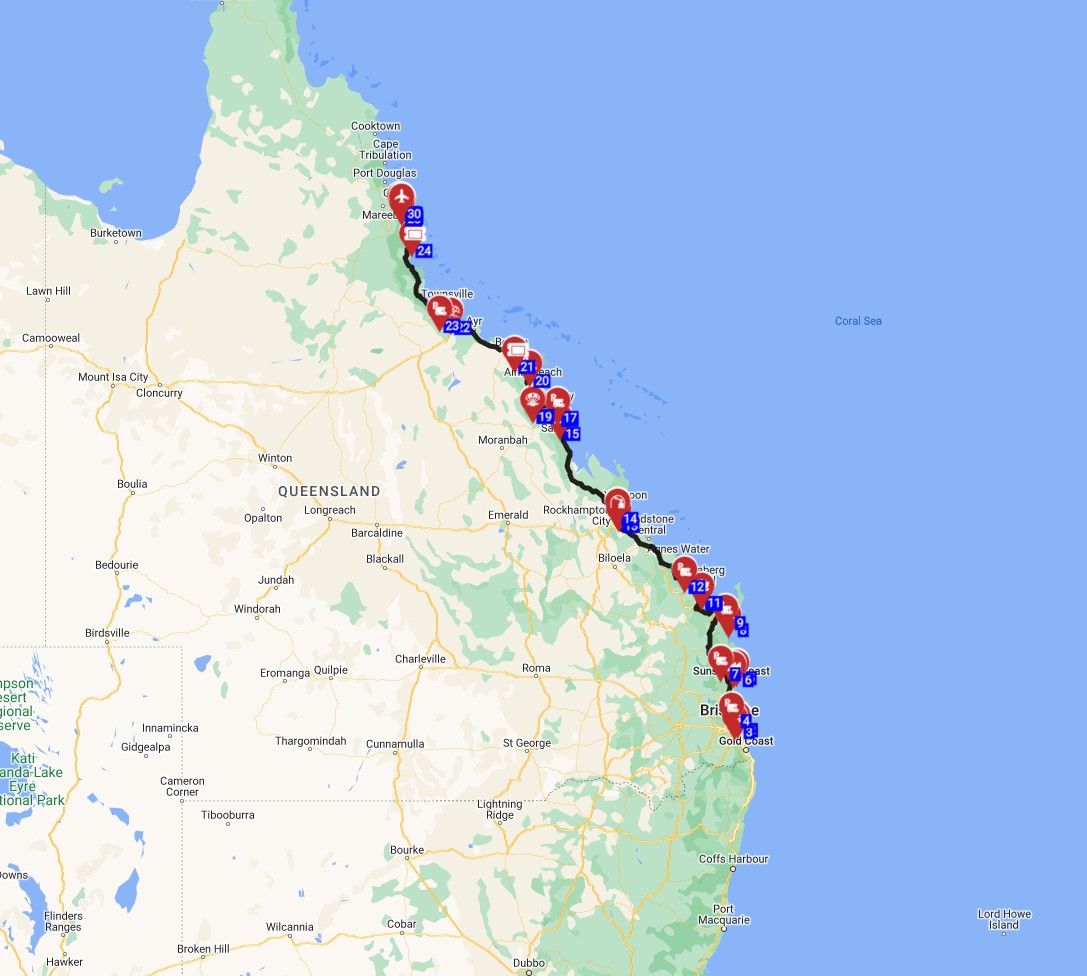
Brisbane to Cairns (7-14 days): This route showcases Queensland's diverse beauty, allowing you to explore the Sunshine Coast, Fraser Island (via tour), the Whitsundays, and the Daintree Rainforest. You'll experience stunning coastlines and lush tropical landscapes.
Traveling with Pets in Your Brisbane RV Rental
Many RV rental companies in Brisbane offer pet-friendly vehicles, but it's crucial to confirm this policy when booking, as pet fees and specific rules often apply. Always check directly with the rental provider about their pet policy to avoid any surprises.
Be aware that Queensland's national parks generally do not permit pets. Therefore, it's a good idea to research alternative pet-friendly attractions and campgrounds, such as private caravan parks or state forests, along your chosen one-way route. When traveling with your furry companions, ensure they are securely fastened during transit and never leave them unattended in the RV, especially in extreme temperatures. Remember to pack their bed, food, water bowls, and waste bags for a comfortable journey.
Final Thoughts
Renting a one-way RV from Brisbane opens up a world of possibilities for exploring Australia at your own pace. From the vibrant cityscapes to the stunning natural beauty of Queensland and beyond, the freedom of the open road is truly unparalleled.
With Bandana Caravan, you get the peace of mind that comes from transparent pricing and dedicated support, ensuring your RV adventure is as seamless as possible. We're here to help you every step of the way, from comparing vehicles to coordinating your booking.
Ready to start planning your ultimate Australian road trip? Let us help you find the perfect RV for your journey.
Find Motorhome Rentals in Brisbane