For live availability and current prices, start with our RV Rental Australia - Complete Guide 2026 guide.
In This Guide
- Top 5 Tips for RV Rental in Australia
- Before You Book - Class, Dates, Insurance
- Pre-Trip Prep - Packing Checklist for Australia
- On the Road - Driving, Fueling, Navigation
- At the Campground - Setup, Hookups and Etiquette
- RV Rental-Specific Tips for Australia
- Common Mistakes to Avoid in Australia
- What is the 3 3 3 rule for campervan?
- What are the drawbacks of renting an RV?
- How much does it cost to rent a RV in Australia?
- Can you park an RV anywhere in Australia?
- Is it worth having a toilet in a campervan?
- Can US citizens rent a car in Australia?
- What not to do in Australia as an American?
- Is 3000 AUD enough for 2 weeks in Australia?
Australia, a land of unparalleled natural beauty and vast open spaces, is an ideal destination for a luxury RV adventure. With a rented motorhome, you unlock the freedom to explore everything from pristine coastal roads to the rugged outback, all while enjoying the comforts of a premium mobile home. This guide will provide expert tips for a truly exceptional RV rental experience in Australia, focusing on luxury travel. For live availability and current prices, start with our RV Rental Australia - Complete Guide 2024 guide, which offers extensive information to kickstart your journey.
Top 5 Tips for RV Rental in Australia
Planning your luxury RV rental in Australia requires thoughtful preparation to ensure a smooth and enjoyable journey across this diverse continent. A primary recommendation is to select an RV size that perfectly matches your group and desired itinerary. For example, a "Euro Deluxe" Class C motorhome, often featuring 3 double beds, a roof air conditioner, and a TV, is ideal for up to 6 travelers seeking premium comfort, offering ample space for families or groups of friends. We always recommend slow travel, aiming for no more than 100-150 km per day on average, allowing you to fully immerse yourself in the local culture, food, and stunning scenery. Another crucial tip is to book your vehicle early, particularly if your trip falls during peak seasons like December-February, to secure the best rates and your preferred luxury model, as popular options fill up quickly. Researching seasonal weather patterns for your chosen regions is vital to pack appropriately and plan routes that avoid extreme conditions, whether it's the tropical wet season in the North or cooler temperatures in the southern states. Additionally, familiarizing yourself with Australian road rules, including driving on the left-hand side and understanding various speed limits, will significantly enhance your safety and confidence on the road. Finally, budgeting beyond just the daily rental fee is essential; consider ancillary costs such as fuel, varied campsite fees, and planned activities. On RV PLANET routes, travelers can itemize and track every expense along the way for easy budgeting, ensuring no surprises. On the routes offered through RV PLANET routes, you can itemize and track every expense along the way for easy budgeting.
Before You Book - Class, Dates, Insurance
Selecting the appropriate vehicle class for your travel style and group size is crucial for a luxury RV experience in Australia. For couples seeking comfort and maneuverability, a premium campervan like the "Active Pop Top" (sleeps 4, 119/170cm bed over cab, 127/183cm rear double bed, 90L fresh water tank) offers convenience with features such as a shower and toilet. Families or larger groups might prefer a Class C motorhome such as the "6 Berth Discovery", which comfortably sleeps 6 with seatbelts for 6, a 130/200cm bed over the cab, 140/210cm rear double bed, and a 120/190cm middle double bed. Confirming your travel dates to leverage off-peak pricing can lead to significant savings on your luxury rental. For instance, traveling during shoulder seasons (March-May or September-November) often provides a better balance of pleasant weather and lower rates compared to the peak summer holidays. Understanding your insurance options is a critical step; basic insurance with a high deductible is always included with your rental. However, for enhanced peace of mind, you can upgrade to a top-level deductible reimbursement plan. To see prices including the most comprehensive coverage, select that option during your search on Bandana RV; all relevant insurance options will then be clearly displayed without any hidden fees. As true RV specialists, we ensure full transparency throughout the booking process, from comparing final prices across 50+ leading RV suppliers like Apollo and Britz, so what you see is what you pay.
Pre-Trip Prep - Packing Checklist for Australia
A comprehensive packing checklist is essential for any RV trip in Australia, especially when preparing for diverse climates and activities. Lightweight, breathable clothing for warm days is crucial for regions like Queensland or Northern Territory, while warmer layers such as fleece or a jacket are necessary for cooler evenings or southern regions, particularly during winter (June-August). Always include a rain jacket or poncho, swimwear, and a beach towel to enjoy Australia's numerous water-based attractions. Sun protection is paramount, so pack a wide-brimmed hat, good quality sunglasses, and high-SPF sunscreen (at least SPF 30+ is recommended, but 50+ is better for sensitive skin). Comfortable walking shoes and sandals are a must for exploring national parks and coastal towns. For your RV kitchen, reusable water bottles and coffee cups reduce waste, and basic cooking spices and oil will allow you to prepare delicious meals on the go. Many rented motorhomes come with a refrigerator, but a small portable cooler can offer extra storage for snacks and drinks. For inspiration on meals, check out our RV-friendly recipes playlist. Safety gear like a well-stocked first-aid kit (including insect repellent and sting relief for Australia's unique critters) and a headlamp or flashlight are crucial. A power bank for mobile devices and an Australian-compatible power adapter (Type I plug) are also essential. Finally, ensure all necessary documents are ready: a valid driver's license (an International Driving Permit is recommended for non-English speakers, but not always mandatory for US citizens), passport and visa (if applicable), RV rental confirmation, and insurance details. Downloading offline GPS maps or carrying a physical map is highly advisable for areas with limited mobile reception, ensuring you're never left navigating blindly. For specific route planning and pre-planned routes, consider RV PLANET, which offers 1,300+ professional itineraries globally.
- ✅ Lightweight, breathable clothing for warm days
- ✅ Warmer layers (fleece, jacket) for cooler evenings or southern regions
- ✅ Rain jacket or poncho
- ✅ Swimwear and beach towel
- ✅ Hat, sunglasses, and high-SPF sunscreen
- ✅ Comfortable walking shoes and sandals
- ✅ Reusable water bottles and coffee cups
- ✅ Basic cooking spices and oil
- ✅ Non-perishable snacks
- ✅ Cooler or portable fridge (if not built-in)
- ✅ First-aid kit (with insect repellent and sting relief)
- ✅ Headlamp or flashlight
- ✅ Power bank for devices
- ✅ Australian-compatible power adapter
- ✅ Portable fan (for summer in hotter regions)
- ✅ Insect netting for doors/windows (especially in tropical areas)
- ✅ Valid driver's license (and International Driving Permit if recommended)
- ✅ Passport and visa (for international visitors)
- ✅ RV rental confirmation and insurance details
- ✅ Physical map or offline GPS downloads (for areas with limited mobile reception)
- ✅ National Parks Pass (if visiting multiple parks)
🎬 Video coming soon
On the Road - Driving, Fueling, Navigation
Navigating a rented RV in Australia primarily involves driving on the left-hand side of the road, which can be a significant adjustment for drivers accustomed to right-hand traffic. Speed limits vary across the country; generally, urban areas have a maximum of 50 km/h, while major highways can allow 100-110 km/h, though specific signage should always be followed. When driving a larger Class C motorhome like the "MHC24" (7.3m length, 2.51m width) in cities, remember to drive slowly and carefully, and you can drive almost anywhere without issues. No need to stress - just use common sense and pay attention to signage and surroundings. Planning fuel stops is critical, especially in remote areas of the Outback where stations can be sparse and distances between them vast; always aim to refuel when your tank is half full. Using reliable navigation methods, including offline maps or a dedicated GPS unit, is highly advisable for areas with limited mobile phone coverage, ensuring you don't get lost. Be mindful of Australian wildlife, particularly kangaroos, wallabies, and emus, at dusk and dawn; these animals are most active during these times and pose a significant road hazard. Always check local road conditions, particularly for unsealed (dirt) roads and after heavy rain, to avoid damage to your rented motorhome and ensure safety, as many rental agreements have restrictions on driving on unsealed roads. For a deeper dive into driving specifics, our "RV Travel Guide to Australia - Tips and Top Spots 2024" offers valuable insights.
At the Campground - Setup, Hookups and Etiquette
Setting up your rented RV at an Australian campground typically involves a straightforward process to maximize comfort and utility. First, position your motorhome on a level spot for optimal appliance function, using leveling blocks if necessary. Once parked, connect your vehicle to the campsite's power hookup (usually 15-amp) first, then connect to the fresh water supply, and finally, position your grey water hose to drain into the designated receptacle. Adhering to quiet hours, usually from 9 PM or 10 PM to 7 AM or 8 AM, is standard campground etiquette, ensuring a peaceful environment for all campers. Dispose of all waste responsibly at designated dump stations and recycling points; this includes black water from your toilet cassette and grey water from sinks and showers. Respecting your neighbors' space by not encroaching on their site and only having fires in designated fire pits (always checking for local fire restrictions, especially during summer bushfire season) are also crucial. Many national and state parks in Australia reserve 25-30% of their spots for spontaneous travelers, so even if you haven't pre-booked, you can often find a spot. If not at the first campground, then the next one; always call ahead before driving long distances to confirm availability. For finding campsites and campgrounds during your trip, we recommend using RV PLANET (rvplan.net) - a great resource for locating available spots along your route.
RV Rental-Specific Tips for Australia
Tailoring your RV choice and travel style to your group is key for a successful trip in Australia. For families with children, selecting a Class C motorhome like the "6 Berth Derwent" (automatic transmission, roof air conditioning, 3 double beds, up to 6 seatbelts) with multiple sleeping areas and child seat anchor points is highly recommended. Planning shorter daily drives of 100-150 km per day on average allows for frequent stops, keeping younger travelers engaged and minimizing travel fatigue. Senior travelers will benefit from RVs with easy access, comfortable beds, and proximity to medical services; a 2-berth motorhome with an automatic transmission and amenities like a shower and toilet provides comfort and convenience for extended road trips. Budget travelers looking to maximize their AUD $3,000 for a two-week trip should opt for smaller, fuel-efficient campervans, self-cater with groceries from local supermarkets, and actively seek free or low-cost campsites listed on apps like WikiCamps Australia. In contrast, luxury travelers can explore premium Class A motorhomes, often available from suppliers like El Monte or Apollo, featuring high-end amenities such as spacious living areas, full kitchens, and entertainment systems, and should consider staying at upscale caravan parks with full hookups and resort-style facilities. No matter your group type, remember that our "Weekly RV Rental in Australia - Pricing 2024" and "Long-Term RV Rental in Australia - Monthly Rates 2024" guides offer excellent resources to help you plan accordingly.
Common Mistakes to Avoid in Australia
First-time RV renters in Australia can easily avoid common pitfalls with a bit of foresight. A significant mistake to avoid is underestimating Australia's vast distances; utilize route planners and allocate ample travel time, recognizing that a 4,000 km journey like the "Cairns to Alice Springs - Northern Horizons" itinerary requires at least 17 days of careful planning, which includes 3 hiking areas and 2 natural features. Never ignore road conditions and rental restrictions; stick to sealed roads unless your rented RV is specifically rated for off-road use and your rental agreement explicitly permits it, as driving on unsealed roads otherwise may void your insurance. Neglecting wildlife safety is another critical error; drive primarily during daylight hours in rural areas and at dawn and dusk, be extra vigilant for kangaroos and other animals. Always plan for water and fuel in remote areas, carrying extra supplies for emergencies, as services can be hundreds of kilometers apart in the outback. It's also wise to avoid not booking campsites in advance, especially during peak season, to ensure availability; popular national parks and coastal spots can fill up quickly. Many national parks, however, reserve a percentage of sites for spontaneous arrivals. Lastly, never disregard local Indigenous protocols; research and respect cultural practices and land access rules, particularly when visiting sacred sites, as many areas require permits or guided tours. Our team of true RV specialists offers 24/7 support for pre-booking inquiries, booking assistance, and post-booking coordination, ensuring you're well-informed before you hit the road.
What is the 3 3 3 rule for campervan in Australia?
The '3-3-3 rule' is a widely recommended guideline for RV travelers, especially beneficial for navigating Australia's extensive distances and diverse conditions. It suggests driving no more than 300 kilometers a day to prevent driver fatigue and allow for spontaneous stops at interesting sights along your route. This pace ensures you don't rush through beautiful areas and can appreciate local attractions, connecting to the culture and scenery. The second part of the rule recommends aiming to arrive at your destination by 3 PM, which provides sufficient daylight hours for campsite setup, securing a good spot, and exploring the immediate surroundings before dark. This is particularly important in Australia where wildlife, like kangaroos, is most active at dusk and dawn, making driving more hazardous. The third aspect advises staying for at least 3 nights at each location, encouraging slower travel and deeper exploration of a region, allowing for day trips and a more immersive experience. This rule is especially pertinent for a country as vast as Australia, where long driving days can be exhausting, and wildlife encounters are common.
What are the drawbacks of renting an RV in Australia?
Renting an RV in Australia, while offering incredible freedom, does come with certain considerations. It typically incurs higher overall costs compared to a standard car rental, primarily due to significant fuel expenses over Australia's long distances (a Class C motorhome like the "Explorer" averages 11 liters per 100 km) and varied campsite fees, which can range from AUD $30-$60 per night for powered sites. RV travel is generally slower than car travel, leading to longer journey times because of the vehicle's size and lower average speed limits, especially in winding coastal areas or through national parks. Maneuverability and parking can be challenging in bustling urban areas like Sydney or Melbourne, or in popular tourist spots, though with careful driving, most areas are accessible. Renters are responsible for managing utilities such as fresh water, grey water, and black water disposal, a task that requires regular attention at designated dump stations. Furthermore, mobile connectivity can be an issue in many remote Australian regions, making communication and navigation challenging without offline alternatives. While Bandana RV offers 24/7 support for your booking process, including transparent pricing and a top-level deductible reimbursement option, roadside assistance intricacies in remote locations are best managed by understanding your rental supplier's specific emergency procedures.
How much does it cost to rent an RV in Australia?
The cost to rent an RV in Australia is dynamic, varying significantly based on vehicle class, seasonality, and booking lead time. A basic campervan, ideal for 2 people like the "Active Original", can range from AUD $80-$150 per day in the off-peak season (May-September), while a luxury 6-berth motorhome, such as the "Euro Deluxe", can exceed AUD $300 per day during peak times (December-February). Additional costs significantly impact the total trip expense; fuel can add AUD $150-$300+ per week depending on distances covered, and campsite fees for powered sites typically cost AUD $30-$60 per night. Opting for insurance excess reduction, an optional upgrade you can purchase, typically adds AUD $30-$70 per day for extra peace of mind. For example, a 1-week rental for a mid-range campervan might total AUD $1,460 to $2,670 or more, including the vehicle, fuel, campsites, and basic insurance. One-way fees, which can range from AUD $200-$700 for popular routes like Brisbane to Cairns, are also a factor. Our platform ensures full transparency, comparing final prices across 50+ leading suppliers, so there are no hidden fees or surprises at pickup. Flexible travelers looking for the best deals might consider our "RV Rental Deals in Australia - Latest Offers 2024" for seasonal discounts, or explore our "RV Rental in Australia - Prices and Best Deals 2024" for comprehensive budgeting information.
Can you park an RV anywhere in Australia?
No, you cannot park an RV anywhere in Australia; overnight parking and camping are generally restricted to designated campgrounds, caravan parks, and authorized free camps to ensure environmental protection and public safety. Always observe 'No Overnight Parking' or 'No Camping' signs to avoid fines and disruption to local areas. Many popular tourist destinations and urban centers strictly enforce these regulations. Respect for Indigenous lands is crucial; seek permission or adhere to specific access rules when traveling through these areas, as unauthorized camping on Indigenous land is prohibited. Practicing 'Leave No Trace' principles is essential everywhere, ensuring all waste is disposed of responsibly at designated dump stations and recycling points to preserve Australia's pristine natural environments. Apps like WikiCamps Australia are invaluable resources for locating permitted free camping spots, which often have limited or no facilities, requiring your RV to be self-contained. When exploring pre-planned routes like the 26-day "Melbourne to Darwin - Australia’s Heartline Road Trip" via RV PLANET, campground locations are typically integrated into the itinerary for convenience and compliance.
Is it worth having a toilet in a campervan?
Having a toilet in a rented campervan or RV significantly enhances convenience and flexibility, particularly for travel in Australia's vast and often remote regions. It offers privacy and reduces the need to constantly search for public restrooms, which can be scarce outside of major towns or established caravan parks. A self-contained vehicle equipped with a toilet is often permitted in a wider range of camping locations, including many designated free camping spots or national parks that require self-containment for overnight stays. This feature is a hallmark of many luxury campervans and motorhomes, such as a "Category Van" (with shower and toilet) or a "V3" motorhome (with a marine cassette toilet, 100L fresh water tank). While providing considerable hygiene and comfort, a toilet requires regular emptying and cleaning of the black water tank at designated dump stations, which are available at most caravan parks and some public rest areas. The decision ultimately balances the added convenience and broader camping options against the space it occupies within the campervan and the responsibility of waste management, which for many luxury travelers, is a worthwhile trade-off for enhanced comfort on their Australian adventure.
Can US citizens rent a car in Australia?
Yes, US citizens can absolutely rent a car or RV in Australia if they hold a valid US driver's license, which is generally sufficient for all motorhome classes (Class A, Class B, and Class C). An International Driving Permit (IDP), obtained from AAA or AATA in the US, is strongly recommended as an official translation of your license, although it is not mandatory in most cases if your US license is in English. Renters must typically be 21 years or older for RV rentals, with no young driver surcharges or vehicle class restrictions based on age through Bandana. A major credit card in the primary driver's name is required for the security deposit, which can range from AUD $2,500 to $7,500 for larger vehicles. It is essential to ensure your license covers the specific class of vehicle you intend to rent; for example, a standard Class C license is sufficient for almost all rental motorhomes. Before driving, familiarize yourself thoroughly with driving on the left-hand side of the road, a fundamental difference that requires concentration and practice.
What not to do in Australia as an American?
When traveling by rented RV in Australia, American visitors should be mindful of several key cultural and practical considerations to ensure a respectful and safe experience. Do not underestimate Australia's vastness and the remoteness of many areas, including limited mobile phone coverage; plan your routes carefully with sufficient fuel and water stops. Avoid ignoring wildlife warnings; never feed wild animals, especially kangaroos and dingoes, and drive with extreme caution at dawn and dusk. Never disregard sun safety due to Australia's intense UV levels; always use high-SPF sunscreen (50+ is ideal), wear hats, and sunglasses, even on cloudy days. Do not forget about bushfire safety; pay close attention to fire warnings and bans, particularly during summer, and understand emergency procedures when camping. Avoid littering or disrespecting the environment; adhere to 'Leave No Trace' principles and dispose of waste properly at designated facilities to protect Australia's unique ecosystems. Do not be unaware of Indigenous culture; show respect for sacred sites and follow local community guidance, seeking permission if venturing into remote Indigenous lands. Additionally, avoid expecting tipping, as it is not customary or generally expected in Australia for standard services. Lastly, do not drive on unsealed (dirt) roads without explicit permission from your rental company, as it may void your insurance coverage and lead to costly repairs.
Is 3000 AUD enough for 2 weeks in Australia?
A budget of AUD $3,000 can be sufficient for a 2-week RV trip in Australia, particularly for budget-conscious travelers or couples opting for a smaller campervan. This budget typically requires careful management, prioritizing free or low-cost campsites and traveling during the off-peak season (April-October) to save on rental rates. Within this AUD $3,000 budget, potential costs might include AUD $1,120-$1,680 for a basic campervan rental (e.g., a "Paradise Family 5" model or "Crib Plus" for 4 people, 120/198cm bed over cab, 130/170cm rear double bed), approximately AUD $400-$600 for fuel (based on average 2,000 km travel and AUD $2.00/liter), AUD $280 for campsites (averaging AUD $20/night for unpowered sites), and AUD $400-$600 for groceries for two people who primarily self-cater. This leaves a modest amount (AUD $100-$300) for incidental activities, national park fees, or an emergency fund. For more comfort, flexibility, and opportunities for guided tours or dining out, a higher budget, such as AUD $3,500-$4,500 for a two-week trip, would provide a more luxurious experience. For comprehensive trip planning and transparent cost breakdowns, explore RV PLANET routes to itemize all expenses.
What You Shouldn't Miss
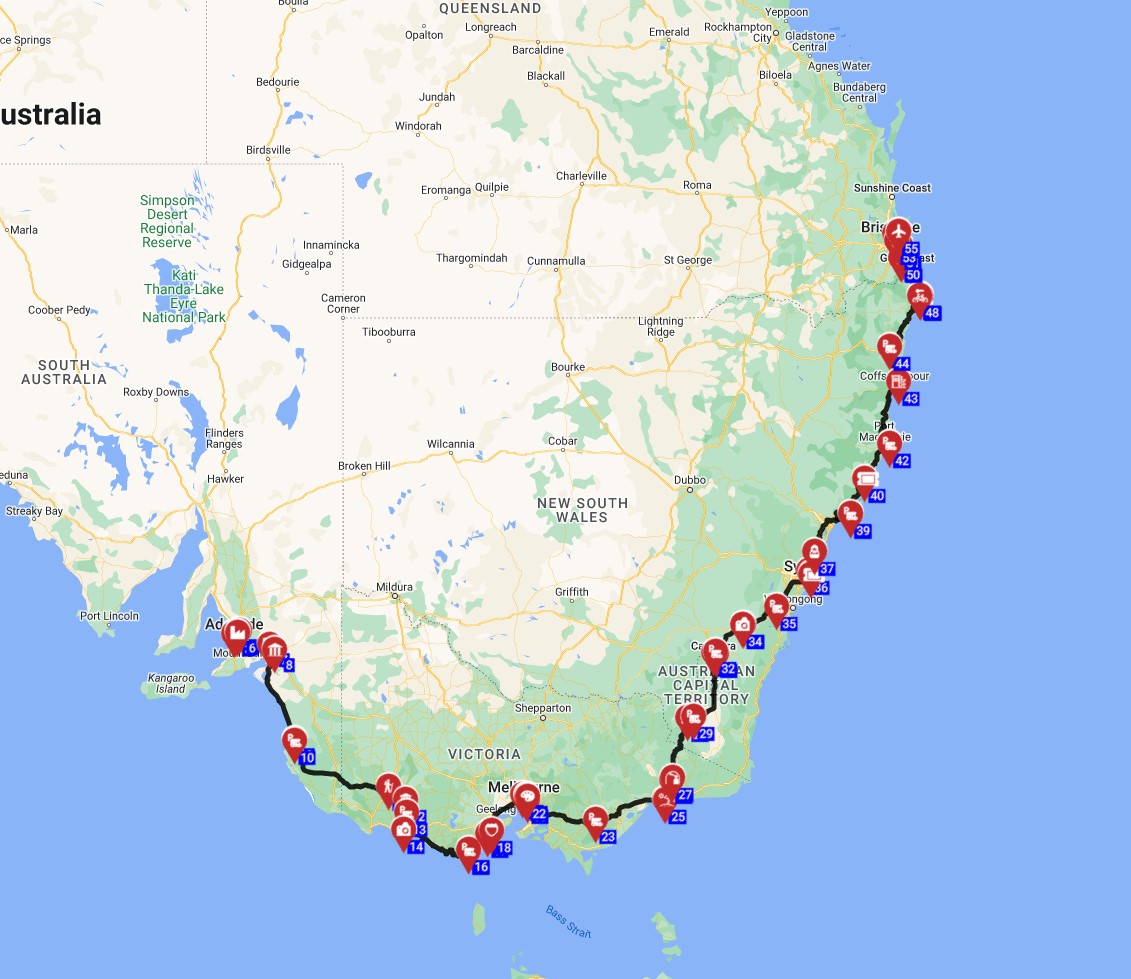
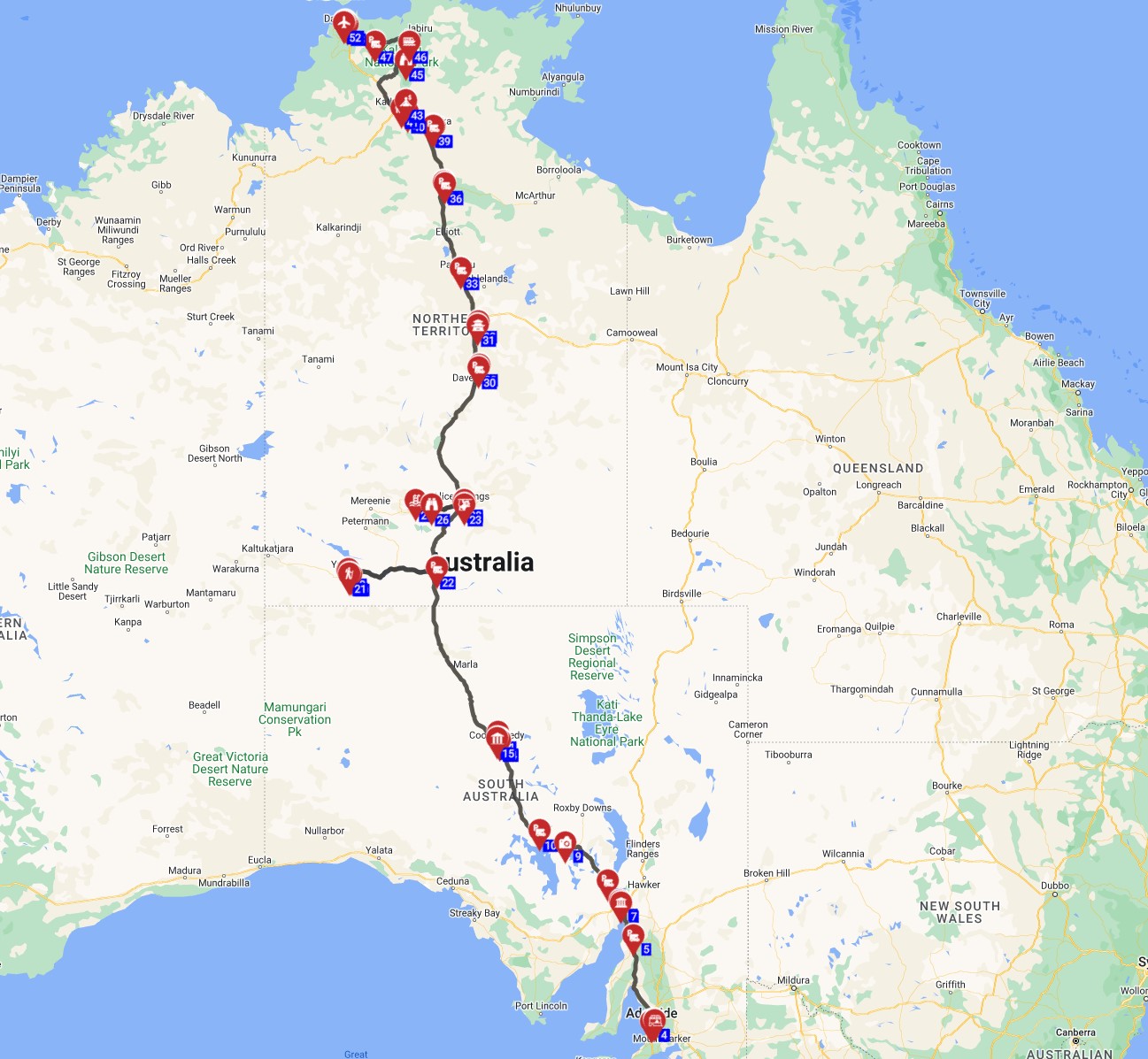
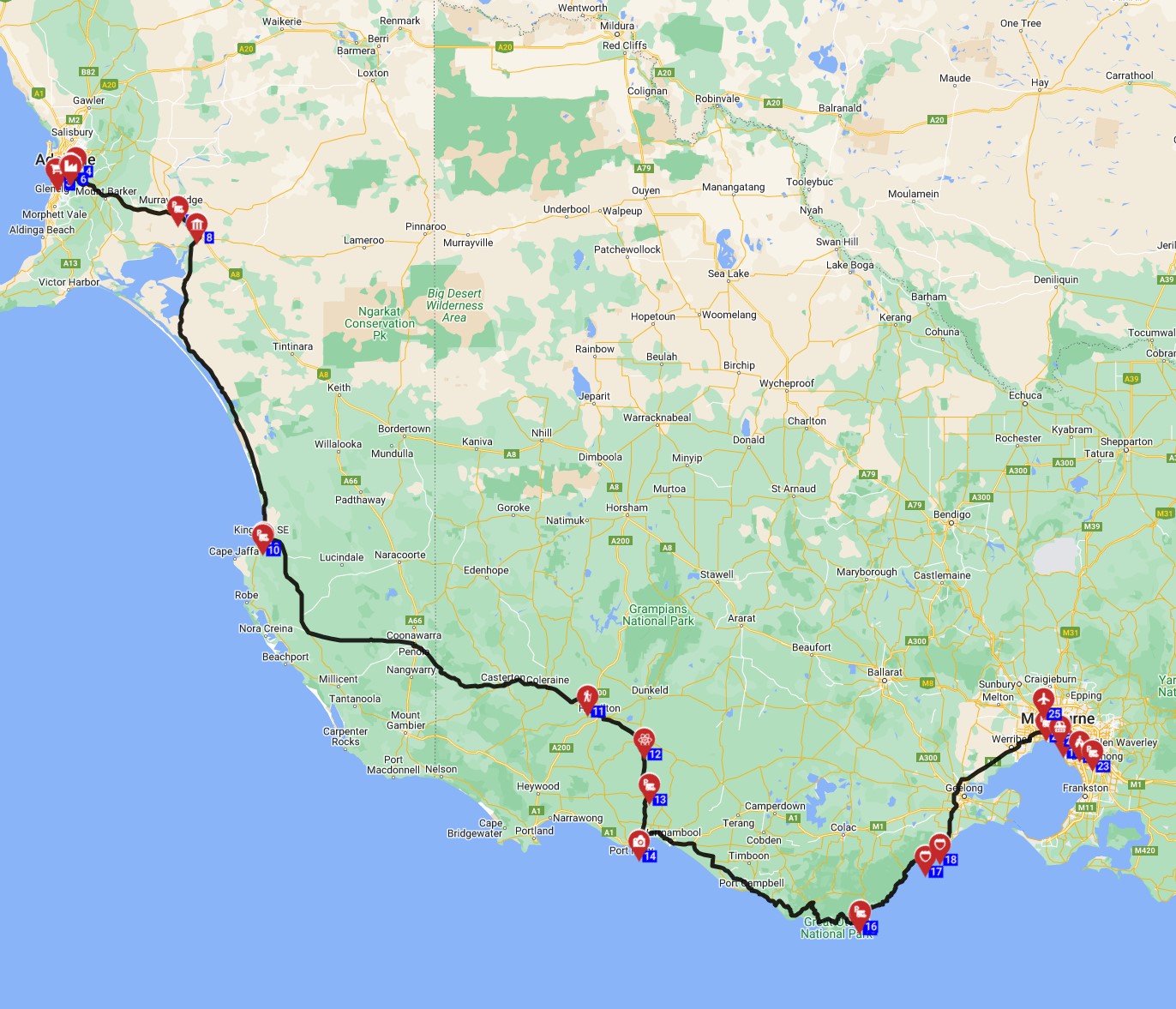
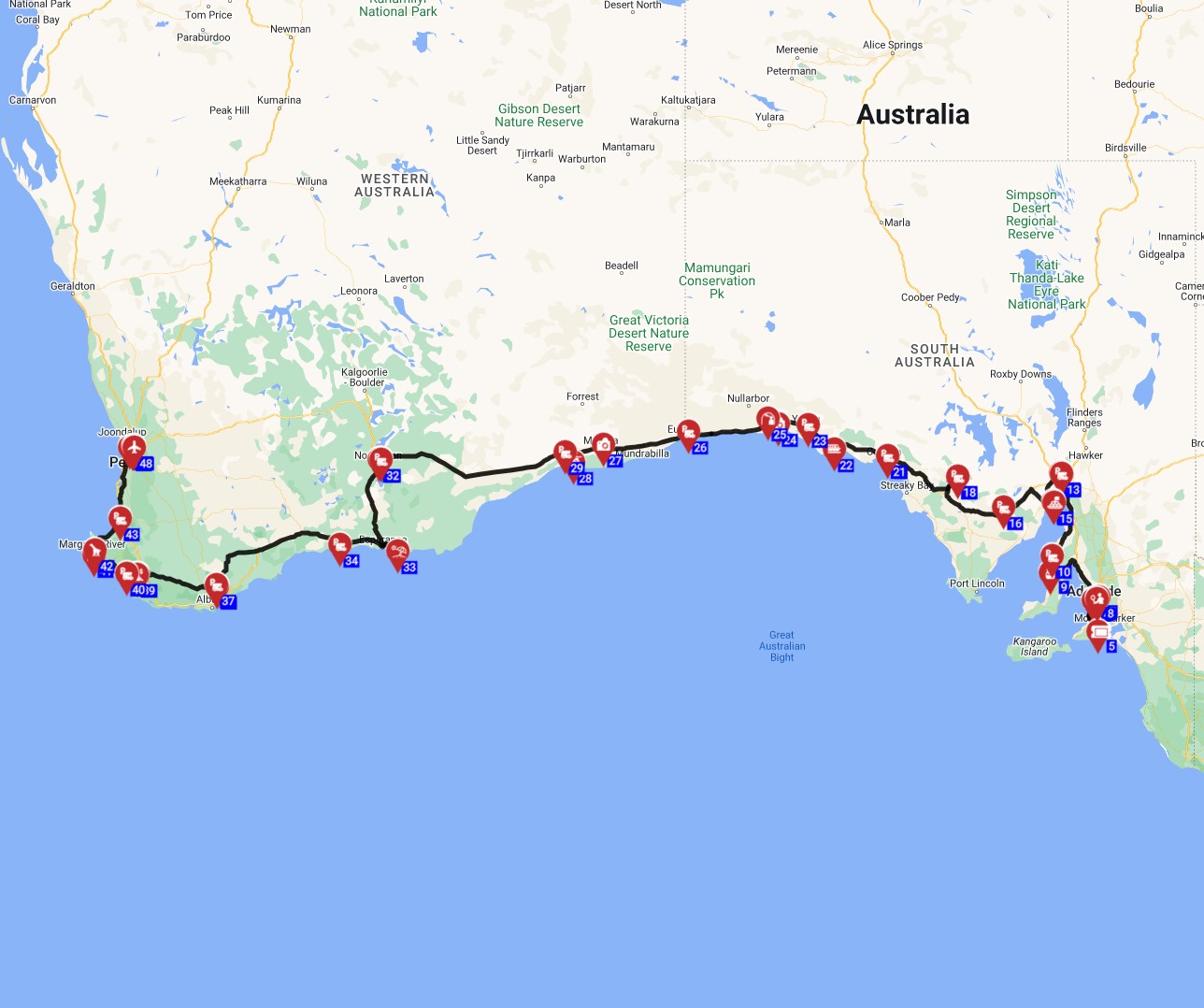
- **Melbourne to Darwin - Australia’s Heartline Road Trip**: Embark on this epic 26-day, 5,622 km journey from Melbourne to Darwin, experiencing 2 wildlife shows, 5 hiking areas, and 3 museums. It's a true adventure through Australia's diverse landscapes.
- **Perth to Alice Springs - The Dreamtime Highway: A Journey Through Australia's Heart**: Discover the heart of Australia on this 21-day, 5,447 km route, featuring 2 wildlife watches, 4 natural features, and 3 tourist attractions.
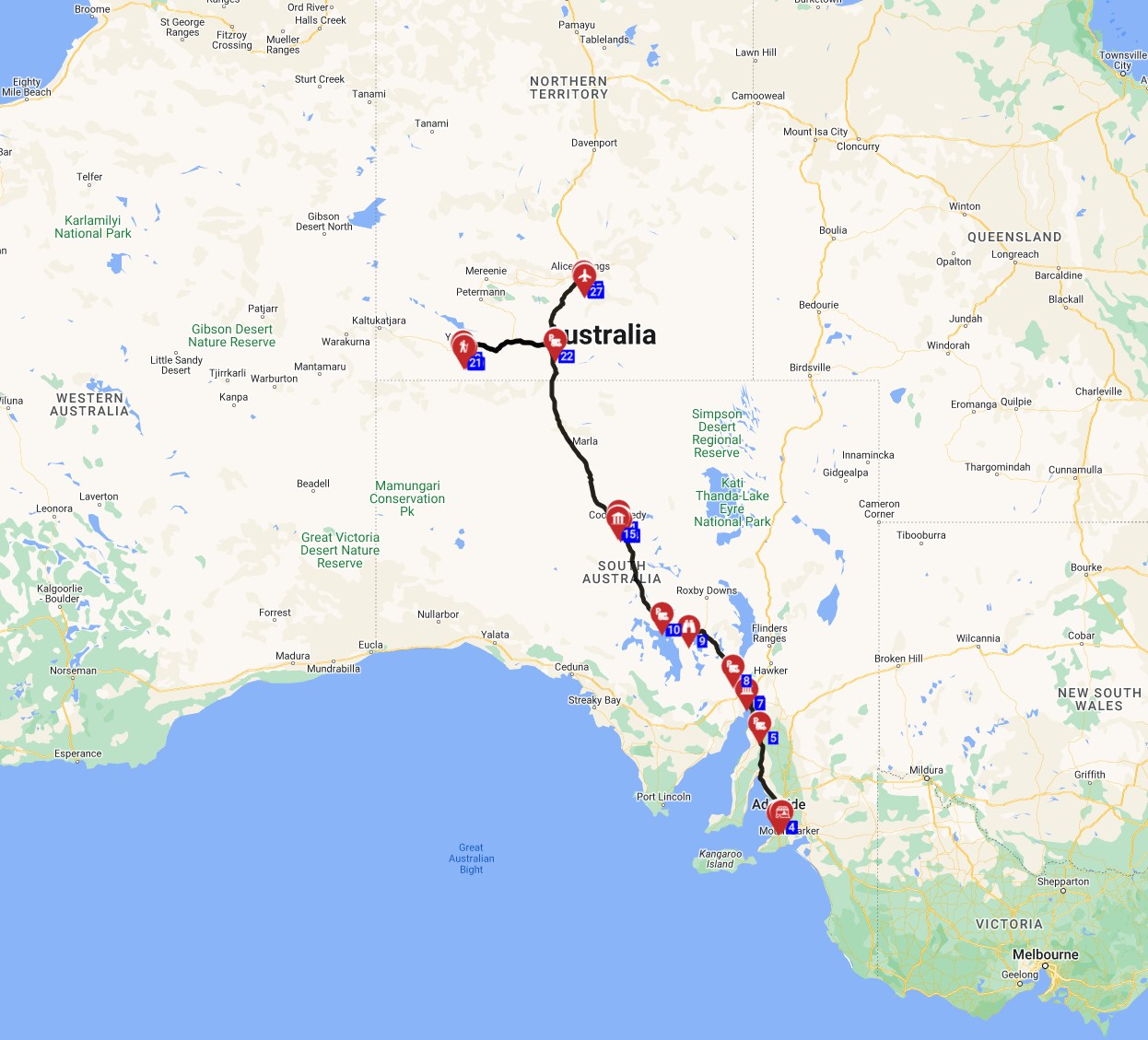
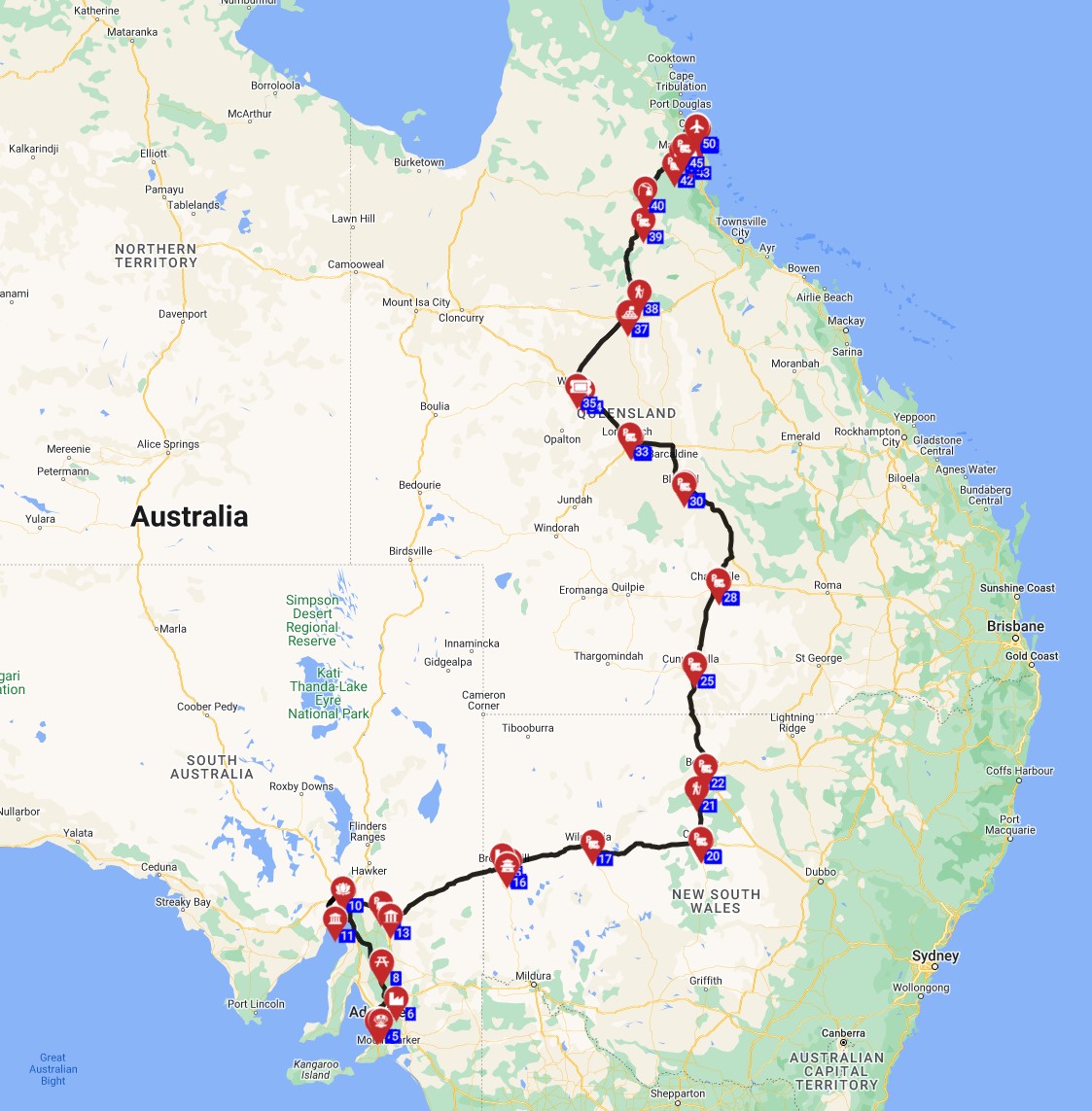
- **Cairns to Alice Springs - Northern Horizons: A Journey Through Australia's Heartland**: A 17-day, 4,003 km journey through Australia's northern interior, including 3 hiking areas, 2 natural features, and 2 caves, ideal for nature lovers.
- **The Great Ocean Road**: Drive one of the world's most scenic coastal routes, stretching 243 kilometers in Victoria, marveling at the Twelve Apostles and charming seaside towns.
- **Uluru-Kata Tjuta National Park**: Experience the spiritual heart of Australia with a visit to the iconic Uluru and Kata Tjuta, best enjoyed during sunrise or sunset, offering profound cultural insights.
- **Sydney's Iconic Landmarks**: Explore Sydney Harbour, the Opera House, and the Harbour Bridge. With a rented RV, you can park at nearby caravan parks and use public transport to navigate the city, experiencing both urban and natural wonders.
Looking for expert insights from Avi Bandana? Top 5 Adventures - recommendations from Avi Bandana
Avi Bandana, a seasoned RV traveler, often highlights routes like the Great Ocean Road for its breathtaking views and the remote beauty of the Kimberley region. His top recommendations focus on experiences that blend stunning natural landscapes with unique cultural encounters, encouraging travelers to slow down and truly absorb each destination. He emphasizes the importance of a well-planned itinerary, whether it's a coastal drive or an outback expedition, always advocating for thorough preparation and respect for local environments. His favorite Australian adventures often involve discovering secluded beaches, engaging with local communities, and witnessing the incredible wildlife in their natural habitats, all from the comfort of a well-equipped RV. These recommendations are based on over 25 years of hands-on experience exploring the world by motorhome.
Final Thoughts
Australia by luxury RV is more than just a trip; it's an immersive experience that puts you in control of your adventure. Imagine waking up to the sound of kookaburras, brewing your morning coffee in your private kitchen, and stepping out into some of the world's most spectacular landscapes. With Bandana RV, you're not just renting a vehicle; you're gaining a partner dedicated to making your journey seamless and unforgettable. Our commitment to full transparency, 24/7 support (pre and post-booking), and expertise in RV travel ensures you're well-prepared for anything the road may bring.
Whether you're planning a week-long coastal escape or an extended road trip through the vast interior, Australia offers boundless opportunities for discovery. So, embrace the freedom of the open road, travel slowly, and let the magic of this incredible country unfold before you. We're here to help you every step of the way, making your luxury RV dream a reality.
Discover top destinations, planning tips, all in one place! Compare Motorhome Prices for Australia now and start your adventure today!