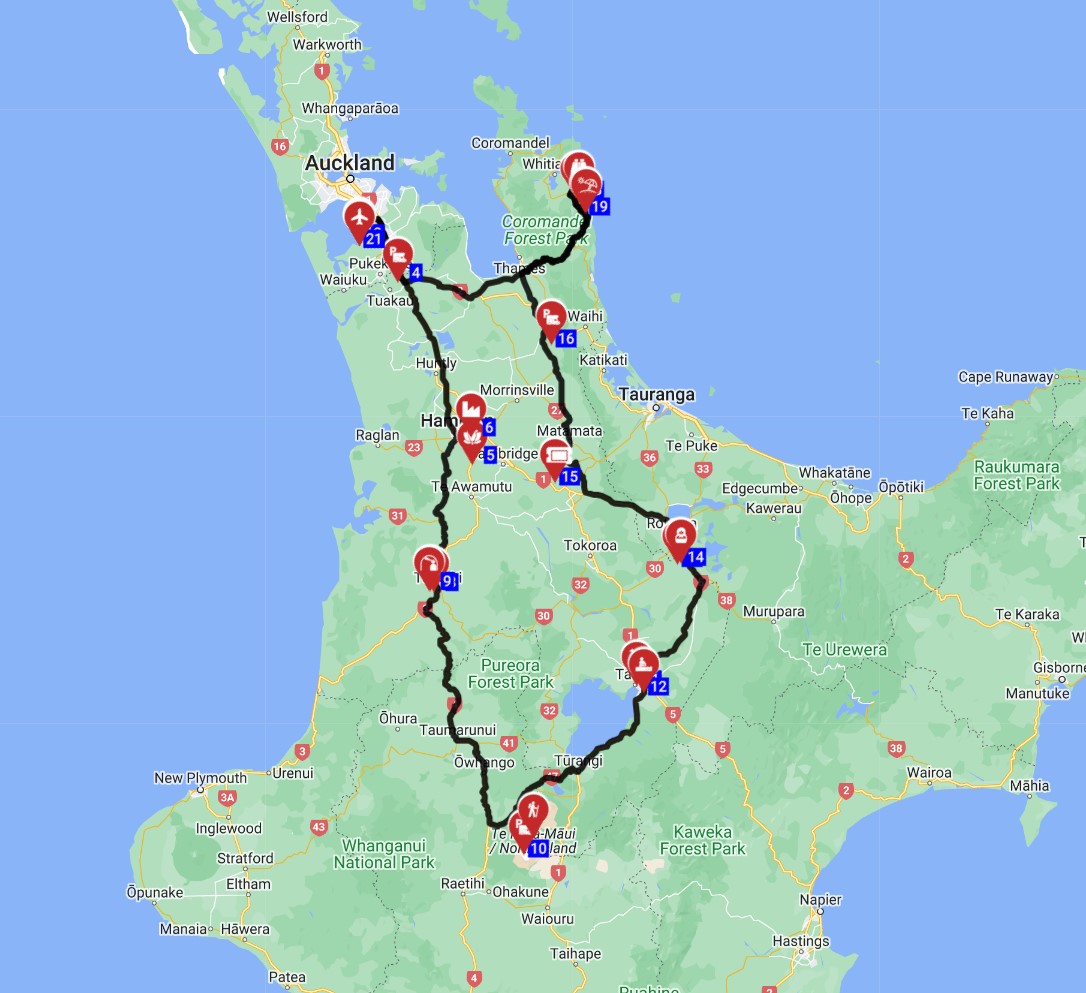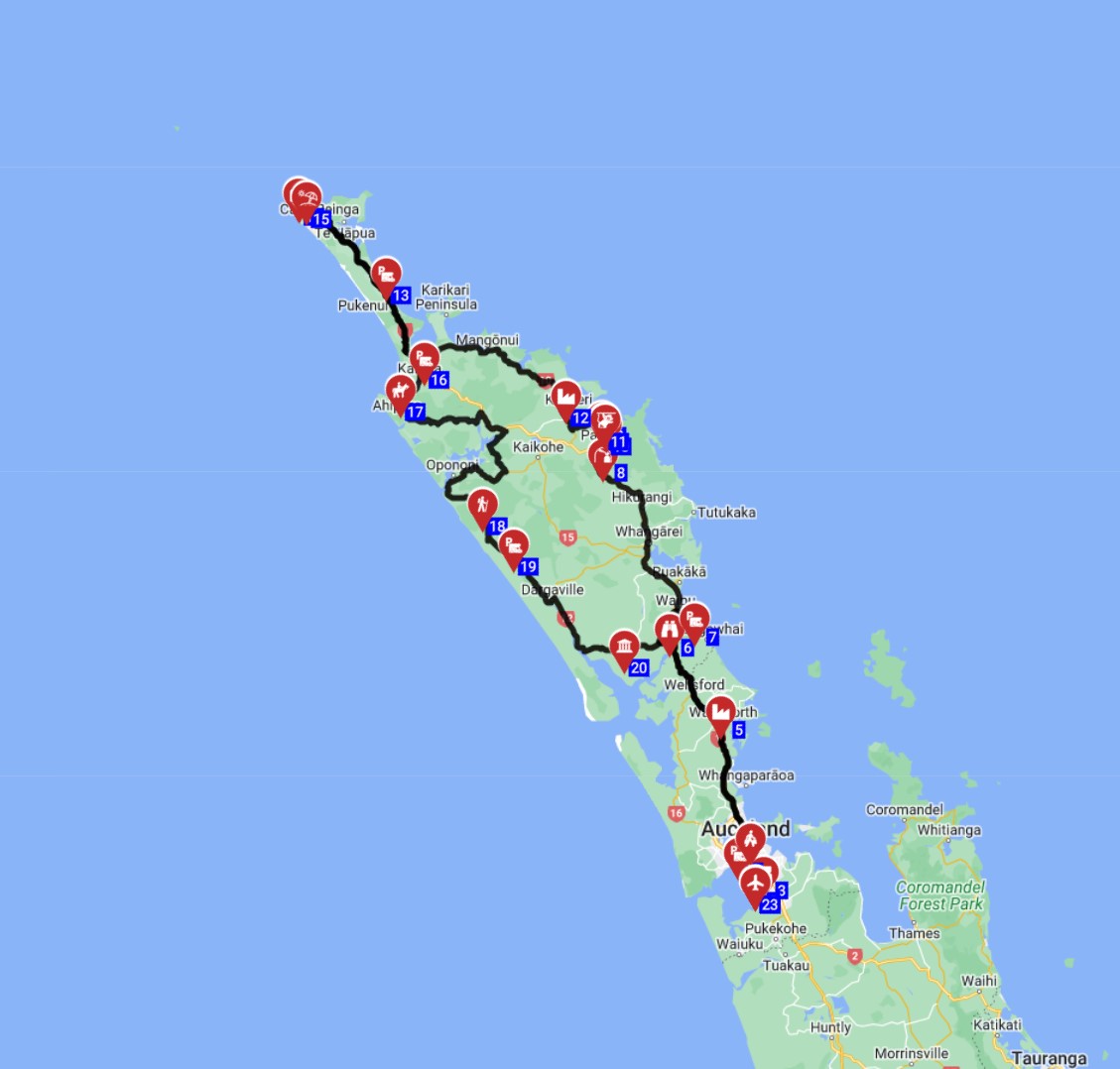
For live availability and current prices, start with our RV Rental New Zealand - Complete Guide 2026 guide.
In This Guide
- Top 5 Tips for RV Rental in New Zealand
- Is it worth it to rent a campervan in New Zealand?
- How much money would I need for 2 weeks in New Zealand?
- How much does it cost to rent an RV in New Zealand?
- Do and don'ts New Zealand?
- What is the 333 rule for campervan?
- Before You Book - Class, Dates, Insurance
- What is the best camper rental in New Zealand?
- What are the drawbacks of renting an RV?
- RV rental-Specific Tips for New Zealand
- Pre-Trip Prep - Packing Checklist for New Zealand
- On the Road - Driving, Fueling, Navigation
- Is it easy to drive a motorhome in New Zealand?
- Is it easy to campervan around New Zealand?
- At the Campground - Setup, Hookups & Etiquette
- Common Mistakes to Avoid in New Zealand
New Zealand offers an extraordinary landscape perfectly suited for an extended RV adventure, combining stunning natural beauty with a well-developed infrastructure for campervan and motorhome travelers. From the geothermal wonders of the North Island to the majestic fjords of the South Island, a rented motorhome or campervan provides unmatched freedom to explore at your own pace. For live availability and current prices, start with our RV Rental New Zealand - Complete Guide 2024 guide, which outlines essential information for planning your trip.
At Bandana RV, we specialize in helping you navigate the world of RV rentals, ensuring you have all the information and support needed for a transparent, enjoyable, and unforgettable journey. We believe in slow travel, recommending a pace of no more than 100-150 km per day on average, allowing you to truly immerse yourself in the local culture, savor the food, and appreciate every breathtaking vista.
Top 5 Tips for RV Rental in New Zealand
Planning an RV rental in New Zealand requires foresight, especially for a long-term journey, to ensure a smooth and budget-friendly adventure. Here are five crucial tips for an optimal experience:
- **Book well in advance, especially for peak seasons (December-February):** Demand for Class C motorhomes and campervans peaks during the New Zealand summer, resulting in prices that can be 2-3 times higher than in the shoulder or off-seasons. Booking 3-6 months ahead can secure better rates, potentially saving you up to 25% on your rental.
- **Understand New Zealand's self-containment rules for freedom camping:** To legally "freedom camp" (camp outside of designated campgrounds) in many areas, your rented RV must be certified self-contained, meaning it has a toilet, wastewater tank (at least 12 liters per person per day for three days), fresh water tank, and a rubbish bin. Vehicles like the "Koru Star 4 Freedom" or "Condo" are often self-contained, offering flexibility for overnight stops.
- **Budget for all costs, including rental, fuel, campgrounds, and ferry:** A comprehensive budget for a two-week trip for two people in New Zealand might range from NZD $2,500 to $6,000+, depending on your chosen RV, activities, and dining preferences. Remember to account for daily fuel costs (diesel prices average NZD $2.00-$2.50 per liter), campground fees (NZD $20-60/night), and the mandatory Interislander or Bluebridge ferry crossing between the North and South Islands (NZD $200-$500 for a motorhome with passengers). For detailed budgeting, remember that RV PLANET routes allow travelers to itemize and track every expense along the way for easy budgeting.
- **Choose an RV size that suits your group and travel style:** For couples, a compact campervan like the "Koru Star 2 Freedom (LDV)" offers maneuverability, while families of four might prefer a Class C motorhome such as the "4 Berth Adventurer," featuring a 130/200cm over-cab bed and a 140/210cm rear double bed. Larger groups could opt for a 6-berth model like the "6 Berth Deluxe" or "Koru Star 6 Freedom," which typically includes three double beds.
- **Allow generous travel times between destinations to enjoy the scenery:** New Zealand roads, especially in the South Island, are often winding with numerous single-lane bridges (over 500 total), meaning average speeds are lower than you might expect. Adhering to our recommendation of traveling slowly, max 100-150 km per day on average, allows ample time for spontaneous stops, scenic viewpoints, and truly feeling the place.
Is it worth it to rent a campervan in New Zealand?
Renting a campervan in New Zealand is overwhelmingly considered worthwhile, offering unparalleled flexibility and a deeply immersive travel experience. Unlike traditional car and hotel trips, a campervan allows you to wake up to breathtaking views in national parks, cook your own meals with local ingredients, and adjust your itinerary on a whim. The "Condo" campervan, for example, offers a compact living space with a custom-built interior, perfect for spontaneous stops.
This mode of travel often leads to significant cost savings on accommodation and food, especially if you utilize the onboard kitchen facilities (like a 2-burner gas stove and 50-liter refrigerator in many campervans) and frequent budget-friendly campgrounds or freedom camping sites. The ability to pull over at scenic spots for a cup of coffee or an impromptu picnic enhances the sense of adventure. Moreover, New Zealand's network of over 300 Department of Conservation (DOC) campsites and numerous private holiday parks caters specifically to RV travelers, making planning accessible.
How much money would I need for 2 weeks in New Zealand?
A realistic budget for a two-week RV trip in New Zealand for two people typically ranges from NZD $2,500 to $6,000+, depending on various factors like the type of RV, season, and activities chosen. RV rental costs represent a significant portion, averaging NZD $1,120-$3,360 for two weeks (based on daily rates of NZD $80-$240). Fuel expenses for covering approximately 2,000-3,000 km would add NZD $500-$800, given average fuel consumption of 10-15 liters per 100 km and current diesel prices. This estimation ensures a comfortable and flexible adventure across the North and South Islands. On the routes offered through RV PLANET routes, you can itemize and track every expense along the way for easy budgeting.
Campground fees will vary, with basic DOC sites costing NZD $10-$20 per person per night, and powered sites at holiday parks ranging from NZD $40-$70 per night. Over two weeks, budget NZD $280-$980 for camping. Groceries for two weeks, assuming you cook most meals in your rented motorhome, could be around NZD $300-$500. Activities, from NZD $50 entry fees to a museum to NZD $300+ for a thrilling jet boat ride, are highly variable but can easily add NZD $500-$1,000+. Don't forget the Interislander ferry, which typically costs NZD $200-$500 for a motorhome and two passengers.
How much does it cost to rent an RV in New Zealand?
The cost to rent an RV in New Zealand is dynamic, much like flight tickets, varying daily based on seasonality, vehicle availability, and supplier promotions. Generally, daily rental costs for a campervan or motorhome range from NZD $80 in the low season (May-September) for a compact campervan (like a "2 Berth Hi Top") to over NZD $400+ per day during peak season (December-February) for larger Class C motorhomes, such as a "Euro Deluxe" or "6 Berth Discovery" which can sleep up to 6 people.
Mandatory additions to consider include comprehensive insurance, Road User Charges (RUC) for diesel vehicles (around NZD $7.60 per 100 km), and a gas levy for LPG. Suppliers like Apollo and Britz often include basic insurance, but upgrading to a top-level deductible for extra peace of mind is an optional choice you can make. The final price is always set at the actual booking time, with full transparency, ensuring no hidden fees or surprises upon pickup. For more detailed pricing insights, refer to our "RV Rental in New Zealand - Prices and Best Deals 2024" and "Cheap RV Rental in New Zealand - Budget Guide 2024" articles.
Do and don'ts New Zealand?
When traveling in a rented RV in New Zealand, adhering to local customs and regulations ensures a respectful and enjoyable trip. Here are some key do's and don'ts:
- Do: Drive on the left side of the road. New Zealand's traffic laws require driving on the left, which can be an adjustment for visitors from right-hand drive countries. Take it slow and stay alert.
- Do: Respect Māori culture and the principle of kaitiakitanga (guardianship). This means protecting the environment and showing respect for sacred sites (tapu). Many natural features hold deep cultural significance.
- Do: Practice 'Leave No Trace' principles rigorously. Pack out everything you pack in, and dispose of waste properly at designated dump stations. New Zealand's pristine natural environment relies on every visitor's care.
- Do: Ensure your RV is certified self-contained for freedom camping. Only self-contained vehicles are permitted to freedom camp in many stunning locations. Penalties for illegal dumping or non-compliance can be substantial, up to NZD $400.
- Do: Book campgrounds and popular activities in advance, especially during peak season. While many national parks reserve 25-30% of spots as first-come-first-serve, popular locations fill up quickly. Calling ahead before driving is always a good practice.
- Don't: Litter or dump waste illegally. This is strictly prohibited and harmful to the environment. Always use official dump stations for grey and black water.
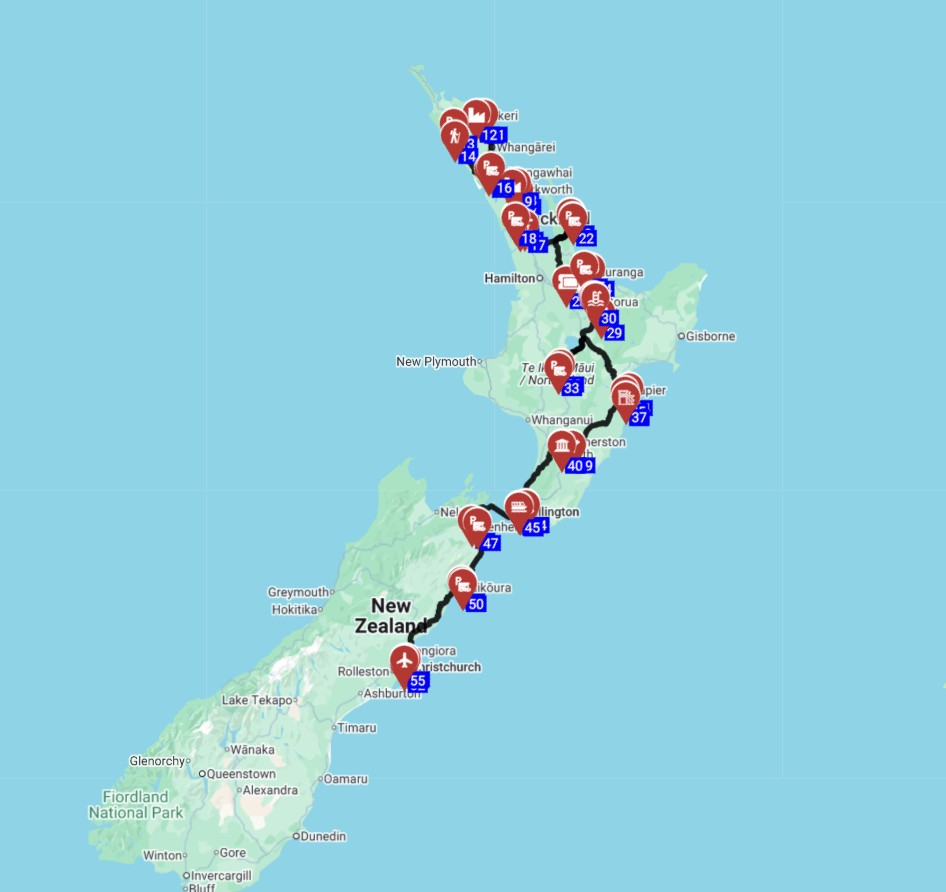
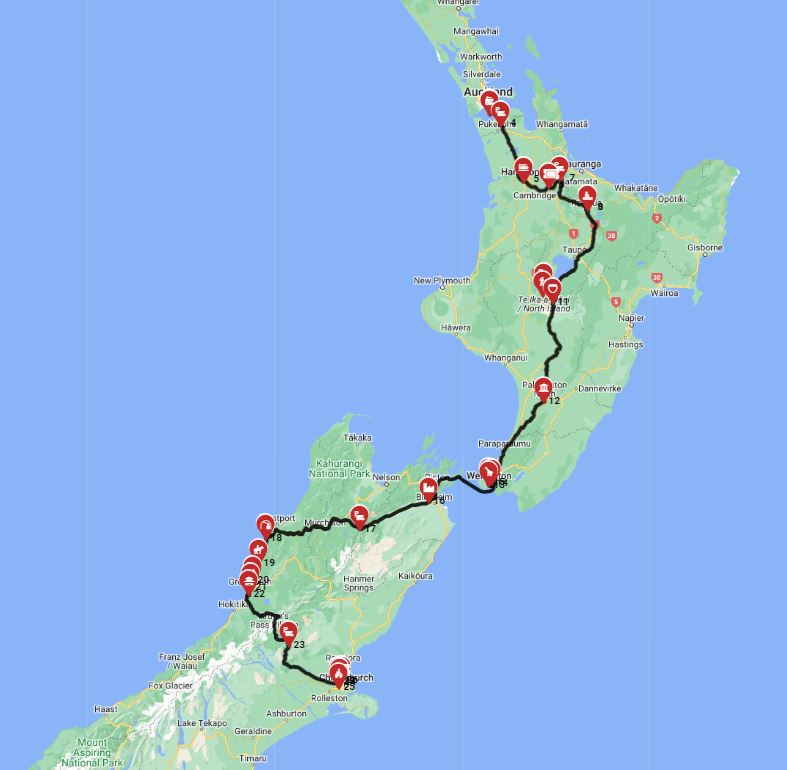
- Don't: Rush your itinerary. New Zealand's beauty lies in its diverse landscapes. Travel slowly, savor the moment, and don't feel pressured to cover too much distance each day. Our recommended RV PLANET routes are designed to help you plan a trip itinerary in advance with minimal effort and maximum enjoyment, offering options like the 25-day "
" route, which includes 4,060.2 km of curated experiences.
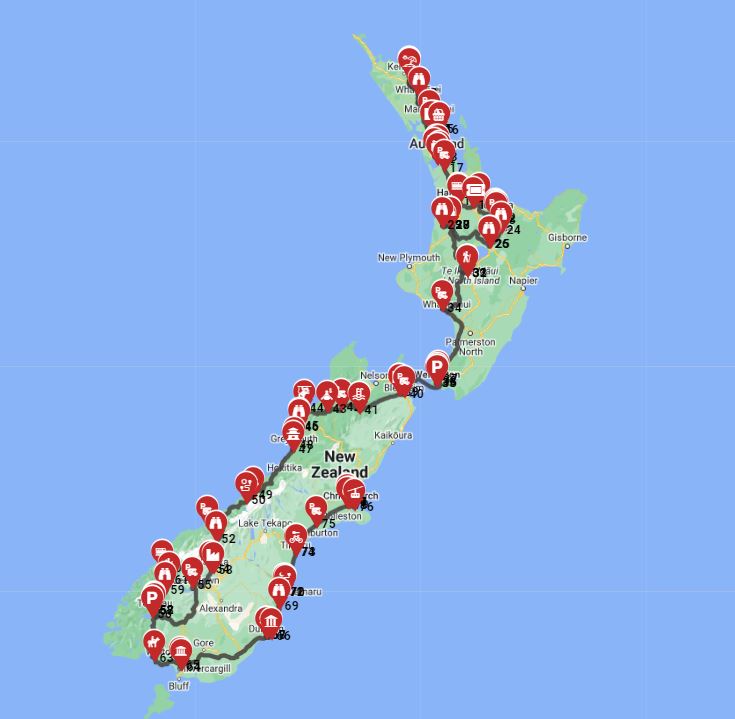 Auckland to Christchurch - Comprehensive New Zealand
 - Don't: Camp where prohibited. Always check signage for camping restrictions. Using apps like CamperMate or Rankers can help locate legal camping spots.
What is the 333 rule for campervan?
The "333 rule" is an informal yet highly recommended guideline for RV travelers, particularly relevant for extended trips in New Zealand, focusing on maximizing enjoyment, safety, and cultural immersion. It suggests:
- No more than 3 hours of driving daily: New Zealand's scenic, winding roads and frequent photo opportunities mean that covering long distances quickly is often unrealistic and unenjoyable. Limiting driving to three hours ensures drivers remain alert and passengers can appreciate the scenery.
- Stop at least every 3 hours for breaks: Regular breaks are crucial for driver fatigue management and offer opportunities to explore small towns, local attractions, or simply stretch your legs.
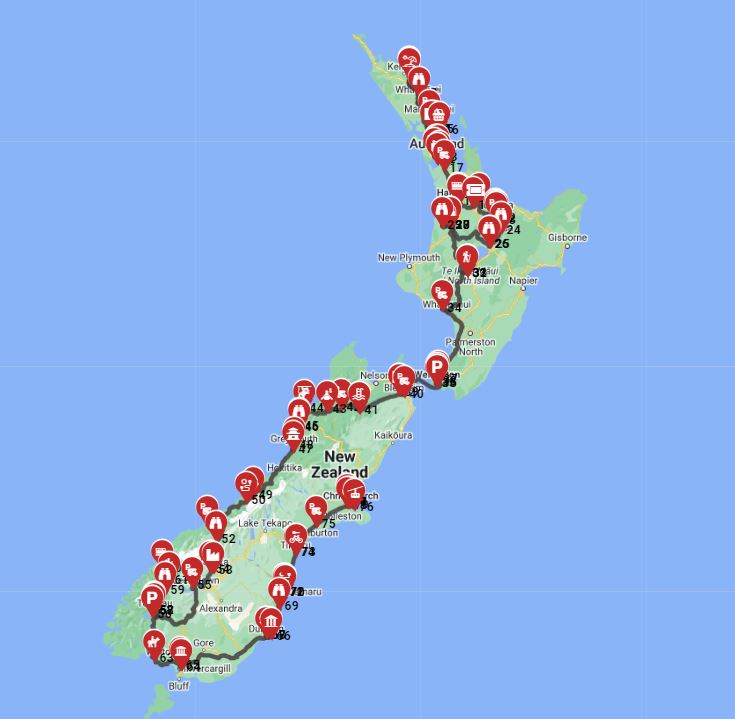
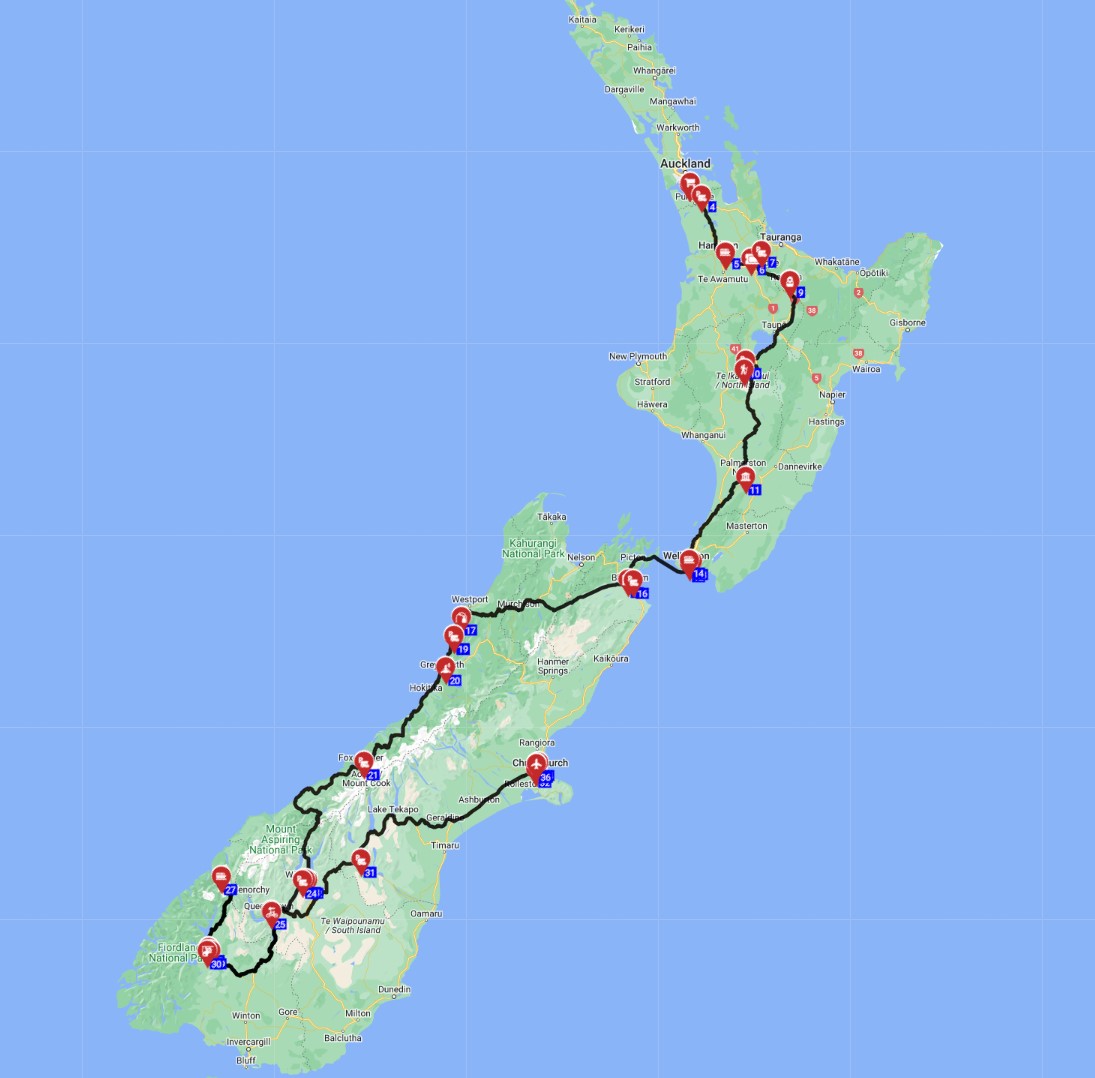
- Stay a minimum of 3 nights at a location to fully experience it: This encourages slow travel, allowing you to connect deeply with a place, explore local hikes, engage with communities, and truly relax without feeling rushed. For instance, the "
" itinerary, spanning 18 days and 2,647.3 km, encourages staying longer in areas like Fiordland National Park or Abel Tasman, which feature multiple hiking areas and natural features.
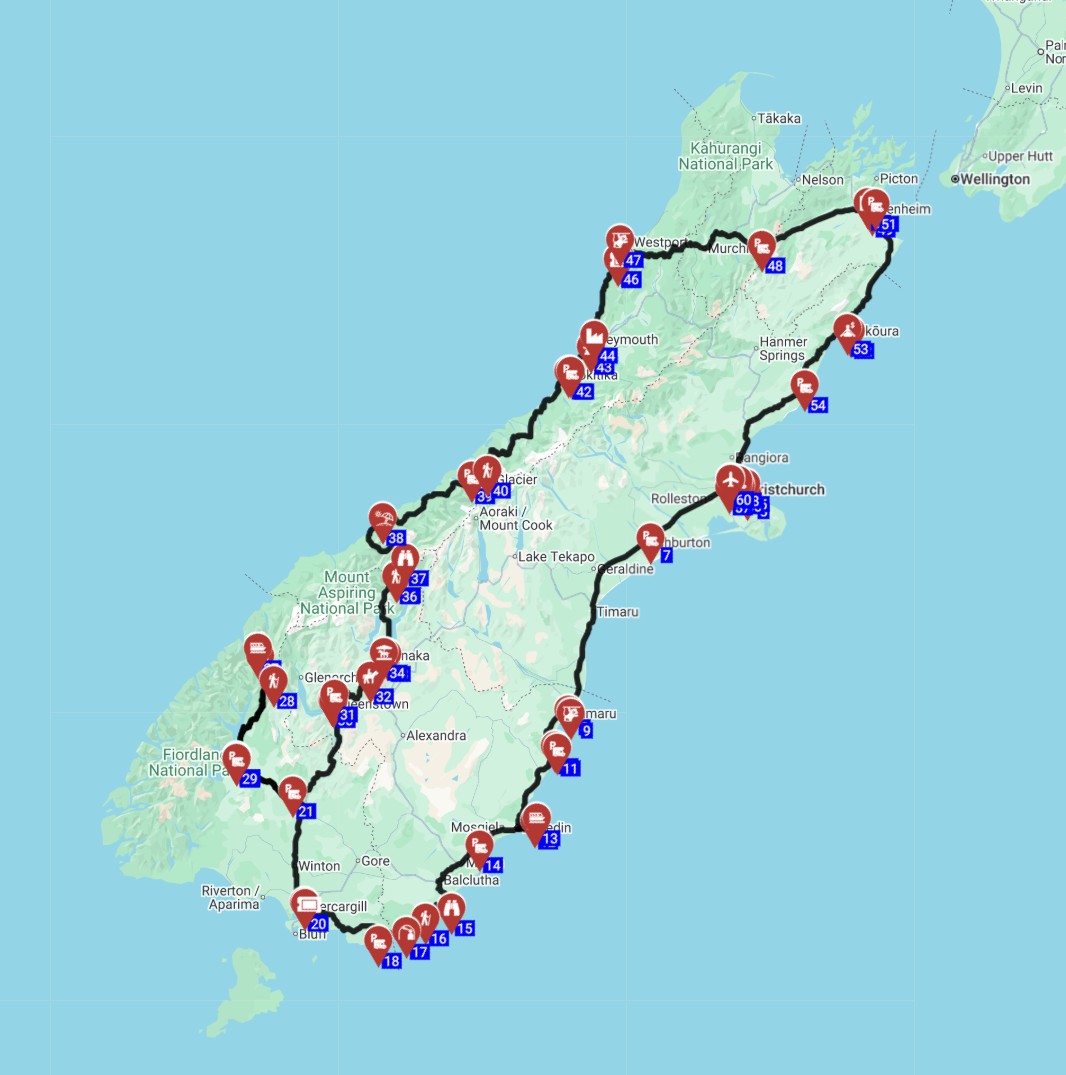 Christchurch Roundtrip - Around the South Island
Adopting the 333 rule enhances your safety on New Zealand's diverse roads and allows you to truly feel the place, connecting to the culture, the food, and the stunning scenery, which is central to the Bandana RV philosophy.
Before You Book - Class, Dates, Insurance
Before confirming your RV rental in New Zealand, it's essential to carefully consider your group size, travel dates, and insurance options to find the perfect fit. Vehicle class selection is paramount: a "2 Berth Sandpiper" is ideal for a couple, featuring a 140/190cm double bed and consuming about 14 liters per 100 km, while a larger "Jayco Excursion" Class C motorhome, with three double beds, suits families of 4-6. Automatic transmission is standard in most rental RVs in New Zealand, simplifying driving on the left-hand side of the road. You can see various rental vehicle types, from a compact "Active Classic" campervan to a spacious "6 Berth Derwent" motorhome, on our platform.
Optimal booking times for New Zealand RV rentals are generally 3-6 months in advance, especially for the peak summer season from December to February, when availability drops and prices can increase by 30% or more. Shoulder seasons (October-November and March-April) offer a balance of good weather and more favorable rates. Regarding insurance, all Bandana RV rentals include basic insurance coverage. However, we highly recommend considering an upgrade to a top-level deductible for extra peace of mind. This optional upgrade minimizes your out-of-pocket expenses in case of an accident or damage, ensuring you travel with full confidence and no surprises.
🎬 Video coming soon
For a detailed video guide on practical tips and top spots, you might enjoy our "RV Travel Guide to New Zealand - Tips and Top Spots 2024" once it's available. Remember, a standard car driver's license is sufficient for all motorhome classes in New Zealand, and the minimum rental age is 21 with no young driver surcharges.
What is the best camper rental in New Zealand?
The "best" camper rental in New Zealand truly depends on your individual budget, group size, desired amenities, and overall travel style. For couples seeking a compact and agile vehicle for urban exploration and scenic drives, a campervan like a "2 Berth Hi Top" or "Juliette 2-3" is often ideal. These vehicles, frequently offered by suppliers like Jucy or Britz, provide essential cooking and sleeping facilities. For instance, the "2 Berth Hi Top" often includes a 40-liter fridge and a basic gas stove, perfect for preparing simple meals on the go. If you are comparing options, remember Bandana Caravan offers full transparency on pricing from 50+ leading RV suppliers worldwide, including Apollo and Britz, so you always know what you're getting.
Families or groups of 4-6 people typically find Class C motorhomes, such as a "4 Berth Deluxe" or "Euro Camper," more suitable. These models offer more spacious living areas, separate sleeping zones (like a 130/200cm over-cab bed and a 140/210cm rear double bed in a "4 Berth Adventurer"), and often include a shower and toilet. Vehicles like the "Euro Deluxe" cater to those seeking a balance of comfort and space, often featuring a larger 190-liter refrigerator and microwave, enabling more elaborate cooking experiences (don't forget to check out our RV-friendly recipes playlist for meal inspiration!). Ultimately, the best rental is one that aligns perfectly with your trip's needs and budget, and our platform helps you compare options to make that informed decision.
What are the drawbacks of renting an RV?
While RV travel in New Zealand offers incredible freedom, it's important to be transparent about potential drawbacks to set realistic expectations. One common concern is the overall cost, which can sometimes be higher than a car-and-hotel trip for shorter durations, especially when factoring in dynamic rental rates, fuel, and campground fees. For example, a "Luxury RV Rental in New Zealand - Premium Prices 2024" will naturally have a higher daily rate than a basic campervan. Additionally, while Bandana provides 24/7 support for your booking process and coordination, actual on-road assistance during your trip is typically handled by the individual rental supplier's roadside assistance program, so knowing their contact details is crucial.
Another aspect is driving and parking a larger vehicle. While most roads in New Zealand are well-maintained, they can be narrow and winding, particularly in scenic areas, and negotiating cities like Auckland or Queenstown requires careful attention. However, remember: drive slowly and carefully, and you can drive almost anywhere without issues. No need to stress - just use common sense and pay attention. Logistics such as managing waste disposal (emptying grey and black water tanks at designated dump stations) and refilling fresh water tanks are part of the RV experience, requiring a little planning. Lastly, for spontaneous travelers, finding last-minute campsites during peak season can be challenging; however, many national/state parks reserve 25-30% of spots for advance booking, with the rest being first-come-first-serve, so you'll often find a spot if you call ahead.
RV rental-Specific Tips for New Zealand
Tailoring your RV rental experience to your group's specific needs can greatly enhance your New Zealand adventure. For families with kids (4-6 people), choosing a Class C motorhome like the "4 Berth Henty" or "Jayco Journey 6" provides ample space for sleeping and daily activities. Look for models with separate dining areas and sufficient storage for toys and luggage. Planning kid-friendly stops at playgrounds or interactive museums, and ensuring your RV PLANET routes include places like wildlife parks, will keep everyone entertained. Remember, Bandana Caravan offers true RV specialists who genuinely know RV travel and love helping people discover it, providing support before, during, and after your booking.
For retired couples, comfort and ease of driving are often priorities. Consider smaller, automatic Class B campervans or Class C motorhomes with ergonomic designs, such as a "2 Berth Tamar" or "Kiwi Compact," which typically offer comfortable beds and easy-to-use kitchenettes. Plan for shorter travel days and prioritize destinations with easy access and amenities. Budget travelers can significantly save by utilizing self-contained camping options, cooking most meals onboard, and taking advantage of New Zealand's numerous free natural attractions, such as hiking trails and scenic viewpoints. Our "One-Way RV Rental in New Zealand - Price Guide 2024" can also help explore flexible pickup/drop-off locations to optimize your budget.
Pre-Trip Prep - Packing Checklist for New Zealand
Thorough preparation is key for any RV trip in New Zealand, ensuring you're ready for its diverse climates and outdoor activities. Here’s an essential packing checklist:
- Clothing for variable weather: New Zealand's weather can change rapidly, often experiencing "four seasons in one day." Pack layers, including waterproof and windproof outerwear, warm fleeces, quick-drying activewear, and sturdy hiking boots. Even in summer, evenings can be cool, especially in the South Island.
- Kitchen essentials: Most RV rentals, such as the "Kiwi Deluxe Euro 2 ST" campervan, come with basic kitchenware (pots, pans, utensils, plates). However, consider bringing your favorite reusable coffee cups, a sharp knife, and a small cutting board if you plan extensive cooking. Don't forget reusable grocery bags!
- Safety gear: A comprehensive first-aid kit, headlamps or flashlights, spare batteries, and reflective vests (especially if you plan to walk alongside roads in low light) are crucial. A multi-tool can also be incredibly handy.
- Crucial documents: Always carry your valid driver's license. An International Driving Permit (IDP) is highly recommended for visitors from non-English speaking countries, though not strictly mandatory in all cases. Keep physical copies of your RV rental booking confirmation, insurance details (including the optional top-level deductible reimbursement), and passport.
- Connectivity: Consider purchasing a local SIM card from providers like Spark or Vodafone upon arrival in Auckland or Christchurch for reliable internet and phone service. While many campgrounds offer Wi-Fi, it can be slow or limited. Offline maps (e.g., Google Maps, Maps.Me) are invaluable for areas with limited reception.
On the Road - Driving, Fueling, Navigation
Driving a rented motorhome in New Zealand offers stunning vistas but requires attention to local road rules and conditions. The most important rule is to **drive on the left side of the road**. This can take some getting used to for drivers accustomed to right-hand traffic. Speed limits are generally 100 km/h on open roads and 50 km/h in urban areas. Always adhere to these limits and adjust your speed for winding roads or adverse weather conditions.
You'll encounter many unique road signs, notably for **single-lane bridges**, especially in the South Island. These signs clearly indicate who has the right of way, so pay close attention. Drive slowly and carefully, and you can drive almost anywhere without issues. No need to stress - just use common sense and pay attention. Fueling your RV is straightforward; petrol (gasoline) and diesel are widely available. Diesel vehicles typically incur a Road User Charge (RUC), which is factored into your rental agreement. Utilize GPS apps like Google Maps or HERE WeGo for navigation, but always download offline maps for areas with limited mobile reception. For routes planned by professionals, check out our Rent&Plan service with over 1,300 pre-planned routes across 5 continents via rvplan.net.
Is it easy to drive a motorhome in New Zealand?
Driving a rented motorhome in New Zealand is generally manageable for most drivers, provided they are comfortable with operating a larger vehicle and driving on the left-hand side of the road. New Zealand's roads are well-maintained, even in rural areas, but they can be narrower and more winding than what some international travelers are accustomed to. For instance, mountain passes and coastal routes often feature sharp turns and gradients that require a cautious approach.
Motorhomes come in various sizes, from compact campervans like the "Koru 2 Freedom" (length 5.99m) to larger Class C models like the "Euro Deluxe" (length 7.2m-7.8m). It's wise to choose an RV size that you feel comfortable maneuvering. The key is to drive slowly and carefully, pay attention to road signs, and allow extra time for your journeys. There's no need to stress about city driving, just use common sense and awareness of your vehicle's dimensions. Many motorhomes, like the "Paradise S/T," feature automatic transmissions, making driving easier, especially when navigating varied terrain. An International Driving Permit (IDP) is recommended for visitors from non-English speaking countries, complementing your home country license.
Is it easy to campervan around New Zealand?
Campervanning around New Zealand is exceptionally easy and well-supported, thanks to the country's robust infrastructure catering specifically to RV travelers. New Zealand offers an extensive network of campgrounds, including Department of Conservation (DOC) sites (often basic but scenic, around NZD $10-$20/night), private holiday parks (offering powered sites, hot showers, and full facilities for NZD $40-$70/night), and designated freedom camping spots for certified self-contained vehicles. RV PLANET (rvplan.net) is a great resource for locating available spots along your route.
The road network, while sometimes challenging with winding sections and single-lane bridges, connects all major attractions and many remote gems. Fuel stations are readily available in towns and along main highways. Managing waste disposal is also convenient, with numerous dump stations located at campgrounds, rest areas, and specific service points. The primary consideration for ease of travel revolves around understanding and adhering to self-containment rules, as discussed previously. With the freedom of a rented campervan, like a "Crib" for couples or a "Condo" for small families, exploring New Zealand's diverse landscapes, from the beaches of Northland to the mountains of Queenstown, becomes a seamless and enriching experience.
At the Campground - Setup, Hookups & Etiquette
Arriving at a New Zealand campground with your rented RV is part of the adventure, and knowing proper setup and etiquette ensures a pleasant stay for everyone. When setting up at a powered site, the correct hookup order is crucial: first, connect your power cord to the RV, then to the campground's power pedestal. This protects your vehicle's electrical system. Next, connect your fresh water hose to the campground tap (if available) and your RV's inlet, and ensure your grey water hose is properly positioned for drainage into a designated waste point.
Proper waste management is paramount in New Zealand. Dispose of grey water (from sinks and showers) and black water (from the toilet) only at designated dump stations, which are widely available at campgrounds and public facilities. Never dump wastewater into natural environments. Observing campground quiet hours (typically 10 PM to 7 AM) and maintaining a clean campsite are essential aspects of etiquette. Practicing 'Leave No Trace' principles extends to all natural settings, meaning you take all rubbish with you and leave no visible impact of your stay. For finding campsites and campgrounds during your trip, we recommend using RV PLANET (rvplan.net) - a great resource for locating available spots along your route.
Common Mistakes to Avoid in New Zealand
Even seasoned travelers can make common mistakes when renting an RV in New Zealand, but with a little preparation, you can avoid them and enhance your journey. A frequent oversight is **underestimating driving times**. New Zealand's roads, particularly the scenic routes in the South Island, are often winding, mountainous, and feature numerous single-lane bridges, meaning average speeds can be much lower than anticipated. Always add extra time to your estimated travel durations for scenic stops and unexpected delays. Our guide on "RV Rental Australia - Complete Guide 2024" also highlights similar driving considerations for the wider region.
Another common mistake is **not booking campgrounds in advance, especially during peak season**. While many national/state parks reserve 25-30% of spots for first-come-first-serve, popular holiday parks in destinations like Queenstown or Rotorua can fill up months ahead. Secure your spots, especially for larger Class C motorhomes, to avoid scrambling for a place to stay. Ignoring self-containment rules is another pitfall; only freedom camp in designated areas with a certified RV to avoid fines and protect the environment. Finally, failing to budget comprehensively for all trip costs beyond just the rental is a common error. Always account for fuel, campground fees, the Interislander ferry, and activities to ensure no financial surprises.
What You Shouldn't Miss
New Zealand is a land of incredible diversity, and some experiences are simply non-negotiable for any RV traveler. Here are a few highlights:
- Fiordland National Park: Cruise Milford Sound or Doubtful Sound, experiencing towering cliffs and cascading waterfalls. This area is a highlight of the "
" itinerary.
Christchurch Roundtrip - Around the South Island
- Queenstown - The Adventure Capital: From bungee jumping to jet boating, Queenstown offers a huge array of adrenaline-pumping activities.
- Rotorua's Geothermal Wonders: Explore bubbling mud pools, geysers, and Maori cultural experiences at Te Puia or Wai-O-Tapu Thermal Wonderland.
- The Tongariro Alpine Crossing: One of the world's best day hikes, offering dramatic volcanic landscapes (weather permitting).
- Abel Tasman National Park: Kayak along golden beaches or hike portions of the coastal track, accessible with a smaller campervan.
- West Coast Glaciers (Franz Josef & Fox Glacier): Witness the unique phenomenon of glaciers descending into temperate rainforest.
Looking for expert insights from Avi Bandana? Top 5 Adventures - recommendations from Avi Bandana
Final Thoughts
Embarking on an extended RV rental adventure in New Zealand promises an unparalleled journey through some of the world's most spectacular landscapes. With a solid understanding of local driving customs, self-containment rules, and smart budgeting, you're set to explore the country at a pace that truly lets you absorb its magic. Remember, the goal is not just to see New Zealand, but to feel it, connect with its vibrant culture, and let its natural beauty leave a lasting impression.
Whether you're planning a two-week exploration of the South Island or a comprehensive month-long tour of both islands, a rented motorhome offers the freedom and flexibility to craft your dream itinerary. With Bandana Caravan's commitment to transparency, genuine expertise, and comprehensive support throughout your booking process, your New Zealand RV adventure is in capable hands. Don't wait; the open roads of Aotearoa are calling!
Get inspired for your next trip! Discover top destinations, planning tips, all in one place! Plan a trip itinerary in advance with minimal effort and maximum enjoyment. Compare Motorhome Prices for New Zealand now.