In This Guide
- Top 5 Tips for long term rv rental RV Rental in Central North US
- Before You Book - Class, Dates, Insurance
- Pre-Trip Prep - Packing Checklist for Central North US
- On the Road - Driving, Fueling, Navigation
- At the Campground - Setup, Hookups and Etiquette
- long term rv rental-Specific Tips for Central North US
- Common Mistakes to Avoid in Central North US
- What is the 3-3-3 rule for RV?
- What RVs to stay away from?
- What is the 2 2 2 rule for RV?
- What state is most RV friendly?
- What is the average cost to rent an RV for a month?
- What is the 444 rule for RV?
- Is it cheaper to rent an RV or stay in a hotel?
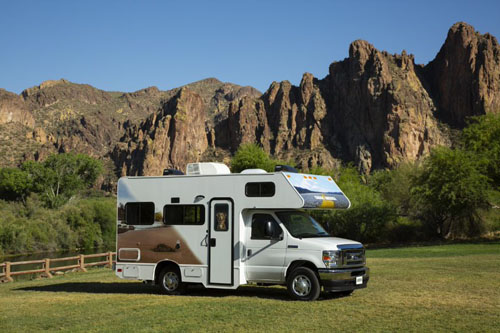
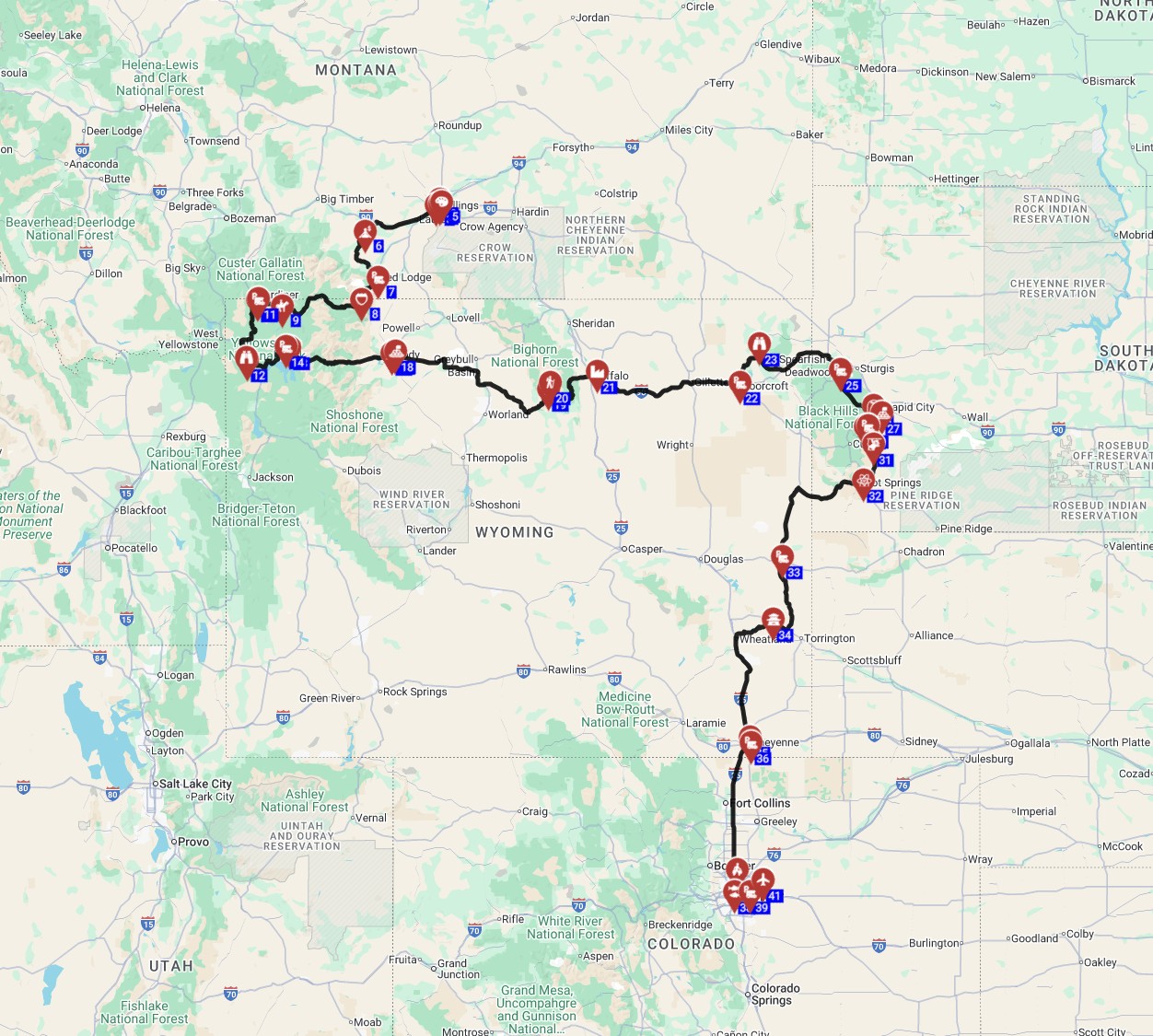
Embarking on an extended motorhome adventure through the Central North US offers unparalleled freedom, allowing you to immerse yourself in vast prairies, dramatic badlands, and the serene beauty of the Great Lakes. A long-term RV rental transforms your journey into a true home-on-wheels experience, where every day brings new horizons and unforgettable memories. Whether you dream of waking up to a Badlands sunrise or exploring charming Midwestern towns, a rented campervan or motorhome is your ticket to discovery.
To truly maximize your experience and ensure a smooth, enjoyable trip, some thoughtful planning and preparation are key. This comprehensive guide will walk you through everything you need to know for a successful long-term RV rental in Central North US. For live availability and current prices, start with our RV Rental Central North US - Complete Guide 2026 guide, which offers an excellent starting point for your research.
🎬 Video coming soon
Top 5 Tips for long term rv rental RV Rental in Central North US
Planning ahead, particularly for long-term rentals in the Central North US, secures better rates and availability, especially during peak summer and fall foliage seasons. By organizing your itinerary 3-6 months in advance, you can often save up to 25% on rental costs and choose from a wider selection of motorhomes, from compact campervans like the 'rv rental denver example Category Van' to spacious Class C models like the 'cruise america rv rental example Explorer'. Researching local weather patterns across the region is essential as conditions can vary significantly, impacting packing and route choices. Imagine yourself driving through South Dakota's Black Hills, experiencing crisp autumn air, then heading south to Kansas where temperatures are much warmer.
Considering an RV class suitable for diverse terrains, from the flat prairies of Nebraska to the rugged Black Hills of South Dakota, ensures comfort and capability throughout your journey. A smaller Class B campervan offers easy maneuverability for city exploration in Minneapolis or Chicago, while a larger Class C motorhome provides ample living space and storage for extended trips with family. Budgeting for more than just rental fees, including fuel, varied campground costs, and potential unexpected expenses, provides a realistic financial outlook; a long-term trip means significant fuel consumption, so factoring in average gas prices around $3.50-$4.00 per gallon is wise. Finally, familiarizing yourself with the rented RV's specific features and operational procedures before departure reduces stress and enhances safety on the road. Bandana RV offers comprehensive handover instructions and support, ensuring you're confident behind the wheel. On the routes offered through RV PLANET routes, you can itemize and track every expense along the way for easy budgeting.
Before You Book - Class, Dates, Insurance
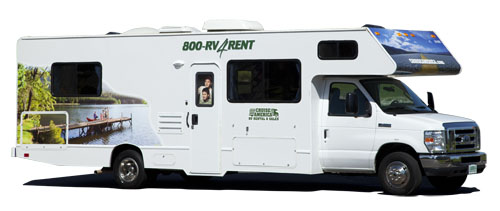
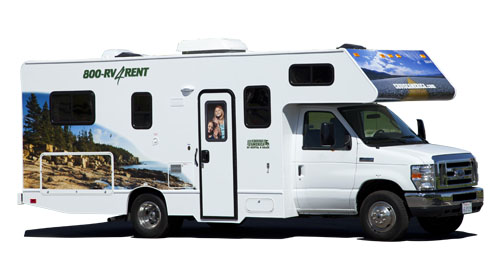
Selecting the appropriate RV class for long-term travel in the Central North US depends on factors like group size, desired amenities, and driving comfort. Class C RVs, such as the '24' Class C Motorhome' which sleeps up to 5 with a 166-liter freshwater tank, offer a balanced blend of maneuverability and living space, ideal for families. For maximum luxury and storage on a longer adventure, a Class A motorhome like the 'Class A - Thor ACE 30' offers extensive amenities and space for up to 6 travelers. For solo travelers or couples, a Class B campervan, like the 'rv rental denver example Category Van', provides excellent fuel efficiency and ease of parking.
Booking your RV rental well in advance, especially for long-term trips spanning several weeks or months in the Central North US, typically results in better vehicle selection and more favorable pricing, particularly for 2026 travel. You'll find that prices are dynamic, changing daily based on availability, seasonality, and supplier marketing decisions, similar to flight tickets. Understanding RV insurance options is crucial for peace of mind; basic insurance is always included with rentals, covering minimum liability. For enhanced protection during your extended journey, you can upgrade to a top-level deductible for extra peace of mind, ensuring minimal out-of-pocket expenses in case of an unforeseen incident.
If you are looking for specific pricing insights, consider exploring dedicated resources like RV Rental in Central North US - Prices and Best Deals 2026 or One-Way RV Rental in Central North US - Price Guide 2026 to compare different rental options.
Pre-Trip Prep - Packing Checklist for Central North US
A comprehensive packing checklist, tailored for the Central North US, helps ensure you have all necessary items for varying climates and activities, from exploring vibrant cities to remote natural parks. Consider the diverse weather conditions; summer days on the plains can reach 30°C (86°F), while northern states like Minnesota can see much cooler evenings, even in spring or fall.
Clothing:
- Layered clothing (moisture-wicking, insulated, rain gear) to adapt to temperature swings.
- Sturdy hiking boots for trails in national parks and comfortable walking shoes for city explorations.
- Hat, sunglasses, and sunscreen for sun protection, especially on open roads and lakeside.
- Swimsuit for lakes or campground pools, common in warmer months.
Kitchen:
Having a well-stocked kitchen is one of the joys of a long-term RV rental, allowing you to prepare your own RV-friendly recipes playlist on the go.
- Basic cooking utensils, pots, and pans are essential for preparing meals.
- Plates, bowls, and cutlery (reusable preferred) to reduce waste.
- A portable coffee maker for your morning brew on scenic overlooks.
- A cooler for extra drinks and snacks, keeping your main RV refrigerator less crowded.
Safety & Utility:
- A well-stocked first-aid kit is critical for any unexpected scrapes or ailments.
- Roadside assistance contact information, readily accessible, ensures help is just a call away.
- Flashlight or headlamp with extra batteries for navigating after dark.
- Insect repellent, particularly effective for summer evenings near lakes or forested areas.
- Jumper cables and a basic tool kit for minor roadside adjustments.
Documents & Navigation:
- Your driver's license, RV rental agreement, and insurance documents should always be kept secure and accessible.
- Campground reservation confirmations, especially for popular national or state parks, prevent last-minute stress.
- Physical maps (e.g., state road atlases) serve as a reliable backup for GPS in areas with limited connectivity.
- National/State Park passes (like the America the Beautiful Pass) if applicable, offering cost savings on entry fees.
Remember that Bandana RV is built on full transparency: what you see is what you pay, with no surprise fees at pickup, so you can budget accurately for your long-term adventure.
On the Road - Driving, Fueling, Navigation
Driving an RV, particularly in the diverse conditions of Central North US, requires careful attention to vehicle size, weight, and road conditions, which can range from wide-open interstate highways to winding scenic byways. Drive slowly and carefully, and you can drive almost anywhere without issues. No need to stress - just use common sense and pay attention. For instance, a Class C motorhome like the 'El Monte RV Rentals example C-22 Premier W' (approx. 7 meters long) might handle differently than a smaller campervan, especially in windy prairie conditions. Maintaining a slower speed than you might in a car allows for better control and reaction time, especially on winding roads or in strong crosswinds common in open prairie areas.
Planning fuel stops in advance is highly recommended, as some remote areas in Central North US may have limited gas stations suitable for larger RVs; prices for regular unleaded fuel averaged around $3.70 per gallon in spring 2026. Utilizing RV-specific GPS navigation is beneficial as it accounts for vehicle height, weight, and length, helping to avoid unsuitable routes or low bridges that could cause damage. For example, a vehicle with a height of 3.2 meters (approx. 10.5 feet) needs sufficient clearance. Regularly checking tires, oil, and fluid levels is a good practice for long-term RV travel to prevent mechanical issues, especially when covering thousands of kilometers. Remember, slow travel is key; aim for a maximum of 100-150 km per day on average to truly feel the place, connect to the culture, the food, and the scenery.
If you're considering a broad US trip, our RV Rental USA - Complete Guide 2026 provides excellent overarching advice for continental travel.
At the Campground - Setup, Hookups and Etiquette
Setting up your RV at a campground in the Central North US follows a methodical process to ensure a comfortable and safe stay, whether you're at a bustling KOA or a serene state park. Upon arrival, first position your RV on a level site and stabilize it using blocks or jacks, which can prevent uncomfortable rocking. Then, connect to shore power (electrical hookup), typically 30 or 50 amp, followed by the freshwater hose, using a pressure regulator to protect your RV's plumbing. Connecting the sewer hose is the final utility step; it is crucial to ensure a tight seal and proper draining, always emptying black water first, then grey, to properly flush the hose.
Observing campground etiquette, such as respecting quiet hours (often 10 PM to 7 AM), keeping your site tidy, and managing pet waste, contributes to a pleasant experience for all campers. Many campgrounds in the Central North US feature shared amenities like picnic tables and fire rings, making communal spaces welcoming. Familiarizing yourself with the campground's specific rules, often provided at check-in, helps you adhere to local guidelines and amenities. For finding campsites and campgrounds during your trip, we recommend using RV PLANET - a great resource for locating available spots along your route. Their routes can also help you itemize and track every expense along the way for easy budgeting.
long term rv rental-Specific Tips for Central North US
Long-term RV renters in the Central North US can optimize their trip by focusing on specific needs, whether traveling with family, as seniors, on a budget, or seeking luxury. Tailoring your approach to the diverse landscapes, from Michigan's Great Lakes to the Dakotas' plains, ensures a fulfilling journey.
Family Travel:
Prioritize RVs with multiple sleeping areas, like a Class C motorhome with bunk beds (e.g., 'Glamys 40' with bunk bed dimensions of 90/220cm), a dinette, and consider routes with family-friendly attractions like national parks (e.g., Badlands, Theodore Roosevelt) and engaging activities such as water parks in Wisconsin Dells. Ensuring enough storage for toys and gear is also crucial for extended family trips. Our RV Rental in Central North US for Couples - Pricing 2026 could offer insights even if you're a family, as vehicle options might overlap.
Senior Travelers:
Opt for easier-to-drive RV classes (like a smaller Class C or a spacious Class B campervan such as 'rv rental nj example Category Small' at 6.75 meters long), or those with walk-around beds for comfort, especially on longer journeys. Plan shorter travel days (e.g., applying the 2-2-2 rule discussed later) and choose campgrounds with amenities like paved sites and accessible facilities. Many state parks in Minnesota offer such amenities for senior convenience.
Budget-Conscious:
Explore state parks or public lands (like National Grasslands in North Dakota) for lower-cost or free dispersed camping (boondocking), which can significantly reduce accommodation expenses. Utilize the RV's kitchen to prepare meals using local produce, saving money on dining out. For example, a 'Combi Van' typically has a 2-burner stove and a 51-liter refrigerator. Leveraging loyalty programs for fuel or groceries can also add up to significant savings over a month-long trip. Check out our Cheap RV Rental in Central North US - Budget Guide 2026 for more detailed advice.
Luxury Seekers:
Choose high-end Class A motorhomes with premium features (e.g., residential appliances, multiple slide-outs to expand living space to over 20 square meters). Book full-hookup luxury RV resorts that offer amenities like spas and concierge services. Consider add-ons like e-bikes or kayaks for enhanced recreation, making your luxury RV experience truly exceptional. For premium options, the Luxury RV Rental in Central North US - Premium Prices 2026 guide will be helpful.
Common Mistakes to Avoid in Central North US
Avoiding common pitfalls can significantly enhance a long-term RV rental experience in the Central North US, transforming potential headaches into smooth sailing. Foremost, not checking weather forecasts regularly is a common mistake; instead, monitor regional weather daily, as conditions can change rapidly from severe thunderstorms and high winds on the plains to colder temperatures in northern states, especially during shoulder seasons (e.g., spring and fall). For example, temperatures in South Dakota can drop by 15°C (27°F) in a single day.
Overpacking is another frequent issue; instead, pack strategically, remembering that laundry facilities are often available at campgrounds, and excess weight impacts fuel efficiency (reducing MPG by 5-10%) and driving ease. Ignoring RV height/width limits is perilous; instead, always know your RV's dimensions (e.g., a Class C 'MHC24' is 7.3 meters long and 2.51 meters wide) and pay attention to signage for low bridges, tunnels, or narrow roads, especially in national parks or historic towns. Failing to book campgrounds in advance, especially during peak season or for popular destinations like South Dakota's Black Hills, can leave you without a spot; many national parks reserve only 25-30% of spots, with the rest being first-come, first-serve, so call ahead. Neglecting RV maintenance checks is risky for long trips; instead, regularly check tire pressure, fluid levels, and overall vehicle condition, particularly during long stretches of driving. Always refer to your Bandana RV rental agreement for specific guidelines on maintenance and support.
What is the 3-3-3 rule for RV?
The 3-3-3 rule for RV travel is a guideline suggesting you drive no more than 300 miles a day, arrive by 3 PM, and stay for at least 3 days in one location, promoting a relaxed and enjoyable pace for long-term trips in Central North US. This rule helps prevent driver fatigue, particularly important when navigating long stretches of prairie highway or diverse terrains, allowing ample time to set up camp, explore the surrounding area, and handle any unexpected travel issues without rush. For Central North US, adhering to this rule allows you to better appreciate diverse landscapes from the dramatic Badlands National Park to the lush Great Lakes region and offers flexibility for sudden weather changes or spontaneous stops at local attractions.
Applying the 'stay for at least 3 days' aspect is particularly beneficial for deeply exploring larger attractions like national parks or state recreation areas in states like South Dakota or Minnesota. For instance, staying three days in Custer State Park allows for multiple scenic drives, hiking, and wildlife viewing opportunities, enhancing your connection to the place. This deliberate pacing helps avoid the common mistake of trying to see too much too quickly, a frequent challenge for first-time long-term RV renters. Our RV Travel Guide to Central North US - Tips and Top Spots 2026 often incorporates these pacing strategies for optimal enjoyment.
What RVs to stay away from?
When considering RVs to potentially avoid for a long-term rental in the Central North US, it's generally advisable to be cautious of units that don't match your specific travel needs, local conditions, or those with consistently poor rental reviews. RVs that are excessively large, such as a 10-meter (33-foot) Class A motorhome, can be challenging on narrower state park roads or in smaller towns, despite their luxury amenities. Conversely, a unit that is too small, like a basic 2-berth campervan, might feel cramped for extended periods, especially with multiple occupants or during inclement weather, as it limits personal space and storage for a long-term journey.
Units with poor insulation might not be ideal for the extreme temperature variations possible in the Central North US, from hot summers (up to 35°C) to chilly spring/fall nights (dropping to 0°C), impacting comfort and energy consumption. It's also wise to avoid RVs with known unresolved mechanical issues or those that have received consistently poor reviews regarding reliability or comfort during rental periods. For rentals, ensure the RV is a recent model with good reviews and a clear maintenance record, which helps ensure a smooth long-term journey. Bandana RV specializes in motorhomes and campervans, partnering directly with reputable suppliers like El Monte and Cruise America to ensure quality and reliability, so you won't encounter unreliable "for sale by owner" listings.
What is the 2 2 2 rule for RV?
The 2-2-2 rule for RV travel recommends driving no more than 200 miles a day, arriving by 2 PM, and staying for at least 2 nights, providing a slightly more conservative and relaxed pace than the 3-3-3 rule, perfect for truly savoring the Central North US. This guideline is particularly beneficial for those seeking a leisurely pace, for new RV drivers, or when traveling with children or pets, allowing more time to settle in and explore each destination thoroughly. For instance, traveling 200 miles from Minneapolis to the scenic North Shore of Lake Superior would take approximately 3.5 hours in a motorhome, leaving ample time to set up and relax.
Adopting the 2-2-2 rule can significantly reduce travel stress and increase opportunities for spontaneous stops at roadside attractions, local diners, or scenic overlooks unique to the Central North US region. This pace also provides a buffer for unexpected delays or adverse weather conditions, which can occur throughout the Central North US. For long-term adventures, this relaxed schedule helps prevent burnout and encourages deeper engagement with the local culture and natural beauty, ensuring your extended road trip is truly rejuvenating. Consider this slower pace when planning your RV Rental in Central North US for Couples - Pricing 2026 to truly connect with the journey.
What state is most RV friendly?
While 'most RV friendly' can be subjective, states like South Dakota, Minnesota, and Michigan in the Central North US are frequently cited for their RV accessibility, abundant campgrounds, and natural attractions. South Dakota is highly regarded for its many national parks (Badlands, Wind Cave National Park) and monuments (Mount Rushmore National Memorial), coupled with generally accommodating RV infrastructure and numerous boondocking opportunities in national forests and grasslands. It boasts over 60 state parks and recreation areas, many with RV camping options.
Minnesota offers extensive state parks (75 in total) with RV-friendly amenities, numerous lakes for recreation (over 10,000), and well-maintained roads, making it a popular choice for nature lovers. Michigan, with its extensive Great Lakes coastline (5,292 km) and vast state park system (103 state parks), provides diverse RV experiences, from lakeside camping to forested retreats, though some smaller roads in the Upper Peninsula require careful navigation for larger RVs. Factors contributing to RV friendliness include the number of campgrounds, availability of dump stations, access to public lands for dispersed camping, and state-specific regulations that support RV travel. These states generally have clear road rules and abundant fuel stations, making long-term exploration simple.
What is the average cost to rent an RV for a month?
The average cost to rent an RV for a month in the Central North US typically ranges from $2,500 to $6,000, influenced by the RV class, rental season, mileage packages, and insurance options chosen. Smaller Class B campervans, such as a 'Van - Economy' model, or older Class C models usually fall on the lower end, starting around $80-$100 per day or $2,400-$3,000 per month. Newer, larger Class A motorhomes or luxury models like a 'MHLUX' can command higher monthly rates, often exceeding $5,000-$6,000.
Peak season (typically June-August for summer vacations and September-October for fall foliage) often sees higher prices, with rates increasing by 15-30%, while booking during the shoulder seasons (April-May, late October-November) or off-peak periods can result in significant savings for long-term rentals. Beyond the base rental fee, monthly costs also include fuel (a major variable, averaging 20-30 liters per 100 km for larger RVs), campground fees (which can vary widely from free dispersed camping to $80+ per night at luxury resorts), insurance upgrades, and potential mileage overage charges if unlimited mileage isn't included. Many rental companies offer discounted monthly rates compared to daily or weekly rentals, making long-term options more cost-effective per day. For detailed breakdowns, our Cheap RV Rental in Central North US - Budget Guide 2026 provides excellent tips.
What is the 444 rule for RV?
The 4-4-4 rule for RV travel is a lesser-known but increasingly popular guideline suggesting you stay for 4 days, drive for no more than 4 hours, and travel no more than 400 miles between stops, promoting an even more immersive and relaxed experience. This rule emphasizes extended stays at each destination, allowing for deeper exploration and a more immersive experience in the Central North US, rather than constantly moving. For example, spending four days at a national park like Theodore Roosevelt National Park in North Dakota allows ample time for hiking, wildlife photography, and enjoying campfire evenings.
The 'drive for no more than 4 hours' component aims to keep daily driving manageable (approximately 250 miles at an average RV speed of 60 mph) and significantly reduce fatigue, particularly when navigating diverse terrains or urban areas within the region. The 'travel no more than 400 miles between stops' aspect provides flexibility for longer stretches when necessary, such as traversing the long distances of the Great Plains, while still promoting a reasonable pace, making it suitable for covering larger distances within the Central North US over time. This approach ensures you're refreshed and ready to explore each new location, preventing the common "tourist dash" mentality and fostering genuine connection with your surroundings.
Is it cheaper to rent an RV or stay in a hotel?
Whether renting an RV is cheaper than staying in a hotel depends significantly on trip duration, number of travelers, chosen amenities, and how frequently you plan to move during your Central North US adventure. For longer trips (a week or more), especially with families (4-6 people) or groups, an RV can often be more cost-effective as it combines accommodation and transportation costs, and allows for cooking meals, which can drastically reduce dining expenses by up to 50% compared to restaurants. For instance, a family of four might spend $200+ per night on two hotel rooms and an additional $100+ daily on restaurant meals.
While the initial RV rental fee can be substantial (average $80-$200 per day for a Class C), hotel costs for multiple rooms or extended stays can quickly add up, often surpassing RV expenses over several weeks or months. Key RV expenses include the rental rate, fuel (significant for long distances), campground fees (varying from free dispersed camping to $80+ at full-service resorts), and provisions, whereas hotel costs primarily cover lodging, with meals and transportation being separate expenses. For a short, single-person trip with minimal cooking, hotels might be more economical, but for a long-term, multi-person journey exploring the Central North US, an RV typically offers greater value and flexibility, especially when factoring in the immersive experience of traveling with your home on wheels. Our Cheap RV Rental in Central North US - Budget Guide 2026 can help you compare costs effectively.
What You Shouldn't Miss
- **Badlands National Park, South Dakota:** Explore dramatic, eroded buttes and pinnacles, with opportunities for hiking and wildlife viewing (bison, bighorn sheep) from your rented motorhome.
- **Mount Rushmore National Memorial, South Dakota:** Witness the iconic presidential sculptures carved into the Black Hills, a monumental testament to American history.
- **Theodore Roosevelt National Park, North Dakota:** Drive through scenic badlands, spot wild horses and bison, and explore the rugged terrain that shaped a president.
- **Lake Superior North Shore, Minnesota:** Follow the stunning shoreline with your campervan, stopping at charming towns, dramatic waterfalls, and hiking trails like those in Gooseberry Falls State Park.
- **Mackinac Island, Michigan:** Experience a car-free island accessible by ferry, offering Victorian charm, horse-drawn carriages, and stunning views of Lake Huron. RVs can stay at nearby campgrounds on the mainland.
- **Detroit, Michigan:** Discover a revitalized city with rich automotive history, vibrant arts districts, and diverse culinary scenes, easily accessible with a rented RV (drive slowly and carefully, and you can drive almost anywhere without issues).
Looking for expert insights from Avi Bandana? Top 5 Adventures - recommendations from Avi Bandana
Final Thoughts
A long-term RV rental in Central North US promises an enriching and expansive adventure, allowing you to truly connect with the diverse landscapes and unique cultures of this incredible region. By following these tips on planning, preparation, and mindful travel, you're set to create lasting memories, whether you're exploring national parks, charming small towns, or vibrant cities.
Remember that the beauty of RV travel lies in its flexibility and the freedom to craft your own pace. With Bandana's transparent pricing, expert knowledge, and supportive approach, you're in good hands before, during, and after your booking. So, what are you waiting for?
Discover long term RV Rentals in Central North US and start planning an unforgettable extended road trip today!