In This Guide
- What long term rv rental RV Rental Costs in West Canada (2026)
- Seasonal Pricing - Peak vs. Shoulder vs. Off-Season in West Canada
- What's Included vs. What's an Add-On
- Hidden Costs to Budget For in West Canada
- How to Save on long term rv rental RV Rental in West Canada
- How much is it to rent an RV in West Canada for a month
- What is the average cost to rent an RV for a week in West Canada
- What are the cheapest months to rent an RV in West Canada
- Is it cheaper to rent an RV for a month
- Is it cheaper to rent an RV than a hotel in Canada
- How much does it cost to travel Canada in an RV
- What's the cheapest way to RV across Canada
- How much does it cost to rent an RV in Canada for 2 weeks
- What is a long term RV rental
- How much does it cost to take an RV to Canada
- Top Cities for RV Rental in West Canada
- Driving Regulations and Practical Tips for RV Travel in West Canada
- International Travelers: Documentation and Connectivity
- Safety, Roadside Assistance, and Leave No Trace
- What You Shouldn't Miss
- Why Book with Bandana Caravan
- Final Thoughts
- Frequently Asked Questions
West Canada offers an unparalleled adventure for long-term RV renters, from the majestic Rocky Mountains to the stunning Pacific coastline. Imagine waking up to a fresh mountain breeze, brewing your coffee in your rented motorhome, and stepping out directly into nature. A long-term RV rental allows you to truly immerse yourself in the culture, the food, and the breathtaking scenery at your own pace. With Bandana RV, you’ll find the perfect mobile home for your extended journey, backed by transparent pricing and expert support.
For live availability and current prices, start with our RV Rental West Canada - Complete Guide 2026 guide.
What long term rv rental RV Rental Costs in West Canada (2026)
Long-term RV rentals in West Canada typically offer better daily rates compared to shorter durations, with prices being dynamic and changing daily based on demand and availability. For instance, a basic campervan might start from $80-120 CAD per day in the off-season for a month-long trip, while a larger Class C motorhome could range from $150-250 CAD per day. The chosen RV class significantly impacts the overall rental cost, with luxury Class A motorhomes potentially reaching $300-600+ CAD per day during peak times.
For couples, a compact Class B campervan, like the 'rv rental denver example Category Van' (featuring front air conditioning, ideal for a couple, and a toilet/shower), is a cost-effective choice for long-term travel, often ranging from $80-180 CAD daily. Families with kids, on the other hand, might prefer a spacious Class C motorhome, such as the 'rv rentals example Comfort Class' (offering up to 3 double beds, ideal for a big family, and less than 3 years on the road), with daily rates from $150-400 CAD. These prices fluctuate greatly based on the season, booking lead time, and the specific supplier. Remember, with Bandana RV, we provide full transparency, so what you see is what you pay, with no hidden fees or surprises at pickup.
Seasonal Pricing - Peak vs. Shoulder vs. Off-Season in West Canada
RV rental prices in West Canada fluctuate significantly throughout the year, with peak season (July-August) typically being the most expensive due to high demand. During this period, a popular Class C motorhome can cost upwards of $300-500 CAD per day. Shoulder seasons (May-June, September-October) offer moderate prices with pleasant weather, with daily rates for a similar Class C motorhome often falling between $150-250 CAD, representing a potential 20-30% saving compared to peak rates. Off-season (November-April), particularly April, generally provides the lowest rates, sometimes as low as $80-150 CAD per day for a campervan, but availability can be limited, and travelers should be prepared for potential weather challenges, especially in mountainous regions.
If you have flexibility in your travel dates, exploring shoulder season options can provide excellent value without compromising on the experience. Many national parks remain open and less crowded, offering unique opportunities for photography and outdoor activities. Early booking, especially for desired vehicles and popular routes, is always recommended to secure the best rates, regardless of the season. To help plan your budget, remember that prices are dynamic, much like flight tickets, and the final price is set at the actual booking time.
What's Included vs. What's an Add-On
Basic insurance coverage and essential vehicle functionality are typically included in RV rentals across West Canada, ensuring your rented motorhome or campervan is ready for the road. This generally covers the vehicle itself, but the scope of basic insurance can vary, often coming with a higher deductible. Common add-ons, which allow you to customize your trip, include extensive mileage packages (e.g., unlimited mileage for long trips, often at a fixed daily rate), kitchen kits (pots, pans, utensils, often $50-150 CAD per rental), bedding sets (linens, towels, typically $25-75 CAD per person), and generator usage fees (often $3-5 CAD per hour or a flat daily rate). Specific inclusions and add-ons vary significantly by RV model and rental supplier, requiring renters to carefully verify details for each booking. For peace of mind on a long-term adventure, you can often upgrade to a top-level deductible for extra coverage.
Some suppliers also offer convenience kits, outdoor furniture, GPS navigation units, and even bike racks as additional paid features. Considering a vehicle like the 'MHC28' (a 7-berth Class C motorhome with an oven, microwave, and ample fresh water capacity of 160 liters) might already include some amenities making it more cost-effective for larger groups, while a compact campervan like the '2 Berth Hi Top' (automatic transmission, roof air condition) might be more bare-bones. It's smart to compare these options on our platform to ensure your chosen rental aligns with your long-term travel needs and budget, providing full transparency on all costs upfront.
Hidden Costs to Budget For in West Canada
Essential operational costs for an RV trip in West Canada include significant fuel expenses, varying campsite fees, and potential road tolls. Fuel is often a major expense, particularly for long-term trips across vast distances; for example, a Class C motorhome like the 'MHLUX' with its 320-liter fuel tank and 25 L/100Km consumption will require substantial fuel budgeting for extended travel across provinces. Campsite fees vary widely, from $30-50 CAD per night in provincial parks to $50-80 CAD in private campgrounds with full hookups, while national park campgrounds may range from $25-40 CAD nightly plus park entry fees (e.g., a Discovery Pass for $151.25 CAD for a family for a year). Additionally, travelers should budget for propane refills (typically $50-100 CAD per month for cooking and heating), dump station fees ($10-25 CAD per use), and occasional parking fees in popular tourist areas. On the routes offered through RV PLANET routes, you can itemize and track every expense along the way for easy budgeting.
Before hitting the road, check provincial regulations for toll roads, especially around major urban centers. While less prevalent in Western Canada compared to some other regions, some bridges or specific highway sections might have tolls. For easy budgeting and tracking every expense along the way, travelers utilizing RV PLANET routes can itemize and track all their ancillary trip costs. This transparency helps eliminate surprises and ensures a smooth financial journey. Planning meals and cooking in your rented RV, using our RV-friendly recipes playlist, can also significantly reduce food expenses compared to dining out.
How to Save on long term rv rental RV Rental in West Canada
Booking your RV rental during the shoulder or off-season offers significantly better daily rates, with potential savings of 15-30% compared to peak summer prices in West Canada. Long-term rental durations typically result in a lower per-day cost, as suppliers often provide discounted monthly rates. For example, renting a 'MH19 Small - Economy' campervan for one month could bring the daily rate down to $100-150 CAD, versus $180-250 CAD for a week-long rental during the same period. Choosing a smaller, more fuel-efficient RV class, such as a Class B campervan, can reduce both the initial rental expense and substantial fuel costs, which average around $1.80-2.20 CAD per liter in many parts of Western Canada.
Further savings can be found by utilizing campground memberships (like Good Sam Club for 10% discounts on over 2,000 North American campgrounds) or provincial park passes. Monitoring flex-rate drops, especially for last-minute availability, can also lead to deals, though this requires flexibility. Pre-purchasing certain add-ons, like mileage packages, in advance can be cheaper than paying per-kilometer overage fees. We compare final prices across suppliers, ensuring what you see is what you pay, with no surprise fees at pickup, helping you budget confidently.
How much is it to rent an RV in West Canada for a month
Renting an RV for a month in West Canada typically offers a significantly lower daily rate compared to shorter rentals, with prices generally ranging from $2,500 to $7,500+ CAD depending on the RV class and season. For instance, a compact campervan (Class B) in the off-season might cost approximately $2,500-4,000 CAD for a month, while a mid-sized Class C motorhome could be $4,500-7,500 CAD. Total monthly costs are influenced by the vehicle size, the specific travel season (peak summer months are 30-50% more expensive), and the rental provider. Class C RVs, like the 'C-Small' with a 115-liter fresh water tank and microwave, often provide a balanced option for extended trips, combining living comfort with manageable driving, and typically accommodating 3-5 people. Keep in mind that prices are dynamic, and actual costs will be set at the time of booking.
What is the average cost to rent an RV for a week in West Canada
The average cost to rent an RV for a week in West Canada varies significantly by RV class and season, generally ranging from $1,000 to $3,000+ CAD. Weekly rentals typically have a higher daily rate compared to monthly rentals, as fixed preparation costs are spread over a shorter period. During shoulder season (May-June, September-October), a compact Class B campervan might cost $1000-1,500 CAD per week, while a larger Class C motorhome such as the '24 Class C Motorhome' (sleeping 5, with oven and microwave) could range from $1,500-2,500 CAD. These prices can soar by 30-50% during peak summer months (July-August) due to high demand. A week-long trip provides a good balance of cost efficiency and sufficient time to explore a specific region of Western Canada, like a quick tour of Banff National Park.
What are the cheapest months to rent an RV in West Canada
The cheapest months to rent an RV in West Canada are typically during the off-season and early shoulder season, namely November through April, excluding major holiday periods like Christmas and Easter. April consistently offers some of the lowest rates before the summer rush, with daily prices for a campervan potentially starting from $80-120 CAD, representing savings of up to 40-50% compared to July. During these months, demand is lower, leading to more competitive pricing and better availability across all RV classes, from compact campervans to larger motorhomes. While weather can be a factor, particularly for winter RVing in West Canada, these periods offer unique experiences such as winter sports or quieter national parks, provided you choose a winter-ready vehicle.
Is it cheaper to rent an RV for a month
Yes, renting an RV for a month is generally cheaper on a per-day basis compared to shorter rental periods in West Canada, with daily rates often decreasing by 15-30% for extended hires. Rental companies frequently provide discounted daily rates for durations of 3 weeks or more, as the fixed costs associated with vehicle preparation and turnaround are distributed over more days. For example, a Class C RV that costs $250 CAD per day for a week might be available for $180-200 CAD per day on a month-long booking. While the overall monthly cost will still be substantial, the value per day is typically much better for long-term hires, making it ideal for in-depth exploration of regions like the Canadian Rockies or the Pacific Coast. We handle the details, you live the journey, with transparent pricing from day one until your booking is confirmed.
Is it cheaper to rent an RV than a hotel in Canada
Whether an RV rental is cheaper than hotels in Canada depends significantly on factors such as group size, travel style, itinerary, and duration. For families or larger groups (4-7 people) on a long-term trip, a rented RV can offer substantial savings by combining accommodation and transportation costs, eliminating the need for multiple hotel rooms and rental cars. The ability to prepare meals in your RV's kitchen, using a 3-burner gas stove and refrigerator (common in models like the 'MHC24'), also dramatically reduces food expenses compared to constant restaurant dining. Factoring in fuel (potentially 15-25 L/100km for larger RVs), campsite fees ($25-80 CAD/night), national park passes, and activity costs is crucial for an accurate comparison, but for an extended and flexible adventure, a rented motorhome or campervan often provides better value and unmatched freedom.
How much does it cost to travel Canada in an RV
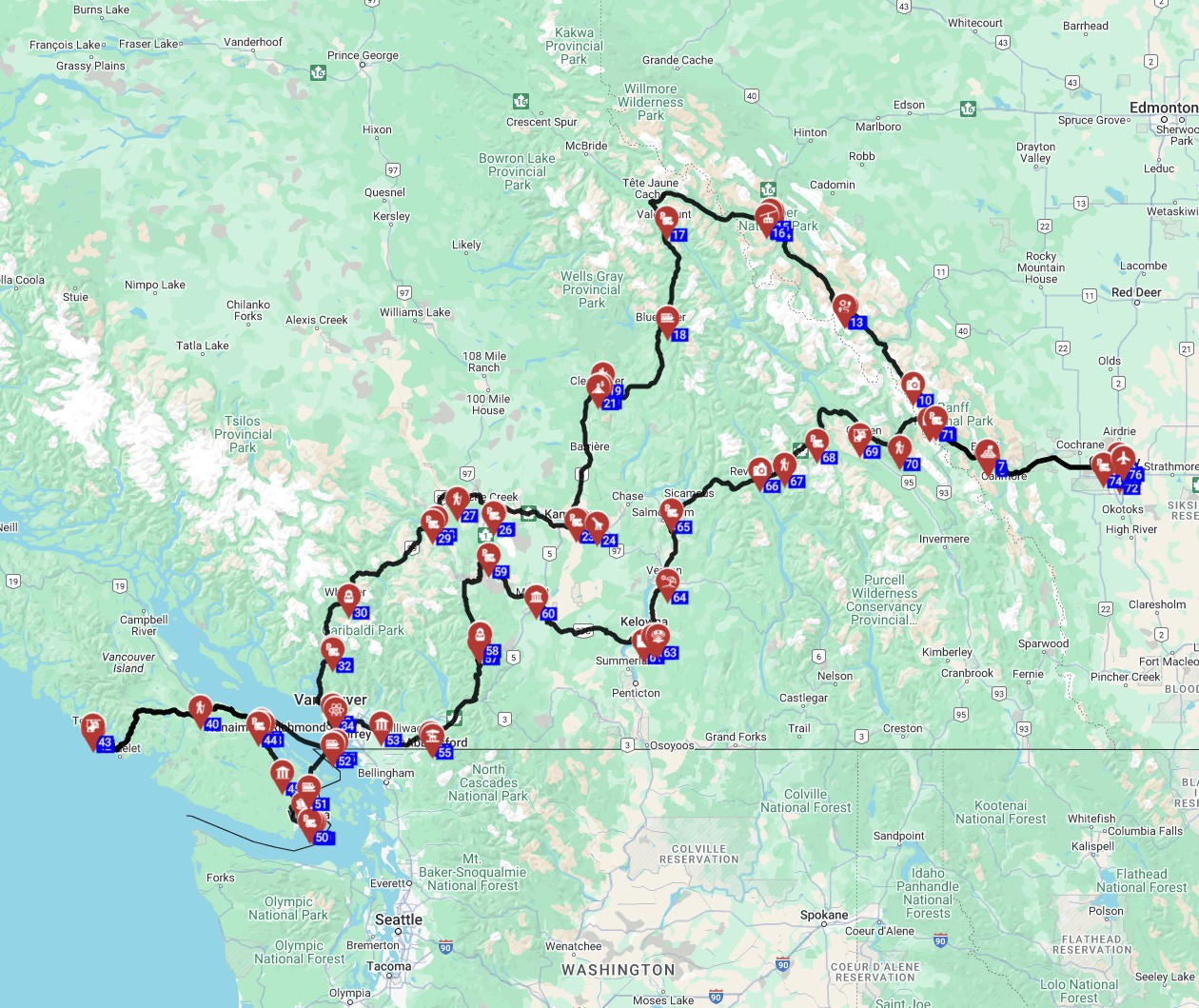
The total cost to travel West Canada in a rented RV for a long-term trip, such as a month, typically ranges from $5,000 to $12,000+ CAD, encompassing rental fees, substantial fuel expenses, campsite fees, food, and activity costs. The core rental fee for a month can be $2,500-7,500 CAD, while fuel, particularly for covering large distances like the 2,600 km Vancouver Round Trip - West Canada Cycling Adventure, might add $1,500-3,000+ CAD for a large Class C with a 208-liter fuel tank. Campsite fees will account for $900-2,400 CAD, assuming average nightly rates of $30-80 CAD. Budgeting an additional $1,000-2,000+ CAD for groceries (especially if cooking in your RV), national park passes, propane refills, dump station fees, and unexpected expenses is essential for a comprehensive financial plan. Exploring RV Driving Deals in West Canada - Routes and Savings 2026 can help optimize costs.
What's the cheapest way to RV across Canada
The cheapest way to RV across West Canada involves strategic planning, off-season travel, and mindful spending on daily expenses. Opting for a long-term rental during the shoulder or off-season (e.g., April or October) offers significantly lower daily rental rates, potentially saving hundreds of dollars per week. Choosing a smaller, more fuel-efficient campervan (like a Class B with 10-15 L/100km consumption, compared to 20-25 L/100km for larger Class A motorhomes) will substantially reduce one of the biggest costs. Utilizing free or low-cost boondocking (dispersed camping) options on Crown land where permitted, instead of commercial campgrounds at $50-80 CAD per night, can also cut accommodation expenses by over 50%. Cooking your own meals in your rented RV's kitchen, bringing your own bedding, and pre-planning routes to minimize tolls and unnecessary detours are practical ways to save. You can also look into Budget RV Driving in West Canada - Save on Fuel 2026 for more ideas.
How much does it cost to rent an RV in Canada for 2 weeks
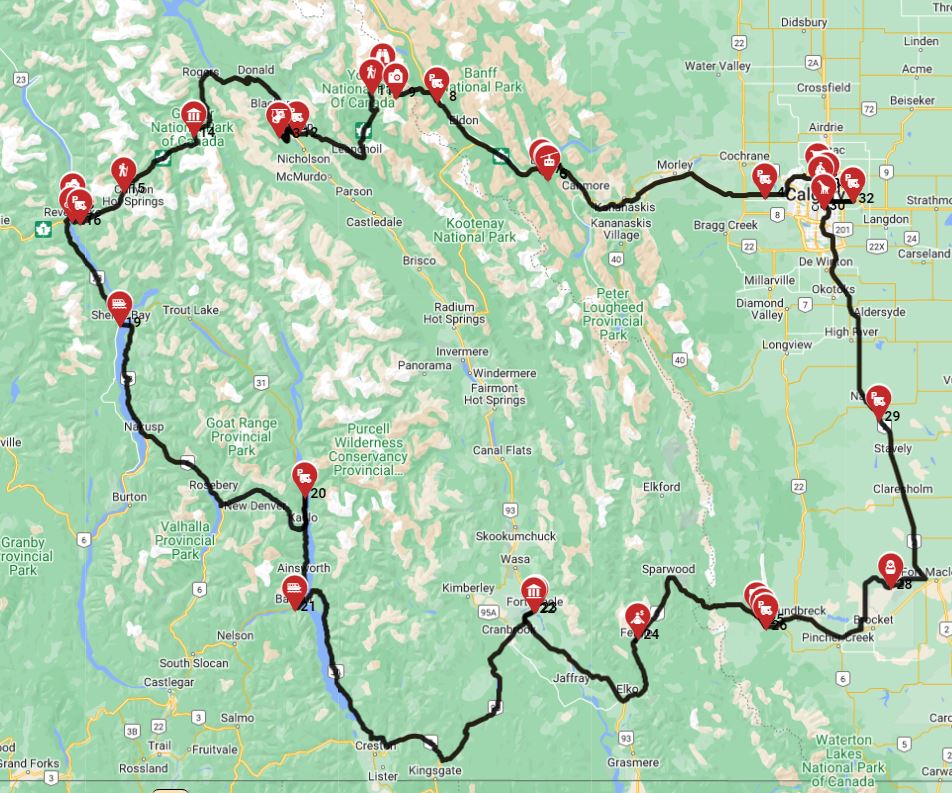
Renting an RV in West Canada for 2 weeks typically represents a mid-range cost, offering a slightly more affordable daily rate than a single week but higher than a month-long rental, with total expenses generally ranging from $2,000 to $5,000+ CAD. For a two-week period, a standard Class C motorhome like the 'CA-25' (a 5-berth model with a 151-liter fresh water tank) might cost $2,500-4,000 CAD during the shoulder season. Total expenses for a two-week trip will fluctuate based on the chosen RV class (campervans typically $1,500-2,500 CAD), specific travel dates (peak season prices can increase by 30-50%), and the rental company's pricing structure. This duration provides a good balance between cost efficiency and sufficient time to explore a major region, such as a loop through the Canadian Rockies, allowing for an average of 100-150 km per day of slow travel to truly experience the scenery and local culture.
What is a long term RV rental
A long-term RV rental typically refers to renting a motorhome or campervan for an extended period, generally 3 weeks or more, up to several months. These rentals are specifically designed for travelers seeking an immersive road trip experience, offering more favorable daily rates compared to short-term hires. Long-term rentals, such as opting for a 'Luxury Small' Class C motorhome for couples with a 100-liter fresh water tank, provide greater flexibility for in-depth exploration of vast regions like West Canada, allowing travelers to spend more time in each destination. This allows for a more comprehensive and less rushed travel experience, connecting deeply with the local culture, food, and diverse scenery without the pressure of a tight schedule. Bandana RV specializes in connecting you with suppliers offering these extended rental options, ensuring you get the best value for your grand adventure.
How much does it cost to take an RV to Canada
If you own an RV, the cost of taking it to Canada primarily involves fuel, ensuring your insurance policy covers international travel, and ongoing operational expenses like campsite fees and food. While specific border crossing fees for personal RV entry are usually minimal or non-existent for tourists, essential documentation includes valid passports for all occupants, vehicle registration, and proof of adequate insurance coverage that extends to Canada. It is crucial to verify your insurance coverage extends to Canada and to be aware of any restricted items (like firearms or certain food products) when crossing the border to avoid delays or penalties. Budgeting for fuel (Canada's fuel prices can be higher than in some US states), national park passes, and potential unexpected maintenance is vital for a smooth journey. For travelers considering buying an RV, remember that Bandana focuses exclusively on RV rentals for vacation travel.
Top Cities for RV Rental in West Canada
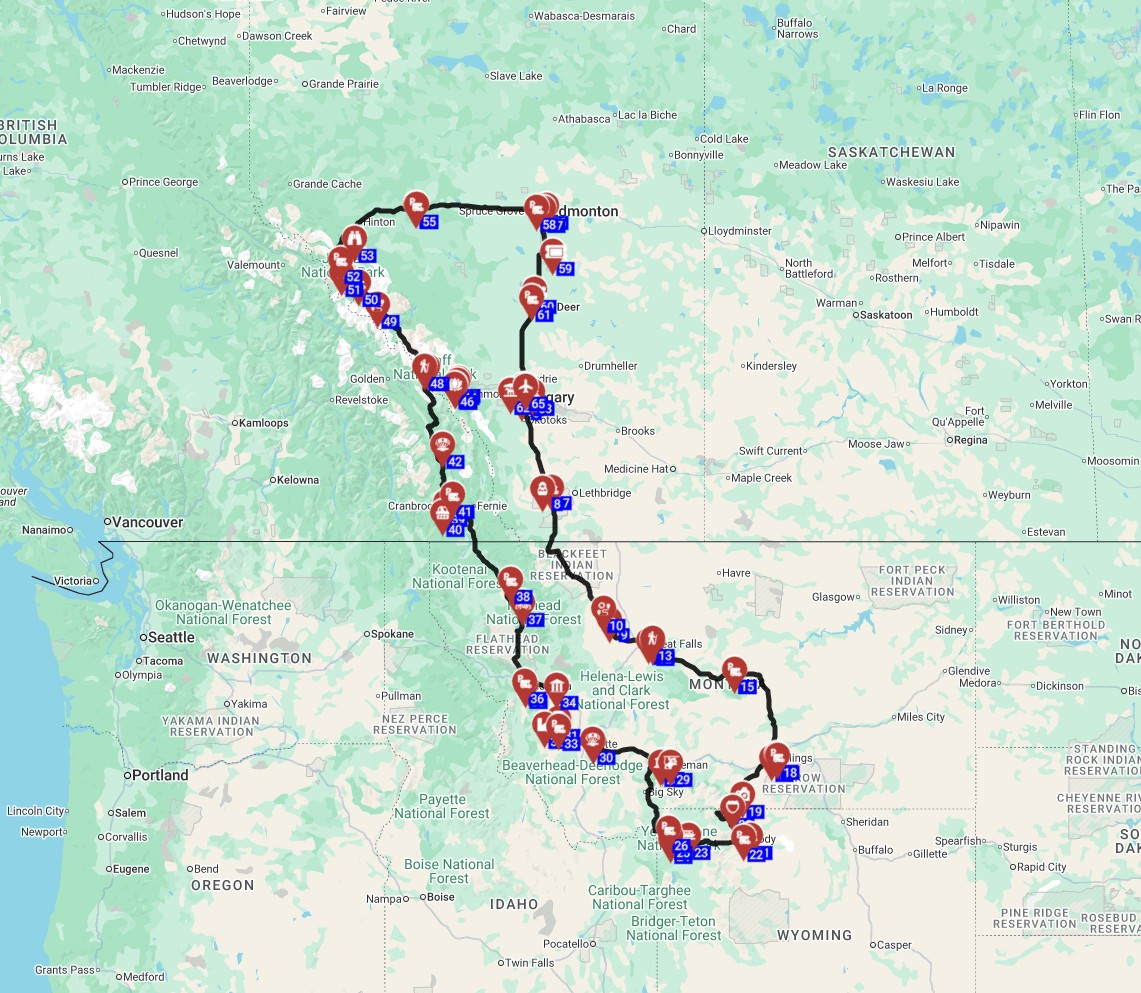
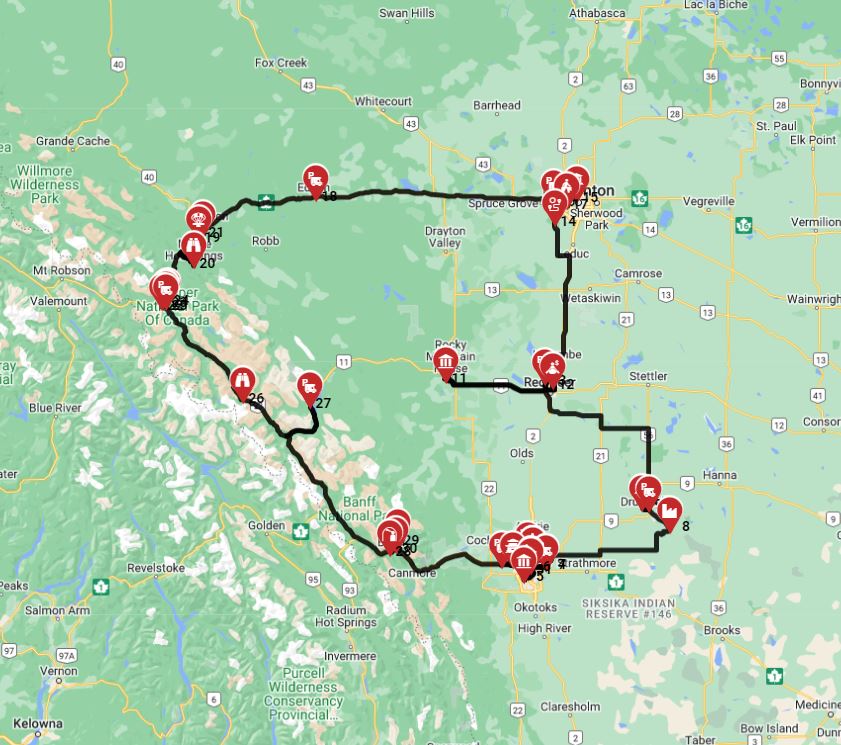
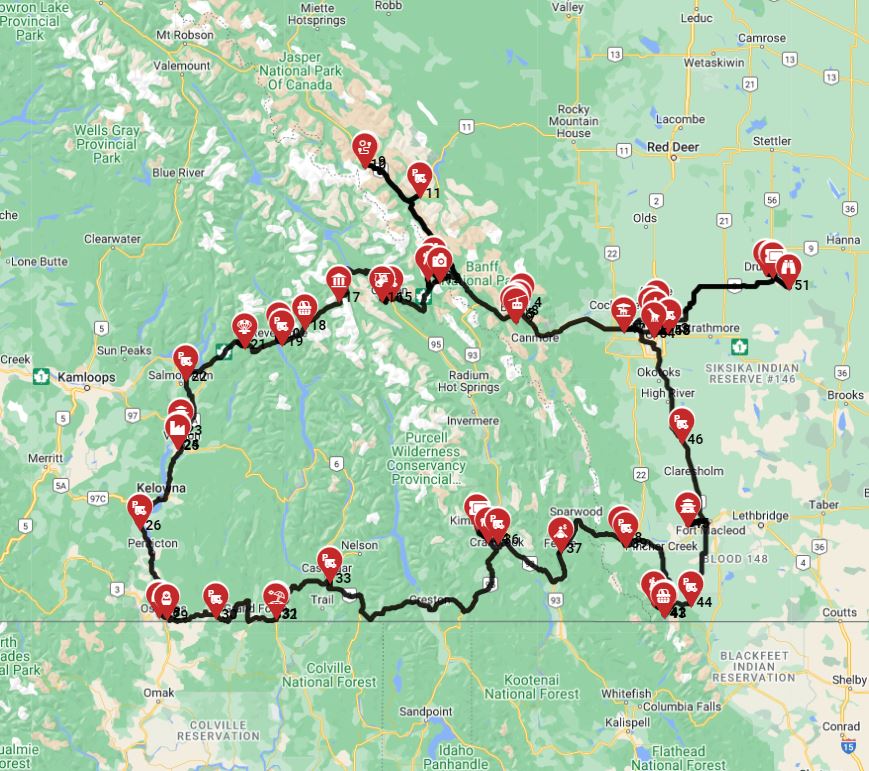
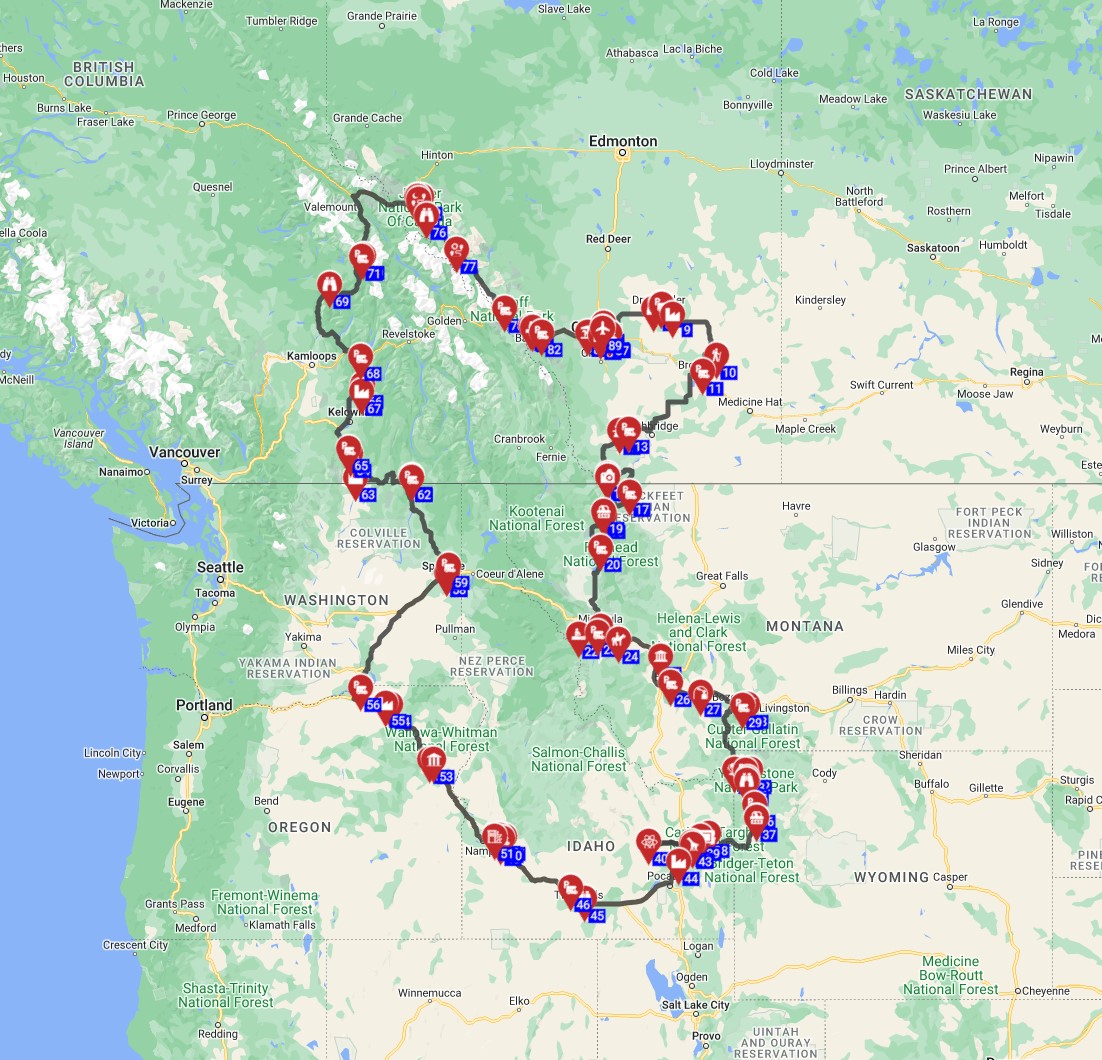
West Canada boasts several excellent starting points for long-term RV adventures, offering a range of services and access to diverse landscapes. Vancouver, British Columbia, is a bustling coastal hub with major rental depots from suppliers like Fraserway RV, offering diverse motorhomes from compact campervans to larger Class C models. It's a gateway to coastal routes and ferry access to Vancouver Island. Calgary, Alberta, provides immediate access to the Canadian Rockies, with its airport serving as a convenient pickup location for exploration of Banff and Jasper National Parks. Edmonton, Alberta, further north, also offers a good selection of rentals and is an ideal starting point for exploring Alberta's northern wilderness. Drive slowly and carefully, and you can drive almost anywhere without issues. No need to stress - just use common sense and pay attention. For a full itinerary on a Vancouver Round Trip - West Canada Cycling Adventure, which covers 2659 km over 19 days, RV PLANET offers detailed route plans including 3 bike rental locations and 1 canoe/kayak/rafting experience.
Additional cities to consider for variety and different starting points include Kelowna, British Columbia, nestled in the Okanagan Valley wine region, and Victoria, British Columbia, on Vancouver Island, accessible by ferry. These cities offer smaller fleets but can provide unique regional starting points, perfect for a week-long RV driving tour in West Canada. Rent&Plan options via rvplan.net can help pre-plan routes from these locations. Remember, Bandana is your true RV specialist, not a travel agency side department, ensuring dedicated expertise for your rental needs.
Driving Regulations and Practical Tips for RV Travel in West Canada
Driving a rented RV in West Canada requires adherence to Canadian road rules, which include driving on the right side of the road and generally using kilometers per hour for speed limits. Speed limits typically range from 50 km/h in urban areas to 90-110 km/h on major highways, depending on the province and road type. All occupants must wear seatbelts, and a standard car driver's license is sufficient for all motorhome classes (Class A, B, and C) rented in Canada; no special license or CDL is required. While an International Driving Permit (IDP) is recommended for visitors from non-English-speaking countries, it is not mandatory in most cases for West Canada. For detailed road rules and safe driving practices, consulting Driving an RV in West Canada - Complete Guide 2026 is highly recommended.
When navigating cities or winding mountain roads with a larger RV, drive slowly and carefully, and you can drive almost anywhere without issues. No need to stress - just use common sense and pay attention to signage. Fuel stations are generally plentiful along major routes, but in remote areas like sections of the Icefields Parkway, stations can be sparse, so always plan ahead and refuel when opportunities arise. Parking for RVs can be found at designated lots in national and provincial parks, as well as in many larger town centers; always look for signs indicating RV-friendly parking. Wild camping or dispersed camping on Crown land is permitted in many areas but requires research into specific provincial and municipal regulations. Always follow "Leave No Trace" principles to protect Canada's pristine environment.
International Travelers: Documentation and Connectivity
International travelers planning a long-term RV rental in West Canada need to ensure they have the correct documentation for entry into Canada, including a valid passport and, depending on nationality, a visa or Electronic Travel Authorization (eTA). For your rented RV, a standard foreign driver's license is usually sufficient, though an International Driving Permit (IDP) is highly recommended as a translation aid. Bandana RV, with over 20 years of experience helping tens of thousands of travelers, confirms that a regular car license is all that's required for all motorhome classes.
Regarding connectivity, major cities and developed areas offer reliable cell service (4G/LTE) from providers like Rogers, Bell, and Telus. However, significant portions of remote routes, such as the Icefields Parkway between Banff and Jasper National Parks, have extensive cell service gaps (over 100km/60 miles). For these areas, travelers should rely on offline maps, satellite communication devices for emergencies, and pre-downloaded entertainment. Consider purchasing a local SIM card upon arrival for better rates and data plans. For broader travel information, refer to RV Rental USA - Complete Guide 2026.
Safety, Roadside Assistance, and Leave No Trace
Prioritizing safety on your long-term RV rental adventure in West Canada is crucial, especially when traversing remote areas. Always carry an emergency kit including a first-aid kit, jumper cables, flares, non-perishable food, and extra water. Familiarize yourself with your rented motorhome or campervan's operation before departure. Most major rental companies provide 24/7 roadside assistance for mechanical issues, ensuring real people are behind you throughout your trip. This comprehensive support network, combined with Bandana RV's pre-booking comparison and post-booking coordination, means you're well-covered.
Adhering to "Leave No Trace" principles is paramount in Western Canada's sensitive ecosystems. This includes properly disposing of waste (never littering, packing out everything you pack in), respecting wildlife by observing from a distance and never feeding animals, and minimizing campfire impacts. Always use designated campgrounds or approved dispersed camping sites, and ensure your grey water and black water tanks are emptied at proper dump stations, not in natural areas. Travel slowly, max 100-150 km per day on average, to truly appreciate the unspoiled beauty of the region and reduce your environmental footprint.
What You Shouldn't Miss
- **Explore Banff National Park:** Drive the scenic Bow Valley Parkway, spot wildlife, and hike to Johnston Canyon's waterfalls. Reserve popular campgrounds like Tunnel Mountain well in advance (they sell out in minutes during peak season).
- **Journey the Icefields Parkway:** This 232 km (144 mi) route between Banff and Jasper National Parks offers glaciers, turquoise lakes, and stunning mountain views. Be prepared for over 100km of no cell service and plan accordingly.
- **Discover Vancouver Island:** Take a BC Ferries route from Horseshoe Bay to Nanaimo (ferries accommodate large RVs), then explore the rugged coastline of Tofino, the ancient forests of Cathedral Grove, and the charm of Victoria.
- **Wine Tasting in the Okanagan Valley:** Visit Osoyoos, Canada's only desert, and experience the unique desert climate and world-class wineries of British Columbia's Okanagan region.
- **Take on the Coquihalla Highway:** Challenge yourself with the steep grades and high mountain passes of British Columbia's Coquihalla Highway (Highway 5) between Hope and Kamloops - a rite of passage for many RVers, especially outside of summer.
- **Looking for expert insights from Avi Bandana? Top 5 Adventures - recommendations from Avi Bandana** (Note: Actual link would be provided by CMS for Avi's content.)
Final Thoughts
A long-term RV rental in West Canada truly opens up a world of discovery, allowing you to explore at a leisurely pace, uncover hidden gems, and immerse yourself in some of the most spectacular natural landscapes on Earth. From the towering peaks of the Rockies to the serene Pacific coast, having your mobile home means ultimate flexibility and comfort. With Bandana RV as your trusted partner, you'll benefit from our transparent pricing, dedicated support, and extensive expertise to make your journey seamless and unforgettable.
Whether you're planning a two-week adventure or an entire month on the road, embrace the freedom of RV travel. We're here to support you every step of the way, from comparing the best deals for long-term RV rentals to helping you craft the perfect route plan. Your West Canada adventure awaits – get inspired for your next trip!
Compare Motorhome Prices for West Canada and find long term rv rentals in West Canada to check West Canada RV rental prices now. Your journey of a lifetime begins here!