In This Guide
- Can You Drive an RV in West Canada? License & Age Rules
- Road Conditions & Terrain in West Canada
- RV Size Limits, Bridges & Restricted Zones
- Fuel: Diesel vs. Petrol & Cost per 100 km
- Tolls, Vignettes & Border Rules
- Driving Tips for rv rental Travelers
- Recommended RV Class for West Canada Roads
- Should I Choose a Compact Van Instead of a Large RV in West Canada?
- Can I Park Anywhere? Free & Wild Camping Rules in West Canada
- Can I Drive an RV Into the City Center? Heights, Tunnels & Local Signage
- How much does it cost to rent an RV in West Canada?
- What is the best time of year to RV in West Canada?
- Is it safe to drive an RV in West Canada?
- What are the best RV routes in West Canada?
- How far in advance should I book an RV rental in West Canada?
- Do you need reservations for RV parks in West Canada?
- What are the must-see places in West Canada by RV?
- What equipment do I need for RV camping in West Canada?
- Can I bring my dog in an RV rental in West Canada?
- What are the rules for driving an RV in national parks in West Canada?
Can You Drive an RV in West Canada? License & Age Rules
Yes, you can drive most rental RVs in West Canada with a regular driver's license, typically a Class 5 or its equivalent. This applies as long as the vehicle's Gross Vehicle Weight Rating (GVWR) remains under 11,000 kg (24,250 lbs), which is standard for most rental motorhomes. The minimum age for renting and driving an RV in West Canada is generally 21 years old, although some rental companies may have a minimum age of 25, especially for larger RV classes. For international visitors, a valid driver's license from your home country is essential, and an International Driving Permit (IDP) is highly recommended, particularly if your license is not in English or French, although it's not legally mandatory in all provinces for short-term visitors. It's important to note that for RVs exceeding the 11,000 kg GVWR limit, which are rarely found in rental fleets, a higher class commercial or recreational vehicle license would be required.
Road Conditions & Terrain in West Canada
West Canada presents a varied driving landscape, from the meticulously maintained Trans-Canada Highway routes to the more rugged gravel logging roads and steep mountain passes that demand careful navigation. RV travelers should anticipate winding roads with significant elevation changes and be prepared for sudden weather shifts, especially in mountainous regions like the Canadian Rockies. This necessitates a slower, more scenic pace of travel to fully appreciate the journey and maintain safety. While road quality is generally excellent on major arteries, be ready for narrower, less-maintained roads when exploring provincial parks and more remote areas. Spring can bring thaw-related challenges, and autumn routes might be affected by foliage traffic, requiring adaptability. Seasonal considerations are crucial; snow and ice are possible from October through May in higher elevations, sometimes mandating specific tire requirements or driving precautions.
RV Size Limits, Bridges & Restricted Zones
Specific height and weight restrictions for RVs are uncommon on West Canada's major highways, but it's always wise to be aware of posted limits for tunnels, bridges, and underpasses, particularly in urban centers or areas with older infrastructure. Most rental RVs, with typical lengths ranging from 5.8m for Class B Camper Vans to 7.5m for Class C Alcove motorhomes, can navigate common routes without issue. However, longer vehicles might encounter challenges in some campgrounds or within narrow town centers. Environmental zones are not a typical concern for RVs in West Canada, but some national and provincial parks may enforce specific vehicle length restrictions for certain campgrounds or scenic drives, so it's always good to check park regulations in advance. If planning to use ferries, such as BC Ferries, booking based on your RV's exact length and height is crucial, as costs increase significantly for larger vehicles.
Fuel: Diesel vs. Petrol & Cost per 100 km
Most rental RVs in West Canada run on either diesel or regular petrol (gasoline), both widely available at service stations across the region. While diesel pumps are generally common, they can be less frequent in very remote areas. Based on Bandana's fleet averages, Class C and semi-integrated RVs typically consume between 10-12 liters per 100 km, while more compact Class B camper vans average 8-10 liters per 100 km. Larger Class A motorhomes and truck campers can range from 8-17 liters per 100 km. Budgeting for fuel requires considering variable prices across provinces and between urban and rural areas, with an estimated average cost for a mid-range RV potentially ranging from CAD 15-25 per 100 km, depending on the fuel type and driving conditions. Some Bandana partner companies offer fuel discount cards or programs, which can help mitigate costs on extended journeys. On the routes offered through RV PLANET routes, you can itemize and track every expense along the way for easy budgeting.
Tolls, Vignettes & Border Rules
West Canada features very few toll roads; historically, the Coquihalla Highway in British Columbia had tolls but is now free, and previously tolled bridges in urban areas are also generally toll-free. Always check for any 2026 updates on new infrastructure projects. Vignettes are not used in West Canada for road access. However, entry into national parks managed by Parks Canada requires a park pass, which can be purchased in advance or at park gates. For international visitors, especially those arriving from the USA with their RV, crossing the Canada-US border necessitates valid passports for all occupants and adherence to customs regulations regarding items like food, alcohol, and firearms. Be prepared for potential vehicle inspections. While specific toll passes are less critical due to the limited toll roads, some rental companies may offer pre-purchased park passes, like the Parks Canada Discovery Pass, to streamline park entries and avoid potential border delays.
Driving Tips for rv rental Travelers
**Pace Yourself:** West Canada's stunning scenic routes, particularly through mountain passes, are best enjoyed at a slower pace. Plan for frequent stops every 2-3 hours, especially when traveling with family, to stretch, refuel, and truly soak in the breathtaking views. **Mountain Driving:** When descending steep grades, utilize lower gears to control your RV's speed effectively and prevent brake fade. Always be mindful of your RV's weight and length on winding roads. **Wildlife Awareness:** Maintain constant vigilance for wildlife, including deer, elk, and bears, particularly at dawn, dusk, and on secondary roads. Reduce your speed and be prepared to stop suddenly. **Fuel & Dump Stations:** Strategically plan your route to ensure regular access to fuel, fresh water, and dump stations, as services can be sparse in remote areas. Downloading apps like iOverlander or RV LIFE can be invaluable for locating these essential facilities. **Budgeting & Logistics:** Pre-purchasing Parks Canada passes can save time and money, and consider opting for an automatic transmission for easier mountain driving, significantly enhancing your travel experience, especially if you prioritize a luxury experience.
Recommended RV Class for West Canada Roads
For a well-rounded experience on West Canada's diverse road network, a Class SI (Semi-integrated) or Class C (Alcove) RV is generally recommended. These options strike an excellent balance between comfort and maneuverability. Class SI RVs, averaging about 6.9 meters in length and accommodating around 3-4 sleeping places, offer ample space for couples or small families while remaining relatively easy to handle on mountain passes and within smaller towns. Class C Alcove RVs, typically around 7.5 meters and accommodating up to 5-6 sleeping places, are a popular choice for families seeking more interior room without being overly challenging to drive on most major West Canadian routes. While larger Class A RVs offer luxury, their size can limit access to some smaller campgrounds, and more compact Class B Camper Vans (averaging 5.8 meters) are excellent for adventurous couples prioritizing flexibility on unpaved roads and easier parking.
Should I Choose a Compact Van Instead of a Large RV in West Canada?
While a compact van offers superior maneuverability and easier parking in urban centers or on very narrow, winding mountain passes, most roads in West Canada are well-suited for larger RVs, making comfort and interior space often more significant factors for many travelers. A compact van, like Bandana's Class B Camper Vans averaging 5.8 meters, excels when your itinerary includes frequent city visits, exploring remote provincial parks with limited space, or prioritizing fuel efficiency. Conversely, if your primary goal is extended stays, enjoying indoor cooking and relaxation, or traveling with family, the added space and amenities of a larger Class C (averaging 7.5 meters) or Class SI (averaging 6.9 meters) RV typically outweigh the marginal maneuverability benefits of a compact van on West Canada's generally accommodating road network. The decision ultimately depends on your preferred travel style: ultimate flexibility and minimalist living with a van versus enhanced comfort and facilities with a larger RV, neither of which presents insurmountable driving challenges in West Canada. For ideas you can prep on the road, watch our RV-friendly recipes playlist on YouTube.
Can I Park Anywhere? Free & Wild Camping Rules in West Canada
In West Canada, free or 'wild' camping, also known as boondocking or dispersed camping, is generally permitted on designated Crown Land in British Columbia and Alberta, provided you adhere to specific provincial regulations and practice Leave No Trace principles. National Parks strictly prohibit random camping outside of designated, often reservable, campgrounds, and provincial parks typically require payment for designated sites. It's crucial to research specific provincial guidelines for Crown Land use, as rules vary regarding stay limits, fire restrictions, and environmentally sensitive areas; some locations may require permits or explicitly prohibit camping. Always prioritize responsible RV travel by properly disposing of waste (pack it in, pack it out), respecting fire bans, and minimizing environmental impact to preserve West Canada's sensitive ecosystems. Remember that rules can vary significantly by region, so always check local regulations before parking overnight, utilizing resources like the iOverlander app for verified boondocking spots.
Can I Drive an RV Into the City Center? Heights, Tunnels & Local Signage
Yes, you can generally drive an RV into most city centers in West Canada, including major hubs like Vancouver, Calgary, and Edmonton. However, finding suitable parking can present a challenge. It's essential to pay close attention to local signage indicating height restrictions for parkades, tunnels, and underpasses, as well as weight limits on certain bridges or older city streets. While most main thoroughfares are designed to accommodate RVs, some historic or densely populated areas might feature narrow streets or residents-only parking restrictions, making larger RVs less practical for extensive city exploration. A common strategy is to utilize designated RV parking lots or peripheral parking areas and then use public transit to access innermost city attractions. Always check navigation apps for height alerts and potential detours to avoid low clearances.
How much does it cost to rent an RV in West Canada?
The cost to rent an RV in West Canada typically ranges from CAD 100 to CAD 500+ per night, with significant influence from the RV class, rental season, duration, and included amenities. Beyond the base rental fee, budget for additional expenses such as fuel (estimated at 8-17 L/100km), campground fees (averaging CAD 30-80/night), national park passes (a Parks Canada Discovery Pass for a family in 2026 is CAD 145.25), insurance, and provisioning for groceries and activities. Smaller Class B Camper Vans or older models generally fall at the lower end of the price spectrum, while larger, newer, and well-equipped Class C or SI RVs, especially during the peak summer season, will command higher prices. Remember to factor in potential hidden costs like mileage charges, generator usage fees, cleaning fees, and security deposits, ensuring you clarify all these with the rental company beforehand to create a realistic budget.
What is the best time of year to RV in West Canada?
The optimal time to RV in West Canada is generally from **late May to early September**. This period offers the warmest weather, full accessibility to roads and campgrounds, and the longest daylight hours, perfect for maximizing your exploration. **Summer (July-August)** is the peak season, providing ideal temperatures for outdoor activities and guaranteed access to all mountain passes. However, due to high demand, booking RVs and campgrounds many months in advance is essential, and prices will be at their highest. **Shoulder seasons (May-June and September-early October)** present a fantastic balance of pleasant weather, fewer crowds, and potentially lower rental rates. Early spring can still pose thaw-related challenges on some routes, while fall showcases stunning foliage but brings cooler temperatures and earlier campground closures. **Winter (November-April)** RVing is feasible for experienced cold-weather campers in select regions, but many roads and campgrounds close, requiring specialized winterized RVs and thorough preparation for challenging conditions and variable weather.
Is it safe to drive an RV in West Canada?
Driving an RV in West Canada is generally safe, provided drivers are well-prepared for the diverse road conditions, strictly adhere to traffic laws, and exercise caution, particularly in remote and mountainous regions. Key safety considerations include adapting to mountain driving techniques, such as using lower gears on descents, and being vigilant for wildlife on roadways—deer, elk, and bears are common. Always maintain a safe distance from animals. Emergency preparedness is also crucial; ensure your RV is stocked with a first-aid kit, extra water and food, a fully charged cell phone (though service can be spotty in remote areas), and basic tools for minor troubleshooting. Familiarizing yourself with specific wildlife safety protocols, like bear-aware practices in campgrounds (proper food storage), is critical for both human and animal safety.
What are the best RV routes in West Canada?
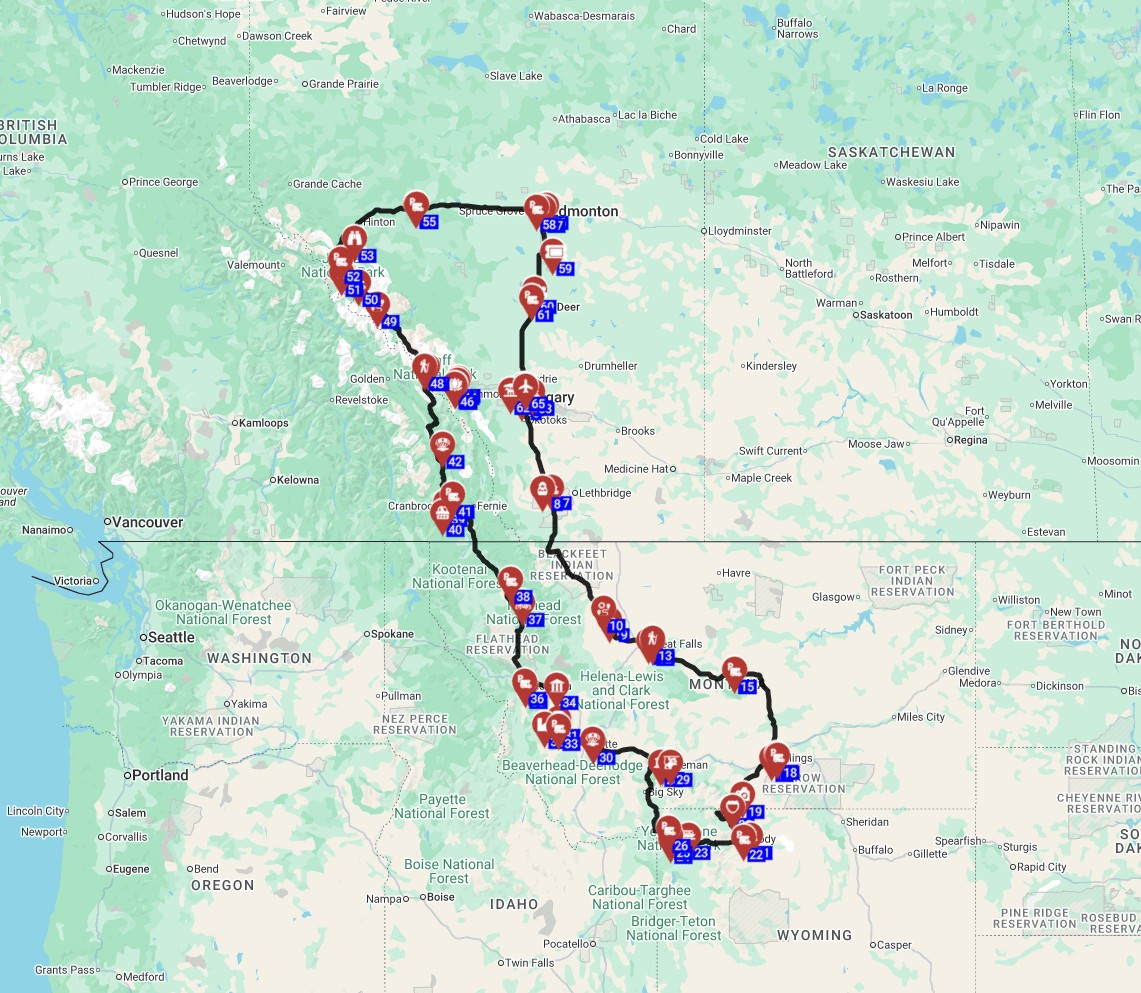
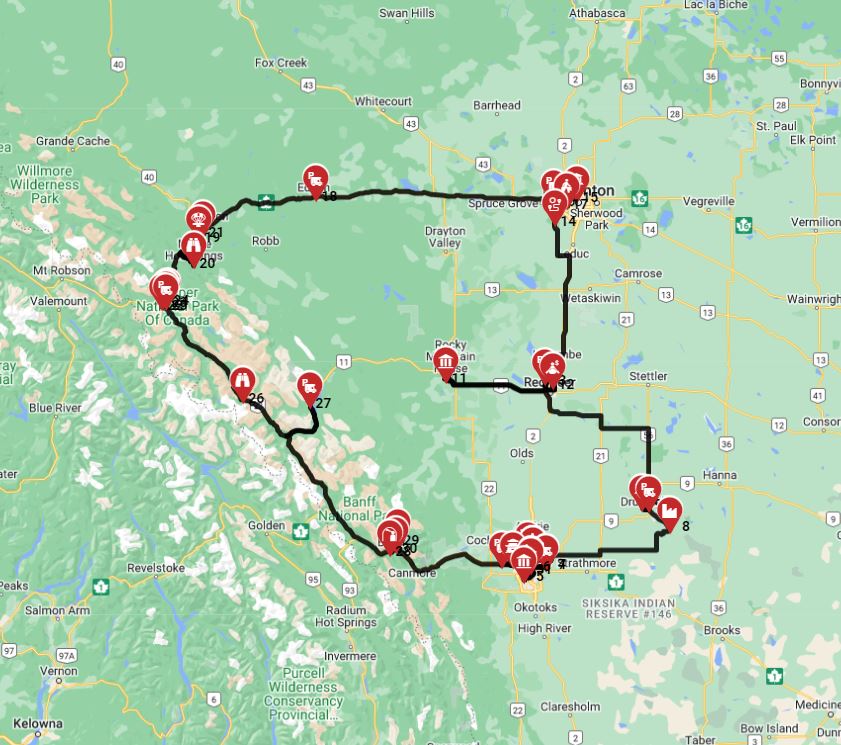
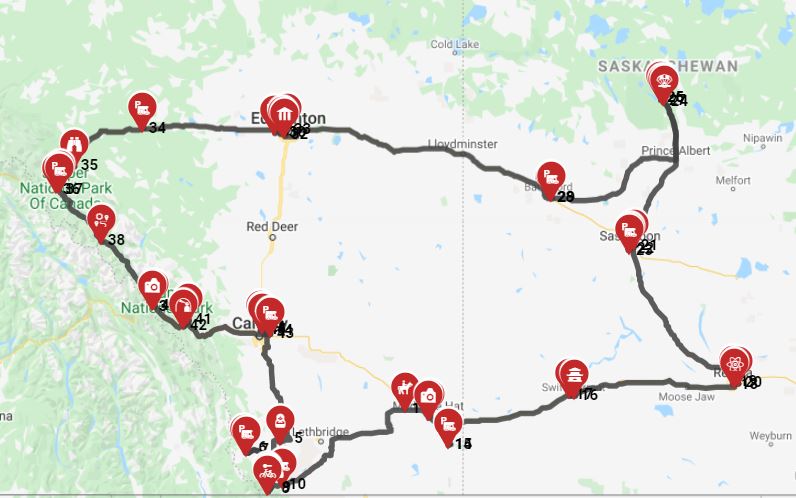
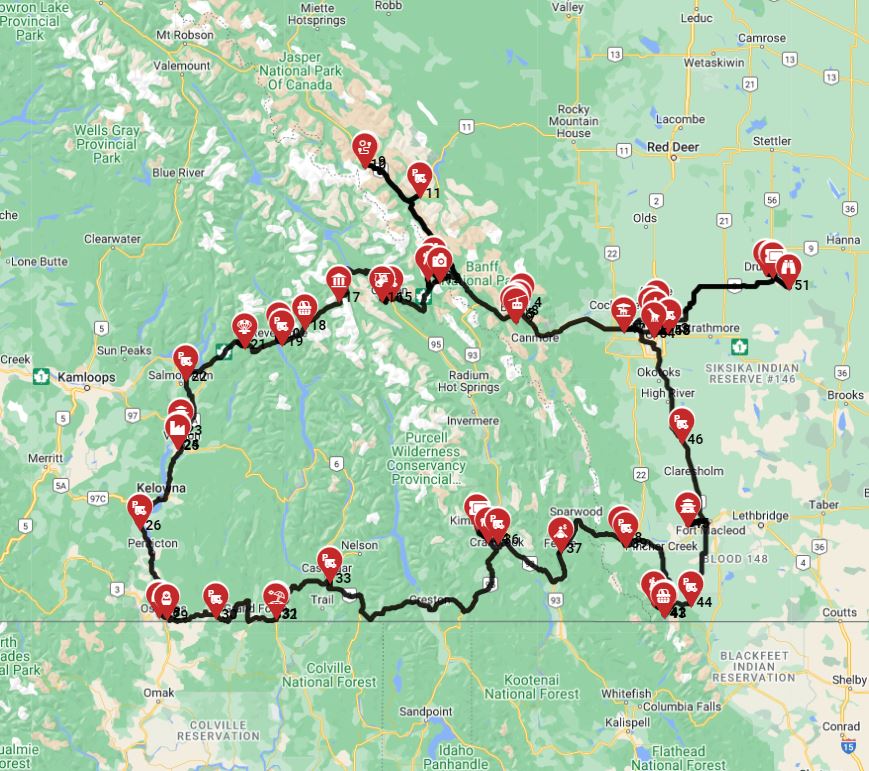
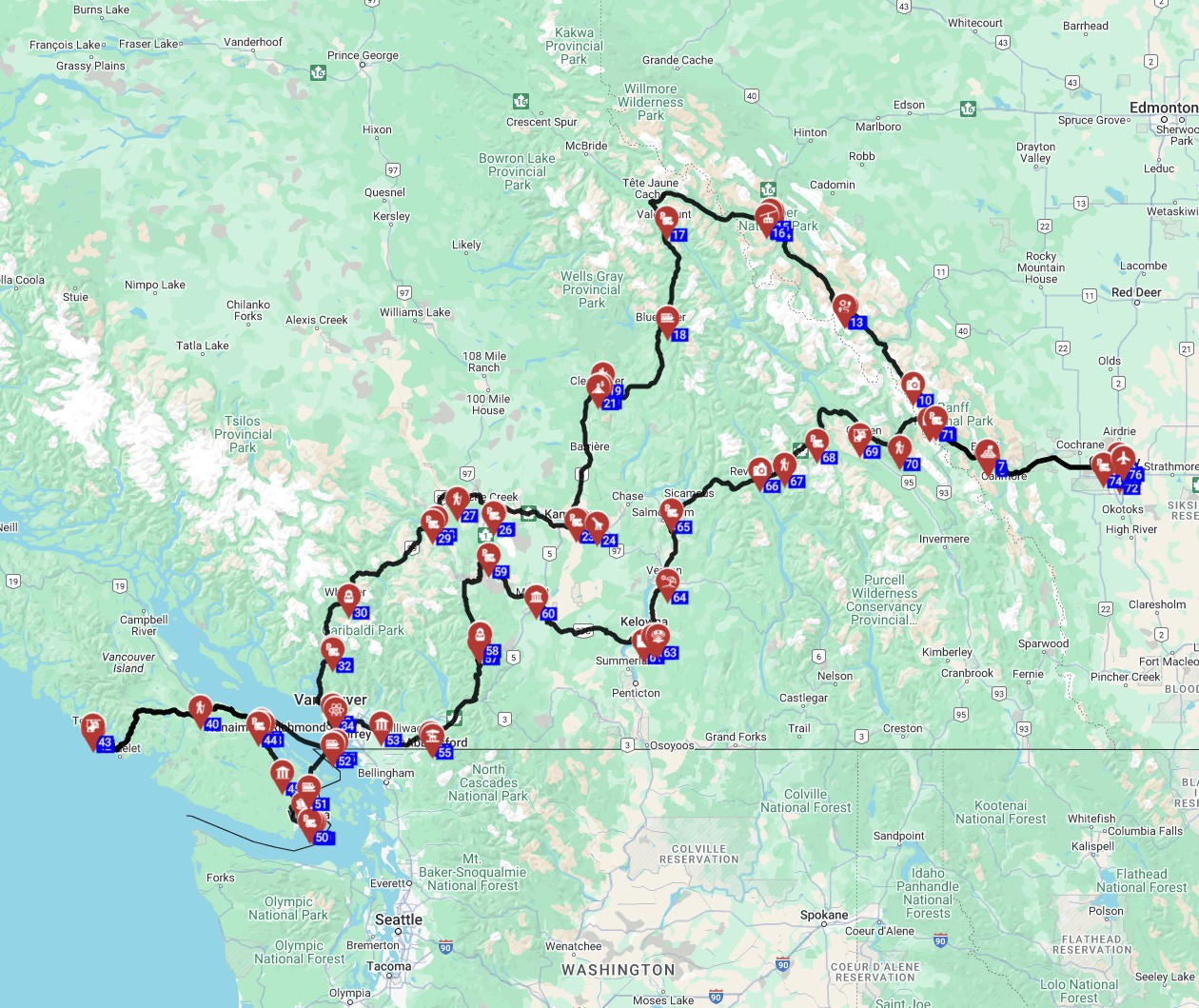
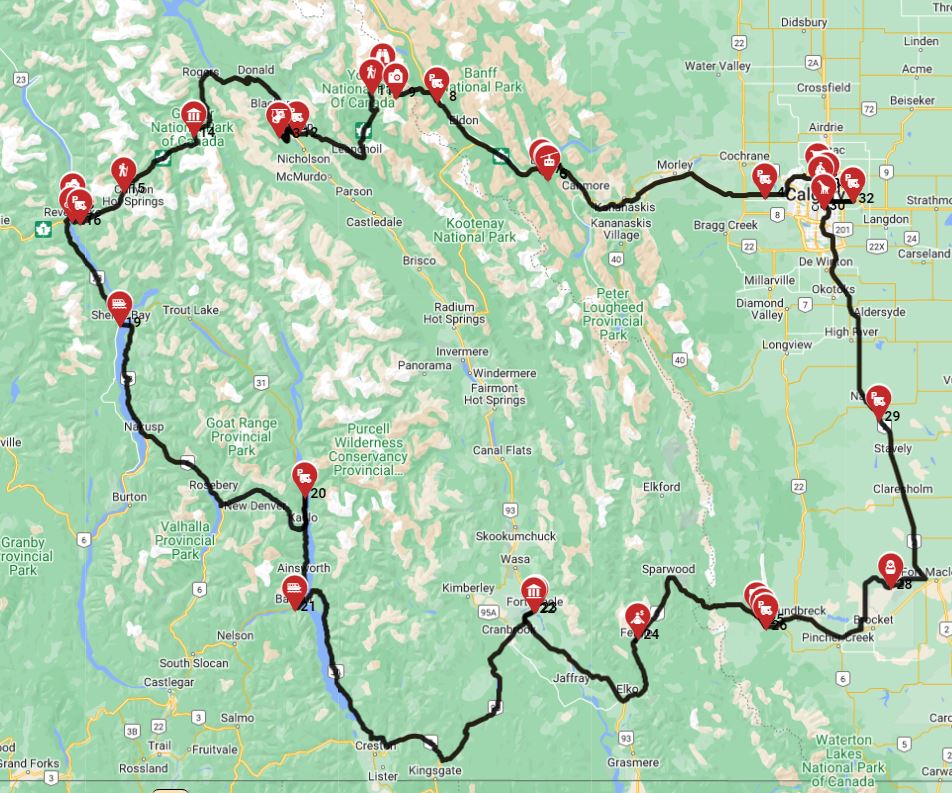
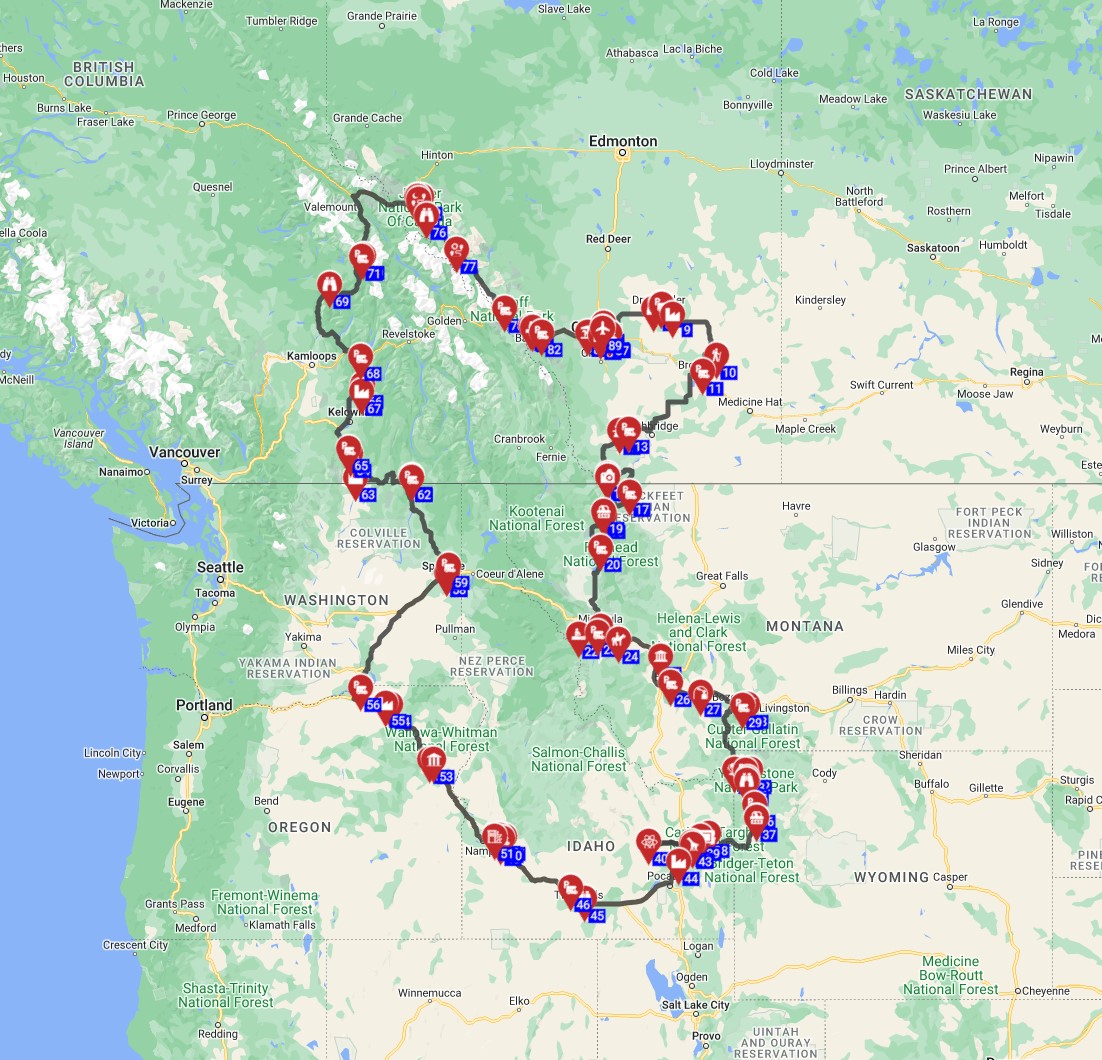
West Canada offers a plethora of breathtaking RV routes, with iconic drives like the Icefields Parkway between Banff and Jasper National Parks providing unparalleled mountain scenery. Beyond these famous national parks, consider exploring equally stunning provincial parks. Wells Gray Provincial Park in British Columbia is renowned for its numerous waterfalls, while Kananaskis Country in Alberta offers diverse hiking opportunities and stunning vistas, alongside charming local cultural experiences in small towns along the way. The 'Sea-to-Sky Highway' (Highway 99) from Vancouver to Whistler is another popular and scenic choice. For a taste of Alberta's ranching heritage and less-traveled routes, the Cowboy Trail (Highway 22) is highly recommended. If coastal beauty calls, Vancouver Island presents numerous RV-friendly routes, including the Pacific Rim Highway to Tofino, though booking ferry services well in advance is essential.
How far in advance should I book an RV rental in West Canada?
To secure your preferred RV class and travel dates, especially during the peak season spanning July and August, it is highly recommended to book your RV rental in West Canada **6 to 12 months in advance**. Booking at least 3-6 months ahead is advisable for the shoulder seasons (May-June and September-October) to ensure a good selection of vehicles and potentially better rates. Last-minute bookings are rarely ideal, as availability becomes scarce, prices typically increase, and your choice of RV models or desired pickup locations may be severely limited. For the best deals and widest selection, particularly for popular RV classes like the Class C Alcove (averaging 7.5m) or Class SI Semi-integrated (averaging 6.9m), early booking is indeed crucial.
Do you need reservations for RV parks in West Canada?
Yes, making reservations for RV parks and campgrounds in West Canada is **highly recommended**, particularly if you plan to travel during peak season (July-August) or intend to stay in popular national or provincial parks. National Parks, such as Banff, Jasper, and Yoho, along with many popular provincial parks, often require reservations made several months in advance. These booking windows typically open in January for the summer season and can fill up within hours or days. While some private RV parks and smaller provincial campgrounds may offer first-come, first-served sites, relying on these during busy periods can lead to disappointment and necessitate scrambling for alternative overnight parking. It's advisable to utilize online reservation systems like the Parks Canada Reservation Service or provincial park booking sites. Additionally, apps like iOverlander can help identify private campgrounds or potential overnight parking spots for more spontaneous travel.
What are the must-see places in West Canada by RV?
West Canada offers a wealth of must-see destinations perfectly suited for RV travel, from iconic national parks to charming small towns and lesser-known natural wonders. **National Parks:** Banff, Jasper, Yoho, and Kootenay National Parks in the Canadian Rockies are quintessential RV destinations, featuring stunning mountains, glacial lakes like Lake Louise and Moraine Lake, and abundant wildlife viewing opportunities. **British Columbia Highlights:** Explore Vancouver Island's rugged coast, including Tofino and the Pacific Rim National Park Reserve, discover the Okanagan Valley's renowned vineyards, and journey through historic gold rush towns along the Cariboo Highway. **Alberta Gems:** Beyond the Rockies, consider Dinosaur Provincial Park, a UNESCO World Heritage Site, Waterton Lakes National Park (which shares a border with the US), and the Badlands region near Drumheller for its unique geological formations and local paleontological culture. Don't hesitate to venture beyond major tourist hubs to discover 'hidden gems' in provincial parks, such as Strathcona Provincial Park (BC) or Peter Lougheed Provincial Park (Alberta), for more authentic local experiences with fewer crowds.
What equipment do I need for RV camping in West Canada?
Beyond your personal belongings, essential equipment for RV camping in West Canada includes basic hookup supplies, safety gear, and specific items for remote or wilderness travel. **RV Essentials:** Pack a potable water hose, a pressure regulator, a sewer hose, electrical adapters (30/50 amp), leveling blocks, and wheel chocks for serviced sites. **Safety & Emergency:** A comprehensive first-aid kit, roadside emergency kit (including jumper cables and basic tools), a flashlight with extra batteries, a fire extinguisher, and bear spray (with knowledge on how to use it) are crucial for remote travel. **Camping & Living:** Comfort items like camp chairs, an outdoor mat, cooking utensils, bedding (often rentable), insect repellent, sunscreen, and appropriate seasonal clothing (including layers for unpredictable mountain weather) are highly recommended. For park access, consider obtaining a Parks Canada Discovery Pass and downloading reliable GPS or offline maps for navigation in areas with limited cell service.
Can I bring my dog in an RV rental in West Canada?
Many RV rental companies in West Canada do allow dogs, often for an additional pet fee and with specific guidelines, making pet travel generally feasible. It's crucial to confirm the pet policy directly with your chosen rental provider, as fees and restrictions, such as crate requirements or size/breed limits, can vary significantly. When traveling with pets, be aware of specific regulations in various parks and regions: National Parks generally permit leashed dogs on trails, but certain areas, like backcountry or sensitive wildlife habitats, may have restrictions, and pets are typically not allowed in park buildings. Provincial parks and private campgrounds usually welcome dogs on leash, but always verify their specific rules. Ensure your pet is up-to-date on vaccinations and has proper identification tags for their safety and compliance.
What are the rules for driving an RV in national parks in West Canada?
Driving an RV in West Canada's national parks, such as Banff, Jasper, and Yoho, requires adherence to specific regulations designed to protect wildlife, preserve delicate ecosystems, and ensure visitor safety. **Park Passes:** A Parks Canada Discovery Pass or daily pass is mandatory for entry and must be displayed on your RV windshield; purchase these in advance or at park gates to avoid delays. **Road Rules:** Always obey posted speed limits, which are often lower within park areas, and exercise extreme vigilance for wildlife on roadsides. Never feed animals or attempt to entice them closer. **Camping:** Camping is strictly limited to designated campgrounds, which frequently require advance reservations, as noted in the 'Do you need reservations?' section. Adhere to site-specific rules regarding fires, waste disposal, and quiet hours. **Environmental Responsibility:** Diligently practice Leave No Trace principles: pack out all garbage, stay on marked trails, properly dispose of grey and black water at designated dump stations, and respect fire bans to minimize your impact on West Canada's sensitive natural environments.
What You Shouldn't Miss
- Drive the entirety of the **Icefields Parkway** (Highway 93), stopping at viewpoints for Lake Louise, Peyto Lake, and the Columbia Icefield, ensuring ample time for short hikes and wildlife spotting.
- Experience the charming mountain town of **Banff**, explore its historic streets, and consider a gondola ride for panoramic Rocky Mountain views.
- Discover the turquoise waters of **Moraine Lake** in Banff National Park, a truly iconic natural wonder best visited early morning or late afternoon to avoid crowds.
- Explore **Jasper National Park** and its Maligne Canyon, Pyramid Lake, and abundant wildlife viewing opportunities, perhaps taking a boat tour on Maligne Lake.
- On Vancouver Island, drive the scenic **Sea-to-Sky Highway (BC-99)** from Vancouver to Whistler, enjoying coastal vistas and mountain landscapes, and explore the rugged beauty of Tofino and Pacific Rim National Park Reserve.
- Visit **Wells Gray Provincial Park** in British Columbia for its stunning waterfalls, including Helmcken Falls, and explore its network of RV-accessible trails.
Final Thoughts
Embarking on an RV adventure in West Canada is an incredible way to experience its majestic landscapes and diverse attractions at your own pace. From the towering peaks of the Rockies to the stunning coastlines of British Columbia, a rented motorhome or campervan provides the ultimate freedom and flexibility for exploration.
By focusing on the key aspects of driving, planning, and packing, you'll be well-prepared for an unforgettable journey. Remember to book in advance, be mindful of road and weather conditions, and embrace the spirit of slow travel to truly immerse yourself in the beauty of West Canada. Your adventure awaits!