In This Guide
- The 5 RV Families Compared for West Canada
- Class A (Integrated) - Best For
- Class SI (Semi-Integrated) - Best For
- Class C (Alcove) - Best For
- Class B (Campervan) - Best For
- Price Comparison by RV Class in West Canada
- Side-by-Side Comparison Table
- Our Recommendation for long term rv rental Travelers in West Canada
- How much does it cost to rent an RV long term in Canada
- What RV is best for Canadian Rockies
- Can you rent an RV for a month in Canada
- What are the best places to RV in West Canada
- Is it cheaper to rent an RV for a month
- How much does it cost to fill up an RV in Canada
- Is it hard to drive an RV in Canada
- What are the rules for RV camping in Canada
- What is the best month to RV in Canada
- Can you take a rental RV into the US from Canada
- What You Shouldn't Miss
- Why Book with Bandana Caravan
- Final Thoughts
- Frequently Asked Questions
Embarking on a long-term RV rental adventure in West Canada offers unparalleled freedom to explore its majestic mountains, pristine coastlines, and vibrant cities at your own pace. Discovering West Canada by rented motorhome, campervan, or mobile home for a month or more allows you to truly immerse yourself in the diverse landscapes and cultures, from the Pacific to the Rockies. For live availability and current prices, start with our RV Rental West Canada - Complete Guide 2026 guide.
The 5 RV Families Compared for West Canada
Choosing the right RV family is critical for a long-term rental in West Canada, directly impacting comfort, maneuverability, and cost. West Canada's diverse terrain, from mountain passes to coastal highways, and varying climates necessitate careful consideration of RV size, fuel efficiency, and off-grid capabilities. Trip length and group size are primary factors when selecting an RV, ensuring adequate living space and load capacity for extended travel.
For those looking for a comprehensive overview of vehicle options, our "RV Rental USA - Complete Guide 2026" provides additional context on different classes, though focused on our neighbors to the south, the principles remain similar for Canadian adventures.
🎬 Video coming soon
Bandana RV specializes exclusively in motorhome and campervan rentals, offering expertise that goes beyond a typical travel agency. We partner directly with leading suppliers like El Monte and Cruise America to ensure you find the perfect rental RV for your extended journey.
Class A (Integrated) - Best For
Class A integrated motorhomes, averaging 7.5 meters in length according to Bandana's global fleet data, are best suited for large families or groups seeking a luxurious, spacious, and comfortable long-term travel experience in West Canada. These rented RVs typically offer ample living space, a full kitchen, and separate sleeping areas, making them ideal for extended stays at established campgrounds and resorts. With an average of 4.4 sleeping places and a robust average load capacity of 209.5 kg, they accommodate multiple passengers and their gear. Bandana's global fleet data indicates common fuel consumption of 11-12 Liters/100 km for these larger units. Trade-offs include higher fuel costs, which will be a significant ancillary expense over a long-term trip, and potentially challenging maneuverability on narrow mountain roads or in urban centers. However, drive slowly and carefully, and you can drive almost anywhere without issues. No need to stress - just use common sense and pay attention. On the routes offered through RV PLANET routes, you can itemize and track every expense along the way for easy budgeting.
Class SI (Semi-integrated) - Best For
Class SI semi-integrated motorhomes, with Bandana's global fleet data showing an average length of 6.9 meters and 3.8 sleeping places, are an excellent balanced choice for couples or small families embarking on a long-term West Canada adventure. These rented motorhomes typically offer a comfortable interior with good amenities while being more maneuverable and fuel-efficient than larger Class A models, with common fuel consumption around 10-11 Liters/100 km. They are particularly well-suited for navigating the scenic, winding roads of Western Canada, offering a more car-like driving experience with an average load capacity of 72.2 kg. Class SI models often outperform Class A in ease of driving and fuel economy, and provide more comfort and dedicated living space than Class B campervans. For detailed pricing on these versatile vehicles, refer to our "RV Rental in West Canada - Prices and Best Deals 2026" article.
Class C (Alcove) - Best For
Class C alcove motorhomes, averaging 7.5 meters in length with 5.8 sleeping places, are ideal for families or larger groups seeking a cost-efficient long-term RV rental in West Canada, offering significant sleeping capacity. Distinguished by the prominent sleeping area over the cab, these RVs provide extra beds without extending the overall vehicle length significantly, making them a practical choice for accommodating an average of 4.4 adults. Bandana's global fleet data indicates common fuel consumption of 10-12 Liters/100 km and an average load capacity of 42.4 kg, balancing space with reasonable operating costs. Their familiar truck-chassis feel makes them relatively easy to drive on West Canada's diverse roads, from major highways to provincial park routes, making them a popular and reliable option for extended family trips. Many of our partner suppliers, like Apollo and Britz, offer a wide range of these family-friendly motorhomes.
Class B (Campervan) - Best For
Class B campervans, averaging 5.8 meters in length with 3.2 sleeping places according to Bandana's global fleet, are the top choice for solo travelers or couples prioritizing maneuverability, fuel economy, and spontaneous camping during a long-term West Canada rental. These compact RVs offer a car-like driving experience, making them easy to navigate through city streets, national park roads, and even some tighter backcountry routes, with common fuel consumption around 10 Liters/100 km. Their smaller footprint allows access to campsites and parking spots that larger RVs cannot, enhancing spontaneity and flexibility. With an average load capacity of 37 kg, they suit travelers who pack efficiently and value agility over expansive interior space, perfect for exploring West Canada's diverse landscapes from bustling cities to remote trailheads. If you are looking for an intimate experience, consider a campervan rental in West Canada.
Price Comparison by RV Class in West Canada
RV pricing is dynamic and flex-rate, meaning the daily cost for a long-term rental in West Canada changes based on factors like demand, season, and the specific supplier. Long-term rentals typically offer a more cost-effective daily rate compared to shorter trips, which is particularly beneficial for extended explorations of West Canada. Prices are influenced by factors such as the RV class, rental duration, season, and specific pick-up dates. For the most current availability and rates, please use the search box at the top of the page. Remember, prices displayed below are real-time estimates and update daily:
| RV Class | Average Daily Rate (1-Month Rental, Low Season) | Average Daily Rate (1-Month Rental, Peak Season) | Ideal Group Size |
|---|---|---|---|
| Class A (Integrated) | $250 - $450 CAD | $400 - $700+ CAD | 4-6+ people |
| Class SI (Semi-Integrated) | $180 - $350 CAD | $300 - $550 CAD | 2-4 people |
| Class C (Alcove) | $150 - $300 CAD | $250 - $500 CAD | 3-5 people |
| Class B (Campervan) | $100 - $200 CAD | $180 - $350 CAD | 1-2 people |
These figures provide a realistic cost breakdown for long term rv rental in West Canada. It's clear that renting for a month offers better value per day. To find specialized deals, check our "RV Rental Deals in West Canada - Latest Offers 2026" guide.
Side-by-Side Comparison Table
This table provides a quick overview of the key specifications for each RV family available for long-term rental in West Canada, aiding in your selection process. Consider average length, sleeping capacity, fuel efficiency, and primary use case against your specific trip needs and preferences for a successful long-term journey.
| RV Class | Average Length | Average Sleeping Places | Fuel Consumption (L/100km) | Ideal Use Case |
|---|---|---|---|---|
| Class A (Integrated) | 7.5 m | 4-6 | 11-12 | Luxury, spacious family travel, established campgrounds |
| Class SI (Semi-Integrated) | 6.9 m | 2-4 | 10-11 | Balanced comfort & maneuverability, scenic routes |
| Class C (Alcove) | 7.5 m | 3-5 | 10-12 | Cost-efficient family travel, extra sleeping capacity |
| Class B (Campervan) | 5.8 m | 1-2 | 10 | Maneuverability, fuel economy, spontaneous camping |
Our Recommendation for long term rv rental Travelers in West Canada
For most long-term RV travelers in West Canada, a Class SI (Semi-Integrated) motorhome is our primary recommendation due to its optimal balance of comfort, maneuverability, and fuel efficiency. Its manageable size (average 6.9m) makes navigating mountain roads and smaller towns easier than larger RVs, while still providing ample amenities and sleeping for a couple or small family (average 3.8 places) over an extended period. The Class C (Alcove) comes as a strong runner-up, especially for families, offering more sleeping capacity (average 5.8 places) at a competitive cost, with a familiar driving feel that suits West Canada's diverse road network for long durations. For families, our "Family RV Rental in West Canada - Pricing Guide 2026" offers more tailored advice.
Remember that the minimum rental age for any RV class in West Canada is 21 years old, with no young driver surcharges or vehicle class restrictions based on age, making RV travel accessible for a wider range of adventurers.
How much does it cost to rent an RV long term in Canada
Long-term RV rental costs in Canada vary significantly based on the RV class, the season, the duration of your trip, and the specific rental provider, typically ranging from $100 to $400 CAD per night before discounts for extended periods. Daily rates generally decrease with longer rental periods; a one-month rental often sees a significantly lower per-day cost than a one-week rental, providing better value for long-term adventurers. Beyond the base rental fee, factor in additional expenses such as fuel (which can be substantial for a long trip across West Canada), optional insurance coverage, campground fees, activity passes, and provisioning for groceries. To help with budgeting for these ancillary costs, RV PLANET routes allow travelers to itemize and track every expense along the way for easy budgeting. Be aware of potential hidden fees, including preparation fees, mileage limits (and per-kilometer charges for exceeding them), or one-way rental surcharges, all of which should be clarified with your rental company upfront. Bandana offers full transparency with no hidden fees, so what you see is what you pay. To get precise, live pricing for your specific dates and preferred RV class, refer to the pricing table earlier in this article or use Bandana's search tool to find your ideal long term rv rental in West Canada.
For those interested in premium options, our "Luxury RV Rental in West Canada - Premium Prices 2026" guide offers insights into higher-end motorhome experiences.
What RV is best for Canadian Rockies
For exploring the Canadian Rockies, the 'best' RV depends heavily on your group size, desired comfort, and comfort level with driving larger vehicles on winding mountain passes, with Class SI and Class B campervans often being top recommendations. Class B campervans (average 5.8m) are excellent for maneuverability on tight mountain roads, parking in busy national park towns like Banff or Jasper, and accessing smaller, more secluded campsites, making them ideal for couples or solo travelers. Class SI (Semi-integrated) RVs (average 6.9m) offer a good balance, providing more living space and amenities than a Class B while still being relatively easy to drive on mountainous terrain compared to larger Class A or C models. For families needing more space, a Class C (Alcove) (average 7.5m) is a viable option, but drivers should be comfortable navigating larger vehicles on steep inclines and declines, and be mindful of length restrictions in some park areas or tunnels. Remember, you can upgrade to a top-level deductible for extra peace of mind when venturing into more challenging terrains like the Rockies.
Can you rent an RV for a month in Canada
Yes, renting an RV for a month or even several months is a popular option in Canada, with many rental companies, including Bandana's direct partners like Cruise America and Apollo, specifically catering to long-term travelers and offering attractive rates for extended periods. Long-term rentals are ideal for a comprehensive exploration of Western Canada, allowing ample time to experience multiple provinces, national parks, and remote regions without feeling rushed. Booking well in advance, especially for peak seasons (June to September), is advisable to secure your preferred RV type for a month-long trip, as popular models can be reserved quickly. However, spontaneous travelers can often find availability even closer to their desired dates, especially outside of peak demand. Many rental providers offer tiered pricing structures where the daily rental rate decreases significantly for rentals exceeding 14 or 30 days, making a month-long trip often more cost-effective per day.
We encourage slow travel; aim for a maximum of 100-150 km per day on average. This pace allows you to truly feel the place, connect to the culture, the food, and the scenery, making your long-term rental experience unforgettable. Our "Weekly RV Rental in West Canada - Pricing 2026" guide also elaborates on shorter, yet still extensive, trip options.
What are the best places to RV in West Canada
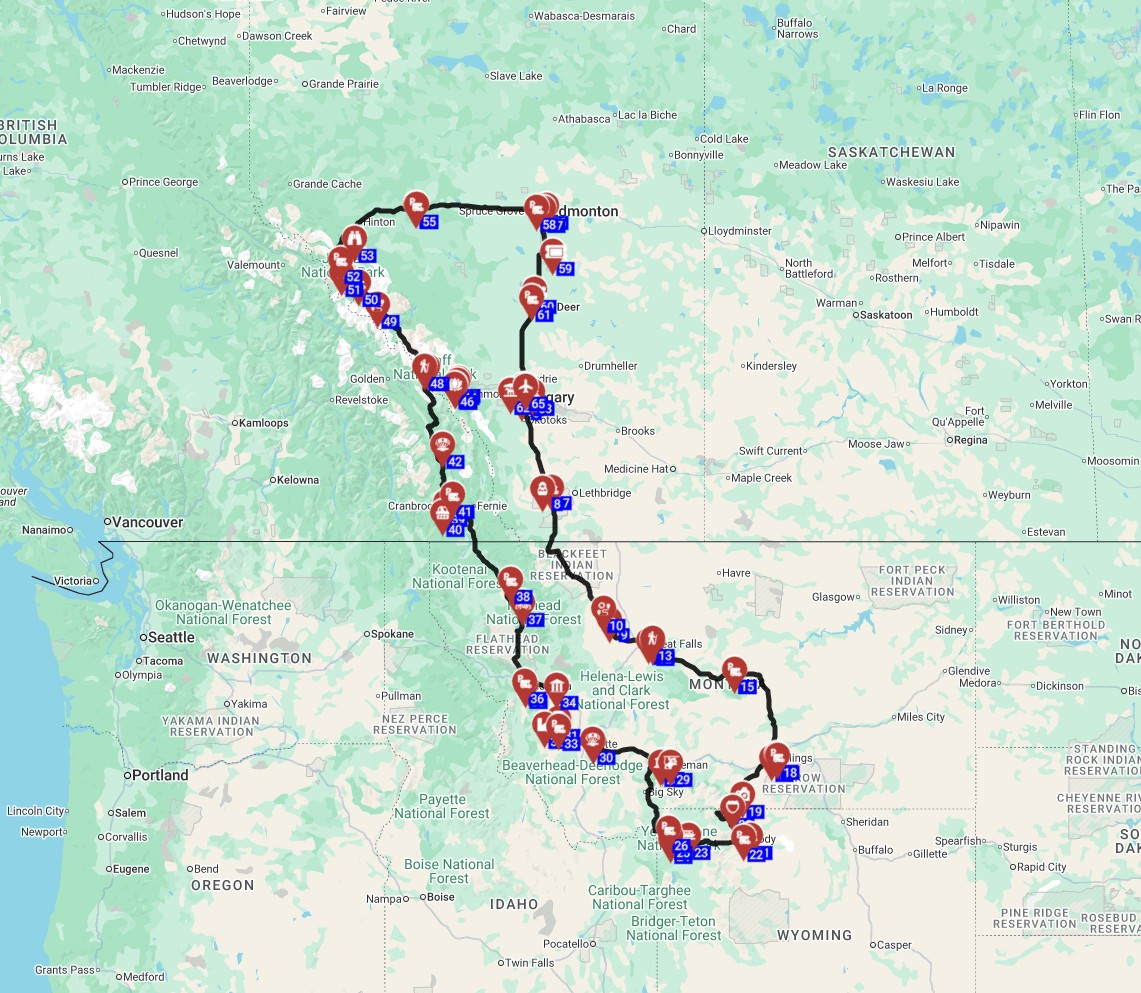
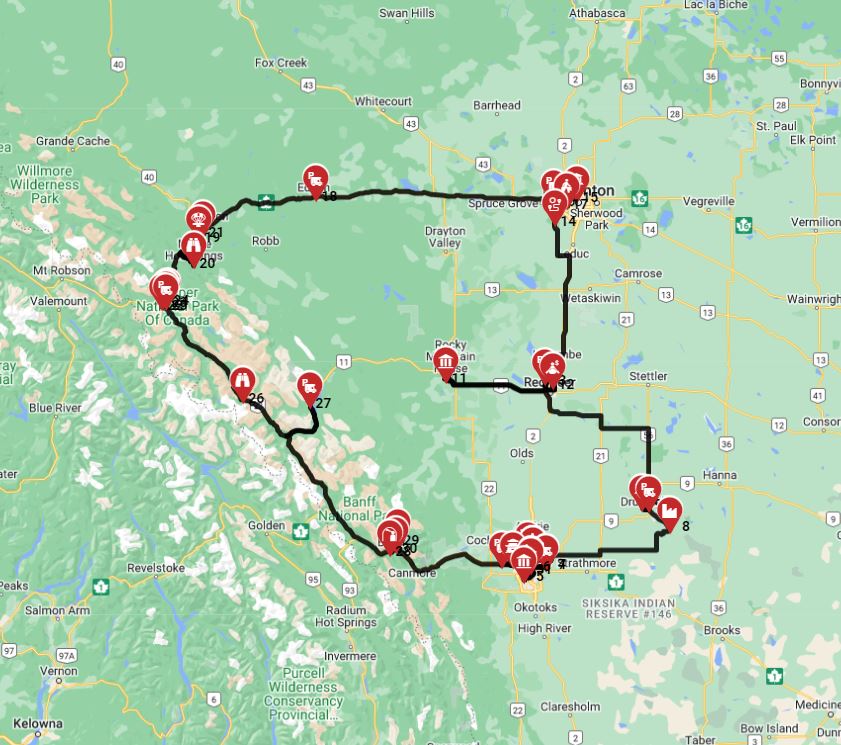
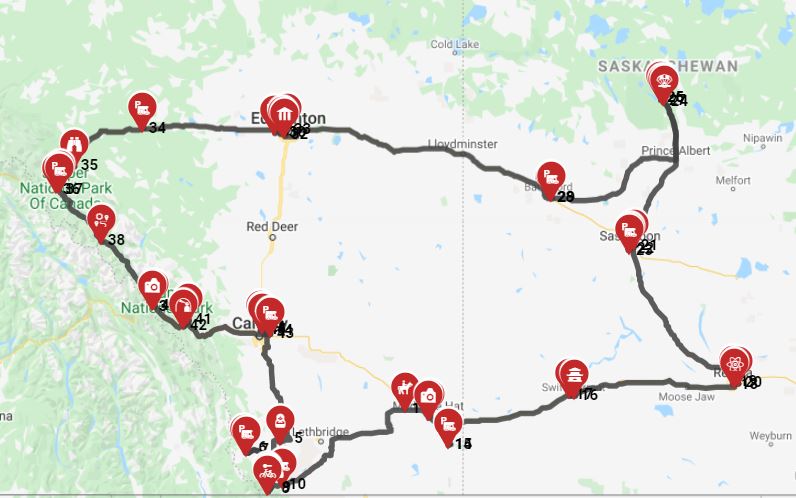
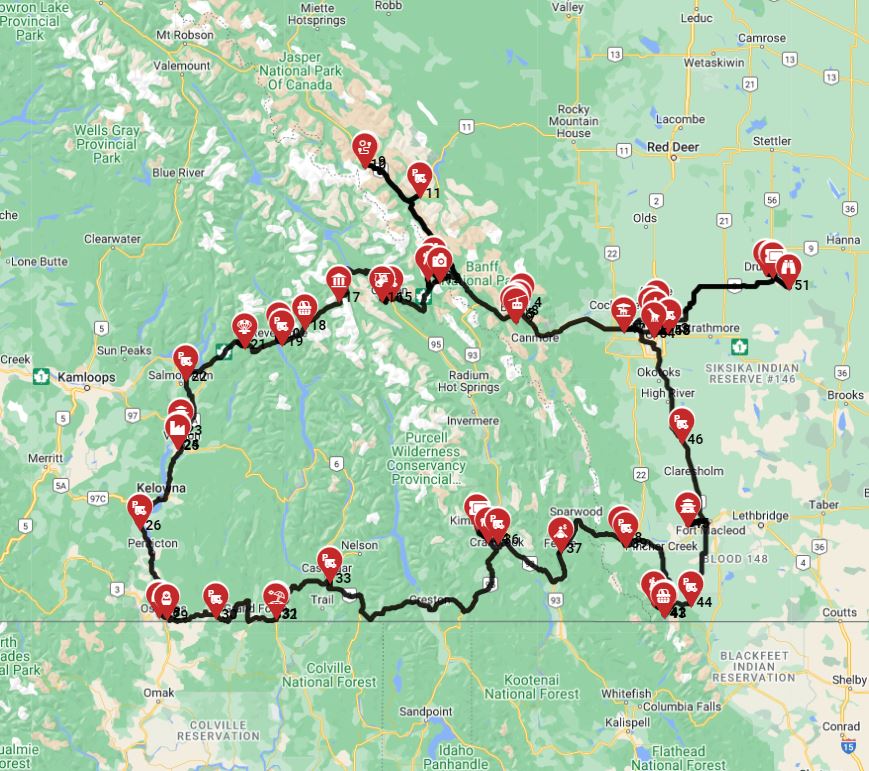
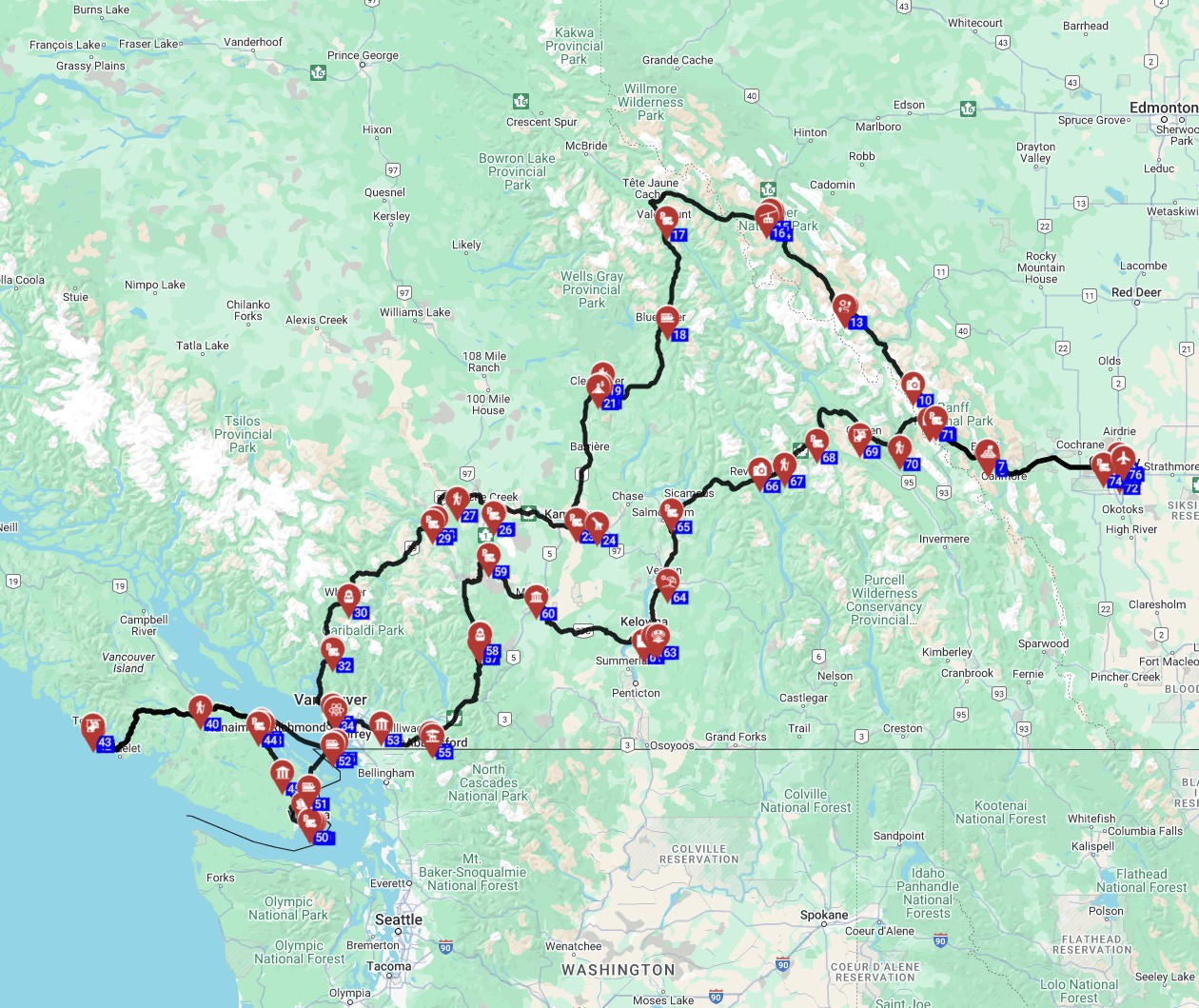
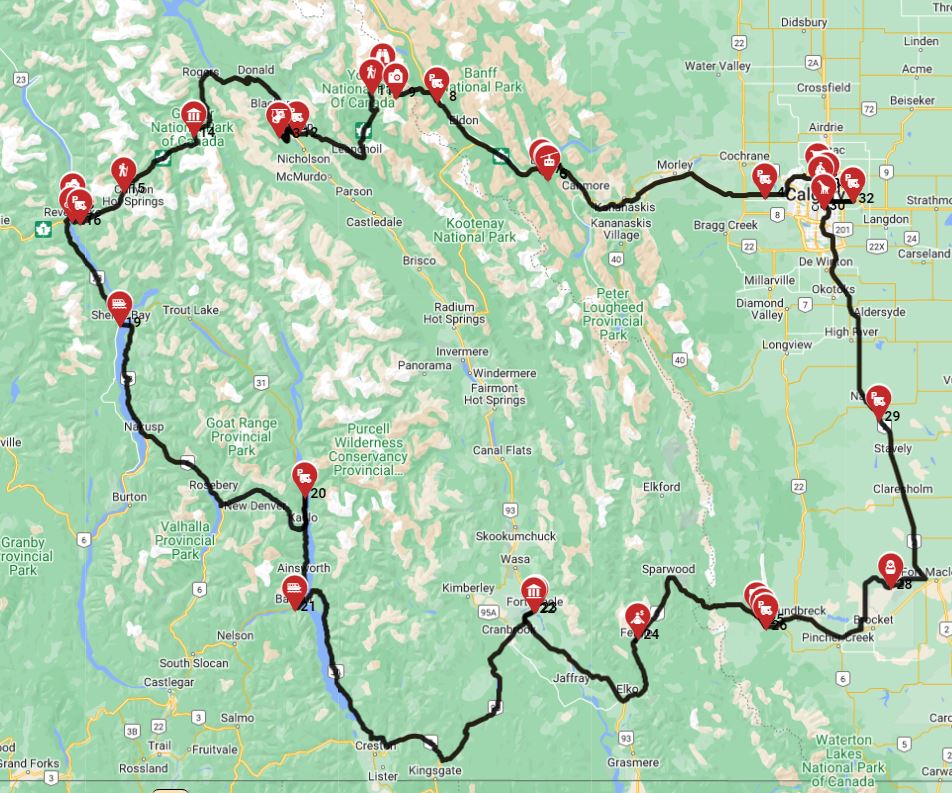
West Canada boasts an incredible array of RV-friendly destinations, offering diverse landscapes from rugged coastlines to towering mountain peaks, making it an ideal region for extended RV travel. British Columbia highlights include the stunning coastal drives of Vancouver Island (Pacific Rim National Park, Tofino), the wine regions of the Okanagan Valley, and the majestic Rockies extending into the province (Yoho National Park). Alberta is home to iconic destinations like Banff and Jasper National Parks, world-renowned for their azure lakes, abundant wildlife, and extensive hiking trails, offering numerous well-equipped RV campgrounds. Consider exploring the lesser-known but equally beautiful Kootenay Rockies region in BC, or venture north to the Yukon for a truly wild and remote RV adventure along the Alaska Highway. Beyond just attractions, seek out RV-friendly local cultural experiences, such as indigenous cultural centers, farmers' markets in small towns, or regional food festivals like the Okanagan Wine Festival, to immerse yourself in the local scene. Planning your route with professionals using Rent&Plan through RV PLANET can ensure you hit all the best spots, and with a 25% planning discount when you use rvplan.net, it's a smart choice for long-term adventures.
Is it cheaper to rent an RV for a month
Generally, renting an RV for a month is significantly cheaper on a per-day basis compared to shorter rental periods, making it a budget-friendly option for extensive travel in West Canada. Rental companies typically offer reduced daily rates for durations exceeding 14 or 30 days, a common practice to incentivize longer bookings and ensure better fleet utilization. While the total upfront cost for a month will be higher than for a week, the per-day savings can be substantial, allowing you to allocate more of your budget to experiences, fuel, and provisions. When budgeting for a month-long rental, remember to account for not just the rental fee, but also substantial fuel costs, optional insurance, campsite fees, and groceries, as these can accumulate significantly over time. Always compare the final prices across suppliers using tools like Bandana's comparison platform, where what you see is what you pay, with no surprise fees at pickup, to determine the most economical option for your long term rv rental. Our direct partnerships with 50+ leading RV suppliers worldwide ensure you get competitive and transparent pricing.
How much does it cost to fill up an RV in Canada
The cost to fill up an RV in Canada varies based on the vehicle's fuel tank capacity, current provincial fuel prices, and the specific RV's fuel efficiency, which for Bandana's fleet can range from 10 to 17 Liters per 100 km. Fuel prices fluctuate by province and territory; for instance, gasoline tends to be more expensive in British Columbia than in Alberta, so factor this into your long-term budgeting plan. To estimate your total fuel cost for a long-term trip, calculate your anticipated mileage and multiply it by your RV's average fuel consumption (e.g., a Class C motorhome averages 10-12 L/100km) and the average fuel price in the regions you'll be traversing. Many RVs, particularly Class A and larger Class C motorhomes, use gasoline, while some newer models or larger units might be diesel; always verify your rented RV's fuel type with the rental company. For a month-long trip across West Canada, fuel will likely be one of your most significant ancillary expenses beyond the rental itself, often amounting to hundreds or even thousands of dollars depending on your itinerary.
When preparing meals in your RV kitchen, you can save on restaurant costs. Explore our RV-friendly recipes playlist for delicious and easy meal ideas on the road.
Is it hard to drive an RV in Canada
Driving an RV in Canada can present a learning curve for novices due to the vehicle's size, weight, and the country's varied terrain, but it is manageable with proper preparation and cautious driving. Drive slowly and carefully, and you can drive almost anywhere without issues. No need to stress - just use common sense and pay attention. Mountain passes in areas like the Canadian Rockies require attention to gear selection, braking, and potential weather changes, especially with larger Class A or C RVs. Highways are generally well-maintained, but navigating smaller provincial roads, unpaved access routes to campsites, or city traffic in Vancouver or Calgary can be more challenging due to the RV's dimensions. Familiarize yourself with your rented RV's specific length, height, and width to avoid low overheads or tight turns, and practice driving in open spaces before hitting major routes for a long-term trip. Always be prepared for unexpected challenges such as sudden weather changes or potential breakdowns in remote areas by knowing your rental company's roadside assistance policy and having emergency contacts readily available. Bandana Caravan, as true RV specialists, is here to support you with pre-booking comparison, booking support, and post-booking coordination, ensuring you're confident for your journey.
What are the rules for RV camping in Canada
RV camping in Canada requires adherence to a range of provincial and park-specific regulations concerning campgrounds, fire restrictions, wildlife safety, and environmental responsibility, especially in sensitive wilderness areas. Wild Camping or Boondocking: While technically allowed on some Crown land (public land managed by the provincial government), rules vary significantly by province (e.g., British Columbia's tenure system vs. Alberta's public land use zones); always research specific regulations for your intended area, including permitted stay lengths and fire restrictions. National and Provincial Parks: These offer designated campgrounds with varying amenities, requiring reservations well in advance, particularly for popular long-term stays during peak season. You'll find a spot. If not at the first campground, then the next one. Call ahead before driving. Follow all park rules, including quiet hours and waste disposal. For finding campsites and campgrounds during your trip, we recommend using RV PLANET (rvplan.net) - a great resource for locating available spots along your route. Fire Restrictions: Be highly aware of local fire bans, especially during dry summer months across Western Canada, which can range from campfire restrictions to full bans on all open flames; violating these carries hefty fines and risks. Wildlife Safety: Practice strict bear country etiquette by securing all food and scented items in bear-proof containers or your RV, never feeding wildlife, and knowing what to do in an encounter (carry bear spray and know how to use it). Environmental Responsibility: Adhere to Leave No Trace principles, which are especially critical for RV travel in sensitive Canadian wilderness areas, including proper waste disposal (pack it in, pack it out), staying on designated roads, and minimizing your environmental footprint to protect these pristine landscapes for future generations.
What is the best month to RV in Canada
The best month to RV in Canada for a long-term trip largely depends on your desired activities and the specific regions you plan to visit, with late spring (May-June) and early autumn (September-October) often providing ideal conditions. Late Spring (May-June): Offers blooming wildflowers, moderate temperatures, fewer crowds than summer, and excellent wildlife viewing opportunities as animals emerge; many national park facilities and roads begin to open, though higher elevation passes might still have snow. Summer (July-August): Is peak season, providing the warmest weather and full access to all attractions and campgrounds, but also brings the largest crowds and highest prices, requiring bookings months in advance. Remember, many national and state parks only reserve 25-30% of spots, with the rest being first-come-first-serve. Early Autumn (September-October): Features spectacular fall foliage, crisp air, significantly fewer crowds, and often discounted rates; however, some services may begin to close, and temperatures can drop quickly, especially at night or in the mountains. For a long-term West Canada rental, targeting the shoulder seasons (May-June or Sept-Oct) often provides the best balance of pleasant weather, accessibility, and a more serene experience without the intense summer crowds, and can also lead to more favorable rental rates. Plan a trip itinerary in advance with minimal effort and maximum enjoyment by consulting our "RV Travel Guide to West Canada - Tips and Top Spots 2026".
Can you take a rental RV into the US from Canada
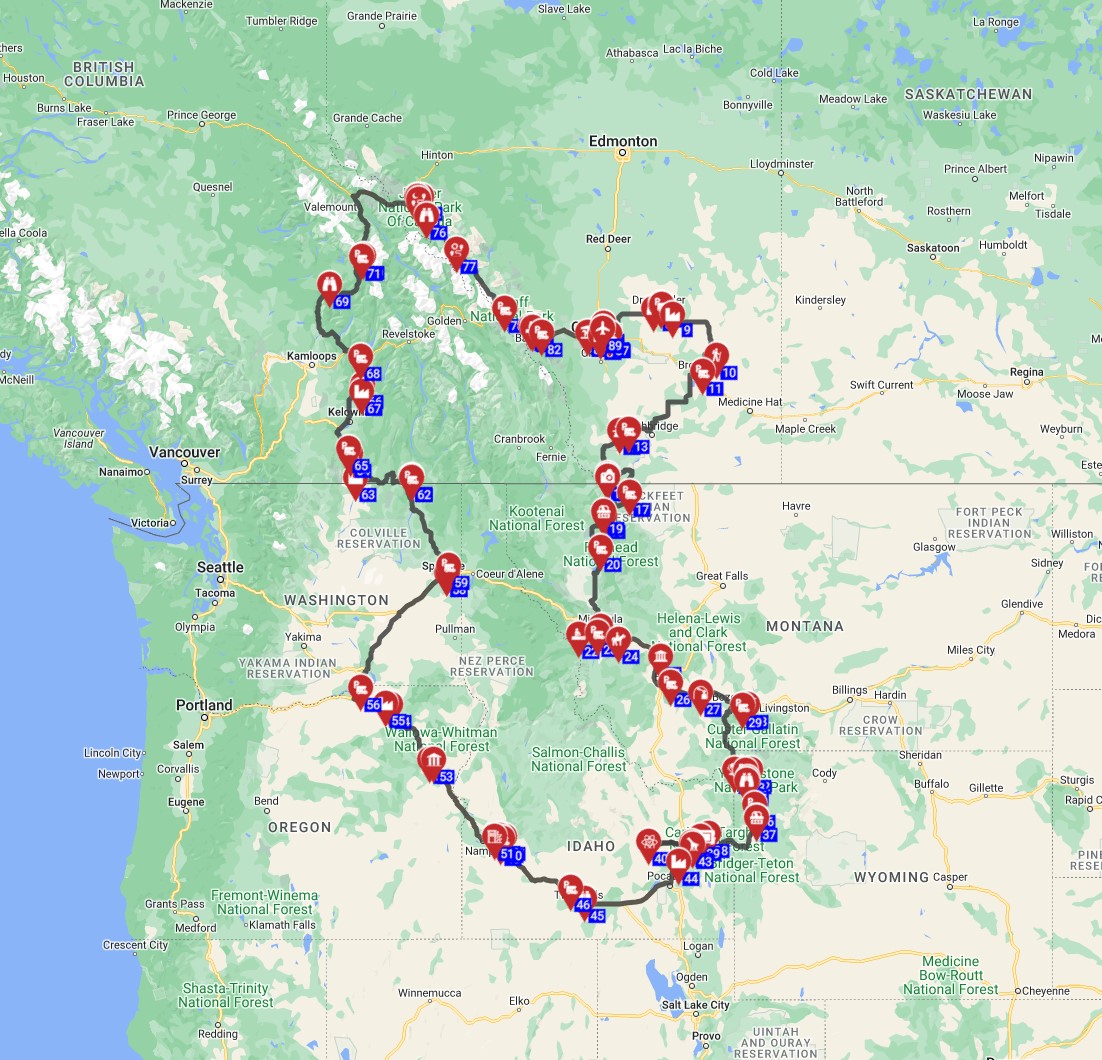
Taking a rental RV from Canada into the United States is generally permitted, but it requires specific authorization from your rental company, correct documentation, appropriate vehicle insurance, and adherence to customs regulations for both countries. Rental Company Authorization: Always inform your rental provider of your intention to cross the border; most companies have a policy allowing cross-border travel but may require specific permits or charge a small fee. Documentation: Ensure all travelers have valid passports; you'll also need your valid driver's license, the RV rental agreement, and the vehicle's registration papers (provided by the rental company) readily available for border officials. Vehicle Insurance: Confirm with your rental company that your insurance coverage extends to the United States; if not, you may need to purchase additional cross-border insurance. Allowed Items: Be aware of customs regulations regarding what you can bring across the border, especially fresh produce, certain alcohol quantities, and firearms, as rules are strict to prevent agricultural pests or illegal items. Preparing these requirements in advance will ensure a smooth and hassle-free border crossing for your long-term RV adventure between Canada and the US. For more specific information, you can also refer to our "One-Way RV Rental in West Canada - Price Guide 2026" which covers cross-border travel options.
What You Shouldn't Miss
- **Icefields Parkway (Alberta):** Drive this 232 km scenic highway between Banff and Jasper National Parks, marveling at glaciers, turquoise lakes, and abundant wildlife. It includes access to over 100 hiking trails and numerous viewpoints.
- **Vancouver Island (British Columbia):** Explore the rugged west coast, including Pacific Rim National Park near Tofino (featuring 150 km of hiking trails), and the charming capital city of Victoria, experiencing diverse coastal ecosystems.
- **Okanagan Valley (British Columbia):** Discover Canada's only true desert environment in the South Okanagan, home to over 180 wineries, warm lakes for swimming, and unique flora like cacti.
- **Banff National Park (Alberta):** Visit iconic Lake Louise, Moraine Lake, and take a scenic gondola ride for panoramic views. The park has over 2,500 km² of protected wilderness and extensive hiking opportunities.
- **Whistler Blackcomb (British Columbia):** In summer, enjoy mountain biking and hiking on over 50 km of trails, or take the Peak 2 Peak Gondola for breathtaking 360-degree views, a truly exhilarating experience.
Looking for expert insights from Avi Bandana? Top 5 Adventures - recommendations from Avi Bandana
From my numerous travels, I've found that the real magic of West Canada lies in its vastness and the opportunities for quiet reflection. The drive along the Icefields Parkway, while popular, offers countless hidden pull-offs and short trails where you can find solitude amidst towering peaks and pristine lakes. Don't rush it; spend a few days covering this stretch, allowing yourself to truly soak in the grandeur. The contrast of the Okanagan's desert landscape with the nearby mountains is also a unique gem, offering a different kind of natural beauty. The key is to embrace the unexpected and let the landscape guide your journey.
Final Thoughts
A long-term RV rental in West Canada is more than just a trip; it's an immersive journey into some of the world's most breathtaking natural beauty and vibrant cultures. Whether you're drawn to the soaring peaks of the Rockies, the serene coastal rainforests, or the unique desert landscapes, a rented motorhome or campervan provides the ultimate flexibility and comfort to truly discover West Canada. Remember to embrace slow travel, allowing yourself the time to truly connect with each place, its people, and its flavors.
At Bandana Caravan, we're here to ensure your extended adventure is seamless and stress-free, from helping you compare the perfect vehicle to providing transparent pricing and expert guidance. We believe in helping you create unforgettable memories, confident in your choices and supported every step of your planning journey.
Get inspired for your next long term rv trip in West Canada! Discover top destinations and planning tips all in one place. Your ultimate Canadian road trip awaits!