For live availability and current prices, start with our RV Rental Norway - Complete Guide 2026 guide.
In This Guide
- The 5 RV Families Compared for Norway
- Class A (Integrated) — Best For
- Price Comparison by RV Class in Norway
- Class SI (Semi-Integrated) — Best For
- Class C (Alcove) — Best For
- Class B (Campervan) — Best For
- Class TC (Truck Camper) — Best For
- Side-by-Side Comparison Table
- Our Recommendation for long term rv rental Travelers in Norway
- Is it worth renting an RV in Norway?
- How much does it cost to rent an RV in Norway?
- What is the best time to RV in Norway?
- How long does it take to RV through Norway?
- What is the best RV for touring Norway?
- Do you need a special license to drive an RV in Norway?
- What are the driving rules for RVs in Norway?
- Can I wild camp in an RV in Norway?
- Are there RV dump stations in Norway?
- Is there free wifi at campsites in Norway?
The 5 RV Families Compared for Norway
Norway's diverse terrain and varied weather necessitate careful RV selection for long-term rentals. For most travelers, the key is balancing the desire for space and amenities with the practicalities of navigating the country's famous fjords, mountain passes, and sometimes narrow city streets. Consider vehicle size, sleeping capacity, and fuel efficiency based on your group size and desired travel style. Long-term trips benefit immensely from RVs that strike an ideal balance between comfort, maneuverability, and cost-effectiveness, ensuring your Norwegian adventure is both memorable and manageable.
Choosing the right RV family is crucial for a successful long-term rental in Norway. The country's dramatic landscapes, from the dramatic fjords of the west to the rugged beauty of the Lofoten Islands and the vast wilderness of the Arctic, present unique challenges and opportunities. Understanding the characteristics of each RV class will help you tailor your choice to your specific needs, ensuring you can explore Norway's stunning scenery with confidence and ease.
Class A (Integrated) — Best For
Class A integrated motorhomes, typically averaging 7.5 meters in length and sleeping 4.4 people (4 adults) in Bandana's global fleet, offer the most spacious and luxurious long-term RV experience in Norway. These vehicles are often the pinnacle of comfort, resembling a small apartment on wheels, and are best suited for larger families or groups seeking maximum amenities for extended journeys. When traveling for weeks or months, the extra living space and dedicated sleeping areas found in Class A rigs can significantly enhance the overall comfort, especially if you plan frequent stops at full-service campsites where their size is less of a concern.
Their substantial load capacity, averaging 209.5 kg across Bandana's fleet, means you can bring along extensive gear, sporting equipment, or extra supplies for a truly immersive long-term Norwegian exploration. However, their larger dimensions and substantial weight (often over 3,500 kg) present trade-offs. Fuel consumption, typically around 11-12 Liters/100 km, can be substantial on longer trips, and maneuverability on Norway's famously narrow mountain roads, winding fjords, and many ferries can be challenging. Drivers will need to be particularly mindful of height and weight restrictions in certain areas, as well as finding suitable parking in smaller towns or historic city centers.
Price Comparison by RV Class in Norway
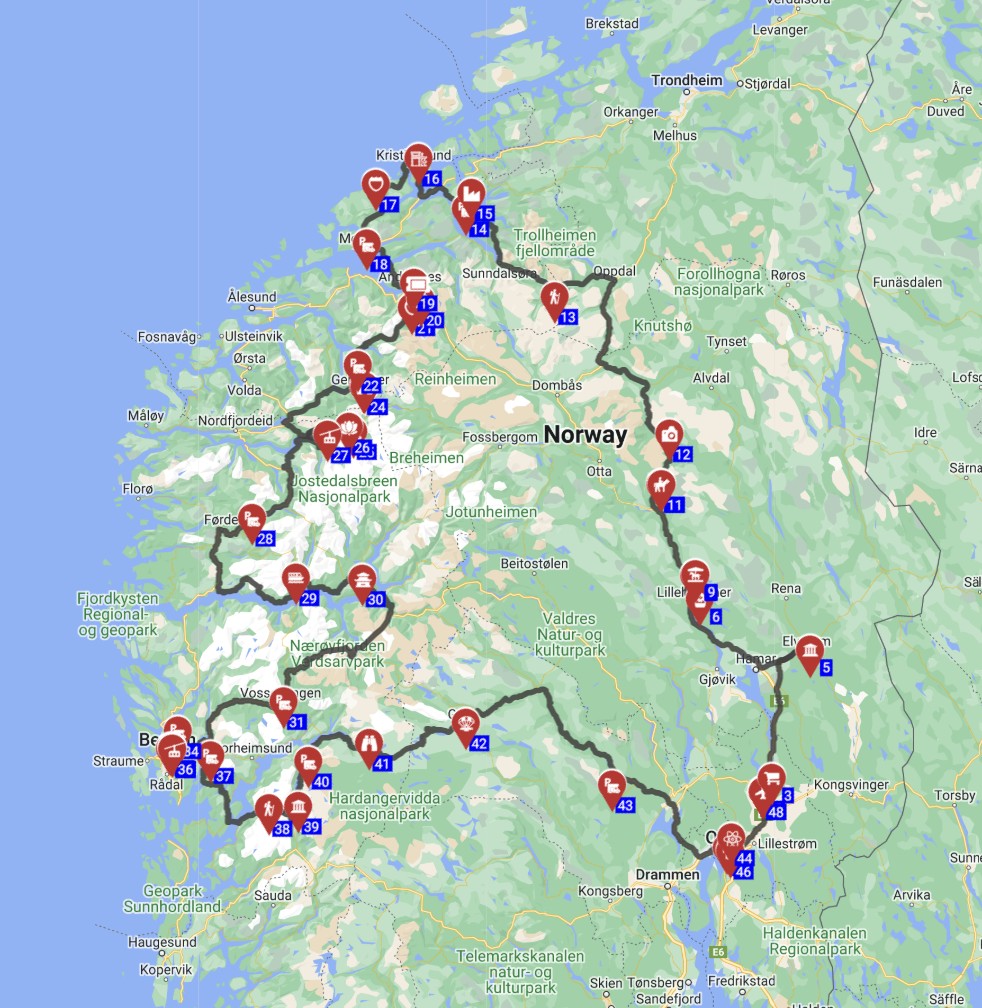
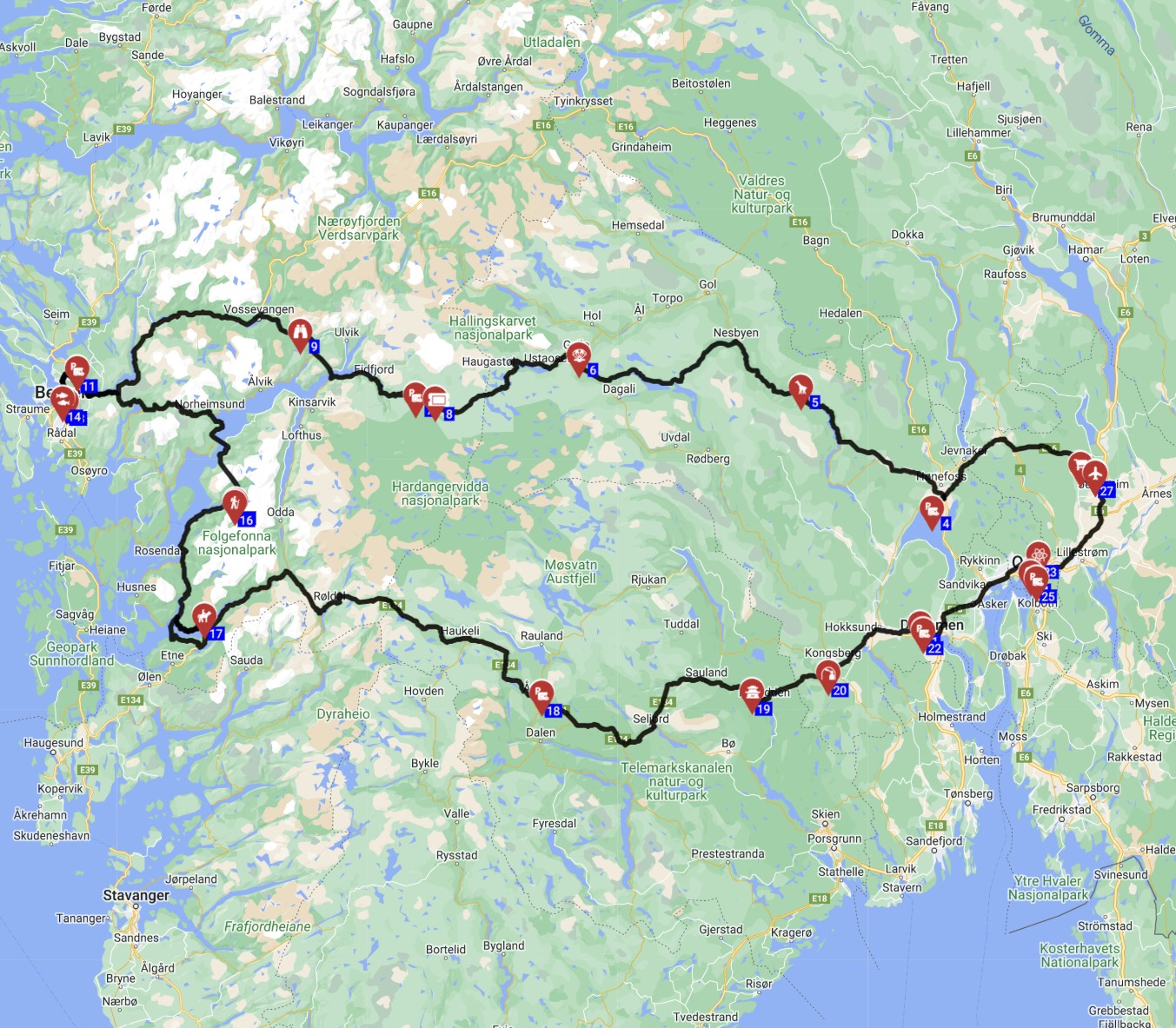
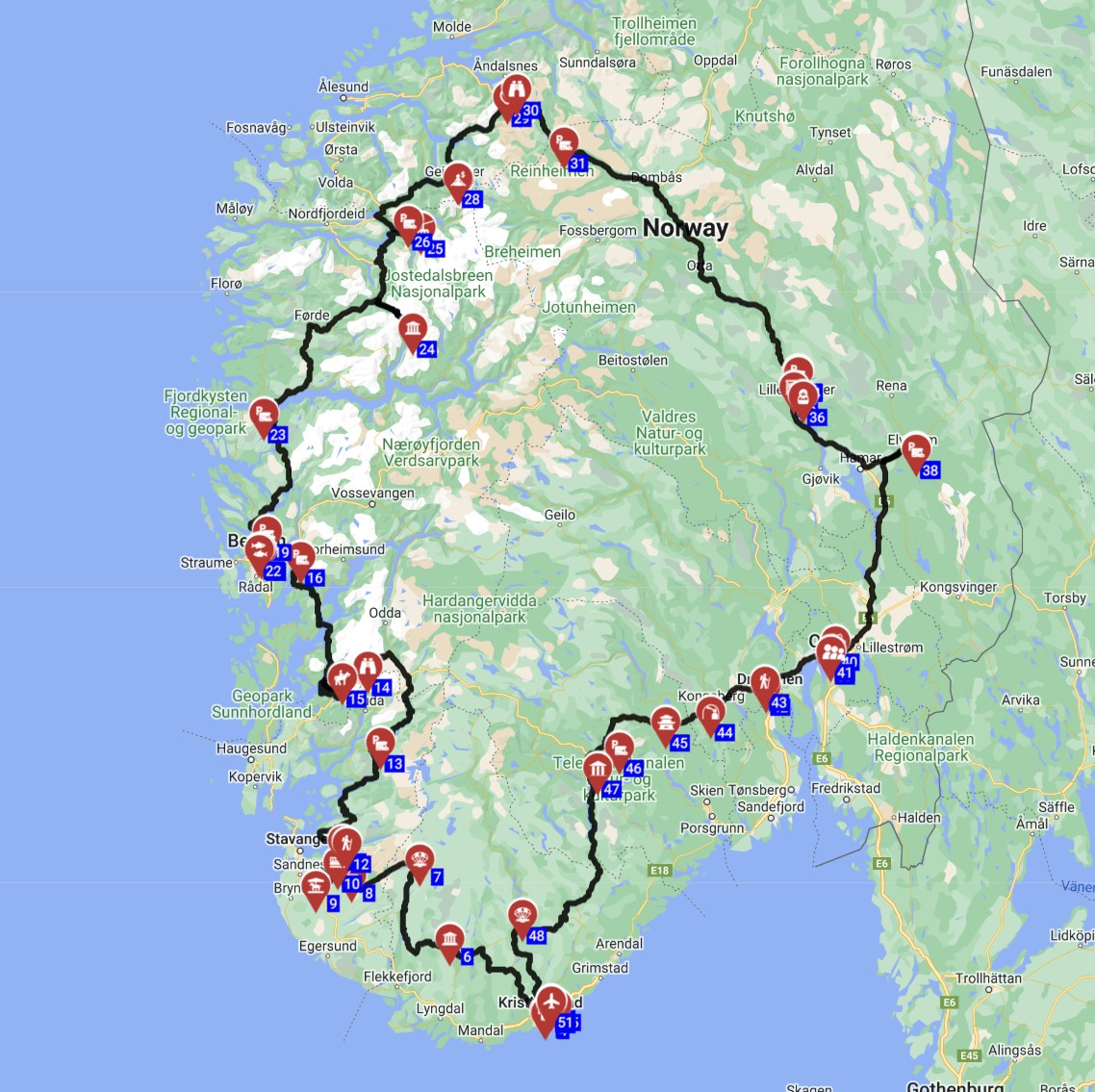
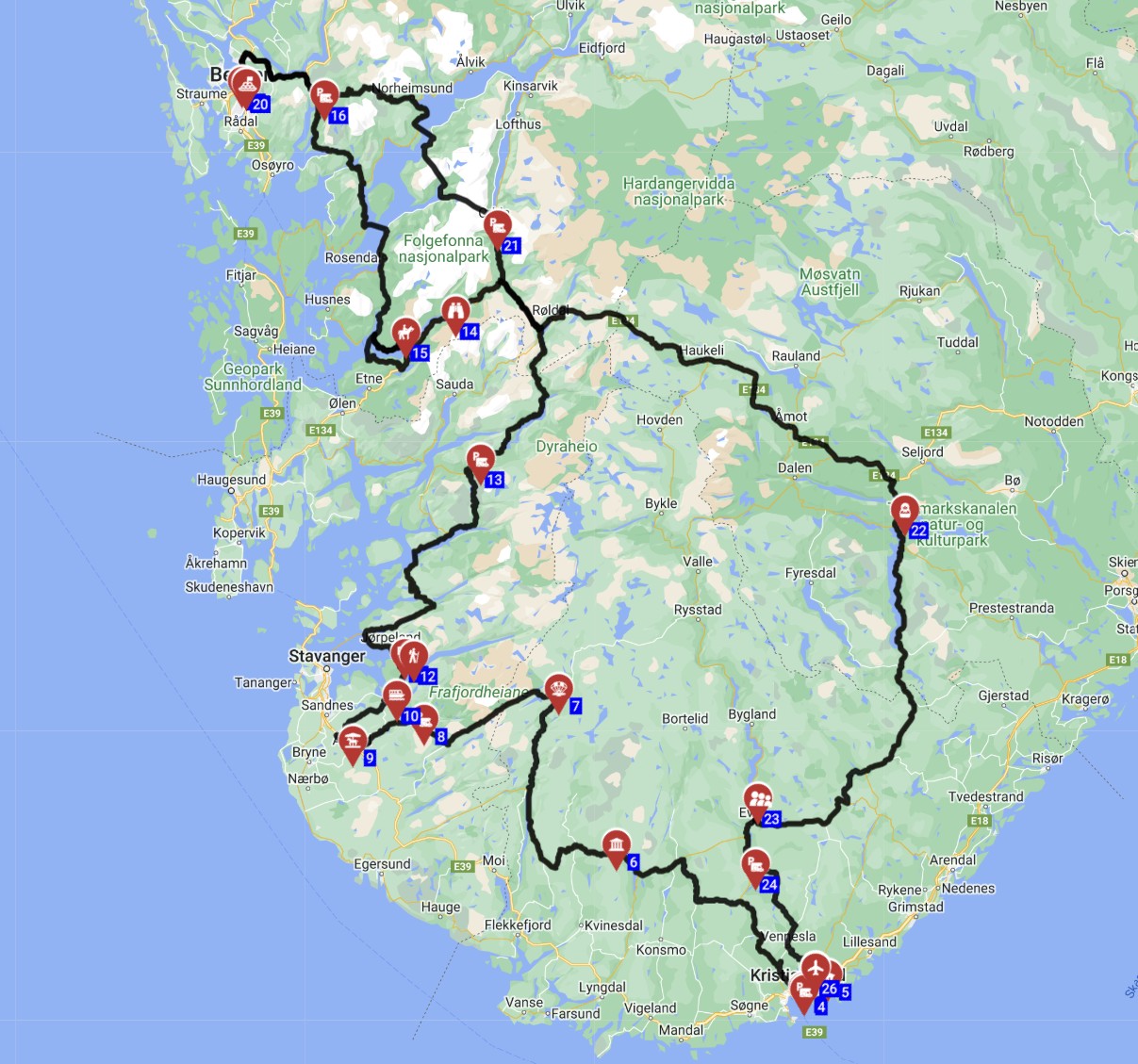
Because rental pricing is dynamic and flex-rate, the table below pulls real example prices from Bandana's live search for various RV classes and rental durations, giving you an estimate for your planning. Rental prices for long-term RVs in Norway vary significantly by class, season, and duration; it's common for daily rates to become more economical for extended periods (e.g., weekly or monthly rentals). Beyond the base rental fee, key factors influencing your overall budget will include fuel costs, especially for larger RVs, and seasonal demand, which impacts availability and pricing. On the routes offered through RV PLANET routes, you can itemize and track every expense along the way for easy budgeting.
Live April Price Comparison — RV Class × Trip Length
| Trip length | Class A | Class B | Class C | Class SI | Class TC |
|---|---|---|---|---|---|
| 1 week 15/04 → 22/04 | 940.66 € EUR | 643.71 € EUR | 833.41 € EUR | 715.51 € EUR | Check prices |
| 2 weeks 15/04 → 29/04 | 1,483.46 € EUR | 985.26 € EUR | 1,287.66 € EUR | 1,089.26 € EUR | Check prices |
| 1 month 01/04 → 30/04 | 2,501.30 € EUR | 1,575.04 € EUR | 2,116.37 € EUR | 1,746.72 € EUR | Check prices |
Estimates only — flex-rate prices change daily based on availability and season.
Prices displayed are flex-rate estimates and update daily; for the most current availability and pricing, use the search box at the top of the page. Remember to factor in ancillary costs like fuel, ferry crossings, and potential campsite fees when budgeting for your long-term Norwegian adventure.
Class SI (Semi-Integrated) — Best For
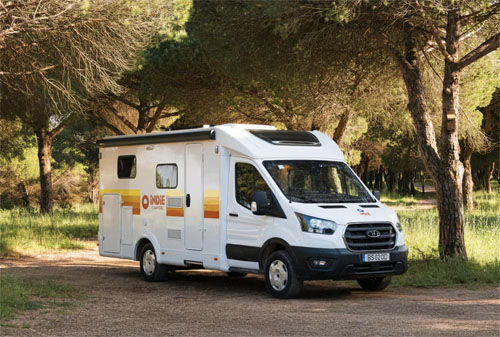
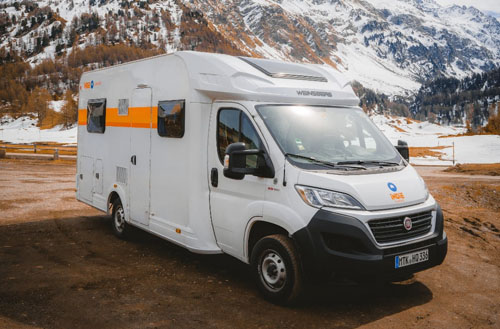
Class SI semi-integrated motorhomes, averaging 6.9 meters in length and sleeping 3.8 people (3.4 adults) in Bandana's global fleet, strike an excellent balance for long-term RV rental in Norway. These vehicles are often favored by couples or small families looking for a comfortable living space and essential amenities without the substantial bulk of a Class A, making them significantly more manageable on Norway's diverse road network. Their size allows for easier navigation through narrower routes, picturesque villages, and busy city streets.
With a typical fuel consumption of 10-11 Liters/100 km and a load capacity averaging 72.2 kg, they offer a practical mix of efficiency and storage for extended trips. This blend of features makes them ideal for exploring Norway's iconic fjords, scenic coastal routes, and mountainous interior. Their size also generally permits easier ferry boarding and maneuverability on Norwegian roads and in ferry queues compared to larger integrated models, enhancing the overall driving experience on your extended journey.
Class C (Alcove) — Best For
Class C alcove motorhomes, averaging 7.5 meters in length and sleeping 5.8 people (4.4 adults) across Bandana's global fleet, are often a top choice for families or larger groups planning long-term RV rentals in Norway. The distinctive alcove, or "over-cab" sleeping area, provides crucial extra sleeping space, making them highly suitable for those needing separate sleeping areas or accommodating more passengers comfortably. This extra sleeping capacity is a significant advantage for family vacations or trips with friends, ensuring everyone has a dedicated spot.
While similar in length to some Class A motorhomes, their construction typically offers better maneuverability and often a more cost-effective rental price. With fuel consumption around 10-12 Liters/100 km, they present a reasonable compromise between space and efficiency for extended travel. Although their load capacity averages around 42.4 kg, necessitating careful packing for longer trips, the ample sleeping arrangements and often spacious living areas make them a practical and comfortable option for an extended Norwegian adventure, ensuring comfort for all occupants.
Class B (Campervan) — Best For
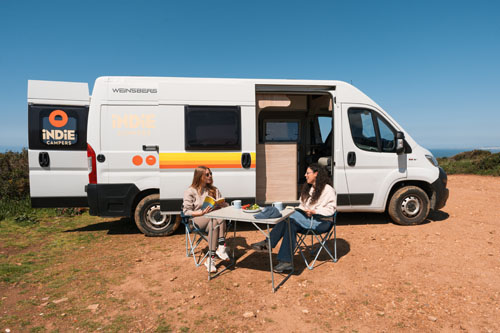
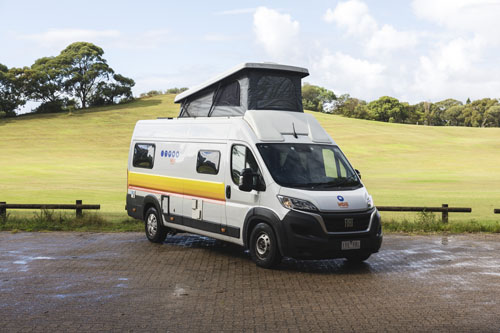
Class B campervans, typically 5.8 meters long and sleeping 3.2 people (2.7 adults) in Bandana's global fleet, are the optimal choice for long-term RV renters prioritizing agility, fuel economy, and spontaneous travel across Norway. Best suited for solo travelers, couples, or small groups, their compact size makes navigating Norway's narrow roads, picturesque villages, and ferry routes an absolute breeze. Their nimble nature also appeals to those who enjoy more adventurous travel, potentially seeking out more remote or less-trafficked areas.
With excellent fuel efficiency, generally around 10 Liters/100 km, campervans offer significant cost savings over extended periods, making them a budget-friendly option. Their compact design provides greater flexibility in accessing remote camping spots and finding parking, even in bustling cities, despite having a lower load capacity (averaging 37 kg) compared to larger motorhomes. While offering less interior space and fewer amenities than larger classes, their agility and cost-effectiveness are significant advantages for those who want to immerse themselves in Norway's diverse landscapes over an extended period, embracing a minimalist yet highly mobile travel style.
Class TC (Truck Camper) — Best For
Class TC truck campers, averaging 5.5 meters in length and sleeping 2.4 people (2.1 adults) in Bandana's global fleet, represent the most off-grid and versatile long-term RV rental option for truly adventurous explorers in Norway. These compact yet capable units are ideal for intrepid couples or small groups who desire the ability to tackle rougher terrain and explore more remote, less-trafficked areas. The unique advantage of a truck camper is that the camper unit can often be detached from the truck chassis, allowing for greater flexibility.
Their robust build, often paired with 4x4 capability, makes them particularly well-suited for Norway's varied landscapes, including gravel logging roads and off-road trails that larger RVs cannot access. While fuel consumption can be higher, typically ranging from 12-17 Liters/100 km, the versatility and ability to reach truly hidden gems and experience unparalleled freedom are significant draws. Though interior space and load capacity might be limited, the sheer ability to reach remote locations and embrace a more rugged style of travel makes truck campers perfect for those seeking a unique, extended Norwegian adventure off the beaten path.
Side-by-Side Comparison Table
To assist your long-term rental decision for Norway, this table offers a quick overview of key specifications for each RV family. When making your choice, consider the average length for maneuverability on Norway's winding roads and ferry systems, the sleeping capacity needed for your group, and the fuel consumption figures for estimating your overall trip cost. The 'Best Use Case' column summarizes the ideal scenarios for each RV type, taking into account Norway's unique travel environment, from its dramatic fjords to its charming coastal towns.
| Family | Avg Length (m) | Sleeps (Avg) | Fuel Use (L/100km) | Best Use Case in Norway |
|---|---|---|---|---|
| Class A (Integrated) | 7.5 | 4.4 | 11-12 | Luxury, spacious travel for larger groups, full amenities, mainly staying at developed campsites. |
| Class SI (Semi-integrated) | 6.9 | 3.8 | 10-11 | Balanced comfort and maneuverability for couples/small families; versatile for roads and some wild camping. |
| Class C (Alcove) | 7.5 | 5.8 | 10-12 | Family-focused trips needing extra beds; good balance of space and manageable driving. |
| Class B (Campervan) | 5.8 | 3.2 | ~10 | Agile, fuel-efficient travel for couples/solo; ideal for narrow roads, easy parking, stealth camping. |
| Class TC (Truck Camper) | 5.5 | 2.4 | 12-17 | Off-grid adventure, exploring remote areas, detaching for local excursions, suited for rougher terrain. |
Our Recommendation for long term rv rental Travelers in Norway
For most long-term RV travelers in Norway, the Class SI (Semi-integrated) motorhome emerges as the primary recommendation. It masterfully balances comfort, maneuverability, and cost-effectiveness, making it an excellent all-around choice for exploring the country's diverse landscapes. Its manageable size, averaging 6.9 meters, navigates Norway's roads and ferries effectively while still providing ample living space and amenities for extended stays, ensuring a comfortable journey for couples or small families.
A strong runner-up, particularly for solo travelers or couples prioritizing maximum agility and fuel efficiency, is the Class B (Campervan). These vehicles excel in their ability to access more remote locations and integrate seamlessly into various environments, from urban exploration to off-the-beaten-path natural sites. Their compact footprint simplifies parking and navigating narrow passages, offering a freedom that larger motorhomes might not provide, ensuring a truly immersive Norwegian experience.