For live availability and current prices, start with our RV Rental Australia - Complete Guide 2026 guide.
In This Guide
- Best Australia RV Itinerary for rv rental - Overview
- 7-Day Classic Route in Australia
- 14-Day Extended Journey in Australia
- Recommended RVPlan Trip for Australia
- Must-See Stops Along the Way (Avi Bandana Picks)
- Daily Driving Distances & Drive Times in Australia
- Best RV Class for This Itinerary - Couple & Family Picks
- What is the most beautiful road trip in Australia?
- Can you park an RV anywhere in Australia?
- What is the best RV in Australia?
- How long does it take to travel around Australia in a campervan?
- What is the 333 rule for campervan?
- What not to do in Australia as an American?
- What are the top 3 tourist attractions in Australia?
- How many days are enough for an Australia trip?
- What is the best month to go to Australia?
Australia, a land of breathtaking contrasts from sun-kissed beaches to rugged Outback landscapes, is an unparalleled destination for an extended motorhome adventure. Imagine yourself navigating endless coastal roads or venturing into the ancient heart of the continent, all from the comfort and convenience of your own rented RV. Planning a long-term RV itinerary in Australia offers an incredible sense of freedom, allowing you to immerse yourself deeply in the local culture, savor the delicious cuisine, and connect with the stunning scenery at your own pace. For live availability and current prices, start with our RV Rental Australia - Complete Guide 2024 guide, which provides comprehensive insights for your journey.
Best Australia RV Itinerary for rv rental - Overview
A classic Australian RV adventure often involves exploring iconic coastal routes or venturing into the vibrant outback, with recommended durations starting from a minimum of 7 days to truly capture the essence of each region. For a typical week-long coastal trip, you can expect to cover around 700-1000 km, while longer journeys like a
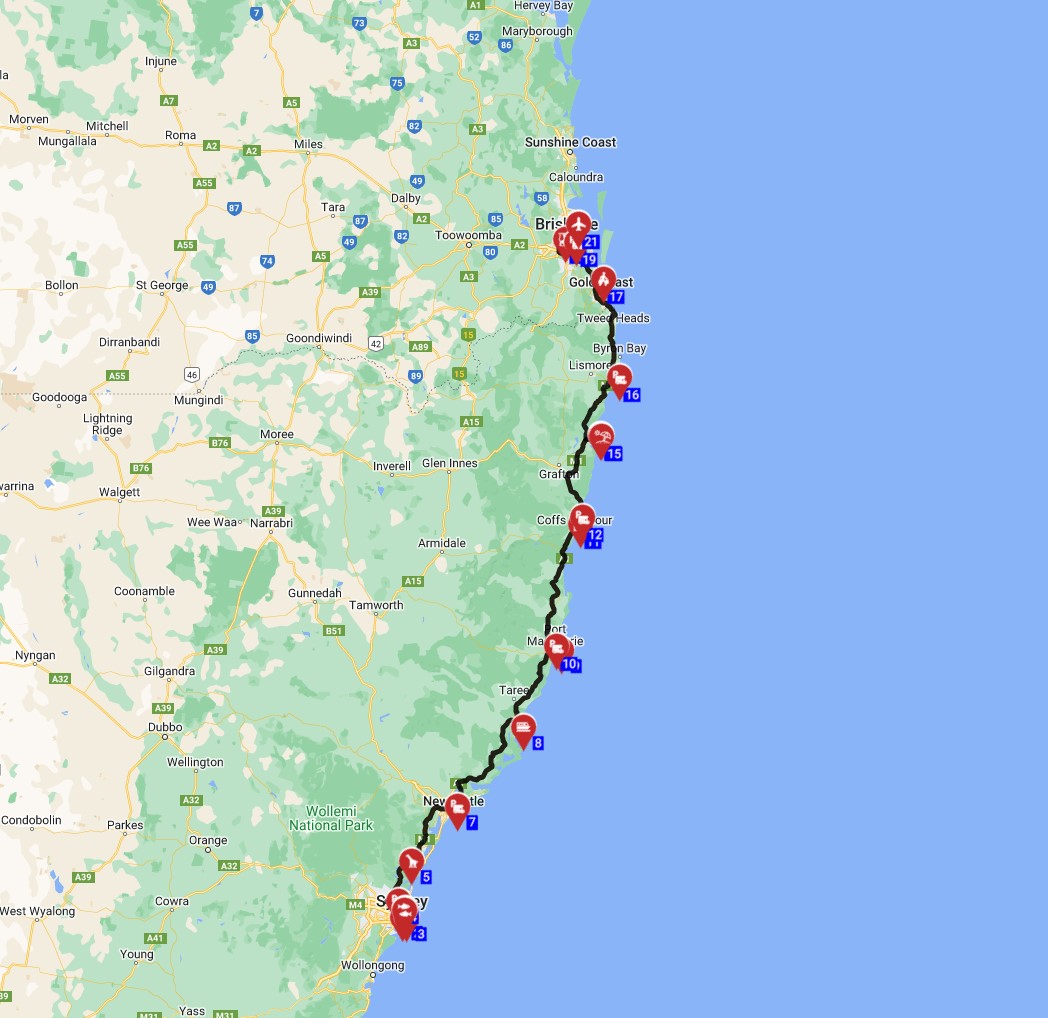
Choosing the right route means considering what kind of experience you're after. Do you dream of surfing iconic beaches, exploring ancient rainforests, or stargazing under vast desert skies? Australia offers it all. When planning your route, remember to factor in average daily travel distances to allow for ample sightseeing and relaxation. With a rented motorhome, you're not just traveling; you're living the adventure, with your home on wheels always at your side. Bandana Caravan, as true RV specialists with direct partnerships with 50+ leading RV suppliers worldwide including Apollo and Britz, understands that every traveler's dream is unique. We're here to help you find the perfect RV for your long-term Australia itinerary, ensuring full transparency with no hidden fees and no surprises.
7-Day Classic Route in Australia
For a week-long immersion into Australia's stunning scenery, a Sydney-centric coastal and hinterland loop is highly recommended, covering approximately 460 km over 7 days. This itinerary offers a balanced mix of iconic coastal drives, charming towns, and majestic mountains, ideal for travelers wanting a compact yet rich experience with their rented campervan.
- Day 1: Sydney to Kiama (approx. 120 km) - Drive south from Sydney along the Grand Pacific Drive, enjoying spectacular coastal views. Visit the natural wonder of the Kiama Blowhole. Plan your overnight stay at Kiama Harbour Cabins & Holiday Park, which offers excellent facilities.
- Day 2: Kiama to Jervis Bay (approx. 50 km) - A short, scenic drive to Jervis Bay, famous for its incredibly white sand beaches, notably Hyams Beach. Spend the afternoon swimming or kayaking in crystal-clear waters. Camp comfortably at Jervis Bay Holiday Park.
- Day 3: Jervis Bay Exploration - Dedicate the day to exploring more of the pristine Jervis Bay area, perhaps venturing into Booderee National Park (which boasts over 100 bird species), enjoying a seasonal whale watching tour, or simply relaxing on the unspoiled beaches. Remain at Jervis Bay Holiday Park.
- Day 4: Jervis Bay to Kangaroo Valley (approx. 70 km) - Head inland to the picturesque Kangaroo Valley, known for its quaint village, lush dairy farms, and stunning landscapes. Visit the historic Pioneer Village and enjoy the peaceful rural atmosphere. Park your rented motorhome at Kangaroo Valley Tourist Park.
- Day 5: Kangaroo Valley to Blue Mountains (approx. 120 km) - Drive north-west to the majestic Blue Mountains, a UNESCO World Heritage area. Witness the iconic Three Sisters rock formation and embark on scenic bushwalks. Book your stay at Katoomba Falls Tourist Park.
- Day 6: Blue Mountains Exploration - Explore more of the dramatic Blue Mountains, perhaps taking the thrilling Scenic Railway or Skyway for panoramic views, or hiking to impressive waterfalls like Wentworth Falls. Stay a second night at Katoomba Falls Tourist Park to fully absorb the area.
- Day 7: Blue Mountains to Sydney (approx. 100 km) - Enjoy a final mountain sunrise before embarking on the return journey to Sydney, completing your unforgettable week-long coastal and hinterland adventure.
14-Day Extended Journey in Australia
A two-week rented motorhome journey through Australia's southern regions offers a rich tapestry of coastal beauty, world-class wine country, and vibrant city experiences. This itinerary focuses on a captivating route from Melbourne to Adelaide, covering approximately 750-800 km and encompassing diverse attractions perfect for couples or families.
- Days 1-2: Melbourne to Apollo Bay (approx. 200 km) - Embark on the iconic Great Ocean Road from Melbourne. Stop at famous surf beaches like Bells Beach and enjoy the stunning coastal scenery, being mindful of slow travel with your RV. Overnight at Apollo Bay Holiday Park, which provides comprehensive amenities.
- Days 3-4: Apollo Bay to Port Fairy (approx. 180 km) - Continue along the Great Ocean Road, taking in the dramatic rock formations of the Twelve Apostles, exploring Loch Ard Gorge, and hiking through sections of Otway National Park. Arrive in the charming historical fishing village of Port Fairy. Plan your stay at Port Fairy Holiday Park.
- Days 5-6: Port Fairy to Coonawarra Wine Region (approx. 170 km) - Head inland to South Australia's renowned Coonawarra wine region, famous for its Cabernet Sauvignon. Enjoy cellar door tastings and explore the picturesque vineyards. You can camp at a local caravan park or inquire about winery stays (some offer RV parking).
- Days 7-8: Coonawarra to Robe / Kingston SE (approx. 100-150 km) - Drive to the beautiful Limestone Coast, visiting coastal towns like Robe, known for its long, sandy beaches and historical sites. Indulge in fresh local seafood. Secure an overnight spot at Robe Beachfront Holiday Park.
- Days 9-10: Robe to McLaren Vale Wine Region (approx. 200 km) - Continue your journey towards Adelaide, making a significant stop in the McLaren Vale wine region. This area is celebrated for its gourmet delights, stunning vineyards, and beautiful scenic drives. Stay at a well-equipped McLaren Vale caravan park.
- Days 11-12: McLaren Vale to Adelaide Hills / Barossa Valley (approx. 80-100 km) - Explore the scenic Adelaide Hills, known for its charming villages, artisan producers, and cool-climate wines. Alternatively, venture further to the iconic Barossa Valley, one of Australia's oldest and finest wine regions. Enjoy local produce and picturesque landscapes. Stay at a Barossa Valley holiday park.
- Days 13-14: Adelaide Exploration and Departure - Spend your final two days exploring Adelaide's vibrant city center, visiting cultural institutions like the South Australian Museum, enjoying the culinary scene at the Central Market, or relaxing in its beautiful parks, before preparing for your rented RV return.
Recommended RVPlan Trip for Australia
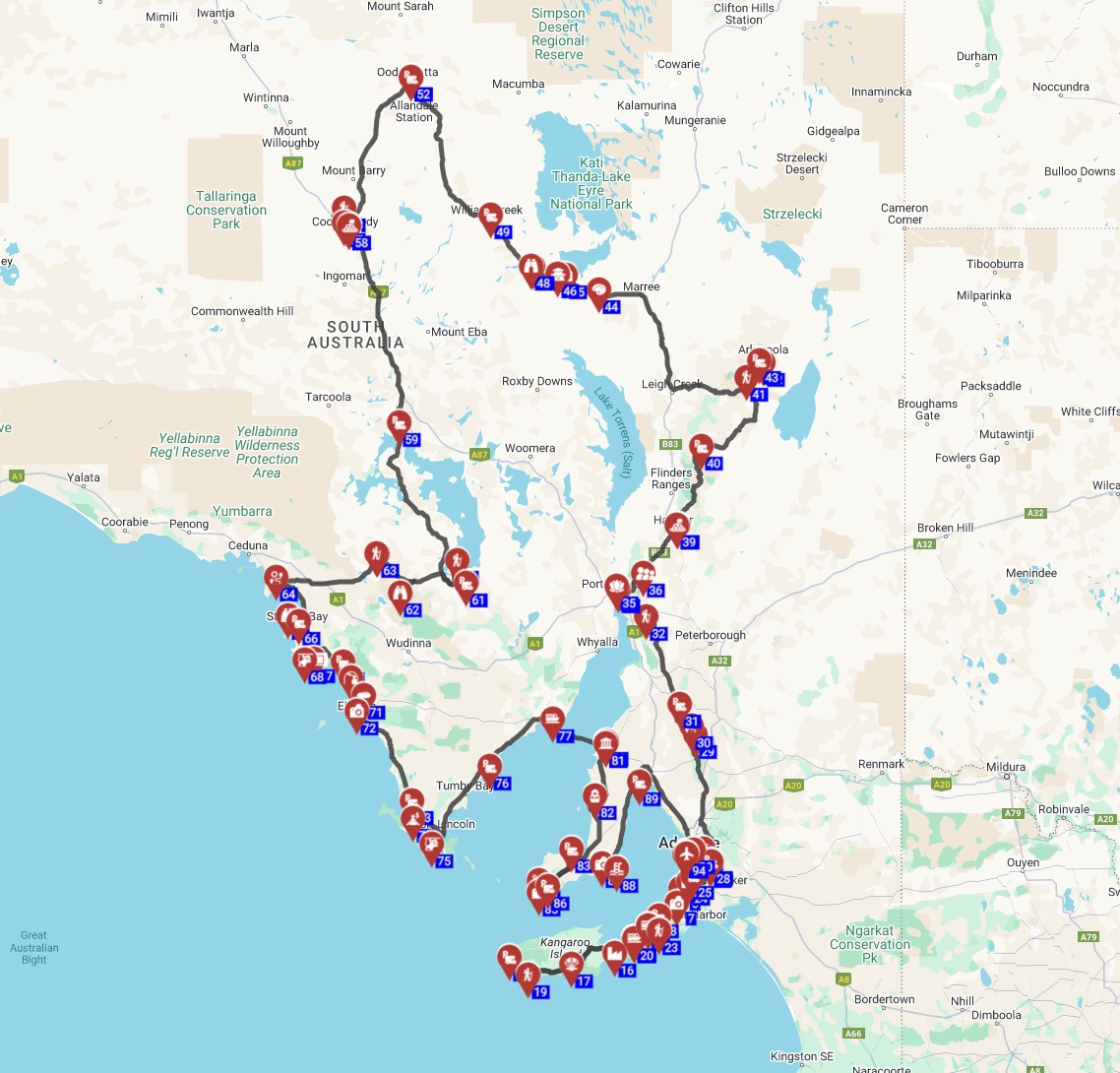
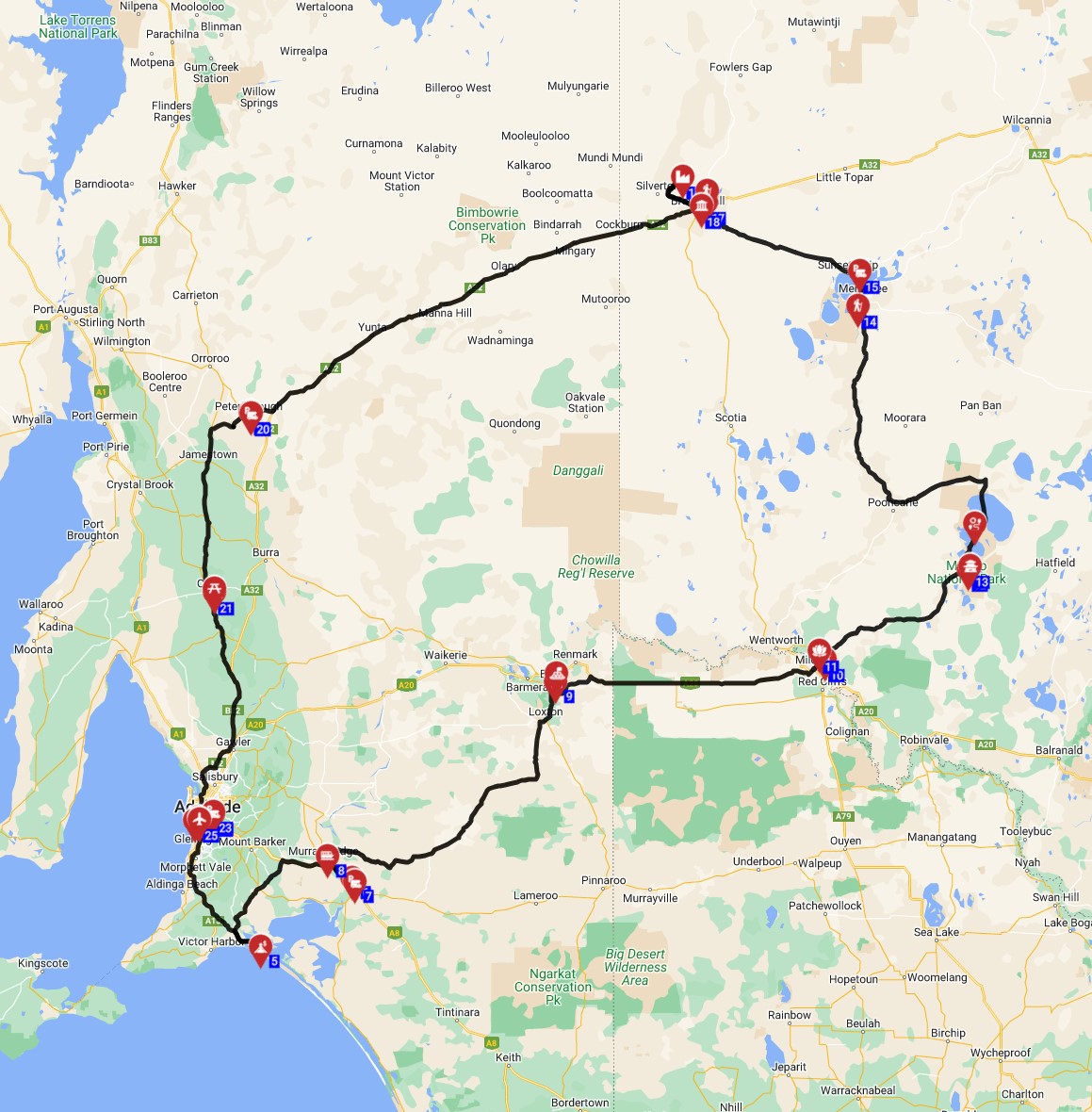
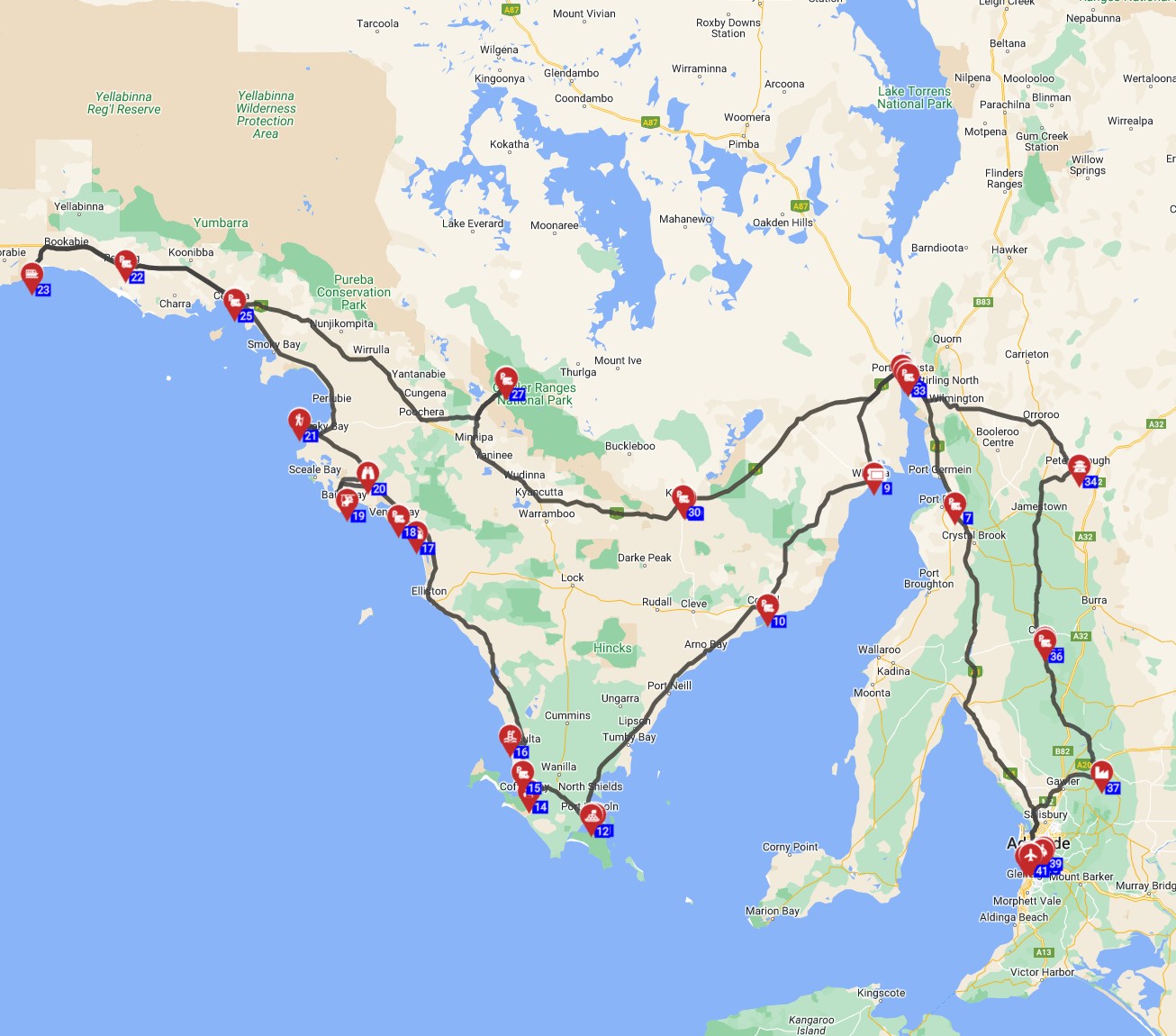
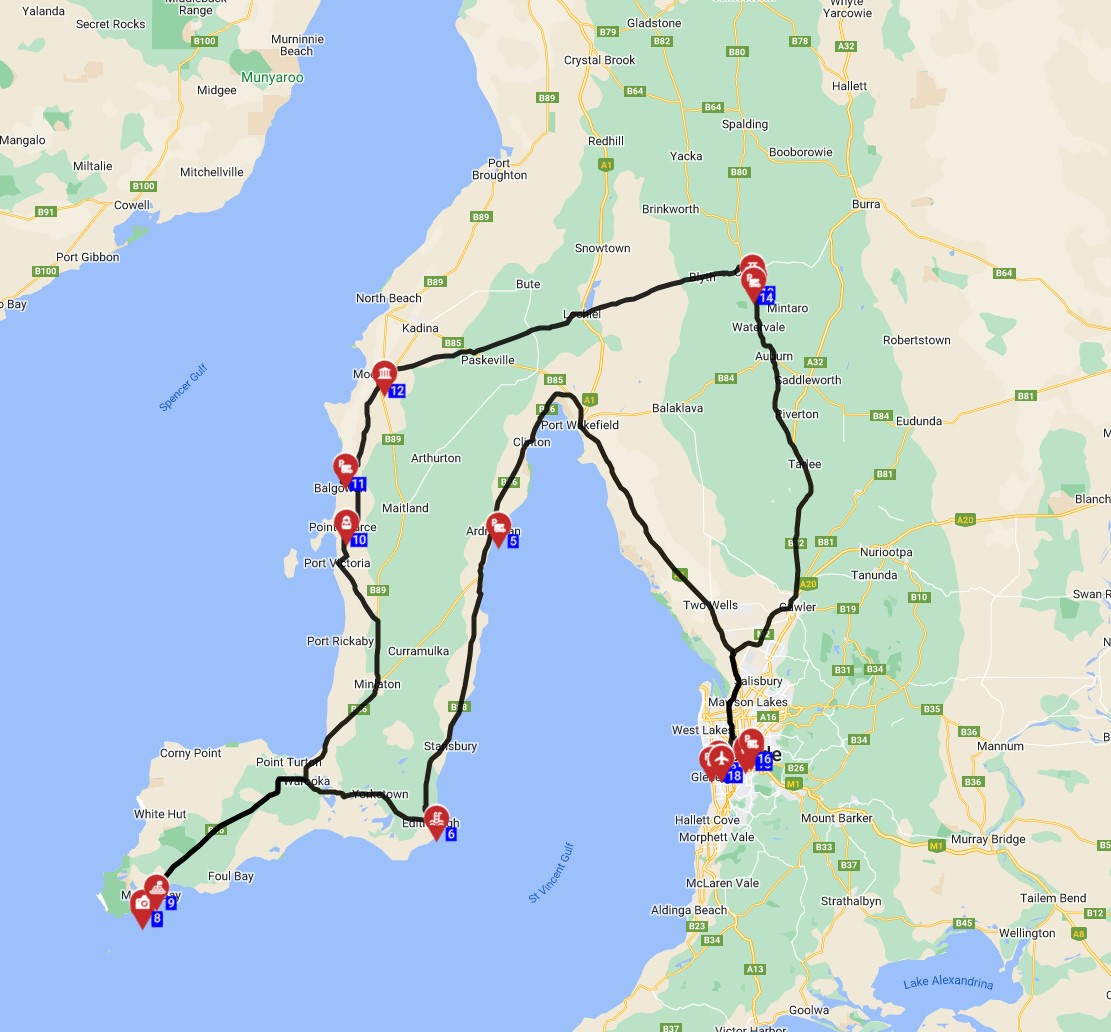
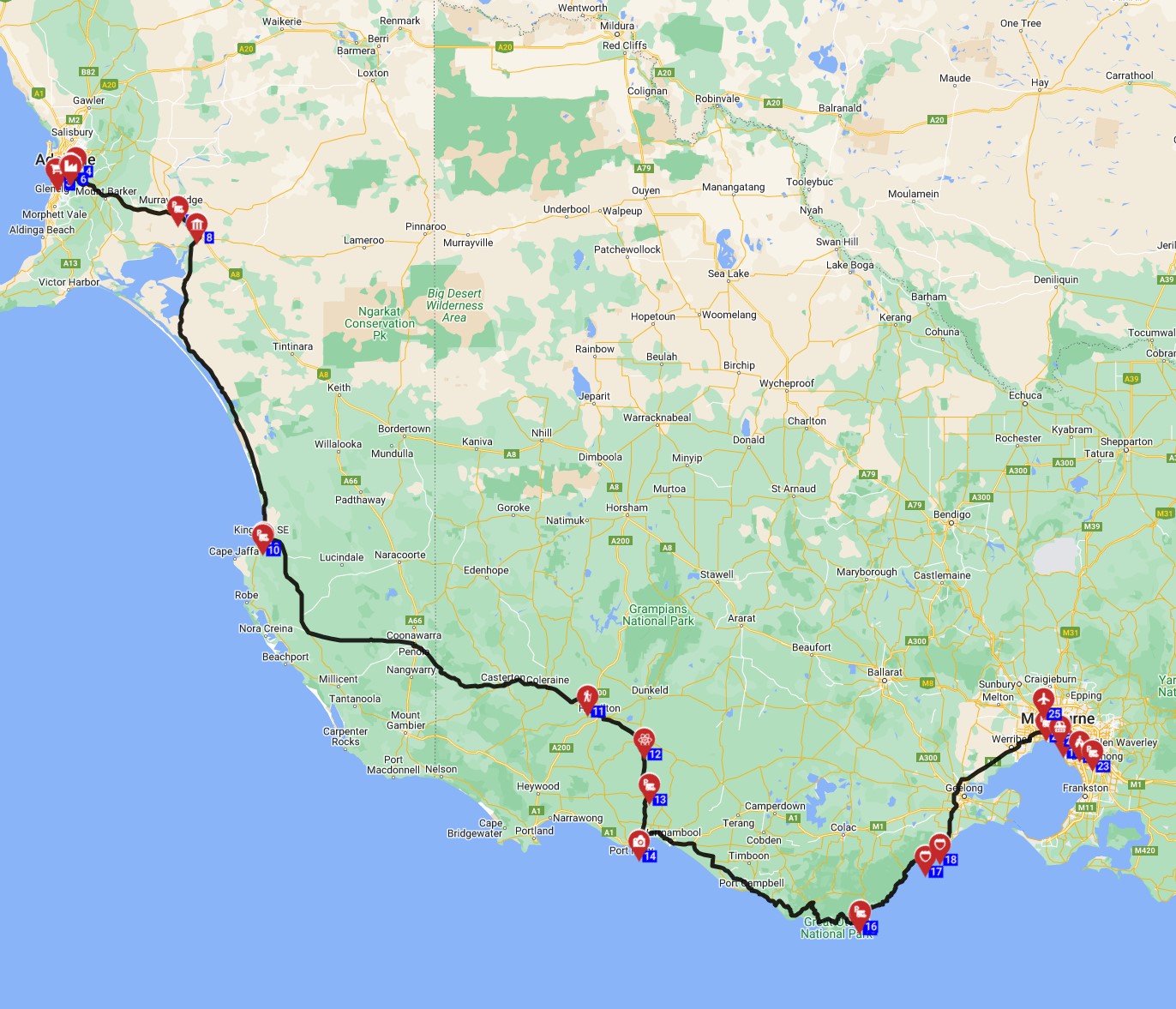
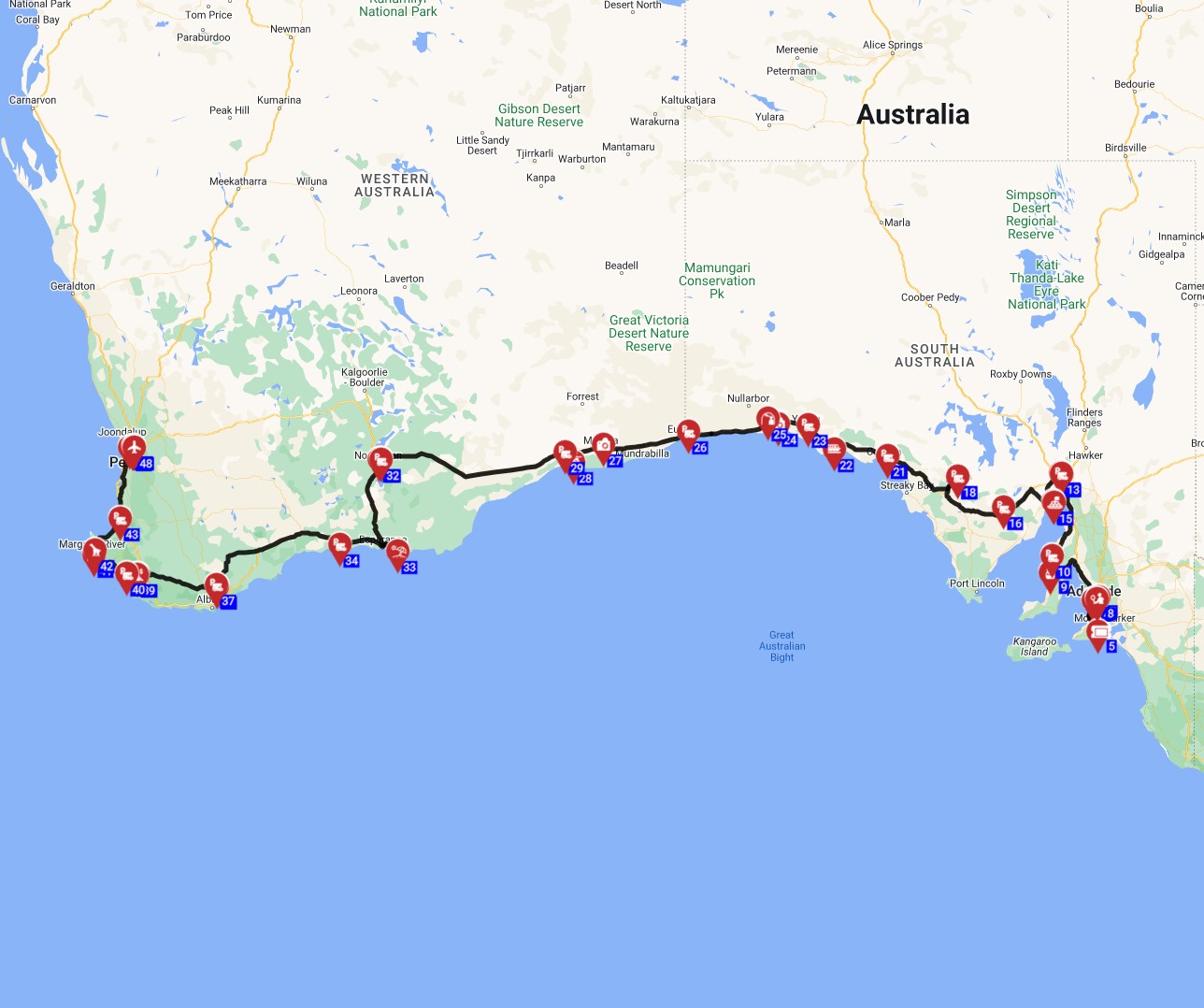
For those dreaming of an epic cross-country adventure across Australia, RV PLANET offers meticulously designed itineraries by professionals. These pre-planned routes take the stress out of trip design, allowing you to focus on the journey itself. One such exceptional journey is the '

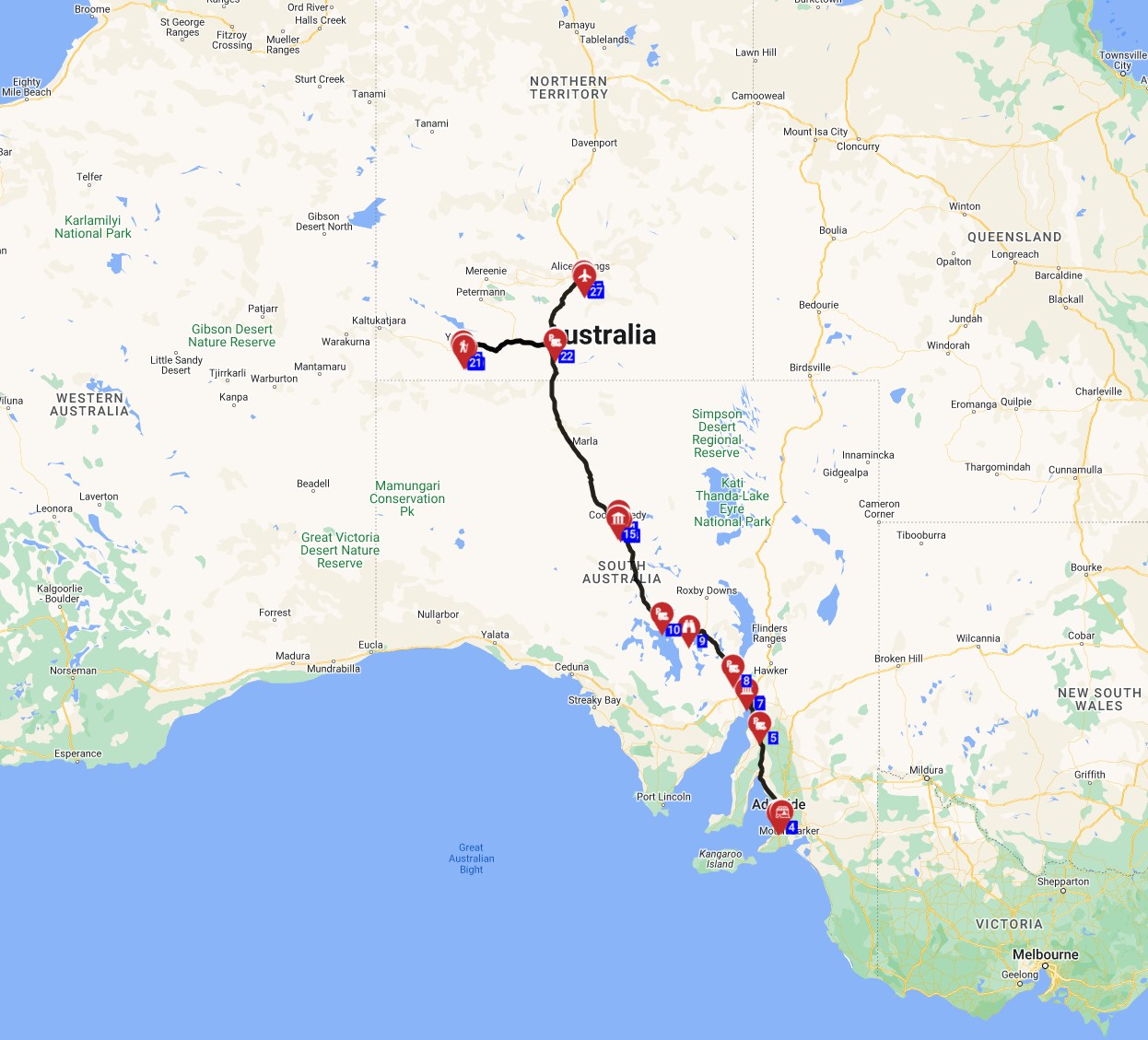
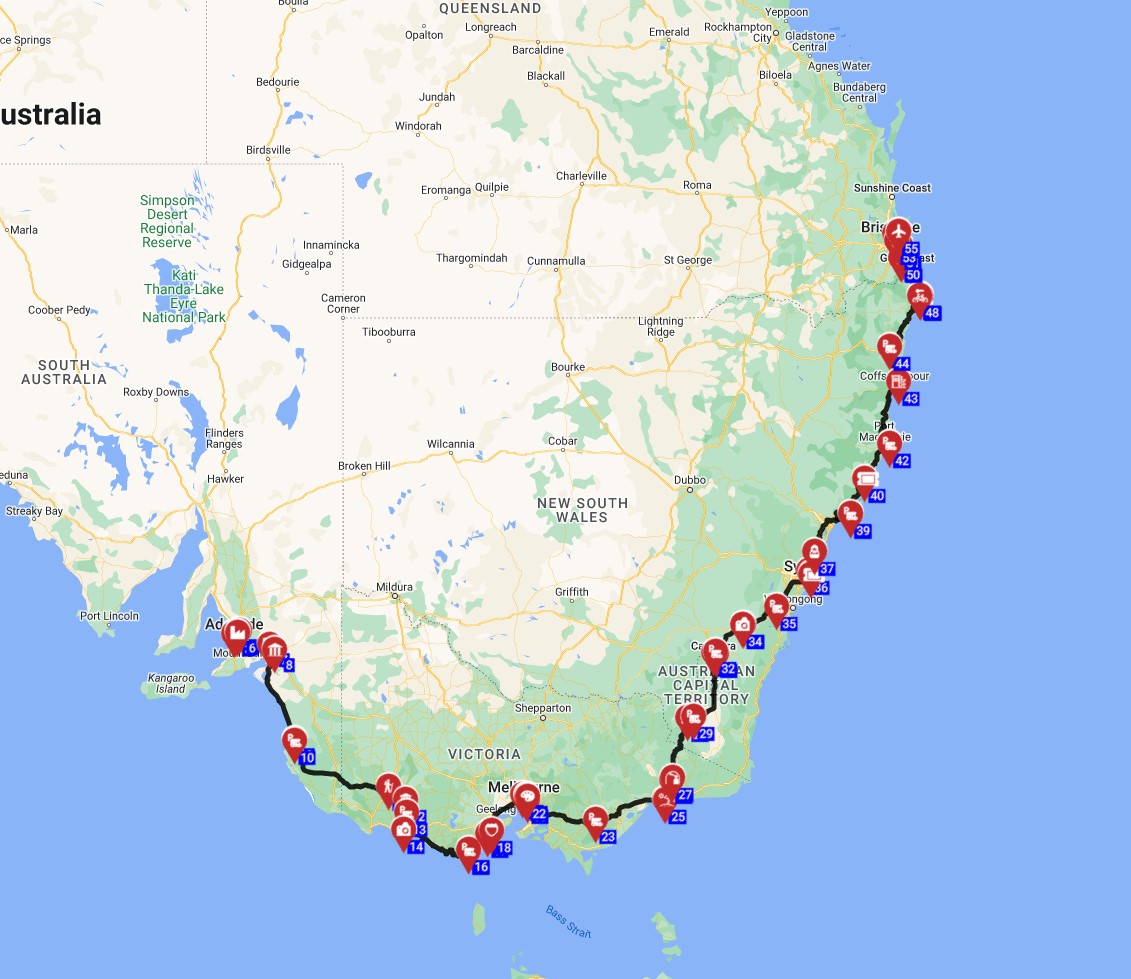
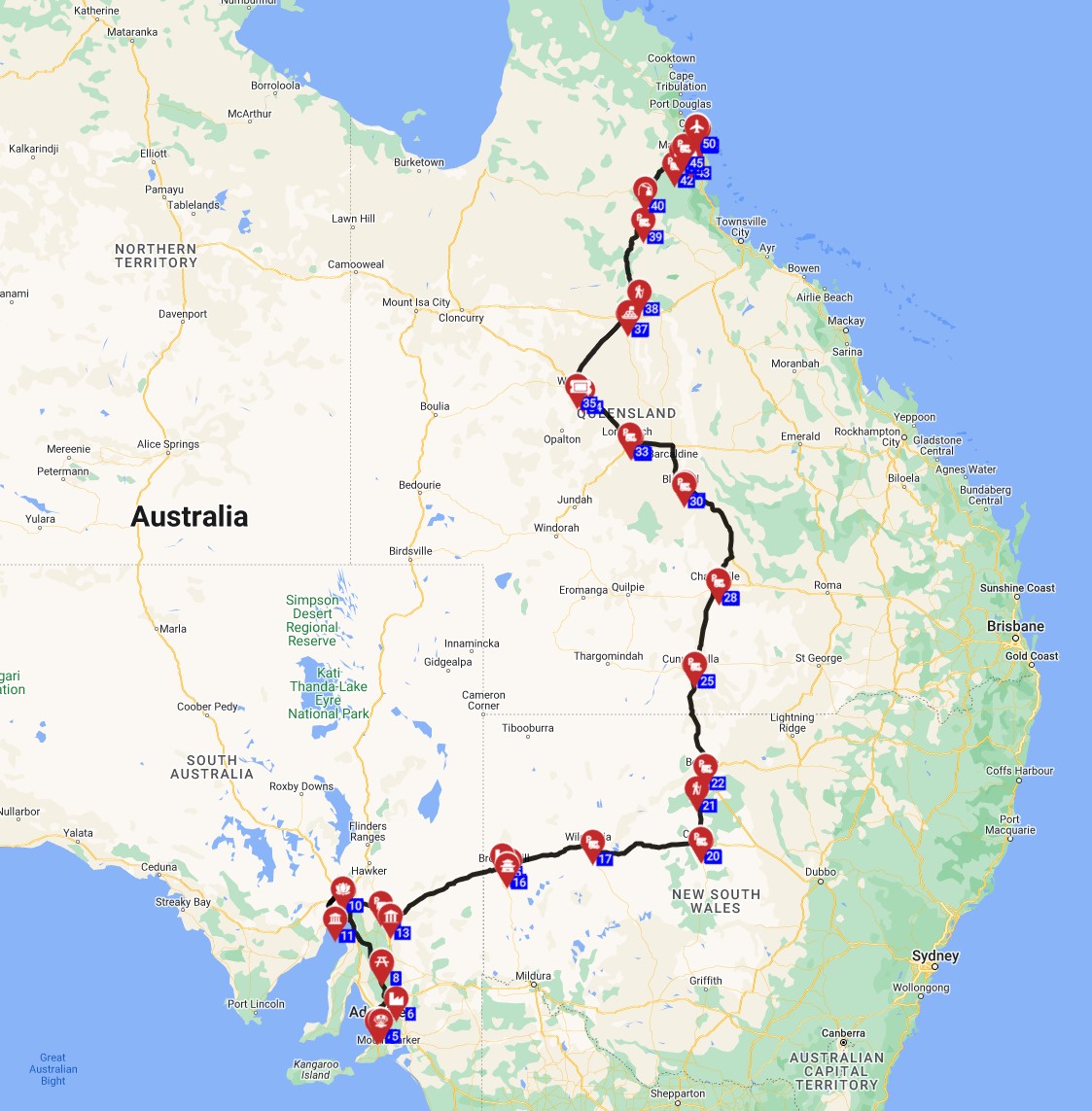
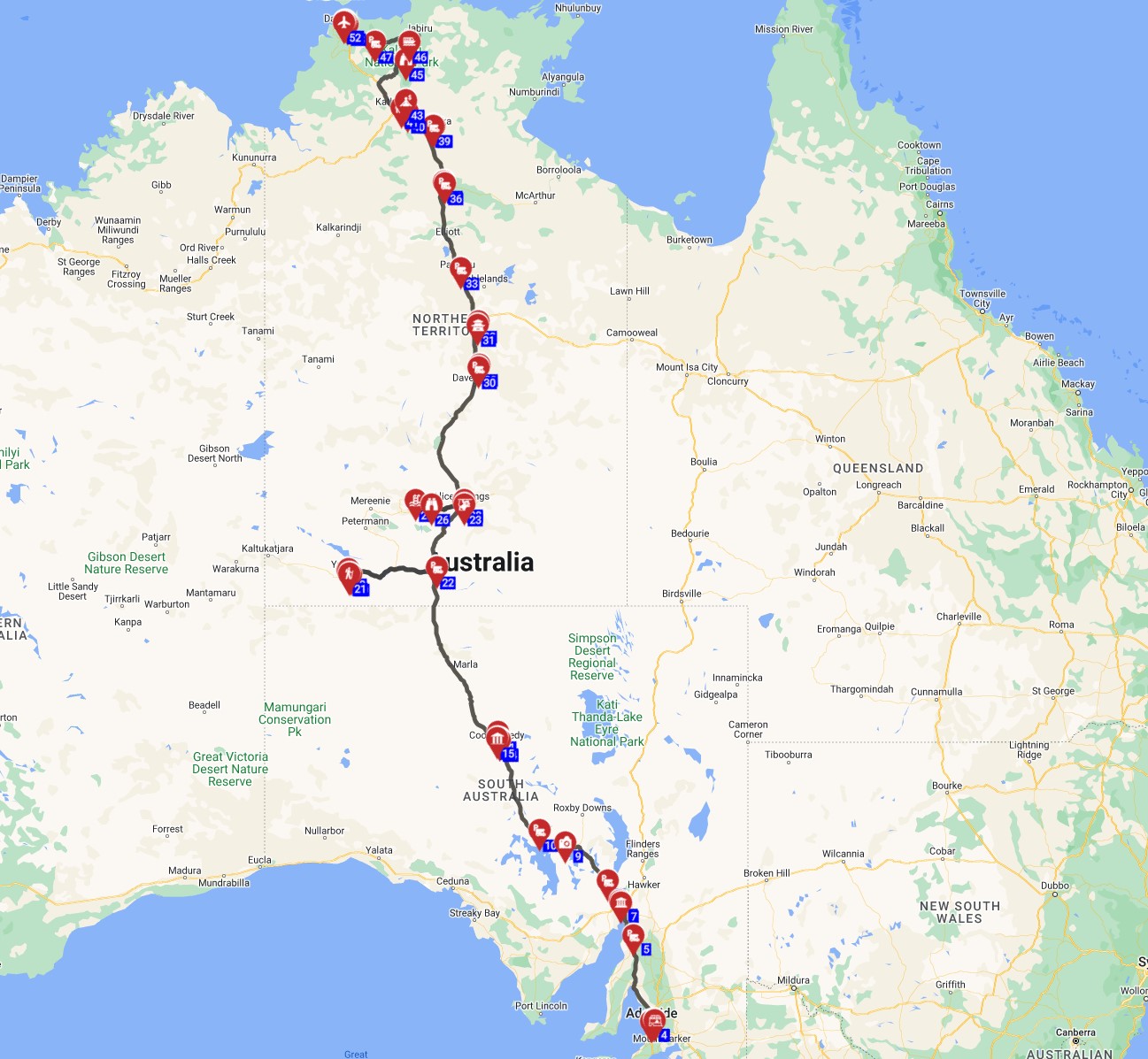
This extensive rented motorhome journey spans 7,393 kilometers over 31 days, guiding you from the rugged beauty of Western Australia's Kimberley region through the Red Centre and into the vibrant eastern states. The route plan includes 2 animals shows or wildlife watch opportunities, 1 aquarium visit, 1 art gallery, 1 beach stop, 1 botanical garden, 1 canoe/kayak/rafting experience, 1 cave exploration, 1 day tour, 1 extreme activity, 2 family activities, 2 heritage sites, 5 hiking areas, 2 historical sites, 1 horseback riding adventure, 1 local industry visit, 3 museums, 4 natural features, 1 park, 1 picnic area, 5 points of interest, 2 scenic routes, 1 spa/terme experience, 1 swimming spot, 1 tourist attraction, 1 traditional market, 2 traditional restaurants, 3 traditional visits, and 1 zoo. This kind of comprehensive planning ensures you won't miss a beat.
Another fantastic option for a long-term RV rental in Australia is the "Melbourne to Darwin - Australia’s Heartline Road Trip," offering 26 days and 5,622 km of adventure, with 2 wildlife encounters and 5 hiking areas. If you prefer to explore the western and central parts of Australia, consider the "Perth to Alice Springs - The Dreamtime Highway: A Journey Through Australia's Heart," a 21-day, 5,447 km journey including 2 local industry stops and 3 museums. For those focusing on the north and center, the "Cairns to Alice Springs - Northern Horizons: A Journey Through Australia's Heartland" spans 17 days and 4,003 km, featuring 2 caves and 3 hiking areas. These professionally crafted itineraries provide detailed guidance, allowing you to track every expense along the way for easy budgeting through RV PLANET routes, ensuring you get the most out of your motorhome rental experience. As a bonus, using rvplan.net for your planning can even earn you a 25% planning discount on your route documentation! On the routes offered through RV PLANET routes, you can itemize and track every expense along the way for easy budgeting.
Must-See Stops Along the Way (Avi Bandana Picks)
To truly experience the soul of Australia in your rented RV, Avi Bandana, founder of Bandana Caravan and a seasoned RV travel expert, shares his top recommendations for enriching stops that go beyond the usual tourist traps. These are places that offer authentic connections to the land, its history, and its vibrant communities.
- Traditional Visit: Avi Bandana recommends seeking out historic sites and regional towns that showcase Australia's heritage, such as the various Outback Heritage Centres in places like Longreach, Queensland, or exploring historic gold rush towns like Bendigo or Ballarat in Victoria, offering a glimpse into the country's past.
- Traditional Restaurant / Fine Dining: Don't miss the opportunity to experience Australia's diverse culinary scene. Avi suggests trying restaurants offering fresh local produce and seafood, especially in coastal towns like Port Lincoln (South Australia) or the wine regions of Margaret River (Western Australia) for an authentic taste of local flavors, often featuring unique RV-friendly recipes playlist ingredients.
- Traditional Market: Explore local farmers' markets or craft markets in regional centers, such as the Salamanca Market in Hobart, Tasmania, or the Eumundi Markets in Queensland. These markets are perfect for discovering unique artisan goods, fresh produce, and connecting with the rhythm of local community life.
- Local Industry: Engage directly with Australia's primary industries. Avi recommends visiting a local winery for a tasting in areas like the Hunter Valley (New South Wales), a craft brewery in Western Australia, or even an opal mine museum in Coober Pedy, South Australia, to gain a deeper understanding of the country's rich resources and craftsmanship.
Daily Driving Distances & Drive Times in Australia
Avi Bandana recommends a maximum of 100 miles or 150 km per day on average when driving a rented RV or campervan in Australia to ensure a relaxed pace and ample time for exploration. This guideline is crucial for enjoying the journey, avoiding driver fatigue, and truly connecting with the culture, the food, and the scenery that Australia offers. Over the past 23 years, our experience helping tens of thousands of travelers confirms that slow travel creates the most memorable adventures.
For instance, the drive from Sydney to the Blue Mountains (Katoomba) is approximately 100 km, typically taking around 1.5-2 hours, which makes it an ideal half-day journey, leaving plenty of time for sightseeing. Traveling from Melbourne along the Great Ocean Road to Apollo Bay is about 190 km but is best spread over two days due to winding roads and numerous scenic stops, ensuring you don't exceed the recommended daily distance. This approach allows you to explore without feeling rushed and helps manage fuel consumption, which can impact your total trip cost, especially on long journeys in a Class C motorhome like the "cruise america rv rental example Explorer" with an average fuel consumption of 11 L/100 km.
Remember, Australia is vast, and distances between attractions can be significant, particularly in the Outback. Prioritize quality over quantity, savoring each location rather than rushing to check off a list. Driving slowly and carefully, you can drive almost anywhere without issues. No need to stress - just use common sense and pay attention to road signs and local wildlife warnings. This mindful approach to travel enhances the experience of your rented motorhome adventure.
Best RV Class for This Itinerary - Couple & Family Picks
Selecting the right RV class for your long-term Australia itinerary is key to a comfortable and enjoyable trip, depending on your group size and travel style. Bandana Caravan partners with 50+ leading RV suppliers worldwide like El Monte and Britz to offer a diverse fleet, ensuring you find the perfect fit. You can compare final prices across these suppliers with full price transparency on our platform.
For couples, a Class B - Camper Van is often the ideal choice for Australian road trips due to its agility and fuel efficiency, especially for navigating towns and national parks. Many rented campervans offer a compact design perfect for two, with essential amenities like a small kitchen and sleeping area. Bandana's global fleet typically features Class B Camper Vans with an average length of 5.8 meters and sleeping places for about 3.2 individuals, making them perfectly suited for 2-3 travelers. Models like the "2 Berth Hi Top" or "Active Standard" provide a comfortable base, often including a front air condition unit and shower, making them highly versatile.
For families or larger groups up to 6 people, a Class C - Alcove motorhome provides superior comfort and space. These larger rented RVs offer more room for living, dining, and sleeping, often featuring an overhead alcove bed, separate dining areas, and a private shower/toilet. Bandana's global fleet offers Class C Alcove motorhomes that typically average 7.5 meters in length and offer 5.8 sleeping places, comfortably accommodating 4-5 adults. A "4 Berth Deluxe" or "Euro Deluxe" model (like the "campervan australia example Euro Deluxe" with 3 double beds) would provide ample space and amenities, including roof air conditioning and television, for an extended family adventure. These vehicles are designed for comfort on long hauls, with sufficient fresh water tanks (e.g., 125 liters on a "6 Berth Discovery") and large refrigerators, making them ideal for preparing RV-friendly recipes playlist.
To simplify your planning and ensure you get the perfect rented RV with a well-researched route, consider our 'Rent&Plan' service. This combines your chosen RV rental with a ready-made itinerary crafted by travel professionals, providing full access to trip-planning software and removing the headache of route design. This service offers an unparalleled level of support, from pre-booking comparison to post-booking coordination, ensuring your journey starts smoothly.
What is the most beautiful road trip in Australia?
Australia boasts numerous breathtaking road trips, but the Great Ocean Road in Victoria is frequently cited as one of the most beautiful, famous for its dramatic coastal cliffs, lush rainforests, and the iconic Twelve Apostles rock formations. This 243 km scenic drive, starting west of Melbourne, typically requires 3-4 days to fully appreciate, featuring stops at charming towns like Lorne and Apollo Bay.
Another highly acclaimed route is the Pacific Coast Touring Route (
Can you park an RV anywhere in Australia?
No, you cannot park a rented RV anywhere in Australia for overnight stays; regulations for overnight parking and camping vary significantly by state, territory, and local council areas, making it essential to plan your stops meticulously. Knowing your options for campgrounds and understanding local rules will help you avoid issues and ensure a smooth trip. Always consult local signage and official government websites for the specific area you are visiting.
- Caravan Parks: These are the most common and safest options for RVers in Australia, offering a wide range of facilities. You'll find powered sites, clean amenities like showers, toilets, laundries, and often communal kitchens and recreation facilities. Many are located in prime tourist areas and near beaches, making them convenient. Booking in advance, especially during peak season or school holidays, is highly recommended to secure your spot. Some national caravan park chains include Big4 Holiday Parks, Discovery Parks, and Ingenia Holidays, offering consistency in service and amenities.
- National Parks & State Forests: Many of Australia's national parks and state forests offer designated campgrounds, providing a more rustic and nature-immersed experience. These usually require permits or fees and typically have basic facilities like pit toilets and fire rings; some may offer non-powered sites for around $10-$30 per night. Bookings are often mandatory and should be made in advance through state park websites (e.g., Parks Victoria, NSW National Parks and Wildlife Service). Always check for fire bans, road conditions, and any vehicle restrictions, as some areas may not be suitable for larger motorhomes.
- Free Campsites: Also known as 'bush camping' or 'freedom camping,' these sites are typically found in more remote areas or designated roadside rest stops. They usually have minimal to no facilities (no power, water, or toilets), making a self-contained rented RV ideal. These spots can be located using apps like WikiCamps Australia or Camps Australia Wide books, which also provide user reviews and facility details. However, always check local council rules as 'freedom camping' is strictly regulated and often restricted in many popular tourist areas, with hefty fines for illegal parking.
- Designated Rest Areas: While some highway rest areas allow overnight stops for tired drivers, always check signage carefully as regulations differ by state and specific location. These are primarily intended for short, safe stops, not extended camping, and often have basic facilities only. Parking on private property or undesignated public land without explicit permission is illegal and can lead to fines.
What is the best RV in Australia?
The 'best' RV in Australia depends entirely on your travel style, the number of people traveling, your budget, and the type of terrain you plan to cover, as Bandana Caravan offers a diverse fleet of rented motorhomes and campervans. We help you compare final prices across 50+ suppliers to find the ideal match for your adventure.
- Campervans (Class B): Ideal for couples or solo travelers, offering excellent fuel efficiency, easier maneuverability in towns and tighter spots, and often a more budget-friendly rental cost. A rented campervan like the "2 Berth Sandpiper" (6.2 meters long) or "Active Original" is perfect for navigating coastal routes and exploring cities. Their compact size makes parking less challenging.
- Motorhomes (Class C or SI - Semi-Integrated): Perfect for families or groups of 3-6 people, providing more space, separate sleeping areas, and often a built-in shower and toilet for greater comfort and independence. Models such as the "MH23 Medium - Economy" (7.21 meters long, sleeping 5) or the "Euro Deluxe" (up to 7.8 meters, sleeping up to 6) offer amenities like a gas stove, large refrigerator, and comfortable dining areas, making them suitable for longer journeys.
- Consider features like:
- Air Conditioning: Crucial in Australia's hot climate, especially during summer in southern regions or year-round in the north. Most modern rental RVs offer this.
- Internal Shower/Toilet: Provides privacy and convenience, reducing reliance on campground facilities, a feature often found in Class C motorhomes like the "Chausson Flash 01".
- Solar Panels: For off-grid power, beneficial for remote camping in national parks or free campsites, allowing you to run basic electronics without shore power or a generator.
- Water Tank Capacity: Sufficient fresh water (e.g., 100-150 liters) and waste water (grey and black) capacity is vital for extended stays between refills/dumps, particularly in remote Outback areas.
Ultimately, the best choice is a rented RV that fits your needs for comfort, budget, and planned activities. As true RV specialists, we recommend consulting our detailed vehicle descriptions to match your needs with the perfect motorhome or campervan rental.
How long does it take to travel around Australia in a campervan?
A full circumnavigation of Australia by rented campervan or motorhome typically requires a significant commitment of 3 to 6 months to truly experience the diverse landscapes and avoid rushing. This extended duration allows travelers to visit multiple states, enjoy various climates, and delve into the unique attractions each region offers, from coastal towns to vast deserts.
For exploring a single major region, such as the entire East Coast (Sydney to Cairns) or the vastness of Western Australia, a duration of 2 to 4 weeks is generally recommended to allow for ample sightseeing and relaxation without feeling constantly on the move. Shorter trips, like specific scenic routes (e.g., the 243 km Great Ocean Road) or a Sydney-to-Brisbane coastal drive (over 900 km), can be comfortably completed within 7 to 14 days, adhering to the recommended slow travel pace of max 100-150 km per day. Remember that Australia is immensely vast, and slow travel is key to truly enjoying the journey, allowing you to feel the place, connect to the culture, the food, and the scenery.
What is the 333 rule for campervan?
The '333 rule' is a popular guideline for safe and enjoyable RV travel, particularly relevant in Australia's vast distances and unique driving conditions, recommending drivers to drive no more than 300 km (or 3 hours) per day, aim to arrive at their campsite by 3 PM, and ideally stay for at least 3 nights at each location. This simple rule helps ensure a relaxed and safe rented motorhome adventure.
- 300 km / 3 hours: This component limits daily driving to prevent driver fatigue, which is a major concern on Australia's long, often monotonous roads, especially in remote areas. Staying alert reduces the risk of accidents and allows more energy for enjoying your destination.
- Arrive by 3 PM: This ensures you reach your chosen campsite or caravan park with ample daylight to set up your camp, connect to services (like power and water), and scout your surroundings before dusk. Arriving before sunset is crucial for safety, as dawn and dusk are peak times for nocturnal wildlife (like kangaroos and emus) to be active near roads.
- Stay for 3 nights: This encourages a slower pace of travel, reducing the stress of constant packing and unpacking. It allows for deeper exploration of local attractions, participation in tours, and provides essential time to rest and recharge before moving on. This slow travel philosophy aligns perfectly with experiencing Australia's diverse regions more intimately.
What not to do in Australia as an American?
Traveling by rented RV in Australia offers incredible freedom, but understanding local customs and potential hazards is crucial for a smooth trip. Here are key things to avoid:
- Don't underestimate distances and remoteness: Australia is a continent, not just a country; cities are often thousands of kilometers apart, and remote Outback areas require careful planning for fuel (ensure you have enough for 500+ km stretches), water (carry at least 20 liters extra per person), and provisions. Always check road conditions before venturing off main highways, especially on unsealed roads.
- Don't ignore wildlife warnings: Be extremely vigilant for kangaroos, emus, wallabies, and other animals, especially at dawn and dusk. These are peak times for wildlife activity, and collisions can be dangerous for both the animals and your rented motorhome. Reduce speed significantly in rural and remote areas during these times. Never approach or feed wild animals, as this can be harmful to them and dangerous for you.
- Don't forget to drive on the left: Australian traffic drives on the left side of the road, and the driver's seat is on the right. This can be a significant adjustment for visitors from right-hand drive countries. Always stay alert, especially at intersections, roundabouts, and when pulling out from parking spots. Take your time and practice in quiet areas. Drive slowly and carefully, and you can drive almost anywhere without issues. No need to stress - just use common sense and pay attention.
- Don't litter: Australia has strict environmental protection laws, and littering is met with heavy fines. Always dispose of rubbish responsibly in designated bins or carry it out with you, especially when visiting national parks or remote areas. Leave no trace.
- Don't assume Wi-Fi is everywhere: Internet connectivity can be limited or slow outside major population centers. Plan for offline navigation (download maps), communicate in advance, and consider purchasing a local SIM card (from providers like Telstra for the best coverage, especially in rural areas) for better connectivity.
- Don't forget sun protection: The Australian sun is incredibly intense, with high UV levels. Always wear high-SPF sunscreen (at least SPF 30+), a wide-brimmed hat, and sunglasses, even on cloudy days or when spending short periods outdoors. Reapply sunscreen frequently, especially after swimming.
- Don't swim outside patrolled beaches: Unpatrolled beaches can have dangerous rips, currents, or marine stingers (especially in northern waters from November to May). Always swim between the red and yellow flags at patrolled beaches, listen to lifeguard advice, and be aware of warning signs.
What are the top 3 tourist attractions in Australia?
While highly subjective and dependent on individual interests, three undeniably iconic Australian tourist attractions that travelers flock to are Uluru, the Sydney Opera House, and the Great Barrier Reef, each offering a unique glimpse into Australia's diverse appeal.
- Uluru: Located in the spiritual heart of the Red Centre in the Northern Territory, Uluru (Ayers Rock) is a massive sandstone monolith revered by Indigenous Australians. It offers breathtaking sunrises and sunsets, where the rock dramatically changes color, and holds deep cultural significance. Visitors often combine a trip here with Kata Tjuta (The Olgas) for a comprehensive Outback experience in their rented motorhome.
- Sydney Opera House: This architectural masterpiece and the adjacent Sydney Harbour Bridge represent Australia's vibrant urban culture and engineering marvels. Located on Sydney Harbour, the Opera House provides stunning views, world-class performances, and is a must-see for anyone visiting Sydney, New South Wales. Exploring the surrounding Circular Quay area offers numerous dining and entertainment options.
- The Great Barrier Reef: A UNESCO World Heritage site off the coast of Queensland, the Great Barrier Reef is the world's largest coral reef system, stretching over 2,300 kilometers. Renowned for its incredible marine biodiversity, it offers unparalleled opportunities for snorkeling, diving, glass-bottom boat tours, and scenic flights to witness its vast beauty. Cairns or Port Douglas are popular departure points for reef excursions.
Other notable attractions frequently visited with a rented campervan include the rugged wilderness of Kakadu National Park (Northern Territory), the stunning coastal drive of the Great Ocean Road (Victoria), and the pristine white-sand beaches and turquoise waters of the Whitsunday Islands (Queensland).
How many days are enough for an Australia trip?
For a focused exploration of a specific region in Australia, such as the highlights of the East Coast from
If you plan to visit multiple states or distinct regions, such as combining Sydney's urban charm, Melbourne's cultural scene, and a taste of the Outback (e.g., Uluru), you should aim for 3 to 4 weeks. This extended period allows for domestic flights between distant points or longer driving legs with your rented RV, ensuring you have enough time for in-depth experiences without constant travel. To truly travel around Australia and experience its vast diversity, including coastal, urban, and remote Outback areas, a journey of 3 to 6 months is recommended, allowing for seasonal travel across different climatic zones.
🎬 Video coming soon
Ultimately, the 'enough' days depends on your interests, budget, and desired depth of exploration. However, always allow more time than you initially think you need to account for Australia's vast distances and unique offerings. Remember, Bandana Caravan focuses on longer rental trips (1 week or more) to help you fully immerse yourself in the destination, ensuring a memorable adventure.
What is the best month to go to Australia?
Australia's immense size means there's no single 'best' month for the entire country; the ideal time to visit depends entirely on the specific region you plan to explore with your rented motorhome. Understanding the country's diverse climate zones is key to planning a comfortable and enjoyable trip.
- Southern States (Sydney, Melbourne, Adelaide, Perth, Tasmania): Spring (September-November) and Autumn (March-May) generally offer mild, pleasant temperatures (averaging 18-25°C), making them perfect for sightseeing, hiking, and outdoor activities in these popular regions. Summer (December-February) can be very hot (often exceeding 30°C), while winter (June-August) brings cooler temperatures and more rain, though it's still enjoyable for some.
- Northern States (Queensland's Tropics like Cairns & the Great Barrier Reef, Northern Territory's Top End like Darwin & Kakadu National Park): The Dry Season (May-October) is optimal, with cooler temperatures (averaging 20-30°C), less humidity, and minimal rainfall. This period is ideal for visiting places like the Great Barrier Reef, exploring the rainforests, and experiencing Kakadu National Park, as roads are generally open and conditions are pleasant.
- Outback Regions (Uluru, Alice Springs): Autumn (April-May) and Spring (September-October) are best to avoid the extreme heat of summer (which can reach 40°C+) and the cooler nights of winter (which can drop to near 0°C). During these shoulder seasons, daytime temperatures are comfortable for exploring the iconic Red Centre.
Avoid traveling to the northern tropical regions during the Wet Season (November-April) due to high humidity, heavy rainfall, potential cyclones, and increased mosquito activity, which can limit accessibility to many attractions. Always check regional weather forecasts and road conditions closer to your travel dates for the most accurate information for your motorhome rental trip.
What You Shouldn't Miss
- **Grand Pacific Drive:** South of Sydney, this spectacular coastal route includes the Sea Cliff Bridge, offering incredible ocean views and charming seaside towns perfect for a leisurely drive in your rented campervan.
- **Twelve Apostles:** On Victoria's Great Ocean Road, these dramatic limestone stacks rising from the Southern Ocean are a must-see, especially at sunrise or sunset for incredible photographic opportunities.
- **Booderee National Park, Jervis Bay:** Explore pristine white-sand beaches, crystal-clear waters perfect for snorkeling, and diverse bushwalking trails in this Aboriginal-owned national park.
- **Barossa Valley Wine Region:** Just north of Adelaide, indulge in world-class wine tastings and gourmet food experiences amidst picturesque vineyards, with many wineries offering cellar door experiences suitable for RV visitors.
- **Kings Canyon, Northern Territory:** Discover the ancient red rock cliffs and lush Garden of Eden within Watarrka National Park. The Kings Canyon Rim Walk offers panoramic views and a challenging, rewarding hike.
- **Avi Bandana's Top 5 Adventures - recommendations from Avi Bandana:** For deeper insights and personalized recommendations from an RV travel expert, don't miss Avi's top picks for unforgettable experiences, such as seeking out unique local farm-stays with your rented RV or discovering hidden waterfalls in national parks.
Final Thoughts
Embarking on a long-term RV itinerary in Australia is more than just a trip; it's an immersive journey into a land of incredible natural beauty and unique experiences. With your rented motorhome or campervan, you have the ultimate flexibility to chase sunsets, discover hidden gems, and connect deeply with every destination. Remember our advice to travel slowly, allowing an average of 100-150 km per day, so you can truly feel the place and savor every moment.
Whether you choose a coastal exploration or an Outback adventure, planning is key, and with partners like RV PLANET, you're never alone in crafting your perfect route. Embrace the freedom, the open roads, and the unparalleled spirit of Australian exploration. We're here to support you before, during, and after your booking, making your RV rental in Australia an experience to cherish.
Get inspired for your next trip! Discover top destinations, planning tips, all in one place! Plan a trip itinerary in advance with minimal effort and maximum enjoyment. Compare Motorhome Prices for Australia now and start your adventure!