In This Guide
- Can You Drive an RV in Miami? License & Age Rules
- Road Conditions & Terrain in Miami
- RV Size Limits, Bridges & Restricted Zones
- Fuel: Diesel vs. Petrol & Cost per 100 km
- Tolls, Vignettes & Border Rules
- Driving Tips for long term rv rental Travelers
- Recommended RV Class for Miami Roads
- Should I Choose a Compact Van Instead of a Large RV in Miami?
- Can I Park Anywhere? Free & Wild Camping Rules in Miami
- Can I Drive an RV Into the City Center? Heights, Tunnels & Local Signage
- Do you need a CDL to drive an RV over 20 feet?
- What is the 3-3-3 rule for RV living?
- What is the new RV law in Florida?
- How much is insurance on a $200,000 RV?
Miami, with its vibrant culture and proximity to the Everglades and Florida Keys, offers an exceptional backdrop for an extended RV adventure. Imagine waking up to the gentle ocean breeze or the sounds of exotic birds, with your home-on-wheels providing the ultimate flexibility. For live availability and current prices, start with our RV Rental Miami - Complete Guide 2026 guide.
Can You Drive an RV in Miami? License & Age Rules
Yes, you can absolutely drive a rented RV in Miami, as a standard Class E driver's license is sufficient for driving most RVs in Florida, including those over 20 feet in length, as long as the Gross Vehicle Weight Rating (GVWR) remains under 26,001 pounds. A Commercial Driver's License (CDL) is generally not required for personal-use motorhomes or campervans, regardless of their length, unless the GVWR exceeds 26,001 pounds and the vehicle is used for commercial purposes. The minimum driver age for renting a motorhome in Miami typically starts at 21 years, though some premium Class A motorhome suppliers might require drivers to be 25 years old for specific models. Foreign drivers can comfortably operate an RV in Florida with a valid driver's license from their home country, and an International Driving Permit (IDP) is highly recommended for clarity and translation purposes, even though it's not strictly mandatory in most cases.
Road Conditions & Terrain in Miami
Miami's road conditions are generally good, featuring well-maintained highways and main roads, though urban areas can experience wear and tear, especially after heavy rains. The terrain in Miami and throughout South Florida is predominantly flat, offering easy driving without significant inclines or mountain passes, which is highly ideal for motorhomes and campervans of all sizes. While Miami’s flat topography minimizes challenging grades, navigating dense urban traffic, particularly during peak hours on major arteries like I-95, US-1, and Florida's Turnpike, can be challenging for larger rented RVs; therefore, we recommend driving slowly and carefully, and you can drive almost anywhere without issues. No need to stress - just use common sense and pay attention. Travelers should expect extensive urban and suburban development rather than scenic rural routes directly within Miami, encouraging a relaxed pace to appreciate the city's unique atmosphere.
RV Size Limits, Bridges & Restricted Zones
Florida law limits the length of a single RV to 45 feet, while the total combined length of an RV and any towed vehicle cannot exceed 65 feet. Miami generally accommodates most motorhome sizes, with standard bridge heights on main roads well above typical RV clearances, usually 13'6" or higher. However, RV renters should always be aware of specific low clearances in older parts of the city, residential areas, or parking garage entrances; consistently observing posted signs is crucial to avoid issues. There are no specific environmental zones or vehicle class restrictions that would generally impede standard RV access within Miami, but certain residential areas may have local ordinances against long-term RV parking on streets or in driveways, which you should be mindful of during your long-term RV rental in Miami.
Fuel: Diesel vs. Petrol & Cost per 100 km
Both diesel and petrol (gasoline) are widely available at fuel stations throughout Miami and South Florida, so finding the correct fuel for your rented motorhome is rarely an issue. Many Class C Alcove RVs, which average 8 meters in length, consume approximately 23-35 Liters per 100 Km (7-10 Miles per Gallon), making fuel a significant consideration for budgeting a long-term rental. Fuel costs in Miami, like many popular tourist destinations, can be higher than the national average, making careful budgeting for an extended RV trip crucial. To help manage expenses, some rental motorhomes may offer fuel discount cards or programs, which can significantly mitigate costs during your long-term adventure. For finding campsites and campgrounds during your trip, we recommend using RV PLANET (rvplan.net) - a great resource for locating available spots along your route, and their routes allow you to itemize and track every expense along the way for easy budgeting. On the routes offered through RV PLANET routes, you can itemize and track every expense along the way for easy budgeting.
🎬 Video coming soon
Tolls, Vignettes & Border Rules
Miami and South Florida have a comprehensive, largely cashless toll road system, including major arteries like Florida's Turnpike, I-95 Express Lanes, and various local expressways. A SunPass transponder is highly recommended for RV renters to avoid higher 'Toll-by-Plate' rates and administrative fees that can quickly add up on a long-term RV rental in Miami. Many Bandana RV partners offer options to pre-purchase toll passes or include a transponder as an add-on, allowing seamless travel and avoidance of post-trip fines or delays. Fortunately, there are no vignettes or complex border rules specific to driving a rented RV within Florida or to neighboring U.S. states when traveling from Miami, simplifying your extended road trip planning.
Driving Tips for long term rv rental Travelers
Navigating Miami traffic strategically is key for long-term RV travelers; planning your routes outside of peak rush hours, typically 7-9 AM and 4-6 PM, will significantly minimize stress and fuel consumption. Mastering the cashless toll system is also essential, so invest in a SunPass or ensure your rental RV has one to navigate Miami's myriad toll roads efficiently and cost-effectively, like Florida's Turnpike or the Dolphin Expressway. Parking preparedness is vital in Miami; research RV-friendly parking in advance for popular attractions, beaches, and overnight stays, as finding large vehicle parking can be challenging in dense urban centers like South Beach or Downtown. Stay alert for cyclists and pedestrians, as Miami is a dense city with active cycling and walking cultures, requiring extra vigilance from RV drivers, especially in tourist areas. Finally, practice being security conscious: when parking your rented motorhome, opt for well-lit, secure RV parks, designated storage facilities, or reputable campgrounds; always avoid leaving valuables exposed in your RV, particularly for extended stays.
Recommended RV Class for Miami Roads
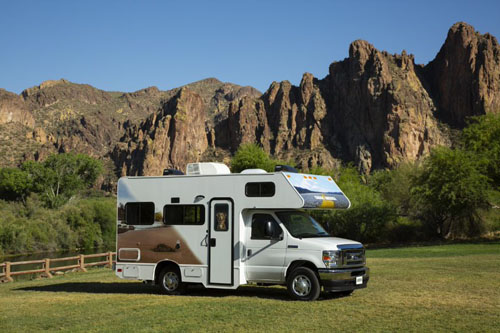
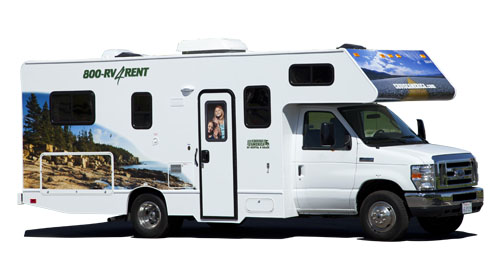
For a long-term RV rental in Miami, a Class C Alcove RV, averaging 8 meters in length with 5.9 sleeping places like the Cruise America Explorer, offers a good balance of spaciousness for extended stays and reasonable maneuverability for both urban driving and highway cruising. Alternatively, a Class B Camper Van, averaging 6.1 meters in length with 4 sleeping places, is excellent for navigating tighter city streets and easier parking within Miami, while still providing essential amenities for longer trips. While larger Class A Integrated RVs, averaging 8.9 meters in length with 8 sleeping places, offer maximum comfort for big groups, they may find parking and navigating some older, narrower Miami streets more challenging. It's important to note that Bandana RV focuses exclusively on motorhomes and campervans, ensuring you have the right vehicle for your Miami adventure, rather than recommending irrelevant options like truck campers or travel trailers.
Should I Choose a Compact Van Instead of a Large RV in Miami?
While a compact campervan like a Class B "Category Van" offers superior maneuverability and easier parking in Miami's denser areas, a larger motorhome generally presents no major driving issues on main roads. For long-term rentals in Miami, the enhanced comfort, living space, larger amenities, and dedicated sleeping areas of a Class C or Class A RV often outweigh the minor parking challenges in a city like Miami. A compact van is genuinely helpful for frequent parking in tight city centers or when visiting specific attractions with limited oversized vehicle parking, offering a more 'drive-anywhere' feel around areas like Wynwood or Little Havana. However, if your long-term plan includes more time at spacious campgrounds, relaxing on beaches, or exploring South Florida's natural beauty rather than constant urban exploration, the trade-off for increased indoor space and comfort with a larger Class C motorhome is usually preferred.
Can I Park Anywhere? Free & Wild Camping Rules in Miami
Free or 'wild camping' is generally prohibited within Miami city limits and Miami-Dade County, as local ordinances strictly restrict overnight RV parking on public streets, residential areas, and undesignated lots. Legally, rented RVs must typically be parked overnight in licensed RV parks, private campgrounds, or designated RV storage facilities, especially for an extended stay in Miami. While some commercial establishments like specific Walmart or Cracker Barrel locations *might* permit overnight parking, their policies vary by individual store and are subject to local Miami-Dade ordinances; always inquire with management first before settling in for the night. For extended stays, consider reputable RV resorts in Homestead, Key Largo, or along the Tamiami Trail, such as the Miami Everglades RV Resort, which offer full hookups and amenities. Always check local regulations and follow local law before parking overnight, as rules vary by region, and Bandana is with you before, during, and after your booking to provide guidance on general rental policies, though not specific parking solutions.
Can I Drive an RV Into the City Center? Heights, Tunnels & Local Signage
Yes, you can generally drive a rented RV into Miami's city center, but careful attention to local signage, particularly for height limits and parking restrictions, is crucial to avoid any unexpected issues. Most main thoroughfares and bridges within downtown Miami, Brickell, and Edgewater are designed to accommodate large vehicles; however, always be cautious of older underpasses, construction zones, or specific parking garage entrances that might have lower clearances. Miami does not have tunnels with restrictive RV height limits that would typically impede travel on primary routes for standard motorhomes or campervans. Watch carefully for 'No RV Parking' or 'Residents Only' signage in specific neighborhoods, and be aware that finding suitable long-term parking for large RVs in the dense city center can be extremely challenging and costly, making careful route planning essential.
Do you need a CDL to drive an RV over 20 feet?
No, in Florida, a Commercial Driver's License (CDL) is generally not required to drive an RV over 20 feet for personal use, provided its Gross Vehicle Weight Rating (GVWR) does not exceed 26,001 pounds. Most recreational vehicles, including many large Class A and Class C motorhomes available for rental in Miami, fall within the weight limits that allow them to be driven with a standard Class E driver's license. The length of a rented RV, while potentially impacting maneuverability in urban areas, does not automatically trigger CDL requirements for non-commercial use in Florida. Always confirm the specific weight rating of your rental RV and consult the Florida Department of Highway Safety and Motor Vehicles guidelines to ensure proper licensing for your specific vehicle, as rules can occasionally vary slightly by state or vehicle type.
What is the 3-3-3 rule for RV living?
The '3-3-3 rule' is a popular guideline among RVers designed to promote a relaxed pace and avoid travel burnout, suggesting never driving more than 300 miles (approximately 480 km) in a single day, arriving at your destination by 3 PM, and staying at least 3 nights in each location. This rule encourages travelers on a long-term RV rental in Miami to fully experience each destination, such as the Everglades or Key West, without feeling rushed or exhausted. Adhering to the 3-3-3 rule helps ensure drivers are well-rested, allows ample time for setting up and breaking down camp, and provides extensive opportunities for local exploration and connecting with the culture, food, and scenery. While a guideline, adapting the rule to Miami's urban environment might mean adjusting the '300 miles' to focus on shorter distances or specific areas to avoid heavy city traffic, always prioritizing a slow travel approach of max 100-150 km per day on average.
What is the new RV law in Florida?
While there isn't a single 'new RV law' that dramatically changed RV regulations across all of Florida recently, specific local ordinances, particularly in densely populated areas like Miami-Dade County, are continually updated regarding RV parking, residential use, and long-term stays. Florida Statute 320.01(29), for example, defines recreational vehicles, but local municipalities often have strict zoning laws prohibiting motorhomes from being used as permanent residences or parked long-term in residential driveways or public streets within Miami. Miami-Dade County ordinances frequently address issues like temporary RV parking on private property, limitations on guest RVs, and restrictions on using RVs as supplementary living spaces. It's crucial for long-term RV renters in Miami to research and understand specific Miami-Dade County and city-level zoning laws and homeowner association (HOA) rules regarding RV parking and use to avoid fines or conflicts, as Bandana RV provides full transparency and ensures no surprises.
How much is insurance on a $200,000 RV?
The cost of insurance for a $200,000 RV can vary significantly based on factors such as coverage type, deductible, driver's record, RV class (e.g., Class A vs. Class C), and intended use (long-term recreational versus occasional trips), but typically ranges from $1,000 to $3,000 per year for personal vehicles. For long-term RV rentals in Miami through Bandana RV, primary liability insurance is generally included in the rental agreement, but understanding the extent of coverage (e.g., liability, collision, comprehensive) is essential. Renters often have the option to purchase additional coverage or enhance their peace of mind by upgrading to a top-level deductible for extra protection. Personal effects insurance, sometimes available through personal auto policies or travel insurance, is also a consideration for protecting valuables during an extended trip in a rented motorhome, providing true RV specialists support.
What You Shouldn't Miss
- **Explore the Everglades National Park:** Just a short drive west from Miami, this unique ecosystem offers airboat tours, scenic drives, and wildlife viewing, including alligators and various bird species. Many RV-friendly campgrounds are nearby.
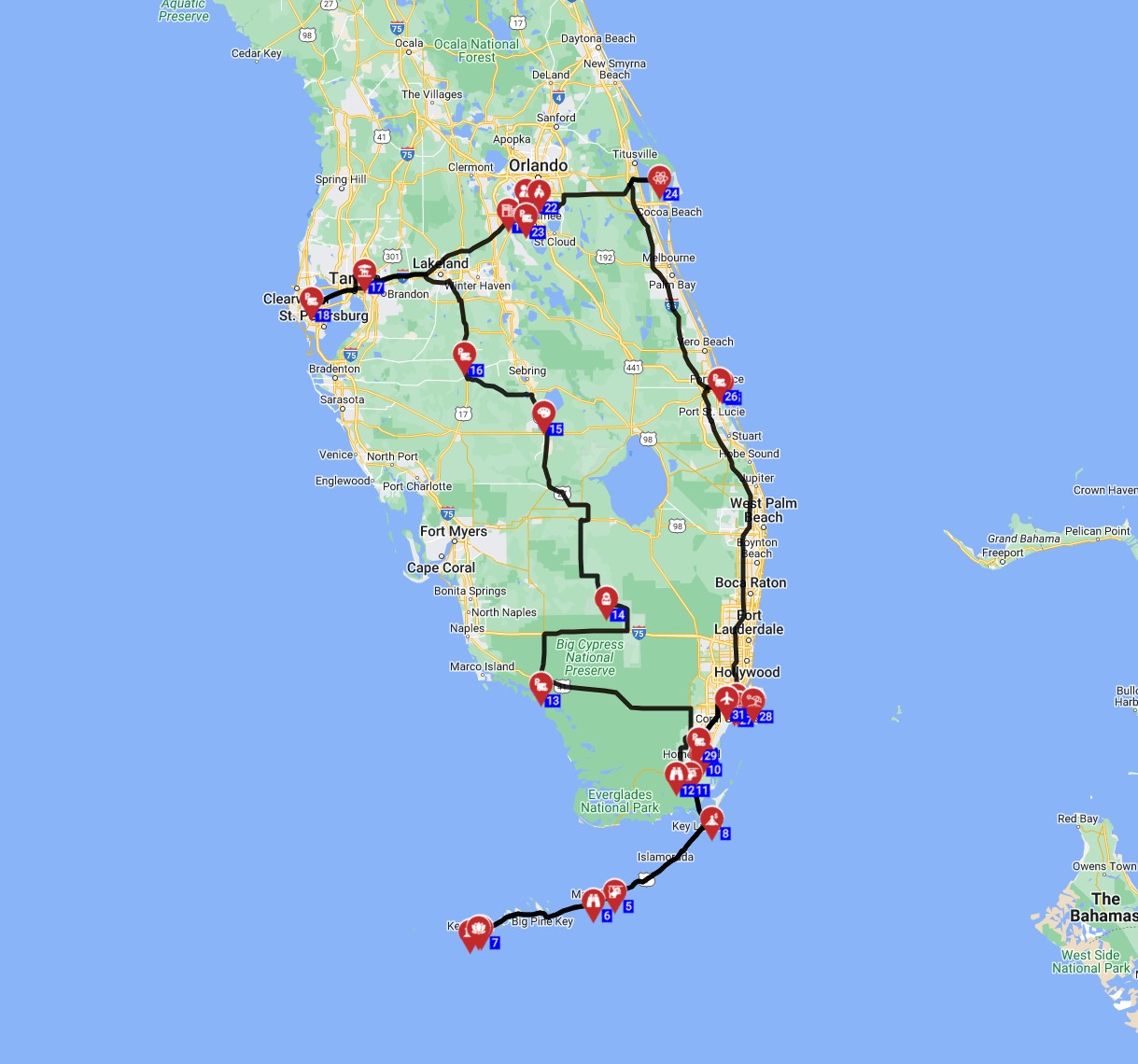
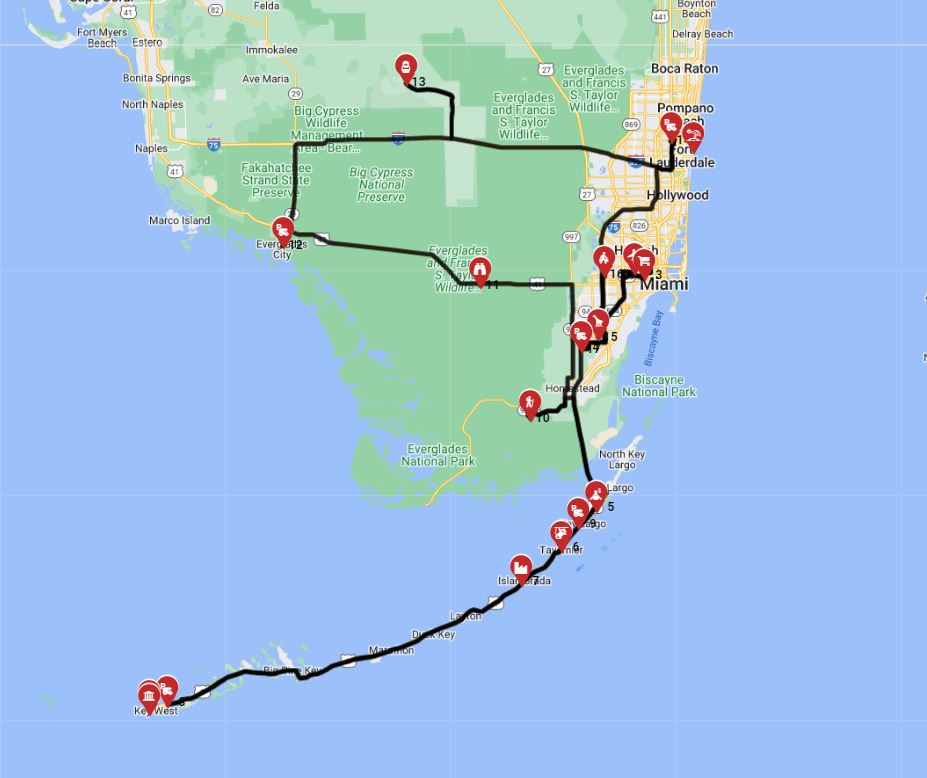
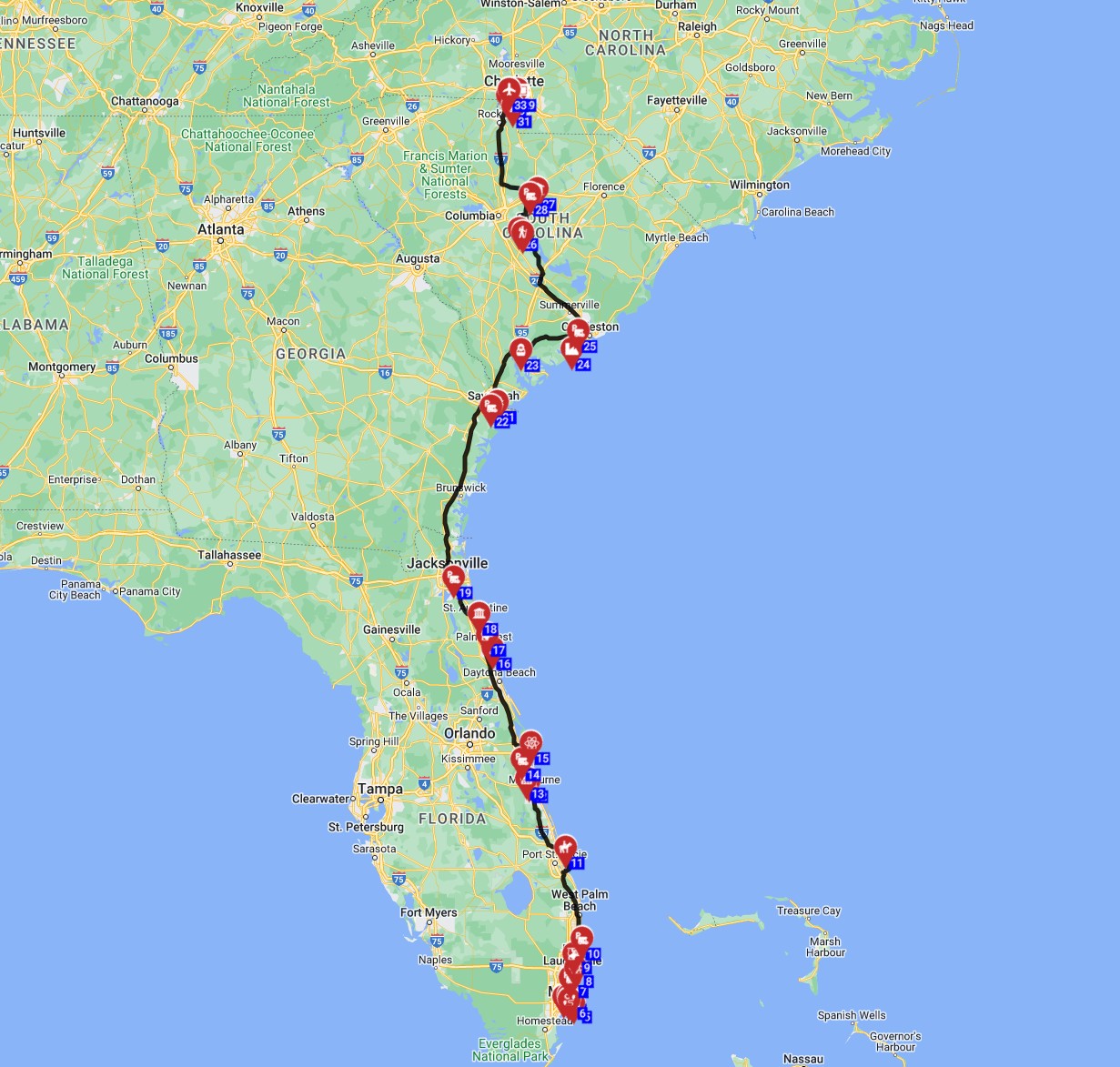
- **Discover the Florida Keys & Key West:** Take your long term rv rental on the iconic Overseas Highway (US-1) south from Miami, crossing 42 bridges over 113 miles to Key West. This scenic route is perfect for slow travel, with ample opportunities for snorkeling, fishing, and enjoying fresh seafood. An RV trip route from Miami - Southern Florida up to Key West is a fantastic 7-day adventure covering 1043.2 km, including 2 animals show/wildlife watch activities.
- **Wander Through Historic Coral Gables:** Experience the charm of Mediterranean Revival architecture, the Biltmore Hotel, and the Venetian Pool. Parking your RV outside the immediate downtown area and using local transit or ride-shares is often easiest.
- **Relax on South Beach & Visit Art Deco District:** Enjoy the famous white sands and vibrant atmosphere. While large RV parking is scarce on South Beach itself, nearby Miami RV parks offer shuttle services or public transport connections.
- **Dive into Little Havana's Culture:** Stroll along Calle Ocho, listen to live Cuban music, watch cigar rolling, and savor authentic Cuban cuisine. This is a must-do for connecting to the local culture and food.
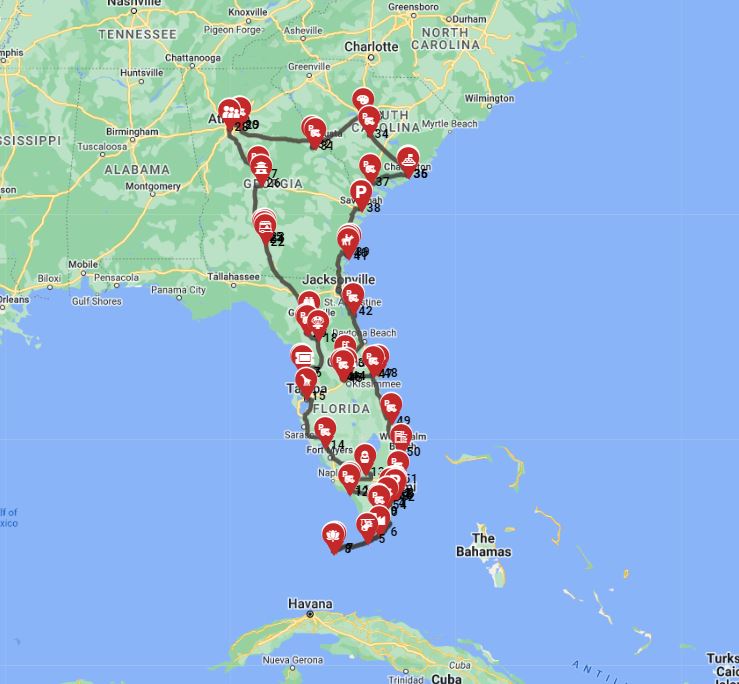
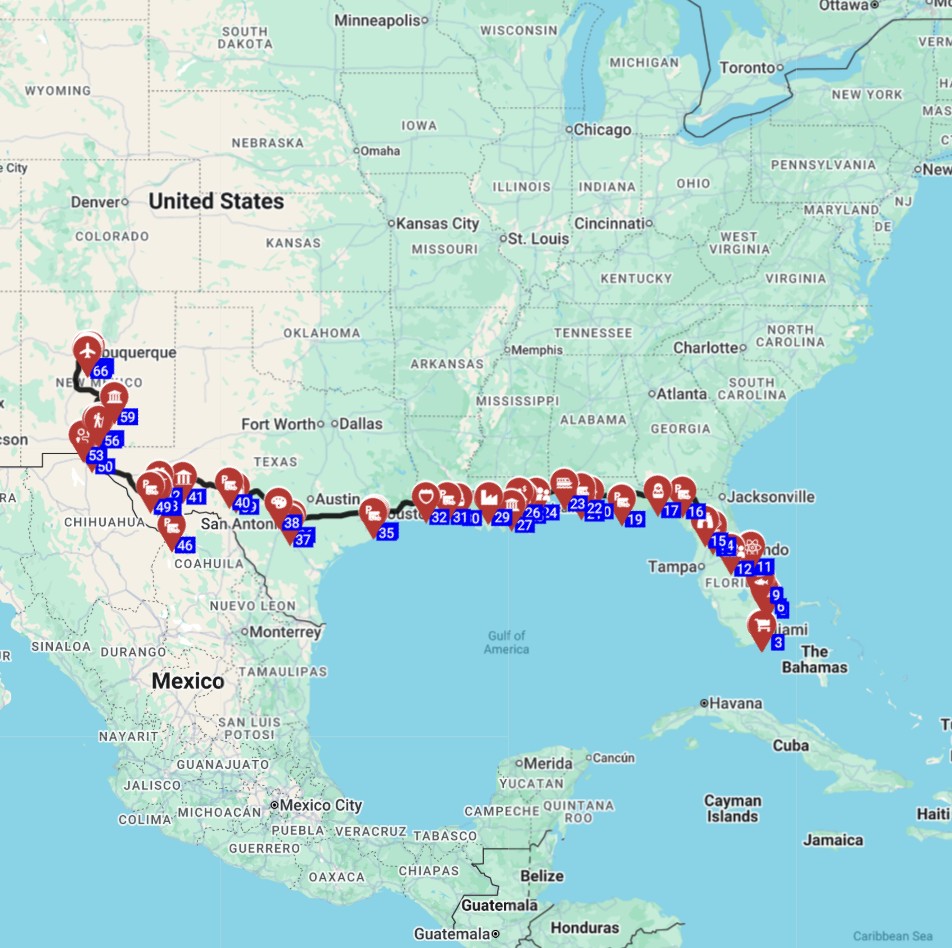
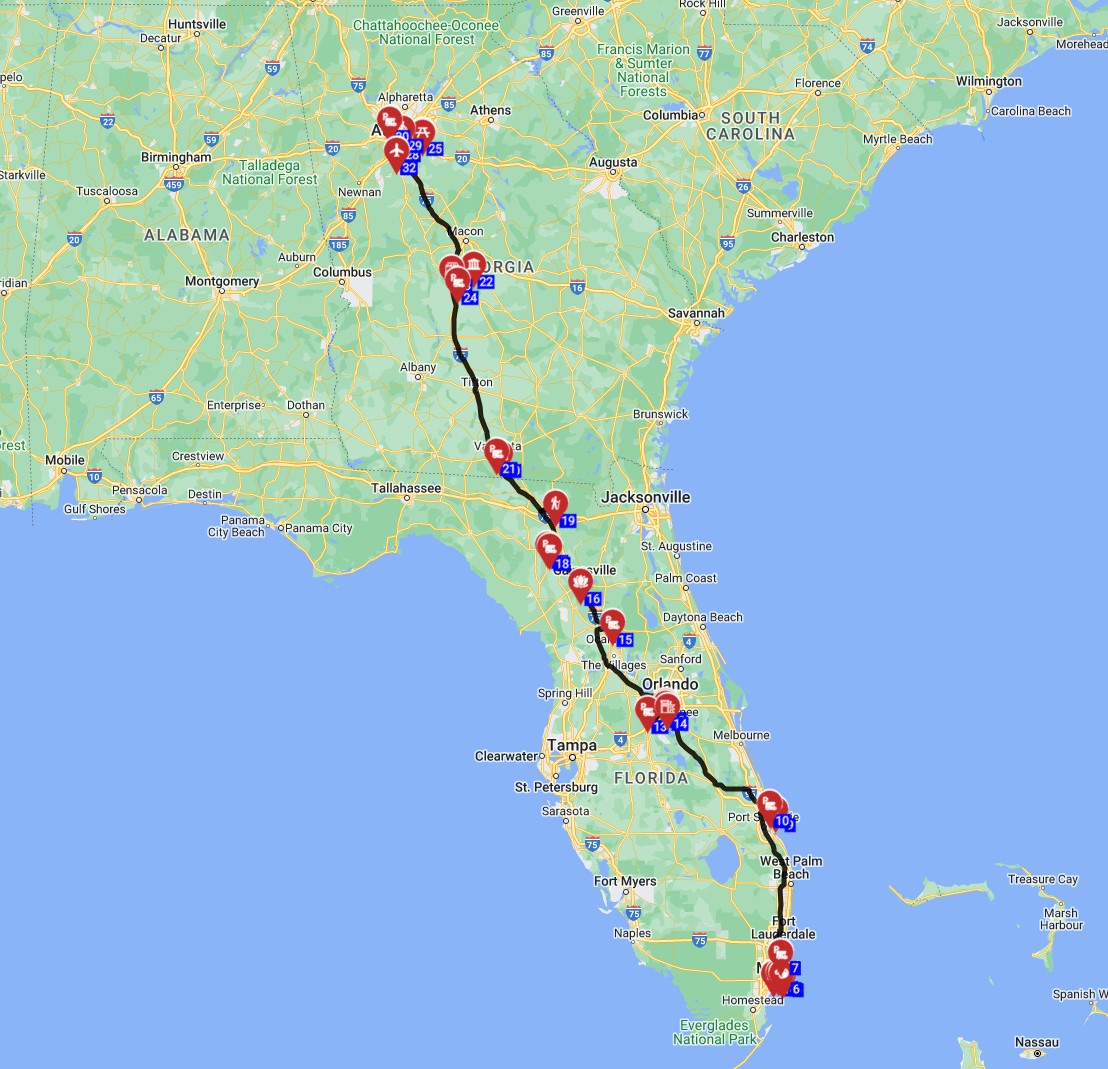
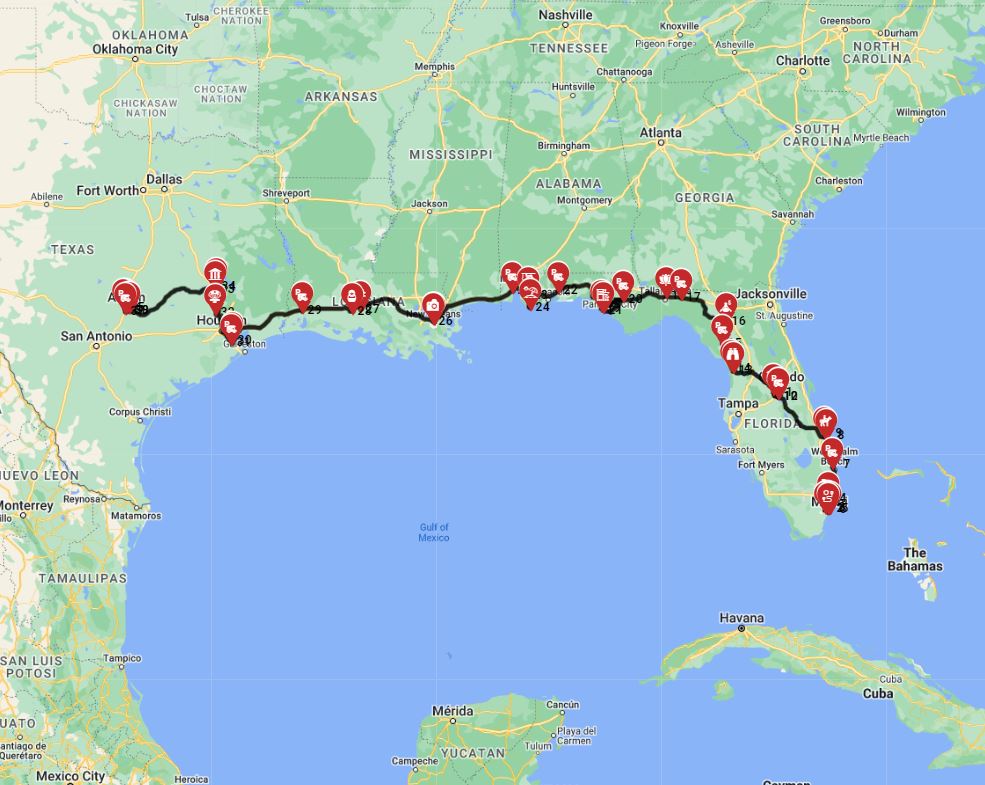
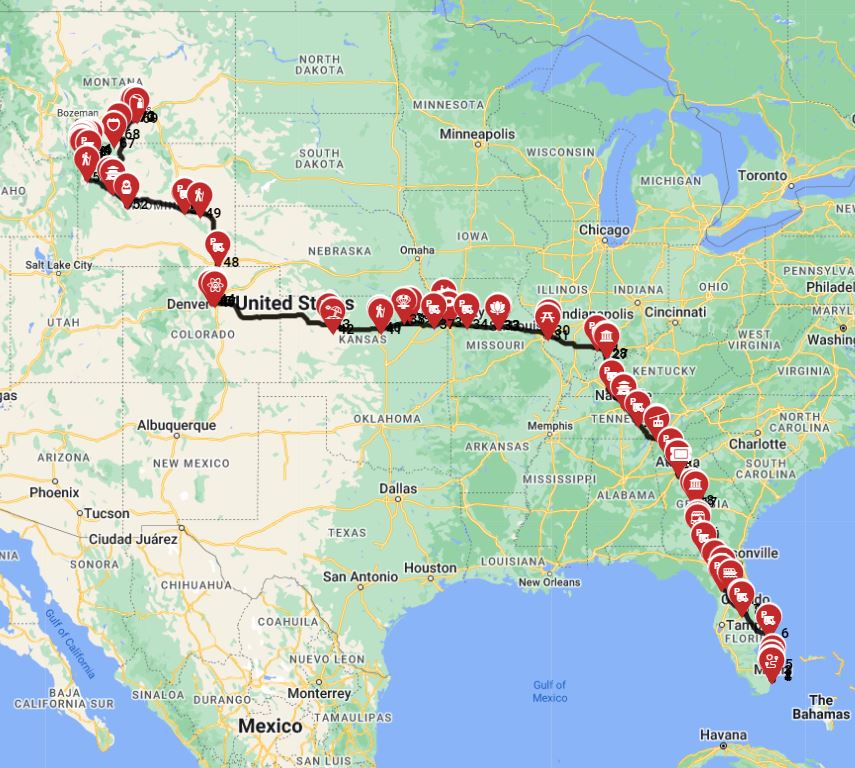
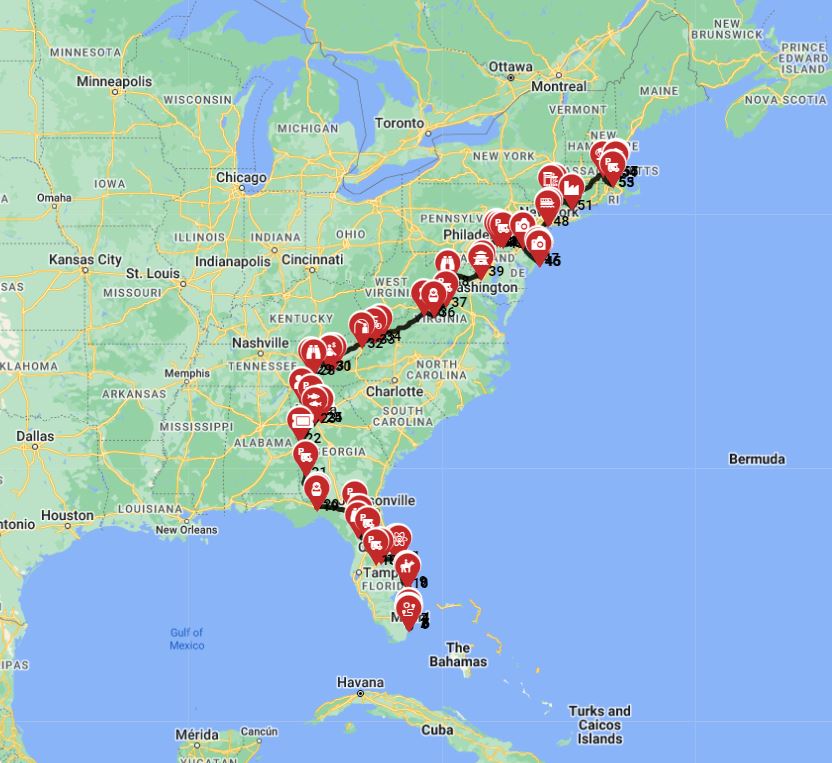
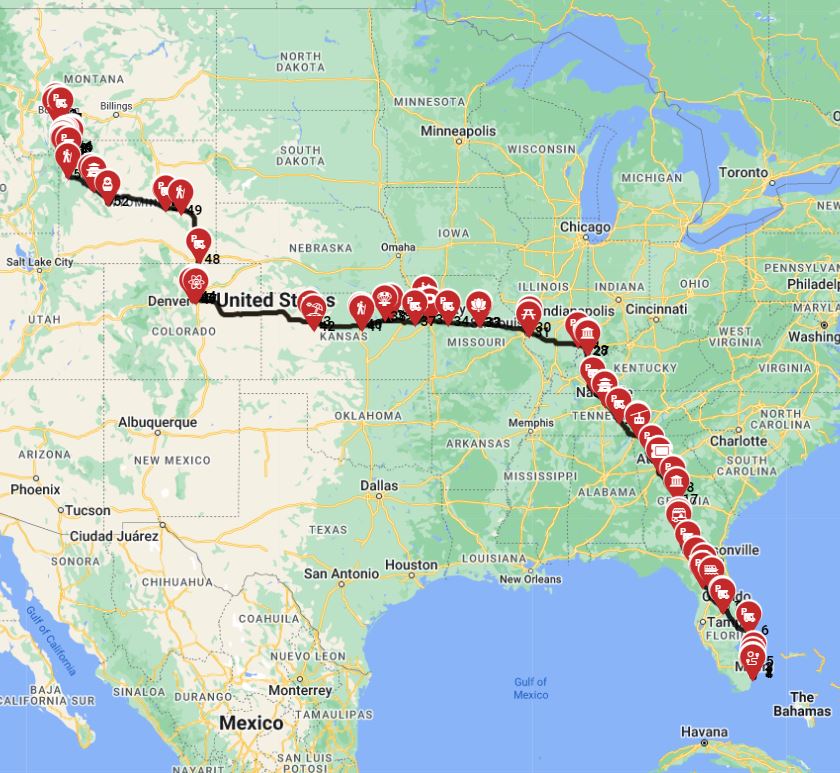
- **Plan an Epic East Coast Adventure:** Consider longer excursions. An extensive Miami to New York - Including Appalachian trail, Smoky Mountains, Niagara falls and White Mountains itinerary spans 28 days and 5650.8 km, featuring 1 amusement park, 2 wildlife watches, and 6 hiking areas, among others. Alternatively, the New York to Miami - Including the White Mountains, Niagara Falls, Smoky Mountains, Appalachian trail route offers a 31-day, 5700.8 km journey with 4 family activities and 5 local industry visits.
Looking for expert insights from Avi Bandana?
Top 5 Adventures - recommendations from Avi Bandana
Final Thoughts
Embarking on a long-term RV driving adventure in Miami is an unparalleled way to experience the Sunshine State's dynamic blend of urban vibrancy and natural wonders. From navigating its flat, well-maintained roads with a Class C motorhome to exploring the nearby Everglades and Keys, the freedom a rented RV offers is truly inspiring. Remember to plan your routes to travel slowly, averaging a maximum of 100-150 km per day, allowing ample time to truly feel the place, connect to the unique culture, savor the incredible food, and immerse yourself in the stunning scenery.
Whether you're a pre-planner or a spontaneous traveler, securing your long term rv rental in Miami is the first step towards an unforgettable journey. Bandana RV is dedicated to making this process easy, safe, and transparent, ensuring you have all the information and support you need. So, pack your bags, choose your ideal motorhome, and get ready to discover the magic of Miami and beyond on your extended road trip!
Find Motorhome Rentals in MiamiIn This Guide
- Can You Drive an RV in Miami? License & Age Rules
- Road Conditions & Terrain in Miami
- RV Size Limits, Bridges & Restricted Zones
- Fuel: Diesel vs. Petrol & Cost per 100 km
- Tolls, Vignettes & Border Rules
- Driving Tips for long term rv rental Travelers
- Recommended RV Class for Miami Roads
- Should I Choose a Compact Van Instead of a Large RV in Miami?
- Can I Park Anywhere? Free & Wild Camping Rules in Miami
- Can I Drive an RV Into the City Center? Heights, Tunnels & Local Signage
- Do you need a CDL to drive an RV over 20 feet?
- What is the 3-3-3 rule for RV living?
- What is the new RV law in Florida?
- How much is insurance on a $200,000 RV?
Miami, with its vibrant culture and proximity to the Everglades and Florida Keys, offers an exceptional backdrop for an extended RV adventure. Imagine waking up to the gentle ocean breeze or the sounds of exotic birds, with your home-on-wheels providing the ultimate flexibility. For live availability and current prices, start with our RV Rental Miami - Complete Guide 2026 guide.
Can You Drive an RV in Miami? License & Age Rules
Yes, you can absolutely drive a rented RV in Miami, as a standard Class E driver's license is sufficient for driving most RVs in Florida, including those over 20 feet in length, as long as the Gross Vehicle Weight Rating (GVWR) remains under 26,001 pounds. A Commercial Driver's License (CDL) is generally not required for personal-use motorhomes or campervans, regardless of their length, unless the GVWR exceeds 26,001 pounds and the vehicle is used for commercial purposes. The minimum driver age for renting a motorhome in Miami typically starts at 21 years, though some premium Class A motorhome suppliers might require drivers to be 25 years old for specific models. Foreign drivers can comfortably operate an RV in Florida with a valid driver's license from their home country, and an International Driving Permit (IDP) is highly recommended for clarity and translation purposes, even though it's not strictly mandatory in most cases.
Road Conditions & Terrain in Miami
Miami's road conditions are generally good, featuring well-maintained highways and main roads, though urban areas can experience wear and tear, especially after heavy rains. The terrain in Miami and throughout South Florida is predominantly flat, offering easy driving without significant inclines or mountain passes, which is highly ideal for motorhomes and campervans of all sizes. While Miami’s flat topography minimizes challenging grades, navigating dense urban traffic, particularly during peak hours on major arteries like I-95, US-1, and Florida's Turnpike, can be challenging for larger rented RVs; therefore, we recommend driving slowly and carefully, and you can drive almost anywhere without issues. No need to stress - just use common sense and pay attention. Travelers should expect extensive urban and suburban development rather than scenic rural routes directly within Miami, encouraging a relaxed pace to appreciate the city's unique atmosphere.
RV Size Limits, Bridges & Restricted Zones
Florida law limits the length of a single RV to 45 feet, while the total combined length of an RV and any towed vehicle cannot exceed 65 feet. Miami generally accommodates most motorhome sizes, with standard bridge heights on main roads well above typical RV clearances, usually 13'6" or higher. However, RV renters should always be aware of specific low clearances in older parts of the city, residential areas, or parking garage entrances; consistently observing posted signs is crucial to avoid issues. There are no specific environmental zones or vehicle class restrictions that would generally impede standard RV access within Miami, but certain residential areas may have local ordinances against long-term RV parking on streets or in driveways, which you should be mindful of during your long-term RV rental in Miami.
Fuel: Diesel vs. Petrol & Cost per 100 km
Both diesel and petrol (gasoline) are widely available at fuel stations throughout Miami and South Florida, so finding the correct fuel for your rented motorhome is rarely an issue. Many Class C Alcove RVs, which average 8 meters in length with a 75 Liter fuel tank, consume approximately 23-35 Liters per 100 Km (7-10 Miles per Gallon), making fuel a significant consideration for budgeting a long-term rental. Fuel costs in Miami, like many popular tourist destinations, can be higher than the national average, making careful budgeting for an extended RV trip crucial. To help manage expenses, some rental motorhomes may offer fuel discount cards or programs, which can significantly mitigate costs during your long-term adventure. For finding campsites and campgrounds during your trip, we recommend using RV PLANET (rvplan.net) - a great resource for locating available spots along your route, and their RV PLANET routes allow you to itemize and track every expense along the way for easy budgeting.
🎬 Video coming soon
Tolls, Vignettes & Border Rules
Miami and South Florida have a comprehensive, largely cashless toll road system, including major arteries like Florida's Turnpike, I-95 Express Lanes, and various local expressways. A SunPass transponder is highly recommended for RV renters to avoid higher 'Toll-by-Plate' rates and administrative fees that can quickly add up on a long-term RV rental in Miami. Many Bandana RV partners offer options to pre-purchase toll passes or include a transponder as an add-on, allowing seamless travel and avoidance of post-trip fines or delays. Fortunately, there are no vignettes or complex border rules specific to driving a rented RV within Florida or to neighboring U.S. states when traveling from Miami, simplifying your extended road trip planning.
Driving Tips for long term rv rental Travelers
Navigating Miami traffic strategically is key for long-term RV travelers; planning your routes outside of peak rush hours, typically 7-9 AM and 4-6 PM, will significantly minimize stress and fuel consumption. Mastering the cashless toll system is also essential, so invest in a SunPass or ensure your rental RV has one to navigate Miami's myriad toll roads efficiently and cost-effectively, like Florida's Turnpike or the Dolphin Expressway. Parking preparedness is vital in Miami; research RV-friendly parking in advance for popular attractions, beaches, and overnight stays, as finding large vehicle parking can be challenging in dense urban centers like South Beach or Downtown. Stay alert for cyclists and pedestrians, as Miami is a dense city with active cycling and walking cultures, requiring extra vigilance from RV drivers, especially in tourist areas. Finally, practice being security conscious: when parking your rented motorhome, opt for well-lit, secure RV parks, designated storage facilities, or reputable campgrounds; always avoid leaving valuables exposed in your RV, particularly for extended stays.
Recommended RV Class for Miami Roads
For a long-term RV rental in Miami, a Class C Alcove RV, averaging 7.1 meters in length with 4-5 sleeping places like the Cruise America Explorer (which has a 160/220cm bed over the cub and a 163/210cm double bed), offers a good balance of spaciousness for extended stays and reasonable maneuverability for both urban driving and highway cruising. Alternatively, a Class B Camper Van, averaging 6.1 meters in length with 4 sleeping places like the "Active Bunk Auto," is excellent for navigating tighter city streets and easier parking within Miami, while still providing essential amenities for longer trips. While larger Class A Integrated RVs, averaging 8.9 meters in length with 8 sleeping places, offer maximum comfort for big groups, they may find parking and navigating some older, narrower Miami streets more challenging. It's important to note that Bandana RV focuses exclusively on motorhomes and campervans, ensuring you have the right vehicle for your Miami adventure.
Should I Choose a Compact Van Instead of a Large RV in Miami?
While a compact campervan like a Class B "Category Van" offers superior maneuverability and easier parking in Miami's denser areas, a larger motorhome generally presents no major driving issues on main roads. For long-term rentals in Miami, the enhanced comfort, living space, larger amenities, and dedicated sleeping areas of a Class C or Class A RV often outweigh the minor parking challenges in a city like Miami. A compact van is genuinely helpful for frequent parking in tight city centers or when visiting specific attractions with limited oversized vehicle parking, offering a more 'drive-anywhere' feel around areas like Wynwood or Little Havana. However, if your long-term plan includes more time at spacious campgrounds, relaxing on beaches, or exploring South Florida's natural beauty rather than constant urban exploration, the trade-off for increased indoor space and comfort with a larger Class C motorhome is usually preferred. Compare prices for a "Weekly RV Rental in Miami - Pricing 2026" to see which size fits your budget and needs best.
Can I Park Anywhere? Free & Wild Camping Rules in Miami
Free or 'wild camping' is generally prohibited within Miami city limits and Miami-Dade County, as local ordinances strictly restrict overnight RV parking on public streets, residential areas, and undesignated lots. Legally, rented RVs must typically be parked overnight in licensed RV parks, private campgrounds, or designated RV storage facilities, especially for an extended stay in Miami. While some commercial establishments like specific Walmart or Cracker Barrel locations *might* permit overnight parking, their policies vary by individual store and are subject to local Miami-Dade ordinances; always inquire with management first before settling in for the night. For extended stays, consider reputable RV resorts in Homestead, Key Largo, or along the Tamiami Trail, such as the Miami Everglades RV Resort, which offer full hookups and amenities. Always check local regulations and follow local law before parking overnight, as rules vary by region, and Bandana is with you before, during, and after your booking to provide guidance on general rental policies, though not specific parking solutions.
Can I Drive an RV Into the City Center? Heights, Tunnels & Local Signage
Yes, you can generally drive a rented RV into Miami's city center, but careful attention to local signage, particularly for height limits and parking restrictions, is crucial to avoid any unexpected issues. Most main thoroughfares and bridges within downtown Miami, Brickell, and Edgewater are designed to accommodate large vehicles; however, always be cautious of older underpasses, construction zones, or specific parking garage entrances that might have lower clearances. Miami does not have tunnels with restrictive RV height limits that would typically impede travel on primary routes for standard motorhomes or campervans. Watch carefully for 'No RV Parking' or 'Residents Only' signage in specific neighborhoods, and be aware that finding suitable long-term parking for large RVs in the dense city center can be extremely challenging and costly, making careful route planning essential. For additional travel insights, refer to the "RV Travel Guide to Miami - Tips and Top Spots 2026".
Do you need a CDL to drive an RV over 20 feet?
No, in Florida, a Commercial Driver's License (CDL) is generally not required to drive an RV over 20 feet for personal use, provided its Gross Vehicle Weight Rating (GVWR) does not exceed 26,001 pounds. Most recreational vehicles, including many large Class A and Class C motorhomes available for rental in Miami, fall within the weight limits that allow them to be driven with a standard Class E driver's license. The length of a rented RV, while potentially impacting maneuverability in urban areas, does not automatically trigger CDL requirements for non-commercial use in Florida. Always confirm the specific weight rating of your rental RV and consult the Florida Department of Highway Safety and Motor Vehicles guidelines to ensure proper licensing for your specific vehicle, as rules can occasionally vary slightly by state or vehicle type. For detailed pricing information, consider our "RV Rental in Miami - Prices and Best Deals 2026" guide.
What is the 3-3-3 rule for RV living?
The '3-3-3 rule' is a popular guideline among RVers designed to promote a relaxed pace and avoid travel burnout, suggesting never driving more than 300 miles (approximately 480 km) in a single day, arriving at your destination by 3 PM, and staying at least 3 nights in each location. This rule encourages travelers on a long-term RV rental in Miami to fully experience each destination, such as the Everglades or Key West, without feeling rushed or exhausted. Adhering to the 3-3-3 rule helps ensure drivers are well-rested, allows ample time for setting up and breaking down camp, and provides extensive opportunities for local exploration and connecting with the culture, food, and scenery. While a guideline, adapting the rule to Miami's urban environment might mean adjusting the '300 miles' to focus on shorter distances or specific areas to avoid heavy city traffic, always prioritizing a slow travel approach of max 100-150 km per day on average.
What is the new RV law in Florida?
While there isn't a single 'new RV law' that dramatically changed RV regulations across all of Florida recently, specific local ordinances, particularly in densely populated areas like Miami-Dade County, are continually updated regarding RV parking, residential use, and long-term stays. Florida Statute 320.01(29), for example, defines recreational vehicles, but local municipalities often have strict zoning laws prohibiting motorhomes from being used as permanent residences or parked long-term in residential driveways or public streets within Miami. Miami-Dade County ordinances frequently address issues like temporary RV parking on private property, limitations on guest RVs, and restrictions on using RVs as supplementary living spaces. It's crucial for long-term RV renters in Miami to research and understand specific Miami-Dade County and city-level zoning laws and homeowner association (HOA) rules regarding RV parking and use to avoid fines or conflicts, as Bandana RV provides full transparency and ensures no surprises. You can find broader information in our "RV Rental Florida - Complete Guide 2026".
How much is insurance on a $200,000 RV?
The cost of insurance for a $200,000 RV can vary significantly based on factors such as coverage type, deductible, driver's record, RV class (e.g., Class A vs. Class C), and intended use (long-term recreational versus occasional trips), but typically ranges from $1,000 to $3,000 per year for personal vehicles. For long-term RV rentals in Miami through Bandana RV, primary liability insurance is generally included in the rental agreement, but understanding the extent of coverage (e.g., liability, collision, comprehensive) is essential. Renters often have the option to purchase additional coverage or enhance their peace of mind by upgrading to a top-level deductible for extra protection. Personal effects insurance, sometimes available through personal auto policies or travel insurance, is also a consideration for protecting valuables during an extended trip in a rented motorhome, providing true RV specialists support. For options on insurance and fees related to unique trips, check our "One-Way RV Rental in Miami - Price Guide 2026".
What You Shouldn't Miss
- **Explore the Everglades National Park:** Just a short drive west from Miami, this unique ecosystem offers airboat tours, scenic drives, and wildlife viewing, including alligators and various bird species. Many RV-friendly campgrounds are nearby.
- **Discover the Florida Keys & Key West:** Take your long term rv rental on the iconic Overseas Highway (US-1) south from Miami, crossing 42 bridges over 113 miles to Key West. This scenic route is perfect for slow travel, with ample opportunities for snorkeling, fishing, and enjoying fresh seafood. An RV trip route from Miami - Southern Florida up to Key West is a fantastic 7-day adventure covering 1043.2 km, including 2 animals show/wildlife watch activities.
- **Wander Through Historic Coral Gables:** Experience the charm of Mediterranean Revival architecture, the Biltmore Hotel, and the Venetian Pool. Parking your RV outside the immediate downtown area and using local transit or ride-shares is often easiest.
- **Relax on South Beach & Visit Art Deco District:** Enjoy the famous white sands and vibrant atmosphere. While large RV parking is scarce on South Beach itself, nearby Miami RV parks offer shuttle services or public transport connections.
- **Dive into Little Havana's Culture:** Stroll along Calle Ocho, listen to live Cuban music, watch cigar rolling, and savor authentic Cuban cuisine. This is a must-do for connecting to the local culture and food. For those interested in cooking in their RV, check out our RV-friendly recipes playlist.
- **Plan an Epic East Coast Adventure:** Consider longer excursions. An extensive Miami to New York - Including Appalachian trail, Smoky Mountains, Niagara falls and White Mountains itinerary spans 28 days and 5650.8 km, featuring 1 amusement park, 2 wildlife watches, and 6 hiking areas, among others. Alternatively, the New York to Miami - Including the White Mountains, Niagara Falls, Smoky Mountains, Appalachian trail route offers a 31-day, 5700.8 km journey with 4 family activities and 5 local industry visits.
Looking for expert insights from Avi Bandana?
Top 5 Adventures - recommendations from Avi Bandana
Final Thoughts
Embarking on a long-term RV driving adventure in Miami is an unparalleled way to experience the Sunshine State's dynamic blend of urban vibrancy and natural wonders. From navigating its flat, well-maintained roads with a Class C motorhome to exploring the nearby Everglades and Keys, the freedom a rented RV offers is truly inspiring. Remember to plan your routes to travel slowly, averaging a maximum of 100-150 km per day, allowing ample time to truly feel the place, connect to the unique culture, savor the incredible food, and immerse yourself in the stunning scenery.
Whether you're a pre-planner or a spontaneous traveler, securing your long term rv rental in Miami is the first step towards an unforgettable journey. Bandana RV is dedicated to making this process easy, safe, and transparent, ensuring you have all the information and support you need. So, pack your bags, choose your ideal motorhome, and get ready to discover the magic of Miami and beyond on your extended road trip!
Find Motorhome Rentals in Miami