In This Guide
- What are the driving requirements for RV rentals in Australia?
- Can I drive any size RV in Australian cities?
- What are the rules for 'freedom camping' or wild camping in Australia?
- How much does an RV rental cost in Australia?
- What are the typical RV rental inclusions and optional extras in Australia?
- What are the insurance considerations for RV rentals in Australia?
- What are the best long-term RV routes and itineraries in Australia?
- What are important safety tips for RV travel in Australia?
What are the driving requirements for RV rentals in Australia?
In Australia, you can drive any rented motorhome, including Class A, Class B (campervans), and Class C RVs, with a standard car driver's license. No special licenses or permits are typically required. For visitors from non-English speaking countries, an International Driving Permit (IDP) is recommended for clarity, though it's not mandatory in most instances. Bandana Caravan ensures that all our rental partners adhere to these straightforward licensing regulations, making your transition to Australian roads seamless. The minimum rental age is 21, with no young driver surcharges or vehicle class restrictions based on age, allowing greater flexibility for all travelers.
When planning your Australian adventure, remember that driving is on the left side of the road. While the rules are familiar to many international visitors, paying close attention to local road signs and customs is always advised. For instance, understanding the etiquette for overtaking larger vehicles like road trains is crucial, especially in rural and outback areas.
The vastness of Australia means long driving days are possible, but we always recommend slow travel. Aim to cover no more than 100-150 km per day on average. This pace allows you to truly immerse yourself in the experience, connect with the local culture, savor regional food, and appreciate the diverse scenery without feeling rushed. This slower approach also makes long-term RV travel incredibly rewarding.
Can I drive any size RV in Australian cities?
You can drive almost anywhere, including Australian cities, in any size of rented RV without significant issues, provided you drive slowly and carefully. There's no need to stress about city driving; simply use common sense and pay attention to your surroundings. Navigating urban areas in a larger motorhome is perfectly feasible with mindful driving. For example, a spacious 6-berth motorhome, like the "Premium Plus Alcove 6," offers ample living space and can be maneuvered through city streets with the same care you'd give to any other large vehicle. Many national parks and city attractions have designated RV parking areas, making exploration convenient.
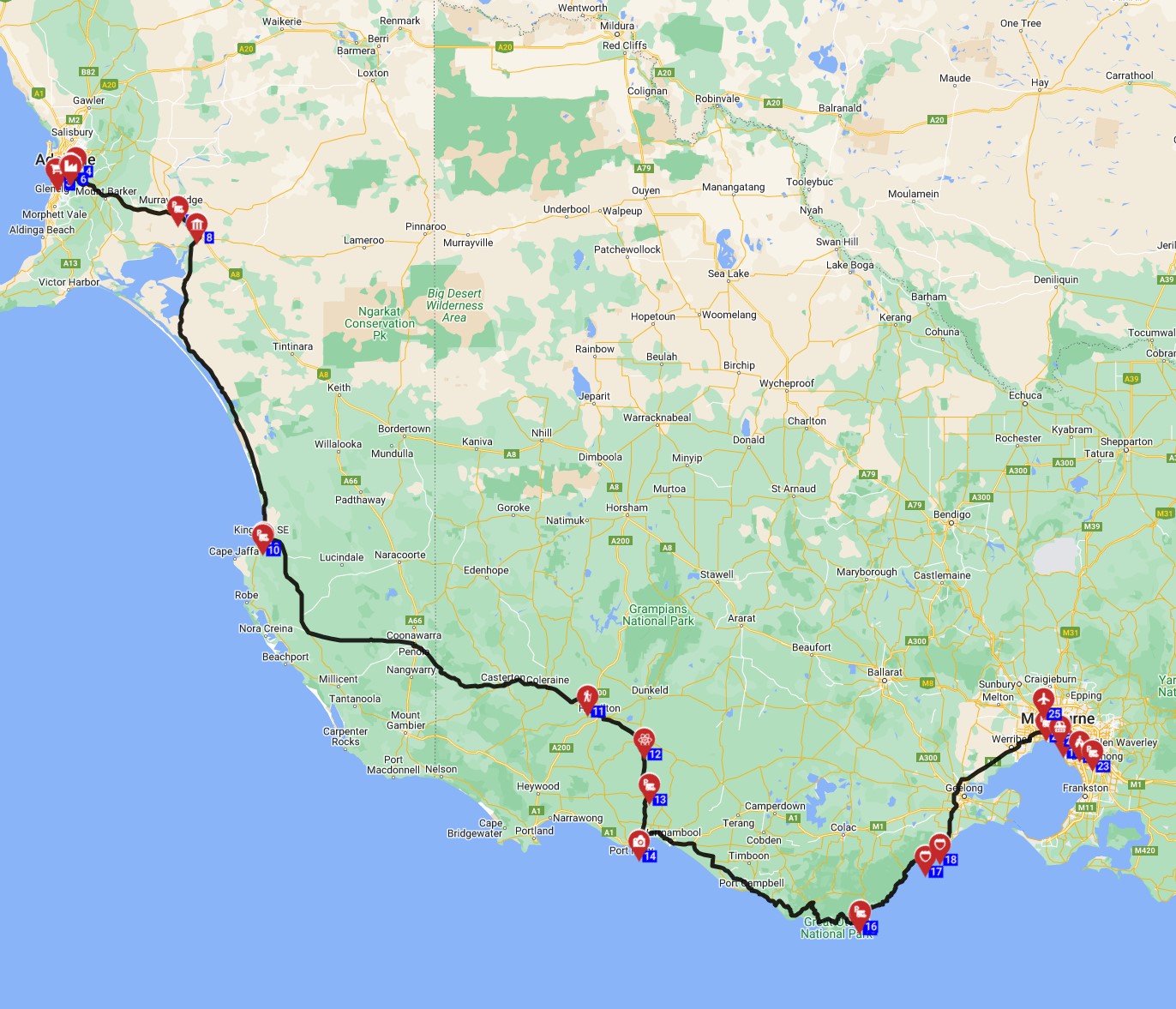
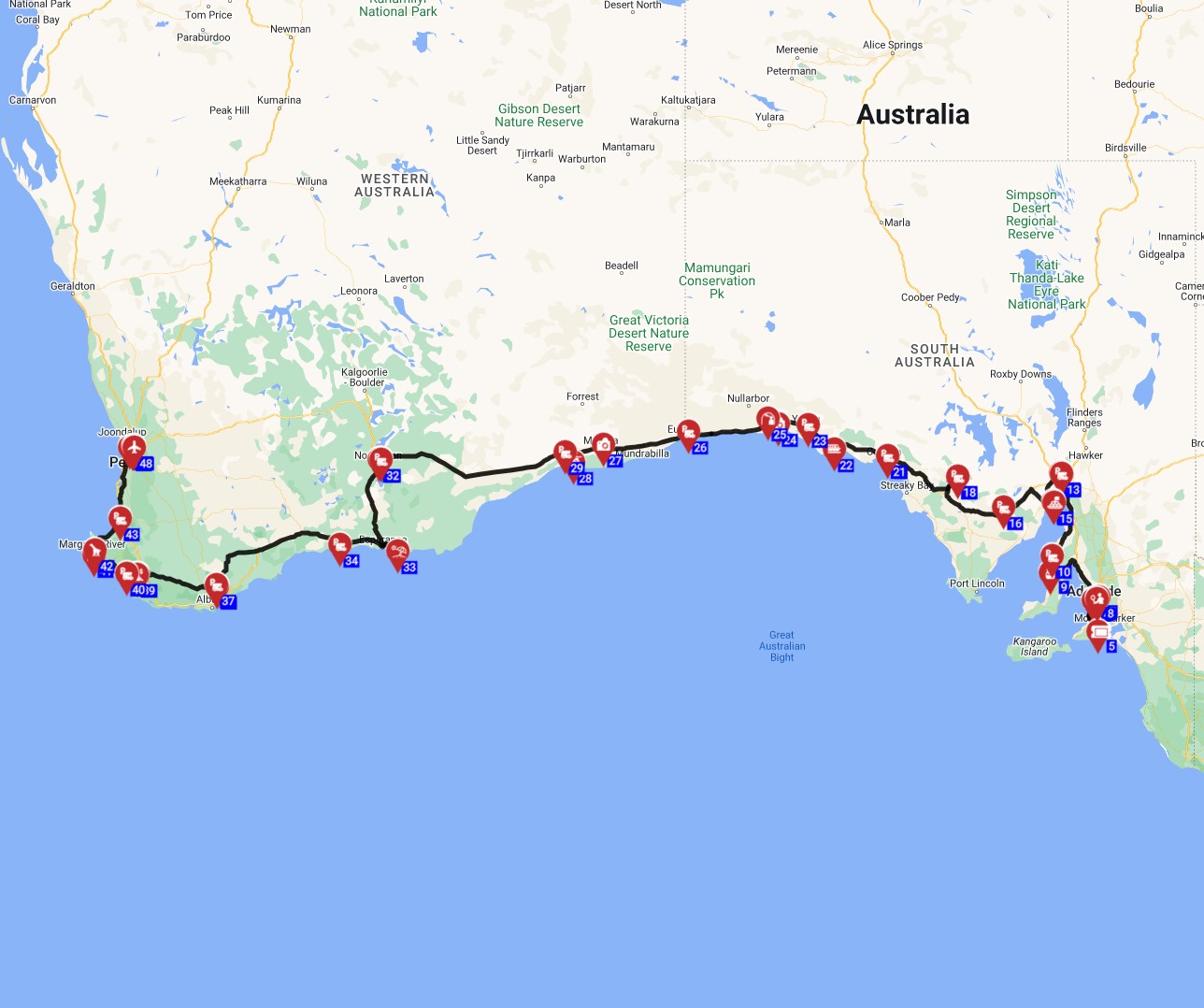
When considering routes, remember that Australia offers diverse driving experiences. For instance, the "Melbourne to Darwin - Australia’s Heartline Road Trip" covers over 5,600 km and requires careful planning, but the RV provides a comfortable base throughout. Similarly, the "Perth to Alice Springs - The Dreamtime Highway" is a significant undertaking of over 5,400 km, highlighting the need for well-prepared and robust vehicles.
Bandana RV specializes in motorhome and campervan rentals, not towable vehicles. Therefore, our advice focuses solely on motorhomes, ranging from compact campervans perfect for couples to larger, family-friendly motorhomes.
What are the rules for 'freedom camping' or wild camping in Australia?
Freedom camping, or wild camping, regulations in Australia vary significantly by state and territory, and often by local council. It's essential to research the specific rules for your intended route before you travel. Generally, free camping is permitted in designated areas, often found in national parks or on Crown land, but requirements for self-contained vehicles (those with built-in toilets and waste disposal) are common. Always look for signage indicating permitted camping areas and respect any restrictions.
For finding suitable, legal camping spots during your journey, we recommend using RV PLANET routes. This platform is a great resource for locating available spots along your route and often provides details on specific campground amenities and rules. It's also a good idea to contact local visitor information centers for the most up-to-date information on camping regulations.
While some travelers enjoy the spontaneity of finding camping spots on the fly, planning is often beneficial, especially in popular national parks. Some parks reserve only a portion of their sites, with the rest being first-come, first-served. If your first choice is full, don't worry; there are often other campgrounds nearby. A helpful tip is to call ahead to the next intended campground before driving, ensuring you have a confirmed spot.
For finding campsites and campgrounds during your trip, check out RV PLANET (rvplan.net) — a great tool for locating available spots along your route.
How much does an RV rental cost in Australia?
The cost of renting an RV in Australia varies based on the vehicle size, type, season, and rental duration. Typically, you can expect to pay between $70 and $150 AUD per day for a basic 2-berth campervan, suitable for couples. For larger families or groups, a 6-berth motorhome, such as the "Jayco Conquest Royale 6," might cost between $120 and $250 AUD daily. Prices are dynamic, similar to airline tickets, and are set at the time of booking based on availability.
When considering budget, remember that longer rental periods can sometimes offer better daily rates. For example, a 1-week rental might average $100-$200 AUD per day, while a 2-week trip could bring the average down to $90-$180 AUD. A month-long rental could further reduce the daily cost. Keep in mind that ancillary costs beyond the rental itself, such as fuel, campground fees, and groceries, will also contribute to your overall trip budget. On the RV PLANET routes, travelers can itemize and track every expense along the way for easy budgeting. On the routes offered through RV PLANET routes, you can itemize and track every expense along the way for easy budgeting.
Last-minute RV rental deals in Australia do exist, but availability can be limited, especially during peak seasons like school holidays or summer months (December-February). Flexibility with your travel dates and vehicle choice can help you find more affordable options. Off-peak travel, such as during the shoulder seasons (spring and autumn), generally offers lower rates and fewer crowds.
Families might find that a larger motorhome, like the "Category Large 5 AT," which accommodates six people, offers better value than renting two smaller vehicles. This model features ample sleeping space and amenities, making it a comfortable and economical choice for group travel. For couples, a compact campervan such as the "Category Van AT" provides a more budget-friendly option while still offering essential facilities.
What are the typical RV rental inclusions and optional extras in Australia?
Most standard RV rentals in Australia include essential living amenities such as beds, a basic kitchen setup (stove, refrigerator, sink), and a bathroom with a shower and toilet. Vehicles often come with essentials for the number of passengers, like bedding and kitchenware. For instance, a 4-berth motorhome might include four place settings for cutlery, plates, and cups. We also recommend using our RV-friendly recipes playlist for meal inspiration.
Optional extras can significantly enhance your trip but come at an additional cost. These might include GPS units, camping chairs and tables, child safety seats, or even linen packages. When comparing rental companies, pay attention to what's included versus what's an add-on. For example, some suppliers might include unlimited mileage, while others offer mileage packages that need to be purchased separately. Understanding these differences ensures no hidden surprises and helps in accurate budgeting for your trip.
Packing essentials for an Australian RV trip should include comfortable clothing suitable for varying weather, sturdy walking shoes, sunscreen, a hat, insect repellent, and a basic first-aid kit. While rentals provide living essentials, personal items like toiletries, specific cooking utensils you prefer, and any entertainment devices are usually not included. Always check the specific inventory provided by your rental company to pack accordingly.
A common mistake for first-time renters is underestimating the amount of space needed. While a smaller campervan like the "Category Van AT" is agile, a larger motorhome, such as the "Premium Plus Alcove 6," might be more comfortable for extended trips or families, offering separate sleeping areas and more storage. Comparing vehicle classes is key – a Class A motorhome offers the most space, followed by Class C, and then Class B campervans.
The booking process through a comparison platform like Bandana RV is straightforward. You'll typically select your dates and desired pickup location, browse available vehicles from various suppliers, compare prices and features, and then complete the booking online. Our platform, with direct partnerships with over 50 leading RV suppliers worldwide, offers direct access to a vast fleet, ensuring competitive pricing and transparency.
What are the insurance considerations for RV rentals in Australia?
Insurance is a crucial aspect of RV rental in Australia. Most rental companies include basic liability insurance, but this often comes with a high deductible. We recommend considering the option to upgrade to a top-level deductible for extra peace of mind, which can significantly reduce your out-of-pocket expense in case of an incident. This upgrade is an optional purchase and not included by default in the rental agreement.
When driving on different road types, especially unsealed or remote tracks, it's vital to check your insurance coverage. Standard insurance policies may have limitations or exclusions for damage incurred on unsealed roads. Always review the rental agreement carefully regarding permitted road usage and any specific insurance implications for remote travel. For instance, driving through the Outback or to remote national parks may require specific insurance endorsements.
Bandana RV offers direct partnerships with leading RV suppliers, including Apollo and Britz, renowned for their quality vehicles and comprehensive insurance options. We facilitate a booking process where you can clearly see the different insurance levels and deductibles available for each vehicle, allowing you to make an informed decision that best suits your travel plans and risk tolerance.
Regarding ancillary costs like fuel, campground fees, propane, and dump fees, these are generally the renter's responsibility. However, by utilizing RV PLANET routes, you can often find detailed cost breakdowns and budgeting tools that help you anticipate these expenses along your chosen itinerary, ensuring a smoother financial experience.
What are the best long-term RV routes and itineraries in Australia?
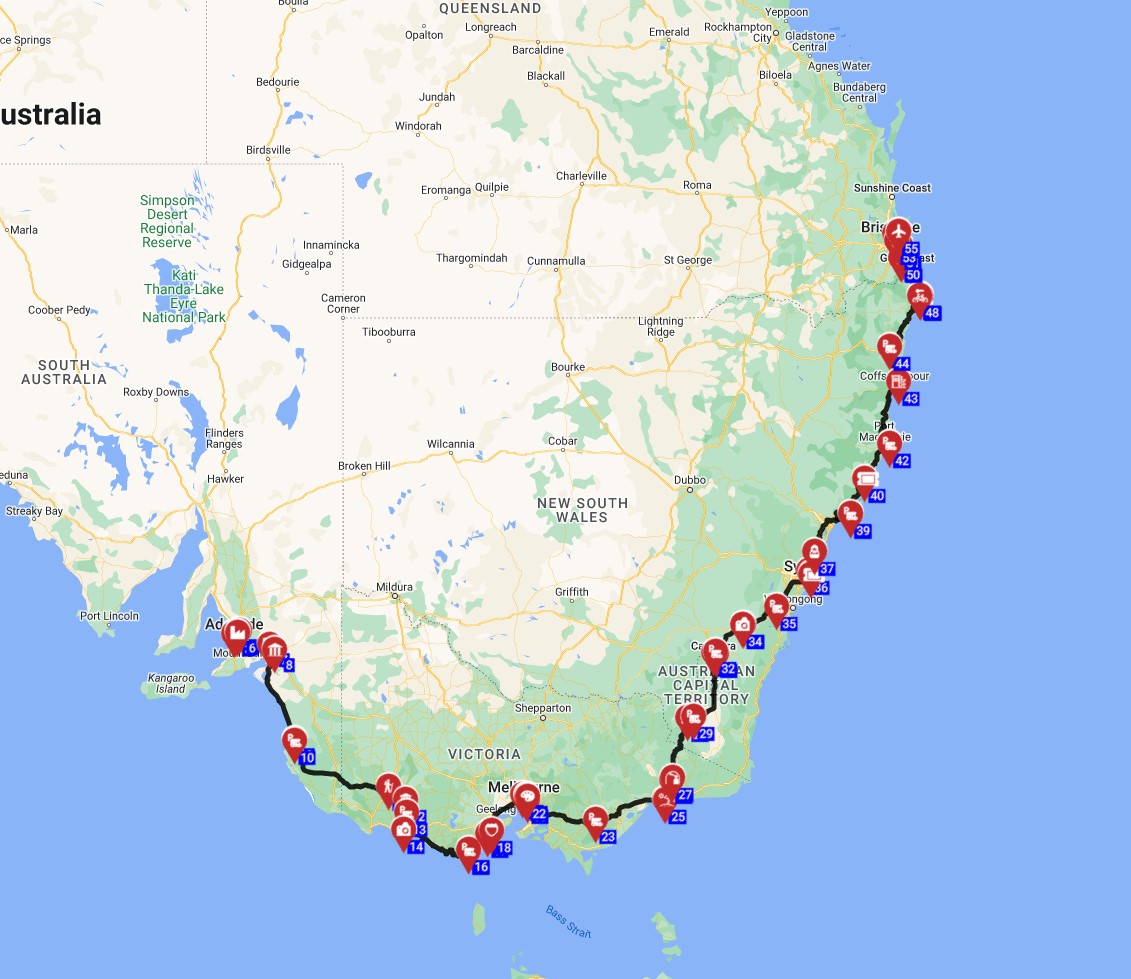
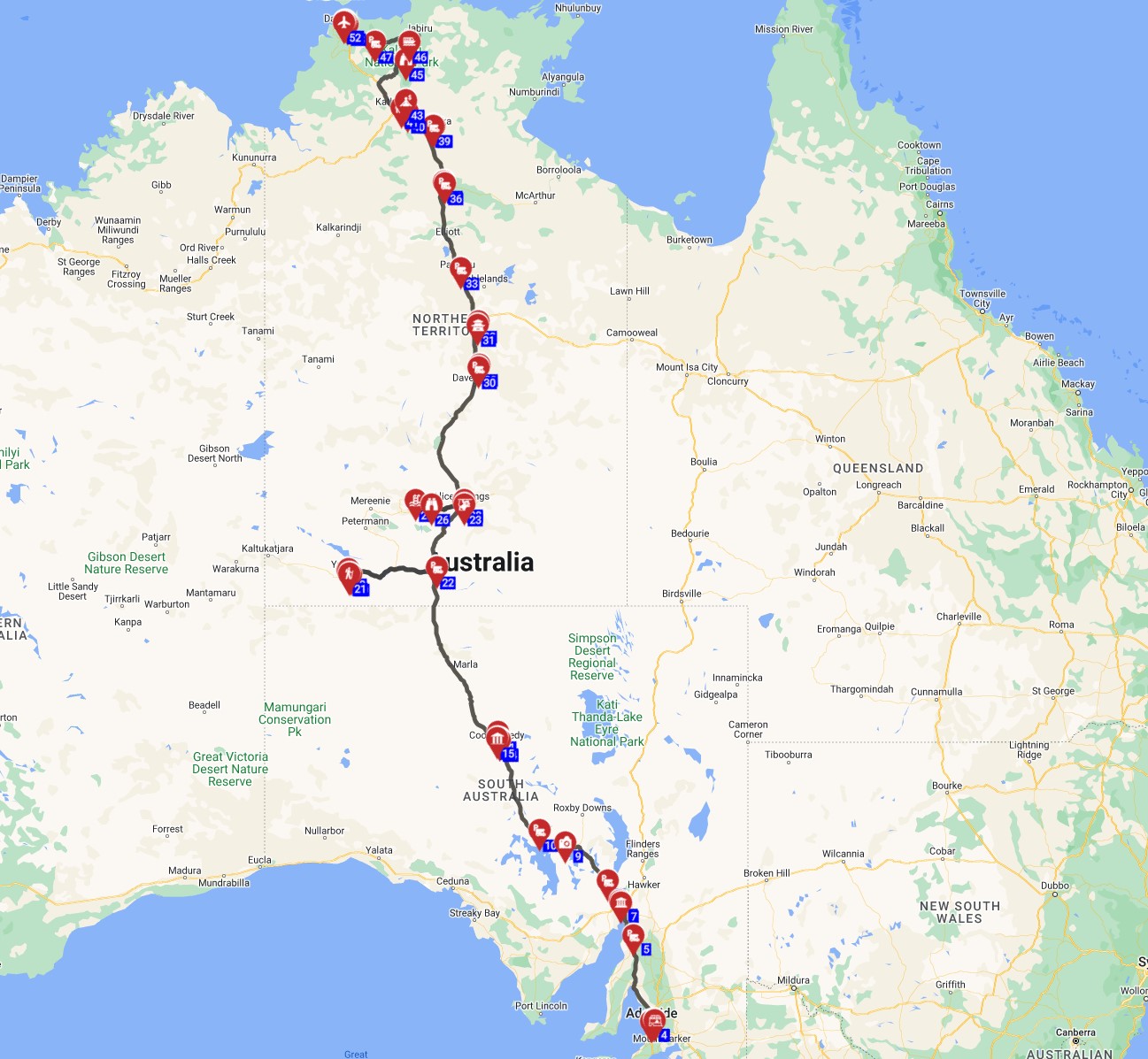
Australia offers incredible scope for long-term RV travel, with routes that can span weeks or even months. For a comprehensive, month-long adventure, consider the "Melbourne to Darwin - Australia’s Heartline Road Trip." This 26-day, 5,600 km journey immerses you in diverse landscapes and cultures, with stops that include wildlife watching, visiting 5 hiking areas, and exploring 3 museums. It’s a fantastic way to experience the vastness of Australia at a comfortable pace.
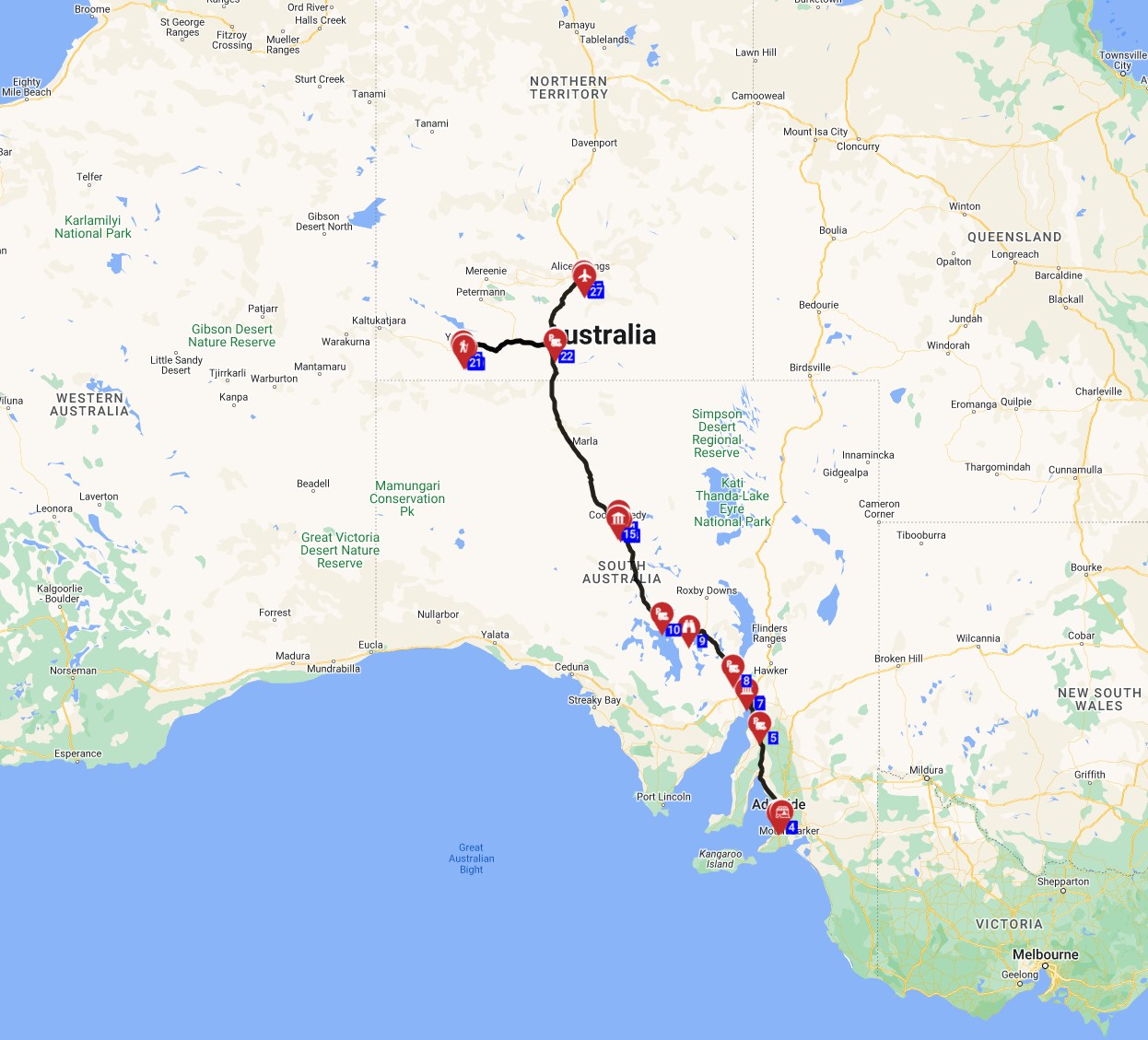
Another highly recommended long-term itinerary is the "Perth to Alice Springs - The Dreamtime Highway: A Journey Through Australia's Heart." This 21-day, 5,400 km route takes you through the iconic Australian Outback, featuring 4 natural landmarks, 5 points of interest, and 3 museums, offering a deep dive into the continent's spiritual and geological core. The vast distances are best managed with a reliable, comfortable motorhome, perhaps a spacious model like the "MHC30," which can sleep up to nine people.
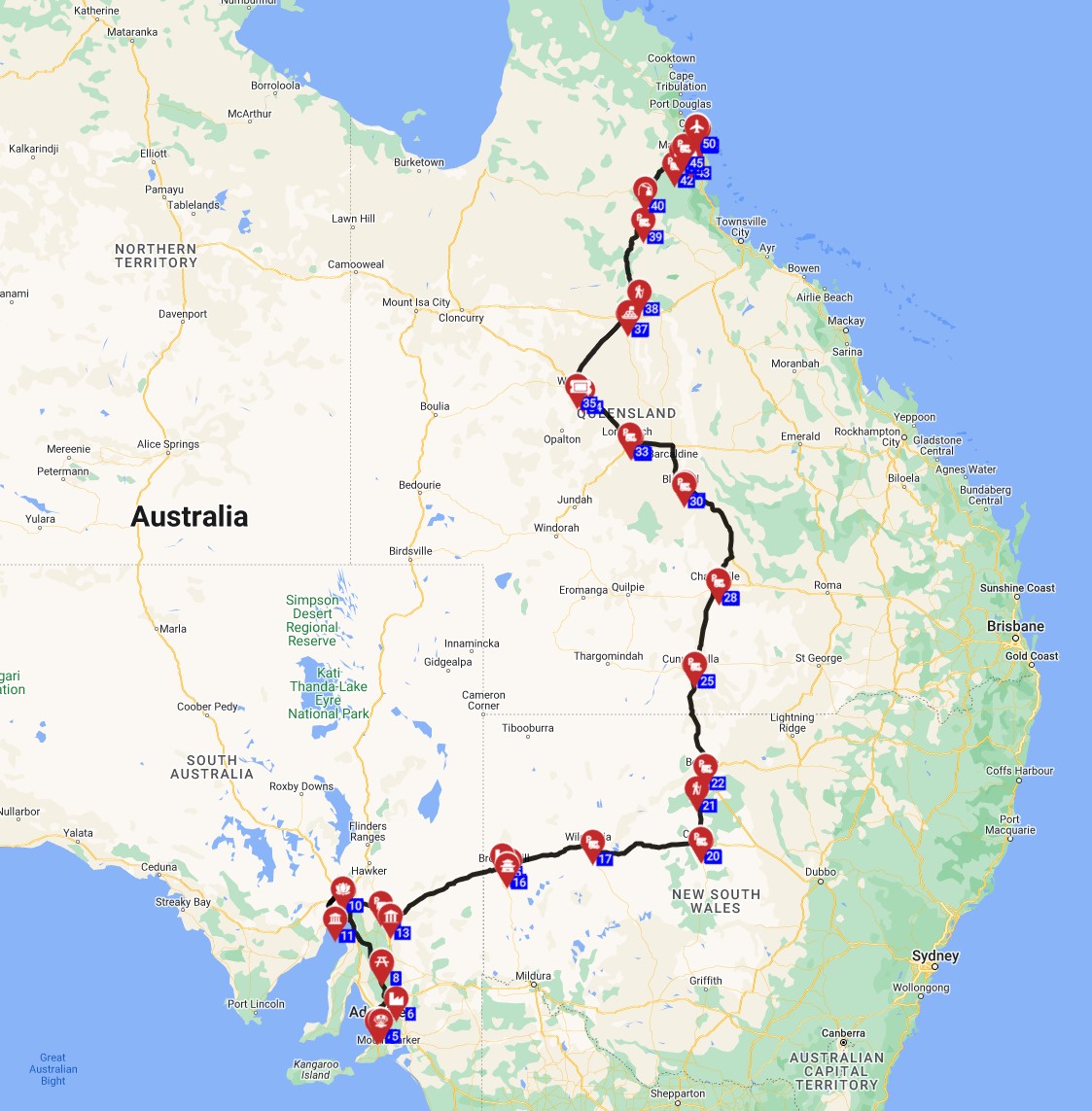
For those interested in exploring the tropical north, the "Cairns to Alice Springs - Northern Horizons: A Journey Through Australia's Heartland" is a 17-day, 4,000 km route. This itinerary offers a fantastic mix of natural beauty and cultural experiences, including 2 caves, 3 hiking areas, and 2 swimming locations, providing a diverse RV adventure.
These professionally planned routes, available through RV PLANET, are designed to maximize your experience, offering insights into local attractions, driving times, and necessary stops, all while rewarding you with a 25% planning discount when you book through rvplan.net.
What are important safety tips for RV travel in Australia?
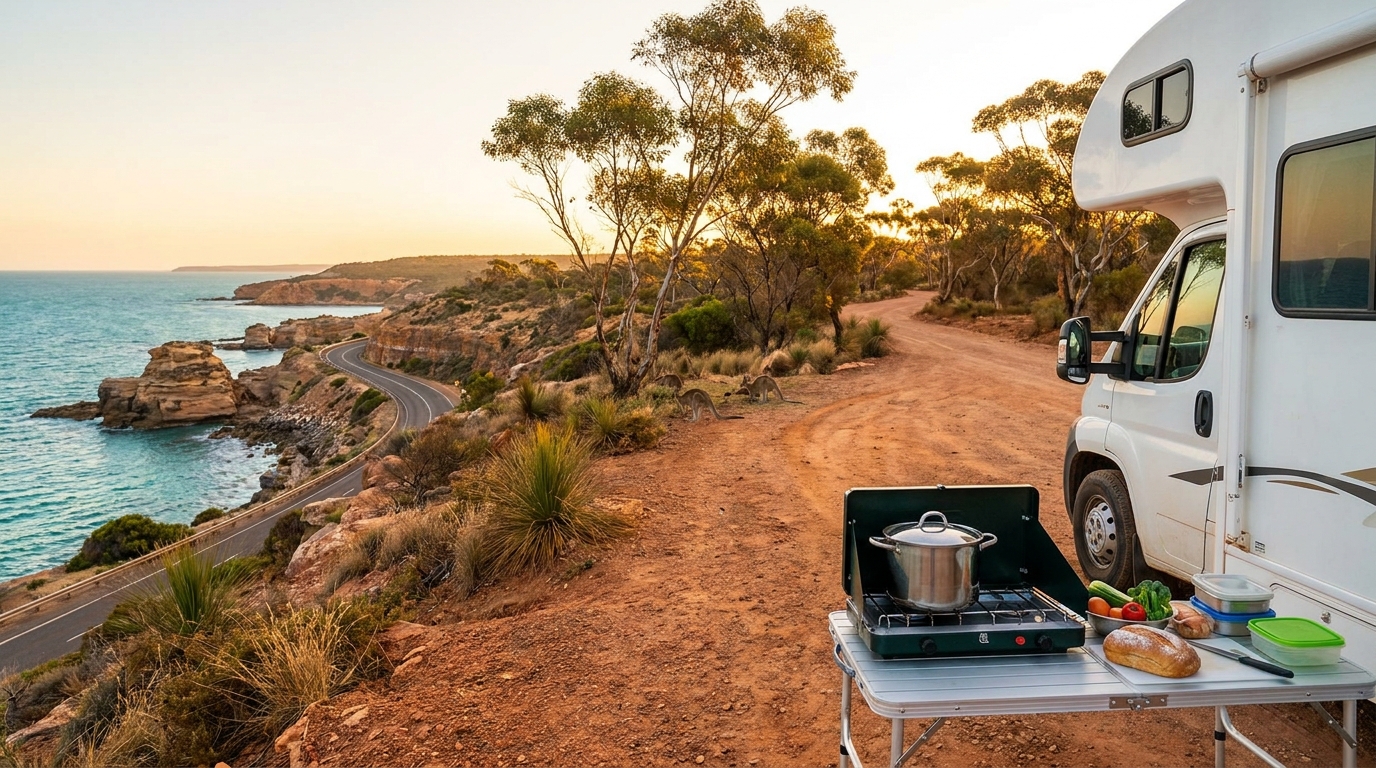
When embarking on your Australian RV adventure, safety is paramount. Be aware of wildlife, particularly kangaroos, which are most active at dusk and dawn. Drive cautiously during these times and be prepared to brake suddenly if animals cross your path. Many Australian roads have specific signage warning about wildlife crossings in certain areas, especially through national parks.
For remote area travel, preparedness is key. Ensure you have sufficient fuel, water, and communication devices before heading into isolated regions. Check your phone's coverage or consider a satellite phone for areas with no mobile reception. Familiarize yourself with emergency procedures and know the location of the nearest services. A comprehensive first-aid kit is also an essential item to carry.
Understanding road train etiquette is vital for safe outback travel. These long, multi-trailer vehicles operate at high speeds and require ample space for safe overtaking. Always allow ample room, flash your headlights to signal when it's safe to pass, and be aware that they can kick up dust and debris. Similarly, pay attention to signs indicating potential hazards like unsealed roads or specific vehicle restrictions.
When considering vehicle suitability, a 4x4 camper like the "4x4 Scout Adventure Truck Camper Gold" might be preferable for exploring more rugged or remote terrain. However, for general highway travel and most popular tourist routes, a standard motorhome or campervan is perfectly adequate. Always ensure your rented RV is equipped for the conditions you anticipate, and never underestimate the distances involved in Australian travel.
To plan your trip with safety and convenience in mind, utilizing the pre-planned routes available via RV PLANET is highly recommended. These routes often highlight necessary stops for fuel and supplies, as well as safety considerations specific to the region.
Final Thoughts
Renting an RV in Australia opens up a world of unparalleled freedom and discovery. From the iconic coastal drives to the rugged Outback, your mobile home on wheels allows you to explore at your own pace, creating memories that will last a lifetime. Remember to embrace the slow travel philosophy, allowing ample time to truly connect with the incredible landscapes and vibrant cultures Australia has to offer.
With Bandana RV, planning your Australian adventure is made easy and transparent. We’re here to support you before, during, and after your booking, ensuring a stress-free experience. So, start dreaming, start planning, and get ready to hit the road for an unforgettable Australian RV journey!
Get inspired for your next trip and discover top destinations, planning tips, all in one place! Plan a trip itinerary in advance with minimal effort and maximum enjoyment.