In This Guide
- Top 5 Tips for last minute rv rental RV Rental in Norway
- Before You Book - Class, Dates, Insurance
- Pre-Trip Prep - Packing Checklist for Norway
- On the Road - Driving, Fueling, Navigation
- At the Campground - Setup, Hookups & Etiquette
- Last Minute RV Rental-Specific Tips for Norway
- Common Mistakes to Avoid in Norway
- How much does an RV trip to Norway really cost beyond the rental fee
- Can you wild camp with an RV in Norway - Allemannsretten rules explained
- How to navigate Norway's roads with an RV - tolls and ferries
- When is the best time to rent an RV in Norway - seasonal tips
- How to travel sustainably and responsibly with an RV in Norway
- How to find authentic local experiences while RVing in Norway
Exploring Norway by rented motorhome, even on short notice, promises an adventure filled with majestic fjords, vibrant cities, and serene landscapes. For those with a spontaneous spirit, a last-minute RV rental in Norway is entirely achievable, offering the flexibility to chase the northern lights or the midnight sun on your own terms. Whether you're a meticulous planner or prefer to see where the road takes you, this guide provides essential tips to ensure your impromptu Norwegian road trip is smooth and unforgettable. For live availability and current prices, start with our RV Rental Norway - Complete Guide 2026 guide.
Top 5 Tips for last minute rv rental RV Rental in Norway
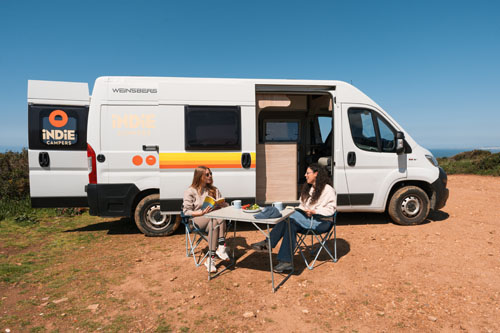
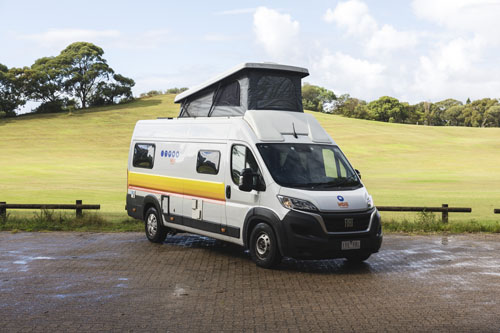
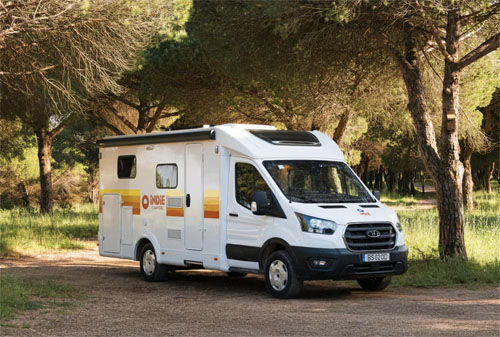
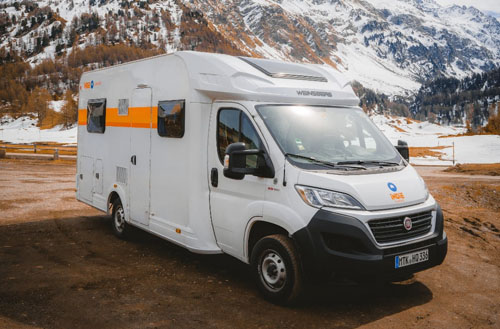
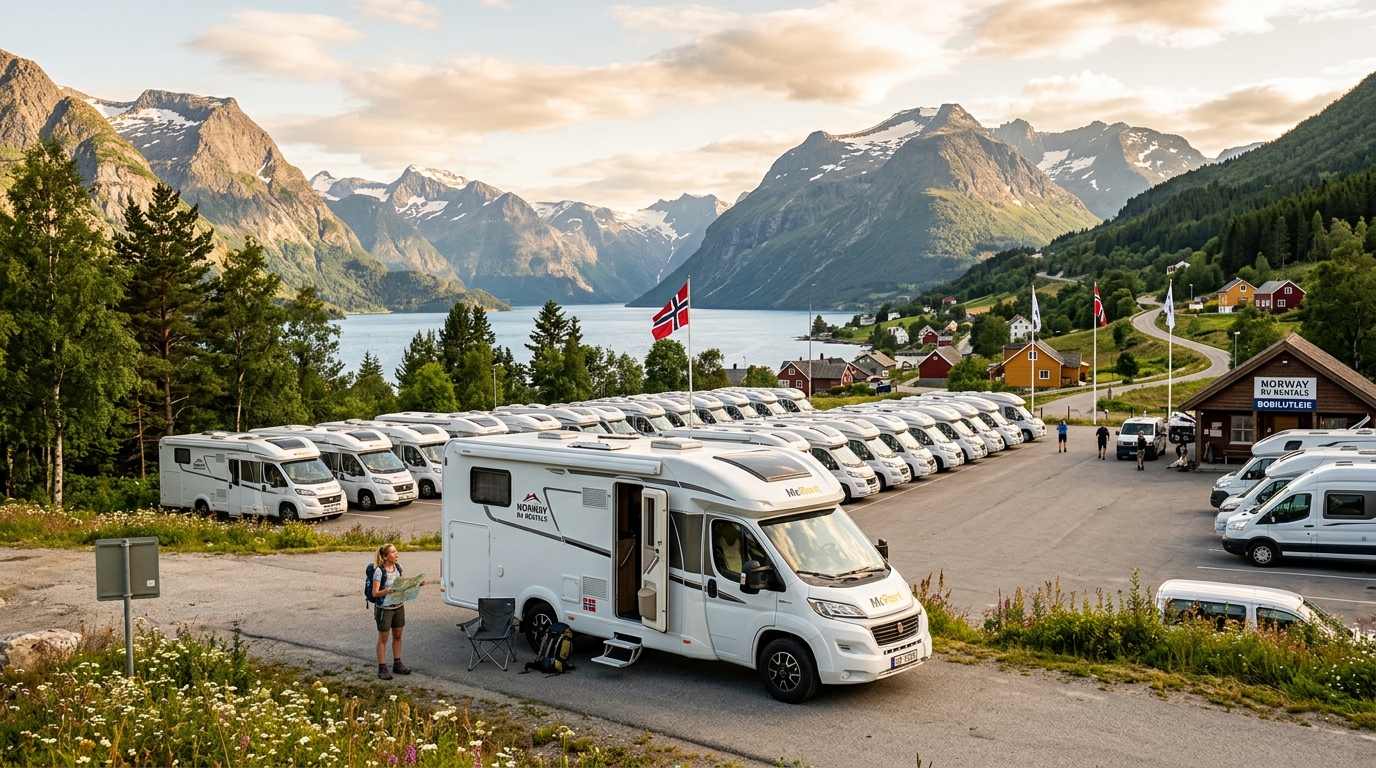
Maximizing your chances for a last-minute RV rental in Norway requires strategic planning and flexibility. Firstly, be flexible with dates and pick-up/drop-off locations to maximize last-minute availability, as many popular spots like Bergen or Tromsø might have limited inventory during peak periods. Secondly, consider slightly smaller or more compact RV models, such as a campervan (e.g., a `rv rental denver example Category Van` or a `Combi Van`), as they often have more last-minute openings due to their agility and easier maneuverability on Norway's narrower roads. You might find a compact motorhome (like a `Active Classic` or a `Luxury Small` that is 6.75m long) that still offers comfortable living for a couple.
Thirdly, regularly check rental platforms like Bandana Caravan for new listings or cancellation deals that might appear closer to your travel date, particularly within 2-4 weeks of departure. Prices for these rentals are dynamic, similar to flight tickets, changing daily based on availability and demand. Fourth, have all necessary documents, including your valid driver's license (an International Driving Permit is recommended for non-English speakers) and passport, prepared in advance for a smooth pick-up process, saving valuable time. Lastly, if specific add-ons such as linen kits, kitchenware, or bike racks are crucial for your trip, inquire and book them immediately upon finding a suitable RV, as their availability can also be limited, especially with short notice. Remember that the minimum rental age for any motorhome class in Norway is 21 years old, without young driver surcharges.
Before You Book - Class, Dates, Insurance
Selecting the right RV class and understanding insurance options are key steps before confirming a last-minute booking in Norway. When booking last minute, choosing an RV class often means prioritizing availability; smaller, more agile models (like campervans such as `Juliette 2-3` or compact motorhomes like a `Category Small` with amenities including shower and toilet) may offer the most options, especially in regions with winding roads. Locking in your last-minute travel dates as soon as you find suitable availability is crucial, particularly during Norway's peak summer season, as inventory can change rapidly.
Regarding insurance, basic insurance is always included in your RV rental, but for complete peace of mind, you can upgrade to a top-level deductible for extra protection. To see prices including the most comprehensive coverage options from our direct partners like El Monte, Cruise America, Apollo, and Britz, select that option during your search on our platform. Remember that Bandana RV focuses on full transparency, ensuring no hidden fees or surprises in the final price, which is set at the actual booking time.
Pre-Trip Prep - Packing Checklist for Norway
Efficient packing is essential for a spontaneous RV trip to Norway, ensuring you have everything you need without overpacking. Here's a practical checklist:
Clothing:
- Layers: Thermal base, fleece mid-layer, waterproof and windproof outer shell are essential for Norway's unpredictable weather.
- Comfortable walking/hiking shoes (waterproof is highly recommended for exploring trails).
- Warm hat, gloves, and scarf are useful, even in summer, especially in higher elevations or coastal areas.
- Swimwear for hot tubs at campgrounds or adventurous fjord dips.
- Quick-dry towels.
Kitchen:
Cooking in your rented RV is a fantastic way to save on Norway's higher food costs and enjoy meals with incredible views. Many RVs, like a `MH19 Small - Economy` with a 3-burner gas stove and 107-liter fresh water tank, come equipped with a basic kitchen. On the routes offered through RV PLANET routes, you can itemize and track every expense along the way for easy budgeting.
- Reusable water bottles and coffee mugs.
- Basic spices, cooking oil, coffee/tea bags for on-the-go meals.
- Non-perishable snacks and quick-meal ingredients.
- Reusable shopping bags for grocery runs.
Discover more culinary inspiration with our RV-friendly recipes playlist.
Safety & Comfort:
- First-aid kit with personal medications.
- Headlamp or flashlight for dark evenings or tunnels.
- Power bank for electronics.
- Adapter for Norwegian power outlets (Type F).
- Insect repellent, especially for summer evenings near water.
Documents:
- Valid driver's license (an International Driving Permit is recommended for non-English speakers for smooth interactions).
- Passport and visa (if applicable).
- RV rental agreement and confirmation.
- Travel insurance documents.
- Credit/debit cards (some places in Norway are increasingly cashless).
On the Road - Driving, Fueling, Navigation
Driving a rented motorhome through Norway demands attention and preparation, given the country's unique road conditions. Norwegian roads can be narrow, winding, and steep, especially in fjord and mountain regions; always drive cautiously and adhere to speed limits (typically 80 km/h on rural roads and 100 km/h on motorways, with lower limits in urban areas). Drive slowly and carefully, and you can drive almost anywhere without issues. No need to stress - just use common sense and pay attention.
Planning your fuel stops is crucial, as distances between gas stations can be long in rural areas, and fuel prices in Norway are generally higher than the European average (e.g., diesel often costs €2.00-€2.30 per liter). Utilize a reliable GPS navigation system that accounts for vehicle size, and consider having an offline map or physical map as a backup, particularly in areas with limited cell service. Be prepared for frequent ferry crossings in fjord country; these are an integral part of the road network and their schedules should be considered in your daily planning. Finally, keep an eye out for wildlife, especially reindeer, moose, and sheep, which may unexpectedly cross roads, particularly during dawn and dusk.
At the Campground - Setup, Hookups & Etiquette
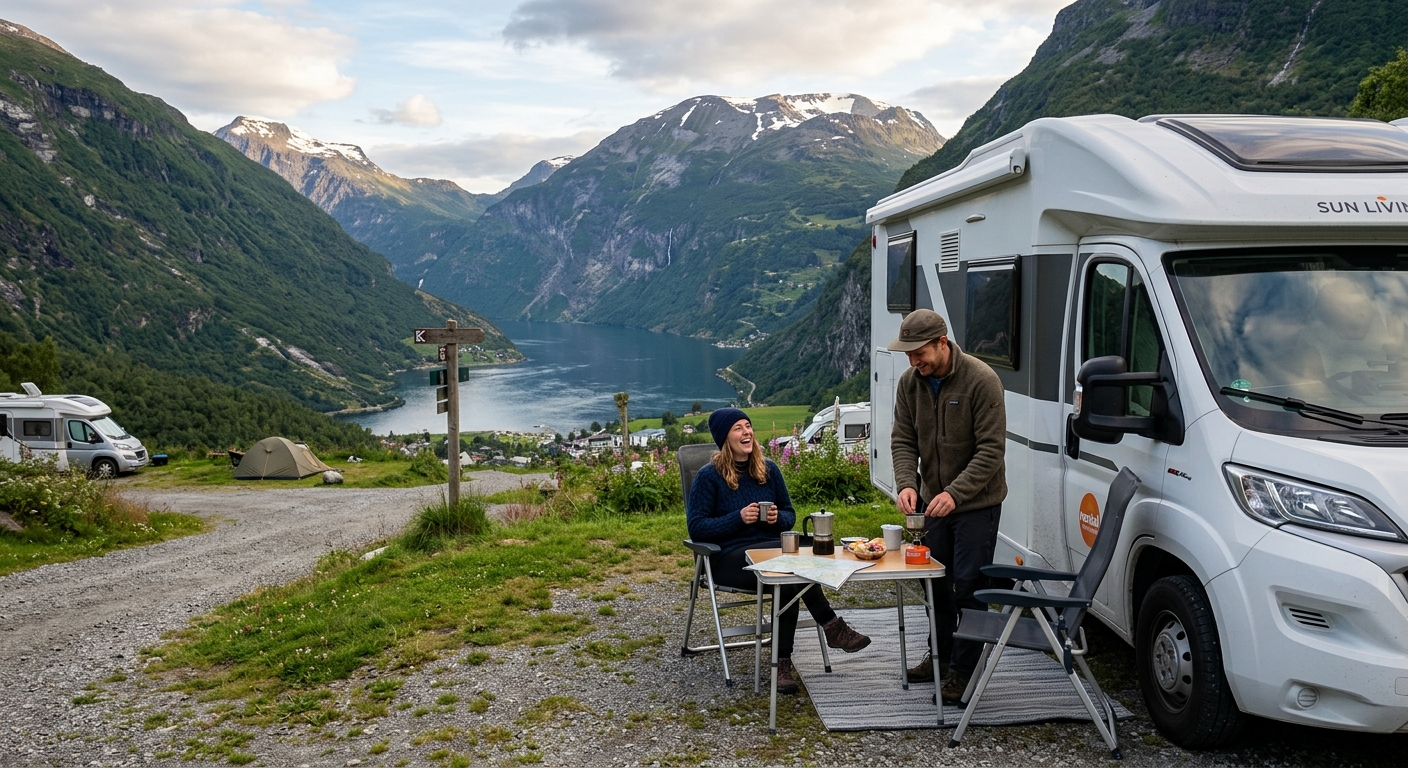
Setting up your rented RV at a Norwegian campground is usually straightforward, but understanding local etiquette enhances the experience. Upon arriving at your pitch, first park and level your RV using blocks if necessary, then extend any slide-outs or awnings to create your comfortable outdoor living space. Connect your hookups in the following order: electrical cable (ensure you have the correct Euro plug adapter for 220-240V outlets), then water hose, and finally the sewer hose, ensuring all connections are secure and watertight to prevent leaks.
Familiarize yourself with the campground's quiet hours, typically from 10 PM to 7 AM, and ensure noise levels are kept to a minimum to respect fellow campers and the tranquil natural environment. Always dispose of grey and black water at designated dump stations, which are widely available, and utilize recycling facilities for waste separation, as Norway has a strong emphasis on environmental protection. Lastly, ensure your RV's entrance and windows are clear of obstructions and respect the space of neighboring pitches, maintaining a courteous distance.
Last Minute RV Rental-Specific Tips for Norway
Securing a last-minute RV rental in Norway requires strategic approaches to maximize your options and value. For last-minute bookings, maintain flexibility with your travel dates and potential pick-up/drop-off locations, which significantly increases the chance of finding an available RV, even during peak summer months when availability typically drops by 50-70% compared to booking 3-6 months out. Consider renting a slightly smaller RV model, such as a Class B campervan like the `V2L` (5.99m length, 2 berths) or a compact Class C motorhome like the `F2` (6.5m length, 3 berths); these typically have higher availability than large luxury motorhomes (e.g., a 7-berth `MHC30` which is 9.15m long), especially when booking close to your travel date.
Actively monitor rental websites for sudden price drops or new listings that can emerge from cancellations, providing opportune last-minute deals that might offer 10-20% savings. Expedite your rental process by having all necessary documentation, including your driver's license (minimum age 21) and any required permits, readily accessible. If you require specific optional add-ons (e.g., GPS, camping furniture, bicycle rack for a model like `K4`), inquire about their availability immediately upon booking, as stock may be limited for last-minute rentals. Bandana Caravan's true RV specialists are on hand to assist with these specific requests.
Common Mistakes to Avoid in Norway
Avoiding common pitfalls can make your last-minute RV adventure in Norway much more enjoyable and stress-free. One common mistake is not budgeting adequately for tolls and ferries; instead, research Norway's AutoPASS system and ferry routes to factor these recurring costs (which can easily add €50-€150 per day for frequent travel) into your trip budget, using tools like RV PLANET routes to itemize expenses. Another error is underestimating driving times; instead, allow generous travel time between destinations, considering narrow roads, winding mountain passes, and frequent scenic stops, especially when adhering to the recommended slow travel pace of max 100-150 km per day.
Many first-timers ignore Norway's rapidly changing weather conditions; instead, pack versatile layers and regularly check local forecasts, as Norway's weather can shift from sunny to rainy or cold within hours, even in summer. Over-planning a rigid itinerary is another mistake; instead, build in flexibility for spontaneous stops, unforeseen delays, and discovering hidden gems, which is particularly beneficial for last-minute trips where exact campsite availability can fluctuate. Finally, misunderstanding 'Allemannsretten' (Right to Roam) can lead to issues; instead, familiarize yourself with the specific rules for wild camping to ensure responsible, legal, and environmentally friendly overnight stays, especially regarding distance from inhabited buildings and waste disposal.
How much does an RV trip to Norway really cost beyond the rental fee
An RV trip to Norway involves significant costs beyond just the rental fee, including high fuel prices, extensive tolls and ferry charges, campground fees, and groceries, all of which contribute substantially to the overall budget. Fuel in Norway is among Europe's highest; budgeting for frequent refueling, particularly on longer routes or in remote areas, is crucial, with petrol and diesel often costing upwards of €2.00-€2.30 per liter in 2026. For tolls, the AutoPASS system automatically charges for many roads, bridges, and tunnels; these costs can accumulate quickly, potentially adding €20-€70 per day, and are typically billed to the rental company post-trip, then forwarded to you.
Ferry usage is a regular occurrence in Norway's fjord regions, with costs varying by vehicle size (e.g., a 7m motorhome could pay €30-€60 per short crossing) and route, adding a considerable sum to travel expenses. Commercial campgrounds offer amenities but can range from 300-600 NOK (€25-€50) per night, depending on location, season, and services like electricity. Grocery costs can also be higher than in many other European countries, making cooking in your rented RV a good strategy for managing expenses, though grocery prices remain elevated. Utilizing Norway's 'Allemannsretten' (Right to Roam) for legal wild camping can significantly reduce accommodation expenses, offering a budget-friendly alternative to paid campgrounds, potentially saving €25-€50 per night.
Can you wild camp with an RV in Norway - Allemannsretten rules explained
Yes, you can wild camp with a rented RV in Norway under 'Allemannsretten' (the Right to Roam), provided you adhere to specific rules regarding distance from dwellings, duration, environmental impact, and ethical guidelines. The general rule allows you to typically wild camp for up to two nights in uncultivated land, provided you are at least 150 meters (approximately 500 feet) from the nearest inhabited house or cabin.
For stays exceeding two consecutive nights in the same spot, you generally need to obtain the landowner's permission. Always avoid cultivated land (e.g., farms, gardens) and be mindful of private property signs; move on if uncertain about land status. Adhere strictly to 'Leave No Trace' principles by taking all rubbish with you, avoiding damage to nature, and never emptying grey or black water tanks in unauthorized areas. Be aware of local fire bans, especially during dry periods, and only make fires in designated areas or where explicitly permitted, ensuring they are completely extinguished. Finally, ensure your RV, whether it's a compact campervan or a large Class C motorhome like the `6 Berth Derwent` with a 100-liter fresh water tank, can access the spot without causing damage to the terrain or blocking paths, and do not drive off-road.
How to navigate Norway's roads with an RV - tolls and ferries
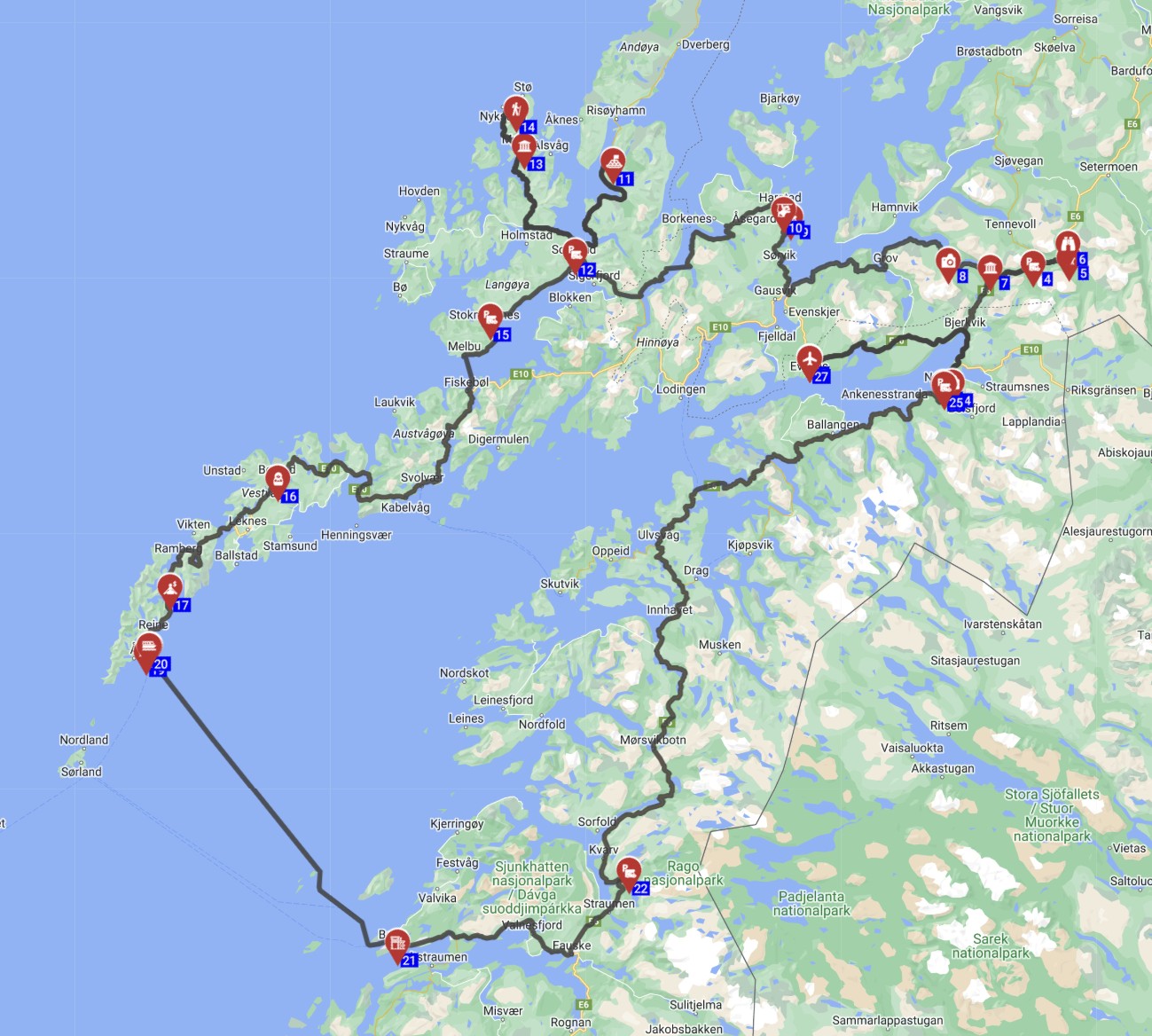
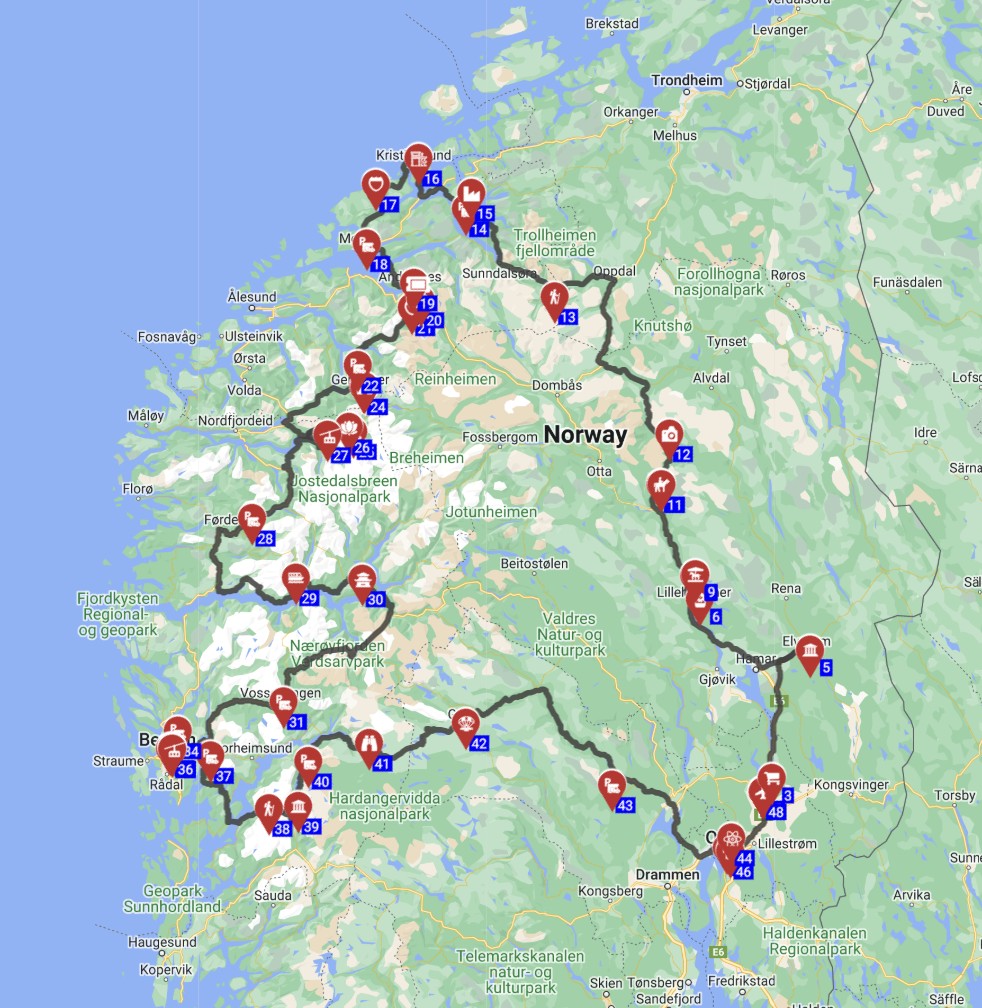
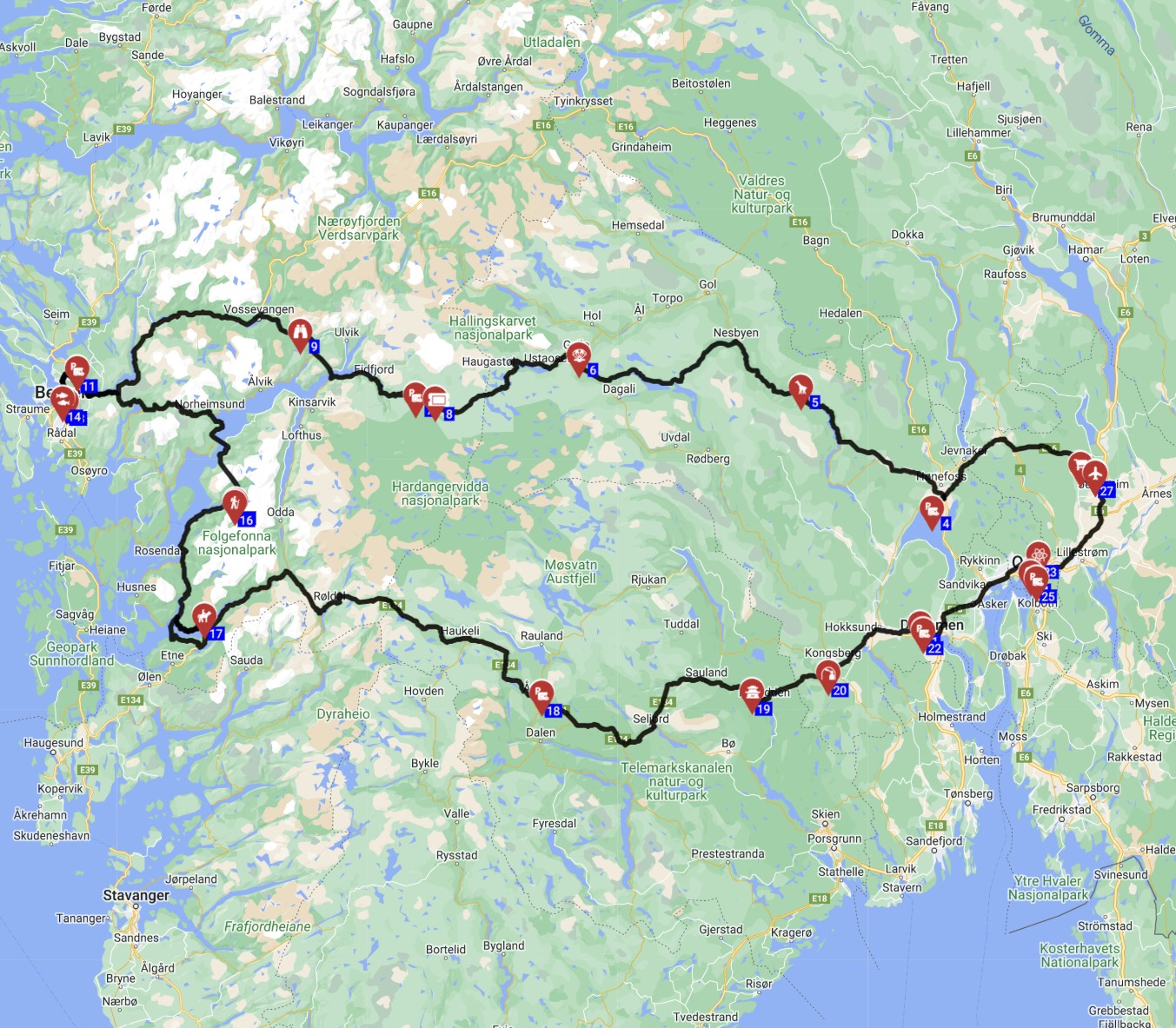
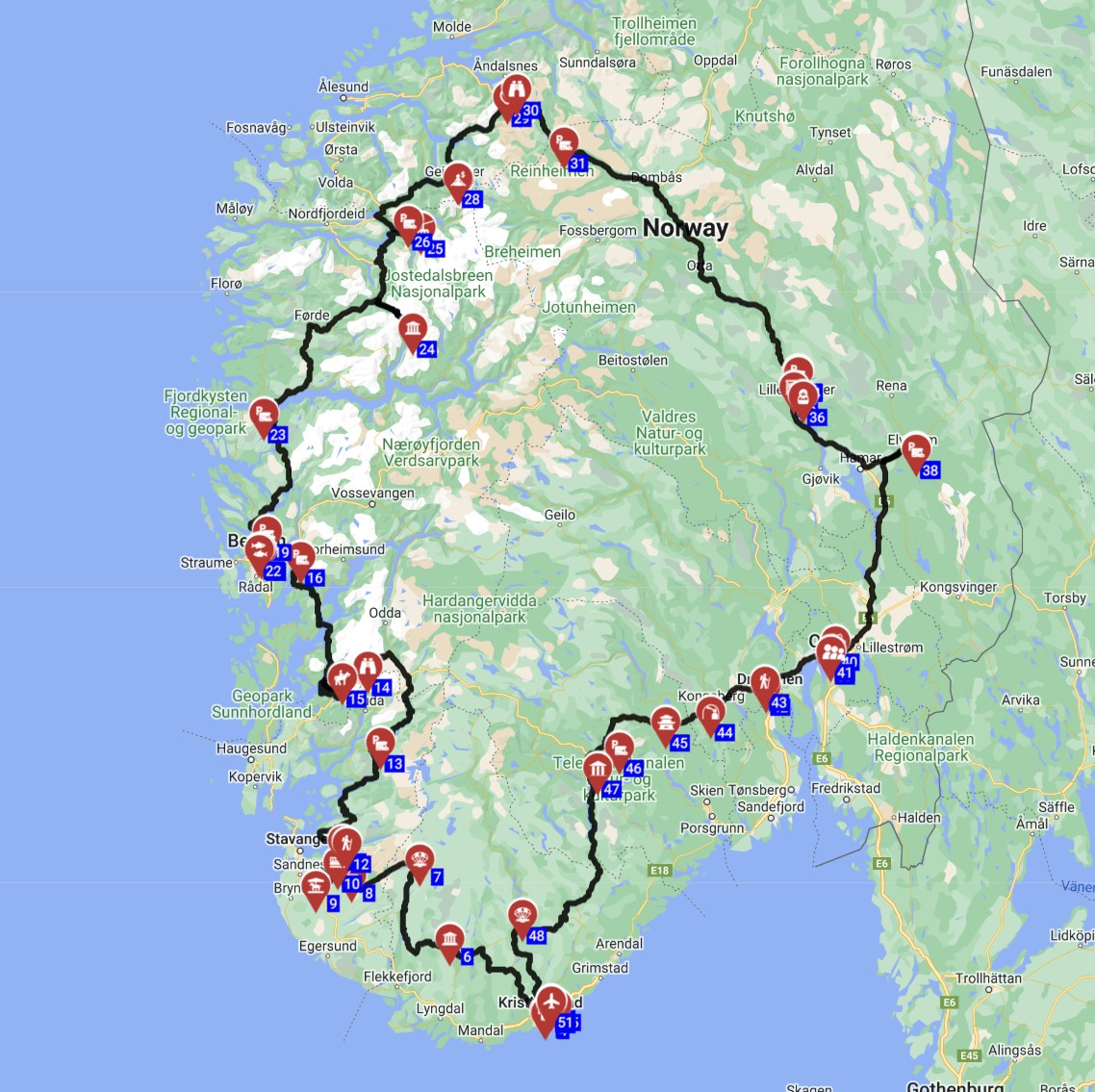
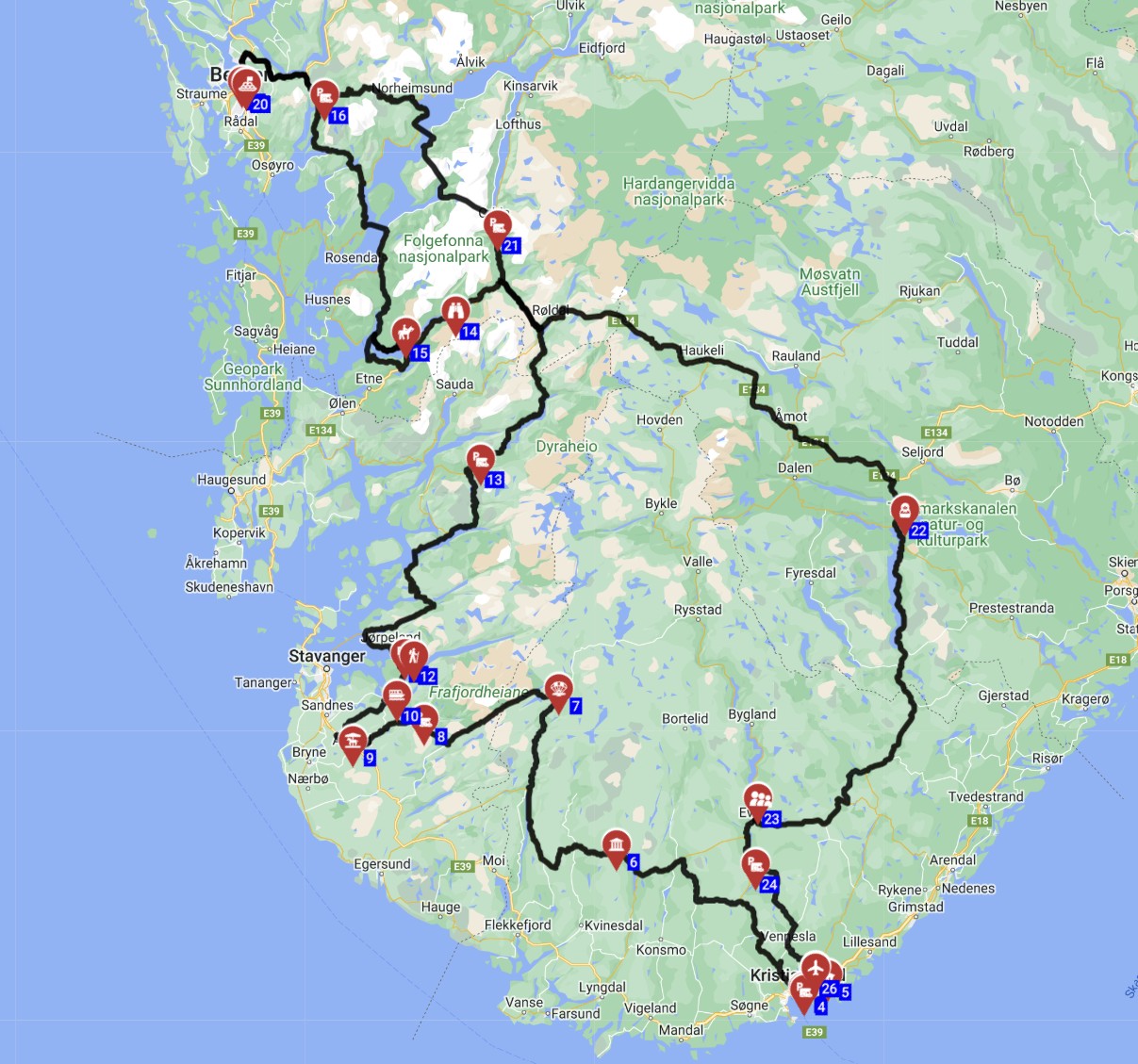
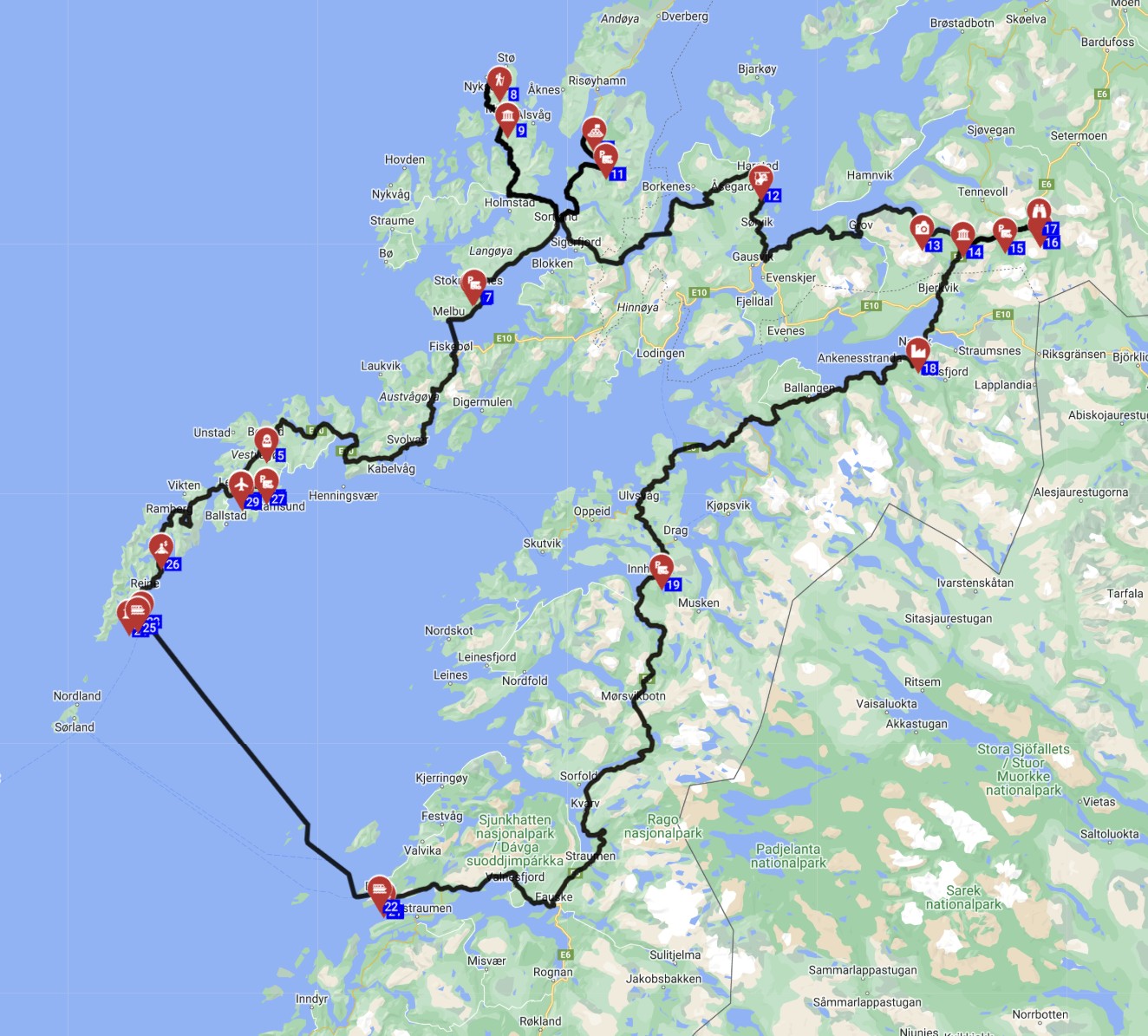
Navigating Norway's roads with a rented RV involves understanding the AutoPASS toll system, planning for frequent ferry crossings, and exercising caution on often narrow, winding mountain and fjord roads. Most rental RVs are equipped with an AutoPASS tag or registered in the system; tolls are automatically registered and billed to the rental company, which then forwards the cost to you, often with a small administration fee, usually after your trip. Norway's extensive ferry system is an integral part of its road network, connecting many fjord regions; check schedules and routes in advance on websites like Fjord1 or Norled, especially for less frequent services, and be prepared for potential queues, particularly during the summer. For instance, the 8-day Bergen Round trip - Norway’s Coastal Wonders route includes 2 cruise terminal/sailing points, highlighting the importance of ferry planning.
Driving challenges arise from mountain passes and fjord roads, which can be narrow, steep, and winding; drive slowly, use lower gears for descents, and be prepared to yield to oncoming traffic, particularly on single-lane sections. Norway has numerous tunnels, some very long, like the Lærdal Tunnel at 24.51 km; be mindful of speed limits, maintain proper distance, and be aware of changes in lighting upon entry and exit. Road closures are common in spring and autumn, with some high mountain passes closed due to snow; check www.vegvesen.no for current road conditions and alternative routes before driving. While many ferries operate on a first-come, first-served basis, some longer or popular routes might benefit from pre-booking, especially when traveling with a larger RV during peak season, which can save waiting time and ensure your spot.
When is the best time to rent an RV in Norway - seasonal tips
The best time to rent an RV in Norway generally depends on your desired experiences, with late spring to early autumn (May to September) offering the most accessible roads and mildest weather, while winter provides unique but challenging conditions. Summer (June-August) offers the warmest weather, longest daylight hours (Midnight Sun in the north), and all roads and ferries are typically open; however, it's also peak season with higher prices, more crowds, and limited last-minute RV availability.
Spring (May-Early June) features blooming landscapes, dramatic melting snow (making waterfalls spectacular), fewer crowds, and potentially lower prices for a rental motorhome, with daily rates possibly 15-25% cheaper than mid-summer. Some mountain passes may still be closed early in the season, requiring flexible route planning. Autumn (September-October) showcases vibrant fall foliage, fewer tourists, and potentially good Northern Lights viewing in the north; some services might begin to close down, and weather can be unpredictable. Winter (November-April) is ideal for Northern Lights, winter sports, and a truly unique experience, but requires specialized winterized RVs (which often come with features like an efficient living room heating system and insulated fresh water tanks in models like the `2 Berth Hi Top`), proper tires/chains, and careful monitoring of road closures (many passes are inaccessible). Be aware of extreme seasonal variations in daylight hours; long summer days provide ample exploration time, while winter days are very short, or non-existent (Polar Night) in northern regions, impacting driving and activity hours. Wildlife, such as reindeer or elk, can be more active during dawn and dusk, especially in spring and autumn, offering unique viewing opportunities.
How to travel sustainably and responsibly with an RV in Norway
Traveling sustainably and responsibly with a rented RV in Norway involves adhering to 'Leave No Trace' principles, properly managing waste, respecting local communities, and minimizing your environmental impact, aligning with Norway's strong eco-conscious values. Effective waste management means utilizing designated waste disposal points at campgrounds or service stations for grey and black water (ensuring your RV's 100-liter waste water tank is emptied properly), and sorting all recycling appropriately into paper, plastic, glass, and organic waste bins. Never dump waste into nature.
Respect nature by staying on marked roads and trails, avoiding driving off-road, and never disturbing wildlife or natural habitats; maintain a respectful distance from animals (e.g., at least 200 meters from moose). Adhere to 'Allemannsretten' ethics: while wild camping is permitted, always adhere to the spirit of the law by leaving sites cleaner than you found them, respecting privacy, and minimizing your presence. Be mindful of noise levels, especially during quiet hours (typically 10 PM to 7 AM), and minimize unnecessary light pollution, particularly when near residential areas or wildlife habitats, to preserve the natural darkness for local residents and wildlife. Support local businesses by buying local produce and goods (e.g., at farmers' markets selling cloudberries or local cheeses), and patronizing small shops and eateries in the communities you visit to contribute positively to the local economy and experience authentic culture.
How to find authentic local experiences while RVing in Norway
To find authentic local experiences while RVing in Norway, venture beyond popular tourist routes, engage with local communities, visit farmers' markets, and explore lesser-known regions and cultural events. Exploring local villages is key: instead of rushing between major attractions, allocate time to explore smaller towns and villages, where their local shops, cafes, and museums (like those focused on Sami culture in the north) often offer unique insights into Norwegian life. Seek out 'bondens marked' (farmers' markets) or local food stalls to sample regional specialties, purchase fresh produce, and interact directly with local producers, a fantastic way to experience local flavors while cooking in your rented RV.
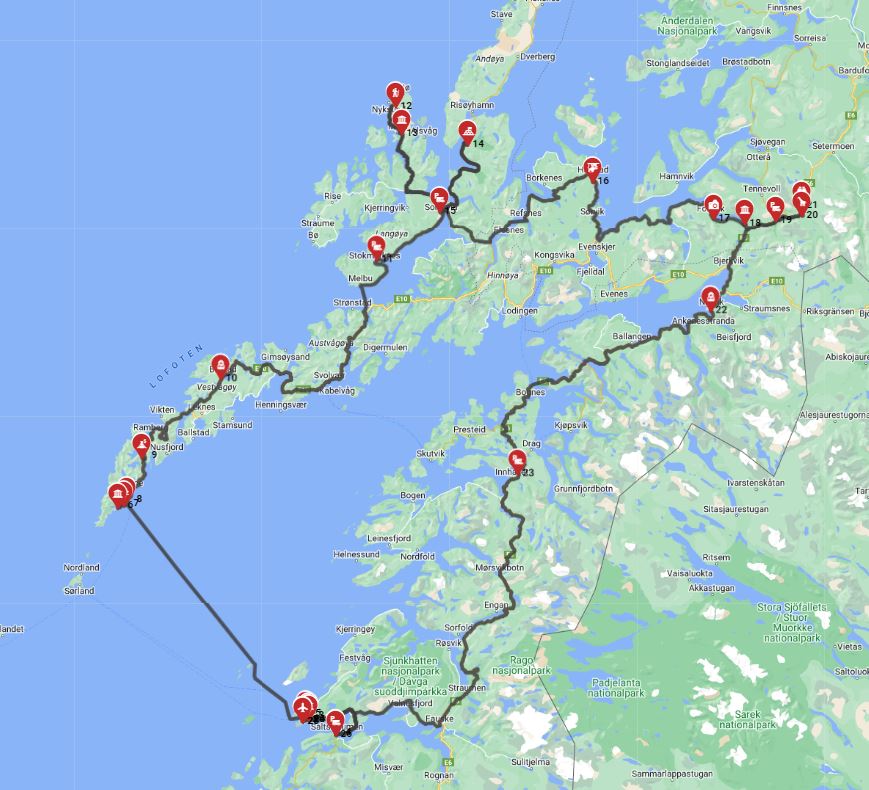
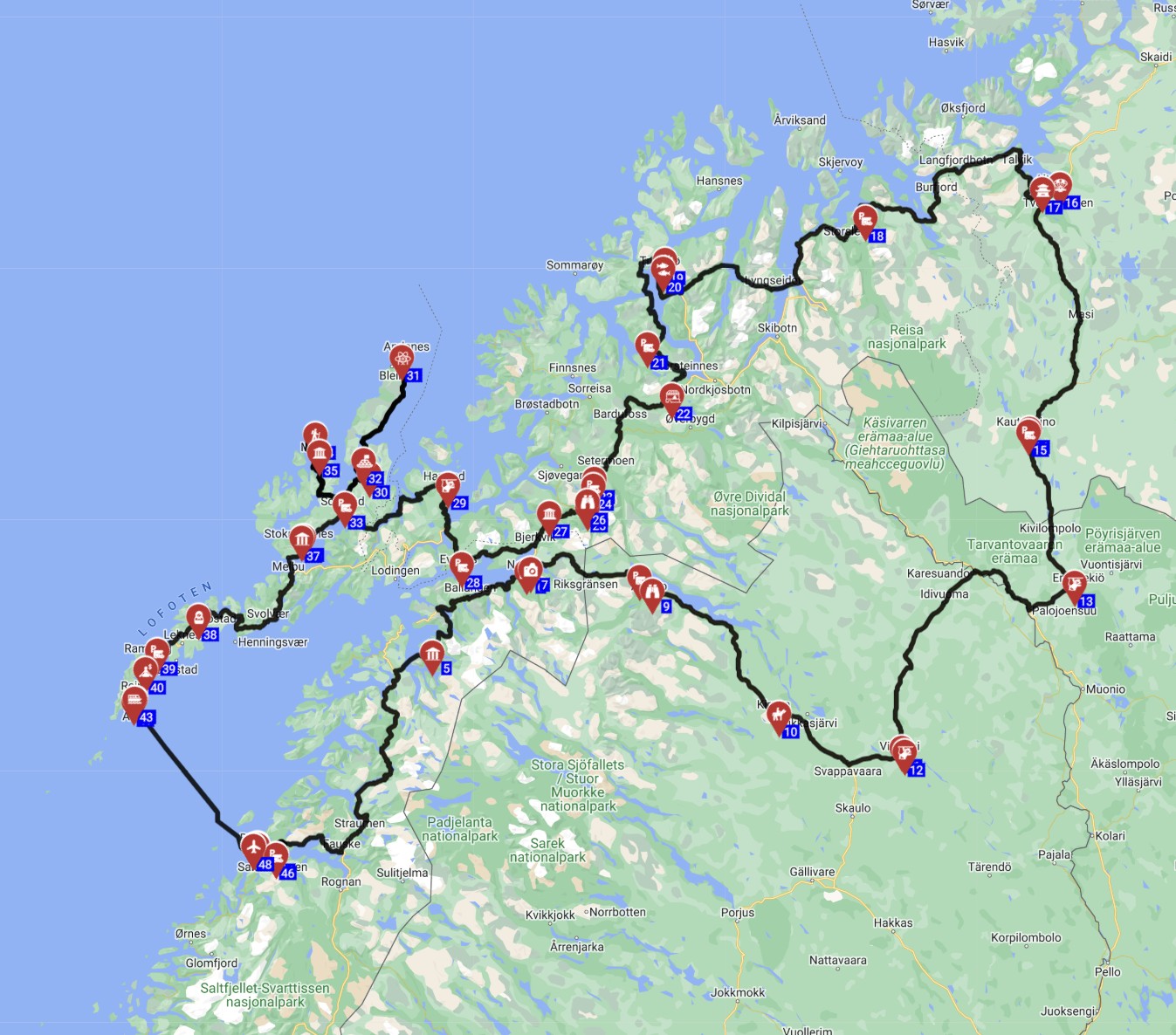
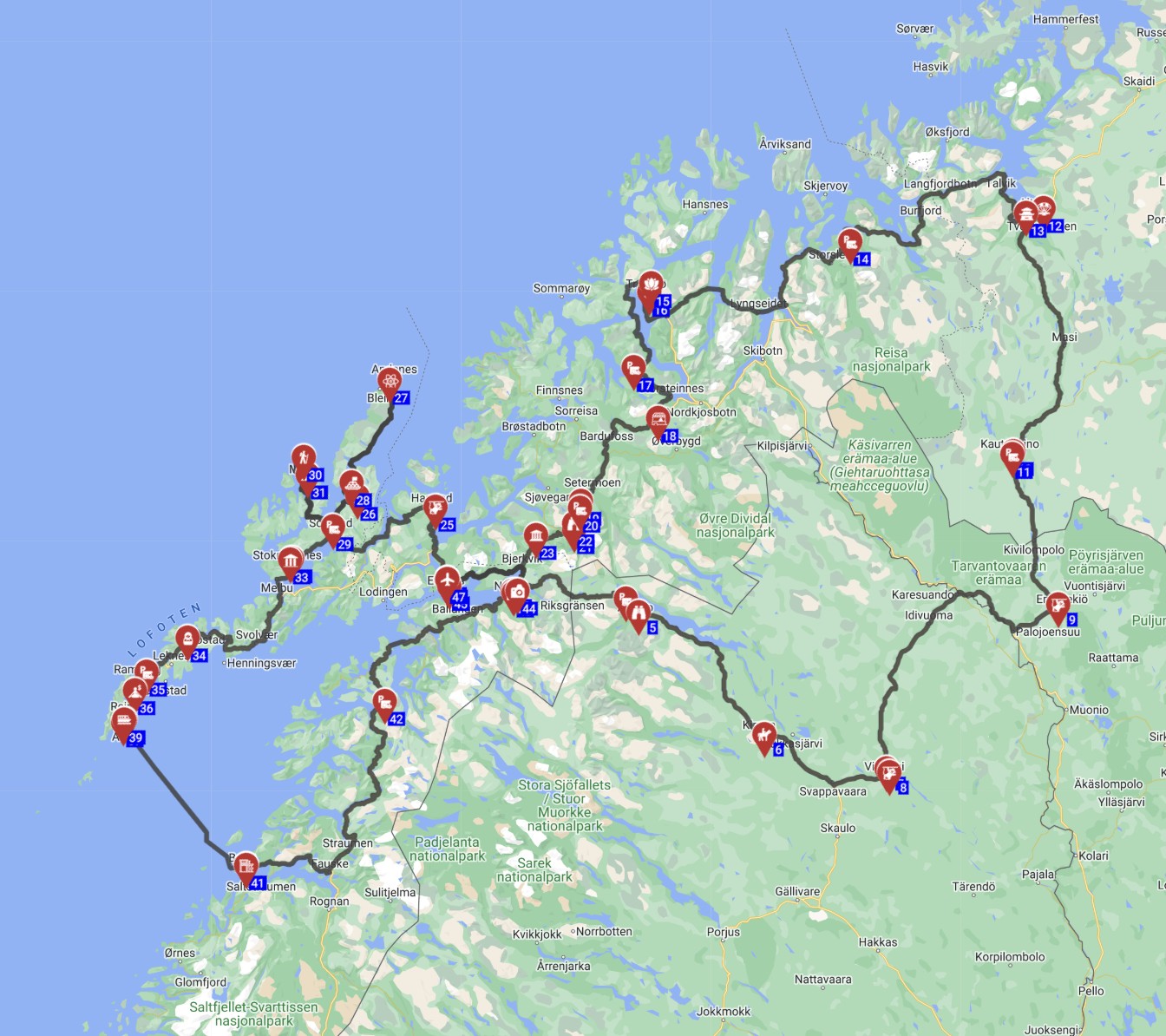
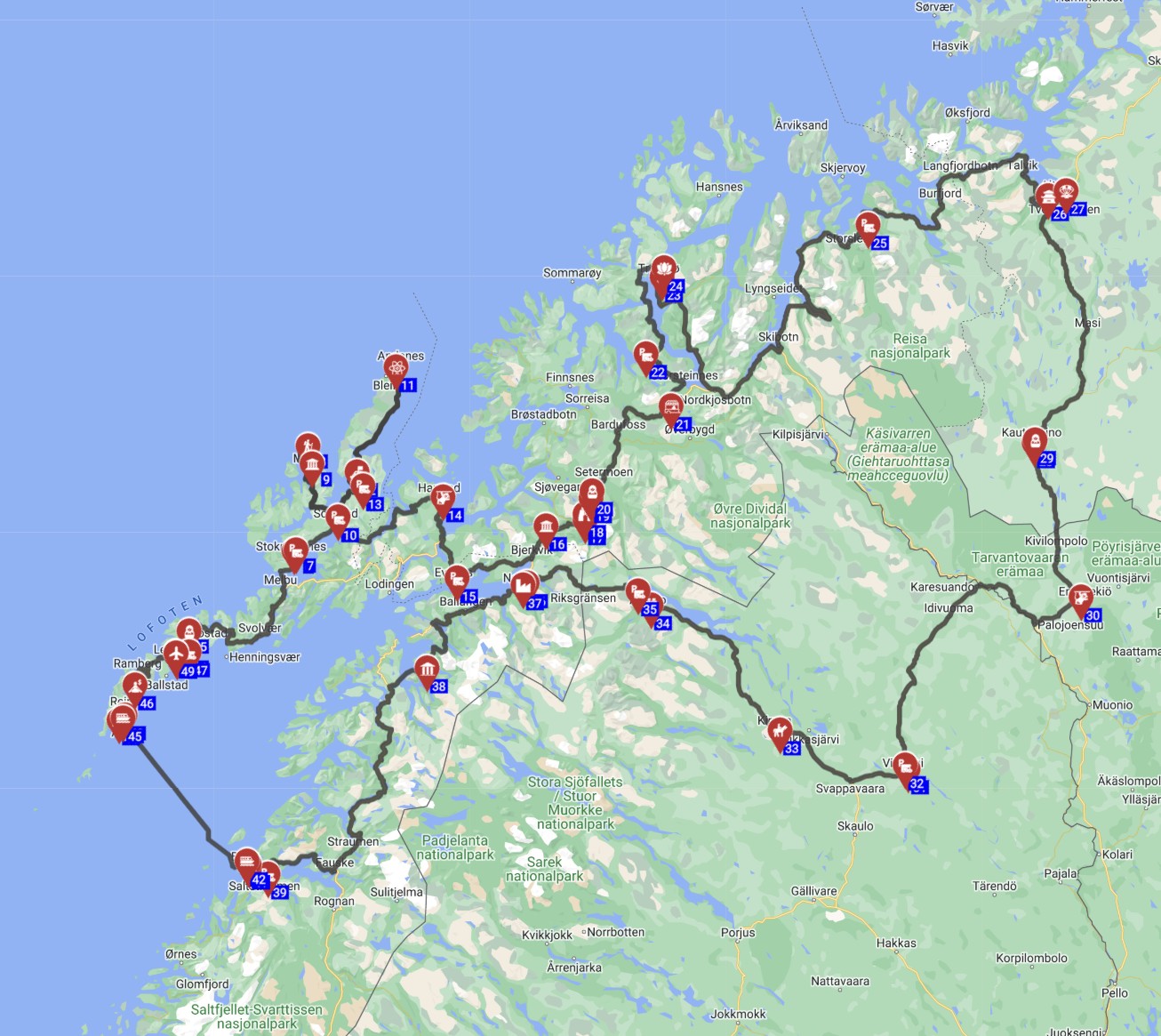
Hiking lesser-known trails can be incredibly rewarding; while iconic hikes like Preikestolen are popular, many regions offer less-trafficked trails that reveal equally stunning landscapes and provide a sense of solitude and discovery. Check local event calendars for traditional festivals, music concerts, art exhibitions, or 'dugnad' (community work parties) happening during your visit to engage with local culture. Talk to locals: engage in conversation at campgrounds, cafes, or shops; Norwegians are often keen to share tips on hidden gems, local history, or cultural insights. Utilize local tourist information centers, community websites, or niche travel blogs that focus on off-the-beaten-path experiences in specific regions of Norway. For example, the 15-day Tromsø Round Trip - Arctic Wonders: Northern Norway Family Road Trip itinerary includes 4 museum visits and 2 traditional visits, designed to immerse travelers in local culture.
What You Shouldn't Miss
- Drive a National Tourist Route: Explore one of Norway's 18 designated scenic routes, like the Atlantic Ocean Road (8.3 km), known for its dramatic bridges and coastal views, or the Trollstigen Mountain Road with its 11 hairpin bends.
- Fjord Cruise: Experience the sheer majesty of Norway's fjords, such as Geirangerfjord or Nærøyfjord (both UNESCO World Heritage sites), from the water. Many boat tours offer panoramic views from €50-€100 per person.
- Hike to a Scenic Viewpoint: Challenge yourself with a hike to iconic spots like Pulpit Rock (Preikestolen, 604m above Lysefjord) or Trolltunga, offering unparalleled photographic opportunities and a true sense of accomplishment.
- Chase the Northern Lights: In winter, head north of the Arctic Circle to destinations like Tromsø or Lofoten to witness the spectacular Aurora Borealis, often visible from late September to late March.
- Visit a Stave Church: Marvel at the intricate wooden architecture of Norway's medieval stave churches, with Urnes Stave Church (dating to 1130 AD) being the oldest and a UNESCO site.
- Explore Coastal Cities: Wander through the historic Hanseatic Wharf (Bryggen) in Bergen, with its colorful wooden houses, or enjoy the Art Nouveau architecture of Ålesund.
Looking for expert insights from Avi Bandana? Top 5 Adventures - recommendations from Avi Bandana
🎬 Video coming soon
Final Thoughts
A last-minute RV rental in Norway might seem daunting, but with the right approach and a bit of flexibility, it can quickly become one of your most rewarding travel experiences. Embrace the dynamic nature of last-minute bookings, knowing that Bandana Caravan is with you before, during, and after your booking, providing full transparency and supportive service.
Imagine yourself waking up to a new fjord vista each morning, with the freedom of your rented mobile home to explore at your leisure. Remember to travel slowly, averaging max 100-150 km per day, allowing yourself to truly connect with Norway's breathtaking scenery, rich culture, and delicious food. No matter if you opt for a compact campervan for a couple or a spacious Class C motorhome for the family, Norway by RV is an adventure waiting to happen.
Ready to discover the magic of Norway on your own terms? Find last minute RV Rentals in Norway and let your spontaneous Norwegian journey begin!