In This Guide
- Top 5 Tips for RV Rental in New Zealand
- Before You Book - Class, Dates, Insurance
- Pre-Trip Prep - Packing Checklist for New Zealand
- On the Road - Driving, Fueling, Navigation
- At the Campground - Setup, Hookups and Etiquette
- RV Rental-Specific Tips for New Zealand
- Common Mistakes to Avoid in New Zealand
- How much does it cost to rent a RV in New Zealand
- What is the 333 rule for campervan
- What is the best camper rental in New Zealand
- Is it worth it to rent a campervan in New Zealand
- Is it easy to drive a motorhome in New Zealand
- Do and don'ts New Zealand
- How much money would I need for 2 weeks in New Zealand
- Is it easy to campervan around New Zealand
- What are the drawbacks of renting an RV
- What You Shouldn't Miss
- Why Book with Bandana Caravan
- Final Thoughts
- Frequently Asked Questions
Top 5 Tips for RV Rental in New Zealand
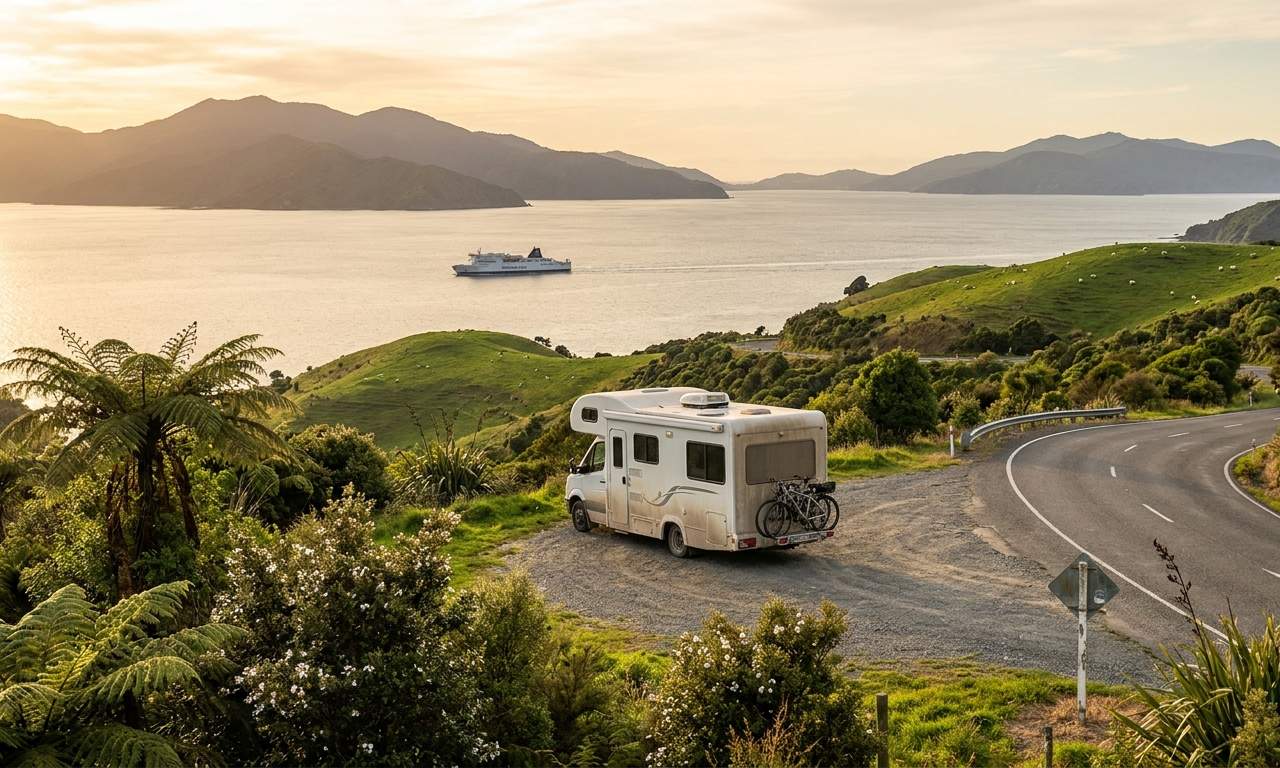
 Booking your RV well in advance, especially for peak seasons (December-February), is the surest way to secure preferred models and rates, but last-minute deals can appear. Familiarize yourself with New Zealand's self-containment rules, as these dictate where you can freedom camp, ensuring compliance with local regulations. Planning flexible itineraries allows extra travel time for scenic routes, frequent stops, and adapting to New Zealand's famously variable weather. Pack strategically with layers and versatile clothing to handle quick changes in conditions, from sunny beaches to alpine chills. Finally, understand waste disposal etiquette, utilizing designated dump stations for grey and black water responsibly to uphold New Zealand’s pristine environment.
Before You Book - Class, Dates, Insurance
Selecting an RV class based on your group size, comfort needs, and driving confidence on New Zealand's roads is a crucial first step. For couples or solo adventurers, a compact campervan like a "Paradise S/T" offers excellent maneuverability and fuel efficiency, while families might prefer a spacious Class C motorhome such as the "Euro Deluxe," featuring 3 double beds. Lock in your rental dates early, particularly for the bustling summer months of December to February, to avoid disappointment and secure better prices. However, if you are a spontaneous traveler, remember that many national and state parks reserve 25-30% of their spots for first-come-first-serve campers, so you can often find a spot, even if you need to call ahead or try a second campground. Review insurance options thoroughly; while basic insurance is always included, upgrading to comprehensive coverage for top-level deductible reimbursement offers greater peace of mind against unforeseen events. At Bandana RV, we believe in full transparency: what you see is what you pay, with no hidden fees or surprises.Pre-Trip Prep - Packing Checklist for New Zealand
Preparing thoughtfully for your New Zealand RV rental adventure ensures a comfortable and hassle-free trip. Essential clothing items include layers, waterproof jackets, and sturdy walking shoes suitable for diverse weather and terrain. For your RV's kitchen, bring basic cooking essentials like spices and oil, as these are often not included in the rental. Safety items such as a first-aid kit, insect repellent, and sun protection are vital for exploring the outdoors. Don't forget critical documents: your passport, driver's license (an International Driving Permit is recommended for non-English speaking visitors but not mandatory), travel insurance, and all booking confirmations.- Passport & Visa (if applicable)
- Driver's License (International Driving Permit recommended)
- Travel Insurance documents
- Credit/Debit cards & some NZD cash
- Layers of clothing (weather changes quickly)
- Waterproof jacket & sturdy walking shoes
- Sunscreen, hat, sunglasses
- Insect repellent
- Basic toiletries & personal medications
- Reusable water bottle
- Phone & portable charger
- Camera
- Small backpack for day trips
- First-aid kit
- Basic cooking essentials (spices, oil - rental may not include)
At the Campground - Setup, Hookups and Etiquette
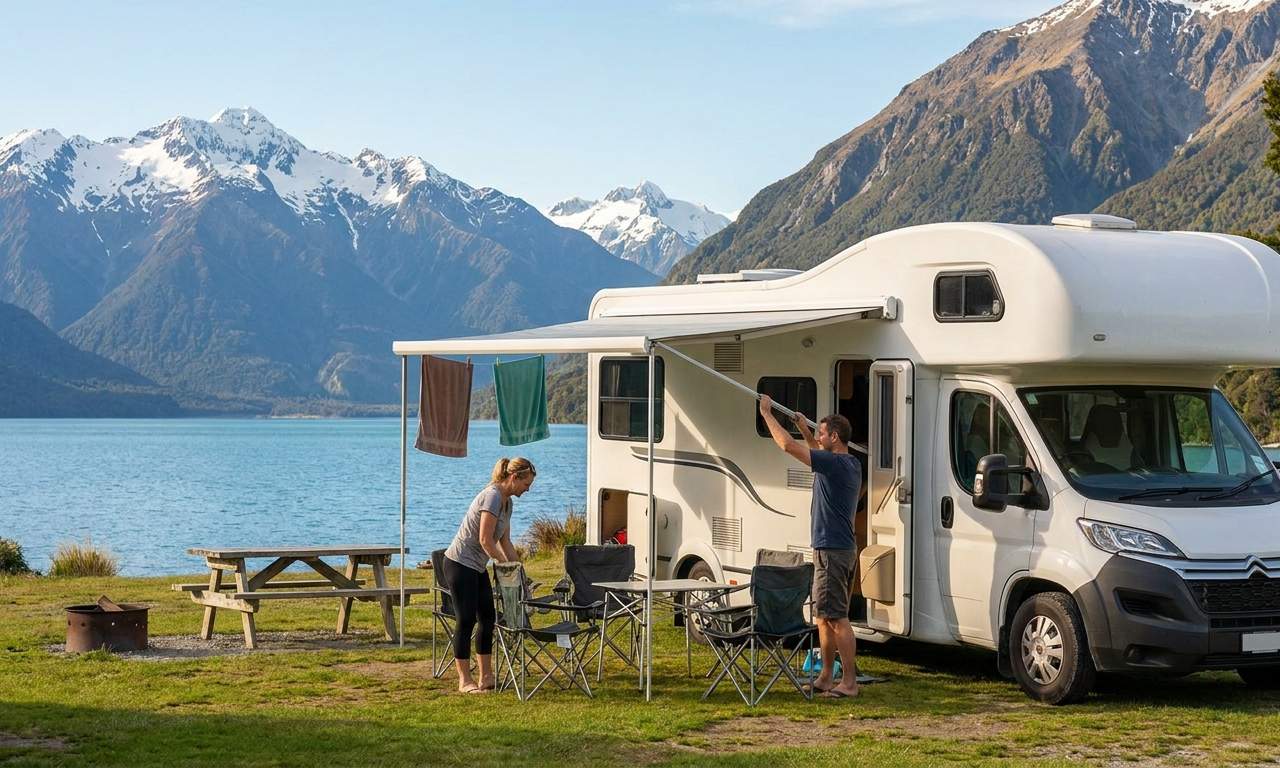
Properly setting up your RV at a campground in New Zealand involves parking and leveling your vehicle first, using chocks if necessary, before extending awnings or setting up outdoor furniture. Connect electrical hookups before water, and always ensure your wastewater hose is properly secured at designated dump stations. Respecting campground quiet hours, typically from 10 PM to 7 AM, is crucial for maintaining a peaceful environment for all campers. Dispose of all waste responsibly at designated points, rigorously following Leave No Trace principles to protect New Zealand’s natural beauty. Furthermore, familiarize yourself with the specific rules of each campground, whether it's a bustling holiday park or a tranquil Department of Conservation (DOC) site, as regulations can vary. For finding campsites and campgrounds during your trip, we recommend using RV PLANET (rvplan.net) - a great resource for locating available spots along your route.🎬 Video coming soon
RV Rental-Specific Tips for New Zealand
Tailoring your RV rental choice and travel style to your group's needs enhances the New Zealand experience. For families with kids, prioritizing larger motorhomes with separate sleeping areas, such as a 6-berth Class C "Euro Deluxe" model, and considering holiday parks with playgrounds will make the trip more enjoyable. Plan shorter daily drives to accommodate children’s needs and allow for more activity time. Seniors often find smaller, easier-to-handle motorhomes with automatic transmission, like a "2 Berth Sandpiper" model, more comfortable, and should look for campgrounds with full amenities and accessible facilities. Budget travelers can embrace freedom camping where permitted (ensuring self-containment), cook most meals to save on dining costs, and choose off-peak travel dates for significant savings on rental rates. For luxury seekers, selecting premium RV models with advanced features, booking exclusive holiday park sites, and considering add-ons like e-bikes or guided excursions will elevate the experience.Common Mistakes to Avoid in New Zealand
Underestimating travel times is a frequent mistake for first-time RV renters in New Zealand. Instead, factor in frequent stops for photographs and winding roads; actual driving time is often longer than GPS estimates due to the country's varied terrain. Ignoring self-containment rules is another common oversight; instead, ensure your RV meets certification requirements for freedom camping and always use designated dump stations for waste disposal. Don't rely solely on mobile data for navigation and information; instead, download offline maps and essential information, as connectivity can be limited in remote areas. Avoid overcrowding your itinerary; instead, allow for flexibility and spontaneous detours to fully experience New Zealand's natural beauty and embrace slow travel. Finally, never litter or damage the environment; instead, practice 'Leave No Trace' principles by taking all rubbish with you and respecting nature's pristine condition.How much does it cost to rent a RV in New Zealand
Daily rental rates for RVs in New Zealand typically range from NZD $100 for a compact campervan to NZD $400+ per day for a large motorhome, influenced significantly by vehicle size, rental season, and how far in advance you book. Prices can surge by up to 50% or more during peak summer months (December-February) and school holidays. Beyond the base rental, consider additional costs such as insurance tiers (basic is always included, but comprehensive options offer greater protection), one-way fees (e.g., NZD $150-500 between major cities), extra mileage charges, and optional extras like outdoor furniture. For detailed pricing and to compare rates from major suppliers like Apollo and Britz, check our "RV Rental in New Zealand - Prices and Best Deals 2026" guide. Remember, prices are dynamic, much like flight tickets, changing daily based on availability and supplier decisions, so the final price is set at the actual booking time. If you're looking for savings, explore our "Cheap RV Rental in New Zealand - Budget Guide 2026" for smart budgeting strategies.What is the 333 rule for campervan
The '333 rule' for campervans in New Zealand is a valuable guideline for responsible freedom camping, although it's not a strict legal requirement. It suggests campers stay a maximum of 3 nights in one spot, travel at least 3 kilometers between spots, and ensure their vehicle is self-contained for at least 3 days. This rule promotes sustainability and helps prevent over-tourism and environmental strain in popular freedom camping locations. While not legally binding, adhering to it contributes to positive visitor behavior and helps preserve natural sites for everyone. Self-contained certification is crucial for freedom camping, indicating your RV can store wastewater and rubbish for a minimum of three days. Always check local council bylaws, as these can supersede general guidelines and dictate specific rules for freedom camping areas, ensuring you're camping legally and respectfully.What is the best camper rental in New Zealand
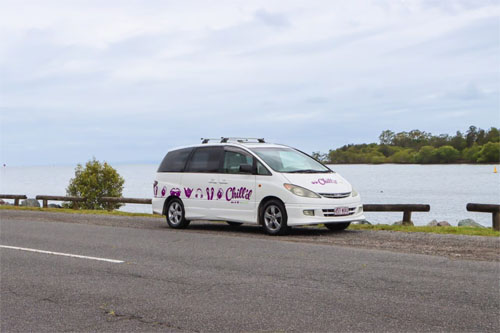
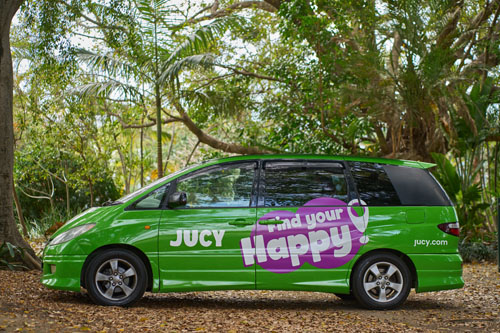
The 'best' camper rental in New Zealand depends heavily on individual traveler needs, budget, and desired comfort level, with popular providers like Jucy, Britz, Maui, and KEA offering diverse fleets through platforms like Bandana RV. Consider factors such as vehicle size, ranging from small campervans ideal for couples, like the nimble "Active Pop Top" with its compact dimensions, to large Class C motorhomes suitable for families of 4-6, offering features like a 190-liter refrigerator and multiple sleeping areas. Jucy and Britz often cater to budget-conscious travelers with practical designs, suitable for those prioritizing cost and basic amenities. Maui and KEA typically offer newer, more luxurious, and spacious motorhomes with premium features, ideal for those seeking comfort and extensive facilities. As true RV specialists, we recommend reading recent customer reviews and comparing specific vehicle features on our comparison platform to identify a rental that aligns perfectly with your trip expectations, whether it's for a relaxed week-long trip or an extended road trip.Is it worth it to rent a campervan in New Zealand
Renting a campervan or motorhome in New Zealand is widely considered a highly worthwhile experience for those seeking flexibility, immersive natural exploration, and potential cost savings on accommodation, offering a unique way to experience the country's diverse landscapes. The primary benefit is the freedom to explore at your own pace, changing plans spontaneously and reaching remote natural wonders, like the breathtaking fjords of Milford Sound or the geothermal marvels of Rotorua. It can be cost-effective for accommodation, especially when utilizing freedom camping or Department of Conservation (DOC) sites, which are often less expensive than traditional hotels. Drawbacks include the initial learning curve for driving a larger vehicle, the need for daily logistics like waste disposal, and potentially slower travel times on winding roads. For travelers who enjoy self-sufficiency, outdoor activities, and desire an intimate connection with New Zealand's scenery, a rented campervan offers unparalleled value and an unforgettable adventure. You can get inspired for your next trip by checking out our "RV Travel Guide to New Zealand - Tips and Top Spots 2026" video.Is it easy to drive a motorhome in New Zealand
Driving a motorhome in New Zealand can be manageable for most drivers with some caution, although it requires adapting to left-hand driving, narrower and winding roads, and specific rules for larger vehicles. New Zealand roads are generally well-maintained, but many are two-lane highways with significant bends, particularly in mountainous regions like the Southern Alps, which can feel different if you're accustomed to wider, straighter roads. Drivers must be prepared for frequent one-lane bridges, often indicated by give-way signs, and allow extra time for travel due to lower average speeds for larger vehicles, typically averaging 100-150 km per day. Patience is key, as local drivers may expect slower vehicles to pull over safely to let faster traffic pass. Drive slowly and carefully, and you can drive almost anywhere without issues. No need to stress - just use common sense and pay attention. Familiarity with left-hand driving, careful navigation around corners, and awareness of weather conditions (e.g., strong winds, sudden rain) will make the experience smoother.Do and don'ts New Zealand
When traveling in New Zealand with a rented RV, key 'dos' include respecting Māori culture, appreciating the pristine natural environment, driving safely, and supporting local businesses, while 'don'ts' involve littering, speeding, disrespecting private property, or making assumptions about local customs. Do: Drive on the left, use passing lanes responsibly, and always check road conditions, especially for longer journeys. Don't: Litter or freedom camp illegally; always dispose of waste at designated dump stations and only camp in approved self-contained sites. Do: Practice 'Kia Ora' (hello) and respect Māori customs and sacred sites (tapu). Don't: Underestimate the changeable weather; always be prepared with layers and check forecasts regularly. Do: Carry an emergency kit, especially when exploring remote areas, and be aware of limited mobile coverage in some regions. Don't: Leave valuables visible in your vehicle; always lock your RV and keep items out of sight to prevent theft.How much money would I need for 2 weeks in New Zealand
For a two-week RV trip in New Zealand, a realistic budget for two people could range from NZD $3,000 to $7,000+, encompassing RV rental, fuel, food, activities, and campsite fees. RV rental typically constitutes the largest portion, ranging from NZD $1,400 to $4,200 (averaging NZD $100-300 per day for 14 days, excluding premium options like a "Luxury Small" Class A motorhome). Fuel costs can accumulate quickly, potentially NZD $700-1,500+ for extensive travel over two weeks, given average fuel prices and motorhome consumption. Food expenses for self-catering can be managed for NZD $400-800, while eating out occasionally could push this higher. Campsite fees vary from free (designated freedom camping for self-contained vehicles) to NZD $25-80 per night for holiday parks with full amenities, totaling NZD $0-1,120 over 14 nights. Allocate at least NZD $500-1,500+ for activities, which range from free walks to paid excursions like Milford Sound cruises or bungy jumping. To help manage and itemize all these ancillary trip costs, RV PLANET routes allow travelers to track every expense along the way for easy budgeting.Is it easy to campervan around New Zealand
Campervanning around New Zealand is generally considered easy due to excellent infrastructure for motorhomes, numerous stunning campsites, and well-maintained roads, though navigating specific challenges like winding routes and finding suitable overnight spots requires preparation. The country boasts a comprehensive network of holiday parks, Department of Conservation (DOC) campsites, and designated freedom camping areas, providing diverse accommodation options for every budget and preference. Roads are generally in good condition, and major routes are clearly signposted, making navigation straightforward with GPS or mapping apps. The main challenges include adapting to driving a larger vehicle on narrow, winding roads, especially in mountainous terrain, and ensuring compliance with self-containment regulations for freedom camping. With proper planning, including booking popular campsites in advance during peak season, campervanning offers a highly accessible and rewarding way to explore New Zealand, providing a mobile headquarters for your adventures.What are the drawbacks of renting an RV
The main drawbacks of renting an RV in New Zealand include the potential for higher overall costs compared to other travel styles, the learning curve for driving a larger vehicle, the need for daily logistics (water, waste, power), and limited flexibility in city parking. RV rentals can be expensive, especially during peak season, with combined costs for rental, insurance, fuel, and campsites potentially exceeding budget motel stays and car rental. Driving a large motorhome, such as a 7.1-meter long "cruise america rv rental example Explorer", requires confidence and adaptation, particularly on New Zealand's winding, narrow roads and for maneuvering in towns. Daily chores like emptying grey/black water, refilling fresh water, and managing battery power require consistent attention and access to appropriate facilities. Parking an RV in busy city centers or at popular attractions can be challenging due to size restrictions and limited spaces, often necessitating parking further out and using public transport. Travel speeds are generally slower in an RV, which can mean covering less ground daily than initially planned, requiring a more relaxed itinerary. These are all manageable aspects of RV travel, and our specialist team is here to support you before and during your booking.What You Shouldn't Miss
When you visit New Zealand with your rented motorhome, there are a few iconic experiences you simply can't skip. Drive the breathtaking routes that wind through diverse landscapes, from the volcanic plateau of the North Island to the glacier-carved valleys of the South. Explore the geothermal wonderland of Rotorua, where bubbling mud pools and geysers offer a truly unique spectacle. Cruise through the majestic Milford Sound, a fiord that Captain Cook famously missed, now accessible with ease. Hike a portion of one of the Great Walks, even a day trip from your campervan, to immerse yourself in untouched nature. Don't forget to connect with Māori culture, perhaps by visiting a marae (meeting ground) or experiencing a hāngī (traditional feast). Looking for expert insights from Avi Bandana?Top 5 Adventures - recommendations from Avi Bandana
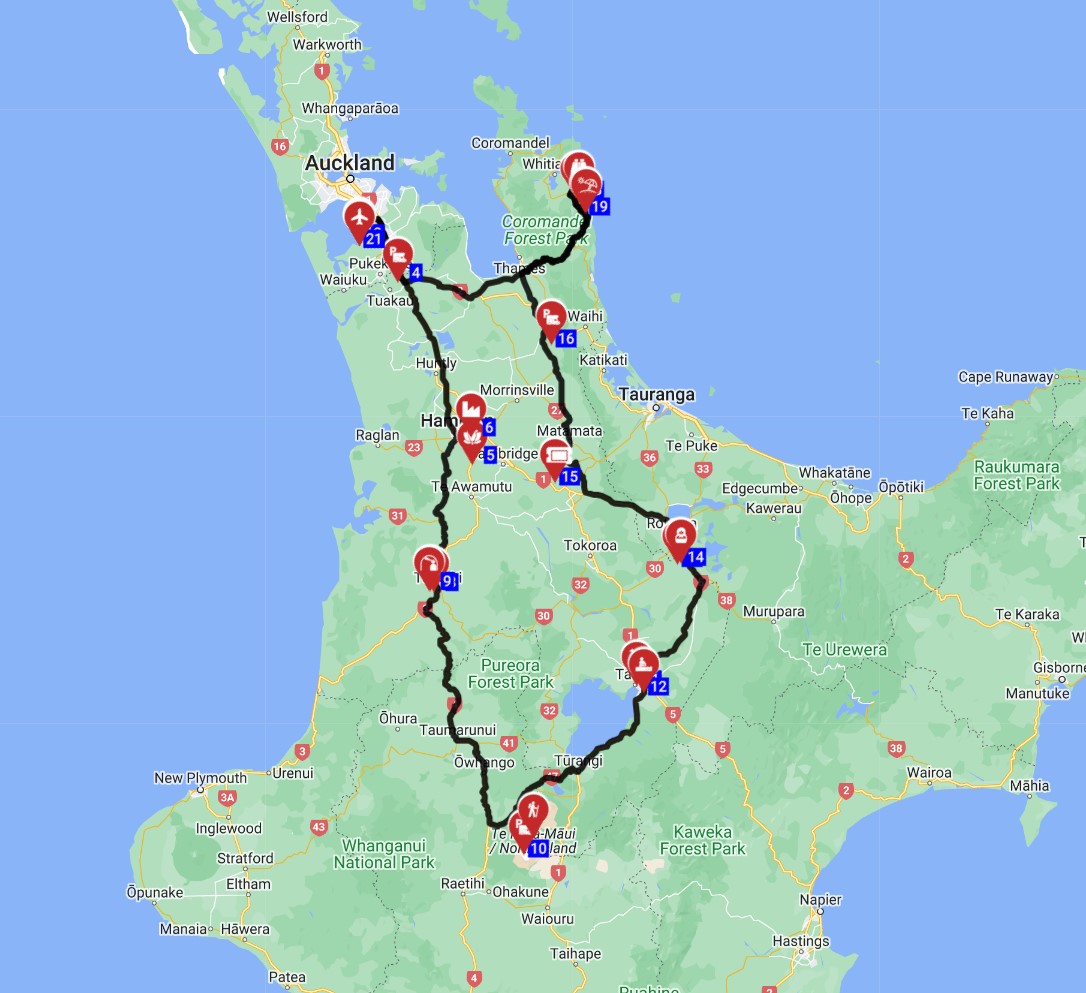
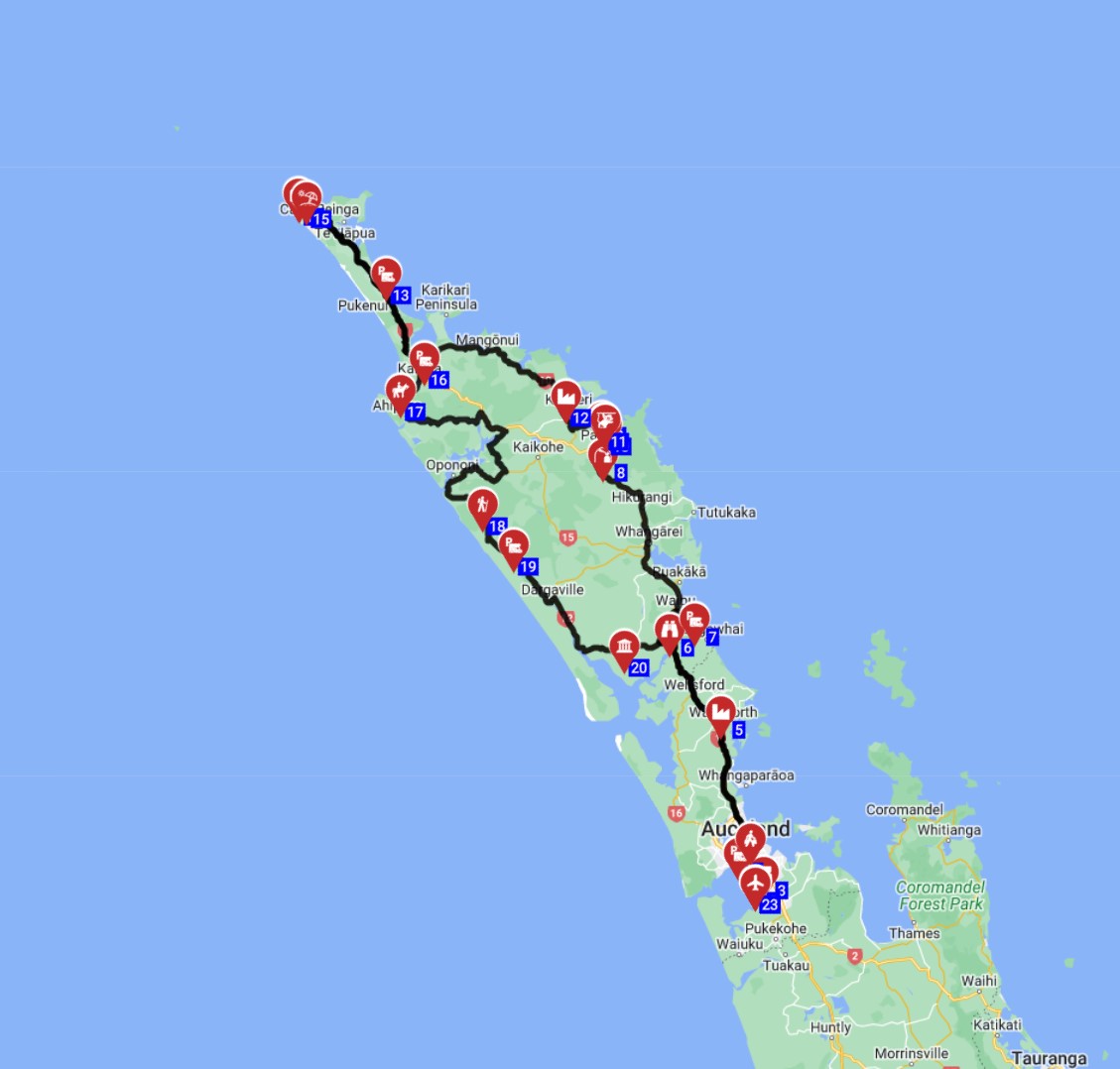
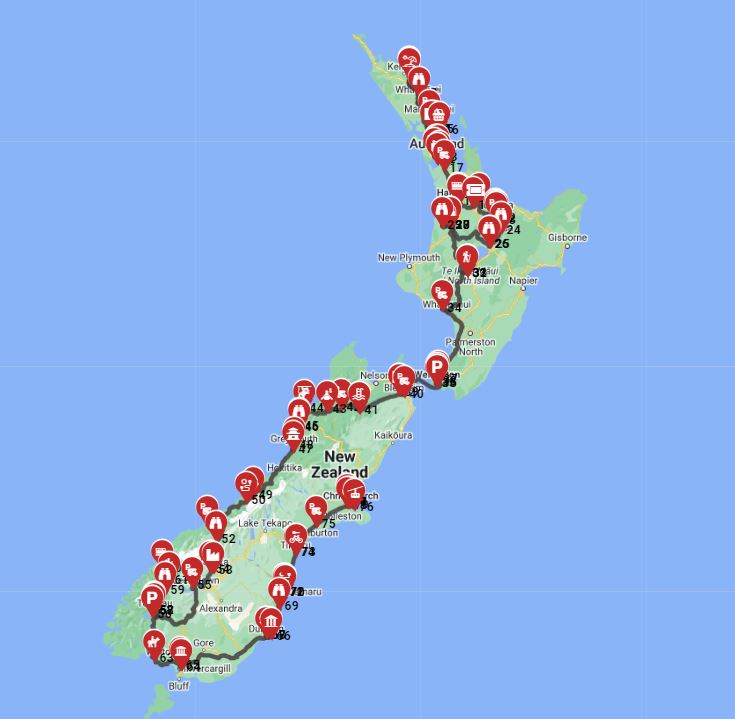
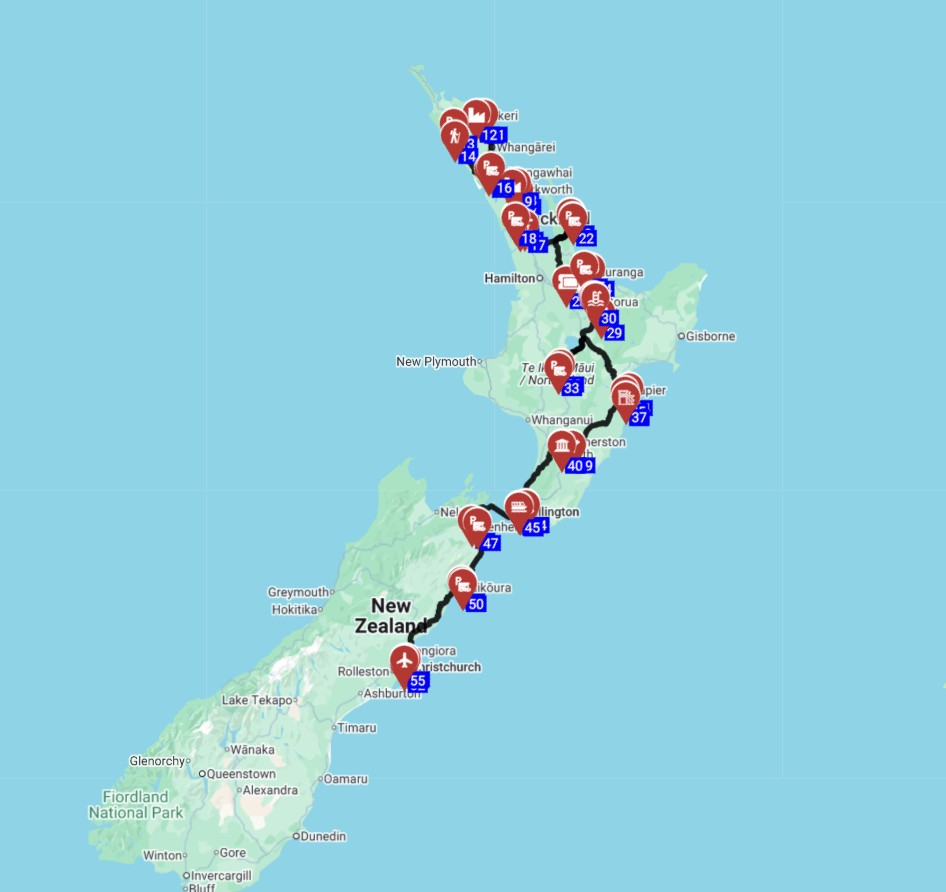
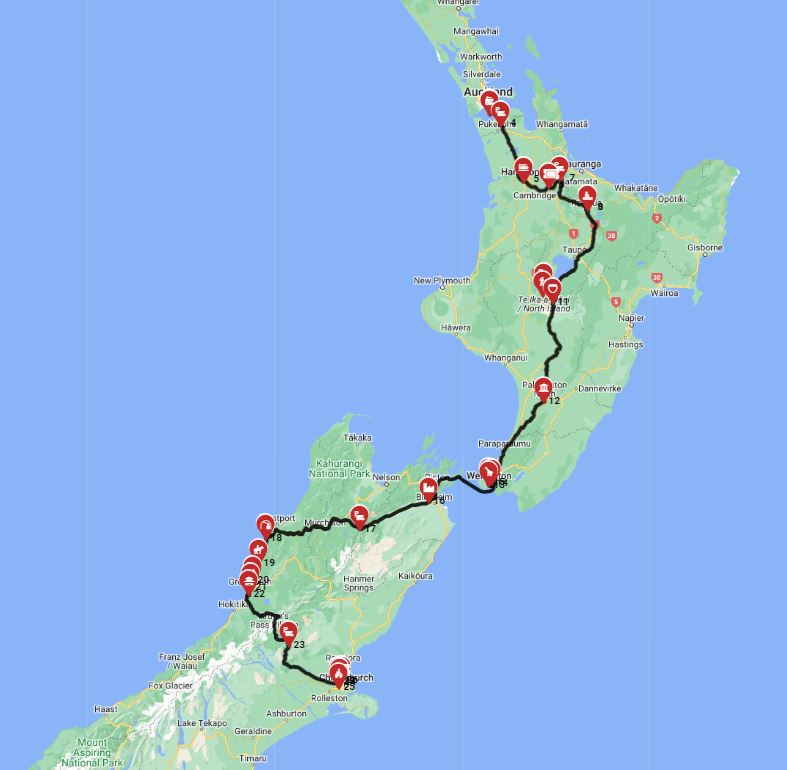
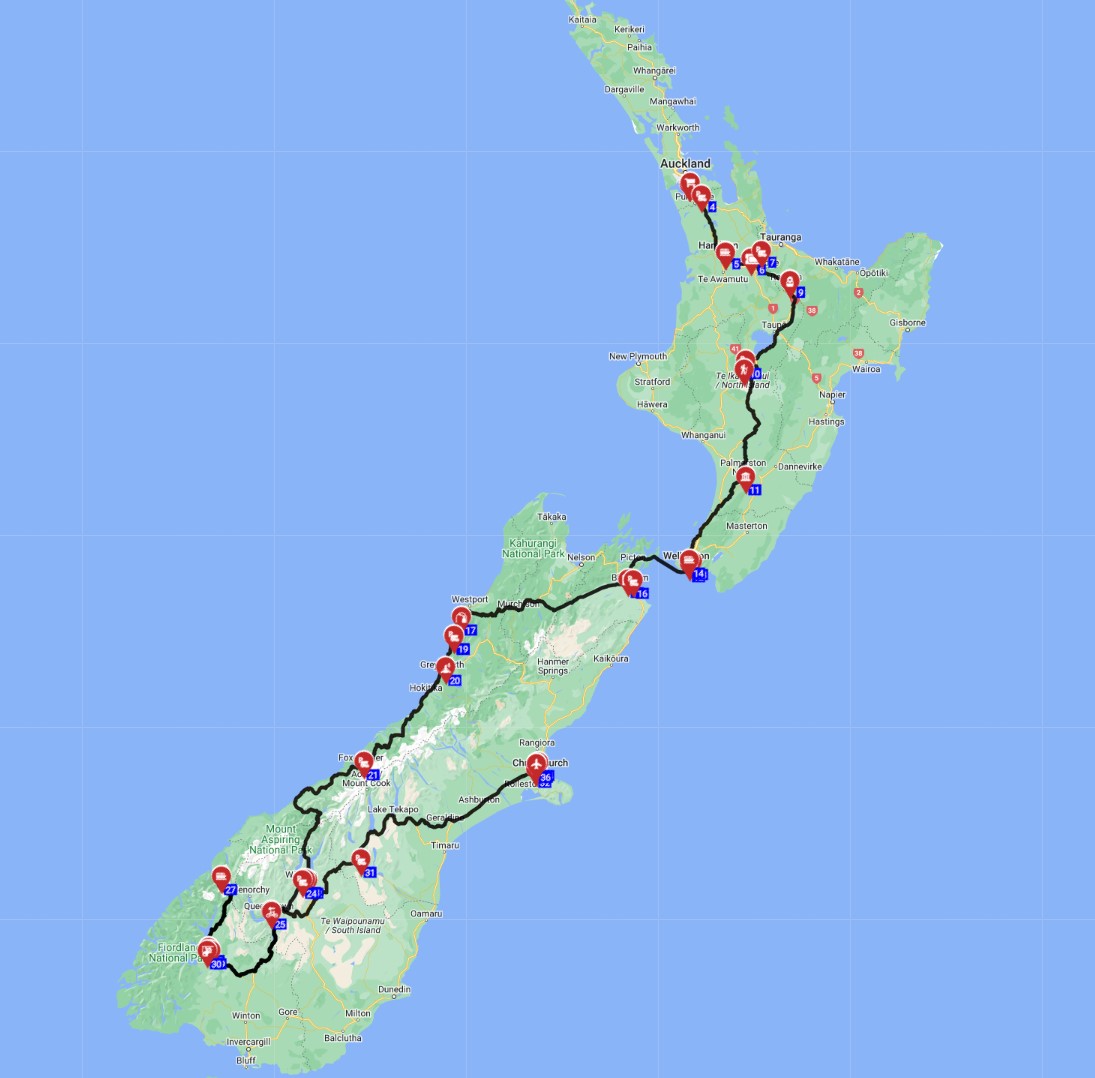
This 25-day, 4060.2 km journey from Auckland to Christchurch is the ultimate New Zealand experience, encompassing 4 wildlife watches, 3 museums, and 9 natural features for a truly comprehensive adventure. For a deep dive into the South Island, this 18-day, 2647.3 km Christchurch roundtrip includes 5 hiking areas, 3 local industries, and 4 natural features, offering a rich exploration of the region. The 18-day, 2830.2 km "Great Kiwi Road Trip" from Auckland to Queenstown features 3 cruise terminals, 2 tourist attractions, and a visit to a zoo, making it perfect for a diverse itinerary.Final Thoughts
A last-minute RV trip to New Zealand is more than just a vacation; it's an invitation to embrace freedom, explore breathtaking landscapes, and create unforgettable memories. While planning ahead has its benefits, the spontaneous nature of booking closer to your travel date can often open doors to unexpected deals and adventures. Remember to travel slowly, allowing yourself to soak in the stunning scenery and unique culture that New Zealand offers at every turn. Whether you choose a compact campervan for a solo journey or a spacious motorhome for a family expedition, the open roads of Aotearoa await. With Bandana RV, you get the assurance of full price transparency and expert support every step of the way, making sure your quick planning still leads to a perfect adventure. Compare Motorhome Prices for New Zealand now and get ready to live the journey of a lifetime!On the routes offered through RV PLANET routes, you can itemize and track every expense along the way for easy budgeting.