In This Guide
- Top 5 Tips for last minute rv rental RV Rental in Japan
- Before You Book - Class, Dates, Insurance
- Pre-Trip Prep - Packing Checklist for Japan
- On the Road - Driving, Fueling, Navigation
- At the Campground - Setup, Hookups & Etiquette
- last minute rv rental-Specific Tips for Japan
- Common Mistakes to Avoid in Japan
- What are the different types of RVs available for rent in Japan
- How much does it cost to RV in Japan including tolls and fuel
- What essential technology and apps are needed for RVing in Japan
- What are the cultural etiquette rules for RV camping in Japan
- How to prepare for emergencies and natural disasters while RVing in Japan
- How can I overcome language barriers when RVing in Japan
- Where can I find unique RV routes and hidden gems in Japan
- How to practice sustainable RV travel in Japan
- What You Shouldn't Miss
- Why Book with Bandana Caravan
- Final Thoughts
- Frequently Asked Questions
Top 5 Tips for last minute rv rental RV Rental in Japan
To secure the best vehicle for a last minute rv rental trip in Japan, consider booking at least 3-6 months in advance, especially for peak seasons like cherry blossom or autumn foliage, though spontaneous options are always worth checking. Opt for smaller RV classes, such as Kei campervans (typically under 3.4 meters long and 1.48 meters wide), as they are ideal for navigating Japan's often narrow roads and parking spaces, offering excellent fuel efficiency of 15-20 km per liter. Factor in all potential costs beyond the rental fee, including high toll road expenses (often ¥2,000-¥5,000 daily), fuel, campground fees, and waste disposal, to manage your last minute rv rental budget effectively. Familiarize yourself with Japanese driving rules, road signs (many have English translations), and specific local etiquette for michi-no-eki (roadside stations) or campgrounds to ensure a smooth trip. Finally, plan a flexible itinerary that allows for spontaneous stops at scenic areas or local attractions, which is a major advantage of RV travel in Japan, but ensure primary overnight spots are reserved. For live availability and current prices, start with our RV Rental Japan - Complete Guide 2026 guide, where you can easily compare options.Before You Book - Class, Dates, Insurance
Choosing the right RV class for your last minute rv rental in Japan depends on your group size and comfort preferences, with options ranging from compact Kei campers, suitable for 1-2 people and urban navigation, to larger family-sized motorhomes offering more amenities and space like the "rv rentals example Comfort Class" which can accommodate up to 4 people with 3 double beds. While spontaneous last minute rv rental trips are certainly possible and part of the adventure, locking in your preferred dates, especially during spring and autumn, can prevent disappointment as popular models get booked quickly. Regarding insurance, basic rental insurance is always included; to see prices including the most comprehensive coverage, select that option during your search, and all relevant insurance options will be shown, providing peace of mind against unforeseen incidents on your journey through Japan. We believe in full transparency, ensuring no hidden fees or surprises at any stage of your booking.Pre-Trip Prep - Packing Checklist for Japan
Preparing a detailed packing checklist ensures you have all essentials for your last minute rv rental adventure in Japan, adapting to various climates and local customs. Japan experiences diverse weather, so layering your clothing is crucial; temperatures can vary significantly from coast to mountain, especially during transitional seasons. A waterproof jacket and umbrella are must-haves, as are comfortable walking shoes for exploring temples and cityscapes. While rental RVs may offer basic bedding, a light sleeping bag or blanket can enhance comfort, particularly during cooler nights. For cooking in your rented mobile home, a portable stove and small cooking pot are useful if not already integrated, alongside a reusable water bottle and basic cutlery and plates. Bringing a small cooler for fresh groceries from local markets can save you money and allow you to prepare delicious meals on the go. You can find many RV-friendly recipes playlist to inspire your onboard cooking. A first-aid kit with common medications is essential, along with a flashlight or headlamp for evening campground activities and a portable power bank for your devices. Always keep emergency contact information readily accessible, including local emergency numbers (119 for fire/ambulance, 110 for police), your rental company's contact, and your home country's embassy. If traveling during an active season, an earthquake preparedness kit is a wise addition. Mandatory documents include a valid International Driving Permit (IDP) and your passport and visa (if required). Ensure you have all rental RV booking confirmations, and consider renting an ETC card for seamless expressway toll payments. Printed maps or offline GPS options are highly recommended, as cellular coverage can be spotty in remote areas, providing backup navigation for your RV journey in Japan.On the Road - Driving, Fueling, Navigation
Navigating Japan's roads in a last minute rv rental requires adherence to local driving practices, including driving on the left side of the road and understanding Japanese road signs. Japanese road signs are often bilingual, making it easier for international drivers, but always pay close attention. Remember that the steering wheel is on the right-hand side, so take your time to adjust. Drive slowly and carefully, and you can drive almost anywhere without issues. No need to stress - just use common sense and pay attention, even with larger motorhomes like an "rv rentals utah example Sunrise Escape" which is 7.6m long. Fueling an RV in Japan is straightforward, with gasoline (レギュラー, Regular) and diesel (軽油, Kei-yu) widely available at service stations. Many stations are self-service, so familiarizing yourself with the process or asking for assistance (満タン, man-tan for "full tank") is helpful. Fuel prices are generally comparable to or slightly higher than in Western countries, so budgeting for this is important. For efficient navigation, utilizing a Japanese GPS system (often built into rental RVs) is highly recommended, as they provide accurate directions and identify narrow roads, especially when combined with real-time traffic apps or an ETC (Electronic Toll Collection) card for seamless expressway toll payments. These tools are indispensable for any campervan adventure in Japan, helping you find your way and keep your trip smooth. For finding campsites and campgrounds during your trip, we recommend using RV PLANET a great resource for locating available spots along your route. You can also itemize and track every expense along the way for easy budgeting on RV PLANET routes.At the Campground - Setup, Hookups & Etiquette
Setting up your last minute rv rental at a Japanese campground or michi-no-eki involves understanding local protocols for parking, utilities, and noise to ensure a respectful and smooth experience. Many private campgrounds and some public facilities offer designated RV spots, some with hookups, while michi-no-eki are primarily rest stops but permit overnight parking for self-contained RVs, expecting minimal setup. Connecting your RV at a formal campground typically involves hooking up to electricity (usually 100V, requiring an adapter for many foreign appliances), water, and sometimes sewage outlets, usually provided at designated sites. Instructions are often available in English or through visual guides, and staff are usually helpful. Adhering to quiet-hour etiquette, generally observed from late evening until early morning (e.m., 9 PM to 7 AM), is crucial in Japanese camping areas and michi-no-eki. This includes minimizing noise from generators, conversations, and vehicle movements to respect fellow travelers and local residents. Our philosophy is that God is in the small details, and we take care of them, which means being prepared for these cultural nuances makes all the difference.last minute rv rental-Specific Tips for Japan
For last minute rv rental travelers in Japan, consider renting a smaller Kei campervan to maximize maneuverability on narrow roads and reduce fuel costs, which are typically higher than in some Western countries. These compact motorhomes, similar to an "rv rental denver example Category Van", are perfect for navigating bustling cities like Tokyo or winding mountain passes. Utilize Japan's extensive network of michi-no-eki (roadside stations) for free overnight parking, access to clean restrooms, and local produce, effectively managing your budget and finding convenient rest stops. Budget travelers should prioritize cooking meals in their rented RV using ingredients from local supermarkets, which is often more economical than dining out frequently. Preparing your own food can significantly reduce daily expenses; check out our RV-friendly recipes playlist for ideas. Families with children can benefit from planning nap-friendly drives and selecting RVs with comfortable sleeping arrangements, such as the "rv rentals example Comfort Class", to accommodate young travelers. Luxury last minute rv rental experiences can be enhanced by opting for premium add-ons like portable Wi-Fi devices, high-end kitchen equipment, or selecting RVs with integrated bath facilities for ultimate comfort. Remember, we handle the details, so you can live the journey, ensuring your selected campervan aligns perfectly with your travel style and needs. For more details on pricing and options, explore "Luxury RV Rental in Japan - Premium Prices 2026".Common Mistakes to Avoid in Japan
A common mistake is underestimating Japan's high toll road costs; instead, plan your route to balance expressway use with scenic local roads, and ensure you have an ETC card for discounts and seamless payments, as tolls can easily add ¥2,000-¥5,000 per day to your trip budget. Avoid assuming wild camping is widely accepted; instead, utilize designated campgrounds, michi-no-eki (roadside stations), or official RV parks for overnight stays to respect local regulations and etiquette. Many national parks, like those found in an "RV Rental Japan - Complete Guide 2026", reserve 25-30% of their sites for pre-booking, but the majority are first-come, first-served; call ahead to confirm availability. Neglecting to download offline maps or essential translation apps is another oversight; instead, prepare your technology in advance, as cellular coverage can be spotty in remote areas and language barriers are common. Failing to understand Japan's strict waste sorting rules can lead to issues; instead, familiarize yourself with the local recycling and waste disposal guidelines, often provided by your rental company or campgrounds, to minimize your environmental impact. Underestimating the narrowness of some Japanese roads, especially in rural areas or historic towns, can cause difficulty; instead, choose an RV size appropriate for your comfort level with tight spaces, with Kei campers often being the most versatile, which are highlighted in "Last-Minute RV Rental in Japan - What to Expect 2026". We want your journey to be smooth, and part of that is avoiding these common pitfalls.What are the different types of RVs available for rent in Japan
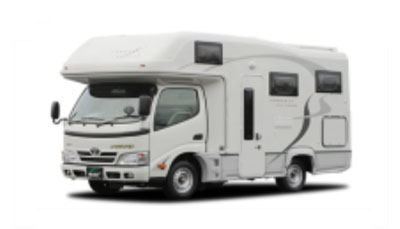
Japan offers a diverse range of RVs for rent, primarily including compact Kei campervans, versatile camping cars (van conversions), and larger motorhomes, each suited for different last minute rv rental needs. Kei campervans, like a "Patagonia Camper 4x4 double cab" but without the 4x4, are particularly popular for their fuel efficiency and ability to navigate narrow Japanese roads and city parking, making them an excellent choice for solo travelers or couples on a budget. These small, nimble vehicles are perfect for exploring the intricacies of Japan. Camping cars, typically based on standard vans like the "hire campervan example Paradise S/T", offer more interior space and amenities than Kei campers, balancing maneuverability with comfort for small families of 2-4 people. These provide a good compromise for those who want more space than a campervan but still value ease of driving. Larger motorhomes, such as the "rv rentals example Comfort Class" or "campervan hire new zealand example Euro Deluxe", provide extensive living areas, full kitchens, and bathrooms, ideal for longer trips with more passengers or those prioritizing comfort and convenience. These often come with features like 3 double beds and can accommodate 4-6 travelers comfortably. Each type offers distinct pros and cons regarding cost, fuel consumption, and driving experience, so last minute rv rental travelers should consider their itinerary and group size carefully. For detailed cost breakdowns by vehicle type, refer to "RV Rental in Japan - Prices and Best Deals 2026".How much does it cost to RV in Japan including tolls and fuel
The overall cost of an RV trip in Japan extends beyond just the rental fee, encompassing significant expenses for toll roads, fuel, and specific Japanese cost factors like waste disposal, which last minute rv rental travelers should budget for. Expressway tolls in Japan are notoriously high, with costs varying significantly based on distance and route; an ETC (Electronic Toll Collection) card, often available for rent with your RV, can provide slight discounts and streamline payments, potentially saving you up to 30% on certain routes or during off-peak hours. Fuel prices in Japan, while fluctuating, are generally comparable to or slightly higher than in many Western countries, so travelers should factor in higher consumption for larger RV models. For instance, a larger motorhome like the "rv rentals utah example Sunrise Escape" with a 208-liter fuel tank might consume 20-25 liters per 100 km, while a compact Kei campervan could offer much better mileage. Beyond rental and travel, expect costs for campgrounds (ranging from ¥1,000-¥5,000 per night), parking fees in urban areas, and potential waste disposal charges at certain facilities. A detailed budget should include daily estimates for these variable costs to prevent overspending and ensure a smooth financial experience throughout your last minute rv rental journey. For a deeper dive into financial planning, check out "Cheap RV Rental in Japan - Budget Guide 2026".What essential technology and apps are needed for RVing in Japan
Essential technology and mobile applications significantly enhance an RV trip in Japan by assisting with navigation, communication, and emergency preparedness for last minute rv rental travelers. An ETC (Electronic Toll Collection) card is crucial for navigating Japan's expressways efficiently, allowing for automatic toll payments without stopping, and can often be rented alongside your RV for approximately ¥324 (about $2-3 USD) activation fee plus tolls. Reliable GPS navigation is paramount; while many rental RVs include a Japanese car navigation system (often with English options), supplementary apps like Google Maps or Maps.me (for offline use) are highly beneficial for real-time traffic and points of interest, especially for finding narrow roads. Language barriers can be challenging, but translation apps such as Google Translate or DeepL are invaluable for overcoming them, assisting with reading signs, communicating with locals, and understanding menus. Additional useful apps include those for finding michi-no-eki (e.g., 'Michi-no-Eki Navi'), locating parking (e.g., 'Park Peta'), and monitoring local weather for typhoon or earthquake alerts, ensuring a safe and informed RV rental adventure in Japan. Portable Wi-Fi devices, often available as an add-on, provide reliable internet access throughout your journey.What are the cultural etiquette rules for RV camping in Japan
Adhering to cultural etiquette is vital for a respectful and enjoyable RV camping experience in Japan, especially when staying at michi-no-eki or interacting with locals. At michi-no-eki (roadside stations), which permit overnight parking for self-contained campervans, it is customary to maintain a low profile, avoid excessive noise, and ensure your RV does not occupy more than one parking space, treating it as a resting spot rather than a full campsite. When using shared facilities like restrooms or communal kitchens, maintain cleanliness and leave them as you found them, as Japanese culture places a high value on tidiness and respect for shared spaces. Respect local quiet hours, typically from late evening until early morning, particularly at formal campgrounds, and avoid playing loud music or having boisterous conversations. Regarding waste disposal, strictly follow Japan's precise sorting rules; separate trash into designated categories (burnable, non-burnable, plastics, cans, bottles) at provided facilities or take it with you until appropriate disposal can be found. Remember, these small details make a big difference in showing respect and ensuring a positive experience for everyone on your RV rental journey through Japan.How to prepare for emergencies and natural disasters while RVing in Japan
Preparing for potential emergencies and natural disasters is a critical aspect of RV travel in Japan, ensuring the safety of last minute rv rental adventurers given the country's geological activity and typhoon season. During your trip, familiarize yourself with earthquake preparedness procedures, including knowing how to react if tremors occur while driving or parked, and identify safe open areas if evacuation is necessary. Many public buildings will have signage (often bilingual) indicating safe zones. If traveling during typhoon season (typically May to October), monitor weather forecasts diligently and have a plan for seeking shelter or adjusting your itinerary to avoid severe weather conditions. Local weather apps and news channels can provide real-time updates. Know how to access roadside assistance, usually provided by your rental company or through general services like JAF (Japan Automobile Federation), for vehicle breakdowns or minor incidents. Keep a list of emergency contacts, including the local emergency number (119 for fire/ambulance, 110 for police), your rental company, and your home country's embassy, along with basic medical information readily accessible. We are with travelers before, during, and after their booking, assisting with coordination and support, but local emergency services are always the primary contact during a crisis.How can I overcome language barriers when RVing in Japan
Overcoming language barriers is a practical consideration for RVers in Japan, especially for last minute rv rental travelers who may encounter situations requiring communication with service providers or locals. Utilize translation apps like Google Translate or DeepL on your smartphone, which can translate spoken phrases, text from images (for signs and menus), and written input, proving invaluable for daily interactions. Always ensure your devices are charged or you have a portable power bank. Learn a few key Japanese phrases such as 'Sumimasen' (excuse me/I'm sorry), 'Arigato gozaimasu' (thank you), 'Eigo ga hanasemasu ka?' (Do you speak English?), and basic directional questions. Many Japanese people are eager to help, even with limited English. Be prepared to rely on non-verbal communication, including pointing to maps, images, or using hand gestures, as many Japanese people are skilled at understanding context even without shared language. Keep a small phrasebook or a list of common RV-related terms (e.g., 'fuel,' 'water,' 'toilet,' 'campground') handy to aid communication at service stations, campgrounds, or when asking for help. This blend of technology and basic phrases will make your rented campervan adventure smoother and more enjoyable.Where can I find unique RV routes and hidden gems in Japan
Beyond standard tourist itineraries, RV travel in Japan unlocks access to unique routes and 'hidden gem' experiences, offering a deeper immersion into local culture and stunning natural landscapes for last minute rv rental adventurers. Explore less-traveled regions like the Noto Peninsula in Ishikawa, the remote areas of Shikoku, or the southern islands of Kyushu for picturesque coastal drives, traditional villages, and hot springs that are more accessible by a rented RV. Imagine a leisurely week-long trip along the Noto Peninsula, discovering secluded beaches and artisan workshops. Seek out local michi-no-eki that are known for unique regional products, artisanal crafts, or small onsen (hot springs), often providing a glimpse into authentic Japanese life away from major cities. Our Rent&Plan service at RV PLANET offers pre-planned routes by professionals, often including these local treasures, and if you use rvplan.net for planning, you get a 25% planning discount. You can learn more about these curated journeys in "RV Rental Deals in Japan - Latest Offers 2026". Utilize local tourism websites or Japanese RV blogs (translated with apps) to discover off-the-beaten-path destinations, seasonal festivals, and specific viewpoints that might not be widely advertised in English-language guides. Consider driving through the mountainous regions of Tohoku or the Japanese Alps, where RVs allow you to stop at tranquil lakes, hiking trails, and traditional ryokans (Japanese inns) nestled in nature. Remember, travel slowly – a maximum of 100-150 km per day on average – to truly feel the place, connect to the culture, the food, and the scenery of Japan. For a deeper look at budgeting for such a trip, consider "Weekly RV Rental in Japan - Pricing 2026".How to practice sustainable RV travel in Japan
Practicing sustainable RV travel in Japan is crucial for minimizing environmental impact and respecting the country's pristine natural areas and communities, a responsibility for all last minute rv rental tourists. Adhere strictly to Japan's detailed waste sorting and recycling rules; always separate your trash into burnable, non-burnable, plastic, and glass/cans, disposing of it at designated facilities or michi-no-eki, which often have clear signage. Conserve water and electricity usage within your rented RV; avoid unnecessary generator use, take shorter showers, and ensure all lights and appliances are off when not needed, especially at michi-no-eki, where resources are shared. For a smaller campervan, like the "rv rent example MiniVan", efficiency is often built in, but conscious usage still makes a difference. Stay on designated roads and trails, avoiding driving or parking on sensitive ecosystems, and always leave natural areas as you found them, or cleaner. This not only protects the environment but also shows respect for local communities. Support local economies by purchasing food, souvenirs, and services from small businesses in the towns you visit, and respect local customs and quiet hours to maintain positive community relations. Embracing these practices ensures your RV journey contributes positively to Japan's beautiful landscapes and communities. For an overview of how these costs factor into your trip, see "Cheap RV Rental in Japan - Budget Guide 2026".What You Shouldn't Miss
- Drive the Panorama Line to Mount Fuji: Experience breathtaking views of Mount Fuji and Lake Ashi from your rented motorhome along the scenic Hakone Skyline and Izu Panorama Line.
- Explore Hokkaido's Lavender Fields: In summer, take your campervan through the vibrant, fragrant lavender fields of Furano and Biei in Hokkaido, stopping at local farms and artisan shops.
- Discover the Spiritual Trails of Kumano Kodo: Combine a few days of RV travel with a hike along parts of the ancient Kumano Kodo pilgrimage routes in Wakayama, finding tranquil overnight spots nearby.
- Coastal Drives of the Shimanami Kaido: While famous for cycling, sections of the Shimanami Kaido offer incredible coastal views for your RV, connecting islands between Honshu and Shikoku.
- Relax in Beppu's "Hells" and Onsen: Tour the dramatic hot springs (Jigoku) of Beppu, Kyushu, then unwind in an onsen-integrated campground, a unique aspect of RV travel in Japan.
- Looking for expert insights from Avi Bandana? Top 5 Adventures - recommendations from Avi Bandana
🎬 Video coming soon
Final Thoughts
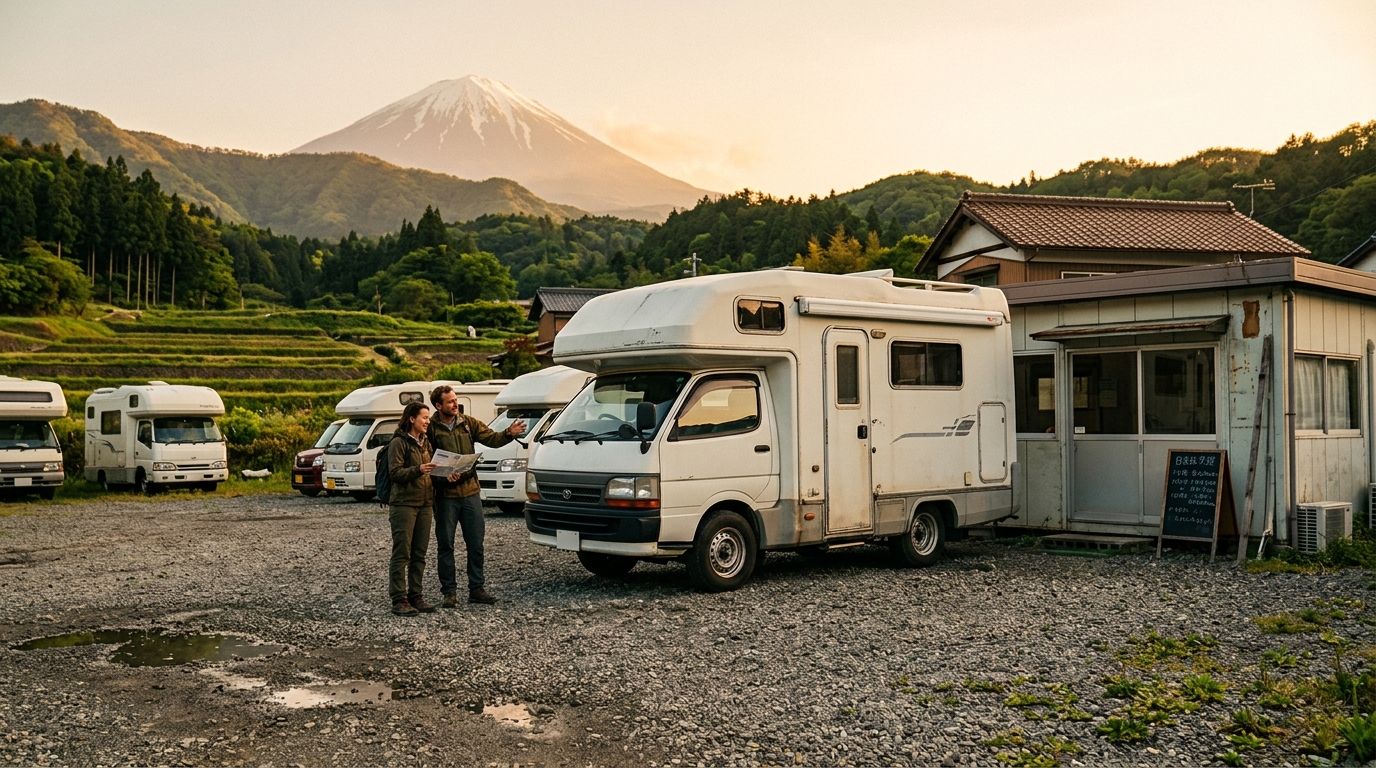
Embarking on a last minute rv rental adventure in Japan offers an incredible way to experience its unique blend of ancient traditions and modern marvels. From the bustling streets of Tokyo to the serene landscapes of Hokkaido, a rented motorhome gives you the flexibility and comfort to create a truly unforgettable journey. Remember, the key is mindful planning, embracing local customs, and allowing yourself to truly connect with the wonders around you. We at Bandana Caravan are here to support you every step of the way, providing expert advice and a seamless booking experience. Our commitment to full transparency and unparalleled support means you can hit the road with confidence, ready to discover Japan at your own pace. So, imagine yourself pulling up to a picturesque michi-no-eki with Mount Fuji in the distance, a warm cup of tea in hand – that's the magic of RV travel in Japan. Don't wait to start planning your dream trip. Whether you're looking for a compact campervan or a spacious family motorhome, Japan has an RV rental for every adventurer. Discover top destinations, planning tips, all in one place, and make your last-minute Japan RV rental a reality today! Find last minute rv Rentals in JapanOn the routes offered through RV PLANET routes, you can itemize and track every expense along the way for easy budgeting.