In This Guide
- Best Australia RV Itinerary for rv rental - Overview
- 7-Day Classic Route in Australia
- 14-Day Extended Journey in Australia
- Recommended RVPlan Trip for Australia
- Must-See Stops Along the Way (Avi Bandana Picks)
- Daily Driving Distances & Drive Times in Australia
- Best RV Class for This Itinerary - Couple & Family Picks
- What is the most beautiful road trip in Australia?
- Can you park an RV anywhere in Australia?
- What is the best RV in Australia?
- How long does it take to travel around Australia in a campervan?
- What is the 333 rule for campervan?
- What not to do in Australia as an American?
- What are the top 3 tourist attractions in Australia?
- How many days are enough for an Australia trip?
- What is the best month to go to Australia?
- Top Cities for RV Rental in Australia
- Practical Road Trip Information for Australia
Australia is a continent of unparalleled natural beauty and vast open spaces, making it an extraordinary destination for a rented RV adventure. Imagine yourself driving along pristine coastlines, exploring ancient rainforests, or venturing into the rugged Outback, all from the comfort and convenience of your mobile home. At Bandana RV, we understand the thrill of discovery and the importance of a well-planned journey. Our expertise in RV travel, gained since our founding in 2001, ensures you get the best rental experience. To truly master your Australian motorhome adventure, start with our RV Rental Australia - Complete Guide 2026 where you'll find everything from vehicle selection to local regulations. Our commitment to full transparency means no hidden fees and no surprises, just honest and supportive service from true RV specialists.
Best Australia RV Itinerary for rv rental - Overview
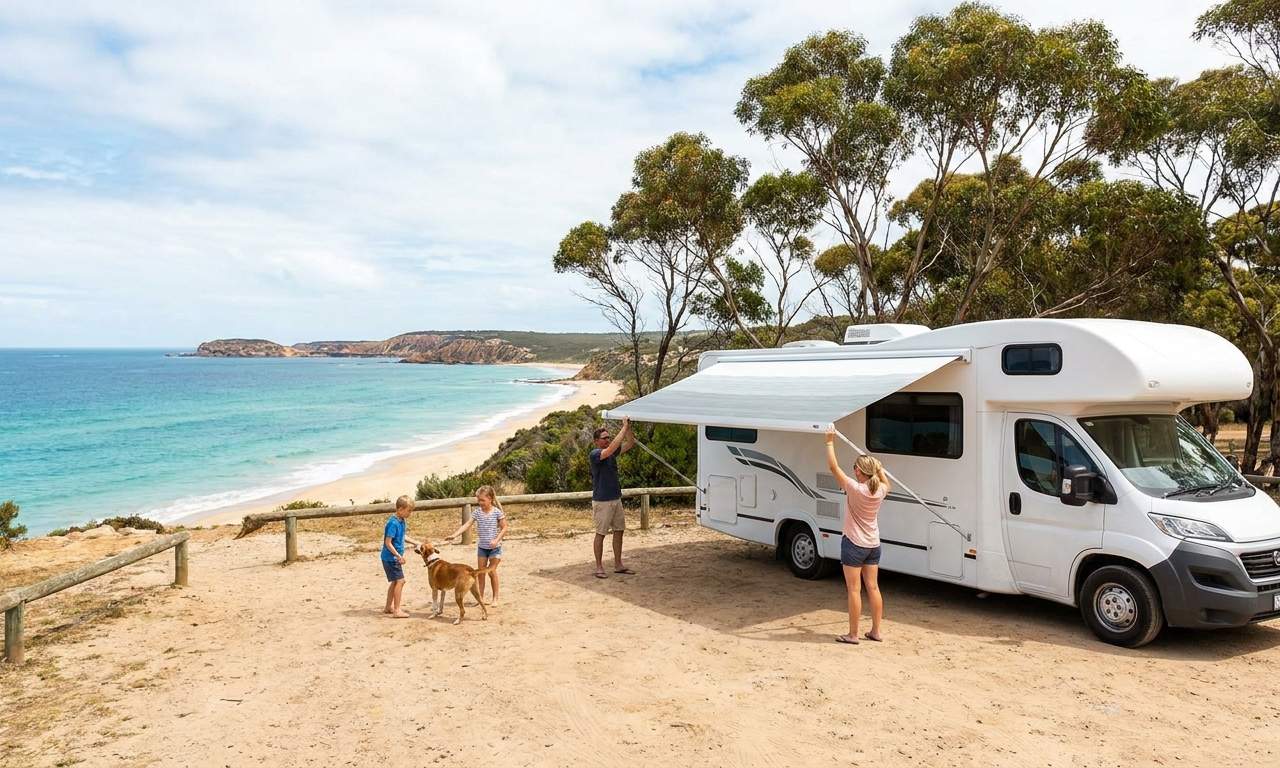
The best Australian RV itineraries for most renters typically focus on the East Coast for trips lasting 7-14 days due to its diverse attractions and well-developed infrastructure. While minimum rental periods can be as short as a week, an extended adventure of 14 days or more allows for deeper exploration and a more relaxed pace. The optimal travel season varies significantly by region; for southern areas like Sydney and Melbourne, shoulder seasons (spring from September-November and autumn from March-May) offer pleasant temperatures and fewer crowds. Average trip distances for these durations range from 1500 km to 3000 km, intentionally designed to facilitate slow travel and ample leisure time.
Driving slowly, a maximum of 100-150 km per day on average, is highly recommended to fully immerse yourself in the culture, local food, and stunning scenery. This pace minimizes travel fatigue and allows for spontaneous stops, turning your journey into the adventure itself. For live availability and current prices, you can compare Motorhome Prices for Australia on our platform. Remember, prices are dynamic, much like flight tickets, changing daily based on availability, seasonality, and supplier marketing decisions.
7-Day Classic Route in Australia
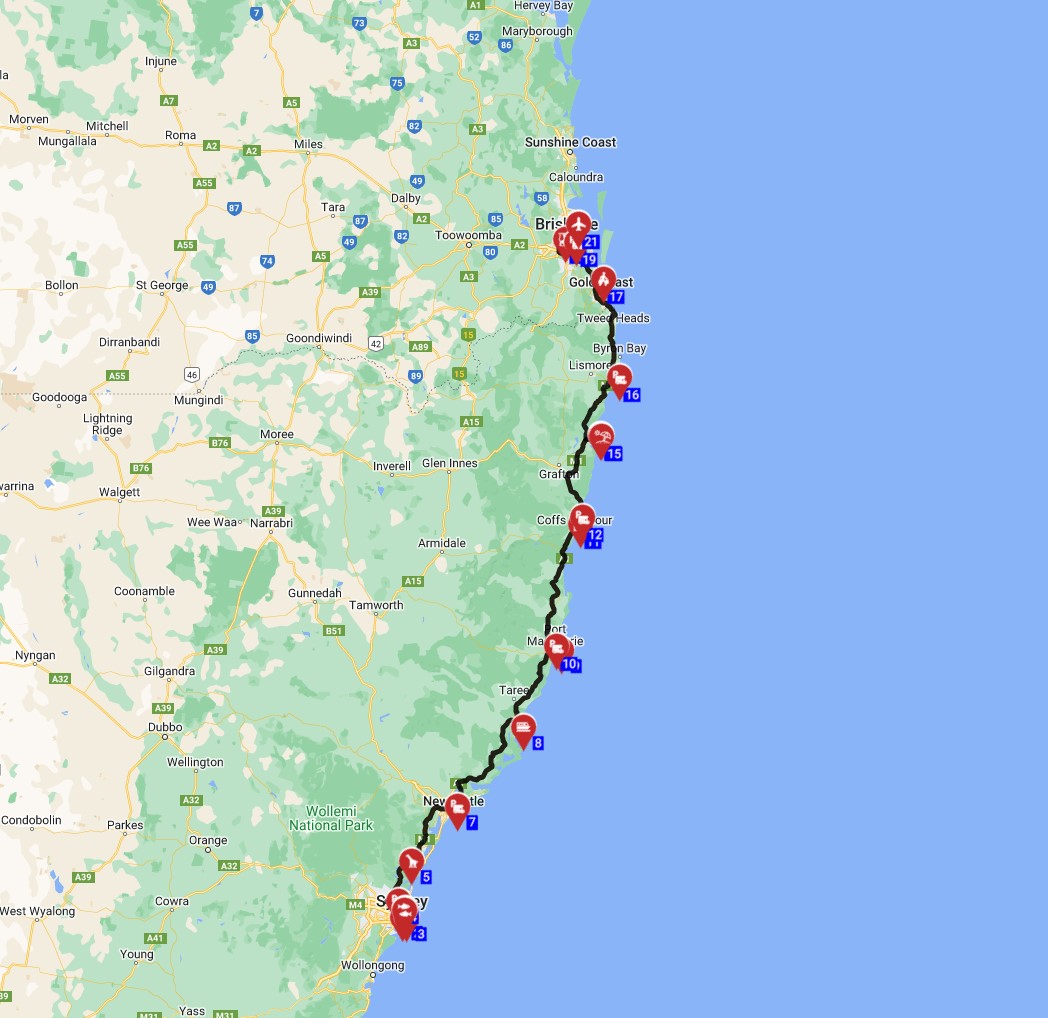
A classic 7-day RV itinerary in Australia often centers around a regional highlight, such as the vibrant coastal stretch between Sydney and Brisbane. This route keeps daily driving distances to a relaxed maximum of 150 km per day, ensuring plenty of time for sightseeing and relaxation.
- Day 1-2: Sydney to Port Stephens (approx. 160 km) - Pick up your rented motorhome in Sydney. Drive north to Port Stephens, famous for its pristine beaches, dolphin cruises, and sand dunes. Enjoy fresh seafood and relax by the water.
- Day 2-3: Port Stephens to Port Macquarie (approx. 180 km) - Continue up the coast to Port Macquarie, home to beautiful beaches, the Koala Hospital, and a vibrant foreshore. Explore the local markets and enjoy a scenic coastal walk.
- Day 3-4: Port Macquarie to Coffs Harbour (approx. 160 km) - Head to Coffs Harbour, renowned for the Big Banana Fun Park and stunning marine life. Consider a whale watching tour during migration season (May-November).
- Day 4-5: Coffs Harbour to Byron Bay (approx. 240 km) - Drive to Australia's most easterly point, Byron Bay. Soak in the bohemian atmosphere, visit the iconic lighthouse, and enjoy surfing or kayaking.
- Day 5-6: Byron Bay to Gold Coast (approx. 100 km) - Short drive to the bustling Gold Coast. Enjoy the theme parks, expansive beaches, and vibrant nightlife.
- Day 6-7: Gold Coast to Brisbane (approx. 80 km) - Finish your trip in Brisbane, Queensland's capital. Explore the South Bank Parklands, take a river cruise, and discover the city's cultural precincts before returning your RV.
Throughout your journey, overnight parking can be found at numerous caravan parks equipped with essential facilities, or at designated free camping zones that should always be checked via local apps like WikiCamps or by calling ahead to ensure legality and availability. For finding campsites and campgrounds during your trip, we recommend using RV PLANET (rvplan.net) - a great resource for locating available spots along your route.
14-Day Extended Journey in Australia
An extended 14-day RV journey allows for a more immersive exploration of Australia's diverse landscapes, grouping days by region for a deeper connection to each destination. By maintaining the recommended average of 100-150 km of driving per day, travelers can truly savor their adventure without feeling rushed.
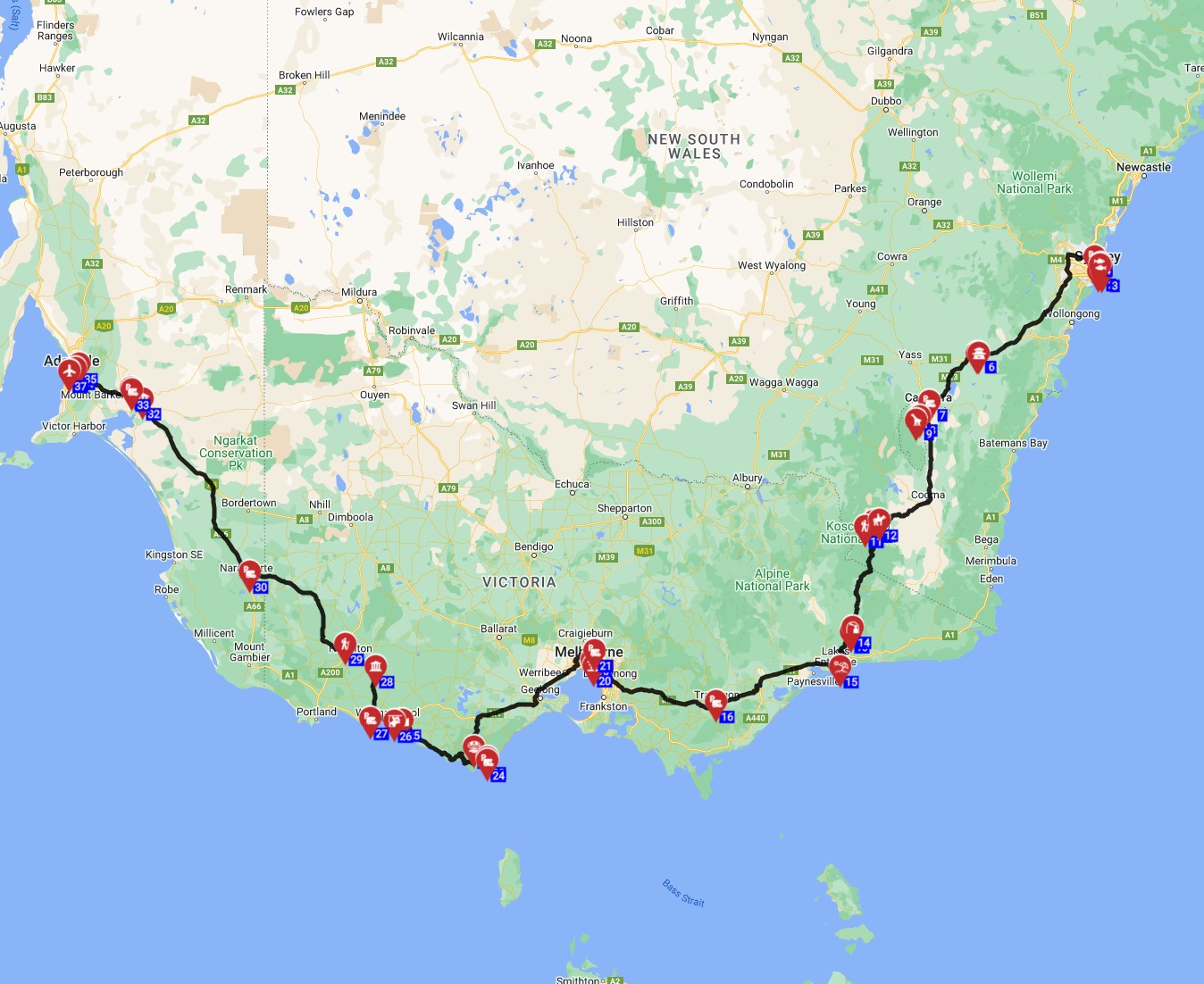
- Days 1-3: Melbourne & Phillip Island (approx. 140 km from Melbourne to Phillip Island) - Start your rented motorhome adventure in Melbourne, exploring its laneways, art, and culinary scene. Head south to Phillip Island for the iconic Penguin Parade and koala conservation center, spending two nights to truly unwind.
- Days 4-6: Great Ocean Road (approx. 240 km from Melbourne to Warrnambool) - Embark on one of the world's most scenic drives, the Great Ocean Road. Allocate ample time to stop at the Twelve Apostles, Loch Ard Gorge, and charming coastal towns like Lorne and Apollo Bay. Enjoy hiking and beach activities, preparing meals on board your RV with fresh local produce. Discover delicious ideas for your journey with our RV-friendly recipes playlist.
- Days 7-9: Grampians National Park (approx. 200 km from Warrnambool) - Veer inland to the spectacular Grampians National Park. Spend a few days hiking to breathtaking lookouts like Boroka Lookout and The Balconies, and discovering ancient Aboriginal rock art sites.
- Days 10-11: Adelaide & Barossa Valley (approx. 500 km from Grampians to Adelaide) - Head west to Adelaide, a city known for its vibrant food and wine scene. Take a day trip to the renowned Barossa Valley, experiencing world-class wineries and gourmet food.
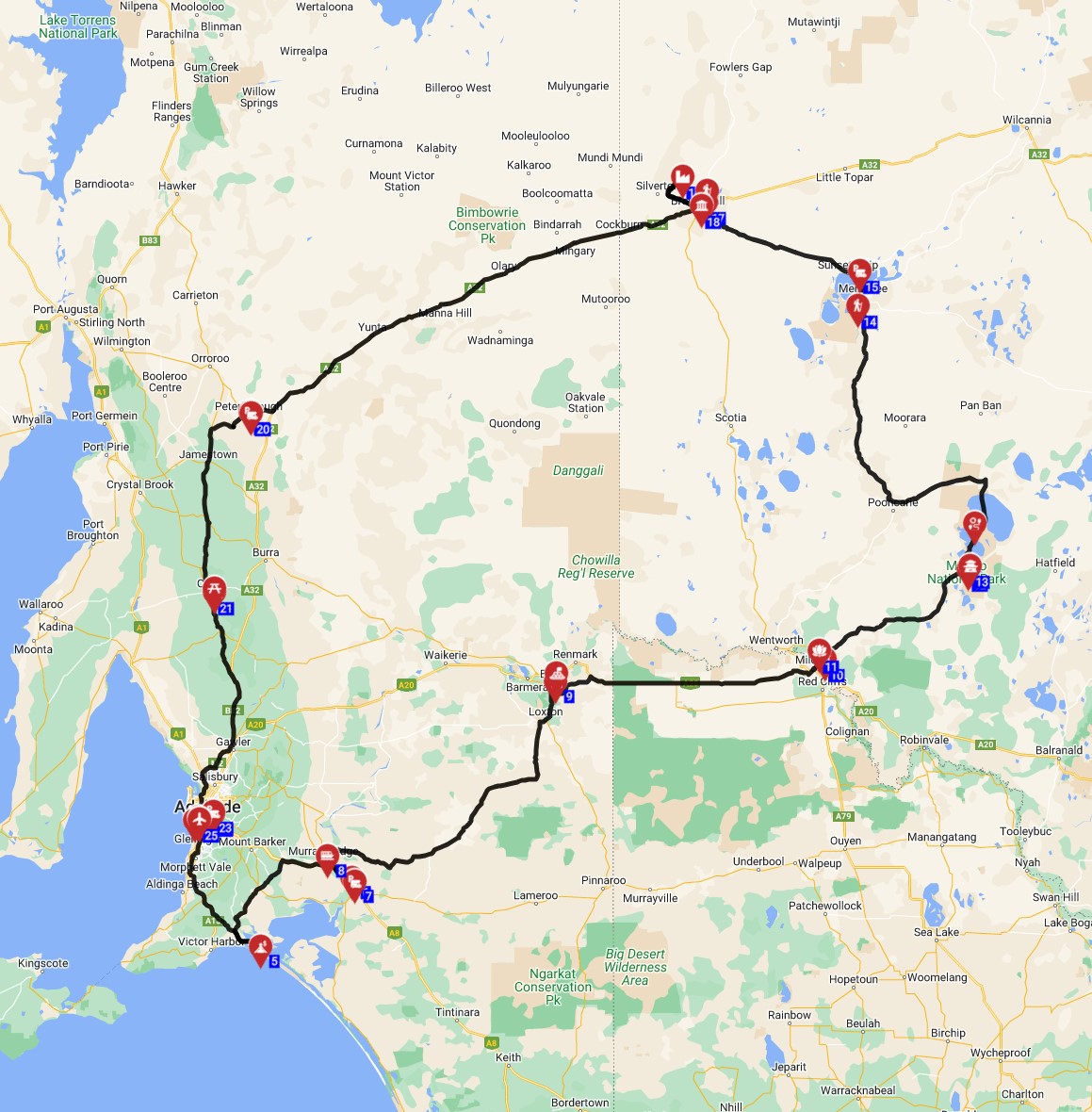
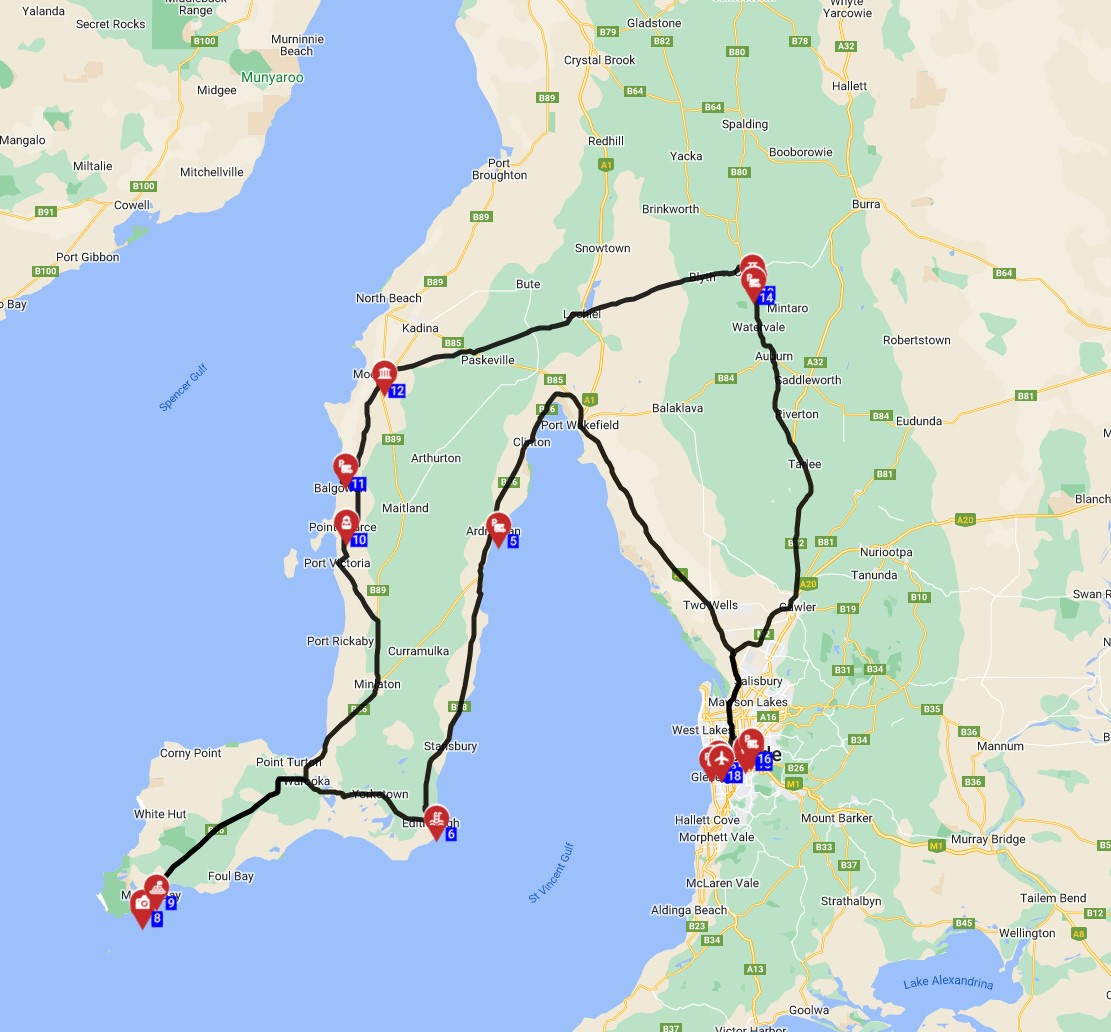
- Days 12-14: Fleurieu Peninsula & Coorong National Park (approx. 100-200 km loop from Adelaide) - Explore the stunning Fleurieu Peninsula with its beautiful beaches and charming towns. Conclude your journey with a visit to the Coorong National Park, a haven for birdlife and a tranquil waterway, before returning your motorhome in Adelaide.
This itinerary, like all well-crafted travel plans, emphasizes quality over quantity, ensuring you have the time to connect with each place. For easy budgeting and tracking every expense along the way, RV PLANET routes are invaluable, allowing travelers to itemize and manage every ancillary trip cost, including fuel, campground fees, and groceries. On the routes offered through RV PLANET routes, you can itemize and track every expense along the way for easy budgeting.
Recommended RVPlan Trip for Australia
Bandana RV, through our sister company RV PLANET (rvplan.net), offers meticulously crafted itineraries and route plans by professionals, making your Australian RV trip seamless. These pre-planned routes account for optimal driving distances, key attractions, and practical stops, transforming complex trip planning into an enjoyable experience. We offer a 25% planning discount for using rvplan.net to encourage hassle-free travel.
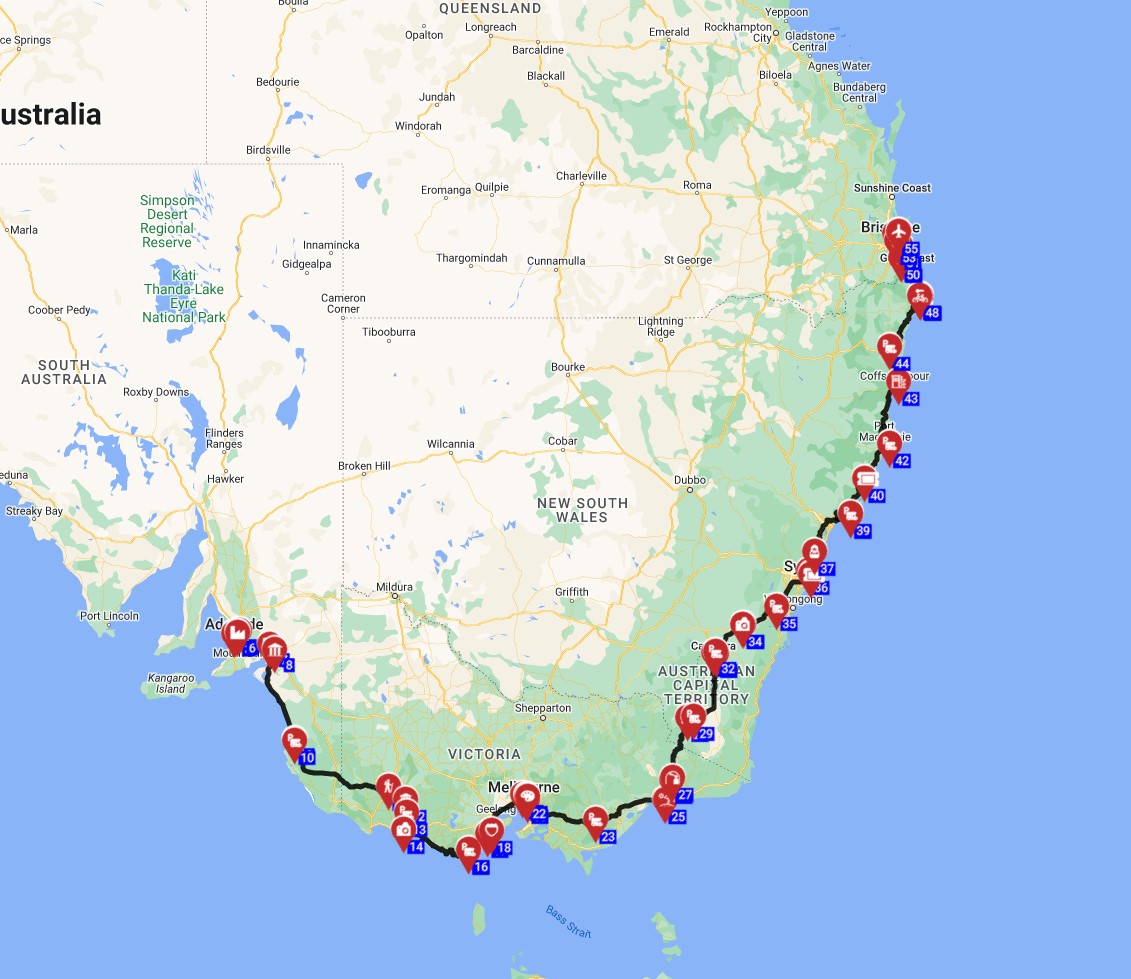
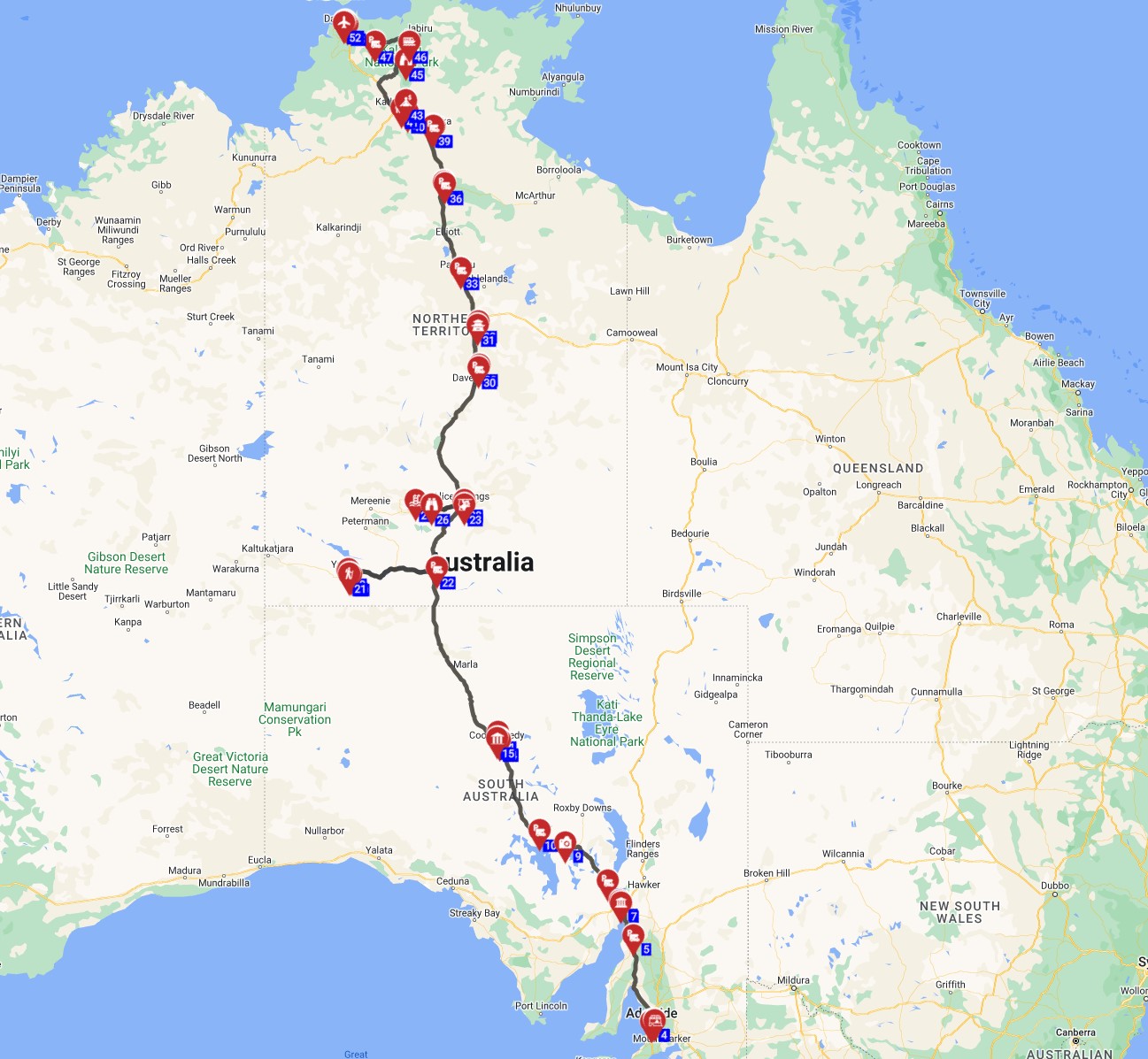
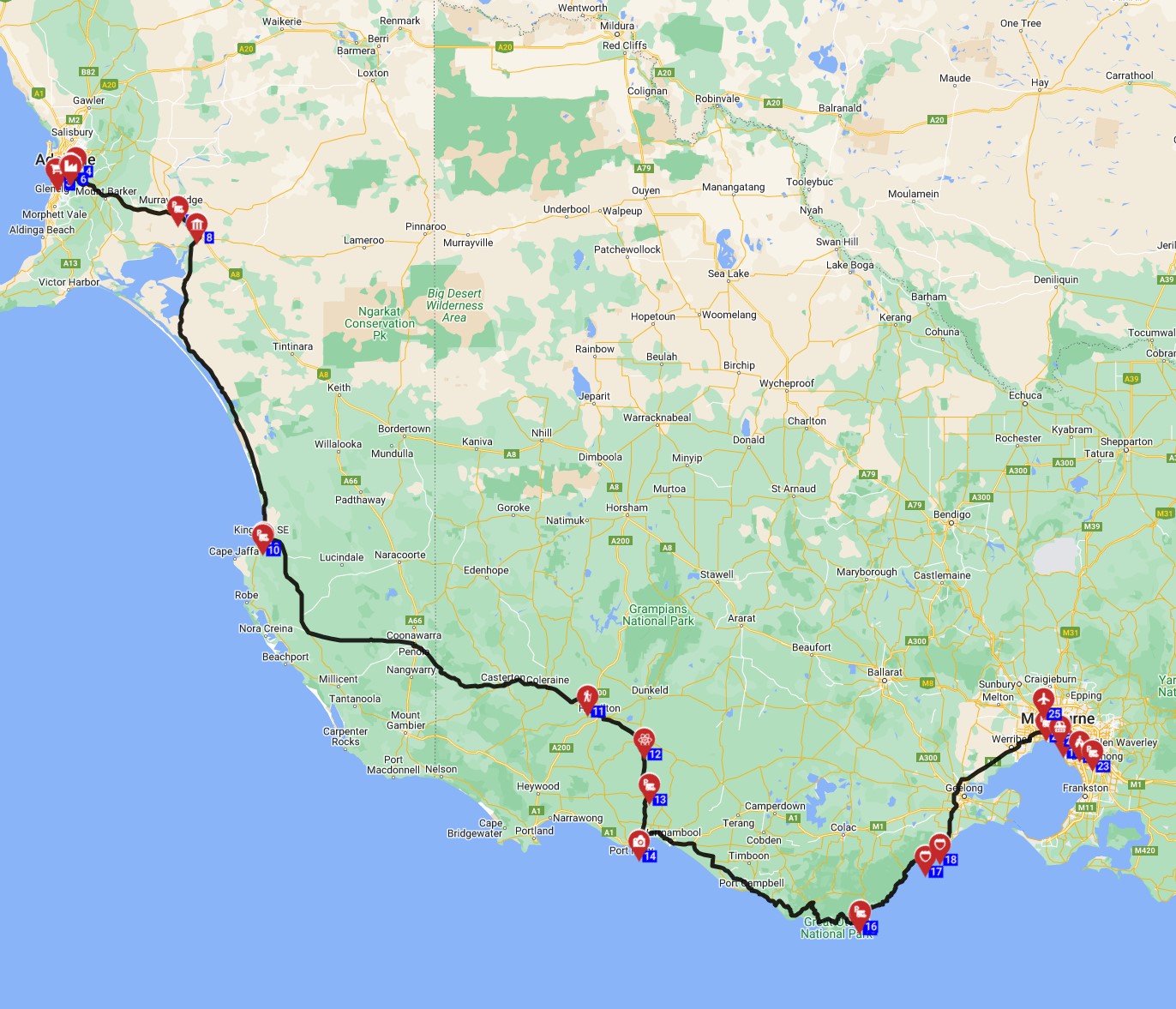
One such comprehensive option is the "Melbourne to Darwin - Australia’s Heartline Road Trip," a 26-day journey spanning an impressive 5622.8 km. This route guides you from the cultural capital of Melbourne through the red heart of Australia all the way to the tropical top end of Darwin, encompassing 2 wildlife shows, 1 aquarium, 1 art gallery, 1 beach, 1 botanical garden, 1 canoe/kayak/rafting experience, 1 cave, 1 day tour, 1 extreme activity, 2 family activities, 2 heritage sites, 5 hiking areas, 2 historical sites, 1 horseback riding adventure, 1 local industry visit, 3 museums, 4 natural features, 1 park, 1 picnic area, 5 points of interest, 2 scenic routes, 1 spa/terme, 1 swimming spot, 1 tourist attraction, 1 traditional market, 2 traditional restaurants, and 3 traditional visits, plus a zoo.
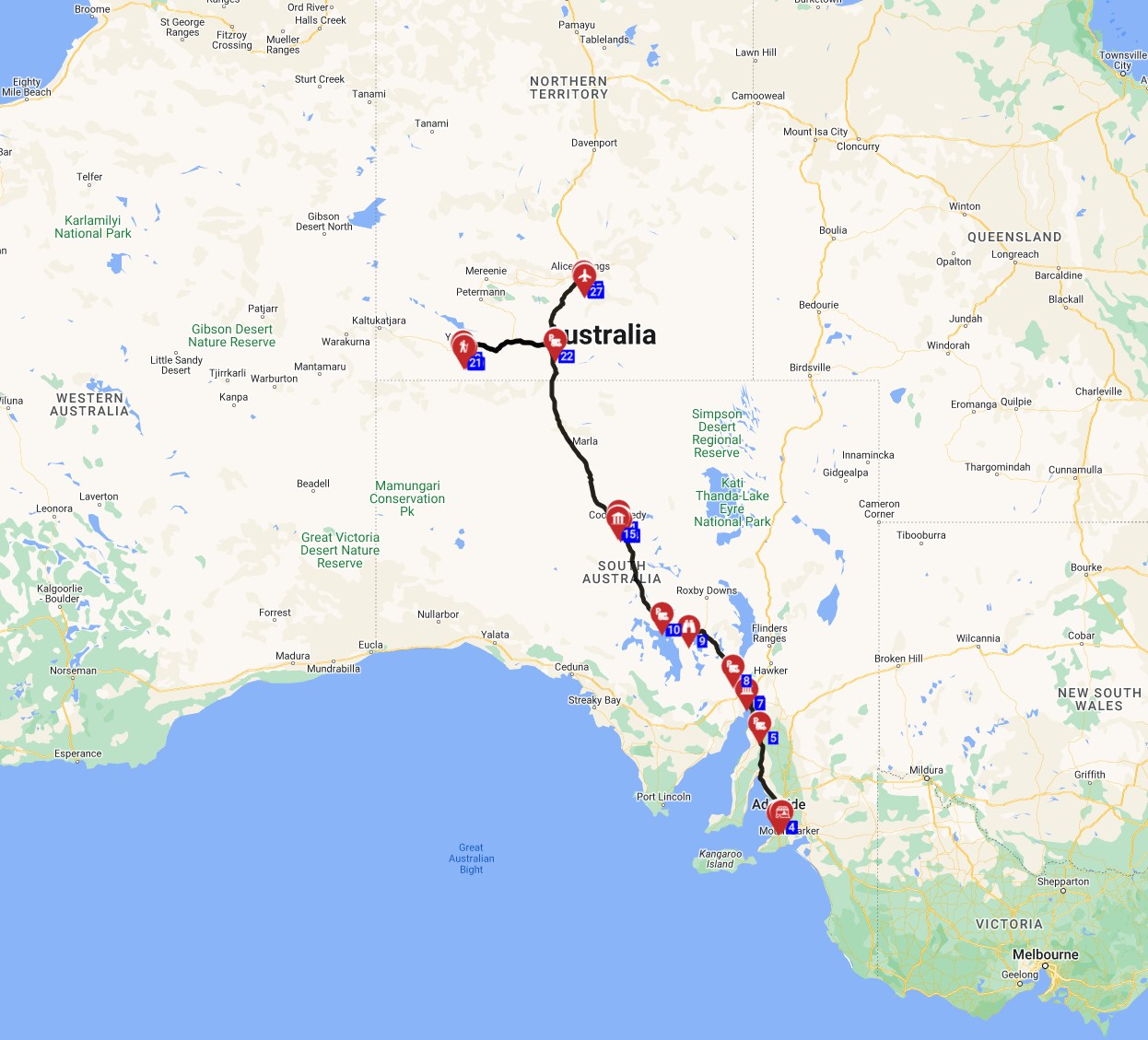
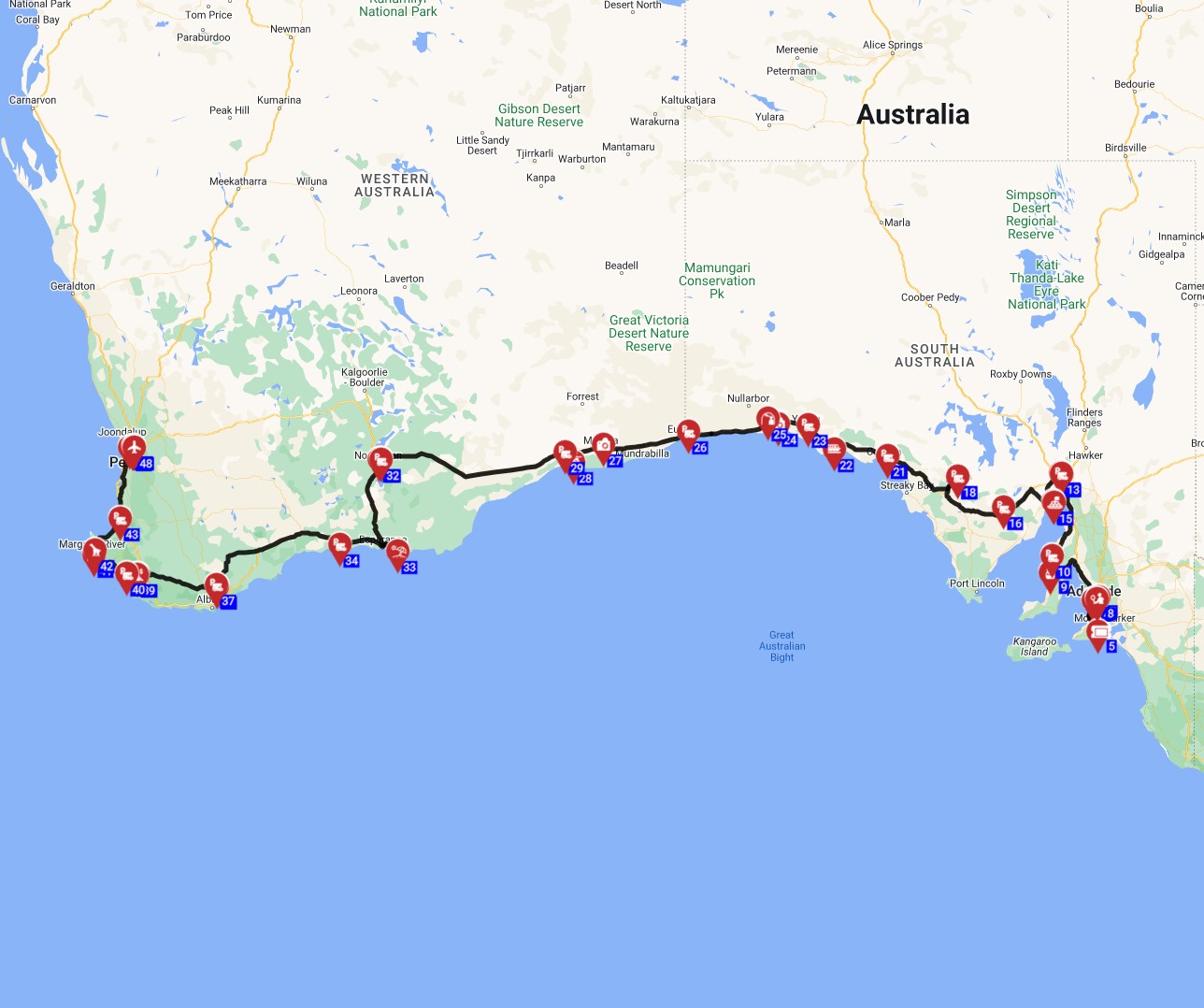
Another incredible option for exploring Western Australia's vast landscapes is the "Perth to Alice Springs - The Dreamtime Highway: A Journey Through Australia's Heart." This 21-day expedition covers 5447.3 km, taking you from the west coast to the spiritual heart of the continent. It includes 2 animal shows, 1 beach, 1 botanical garden, 1 canoe/kayak/rafting experience, 1 cave, 1 cruise/sailing opportunity, 1 day tour, 1 family activity, 1 heritage site, 2 hiking areas, 1 historical site, 2 local industry visits, 3 museums, 4 natural features, 5 points of interest, 3 tourist attractions, 2 traditional restaurants, 2 traditional visits, and 1 zoo.
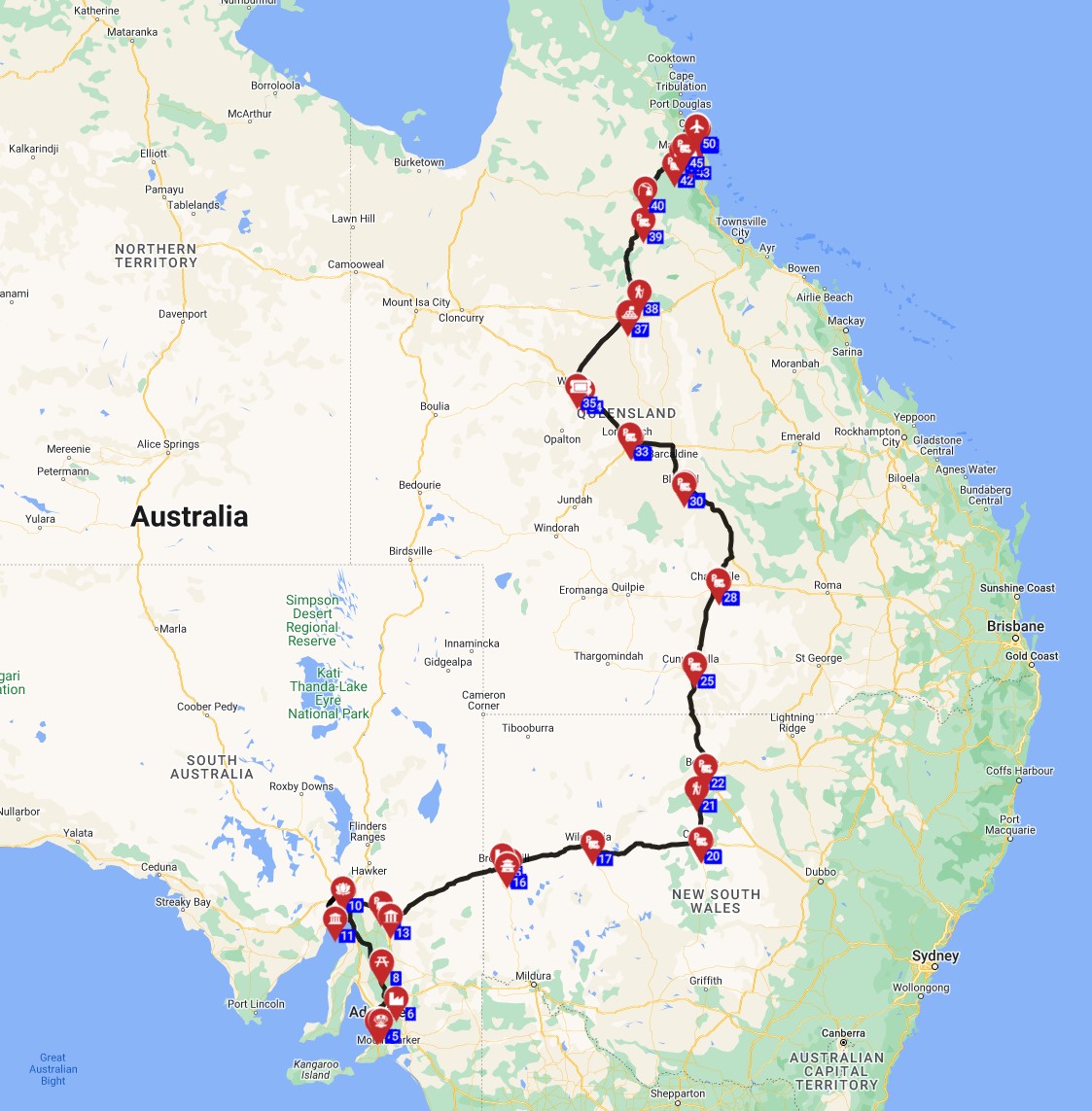
For those looking to explore Australia's tropical north and its dramatic transition to the Red Centre, the "Cairns to Alice Springs - Northern Horizons: A Journey Through Australia's Heartland" offers a 17-day, 4003.6 km journey. This adventure is packed with experiences, including 1 animal show, 1 art gallery, 1 botanical garden, 2 caves, 1 cruise/sailing trip, 1 day tour, 1 heritage site, 3 hiking areas, 1 museum, 2 natural features, 1 point of interest, 1 scenic route, 1 science site, 2 swimming spots, 2 tourist attractions, 1 traditional restaurant, 2 traditional visits, and 1 zoo.
Must-See Stops Along the Way (Avi Bandana Picks)
Looking for expert insights from Avi Bandana? Top 5 Adventures - recommendations from Avi Bandana:
- Tjapukai Aboriginal Cultural Park (near Cairns): Immerse yourself in the ancient culture of Australia's Indigenous people through dance, storytelling, and bush food demonstrations. It’s a powerful experience that connects you to the land's original custodians.
- Byron Bay Hinterland (New South Wales): Beyond the famous beaches, the Byron Hinterland offers charming small towns like Bangalow and Federal, local artisan markets, and stunning views. Explore local coffee plantations and organic farms.
- Fremantle Markets (Perth): A vibrant hub of local produce, street food, and artisan crafts, offering a genuine taste of Western Australian life. It’s a great spot to try fresh local delicacies and soak in the atmosphere.
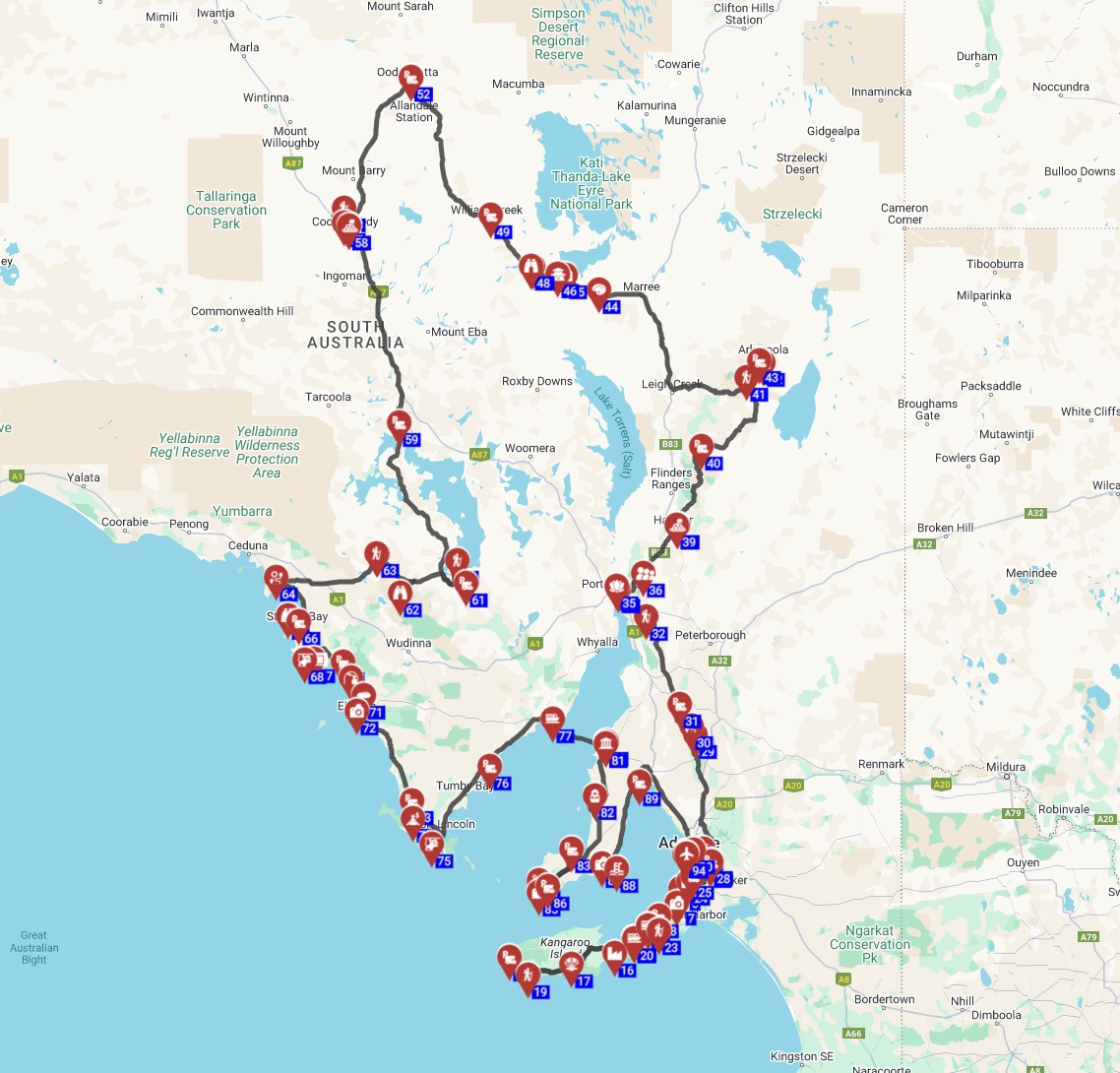
- Flinders Ranges National Park (South Australia): Venture into the rugged beauty of this ancient mountain range. It's a land of dramatic gorges, red gum forests, and incredible wildlife, offering a taste of the Outback without going too far off the beaten track.
- Tasman Peninsula & Port Arthur Historic Site (Tasmania): Experience Australia's convict history at the UNESCO World Heritage-listed Port Arthur. Combine it with stunning coastal walks and local seafood. For more inspiration, explore our RV PLANET routes to find itineraries that include these unique stops.
Daily Driving Distances & Drive Times in Australia
To ensure a relaxed and enjoyable road trip experience in Australia, Avi Bandana recommends maintaining an average daily driving distance of no more than 100 miles or 150 km. This pace allows ample time for spontaneous sightseeing, breaks for photo opportunities, and unexpected discoveries, which are often the highlights of any RV adventure, while preventing driver fatigue on Australia's long roads.
For example, a drive from Sydney to the picturesque Blue Mountains is approximately 100 km, taking about 1.5-2 hours. Similarly, the scenic route from Melbourne to Phillip Island covers around 140 km, requiring approximately 2 hours of driving. These manageable distances leave your afternoons and evenings free to explore your destination, set up camp comfortably, and truly soak in the unique Australian environment. For a larger country, check out our guide "RV Rental Deals in Australia - Latest Offers 2026" for more flexible booking options.
Best RV Class for This Itinerary - Couple & Family Picks
Choosing the right rented motorhome or campervan for your Australian itinerary depends heavily on your group size and desired comfort level. Bandana RV offers a range of vehicles suitable for various adventures across Australia.
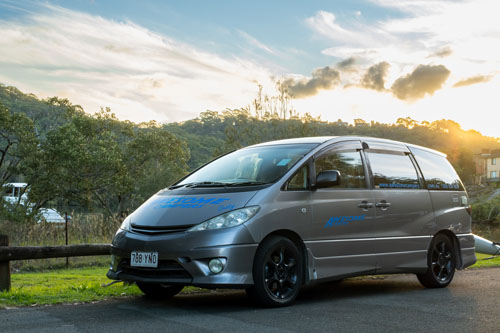
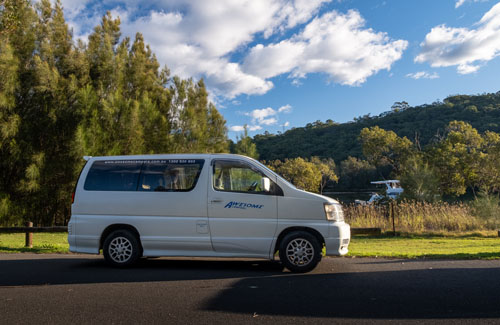
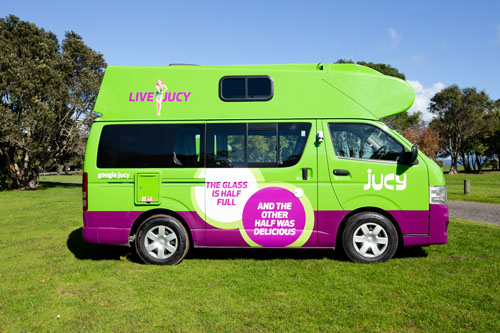
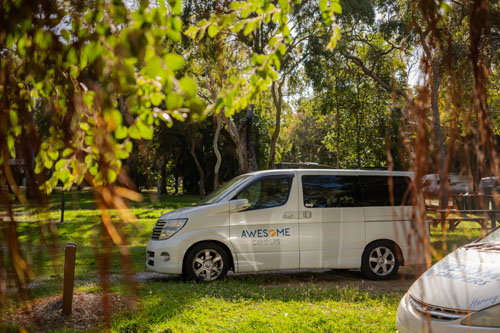
For couples embarking on an Australian road trip, a Class B - Camper Van is often the ideal choice. These compact and agile vehicles, such as an "Active Pop Top" campervan, average around 5.99m in length, offering sleeping for up to 4, including a double bed (127/183cm). They are easy to drive and park, making them perfect for navigating both city streets and national park roads. Fuel efficiency is a key benefit, with these campervans typically consuming around 12 Liters/100km, and featuring a 90-liter fresh water tank, 2-burner stove, and 90-liter refrigerator for comfortable self-sufficiency. For specific details on vehicle availability, explore our options to find rv Rentals in Australia.
For families with kids or larger groups of 4-6 people, a Class C - Alcove motorhome provides significantly more space and comfort. A "4 Berth Adventurer" motorhome, for instance, typically measures around 7.4m long and comfortably sleeps 4. These larger motorhomes are equipped with more extensive living amenities, including a 190-liter refrigerator, a 125-liter fresh water tank, a 4-burner gas stove, and ample storage, with fuel consumption around 14 Liters/100km. Despite their size, they are straightforward to drive: drive slowly and carefully, and you can drive almost anywhere without issues. No need to stress - just use common sense and pay attention. Rent&Plan offers customized itineraries with RV rental, simplifying trip planning for a seamless experience. The minimum rental age for all motorhome classes in Australia is 21, and there are no young driver surcharges.
What is the most beautiful road trip in Australia?
Australia boasts an incredible array of scenic road trips, and the definition of "most beautiful" truly depends on your personal preferences for scenery, desired activities, and the type of rented RV you have. For coastal grandeur, the Great Ocean Road in Victoria, a 240 km stretch of rugged coastline with iconic rock formations, is often cited. If you dream of an adventurous journey through a remote and wild landscape, the Gibb River Road in Western Australia offers a spectacular, though challenging, 660 km route through the Kimberley region, best suited for 4WD campervans.
Other top contenders include the Pacific Coast Touring Route from
Can you park an RV anywhere in Australia?
No, you cannot legally park a rented RV anywhere in Australia; overnight parking and free camping are subject to strict local council regulations, national park rules, and private land ownership. It is crucial to understand that while "free camping" exists, it is limited to specifically designated areas, often found in regional parks or rest stops, and not available just anywhere you choose to pull over.
Designated caravan parks, free camping zones (which can be located using apps like WikiCamps AU), and private campgrounds are the primary legal options for overnight stays. Always research specific state and territory regulations regarding roadside stops, national park permits (which often require booking well in advance and may have fees), and respect Aboriginal land access laws. Ignorance of these rules can lead to fines and, more importantly, disrespect to local communities and environments. Our true RV specialists recommend always planning your overnight stops ahead, especially in popular areas, to avoid any surprises. For more details on budgeting all your trip costs, including campsite fees, refer to RV PLANET routes.
What is the best RV in Australia?
The "best" rented RV in Australia is entirely dependent on your planned itinerary, desired comfort level, group size, and the specific terrains you intend to cover. For travelers sticking mostly to sealed roads and popular coastal touring routes, a comfortable 2WD campervan or a larger Class C motorhome is an excellent choice. These vehicles offer amenities like showers, toilets, and kitchens, making them ideal for families or couples seeking home-like comfort.
For instance, a "Active Pop Top" (Class B campervan) measuring 5.99m is perfect for 2-4 people on coastal roads, offering a 90-liter freshwater tank and a 90-liter fridge with a fuel consumption of approximately 12L/100km. A larger "4 Berth Adventurer" (Class C motorhome) at 7.4m is suitable for families of up to 4, providing a 190-liter fridge and 125-liter water tank, consuming about 14L/100km. However, for adventurous remote Outback travel, a sturdy 4WD campervan like the "4x4 Camper B - TYR" (Class TC - Truck Camper, sleeping 4) is essential. These vehicles are designed to handle unsealed roads and rugged conditions, consuming approximately 12-14L/100km. Such journeys often require specific vehicle recovery knowledge, preparedness for extreme heat, and an understanding of limited services. Bandana RV specializes in motorhome rentals and our fleet includes options from leading suppliers like Apollo and Britz, ensuring you find the perfect vehicle for your adventure.
How long does it take to travel around Australia in a campervan?
A comprehensive full lap of Australia in a rented campervan typically requires anywhere from 6 to 12 months to thoroughly experience its diverse regions and unique attractions without rushing. This extended duration allows travelers to follow optimal seasonal weather patterns, explore remote areas, and truly immerse themselves in the local culture.
However, many travelers opt for shorter, more focused trips. Popular regional circuits, such as exploring the East Coast from Sydney to Cairns or a loop through Western Australia's South West, can be comfortably enjoyed in 2-4 weeks. Our suggested 7-day and 14-day itineraries demonstrate that even shorter periods can yield incredibly memorable Australian RV adventures, offering a taste of the continent's highlights. Remember, with a rented RV, you set the pace, and even a two-week adventure can be profoundly rewarding.
What is the 333 rule for campervan?
The '333 rule' is a practical guideline for safe and enjoyable campervan travel, particularly relevant in vast countries like Australia, suggesting that travelers drive no more than 300 km in a day, stop driving by 3 PM, and ideally stay in one location for at least 3 days. This rule is designed to combat driver fatigue, especially on long, monotonous stretches of highway, and to minimize the risk of hitting wildlife that becomes more active at dusk.
Adhering to the 333 rule promotes slow travel, allowing ample time to set up your rented motorhome at a campsite, explore local areas, and truly immerse yourself in the destination, rather than rushing from place to place. It also provides a crucial buffer for unexpected delays or remote area breakdowns, enhancing safety and overall enjoyment. By following this common-sense approach, you'll make the most of your Australian RV experience.
What not to do in Australia as an American?
When traveling in Australia as an American, it is crucial to avoid several common pitfalls to ensure a safe, respectful, and enjoyable trip. First, never underestimate distances and travel times; Australia is vast, and many roads can be remote with limited services. Always carry sufficient water, fuel, and communication devices (like a satellite phone or UHF radio) for remote areas, addressing a significant value gap in preparedness.
Second, do not ignore safety warnings about Australia's unique wildlife; kangaroos, emus, and venomous animals (snakes, spiders) are common, especially at dawn and dusk on country roads. Always drive cautiously and be aware of your surroundings. Third, avoid swimming outside designated patrolled areas or ignoring signs warning of dangerous marine life such as crocodiles and jellyfish in northern waters. Fourth, it is vital to respect local laws and cultural etiquette, particularly regarding Indigenous lands and sacred sites; always seek permission before entering private or Aboriginal land, and never leave rubbish behind. Responsible tourism and preparedness for natural hazards like bushfires and floods are paramount, ensuring your adventure is both memorable and safe.
What are the top 3 tourist attractions in Australia?
While Australia offers an incredibly diverse range of attractions, the universally recognized top three tourist attractions are the Sydney Opera House, Uluru (Ayers Rock), and the Great Barrier Reef. The Sydney Opera House stands as an architectural marvel on Sydney Harbour, a global icon of arts and culture. Uluru, in the Northern Territory's Red Centre, is a sacred monolith of immense spiritual significance to Indigenous Australians, offering breathtaking sunrises and sunsets.
The Great Barrier Reef, off the coast of Queensland, is the world's largest coral reef system, teeming with marine life and a UNESCO World Heritage site perfect for diving, snorkeling, or scenic flights. Beyond these major landmarks, RV travelers often find their "top" attractions include the journey itself, discovering stunning national parks like the ancient Daintree Rainforest, hiking in the dramatic Blue Mountains, or experiencing the vibrant cultural scenes of cities like Melbourne and Perth. These self-driven adventures allow for a unique connection to Australia's natural and cultural heritage.
How many days are enough for an Australia trip?
For a truly meaningful Australia trip, a minimum of 7 to 14 days is recommended to allow for comfortable exploration of a specific region, such as the East Coast or a significant portion of the Outback, without feeling rushed. This duration permits adherence to the recommended slow travel pace of 100-150 km per day.
To truly immerse yourself and cover significant ground, like a multi-state journey from
What is the best month to go to Australia?
The best month to visit Australia largely depends on the specific region you plan to explore, as the continent experiences diverse climates, ranging from tropical in the north to temperate in the south. For Southern Australia, encompassing popular destinations like Sydney, Melbourne, Adelaide, and Perth, spring (September-November) and autumn (March-May) offer the most pleasant temperatures, fewer crowds, and ideal conditions for outdoor activities.
Conversely, for Northern Australia, including tropical hotspots like Cairns, Darwin, and the remote Outback, the dry season (May-October) is highly recommended. This period avoids the extreme heat, humidity, and monsoonal rains of the wet season, making conditions much more comfortable for exploring rainforests, waterfalls, and national parks. Tasmania, with its cooler climate, is best enjoyed during the Australian summer (December-February), when temperatures are mild and daylight hours are long. Planning your itinerary around these regional climate patterns is key to an enjoyable RV rental adventure in Australia.
Top Cities for RV Rental in Australia
Australia's vastness means you have excellent RV rental options in many key cities, providing convenient starting points for your adventures. Bandana RV partners with over 50 leading RV suppliers worldwide, including trusted names like Apollo and Britz, to offer you a wide selection of motorhomes and campervans across the continent. You can easily compare Motorhome Prices for Australia across these suppliers.
- Sydney: The iconic gateway to Australia, perfect for starting East Coast adventures towards the Blue Mountains or up to Brisbane.
- Melbourne: A cultural hub that serves as an ideal base for exploring the Great Ocean Road, Phillip Island, or regional Victoria.
- Brisbane: Queensland's capital, offering access to the Sunshine Coast, Gold Coast, and northern adventures.
- Adelaide: Gateway to South Australia's wine regions, the Flinders Ranges, and the stunning Fleurieu Peninsula.
- Perth: The vibrant capital of Western Australia, launching point for trips along the coastline or into the Outback towards Alice Springs.
- Cairns: Your entry point to tropical North Queensland, the Great Barrier Reef, and the ancient Daintree Rainforest.
- Darwin: The capital of the Northern Territory, ideal for exploring Kakadu and Litchfield National Parks.
- Hobart: Tasmania's charming capital, offering access to the island's unique wilderness and coastal beauty.
Picking up your rented RV in one city and dropping it off in another is often possible with one-way rentals, though a drop-off fee may apply depending on the route and distance. This flexibility allows you to craft the perfect itinerary without backtracking.
Practical Road Trip Information for Australia
🎬 Video coming soon
Navigating Australia by rented motorhome is an incredible experience, but it's essential to be prepared with some key practical information. Australia drives on the left-hand side of the road, and all rental motorhomes (Class A, Class B, and Class C) can be driven with a standard car driver's license. An International Driving Permit (IDP) is recommended for visitors from non-English-speaking countries, but it is not mandatory in most cases.
Speed limits are generally 50 km/h in urban areas, 100 km/h on open roads, and up to 110 km/h on major highways, though always check local signage. Fuel is readily available in populated areas, but it's crucial to fill up at every opportunity when venturing into remote regions, as services can be hundreds of kilometers apart. Toll roads, particularly around major cities like Sydney, are often electronic, so ensure your rental supplier provides a pass or transponder. For emergency services, dial 000 (Police, Fire, Ambulance). Staying connected is easy with local SIM cards from providers like Telstra, Optus, or Vodafone, offering good coverage in most populated areas, though remote Outback regions may have limited or no mobile service, necessitating offline maps and potentially a satellite phone for safety. Our service ensures 24/7 support for any pre-booking queries or during your booking process.
Final Thoughts
Embarking on a rented RV adventure in Australia offers unparalleled freedom and the chance to create truly unforgettable memories. Whether you opt for a week-long trip along the stunning East Coast or an extended journey into the country's heart, careful planning and the right vehicle will make all the difference. Remember our tips on slow travel, preparing for local conditions, and utilizing resources like RV PLANET to make your trip as smooth and enjoyable as possible.
Australia's diverse landscapes, from vibrant cities to ancient wildernesses, are best experienced at your own pace, with the flexibility only a motorhome can provide. We're here to support you every step of the way, from comparing prices to ensuring you have all the necessary information for a seamless journey. So, pack your bags, choose your perfect rented RV, and get ready to discover the magic of Australia.
Get inspired for your next trip! Discover top destinations, planning tips, all in one place, or plan a trip itinerary in advance with minimal effort and maximum enjoyment. Check Australia RV Rental Prices Now to start your adventure!