In This Guide
- Can You Drive an RV in Texas? License & Age Rules
- Road Conditions & Terrain in Texas
- RV Size Limits, Bridges & Restricted Zones
- Fuel: Diesel vs. Petrol & Cost per 100 km
- Tolls, Vignettes & Border Rules
- Driving Tips for Last Minute RV Rental Travelers
- Recommended RV Class for Texas Roads
- Should I Choose a Compact Van Instead of a Large RV in Texas?
- Can I Park Anywhere? Free & Wild Camping Rules in Texas
- Can I Drive an RV Into the City Center? Heights, Tunnels & Local Signage
- How to Secure Last Minute RV Rentals in Texas?
- What Are the Costs of a Last Minute RV Rental in Texas?
- Where Can I Go on a Spontaneous RV Trip in Texas?
- What Are the Best RV Types for a Last Minute Texas Trip?
- What Last Minute Tips Do I Need for Driving an RV in Texas?
- What You Shouldn't Miss
- Why Book with Bandana Caravan
- Final Thoughts
- Frequently Asked Questions
Can You Drive an RV in Texas? License & Age Rules
Texas residents typically need a standard Class C driver's license for RVs under 26,001 pounds Gross Vehicle Weight Rating (GVWR), which covers most rental motorhomes. Larger RVs, including some Class A models exceeding 26,001 pounds, may require a Class B or Class A non-commercial license, although our rental fleet generally falls within the standard Class C limits. The minimum age to rent an RV in Texas with Bandana is 21, and we pride ourselves on offering full access to our diverse fleet without young driver surcharges or vehicle class restrictions based on age. Foreign visitors can usually drive a rented RV in Texas for up to one year with a valid driver's license from their home country; an International Driving Permit (IDP) is recommended for licenses not in English to ensure smooth interactions with local authorities. Always carry your valid driver's license and any recommended permits while traveling.Road Conditions & Terrain in Texas
Texas features diverse terrain, from the flat plains of the Panhandle and coastal areas along the Gulf to the rolling hills of the Hill Country and the mountainous Big Bend region. These varied landscapes are all accessible via generally well-maintained state highways and interstates, providing a fantastic network for RV travel. While major roads are excellent, be prepared for narrower, winding roads in the scenic Hill Country and potentially unpaved paths leading to some state parks or dispersed camping sites. Urban areas like Houston, Dallas, and Austin can experience significant traffic, so planning your routes and considering scenic alternatives is advisable for a spontaneous RV trip. For a truly enriching experience, we always recommend you travel slowly, averaging a maximum of 100-150 km per day. This pace allows you to truly feel the place, connect to the local culture, savor the food, and immerse yourself in the stunning scenery, avoiding the stress of rushing through the vastness of Texas.RV Size Limits, Bridges & Restricted Zones
Texas does not have widespread environmental zones restricting RVs, but drivers must always observe posted height and weight restrictions, particularly near low bridges and tunnels in urban or older areas. The maximum legal RV height in Texas is typically 14 feet (approximately 4.2 meters), maximum width is 8.5 feet (approximately 2.5 meters), and length limits generally allow single units up to 45 feet (approximately 13.7 meters). Ferry services, such as the Galveston-Port Bolivar ferry, comfortably accommodate RVs but may have specific length, weight, or propane limits, and waits can be expected, especially during peak travel times. Always pay close attention to road signage for posted limits when navigating off interstates or entering smaller towns and state parks. Drive slowly and carefully, and you can drive almost anywhere without issues. No need to stress - just use common sense and pay attention.Fuel: Diesel vs. Petrol & Cost per 100 km
Most Bandana rental RVs in Texas use either diesel, common in larger Class C and A models, or petrol, prevalent in Class B campervans. Understanding your vehicle's fuel type and efficiency is crucial for budgeting. For instance, a rented Class SI RV typically consumes 10–11 Liters/100 km, while Class C models average 10–12 Liters/100 km, and nimble Class B campervans consume around 8-10 Liters/100 km. Larger Class A motorhomes generally use 8-12 Liters/100 km. Fuel availability is widespread across Texas, but planning stops for longer drives in the more rural areas, especially West Texas, is highly recommended. Estimate your fuel costs by multiplying average consumption by current Texas fuel prices, and remember that on RV PLANET routes, travelers can itemize and track every expense along the way for easy budgeting. You might also inquire about potential fuel discount cards offered with some Bandana partners to save on your spontaneous trip.Tolls, Vignettes & Border Rules
Texas has numerous cashless toll roads, especially around major cities like Dallas, Houston, Austin, and San Antonio, operating without a physical vignette system. Tolls are collected electronically via transponders, such as a TxTag, or by mail if you don't have a transponder, though the latter often incurs higher rates and administrative fees. When securing a last-minute RV rental in Texas, inquire if the rented RV includes an electronic toll pass, which ensures seamless travel and helps you avoid unexpected fines. Driving rental motorhomes into neighboring countries like Mexico typically requires specific permissions and insurance from the rental company, which is rarely permitted for last-minute bookings. If you are planning an extended trip that might take you into other states, refer to our "RV Rental USA - Complete Guide 2026" for broader information on travel across the country.Driving Tips for Last Minute RV Rental Travelers
For spontaneous RV trips in Texas, always account for increased stopping distances and wider turns, utilizing your mirrors frequently for safe navigation. Texas is vast, so if you're traveling with family, plan frequent stops every 2-3 hours to manage long distances and ensure a comfortable journey for everyone, especially the little ones. Budget-conscious last-minute renters should use apps to research fuel prices along their route and inquire about pre-paying tolls through their rental provider to save money. Always check Texas weather forecasts, as conditions can change rapidly from intense heat to sudden thunderstorms, necessitating flexible travel plans. Be aware of strong crosswinds, particularly in the open, flat regions of West Texas, which can significantly impact RV handling. Remember, Bandana is with you before, during, and after your booking, offering support for any questions about your rental. For additional pricing insights, check our "Cheap RV Rental in Texas - Budget Guide 2026".Recommended RV Class for Texas Roads
For a last-minute Texas RV adventure, a Class SI (Semi-integrated) or Class C (Alcove) motorhome offers an optimal balance of comfort, space, and drivability across diverse road conditions. Class SI RVs, averaging 6.9 meters (22.6 feet) in length with sleeping for 3-4 people, provide agile handling for highways and state park roads while maintaining ample living space. Vehicles like the "2 Berth Rover" or "Active Standard Auto" are great examples of Class SI models. Class C RVs, at an average of 7.5 meters (24.6 feet) and sleeping 4-6 people, are ideal for families or larger groups, offering more amenities and storage without being overly cumbersome on Texas's major routes. For example, a "24' Class C Motorhome" typically offers 5 sleeping places and an internal length of 7.46 meters. Both classes generally possess sufficient ground clearance for paved roads and light gravel, making them versatile for exploring various Texas landscapes. Consider checking our "RV Rental in Texas - Prices and Best Deals 2026" for more details on different vehicle classes.Should I Choose a Compact Van Instead of a Large RV in Texas?
While most RV sizes are manageable on Texas roads, a compact Class B Camper Van excels for spontaneous trips prioritizing maximum flexibility and ease of parking. Class B Camper Vans, averaging 5.8 meters (19 feet) in length, offer car-like maneuverability, making them ideal for navigating city centers or parking in standard spaces at popular attractions. Models like the "Active Pop Top" with an internal length of 5.99 meters and seating for 4, or a "Juliette 2-3" are excellent choices for couples or small families. They are particularly advantageous for exploring remote state parks with narrower access roads or frequently visiting historic small towns such as those found in the Hill Country. However, if a last-minute Texas trip demands more indoor living space, greater amenities, or higher sleeping capacity for a group, a larger Class SI or C RV provides superior comfort. The choice ultimately balances the compact van's agility against a larger RV's enhanced living experience, with Texas roads generally accommodating both options. Our "Luxury RV Rental in Texas - Premium Prices 2026" guide offers insights into larger, amenity-rich options.Can I Park Anywhere? Free & Wild Camping Rules in Texas
Free or 'wild camping' in Texas is generally restricted on private land without explicit permission and is largely prohibited in state parks and most public lands, requiring designated campsites. Dispersed camping may be permitted in specific National Forests and Grasslands, such as the Sam Houston National Forest, but requires strict adherence to Leave No Trace principles and local regulations. Many Texas cities have ordinances prohibiting overnight RV parking on city streets or in public lots; always look for posted signage and obey local laws. Some private businesses, like Walmart or Cracker Barrel, may allow overnight RV parking in their lots in Texas, but this requires obtaining permission from the individual store manager upon arrival. Rules vary by region, so always check local regulations and follow local law before parking overnight. For finding campsites and campgrounds during your trip, we recommend using RV PLANET (rvplan.net) - a great resource for locating available spots along your route. You'll find a spot. If not at the first campground, then the next one. Call ahead before driving.Can I Drive an RV Into the City Center? Heights, Tunnels & Local Signage
Yes, you can generally drive a rented RV into Texas city centers, but it necessitates careful attention to local signage regarding height restrictions, low bridges, tunnels, and residential parking zones. Although Texas lacks emission-based environmental zones, historic districts or dense urban areas may have narrow streets or parking limitations unsuitable for very large RVs. Always observe posted height limits for overpasses, tunnels, and parking garages, as these can be significantly lower than the standard 14-foot legal limit. Planning your city route with an RV-specific GPS or mapping tool that considers your vehicle dimensions is highly recommended to avoid unforeseen obstacles. Drive slowly and carefully, and you can drive almost anywhere without issues. No need to stress - just use common sense and pay attention. If you're looking for last-minute options, remember to check "RV Rental Deals in Texas - Latest Offers 2026".How to Secure Last Minute RV Rentals in Texas?
Securing a last-minute RV rental in Texas often requires checking online platforms frequently for cancellations or newly added inventory, potentially within a week or two of your desired travel date. Flexibility in your RV class, pickup location within Texas, and specific travel dates significantly enhances your chances of finding spontaneous availability. For example, being open to picking up in Austin or Dallas instead of just Houston can expand your options dramatically. Consider utilizing reputable comparison platforms like Bandana, which aggregates availability from over 50 leading RV suppliers worldwide, including trusted names like El Monte, Cruise America, Apollo, and Britz. Booking during off-peak seasons or weekdays can increase availability and potentially result in more favorable rates for last-minute trips. Don't be afraid to be a spontaneous traveler - many national and state parks reserve only 25-30% of their spots, leaving the rest available on a first-come, first-served basis, which is great for last-minute adventurers.What Are the Costs of a Last Minute RV Rental in Texas?
The cost of a last-minute RV rental in Texas can fluctuate dynamically, potentially offering discounted rates for unbooked units or higher prices during peak demand. Prices are like flight tickets; they change daily based on availability, seasonality, and supplier marketing decisions. The final price is set at the actual booking time, so be prepared for variations. Primary costs typically include the nightly rental rate (which varies significantly by RV class and season), mileage fees, insurance, cleaning fees, and possible generator usage fees. A comprehensive budget for a week-long trip should also account for fuel (e.g., a Class C averaging 10-12 Liters/100 km), campground fees (ranging from $20-$100+ per night for developed sites), propane, dump fees, tolls, and groceries. When planning for varying group sizes, a "Van - Economy" might be around $100-$150/day for a couple, while a larger "C-30" Class C motorhome for 6-7 people could range from $200-$400+/day. We offer full price transparency with no hidden fees or conversion commissions, ensuring what you see is what you get. You can upgrade to a top-level deductible for extra peace of mind. For week-long trips, consult our "Weekly RV Rental in Texas - Pricing 2026" guide.🎬 Video coming soon
Where Can I Go on a Spontaneous RV Trip in Texas?
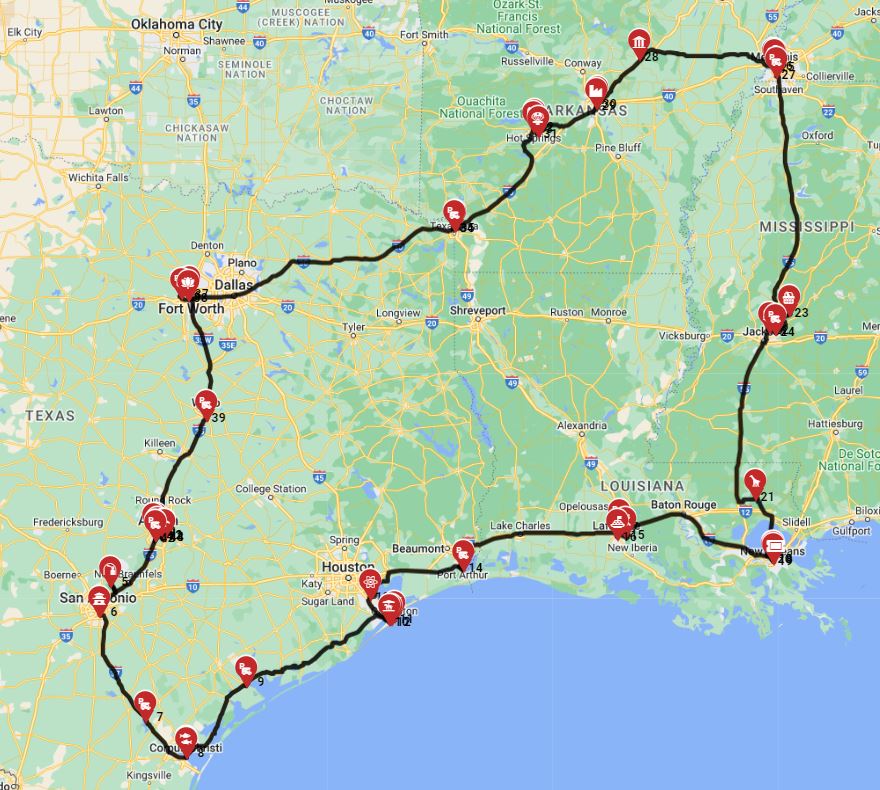
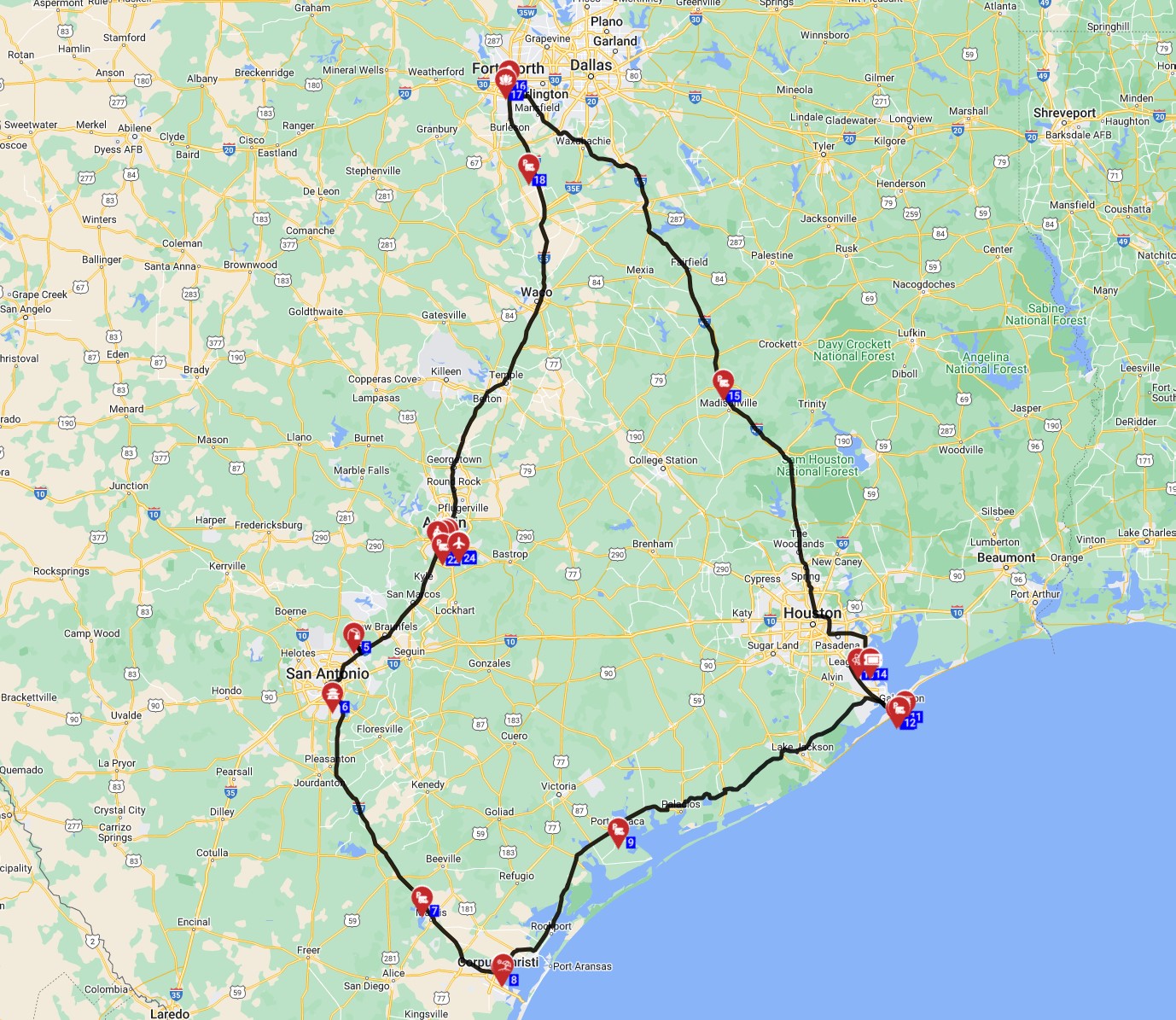
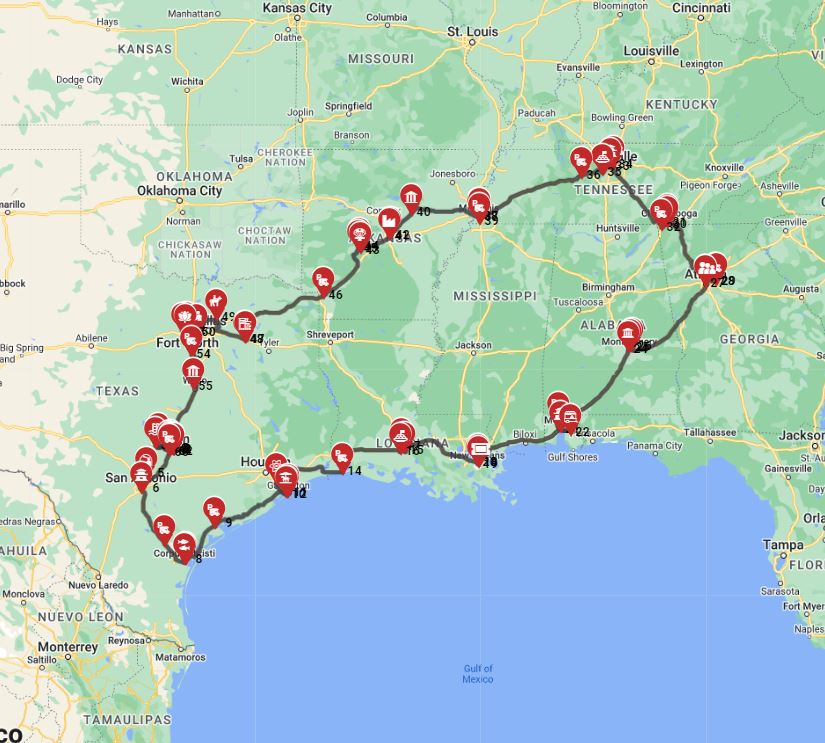
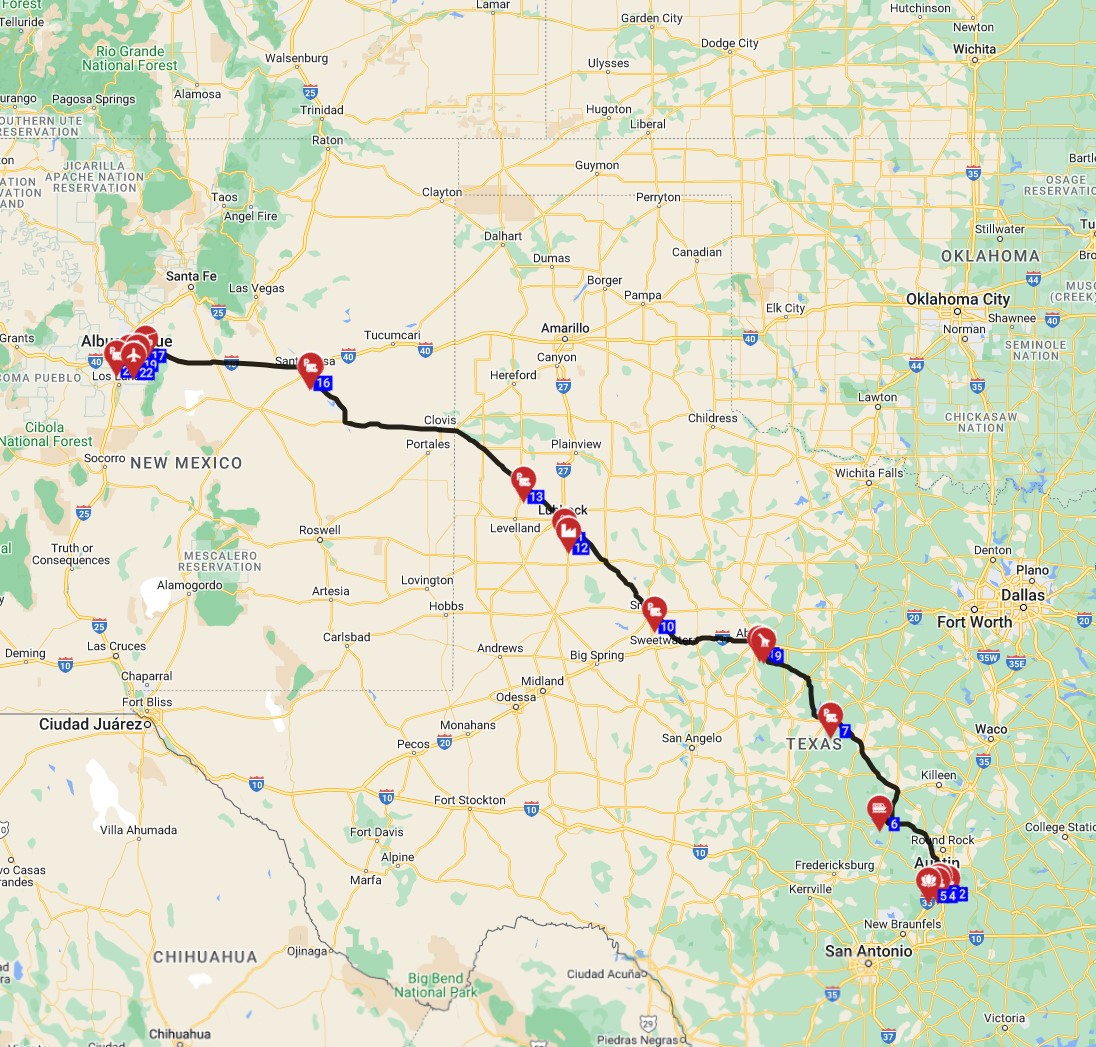
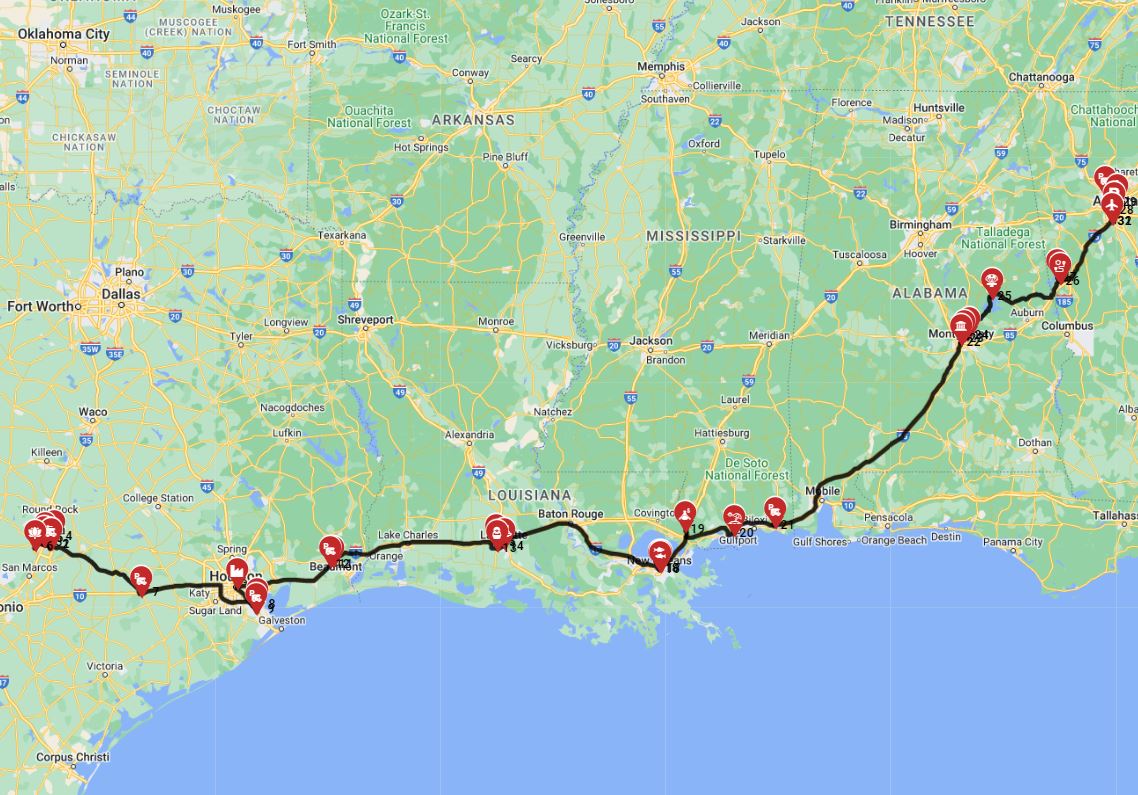
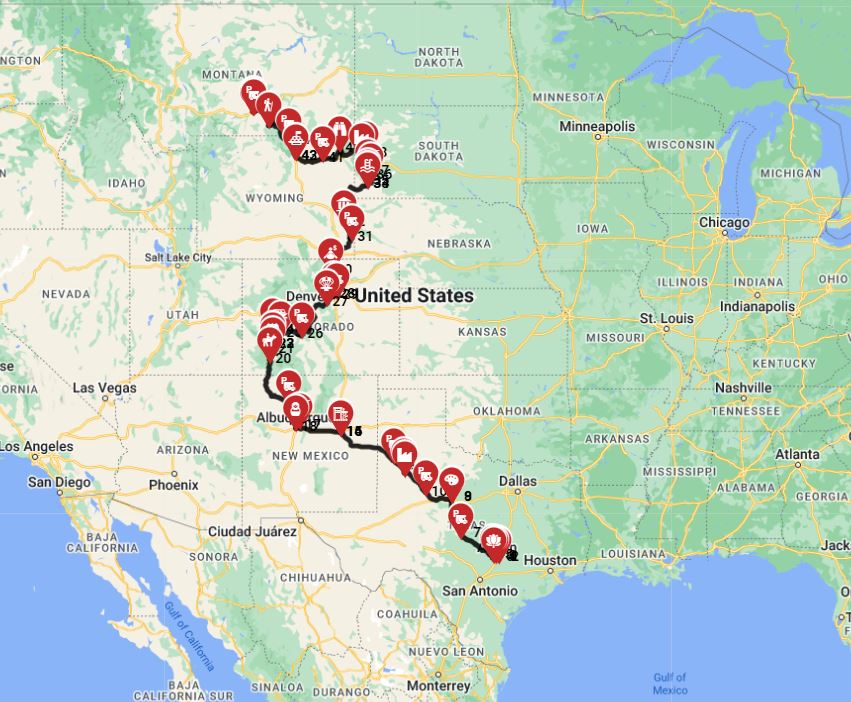
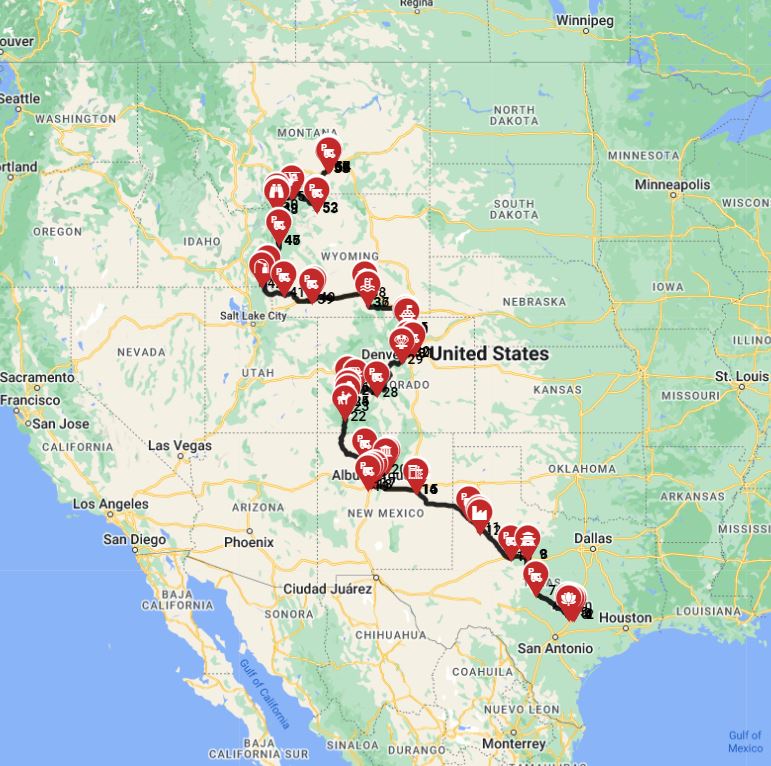
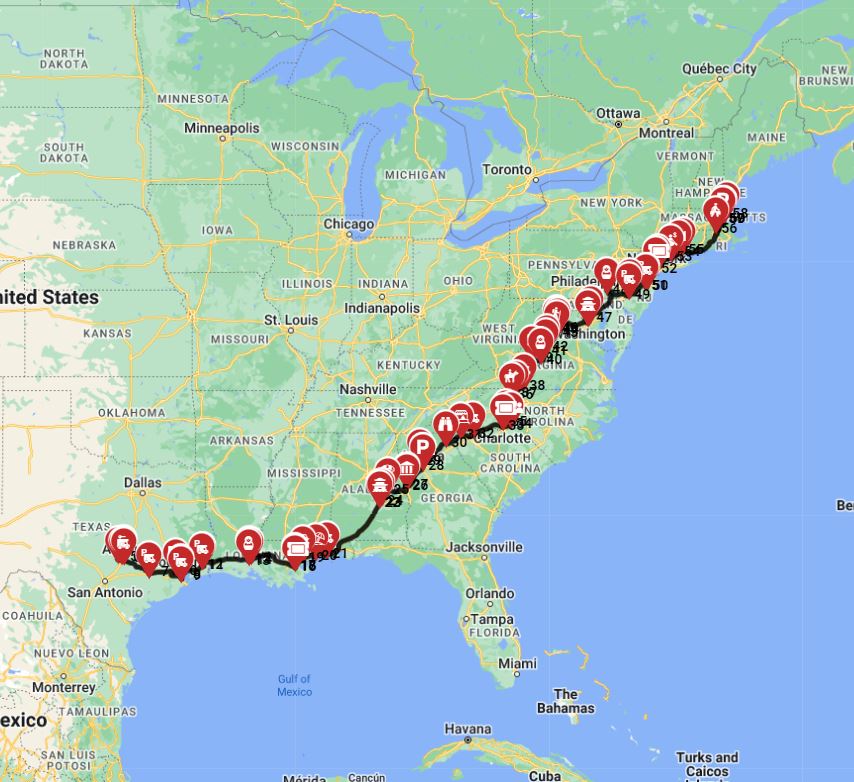
For a spontaneous RV trip in Texas, consider destinations with ample campgrounds and flexible attractions, such as the Texas Hill Country for its wineries and natural springs, or the Gulf Coast for beaches and fishing. State Parks like Garner State Park or Palo Duro Canyon offer stunning natural beauty and RV facilities, though last-minute campsite availability requires vigilant checking and calling ahead. Explore unique local food and drink trails, such as Central Texas BBQ routes or city breweries, which are highly accessible and enhanced by RV travel. Cooking on board your RV is a fantastic way to experience local flavors affordably; find inspiration in our RV-friendly recipes playlist. Lesser-known towns or county parks often provide charming, less crowded alternatives, perfect for a spontaneous exploration beyond typical tourist hubs. Cities like Austin, Dallas, Houston, Kingwood, and McKinney also offer great starting points for your adventure. Imagine yourself driving through the scenic roads of Texas, stopping whenever a view or a charming small town catches your eye. When thinking about planning a route, consider these options: The "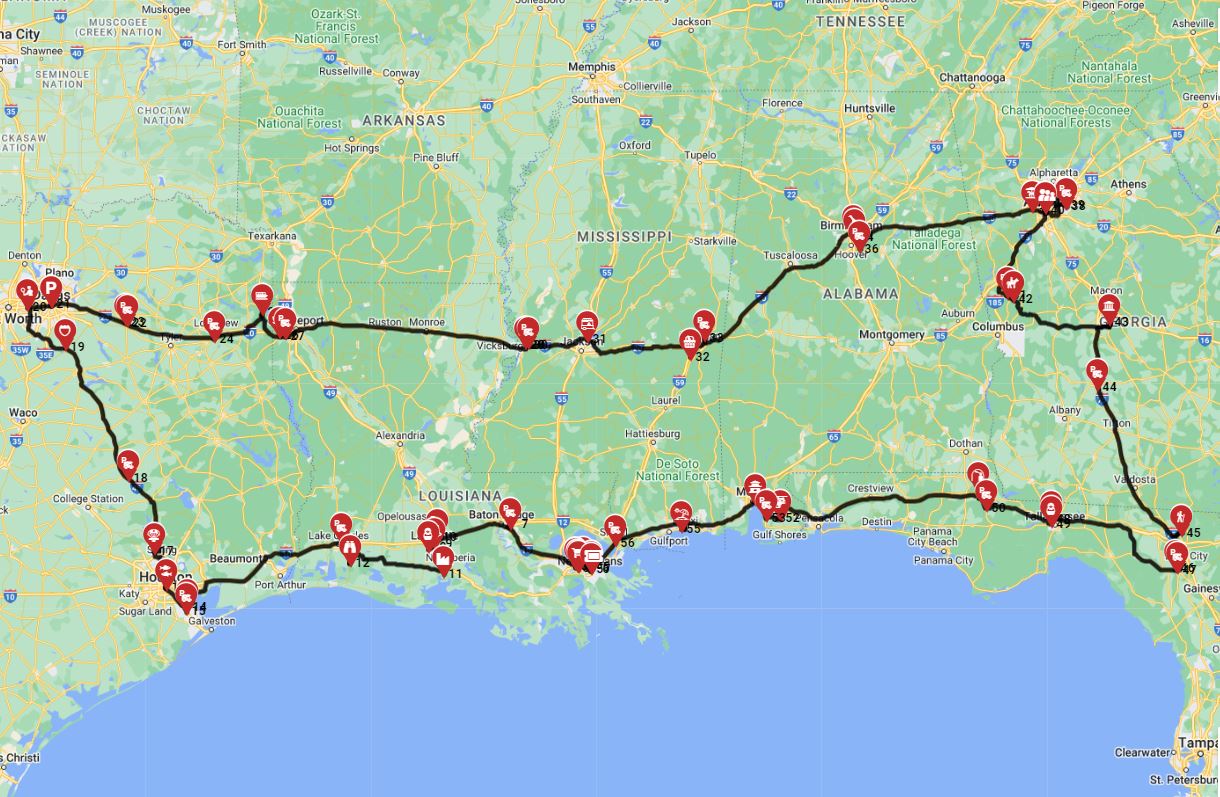
New Orleans roundtrip - New Orleans to the Heart of Texas and Beyond
What Are the Best RV Types for a Last Minute Texas Trip?
For a last-minute Texas RV trip, the best RV type balances immediate availability with your group's size and amenity needs. Class B Camper Vans and Class SI (Semi-integrated) motorhomes are often excellent choices due to their versatility and typically higher availability for spontaneous bookings. Class B Camper Vans, averaging 5.8 meters (19 feet) in length, are highly maneuverable and fuel-efficient (8-10 Liters/100 km), making them ideal for solo travelers or couples prioritizing agility and easy parking in both urban and natural settings. For instance, a "Combi Van" offers 4 sleeping places and measures 5 meters in length. Class SI (Semi-integrated) RVs, like the "Active Standard", typically 6.9 meters (22.6 feet) long and accommodating 3-4 sleeping places, provide more interior space and amenities than a Class B without the bulk of larger Class C motorhomes. The ease of driving and relatively compact size of these classes simplify finding last-minute campsites and navigating diverse Texas landscapes with minimal prior planning, allowing you to embrace the spontaneity of the open road. For those seeking premium options, our "Luxury RV Rental in Texas - Premium Prices 2026" guide can help.What Last Minute Tips Do I Need for Driving an RV in Texas?
Always perform a quick pre-departure safety check on tires, fluid levels, and secure all interior items before embarking on a spontaneous Texas RV adventure. Be prepared for Texas's diverse weather: pack for extreme heat in summer, sudden cold fronts in winter, and be aware of flash flood risks, especially off major highways. Plan your initial route to include known fuel and dump station locations, as last-minute decisions can lead to being in remote areas with limited services. Ensure reliable internet connectivity, as cellular service can be spotty in vast parts of West Texas, which is crucial for navigation or keeping in touch. Carry essential tools for minor repairs, a comprehensive first-aid kit, and sufficient water, particularly when exploring less-trafficked regions, where roadside assistance may take longer to reach you. We handle the details, you live the journey - personal service from day one until your booking is confirmed. If you're considering a one-way trip, check out our "One-Way RV Rental in Texas - Price Guide 2026".What You Shouldn't Miss
- **Big Bend National Park:** Immerse yourself in the vast, remote beauty of the Chihuahuan Desert, offering incredible hiking, river adventures on the Rio Grande, and unparalleled stargazing as an International Dark Sky Park.
- **Texas Hill Country Wine Trail:** Explore charming towns like Fredericksburg and enjoy tastings at dozens of vineyards, easily accessible with a rented motorhome, creating a delightful week-long trip.
- **Padre Island National Seashore:** Drive your campervan onto the longest undeveloped barrier island in the world (over 110 km) for unique beach camping, birdwatching, and fishing directly from your doorstep.
- **San Antonio's River Walk & Alamo:** Experience Texas history and vibrant culture, then retreat to a nearby RV park for comfort. Drive slowly and carefully in the city – it's manageable!
- **Palo Duro Canyon State Park:** Discover the "Grand Canyon of Texas," the second-largest canyon in the U.S., offering scenic drives, hiking, and equestrian trails perfect for an RV getaway.
- **Route 66 in the Panhandle:** Stop at iconic roadside attractions like Cadillac Ranch near Amarillo, where you can leave your mark on a unique art installation.
Looking for expert insights from Avi Bandana? Top 5 Adventures - recommendations from Avi Bandana
Final Thoughts
Embarking on a last-minute RV adventure in Texas is a fantastic way to experience the vast and varied landscapes of the Lone Star State. Whether you're drawn to the rugged mountains of Big Bend, the scenic beauty of the Hill Country, or the vibrant culture of its major cities, a rented motorhome offers unparalleled freedom and flexibility. With Bandana as your trusted RV specialist, you'll benefit from full transparency, dedicated support, and access to a wide range of quality vehicles from reputable suppliers. We empower you to hit the road with confidence, knowing all the details are taken care of. So, take a deep breath, embrace the spontaneity, and prepare for an unforgettable journey. Remember to travel slowly, max 100-150 km per day on average. Take time to feel the place, connect to the culture, the food, and the scenery. Texas is waiting for you to discover its hidden gems, one mile at a time. Get inspired for your next trip and discover top destinations, planning tips, all in one place! Compare Last-Minute RV Rental Prices for TexasOn the routes offered through RV PLANET routes, you can itemize and track every expense along the way for easy budgeting.