In This Guide
- Can You Drive an RV in Norway? License & Age Rules
- Road Conditions & Terrain in Norway
- RV Size Limits, Bridges & Restricted Zones
- Fuel: Diesel vs. Petrol & Cost per 100 km
- Tolls, Vignettes & Border Rules
- Driving Tips for last minute rv rental Travelers
- Recommended RV Class for Norway Roads
- Should I Choose a Compact Van Instead of a Large RV in Norway?
- Can I Park Anywhere? Free & Wild Camping Rules in Norway
- Can I Drive an RV Into the City Center? Heights, Tunnels & Local Signage
- How Much Does an RV Trip in Norway Cost - Tolls, Ferries, and Campsites
- Navigating Norway's Unique Road Infrastructure - Fjords, Tunnels, and Mountain Passes
- Sustainable and Eco-Friendly RVing in Norway
- Cultural Immersion Opportunities Beyond Scenic Drives
- Specific Gear and Packing Lists for Norwegian Weather
- Finding Unique Overnight Parking Spots in Norway
- RV Safety and Emergency Preparedness in Remote Norwegian Areas
- Guidance on Pet Travel in Norway
Embarking on a last minute RV adventure in Norway offers unparalleled freedom to explore some of Europe's most breathtaking landscapes, from dramatic fjords to pristine arctic wilderness. Planning an unforgettable journey with a rented motorhome means you're in for an experience like no other, but it helps to be well-informed, especially when deciding on a last-minute trip. For live availability and current prices, start with our RV Rental Norway - Complete Guide 2026 guide. We are true RV specialists, dedicated exclusively to motorhome travel, ensuring you receive expert advice and support every step of the way.
Can You Drive an RV in Norway? License & Age Rules
Yes, you can confidently drive an RV in Norway, with licensing requirements being straightforward for most travelers. A standard B driving license is sufficient for operating motorhomes up to 3,500 kg, which covers a large portion of our rental fleet, including popular Class B Camper Vans like the "V3" (6.36m length) or smaller Class C models. For larger RVs exceeding 3,500 kg, a C1 license (or equivalent from your home country) is typically required, though most rental vehicles fall within the standard license limit. The minimum driver age for RV rentals in Norway is 21 years old across our partner suppliers, and refreshingly, there are no young driver surcharges or vehicle class restrictions based on age, making spontaneous trips more accessible. Foreign drivers from EU/EEA countries can use their national license, while others are often recommended to carry an International Driving Permit (IDP) in addition to their home country license, ensuring smooth travels without any unexpected hiccups.
Road Conditions & Terrain in Norway
Norway boasts excellent road quality on major routes, ensuring a comfortable driving experience for your rented RV. However, be prepared for narrow, winding roads, especially along the iconic fjords and in dramatic mountainous regions, which contribute to the country's unparalleled scenic beauty. The terrain varies significantly, from the coastal flatlands that hug the North Sea to steep, sometimes switchback, mountain passes and an extensive network of tunnels, many of which are engineering marvels. Gravel roads are also common in more rural and wilderness areas, requiring careful driving to protect your vehicle and ensure a smooth journey. Embrace slow, scenic driving when traveling in a rented RV, as it allows you to fully appreciate Norway's breathtaking landscapes and navigate diverse road conditions safely. Remember, the journey itself is a significant part of the Norwegian adventure!
RV Size Limits, Bridges & Restricted Zones
When planning your last-minute RV trip in Norway, understanding vehicle dimensions is crucial for seamless navigation. Norway typically has a maximum vehicle height limit of 4 meters (approximately 13 feet) and a width limit of 2.55 meters (approximately 8.4 feet) for most roads. However, it's critical to pay close attention to specific signage for tunnels and bridges, as these may have lower height or weight restrictions, especially in older or more remote areas. Some cities may also have environmental zones or limited access areas, particularly for larger or older vehicles, so always check local regulations before entering urban centers to avoid fines. Ferries, which are an integral part of navigating Norway's fjords and coastal routes, usually categorize vehicles by length, so be aware of your rented RV's exact dimensions for accurate booking and pricing. With our full transparency commitment, you'll have all the details upfront, so there are no surprises when it comes to tolls or ferry charges related to your vehicle size. On the routes offered through RV PLANET routes, you can itemize and track every expense along the way for easy budgeting.
Fuel: Diesel vs. Petrol & Cost per 100 km
Most rented RVs in Norway, especially the modern motorhomes and campervans, run on diesel, which is widely available at service stations across the entire country, including many remote areas. Bandana's fleet of Class SI, Class C, and Class B RVs typically consume between 10-12 Liters/100 km, depending on the specific model, driving style, and terrain. For example, a compact Class B Camper Van like an "Active Compact Select" might be on the lower end, while a larger "Euro Deluxe" Class C motorhome might consume closer to 12 L/100km. The average cost per 100 km will vary significantly based on current fuel prices, which are generally higher in Norway than in many other European countries, sometimes reaching €2.00-€2.30 per liter. To help manage your budget effectively, some rental providers may offer fuel discount cards or loyalty programs, which can help mitigate these costs. When planning your route with RV PLANET, you can easily itemize and track every expense along the way for easy budgeting on your RV PLANET routes, including fuel, tolls, and campground fees, giving you full transparency over your trip costs.
Tolls, Vignettes & Border Rules
Navigating Norway's toll system in your rented RV is surprisingly straightforward, as Norway operates an automated toll collection system called AutoPASS. This means there are no physical vignettes required or toll booths where you need to stop and pay. Instead, foreign vehicles are automatically registered and billed via a camera system, often by sending an invoice to the vehicle owner or directly to your rental company, who then forward it to you. For smoother travel and to avoid potential fines or unexpected bills months later, some Bandana RV rentals include AutoPASS services or allow for pre-purchasing toll passes. When planning cross-border adventures from neighboring countries like Sweden or Finland, be aware of their varying toll systems and road rules, though specific Norwegian border rules for RVs are minimal for EU/EEA citizens. Our partnerships with 50+ leading RV suppliers worldwide, including trusted names like Apollo and Britz, ensure you receive clear information on any toll management included with your specific rental in Norway.
Driving Tips for last minute rv rental Travelers
Effective planning is key for last minute RV rental travelers in Norway to maximize enjoyment and safety. Firstly, plan your ferry routes in advance, especially for popular fjord crossings like Geirangerfjord or the Lofoten Islands, as some require booking and can save considerable time. Secondly, strictly adhere to Norway's speed limits, which are often 80 km/h on rural roads and lower in towns, and always use headlights, even during the day, as it's legally mandated year-round. Thirdly, be vigilant for wildlife, particularly moose and reindeer, especially at dawn and dusk or in forested areas; these magnificent animals often have the right of way. Fourthly, utilize designated pull-offs for photo opportunities to avoid obstructing traffic on narrow roads and enjoy the scenery safely. Lastly, prepare for rapidly changing weather conditions; mountain passes can experience snow or sudden fog even in summer, so check forecasts regularly. Remember to travel slowly, averaging a maximum of 100-150 km per day, allowing you to truly connect to the culture, the food, and the scenery.
Recommended RV Class for Norway Roads
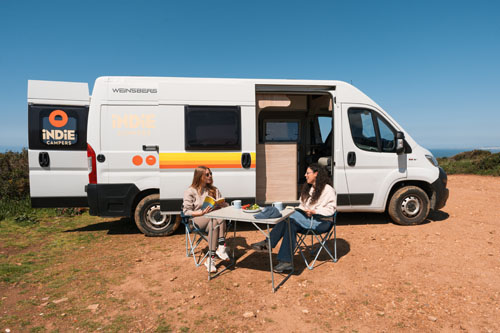
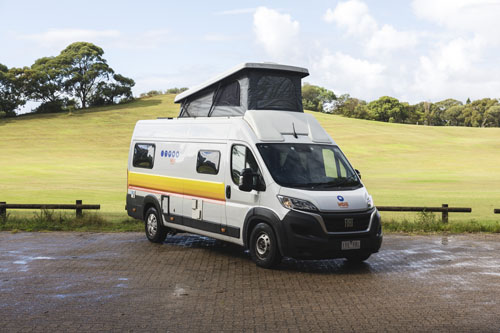
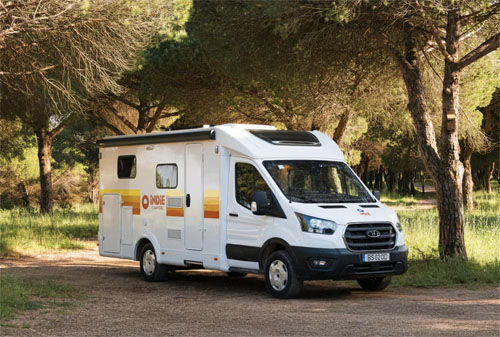
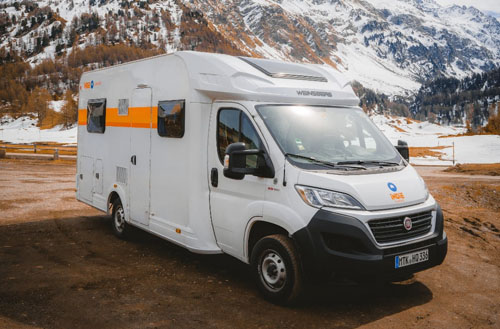
For navigating Norway's often narrow and winding roads, particularly along breathtaking fjords and in quaint small villages, Class B Camper Vans or Class SI Semi-integrated RVs are highly recommended. These classes, such as a "V3" campervan averaging 6.36m in length with a 100L fresh water tank, or a "2 Berth Tamar" semi-integrated model averaging 6.9m, offer a beneficial balance of maneuverability and interior comfort. Their more compact dimensions make it significantly easier to traverse tight turns, park in smaller areas, and comply with potential ferry length restrictions, which are common along the coast. While larger Class C motorhomes are also perfectly viable for major routes, these smaller, nimbler options often enhance the ease and enjoyment of exploring Norway's diverse and sometimes challenging terrain. As true RV specialists, we help you find the perfect vehicle from our direct partnerships with 50+ leading RV suppliers worldwide.
Should I Choose a Compact Van Instead of a Large RV in Norway?
Choosing an RV for your Norway adventure depends on your travel style, but generally, there is no inherent issue driving almost any RV size in Norway, as the infrastructure is well-suited for varied vehicles. A compact campervan, like a Class B "Combi Van" (5m length) with a 60L fresh water tank, genuinely helps in very tight historic centers, on exceptionally narrow mountain passes, or when seeking smaller, less developed camping spots. This could be ideal for couples or solo travelers on a spontaneous last-minute trip. However, for many travelers, especially families or groups of 4-6 people, the enhanced comfort, living space, and amenities of a larger RV (such as a Class C with three double beds, like the "Euro Deluxe" at 7.4m length) provide a better overall trade-off, especially for longer week-long or two-week trips. Consider your itinerary: if you plan extensive remote travel or frequent city visits, a compact van might be slightly more convenient, but most popular routes, including national tourist roads, accommodate larger RVs comfortably. No need to stress - just use common sense and pay attention.
Can I Park Anywhere? Free & Wild Camping Rules in Norway
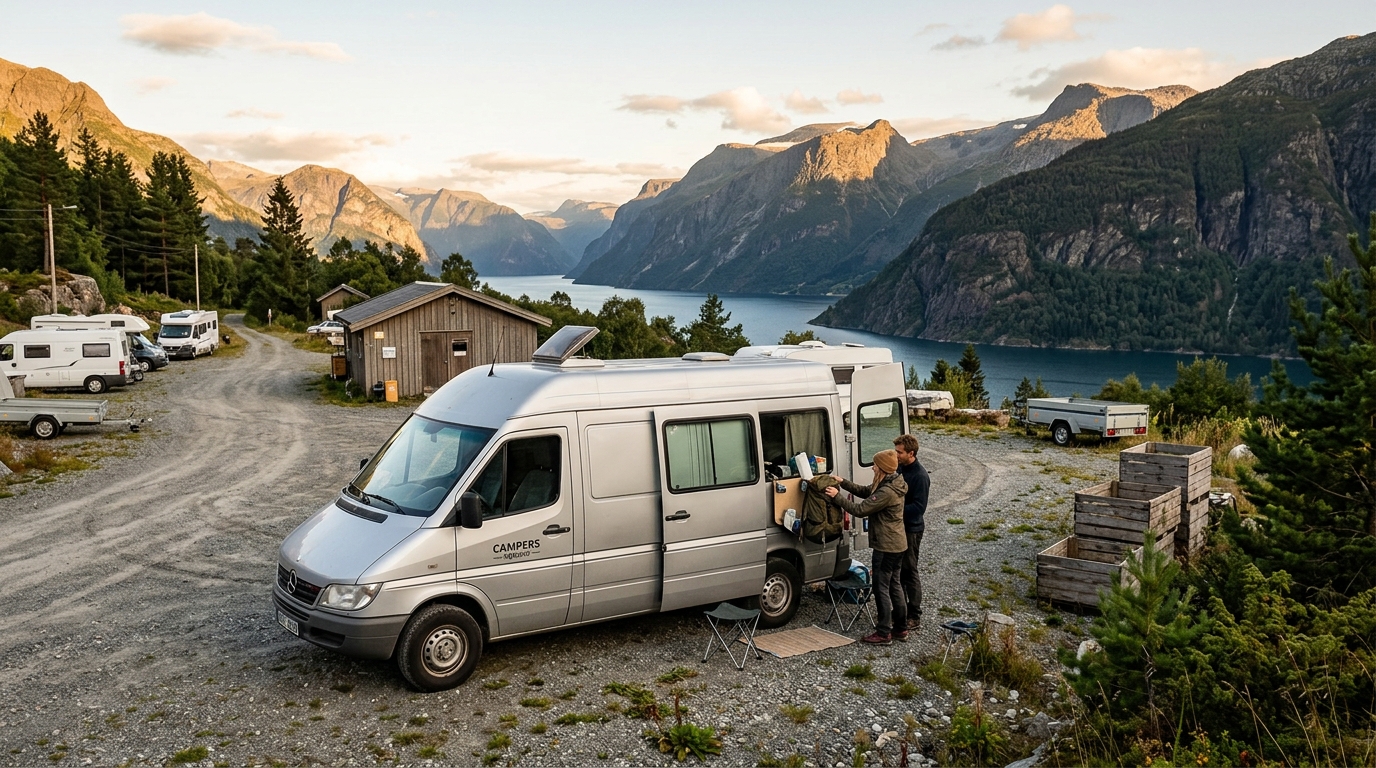
Norway's 'Allemannsretten' (the right to roam) is a fantastic benefit for RV travelers, generally permitting wild camping on uncultivated land for up to two nights. This generous law allows you to truly immerse yourself in Norway's natural beauty. When wild camping, you must always maintain a minimum distance of 150 meters (approximately 490 feet) from the nearest inhabited house or cabin to ensure privacy and respect for residents. Critically, always leave no trace: pack out all rubbish, use designated waste disposal points for greywater and blackwater, and avoid damaging flora or fauna. Designated 'bobilparkering' (RV parking) areas are common in towns and often offer basic services like fresh water and waste disposal, sometimes for a small fee. Rules can vary by region, so always check local regulations and follow local law before parking overnight, particularly in popular tourist areas or within national parks where restrictions might be tighter. Utilizing resources like RV PLANET can help you discover legal and suitable overnight spots.
Can I Drive an RV Into the City Center? Heights, Tunnels & Local Signage
Yes, you can generally drive an RV into most Norwegian city centers without major issues. Norwegian infrastructure is built to handle a variety of vehicle sizes. The key is to always pay close attention to local signage, which will clearly indicate any specific height limits for tunnels or low bridges, especially in older city areas with historic architecture. Major cities like Oslo, Bergen, and Trondheim may have environmental zones (miljøsoner) that could impose emission restrictions or require specific permits for older vehicles, so it's wise to check these regulations beforehand. Always look for 'residents-only' streets or restricted parking zones to avoid fines; designated RV parking (bobilparkering) is usually available on city outskirts or at accessible spots with good public transport links to the center. Navigating can be challenging on narrow urban streets, but by driving slowly and carefully, you can almost always get to your destination without issues. No need to stress - just use common sense and pay attention.
How Much Does an RV Trip in Norway Cost - Tolls, Ferries, and Campsites
An RV trip in Norway involves several significant costs beyond the rental itself, which travelers should budget for to ensure full transparency and no surprises. Tolls are collected via the automated AutoPASS system, with fees varying based on vehicle size and specific routes, often adding up considerably on longer journeys, especially on popular scenic roads like the Atlantic Ocean Road or the Geiranger National Tourist Route. Ferry costs, particularly for longer or more frequent fjord crossings (e.g., across the mighty Sognefjord), can be substantial and depend on your RV's length and the number of passengers. Campsite prices also vary widely, ranging from budget-friendly basic pitches at €20-€30 per night to more expensive sites with extensive amenities (power, water, waste disposal, laundry) which can cost €40-€60 per night in peak season. Additionally, budgeting for parking fees in popular tourist areas and cities is essential, as these can range from €5-€20 for a few hours. For comprehensive budgeting and tracking of all ancillary trip costs, RV PLANET routes allow travelers to itemize and track every expense along the way, helping you plan a trip itinerary in advance with minimal effort and maximum enjoyment. Prices are dynamic like flight tickets, changing daily based on availability, seasonality, and supplier marketing decisions, so the final price is set at actual booking time.
Navigating Norway's Unique Road Infrastructure - Fjords, Tunnels, and Mountain Passes
Norway's unique road infrastructure demands careful navigation, especially on narrow fjord roads and winding mountain passes, which are among the most scenic in the world. Be mindful of the numerous tunnels; while most are well-maintained and accommodate RVs, always check for specific height and width clearances, particularly for larger vehicles, as some older tunnels may have lower limits. Mountain passes can experience seasonal closures due to heavy snow or adverse weather, particularly from late autumn (October) to late spring (May), requiring alternative route planning through lower valleys or coastal roads. Efficient ferry booking procedures are crucial for popular routes; consider online reservations in advance during peak season to save time and secure a spot, especially if you have a specific schedule. Expect single-lane sections with frequent pull-outs (known as 'møteplass' or passing places) on some roads, requiring courteous cooperation with oncoming traffic. Driving slowly, averaging max 100-150 km per day, allows you to fully engage with the breathtaking scenery rather than rushing through it.
Sustainable and Eco-Friendly RVing in Norway
Sustainable RVing in Norway is vital to preserve its pristine natural environment and involves a commitment to responsible travel. Rigorous waste management is paramount: always use designated disposal stations for greywater, blackwater, and refuse, which are readily available at most campsites and many 'bobilparkering' spots. Practice water conservation, as fresh water resources are precious, even in a water-rich country; be mindful of your usage from your RV's 80-150L fresh water tank. Minimize your impact on Norway's abundant wildlife by observing from a distance and avoiding disturbing natural habitats. Adhere strictly to 'leave no trace' principles, ensuring your camping spots are cleaner than you found them. Opt for local, seasonal produce from farmer's markets or local shops, and support businesses that prioritize environmental responsibility, contributing positively to local communities. If you're looking for inspiration for cooking in your RV, check out our RV-friendly recipes playlist for delicious, easy meals on the go.
Cultural Immersion Opportunities Beyond Scenic Drives
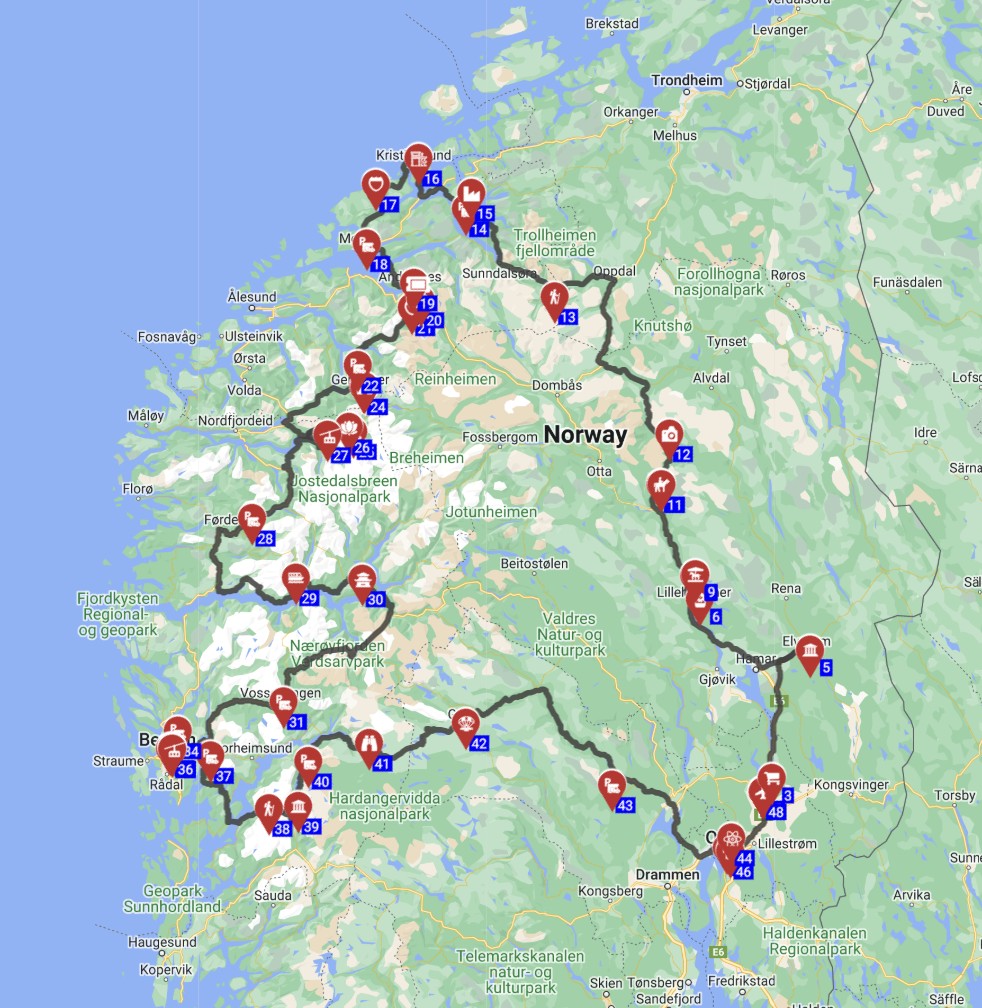
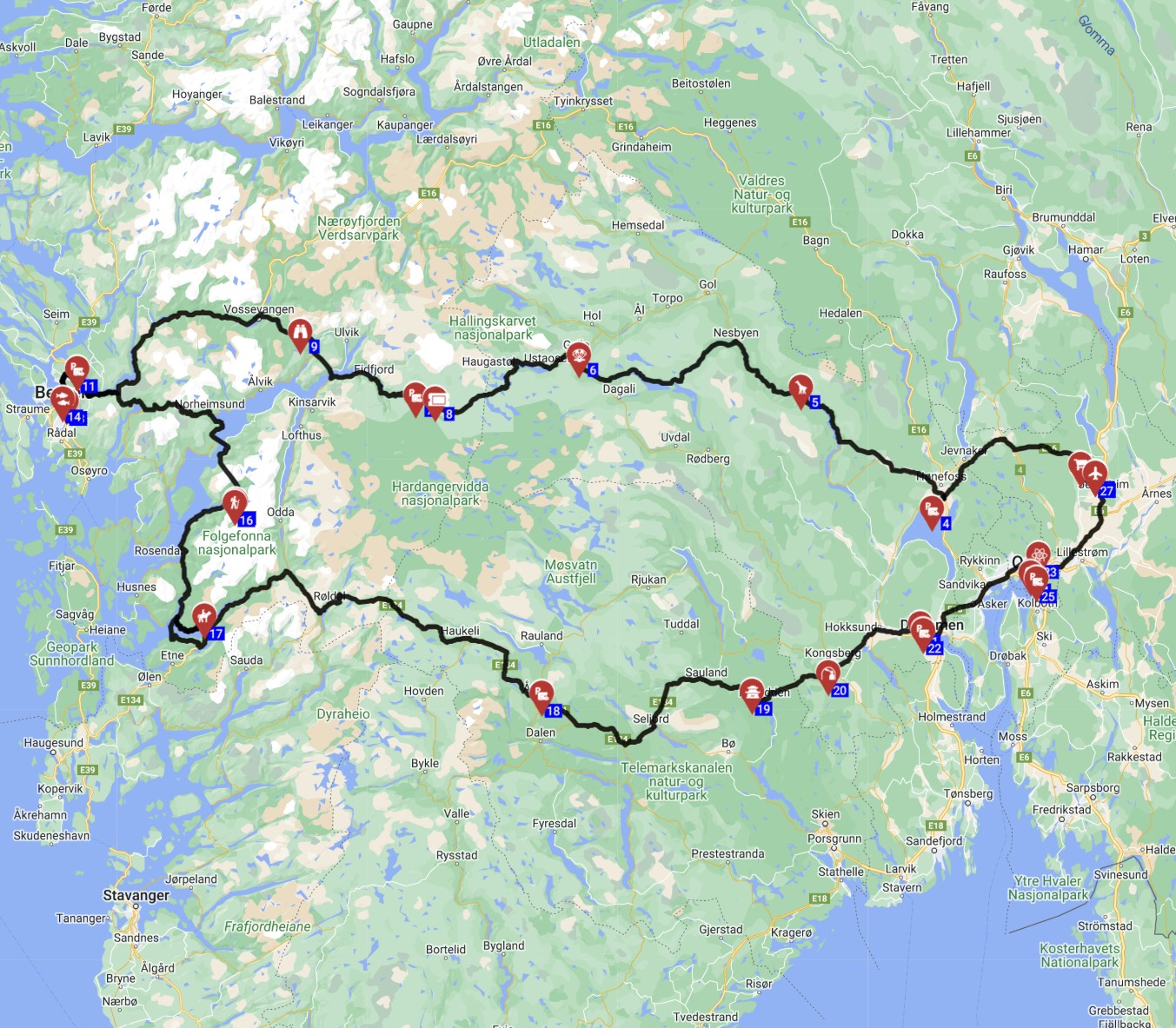
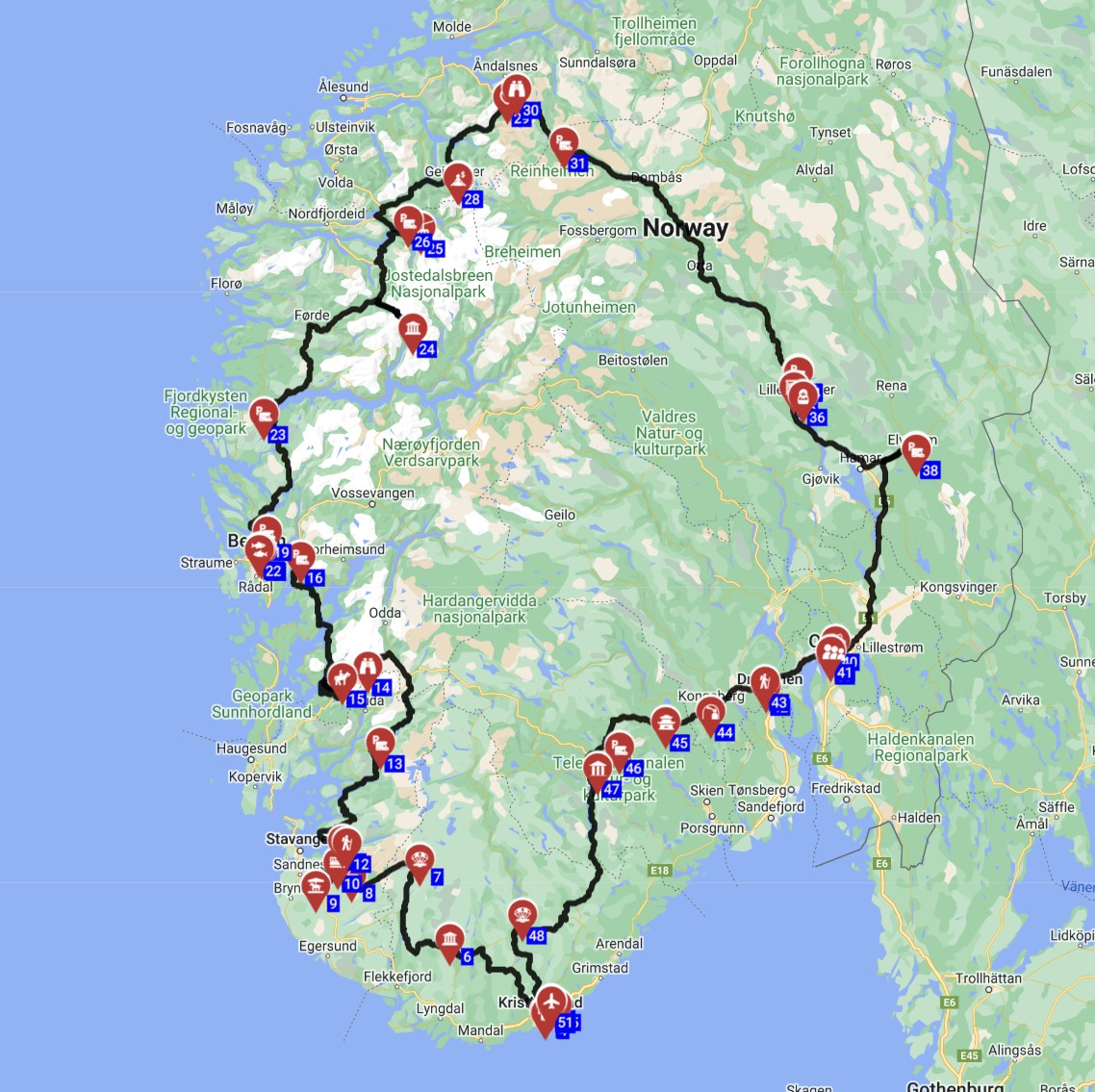
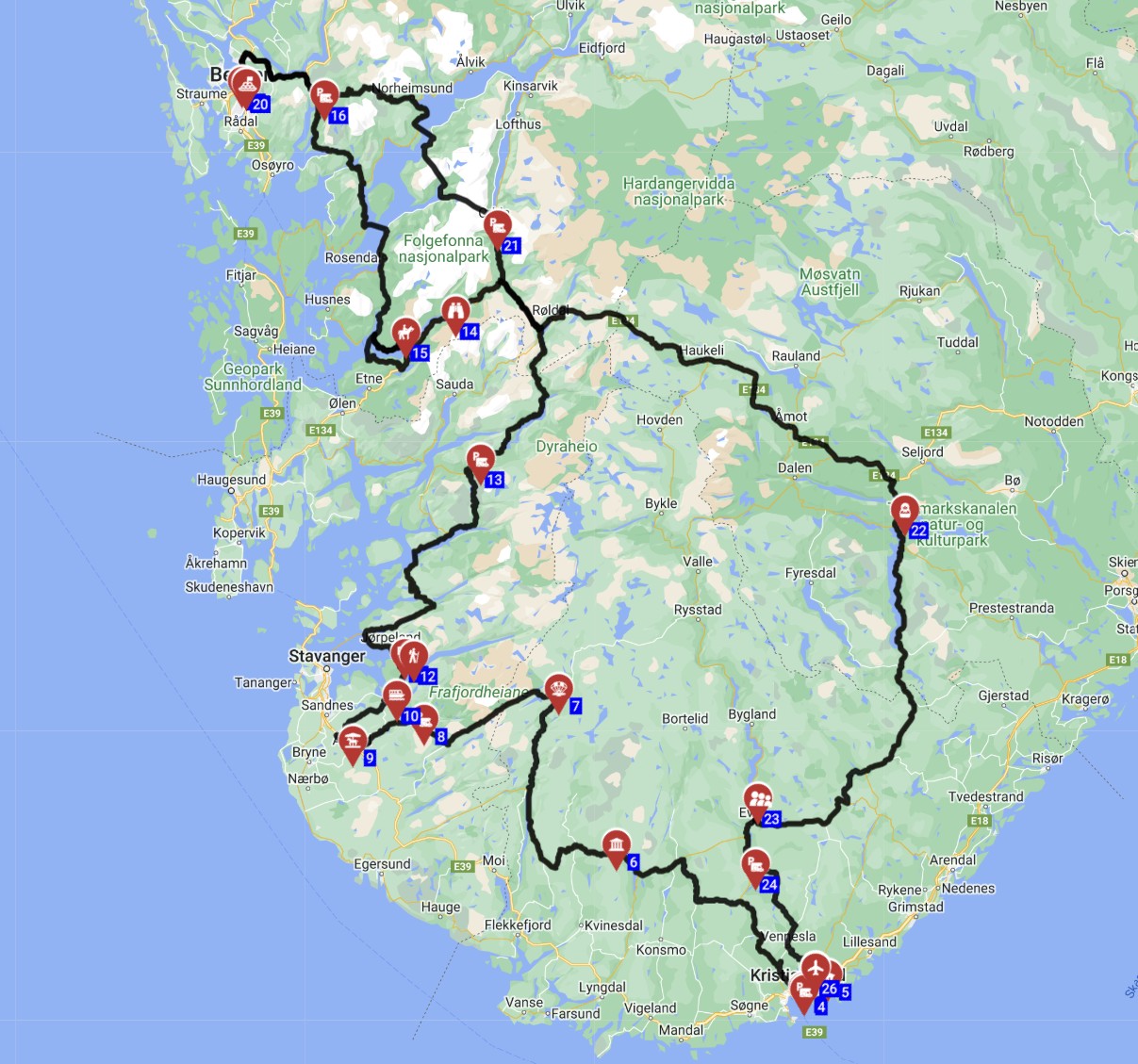
Beyond the stunning landscapes, Norway offers rich cultural immersion opportunities that enhance any RV adventure. Seek out local festivals and events, often found in smaller towns during the summer months, to experience authentic Norwegian traditions like folk dancing, music, and food markets. Explore farm-to-table experiences by visiting local farms (gårdscafeer) that offer fresh produce, artisanal goods, and traditional meals, providing a taste of local life. Discover unique small-town attractions like the iconic stave churches (e.g., Borgund Stave Church), historical fishing villages along the coast, or local museums that tell Norway's rich Viking and maritime history. Engage with Norwegian communities by visiting local markets, asking for recommendations, and supporting small, independent businesses. For a truly immersive experience, consider one of RV PLANET's expertly crafted pre-planned routes, like the "Bergen Round trip - Norway’s Coastal Wonders" (8 days, 782.9 km), which includes 1 amusement park, 2 hiking areas, and 1 traditional market, ensuring you don't miss out on local gems.
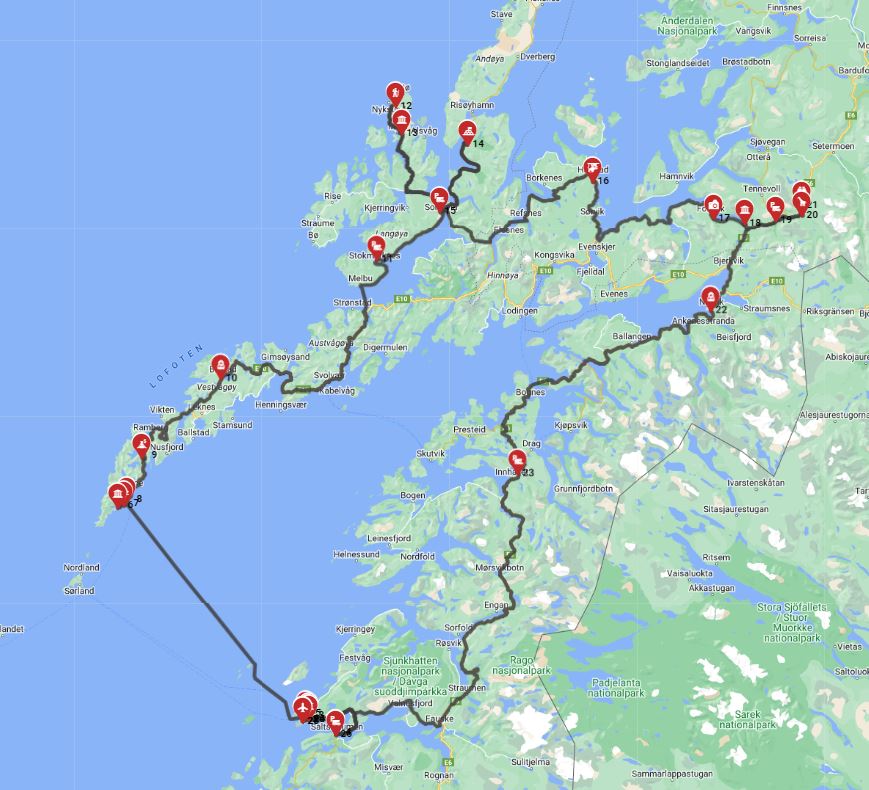
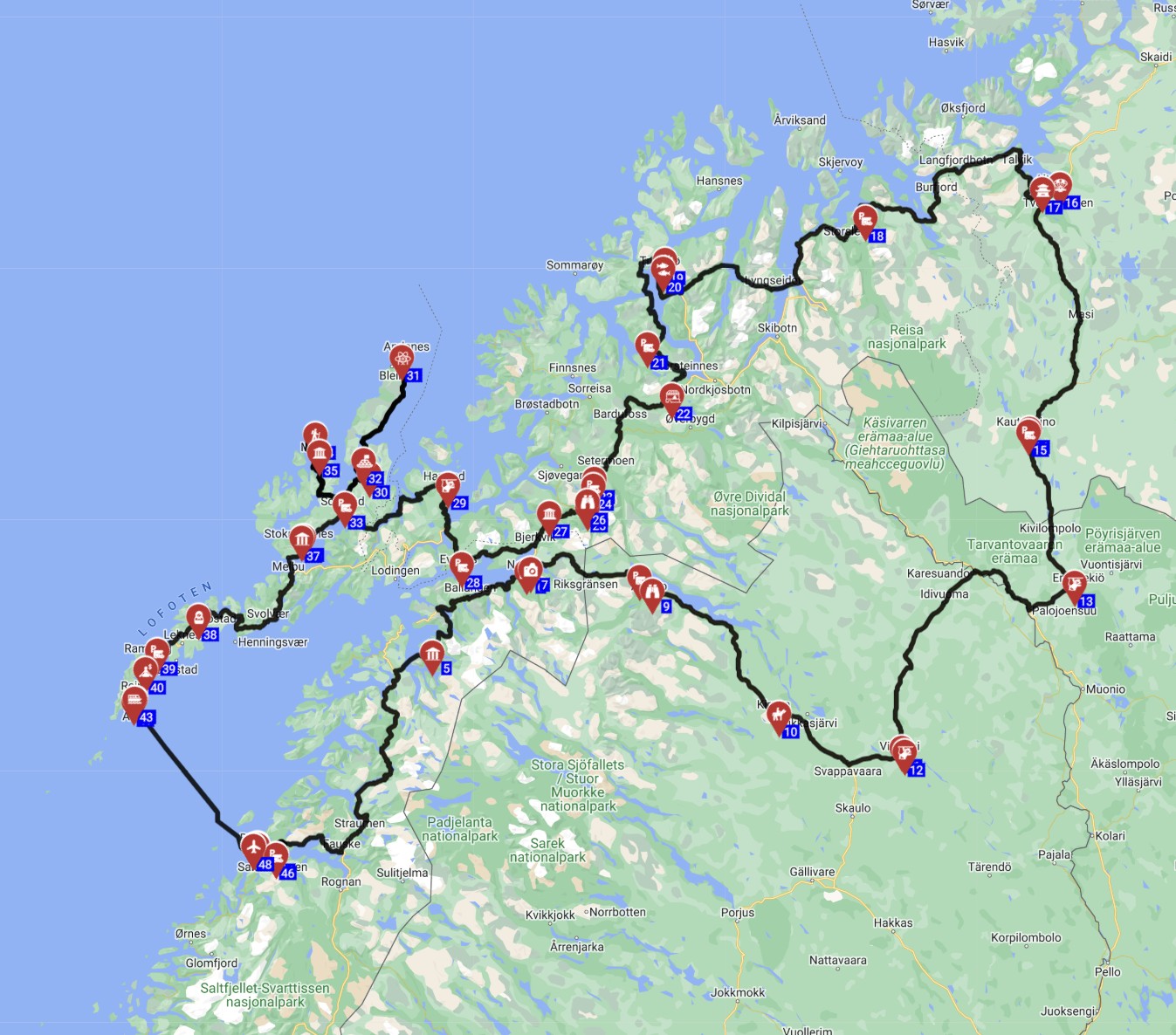
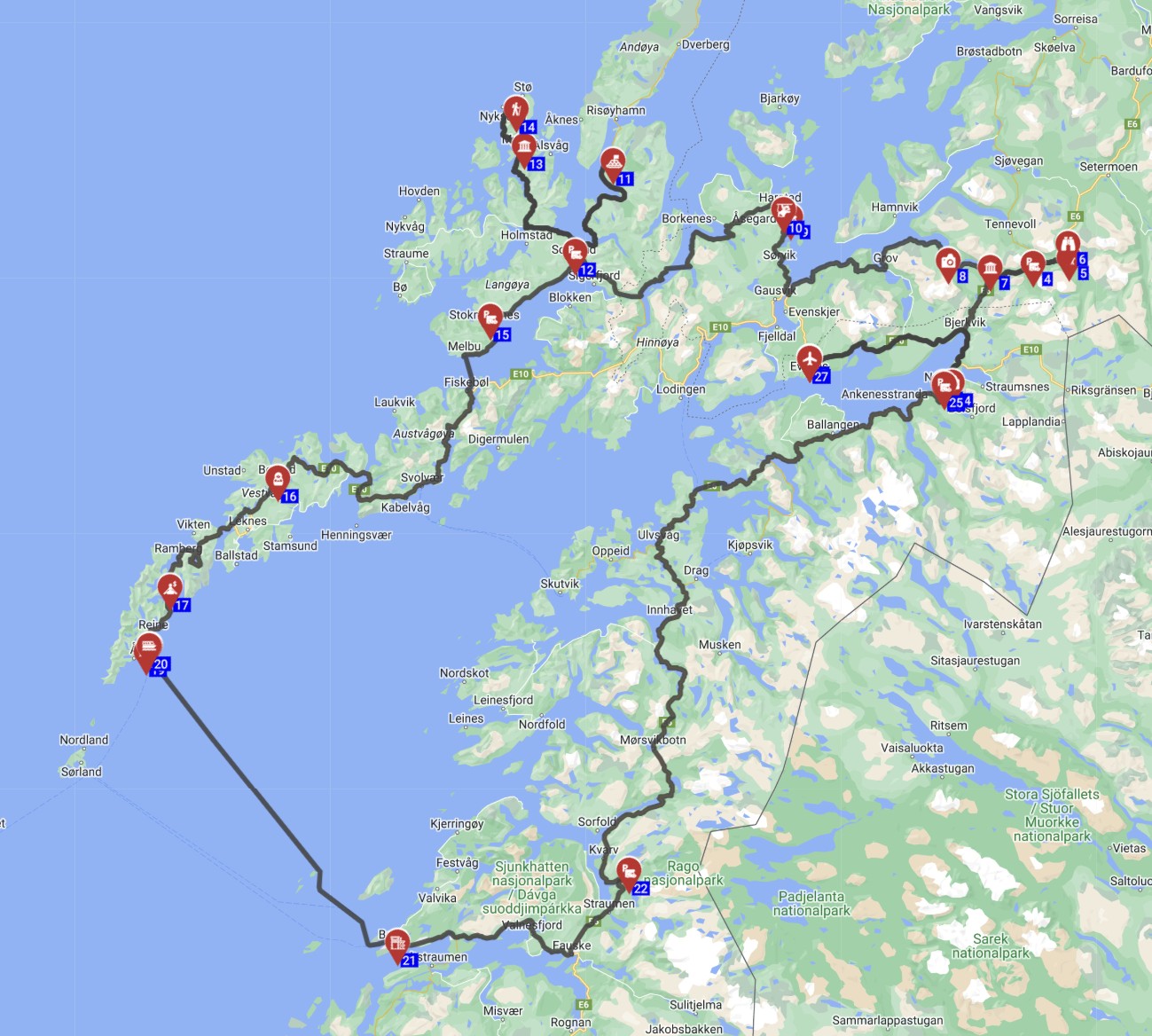
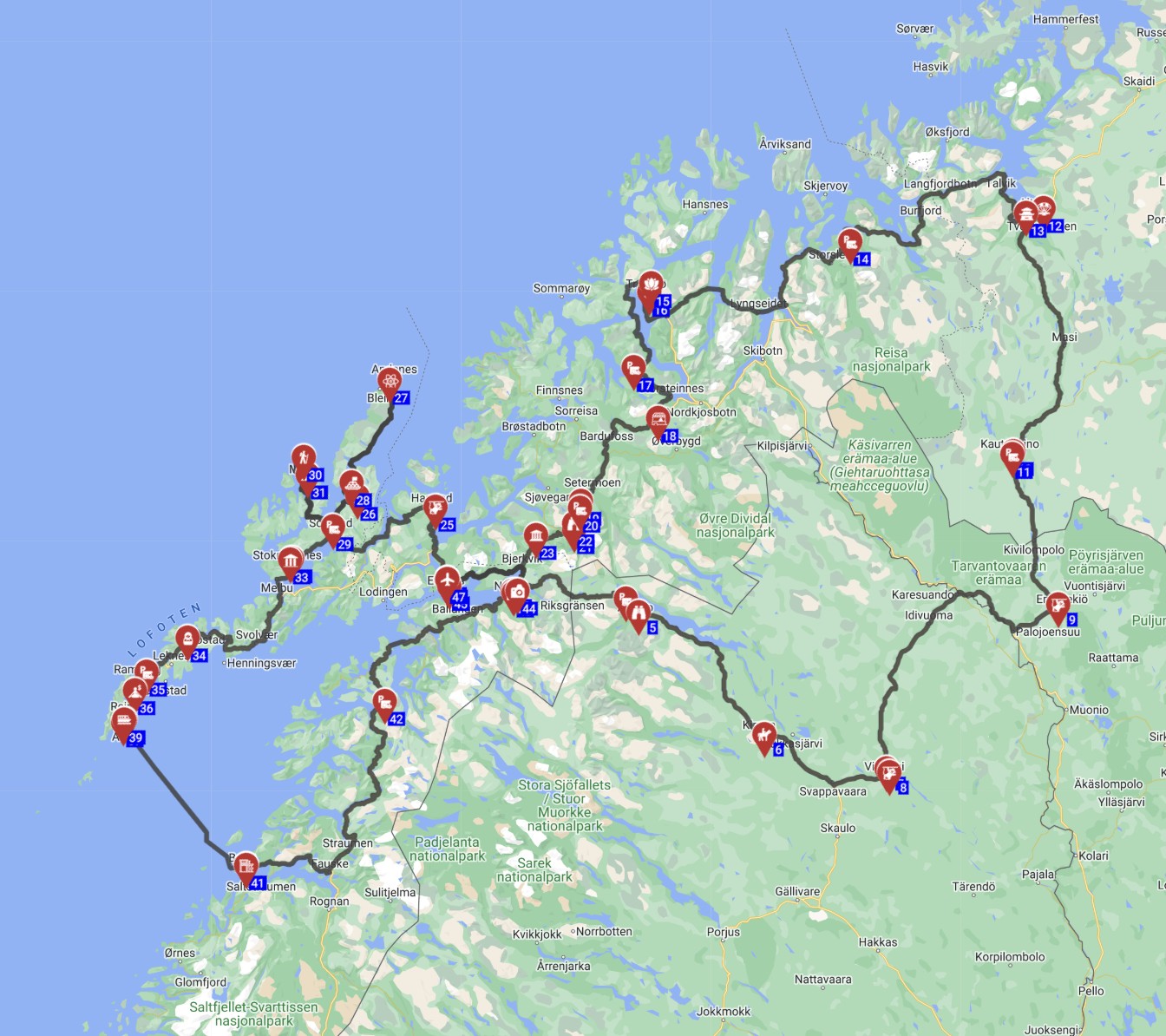
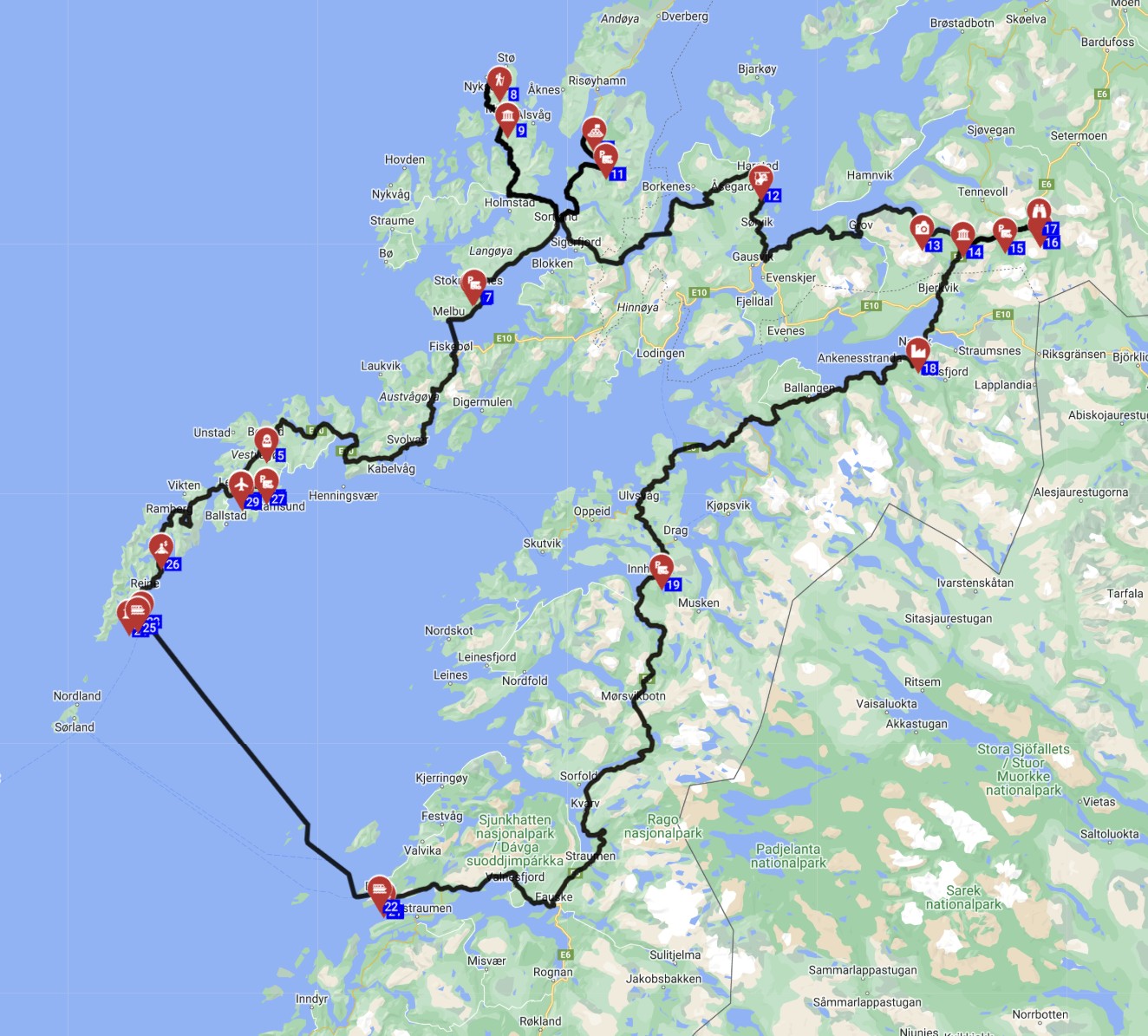
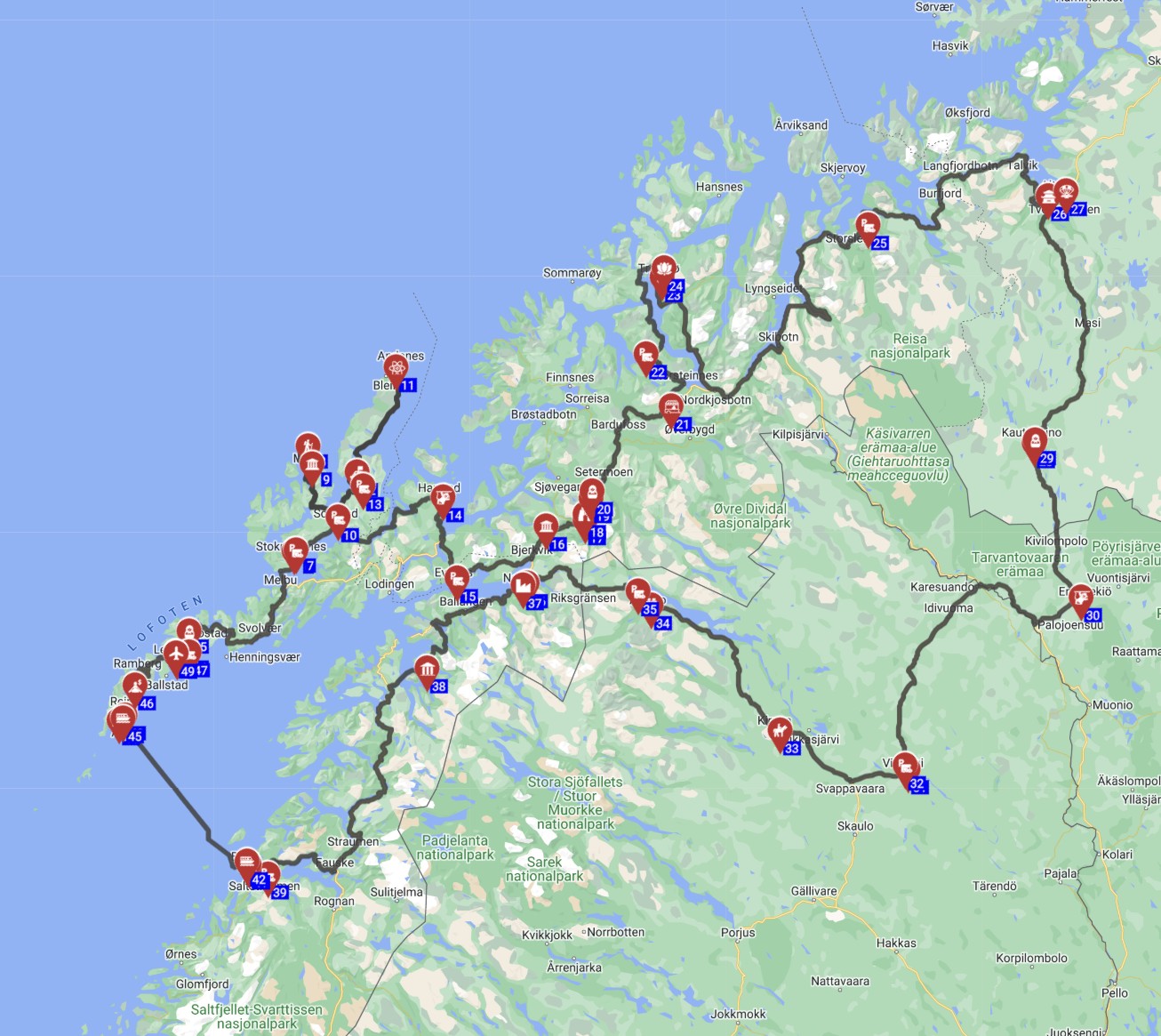
Another excellent option for exploring deeper into Norwegian culture is the "Tromsø Round Trip - Arctic Wonders: Northern Norway Family Road Trip" (15 days, 2402.5 km), which features 4 museums, 2 natural features, and 3 wildlife watching opportunities, perfect for families seeking both nature and culture. If you're considering a longer European adventure, the "Stockholm Round trip - Sweden, Denmark and Norway Family Adventure" (22 days, 3673.6 km) offers an expansive itinerary including 6 museums and 4 traditional markets across three countries, showing the diverse experiences you can discover with a rented motorhome.
Specific Gear and Packing Lists for Norwegian Weather
A comprehensive packing list is essential for Norwegian weather, which can be highly variable, even during summer. Layered clothing is critical year-round, starting with a moisture-wicking base layer, insulating mid-layers (fleece or wool), and a waterproof outer shell, even in summer. Rain gear, including a waterproof jacket and trousers, is absolutely essential, as unexpected showers are common regardless of the season. Insect protection, particularly for mosquitoes and midges, is crucial during warmer months (June-August), especially near water bodies and in forested areas. Appropriate tires are vital for driving a rented RV: winter tires (either studded or non-studded, suitable for ice and snow) are legally mandatory during specific periods, typically from November 1 to April 30, and summer tires are required otherwise. Cold-weather preparedness, including extra blankets, warm sleeping bags, and ensuring your RV has an efficient heating system, is highly advisable for shoulder seasons or if venturing into higher altitudes, where temperatures can drop significantly. Always verify the tire requirements for your rental period and route directly with your supplier.
Finding Unique Overnight Parking Spots in Norway
Beyond traditional campsites, Norway offers diverse opportunities for finding unique overnight parking spots for your rented RV. Seek out designated 'bobilparkering' (RV parking) areas, which are increasingly common near town centers or attractions and often provide basic facilities like fresh water and waste disposal, sometimes for a modest fee of €10-€20 per night. Explore options for farm stays (gårdscamping), where you can park your RV on a working farm, sometimes with access to fresh produce or opportunities to experience local rural life. Look for smaller, local campgrounds with character, often family-run, offering a more intimate experience than larger commercial sites, frequently found near popular hiking trails or scenic viewpoints. Utilizing RV parking apps and online forums (like those on rvplan.net) can help discover hidden gems and verified overnight locations. Always seek permission from landowners if parking on private property and diligently respect all local signage regarding overnight stays, especially in protected areas, to maintain good relations and uphold 'Allemannsretten'.
RV Safety and Emergency Preparedness in Remote Norwegian Areas
RV safety and emergency preparedness are paramount, especially when exploring Norway's remote and often sparsely populated areas. First, ensure you have robust roadside assistance coverage included with your rental and keep all contact information readily available. Essential emergency preparedness for your RV includes a well-stocked first-aid kit, extra food and water supplies (especially if traveling away from major towns for more than a day), a fully charged power bank for your mobile devices, and warm clothing, as weather can change rapidly. Solo travelers should always inform someone of their detailed itinerary and check in regularly, particularly when venturing into truly isolated regions without cell service. Consider carrying a satellite communicator or a personal locator beacon (PLB) for areas with no mobile phone signal, offering an added layer of safety. Finally, familiarize yourself with local emergency numbers (e.g., 112 for general emergencies, 113 for medical, 110 for fire) and how to describe your location effectively using coordinates or nearby landmarks.
Guidance on Pet Travel in Norway
Bringing pets into Norway for your RV adventure requires adherence to specific regulations to ensure a smooth journey. Key requirements generally include microchipping, rabies vaccination (administered at least 21 days before entry), and a valid pet passport or health certificate issued by a veterinarian. Always check the Norwegian Food Safety Authority (Mattilsynet) guidelines well in advance of your trip, as rules can change and some breeds may have restrictions. When traveling by rented RV, ensure your pet is safely secured during transit, preferably in a comfortable crate or with a specialized harness, both for their safety and to prevent driver distraction. Finding pet-friendly accommodations and activities in Norway is generally straightforward, with many campsites welcoming animals, but always confirm policies with individual campsites or attractions beforehand. Be mindful of national park rules, as pets may be restricted in certain sensitive ecological areas or require leashes to protect local wildlife and ensure a harmonious experience for everyone.
What You Shouldn't Miss
- **Drive the Atlantic Ocean Road:** Experience this incredible 8.3 km engineering marvel with its dramatic bridges linking islands, offering spectacular views of the open sea.
- **Explore Geirangerfjord:** Cruise through or drive along parts of this UNESCO World Heritage site, admiring the towering waterfalls and emerald-green waters.
- **Hike to Pulpit Rock (Preikestolen) or Trolltunga:** For the adventurous, these iconic hikes offer unparalleled panoramic views of Norway's fjords and mountains.
- **Discover the Lofoten Islands:** Drive the scenic E10 route through picturesque fishing villages, dramatic peaks, and stunning white-sand beaches above the Arctic Circle.
- **Visit a Stave Church:** Step back in time by visiting one of Norway's beautifully preserved medieval wooden stave churches, such as Borgund.
- **Experience the Northern Lights or Midnight Sun:** Depending on the season, chase the aurora borealis in the north or enjoy endless daylight during summer.
Looking for expert insights from Avi Bandana? Top 5 Adventures - recommendations from Avi Bandana.
Final Thoughts
Exploring Norway by rented RV, even on a last-minute whim, is an incredibly rewarding experience that offers unmatched flexibility and intimacy with its stunning natural beauty. From navigating the majestic fjords and challenging mountain passes to finding serene overnight spots under the Midnight Sun or Northern Lights, Norway is truly a dream destination for motorhome enthusiasts. With careful preparation regarding local driving rules, toll systems, and responsible camping practices, your journey will be as smooth as the serene waters of a Norwegian fjord.
Remember that whether you're a meticulous planner or a spontaneous adventurer, Bandana Caravan is with you before, during, and after your booking, providing full transparency and expert advice. So, pack your bags, prepare for awe-inspiring landscapes, and get ready to create unforgettable memories on the open road in Norway. Your next great adventure is waiting!