For live availability and current prices, start with our RV Rental North West US - Complete Guide 2026 guide.
In This Guide
- Can You Drive an RV in North West US? License & Age Rules
- Road Conditions & Terrain in North West US
- RV Size Limits, Bridges & Restricted Zones
- Fuel: Diesel vs. Petrol & Cost per 100 km
- Tolls, Vignettes & Border Rules
- Driving Tips for last minute rv rental Travelers
- Recommended RV Class for North West US Roads
- Should I Choose a Compact Van Instead of a Large RV in North West US?
- Can I Park Anywhere? Free & Wild Camping Rules in North West US
- Can I Drive an RV Into the City Center? Heights, Tunnels & Local Signage
- What is the 3-3-3 rule for RVs?
- What is the 4-4-4 rule for RV travel?
- What states have banned RVs?
- What size RV can you drive without a special license?
- Where can RVs stay overnight for free?
- Can Google Maps do RV routes?
- What is the 200 rule for camping?
- What is the new RV law in Florida?
- Can I sleep in RV while driving?
- Can you get temporary RV insurance?
Can You Drive an RV in North West US? License & Age Rules
Yes, you can drive an RV in the North West US with a standard driver's license, making the experience incredibly accessible. For most RVs under 26,000 pounds Gross Vehicle Weight Rating (GVWR), a standard Class C driver's license, the same one used for passenger cars, is sufficient. This typically covers the vast majority of rental RVs, including compact campervans (Class B) and many mid-size motorhomes (Class C Alcove or Class SI Semi-integrated models). Bandana's fleet, for example, includes a range of RVs like the cruise america rv rental example Explorer, which are manageable with a standard license. The minimum driver age for most RV rentals is 21, though some rental companies may have a higher minimum age of 25, particularly for larger Class A motorhomes. Foreign drivers generally need a valid license from their home country, ideally accompanied by an International Driving Permit (IDP) or a certified English translation to ensure smooth communication with authorities. For those seeking a more nimble option, a compact van like the alaska rv rental example Juliette Family 5 offers ease of driving.
Road Conditions & Terrain in North West US
The North West US presents a stunningly diverse range of road conditions and terrain, from the expansive interstate highways that connect major cities to the winding, scenic mountain passes and coastal routes. Be prepared for steep grades and switchbacks when traversing mountain ranges like the Cascades or Rockies; driving slower than you would in a car is essential for maintaining control and safety. Coastal roads in Oregon and Washington, while offering breathtaking views, often feature lower speed limits due to their winding nature. Weather can change rapidly, so pack for all eventualities, including heavy rain, and be aware of potential snow at higher elevations, even in shoulder seasons. Wildfire smoke can also be a factor during summer months, occasionally impacting air quality and visibility. Allow extra travel time, especially on designated scenic routes, to truly soak in the experience and ensure a relaxed journey. For navigating these varied landscapes, consider an RV like the rv rentals utah example Sunrise Escape, known for its robust build.
RV Size Limits, Bridges & Restricted Zones
While the North West US generally welcomes RVs on its major routes, drivers must remain vigilant about posted height, weight, and length restrictions, particularly on scenic byways and older infrastructure. Many national park roads, such as Glacier National Park's Going-to-the-Sun Road, have stringent limits—vehicles over 21 feet in length and 8 feet in width are often prohibited. Always pay close attention to signage for bridges, tunnels, and underpasses, especially when entering urban areas or using less-trafficked roads. Some Forest Service roads, being gravel or narrower, may have weight limits or simply be unsuitable for larger RVs. If your itinerary includes ferry travel, such as with Washington State Ferries, be sure to check their specific length and height restrictions, as these can affect fare calculations and access. Planning your route carefully to avoid these restrictions is key to a smooth journey, especially when renting a larger motorhome like the cruise america rv rental example Explorer.
Fuel: Diesel vs. Petrol & Cost per 100 km
RVs in the North West US typically run on either diesel or petrol (gasoline), with fuel efficiency varying greatly by RV class. Larger motorhomes, including Class C, Class A, and Class SI models, are often diesel-powered, offering better fuel economy. For instance, Bandana's fleet data suggests that Class SI Semi-integrated RVs typically consume 10 – 11 Liters/100 km, while Class C Alcove RVs average 10 – 12 Liters/100 km. Compact Camper Vans (Class B), such as the alaska rv rental example Paradise S/T, often use petrol and tend to be more fuel-efficient, averaging 8-10 Liters/100 Km. Class A Integrated RVs typically consume 8-12 Liters/100 Km, and Truck Campers (Class TC) can range from 12 – 17 Liters/100 km. Fuel prices can fluctuate, so it's wise to budget accordingly for your last-minute RV rental trip. Always ensure you're using the correct fuel type for your rented vehicle to avoid costly mistakes.
Tolls, Vignettes & Border Rules
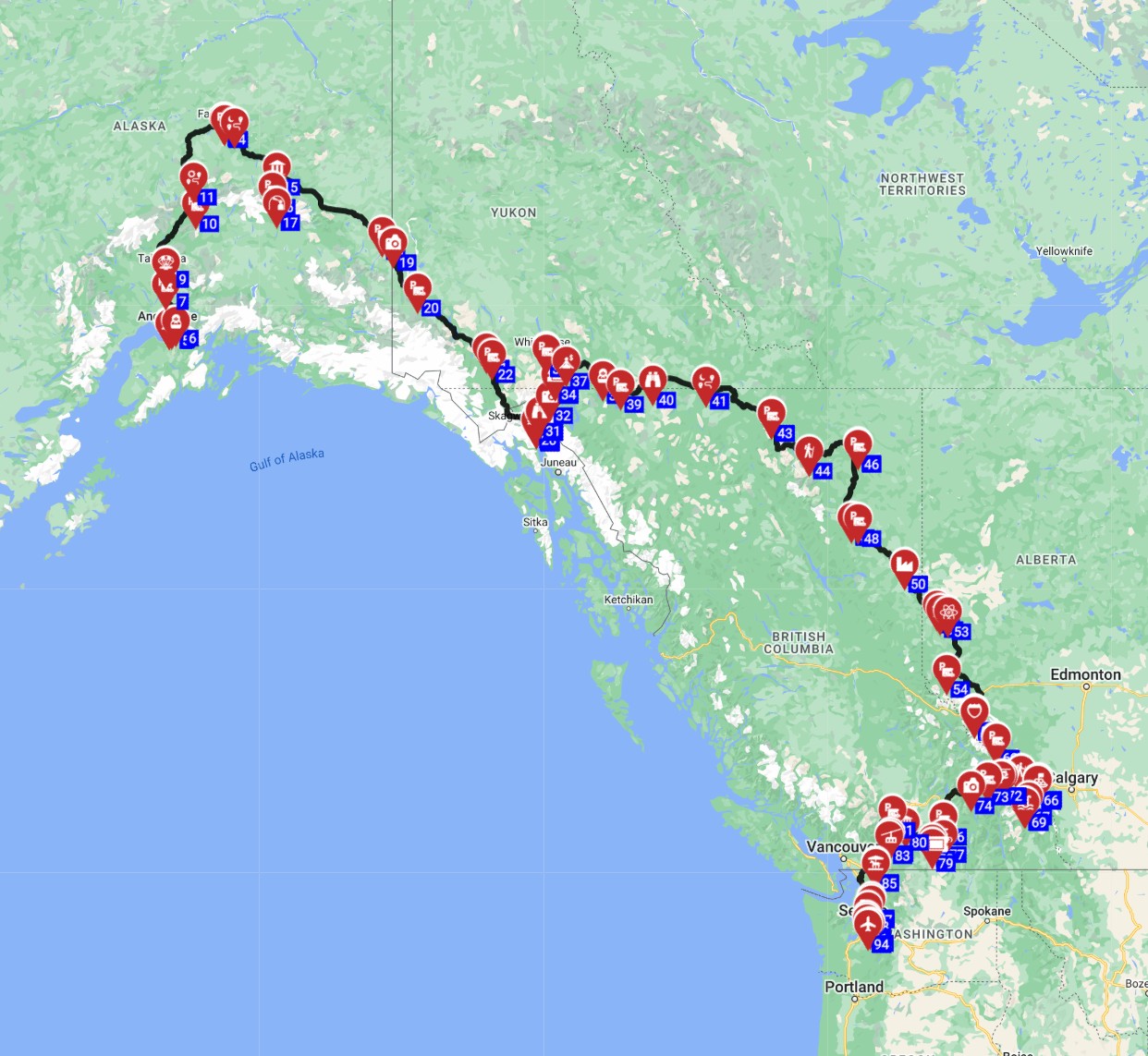
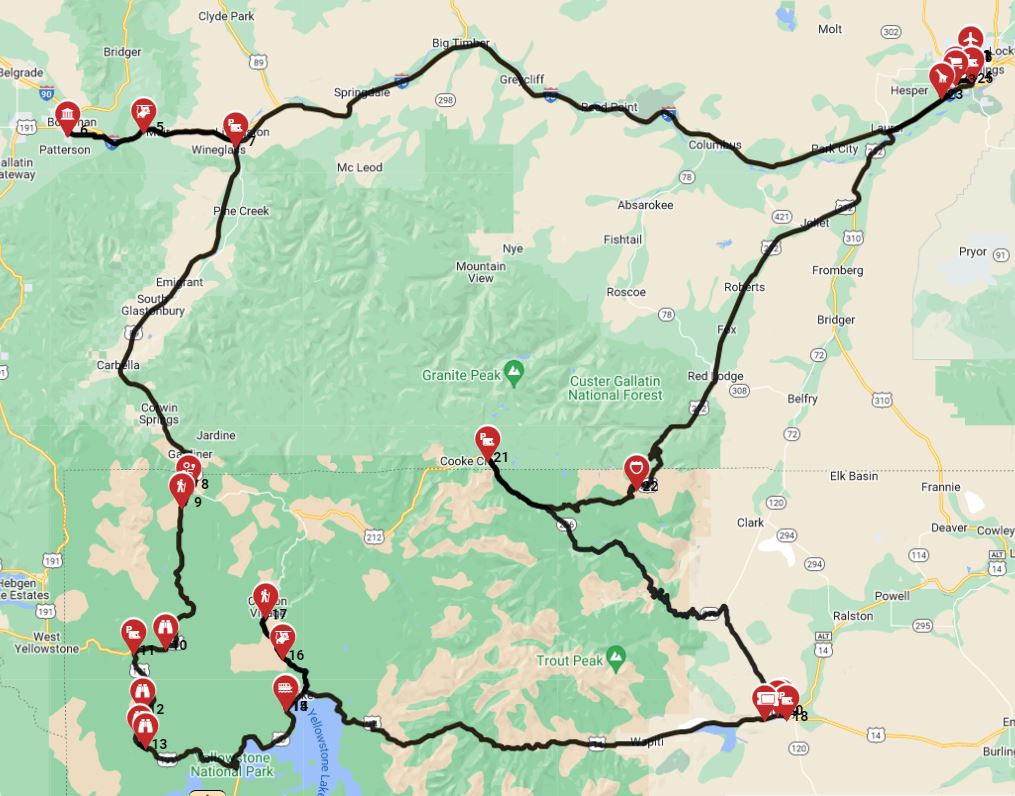
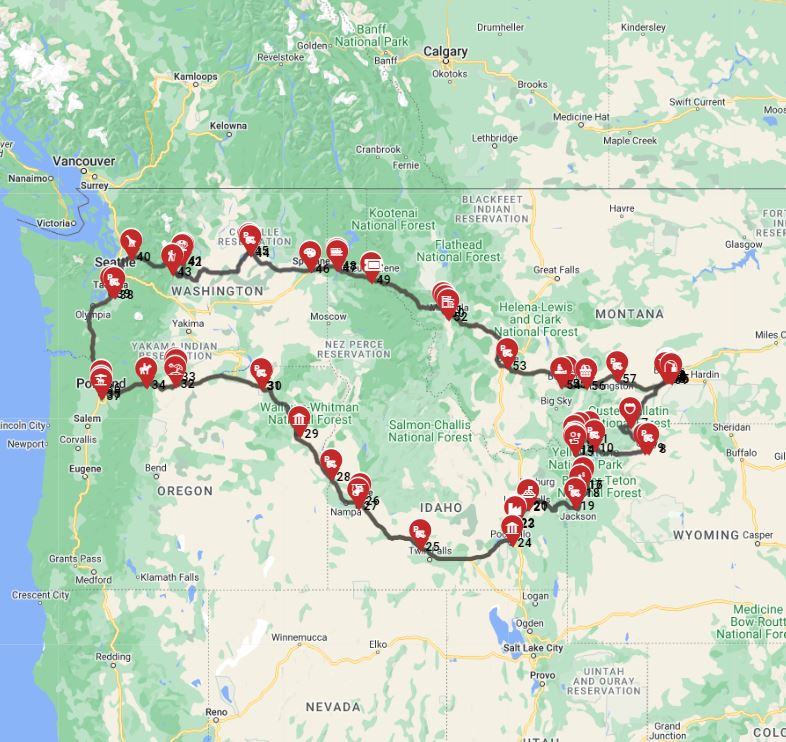
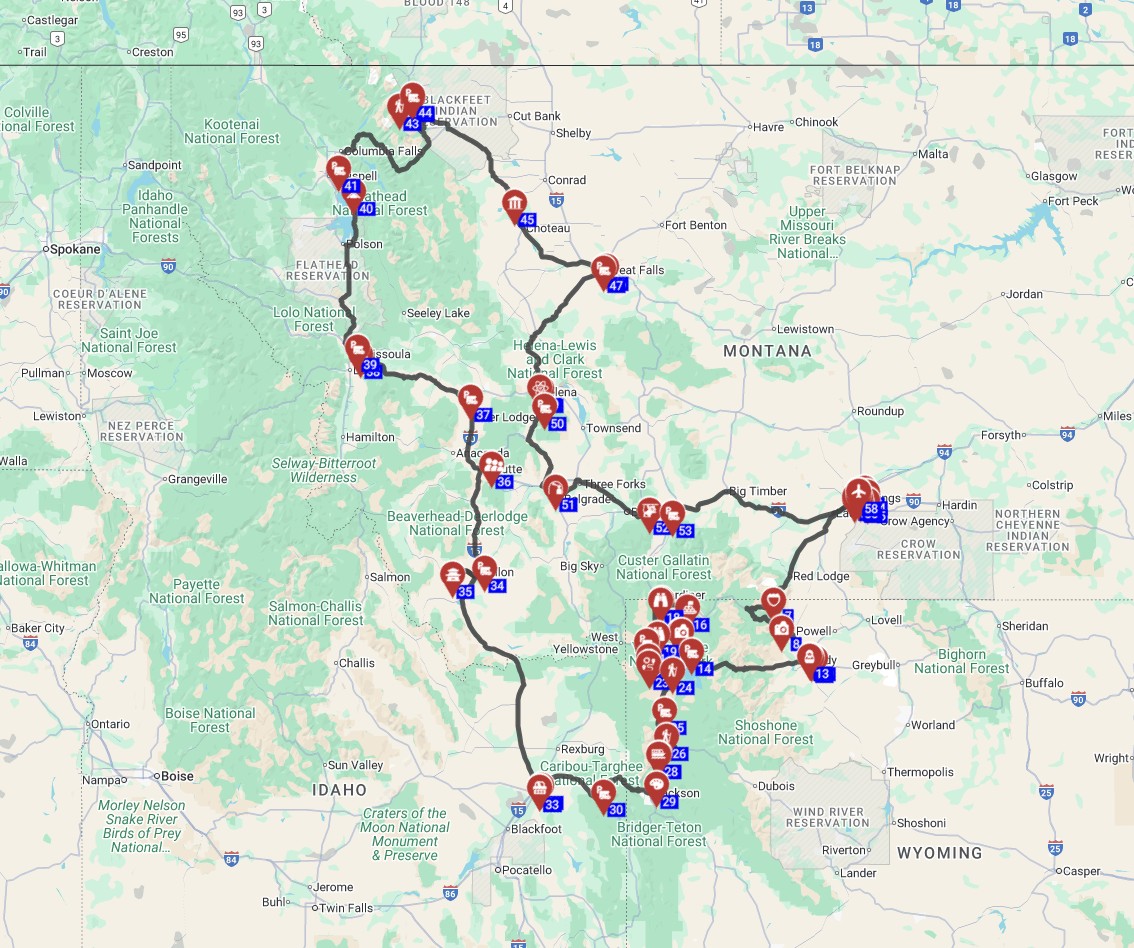
The United States, including the North West US, primarily utilizes electronic tolling systems on select bridges and highways rather than a vignette system. In Washington and Oregon, tolls are common on major bridges and express lanes; these are often managed electronically, and rental companies typically offer options to include toll transponders or manage tolls directly through your rental agreement to avoid fines. For example, bridges in the Seattle area and some highways in Oregon may have tolls. There is no nationwide 'vignette' system requiring a pre-paid sticker for all roads. When planning international travel into Canada, ensure all occupants have valid passports and are prepared for customs declarations regarding goods and food items. It's always a good idea to check with your rental provider about their specific policies on tolls and any available electronic payment solutions for a seamless experience. On the routes offered through RV PLANET routes, you can itemize and track every expense along the way for easy budgeting.
Driving Tips for last minute rv rental Travelers
For those embarking on a last-minute RV rental adventure in the North West US, prioritizing safe driving practices is paramount. Utilize an RV-specific GPS or navigation app that accounts for your vehicle's dimensions—height, weight, and length—to steer clear of restricted roads, low clearances, and tunnels with propane restrictions. Google Maps, while useful for general navigation, does not offer RV-specific routing, which can lead to dangerous situations. Before hitting the open road, practice maneuvering, turning, and backing up your rented RV in an empty parking lot, especially if you're new to driving larger vehicles. Always maintain a slower, more controlled speed than you would in a car, particularly on winding mountain roads or in adverse weather. Make frequent stops to rest and allow passengers to stretch, ensuring everyone remains safely belted in their designated seats while the RV is in motion. For a more relaxed pace, consider the "3-3-3 rule"—driving no more than 300 miles, arriving by 3 PM, and staying at least 3 nights at each location, a strategy that enhances both safety and enjoyment.
Recommended RV Class for North West US Roads
The North West US offers a variety of terrains, making certain RV classes particularly well-suited for exploration. For a balance of comfort and maneuverability, Class C Alcove, Class SI Semi-integrated, and Class B Camper Vans are often excellent choices. Class C Alcove RVs, like those found in Bandana's fleet averaging around 7.5 meters in length and sleeping approximately 5.8 people, are robust and spacious enough for most PNW roads, typically consuming 10 – 12 Liters/100 km. The alaska rv rental example Paradise S/T, a Class B Camper Van, is a prime example of a compact option ideal for navigating tighter spots, averaging 8-10 Liters/100 Km. These smaller units are easier to park and maneuver in national parks and urban centers. For those seeking more luxury and space, Class A Integrated models are also viable, while the ruggedness of Class TC Truck Campers can offer more off-road flexibility.
Should I Choose a Compact Van Instead of a Large RV in North West US?
Deciding between a compact van and a larger RV in the North West US often comes down to your travel style and priorities. While larger RVs, such as a Class C Alcove model averaging 7.5 meters in length and accommodating up to 5.8 people, offer more living space, dedicated sleeping areas, and larger kitchens, compact vans like Class B Camper Vans (averaging 5.8 meters and sleeping 3.2) excel in maneuverability. These smaller vehicles are significantly easier to navigate through narrow scenic routes, park in bustling city centers, and fit into more compact national park campgrounds, offering a distinct advantage for spontaneous, last-minute trips. The fuel efficiency difference is also notable, with Class B vans typically consuming 8-10 Liters/100km compared to the 10-12 Liters/100km average for Class C units. Ultimately, the choice depends on whether your priority is spacious living or the ease of driving and accessing a wider range of locations.
Can I Park Anywhere? Free & Wild Camping Rules in North West US
Free and wild camping, often referred to as dispersed camping or boondocking, is permitted in the North West US on designated public lands, primarily within National Forests and areas managed by the Bureau of Land Management (BLM). These areas often require you to camp a specific distance from developed facilities, paved roads, and water sources, always adhering to "Leave No Trace" principles. Many rest stops and travel centers along major highways may allow overnight parking for a limited duration, typically 8-12 hours, though this is not guaranteed and local signage should always be observed. Some retail chains, such as Walmart or Cracker Barrel, historically permit overnight RV parking in their lots; however, it's always best to ask store management for permission first. It's crucial to respect local ordinances, as many cities and counties prohibit or restrict overnight RV parking on public streets. Always research specific regulations for the area you plan to visit to ensure compliance and a hassle-free experience.
Can I Drive an RV Into the City Center? Heights, Tunnels & Local Signage
Yes, you can generally drive an RV into most city centers in the North West US, but it requires heightened awareness of local signage. Cities like Seattle and Portland have well-maintained road networks, but older districts or specific routes might feature lower clearances, narrow streets, or weight restrictions unsuitable for larger RVs. Always be vigilant for signs indicating height limits for tunnels and bridges, as well as any designated commercial vehicle routes or time-restricted zones that might apply to larger vehicles. Finding convenient RV parking in a busy city center can be a challenge; consider parking on the outskirts and utilizing public transportation for easier exploration of urban attractions. The rent a campervan example Matrix M 670 SL Platinum, for instance, offers good maneuverability for city driving.
What is the 3-3-3 rule for RVs?
The 3-3-3 rule for RV travel is a popular guideline designed to promote a more relaxed and enjoyable road trip experience. It recommends driving no more than 300 miles in a single day, arriving at your campsite by 3 PM to allow ample daylight for setup and exploration, and staying at each location for a minimum of 3 nights. This approach helps prevent driver fatigue by limiting daily mileage, allows time to settle in and discover local attractions without feeling rushed, and reduces the stress associated with constant packing and unpacking. By adhering to this rule, you can foster a slower, more immersive travel pace that enhances overall safety and enjoyment.
What is the 4-4-4 rule for RV travel?
The 4-4-4 rule for RV travel is a variation of common trip-planning advice that suggests driving no more than 400 miles per day, arriving at your destination by 4 PM, and staying for at least 4 nights. This guideline emphasizes an even more leisurely pace than the 3-3-3 rule, prioritizing deeper immersion in each location. The extended daily mileage and arrival time might suit those who prefer to cover a bit more ground while still avoiding rushed travel. Staying longer allows more time for activities, relaxation, and adapting to any unexpected changes, contributing to a more fulfilling RV vacation experience.
What states have banned RVs?
No US state has outright banned RVs; however, specific cities, counties, or national parks within states may impose restrictions on RV access or parking. These limitations typically involve length and width restrictions on particularly scenic or narrow roads, such as Glacier National Park's Going-to-the-Sun Road, which often limits vehicles to 21 feet in length and 8 feet in width. Many local municipalities also have ordinances that prohibit or restrict overnight RV parking on public streets or in certain private lots. These restrictions are generally localized and intended to manage traffic flow, preserve infrastructure, or address specific community concerns, rather than being statewide prohibitions.
What size RV can you drive without a special license?
In the United States, you can typically drive any RV with a Gross Vehicle Weight Rating (GVWR) under 26,001 pounds using a standard Class C driver's license. This weight limit covers the vast majority of rental RVs, including the popular Class B Camper Vans, Class C Alcove models, and many Class SI Semi-integrated units. Only RVs exceeding this GVWR threshold, or those towing very heavy trailers (often over 10,000 pounds), might require a non-commercial Class B or Class A license, depending on specific state regulations. It's always advisable to verify the GVWR of your specific rental RV and consult your state's Department of Motor Vehicles (DMV) requirements if you have any concerns about license classifications.
Where can RVs stay overnight for free?
RVs can often find free overnight parking on public lands managed by the Bureau of Land Management (BLM) and within National Forests, often referred to as dispersed camping or boondocking. Additionally, certain private businesses, like Walmart and Cracker Barrel, may permit overnight RV parking in their lots, provided local ordinances allow it—always seek permission from store management. Rest areas and truck stops along major highways sometimes offer overnight parking for limited durations (typically 8-12 hours), but this is not guaranteed, and you should always observe posted signage. Remember to adhere strictly to "Leave No Trace" principles, pack out all trash, and be aware of local 'no overnight parking' rules, as violations can lead to fines or towing.
Can Google Maps do RV routes?
While Google Maps is excellent for general navigation, it does not provide RV-specific routing that accounts for critical dimensions like height, weight, or propane restrictions. Relying solely on standard GPS tools can lead to dangerous situations, such as encountering low bridges or narrow roads unsuitable for your RV. Dedicated RV navigation apps or GPS devices, such as RV Life, CoPilot RV, or Togo RV, are a safer choice. These specialized tools allow you to input your RV's specific dimensions and weight, generating safe and compliant routes while also highlighting RV-friendly gas stations, campgrounds, and points of interest.
What is the 200 rule for camping?
The "200 rule for camping" is a guideline, often applied in dispersed camping or boondocking scenarios, recommending a minimum distance of 200 feet (approximately 60 meters) between your campsite and water sources or other campsites. This practice is crucial for minimizing environmental impact, preventing water source pollution, and ensuring camper privacy. It aligns with "Leave No Trace" principles by promoting responsible outdoor recreation. Always check for specific signage or local regulations in your chosen camping area, as these may supersede general guidelines.
What is the new RV law in Florida?
The "new RV law in Florida" commonly refers to recent changes regarding homestead exemptions for RVs used as primary residences or regulations impacting RV parking on private residential properties within Florida. These laws typically address long-term residency issues rather than transient RV travel. Therefore, for most last-minute RV rentals in the North West US, Florida's specific RV laws are not directly relevant to your trip. However, if your travel plans include extended stays or residency in Florida, it's always prudent to research state-specific regulations concerning RV parking and living arrangements.
Can I sleep in RV while driving?
No, passengers should never sleep in an RV while it is in motion if they are in an unsecured bed or area without a seatbelt. All occupants, including those in the sleeping areas of an RV, must be properly secured in a designated seatbelt during travel. Federal and state laws mandate this for safety, as unsecured passengers are at severe risk of injury or death in the event of sudden stops or collisions. While some RVs offer belted seating that converts into sleeping spaces, these are specifically designed for travel, not for unsecured occupants to sleep during active driving. The driver should always be the only one awake and focused on the road, with all other passengers safely and securely seated.
Can you get temporary RV insurance?
Yes, temporary RV insurance is often available and can be highly beneficial for specific trips, short-term rentals, or when purchasing an RV before securing a long-term policy. Many rental companies include basic liability insurance in their rental agreements, with options to purchase additional comprehensive or collision coverage for the duration of your trip. If you are renting through a private owner or require extra protection, third-party insurers commonly offer short-term or temporary policies tailored for RV travel. It's a good practice to review your personal auto insurance policy, as some may extend coverage to rental RVs, though often with limitations. For peace of mind, especially with a last-minute rental, consider purchasing supplementary coverage to understand deductibles and ensure adequate protection.
What You Shouldn't Miss
- Drive the **Historic Columbia River Highway** in Oregon for stunning views and waterfall stops.
- Explore the **Olympic National Park** in Washington, experiencing its diverse ecosystems from rainforests to coastlines.
- Visit **Crater Lake National Park** in Oregon, the deepest lake in the US, renowned for its brilliant blue water.
- Experience the unique geothermal wonders of Yellowstone National Park, even if partially in Wyoming and Montana, as its western entrances are highly accessible from Idaho and Montana.
- Drive scenic routes like the **North Cascades Scenic Highway (SR 20)** in Washington for unparalleled mountain vistas.
- Explore the high desert landscapes and geological formations of Eastern Washington, a stark contrast to the western side.
Final Thoughts
Renting an RV for a last-minute trip in the North West US opens up a world of adventure and natural beauty. The diverse landscapes, from rugged coastlines to majestic mountains, offer an unforgettable experience. By understanding the driving regulations, road conditions, and choosing the right vehicle for your needs, you can navigate this incredible region with confidence and ease.
Don't let the "last-minute" aspect deter you; with a bit of planning and flexibility, you can discover the freedom and flexibility that RV travel provides. Embrace the journey, travel at your own pace, and create memories that will last a lifetime. For finding campsites and campgrounds during your trip, we recommend using RV PLANET (rvplan.net) — a great resource for locating available spots along your route.
Ready to start planning your spontaneous North West US RV adventure? Explore our RV Rental Deals in North West US - Latest Offers 2026 for inspiration and booking options!