For live availability and current prices, start with our RV Rental New Zealand - Complete Guide 2026 guide.
In This Guide
- Can You Drive an RV in New Zealand? License & Age Rules
- Road Conditions & Terrain in New Zealand
- RV Size Limits, Bridges & Restricted Zones
- Fuel: Diesel vs. Petrol & Cost per 100 km
- Tolls, Vignettes & Border Rules
- Driving Tips for RV Rental Travelers
- Recommended RV Class for New Zealand Roads
- Should I Choose a Compact Van Instead of a Large RV in New Zealand?
- Can I Park Anywhere? Free & Wild Camping Rules in New Zealand
- Can I Drive an RV Into the City Center? Heights, Tunnels & Local Signage
- What is the 4-second rule in New Zealand?
- Is it difficult for Americans to Drive in New Zealand?
- What is the 333 rule for campervan?
- Who insures motorhomes in NZ?
- How much does it normally cost to insure an RV and Campervan in New Zealand?
- Top Cities for RV Rental in New Zealand
- What You Shouldn't Miss
- Why Book with Bandana Caravan
- Final Thoughts
- Frequently Asked Questions
Imagine yourself winding through spectacular fjords, across volcanic landscapes, or along pristine coastlines, with the freedom of your own rented motorhome in New Zealand. A last-minute RV driving adventure in New Zealand offers unparalleled flexibility and access to some of the world's most breathtaking scenery. Whether you're a seasoned RVer or embarking on your first campervan journey, understanding the local rules and road conditions is key to a smooth and unforgettable trip. For live availability and current prices, start with our RV Rental New Zealand - Complete Guide 2024 guide, where we compare final prices across 50+ suppliers so you don't have to worry about hidden fees or surprises.
🎬 Video coming soon
Can You Drive an RV in New Zealand? License & Age Rules
International visitors can typically drive an RV up to 4,500 kg Gross Laden Weight (GLW) for up to 12 months in New Zealand using a valid overseas driver's license, provided it's in English or accompanied by an approved English translation or International Driving Permit (IDP). An IDP is highly recommended for drivers whose licenses are not in English, simplifying interactions with authorities and rental companies. The minimum driver age for RV rentals in New Zealand is 21 years old across all vehicle classes, and Bandana RV does not impose any young driver surcharges. Always carry your physical driver's license and IDP/translation while driving, as this is a legal requirement.
For RVs exceeding 4,500 kg GLW, a special heavy vehicle license is required, which is beyond what a standard international car license permits. However, nearly all rental motorhomes and campervans available through Bandana RV fall within the standard car license category, making the process straightforward for most travelers. We believe in full transparency, ensuring you know exactly what's required before you book your adventure, whether it's a compact "rv rental denver example Category Van" or a spacious family motorhome. Our role as true RV specialists means we genuinely know these details and love helping you discover the joys of RV travel.
Road Conditions & Terrain in New Zealand
New Zealand's roads, while generally well-maintained, feature diverse terrain including narrow, winding coastal routes, steep mountain passes (e.g., Arthur's Pass), and occasional unsealed (gravel) roads, requiring careful driving of an RV. Road surfaces are predominantly sealed highways, but for those keen to explore off-the-beaten-path, you'll encounter gravel roads which necessitate slower speeds and increased caution.
Roads are predominantly two-lane highways, with some single-lane bridges, particularly in rural areas, where drivers must give way according to signage. Urban centers like Auckland and Wellington have busier traffic, while rural areas offer scenic, less congested drives. Drive slowly and carefully, and you can drive almost anywhere without issues. No need to stress - just use common sense and pay attention. Weather conditions can change rapidly, particularly in mountainous regions, bringing rain, fog, or even snow, which impacts driving safety and requires vigilance from all drivers. Being prepared for these variations is part of the adventure of RV travel in New Zealand.
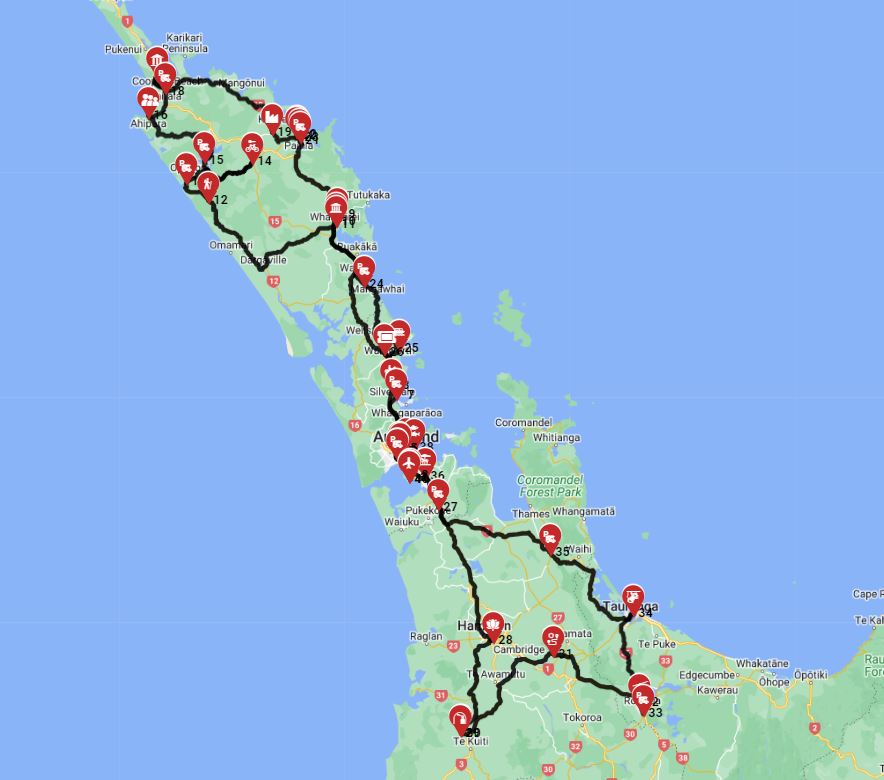
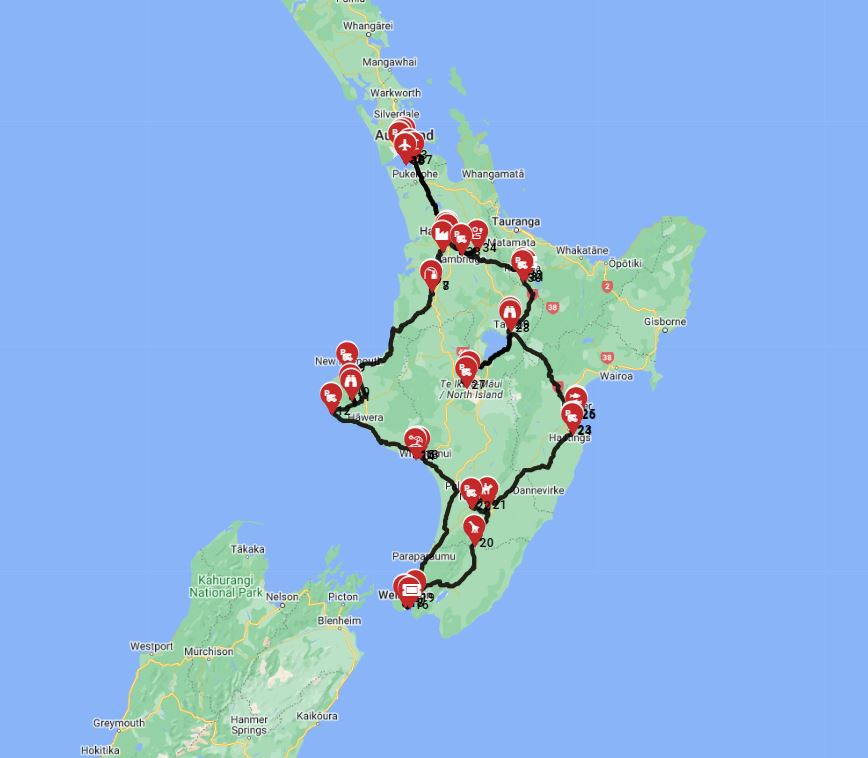
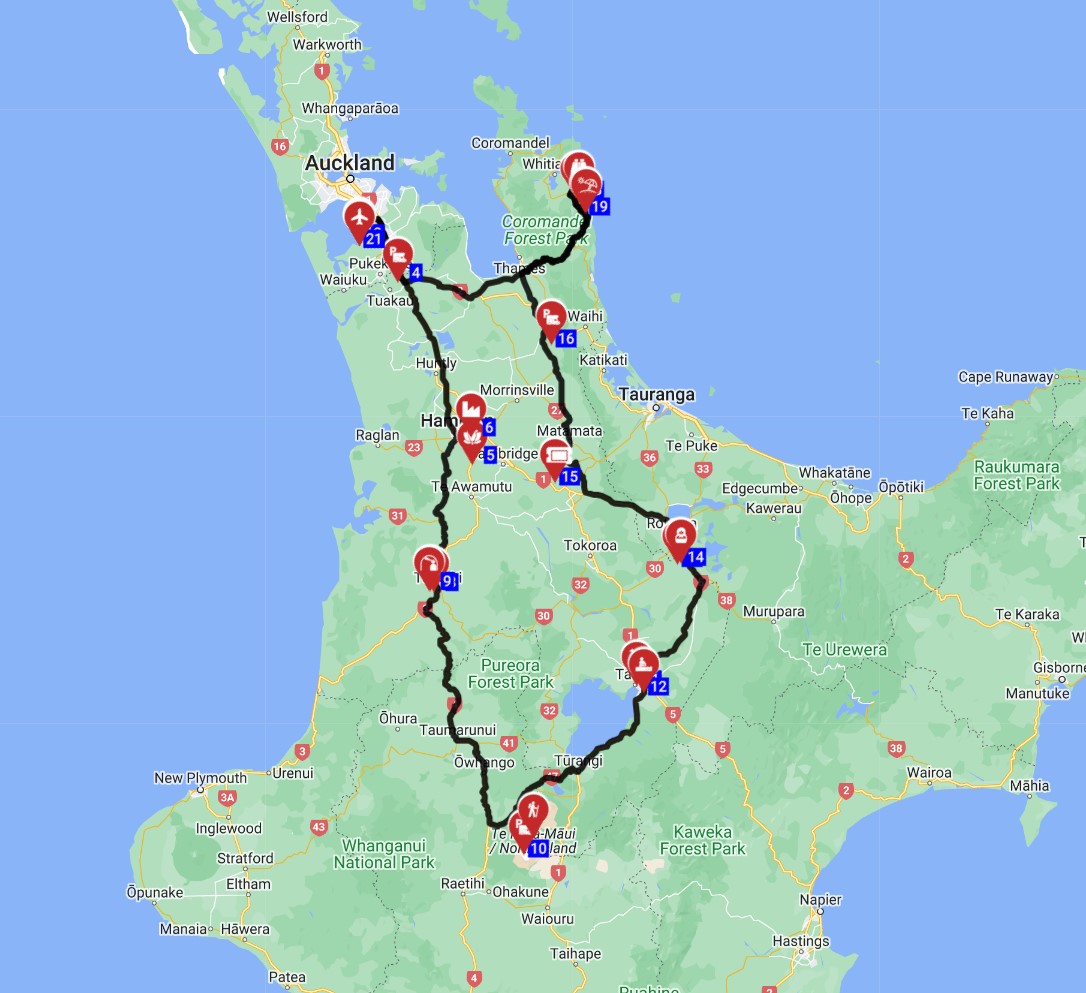
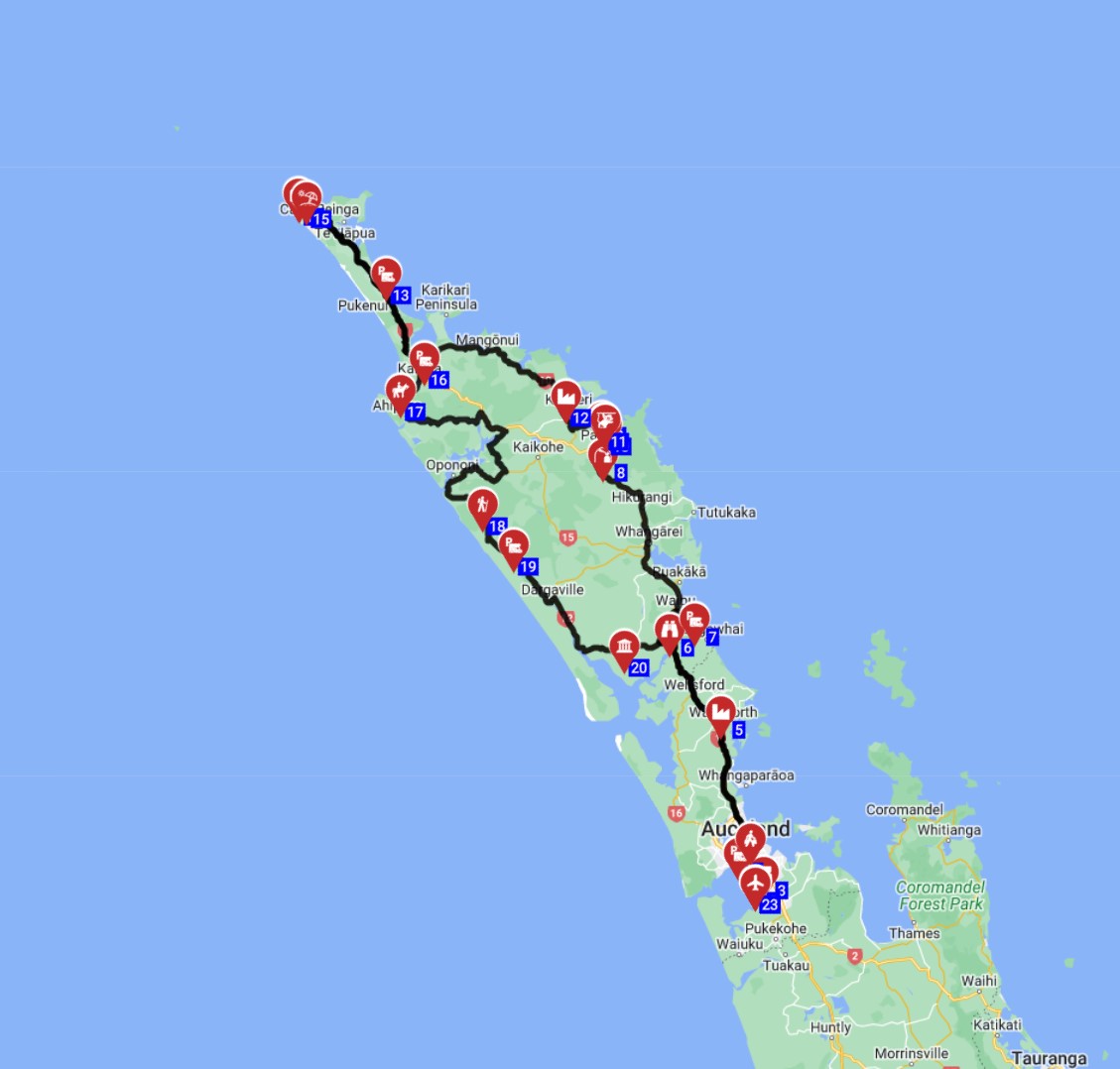
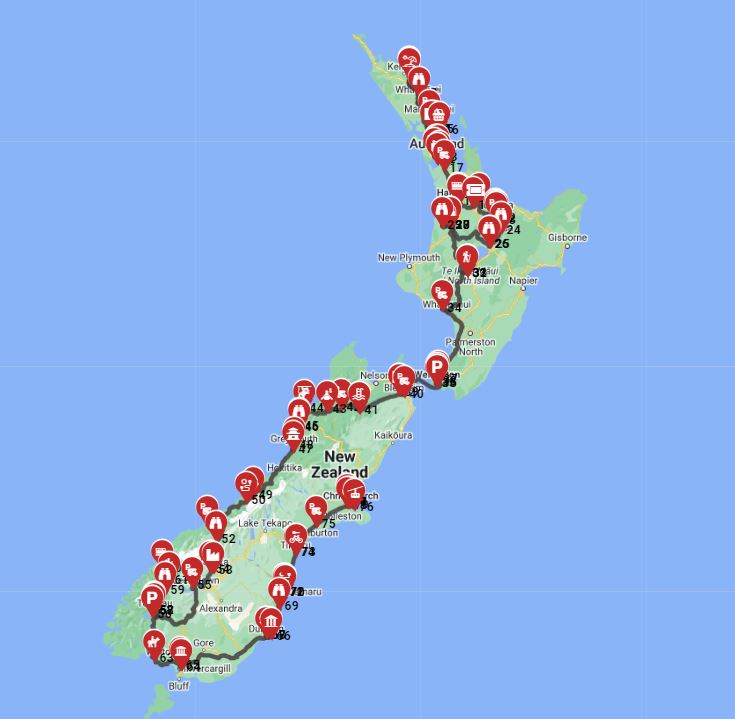
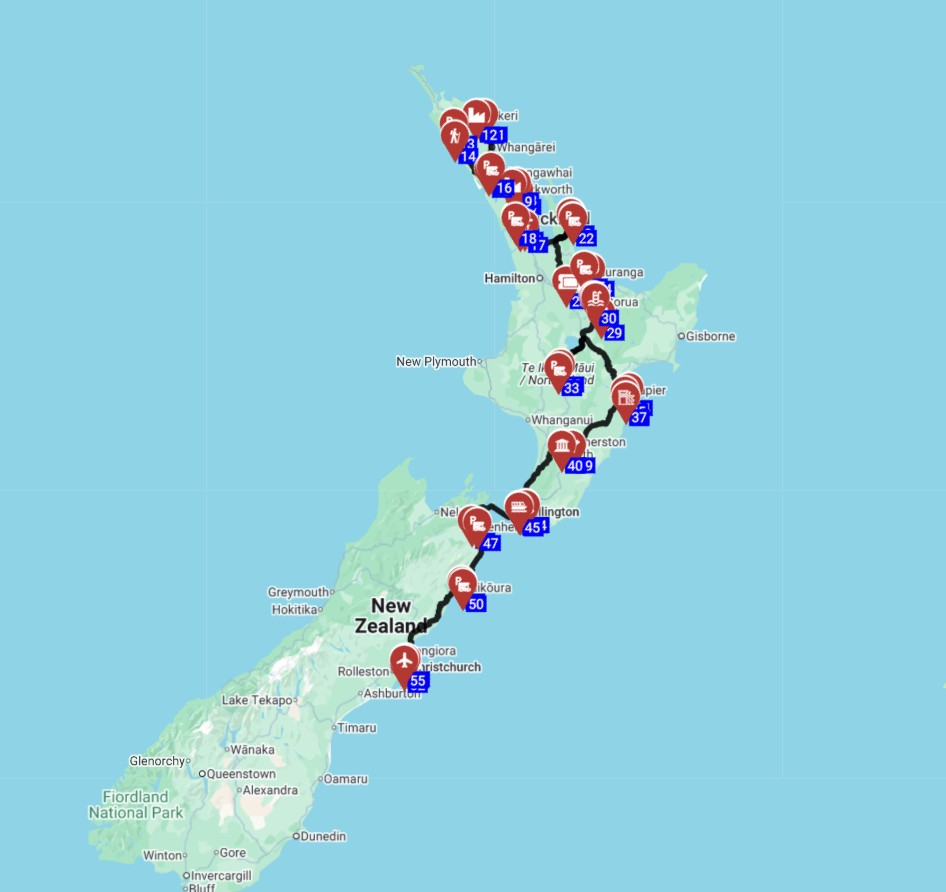
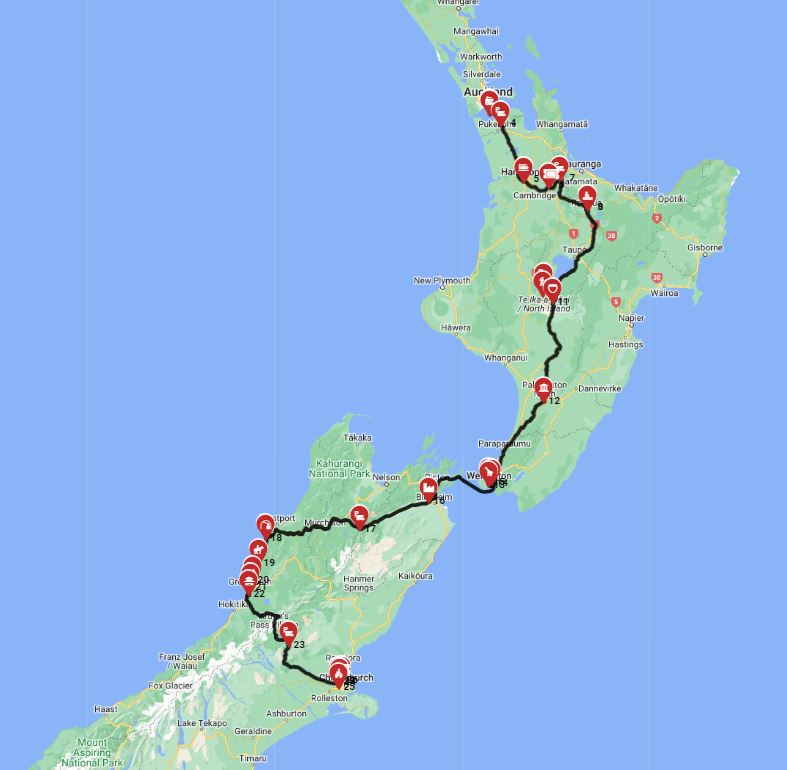
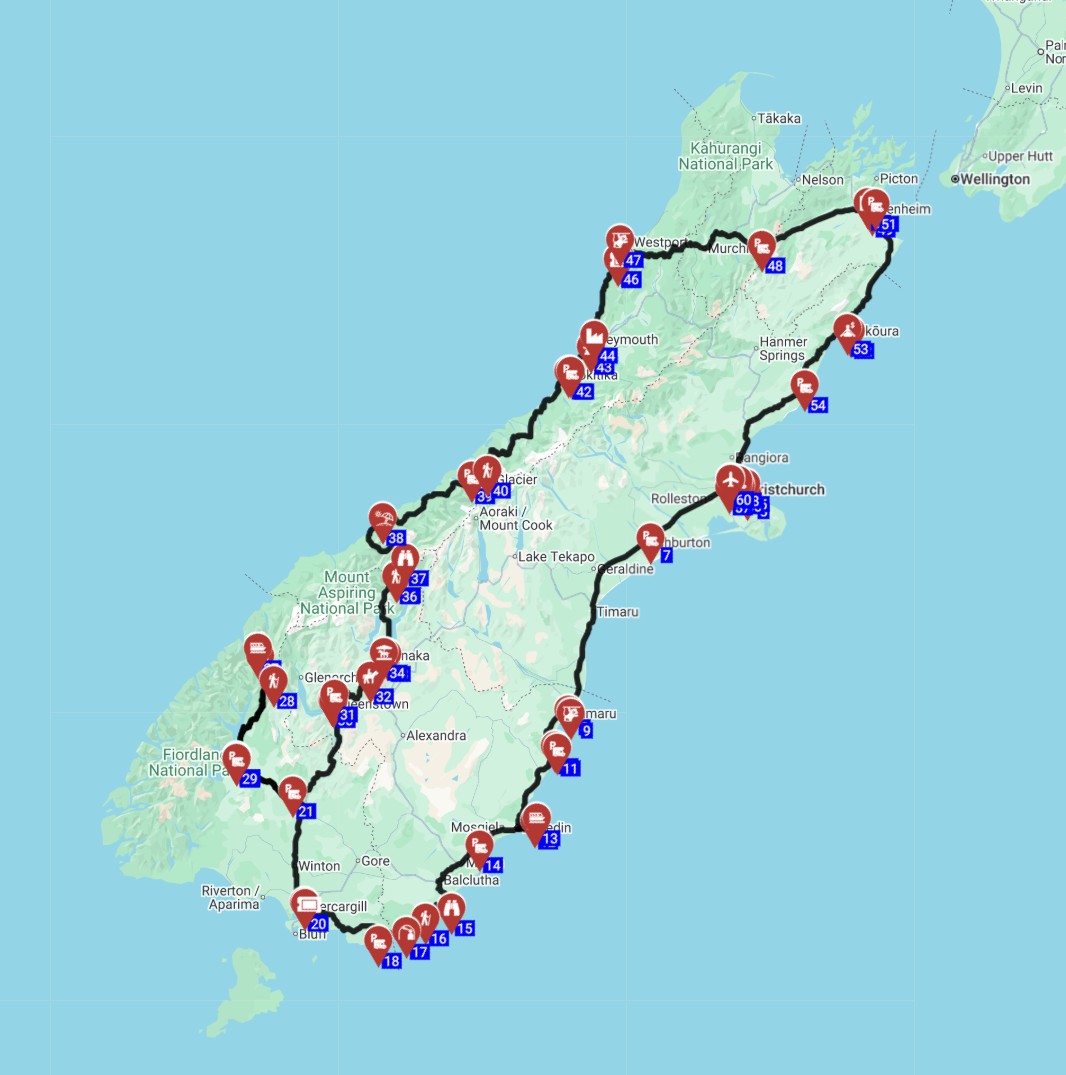
Planning your route effectively can help navigate these conditions. With RV PLANET routes, you can itemize and track every expense along the way for easy budgeting, including fuel, tolls, and campground fees. For instance, the "
RV Size Limits, Bridges & Restricted Zones
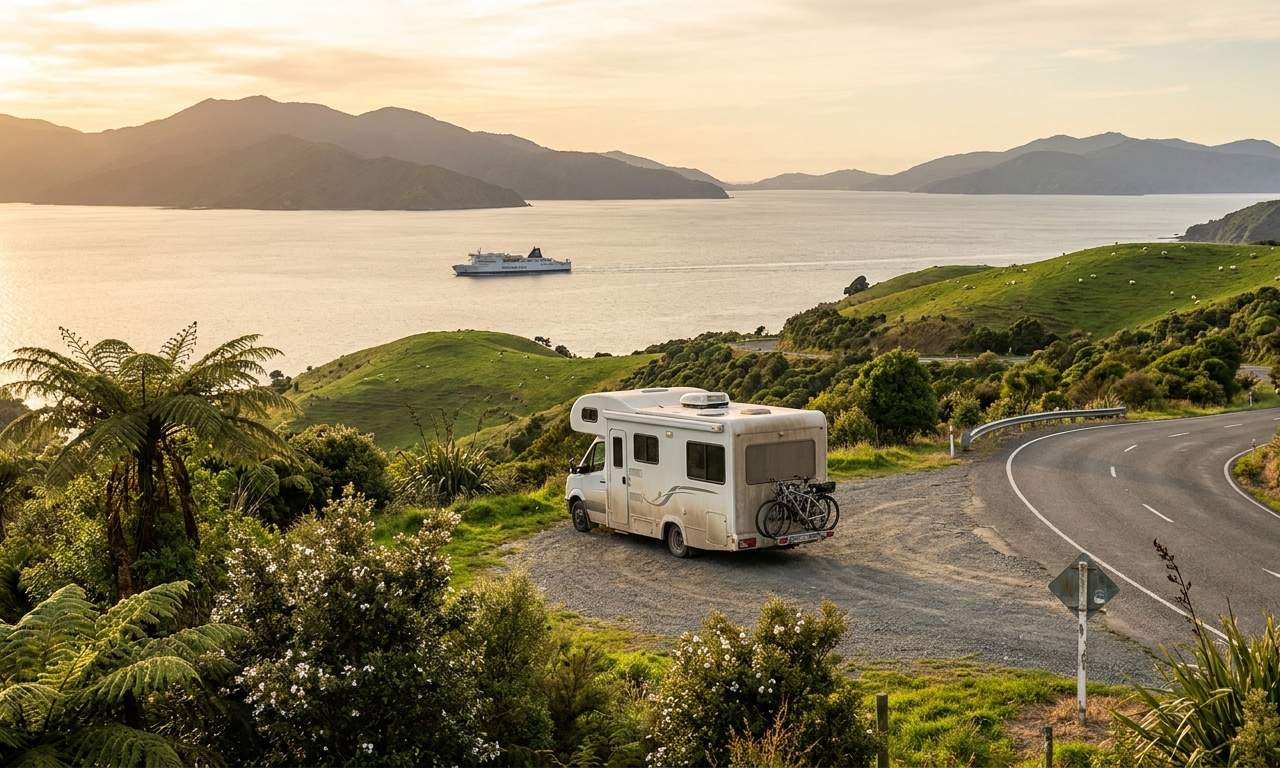
While New Zealand has no blanket RV size limits for general roads, drivers must be mindful of specific height, width, and weight restrictions posted for tunnels, low bridges, and some urban areas. Many popular routes, particularly in scenic areas, may feature single-lane bridges, requiring drivers of larger motorhomes like a "6 Berth Discovery" to yield to oncoming traffic. The Interislander and Bluebridge ferries between the North and South Islands accommodate all standard RV sizes, but bookings require accurate vehicle dimensions, and pricing varies by length. Always book ferry crossings well in advance, especially during peak seasons.
Some scenic routes or national park roads may have limitations for very large vehicles, so always check local signage or park regulations before heading off the main highways. An example of a natural feature to be aware of is a rock arch tunnel, as seen in parts of New Zealand, which may have specific height and width clearances. Always pay attention to posted signs and use common sense, especially when navigating unfamiliar roads with a rented RV. Renting a motorhome in New Zealand - Prices and Best Deals 2024 can offer more insights on vehicle sizes available, helping you choose the right fit for your planned itinerary.
Fuel: Diesel vs. Petrol & Cost per 100 km
Most RVs in New Zealand, particularly larger models, operate on diesel fuel, which is widely available at service stations across both islands, while smaller campervans may use petrol. Bandana's global fleet averages for fuel consumption include Class SI (Semi-integrated) RVs at approximately 10-11 Liters/100 km, Class C (Alcove) RVs at 10-12 Liters/100 km, and Class B (Camper Van) RVs at 8-10 Liters/100 km. For example, a "cruise america rv rental example Explorer" has a fuel consumption of 11 Liters/100 km. Knowing these figures helps you budget for your adventure, especially when planning extended road trips across vast distances.
Diesel vehicles in New Zealand are subject to a Road User Charge (RUC) paid in advance, which is typically handled by the rental company and included in your rental agreement. This RUC is a per-kilometer charge for diesel vehicles as they don't pay fuel excise duty like petrol vehicles. Fuel costs can be a significant portion of your travel budget, with prices fluctuating; rental companies may offer fuel discount cards to help manage expenses. For those seeking Cheap RV Rental in New Zealand - Budget Guide 2024, fuel efficiency can be a key factor in overall trip costs, so keep an eye on the vehicle's stated fuel consumption. Always aim to refuel when your tank is half-full, especially on longer, more remote stretches of highway.
Tolls, Vignettes & Border Rules
New Zealand features electronic tolls on a few specific roads, such as the Northern Gateway Toll Road north of Auckland and the Tauranga Eastern Link Toll Road, which are managed electronically. These tolls are typically paid online, via a mobile app, or at designated service stations. Unlike some European countries, New Zealand does not use vignettes (pre-paid stickers for road use) for its road network. As there are no international borders within New Zealand, there are no border rules or customs checks when driving between different regions or islands.
Travelers should check the New Zealand Transport Agency (NZTA) website for current toll road locations and payment options to avoid unexpected fees. Some Bandana RV partners may offer the option to pre-purchase toll passes or have systems in place to manage tolls, helping travelers avoid unexpected fines and ensuring full transparency in your rental experience, a key Bandana differentiator. This commitment to no hidden fees and no surprises is part of our promise, ensuring what you see is what you pay. For specific details on one-way rental fees, which can apply for inter-island travel, refer to One-Way RV Rental in New Zealand - Price Guide 2024.
Driving Tips for RV Rental Travelers
Driving on the left-hand side of the road in New Zealand requires an adjustment for many international visitors, so always allow extra time for travel due to winding roads and variable terrain. New Zealand's roads are often narrower and more winding than many drivers might be accustomed to, with scenic lookouts and pull-off bays requiring attentive driving. For families, plan regular stops every 2-3 hours to prevent driver fatigue and allow passengers to stretch and enjoy the scenery, which often leads to discovering hidden gems off the main path. Packing wisely with snacks and drinks helps keep everyone comfortable between stops.
Budget-conscious travelers should consider diesel RVs with pre-paid RUC and utilize any fuel discount cards offered by their rental provider to manage costs effectively. Luxury RVs, often equipped with automatic transmissions, simplify driving on New Zealand's varied roads, allowing for a more relaxed experience. Be aware of local wildlife, particularly sheep and cattle, which can sometimes be found on or near rural roads, especially during dawn and dusk. Remember to travel slowly, max 100-150 km per day on average. Take time to feel the place, connect to the culture, the food, and the scenery. Need inspiration for your daily meals, perhaps preparing a fresh catch on your RV's stove? Check out our RV-friendly recipes playlist.
Don't forget that Bandana RV are true RV specialists, not just a travel agency side department. We genuinely know RV travel and love helping people discover it. For example, our 24/7 support ensures real people are behind you before, during, and after your booking coordination, making your trip stress-free and smooth from start to finish.
Recommended RV Class for New Zealand Roads
For navigating New Zealand's diverse roads, a Class B Camper Van or Class SI Semi-integrated RV is often recommended for their balance of maneuverability and comfort. Class B Camper Vans, averaging 5.8 meters in length, such as the "Active Bunk Auto," are agile for narrower roads and city parking, while still providing sleeping for 2-3 adults. These are perfect for couples or small families who want ease of driving in varying conditions, combining the convenience of a car with the amenities of a small home.
Class SI Semi-integrated RVs, with an average length of 6.9 meters, like the "2 Berth Tamar" or "Active Standard Select," offer more living space for approximately 3-4 adults and are generally easy to handle on main highways and scenic routes. Larger Class C Alcove RVs (averaging 7.5 meters), such as the "6 Berth Deluxe" or "Euro Deluxe," are suitable for bigger families (sleeping up to 6) but require more caution on tight turns and single-lane bridges. While Class A Integrated motorhomes are also available, their larger size (often exceeding 9 meters) makes them best suited for drivers comfortable with big vehicles on more open roads. For luxury options and their specific features, explore Luxury RV Rental in New Zealand - Premium Prices 2024.
Should I Choose a Compact Van Instead of a Large RV in New Zealand?
While a compact van offers superior maneuverability in tight urban centers and on very narrow mountain passes, most standard RV sizes can be comfortably driven on New Zealand's main touring routes. Choosing a larger RV often provides significant benefits in terms of comfort, indoor living space, onboard facilities (like a shower and toilet), and storage, which are highly valued for longer trips. For example, a "6 Berth Discovery" motorhome offers generous space with features like a 190-liter refrigerator and multiple beds, whereas a compact van like a "camper hire new zealand example Hippie Drift" provides more basic amenities and a smaller footprint.
A compact van, such as the "new zealand motorhome hire example Hippie Drift" (fuel consumption around 10 Liters/100 km), is ideal for solo travelers or couples prioritizing fuel efficiency and ease of parking over extensive amenities. Larger motorhomes, like the "6 Berth Discovery" (7.4m length) or the "cheap campervan hire new zealand example EX-H" (6.75m length), offer spacious living for families and are perfectly suited for exploring the country's scenic landscapes at a comfortable pace. Drive slowly and carefully, and you can drive almost anywhere without issues. No need to stress - just use common sense and pay attention, even with a larger motorhome. Many different types of campers are available, as detailed in our RV Rental Deals in New Zealand - Latest Offers 2024, ensuring you find a vehicle that matches your travel style and comfort preferences.
Can I Park Anywhere? Free & Wild Camping Rules in New Zealand
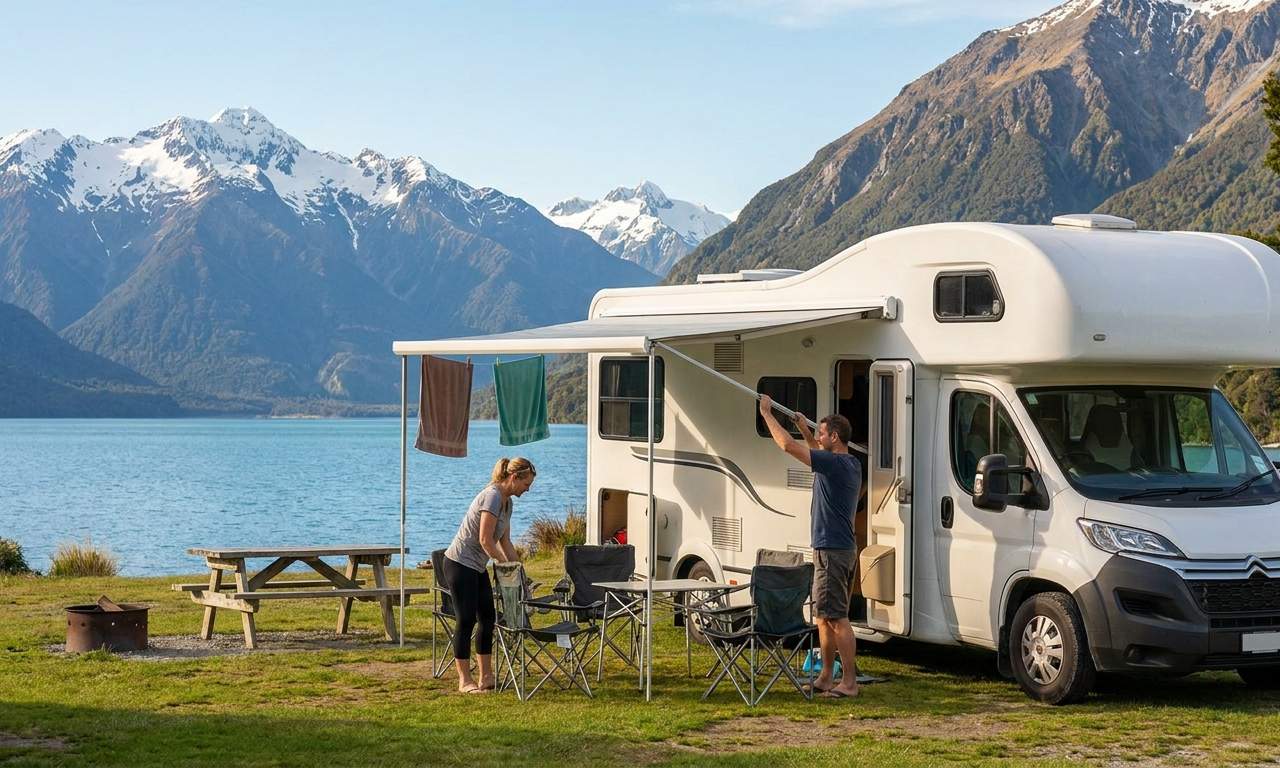
No, you cannot park a motorhome anywhere in New Zealand; strict freedom camping rules apply, requiring RVs to be certified 'self-contained' to overnight in designated free camping areas. This 'self-containment certificate' ensures your vehicle has a fixed toilet, a freshwater tank, a wastewater (grey water) tank, and a rubbish bin, all with sufficient capacity for at least three days of independent use, preventing any waste from being left behind. Always rely on the Department of Conservation (DOC) guidelines and local council bylaws for legal parking spots, which you can usually find through official apps or local visitor centers, ensuring responsible camping practices.
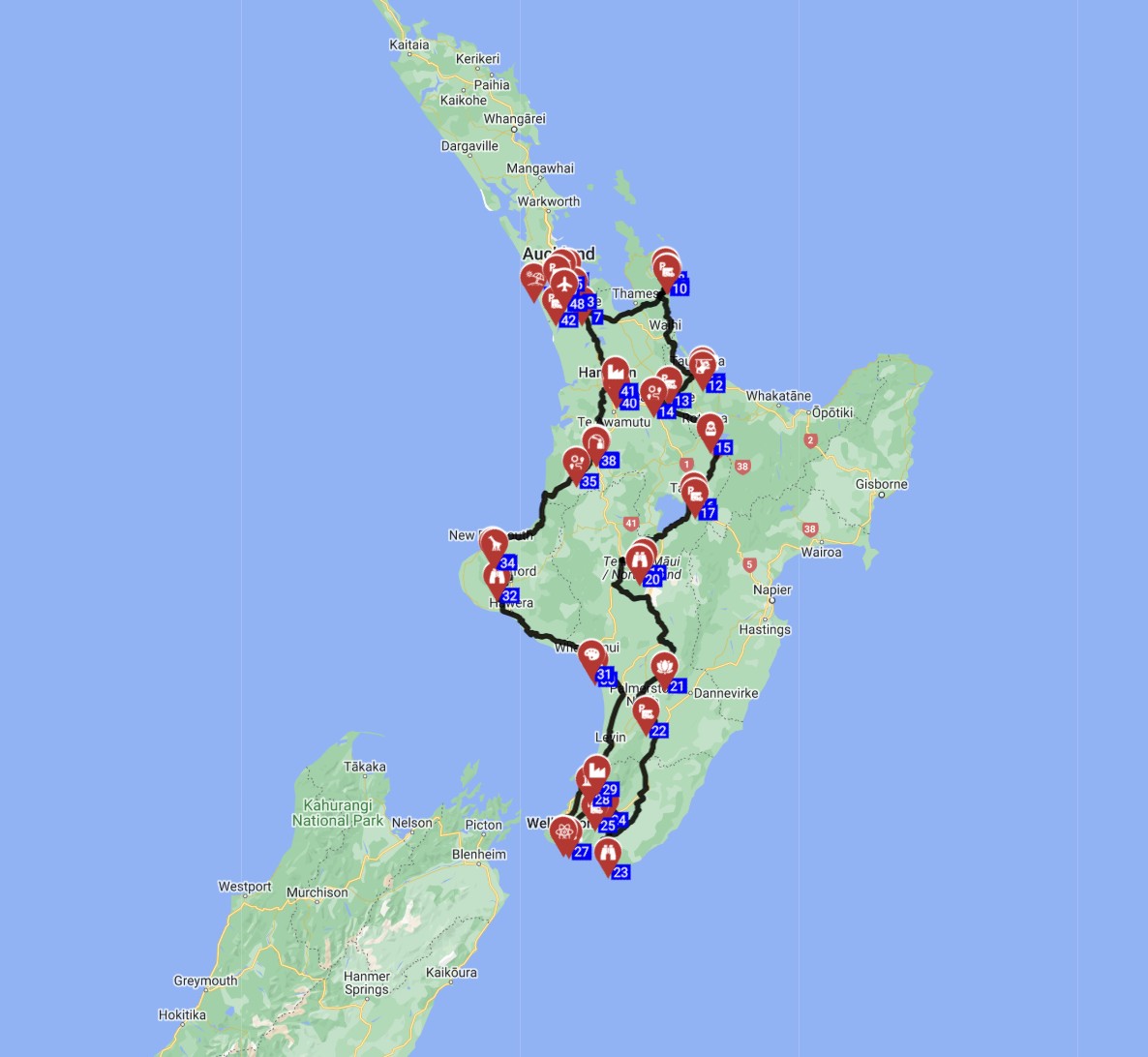
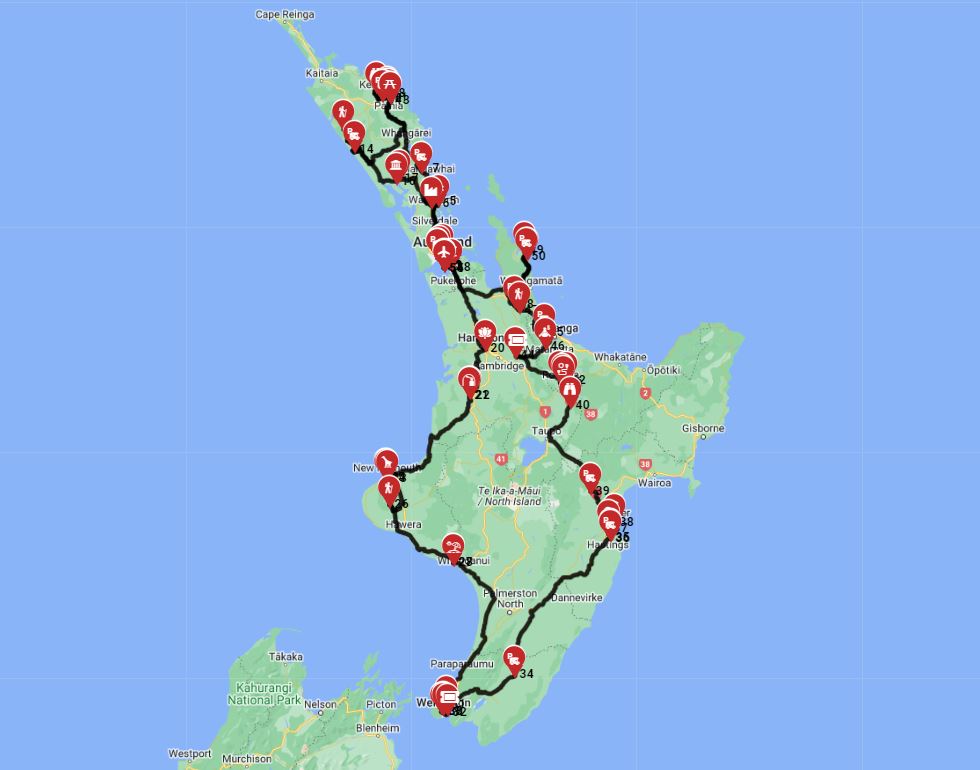
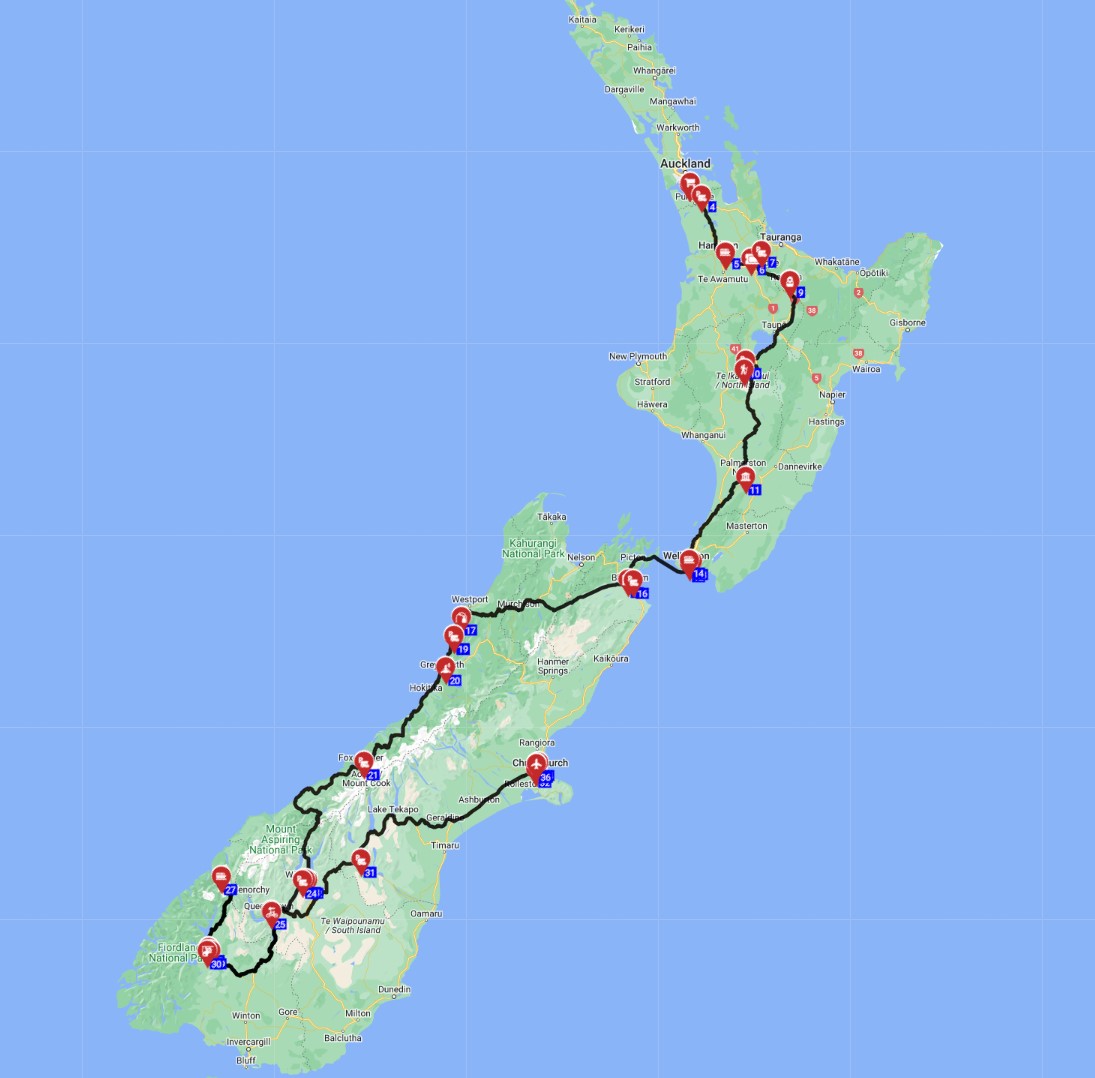
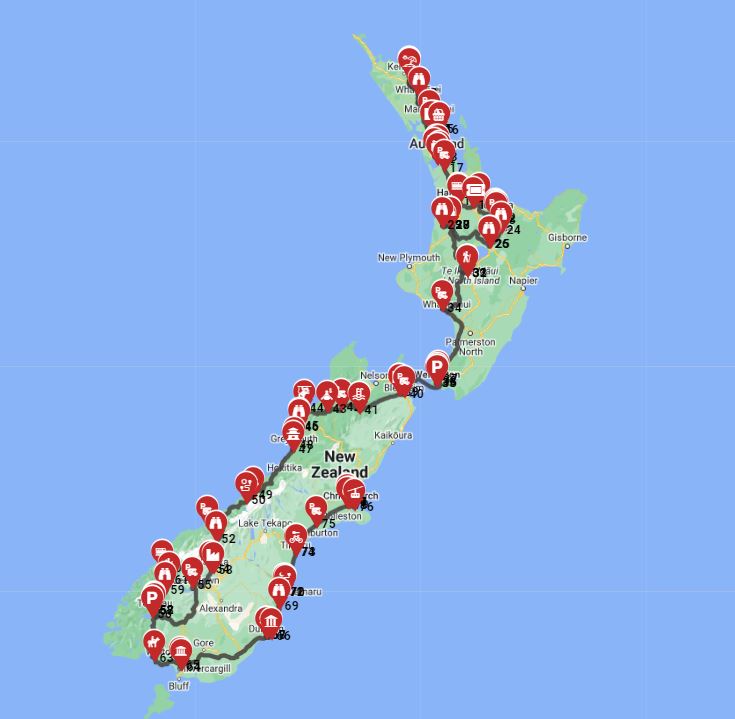
Violating freedom camping regulations can result in substantial fines, so always check local regulations and follow local law before parking overnight. Many national and state parks reserve only 25-30% of spots, with the rest being first-come-first-serve. So, if you are a spontaneous traveler, don't worry too much about booking far in advance; you'll find a spot. If not at the first campground, then the next one. Just call ahead before driving to confirm availability. For finding campsites and campgrounds during your trip, we recommend using RV PLANET (rvplan.net) - a great resource for locating available spots along your route. You can also explore pre-planned routes like the "
Can I Drive an RV Into the City Center? Heights, Tunnels & Local Signage
Yes, you can generally drive an RV into most New Zealand city centers, but paying close attention to local signage regarding height limits, tunnel clearances, and parking restrictions is crucial. While main roads are usually accessible, some older parts of cities or parking garages may have height and width restrictions that could limit access for larger vehicles. Drive slowly and carefully, and you can drive almost anywhere without issues. No need to stress - just use common sense and pay attention when navigating urban environments with your rental motorhome.
It's advisable to research city-specific parking options for RVs in advance, as street parking can be challenging due to vehicle size, and residents-only zones must be avoided. For example, a large Class A motorhome would find city parking more challenging than a compact "rv rental denver example Category Van." For more options on picking up your RV, you might check RV Rental Near New Zealand Airport - Pickup Pricing 2024. Local tips are invaluable, and Bandana RV, as true RV specialists, is here to support you with pre-booking comparison and booking support, ensuring you're well-prepared for city driving.
What is the 4-second rule in New Zealand?
The 4-second rule in New Zealand is a recommended safe following distance, particularly crucial for RV drivers, where you should maintain a gap of at least four seconds between your vehicle and the one in front. This rule is more conservative than the standard 2-second rule for cars and accounts for the increased braking distance required for heavier vehicles like RVs. To apply the rule, pick a fixed point on the road ahead (e.g., a sign or tree); when the vehicle in front passes it, you should count 'one thousand and one, one thousand and two, one thousand and three, one thousand and four' before your RV reaches the same point. Adhering to the 4-second rule provides sufficient reaction time and space, especially in adverse weather, on winding roads, or when encountering unexpected hazards common in New Zealand's diverse landscapes, enhancing safety for everyone on the road.
Is it difficult for Americans to Drive in New Zealand?
Driving in New Zealand can present challenges for Americans primarily due to the left-hand side of the road, right-hand drive vehicles, and often narrower, winding roads, but it is manageable with caution and adaptation. The fundamental difference of driving on the left requires constant vigilance, particularly at intersections and roundabouts, and can feel counter-intuitive initially. New Zealand's roads, while scenic, are often winding, steep, and less forgiving than many American highways, especially when navigating a larger RV. However, many rental RVs in New Zealand come with automatic transmissions, which can ease the adjustment, allowing drivers to focus more on road position and conditions rather than gear changes. With a standard car driver's license sufficient for all motorhome classes, the primary hurdle is adapting to driving on the opposite side of the road and staying alert.
Remember, slow travel is the key to enjoying New Zealand. Max 100-150 km per day on average. Take time to feel the place, connect to the culture, the food, and the scenery. For a deeper understanding of planning your journey, consult the RV Travel Guide to New Zealand - Tips and Top Spots 2024. This approach makes adjusting to new driving conditions less stressful and more enjoyable.
What is the 333 rule for campervan?
The '333 rule' for campervans is not a standard, official New Zealand driving regulation, but rather a colloquial safety guideline often adopted by experienced RVers to promote safe and responsible travel. It typically suggests: driving no more than 300 kilometers per day, staying at least 3 nights in one place, and having a minimum of 3 days' worth of supplies (food, water, fuel). This informal rule encourages a slower travel pace, allowing more time to appreciate New Zealand's scenery, reduce driving fatigue, and minimize the environmental impact of frequent movement, particularly important when exploring pristine natural areas.
Adopting similar principles, even if not strictly the '333 rule', can significantly enhance the enjoyment and safety of your RV trip in New Zealand. By focusing on leisurely exploration rather than rushing, you can truly connect with the country's unique landscapes and culture. This aligns perfectly with Bandana RV's philosophy of slow travel, encouraging you to immerse yourself fully in your rented motorhome adventure. Our RV Rental Australia - Complete Guide 2024 also emphasizes this approach for broader regional travel, highlighting the benefits of unhurried exploration.
Who insures motorhomes in NZ?
Motorhome insurance in New Zealand is provided by various local and international insurers, often arranged directly by rental companies or purchased independently by private owners, ensuring coverage for potential damages or liabilities. Major insurance providers in New Zealand, such as AA Insurance, Tower, AMI, and Covi Insurance (specializing in RVs), offer policies for motorhomes and campervans. For rented RVs, comprehensive insurance is almost always included in the rental cost, with varying excess (deductible) amounts; travelers often have the option to upgrade to a top-level deductible for extra peace of mind, significantly reducing their financial liability in case of an incident. This optional upgrade is a key part of our commitment to full transparency, offering you choices without hidden surprises.
It is crucial for foreign drivers to understand the terms of their rental insurance, including what is covered, any exclusions (e.g., driving on unsealed roads), and procedures for making a claim. Bandana RV provides clear details on insurance options as part of its full transparency promise, ensuring you're well-informed before your journey. As true RV specialists, we help travelers compare final prices across suppliers, making sure what you see is what you pay and providing supportive guidance every step of the way, from comparing options to coordinating your post-booking needs.
How much does it normally cost to insure an RV and Campervan in New Zealand?
The cost of insuring an RV or campervan in New Zealand varies significantly based on factors such as the vehicle's value, age, type, your driving history, and the level of coverage. For rental RVs, insurance is typically bundled into the daily rental rate, with the primary cost consideration being the insurance excess (deductible), which can range from NZD $3,000 to $7,500. This is the amount you are liable for in case of damage before the insurance covers the rest. Reducing the insurance excess for rental RVs usually costs an additional NZD $20-70 per day, depending on the rental company and vehicle class, and significantly lowers your financial liability in case of an incident. This upgrade is optional, allowing you to choose the level of protection that best suits your needs, such as a "new zealand motorhome hire example Explorer" often having different rates than a "Motorhome hire new zealand example Cheapa 2 Berth".
Private motorhome insurance in New Zealand can range from approximately NZD $500 to $1,500+ annually for comprehensive coverage, while third-party options are cheaper but offer less protection. When you compare motorhome prices for New Zealand through Bandana RV, all details regarding insurance and deductible options are presented upfront, ensuring no hidden fees or surprises. We believe in being honest and transparent, just like our founder Avi Bandana, so you can budget accurately for your dream trip. For comprehensive budgeting for your entire trip, remember that RV PLANET routes allow you to itemize and track every expense along the way for easy budgeting.
Top Cities for RV Rental in New Zealand
New Zealand offers several excellent starting points for your RV adventure, providing convenient access to both rental depots and stunning natural landscapes. Choosing the right city can set the tone for your entire trip. Here are some of the top cities for RV rental:
- Auckland: As New Zealand's largest city, Auckland on the North Island is a major international gateway, offering the widest selection of motorhome and campervan rentals. It's an ideal starting point for exploring the geothermal wonders of Rotorua or the beautiful Bay of Islands.
- Christchurch: Located on the South Island, Christchurch serves as the perfect base for exploring the dramatic scenery of the Southern Alps, the West Coast glaciers, and the majestic fjords. Many itineraries, like the "
", begin and end here.
Christchurch Roundtrip - Around the South Island
- Queenstown: The adventure capital of New Zealand, Queenstown is a popular choice for those looking to jump straight into thrilling activities and stunning alpine scenery. It's a great hub for exploring Fiordland National Park and the Otago region.
- Wellington: The capital city, located at the southern tip of the North Island, offers a vibrant cultural scene and is a convenient departure point for ferries to the South Island. Renting a campervan here allows for easy transition between islands.
- Dunedin: On the South Island's southeast coast, Dunedin is known for its Scottish heritage and unique wildlife, including albatrosses and penguins. It's a fantastic spot to begin exploring the Catlins and the wilder coastlines.
Each city offers a unique starting experience, and Bandana RV helps you compare motorhome prices for New Zealand across these locations, ensuring you find the best vehicle for your chosen itinerary, whether it's a "Paradise Family 5" for a group or a compact "Chaser" for a couple.
What You Shouldn't Miss
- **Milford Sound Cruise:** Take a breathtaking cruise through the majestic Milford Sound, often described as the 'Eighth Wonder of the World'. The drive along the Milford Road itself is an experience, but remember to fuel up strategically as stations are scarce.
- **Tongariro Alpine Crossing:** Lace up your hiking boots for one of New Zealand's most famous day hikes, a challenging yet rewarding trek through volcanic landscapes in Tongariro National Park on the North Island.
- **Queenstown's Adrenaline Rush:** Experience the adventure capital of the world. From bungee jumping and jet boating to paragliding, Queenstown offers an array of extreme activities to get your heart pumping.
- **Rotorua's Geothermal Wonders:** Immerse yourself in the unique geothermal activity of Rotorua, where you can witness bubbling mud pools, geysers, and vibrant silica terraces, alongside rich Maori culture.
- **Abel Tasman Coast Track:** Explore the golden sands and turquoise waters of Abel Tasman National Park. Park your RV and enjoy a multi-day walk or a day trip by water taxi, discovering secluded beaches and lush coastal forests.
- **Waitomo Glowworm Caves:** Glide silently through an underground wonderland illuminated by thousands of tiny glowworms in the Waitomo Caves, a truly magical and unique experience.
Looking for expert insights from Avi Bandana? Top 5 Adventures - recommendations from Avi Bandana
Final Thoughts
Embarking on a last-minute RV driving adventure in New Zealand offers incredible freedom to explore one of the world's most stunning countries at your own pace. With Bandana RV, you're supported every step of the way, from understanding licensing requirements and navigating unique road conditions to finding the perfect campervan for your family or group. We are committed to full transparency and providing you with the best options for your journey, ensuring a seamless experience before, during, and after your booking.
Remember, New Zealand is best experienced through slow travel, allowing you to truly connect with its vibrant culture and breathtaking natural wonders. Don't be afraid of hitting the road, even if it's a spontaneous decision. With common sense, a little planning using resources like rvplan.net, and our dedicated support, you'll be set for an unforgettable experience. Let us handle the details, and you focus on living the journey, creating memories that will last a lifetime.
Get inspired for your next trip! Discover top destinations, planning tips, all in one place! Plan a trip itinerary in advance with minimal effort and maximum enjoyment. Compare Motorhome Prices for New Zealand now and start your adventure!