In This Guide
- Where to Camp in Australia - Top Options
- Campground Types in Australia (National, Private, Wild)
- Featured RV Park or Campground in Australia
- Hookups & Amenities - What to Expect
- Booking Windows & Reservations in Australia
- Nearby Supermarkets & Resupply Points
- Best RV Class for Camping in Australia
- How to Save on Campgrounds in Australia
- Can you park an RV anywhere in Australia?
- What are RV parks called in Australia?
- Where can you park overnight for free in Australia?
- What is the average caravan park fee in Australia?
- How much do campsites cost in Australia?
- Are RVs allowed in Australia?
- How can I book campsites in Australia?
- Do you need to pre-book campsites in Australia?
- What is ghost camping in Australia?
- What You Shouldn't Miss
🎬 Video coming soon
Where to Camp in Australia - Top Options
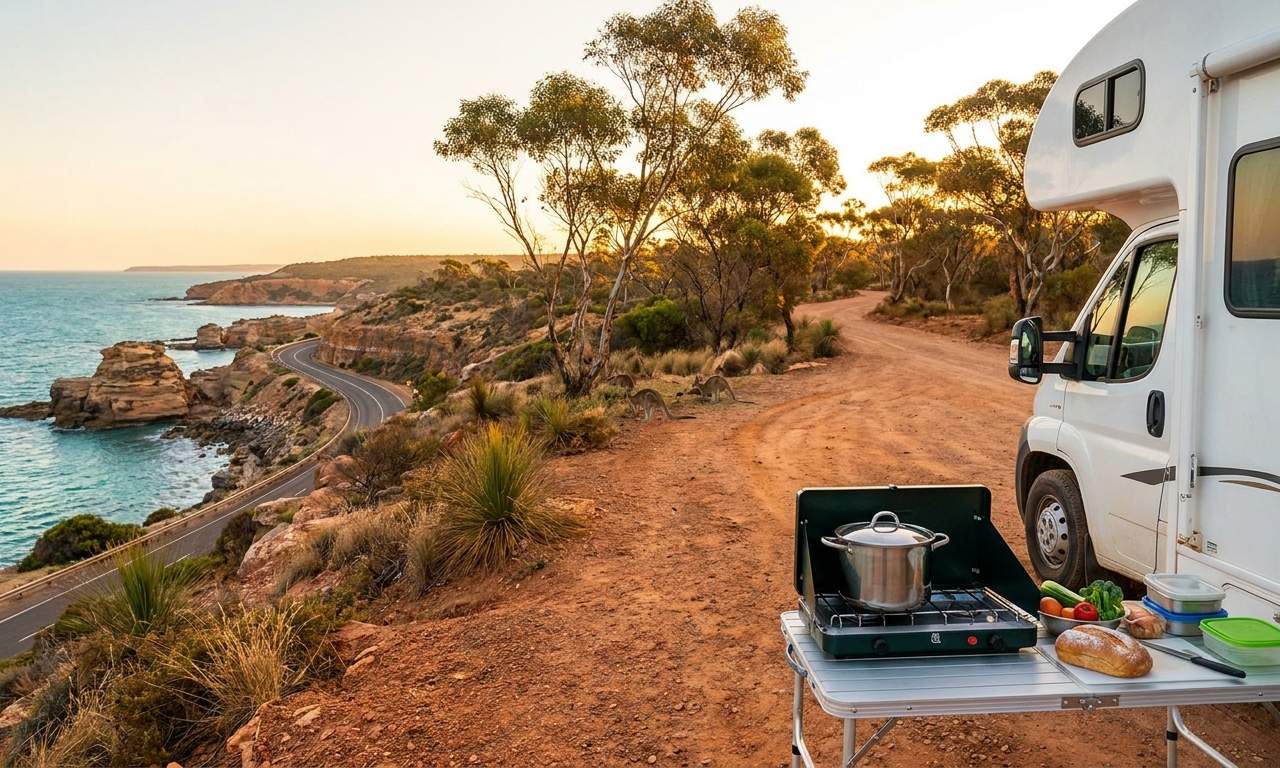
Australia offers diverse RV camping experiences, ranging from popular coastal routes like the Gold Coast and Byron Bay to the rugged beauty of national parks in regions such as Queensland and Western Australia. Along the coastline, you'll find countless caravan parks with beachside access, allowing you to immerse yourself in vibrant tourist towns and stunning ocean views. Heading inland, the country's extensive network of National and State Parks provides immersive nature experiences, often with basic amenities and breathtaking natural landscapes, like the majestic Grampians National Park in Victoria or the ancient Daintree Rainforest in Queensland. For the truly adventurous, the Australian Outback presents unique, remote camping opportunities that often require robust 4x4 capable RVs and meticulous planning. Always keep an eye out for places to resupply, and remember to travel slowly, averaging a maximum of 100-150 km per day, to truly absorb the local culture, food, and scenery.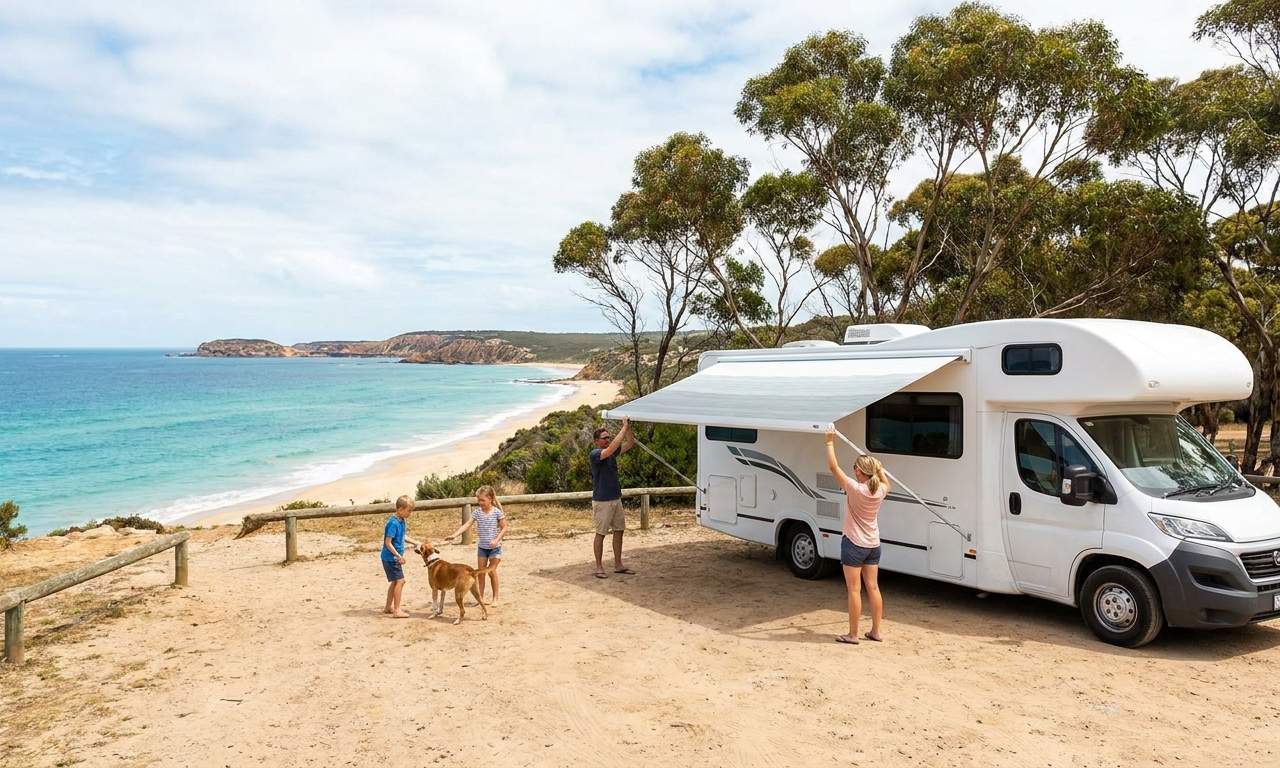
Campground Types in Australia (National, Private, Wild)
Australia provides three primary types of RV camping: regulated National and State Park campgrounds, privately operated caravan and holiday parks, and designated freedom camping (or 'wild camping') areas, each with distinct rules and amenities. National and State Park campgrounds, managed by government bodies such as Parks Australia, are typically scenic sites with varying amenities, from basic pit toilets to some powered sites; fees apply, and booking is often required, particularly for popular spots. Private Caravan and Holiday Parks, which are commercially operated, offer extensive facilities like powered sites with 240V/50Hz electricity, full amenities including showers, laundromats, pools, and often communal kitchens; these parks are generally located near attractions and come with higher fees. Freedom Camping refers to legal overnight parking in designated rest stops, specific local council areas, or private land with permission, generally requiring self-contained vehicles and strict adherence to 'leave no trace' principles, while illegal 'ghost camping' is strictly prohibited and can result in significant fines.Featured RV Park or Campground in Australia
While specific recommendations vary by region and travel style, a typical high-quality Australian caravan park, such as those found along the popular East Coast routes or a well-regarded BIG4 Holiday Park, offers a full range of amenities for a comfortable RV stay. These parks are designed to provide maximum convenience, featuring powered sites, impeccably clean toilet and shower blocks, coin-operated laundry facilities, communal kitchens with cooking equipment, and often additional amenities like swimming pools, children's playgrounds, or BBQ areas. Many parks are strategically located near major attractions, beautiful beaches, or bustling town centers, providing convenient access for exploration. For a more rugged national park experience, consider well-maintained sites like those in the Prom Country in Victoria or around the iconic Uluru in the Northern Territory, which offer a different, more natural kind of camping.Hookups & Amenities - What to Expect
Australian RV campgrounds, particularly private caravan parks, typically offer powered sites with 240V/50Hz electricity (standard Australian socket), fresh water hookups, and readily available dump points, while Wi-Fi, laundry facilities, and hot showers are common amenities. When staying at a powered site, your rented motorhome will connect using a standard Australian 3-pin plug (Type I), so international travelers may need to consider an adapter for any personal appliances. Potable water hookups are standard at most powered sites, ensuring you have a fresh water supply, and non-potable water for rinsing is often available near dump points for grey and black water disposal. Beyond these essentials, expect clean hot showers, flush toilets, coin-operated laundromats, communal kitchens perfect for preparing delicious meals (check out our RV-friendly recipes playlist), and often added luxuries like swimming pools, general stores, or Wi-Fi, which can sometimes be an extra cost or have limited bandwidth.Booking Windows & Reservations in Australia
For popular destinations, peak seasons, or specific National Park campgrounds in Australia, it is highly advisable to pre-book your RV site, often several months in advance, though spontaneous travelers can often find availability by calling ahead. During Australian school holidays (typically mid-December to end of January, Easter, and mid-year breaks), public holidays, and major events, campsites in popular areas like the Gold Coast or coastal regions can book out completely, requiring reservations up to 3-6 months prior. Many National Park campgrounds operate on a reservation system, often releasing a percentage (e.g., 25-30%) of spots for advanced booking, with the remainder sometimes allocated on a first-come, first-served basis. For off-peak and shoulder seasons (e.g., April-May or September-October outside of holidays), flexibility is greater, and same-day or next-day bookings are often possible, but always call the campground directly before driving a long distance. Remember, "You will almost certainly find a place - if not at the first campground, then the next one. Call ahead before driving."Nearby Supermarkets & Resupply Points
Major supermarket chains like Woolworths and Coles are widely available across Australian towns and cities, providing essential resupply points for RV travelers, with smaller independent stores often found in regional and remote areas. Woolworths and Coles are the dominant chains, offering a full range of groceries, fresh produce, and household items in most urban and larger regional centers. Aldi is a growing discount supermarket option in many areas, offering competitive prices for a more limited range of goods. IGA (Independent Grocers of Australia) stores are common in smaller towns and regional areas where major chains may not be present, often providing a vital lifeline in less populated zones. Always stock up on provisions and water, especially if you have a large motorhome like a 7.1m long Cruise America Explorer with an 82-liter fresh water tank, before venturing into remote or isolated areas, as resupply options will be scarce and significantly more expensive. For budgeting and tracking these and other ancillary costs like fuel and campground fees, RV PLANET routes allow you to itemize every expense along the way.Best RV Class for Camping in Australia
For Australian camping, Class B Camper Vans offer excellent flexibility for both urban and light off-road exploration, while Class SI Semi-integrated RVs provide a comfortable balance of space and maneuverability suitable for most sealed roads and well-maintained unsealed tracks. A Class B Camper Van, such as the 2 Berth Hi Top (averaging 5.8m length, sleeping 2.7 adults, with an 8-10 L/100km fuel consumption), is excellent for solo travelers or couples seeking maneuverability, easier parking, and access to tighter spots or some unsealed roads, suitable for both freedom camping and caravan parks. A Class SI Semi-integrated model, like the 2 Berth Rover (averaging 6.9m length, sleeping 2, with 10-11 L/100km fuel consumption), provides more living space, a proper kitchen, and bathroom facilities, making it suitable for longer trips and small families, ideal for staying on sealed roads or well-maintained gravel roads. For larger families or groups, a Class C Alcove motorhome, like the 4 Berth Seeker (averaging 7.5m length, sleeping 4, with ample fresh water tank capacity), offers generous space but is less agile, though still perfectly manageable on Australian roads. Remember, you can drive slowly and carefully, and you can drive almost anywhere without issues. No need to stress - just use common sense and pay attention. For true off-road adventures and remote exploration, consider a Class TC Truck Camper, like the 4x4 Scout Adventure Truck Camper Gold (averaging 5.5m length, sleeping 2, with 12-17 L/100km fuel consumption), which typically offers 4x4 capabilities for challenging terrains and unsealed tracks.How to Save on Campgrounds in Australia
RV travelers can significantly reduce camping costs in Australia by utilizing discount cards, opting for off-peak travel, choosing municipal or regional campgrounds over premium private resorts, and booking longer stays for weekly rates. For instance, a BIG4 Holiday Parks membership can offer 10% discounts on nightly rates at participating parks across the country. Traveling during the shoulder or off-peak seasons, such as May-June or September-November (excluding school holidays), typically benefits travelers with lower rates and fewer crowds compared to the peak summer season (December-February). Choosing municipal, regional, or state park campgrounds, which often cost between AUD $8 and $30 per night, is usually more affordable than privately owned holiday resorts, though they may offer fewer amenities. Booking longer stays, such as a week-long trip or an extended road trip, frequently provides significant discounts on nightly rates. Additionally, utilizing designated free overnight parking areas and rest stops when appropriate, while ensuring your rented RV is self-contained and you adhere to local regulations and 'leave no trace' principles, can dramatically cut down on accommodation expenses.Can you park an RV anywhere in Australia?
No, you cannot park an RV anywhere in Australia; overnight parking and camping are generally restricted to designated campgrounds, caravan parks, and specific free camping areas, with strict regulations varying by state, territory, and local council. It is illegal to randomly park overnight on public streets, beaches, or private property without explicit permission, and hefty fines can be issued for unauthorized camping. For instance, in some popular coastal towns, overnight parking outside designated areas can incur fines upwards of AUD $200. Regulations differ significantly across states and territories; for example, Tasmania has stricter freedom camping laws compared to parts of Western Australia, where more remote rest areas are available. Always ensure you are in a legally designated area for overnight stays, using reliable resources like the WikiCamps Australia app to locate verified sites. Adhere to 'leave no trace' principles to protect Australia's fragile ecosystems and unique wildlife, ensuring that legal camping options remain available for future travelers.What are RV parks called in Australia?
In Australia, RV parks are predominantly referred to as 'caravan parks' or 'holiday parks,' and sometimes 'tourist parks,' rather than the term 'RV park' which is more common in North America. 'Caravan parks' is the most common and traditional term, reflecting the long history and popularity of caravans (towable RVs, though Bandana RV focuses on motorhomes and campervans) in Australia. 'Holiday parks' often denote larger, more amenity-rich establishments that might include cabins, pools, and recreational facilities, catering to a broader range of travelers, often with 100+ powered sites. 'Tourist parks' are similar to holiday parks, focusing on providing comprehensive services for visitors, and you'll typically find them listed under this name on local signage. Understanding this local terminology is crucial for searching for and booking overnight RV accommodations across Australia, ensuring you find the right type of spot for your rented motorhome adventure.Where can you park overnight for free in Australia?
In Australia, you can park a rented RV overnight for free in designated rest areas, some specific council-run areas, national parks with limited free sites (though these are rare), and private properties with the owner's explicit permission. Designated rest areas along major highways, particularly in the vast outback regions, often permit short overnight stays, typically for 24-72 hours, and may have basic amenities like public toilets, but rarely offer power or water hookups. Many local councils provide specific free or low-cost overnight parking zones for self-contained RVs, usually for a limited duration of 1-2 nights, which are clearly signposted. Mobile apps like WikiCamps Australia or CamperMate are invaluable resources for finding verified free camping sites, along with user reviews and up-to-date regulations from fellow travelers. Always strictly adhere to 'leave no trace' principles, dispose of all waste properly at dump points, and always be aware of local fire bans, especially during summer bushfire seasons, when utilizing any free camping options to protect Australia's unique environment.What is the average caravan park fee in Australia?
The average caravan park fee in Australia typically ranges from AUD $35 to $60 per night for a powered site, though prices can fluctuate significantly based on location, season, amenities, and the specific park's rating. Budget-friendly caravan parks, often located further from major attractions or during off-peak seasons, can be found for AUD $30-45 per night for a powered site, offering essential facilities. Mid-range parks with standard amenities like hot showers, laundry, and a camp kitchen, and good locations, generally cost between AUD $45-70 per night. Premium holiday parks or resort-style parks, especially in prime coastal or city-fringe locations during peak season (December-January school holidays), can exceed AUD $70-100+ per night for a powered site. Unpowered sites are usually AUD $5-15 cheaper than powered sites, and many parks offer discounted rates for longer stays, such as weekly or monthly bookings, which can save you up to 20% on extended road trips.How much do campsites cost in Australia?
Campsite costs in Australia vary widely, from free designated areas to over AUD $100 per night for premium private holiday parks, with National and State Park sites generally falling between AUD $8 and $30. Free camping is available at designated rest areas and some council-run sites, primarily for self-contained rented vehicles, providing a zero-cost overnight option. National and State Park campgrounds, such as those in Queensland's Daintree National Park or Victoria's Grampians, typically range from AUD $8 to $30 per night, offering basic to moderate facilities and often requiring online booking for most locations. Private caravan and holiday parks, which offer a full range of amenities including powered sites (240V/50Hz), freshwater access, and dump points, typically cost between AUD $35 and $100+ per night, depending on their location, facilities, and the season. Prices are highest during peak tourist seasons (school holidays, public holidays) and in popular destinations like coastal towns or major event locations, with unpowered sites usually being AUD $5-15 cheaper than powered options.Are RVs allowed in Australia?
Yes, RVs, including motorhomes and campervans, are absolutely allowed and are a popular mode of travel in Australia, provided drivers adhere to local road rules, vehicle registration, and specific parking and camping regulations. Australia's roads are well-maintained, and even driving a larger Class C motorhome (which can be up to 7.5m long) through cities is manageable: drive slowly and carefully, and you can drive almost anywhere without issues. No need to stress - just use common sense and pay attention. Most standard car driver's licenses are sufficient for driving typical rented RVs, as no special license, CDL, or additional permits are required for any motorhome class. An International Driving Permit (IDP) is recommended for visitors from non-English-speaking countries but is not mandatory in most cases. Drivers must adhere to Australian road rules, including driving on the left-hand side, observing speed limits (which can vary, often 100-110 km/h on highways), and strict drink-driving laws. It is crucial to choose an RV suitable for your planned itinerary, especially if venturing onto unsealed roads or into remote areas, where 4x4 capability (like a Class TC Truck Camper) may be necessary. Be acutely aware of Australia's unique wildlife, particularly kangaroos and emus, which pose significant road hazards at dawn and dusk, and always stay informed about current bushfire safety warnings and evacuation routes, especially during summer months.How can I book campsites in Australia?
Campsites in Australia can be booked through various channels, including direct online portals for national and state parks, specific holiday park chain websites, third-party booking platforms, or by calling parks directly. For National and State Park campgrounds, use the official government websites relevant to the specific state or territory (e.g., Parks Australia, NSW National Parks, Parks Victoria, Queensland Parks and Wildlife Service) for bookings and permits, often requiring payment in advance. Private caravan and holiday parks can be booked directly through their individual websites or via major chains like BIG4 or Discovery Parks, which usually have user-friendly online reservation systems. Third-party booking platforms and mobile apps such as WikiCamps Australia or CamperMate often include booking links, contact details, and user reviews for a wide range of campgrounds, from budget-friendly options to premium resorts. Calling the campsite directly is often the best method for last-minute bookings, clarifying specific needs like an extra powered site, or confirming availability, especially during less busy periods or for smaller, independent parks. For finding campsites and campgrounds during your trip, we recommend using RV PLANET (rvplan.net) - a great resource for locating available spots along your route.Do you need to pre-book campsites in Australia?
While not always mandatory, pre-booking campsites in Australia is strongly recommended, especially during peak seasons, school holidays, and for popular destinations, to guarantee a spot and avoid disappointment. During peak tourist seasons (typically December-January, Easter, and mid-year school breaks), public holidays, and major events, popular caravan parks and national park sites often book out months in advance, with some premier spots requiring booking 6 months ahead. Pre-booking is less critical during the off-peak or shoulder seasons, but calling ahead to confirm availability is still a wise practice, particularly in remote areas where options may be limited or facilities sparse. For many National Park campgrounds, especially those with powered sites, reservations are often essential, as only a limited number of spots (sometimes 25-30% of total sites) may be available on a first-come, first-served basis. Booking in advance provides peace of mind, allows for better planning of your itinerary, and often secures a preferred site, preventing the need to search for accommodation at the end of a long day's drive.What is ghost camping in Australia?
'Ghost camping' in Australia refers to the practice of illegally camping overnight in undesignated areas, such as public streets, rest stops not marked for overnight stays, or private land without permission, and is distinct from legal freedom camping. This illegal practice often results in fines from local authorities, which can range from AUD $100 to over $500, and can lead to environmental issues such as littering, improper waste disposal, and strain on local resources. Ghost camping differs from legitimate 'freedom camping,' which occurs in specific, legally designated free sites that are often well-documented in camping apps and guidebooks like WikiCamps Australia. Authorities actively monitor popular tourist areas and coastal towns for ghost camping, and penalties are strictly enforced to protect natural environments, maintain public health and safety, and ensure proper waste management. RV travelers are strongly advised to only camp in approved locations to respect local regulations, communities, and the environment, thereby preserving legal camping options for everyone.What You Shouldn't Miss
- **Drive the Great Ocean Road:** This iconic 243 km scenic route in Victoria offers breathtaking coastal views, including the famous Twelve Apostles. Imagine pulling over your rented campervan, making a hot drink, and watching the waves crash against ancient limestone stacks. It’s an unforgettable experience for anyone exploring "RV Rental Australia - Complete Guide 2026".
- **Explore the Blue Mountains:** Just west of Sydney, this UNESCO World Heritage site boasts dramatic cliffs, eucalyptus forests, waterfalls, and quaint villages. Enjoy hiking trails, take the world’s steepest railway, and find a cozy caravan park in towns like Katoomba.
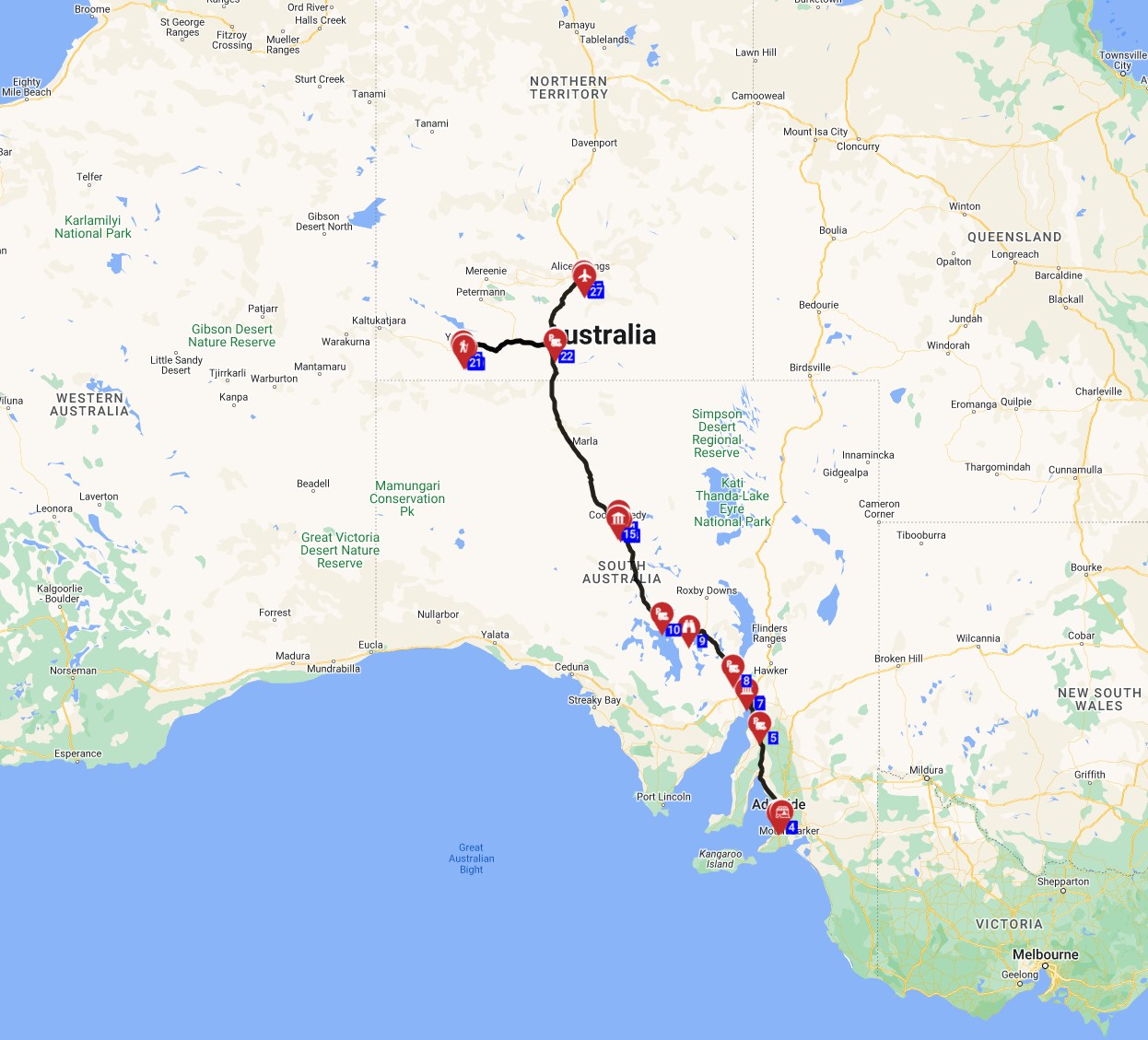
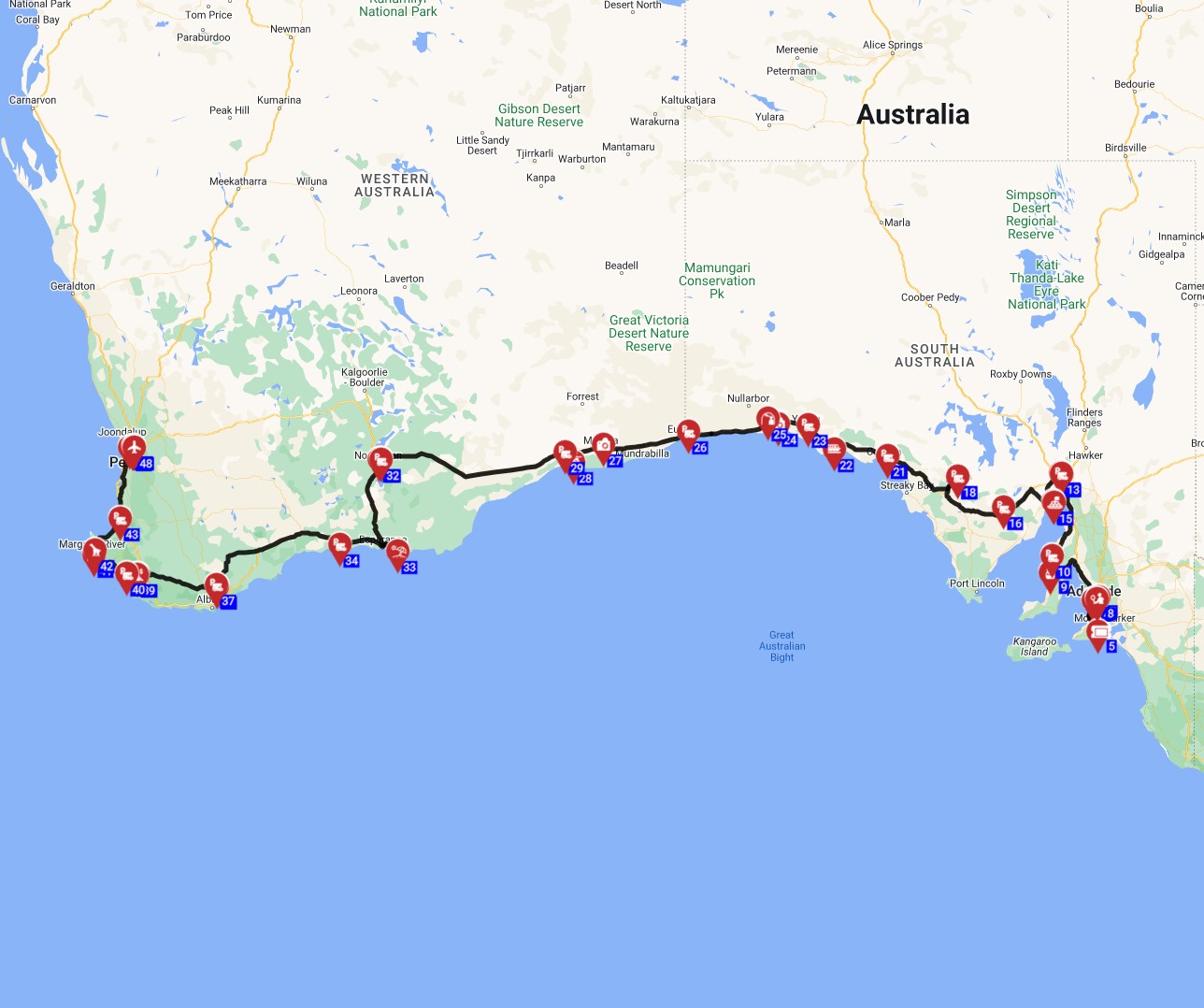
- **Experience the Red Centre:** No trip to Australia is complete without seeing Uluru (Ayers Rock). Camp nearby and witness the incredible sunrise and sunset colors change on the monolithic sandstone formation. For an in-depth adventure through the heart of the country, consider the "Perth to Alice Springs - The Dreamtime Highway: A Journey Through Australia's Heart" route plan, which covers 5447.3 km over 21 days and includes 4 natural features and 3 tourist attractions.
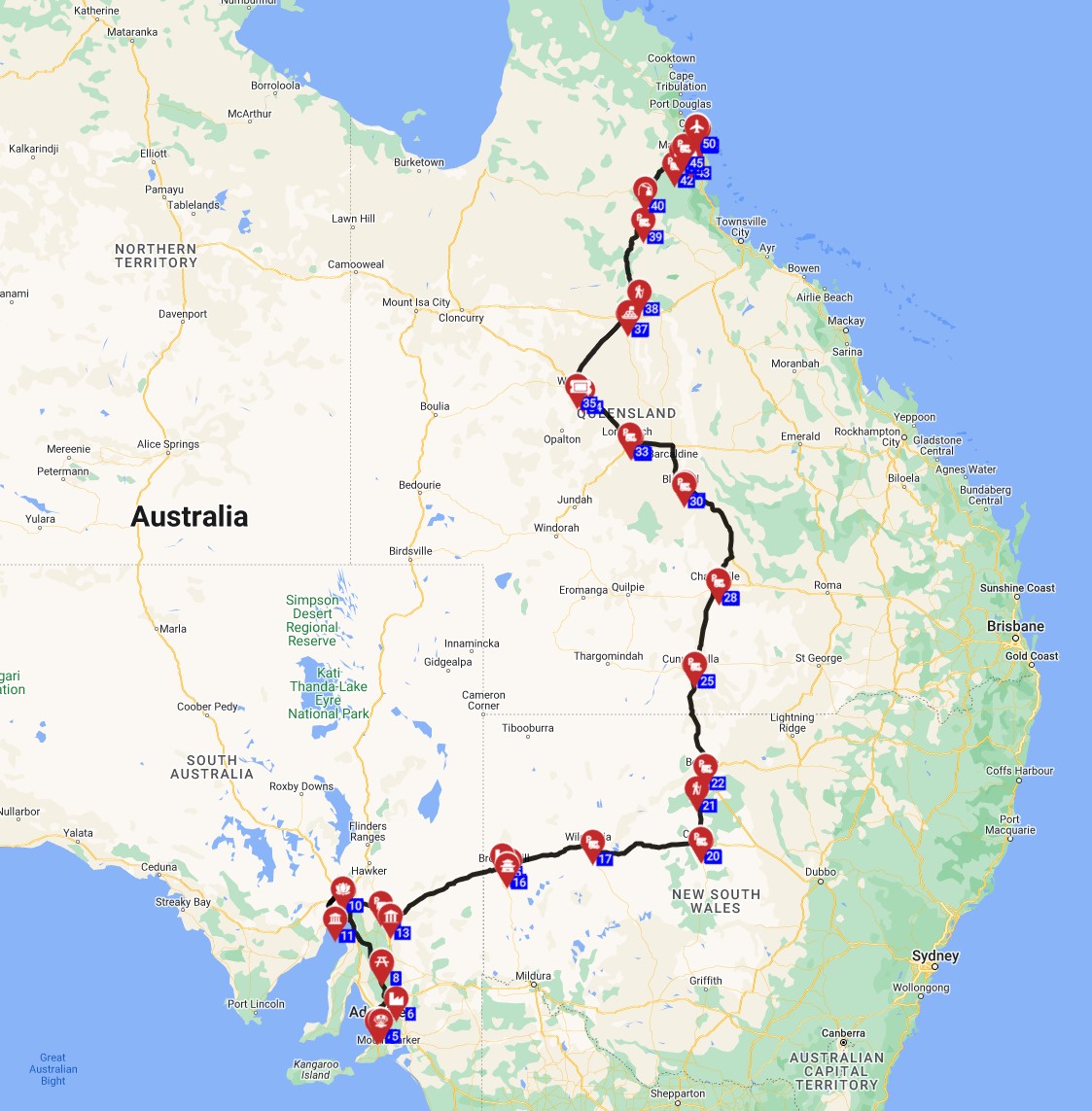
- **Discover Queensland's Tropical North:** From Cairns, you can explore the Daintree Rainforest, the oldest tropical rainforest in the world, and access the Great Barrier Reef. There are numerous caravan parks in the region to set up your base. For an epic journey through this tropical beauty, check out the "Cairns to Alice Springs - Northern Horizons: A Journey Through Australia's Heartland" route plan, offering 17 days and 4003.6 km of exploration, including 3 hiking areas and 2 caves.
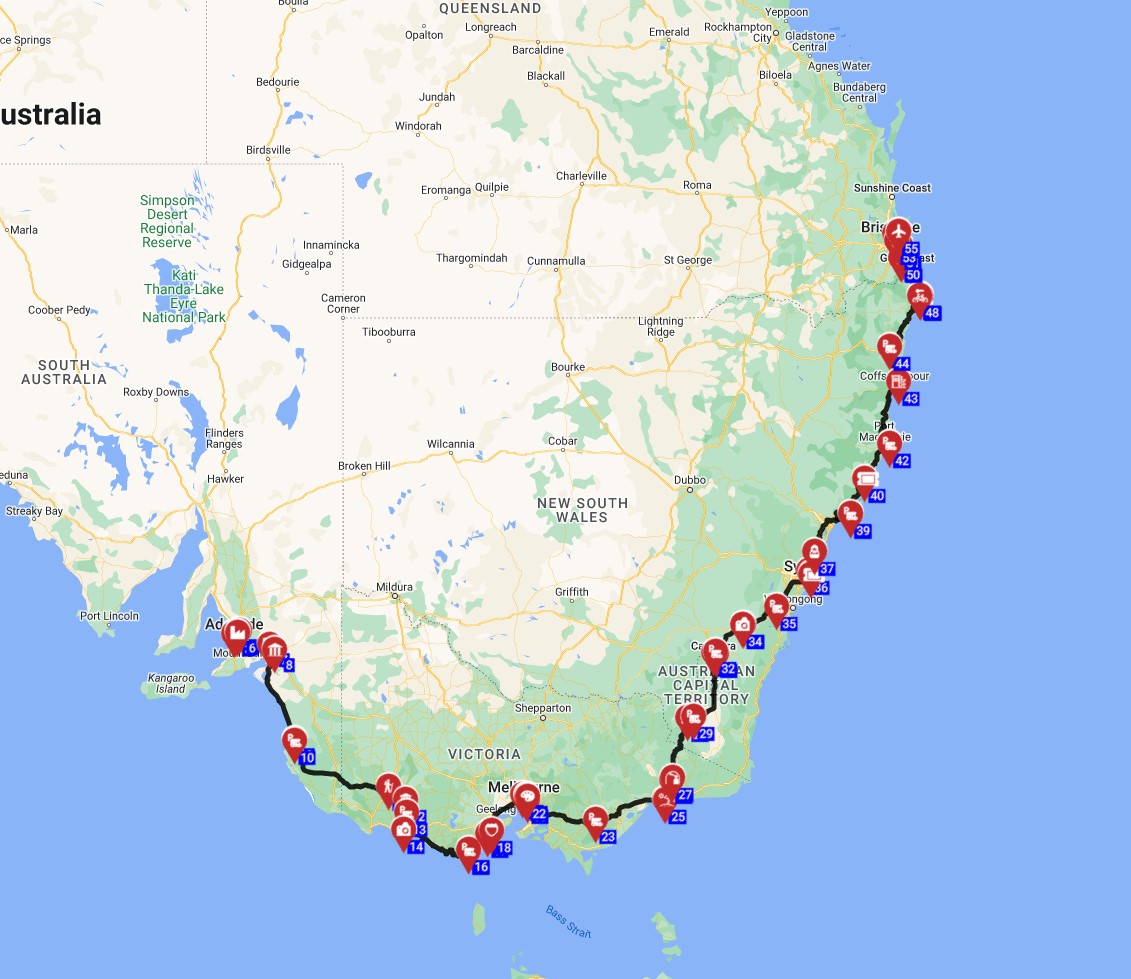
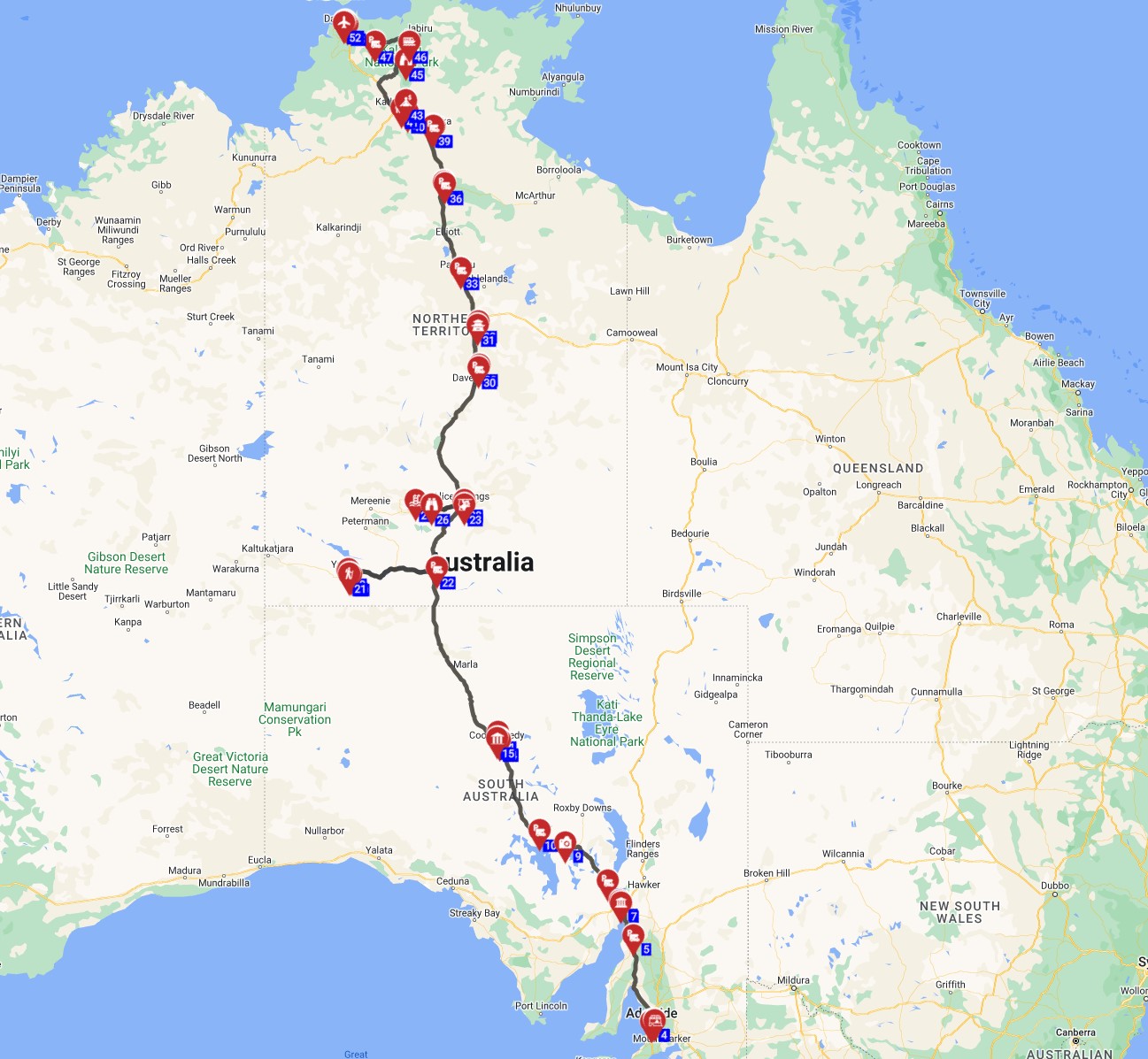
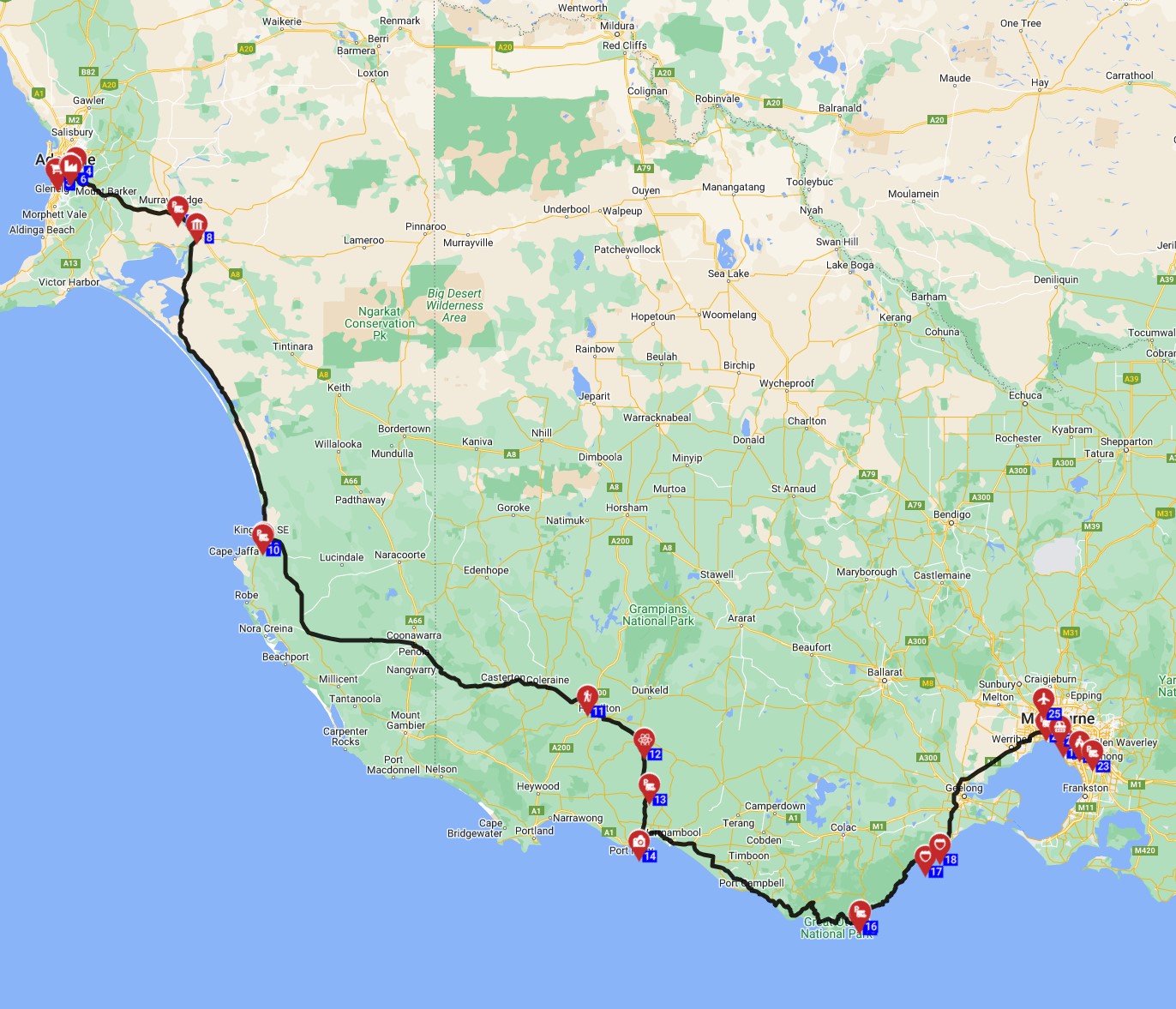
- **Road Trip from Melbourne to Darwin:** This extensive journey takes you through the diverse landscapes of Australia, from the southern coast to the tropical north. With a duration of 26 days and covering 5622.8 km, the "Melbourne to Darwin - Australia’s Heartline Road Trip" route plan includes 5 hiking areas, 3 museums, and 4 natural features. It’s a perfect option for those seeking a truly immersive Australian RV rental adventure.
- **Marvel at Sydney's Harbourside:** While cities can feel daunting in an RV, remember: drive slowly and carefully, and you can drive almost anywhere without issues. No need to stress – just use common sense and pay attention. Find an RV-friendly campground just outside the city and use public transport to explore the iconic Opera House, Harbour Bridge, and Bondi Beach.
Final Thoughts
Embarking on a last-minute RV camping adventure in Australia is an exhilarating way to experience this magnificent continent. Whether you’re chasing coastal sunrises, exploring ancient rainforests, or venturing into the vast outback, a rented motorhome gives you the freedom to create your own unforgettable journey. Don't let the idea of last-minute planning deter you; with a little flexibility and the right resources, you'll find the perfect spot to park your campervan or motorhome and immerse yourself in Australia's incredible beauty. Remember that true RV specialists like Bandana Caravan are here to support you in finding the best deals and ensuring you have all the information you need for a fantastic trip. So, what are you waiting for? The open road, and endless possibilities, await you down under! Find RV Rentals in AustraliaOn the routes offered through RV PLANET routes, you can itemize and track every expense along the way for easy budgeting.