For live availability and current prices, start with our RV Rental Miami - Complete Guide 2026 guide.
In This Guide
- Top 5 Tips for rv rental beginners RV Rental in Miami
- Before You Book - Class, Dates, Insurance
- Pre-Trip Prep - Packing Checklist for Miami
- On the Road - Driving, Fueling, Navigation
- At the Campground - Setup, Hookups and Etiquette
- rv rental beginners-Specific Tips for Miami
- Common Mistakes to Avoid in Miami
- What is the 3-3-3 rule when RVing?
- How much does it cost to rent an RV for 1 month?
- What is the 4-4-4 rule for RVing?
- What is the new RV law in Florida?
- What is the rule of 3 with an RV?
Embarking on your first motorhome rental adventure in Miami is an exciting prospect, promising sun-kissed beaches, vibrant culture, and the freedom of the open road. Miami, Florida, with its unique blend of urban excitement and natural beauty, is an incredible starting point for a week-long trip or an extended road trip. Don't let being a beginner hold you back; with a little preparation and the right advice, your first RV rental experience can be smooth, enjoyable, and unforgettable. For live availability and current prices, start with our RV Rental Miami - Complete Guide 2024 guide, which offers a comprehensive look at everything you need for an amazing trip.
🎬 Video coming soon
Top 5 Tips for rv rental beginners RV Rental in Miami
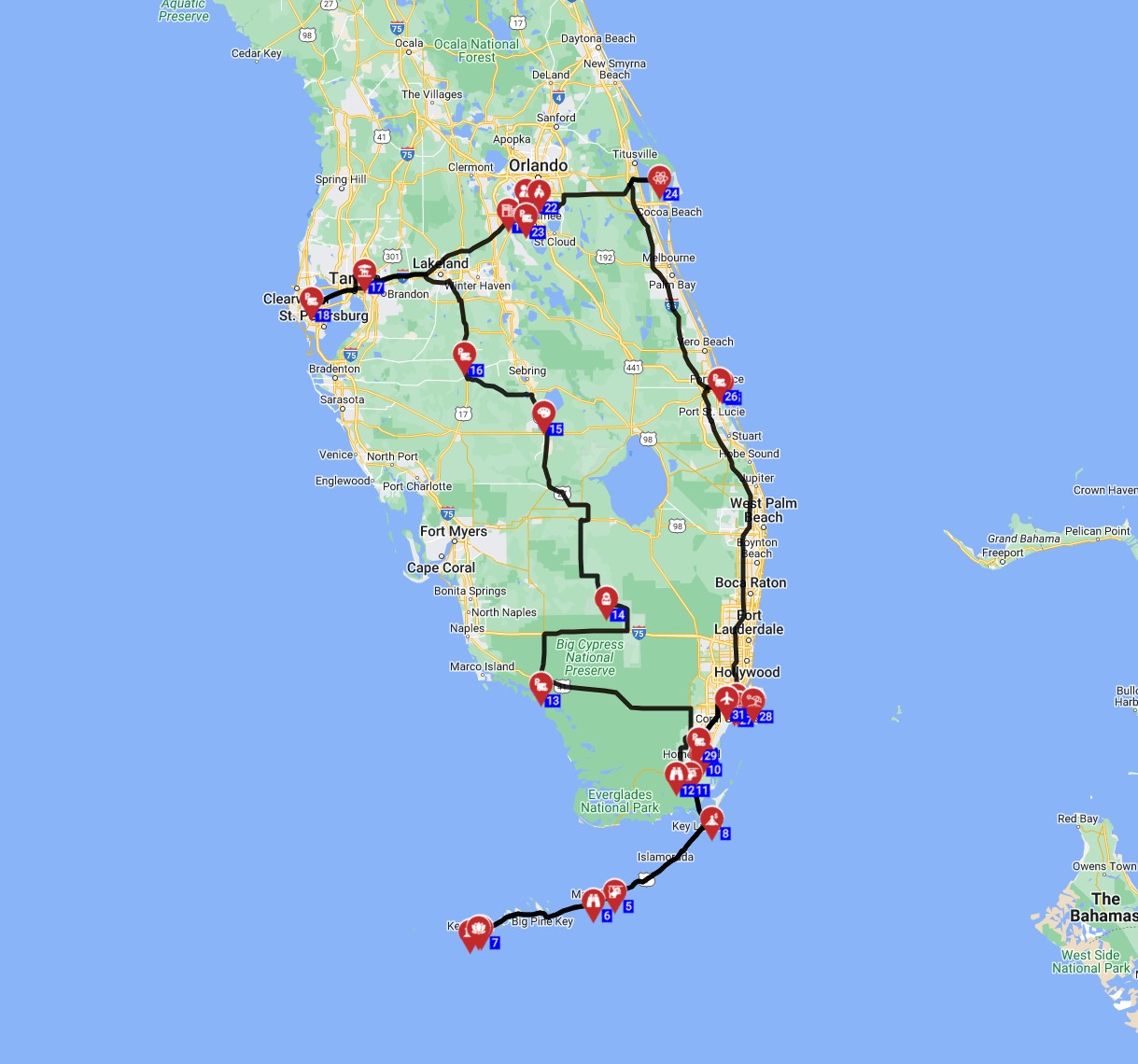
For RV rental beginners in Miami, understanding a few key tips can transform your journey into a seamless exploration of South Florida. First, selecting an RV class that aligns with your driving comfort and trip plans is crucial, as smaller Class B campervans or Class C motorhomes are often easier to maneuver through Miami's urban areas and scenic routes like the Tamiami Trail. Second, booking your preferred RV model and dates well in advance, particularly for Miami's popular winter and spring seasons, ensures the best selection and rates, potentially saving you up to 25% on peak season bookings. Third, always budget for all trip costs beyond the base rental fee, including fuel, campground fees, Miami's cashless tolls, and any optional add-ons, which can add an extra $50-$150 per day to your overall expenses. On the routes offered through RV PLANET routes, you can itemize and track every expense along the way for easy budgeting.
Fourth, thorough route and parking planning is essential in Miami, involving research into RV-friendly routes, designated parking areas near attractions like Zoo Miami, and pre-booking suitable campgrounds to avoid last-minute stress. Remember, you can drive almost anywhere without issues if you drive slowly and carefully, just use common sense and pay attention. Fifth, familiarize yourself with basic RV systems, such as water hookups, shore power connections, and waste disposal procedures, before departing the rental station to ensure a confident start to your adventure. Knowing your RV's 82-liter fresh water tank capacity and 90-liter gray water tank capacity for example, helps prevent unexpected issues. Our commitment to full transparency means there are no hidden fees or surprises throughout your booking process, ensuring you know exactly what to expect.
Before You Book - Class, Dates, Insurance
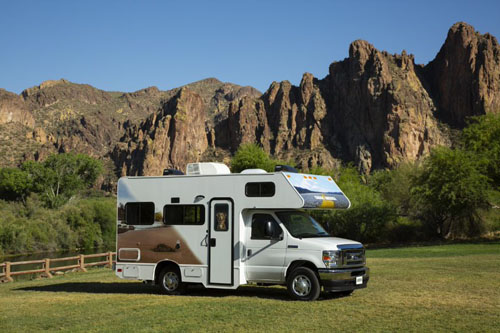
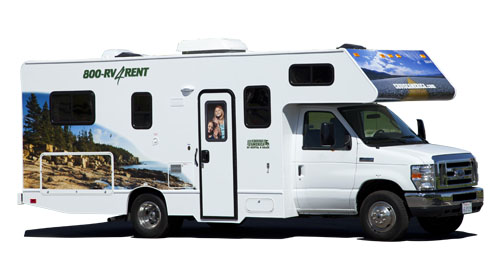
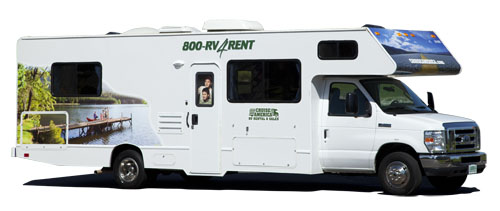
Choosing the right RV class for your Miami adventure directly impacts your comfort and ease of travel. For families or groups of 4-6 people, a Class C motorhome like the El Monte RV's 'Cruise America RV Rental Example Explorer' model, with its 7.1-meter length and spacious sleeping capacity, often provides an ideal balance of amenities and drivability for exploring Miami. Smaller Class B campervans, such as a 'Category Van' or 'Active Classic' with basic features like a shower and toilet, are excellent for couples or solo travelers who prefer a more agile vehicle for navigating Miami's vibrant neighborhoods and downtown areas.
Locking in your rental dates for Miami well in advance, especially for the high demand months from December to April, is recommended to secure your preferred vehicle and potentially better rates. Many national and state parks, including those surrounding Miami, reserve only 25-30% of their spots, with the rest available first-come-first-serve, so pre-planning helps, but spontaneous travelers will still find options. Understanding your insurance options is also crucial; while basic insurance is always included, you can upgrade to a top-level deductible for extra peace of mind and comprehensive coverage, an option clearly visible during your search on our platform.
Pre-Trip Prep - Packing Checklist for Miami
A well-prepared packing checklist is key to a comfortable RV rental trip in Miami, where the warm, humid climate demands specific considerations. Pack light, breathable clothing, including plenty of swimwear for Miami's numerous beaches and sun protection like hats, sunglasses, and high-SPF sunscreen to combat the intense Florida sun. For cooking meals in your RV's kitchen, bring basic utensils, reusable dishes, and non-perishable food items, which can significantly reduce ancillary trip costs by allowing you to prepare breakfasts and lunches on board. Consider exploring our RV-friendly recipes playlist for meal ideas.
Safety and navigation essentials for Miami include a comprehensive first-aid kit, a reliable flashlight, and a list of roadside assistance contacts. Utilizing a GPS with RV-specific routing features is highly recommended to avoid low bridges near Miami International Airport (MIA) or restricted roads in historical districts. Crucial documents such as your driver's license (a standard car license is sufficient for all motorhome classes), rental agreement, and campground reservations should be kept readily accessible. Remember, on RV PLANET routes, you can itemize and track every expense for easy budgeting, ensuring you’re fully prepared for your Miami adventure.
On the Road - Driving, Fueling, Navigation
Navigating your rented motorhome in Miami requires careful attention, especially to urban traffic patterns on major arteries like I-95 or US-1, and awareness of narrow streets in areas like Coconut Grove or South Beach. Always use an RV-specific GPS to avoid low bridges, such as those along the Julia Tuttle Causeway to Miami Beach, and to find appropriate routes that accommodate your vehicle's dimensions. Fueling your RV requires planning; larger RVs might need specific gas pumps at truck stops or larger service stations, which are plentiful along the Florida Turnpike or I-75 outside the immediate city center. The total cost of an RV rental for a week-long trip, including fuel, averages between $1000-$2500, making fuel efficiency a consideration.
Florida has an extensive cashless toll road system, particularly around Miami, including the Florida Turnpike, I-95 Express Lanes, and the Gratigny Parkway. Beginners should consider purchasing a SunPass transponder or opting into a rental vehicle's toll program to avoid higher "Toll-by-Plate" charges and potential penalties. RV-specific parking near popular Miami attractions like the Pérez Art Museum Miami or Wynwood Walls can be scarce; it’s often best to research and pre-book parking at secure lots or utilize park-and-ride options, then use public transport or ride-shares for closer exploration. Remember, drive slowly and carefully, and you can drive almost anywhere without issues. No need to stress - just use common sense and pay attention.
At the Campground - Setup, Hookups and Etiquette
Upon arriving at your Miami-area campground, whether it's at Larry and Penny Thompson Memorial Park or John Pennekamp Coral Reef State Park, the RV setup process follows a consistent order for optimal functionality and hygiene. First, level your rented RV using leveling blocks to ensure comfort and proper drainage for the internal systems. Next, connect your shore power cable to the campground's electrical pedestal, followed by attaching the fresh water hose to the park's potable water source and your RV's inlet. Finally, connect the sewer hose from your RV's black and grey water outlets to the campground's sewer connection, ensuring all connections are secure to prevent leaks.
Campground etiquette in Miami is straightforward: respect quiet hours, typically from 10 PM to 7 AM, to ensure a peaceful environment for all campers. Keep your campsite tidy, dispose of trash properly in designated bins, and be mindful of your neighbors' privacy and space. When leaving, always disconnect the sewer hose first, then the water hose, and finally the power cable, reversing the setup order. Designated dump stations are available at most campgrounds for emptying grey (dirty water from sinks and showers) and black water (toilet waste) tanks, ensuring proper sanitation. For finding campsites and campgrounds during your trip, we recommend using RV PLANET (rvplan.net) - a great resource for locating available spots along your route. Explore the many available campgrounds in the area with "RV Travel Guide to Miami - Tips and Top Spots 2024".
rv rental beginners-Specific Tips for Miami
Families embarking on an RV rental trip in Miami should consider a Class C motorhome like the 'Motorhome Travel's MHC24' model, which features a spacious layout with a Queen bed, and a convertible dinette and sofa beds, comfortably sleeping up to 6 people. Look for campgrounds with amenities such as playgrounds or pools near family-friendly attractions like Zoo Miami or the Phillip and Patricia Frost Museum of Science. For example, Larry and Penny Thompson Memorial Park is directly adjacent to Zoo Miami, making it a perfect base for families.
Seniors might prefer an easy-to-drive Class B campervan, such as a 'cruise america example EX-Group A' model, measuring 5.99 meters long with automatic transmission and a comfortable double bed, for navigating Miami's areas with greater ease. Planning shorter driving days, averaging 100-150 km, allows ample time for relaxation and sightseeing without rushing, which aligns perfectly with slow travel recommendations. Budget travelers can significantly reduce the overall trip cost of their rv rental in Miami by cooking most meals in their RV, making use of the onboard refrigerator and stove, and searching for less expensive county parks or even permitted free overnight parking (boondocking) options outside the most popular urban areas. For those seeking a luxury experience, Miami offers premium RV resorts like Miami Everglades RV Resort with extensive amenities, and consider enhancing your trip with a "Luxury RV Rental in Miami - Premium Prices 2024" to ensure a high-end experience.
Navigating Miami's cashless toll roads is a key local tip: familiarize yourself with Florida's SunPass system. You can purchase a transponder at grocery stores or rest stops along the Florida Turnpike, or check if your rental supplier offers a toll program. This avoids the higher "Toll-by-Plate" fees, which can quickly add up for RVs on routes to popular destinations like the Florida Keys or within Miami's express lanes.
Common Mistakes to Avoid in Miami
Underestimating Miami's traffic is a common mistake for RV rental beginners, especially during peak hours on major highways like I-95 or near Miami International Airport. Instead of driving directly into congested urban areas, consider parking your RV at a designated park-and-ride lot or a Metromover station, then utilizing public transport to explore downtown Miami, Brickell, or South Beach. Ignoring your RV's dimensions can lead to costly errors; always know your rented motorhome's height (e.g., a Class C motorhome might be around 3.2 meters or 10.5 feet tall), length, and width to avoid low bridges, tight turns in residential streets, and parking restrictions in areas like the Art Deco Historic District.
Neglecting campground reservations, particularly during Miami's popular winter and spring months, is another common oversight, as many top campgrounds fill up quickly. Always book your sites in advance. However, if you're a spontaneous traveler, remember that many national and state parks reserve only 25-30% of spots; the rest are available first-come, first-serve, so you'll find a spot, and if not at the first campground, then the next one. Forgetting sun protection in Miami's intense climate is easily avoided by consistently applying sunscreen, wearing wide-brimmed hats, and seeking shade, especially during midday hours from 11 AM to 3 PM. Mismanaging your RV's systems, like the fresh water tank (often 80-150 liters) or waste tanks (similar capacity), can cause inconvenience. Instead, thoroughly familiarize yourself with your RV's power, water, and waste systems during the pickup orientation to prevent common issues. Finally, ignoring local parking ordinances in Miami can result in fines or towing; research specific RV-friendly parking zones or secure lots rather than parking randomly. For detailed pricing information, consult our "RV Rental in Miami - Prices and Best Deals 2024" guide.
What is the 3-3-3 rule when RVing?
The 3-3-3 rule in RVing suggests driving no more than 300 miles (approximately 480 km) a day, arriving at your destination by 3 PM, and staying for a minimum of 3 nights, which helps prevent driver fatigue and allows for deeper exploration of each location. This rule is particularly beneficial for beginners renting an RV in Miami, promoting a relaxed pace that avoids late-night setup challenges at campgrounds like John Pennekamp Coral Reef State Park and offers ample time to enjoy attractions such as the Everglades National Park or South Beach without feeling rushed. Adhering to the 3-3-3 rule also facilitates better trip planning for your "Weekly RV Rental in Miami - Pricing 2024", reducing stress related to finding last-minute campsites or navigating unfamiliar areas after dark, a common challenge in dense urban environments like Miami.
How much does it cost to rent an RV for 1 month?
Renting an RV for one month in Miami can range significantly, typically from $2,500 to $10,000 or more, depending on the RV class, time of year, rental company, and included amenities. A 'cruise america rv rental example Explorer' Class C motorhome, ideal for a family of four, might cost around $4,500 - $7,000 for a month during off-peak season, while a luxurious Class A motorhome could exceed $9,000 monthly. This long-term rental cost generally includes the base rental rate but may exclude additional expenses such as fuel (which can be substantial for a month of travel, possibly $1,500-$4,000 given average fuel consumption of 20-25 liters per 100 km for larger RVs), campground fees ($1,000-$3,000 for 30 nights), insurance upgrades, mileage charges, and Miami-specific tolls.
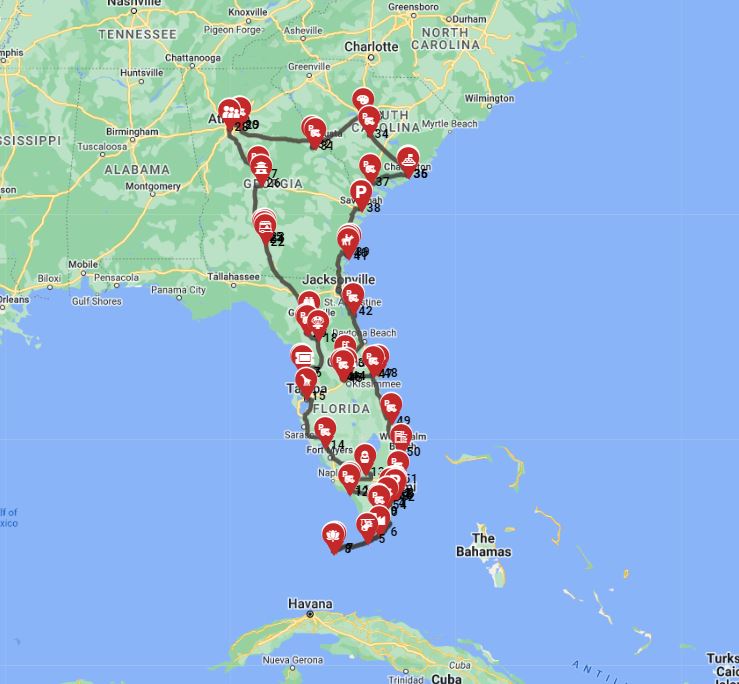
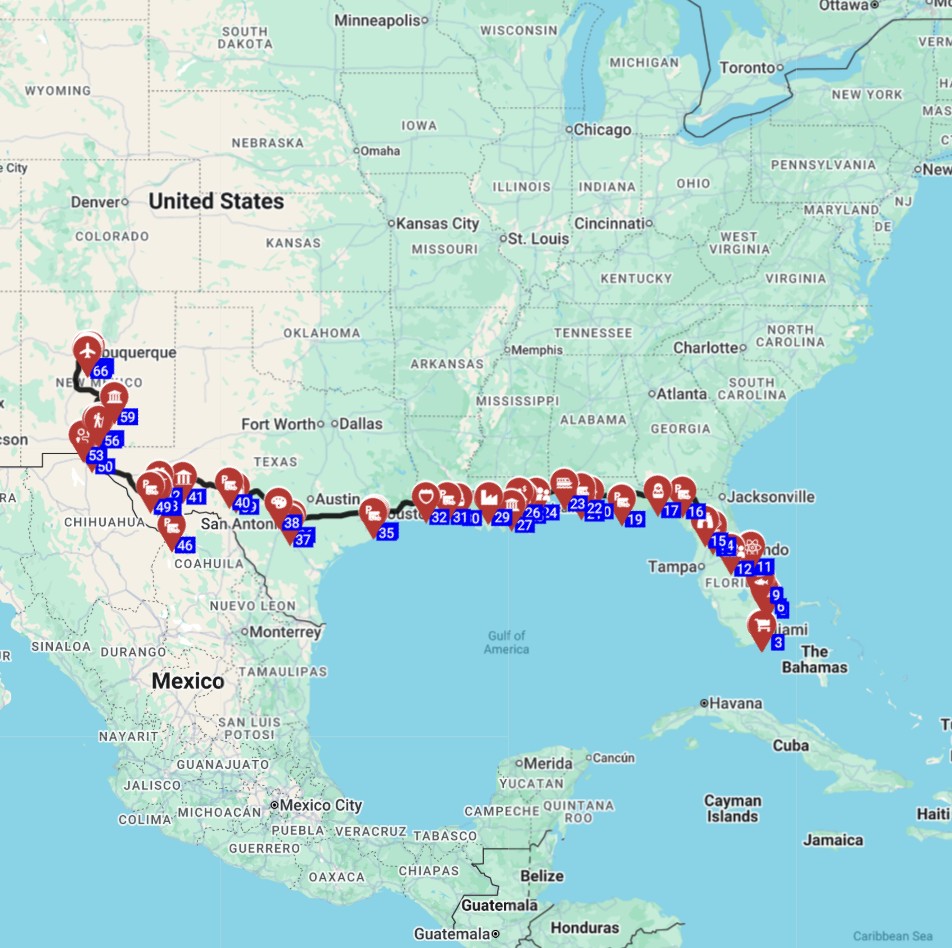
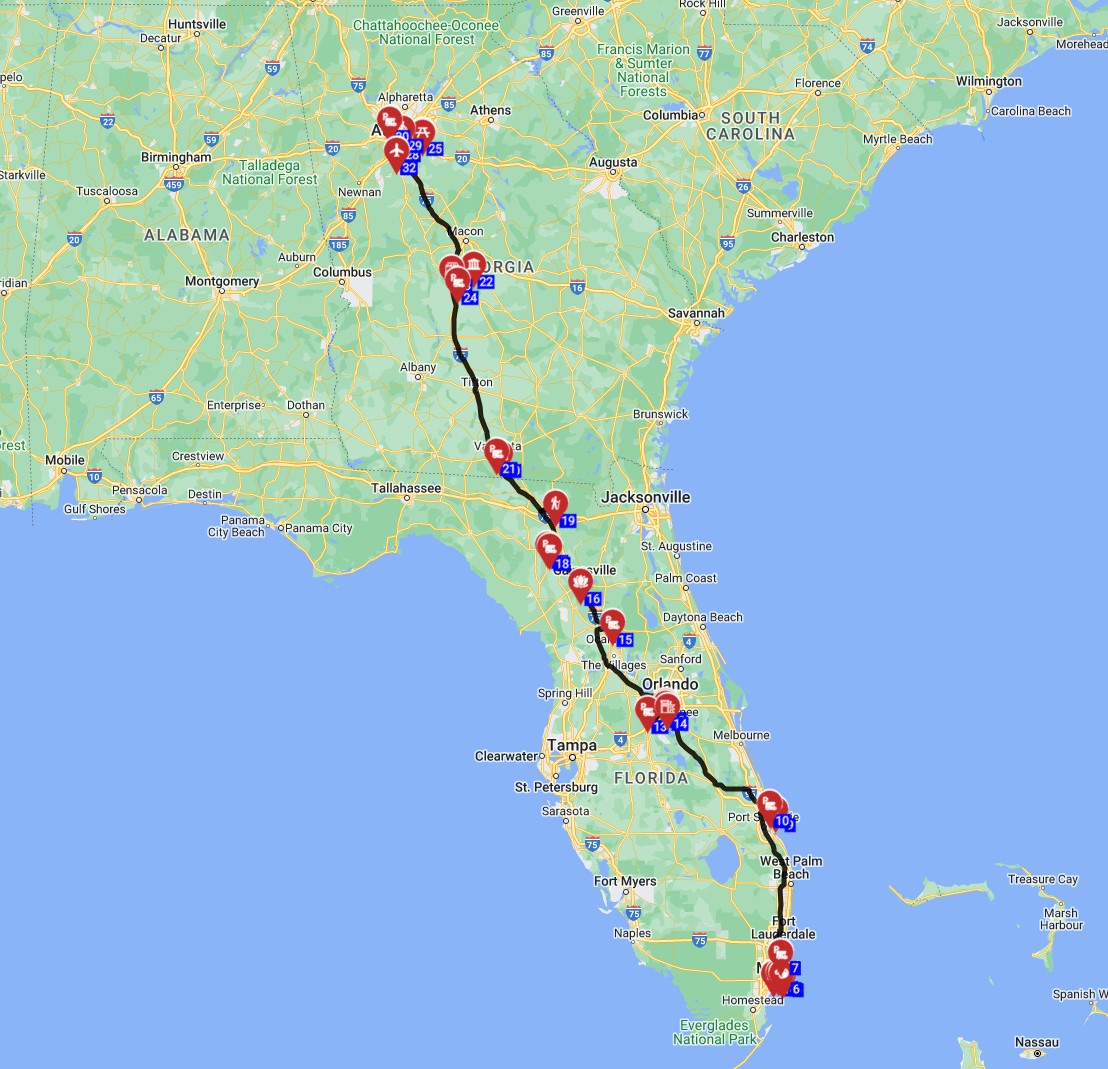
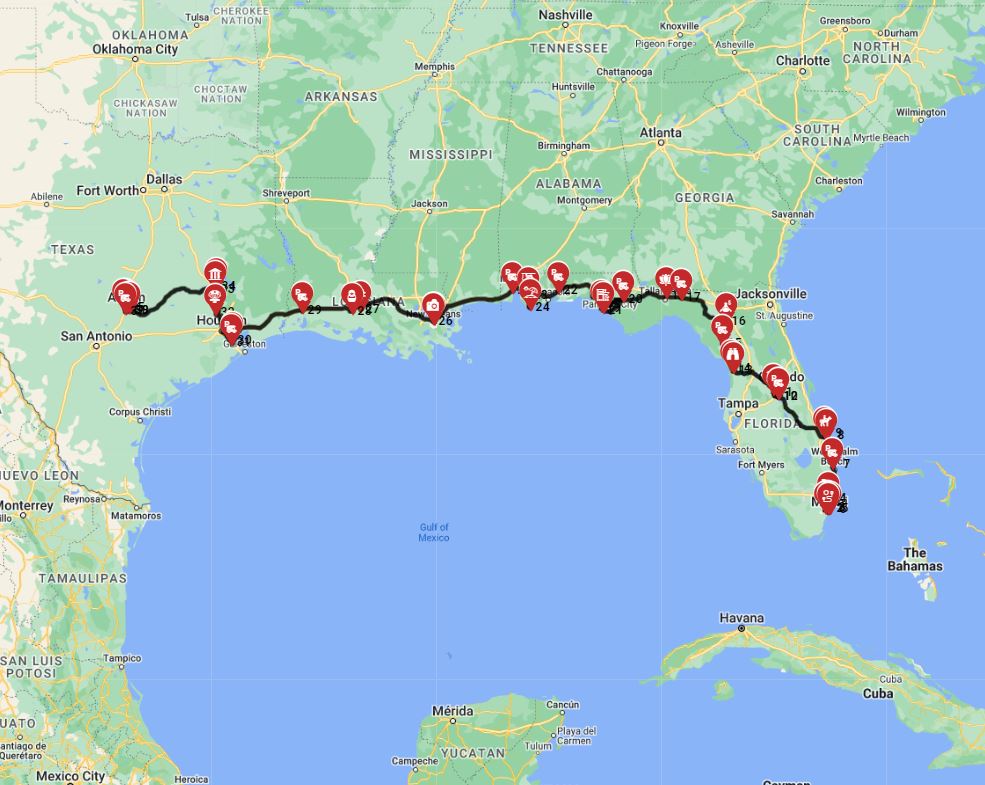
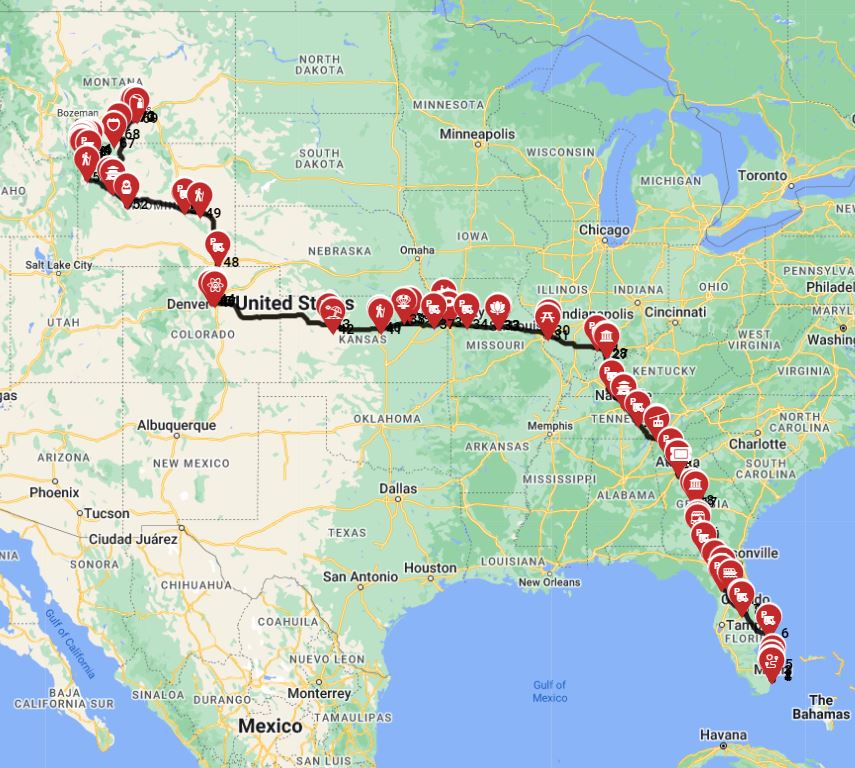
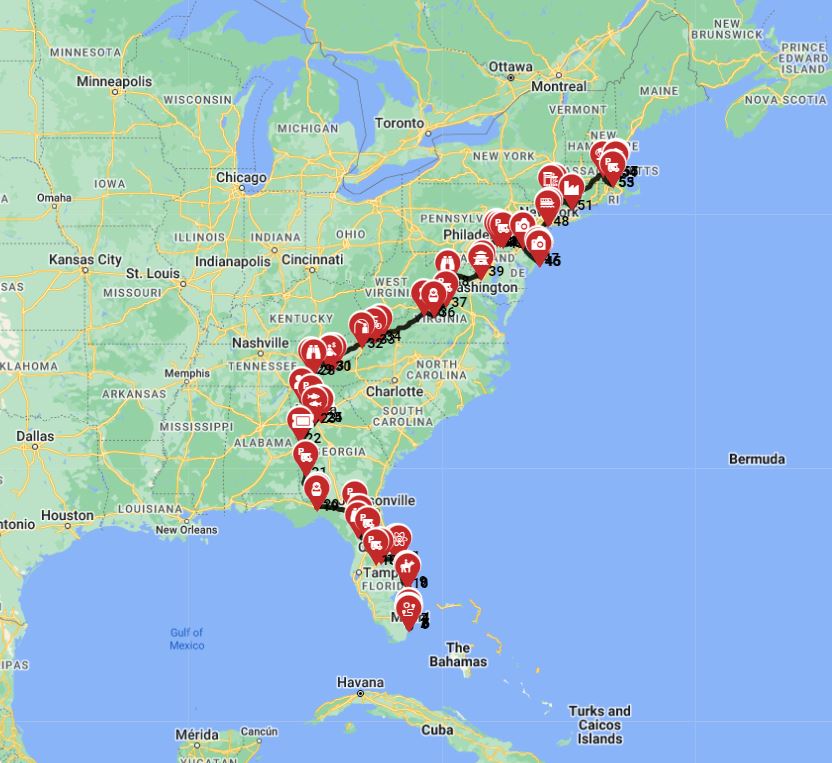
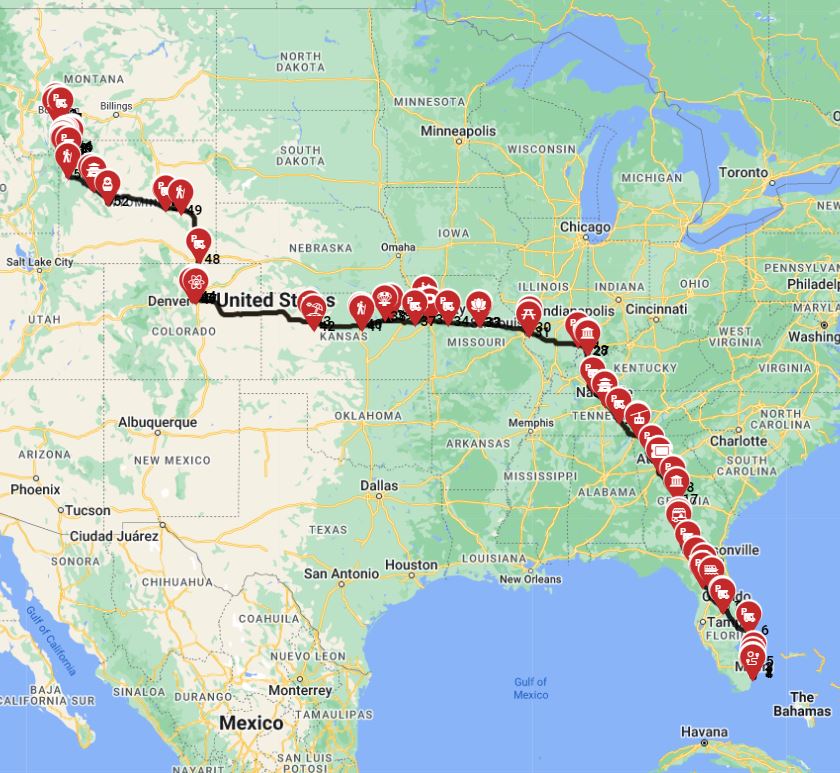
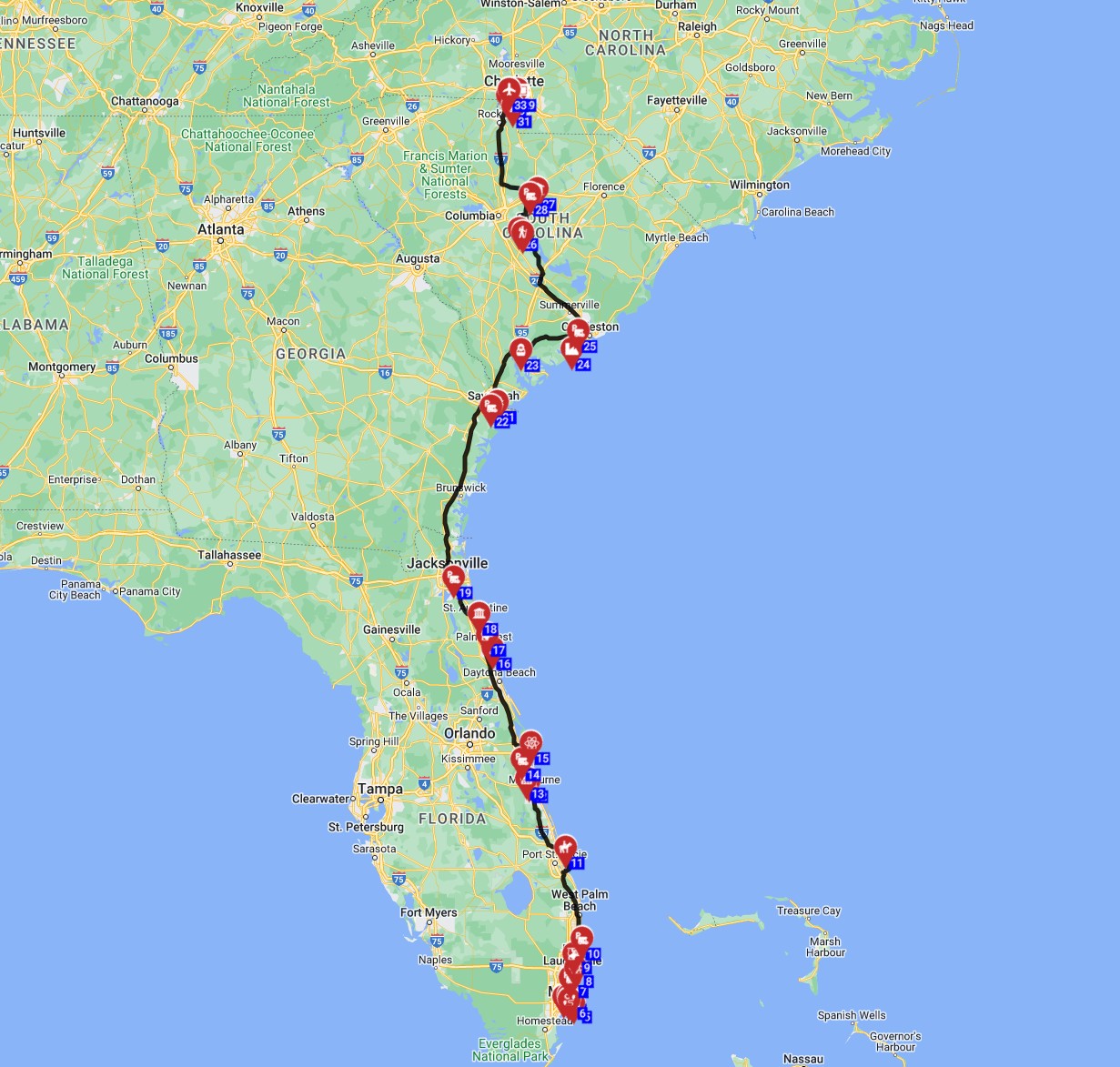
Budgeting for a month-long RV trip around Miami and Florida should account for approximately $30-$100 per night for campgrounds, $500-$2000 for fuel depending on distance and vehicle type, and an additional 10-20% ($250-$1000) for unexpected maintenance, dump fees, propane refills, or service fees. For instance, a month-long trip following a route plan like "Miami to New York - Including Appalachian trail, Smoky Mountains, Niagara falls and White Mountains" (5650.799999999999 km) would require significant fuel budgeting. Our commitment to full transparency ensures you'll know all costs upfront, with no hidden fees or surprises.
What is the 4-4-4 rule for RVing?
The 4-4-4 rule for RVing is a variant of driving guidelines, advising travelers to avoid driving more than 400 miles (approximately 640 km) a day, stopping by 4 PM, and staying for at least 4 nights, offering a slightly more relaxed pace than other similar rules. This guideline aims to enhance safety by limiting driving fatigue, allowing adequate time for setup and breakdown at each campsite, and providing more leisure time to enjoy the surroundings, which is ideal for RV rental beginners exploring Miami's attractions like South Beach or the Art Deco District. Applying the 4-4-4 rule can lead to a more enjoyable and less stressful RV experience, preventing rushed schedules and offering greater flexibility for spontaneous activities or dealing with unexpected delays, ensuring a true slow travel experience. This approach helps in enjoying the 2 animals shows, 6 hiking areas, and 3 historical sites mentioned in the 28-day "Miami to New York - Including Appalachian trail, Smoky Mountains, Niagara falls and White Mountains" itinerary.
What is the new RV law in Florida?
Florida frequently updates its traffic and vehicle laws; as of 2024, specific "new" RV laws broadly impact areas like vehicle registration, licensing requirements, and regulations for operating oversized vehicles on state roads. RV drivers in Florida must adhere to state-specific regulations regarding vehicle weight limits (e.g., a Class C motorhome typically has a Gross Vehicle Weight Rating between 10,000-12,000 pounds), towing restrictions (though Bandana only rents motorhomes and campervans, so towing isn't applicable), and proper securing of cargo, which can vary from other states. Additionally, local Miami ordinances often dictate where RVs can park overnight or for extended periods, particularly in residential or commercial zones near places like Calle Ocho or Brickell Avenue, and ignorance of these laws can result in fines or towing. For a broader overview, consult our "RV Rental Florida - Complete Guide 2024" to ensure full compliance.
What is the rule of 3 with an RV?
The "rule of 3" with an RV is generally synonymous with the 3-3-3 rule, advising RVers to drive no more than 300 miles (approximately 480 km) a day, stop driving by 3 PM, and stay at least 3 nights at each destination. This principle helps RVers, especially beginners exploring Miami, maintain a sustainable and enjoyable travel rhythm, reducing the risk of exhaustion and allowing for better assimilation into each new environment, whether it's a coastal campground or a city park. Following the rule of 3 ensures sufficient time for campsite setup, relaxation, and exploring local attractions like the Vizcaya Museum and Gardens, preventing the feeling of constantly being on the move and enhancing the overall vacation experience. This slow travel approach is perfect for enjoying the "Family RV Rental in Miami - Pricing Guide 2024" experience. It supports our recommendation to travel slowly, averaging max 100-150 km per day, allowing you to truly feel the place, connect to the culture, the food, and the scenery.
What You Shouldn't Miss
- South Beach and Art Deco Architecture: Drive your RV to a nearby park-and-ride, then take a ride-share to iconic Ocean Drive and Collins Avenue to marvel at the vibrant Art Deco buildings and soak up the sun on South Beach.
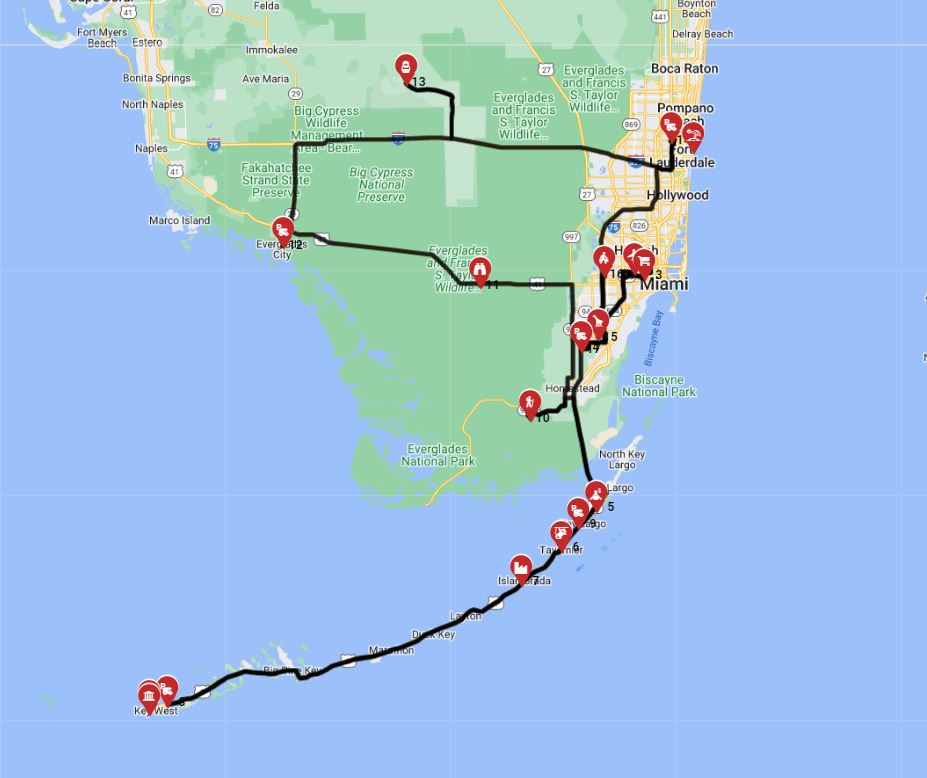
- Everglades National Park: Take a day trip from Miami along the Tamiami Trail (US-41) to explore the unique ecosystem of the Everglades. Look for airboat tours and easily spot alligators from roadside pull-offs.
- Little Havana's Calle Ocho: Immerse yourself in Cuban culture, music, and delicious food on SW 8th Street. Parking your RV slightly outside the busiest blocks and walking or using a ride-share is highly recommended.
- Biscayne National Park: Primarily a marine park, you can enjoy RV camping at Convoy Point (accessible by road) and explore the underwater wonders through snorkeling or boat tours.
- Vizcaya Museum & Gardens: This opulent European-inspired estate on Biscayne Bay offers stunning architecture and formal gardens. Arrive early for a chance at easier parking nearby.
- Larry and Penny Thompson Memorial Park and Campground: Experience full-service RV camping right next to Zoo Miami, offering a natural oasis with a lake, pool, and trails within the urban environment.
Looking for expert insights from Avi Bandana? Top 5 Adventures - recommendations from Avi Bandana
Final Thoughts
Your first RV rental in Miami is more than just a trip; it's the beginning of a new way to experience travel, offering unmatched flexibility and adventure. Embrace the journey, plan smartly, and allow yourself to immerse in the beauty and excitement that South Florida has to offer. With a little preparation, you'll be navigating Miami's vibrant streets and serene campgrounds like a seasoned pro.
Remember, Bandana Caravan is with you every step of the way, providing honest advice and a seamless booking experience. Whether you're comparing vehicles, coordinating your pickup, or just dreaming of your next destination, we're here to help. Get inspired for your next trip and discover top destinations, planning tips, all in one place!
Find Motorhome Rentals in Miami