In This Guide
- Top 5 Tips for RV Rental Beginners in Ireland
- Before You Book - Class, Dates, Insurance
- Pre-Trip Prep - Packing Checklist for Ireland
- On the Road - Driving, Fueling, Navigation
- At the Campground - Setup, Hookups and Etiquette
- RV Beginners-Specific Tips for Ireland
- Common Mistakes to Avoid in Ireland
- What are the rules for wild camping and RV parking in Ireland?
- How to drive a large RV on Ireland's narrow roads?
- How much does an RV trip to Ireland cost?
- What are the best RV routes in Ireland beyond the Wild Atlantic Way?
- What cultural etiquette should RVers observe in Ireland?
- How to find RV utilities in rural Ireland?
- When is the best time to rent an RV in Ireland?
- Can I bring my pet on an RV trip to Ireland?
- Top Cities for RV Rental in Ireland
Embarking on your first motorhome adventure in Ireland is an incredibly rewarding experience, offering unparalleled freedom to explore the Emerald Isle's breathtaking landscapes at your own pace. With a rented RV, you transform your vacation into a mobile discovery, from ancient castles and vibrant cities to dramatic coastlines and serene lakes. At Bandana RV, we've been helping tens of thousands of travelers discover the world by RV since 2001, providing a seamless and transparent booking experience. For live availability and current prices, start with our RV Rental Ireland - Complete Guide 2026 guide. We are true RV specialists, not just a travel agency side department, meaning we genuinely understand RV travel and are here to support you every step of the way.
Top 5 Tips for RV Rental Beginners in Ireland
Navigating your first RV rental in Ireland is smooth with these essential tips, ensuring a memorable and stress-free journey.
- Book your RV well in advance, especially for peak seasons: Securing your preferred campervan or motorhome 3-6 months ahead of time, particularly for summer trips (June-August) or around major festivals, significantly improves availability and can lead to better rates.
- Consider a smaller RV for easier navigation on Ireland's narrow roads: A compact Class B campervan, typically around 6 meters in length, offers more flexibility on country roads and in charming villages compared to a larger Class C motorhome, which can be up to 9 meters. Models like the "rv rental denver example Category Van" or "2 Berth Hi Top" are excellent choices for couples or small families.
- Familiarize yourself with driving on the left-hand side before you go: Practice driving on the left in a standard car first if you're unaccustomed to it, and always be mindful of roundabouts, which flow clockwise.
- Pre-plan your initial route and campsite bookings: While spontaneous travel is part of the RV charm, having your first few nights booked, especially in popular areas like Killarney National Park or along the Wild Atlantic Way, provides a comfortable starting point. Many national and state parks reserve only 25-30% of spots; the rest are first-come, first-serve, so you'll usually find a spot. If not at the first campground, then the next one; just call ahead before driving.
- Embrace flexibility and the unexpected joys of road travel: Ireland's weather is famously changeable, and impromptu stops at a local pub or a hidden scenic overlook are often the most cherished memories. Travel slowly, aiming for a maximum of 100-150 km per day on average, to truly connect with the culture, food, and scenery.
Before You Book - Class, Dates, Insurance
Choosing the right RV class, travel dates, and understanding insurance options are crucial steps for a successful first-time rental in Ireland.
Select an RV class based on your group size, comfort preferences, and driving confidence on Ireland's diverse roads. For instance, a nimble campervan (Class B), often 5-7 meters long with basic amenities, is ideal for couples or solo travelers navigating smaller roads and towns. For families or groups up to 6 people, a Class C motorhome, typically 7-9 meters, offers more living space, a larger kitchen, and separate sleeping areas. Consider models like the "cruise america rv rental example Explorer" with sleeping for 4, or a "Group G" which sleeps up to 7 with bunk beds, a 140L fresh water tank, and a 103L refrigerator, offering ample space. We compare final prices across 50+ suppliers, including renowned names like Apollo and Britz, ensuring you find the easiest, safest, and most affordable way to rent an RV without hidden fees or surprises.
Lock in your preferred travel dates early, especially for summer (June-August) or around popular events like the Galway Arts Festival, to ensure availability and potentially better daily rates. For budget-conscious travelers, exploring Ireland during the shoulder seasons (April-May, September-October) typically offers milder weather, fewer crowds, and more favorable rental prices. The final price for your rental, much like flight tickets, is dynamic and changes daily based on availability, seasonality, and supplier marketing decisions, so booking when you find a good deal is wise.
Basic insurance is always included with your rental. For enhanced protection and peace of mind, you can upgrade to a top-level deductible reimbursement option, which covers most deductibles in case of an accident. It's an optional upgrade that many first-time renters appreciate for the extra security it provides. We believe in full transparency, so what you see is what you pay, with no surprise fees at pickup.
Pre-Trip Prep - Packing Checklist for Ireland
Preparing a comprehensive packing checklist tailored for an RV trip in Ireland helps ensure you have everything you need for comfort and convenience.
Pack layers of clothing suitable for Ireland's variable weather, including waterproof outer layers like a reliable rain jacket and waterproof trousers, even in summer. Temperatures can fluctuate, and rain showers are common throughout the year. Essential kitchen items like reusable grocery bags, a small chopping board, and perhaps a favorite travel mug will enhance your cooking experience in your rented RV. If you plan on cooking many meals on board, check out our RV-friendly recipes playlist for inspiration!
Carry safety items such as a first-aid kit, reflective vests for roadside emergencies, and a warning triangle, which are legal requirements in many European countries. Organize all necessary documents including your passport, a valid standard car driver's license (which is sufficient for all motorhome classes), and your rental agreement. An International Driving Permit (IDP) is recommended for visitors from non-English-speaking countries but is not mandatory in most cases. Don't forget your phone charger, a portable power bank, and a camera to capture Ireland's stunning beauty.
On the Road - Driving, Fueling, Navigation
Mastering driving, efficient fueling, and reliable navigation are key to a successful RV road trip across Ireland.
Always drive on the left side of the road and be mindful of narrow country lanes, especially when encountering oncoming traffic or large vehicles like tractors. Drive slowly and carefully, and you can drive almost anywhere without issues. No need to stress - just use common sense and pay attention. Pay particular attention to your rented RV's height and width, noting clearance signs for bridges and tunnels, though this is less common with standard rental motorhomes. Even a compact Class B campervan like the "Paradise Camper 4x4 double cab" is easy to maneuver, and a mid-size Class C such as the "Class II DKG" will also handle well. Speed limits are 50 km/h in urban areas, 80 km/h on regional and local roads, and 100-120 km/h on national roads and motorways.
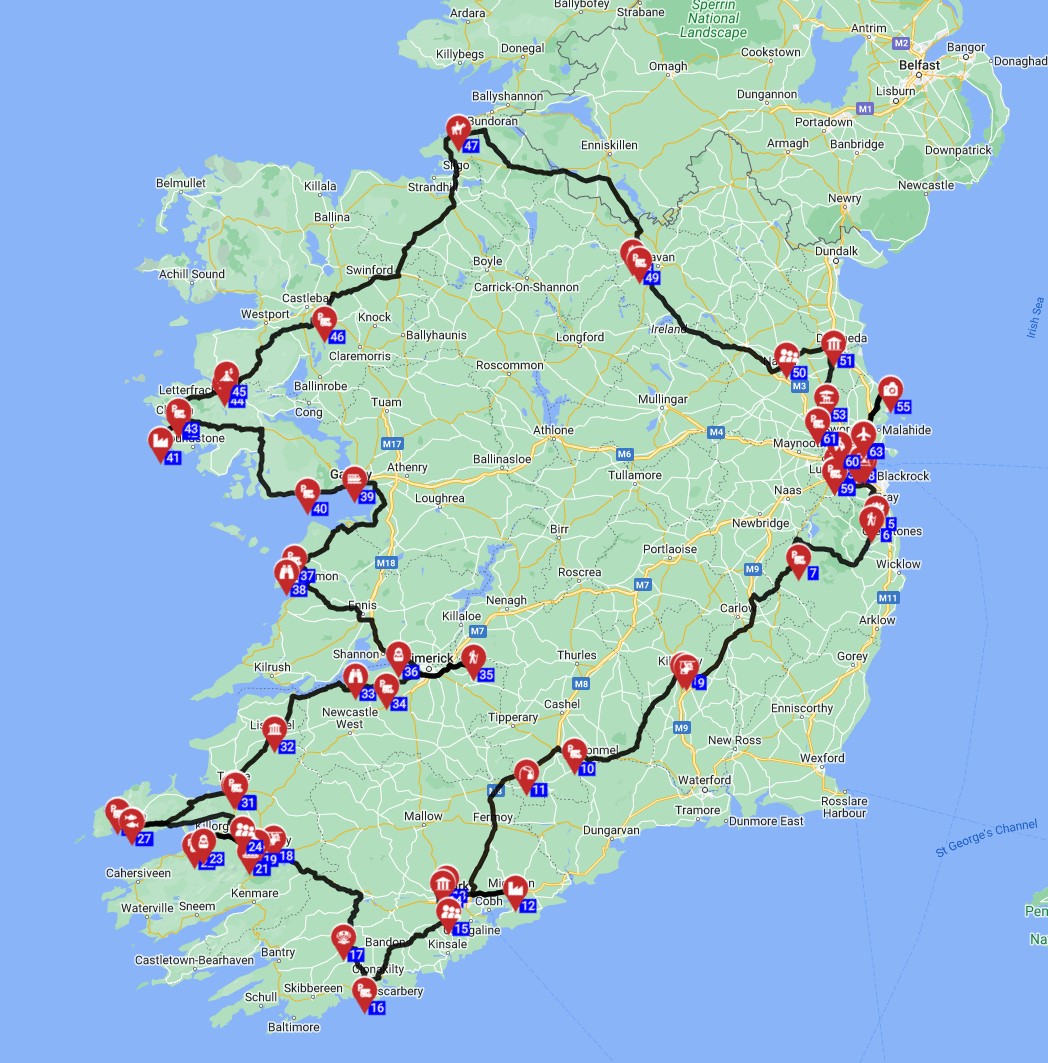
Plan your fuel stops in advance, as services can be sparse in very rural areas, particularly in the west. Most rental motorhomes in Ireland run on diesel, so always double-check your fuel type at the pump. Utilize a reliable GPS, ideally one with RV-specific routing that considers vehicle dimensions, alongside a physical map for navigation, especially on less-traveled routes where phone signal might be intermittent. For finding campsites and campgrounds during your trip, we recommend using RV PLANET (rvplan.net) - a great resource for locating available spots along your route.
🎬 Video coming soon
At the Campground - Setup, Hookups and Etiquette
Efficiently setting up your rented RV and understanding campground etiquette ensures a comfortable and respectful stay for everyone.
Master the sequence of connecting your RV's utilities: typically, connect power first, then water, and finally manage your grey/black water disposal. Most campsites offer electrical hook-ups (often 16-amp European standard, so bring the correct adapter), fresh water access, and waste disposal points. Always ensure your waste tanks are empty before leaving a campsite to avoid additional fees upon return. For instance, a "C-MEDIUM PLUS" motorhome might have a 167-liter fresh water tank and a 132-liter waste water tank, requiring regular emptying on longer trips.
Familiarize yourself with campground quiet hours and general rules to ensure a harmonious stay for all. Irish campgrounds are generally family-friendly and relaxed, but respecting fellow campers by keeping noise to a minimum, especially in the evenings, is always appreciated. Always leave your pitch clean and tidy, taking all your rubbish with you and sorting recycling where facilities are provided, respecting the natural environment and other campers. Our Rent&Plan service can even provide pre-planned routes that include professionally vetted campsites for a truly stress-free journey.
RV Beginners-Specific Tips for Ireland
Tailoring your RV choice and travel style to your group type can significantly enhance your first Irish road trip.
Families with kids will find that RVs with separate sleeping areas or child-friendly amenities, such as bunk beds found in a "Group I" 6-berth motorhome or a "MIC" 6-berth model (with a 100L fresh water tank and 145L fridge), offer more comfort. Planning shorter driving days, max 100-150 km per day on average, with frequent stops at playgrounds or attractions like the Cliffs of Moher, keeps everyone happy. Our "Family RV Rental in Ireland - Pricing Guide 2026" offers more specific advice for family trips.
Retired couples may prefer automatic transmissions for easier driving on winding roads and prioritize comfort over size, perhaps choosing a compact, automatic campervan (Class B) like the "2 Berth Sandpiper" (6.2m long, 85L fresh water tank). Budget-conscious travelers can save by cooking most meals in their RV's kitchen, utilizing affordable campsites, and opting for shoulder season travel (April-May or September-October) to find cheaper RV rental in Ireland. Remember, RV PLANET routes allow you to itemize and track every expense for easy budgeting. On the routes offered through RV PLANET routes, you can itemize and track every expense along the way for easy budgeting.
Luxury travelers can explore premium RV models (Class A or larger Class C) with extra features like a larger refrigerator and a more spacious living area. Models like the "Euro Deluxe" or "Luxury Small" (6.75m long with 100L fresh water and waste tanks) offer enhanced amenities. Consider adding on options like extra mileage packages, as discussed in our "Luxury RV Rental in Ireland - Premium Prices 2026" guide.
Common Mistakes to Avoid in Ireland
Avoiding common pitfalls ensures your first RV rental trip in Ireland is as enjoyable and smooth as possible.
Do not over-schedule your itinerary; instead, allow ample time for spontaneous stops at scenic overlooks, local villages, or charming pubs. Ireland's beauty is best savored slowly, traveling a maximum of 100-150 km per day on average, leaving room to truly feel the place, connect to the culture, the food, and the scenery. Trying to cram too much into a week-long trip can lead to rushing and stress.
Don't underestimate the narrowness of some Irish roads; instead, practice driving your rented RV in less congested areas first, perhaps just outside Belfast or Cork. Many regional (R) and local (L) roads are tight and winding, often lined with hedgerows that can make passing challenging for larger motorhomes. Drive slowly and carefully, and you can drive almost anywhere without issues. No need to stress - just use common sense and pay attention to oncoming traffic, and consider a smaller vehicle like the "Combi Van" at 5 meters long for easier maneuverability. Our "Week-Long RV Driving Tour in Ireland 2026" offers more detailed driving advice.
Steer clear of assuming wild camping is widely accepted; instead, plan to stay at official campsites or designated overnight parking areas. While some informal arrangements exist, particularly with welcoming pub owners, relying on unplanned wild camping can lead to issues with local authorities or private landowners. Always call ahead before parking overnight outside of official campsites.
What are the rules for wild camping and RV parking in Ireland?
Wild camping in a rented RV is generally discouraged or restricted across much of Ireland due to land ownership laws and environmental concerns.
Overnight parking in public areas is often subject to local regulations and may be prohibited, especially in urban centers like Dublin or popular tourist spots. The safest and most legally sound option for overnight RV stays in Ireland is to utilize official campsites, which are plentiful and offer necessary facilities like fresh water and waste disposal. Many of these campsites can be found using resources like RV PLANET (rvplan.net).
While some rural pubs may permit overnight parking in their car parks for patrons, it is always essential to ask for permission first. Always ensure you are not blocking access, disturbing residents, or causing environmental impact. Ignoring these rules can lead to fines or being asked to move on.
How to drive a large RV on Ireland's narrow roads?
Driving a larger rented RV on Ireland's famously narrow and winding roads requires heightened concentration, reduced speeds, and careful awareness of oncoming traffic.
Plan your routes to prioritize larger 'N' (National) roads and bypass smaller 'R' (Regional) or unclassified roads where possible, especially in mountainous or coastal areas like parts of the Wild Atlantic Way. These larger roads, while still potentially narrower than what you might be used to, are generally more manageable for a full-sized Class C motorhome. Drive slowly and carefully, and you can drive almost anywhere without issues. No need to stress - just use common sense and pay attention to your surroundings and the dimensions of your vehicle, such as the 7.6-meter length of a "CA-25" model.
Practice reversing and maneuvering in a safe, open space before heading out on challenging routes. Opting for a rented RV with good visibility or a reversing camera can be a significant advantage. Remember to allow extra time for travel and enjoy the journey, pulling over in safe spots to allow local traffic to pass if you feel comfortable doing so.
How much does an RV trip to Ireland cost?
The total cost of a rented RV trip in Ireland typically includes rental fees, fuel, campsite fees, groceries, and additional expenses like tolls and attraction entry fees.
Rental fees for a motorhome can range from €100-€300+ per day, depending on the season, RV size, and how far in advance you book. Fuel costs will depend on your mileage and the current price of diesel (generally €1.70-€1.90 per liter as of 2026). Campsite fees average €25-€45 per night for a powered pitch. Groceries for a week-long trip can range from €80-€150, especially if you're cooking most meals in your RV, taking advantage of the kitchen facilities like those in a "Luxury Small" campervan with its 100-liter refrigerator.
Budget for additional expenses such as tolls (e.g., the M50 motorway around Dublin has electronic tolls, and the West-Link toll plaza requires prepayment), ferry costs if traveling to islands like the Aran Islands, and entrance fees for attractions. Prices for food, activities, and even campsite stays can vary significantly by region and season, with peak summer being the most expensive. Our "RV Rental in Ireland - Prices and Best Deals 2026" guide offers more detailed budgeting advice.
What are the best RV routes in Ireland beyond the Wild Atlantic Way?
Beyond the popular Wild Atlantic Way, Ireland offers several other captivating RV routes that showcase diverse landscapes and rich history.
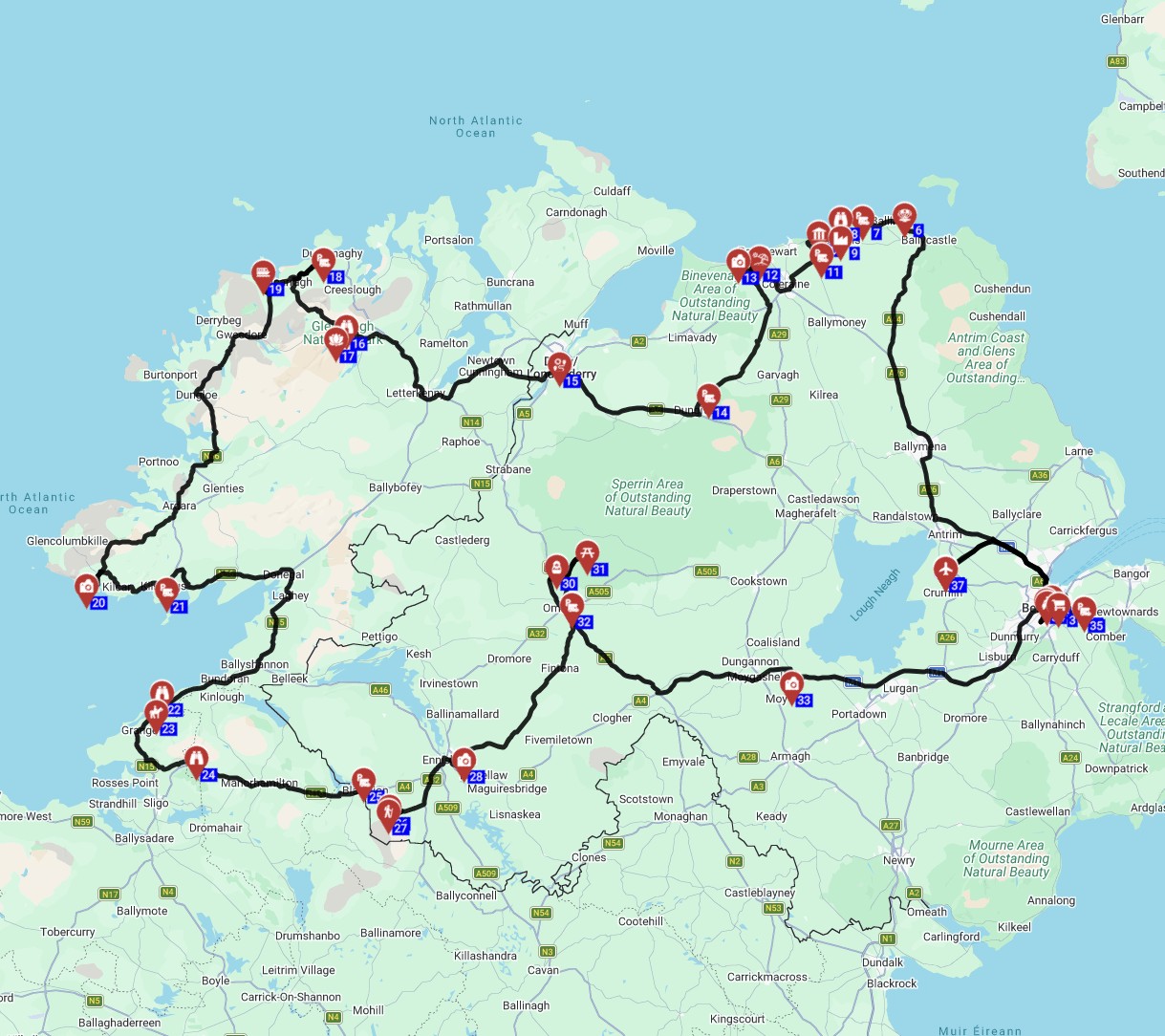
Explore the Causeway Coastal Route in Northern Ireland for stunning coastline, the iconic Giant's Causeway, and numerous Game of Thrones filming locations. This route, approximately 195 km, is easily manageable for a rented motorhome and offers spectacular views. Discover Ireland's Ancient East, a cultural journey through historic sites, castles, and monastic ruins like the Rock of Cashel. This region is dotted with numerous historical points, ideal for slow travel, allowing you to immerse yourself in millennia of history.
Consider the hidden gems of the Lakelands and Ireland's Hidden Heartlands for serene lakeside drives, charming villages, and fewer crowds. These central regions offer a peaceful escape with ample opportunities for watersports and nature walks. For routes like these, using RV PLANET (rvplan.net) can help you find detailed itineraries and plan your stops with ease, ensuring you don't miss out on local experiences and supporting local businesses along your journey.
What cultural etiquette should RVers observe in Ireland?
Observing cultural etiquette in Ireland involves respectful interactions with locals and mindful parking practices, ensuring a positive experience for everyone.
Interact respectfully with locals, embracing the friendly Irish spirit and engaging in conversation when appropriate. A simple "hello" or "thank you" (go raibh maith agat in Irish) goes a long way. Many locals are keen to share tips and stories. Parking responsibly in villages and towns is essential, ensuring your rented RV does not obstruct traffic, driveways, or local businesses. Always use designated parking bays and avoid taking up excessive space, especially with a larger vehicle like a 7-meter Class C motorhome. The small "condo" style campervan is often a good choice for urban parking.
Support local businesses by purchasing goods and services from independent shops, pubs, and restaurants along your route. This not only enriches your experience with authentic local products and cuisine but also contributes to the local economy, especially in rural areas. Many pubs welcome RVers for overnight parking if you patronize their establishment, a lovely way to experience Irish hospitality.
How to find RV utilities in rural Ireland?
Finding essential RV utilities such as water fill-ups, dump stations for grey/black water, and propane refills in rural Ireland primarily relies on dedicated campsites.
Most official campsites across Ireland provide these vital services, ensuring you can empty your waste tanks (like the 90-liter waste water tank on a "V2L" campervan) and refill your fresh water tank (typically 100 liters on many models). Utilizing RV-specific apps or online directories (such as Campercontact or Park4Night) is crucial to locate service points in advance, as they can be sparse outside major towns and established campgrounds. Always consult these resources or call ahead, especially when venturing into remote areas.
Some larger petrol stations or service areas may offer water or propane, but it's advisable to confirm availability beforehand, particularly for propane refills, which might require a specific type of connection. Planning your stops strategically around these service points will prevent inconveniences and allow for smooth operation of your rented motorhome's facilities, ensuring you can keep cooking delicious meals in your RV.
When is the best time to rent an RV in Ireland?
The shoulder seasons of April-May and September-October are often considered ideal for RV travel in Ireland due to milder weather, fewer crowds, and better value on rentals and campsites.
During these months, average daily temperatures range from 10°C-15°C, and while rain is still possible, you'll experience longer daylight hours compared to winter. Campsite availability is generally good, and popular attractions are less crowded, allowing for a more relaxed pace. Summer (June-August) offers the warmest weather (15°C-20°C) and longest daylight hours, but also brings the highest prices, most crowds, and requires booking campsites and attractions well in advance, sometimes 6-12 months ahead for popular spots. Our "RV Rental Deals in Ireland - Latest Offers 2026" can help you find specials during shoulder seasons.
Winter (November-March) can be quiet and atmospheric, with average temperatures from 5°C-10°C, but features colder weather, shorter days, and some campsites or attractions may be closed. While winter RVing can be charming for those seeking solitude and dramatic landscapes, it requires careful planning for heating and available services. Many modern rented motorhomes, like the "EcoLine 2" (with heating and a 78L fridge), are equipped for cooler conditions, ensuring comfort year-round.
Can I bring my pet on an RV trip to Ireland?
Bringing a pet on your rented RV trip to Ireland involves strict entry requirements that must be completed well in advance.
Pets generally need to be microchipped, have a valid rabies vaccination (administered at least 21 days before travel), and possess an official EU animal health certificate issued by a veterinarian. Always check the latest regulations from the Irish Department of Agriculture, Food and the Marine. Many RV rental companies, including Bandana's partners like El Monte, Apollo, and Britz, offer pet-friendly vehicles, but always confirm their specific policies and any associated cleaning fees (typically €50-€150) when booking.
Research pet-friendly campsites and attractions thoroughly before your trip, as not all places accommodate animals, particularly inside public buildings or specific national parks. For example, some campsites may have designated pet areas or require pets to be on a leash at all times. Having a pet-friendly approach will help you plan your itinerary effectively and avoid any last-minute surprises, ensuring a fun trip for all members of your family, including the furry ones.
Top Cities for RV Rental in Ireland
Ireland offers several excellent cities as starting points or key destinations for your motorhome adventure, each providing unique charm and access to stunning regions.
- Belfast: As the capital of Northern Ireland, Belfast serves as a fantastic gateway to the Causeway Coastal Route and offers vibrant city life, historical sites like the Titanic Belfast, and easy access to stunning glens and coastlines.
- Cork: Located in the southwest, Cork is a dynamic city known for its culinary scene and friendly atmosphere. It's an ideal base for exploring the rugged beauty of West Cork, the Ring of Kerry, and the charming coastal towns. Our listings include "RV Rental in Cork - Complete Guide 2026" for further details.
- Dublin: Ireland's bustling capital city, while not traditionally an RV hub, offers convenient pick-up locations and quick access to the Ancient East. Drive slowly and carefully, and you can drive almost anywhere without issues. No need to stress - just use common sense and pay attention when navigating urban areas.
- Galway: Known as the "Cultural Heart of Ireland," Galway city is a vibrant spot on the west coast, perfect for launching into Connemara, the Cliffs of Moher, and the Aran Islands. Its lively atmosphere and picturesque setting make it a favorite for many travelers.
- Killarney: Nestled amidst the dramatic scenery of County Kerry, Killarney is an essential stop for anyone exploring the Ring of Kerry and Killarney National Park. There are numerous RV-friendly campsites and breathtaking natural beauty right on its doorstep.
- Limerick: This historic city on the River Shannon provides a great starting point for exploring the Shannon Estuary, Bunratty Castle, and the Mid-West region of Ireland. It offers a blend of history and natural beauty.
- Waterford: In Ireland's Ancient East, Waterford is the country's oldest city, famous for Waterford Crystal and Viking history. It's a superb base for exploring the Copper Coast and the charming southeast coastline.
- Derry City: Another gem in Northern Ireland, Derry offers a rich historical experience with its famous city walls and a vibrant cultural scene. It's a great base for exploring the Inishowen Peninsula and other northern attractions.
Each of these cities offers unique experiences and convenient access to diverse regions, making them excellent choices for beginning or continuing your RV rental adventure in Ireland. For comprehensive planning, don't forget to consult our "RV Rental Europe - Complete Guide 2026" if you're considering a broader European journey.
What You Shouldn't Miss
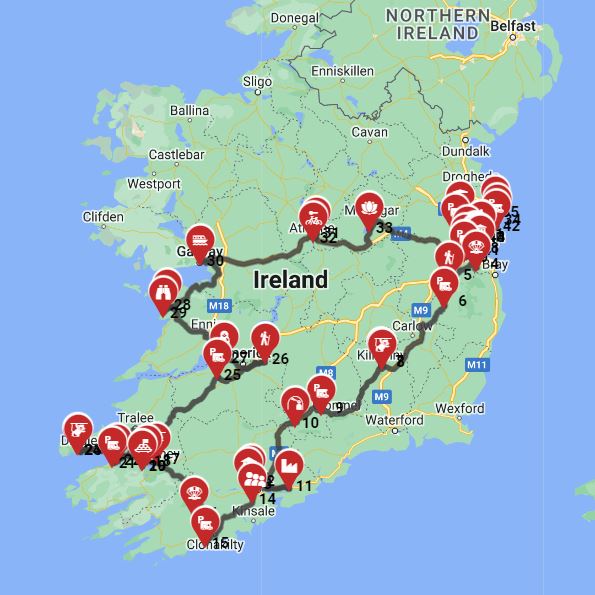
- Drive the Ring of Kerry: Experience one of Ireland's most iconic scenic drives, a 179 km loop offering dramatic coastal views, charming villages, and ancient sites. A smaller campervan, perhaps like the "2 Berth Rover" at 6.99 meters, makes navigating this popular route easier.
- Explore the Cliffs of Moher: Witness the awe-inspiring 214-meter-high cliffs stretching 14 km along the Atlantic coast, a truly unforgettable natural wonder in County Clare.
- Visit Giant's Causeway: Marvel at the unique geological formations of basalt columns, a UNESCO World Heritage site in Northern Ireland. Park your rented motorhome nearby and enjoy a walk along this mythical coastline.
- Wander through Killarney National Park: Discover lush forests, serene lakes, and majestic mountains, with plenty of walking trails and cycling routes. Many campsites are located near the park entrance, providing easy access.
- Experience a Traditional Irish Pub: Immerse yourself in local culture, enjoy live music, and savor a pint of Guinness in a cozy pub. Many rural establishments are welcoming to overnight RV parking, often free for patrons.
- Taste Local Irish Cuisine: From fresh seafood in coastal towns to traditional Irish stew and soda bread, enjoying local food is a highlight. Look for local markets to stock your RV kitchen and try making some RV-friendly recipes playlist with local ingredients.
Looking for expert insights from Avi Bandana? Top 5 Adventures - recommendations from Avi Bandana
Avi suggests for an authentic Irish experience to spend a full week exploring the lesser-known peninsulas of County Kerry, like the Beara Peninsula, rather than just the Ring of Kerry. "Take your rented motorhome and truly get off the beaten path," he recommends. "You'll find even narrower roads, but the rewards are incredible. Plus, you'll discover truly hidden gems and local pubs where the welcome is genuinely warm." He also emphasizes visiting one of Ireland's many ancient monastic sites, such as Clonmacnoise, early in the morning to experience their serene beauty without the crowds. "These places connect you deeply to Ireland's rich history and spiritual past," Avi says, "and an RV gives you the freedom to be there at sunrise."
Final Thoughts
Your first RV rental trip to Ireland promises to be an adventure filled with unforgettable moments and incredible scenery. By following these beginner tips, you'll be well-prepared to navigate the country's unique roads, embrace its vibrant culture, and create memories that will last a lifetime. Remember, the key to a truly magical RV trip is to slow down, be flexible, and savor every moment.
At Bandana RV, we're here to make your dream trip a reality. We've been trusted by travelers for over 20 years, offering full transparency, extensive vehicle options, and dedicated support. So, go ahead, get inspired, and take that leap into your Irish motorhome adventure!
Ready to discover the stunning landscapes and charming villages of Ireland at your own pace? Compare Motorhome Prices for Ireland now and find the perfect rented RV for your unforgettable journey!