In This Guide
- Top 5 Tips for RV Rental Beginners in France
- Before You Book - Class, Dates, Insurance
- Pre-Trip Prep - Packing Checklist for France
- On the Road - Driving, Fueling, Navigation
- At the Campground - Setup, Hookups & Etiquette
- RV Beginners-Specific Tips for France
- Common Mistakes to Avoid in France
- Is France good for RVing?
- How much does it cost to RV in France?
- Do you need an international driving permit for France?
- What do you need to drive an RV in France?
- What side of the road do you drive on in France?
- Is it easy to RV in France?
- What is an Aire de Service in France?
- How long can you stay at an Aire de Service in France?
- Can you wild camp in France in a motorhome?
- Can you park an RV anywhere in France?
France is an incredible destination for a motorhome adventure, offering a blend of stunning landscapes, rich history, and world-class cuisine right outside your rental RV door. For first-time RV travelers, the thought of navigating a new country in a mobile home can seem daunting, but with a little preparation and the right guidance, it's an experience that promises unparalleled freedom and unforgettable memories. We're here to share everything you need to know to hit the road with confidence. For live availability and current prices, start with our RV Rental France - Complete Guide 2026 guide.
Top 5 Tips for RV Rental Beginners in France
Successful RV travel in France for beginners hinges on smart planning and an open mind, ensuring a smooth and enjoyable trip.
- Book your rental RV well in advance, especially if you plan to travel during France's peak season from June to August, where rates can be 15-30% higher and popular models like a "Class C - Alcove" 6-berth motorhome with a 150-liter refrigerator can be scarce.
- Familiarize yourself with French road signs and rules, including speed limits which are typically 130 km/h on motorways, 80 km/h on rural roads, and 50 km/h in urban areas. This preparation will help you navigate safely and avoid unexpected fines.
- Utilize France's extensive 'Aires de Services' network for essential overnight stops and vehicle servicing, as these dedicated areas, often providing fresh water and waste disposal, are a cornerstone of RV travel in the country. Many are free or cost a small fee (e.g., €5-€15 per night).
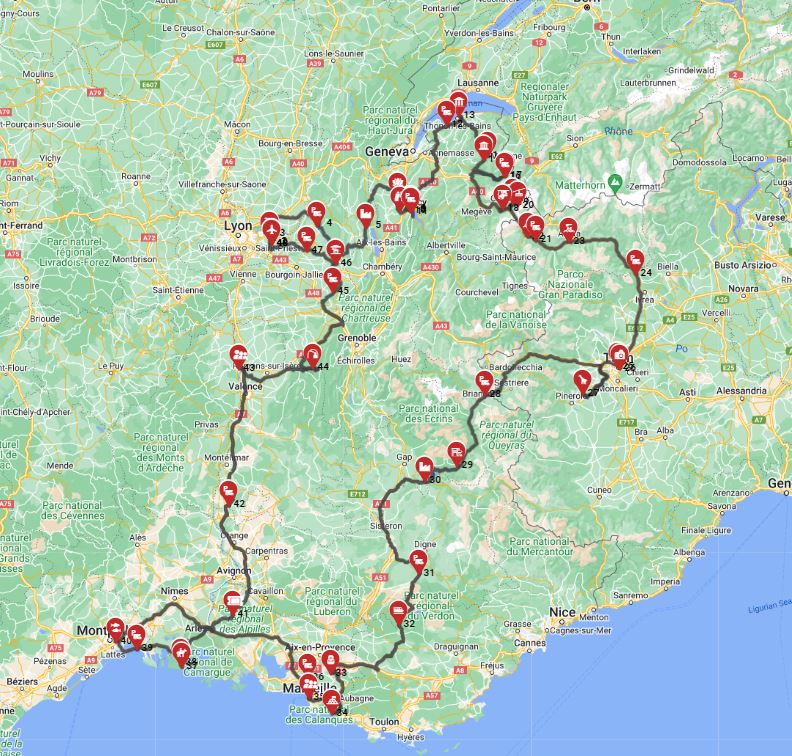
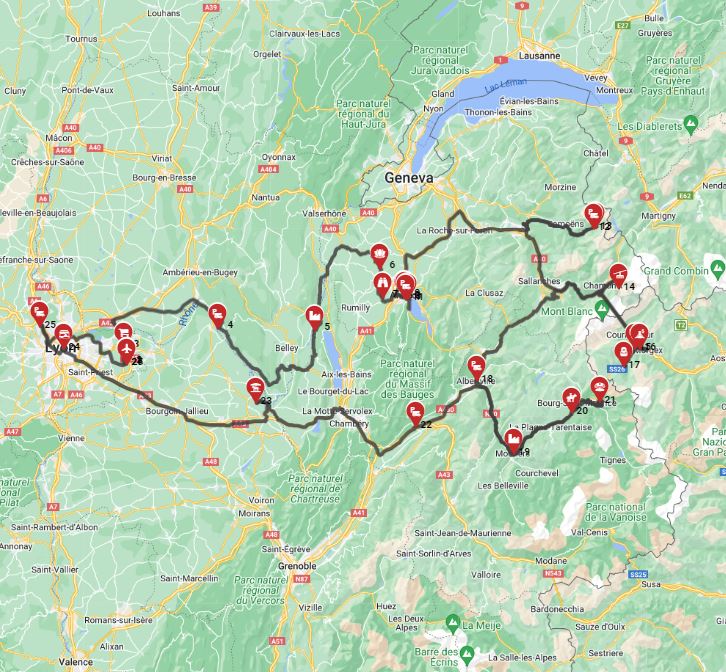
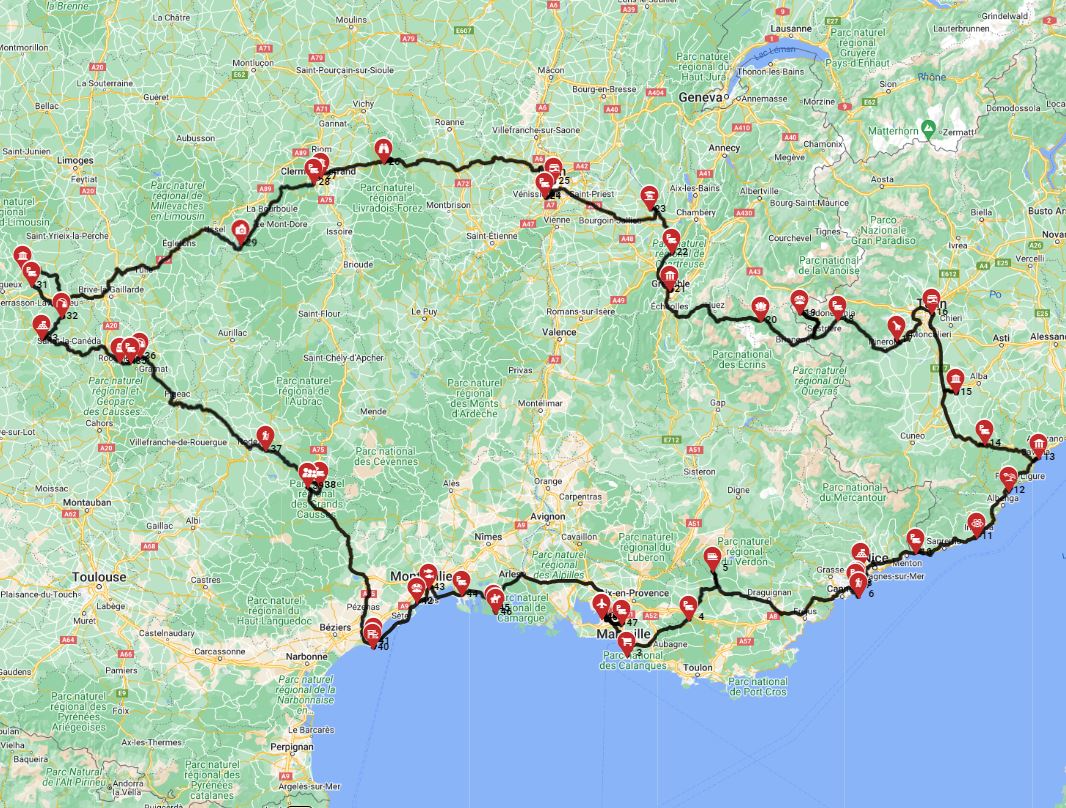
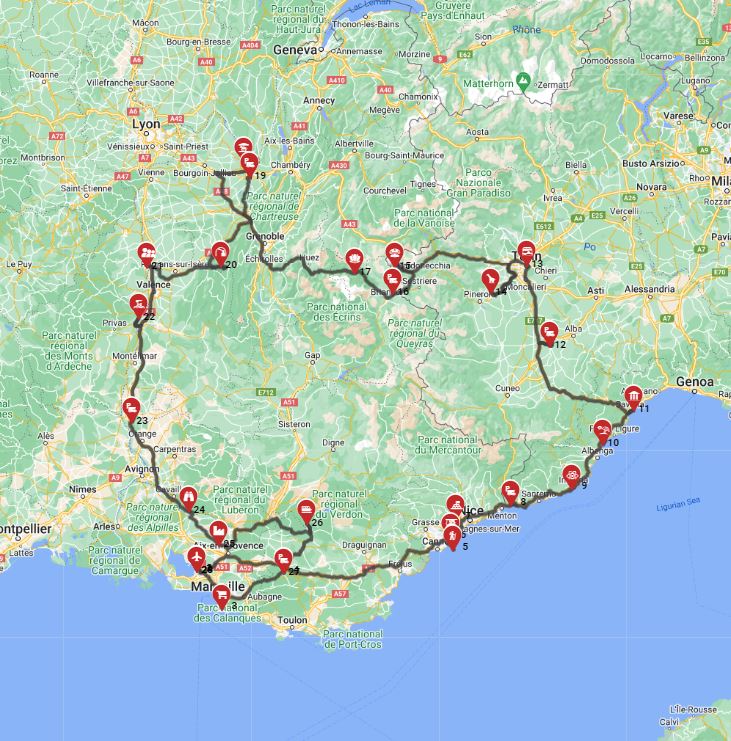
- Plan your route to prioritize scenic backroads and charming smaller towns, aiming for an average daily drive of 100-150 km to allow ample time for cultural immersion and enjoying local delights. This slow travel approach enhances the experience of French regional diversity.
- Learn a few basic French phrases like "Bonjour" (hello), "Merci" (thank you), and "Parlez-vous anglais?" (Do you speak English?) to enhance your interactions and facilitate a deeper cultural connection throughout your journey.
These initial steps will set a solid foundation for your first memorable motorhome trip across France.
Before You Book - Class, Dates, Insurance
Choosing the right rental RV, securing your travel dates, and understanding insurance options are crucial steps before embarking on your French adventure.
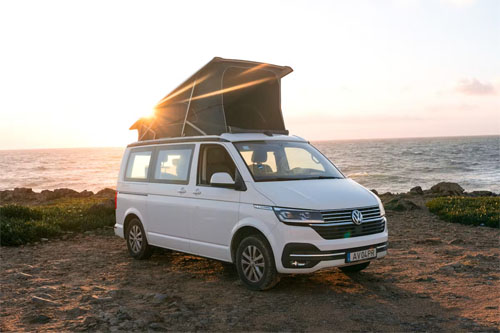
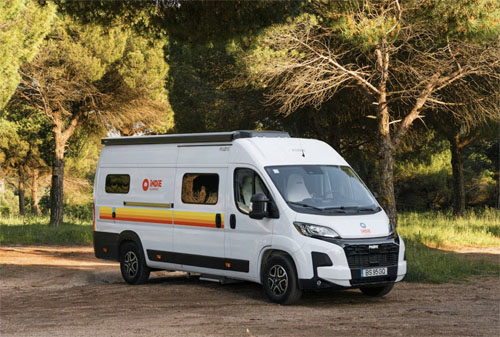
Selecting an RV class depends heavily on your group size and desired comfort. For a couple, a compact campervan like a "hire campervan example Paradise S/T" with an automatic transmission and compact shower and toilet facilities is often ideal for navigating smaller roads with its 5.6-meter length. Families of 2+2 might prefer a Class C motorhome such as the "rv rentals example Comfort Class" offering 3 double beds and more living space, typically around 6.5-7.5 meters long with a 100-liter fresh water tank. Consider the size of the vehicle carefully; while larger RVs offer more amenities, smaller ones can be easier for city parking and narrower village roads. Drive slowly and carefully, and you can drive almost anywhere without issues. No need to stress - just use common sense and pay attention.
Securing your booking dates early is highly advisable, particularly if your trip falls during France's popular summer months or major festivals, to ensure availability and potentially access better rates. Prices for an RV rental in France are dynamic, much like flight tickets, changing daily based on availability, seasonality, and supplier marketing decisions. Many national and state parks reserve only 25-30% of their spots in advance, with the rest available on a first-come-first-serve basis, so even spontaneous travelers can find a spot; if not at the first campground, then the next one. Always call ahead before driving.
Basic insurance is always included with your Bandana RV rental, providing essential coverage. For enhanced security and peace of mind, you can upgrade to a top-level deductible for extra protection. When you search on our platform, you can filter by comprehensive coverage options to see prices that include the most extensive protection upfront, ensuring full transparency with no hidden fees or surprises at pickup.
Pre-Trip Prep - Packing Checklist for France
A well-organized packing list ensures you have all necessities for a comfortable RV rental trip in France, from clothing to essential documents.
When packing for France, consider the varying climates you might encounter, from the Mediterranean warmth of the south to cooler alpine regions. Pack layers, including waterproof jackets, comfortable walking shoes, and appropriate attire for both casual exploration and potential nicer evenings out. Don't forget swimwear for coastal areas or campsites with pools. Essential kitchen items for self-catering are typically included with your rental motorhome, such as basic cookware, utensils, and dishes, but consider bringing a small, sharp knife, a reusable shopping bag for local markets, and a coffee press if you have specific preferences. For tasty onboard meals, check out our RV-friendly recipes playlist.
Safety items are mandatory in France: you'll need a reflective safety vest for each occupant in the rental RV and a warning triangle, both of which should be easily accessible. Many rentals include these, but confirm with your supplier. Carry all necessary travel documents, including your valid driving license, an International Driving Permit (if applicable), passport, visa (if required), and rental agreement copies. It's also wise to have a first-aid kit, a European accident statement form, and any personal medications readily available. For those planning an extended road trip, preparing for different scenarios will ensure a relaxed and enjoyable experience.
On the Road - Driving, Fueling, Navigation
Driving a rented RV in France is a straightforward experience once you understand the local road rules, fueling practices, and navigation tools.
Driving a motorhome in France involves adhering to local speed limits, which are strictly enforced: typically 130 km/h on major motorways (Autoroutes), 80 km/h on national roads, and 50 km/h in urban areas. Pay attention to vehicle-specific restrictions, as some roads may have lower limits for larger vehicles. Toll roads, known as 'péages', are common on Autoroutes and can be paid with credit cards or cash, though some lanes are strictly for electronic tags. Fueling up is simple; diesel, called 'Gazole', is widely available and typically costs around €1.80-€2.00 per liter. Plan your fuel stops in advance, especially in rural areas or on Sundays, as smaller stations may be closed. For an extensive European motorhome rental experience, consider exploring our "RV Rental Europe - Complete Guide 2026" which offers broader insights. On the routes offered through RV PLANET routes, you can itemize and track every expense along the way for easy budgeting.
GPS navigation systems or apps like Waze or Google Maps are highly effective for navigating French roads. To avoid potential signal issues in remote areas, consider downloading offline maps for your planned routes. Many modern rental RVs come equipped with built-in navigation, or you can use your smartphone with a local SIM card for real-time traffic updates. When driving through smaller villages or historic centers, remember that streets can be narrow, so drive slowly and carefully, using common sense and paying attention to local signage, and you can navigate almost anywhere without issues. For budgeting and tracking all trip expenses, including fuel and tolls, using RV PLANET routes is an excellent resource.
At the Campground - Setup, Hookups & Etiquette
Setting up your rental RV at a French campground is generally a simple process, requiring attention to leveling, utility connections, and local etiquette.
Upon arrival at a campsite, the typical setup sequence involves first leveling your vehicle, often using ramps, to ensure comfort and proper functioning of internal appliances like the refrigerator. Next, connect to electric hookups using a European adapter (often included with your rental motorhome), providing 220-240V power. Then, connect to the fresh water supply using a potable water hose, and finally, connect your greywater hose to a drain if available, or position a portable tank. These steps are crucial for a comfortable stay, whether you're in a campervan or a larger Class A integrated motorhome. Many campgrounds also offer waste disposal points for blackwater tanks.
Observing quiet hours, usually enforced between 10 PM and 8 AM, is a key aspect of campground etiquette in France, ensuring a peaceful environment for all campers. Maintain a respectful distance from your neighbors, keep your pitch tidy, and follow any specific rules posted by the campground management, such as those regarding barbecues or pet waste. Being courteous and mindful of others contributes to a positive experience for everyone, making your week-long trip or extended road trip more enjoyable. Remember, the campsites available on rvplan.net often detail their specific amenities and rules for convenient planning.
🎬 Video coming soon
RV Beginners-Specific Tips for France
Tailoring your RV rental experience in France to your specific travel style or group can significantly enhance your adventure, whether you're a family, senior, budget traveler, or seeking luxury.
Families traveling with children in France might benefit from choosing larger Class C motorhomes with bunk beds, like the "Glamys 40", which offers a rear bunk bed setup and ample space, making it easier for 4-6 people. Planning shorter driving days (e.g., under 100 km) and incorporating frequent stops at playgrounds or child-friendly attractions, such as amusement parks or beaches, helps keep everyone happy. Seniors may prefer smaller, more maneuverable campervans or semi-integrated motorhomes, like a "Luxury Small" with automatic transmission, for easier navigation on narrower French roads and simpler parking in charming villages. These vehicles, often around 6.5 meters long with a 100-liter fresh water tank, provide comfort without the bulk.
Budget travelers can save significantly by leveraging France's free 'Aires de Services' for overnight stays instead of paid campsites, which can cost €15-€40 per night. Shopping at local markets for fresh produce and cooking meals in your rental RV's kitchen can also drastically reduce food expenses. For those seeking a luxury travel experience, opting for premium motorhome models with enhanced amenities like the "Comfort Luxury" Class A integrated motorhome, often featuring advanced entertainment systems and larger living areas, allows for a truly indulgent trip. Consider adding services like pre-booked gourmet food packages or guided tours to complete your upscale adventure in destinations like Annecy or the Côte d'Azur.
Common Mistakes to Avoid in France
Avoiding common pitfalls can make your first RV rental trip in France smoother and more enjoyable, from city navigation to financial preparedness.
Instead of attempting to drive your rental motorhome directly into major city centers like Paris, Marseille, or Lyon, which often have low emission zones (ZFEs) and severely limited parking for larger vehicles, utilize park-and-ride facilities or public transport from peripheral campsites. Many cities have designated RV parking outside the historical core, such as the dedicated park-and-ride for RVs near Agen, allowing you to explore urban attractions without the stress of city driving. Drive slowly and carefully, and you can drive almost anywhere without issues. No need to stress - just use common sense and pay attention.
Rather than relying solely on credit cards for all transactions, carry some cash (Euros) for smaller purchases at local markets, rural bakeries, or for tolls on certain roads where card payments might be unreliable. French tolls, or 'péages,' can sometimes be tricky with foreign credit cards, so cash is a good backup. Instead of assuming all signage is universally understood, familiarize yourself with common French road signs, especially those related to vehicle height and weight restrictions, and prohibitions on RV parking ('Camping Car Interdit'). Lastly, rather than planning a rigid, packed itinerary, allow for flexibility to explore unexpected charming villages like those in Alsace, or stay longer at particularly scenic spots. Remember, slow travel is key to truly experiencing France's culture and landscapes. For inspiration, explore itineraries from our 1,300+ pre-planned routes via RV PLANET (rvplan.net).
Is France good for RVing?
France is widely considered an excellent destination for RV travel due to its extensive network of scenic routes, diverse regions, and robust infrastructure specifically designed for motorhomes.
The country offers a rich tapestry of experiences, from the sun-drenched beaches of the Côte d'Azur to the historic vineyards of Bordeaux and the majestic Alps, each providing unique RV adventures for travelers in a rented RV or campervan. Its well-maintained roads, including an efficient motorway system and charming rural routes, make navigation easy, while the numerous 'Aires de Services' (over 4,000 nationwide) cater specifically to RVs, making overnight stays and vehicle servicing convenient and often budget-friendly. Exploring regional diversity, such as the charming villages of Alsace, the rugged coastlines of Brittany, or the ancient sites near Alès, offers distinct cultural experiences beyond typical tourist routes. Bandana Caravan, founded in 2001, has over 23 years of experience helping tens of thousands of travelers explore the world by RV, and France remains a perennial favorite.
How much does it cost to RV in France?
The total cost of an RV rental trip in France can vary significantly based on rental duration, the class of rental RV, time of year, fuel prices, and your chosen accommodation type.
Typical expenses for a two-week trip could include RV rental fees ranging from €80-€200+ per day for a standard Class C motorhome like the "cruise america rv rental example Explorer" (which has an 82-liter fresh water tank and 75-liter fuel tank), fuel (diesel, or 'Gazole', averages €1.80-€2.00 per liter), road tolls on Autoroutes (which can add €10-€30 per day depending on travel distance), and campsite fees (averaging €15-€40 per night for a pitch with electricity). For a one-week adventure, a couple renting a smaller campervan might spend around €1,000-€1,800, while a month-long trip for a family in a larger motorhome could reach €5,000-€8,000, excluding flights. Budget-conscious travelers can significantly reduce costs by utilizing free 'Aires de Services' for overnight parking, cooking most meals in their rental RV's kitchen, and seeking out local markets for cheaper, fresh produce. When planning your budget, remember that prices for RV rental in France are dynamic and subject to daily changes, similar to airline tickets. For detailed budgeting and expense tracking for your specific route, check out RV PLANET routes.
Do you need an international driving permit for France?
Yes, travelers from non-EU/EEA countries generally need an International Driving Permit (IDP) to legally drive a rental RV in France, in addition to their valid national driving license.
The IDP serves as an official translation of your existing driver's license and must be obtained in your home country before your trip to France. It is not a standalone license but a supplementary document. For citizens of EU/EEA countries, a valid national driving license is usually sufficient for driving any class of rental motorhome (Class A, Class B, Class C) in France, as the minimum rental age is 21 with no special license or CDL required. Although an IDP is recommended for visitors from non-English-speaking countries, it is not mandatory in all cases, but having one can prevent potential misunderstandings with local authorities and rental agencies.
What do you need to drive an RV in France?
To legally drive a rental RV in France, you will need a valid national driving license, an International Driving Permit (if applicable), the vehicle's registration documents, and proof of insurance.
Mandatory safety equipment that must be carried in the rental motorhome includes a reflective safety vest for each occupant (worn if you exit the vehicle on a motorway or road shoulder) and a warning triangle to place behind a broken-down vehicle. Some regions or specific rental suppliers might recommend or require spare bulbs, though this is less common now with modern LED lighting. While not legally mandatory, a European accident statement form and a well-stocked first-aid kit are highly recommended for your safety and preparedness on the road. Familiarity with your specific RV's dimensions, such as the length of a "Category Family 5 AT" Class C motorhome (around 7 meters) or a compact "Camper Van" (around 5.5 meters), is crucial for navigating low bridges, tunnels, and narrow village streets, especially when driving to cities like Angoulême or Alencon where tight spaces are common. It's also important to be aware of urban low emission zones (ZFE) that might restrict access for older vehicles in major cities, like those in the greater Paris area. Bandana Caravan is a true RV specialist, focused exclusively on RV travel, offering expert guidance for every detail of your trip.
What side of the road do you drive on in France?
In France, all vehicles drive on the right-hand side of the road, which is consistent with most of mainland Europe.
This means that if you are accustomed to driving on the left, you will need to adjust to driving a rental motorhome where the steering wheel is typically on the left side of the vehicle, and traffic flow moves clockwise around roundabouts. This standard practice applies across all regions of France, from the bustling streets of Ajaccio - Corsica to the tranquil routes through Angers. Take your time, familiarize yourself with the vehicle and local traffic patterns, and you'll find the adjustment to be manageable for your week-long trip or extended adventure. Always use your mirrors diligently and maintain a safe following distance.
Is it easy to RV in France?
RVing in France is generally considered easy and highly rewarding, especially for those accustomed to driving larger vehicles, thanks to the country's well-developed road network and excellent dedicated RV facilities.
While main roads and motorways are in superb condition, navigating narrow village streets and avoiding major city centers (which often have low emission zones and limited parking) can present challenges that require careful planning. Drive slowly and carefully, using common sense and paying attention, and you can drive almost anywhere without issues. Using GPS systems updated with RV-specific routes can help mitigate issues with height and weight restrictions, guiding you around unsuitable roads. Additionally, embracing local cultural etiquette, such as greeting shopkeepers with "Bonjour" and understanding market practices in places like Annecy, can enhance the ease and enjoyment of your trip. With 25 years of hands-on experience, Avi Bandana, founder of Bandana Caravan, affirms that RV travel in France is accessible and joyful for everyone. Remember, "Travel slowly, max 100-150 km per day on average. Take time to feel the place, connect to the culture, the food, and the scenery."
What is an Aire de Service in France?
An 'Aire de Services' (often referred to as an 'Aire de Camping-Car') in France is a dedicated service area specifically designed for motorhomes and campervans, offering essential facilities for travelers.
These Aires typically provide services crucial for RV travel, such as fresh water refill points, greywater disposal facilities, and blackwater (chemical toilet) emptying points. Many also offer electricity hookups and rubbish bins. They can range from basic, free facilities found in rural areas or smaller towns like Auteuil, to more comprehensive, paid options with additional amenities located near popular tourist attractions or along major routes. Learning how to locate, use, and respect the etiquette of these aires is fundamental for a smooth RV trip in France, providing a crucial alternative or complement to traditional campsites. This extensive network is a testament to France's RV-friendly infrastructure, making it ideal for a "Family RV Rental in France - Pricing Guide 2026" trip.
How long can you stay at an Aire de Service in France?
The typical duration limit for staying at an 'Aire de Service' in France is 24 to 48 hours, though this can vary depending on the specific aire and local regulations.
Some popular aires, especially in high-demand tourist areas or near cities like Ajaccio - Corsica Airport, might enforce stricter limits (e.g., 24 hours) during peak season, while others in less frequented rural spots may be more lenient. It is crucial to always check the signage upon arrival for specific time restrictions, any associated fees (which are usually minimal if charged), and local rules, as overstaying can result in fines or being asked to move. Adhering to these duration limits and maintaining respectful etiquette ensures these essential facilities remain available and welcoming for all RV travelers on their "Weekly RV Rental in France - Pricing 2026" or longer adventures.
Can you wild camp in France in a motorhome?
Wild camping (camping sauvage) in a rental motorhome in France is generally restricted and often explicitly forbidden, particularly in protected natural areas, coastal regions, and near popular tourist sites.
Legally, it is permissible only with the express permission of the landowner on private property or in specifically designated areas clearly marked for overnight stays. However, responsible 'bivouac' or 'free camping' in isolated, non-prohibited areas for a single night, without setting up extensive camp (e.g., deploying awnings, outdoor tables, or chairs), is often tolerated, but this varies significantly by commune and regional laws. Utilizing apps or online resources like rvplan.net can help identify tolerated or authorized overnight parking spots, and it's always critical to prioritize safety, leave no trace, and respect local communities. When considering a "One-Way RV Rental in France - Price Guide 2026", knowing these regulations is important for route planning.
Can you park an RV anywhere in France?
No, you cannot park a rental RV anywhere in France; parking is subject to local regulations, which can vary significantly between different communes and regions.
While a motorhome is generally considered a vehicle and can park where cars can (provided it fits within marked bays), specific restrictions apply to overnight parking, especially outside designated campsites or 'Aires de Services'. Many towns and cities have specific bylaws prohibiting RV parking in certain zones, particularly in historical centers or dense residential areas. Low emission zones (ZFE) in urban areas also restrict access for older RVs, requiring prior research if you plan to visit major cities. Always look for signage indicating prohibitions ('Camping Car Interdit') or permitted parking areas. For longer stays, opting for a campsite or a dedicated aire is highly recommended, ensuring both convenience and compliance with local laws. This full transparency ensures no surprises for your trip. For potential "RV Rental Deals in France - Latest Offers 2026", always check terms for parking specifics.
What You Shouldn't Miss
- Drive the Route des Vins d'Alsace: Explore charming villages like Colmar and Eguisheim in your rental RV, sampling local wines and enjoying the unique Franco-German culture.
- Experience the Lavender Fields of Provence: Visit during June or July to witness the vibrant purple landscapes, particularly around Valensole and Gordes, and enjoy the fragrant air.
- Explore the Castles of the Loire Valley: Park your motorhome near magnificent châteaux such as Château de Chenonceau and Château de Chambord, taking day trips to immerse yourself in royal history.
- Hike in the Pyrenees National Park: Discover stunning mountain vistas, picturesque lakes, and diverse wildlife with your campervan as your mobile base, offering ample opportunities for outdoor adventure.
- Relax on the Beaches of the Côte d'Azur: Enjoy the glamorous coastal towns and azure waters from Nice to Saint-Tropez, with numerous seaside campgrounds available for your rental motorhome.
Looking for expert insights from Avi Bandana? Top 5 Adventures - recommendations from Avi Bandana
Final Thoughts
Embarking on your first RV rental adventure in France is an opportunity to discover its breathtaking landscapes and rich culture at your own pace. With Bandana Caravan, you have a supportive partner every step of the way, offering full transparency and expert guidance. Imagine yourself cruising through the picturesque French countryside in your comfortable motorhome, with the freedom to explore charming villages and stunning natural parks.
Don't let the initial planning seem overwhelming. Our goal is to make your journey seamless and enjoyable, so you can focus on making incredible memories. Whether you prefer pre-planned routes or spontaneous detours, France offers endless possibilities for RV travelers. Get inspired for your next trip and discover top destinations, planning tips, all in one place!
Ready to experience the magic of France on wheels? Compare Motorhome Prices for France now and let Bandana RV help you find the perfect rental RV for your unforgettable French escape. Your adventure awaits!