In This Guide
- Top 5 Tips for RV Rental Beginners in Chile
- Before You Book - Class, Dates, Insurance
- Pre-Trip Prep - Packing Checklist for Chile
- On the Road - Driving, Fueling, Navigation
- At the Campground - Setup, Hookups and Etiquette
- RV Rental Beginners-Specific Tips for Chile
- Common Mistakes to Avoid in Chile
- How much does it cost to rent an RV in Chile
- What are the best RV routes in Chile
- Is driving an RV in Chile safe
- What are the rules for wild camping in Chile
- How to find water and dump stations for an RV in Chile
- What is the best time of year to RV in Chile
- How to get internet in an RV in Chile
- How to immerse in local culture while RVing in Chile
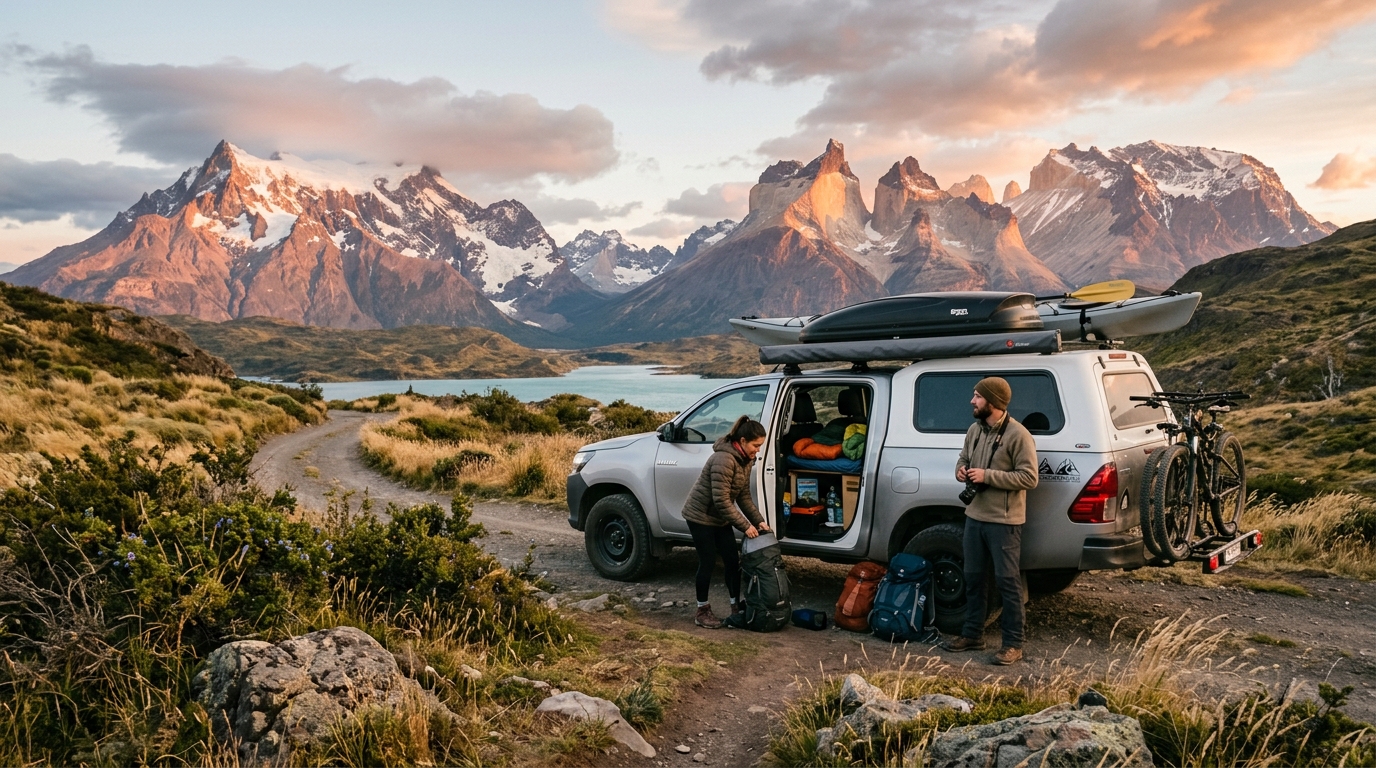
Embarking on your first RV rental adventure in Chile promises an unforgettable journey through some of the world's most diverse and breathtaking landscapes. Imagine waking up to views of snow-capped Andes mountains, exploring the otherworldly expanse of the Atacama Desert, or cruising along the stunning fjords of Patagonia, all from the comfort of your mobile home. At Bandana RV, we're true RV specialists, dedicated to making your first foray into motorhome travel in Chile as smooth and exciting as possible. We’ve been helping tens of thousands of travelers explore the world by RV since 2001, and our direct partnerships with 50+ leading RV suppliers worldwide mean we genuinely know what we're talking about.
For live availability and current prices, start with our RV Rental Chile - Complete Guide 2026 guide. It’s packed with insights to help you plan your ideal Chilean RV trip. We believe in full transparency, which means no hidden fees and no surprises, ensuring what you see is what you pay. We're here to support you before, during, and after your booking, so you can focus on making incredible memories.
Top 5 Tips for RV Rental Beginners in Chile
For first-time RV renters in Chile, careful planning is essential for a rewarding trip. Booking your RV well in advance is critical, especially for peak seasons like December to March, to secure your preferred models and potentially save on rates. You can find more specific deals in our guide, RV Rental Deals in Chile - Latest Offers 2026. Thoroughly reviewing insurance options is also important; while basic coverage is usually included, upgrading to a top-level deductible for extra peace of mind is always a smart choice, ensuring you travel without stress.
A flexible itinerary will serve you well, as driving times in Chile can be longer than anticipated due to varied road conditions and scenic detours you’ll want to take. Pack versatile clothing layers suitable for Chile's diverse microclimates, because temperatures can change significantly between regions and altitudes, even on the same day. Finally, familiarizing yourself with basic Spanish phrases will greatly improve local interactions, from navigating fuel stops to purchasing fresh produce at local markets, enhancing your cultural immersion.
Before You Book - Class, Dates, Insurance
Choosing the right rented motorhome class for your trip to Chile involves considering the number of travelers, desired amenities, and your comfort level with vehicle size. For couples or small families, a compact Class C motorhome like the "Adak Argonaut 21 - Gold" (which features a front air conditioner and comfortably sleeps 2 couples) offers maneuverability and essential amenities, while larger families or groups might prefer a spacious Class A motorhome for more living space. Locking in your rental dates, particularly for travel between December and March (the Austral summer), is crucial due to high demand and limited availability across popular rental hubs like Santiago and Punta Arenas.
Understanding your RV insurance options is key to a worry-free journey, with basic coverage typically included by default. Bandana Caravan emphasizes full transparency, so you'll always see exactly what's included and any optional upgrades. You can upgrade to a top-level deductible for extra peace of mind, protecting you from unexpected costs. An insider tip: to see prices including the most comprehensive coverage, simply select that option during your search on our platform. This way, all relevant insurance options from our direct partners, including global leaders like El Monte, Cruise America, Apollo, and Britz, will be clearly shown, ensuring no hidden fees or surprises at pickup.
Pre-Trip Prep - Packing Checklist for Chile
A comprehensive packing checklist for an RV trip in Chile should include clothing for all seasons, essential kitchen items, safety gear, and important documents. Chile's extreme length means you might experience desert heat, mountain chill, and coastal breezes all in one trip. Consider packing layers such as thermal wear, fleece jackets, and a waterproof outer shell, along with hiking boots and comfortable shoes for exploring varied terrain. Don't forget sun protection items like sunscreen, a wide-brimmed hat, and sunglasses, especially for the high-altitude regions and the Atacama Desert.
For your rented motorhome kitchen, bring basic cooking utensils and non-perishable food items to enjoy meals on board; remember, part of the RV experience is being able to cook your favorite dishes anywhere. If you're looking for inspiration, check out our RV-friendly recipes playlist. Safety essentials include a first-aid kit, any personal medications, and a headlamp or flashlight for dark campgrounds. Crucially, ensure you have your valid driver's license (minimum age 21 for all classes), an International Driving Permit (recommended for non-English speakers), your passport, and photocopies of all important documents. Don't forget credit cards and some local currency (Chilean Pesos) for smaller purchases and tolls, along with Type L adapters for your electronics. We handle the details, so you can focus on gathering your essentials. On the routes offered through RV PLANET routes, you can itemize and track every expense along the way for easy budgeting.
On the Road - Driving, Fueling, Navigation
Driving a rented RV in Chile requires awareness of varying road conditions, which can range from well-maintained Pan-American highways to unpaved rural routes, particularly in regions like Patagonia. Always drive slowly and carefully, and you can drive almost anywhere without issues. No need to stress-just use common sense and pay attention. Fueling your RV will primarily involve diesel (called 'petróleo'), which is widely available, though prices can fluctuate significantly by region and distance from major cities. Keep your tank topped up, especially before heading into more remote areas.
Navigation is crucial where cellular service can be intermittent; it's best to rely on offline maps (such as Maps.me or downloaded Google Maps sections) and a dedicated GPS device as a backup. Be prepared for toll roads ('peajes') on major highways, which may require cash or a specific transponder, so always keep some Chilean Pesos handy. When driving on mountain passes, common in the Andes, maintain slower speeds and be attentive to weather changes, especially the potential for snow or ice during cooler months.
🎬 Video coming soon
At the Campground - Setup, Hookups and Etiquette
Setting up your rented motorhome at a Chilean campground typically involves leveling the vehicle, connecting to available hookups, and familiarizing yourself with site amenities. Most campsites in national parks or private grounds will offer electrical hookups, fresh water, and a designated dump station. The standard hookup order begins with connecting to electricity, followed by fresh water, and then securing your sewer hose for waste disposal, ensuring a hygienic and functional setup.
Observing quiet hours, usually from 10 PM to 7 AM, and maintaining a respectful distance from your neighbors are common etiquette guidelines that ensure a pleasant experience for everyone. Responsible waste disposal is paramount: ensure all gray and black water is emptied at designated dump stations, and trash is properly managed, recycled when possible, and never left behind. For finding campsites and campgrounds during your trip, we recommend using RV PLANET, a great resource for locating available spots along your route.
RV Rental Beginners-Specific Tips for Chile
For families embarking on an RV adventure in Chile, consider a motorhome class with ample sleeping areas and a separate living space, such as a large Class C with a bunk bed feature, for kid entertainment during downtime or nap-friendly drives. Seniors often prefer smaller, more maneuverable campervans or Class B motorhomes with automatic transmissions and ergonomic interiors for ease of access and enhanced comfort, like the "Paradise S/T" campervan that is ideal for a couple and offers an automatic transmission.
Budget-conscious beginners can significantly save money by utilizing designated free overnight parking spots, such as municipal areas or large gas stations, where permitted, in addition to paying for established campsites. Conversely, luxury travelers can elevate their experience with premium RV add-ons like satellite internet or full kitchen packages, transforming their rented RV into a truly bespoke travel hub. Always review your chosen RV's dimensions and clearance for specific routes or ferries, especially if you plan to explore the Carretera Austral, to avoid any unexpected limitations during your journey.
Common Mistakes to Avoid in Chile
Instead of underestimating driving times, factor in extra time for the stunning scenic stops, diverse road conditions, and any potential border crossings if your route includes neighboring countries, allowing for a relaxed pace (max 100-150 km per day). Rather than assuming campsite availability, especially during peak season, book national park and popular private campgrounds well in advance. Remember that many national and state parks only reserve 25-30% of spots online; the rest are first-come-first-serve, so you'll find a spot if not at the first campground, then the next one, but call ahead before driving.
Instead of overlooking local regulations, familiarize yourself with rules for wild camping (which often requires landowner permission), speed limits (typically 100-120 km/h on highways, 50-70 km/h in urban areas), and local alcohol consumption laws, ensuring a smooth trip. Avoid overpacking by utilizing your rented RV's storage efficiently and focusing on multi-purpose items suitable for Chile's varied climates. Lastly, instead of relying solely on English, learning essential Spanish phrases will greatly facilitate communication with locals and help resolve minor issues more easily, enhancing your overall experience. As true RV specialists, we recommend preparing for these details to ensure a seamless adventure.
How much does a motorhome rental cost in Chile
The cost to rent an RV in Chile typically ranges from $100 to $300 USD per day for standard Class C motorhomes or campervans, varying significantly by vehicle size, age, rental season, and duration. A 1-week rental could be $700-$2100, a 2-week trip $1400-$4200, and a 1-month adventure could range from $3000-$9000, not including ancillary costs. For couples, a smaller campervan like the "RV Rental Denver Example Category Van" (ideal for a couple with shower and toilet) might be at the lower end, while families with kids may opt for a larger 4-6 berth Class C motorhome like the "Camping Car Example Euro Delux" which offers more space and amenities, increasing the daily rate.
Ancillary costs are a major component of the total trip budget: fuel expenses are significant, with diesel prices generally higher than in North America, and larger RVs consuming 10-25 liters per 100 km. Camping fees can vary from free (wild camping, where permitted) to $15-$50 USD per night for national park or private campsites with amenities. Potential hidden fees can include one-way rental charges (e.g., $150-$500 USD), additional mileage packages, extra insurance beyond basic coverage, or charges for optional equipment like bedding or kitchen kits. For easy budgeting, RV PLANET routes allow you to itemize and track every expense along the way.
Prices are dynamic like flight tickets-they change daily based on availability, seasonality, and supplier marketing decisions, so the final price is set at the actual booking time. You can often find deals in our Cheap RV Rental in Chile - Budget Guide 2026 or explore options for a Luxury RV Rental in Chile - Premium Prices 2026 to compare different tiers. Last-minute RV rental deals in Chile are possible, especially during shoulder seasons (October-November, March-April), but don't expect major discounts; availability is the bigger concern. Flexibility with travel dates and pickup locations can significantly help find cheaper options. For instance, traveling in the autumn shoulder season might offer better prices compared to the peak summer months. Our comparison platform ensures full transparency, allowing you to compare final prices across suppliers and know what you pay upfront, with no surprise fees at pickup.
What are the best RV routes in Chile
Chile offers several exceptional RV routes, with the Carretera Austral widely considered one of the best for its stunning landscapes, glaciers, and national parks in Chilean Patagonia. This 1,240 km (770 mi) route provides an unparalleled adventure, though parts are unpaved and require ferry crossings, as detailed in our One-Way RV Rental in Chile - Price Guide 2026. For a northern adventure, the Atacama Desert provides unique RV itineraries showcasing moon-like valleys, geysers, and exceptional star-gazing opportunities near San Pedro de Atacama.
Chile's Central Valley is ideal for RVers interested in exploring its numerous vineyards and wineries, many of which offer RV-friendly parking or tours. The Lakes District (Región de Los Lagos), another popular choice, boasts picturesque volcanic landscapes, pristine lakes, and abundant opportunities for outdoor activities like hiking and kayaking, all easily accessible by rented motorhome. When planning these routes, always consider seasonal access, as some roads and ferry schedules, especially in Patagonia, may have limitations or closures during winter (June-August). RV PLANET offers 1,300+ pre-planned routes across 5 continents, including detailed itineraries for Chile, allowing you to plan a trip with minimal effort and maximum enjoyment.
Is driving an RV in Chile safe
Driving a rented RV in Chile is generally safe, but requires vigilance due to varied road conditions, from well-maintained highways to unpaved or gravel sections, particularly in rural or southern regions. In major cities like Santiago, traffic conditions can be challenging, but outside urban centers, roads are often less congested, offering a more relaxed driving experience. Drive slowly and carefully, and you can drive almost anywhere without issues. No need to stress - just use common sense and pay attention.
Navigating mountain passes, common in the Andes, demands careful driving, lower speeds, and awareness of sudden weather changes, especially snow or ice in winter, which can affect travel. To enhance personal security, it is always advisable to park in designated campgrounds, avoid displaying valuables, and exercise caution in unfamiliar urban areas. Always have emergency contacts readily available, including your rental company, local police (Carabineros de Chile: 133), and roadside assistance information provided by your supplier. We offer 24/7 support for pre-booking, booking, and post-booking coordination, ensuring you have assistance for all critical steps of your journey.
What are the rules for wild camping in Chile
The rules for wild camping, or "camping libre," in Chile are not explicitly defined nationally, making it a gray area that generally requires landowner permission on private property. While wild camping is often tolerated in very remote, non-private areas, it's safer and more respectful to seek permission from locals or utilize designated free spots, such as municipal parks or larger gas stations, where overnight parking is sometimes allowed. Always prioritize safety and respect.
Respecting private property is crucial; look for "Prohibido Acampar" (No Camping) signs or fences, and always ask locals if you are unsure about a spot. Environmental considerations dictate a strict "leave no trace" policy, meaning all waste, including gray and black water, must be removed and properly disposed of at official dump stations. For your safety, it is recommended to choose well-lit areas, preferably where other RVers or locals are present, and avoid extremely isolated spots, especially for solo travelers. RV PLANET offers pre-planned routes that highlight official campgrounds and designated parking areas, simplifying your search for safe and legal overnight spots.
How to find water and dump stations for an RV in Chile
Finding water and dump stations for a rented RV in Chile is primarily accomplished through established campgrounds and national parks, which typically offer these essential facilities for a fee or as part of an overnight stay. Many larger gas stations ("servicentros") along major highways may also provide water refill and dump station services, though it's always advisable to call ahead or check their signage to confirm availability before driving out of your way.
Utilizing RV-specific apps like iOverlander or CamperMate can be extremely helpful, as they compile user-contributed points for water, dump stations, and propane refills ("gas licuado") across different regions of Chile. Propane refills can often be found at specialized gas distributors in larger towns and cities, but be aware that specific adapters may be needed depending on your RV's tank connection. Planning your route with an awareness of these crucial service points is essential, especially when venturing into more remote regions, such as parts of the Carretera Austral, where facilities are much less frequent. We handle the details of your booking, so you can handle the logistics of your journey.
What is the best time of year to RV in Chile
The best time of year to RV in Chile largely depends on the specific region you plan to visit, with the austral summer (December to March) being ideal for exploring Patagonia due to warmer weather and longer daylight hours. During this period, you’ll find temperatures around 10-20°C (50-68°F), making it perfect for hiking and outdoor activities. For the Central Valley, famous for its vineyards, and the Lakes District, spring (September to November) and autumn (April to May) offer pleasant temperatures, vibrant landscapes, and fewer crowds, with average temperatures ranging from 15-25°C (59-77°F).
The Atacama Desert in the north can be visited year-round, offering consistently stable weather, although nights are always cold, dropping to near freezing. Winter (June to August) presents significant challenges in southern Chile due to colder temperatures (often below 0°C/32°F), potential road closures (especially mountain passes), and reduced ferry schedules, making it less suitable for beginner RVers. Always consider these regional climate variations; Chile's diverse geography means the weather can differ dramatically between the arid north, Mediterranean central zone, and glacial south, impacting your rented motorhome adventure. Check out RV Rental in Chile - Prices and Best Deals 2026 to see how seasonality affects costs.
How to get internet in an RV in Chile
To get internet in a rented RV in Chile, purchasing a local SIM card from major providers like Entel, Movistar, or Claro upon arrival is the most common and cost-effective solution for cellular data. These SIM cards are readily available at airports and in major cities, offering various data packages at competitive prices. For example, a 30-day plan with 10-20 GB of data might cost around $15-$30 USD.
Portable Wi-Fi devices (pocket Wi-Fi or MiFi) can also be rented or purchased, offering a mobile hotspot for multiple devices, but they rely on the same cellular networks and thus have similar coverage limitations. While many private campgrounds in popular tourist areas offer Wi-Fi, connection speeds can be unreliable and often slower than cellular data. For reliable internet in very remote areas, satellite internet options, while significantly more expensive (e.g., $100-$300/month for a rental device), provide consistent connectivity independent of cellular towers. It's crucial to be aware that cellular coverage can be spotty to non-existent in deep national parks or isolated sections of the Carretera Austral, so plan for periods of disconnection and download offline maps as a precaution.
How to immerse in local culture while RVing in Chile
To truly immerse yourself in local culture while RVing in Chile, prioritize visiting local markets ("ferias") in towns and cities to experience daily life, sample regional produce, and find handmade goods, offering a vibrant sensory experience. These markets, like La Vega Central in Santiago, provide an authentic glimpse into Chilean daily life and cuisine. Participate in local festivals or "fiestas" when your travel dates align, as these events offer unique insights into Chilean traditions, music, and cuisine, creating memorable cultural encounters.
Learning basic Spanish phrases goes a long way in facilitating meaningful interactions with locals, from ordering delicious "empanadas" to asking for directions or cultural insights, opening doors to richer experiences. Seek out opportunities to try regional cuisine at local "picadas" or small eateries, which often provide authentic flavors distinct from tourist-oriented restaurants, such as "curanto" in the Lakes District or "pastel de choclo" in the Central Valley. Show respect for local customs and etiquette, such as greeting people with "Buenos Días" or "Buenas Tardes" and asking permission before taking photos of individuals. Our pre-planned itineraries on rvplan.net often highlight such cultural opportunities, making it easier to connect with the heart of Chile.
What You Shouldn't Miss
- Explore Torres del Paine National Park: Witness the iconic granite towers, glaciers, and abundant wildlife of Patagonia with a rented motorhome, offering unparalleled access to trailheads and scenic overlooks.
- Stargaze in the Atacama Desert: Experience some of the clearest night skies on Earth, with organized astronomical tours or simply from your campsite, particularly near San Pedro de Atacama.
- Drive the Carretera Austral: Embark on an epic 1,240 km (770 mi) journey through pristine wilderness, requiring ferry crossings and offering stunning views of fjords, glaciers, and dense forests.
- Discover the Marble Caves (Capillas de Mármol): Take a boat tour through these stunning blue-grey marble formations accessible from Puerto Río Tranquilo along the Carretera Austral.
- Indulge in Chilean Wine Country: Tour the vineyards of the Central Valley (e.g., Maipo or Colchagua Valleys) where many wineries welcome RVs for tastings and overnight stays.
- Experience the Lakes District: Enjoy volcanic landscapes, thermal springs, and adventure sports around Pucon, Villarrica, and Puerto Varas, perfect for a week-long RV exploration.
Looking for expert insights from Avi Bandana? Top 5 Adventures - recommendations from Avi Bandana.
Final Thoughts
Embarking on your first RV rental in Chile is an exciting prospect, promising a journey filled with incredible landscapes and cultural discoveries. With the right planning and a flexible mindset, you'll find that exploring this diverse country by motorhome offers unparalleled freedom and intimacy with nature. Remember to embrace slow travel, allowing yourself to fully connect with the stunning scenery, vibrant culture, and delicious food that Chile has to offer.
At Bandana RV, we're with you every step of the way, from comparing prices and understanding insurance to ensuring your booking is seamless and transparent. We handle the details so you can truly live the journey. Get inspired for your next trip and discover top destinations, planning tips, all in one place!