In This Guide
- Top 5 Tips for RV Rental Beginners in Canada
- Before You Book - Class, Dates, Insurance
- Pre-Trip Prep - Packing Checklist for Canada
- On the Road - Driving, Fueling, Navigation
- At the Campground - Setup, Hookups and Etiquette
- RV Rental Beginners-Specific Tips for Canada
- Common Mistakes to Avoid in Canada
- Is it worth renting an RV in Canada?
- What is the best time of year to RV in Canada?
- How do I plan an RV trip in Canada?
- What RV is best for a beginner?
- How much does it cost to rent an RV in Canada per week?
- What is the cheapest way to rent an RV in Canada?
- Where can I camp for free in Canada with an RV?
- Do you need a special license to drive an RV in Canada?
- Can you cross the border into Canada with a rented RV?
- Can I rent an RV in Canada and travel to the US?
- Can you take dogs in RV rentals in Canada?
- Is it safe to RV in Canada?
- Can you sleep anywhere in an RV in Canada?
Embarking on your first RV adventure in Canada is an exciting prospect, promising unparalleled freedom to explore this vast and beautiful country. As true RV specialists, we at Bandana RV understand that starting out can feel a little daunting, but with the right guidance, you'll be navigating Canada's scenic routes like a seasoned pro in no time. Our aim is to ensure your first rented motorhome experience is seamless, fun, and filled with incredible memories. For live availability and current prices, start with our RV Rental Canada - Complete Guide 2026.
Top 5 Tips for RV Rental Beginners in Canada
Navigating your first RV rental trip in Canada is made easier by following these five essential tips, which combine practical advice with a focus on preparation and flexibility.
- Choose an appropriate RV size for your group and comfort: For beginners, a Class B campervan, like the compact "Category Van" or a smaller Class C motorhome such as the "24' Class C Motorhome" with a length of around 7.46 meters, is generally recommended due to easier maneuverability. While you might initially worry about driving an RV in cities like Vancouver or Toronto, rest assured that you can drive slowly and carefully, and you can drive almost anywhere without issues. No need to stress - just use common sense and pay attention.
- Familiarize yourself with Canadian road rules and driving conditions: Canada drives on the right side of the road, and speed limits are typically posted in kilometers per hour (km/h), usually ranging from 50 km/h in urban areas to 100-110 km/h on highways. Understanding right-of-way rules and watching for wildlife, especially in rural areas, will enhance safety.
- Budget comprehensively for all costs, including fuel and campgrounds: Beyond the rental rate, anticipate expenses for fuel (which can vary significantly by province, consuming 15-30 L/100km for a typical RV), campground fees (ranging from $25-$80+ per night), propane, and groceries for your onboard kitchen. Savvy travelers planning their adventures using RV PLANET routes can itemize and track every expense along the way for easy budgeting.
- Learn basic RV systems and hookup procedures: Before departing, familiarize yourself with how to operate the freshwater tank, grey water and black water tanks, propane system, and electrical hookups. Most rental companies provide a thorough orientation, which is crucial for a smooth first experience.
- Plan your route but maintain flexibility for changes: While pre-planned routes are beneficial, especially for first-timers, remember that spontaneous detours can lead to unexpected delights. Many national and provincial parks reserve only 25-30% of spots, leaving the rest for first-come-first-serve, so you'll find a spot; if not at the first campground, then the next one. Just call ahead before driving to check availability. We recommend slow travel, averaging a maximum of 100-150 km per day, to truly immerse yourself in Canada's diverse landscapes and cultures.
Before You Book - Class, Dates, Insurance
Selecting the right RV class, booking strategically, and understanding insurance options are key steps before confirming your Canadian motorhome rental.
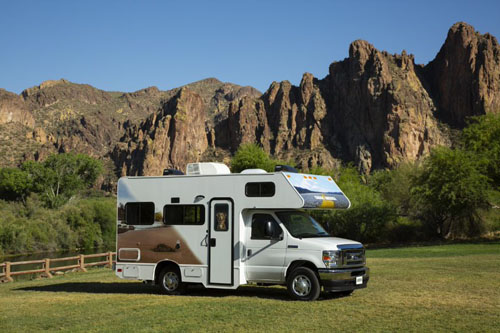
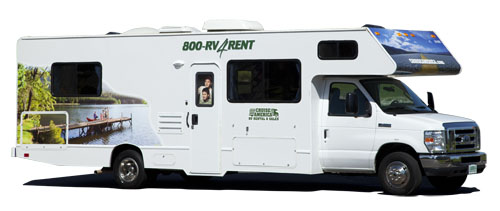
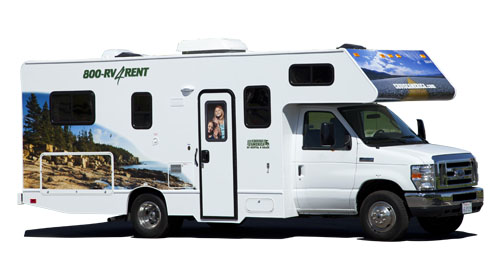
Firstly, choose an RV class that suits your group size and experience level, with Class B campervans or smaller Class C motorhomes (like the "cruise america rv rental example Explorer" with sleeping places for 4) often recommended for beginners due to their manageable size. For couples, a nimble "rv rental denver example Category Van" with shower and toilet is an excellent choice, while families might prefer the more spacious "rv rentals example Comfort Class" which offers 3 double beds. Secondly, booking your RV well in advance, especially for popular summer months like July and August, is advisable to secure availability and potentially better rates, though last-minute options can sometimes be found. Third, understand that basic insurance is typically included with your rental, but consider upgrading to a top-level deductible reimbursement for additional peace of mind on Canada's expansive roads. Our commitment to full transparency means you'll encounter no hidden fees or surprises.
Pre-Trip Prep - Packing Checklist for Canada
A well-prepared packing list will ensure comfort and readiness for Canada's diverse environments, enhancing your first RV rental adventure.
Begin by packing layered clothing suitable for diverse Canadian weather, as temperatures can range from cool evenings to warm days, even in summer. Essential kitchen supplies like basic spices, coffee, cooking oil, and dish soap should be on your list for convenient cooking and cleaning in your rented mobile home. Remember to explore our RV-friendly recipes playlist for meal inspiration tailored for travel. Furthermore, prepare a comprehensive safety kit including a first-aid kit, bear spray (and know how to use it safely), and emergency communication devices, especially if venturing into remote areas with limited cell service. Finally, ensure all necessary documents, such as your valid driver's license (a standard car license is sufficient for all motorhome classes in Canada), passport, your RV rental agreement, and any pre-booked campground reservations, are organized and easily accessible.
On the Road - Driving, Fueling, Navigation
Mastering driving an RV, managing fuel, and effective navigation are crucial elements for a smooth first road trip in Canada.
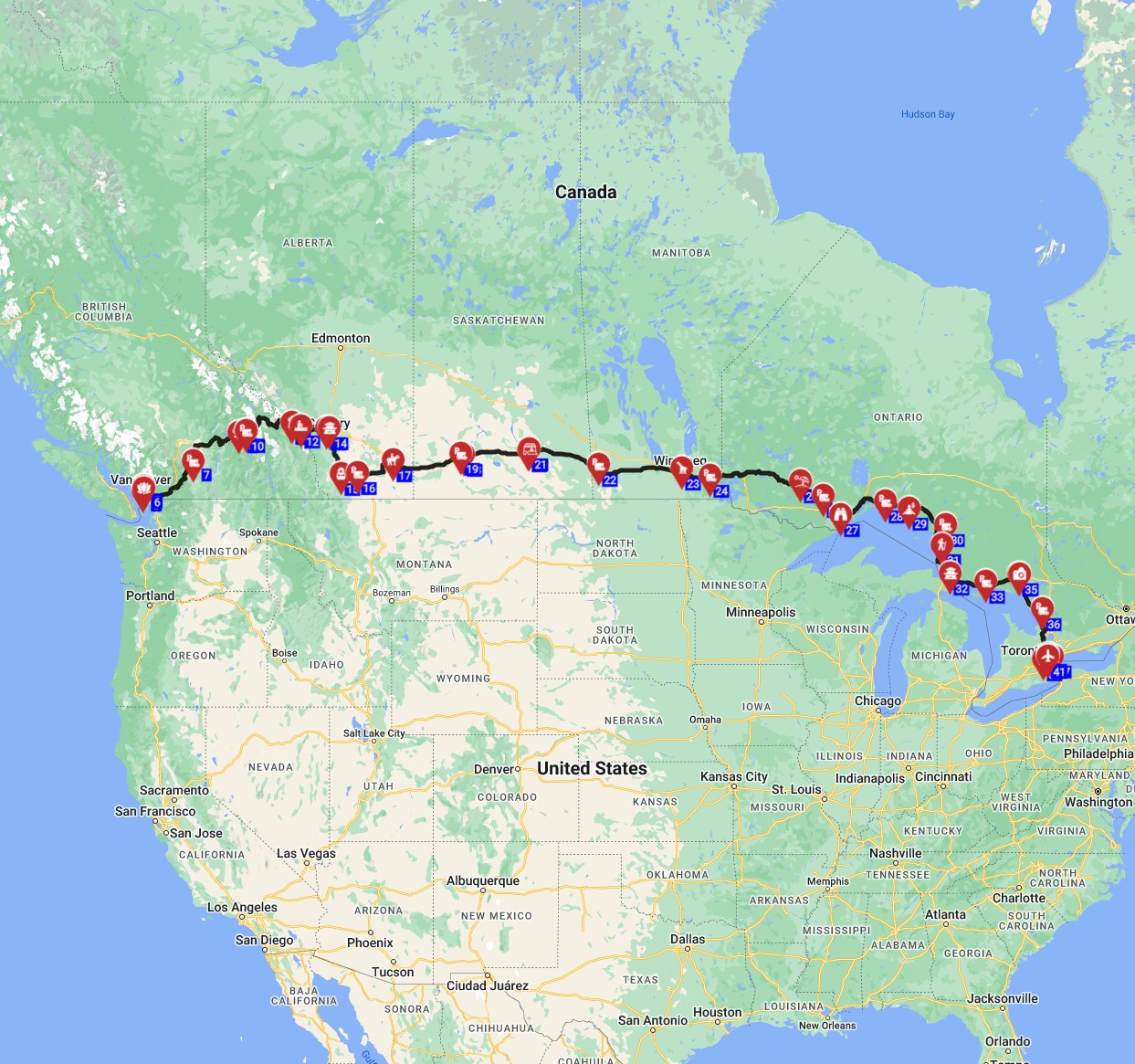
When driving your rented motorhome in Canada, it's essential to practice wide turns and allow for longer braking distances due to the vehicle's size and weight. Even in cities like Halifax or Vancouver, simply drive slowly and carefully, and you can drive almost anywhere without issues, so there's no need to stress – just use common sense and pay attention. You can embark on scenic one-way journeys such as the "
At the Campground - Setup, Hookups and Etiquette
Proper setup, understanding hookups, and observing campground etiquette are fundamental for a pleasant RV experience in Canada.
Upon arriving at your chosen site, first level your rented RV using blocks before connecting any utilities to ensure proper system function, especially for the refrigerator and shower drainage. Next, connect hookups in the recommended order: electricity first to power your campervan, then the fresh water hose, and finally the sewer hose for waste disposal. Always adhere to campground rules, which include quiet hours (often 10 PM to 7 AM), waste disposal guidelines using designated dump stations, and generator usage policies to respect fellow campers and the pristine Canadian environment. For finding campsites and campgrounds during your trip, we recommend using RV PLANET (rvplan.net) - a great resource for locating available spots along your route. On the routes offered through RV PLANET routes, you can itemize and track every expense along the way for easy budgeting.
RV Rental Beginners-Specific Tips for Canada
First-time RV renters in Canada benefit greatly from tailored advice focusing on vehicle choice, booking strategies, and understanding basic RV operations.
Firstly, choose smaller, easier-to-drive RV classes for a less intimidating first-time experience; for example, a "2 Berth Hi Top" campervan is ideal for couples seeking nimble travel, while a "24' Class C Motorhome" with a 151-liter fresh water tank provides more space for small families without being overly large. Secondly, pre-book popular campgrounds, especially within sought-after national and provincial parks, as they often fill up quickly, sometimes months in advance. Many national and state parks reserve only 25-30% of spots, with the rest being first-come-first-serve, so you'll always find a spot, even if it's not the first campground you try. Thirdly, understand how costs vary by season, with shoulder seasons (late spring or early fall) offering potential savings on rentals and campsites compared to peak summer rates. For detailed information on costs, consider our resources like "Cheap RV Rental in Canada - Budget Guide 2026" and "RV Rental in Canada - Prices and Best Deals 2026". Finally, familiarize yourself with basic RV systems, like water, power, and waste management, before starting your journey; a thorough walkthrough at pickup will make all the difference.
Common Mistakes to Avoid in Canada
New RV renters can greatly enhance their trip to Canada by sidestepping common pitfalls related to planning, waste, connectivity, wildlife, and budgeting.
Firstly, avoid over-scheduling your itinerary; instead, allow ample time for travel and unexpected stops, aiming for a maximum of 100-150 km per day on average to truly savor the experience. This slow travel approach allows you to connect to the culture, food, and scenery of each place, from the rugged coasts of British Columbia to the maritime charm of Halifax. Secondly, do not ignore proper waste disposal; always use designated dump stations and follow Leave No Trace principles to protect Canada's pristine wilderness. Improper disposal of black and grey water can harm the environment and incur significant fines. Thirdly, prevent connectivity issues by downloading offline maps and considering satellite communication for remote zones where cell service is unreliable, particularly in national parks like Jasper or Banff. Fourth, prepare adequately for Canadian wildlife encounters by storing food securely (bear-proof containers are often required in certain parks) and knowing how to react safely to animals like bears, moose, and cougars from a respectful distance of at least 30 meters for large animals and 100 meters for bears. Finally, budget comprehensively to include all potential costs, such as varied fuel prices across provinces and national/provincial park entry fees; remember that prices for rentals are dynamic, changing daily based on availability and seasonality. Our RV PLANET routes allow you to itemize and track every expense for better financial planning.
Is it worth renting an RV in Canada?
Renting an RV in Canada is absolutely worth it for travelers seeking exceptional freedom and an immersive experience, offering unparalleled access to diverse landscapes at their own pace.
It can be a highly cost-effective travel method for longer trips, especially for families or groups, as it often reduces expenses compared to sequential hotel stays and frequent restaurant dining. RV travel provides a unique adventure, allowing you to set up camp in stunning locations, cook your own meals, and create a truly flexible itinerary. This mode of transport facilitates access to countless national and provincial parks and remote natural areas that might be less accessible with traditional car-and-hotel trips, opening up opportunities for hiking, wildlife viewing, and stargazing in designated Dark Sky Preserves.
What is the best time of year to RV in Canada?
The best time to RV in Canada largely depends on your desired activities and tolerance for crowds, with summer offering peak access and shoulder seasons providing a more tranquil experience.
Summer (June to August) is undeniably the peak season, boasting the warmest weather, full accessibility to all attractions and campgrounds, and long daylight hours perfect for extended exploration. However, this popularity means higher prices and more crowded sites, requiring bookings months in advance, as detailed in "Last-Minute RV Rental in Canada - What to Expect 2026". Shoulder seasons, spring (May-June) and fall (September-October), provide fewer crowds, stunning scenery like vibrant fall foliage, and often lower rental and campground prices. Traveling during the shoulder seasons requires preparation for variable weather, including spring melt conditions or early snow, and some facilities may have reduced hours or be closed. Winter RVing is a niche experience, requiring specific vehicle preparation for extreme cold and knowledge of the limited number of campgrounds that remain open, catering to experienced cold-weather campers.
How do I plan an RV trip in Canada?
Planning an RV trip in Canada involves selecting a region, outlining a route, securing accommodations, budgeting, and preparing for communication challenges.
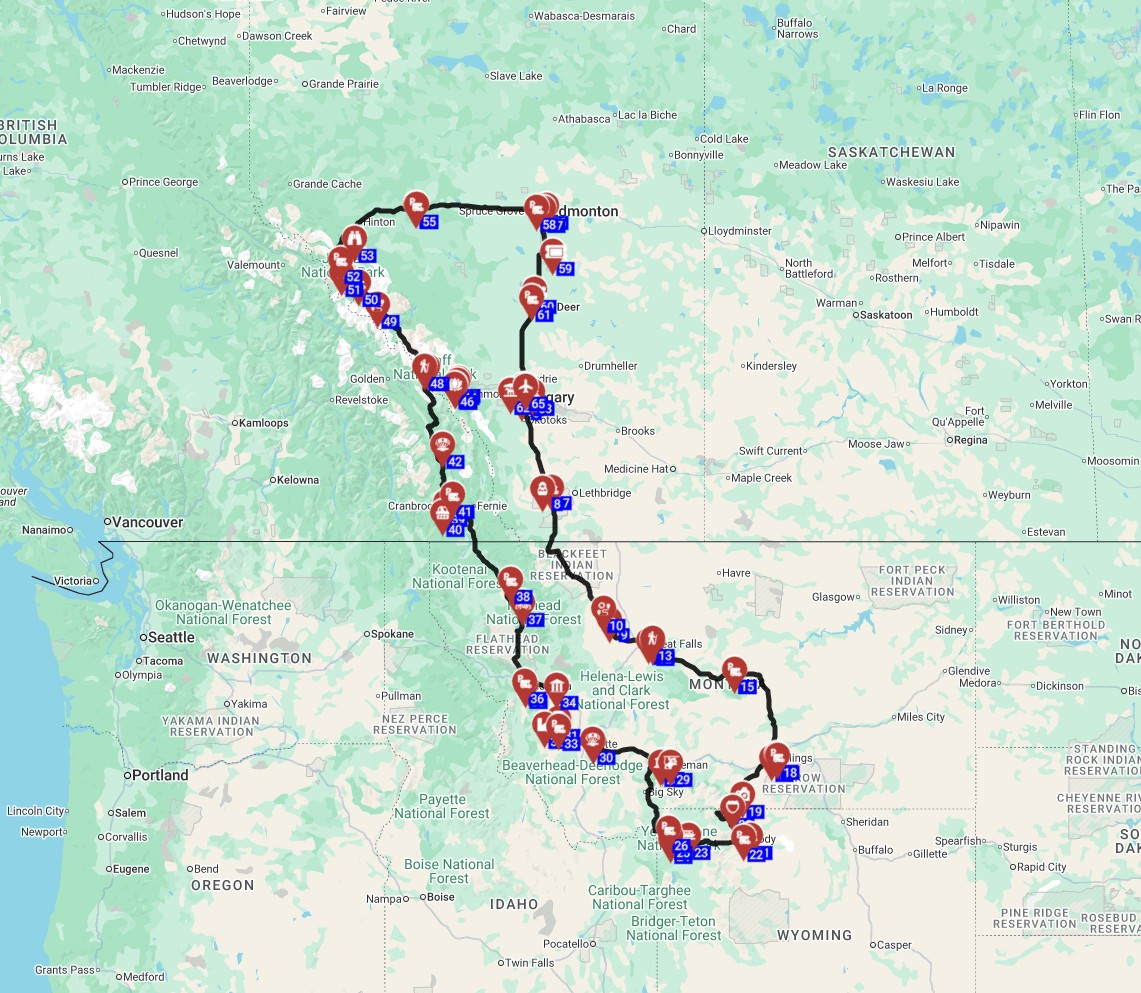
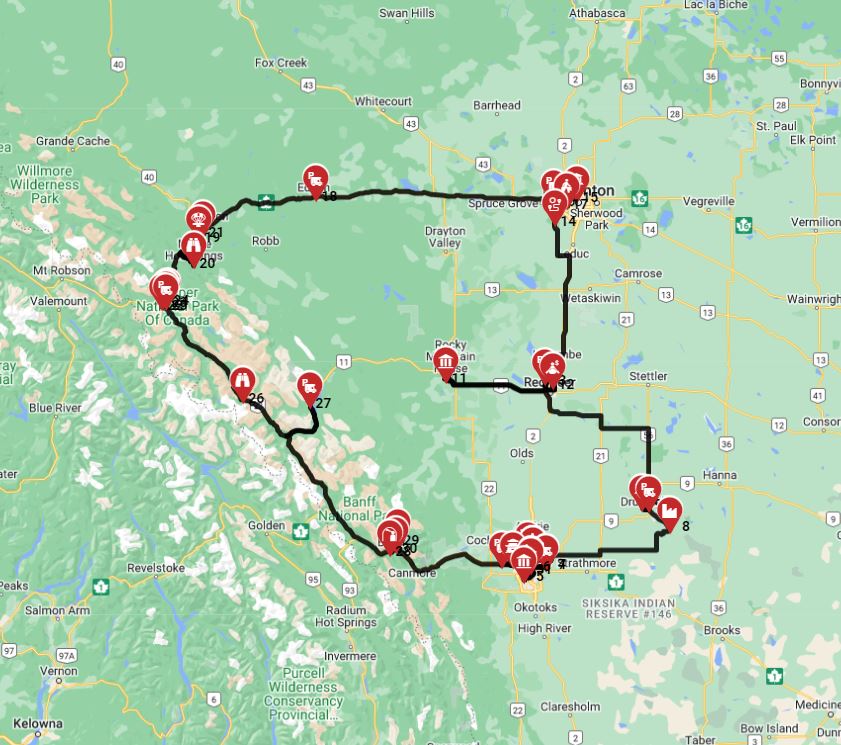
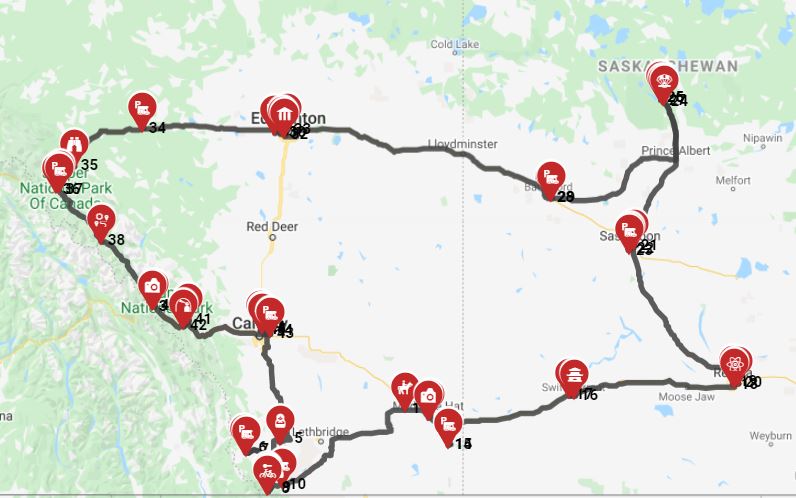
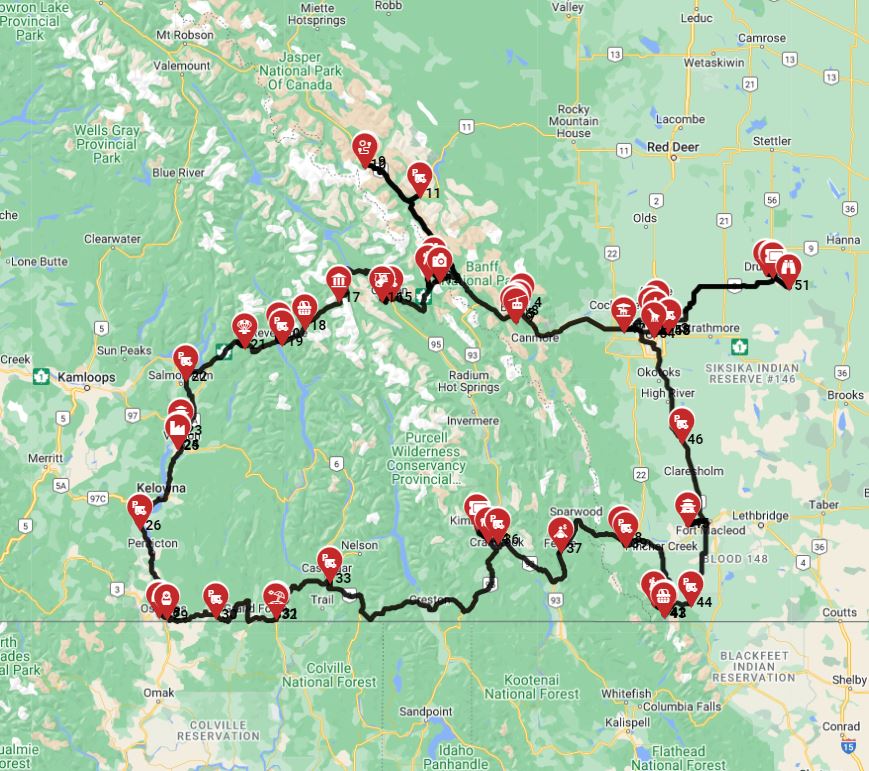
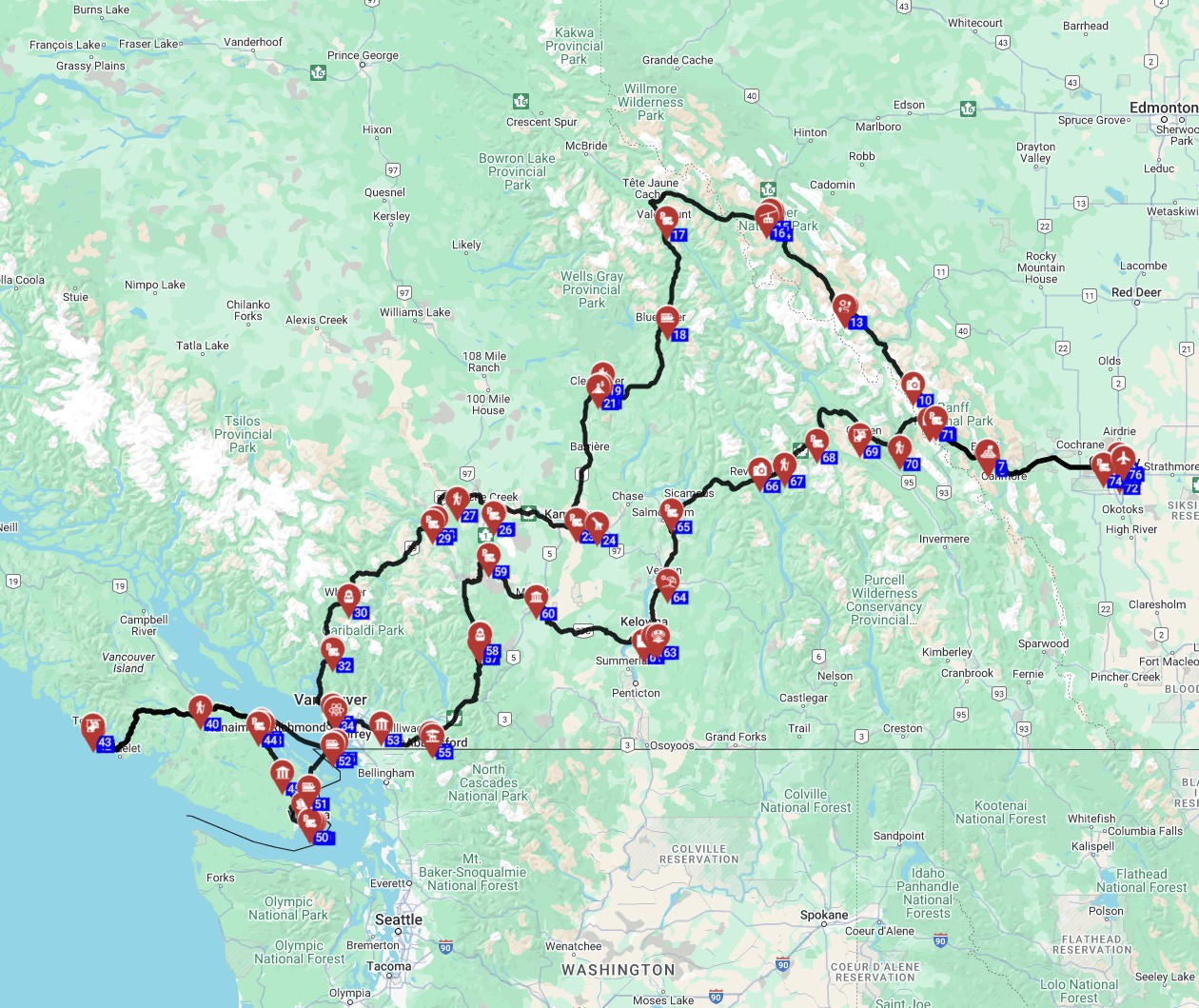
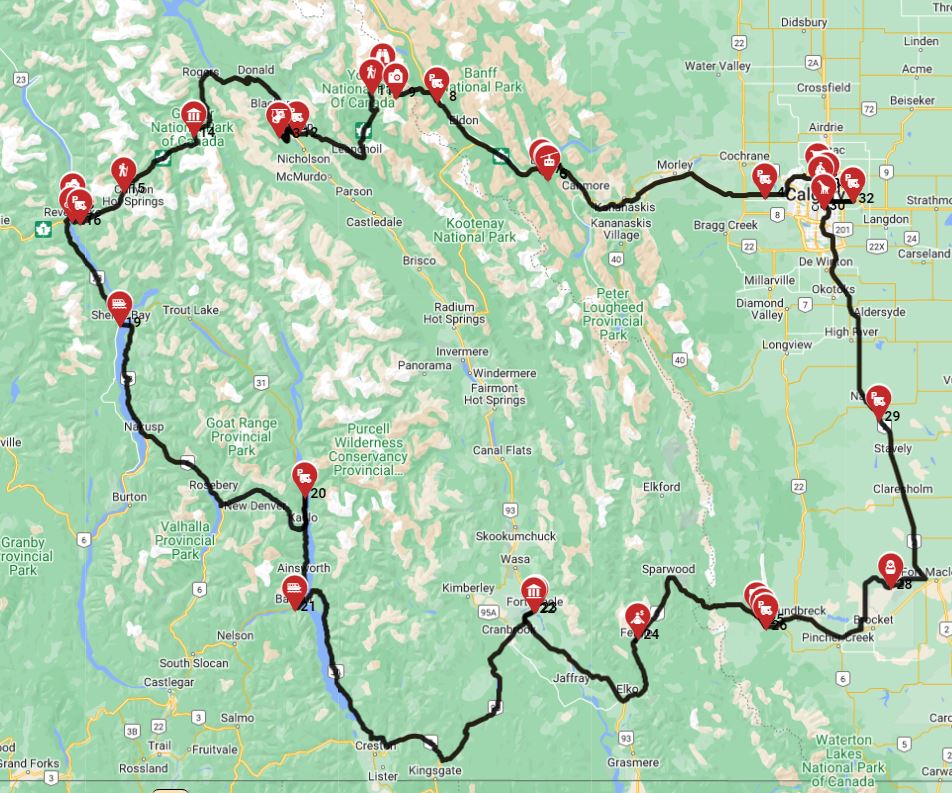
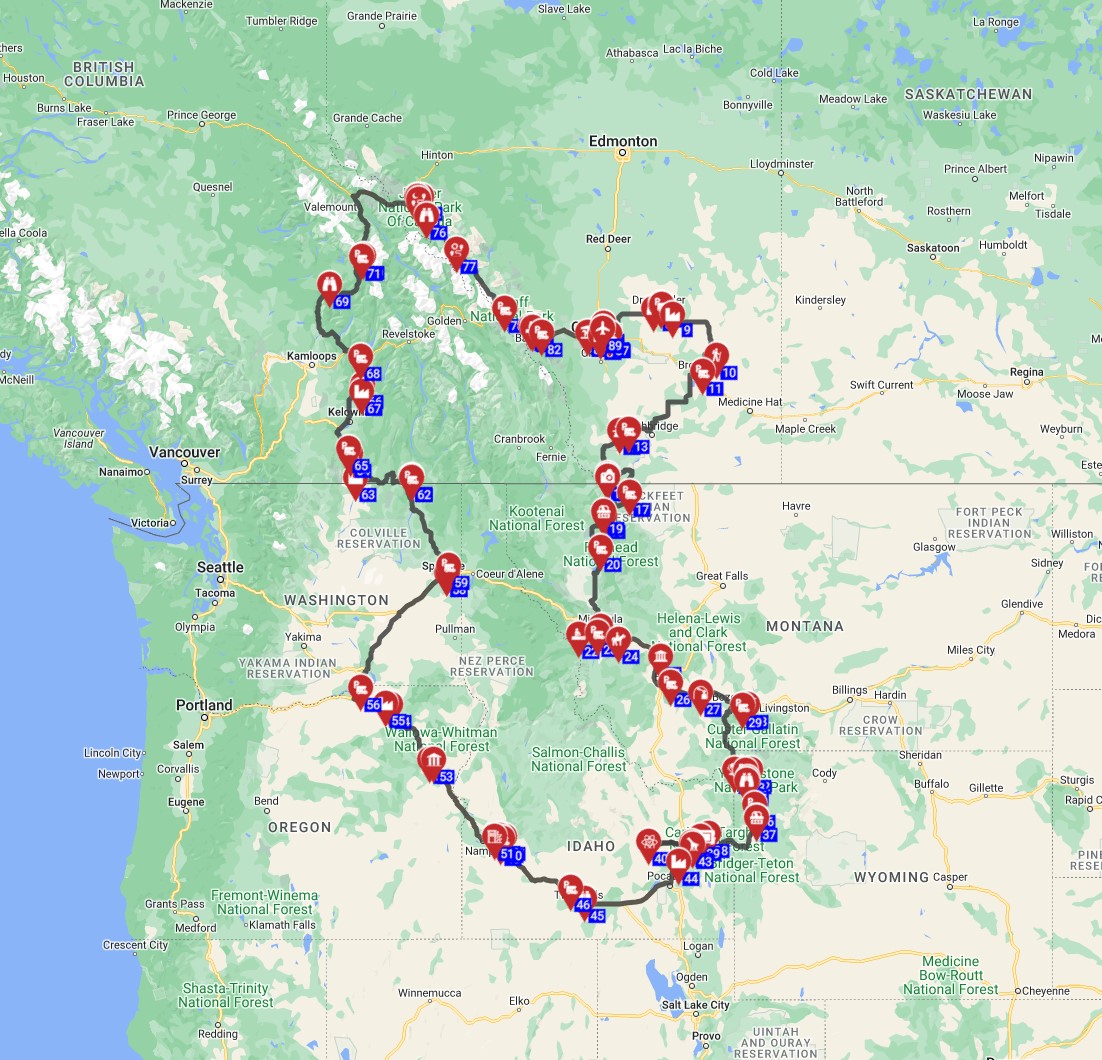
Begin by choosing your desired region, such as the Canadian Rockies or the Atlantic provinces, and then outline a flexible route that includes key destinations and attractions like the 1 Amusement Park and 1 Aquarium found in our "Halifax to Whitehorse - Exploring Canada’s Heartland in a Motorhome" itinerary. Research and book campgrounds in advance, especially within popular national and provincial parks, as they can fill quickly; remember that typically only 25-30% of spots are reservable. Allocate a detailed budget that accounts for rental costs, fuel (considering regional price variations), campground fees, national/provincial park passes, and groceries, which can add hundreds per week to your overall expenditure. Prepare for limited cell service in remote areas by downloading offline maps and considering satellite communication devices. Finally, familiarize yourself with specific provincial regulations for driving, camping, and wildlife encounters to ensure a safe and respectful journey. Our RV PLANET itineraries, such as the "

What RV is best for a beginner?
For beginners, a Class B campervan or a smaller Class C motorhome is generally considered the best choice due to their ease of driving and maneuverability.
A Class B camper van, such as the "rv rental denver example Category Van" or "2 Berth Hi Top", is ideal for beginners due to its compact size (often resembling a large van), easy maneuverability in various road conditions, and better fuel efficiency (consuming less than larger models). These vehicles typically feature a front air condition, shower, and toilet, making them suitable for a couple. A smaller Class C motorhome (typically under 25 feet or 7.6 meters), like the "24' Class C Motorhome", offers a good balance of interior living space and ease of driving for new RVers, often providing enough beds for a family of 2+2. Prioritize an RV with straightforward systems that are easy to understand and operate for a first-time user, and consider models equipped with a backup camera for enhanced parking assistance.
How much does it cost to rent an RV in Canada per week?
Weekly RV rental costs in Canada typically range from CAD $1,000 to $3,000 or more, influenced by factors such as RV class, season, and pickup location.
Fuel costs represent a significant expense, varying regionally and for a typical RV consuming 15-30 L/100km (8-15 MPG), which can quickly add up over a week-long trip. Campground fees are another major component, ranging from $25-$80+ per night depending on services (e.g., unserviced versus full hookups with electricity and water) and location (national versus provincial versus private parks). Additionally, budget for expenses like propane for heating and cooking, dump station fees, national/provincial park passes (which can be around $10-$20 CAD per person daily or an annual pass), and groceries, which can easily add several hundred dollars per week to your total trip cost. Remember, prices are dynamic and change daily based on availability and supplier decisions, similar to flight tickets.
What is the cheapest way to rent an RV in Canada?
The cheapest way to secure an RV rental in Canada involves strategic timing, vehicle selection, and rental duration.
Booking your RV rental significantly in advance, particularly 3-6 months before popular travel periods like summer, often secures better rates and early bird discounts. Opting for shoulder seasons (late spring or early fall) instead of peak summer can drastically reduce both rental fees and campground costs. Choosing smaller, more fuel-efficient RV classes like Class B campervans (e.g., "Patagonia Camper 4x4 double cab" or "hire campervan example Paradise S/T") can significantly lower both rental fees and daily fuel expenses. Additionally, consider longer rental periods, as many companies offer reduced daily rates for extended trips of a week or more, providing better value for your money. You can find more budget-friendly tips in our guides like "Cheap RV Rental in Canada - Budget Guide 2026" and "RV Rental Deals in Canada - Latest Offers 2026".
Where can I camp for free in Canada with an RV?
Free RV camping, also known as boondocking or dispersed camping, is largely permitted on vast tracts of Crown Land across Canada, though specific regulations vary by province and area.
To locate these spots, research provincial forestry or natural resource departments for maps and guidelines on accessing Crown Land for camping. Some municipal rest stops and highway pull-offs occasionally allow overnight parking, but always check for posted signage for specific rules, as regulations can change. Certain retail chains (like Walmart in some locations) may also permit overnight RV parking; it's always best to verify with store management upon arrival. Utilize apps and websites like iOverlander to find user-reported free camping spots, but always cross-reference with local regulations and diligently practice Leave No Trace principles to protect the environment and maintain access for others.
Do you need a special license to drive an RV in Canada?
No, most rental RVs in Canada, especially those commonly offered to tourists, do not require a special license beyond a standard car driver's license.
The standard Class 5 (or equivalent) driver's license typically covers recreational vehicles up to 11,000 kg (24,250 lbs), which includes the vast majority of Class B campervans, Class C motorhomes, and even many Class A motorhomes. For non-Canadian residents whose home country's license is not in English or French, an International Driving Permit (IDP) is recommended to avoid language barriers with authorities, although it is not mandatory in most cases. Always verify the specific weight and license requirements directly with your RV rental company and relevant provincial authorities if you plan to drive a very large or heavy RV.
Can you cross the border into Canada with a rented RV?
Yes, crossing the border into Canada with a rented RV is permissible, but requires specific documentation and adherence to Canadian border regulations.
You must carry your valid passport or enhanced identification, your driver's license, and a copy of your RV rental agreement that clearly states you are authorized to take the vehicle across the border. Be prepared to declare all items, especially food, alcohol, tobacco, and any firearms, as certain items are restricted or prohibited (e.g., specific fruits, vegetables, or meats from outside Canada). If traveling with pets, ensure you have all required veterinary health certificates and vaccination records, particularly for rabies. For comprehensive travel from the USA to Canada, our "RV Rental USA - Complete Guide 2026" offers useful cross-border information.
Can I rent an RV in Canada and travel to the US?
Traveling from Canada to the US with a rented RV is generally allowed, provided you have explicit permission from the rental company and meet US entry requirements.
You must ensure your rental agreement specifically permits cross-border travel into the United States and carry all required vehicle registration and insurance documents, which the rental company will provide. Prepare to meet all U.S. Customs and Border Protection requirements, including valid passports for all travelers and adherence to regulations regarding permissible goods, especially agricultural products and firearms. Check for any additional insurance requirements or fees from the rental company for international travel, as some policies may have geographical limitations.
Can you take dogs in RV rentals in Canada?
Many RV rental companies in Canada offer pet-friendly vehicles, typically allowing dogs for an additional cleaning fee or a higher security deposit.
It is crucial to confirm the specific pet policy directly with your chosen rental provider before booking, as not all RVs or suppliers permit pets. For example, a "Deuce Plus" campervan may be pet-friendly. When traveling with pets, research pet-friendly campgrounds, be aware of leash laws, and understand any restricted areas in national and provincial parks. If crossing international borders, ensure your pet has all necessary health certificates and vaccinations, particularly for rabies, as border officials will check this documentation.
Is it safe to RV in Canada?
RVing in Canada is largely safe, especially when travelers take proactive measures for route planning, campsite security, and emergency preparedness.
Familiarize yourself with wildlife safety protocols, particularly in areas known for bears, moose, or cougars; store food properly in bear-resistant containers and know how to use bear spray safely. Prepare for remote driving conditions by carrying extra fuel, a well-stocked emergency kit (including extra water, blankets, and a first-aid kit), and a means of communication for areas without cell service, such as a satellite messenger. Stay informed about local weather conditions and potential natural hazards like forest fires, sudden snow (even in shoulder seasons), or extreme cold, and adjust plans accordingly. Reputable rental suppliers like El Monte and Cruise America provide well-maintained vehicles, contributing to overall safety.
Can you sleep anywhere in an RV in Canada?
No, sleeping anywhere in an RV in Canada is not legally permitted; overnight parking and camping are generally restricted to designated areas.
Legal overnight options include established campgrounds (national, provincial, and private), specific municipal rest stops that explicitly allow overnight parking, and certain vast areas of Crown Land where dispersed camping is permitted (always verify local regulations first). Always check local bylaws and posted signage, as rules vary significantly by municipality and province, especially regarding urban parking. When using non-designated spots, ensure you have explicit permission (e.g., from private landowners or store managers for parking lots) and adhere strictly to Leave No Trace principles to protect the environment and maintain access for others.
What You Shouldn't Miss
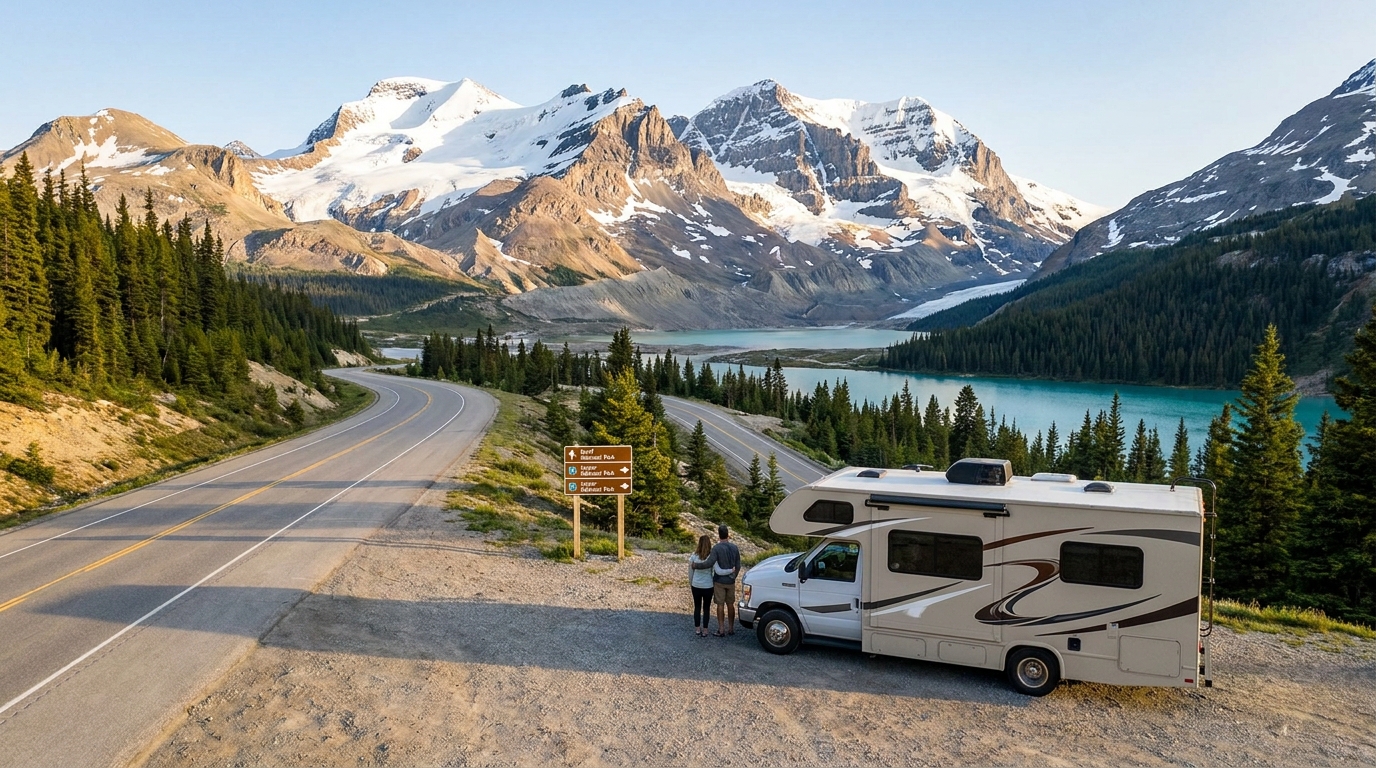
- Explore the Icefields Parkway: Drive one of the world's most scenic routes between Banff and Jasper National Parks in Alberta, offering stunning glacier views and abundant wildlife sightings.
- Discover the Cabot Trail: Experience the rugged coastal beauty of Cape Breton Island, Nova Scotia, winding through charming fishing villages and offering breathtaking ocean vistas.
- Visit Old Quebec City: Immerse yourself in history and European charm within the only fortified city in North America, a UNESCO World Heritage site with cobbled streets and historic architecture.
- Paddle in Algonquin Provincial Park: Enjoy serene lakes and dense forests in Ontario, perfect for canoeing, hiking, and spotting moose or loons from your rented mobile home's base.
- Witness the Northern Lights: Head north to destinations like Whitehorse or Yellowknife during the fall or winter months for a chance to see the spectacular aurora borealis dance across the night sky.
- Taste Poutine in Montreal: Indulge in Canada's iconic dish – french fries, cheese curds, and gravy – at its birthplace, and explore the vibrant culinary scene of Montreal.
Looking for expert insights from Avi Bandana? Top 5 Adventures - recommendations from Avi Bandana.
🎬 Video coming soon
Final Thoughts
Canada, with its boundless natural beauty and welcoming communities, offers an unforgettable backdrop for your first RV rental adventure. Don't let the newness of RV travel deter you; with the right preparation and a spirit of adventure, you'll soon be collecting cherished memories from coast to coast. Remember to embrace the journey, take it slow, and enjoy every moment.
We're here to support you before, during, and after your booking, ensuring full transparency and peace of mind. Compare Motorhome Prices for Canada now, and let Bandana RV help you unlock the magic of Canadian road tripping!