In This Guide
- Top 5 Tips for RV Rental in Australia
- Before You Book - Class, Dates, Insurance
- Pre-Trip Prep - Packing Checklist for Australia
- On the Road - Driving, Fueling, Navigation
- At the Campground - Setup, Hookups & Etiquette
- RV Rental-Specific Tips for Australia
- Common Mistakes to Avoid in Australia
- What is the 3-3-3 rule for campervan?
- What are the drawbacks of renting an RV?
- How much does it cost to rent a RV in Australia?
- Can you park an RV anywhere in Australia?
- How much is a 1 week RV rental?
- Is it worth having a toilet in a campervan?
- Can US citizens rent a car in Australia?
- What not to do in Australia as an American?
- Is 3000 AUD enough for 2 weeks in Australia?
- What You Shouldn't Miss
- Why Book with Bandana Caravan
- Final Thoughts
- Frequently Asked Questions
Australia offers an incredible RV adventure, providing unparalleled freedom to explore its diverse landscapes, from the iconic Outback to stunning coastlines. Renting a motorhome here is a popular choice for travelers seeking flexibility and a deeper connection to nature. For live availability and current prices, start with our RV Rental Australia - Complete Guide 2026 guide, which provides comprehensive insights for your journey. As true RV specialists, we've helped tens of thousands of travelers since 2001, and we're here to share our best advice for your first RV rental in Australia.
Top 5 Tips for RV Rental in Australia
Planning your first RV trip to Australia requires understanding a few key elements to ensure a smooth and enjoyable journey. Firstly, booking well in advance, especially for popular travel seasons like December through February, is crucial to secure your preferred vehicle and potentially better rates. Major holidays and school breaks can see Class C motorhomes and campervans booked up quickly, sometimes 3-6 months ahead. Secondly, carefully consider the diverse Australian terrain when choosing your rented RV; while most sealed roads are suitable for 2WD motorhomes, remote areas like the Kimberley or parts of the Outback often require a 4x4 camper for safe navigation.
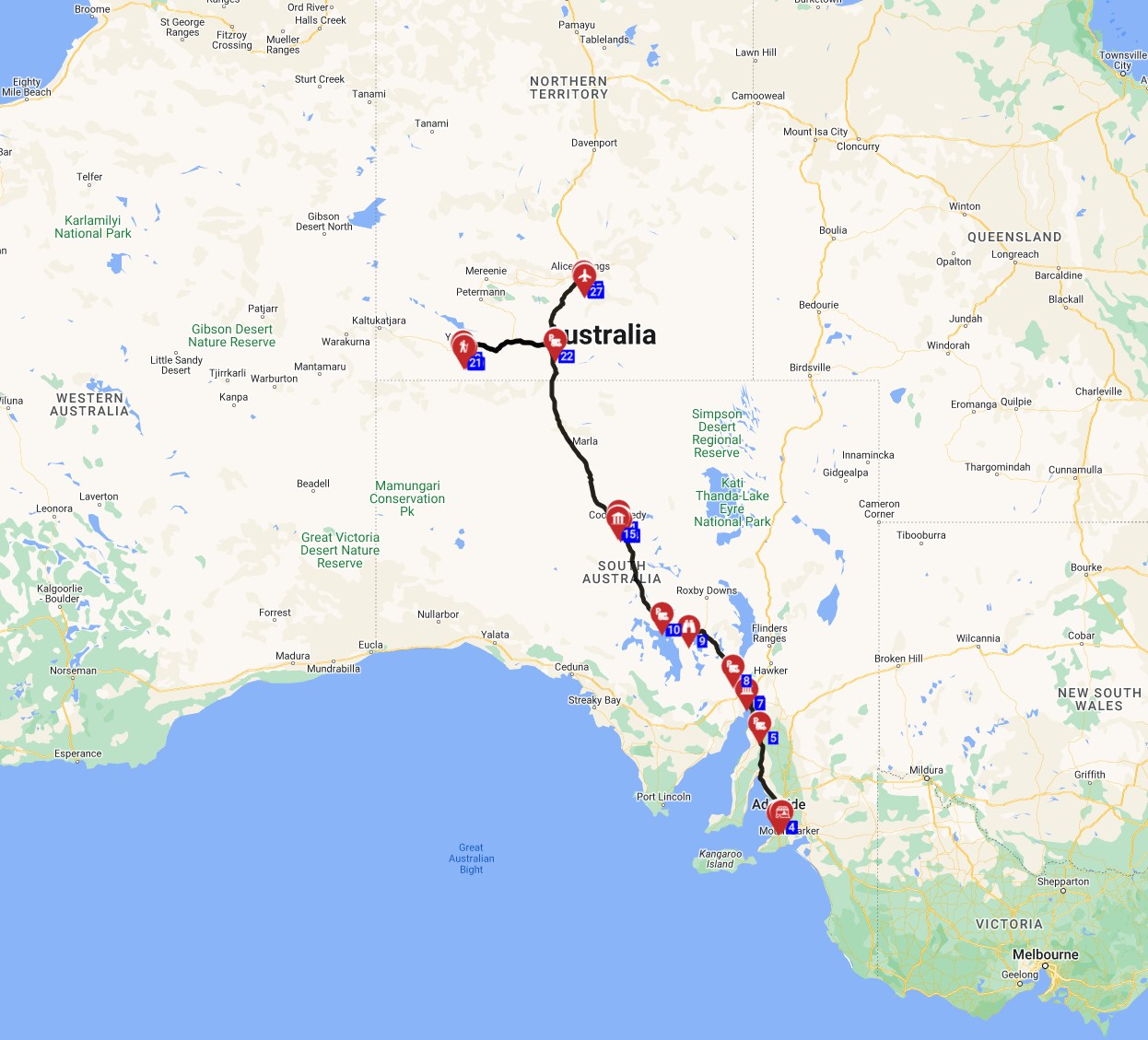
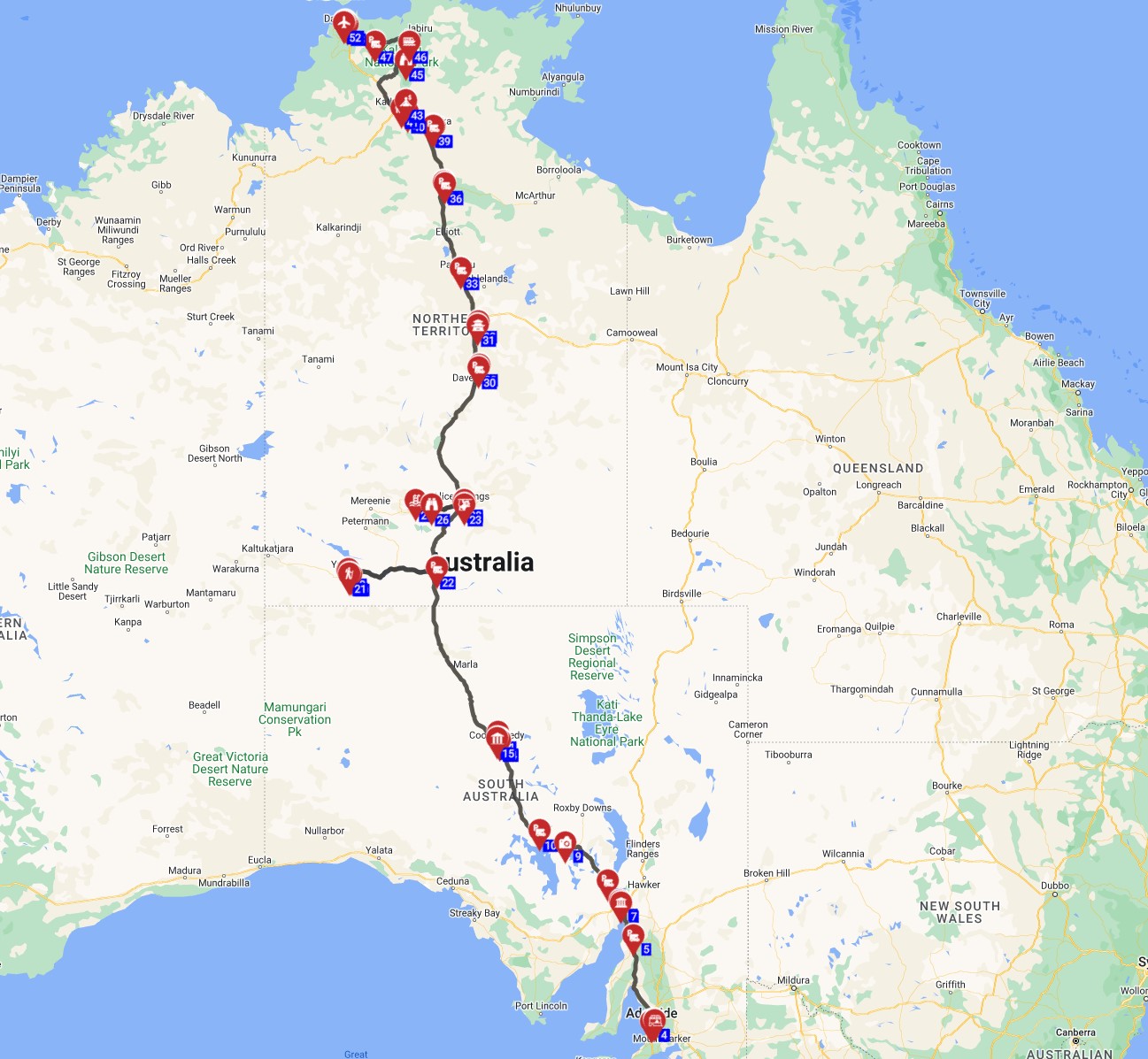
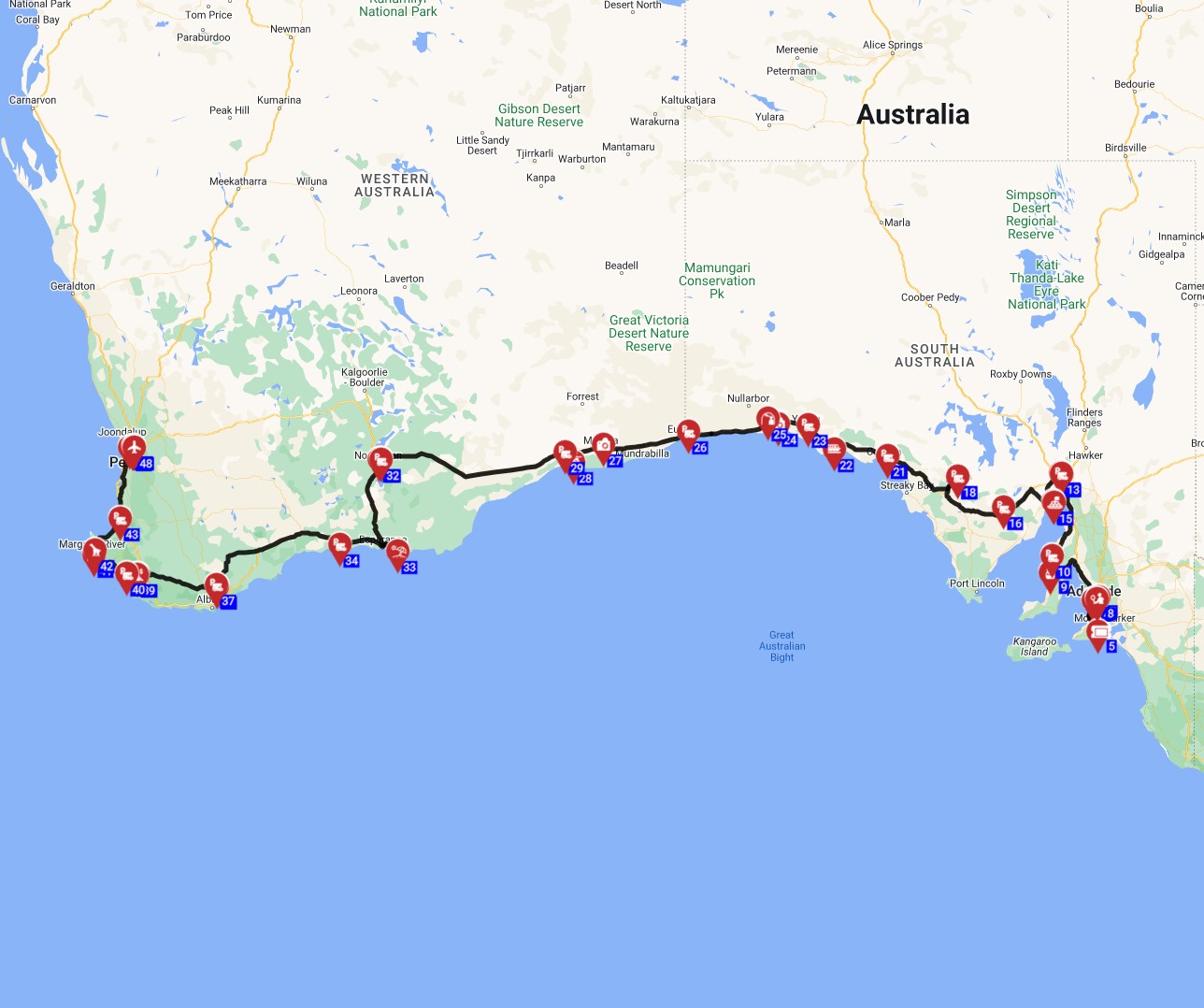
Thirdly, familiarize yourself with permit requirements for Australian National Parks and Indigenous lands before travelling, as certain remote regions may require specific permissions or even guided tours. Fourth, budget comprehensively by factoring in fuel costs, national park entry fees, and potential activity expenses beyond just the rental fee itself. For instance, the Perth to Alice Springs - The Dreamtime Highway: A Journey Through Australia's Heart route, a 21-day, 5447.3 km adventure, involves considerable fuel and various attraction entry fees. RV PLANET routes are excellent for itemizing and tracking every expense for easy budgeting. Lastly, it is essential to understand Australian road rules, including driving on the left-hand side of the road and recognizing local signage, particularly for international visitors. Our commitment to full transparency means you'll always know what you're paying for with no hidden fees. On the routes offered through RV PLANET routes, you can itemize and track every expense along the way for easy budgeting.
Before You Book - Class, Dates, Insurance
Choosing the right rented RV class, whether a compact campervan for agile travel or a larger motorhome like a "6 Berth Discovery" for family comfort, directly impacts your Australian adventure and suitability for specific routes. Factors like the number of travelers and your desired level of onboard amenities (e.g., a shower and toilet versus shared facilities) will guide your selection. For example, a "2 Berth Sandpiper" is ideal for couples, offering a 140/190cm double bed, while families might prefer a Class C like the "4 Berth Adventurer" with two double beds.
Locking in your rental dates several months ahead, especially for peak travel times like Australian school holidays, typically secures better pricing and availability. Dynamic pricing means that last-minute bookings can sometimes be found, but early planning offers the widest selection and best rates. While basic insurance is always included with Australian RV rentals, selecting comprehensive coverage during your search provides maximum protection and clarity on total costs. You can upgrade to a top-level deductible for extra peace of mind. We are true RV specialists, not just a travel agency side department, which means we genuinely understand these details and help you compare final prices across suppliers- what you see is what you pay, with no surprise fees at pickup.
Pre-Trip Prep - Packing Checklist for Australia
A thorough packing checklist tailored to Australia's diverse climate ensures you have essentials for various conditions, from tropical humidity in the north to cooler desert nights in the center. Remember to pack lightweight, breathable clothing, swimwear for coastal adventures, and a wide-brimmed hat for sun protection. Sturdy walking shoes or hiking boots are essential for exploring national parks, alongside a waterproof jacket for unexpected showers. Don't forget sunglasses to protect your eyes from the bright Australian sun.
For your onboard comfort and convenience, bring reusable water bottles or a hydration pack, especially for longer drives. While your rental motorhome will likely include basic kitchen facilities, bringing a cooler bag for extra drinks and snacks, along with some non-perishable food items, can save you time and money. Essential items for maintaining your living space include dishwashing liquid and a sponge. For those interested in cooking, exploring our RV-friendly recipes playlist can offer great meal ideas.
Safety and documentation are paramount. A comprehensive first-aid kit, insect repellent, and high SPF sunscreen are non-negotiable. For remote areas, a high-visibility vest and a headlamp or flashlight are crucial. Always carry your valid driver's license (a standard car driver's license is sufficient for all motorhome classes), and if you're an international visitor from a non-English speaking country, an International Driving Permit (IDP) is recommended, though not always mandatory. Keep your passport and visa, travel insurance details, and copies of your rental agreement and any required permits easily accessible. Finally, bring credit/debit cards and some cash for smaller purchases, as card facilities might be limited in very remote locations.
At the Campground - Setup, Hookups & Etiquette
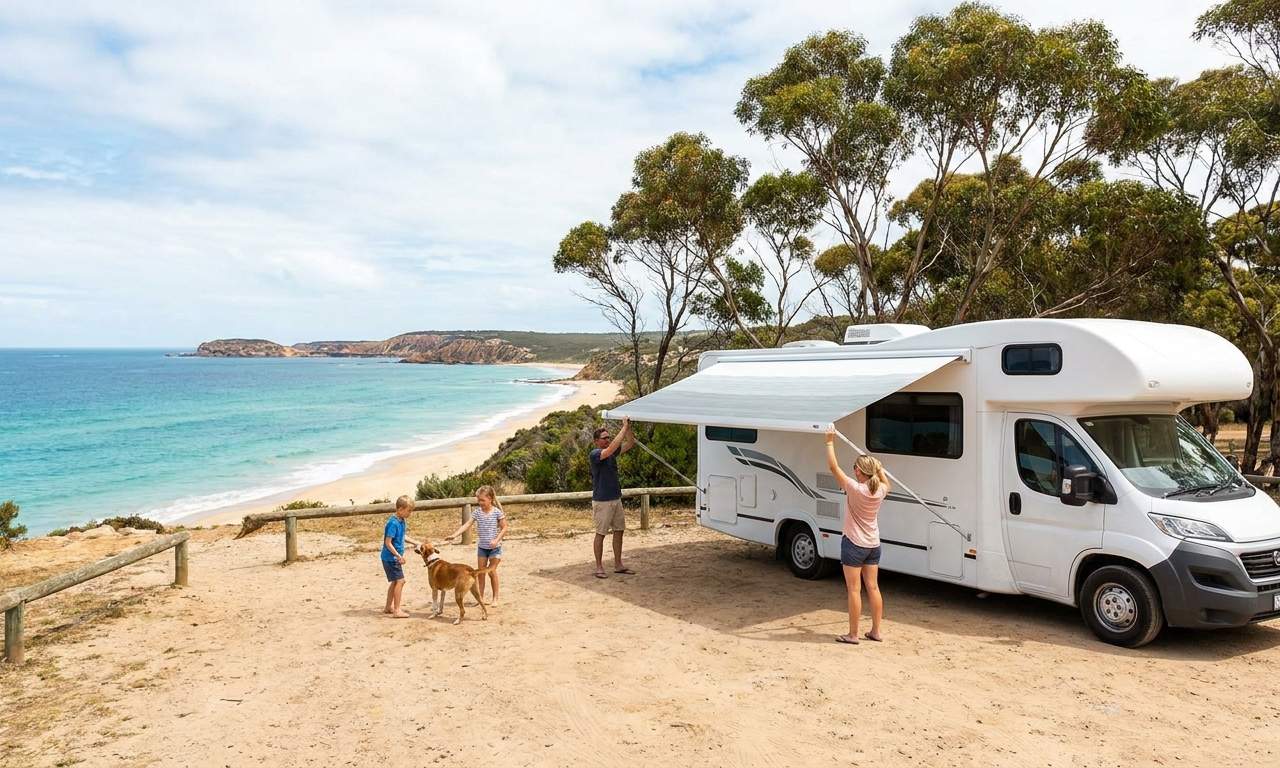
Setting up your rented RV at an Australian campground involves a systematic approach to ensure safety and comfort. Upon arrival, carefully position your motorhome to allow ample space around your site and ensure clear access for hookups. Leveling your vehicle is typically the first step, often achieved with leveling blocks, which ensures comfort inside and proper functioning of onboard appliances like the refrigerator.
Connecting hookups usually follows the order of power first, then water, and finally waste. Securely attach your electrical cord to the campground's power pedestal, then connect your fresh water hose (ensure it's potable water safe) to the tap. Only after these are in place should you connect your wastewater hose to the designated dump point or sewer connection, ensuring all connections are secure and leak-free. Many modern campervans and motorhomes, such as the "Euro Deluxe" or "Paradise Family 5" models, come equipped with user-friendly systems, making these connections straightforward.
Adhering to campground etiquette, such as observing quiet hours (typically 9 PM to 7 AM), respecting fellow campers' privacy, and leaving your site clean, contributes to a pleasant experience for everyone. Effective water and waste management is crucial, especially when staying off-grid; know the locations of dump points and conserve resources by taking shorter showers and using water wisely. Always check for fire restrictions, particularly during summer months (December-February), and understand how to properly dispose of rubbish and recyclables to protect Australia's pristine natural environments. Remember, many national/state parks reserve only 25-30% of spots for advance booking - the rest are first-come-first-serve. You'll find a spot; if not at the first campground, then the next one. Call ahead before driving to confirm availability.
RV Rental-Specific Tips for Australia
When planning your RV rental in Australia, consider specific tips tailored to different traveler types. Families with kids benefit from selecting rented motorhomes with dedicated sleeping areas, like the bunk beds found in a "Glamys 40" or a Class C "MHC28" which has space for up to 7 people, along with kid-friendly entertainment options for long drives. Larger RVs such as the "Jayco Conquest Royale 6" offer multiple sleeping areas (e.g. 152/203cm bed over cab, 114/208cm single bed, 152/203cm double bed) and spacious living areas.
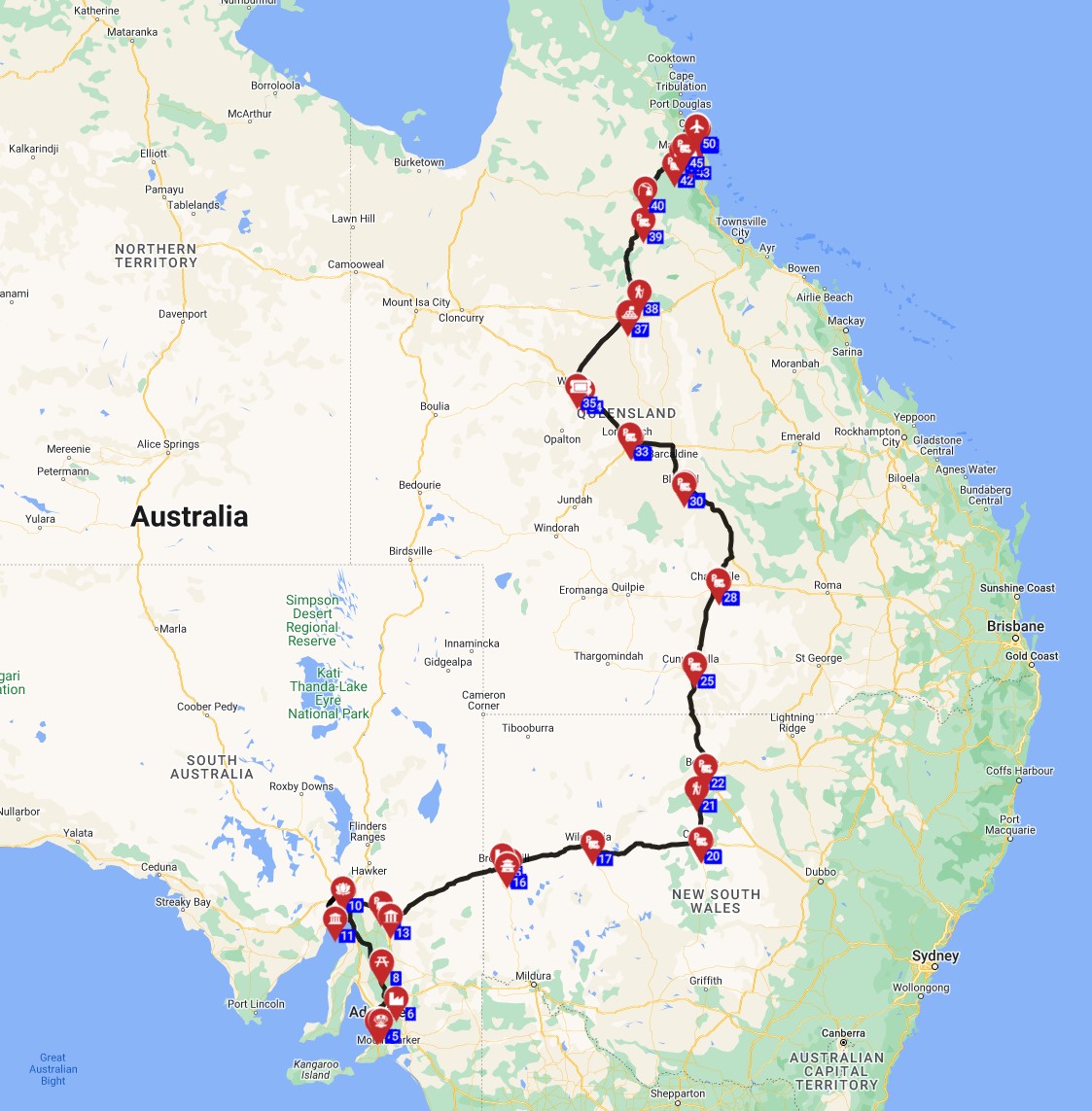
Senior travelers should prioritize ergonomic RV designs with easy access, comfortable beds, and clear dashboards for a more relaxed touring experience. Models with automatic transmissions and modern amenities will enhance comfort. Budget-conscious travelers can significantly reduce costs by identifying free overnight camping spots (often in designated rest areas) and utilizing supermarket specials for groceries to prepare meals in their onboard kitchen. For example, the 17-day Cairns to Alice Springs - Northern Horizons: A Journey Through Australia's Heartland route, a 4003.6 km journey, features numerous natural features and scenic routes ideal for self-catering. Luxury RV renters can enhance their experience with premium add-ons like satellite internet, gourmet kitchen upgrades, and extended awnings for outdoor living. For adventurers, ensure your rented RV choice, such as a 4x4 camper like the "4x4 Camper B - THOR", matches the demands of specific terrains like the Gibb River Road, considering both comfort and off-road capability. We offer 25% planning discount when you use rvplan.net for your route planning, helping you tailor your adventure.
Common Mistakes to Avoid in Australia
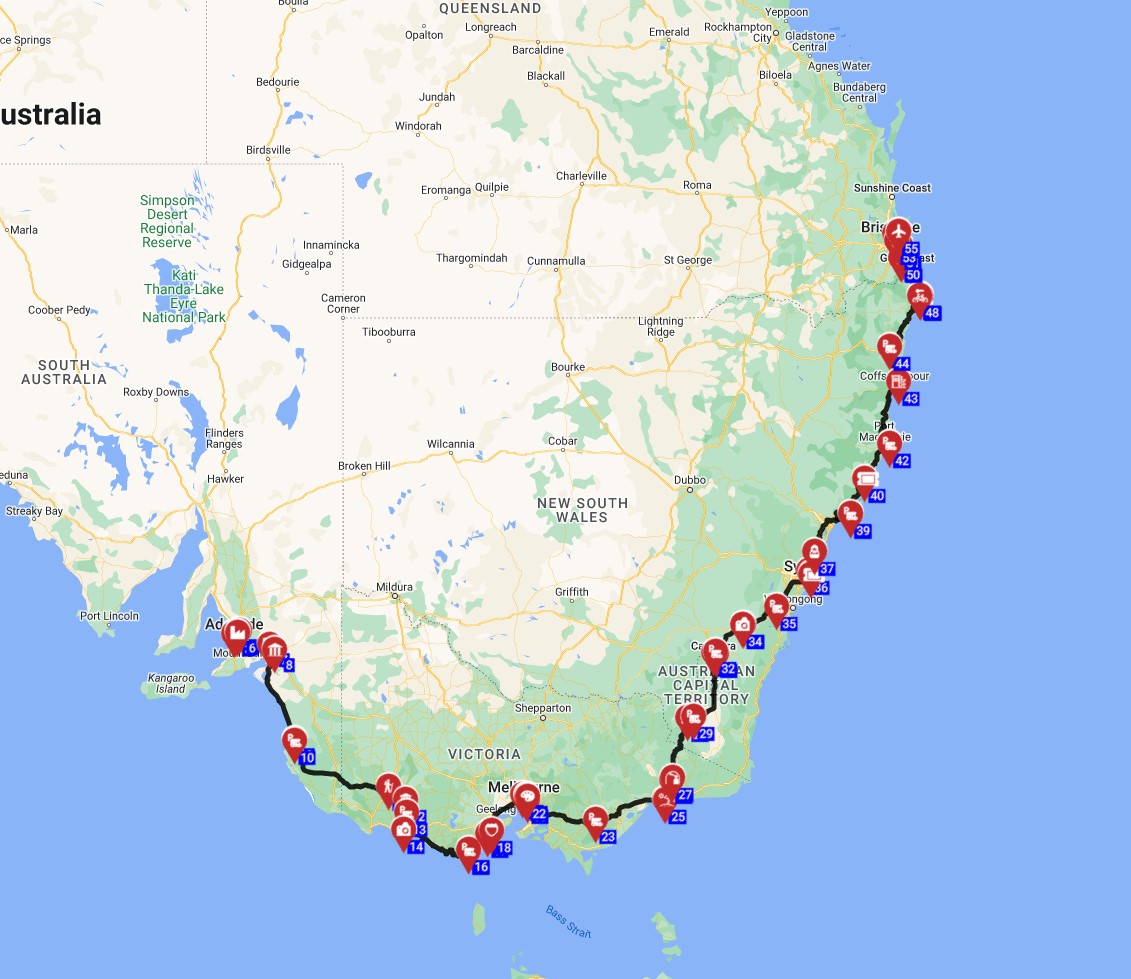
One common mistake RV renters make in Australia is underestimating the vast distances and travel times between destinations. For example, driving from Sydney to Perth is over 3,900 km. Instead of rushing, thoroughly plan your itinerary, accounting for driving breaks, sightseeing, and potential wildlife encounters, especially at dawn and dusk. Always remember to travel slowly, aiming for a maximum of 100-150 km per day on average, allowing you to truly immerse yourself in the culture, food, and scenery.
Another frequent error is overlooking permit requirements for protected areas. Research and obtain all necessary permissions well in advance for National Parks and Indigenous lands, as some areas, such as those along the 5447.3 km Perth to Alice Springs - The Dreamtime Highway: A Journey Through Australia's Heart, are culturally sensitive or have restricted access. Don't solely rely on mobile data, as connectivity can be sparse in remote stretches; download offline maps and consider alternative communication devices like satellite phones or personal locator beacons for emergencies. Neglecting comprehensive insurance is also a significant mistake; always opt for adequate coverage that includes roadside assistance, especially for remote breakdowns, and fully understand the specifics of your policy. We offer optional top-level deductible reimbursement for added peace of mind. Finally, pay attention to local road etiquette, particularly regarding road trains (giving them ample space) and wildlife warnings, to prevent accidents and ensure a smooth journey.
What is the 3-3-3 rule for campervan?
The '3-3-3 rule' for campervan or RV travel suggests driving no more than 300 kilometers, arriving by 3 PM, and staying for at least 3 nights in one location, promoting a relaxed and safer pace in Australia. This guideline helps mitigate driver fatigue, a significant safety concern on Australia's long, often monotonous roads, and allows more time to explore each destination. Adhering to the 3-3-3 rule can also assist with better fatigue management, reducing the risk of accidents, especially for those unaccustomed to long-distance driving in Australian conditions. It encourages deeper engagement with regional attractions and helps manage stress by avoiding rushed schedules, aligning perfectly with our recommendation to travel slowly and truly feel the place.
What are the drawbacks of renting an RV?
Renting an RV in Australia can present challenges such as higher fuel consumption compared to standard vehicles, especially for larger Class A motorhomes like an "rv rentals utah example Sunrise Escape" (20-25 liters/100 km) versus a compact campervan like a "Paradise Camper 4x4 double cab" (12-14 liters/100 km), impacting the overall budget. Limited maneuverability in urban areas and parking restrictions in some towns can be a drawback for larger RVs; however, remember that you can drive slowly and carefully almost anywhere without issues. The necessity of managing water and waste, including finding designated dump points, requires regular attention and planning. Roadside assistance can be challenging or delayed in Australia's remote regions, adding a layer of concern for breakdown procedures. Initial setup and familiarization with the rented RV's systems, from connecting shore power to understanding the freshwater tank capacity (e.g., 82 liters in a "cruise america rv rental example Explorer"), can be time-consuming for first-time renters, impacting early trip efficiency.
How much does it cost to rent a RV in Australia?
The cost to rent an RV in Australia varies significantly based on factors like vehicle type, rental duration, season, and the specific rental company, typically ranging from AUD $70 to $300+ per day. Budget campervans, such as a 2-berth "rv rental denver example Category Van" equipped with a toilet and shower, can start from around AUD $70-$120 daily during off-peak seasons. Larger, luxury motorhomes like a "hire campervan example Euro Deluxe" or 4x4 campers can cost AUD $200-$400+ per day, particularly during peak season from December to February. This cost often includes basic insurance, but comprehensive coverage, additional amenities (like a bike rack or TV), and one-way fees will increase the total price.
Beyond the rental fee, travelers must budget for fuel (which varies significantly by RV type and region, with larger RVs consuming more), national park entry fees (which can be AUD $10-25 per vehicle per day), campground site fees (ranging from AUD $25-60 per night for powered sites), and activity costs. Booking well in advance and during off-peak seasons (May-September) can often secure more competitive rates for RV rentals across Australia. Remember, prices are dynamic like flight tickets, changing daily based on availability and supplier decisions; the final price is set at actual booking time. We offer full transparency, so what you see is what you pay, with no hidden fees.
Can you park an RV anywhere in Australia?
No, you cannot park an RV anywhere in Australia; specific regulations govern where you can legally park and camp, with designated campsites, caravan parks, and approved free camping areas being the primary options. Illegal parking or camping outside of designated areas can result in fines of up to AUD $200 and disrupt local ecosystems, particularly in sensitive coastal or bushland environments. National Parks often require permits and designated campsites, which should be booked in advance or accessed via first-come-first-serve spots, while private land requires owner permission for overnight stays. Free camping options exist but are usually in designated rest areas or specific council-approved spots, which should be researched beforehand using resources like rvplan.net or local information centers. Always look for signage indicating camping restrictions and adhere to local bylaws to ensure a respectful and lawful RV trip.
How much is a 1 week RV rental?
A 1-week RV rental in Australia can range from approximately AUD $490 to $2800 or more, depending on the campervan or motorhome class, rental season, and specific inclusions. For a basic 2-berth campervan during the shoulder season (e.g., May or October), you might expect to pay in the range of AUD $490-$840 for seven days. Conversely, a larger, family-sized motorhome (like a 6-berth Class C "Euro Deluxe" with roof air condition and TV) or a 4x4 camper during peak summer or school holidays could easily cost AUD $1400-$2800+ for the same week. These prices generally cover the base rental fee and basic insurance, but additional costs like fuel, campsite fees, and premium insurance (such as an optional top-level deductible for peace of mind) should be factored into the overall budget. To get precise pricing for a 1-week rental, it is recommended to specify your dates and desired RV type when searching, allowing you to compare total costs including comprehensive coverage and any optional add-ons.
Is it worth having a toilet in a campervan?
Having a toilet in a campervan significantly enhances convenience and flexibility, particularly when traveling in remote areas of Australia where public facilities are sparse. It offers privacy and comfort, eliminating the need to search for amenities during late nights, early mornings, or in bad weather. While it adds to the vehicle's size and requires more frequent waste management at dump points, many travelers find the convenience outweighs these considerations for extended trips. For self-sufficient camping (known as 'free camping' or 'bush camping' in Australia), an onboard toilet, especially an enclosed chemical one found in models like the "hire campervan example Paradise S/T" or "rv rentals example Comfort Class", is often essential and sometimes legally required. Ultimately, the worth depends on your travel style, comfort preferences, and planned itinerary, especially if venturing into areas with limited infrastructure. Our fleet includes a variety of campervans and motorhomes, both with and without toilets, to suit diverse travel needs.
Can US citizens rent a car in Australia?
Yes, US citizens can rent a car or RV in Australia, provided they meet the age requirements (typically 21 years old for all motorhome classes, with no young driver fees or class restrictions) and possess a valid US driver's license. An International Driving Permit (IDP) is highly recommended for US citizens, as it translates your license into multiple languages and is recognized by Australian authorities, although it's not mandatory if your US license is in English. When renting, US citizens must be prepared to drive on the left-hand side of the road and adhere to Australian road rules, which may differ from those in the United States. Ensure your driver's license is current and that you understand the terms and conditions of the rental agreement, especially regarding insurance coverage for international visitors. Many Bandana partner suppliers like Apollo and Britz specifically cater to international tourists, offering clear guidance on requirements and local driving nuances. We're with travelers before, during, and after their booking to ensure a smooth process.
What not to do in Australia as an American?
As an American or any international visitor, avoid underestimating the vast distances and travel times between Australian destinations; planning to cover too much ground too quickly can lead to fatigue, a major road hazard. Do not ignore signage for wildlife, particularly kangaroos and emus, which are common near roads at dawn and dusk, especially in rural areas. Refrain from attempting to drive off-road in a 2WD vehicle, especially in remote or unsealed areas, as many routes require a 4x4 camper, like a "Patagonia Camper 4x4 double cab" to handle the terrain. Do not assume mobile phone reception will be available everywhere; be prepared for extended periods without coverage, especially in the Outback, and consider alternative communication methods such as a satellite phone. Avoid being disrespectful of Indigenous culture or national park regulations; instead, research local customs and permit requirements before visiting sensitive areas to ensure a respectful and lawful visit.
Is 3000 AUD enough for 2 weeks in Australia?
AUD $3000 for a 2-week RV trip in Australia can be a tight but achievable budget, depending heavily on your travel style, RV choice, and chosen activities. This budget might allow for a smaller, budget-friendly campervan or motorhome rental (approximately AUD $70-150 per day), with a focus on free or low-cost camping and self-catering meals. Key expenses within this budget would include the RV rental fee (around AUD $980-$2100 for two weeks), fuel costs (varying by RV type and distance, typically 10-25 liters/100 km), and basic groceries for cooking onboard. It would likely leave limited room for extensive paid activities (like Great Barrier Reef tours or Uluru sunrise experiences), high-end restaurants, or luxury campsites, and requires careful budgeting for national park fees (e.g., AUD $10-25 per park entry) and contingency funds. To make AUD $3000 work for two weeks, meticulous planning, booking off-peak, and embracing a more self-sufficient travel style are crucial, factoring in fuel consumption variations and other activity costs. Remember that on RV PLANET routes, you can itemize and track every expense along the way for easy budgeting.
What You Shouldn't Miss
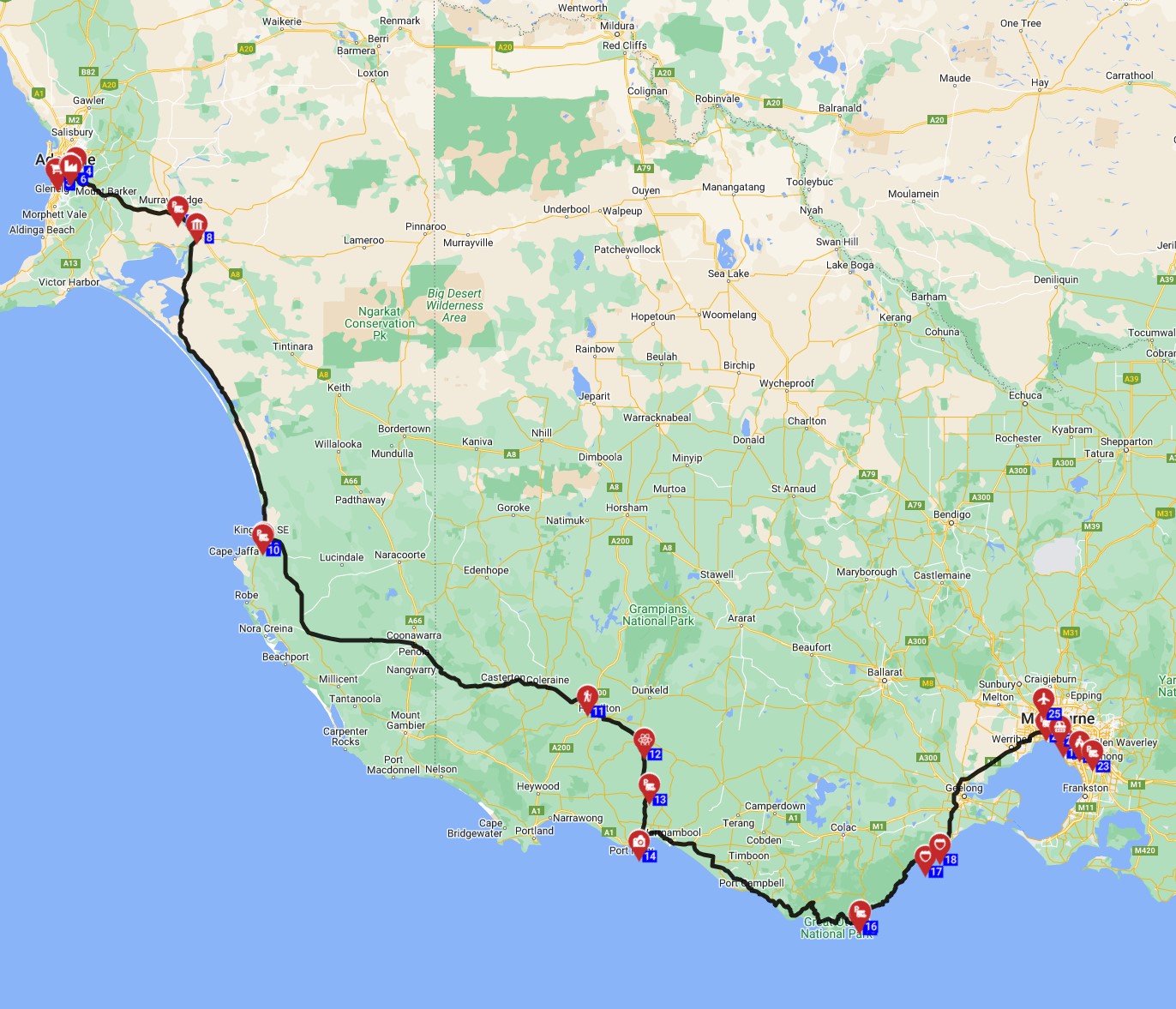
- Driving the Great Ocean Road: Experience breathtaking coastal scenery, the Twelve Apostles, and charming seaside towns. This iconic drive is perfect for a 3-5 day segment of your RV adventure.
- Exploring the Red Centre: Witness the majestic Uluru and Kata Tjuta. While remote, these spiritual landmarks are accessible with a rented motorhome and proper planning.
- Snorkeling or Diving the Great Barrier Reef: From Cairns or Port Douglas, embark on a boat trip to see the vibrant marine life of the world's largest coral reef system.
- Visiting the Blue Mountains: Just a short drive from Sydney, this UNESCO World Heritage site offers stunning panoramas, ancient rainforests, and unique rock formations like the Three Sisters.
- Discovering Tasmania's Wilderness: Take your rented RV on a ferry to explore pristine national parks like Cradle Mountain-Lake St Clair, known for its dramatic landscapes and abundant wildlife.
- Looking for expert insights from Avi Bandana? Top 5 Adventures - recommendations from Avi Bandana (link to relevant content placeholder)
Final Thoughts
Embarking on an RV adventure in Australia is an incredible way to experience this vast and beautiful country. With these first-timer tips, you're well-equipped to plan a journey filled with discovery and unforgettable memories. From choosing the perfect rented campervan to navigating the open roads and setting up camp, each step is part of the grand adventure. Remember to embrace slow travel, savoring each moment and every new landscape.
At Bandana Caravan, we are here to support you every step of the way, making the process of finding and booking your ideal motorhome as seamless and transparent as possible. We’re passionate about RV travel and dedicated to ensuring your Australian road trip is everything you dream of and more. So, pack your bags, prepare your itinerary, and get ready for the journey of a lifetime down under!
Discover top destinations, planning tips, all in one place! Plan a trip itinerary in advance with minimal effort and maximum enjoyment.