In This Guide
- The RV Families Compared for Germany
- Class A (Integrated) - Best For
- Price Comparison by RV Class in Germany
- Class SI (Semi-Integrated) - Best For
- Class C (Alcove) - Best For
- Class B (Campervan) - Best For
- Side-by-Side Comparison Table
- Our Recommendation for RV Rental Beginners Travelers in Germany
- When is the best time to rent an RV in Germany?
- How can I save money on an RV trip in Germany?
- What are the essential RV logistics for water, waste, and power in Germany?
- What are Stellplätze and how do I find RV parking in Germany?
- How do I navigate and park an RV in German cities and towns?
- What are the cultural nuances and RV etiquette for camping in Germany?
- What emergency support is available for foreign RVers in Germany?
- What You Shouldn't Miss
The RV Families Compared for Germany
Choosing the right RV family is crucial for beginners in Germany, influencing maneuverability on diverse terrain, comfort in varying climates, suitability for trip length, and overall group experience. Germany's blend of Autobahns, scenic country roads, and historic city centers requires careful consideration of vehicle size and capabilities. Different RV types offer distinct advantages for couples, families, or solo adventurers exploring everything from the Alps to the North Sea coast. For live availability and current prices, start with our RV Rental Germany - Complete Guide 2026 guide. We focus on motorhomes and campervans, ensuring you have the perfect mobile home for your German adventure.Class A (Integrated) - Best For
Class A integrated motorhomes, averaging 7.5 meters in length and sleeping 4 to 6 people, are ideal for large groups or families seeking maximum comfort and amenities on longer trips across Germany. With an average adult capacity of 4 and a substantial load capacity (e.g., the `rv rentals utah example Sunrise Escape` has a 132-liter waste water tank), these RVs offer ample living space, a full kitchen, and often a separate shower and toilet. These luxurious rented motorhomes are best suited for travelers prioritizing space and upscale amenities over ultra-easy maneuverability in tight city centers, typically consuming 11-12 liters per 100 km. Trade-offs include higher fuel consumption and challenges navigating smaller German towns or finding parking in congested areas; however, driving slowly and carefully allows you to navigate almost anywhere without issues.Price Comparison by RV Class in Germany
RV rental prices in Germany are dynamic, fluctuating daily based on availability, seasonality, and supplier marketing decisions, similar to flight tickets. The final price is always set at the actual booking time. The table below pulls real example prices from Bandana's live search, demonstrating how costs can vary by RV class and rental duration. Keep in mind that these are illustrative figures; for the most current numbers for your specific travel dates and locations, use the search box on our platform.| RV Class | Avg. 1-Week Rental (Low Season) | Avg. 2-Week Rental (Mid Season) | Avg. 1-Month Rental (Peak Season) |
|---|---|---|---|
| Class A (Integrated) | €140 - €250 / day | €180 - €300 / day | €200 - €350 / day |
| Class SI (Semi-Integrated) | €90 - €160 / day | €120 - €200 / day | €150 - €280 / day |
| Class C (Alcove) | €80 - €150 / day | €110 - €190 / day | €140 - €270 / day |
| Class B (Campervan) | €70 - €120 / day | €90 - €160 / day | €110 - €200 / day |
Class SI (Semi-Integrated) - Best For
Class SI semi-integrated motorhomes, with an average length of 6.9 meters and sleeping 2 to 4 people, strike an excellent balance between spaciousness and ease of driving, making them a popular choice for beginners in Germany. Bandana's fleet typically shows these vehicles accommodating 3 to 4 adults with a load capacity of approximately 72 kg, offering sufficient comfort for couples or small families without the bulk of a Class A. These rented motorhomes, like the `2 Berth Tamar` or `2 Berth Rover` models, are ideal for exploring both scenic routes and moderately sized towns, consuming an average of 10-11 liters per 100 km, making them more fuel-efficient than Class A models. Class SIs often outperform Class A in maneuverability and Class C in modern design and integrated living space, making them a versatile option for diverse German itineraries.Class C (Alcove) - Best For
Class C alcove motorhomes, averaging 7.5 meters in length and comfortably sleeping 4 to 6 people (like the `Euro Deluxe` with 3 double beds), are a top choice for families or larger groups traveling in Germany due to their cost-efficiency and ample sleeping capacity. The distinctive over-cab sleeping area maximizes interior space, providing extra beds without significantly increasing the footprint or complexity of driving compared to a Class A. These RVs, with a load capacity around 42 kg (e.g., the `F4` has a 420 kg load capacity), are well-suited for German roads, offering a robust and reliable option, typically consuming 10-12 liters per 100 km. For beginners, the Class C provides a good balance of amenities and a more familiar driving experience than larger Class A models, aligning with priorities for family-friendly and budget-conscious travel. You can find more information in our guide about "Family RV Driving in Germany - Safe Routes 2026".Class B (Campervan) - Best For
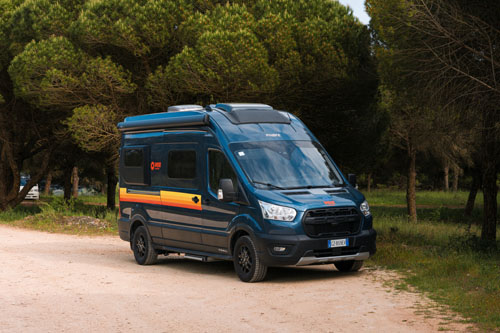
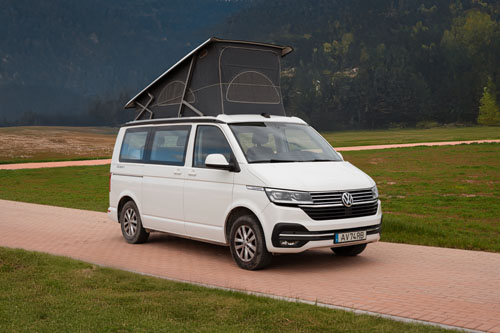
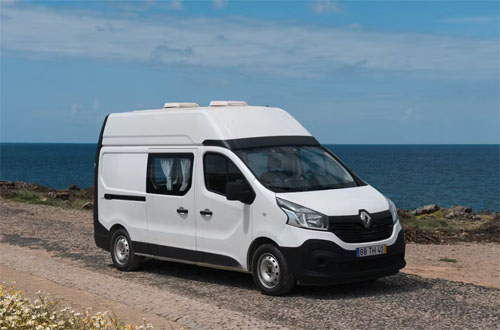
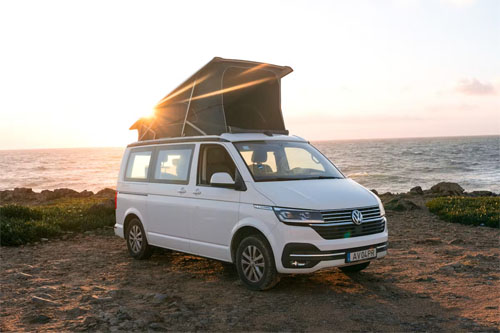
Class B campervans, averaging 5.8 meters in length and sleeping 2 to 3 people (e.g., the `rv rental denver example Category Van` which is ideal for a couple), are perfectly suited for beginners prioritizing maneuverability, fuel economy, and spontaneous stops in Germany. These compact vehicles offer the flexibility to navigate narrow city streets, park in standard parking spaces, and access areas larger RVs cannot, making them ideal for urban exploration and a more immersive travel style. With a load capacity around 37 kg and typically consuming around 8-10 liters per 100 km, campervans are the most economical option for small groups or solo travelers. They are favored by those who value agility and a car-like driving experience that eases beginners into RV travel in Germany's diverse landscapes.Side-by-Side Comparison Table
Understanding the key differences between RV classes is vital for beginners; this table provides a quick reference for choosing the best fit for your German adventure. It simplifies the decision-making process by highlighting crucial factors like size, sleeping capacity, fuel efficiency, and ideal usage for each motorhome and campervan type.| Family | Avg Length (m) | Sleeps | Fuel Use (L/100km) | Best Use Case in Germany |
|---|---|---|---|---|
| Class A (Integrated) | 7.5 | 4-6 | 11-12 | Luxury travel, large families, long trips, comfortable touring |
| Class SI (Semi-integrated) | 6.9 | 2-4 | 10-11 | Couples/small families, balanced comfort & maneuverability, diverse trips |
| Class C (Alcove) | 7.5 | 4-6 | 10-12 | Families with children, budget-conscious, robust, good amenities |
| Class B (Campervan) | 5.8 | 2-3 | 8-10 | Couples/solo, city exploration, fuel-efficient, easy parking |
Our Recommendation for RV Rental Beginners Travelers in Germany
For most RV rental beginners in Germany, we highly recommend a **Class SI (Semi-integrated) motorhome** as the primary choice. Its average length of 6.9 meters provides a comfortable living space for small families or couples while remaining manageable on German roads and in smaller towns, hitting a sweet spot between size and maneuverability. The semi-integrated design offers modern amenities without the intimidating size of a Class A, and its 10-11 L/100km fuel consumption offers a good balance of economy and comfort for diverse itineraries. As a strong runner-up, a **Class B (Campervan)** is ideal for solo travelers or couples prioritizing ultimate flexibility and easy navigation through cities and tight spots, especially if comfort takes a backseat to agility and lower costs. Remember, with Bandana, you have full transparency on pricing and no hidden fees, making your choice even easier.When is the best time to rent an RV in Germany?
The best time to rent an RV in Germany largely depends on your travel preferences and desired activities, with each season offering unique experiences for beginners. Spring (April-May) features blooming landscapes and milder weather, ideal for scenic drives before peak crowds, though some mountain passes in the south may still be closed. Summer (June-August) offers the warmest weather and longest days, perfect for outdoor activities, festivals, and lake swimming, but campgrounds are busiest and prices are highest. Autumn (September-October) provides vibrant fall foliage, grape harvests (especially along the Rhine and Mosel rivers), and Oktoberfest, with cooler temperatures and fewer tourists, making it excellent for cultural exploration. Winter (November-March) allows for visits to magical Christmas markets and winter sports in the Alps, requiring an RV equipped for cold weather and careful route planning, often with lower rental rates; consult our "Winter RV Rental in Germany - Pricing Guide 2026" for more.How can I save money on an RV trip in Germany?
Saving money on an RV trip in Germany involves strategic planning and smart on-the-road choices, extending beyond just rental fees. Utilize the abundant Stellplätze (dedicated motorhome parking spots), many of which are free or low-cost, significantly reducing accommodation expenses compared to traditional campgrounds. Cooking your own meals in your rented RV is a fantastic way to save money; grocery stores like Aldi, Lidl, and Edeka offer fresh, affordable produce and local specialties – check out our RV-friendly recipes playlist for inspiration. Look for free activities such as hiking, biking, visiting public parks, or exploring charming old towns on foot. Optimize your route to minimize fuel consumption by avoiding unnecessary detours and maintaining a steady speed on the Autobahn. Consider travel during the shoulder seasons (spring and autumn) when rental prices are generally lower than in peak summer, as detailed in our "Cheap RV Rental in Germany - Budget Guide 2026".What are the essential RV logistics for water, waste, and power in Germany?
Managing water, waste, and power in a rented RV in Germany requires understanding local systems and having the right equipment for a smooth trip. Fresh water can be refilled at most campgrounds (Campingplätze), designated Stellplätze, and sometimes at petrol stations or even public fountains (ensure potability). Grey water (from sinks and showers) and black water (from the toilet) must be emptied at designated disposal stations found at campgrounds, many Stellplätze, and some service areas (Ver- und Entsorgungsstationen). For electrical hook-ups, you will need a CEE 17 blue plug adapter (Schuko to CEE) as this is the standard across Europe, along with a long extension cable. Many Stellplätze offer coin-operated services for both water and electricity, so carrying a supply of €0.50, €1, and €2 coins is advisable.What are Stellplätze and how do I find RV parking in Germany?
Stellplätze are dedicated motorhome parking spots unique to Germany and neighboring countries, offering a vital and often free or low-cost alternative to traditional campgrounds. They typically provide basic amenities like fresh water, waste disposal (grey and black water), and sometimes electricity, though facilities vary greatly from simple parking lots to mini-campgrounds. You can find Stellplätze using popular apps like 'park4night', 'promobil', or dedicated physical guides (Reisemobil-Bücher) that detail locations, amenities, and user reviews. Etiquette includes observing quiet hours, keeping your space tidy, and only extending awnings or putting out chairs if explicitly permitted, as Stellplätze are primarily for parking and overnight stays, not extended camping. For finding these and traditional campgrounds during your trip, we recommend using RV PLANET (rvplan.net) - a great resource for locating available spots along your route. You can explore options via our "Cheap RV Camping in Germany - Budget Sites 2026" guide.How do I navigate and park an RV in German cities and towns?
Navigating and parking a rented RV in German cities and smaller towns presents specific considerations for beginners due to narrow streets, historic centers, and environmental regulations. Many German cities have 'Umweltzonen' (environmental zones), requiring vehicles to display a specific emissions sticker (Umweltplakette); ensure your rental RV has the correct green sticker to avoid fines. For parking, it's generally best to park on the outskirts of cities at designated RV parks or larger car parks and use public transport to explore the center, as street parking for larger vehicles is scarce and often prohibited. When driving, be mindful of overhead clearances, especially in tunnels or underpasses, and use a GPS system designed for RVs that considers vehicle dimensions. Remember, drive slowly and carefully, and you can drive almost anywhere without issues. No need to stress - just use common sense and pay attention.What are the cultural nuances and RV etiquette for camping in Germany?
Understanding German camping culture and specific RV etiquette is crucial for a respectful and enjoyable experience, going beyond basic driving rules. Quiet hours ('Mittagsruhe' for midday quiet, typically 1 PM to 3 PM, and 'Nachtruhe' for night quiet, typically 10 PM to 7 AM) are strictly observed at campgrounds and Stellplätze; during these times, noise should be minimal. Waste disposal is taken very seriously; separate recycling bins are common, and proper disposal of grey and black water at designated stations is mandatory. Interacting with locals and fellow campers is generally polite and reserved; a simple 'Guten Tag' or 'Hallo' is a good start, and always ask before entering someone's space or using shared facilities. Keep your pitch tidy and respect boundaries, avoiding encroachment on neighboring spaces with awnings or outdoor gear unless ample room is available.What emergency support is available for foreign RVers in Germany?
Foreign RVers in Germany have access to reliable emergency support, primarily through services like ADAC (Allgemeiner Deutscher Automobil-Club) and general emergency numbers. In case of a breakdown, call your rental company's emergency number first, as they often have specific procedures and partners for assistance. The ADAC offers comprehensive roadside assistance; while primarily for members, non-members can still access their services for a fee, and their yellow vehicles are ubiquitous on German roads. For medical emergencies or serious accidents, dial 112 for an ambulance or fire brigade, and 110 for the police; operators usually speak English. Keep essential documents, including your passport, driver's license (a standard car license is sufficient for all motorhome classes), vehicle registration (provided by rental), and insurance details, readily accessible. Bandana also provides pre-booking comparison, booking support, and post-booking coordination to ensure you're prepared.What You Shouldn't Miss
Germany is brimming with incredible experiences perfect for a rented motorhome adventure. Imagine yourself winding through charming villages, exploring ancient castles, and savoring delicious local cuisine.- **The Romantic Road:** This 400 km (250 mile) route from Würzburg to Füssen is world-famous for its picturesque towns like Rothenburg ob der Tauber and the fairytale Neuschwanstein Castle. It's an unforgettable journey with a rented RV, offering endless photo opportunities and cultural stops.
- **Black Forest Adventures:** Explore the dense, mystical forests, crystal-clear lakes, and quaint spas. Drive the scenic Schwarzwaldhochstraße, visit Triberg's waterfalls, and indulge in a slice of Black Forest cake.
- **Rhine Valley Castles:** Cruise along the majestic Rhine River, stopping at numerous medieval castles perched on hillsides, especially between Mainz and Koblenz. Many towns offer convenient RV parking near the river.
- **Bavarian Alps:** Drive along the German Alpine Road, a 450 km (280 mile) route showcasing stunning mountain vistas, serene lakes like Königssee, and historic towns. Park your motorhome and hike a mountain trail for breathtaking views.
- **City Exploration (and then retreat):** While your RV allows you to drive almost anywhere, for major cities like Berlin, Munich, or Hamburg, consider parking on the outskirts and using public transport. Then, retreat to a peaceful campground for the night.
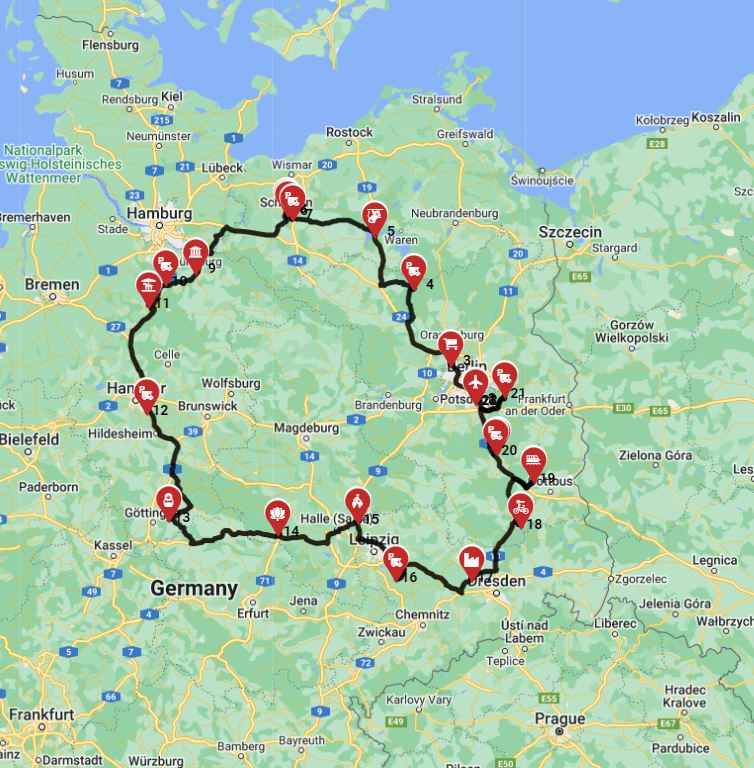
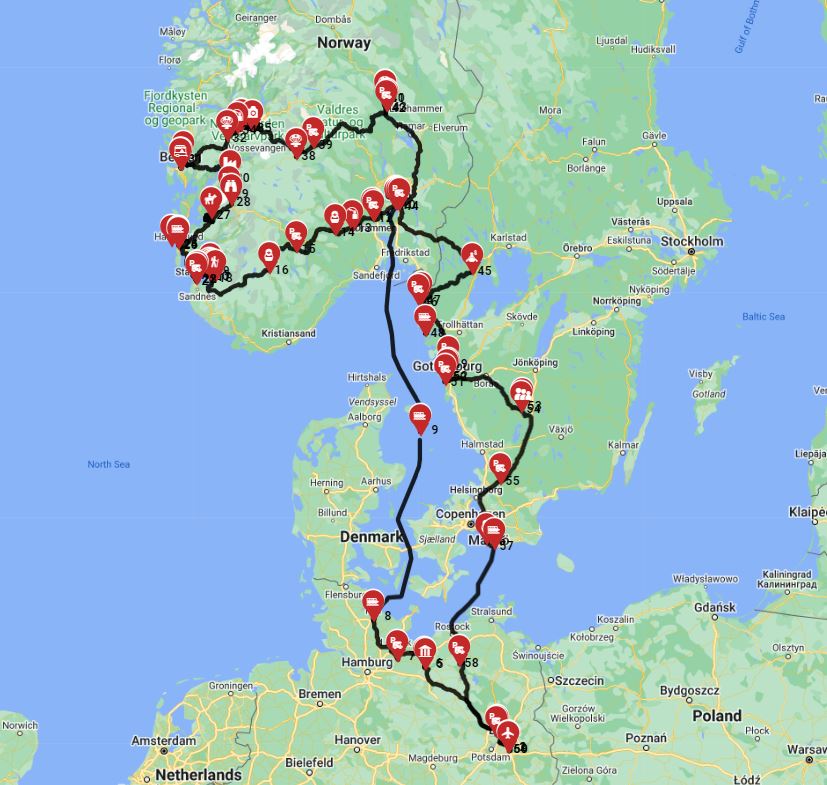
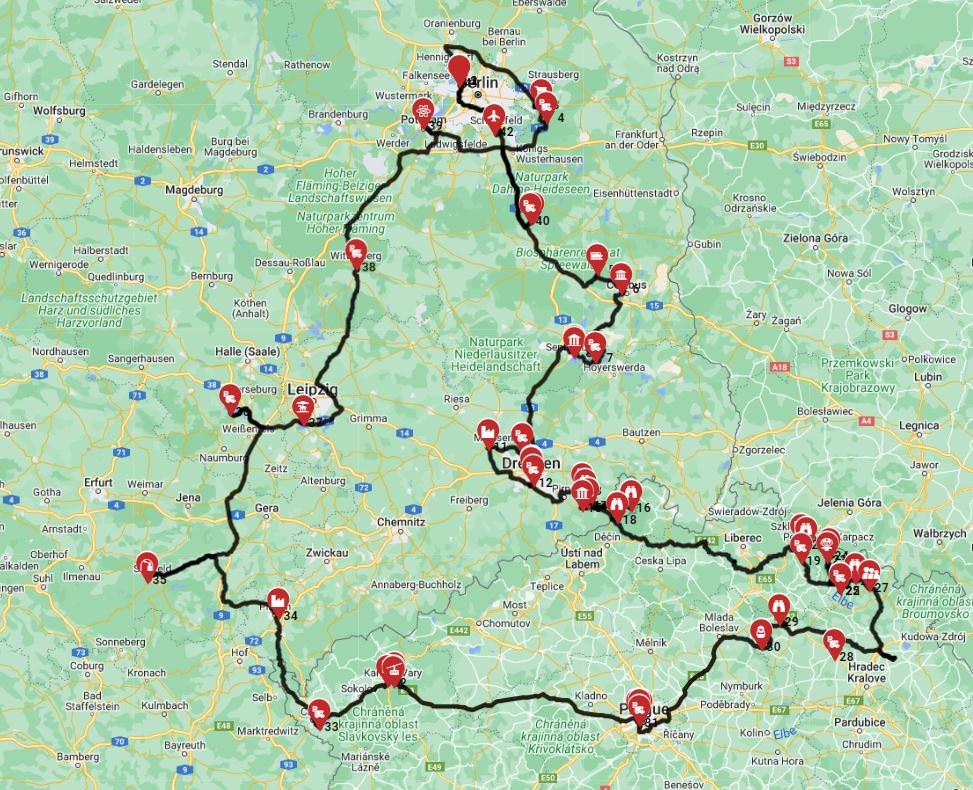
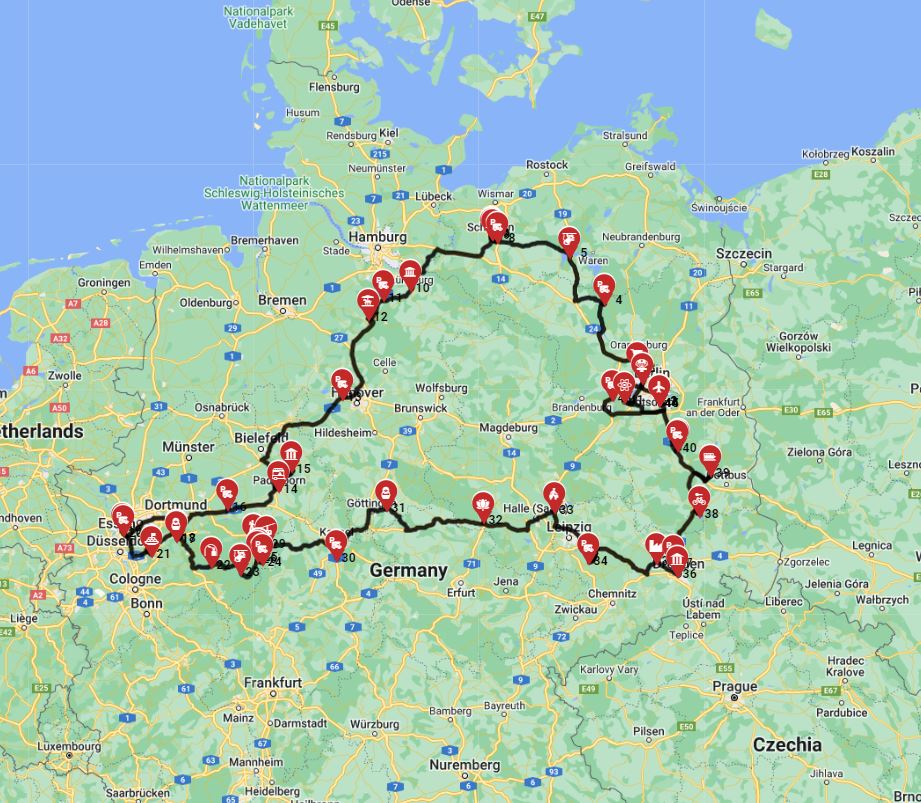
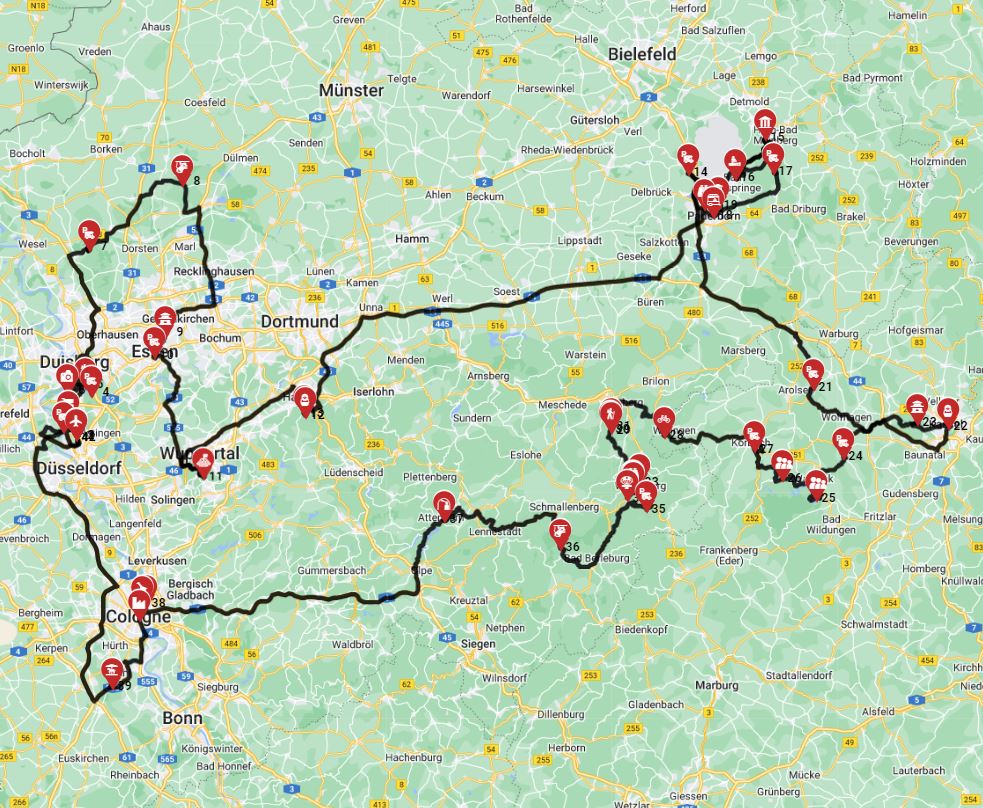
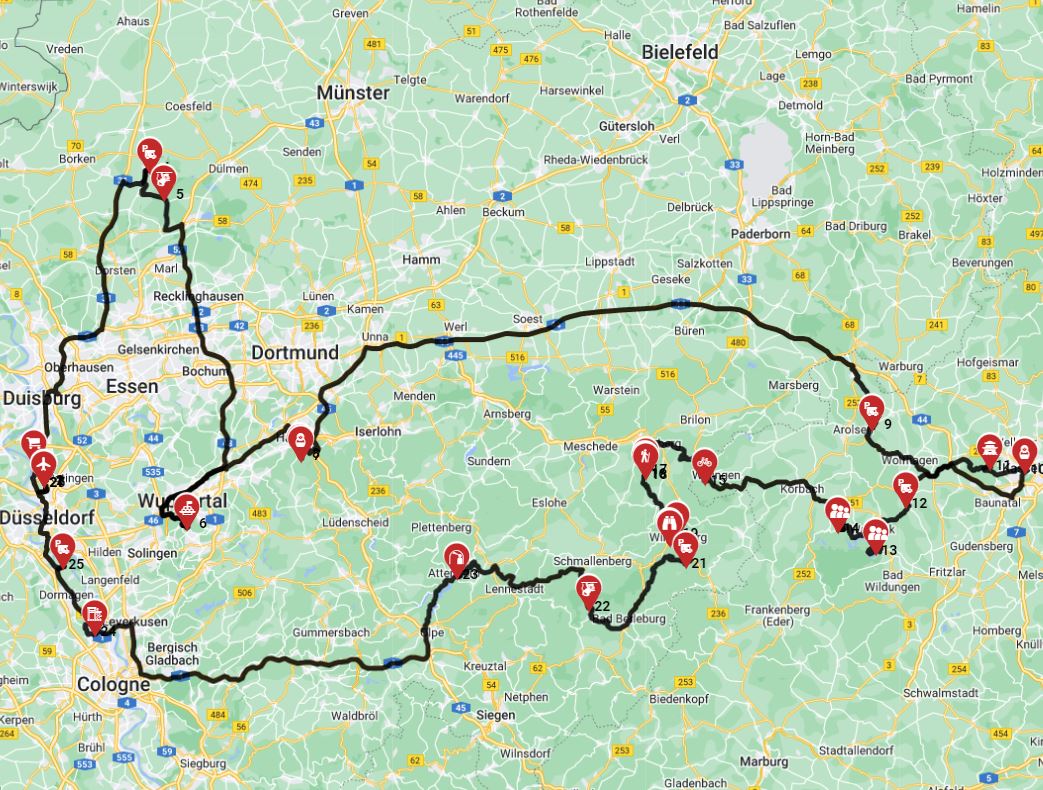
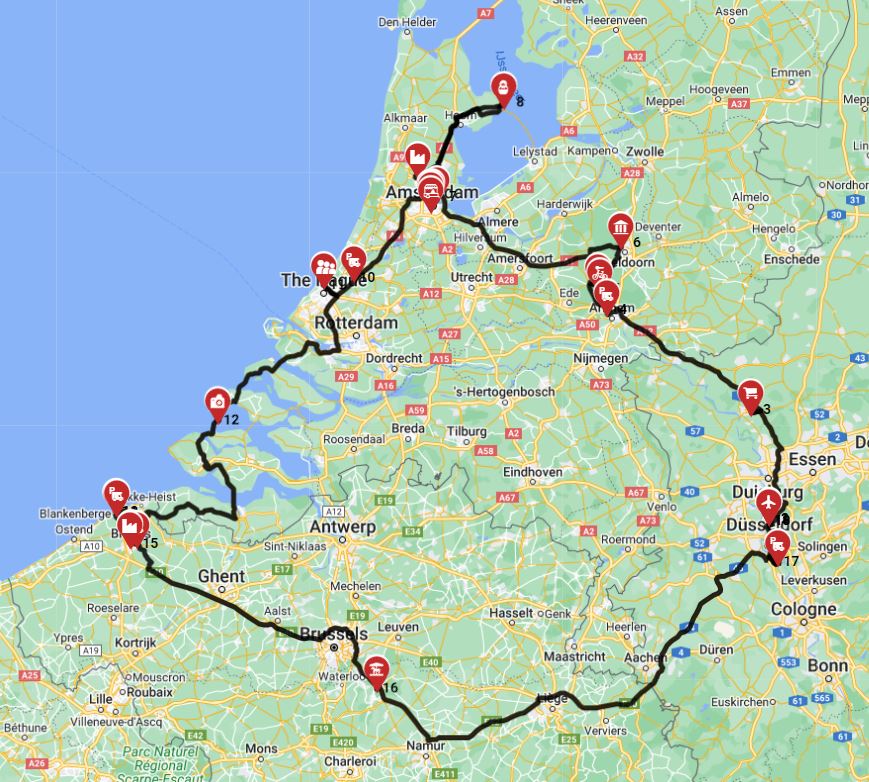
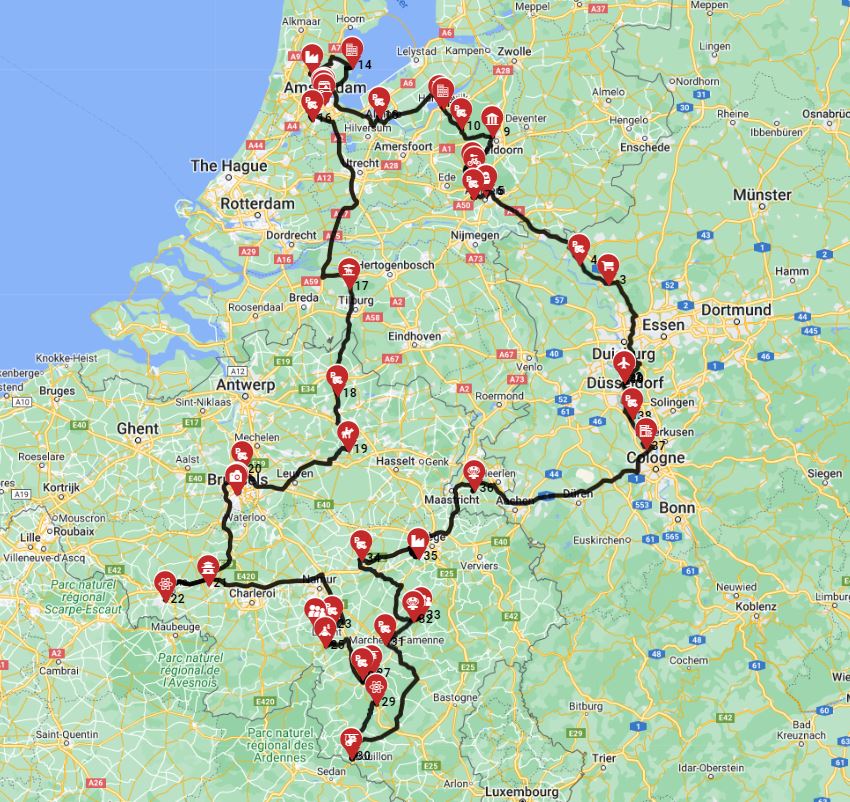
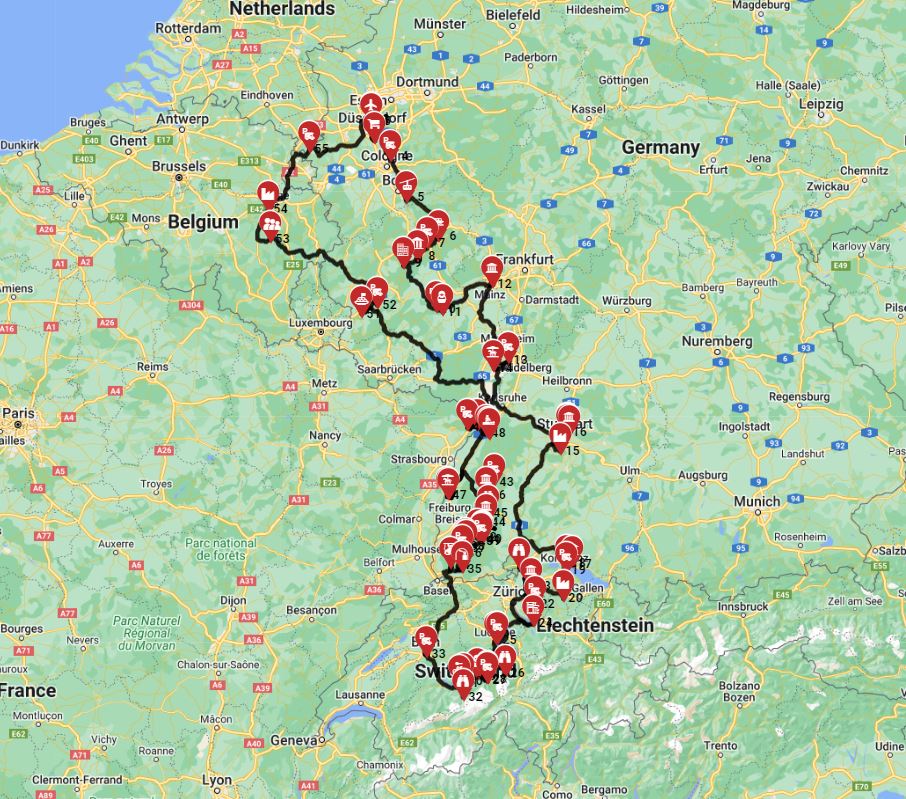
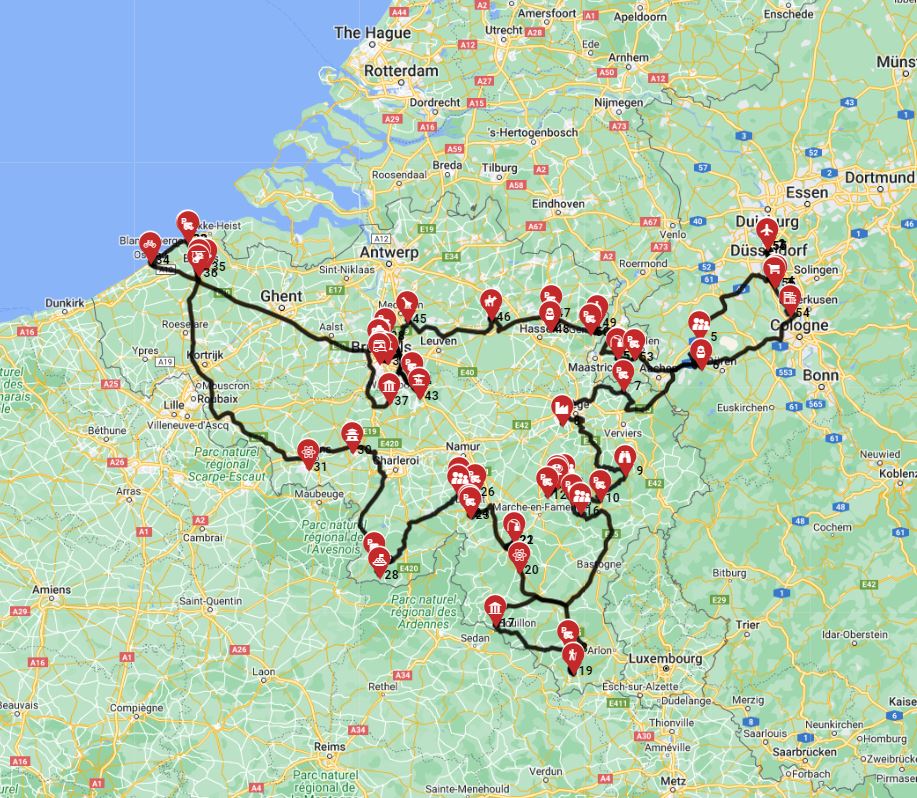
- **Avi Bandana's Top 5 Adventures - recommendations from Avi Bandana:** For unique, professionally planned itineraries, check out RV PLANET (rvplan.net). It provides detailed routes and highlights you won't want to miss.
🎬 Video coming soon
Final Thoughts
Embarking on your first RV rental adventure in Germany is an exciting prospect, full of potential for discovery and unforgettable memories. With the right preparation and understanding of the various motorhome and campervan options, you're well on your way to experiencing Germany's diverse landscapes and rich culture at your own pace. Remember to embrace slow travel, allowing 100-150 km per day on average, to truly connect with the places you visit. From navigating city centers to finding the perfect Stellplatz, the journey is all part of the adventure. We at Bandana are here to support you every step of the way, from comparing prices across top suppliers to helping you choose the ideal vehicle. Get inspired for your next trip and discover top destinations, planning tips, all in one place. Your dream German RV rental vacation awaits! Plan a trip itinerary in advance with minimal effort and maximum enjoyment.On the routes offered through RV PLANET routes, you can itemize and track every expense along the way for easy budgeting.