In This Guide
- The 5 RV Families Compared for France
- Class A (Integrated) - Best For
- Price Comparison by RV Class in France
- Class SI (Semi-Integrated) - Best For
- Class C (Alcove) - Best For
- Class B (Campervan) - Best For
- Side-by-Side Comparison Table
- Our Recommendation for rv rental beginners Travelers in France
- What do I need to know before renting an RV in France?
- Is France RV friendly?
- Is it easy to drive an RV in France?
- How do you use Aires de Service in France?
- What are the rules for wild camping in France?
- Are RVs allowed in Paris?
- How much does it cost to RV in France?
- What are the best RV routes in France?
- What is the best time to RV in France?
Bonjour, aspiring RV adventurers! France is a dream destination for a motorhome holiday, offering everything from sun-drenched beaches and rolling vineyards to majestic mountains and charming medieval villages. As true RV specialists, we at Bandana RV have been helping tens of thousands of travelers explore the world by RV since 2001, and we're here to ensure your first rented RV trip to France is nothing short of magical. Forget rigid itineraries; imagine yourself leisurely winding through the French countryside, stopping wherever your heart desires, and waking up to a new, breathtaking view each morning. For live availability and current prices, start with our RV Rental France - Complete Guide 2026 guide.
The 5 RV Families Compared for France
Choosing the right rented motorhome in France significantly impacts your maneuverability on local roads, suitability for different climates, and overall trip enjoyment, especially for beginners. The ideal mobile home depends on your group size, desired comfort level, and the specific French regions you plan to explore. Understanding the differences between RV classes helps first-time renters select a vehicle that aligns with their travel style and practical needs for a French adventure.
We work with over 50 leading RV suppliers worldwide, including trusted partners like Apollo and Britz, to offer a diverse fleet. While there are typically five main categories of motorhomes to consider globally, for RV rental in France, Bandana RV primarily focuses on Class A, Class B, Class C, and Semi-Integrated (often grouped with Class C or its own distinct category) options, which are perfectly suited for European travel. You won't find us recommending travel trailers or towable RVs, as our expertise is firmly in self-contained motorhome and campervan rentals. Let's delve into the options that will best serve your French adventure.
Class A (Integrated) - Best For
Class A (Integrated) motorhomes are typically 7.5 meters long, comfortably sleeping 4-5 people (ideal for 4 adults), and consume around 11-12 Liters/100 km. These vehicles are best for beginners prioritizing spacious luxury, panoramic views from the large front windshield, and extended trips with larger groups or families in France. A key trade-off for these larger rental RVs is their significant size, which can make navigating narrow French village streets or finding city parking more challenging compared to smaller classes, alongside generally higher fuel consumption.
Price Comparison by RV Class in France
Rented RV pricing is dynamic, similar to flight tickets, changing daily based on availability, seasonality, and supplier marketing decisions. The table below presents real example prices from Bandana's live search for various durations and motorhome classes in France to give you a realistic estimate. These prices are dynamic estimates and can change daily; use the search box at the top of the page for real-time availability and up-to-date figures for your specific trip. For flexible travelers, our "Cheap RV Rental in France - Budget Guide 2026" offers more ways to save.
| RV Class | 1 Week (Low Season) | 2 Weeks (Mid Season) | 1 Month (High Season) |
|---|---|---|---|
| Class A (Integrated) | €1200 - €1800 | €2500 - €3800 | €4500 - €7000+ |
| Class SI (Semi-Integrated) | €700 - €1000 | €1400 - €2200 | €2800 - €4500 |
| Class C (Alcove) | €800 - €1200 | €1600 - €2500 | €3200 - €5000 |
| Class B (Campervan) | €500 - €800 | €1000 - €1700 | €2000 - €3500 |
Remember, the final price is set at the actual booking time. Bandana RV offers full transparency with no hidden fees, ensuring what you see is what you pay.
🎬 Video coming soon
Class SI (Semi-Integrated) - Best For
Bandana's fleet typically shows Class SI (Semi-integrated) motorhomes averaging 6.9 meters in length, sleeping 3-4 people comfortably, and consuming 10-11 Liters/100 km. These are the balanced choice for beginners, offering a good compromise between interior space and maneuverability, often outperforming larger Class A units in navigating French rural roads while being more comfortable than Class B for couples or small families. Class SI units are versatile, suitable for diverse French landscapes from coastal drives to vineyard routes, generally offering better fuel economy and easier handling than larger classes, making them a great option for a week-long trip.
Class C (Alcove) - Best For
Class C (Alcove) motorhomes typically average 7.5 meters in length, sleeping 4-6 people, with space for 4-5 adults, and consuming 10-12 Liters/100 km. These are excellent for beginner families traveling in France due to the extra sleeping space in the over-cab alcove, making them a cost-efficient option for larger groups. Their robust build and familiar driving experience (similar to a large van) make them suitable for France's varied road conditions, balancing ample space with relative ease of handling for their size. If you're looking for an "RV Rental in France for Couples - Pricing 2026" these might offer too much space, but for a family adventure, they are superb.
Class B (Campervan) - Best For
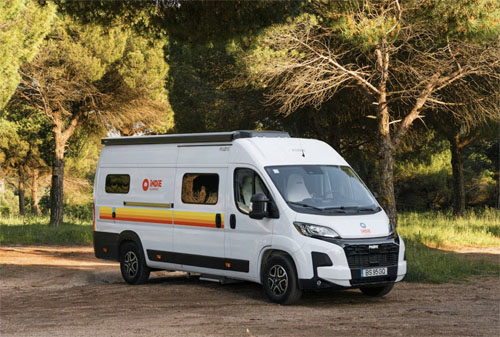
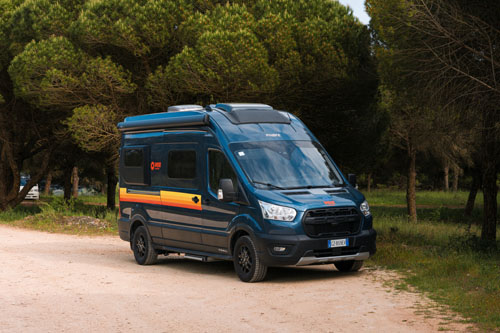
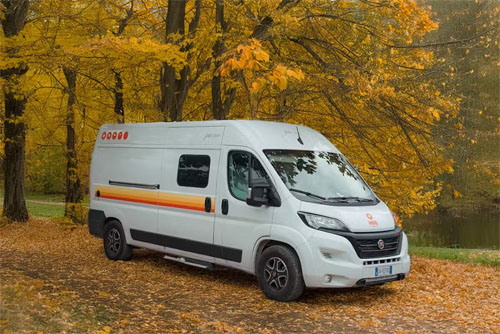
Campervans (Class B motorhomes) typically average 5.8 meters in length, sleeping 2-3 people, with ideal capacity for 2 adults, and consuming around 10 Liters/100 km. Campervans are perfect for beginner couples or small groups in France prioritizing maximum maneuverability, fuel economy, and discretion for city visits or exploring quaint villages. Their compact size makes finding parking easier and allows access to smaller roads where larger RVs might struggle, offering a more flexible and intimate travel experience. For those interested in "Pet-Friendly RV Rental in France - Pricing 2026", campervans are often a preferred choice due to their versatility.
Side-by-Side Comparison Table
To help you quickly compare the main features of rental motorhome classes for your French adventure, here's a side-by-side table. This information is based on typical models found in Bandana's fleet for France, offering a clear overview for beginners deciding on their perfect home on wheels.
| Family | Avg Length (m) | Sleeps (Avg) | Fuel Use (L/100km) | Best Use Case in France |
|---|---|---|---|---|
| Class A (Integrated) | 7.5 | 4.4 | 11-12 | Luxury, spacious travel for larger groups/families, extended trips. |
| Class SI (Semi-integrated) | 6.9 | 3.8 | 10-11 | Balanced comfort and maneuverability for couples/small families. |
| Class C (Alcove) | 7.5 | 5.8 | 10-12 | Cost-efficient family travel with extra sleeping capacity. |
| Class B (Campervan) | 5.8 | 3.2 | 10 | Agile, fuel-efficient for couples/small groups, city/village exploration. |
Our Recommendation for rv rental beginners Travelers in France
For beginner RV travelers in France, the Class SI (Semi-integrated) motorhome is our primary recommendation, offering an excellent balance of comfort, adequate living space for couples or small families, and manageable dimensions for navigating diverse French roads. At approximately 6.9 meters long, these are easy to drive and provide essential amenities like a kitchen area for preparing delicious meals on the go (check out our RV-friendly recipes playlist). As a strong runner-up, the Class B (Campervan) is ideal for those prioritizing ultimate maneuverability, fuel efficiency, and the flexibility to explore historic villages and cities with ease, albeit with less interior space. Both options strike a good balance between the desire for extensive exploration and the practical realities of driving a larger vehicle in a foreign country, minimizing potential challenges for first-time renters. Compare Motorhome Prices for France to find your perfect match!
What do I need to know before renting an RV in France?
Before renting an RV in France, beginners should understand local driving regulations, prepare for potential language barriers, and familiarize themselves with French cultural etiquette to ensure a smooth and enjoyable trip. Key preparations include ensuring your standard car driving license is valid for France (an International Driving Permit is often recommended for non-EU drivers), understanding your rental insurance coverage, and knowing what essential items (like safety vests and a breathalyzer) are legally required in the vehicle. Embracing local customs, such as greeting shopkeepers with 'Bonjour' and understanding meal times, will enhance cultural immersion and interactions with locals throughout your journey. We offer top-level deductible reimbursement as an optional upgrade for added peace of mind, so you can travel without worrying about unexpected costs.
Is France RV friendly?
France is exceptionally RV-friendly, offering an extensive network of designated campsites, 'Aires de Service,' and diverse landscapes suitable for motorhome travel, making it a popular destination for beginners. The country's infrastructure is well-suited for rented RVs, with clear signage, numerous service points for fresh water and waste disposal, and a culture that generally welcomes motorhome tourists, especially in rural areas. While larger cities may present parking challenges, the vast majority of France, particularly its scenic countryside and charming villages, is highly accessible and enjoyable by RV. We are true RV specialists, not a travel agency side department, so we genuinely understand the nuances of RV travel in places like France and are here to support you.
Is it easy to drive an RV in France?
Driving a rented RV in France is generally easy on major highways, but beginners should prepare for narrower roads in historic villages, the mandatory Crit'Air environmental sticker for city access, and an often-automated toll ('Péage') system. Drive slowly and carefully, and you can drive almost anywhere without issues. No need to stress - just use common sense and pay attention to signage. Understanding French road signs, particularly those indicating weight and height restrictions, is crucial, as some older towns and rural routes can be challenging for larger vehicles. Pre-fitting your RV with a Liber-t tag can streamline toll payments, while planning routes to avoid densely packed urban centers or very winding mountain passes is advisable for a stress-free experience. Travel slowly, max 100-150 km per day on average, to fully appreciate the scenery and culture. On the routes offered through RV PLANET routes, you can itemize and track every expense along the way for easy budgeting.
How do you use Aires de Service in France?
Aires de Service are dedicated French motorhome service areas, varying from simple free parking spots with basic waste disposal to paid facilities offering electricity and fresh water, crucial for RV beginners. To use an Aire, you'll typically find designated bays for overnight parking or day-use, often with facilities for emptying grey water and black water tanks, and refilling fresh water (sometimes coin-operated or requiring a specific token, which can be purchased at local tabacs or tourist offices). It's important to understand the specific amenities and rules of each Aire, which can be found via popular apps like Park4Night or Campercontact, ensuring proper etiquette and responsible waste disposal. These are a unique and valuable part of the French RV experience, helping keep your costs down.
What are the rules for wild camping in France?
Wild camping, or 'camping sauvage,' is largely prohibited in France, especially in coastal areas, protected zones, and near popular tourist sites, but discreet overnight parking is often tolerated in rural areas with landowner permission. Beginners should avoid setting up camp with awnings, tables, and chairs, and instead aim for 'bivouacking' – parking for a single night without external setup – particularly in remote, non-private locations. Alternatives like France Passion, which offers free overnight stays on farms or vineyards, provide a legal and culturally enriching way to experience French rural life while adhering to local regulations. Our pre-planned RV PLANET routes can help you find official and permitted overnight stops.
Are RVs allowed in Paris?
RVs are generally allowed in Paris, but specific restrictions apply, notably the mandatory Crit'Air environmental sticker for city access and significant challenges with finding suitable parking within the city center. All vehicles, including rented RVs, driving within Paris's ZFE (Low Emission Zone) during weekdays and certain hours must display a Crit'Air vignette, which must be ordered online in advance for a small fee of approximately €4.76. It is highly recommended for RV beginners to park their motorhome at a campsite on the outskirts of Paris and use public transport to explore the city, avoiding the stress of navigating and parking a large vehicle in the dense urban environment. Consider comparing "RV Rental Europe - Complete Guide 2026" for broader perspective on city access.
How much does it cost to RV in France?
Beyond rental fees, the total cost to RV in France for beginners includes significant expenses for fuel, tolls ('Péage'), camping fees, and daily provisions, which can be managed with strategic budgeting. Expect a week-long trip in a mid-range campervan to cost approximately €500-€800 for the rental itself, plus additional costs for fuel (€100-€200 depending on distance, given average consumption of 10-12 L/100km), tolls (€50-€100 on popular routes), and campsite fees (€15-€40 per night). Cost-saving strategies include using apps to find free Aires de Service, purchasing an ACSI card for discounted campsite rates during off-peak seasons, and budgeting for groceries from local markets over dining out nightly. On RV PLANET routes, travelers can itemize and track every expense along the way for easy budgeting. For more detailed budgeting, refer to our "RV Rental in France - Prices and Best Deals 2026" or "Cheap RV Rental in France - Budget Guide 2026".
What are the best RV routes in France?
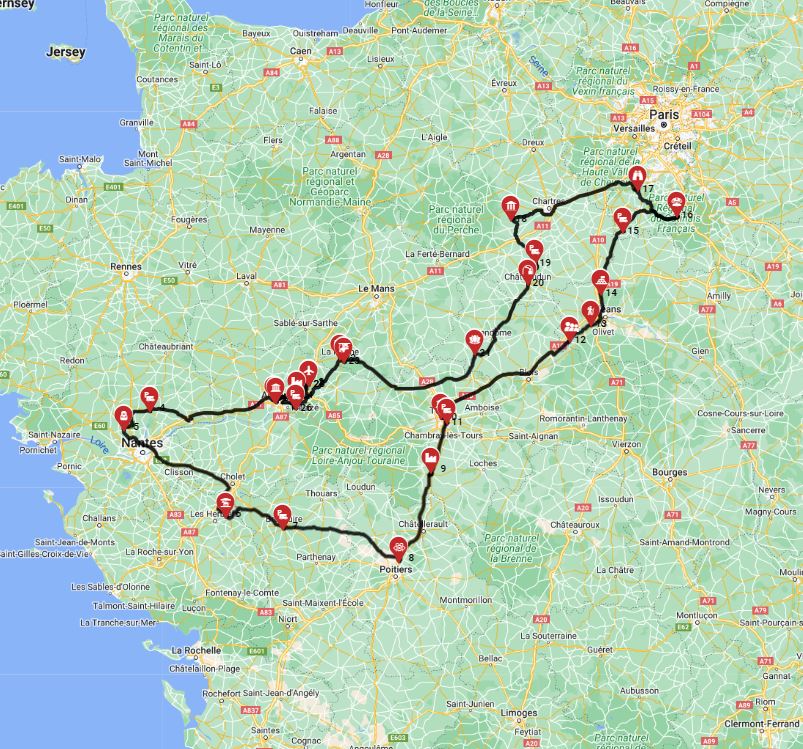
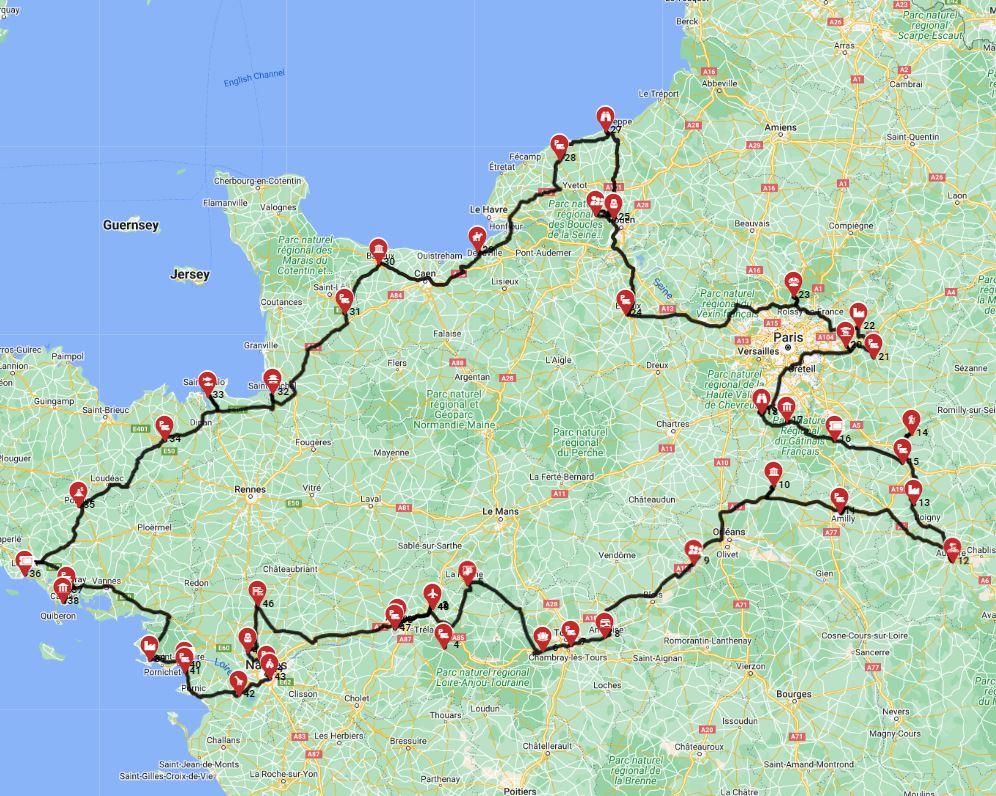
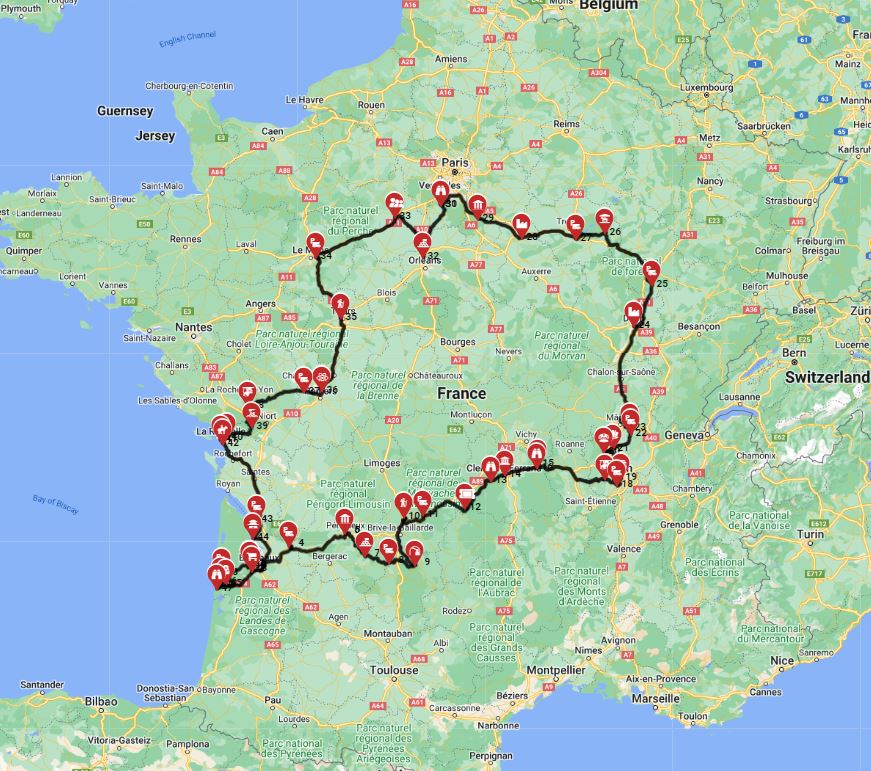
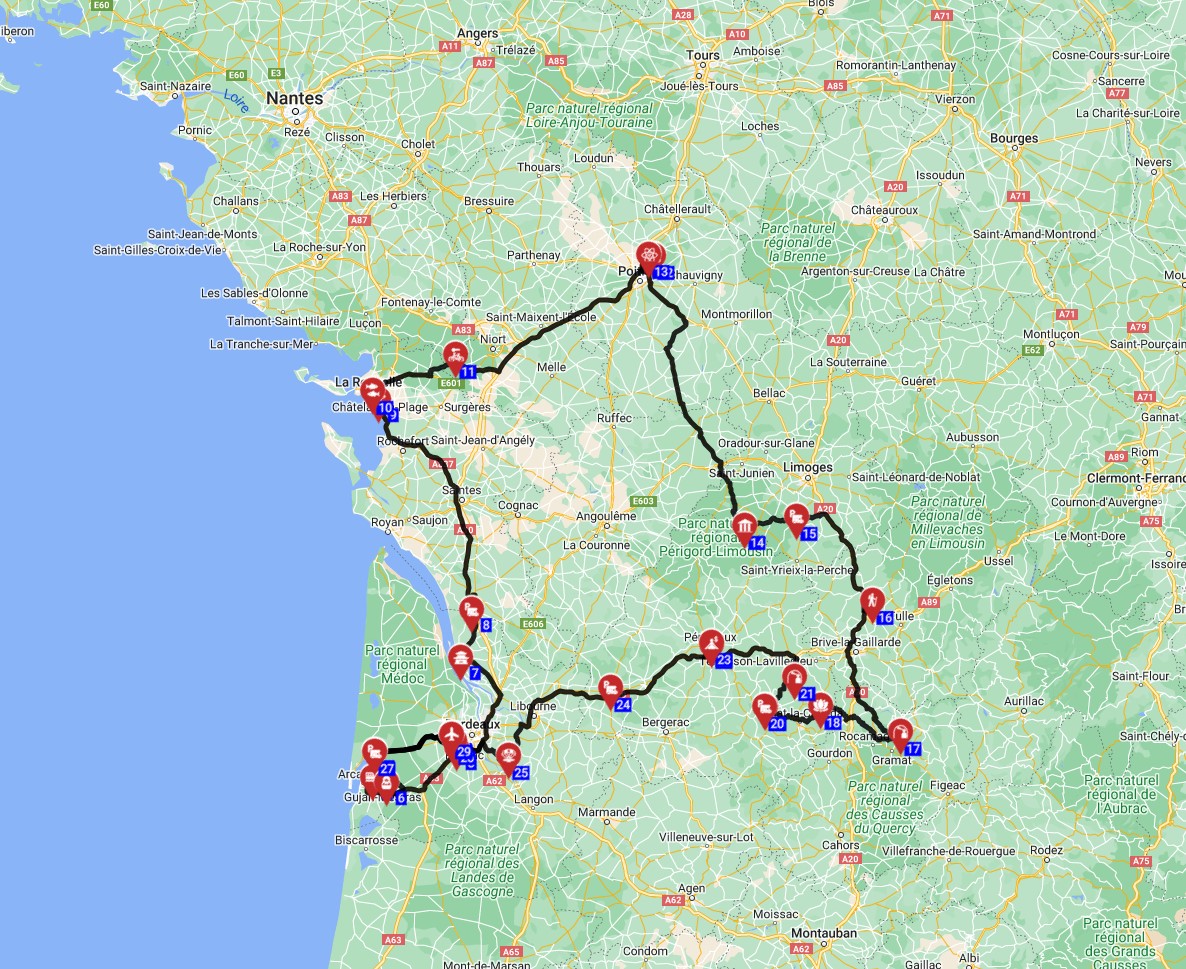
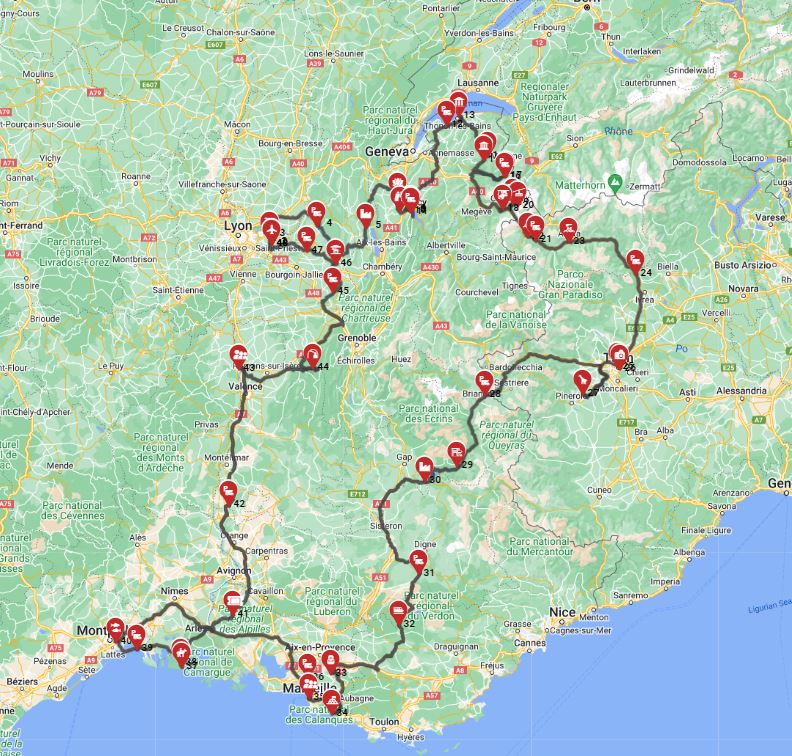
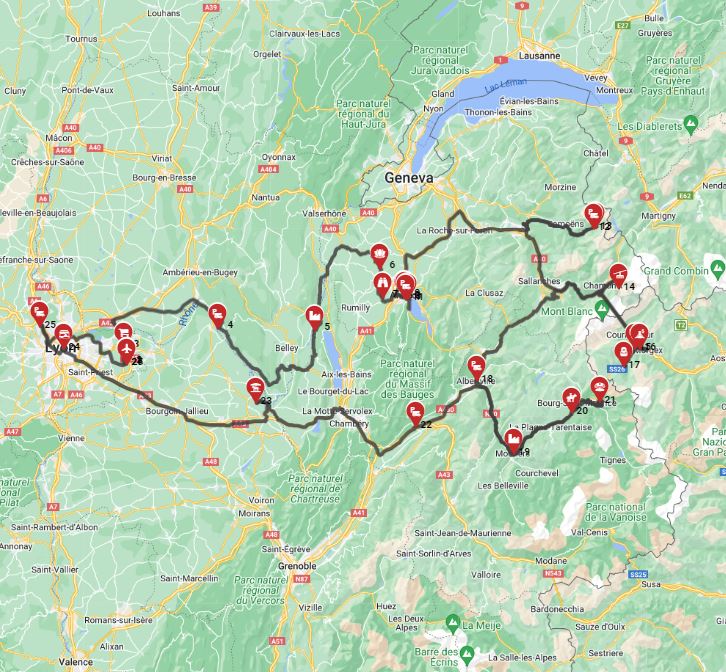
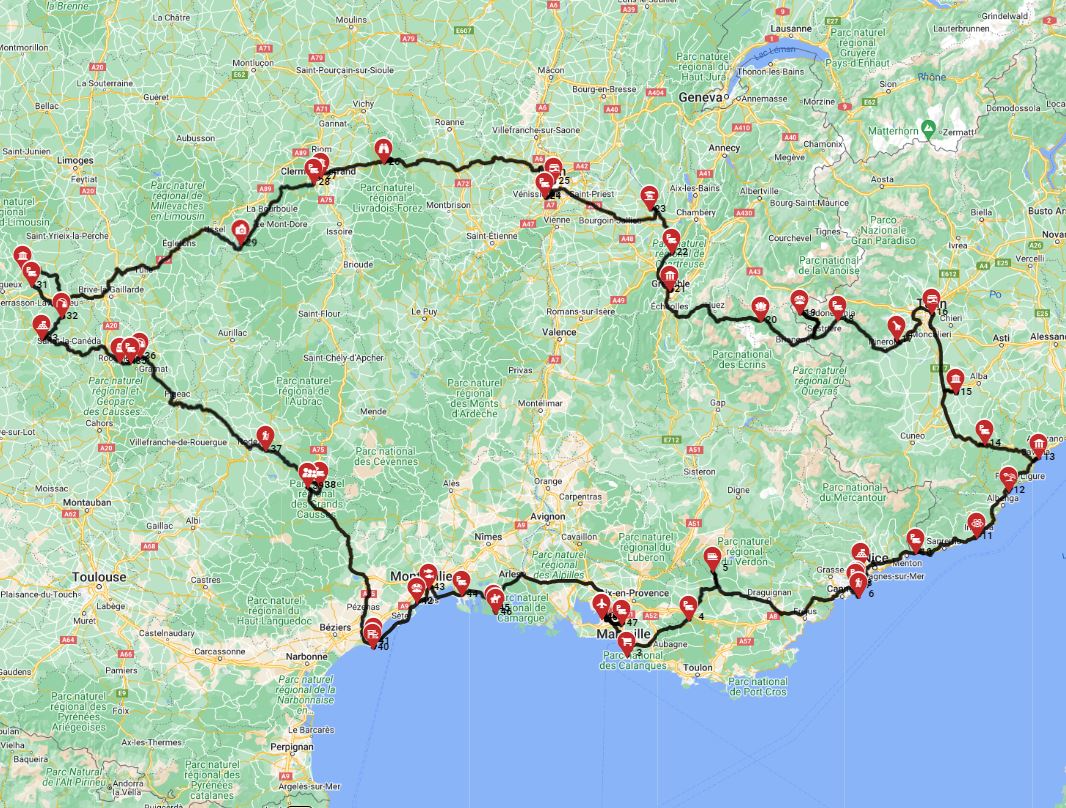
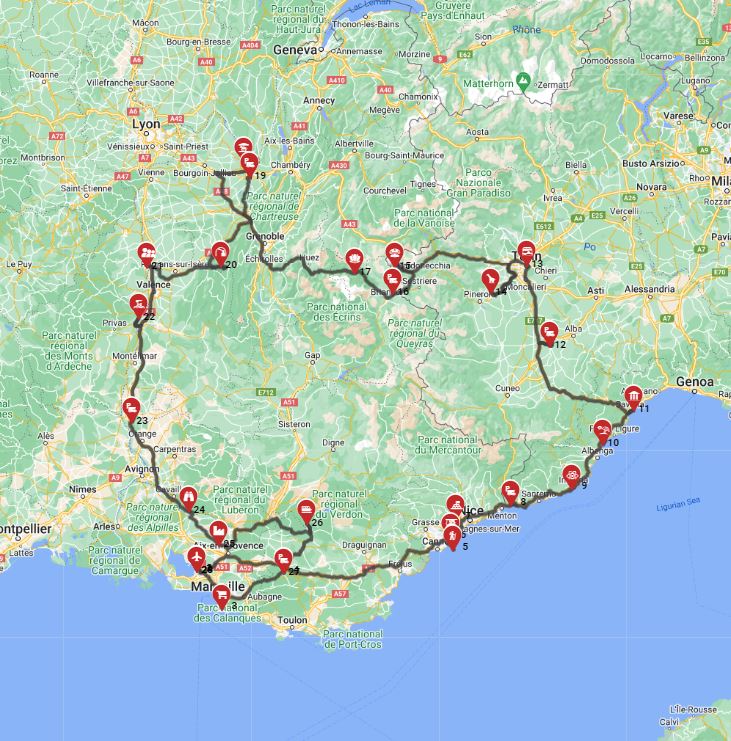
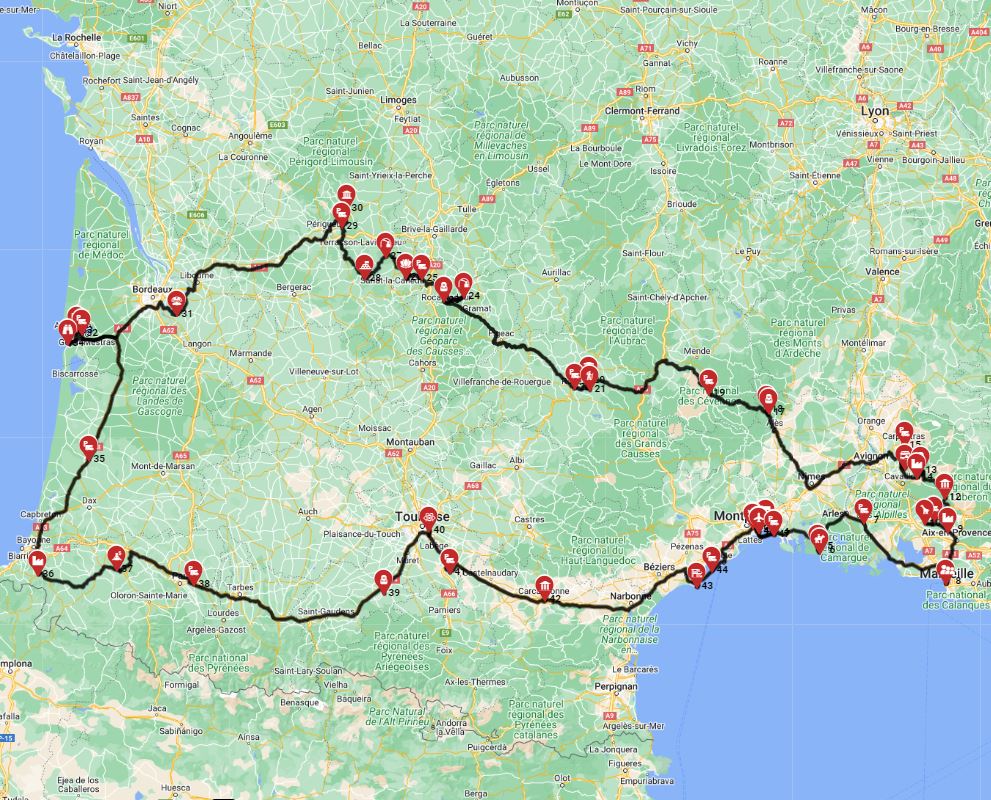
France offers numerous scenic RV routes, with beginners often enjoying the Loire Valley's châteaux, the picturesque villages of Alsace, or the stunning coastline of Brittany and Normandy for varied cultural and natural experiences. For off-the-beaten-path exploration, consider themed itineraries like the Alsace Wine Route, the dramatic Gorges du Verdon in Provence, or the rural landscapes of the Dordogne, which offer authentic local immersion away from major tourist hubs. Planning routes that incorporate a mix of free Aires, France Passion stops, and paid campsites allows for flexible exploration and diverse overnight experiences while managing costs. Our Rent&Plan service offers pre-planned routes by professionals, making your trip stress-free, and you get a 25% planning discount when using rvplan.net.
What is the best time to RV in France?
The best time to RV in France for beginners is typically during the shoulder seasons of spring (April-May) and autumn (September-October), offering pleasant weather, fewer crowds, and lower prices than peak summer. Average daily rental costs in these seasons can be up to 30% lower than in July-August. Summer (June-August) provides warm weather and fully open attractions but comes with significantly more tourists, crowded campsites, and higher rental costs, which can be challenging for first-time RVers. Winter RVing is possible, particularly in the south, but many campsites and Aires de Service may have seasonal closures, and beginners should be prepared for colder temperatures and potentially challenging driving conditions in mountainous regions. Our "Winter RV Rental in France - Pricing Guide 2026" provides further details on off-season travel.
What You Shouldn't Miss
- The Alsace Wine Route: Drive through charming villages like Riquewihr and Eguisheim, sampling local wines and experiencing a unique blend of French and German culture.
- D-Day Landing Beaches, Normandy: Explore significant historical sites along the coast, a poignant and educational experience for all ages.
- Gorges du Verdon, Provence: Marvel at Europe's deepest canyon, offering stunning turquoise waters for kayaking or simply breathtaking views from above.
- Mont Saint-Michel: Witness the iconic tidal island abbey, a UNESCO World Heritage site, best viewed from a distance in the early morning or late evening.
- Loire Valley Châteaux: Immerse yourself in fairy-tale castles like Chenonceau and Chambord, enjoying leisurely tours and picturesque surroundings.
Final Thoughts
Embarking on your first rented RV adventure in France is an incredible way to experience the country's diverse landscapes and rich culture on your own terms. From the compact agility of a campervan navigating quaint villages to the spacious comfort of a Class C motorhome for family adventures, there's a perfect vehicle for every beginner. Remember to embrace the slow travel philosophy, allowing yourself to truly savor each moment and connection you make along the way.
We're here to support you every step of the journey, offering transparent pricing, expert advice, and the peace of mind that comes from booking with true RV specialists. So, start dreaming, start planning, and get ready to discover the magic of France with your very own mobile home base. Your unforgettable French road trip awaits!
Compare Campervan Prices for France now and begin your adventure.