In This Guide
- The 5 RV Families Compared for Canada
- Class A (Integrated) - Best For
- Price Comparison by RV Class in Canada
- Class SI (Semi-Integrated) - Best For
- Class C (Alcove) - Best For
- Class B (Campervan) - Best For
- Side-by-Side Comparison Table
- Our Recommendation for rv rental beginners Travelers in Canada
- What is the cheapest way to rent an RV in Canada?
- How much does it cost to rent an RV for a month in Canada?
- What is the best RV for Canadian Rockies?
- Can you sleep anywhere in an RV in Canada?
- What do I need to know before renting an RV in Canada?
- What is the easiest RV to drive in Canada?
- What is the best month to RV in Canada?
- What kind of license do you need to drive an RV in Canada?
- Is Canada good for RVing?
- Can I bring my dog in an RV to Canada?
The 5 RV Families Compared for Canada
Choosing the right RV family significantly impacts your trip success in Canada, influencing everything from maneuverability on scenic routes to comfort for your group. Travelers should consider the diverse Canadian terrain, varying climates, planned trip length, and the size of their travel group when selecting an RV. Smaller motorhomes like campervans are often more suited for navigating national park roads and accessing tighter campsites, while larger Class A or Class C RVs provide more living space and amenities for extended highway cruising. Bandana partners with over 50 leading RV suppliers worldwide, including trusted names like El Monte and Cruise America, to offer a comprehensive selection for your Canadian adventure.Class A (Integrated) - Best For
Class A motorhomes, with an average length of 7.5 meters, are ideal for large families or groups of up to 4 adults and 4 children seeking luxury and comfort on longer Canadian road trips. These vehicles, often resembling a coach bus, offer expansive living spaces, comprehensive kitchen facilities, and comfortable sleeping arrangements. While providing ample amenities, Class A RVs consume more fuel, with an average of 11-12 liters per 100 kilometers, and can be more challenging to maneuver and park in tight urban areas or smaller national park campgrounds. However, for those prioritizing space and a premium experience on major highways, a rented Class A motorhome like the 'rent rv example E3' offers unmatched comfort.Price Comparison by RV Class in Canada
Pricing for RV rentals in Canada is dynamic, changing daily based on RV class, seasonality, rental duration, and pickup location, similar to airline tickets. For instance, a Class B campervan might rent for CAD $90-150 per day in the shoulder season, while a large Class A motorhome could cost CAD $200-400 per day during peak summer. The table below presents real example prices from Bandana's live search, but these are estimates and update constantly; for the most current live numbers, always check the search box at the top of our page. Bandana offers bookings in over 30 currencies with full price transparency, ensuring no hidden fees or conversion commissions.Live April Price Comparison — RV Class × Trip Length
| Trip length | Class A | Class B | Class C | Class SI | Class TC |
|---|---|---|---|---|---|
| 1 week 15/04 → 22/04 | [Price_ClassType-A_PickupID-129_DropoffID-129_PickupDate-15/04_DropoffDate-22/04] | [Price_ClassType-B_PickupID-129_DropoffID-129_PickupDate-15/04_DropoffDate-22/04] | [Price_ClassType-C_PickupID-129_DropoffID-129_PickupDate-15/04_DropoffDate-22/04] | [Price_ClassType-SI_PickupID-129_DropoffID-129_PickupDate-15/04_DropoffDate-22/04] | [Price_ClassType-TC_PickupID-129_DropoffID-129_PickupDate-15/04_DropoffDate-22/04] |
| 2 weeks 15/04 → 29/04 | [Price_ClassType-A_PickupID-129_DropoffID-129_PickupDate-15/04_DropoffDate-29/04] | [Price_ClassType-B_PickupID-129_DropoffID-129_PickupDate-15/04_DropoffDate-29/04] | [Price_ClassType-C_PickupID-129_DropoffID-129_PickupDate-15/04_DropoffDate-29/04] | [Price_ClassType-SI_PickupID-129_DropoffID-129_PickupDate-15/04_DropoffDate-29/04] | [Price_ClassType-TC_PickupID-129_DropoffID-129_PickupDate-15/04_DropoffDate-29/04] |
| 1 month 01/04 → 30/04 | [Price_ClassType-A_PickupID-129_DropoffID-129_PickupDate-01/04_DropoffDate-30/04] | [Price_ClassType-B_PickupID-129_DropoffID-129_PickupDate-01/04_DropoffDate-30/04] | [Price_ClassType-C_PickupID-129_DropoffID-129_PickupDate-01/04_DropoffDate-30/04] | [Price_ClassType-SI_PickupID-129_DropoffID-129_PickupDate-01/04_DropoffDate-30/04] | [Price_ClassType-TC_PickupID-129_DropoffID-129_PickupDate-01/04_DropoffDate-30/04] |
Estimates only — flex-rate prices change daily based on availability and season.
Class SI (Semi-Integrated) - Best For
Class SI (Semi-Integrated) motorhomes, averaging 6.9 meters in length, provide a balanced choice for couples or small families of up to 3-4 people seeking comfort and easier handling than larger Class A RVs in Canada. These RVs efficiently combine the driving ease of a robust van chassis with a comfortable, separate living area, making them highly suitable for navigating varying Canadian terrains, from coastal roads to provincial park entries. With a typical fuel consumption of 10-11 liters per 100 kilometers, they offer a good compromise between living space, essential amenities, and fuel efficiency for a week-long trip or longer. Consider models like the '2 Berth Rover' for an optimal experience.Class C (Alcove) - Best For
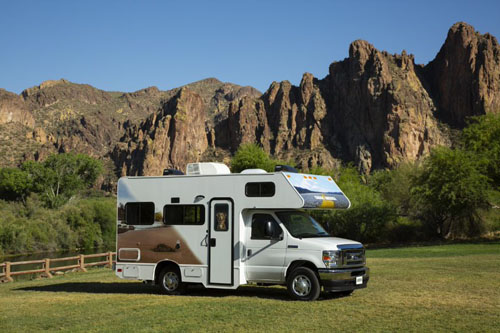
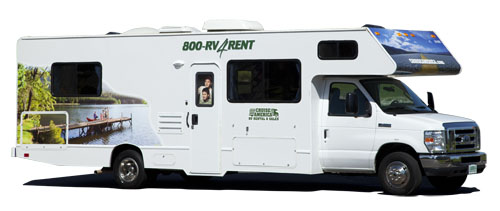
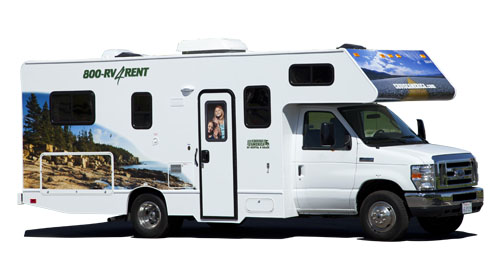
Class C (Alcove) motorhomes, averaging 7.5 meters in length, are an excellent choice for families with kids due to their characteristic alcove bed over the cab, providing extra sleeping space, and typically accommodate up to 4 adults and 2 children. These RVs offer a strong balance of living amenities, ease of driving, and cost-efficiency, making them suitable for most Canadian road conditions, including moderate mountain passes. Their size is manageable for beginners while providing ample room for multi-day trips and comfortable indoor living, with average fuel consumption around 10-12 liters per 100 kilometers. The '24' Class C Motorhome' is a great example, often including a generator.Class B (Campervan) - Best For
Class B (Campervan) motorhomes, averaging 5.8 meters in length, are the most maneuverable and fuel-efficient rental option, making them ideal for couples or solo travelers exploring Canada. With typical seating for 2-3 adults and fuel consumption of 8-10 liters per 100 kilometers, these compact vehicles excel at navigating urban areas, fitting into smaller national park campsites, and driving on winding scenic routes. They offer a car-like driving experience with essential amenities, including a small kitchen and sleeping area, perfect for a comfortable yet agile adventure. The 'camper van hire example Classic Camper' provides a good balance of practicality and comfort.Side-by-Side Comparison Table
This table provides a quick overview of the key features and ideal uses for each motorhome and campervan family available for rent in Canada. Comparing these aspects can help beginners make an informed decision based on their travel style, group size, and desired Canadian destinations. When planning your trip, remember that Bandana RV offers direct partnerships with over 50 leading RV suppliers worldwide, ensuring a wide range of options for your specific needs.| Family | Avg Length | Sleeps | Fuel Use (L/100 km) | Best Use Case in Canada |
|---|---|---|---|---|
| Class A (Integrated) | 7.5m | 4.4 | 11-12 | Large groups, luxury, long highway trips |
| Class SI (Semi-integrated) | 6.9m | 3.8 | 10-11 | Couples/small families, balanced comfort and handling |
| Class C (Alcove) | 7.5m | 5.8 | 10-12 | Families with kids, cost-efficient, versatile trips |
| Class B (Campervan) | 5.8m | 3.2 | 8-10 | Couples/solo, maneuverability, national parks, urban exploration |
Our Recommendation for rv rental beginners Travelers in Canada
For most RV rental beginners in Canada, the Class C (Alcove) motorhome is highly recommended due to its excellent balance of spaciousness, essential amenities, and relatively easy driving. An average Class C RV, at 7.5 meters, is perfectly suited for families of 4-6 people, offering comfortable sleeping arrangements, including the popular alcove bed, and fitting well into most Canadian campgrounds without feeling overly large. A strong runner-up is the Class B (Campervan), particularly for couples or solo travelers who prioritize exceptional maneuverability and fuel efficiency, as Class B models, averaging 5.8 meters, excel at navigating tighter roads and gaining easier access to national park sites, offering a more agile and intimate travel experience.What is the cheapest way to rent an RV in Canada?
Renting smaller RV classes like Class B campervans or Class C alcove RVs typically offers the lowest daily rates in Canada, often starting from CAD $90-$150 per day during off-peak seasons. Booking well in advance, especially during the shoulder seasons of late spring (May-June) or early fall (September-October), can significantly reduce rental costs by 15-25% compared to peak summer rates. To accurately budget for your Canadian adventure, factor in ancillary costs like fuel, which is higher for larger RVs (up to 17 L/100km for some), campground fees (CAD $30-70/night), and national park permits. For tracking every expense along the way and easy budgeting, consider using RV PLANET routes, which allow you to itemize all trip costs. Flexibility with your travel dates and pickup locations can also help you find more affordable "Cheap RV Rental in Canada - Budget Guide 2026" deals.How much does it cost to rent an RV for a month in Canada?
The cost to rent an RV for a month in Canada varies significantly, typically ranging from CAD $3,000 to over $10,000 for the rental itself, excluding additional expenses like fuel and insurance. For example, a Class B campervan might be on the lower end of this range during off-peak seasons, while a larger Class A or C motorhome, especially with features like multiple slide-outs, could be considerably more expensive during peak summer. Fuel consumption over a month-long trip will add substantially to your budget, with vehicles like Class A motorhomes consuming 11-12 L/100km, making thorough planning essential. Always account for daily campground fees (CAD $30-70), activity passes (e.g., Parks Canada Discovery Pass at CAD $145.25 for a family), and comprehensive insurance to get a full budget estimate for your extended road trip, keeping in mind that prices are dynamic and set at the actual booking time. If you're looking for Long-Term RV Rental in Canada - Monthly Rates 2026, planning is key.What is the best RV for Canadian Rockies?
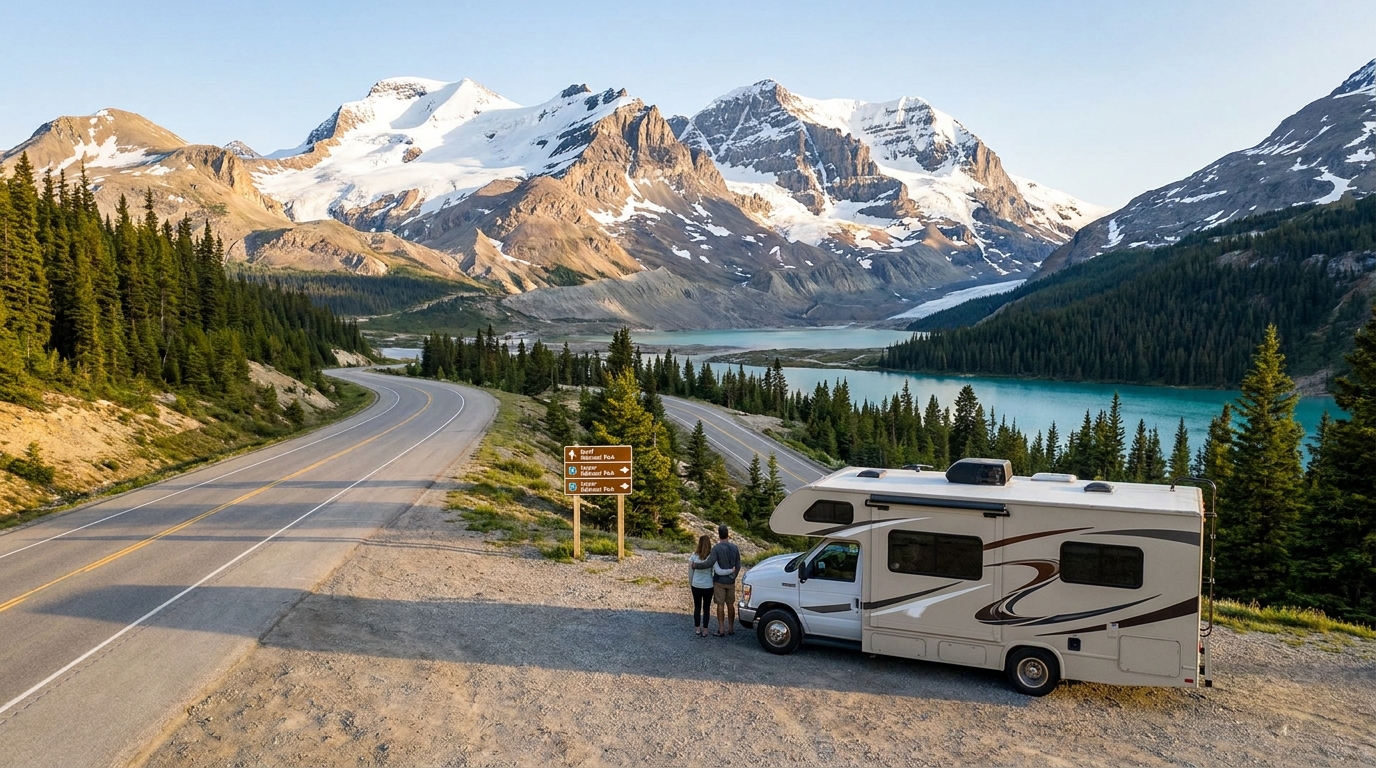
For navigating the Canadian Rockies, Class B campervans or smaller Class C alcove RVs are often considered the best choices due to their superior maneuverability on winding mountain roads and easier access to national park campgrounds, which may have length restrictions, often capping at 8 meters. Class B campervans, averaging 5.8 meters in length, offer superior agility for tight turns and parking within popular park areas like Banff and Jasper, making them ideal for exploring the iconic Icefields Parkway. Smaller Class C RVs, while longer (average 7.5 meters), still provide a good balance of living space for families and sufficient handling for mountain conditions, often fitting into national park sites. Large Class A motorhomes (also averaging 7.5 meters or more) can be challenging to navigate and park in some national park campgrounds or scenic overlooks, requiring more cautious driving.Can you sleep anywhere in an RV in Canada?
No, you cannot legally sleep anywhere in a rented RV in Canada, as specific provincial and municipal regulations govern where overnight parking and camping are permitted, often requiring designated campgrounds, RV parks, or special permits for Crown Land. While boondocking or wild camping on Crown Land is permissible in some provinces for up to 21 days, regulations vary significantly; always research provincial land use acts and local bylaws for your specific area. Travelers must always look for 'No Overnight Parking' signs, especially in urban areas or private lots, to avoid fines ranging from CAD $50 to $500. For beginners, sticking to established campgrounds or RV parks, many of which offer amenities like power (50-amp often available) and water hookups, is the safest and most convenient option to ensure a hassle-free trip.What do I need to know before renting an RV in Canada?
Before renting an RV in Canada, it is essential to understand vehicle sizes and their suitability for different Canadian terrains, create a detailed budget encompassing fuel and permits, and familiarize yourself with local driving laws and potential connectivity challenges. Consider specific RV types: smaller rigs like Class B campervans (averaging 5.8m) are better for national park access, while larger ones like Class C (averaging 7.5m) suit highway cruising and family comfort. Develop a comprehensive budget that includes fuel (e.g., 8-17 L/100km depending on RV class), campground fees, groceries (for which our RV-friendly recipes playlist can inspire delicious meals), activities, and potentially provincial park permits like the Parks Canada Discovery Pass. Be prepared for connectivity challenges in remote Canadian areas, especially outside major cities; research satellite communication or Wi-Fi hotspot solutions if staying connected is critical. Familiarize yourself with wildlife safety protocols, including specific regional risks like bears in British Columbia and moose in Atlantic Canada, and learn emergency procedures. Plan for emergency preparedness, including breakdown assistance, satellite messengers for remote travel, and a well-stocked first-aid kit. Finally, understand pet travel specifics if applicable, including border requirements, pet-friendly locations, and emergency vet access. We handle the details, so you can live the journey, offering personal service from day one until your booking is confirmed.What is the easiest RV to drive in Canada?
The easiest RVs to drive in Canada are typically Class B campervans, such as the 'rv rental denver example Category Van', due to their compact size, similar handling to a large SUV or van, and superior maneuverability on both major highways and smaller provincial roads. A Class B campervan, with an average length of 5.8 meters, makes parking in busy urban centers or navigating winding mountain passes much less daunting for beginners. Class SI (Semi-integrated) RVs, averaging 6.9 meters, offer a good intermediate option, providing more interior space than a Class B while still being relatively easy to handle, especially for couples or small families. These smaller rigs also generally boast better fuel economy, with Class B averaging 8-10 L/100km, making longer drives more cost-effective. Remember, drive slowly and carefully, and you can drive almost anywhere without issues; no need to stress, just use common sense and pay attention.What is the best month to RV in Canada?
The best months to RV in Canada for favorable weather, open attractions, and accessible campgrounds are generally July and August, offering reliably warm temperatures across much of the country. For beginners, however, late May to June and September to early October often provide a more relaxed experience with fewer crowds and potentially lower prices, as rental rates can drop by 10-20% in the shoulder seasons. During these shoulder months, many facilities are still open, and the milder weather can be more comfortable for outdoor activities and touring. For areas like the Canadian Rockies, the optimal window is typically June through September, avoiding early spring or late fall snowfall, which can restrict access to certain routes and campgrounds. For finding the cheapest RV rental in Canada, consider these off-peak times.What kind of license do you need to drive an RV in Canada?
For most recreational RVs rented in Canada, a standard Class 5 (or equivalent) driver's license from your home province or country is sufficient, as special commercial licenses are typically only required for very large or heavy vehicles exceeding 11,000 kg (24,250 lbs) or those transporting passengers for hire. This applies to all common rental classes, including Class B campervans (avg 5.8m), Class C alcove (avg 7.5m), Class SI semi-integrated (avg 6.9m), and Class A integrated (avg 7.5m). Visitors from non-English-speaking countries are recommended to carry an International Driving Permit (IDP) in conjunction with their valid national license, although it is not mandatory in most cases. Always confirm specific licensing requirements with your chosen RV rental provider to ensure compliance.Is Canada good for RVing?
Canada is exceptionally good for RVing, offering vast scenic landscapes, well-maintained national and provincial parks, and a comprehensive network of campgrounds that cater to diverse travel styles, making it an ideal destination for exploring natural beauty. The country boasts diverse terrains, from the majestic Rocky Mountains to rugged coastal highways and expansive prairies, suitable for all motorhome types. Sustainable and responsible RV travel practices, including adherence to 'Leave No Trace' principles and supporting local economies, are actively encouraged to preserve Canada's pristine natural environment for future generations. Moreover, travelers can immerse themselves in unique cultural insights and etiquette tips across different Canadian regions, from the French-speaking charm of Quebec to the vibrant Indigenous communities and their rich heritage. Renting a motorhome in Canada opens up a world of possibilities for an unforgettable journey.Can I bring my dog in an RV to Canada?
Yes, you can typically bring your dog in a rented RV to Canada, provided you meet specific Canadian border requirements, including proof of rabies vaccination and a valid health certificate from a licensed veterinarian. All pets must be at least three months old and have current rabies vaccinations to cross the border, with documentation readily available. Before your trip, research pet-friendly campgrounds and attractions in advance, as not all locations accommodate pets, and strict leash laws are enforced in public spaces and national parks. Additionally, be prepared with detailed pet travel specifics, including access to emergency veterinary care, especially when traveling in remote Canadian areas where services might be limited, ensuring a safe and enjoyable trip for your furry companion.What You Shouldn't Miss
When embarking on your Canadian RV adventure, there are countless breathtaking experiences awaiting you. Here are a few must-do stops and routes, expertly curated for an unforgettable journey:- **Drive the Icefields Parkway:** This 232-kilometer stretch between Banff and Jasper National Parks in Alberta offers some of the most stunning mountain scenery on Earth, with over 100 glaciers, turquoise lakes, and abundant wildlife viewing opportunities. Be sure to stop at Lake Louise and Peyto Lake.
- **Explore the Cabot Trail, Nova Scotia:** A 298-kilometer loop around Cape Breton Island, this route is famous for its dramatic coastal cliffs, lush highlands, and picturesque fishing villages. It's a perfect slow travel route, averaging 100-150 km per day to truly soak in the scenery and culture.
- **Experience the Pacific Rim National Park Reserve, British Columbia:** On Vancouver Island, this park offers a blend of rugged coastlines, ancient rainforests, and vibrant Indigenous culture. Enjoy beach walks, surfing, and wildlife watching.
- **Discover Quebec City's Historic Charm:** Park your RV nearby and explore Old Quebec, a UNESCO World Heritage site, on foot. Wander its cobblestone streets, admire European architecture, and savor exquisite French-Canadian cuisine.
- **Witness Niagara Falls, Ontario:** A world-famous natural wonder, the sheer power and beauty of Niagara Falls are a must-see. Numerous RV parks are located just a short drive from the falls and the charming town of Niagara-on-the-Lake.
- **Journey through the Maritimes:** Explore the East Coast, from the vibrant urban centers to the serene fishing villages. Consider a route like "Halifax to Whitehorse - Exploring Canada’s Heartland in a Motorhome," which covers 9199.1 km over 37 days, including 6 museums and 4 natural features.

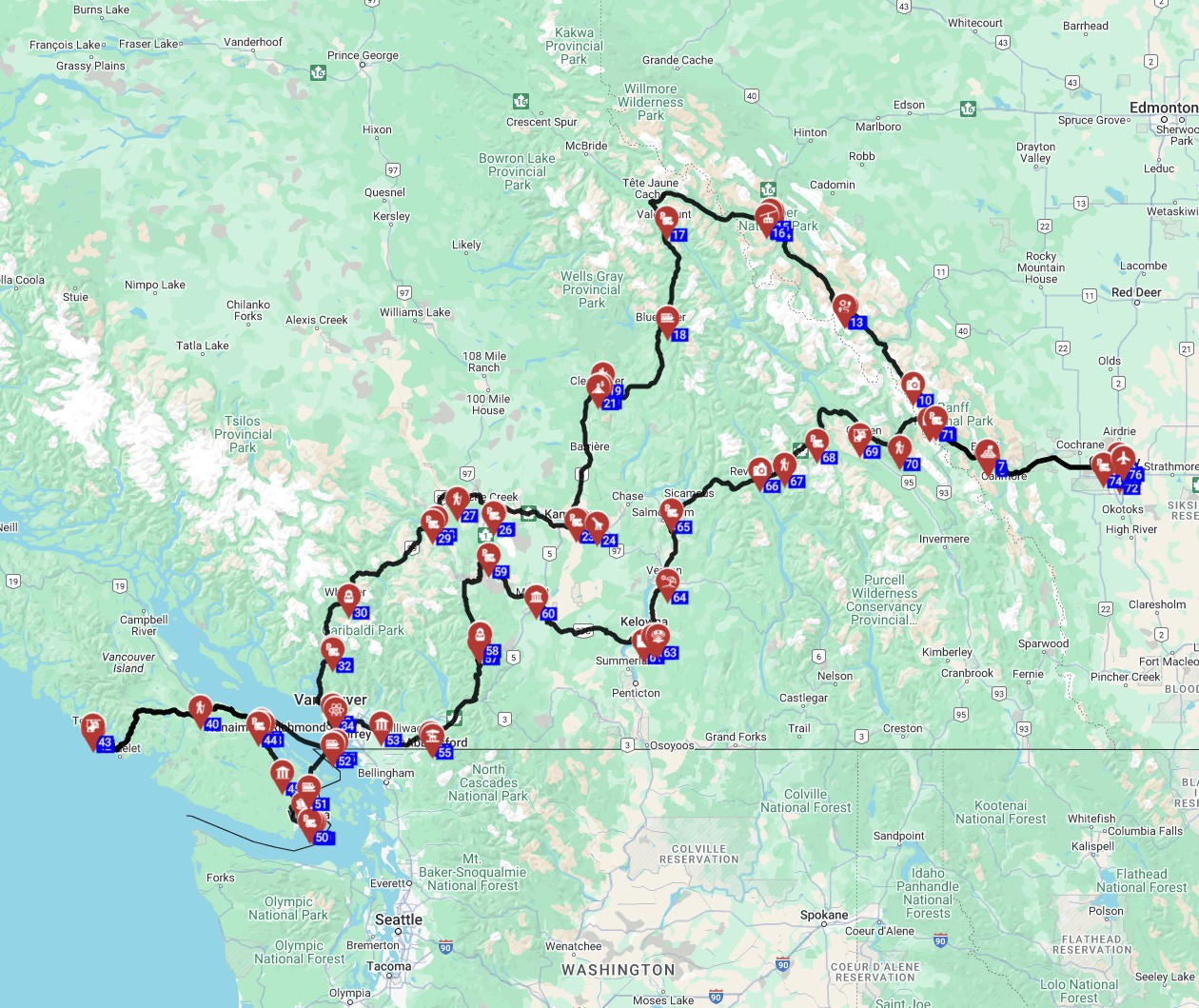
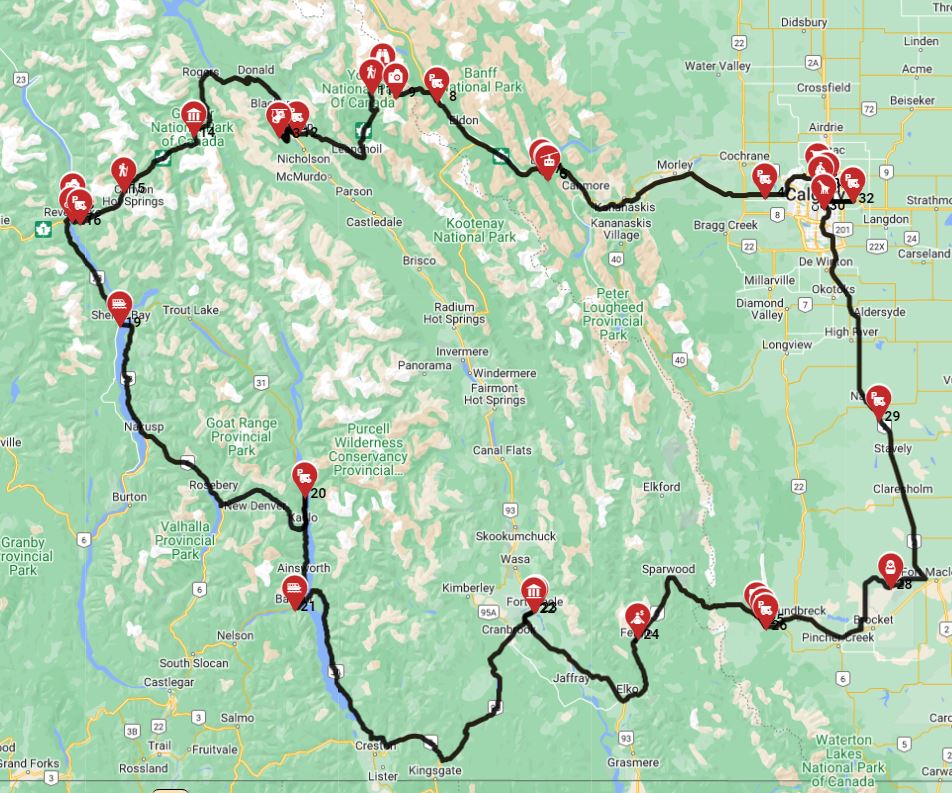
Vancouver Round Trip - West Canada Cycling Adventure
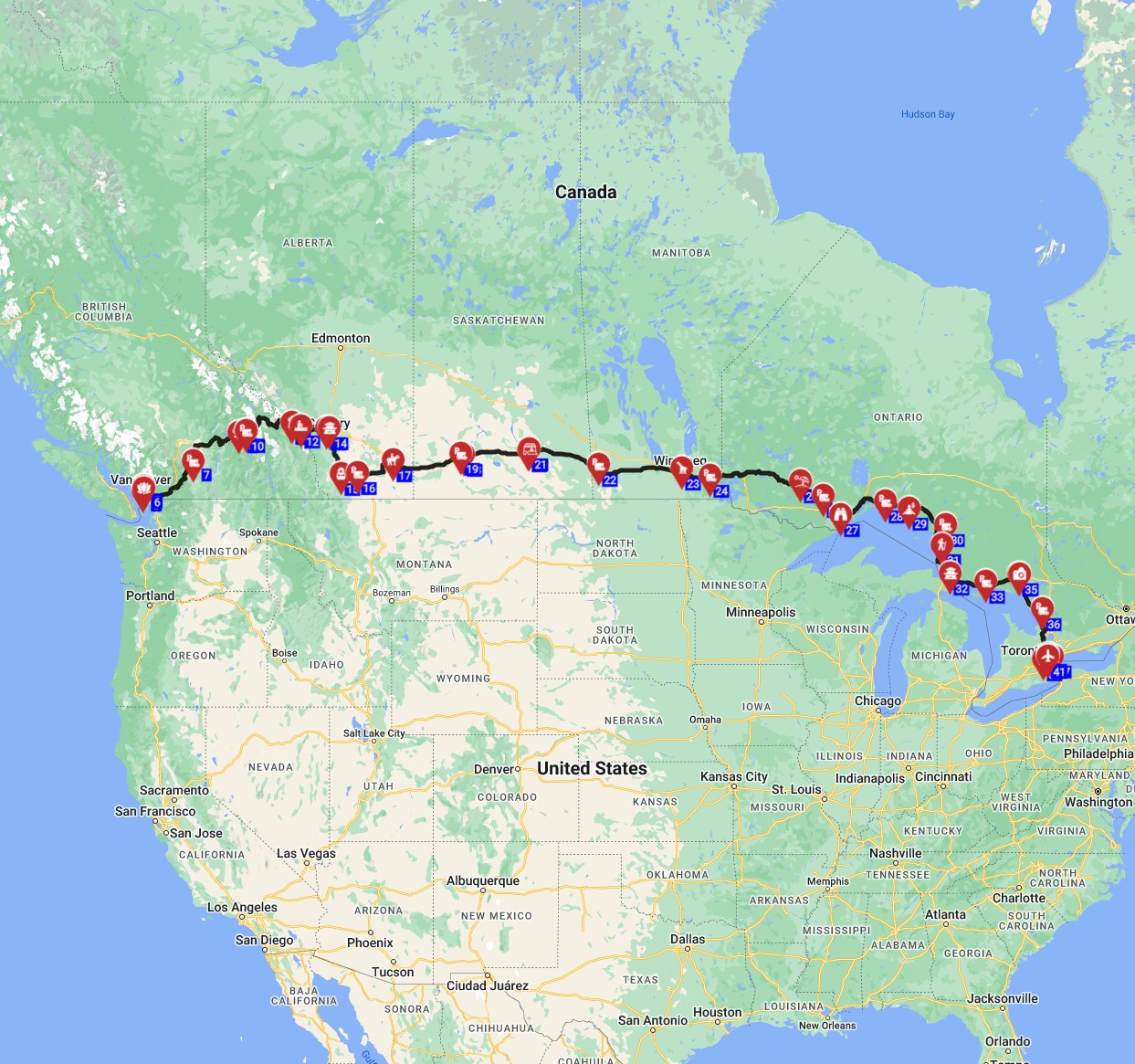
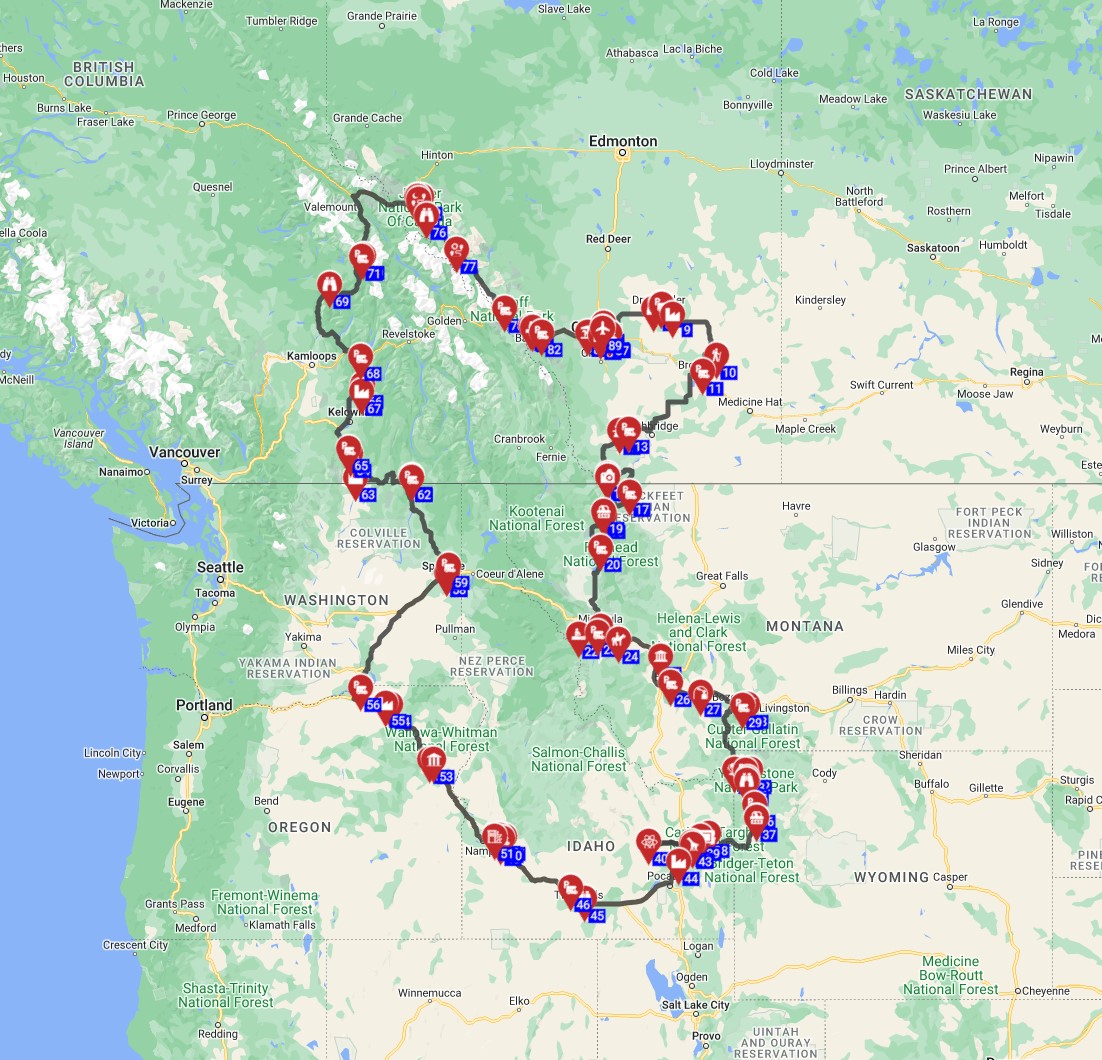
Vancouver to Toronto - Trans Canada West to East
🎬 Video coming soon
Final Thoughts
Embarking on your first RV rental adventure in Canada is an experience filled with discovery, freedom, and unforgettable memories. From the serene lakes of the Maritimes to the majestic peaks of the Rockies, a rented motorhome gives you the ultimate flexibility to explore at your own pace. Remember to travel slowly, aiming for a maximum of 100-150 km per day on average, allowing yourself to truly feel each place and connect with the local culture, food, and stunning scenery. Choosing the right RV for your trip is just the first step, and with our transparent pricing, dedicated support, and expert knowledge, Bandana Caravan is here to ensure your journey is seamless and enjoyable. Don't let the planning intimidate you; with a little preparation and our guidance, you'll be well on your way to discovering the magic of Canada by RV. Get inspired for your next trip and plan your unforgettable RV adventure today!On the routes offered through RV PLANET routes, you can itemize and track every expense along the way for easy budgeting.