In This Guide
- Best Santiago RV Itinerary for rv rental beginners — Overview
- 7-Day Classic Route in Santiago
- 14-Day Extended Journey in Santiago
- Recommended RVPlan Trip for Santiago
- Must-See Stops Along the Way (Avi Bandana Picks)
- Daily Driving Distances & Drive Times in Santiago
- Best RV Class for This Itinerary — Couple & Family Picks
- What do I need to rent an RV in Chile?
- Is it safe to drive an RV in Chile?
- How much does it cost to rent an RV in Santiago Chile?
- What is the best time to visit Chile in an RV?
- Are there campgrounds in Santiago Chile?
- Can you cross the Andes from Argentina to Chile by RV?
- What are the road conditions like when approaching Santiago in an RV?
- What are some unique cultural experiences for RVers in Santiago?
- What are the best apps for RV travel in Chile?
- Can I find reliable internet connectivity for long-term RV travel in Chile?
- How can RVers practice sustainable tourism in Chile?
- What You Shouldn't Miss
- Why Book with Bandana Caravan
- Final Thoughts
- Frequently Asked Questions
Best Santiago RV Itinerary for rv rental beginners — Overview
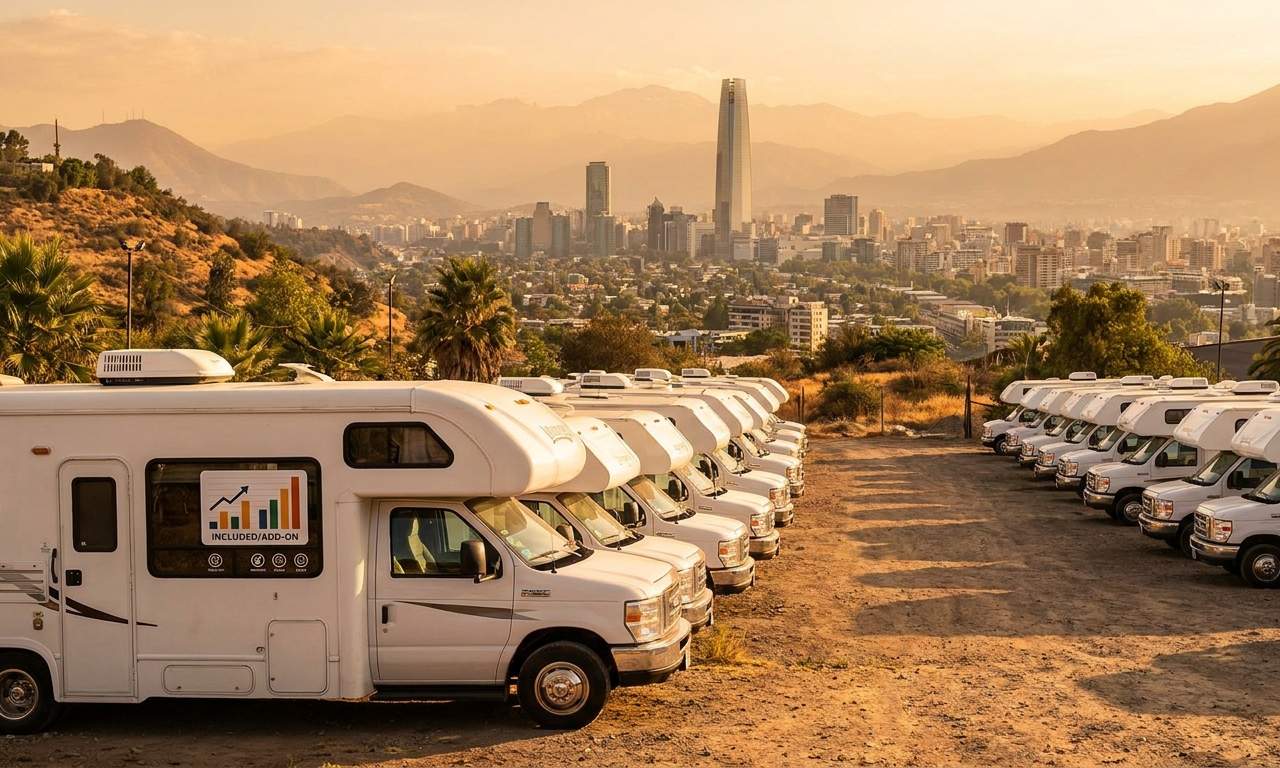
A beginner-friendly RV itinerary for Santiago typically spans a minimum of 7 days, focusing on the central region and nearby attractions to provide a relaxed introduction to motorhome travel. For live availability and current prices, start with our RV Rental Santiago - Complete Guide 2026 guide. Imagine yourself cruising through the scenic Chilean landscape, with the majestic Andes in the background and the vibrant city of Santiago as your home base. Total distances are kept low, averaging around 700-1000 km (430-620 miles) for a 7-day trip, emphasizing the Bandana philosophy of slow travel to truly feel the place, connect to its culture, food, and scenery. The best season for RV travel in Santiago and central Chile is from October to April, offering warm, dry weather ideal for outdoor activities and sightseeing. This guide provides detailed route plans, safety tips, and cost breakdowns to ensure a smooth and memorable RV adventure for first-timers.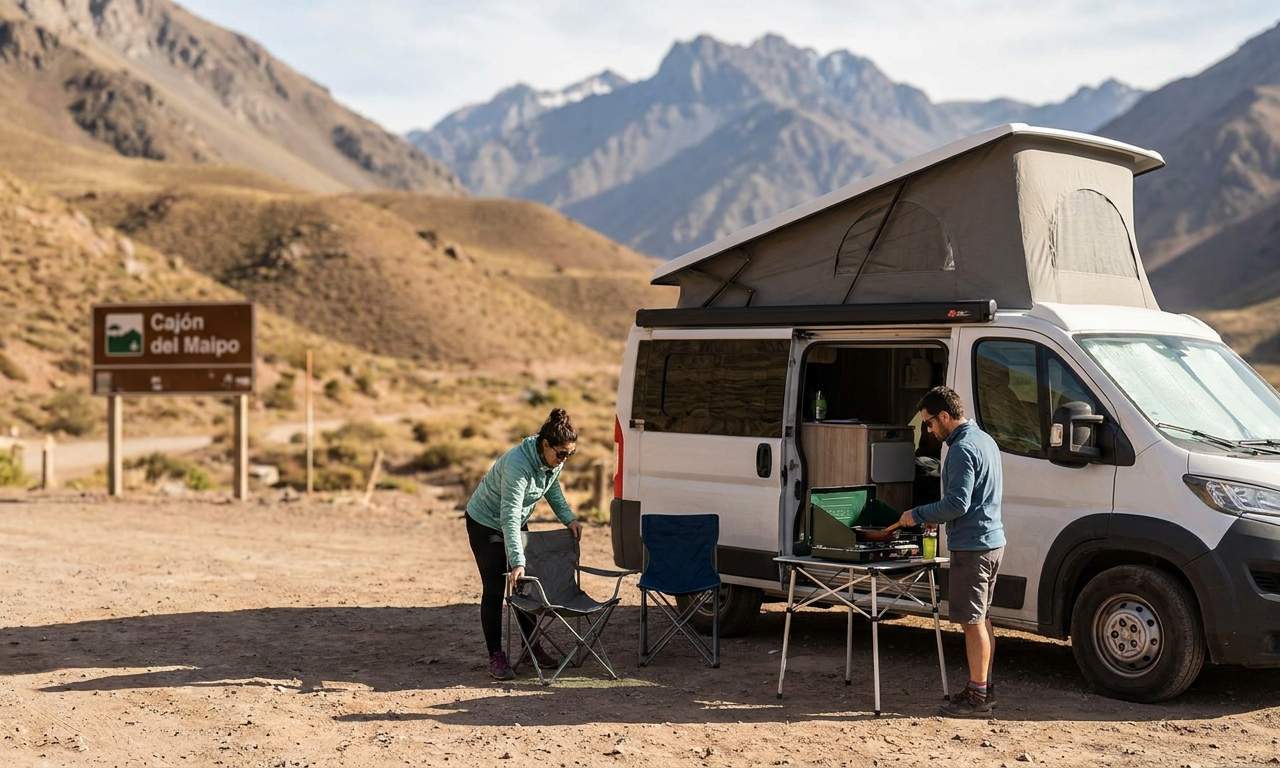
7-Day Classic Route in Santiago
A classic 7-day motorhome itinerary in Santiago offers a perfect blend of urban exploration and natural beauty for beginners.- Day 1: Arrive in Santiago, pick up your rented RV. Settle into an RV park near the city center, such as Camping Las Vertientes in La Florida, to explore local markets and prepare for the week ahead (0 km).
- Day 2: Santiago Exploration. Drive your motorhome to Parque Metropolitano, park at an authorized spot, and take the funicular up San Cristóbal Hill for panoramic city views. Spend the night at your RV park. (Approx. 30 km / 18 miles). You can also discover more with our RV Travel Guide to Santiago - Tips and Top Spots 2026.
- Day 3: Maipo Valley Wine Region. Drive your campervan from Santiago to Pirque, visiting local wineries like Concha y Toro for a tasting tour. Overnight at a winery campground or a designated RV spot. (Approx. 60 km / 37 miles).
- Day 4: Cajón del Maipo. Continue deeper into Cajón del Maipo with your mobile home, exploring Embalse El Yeso (seasonal access, inquire about road conditions). Enjoy hiking in the Andes foothills and relax at local hot springs. Overnight at a mountain campground. (Approx. 80 km / 50 miles).
- Day 5: Coastal Escape - Valparaíso & Viña del Mar. Drive your motorhome from Cajón del Maipo towards the Pacific coast. Explore the vibrant street art of Valparaíso and the beautiful beaches of Viña del Mar. Find RV parking outside the main city areas and use local transport to explore. (Approx. 130 km / 80 miles).
- Day 6: Return to Santiago Region. Enjoy a final coastal morning before a relaxed drive back towards Santiago, perhaps stopping in Casablanca Valley for another delightful wine tasting. Overnight near Santiago. (Approx. 120 km / 75 miles).
- Day 7: Santiago Departure. Enjoy a leisurely morning, return your rented RV at the designated depot. (Approx. 30 km / 18 miles). For more details on budgeting and planning, check our RV Rental in Santiago - Prices and Best Deals 2026.
14-Day Extended Journey in Santiago
For those with more time, a 14-day extended motorhome journey offers a deeper exploration of Santiago and its diverse surroundings.- Days 1-4: Santiago & Maipo Valley. Follow the 7-day itinerary for initial exploration of Santiago, including city sights like the historic Plaza de Armas, local markets (remembering La Vega Central for fresh produce!), and a deep dive into the Maipo Valley's wineries and Cajón del Maipo's natural beauty (Approx. 170 km / 105 miles total).
- Days 5-7: Coastal Wonders - Valparaíso & Viña del Mar. Dedicate more time to the historic port city of Valparaíso, a UNESCO World Heritage site known for its colorful houses and funiculars, and the resort city of Viña del Mar. Explore hidden alleys, enjoy fresh seafood by the ocean, and relax by the Pacific. Consider a visit to the 'Garden City' of Viña, known for its beautiful flower clock. (Approx. 130 km / 80 miles from Maipo Valley).
- Days 8-10: Casablanca Valley & La Campana National Park. From the coast, head inland with your rented motorhome to the Casablanca Valley, famous for its world-class Sauvignon Blanc and Chardonnay wines. Continue to La Campana National Park for challenging hikes among ancient Chilean palm trees and stunning views from Cerro La Campana. Overnight at campsites near the park. (Approx. 100 km / 62 miles total).
- Days 11-12: The Andes Foothills - Portillo & Laguna del Inca (seasonal). Drive north-east towards the Andes, following Route 57 then Route 60. Experience the breathtaking mountain scenery, possibly visiting the famous ski resort of Portillo and the turquoise Laguna del Inca (seasonal access, always inquire about road conditions for RVs). Note: This is an Andean foothills experience, not an international crossing into Argentina. (Approx. 180 km / 112 miles total).
- Days 13-14: Return to Santiago & Departure. Enjoy a scenic drive back from the Andes foothills to Santiago, allowing time for last-minute souvenir shopping or a final authentic Chilean meal. Prepare your campervan for return on day 14. (Approx. 160 km / 100 miles total). For a detailed cost breakdown, consult our Weekly RV Rental in Santiago - Pricing 2026.
Recommended RVPlan Trip for Santiago
While specific RV PLANET (rvplan.net) routes for Santiago are continuously being developed and updated, Avi Bandana highly recommends exploring the diverse range of expertly curated itineraries available on our platform. These professionally designed route plans simplify your journey by providing detailed day-by-day guides, points of interest, and campsite recommendations, ensuring a hassle-free and enriching RV adventure across Chile. Using RV PLANET routes can save you considerable planning time and, with a 25% planning discount, it's a rewarding way to organize your trip. This dedication to detailed, stress-free planning is a key differentiator for Bandana, making us true RV specialists, not just a travel agency side department.Must-See Stops Along the Way (Avi Bandana Picks)
Discovering Santiago with a rented motorhome offers the freedom to experience truly authentic spots, as recommended by our founder, Avi Bandana.- La Vega Central: This bustling, authentic market in Santiago offers a vibrant sensory experience with fresh produce, local foods, and a glimpse into traditional Chilean life. Avi Bandana suggests visiting early in the morning for the freshest selection and to avoid the biggest crowds. It's a fantastic place to stock your RV kitchen with ingredients for delicious meals. You can find inspiration for cooking on your trip in our RV-friendly recipes playlist.
- Picadas: Look for 'picadas' – small, unpretentious eateries serving hearty, traditional Chilean dishes at affordable prices. They are often hidden gems known only to locals, offering an authentic taste of Chilean cuisine and a cozy atmosphere that feels like a family gathering.
- Barrio Lastarria: This charming, bohemian neighborhood in Santiago is perfect for strolling, with its European architecture, independent boutiques, art galleries, and numerous cafes. It's a great spot for an afternoon coffee, people-watching, and soaking in the artistic vibe.
- Emporio La Rosa: Renowned for its unique ice cream flavors and cozy atmosphere, this café is a must-visit for a sweet treat in Santiago. It's an ideal stop after exploring the city center and a delightful way to refresh before continuing your motorhome adventure.
- Pomaire: A small village famous for its traditional Chilean pottery, especially 'chanchitos' (little piggy banks). It's a wonderful place to buy handcrafted souvenirs and witness local artisans at work, offering a glimpse into rural Chilean craftsmanship and supporting local economy.
Daily Driving Distances & Drive Times in Santiago
Managing your daily driving distances is key to a relaxing RV vacation, and Avi Bandana recommends a maximum of 100-150 km (approximately 60-90 miles) per day on average to fully enjoy the journey and account for variable road conditions and scenic stops in Santiago and its surroundings. Traveling slowly allows beginners to acclimate to driving a rented RV and to Chile's diverse landscapes and driving culture without feeling rushed. For instance, driving from Santiago to Valparaíso, an approximate 120 km (75 miles) journey, typically takes around 1.5 to 2 hours, depending on traffic patterns around the metropolitan area. A trip from Santiago to the heart of Cajón del Maipo, near San José de Maipo, which is about 60 km (37 miles), can take about 1 to 1.5 hours due to winding mountain roads. From Santiago to the Casablanca Valley, a distance of approximately 70 km (43 miles), is usually about a 1-hour drive, making it an easy day trip for wine lovers. Remember, the goal is to savor the journey, not just reach the destination, aligning perfectly with the Bandana philosophy of experiencing every detail.Best RV Class for This Itinerary — Couple & Family Picks
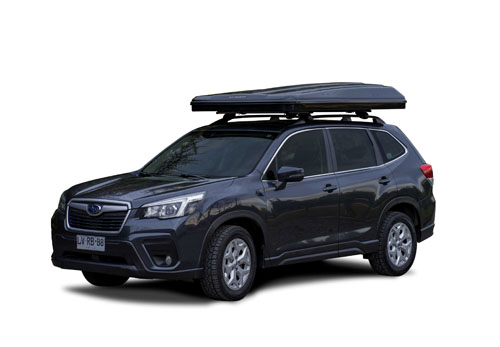
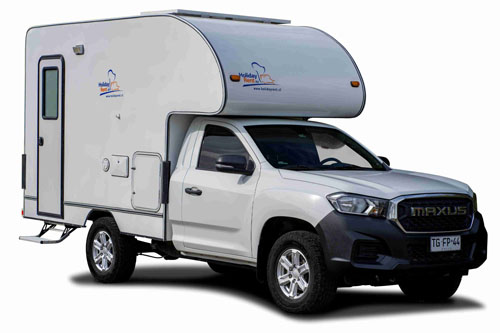
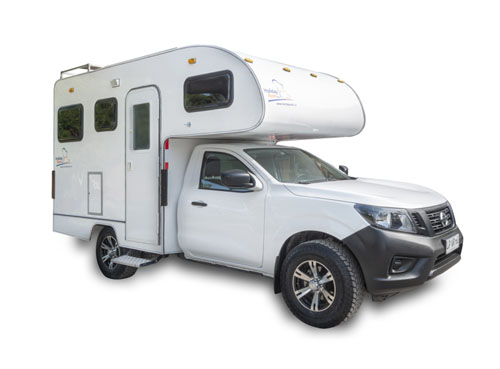
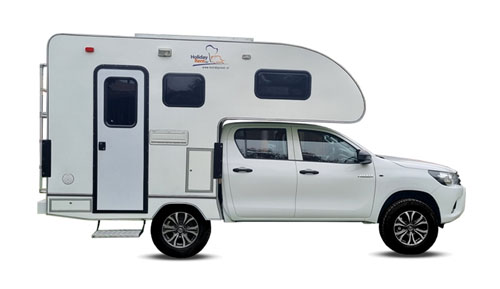
Choosing the right rented RV for your Santiago adventure depends on your group size and desired comfort level. For finding the perfect campervan or motorhome rental in Santiago, Bandana offers transparent comparison tools.- For a Couple: The Class TC - Truck Camper is an ideal choice for couples exploring Santiago and its surroundings. This type of motorhome offers excellent maneuverability and efficient fuel consumption, typically around 13 liters per 100 km. With an average length of 5.6 meters and typically sleeping 2-3 adults comfortably, it provides a cozy yet functional space, perfect for navigating Chilean roads and enjoying intimate getaways. Examples include the `Patagonia Camper 4x4 double cab`, which includes features like "4 Wheel Drive" and "Front Air condition."
- For a Small Family: For a small family (e.g., 2 adults and 1-2 children), a Class TC - Truck Camper or a compact Class C motorhome like the "C-Small" with a capacity for 3 sleeping places and 4 seat belts, remains a suitable option within Bandana's Santiago fleet. These vehicles balance comfort with the practicality of a compact RV for versatile travel in Chile. If more space is desired, a "24' Class C Motorhome" with sleeping places for 5 and 6 seat belts can offer ample room with features like a generator and TV. Avi Bandana's 'Rent&Plan' service simplifies your adventure by combining an RV rental with a ready-made itinerary, created by travel experts using our comprehensive trip-planning software, removing the stress of planning and enhancing your journey.
What do I need to rent an RV in Chile?
To rent a motorhome in Chile, you generally need a valid driver's license from your home country, a credit card for the security deposit, and often an International Driving Permit (IDP) if your license is not in Spanish. The minimum driver age for RV rental in Santiago is 21 years old, with many suppliers requiring drivers to have a minimum of 1-2 years of driving experience. Ensure your driver's license is valid for the entire rental period and confirm with your chosen rental company for any specific insurance requirements or endorsements needed for RVs, as some may vary. It is also advisable to have a copy of your passport and any relevant visa documentation readily accessible, especially if planning to pick up a rv rental in Santiago and return it in a different city.Is it safe to drive an RV in Chile?
Driving a rented RV in Chile is generally safe, especially when adhering to standard road safety practices and being aware of local conditions. Road conditions vary; major highways like Ruta 5 approaching Santiago are well-maintained, but rural and mountain roads in areas like Cajón del Maipo can be challenging, often unpaved, narrow, or winding. Drive slowly and carefully, and you can drive almost anywhere without issues; no need to stress-just use common sense and pay attention. For personal safety, secure your belongings, especially in urban areas like Santiago, and choose reputable campgrounds or designated RV parking areas for overnight stays to mitigate risks of crime. Be prepared for natural hazards such as earthquakes (minor tremors are common, but severe ones are rare) and occasional extreme weather in mountainous regions; always check local forecasts and emergency advisories before heading out. Carabineros de Chile (police) are generally helpful, but always carry your license, registration, and rental agreement, and be mindful of speed limits and traffic laws.How much does it cost to rent an RV in Santiago Chile?
The cost to rent a motorhome in Santiago, Chile, can vary significantly, ranging from approximately $100 to $300 USD per day for a standard campervan or Class C motorhome, depending on the RV class, rental season, duration, and included amenities. A typical budget for a beginner RV trip in central Chile should also account for additional expenses such as fuel (averaging 13 l/100 km for a Truck Camper), campground fees ($10-30 USD/night), cooking gas, and daily groceries. For budgeting your adventure, remember that RV PLANET routes allow you to itemize and track every expense, from fuel to campground fees, along the way. Factor in potential extra costs like insurance, an International Driving Permit, and one-way fees if not returning to the pick-up location, to avoid unexpected expenditures. Booking during the shoulder seasons (spring and autumn) can often offer better rental rates compared to the peak summer months (December-February), and looking for RV Rental Deals in Santiago - Latest Offers 2026 can help you save.What is the best time to visit Chile in an RV?
The best time to visit central Chile, including Santiago and its surrounding areas, in a rented RV is during the spring (October-November) and autumn (March-April) shoulder seasons. These periods offer pleasant temperatures, fewer crowds than summer, and vibrant landscapes, ideal for exploring vineyards, national parks, and coastal towns. Spring provides blooming wildflowers, while autumn showcases beautiful fall foliage, particularly in the Maipo Valley. Summer (December-February) provides warm, sunny weather perfect for beaches and high-altitude mountain access (e.g., Cajón del Maipo), but also brings peak tourist numbers and higher prices for campervan rentals and campsites. Winter (May-September) is generally not recommended for beginners due to colder temperatures, potential for heavy rainfall, and limited access to some mountain roads and campgrounds. Our RV Rental Chile - Complete Guide 2026 offers more insights into regional seasonality.Are there campgrounds in Santiago Chile?
Yes, while not abundant directly within the bustling Santiago city center, there are several well-equipped campgrounds and RV parks located on the outskirts of Santiago and in nearby scenic areas that are perfect for your motorhome. Popular options include Camping Las Vertientes in La Florida, which offers amenities like hookups and good access to the city's public transport, or sites further afield in areas like Cajón del Maipo, providing a more natural, mountainous setting. Many vineyards in regions surrounding Santiago, such as Maipo and Casablanca valleys, also offer dedicated RV parking or camping spots, sometimes with hook-ups, as part of their visitor experience, allowing you to wake up among the vines. It's advisable for first-time RV renters to book ahead, especially during peak season from December to February, and utilize apps like iOverlander or WikiCamps Chile to find current information on available sites and amenities. Remember, many national and state parks reserve only 25-30% of spots for advance booking, with the rest being first-come-first-serve; you'll find a spot, and if not at the first campground, then the next one, but call ahead before driving.Can you cross the Andes from Argentina to Chile by RV?
Yes, crossing the Andes from Argentina to Chile by RV is a feasible and highly rewarding adventure, though it requires careful planning and awareness of specific border regulations and road conditions. The most common and accessible crossing for RVs is Paso Los Libertadores (also known as Cristo Redentor), which is open seasonally, typically from October to May, but can close due to snow or extreme weather conditions, especially in winter. Crucial documentation includes vehicle ownership papers (or a rental agreement explicitly allowing international travel), valid passports, proof of insurance recognized in both countries, and specific customs declarations for the vehicle (a Temporary Import Permit for the RV). Be prepared for potentially long wait times at customs, especially during peak season, and ensure your rented RV is in excellent mechanical condition for mountain driving, including checking brakes and fluid levels. Always confirm border opening status and road conditions immediately before your journey, as they can change rapidly. For details on related one-way options, check our One-Way RV Rental in Santiago - Price Guide 2026.What are the road conditions like when approaching Santiago in an RV?
Road conditions when approaching Santiago in a rented RV largely depend on the direction of travel, but generally involve well-maintained highways leading into the city, followed by denser urban traffic. If approaching from the north or south via Ruta 5 (Panamericana), you'll experience multi-lane, paved highways that are mostly flat, though increasingly congested as you near the Santiago metropolitan area. When arriving from the east, particularly after crossing the Andes from Argentina or descending from higher Andean regions (e.g., Portillo), roads will be winding, mountainous, and may include steep inclines and declines, demanding careful driving of your motorhome. Drivers should be prepared for toll roads (peajes) on all major routes into Santiago, requiring cash or electronic payment (check if your rental RV is equipped with a 'TAG' pass for seamless transit). Navigating urban traffic in Santiago can be challenging due to narrow streets and heavy vehicle flow, especially during rush hours; drive slowly and carefully, and you can drive almost anywhere without issues. It's recommended to plan your arrival during off-peak hours to avoid the worst of Santiago's traffic and use GPS with up-to-date traffic information.What are some unique cultural experiences for RVers in Santiago?
RVers in Santiago can immerse themselves in unique cultural experiences beyond traditional tourist sites by seeking out 'picadas' for authentic, budget-friendly Chilean meals, often found off the beaten path. Visiting local markets like La Vega Central or Mercado Central offers a vibrant glimpse into daily Chilean life, with opportunities to sample exotic fruits, fresh seafood, and traditional snacks, perfect for stocking your RV kitchen. Explore the vibrant street art in Valparaíso (an easy day trip from Santiago in your campervan) or the bohemian Lastarria and Bellavista neighborhoods in Santiago, which are rich with independent galleries, live music venues, and artisan crafts, offering ample opportunities for artistic discovery. Consider attending a 'peña' (folkloric music gathering) or a 'cueca' (national dance) show to experience traditional Chilean music and dance firsthand, often advertised locally. Many vineyards in the Maipo and Casablanca valleys offer tours and tastings, providing insight into Chile's renowned wine culture and often include opportunities to camp overnight at the vineyard, making for a truly unique RV experience. For family-friendly excursions, our Family RV Rental in Santiago - Pricing Guide 2026 can help plan your trip.What are the best apps for RV travel in Chile?
For RV travel in Chile, essential apps include **iOverlander** and **WikiCamps Chile** for finding campgrounds, wild camping spots, water fill-ups, and dump stations, complete with user reviews and photos. These are invaluable resources for planning your overnight stays with your rented motorhome around Santiago. **Google Maps** or **Waze** are crucial for navigation, providing real-time traffic updates and often indicating toll roads (peajes), although it's always wise to have an offline map backup, especially when venturing into more remote areas. **Maps.me** offers detailed offline maps which are invaluable for areas with limited mobile data coverage, such as some national parks or mountain passes. For language assistance, **Google Translate** can be highly beneficial, especially its offline mode and camera translation features for reading signs or menus, making communication smoother as you explore Santiago and beyond.Can I find reliable internet connectivity for long-term RV travel in Chile?
Reliable internet connectivity for long-term RV travel in Chile is generally achievable, particularly in urban centers like Santiago and along major tourist routes, but can be spotty in remote areas. Purchasing a local SIM card from providers like Movistar, Entel, or Claro upon arrival is highly recommended, offering prepaid data plans that are relatively affordable and provide the best coverage for your campervan adventures. Many campgrounds and RV parks around Santiago offer Wi-Fi, though its speed and reliability can vary significantly, often being best for basic browsing rather than heavy usage or remote work. For digital nomads or those requiring consistent connectivity, investing in a portable Wi-Fi hotspot (mifi device) or a booster can significantly improve internet access in areas with weaker signals, ensuring you stay connected throughout your extended RV trip.How can RVers practice sustainable tourism in Chile?
RVers can practice sustainable tourism in Chile by adhering to 'Leave No Trace' principles, ensuring all waste from their motorhome is properly disposed of at designated facilities and leaving natural areas pristine. Conserve water and energy by limiting shower times, turning off lights, and unplugging electronics when not in use, especially in regions prone to water scarcity, such as parts of central Chile. Support local communities by purchasing goods from local markets and artisans, dining at 'picadas,' and engaging with local guides for tours, directly contributing to the local economy of Santiago and surrounding regions. Respect local wildlife by observing from a distance and never feeding animals, and follow all regulations in national parks and protected areas regarding camping, fires, and access to preserve Chile's natural beauty. Be mindful of your rented RV's fuel consumption and consider offsetting your carbon footprint through reputable environmental organizations, promoting responsible and eco-friendly travel practices.What You Shouldn't Miss
Santiago and its surroundings are brimming with experiences waiting for you, whether you're a first-time RV renter or a seasoned traveler.- Cerro San Cristóbal in Santiago: Drive your RV to the base of Parque Metropolitano, then take the funicular or cable car up San Cristóbal Hill for breathtaking panoramic views of Santiago and the Andes. It's a perfect spot for memorable photos.
- Wine Tasting in Maipo Valley: Explore the renowned Maipo Valley, just a short drive from Santiago. Visit iconic wineries like Concha y Toro for tours and tastings, and consider staying overnight at one of the vineyard campgrounds for a truly immersive experience.
- Street Art of Valparaíso: Take a day trip to the colorful port city of Valparaíso. Park your motorhome outside the central, hilly areas and explore the labyrinthine alleys, vibrant murals, and historic funiculars that give this UNESCO World Heritage site its unique charm.
- Cajón del Maipo's Natural Beauty: Head into the Andes foothills to Cajón del Maipo. Enjoy hiking, river activities, and the stunning scenery. If accessible, the Embalse El Yeso reservoir offers incredible turquoise waters, a must-see.
- Local Markets like La Vega Central: Dive into the heart of Santiago's culinary scene at La Vega Central. It's an explosion of sights, sounds, and smells, offering fresh produce, local delicacies, and a true taste of Chilean life. Perfect for stocking your RV kitchen.
🎬 Video coming soon
Final Thoughts
Embarking on your first RV adventure in Santiago is an exciting journey waiting to unfold. With a rented motorhome, you gain the ultimate flexibility to explore vibrant cityscapes, serene wine valleys, and the majestic Andes foothills at your own pace. Remember the Bandana advice to travel slowly, averaging 100-150 km per day, allowing you to truly immerse yourself in the culture, savor the delicious Chilean cuisine, and appreciate the stunning scenery. Whether you choose a week-long immersion or a two-week extended exploration, Santiago offers a fantastic starting point for beginners. With our full transparency, 24/7 support during the booking process, and access to expertly curated route plans from RV PLANET, you have all the tools and confidence needed for an unforgettable experience. Your Chilean road trip begins now, so get ready to create lasting memories. Find Motorhome Rentals in SantiagoOn the routes offered through RV PLANET routes, you can itemize and track every expense along the way for easy budgeting.