In This Guide
- Best Japan RV Itinerary for rv rental beginners - Overview
- 7-Day Classic Route in Japan
- 14-Day Extended Journey in Japan
- Recommended RVPlan Trip for Japan
- Must-See Stops Along the Way (Avi Bandana Picks)
- Daily Driving Distances & Drive Times in Japan
- Best RV Class for This Itinerary - Couple & Family Picks
- Is it easy to RV in Japan?
- What are the rules for RV in Japan?
- Can you freedom camp in Japan?
- How much does it cost to rent an RV in Japan?
- How much is gas in Japan?
- Can foreigners drive RV in Japan?
- How many days RV Japan?
- Is Japan good for motorhome?
- What is the average cost of a Japanese campervan?
Best Japan RV Itinerary for rv rental beginners - Overview
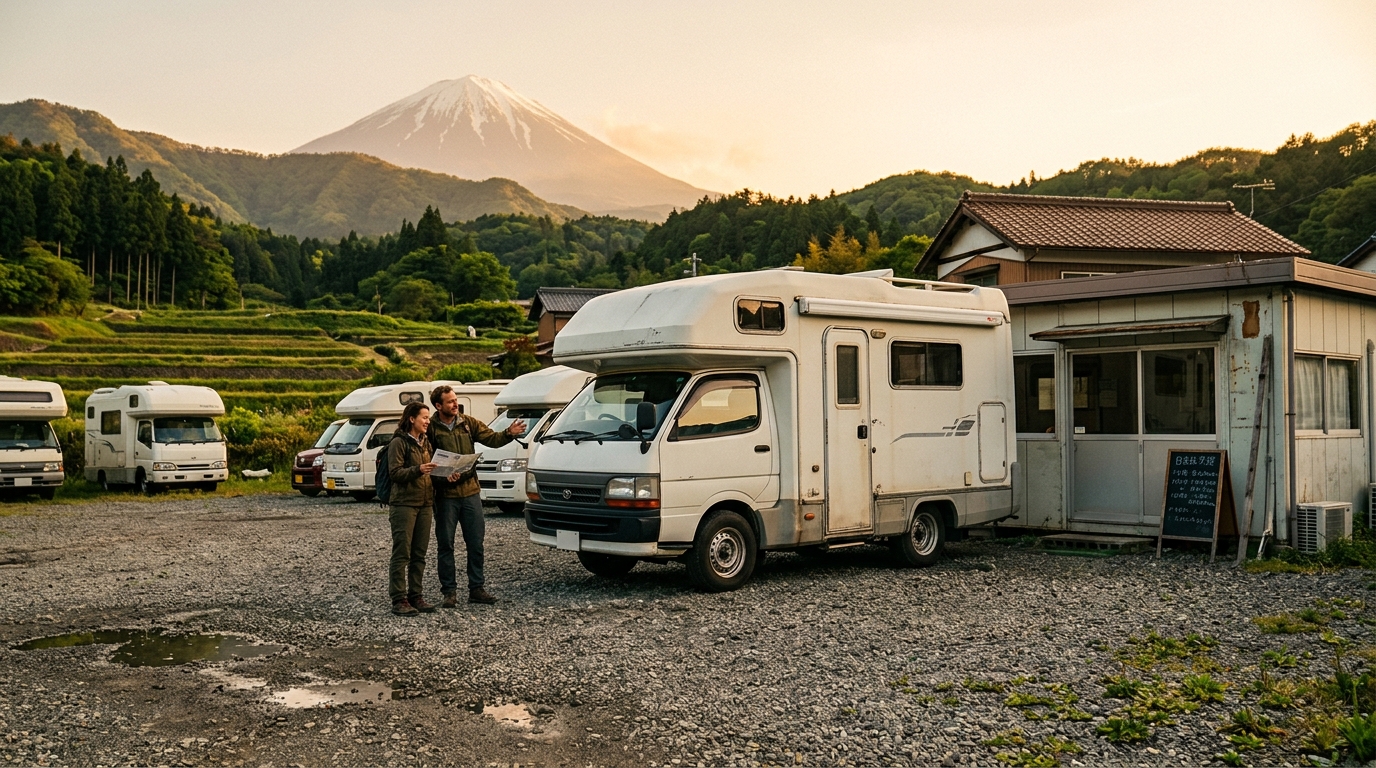
A beginner-friendly RV trip in Japan typically covers 700-1500 km (430-930 miles) over 7-14 days, offering a deep dive into Honshu's cultural and natural wonders. Japan, a truly captivating country, is becoming an increasingly popular destination for motorhome travel, allowing visitors to experience its serene landscapes and bustling cities at their own pace. For live availability and current prices, start with our RV Rental Japan - Complete Guide 2026 guide. The recommended minimum duration for a first-time RV trip is 7 days, with 10-14 days being ideal for a more relaxed pace and broader exploration. Imagine yourself on the route, waking up to views of Mount Fuji, or savoring local delicacies at a Michi-no-Eki. The best seasons for RVing in Japan are spring (March-May) for cherry blossoms and autumn (September-November) for vibrant fall foliage, which offer optimal weather and stunning scenery. It's advisable to avoid the rainy season (June-July) and peak typhoon season (August-September) for a smoother journey. This itinerary focuses on central Honshu, connecting major cities like Tokyo and Kyoto with scenic national parks and coastal drives, ensuring a rich and manageable experience for first-time RV renters. Our commitment at Bandana RV is to provide full transparency, so you'll never encounter hidden fees or surprises when planning your adventure.7-Day Classic Route in Japan
A classic 7-day motorhome itinerary in Japan provides an accessible introduction to the country's diverse attractions, moving efficiently between key cultural and natural landmarks. This condensed route is perfect for those with a week-long trip, allowing for concentrated experiences without extensive daily driving. * **Day 1: Tokyo to Lake Kawaguchiko (Fuji Area)** (Approx. 110 km / 68 miles). Start your adventure by picking up your rental RV near Tokyo. Drive to Lake Kawaguchiko for stunning, iconic views of Mount Fuji. You can enjoy lake activities like boating, or visit a local museum to learn about the region. For your overnight stay, look for a designated Michi-no-Eki or a private campground near the lake. * **Day 2: Lake Kawaguchiko to Hakone** (Approx. 50 km / 31 miles). A short drive takes you to Hakone, famous for its relaxing hot springs, the Hakone Open-Air Museum, and scenic lake cruises on Ashi Lake. Park your campervan at a designated RV spot to explore the area. You can spend the night at a local campground, taking advantage of the amenities. * **Day 3: Hakone to Shizuoka/Coastal Drive** (Approx. 120 km / 75 miles). Travel south along the picturesque coast to Shizuoka Prefecture, a region renowned for its lush green tea plantations and beautiful shoreline. Take time to enjoy fresh seafood from local markets. An overnight stay at a Michi-no-Eki is a great option here. * **Day 4: Shizuoka to Nagoya** (Approx. 100 km / 62 miles). Head to Nagoya, a major city with a rich historical past and modern attractions, including the impressive Nagoya Castle and the Toyota Commemorative Museum. Utilize city campgrounds or Michi-no-Eki for parking your RV. * **Day 5: Nagoya to Kyoto** (Approx. 130 km / 81 miles). Drive to the ancient capital of Kyoto, a city brimming with countless temples, tranquil gardens, and traditional geisha districts. Park your motorhome at a pre-booked campground situated outside the city center, and then use Kyoto's efficient public transport to explore the city's wonders. * **Day 6: Kyoto to Nara/Osaka** (Approx. 50 km / 31 miles). Spend the morning exploring more of Kyoto's hidden gems or take a brief drive to Nara to visit its famous deer park and the majestic Todai-ji Temple. Afterwards, continue your journey to Osaka for its dynamic urban energy and vibrant food scene. Secure a spot at a campground near Osaka for your final night. * **Day 7: Osaka / Return RV** (Varies). Enjoy a final Japanese breakfast, perhaps made in your camper's kitchen using fresh local ingredients from a market. Then, return your rented RV at the designated depot in Osaka or a nearby city, marking the successful conclusion of your memorable trip. Remember, for finding campsites and campgrounds during your trip, we recommend using RV PLANET (rvplan.net) - a great resource for locating available spots along your route. You can also explore our "Weekly RV Rental in Japan - Pricing 2026" guide for budget insights.14-Day Extended Journey in Japan
A 14-day extended motorhome journey through Japan offers a more immersive experience, allowing travelers to delve deeper into regions and discover hidden gems at a leisurely pace. This longer itinerary caters to those who appreciate slow travel, averaging 100-150 km per day, connecting more deeply with local culture, food, and scenery. * **Days 1-3: Kanto Region Immersion (Tokyo, Fuji, Hakone)**. Begin your rented motorhome adventure in Tokyo, pick up your vehicle, and head directly to the iconic Mount Fuji area, specifically Lake Kawaguchiko. Explore the scenic Fuji Five Lakes region, taking ample time for photography and enjoying the views. Then, continue to Hakone for its famous hot springs and art museums. Focus on maximizing short drives to absorb the scenery and cultural nuances. * **Days 4-7: Central Japan & Cultural Heritage (Shizuoka, Nagoya, Gifu)**. Drive along the picturesque coast through Shizuoka's verdant tea fields. Next, head inland to Nagoya, exploring its historical sites like Nagoya Castle. Consider a detour to the charming traditional villages of Gifu Prefecture, such as Shirakawa-go, though RV access and parking here require careful planning and smaller vehicles. Always respect the 150 km daily limit, allowing plenty of time for exploring each stop. You might want to check out "Luxury RV Rental in Japan - Premium Prices 2026" if you're looking for a more spacious and comfortable vehicle for this extended trip. * **Days 8-11: Kansai Region Deep Dive (Kyoto, Nara, Osaka)**. Immerse yourself in Japan's cultural heartland. Spend ample time exploring Kyoto's magnificent temples and serene gardens. Then, discover Nara's ancient sites and interact with its famous friendly deer. Conclude this segment by experiencing the dynamic urban energy and unparalleled culinary delights of Osaka. For city visits, leverage campgrounds on the city-fringe and utilize public transport for urban exploration. * **Days 12-14: Western Honshu Expansion (Hiroshima, Miyajima)**. Extend your journey west to Hiroshima, visiting the poignant Peace Memorial Park. Then, take a ferry to Miyajima Island to witness the iconic 'floating' torii gate of Itsukushima Shrine. This segment requires slightly longer driving days, but the historical and scenic value makes it profoundly rewarding. Plan ahead for specific RV parking at ferry terminals or nearby. Conclude your adventure by returning your RV in a major city like Osaka or Hiroshima, depending on your rental agreement. Don't forget that on RV PLANET routes, travelers can itemize and track every expense along the way for easy budgeting, which is especially useful for longer journeys with varying costs.Recommended RVPlan Trip for Japan
For an effortless RV adventure in Japan, Avi Bandana highly recommends exploring our pre-designed RVPlan trips. These expertly curated itineraries, available through RV PLANET (rvplan.net), take the guesswork out of planning. Our dedicated team of RV specialists, not just a side department of a general travel agency, pour their genuine expertise into creating seamless routes. These plans provide optimized routes, recommended stops, and essential tips tailored specifically for RV travel in Japan. They factor in everything from scenic drives to cultural points of interest and suitable campgrounds. Simply select a trip that matches your desired duration and interests, and embark on your journey with confidence, knowing all the logistics are handled. With RV PLANET, you also get a 25% planning discount, a great incentive to utilize our professional route planning. We believe in providing full transparency and honest service, ensuring your focus remains purely on the experience of discovering Japan.Must-See Stops Along the Way (Avi Bandana Picks)
"Looking for expert insights from Avi Bandana? Top 5 Adventures - recommendations from Avi Bandana" reveals these must-see stops to enrich your RV rental journey through Japan. These selections prioritize authentic experiences and local immersion. * **Michi-no-Eki (Roadside Stations)**: Avi Bandana's top pick for cultural immersion, these aren't just rest stops but hubs for local produce, crafts, and food. They're perfect for experiencing local life, understanding regional specialties, and often serve as overnight parking for RVs (with proper etiquette). * **Local Markets (e.g., Nishiki Market in Kyoto, morning markets in coastal towns)**: These vibrant markets offer an authentic taste of Japanese cuisine and culture. Look for seasonal produce, unique street foods, and interact with local vendors. Cooking with fresh local ingredients in your rented campervan can be a highlight of the trip, so be sure to check our RV-friendly recipes playlist for inspiration! * **Traditional Onsen Towns (e.g., Hakone, Kusatsu)**: Experience Japan's renowned hot spring culture. Many towns have public baths (sento) or day-use onsen facilities where you can relax and rejuvenate after a day of driving your motorhome. * **Scenic Viewpoints (e.g., Mount Fuji viewing spots, coastal cliffs)**: Japan's diverse landscapes offer breathtaking vistas. Seek out designated viewpoints along your route for photography and serene moments, easily accessible with your mobile home. * **Small, Family-Run Restaurants (Izakayas, Soba/Udon shops)**: Venture beyond tourist traps to discover authentic Japanese cooking in smaller establishments, often a highlight of cultural discovery and local interaction. These local eateries provide an intimate glimpse into the country's rich culinary traditions.Daily Driving Distances & Drive Times in Japan
Avi Bandana recommends a maximum of 100 miles or 150 km per day on average when RVing in Japan to ensure a relaxed pace, allowing ample time for exploration and unexpected discoveries. This slow travel philosophy is central to truly connecting with the culture, the food, and the scenery of Japan. Driving slowly and carefully, you can drive almost anywhere without issues. No need to stress - just use common sense and pay attention to enjoy your rented caravan experience. This recommendation helps avoid driver fatigue on Japan's sometimes narrow roads and ensures you truly experience each location rather than rushing through. Focusing on shorter distances also aids in navigating unfamiliar road signs and adapting to local driving conditions, which can be different from your home country. For example, the drive from Tokyo to Lake Kawaguchiko, approximately 110 km (68 miles), typically takes 1.5 - 2.5 hours, depending on traffic and whether you choose toll roads for faster travel. A trip from Kyoto to Nara, about 45 km (28 miles), is generally a straightforward drive of 45 minutes to 1 hour. Meanwhile, the journey from Nagoya to Kyoto, around 130 km (81 miles), can take 2-3 hours, often involving expressways with tolls. These estimates highlight the importance of factoring in travel time, not just distance, into your daily plans to ensure a stress-free experience in your rented RV.Best RV Class for This Itinerary - Couple & Family Picks
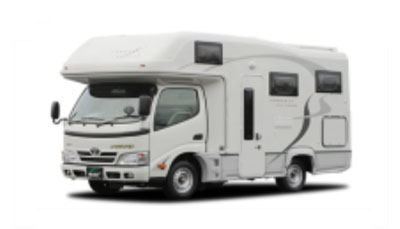
When renting an RV for a beginner's trip in Japan, choosing the right class is crucial for comfort and maneuverability on local roads. Bandana's direct partnerships with leading RV suppliers worldwide, including trusted names, ensure a diverse fleet of options suitable for different group sizes. * **For a Couple: Class B - Camper Van**. A Class B Camper Van, with an average length of 5.8 meters and sleeping places for 3 (comfortably 2 adults), is perfectly suited for couples exploring Japan. Its compact size makes navigating Japan's narrower city streets, mountain passes, and parking at Michi-no-Eki significantly easier than larger vehicles. These campervans, like the "Active Original" or "HiTop Campervan" models, typically offer fuel consumption around 8-10 Liters/100 km, which is economical for longer trips. * **For a Family: Class C - Alcove**. A Class C Alcove motorhome, averaging 7.5 meters in length with 5.8 sleeping places (comfortably 4-5 adults), provides ample space and amenities for a family. The overhead alcove bed offers a dedicated sleeping area, making it comfortable for families with children. Additional living space and more extensive kitchen facilities, like those found in a "Jayco Conquest Royale 6" or "Euro Deluxe" model, enhance family travel convenience, though these are slightly less agile than a Class B. Drive slowly and carefully, and you can drive almost anywhere without issues. No need to stress - just use common sense and pay attention, even with larger vehicles. To simplify your Japan RV adventure, consider Bandana's 'Rent&Plan' service. This combines your chosen RV rental with a ready-made, expertly designed itinerary, giving you full access to our trip-planning software and removing the headache of planning, allowing you to focus purely on the experience. Don't forget to check out "RV Rental Deals in Japan - Latest Offers 2026" for potential savings on your ideal vehicle.Is it easy to RV in Japan?
RVing in Japan is generally considered easy and highly rewarding, especially for beginners, due to excellent infrastructure and a welcoming culture. The country's roads are meticulously maintained, and most major routes feature signs in both Japanese and English, making navigation straightforward. However, in more rural areas, relying on GPS systems with English options and learning a few basic Japanese phrases can significantly enhance your experience. Mobile data coverage across Japan is excellent, ensuring reliable connectivity for online maps, translation apps, and staying in touch. While tolls on expressways can be significant, they offer faster and more efficient travel; budgeting for these is crucial, as noted in "RV Rental in Japan - Prices and Best Deals 2026". Be prepared for occasional narrow roads, particularly in older towns or mountainous regions, which is why a smaller RV class like a campervan is often a comfortable choice. Understanding and respecting local cultural nuances, such as Michi-no-Eki etiquette-which permits overnight rest but not extended camping setups-is paramount for a smooth experience and positive local interactions. Most rental companies offer roadside assistance for emergency preparedness, and having a few key Japanese phrases for "help" or "trouble" can be incredibly useful when facing language barriers with local assistance.What are the rules for RV in Japan?
The rules for RVing in Japan emphasize respect for public spaces and local customs, ensuring a harmonious travel experience for everyone. Officially, 'freedom camping' (random roadside parking overnight) is generally not permitted or advised due to strict regulations and cultural expectations regarding public cleanliness and order. Instead, designated Michi-no-Eki (roadside stations) are excellent for brief overnight rests, though they are not intended as full campgrounds; proper etiquette means no setting up awnings, barbecues, or extended stays. For a full camping experience, it is essential to use dedicated RV parks and campgrounds, which offer necessary facilities like electricity, water, and waste disposal. Reservations for these sites are often highly recommended, especially during peak travel seasons like cherry blossom or autumn foliage periods. Strict rules apply to waste disposal; always use designated bins for garbage and proper facilities at campgrounds for grey and black water to maintain Japan's pristine environment. Foreigners must have an International Driving Permit (IDP) based on the 1949 Geneva Convention or an official Japanese translation of their domestic license (for certain countries) to legally drive a rented RV in Japan. In case of a breakdown or medical emergency, always contact your rental company's emergency number first, and carrying your passport, IDP/translation, and original driver's license is mandatory when driving.Can you freedom camp in Japan?
True 'freedom camping' or wild camping in random spots is generally discouraged and often prohibited in Japan due to cultural norms and private property laws. Japanese society places a high value on public order and cleanliness, which extends to how public spaces are used. Consequently, parking overnight outside designated areas is typically not allowed and can lead to issues. However, Japan offers a unique and widely accepted alternative for RVers known as 'Michi-no-Eki' (roadside stations). These stations are strategically located across the country, providing safe places where RVers are permitted to park overnight for rest, though they are not full campgrounds. When staying at a Michi-no-Eki, it's crucial to adhere to specific etiquette: do not set up outdoor furniture, cook outside your RV, or extend awnings. Be quiet, pack out all your trash, and always leave the spot as you found it, respecting that these are for resting, not extended camping. For a full camping experience with amenities like water, electricity, and dump stations, travelers should utilize Japan's extensive network of official RV parks and campgrounds. Respecting these local customs and designated areas is vital for a positive experience and maintaining good relations with local communities.🎬 Video coming soon
How much does it cost to rent an RV in Japan?
The cost to rent an RV in Japan varies significantly based on the RV class, rental duration, season, and inclusions like insurance, typically ranging from ¥10,000 to ¥35,000 (approximately $70-$250 USD) per day. Smaller campervans (Class B or 'Kei-campervans') are generally on the lower end of this spectrum, while larger family-sized motorhomes (Class C or Class A) will be more expensive. Prices for a rented motorhome are dynamic, much like flight tickets; they change daily based on availability, seasonality, and supplier marketing decisions, so the final price is set at the actual booking time. Seasonal fluctuations play a major role in pricing, with the highest rates occurring during peak travel seasons such as cherry blossom (spring), autumn foliage, Golden Week holidays, and summer school breaks. Beyond the initial rental fee, a comprehensive budget should include significant additional costs. These can include expressway tolls, which can be substantial for routes like Tokyo to Kyoto, and fuel, which is often higher than in many Western countries. Campground fees typically range from ¥2,000-¥5,000 per night. Always opt for comprehensive insurance coverage, an optional upgrade you can purchase for extra peace of mind, as it is crucial for protection against unexpected incidents. Food budgeting can be managed by eating at Michi-no-Eki, local supermarkets, or preparing meals in your RV's kitchen. For detailed pricing, consult our "RV Rental in Japan - Prices and Best Deals 2026" guide.How much is gas in Japan?
Fuel prices in Japan are typically higher than in many Western countries, averaging around ¥160-¥180 per liter (approximately $4.50-$5.00 USD per gallon) for regular gasoline, fluctuating based on global oil prices and regional taxes. It's crucial for travelers to factor this into their budget, especially for extended road trips. Most rental RVs in Japan use regular gasoline ('レギュラー' - Regyurā) or diesel ('軽油' - Keiyu), so always confirm the correct fuel type for your specific rental RV before filling up to avoid costly errors. When it comes to payment, many gas stations readily accept international credit cards, offering convenience. However, it is always a wise precaution to carry some cash, particularly when venturing into more rural areas where card acceptance might be less common. Regarding fuel consumption, Bandana's Class B Camper Vans typically consume 8-10 Liters/100 km, while larger Class C Alcove models might consume 10-12 Liters/100 km, making fuel a significant factor in your overall trip cost. A substantial budget for fuel is essential, as expressway tolls combined with fuel expenses can represent a major portion of your ancillary costs.Can foreigners drive RV in Japan?
Yes, foreigners can legally drive a rented RV in Japan, provided they possess the correct documentation. This typically includes a valid International Driving Permit (IDP) or an official Japanese translation of their domestic license. If your home country is a signatory to the 1949 Geneva Convention, an IDP is required and must be presented in conjunction with your valid domestic driver's license. It's important to obtain your IDP in your home country before departing for Japan, as it cannot be acquired once you are in Japan. Drivers from countries such as Germany, Switzerland, France, Belgium, and Taiwan, which are not signatories to the 1949 convention but have bilateral agreements with Japan, will need an official Japanese translation of their license. This translation can be issued by the Japan Automobile Federation (JAF) or their country's embassy or consulate in Japan. Always carry your passport, IDP/translation, and your original driver's license with you at all times when driving your mobile home in Japan. Remember that Japan drives on the left-hand side of the road, and the steering wheel is on the right, which is a key adjustment for many international visitors. A standard car driver's license is sufficient for all motorhome classes, including Class A, Class B, and Class C.How many days RV Japan?
For RV beginners in Japan, a minimum of 7 days is recommended to comfortably cover a major region like central Honshu, while 10 to 14 days allows for a more comprehensive and relaxed exploration. A 7-day trip is ideal for a focused itinerary, such as exploring the 'Golden Route' from Tokyo to Kyoto with a visit to Mount Fuji, minimizing long drives and maximizing local experiences. This allows you to truly immerse yourself in selected areas. A 10-14 day trip provides ample time to delve deeper into regions, incorporate slower travel days, visit more remote areas, and adapt to any unforeseen weather or travel challenges, such as navigating unexpected heavy snow in winter or maximizing experiences during cherry blossom season. Avi Bandana strongly advocates for a 'slow travel' approach, aiming for no more than 100 miles (150 km) of driving per day on average, which naturally supports longer trip durations to truly immerse in the culture and scenery. Consider your personal travel style and the season; for instance, navigating Japan during typhoon season (late summer to early autumn) or heavy snow (winter) might necessitate longer buffer days. Bandana RV focuses on longer trips, typically a week or more, to ensure a fulfilling and enriching experience. You can find more planning insights in our guide Last-Minute RV Rental in Japan - What to Expect 2026.Is Japan good for motorhome?
Japan is an excellent destination for motorhome travel, particularly for those seeking a unique blend of cultural immersion, natural beauty, and the freedom of self-guided exploration. The country boasts an outstanding road network, maintained to high standards, and a commendable level of public safety, making road trips comfortable and secure. Furthermore, Japan offers the unique Michi-no-Eki system, which provides convenient and culturally rich roadside stations perfect for RVers. Renting an RV in Japan allows for a deeper, more personal connection with the country, enabling travelers to venture off the beaten path, discover local communities, and experience Japan's diverse landscapes. This ranges from bustling megacities like Tokyo and Osaka to serene rural areas and majestic national parks. The flexibility of a rented mobile home lets you stay longer in charming towns, interact more with locals, and easily access traditional onsen (hot springs) and historic sites at your own pace. The availability of various RV types, including compact 'Kei-campervans' and Class B Camper Vans, perfectly suited for Japan's narrower roads, ensures there's a vehicle for every type of traveler. An RV trip in Japan is not just about logistics; it's about crafting your own adventure, finding hidden gems, and experiencing the country's unparalleled blend of tradition and modernity through your own lens.What is the average cost of a Japanese campervan?
The average rental cost for a Japanese campervan, particularly the smaller and highly popular 'Kei-campervans' or Class B Camper Vans, typically ranges from ¥10,000 to ¥20,000 (approximately $70-$140 USD) per day, depending on the season, rental duration, and specific model. These prices, like all our offerings, come with full transparency - no hidden fees, no surprises, just honest pricing. Kei-campervans, built on the chassis of Japan's 'kei' (light vehicle) class, are uniquely suited to Japan's infrastructure. They are exceptionally maneuverable, fuel-efficient, and generally the most affordable RV rental option, perfect for navigating smaller roads and tight parking. Slightly larger, Bandana's Class B Camper Vans, averaging 5.8 meters in length, are also excellent for couples or small groups, offering a great balance of comfort and maneuverability. Their rental costs usually fall in the mid-range for campervans. Rental prices usually include basic insurance, but always check for additional charges like mileage limits, cleaning fees, and options for upgrading to a top-level deductible for extra peace of mind. When budgeting for a rented campervan, remember to account for other significant expenses like expressway tolls, which can be considerable, and fuel, which typically averages 8-10 Liters/100 km for these smaller vehicles. For more comprehensive budgeting, see our Cheap RV Rental in Japan - Budget Guide 2026.What You Shouldn't Miss
- **Mount Fuji & Fuji Five Lakes**: No trip to Japan is complete without seeing the iconic Mount Fuji. Explore the surrounding Five Lakes region, especially Lake Kawaguchiko, for stunning vistas and serene natural beauty.
- **Kyoto's Temples and Gardens**: Immerse yourself in ancient Japan by exploring Kyoto's countless UNESCO World Heritage sites, from the golden Kinkaku-ji to the tranquil Arashiyama Bamboo Grove.
- **Hakone's Hot Springs and Art**: Relax in an authentic onsen in Hakone, visit the unique open-air museum, and take a scenic cruise on Lake Ashi with views of Mount Fuji.
- **Shizuoka's Tea Plantations**: Drive along the scenic coast of Shizuoka, where rolling green tea fields meet the Pacific Ocean. Stop for a tea tasting and enjoy the fresh, local produce.
- **Nara's Deer Park & Todai-ji Temple**: Interact with the friendly wild deer that roam freely in Nara Park, and marvel at the colossal Daibutsu (Great Buddha) housed within the magnificent Todai-ji Temple.
- **Osaka's Dotonbori District**: Experience the vibrant nightlife and incredible food scene of Osaka in Dotonbori. From takoyaki to okonomiyaki, it's a culinary paradise for food lovers.