In This Guide
- Can You Drive an RV in Norway? License & Age Rules
- Road Conditions & Terrain in Norway
- RV Size Limits, Bridges & Restricted Zones
- Fuel: Diesel vs. Petrol & Cost per 100 km in Norway
- Tolls, Vignettes & Border Rules in Norway
- Driving Tips for RV Rental Beginners Travelers in Norway
- Recommended RV Class for Norway Roads
- Should I Choose a Compact Van Instead of a Large RV in Norway?
- Can I Park Anywhere? Free & Wild Camping Rules in Norway
- Can I Drive an RV Into the City Center? Heights, Tunnels & Local Signage in Norway
- When is the Best Time to Rent an RV in Norway for Beginners?
- What Specific Gear and Preparations Do I Need for RVing in Norway?
- How Can I Save Money on an RV Trip in Norway?
- How Can I Practice Sustainable and Responsible RV Travel in Norway?
- What are Unique Cultural Experiences and Off-the-Beaten-Path RV Routes in Norway?
Embarking on a motorhome adventure in Norway promises breathtaking fjords, dramatic mountains, and charming coastal towns, but for first-time RV drivers, understanding the local nuances is key to a smooth journey. Norway, with its unique blend of stunning nature and modern infrastructure, is an exceptional destination for a rented campervan trip, offering flexibility and immersion like no other. For live availability and current prices, start with our RV Rental Norway - Complete Guide 2026 guide.
Can You Drive an RV in Norway? License & Age Rules
Yes, you can absolutely drive a rented RV in Norway, provided you hold a valid driver's license appropriate for the vehicle's weight and meet the minimum age requirements. A standard B license is sufficient for driving most campervans and motorhomes up to 3,500 kg, which covers a significant portion of our rental fleet.
For larger motorhomes between 3,500 kg and 7,500 kg, a C1 license is typically required. Drivers from non-EU/EEA countries are advised to carry an International Driving Permit (IDP) in addition to their national license, although it is not always mandatory, it simplifies matters for police and rental agencies. The minimum rental age in Norway for all motorhome classes, including Class A, Class B, and Class C, is 21 years old with most Bandana partner suppliers, and there are no young driver surcharges or vehicle class restrictions based on age.
Navigating the booking process is simple with Bandana. We act as true RV specialists, not just a travel agency side department, ensuring you receive full transparency with no hidden fees or surprises throughout your booking journey. For those interested in extended adventures, remember that one-way motorhome rentals are also an option, allowing you to explore more of this incredible country; check out our One-Way RV Rental in Norway - Price Guide 2026 for details.
Road Conditions & Terrain in Norway
Norway's road conditions are generally excellent, with well-maintained asphalt roads, although the country's unique mountainous and fjord-rich terrain often presents specific challenges for RV drivers, including narrow, winding mountain roads, numerous tunnels, and steep ascents and descents. While you will encounter modern, smooth highways, be prepared for occasional gravel sections, especially on some of the more breathtaking scenic routes or when venturing into less-trafficked areas.
Driving through Norway's iconic fjords means frequent use of car ferries, which are an integral and often unavoidable part of the national road network. These ferry crossings are part of the adventure, seamlessly connecting different parts of your journey. Embracing slow, scenic driving is not just a recommendation but a necessity to fully appreciate the stunning landscapes and safely manage the varied terrain, particularly with a larger rented motorhome or campervan.
Remember that even on major routes, conditions can change, so always pay attention to local signage. For those planning a winter adventure, navigating these roads during colder months presents different considerations, which you can learn more about in our Winter RV Rental in Norway - Pricing Guide 2026.
RV Size Limits, Bridges & Restricted Zones
While most standard rented RVs can comfortably navigate Norway's road network, drivers should always be aware of potential size limits, especially regarding ferry capacities, tunnel clearances, and city-specific restricted zones. Ferries, which are a common and essential mode of transport, often price their tickets based on vehicle length and weight; longer RVs will generally incur higher costs and may require advance booking during peak travel seasons, so planning ahead is wise.
Norway's extensive tunnel network is remarkably well-suited for RVs, but it's crucial to always observe height and width restrictions that are clearly marked at tunnel entrances. While typically generous, a quick check saves you any potential hassle. Additionally, some city centers, particularly in major hubs like Oslo and Bergen, implement environmental zones with emission-based restrictions; it's advisable to check local regulations before entering these areas with your rented campervan.
Drive slowly and carefully, and you can drive almost anywhere without issues. No need to stress - just use common sense and pay attention. For instance, a typical Class B Camper Van, averaging 5.8 meters in length, will find it easier to maneuver than a 7.5-meter Class C Alcove motorhome like the "MHC28" model, though both are perfectly capable on Norway's main routes.
Fuel: Diesel vs. Petrol & Cost per 100 km in Norway
In Norway, most rented RVs predominantly run on diesel, which is widely available at service stations across the country, making it the primary fuel concern for motorhome travelers. Understanding fuel consumption is crucial for budgeting, as Norway has some of the highest fuel prices in Europe, so efficient driving and careful planning are key to managing costs. On the routes offered through RV PLANET routes, you can itemize and track every expense along the way for easy budgeting.
Petrol (gasoline) stations are also common, but less relevant for typical diesel-powered motorhomes and campervans. Always double-check that you are using the correct fuel type; diesel is usually marked 'Diesel' or 'Blyfri Diesel'. For example, our fleet of Class SI Semi-integrated RVs typically consumes between 10-11 Liters/100 km, while Class C Alcove motorhomes average 10-12 Liters/100 km. For those opting for more compact solutions, Bandana's Class B Camper Vans generally offer better fuel efficiency, consuming around 8-10 Liters/100 km.
Planning your refueling stops is highly recommended, especially in remote areas where petrol stations may be sparse. Budgeting for fuel is a significant part of your total trip cost, but with RV PLANET routes, you can itemize and track every expense along the way for easy budgeting. You can find more financial tips in our Cheap RV Rental in Norway - Budget Guide 2026 to help optimize your travel expenses.
Tolls, Vignettes & Border Rules in Norway
Norway operates an efficient automatic toll system called AutoPASS, which RV drivers will encounter frequently across the country, rather than using a vignette system. Adhering to Schengen border rules greatly simplifies cross-country travel for most visitors to Europe.
Foreign vehicles, including rented motorhomes, should register with AutoPASS (via EPC plc, their foreign vehicle payment solution) before or shortly after arriving to avoid receiving individual invoices or surcharges, which can be sent to your home address. Many RV rental companies offer pre-purchased toll passes or transponders that simplify this process by charging accumulated tolls directly to your rental agreement. Toll costs vary by vehicle category (length and weight) and specific road sections, tunnels, and bridges; some AutoPASS transponders may also cover ferry payments, streamlining your journey even further.
When traveling from other Schengen Area countries into Norway, there are generally no physical border controls or vignettes required, which makes for seamless cross-border travel. This full transparency and ease of navigation is part of what makes Bandana your trusted partner for RV rentals, ensuring no hidden fees or surprises.
Driving Tips for RV Rental Beginners Travelers in Norway
First-time RV drivers in Norway should adopt a relaxed pace, remain highly vigilant for wildlife, master the country's essential ferry navigation, and be prepared for rapidly changing weather conditions. Norway's roads are often narrow and winding, especially along fjords and in mountain passes, so always drive defensively and respect posted speed limits. These limits are frequently lower than in other European countries due to the challenging road conditions and proximity to residential areas.
Wildlife encounters are common, particularly in rural and northern regions; sheep, moose, and reindeer frequently roam near or directly on roads, so maintain a safe distance and be ready to stop at short notice. Familiarize yourself with Norway's extensive car ferry system, which is essential for many popular routes; understand how to queue, pay (often cashless or via AutoPASS), and what to expect during the crossing. On steep descents, utilize lower gears to control your speed and prevent brake overheating, rather than relying solely on your brakes. Take regular breaks at designated rest stops, which often offer spectacular views, to prevent driver fatigue and enjoy the scenery. Remember, slow travel is the best travel; aim for an average of max 100-150 km per day to truly immerse yourself in the place, culture, food, and scenery.
🎬 Video coming soon
Recommended RV Class for Norway Roads
For navigating Norway's diverse road network, which includes tight mountain passes and frequent ferry crossings, Class B Camper Vans and Class SI Semi-integrated RVs are generally recommended, offering an optimal balance between maneuverability and onboard comfort. Class B Camper Vans, like the "V3" model with its 6.36-meter length, are exceptionally agile, making them ideal for narrow fjord roads, easier city parking, and generally less intimidating for first-time renters. Many of these vehicles, such as the `Class 0` or `Duo` campervans, provide ample space for couples while remaining compact.
Class SI Semi-integrated RVs, averaging around 6.9 meters in length (for instance, the `Active Standard Auto`), offer more spacious living areas and amenities, such as larger kitchens and separate sleeping areas, without being overly cumbersome for most primary Norwegian routes. While larger Class C Alcove (like the "MH-A" model at 8.8m) or Class A Integrated (e.g., the "Class A - Thor ACE 30" at 9.37m) motorhomes provide superior space and luxury, their size can be more challenging on very tight mountain roads and during ferry boarding, making them less ideal for beginners.
Ultimately, your choice depends on your comfort level and group size, but for a first-time RV driving experience in Norway, a smaller to medium-sized rental will offer the most flexibility and peace of mind.
Should I Choose a Compact Van Instead of a Large RV in Norway?
The decision between a compact van and a larger RV for your Norway trip largely depends on your travel priorities and comfort with driving a larger vehicle. A compact campervan, such as one of Bandana's Class B models (like `Category Van` or `Active Pop Top`), offers superior maneuverability on Norway's often narrower roads, city streets, and crowded ferry terminals. They are generally easier to park, consume less fuel (e.g., 8-10 Liters/100 km), and can feel less intimidating for new RV drivers navigating winding mountain passes and small villages.
However, a larger rented RV, such as a Class SI Semi-integrated or Class C Alcove motorhome, often provides significantly more comfort, storage, and living space. These larger options include better-equipped kitchens (perfect for preparing RV-friendly recipes playlist), more spacious bathrooms, and more comfortable sleeping arrangements, which are considerable advantages for longer trips or families. For beginners prioritizing ease of driving and accessing more remote, less-developed spots, a compact van is certainly advantageous. But for those seeking more home-like amenities and ample space for a family of 4-6, the trade-off of a larger RV is usually manageable on Norway's well-traveled primary routes and offers unmatched comfort.
Can I Park Anywhere? Free & Wild Camping Rules in Norway
While Norway's renowned 'Allemannsretten' (Everyman's Right) generously grants freedom for tent camping and hiking, RVs typically face more restrictions and should primarily utilize designated campsites or specific overnight parking spots. Allemannsretten allows individuals to camp on uncultivated land for up to two nights, provided they stay at least 150 meters from inhabited houses or cabins, and respect the natural environment. However, this right generally applies to non-motorized tent camping and does not extend to motor vehicles like rented RVs or campervans.
RVs are largely restricted from wild camping on private land without explicit permission from the landowner and are expected to use official campsites, municipal parking areas that explicitly permit overnight stays, or designated 'stellplatser' (RV parking spots), which are specifically set up for motorhome overnights. Always dispose of grey and black water properly at designated emptying stations ('tømmestasjon'), commonly found at campsites and some service areas, to prevent pollution and protect Norway's pristine environment. Rules vary by region, so always check local regulations and adhere to local law before parking overnight to avoid fines and ensure respectful travel. For finding campsites and campgrounds during your trip, we recommend using RV PLANET (rvplan.net) - a great resource for locating available spots along your route.
Can I Drive an RV Into the City Center? Heights, Tunnels & Local Signage in Norway
Yes, you can generally drive a rented RV into Norway's city centers, but it absolutely requires careful attention to local signage concerning height and weight restrictions, environmental zones, and parking availability. While main roads are usually navigable, specific signs will indicate height limits for underpasses, multi-story car parks, or weight restrictions on older bridges, especially in historic city areas.
Larger cities like Oslo, Bergen, and Trondheim have established environmental zones ('miljøsoner') that may restrict certain vehicles based on emission standards or require online registration and payment. Always verify current regulations for your specific RV and planned city entries to avoid unexpected fines. Parking a larger RV in city centers can be quite challenging and expensive; it's often more practical and stress-free to park your rented motorhome on the outskirts at a designated RV park or public transport hub and then use Norway's excellent public transport system (buses, trams) to explore the city without worry. Drive slowly and carefully, and you can drive almost anywhere without issues. No need to stress - just use common sense and pay attention.
When is the Best Time to Rent an RV in Norway for Beginners?
The best time for RV rental beginners in Norway is typically during the late spring (May-June) or early autumn (September), offering an ideal balance of pleasant weather, fewer crowds, and ample daylight hours. During these shoulder seasons, roads are generally clear, popular attractions are less congested, and you'll find better availability and often lower prices for campsites and ferries compared to peak summer. This also allows for more relaxed driving and easier integration into Norway's rhythm.
Summer (July-August) provides the warmest weather and longest daylight, including the magical Midnight Sun phenomenon in the north, but it also attracts peak tourist crowds and higher prices for RV rentals, campsites, and ferries. Spontaneous travelers should note that while many national and state parks reserve 25-30% of their spots for first-come, first-served arrivals, during peak summer, popular campgrounds can fill up quickly. Reassure yourself: "You'll find a spot. If not at the first campground, then the next one. Call ahead before driving." Winter (October-April) RVing is a unique and stunning experience, offering the chance to see the Northern Lights, but it is challenging and only recommended for experienced drivers due to snow, ice, shorter daylight (Polar Night in the north), and potential road closures. Consider our RV Rental Deals in Norway - Latest Offers 2026 for off-peak savings.
What Specific Gear and Preparations Do I Need for RVing in Norway?
Preparing for a rented RV trip in Norway involves packing versatile clothing for rapidly changing weather, ensuring you have essential emergency supplies, and understanding local nuances like mid-summer daylight and wildlife encounters. Norway's weather can shift quickly from sunny to rainy or cold, even in summer, so pack layers of clothing, including waterproof and windproof outerwear, regardless of your travel season.
For summer trips in the north, bring blackout blinds or an eye mask to cope with 24-hour daylight, which can significantly impact sleep. Conversely, a headlamp is essential for darker winter months or for exploring tunnels and caves. Always equip your rented motorhome with a comprehensive emergency kit, including a first-aid kit, reflective vests (mandatory for roadside stops), a warning triangle, and spare bulbs, especially when venturing into Norway's remote and less-populated areas. Download offline maps and ensure you have reliable communication options; while cellular coverage is generally good in populated areas, it can be spotty in remote mountain or fjord regions. Be aware of local wildlife, such as moose, reindeer, and sheep, and know how to react safely if they appear on roads, which is a common occurrence. You can find more comprehensive packing advice and local tips in our RV Rental in Norway - Prices and Best Deals 2026.
How Can I Save Money on an RV Trip in Norway?
Saving money on an RV trip in Norway, a country renowned for its higher cost of living, can be effectively achieved through strategic planning, primarily by cooking your own meals, optimizing toll and ferry routes, and seeking out abundant free natural attractions. Utilizing your rented RV's kitchen to prepare meals and packed lunches is one of the most significant cost-saving strategies; grocery shopping at local supermarkets is considerably cheaper than regularly dining out. For some inspiration on what to cook, check out our RV-friendly recipes playlist.
Research and plan your toll and ferry routes efficiently. While these are often unavoidable, understanding how AutoPASS works and considering multi-day ferry passes where applicable can reduce individual charges. Opt for overnight parking at designated stellplatser (RV parking areas) or free municipal spots where explicitly permitted, reducing expensive nightly campsite fees. Focus on Norway's incredible array of free outdoor activities, such as hiking, enjoying scenic drives, visiting countless waterfalls, and exploring national parks, minimizing costs on paid attractions. Additionally, consider traveling during the shoulder seasons (May-June and September) when rental prices, campsite fees, and overall tourist costs tend to be lower than in the peak summer months. For more detailed insights on managing your budget, our guide Cheap RV Rental in Norway - Budget Guide 2026 offers valuable advice.
How Can I Practice Sustainable and Responsible RV Travel in Norway?
Practicing sustainable and responsible RV travel in Norway is paramount to preserving its breathtaking and often fragile natural environment, and it involves strictly adhering to 'Leave No Trace' principles and respecting local communities. Always pack out all your trash, including organic waste, and dispose of it properly in designated bins; never leave anything behind in nature, not even food scraps.
Utilize designated grey and black water emptying stations ('tømmestasjon'), commonly found at campsites and some petrol stations, to prevent pollution of natural waterways. It is critical to stick to marked roads and trails to protect fragile ecosystems, particularly in national parks and vulnerable alpine areas, preventing erosion and disturbance to wildlife. Minimize noise pollution, especially when camping in quiet natural areas, and always respect the privacy and property of local residents. Supporting local businesses and communities by purchasing local produce, crafts, and services contributes positively to the regional economy and encourages sustainable tourism. For travelers interested in combining their RV trip with a broader European adventure, our RV Rental Europe - Complete Guide 2026 also emphasizes responsible travel practices.
What are Unique Cultural Experiences and Off-the-Beaten-Path RV Routes in Norway?
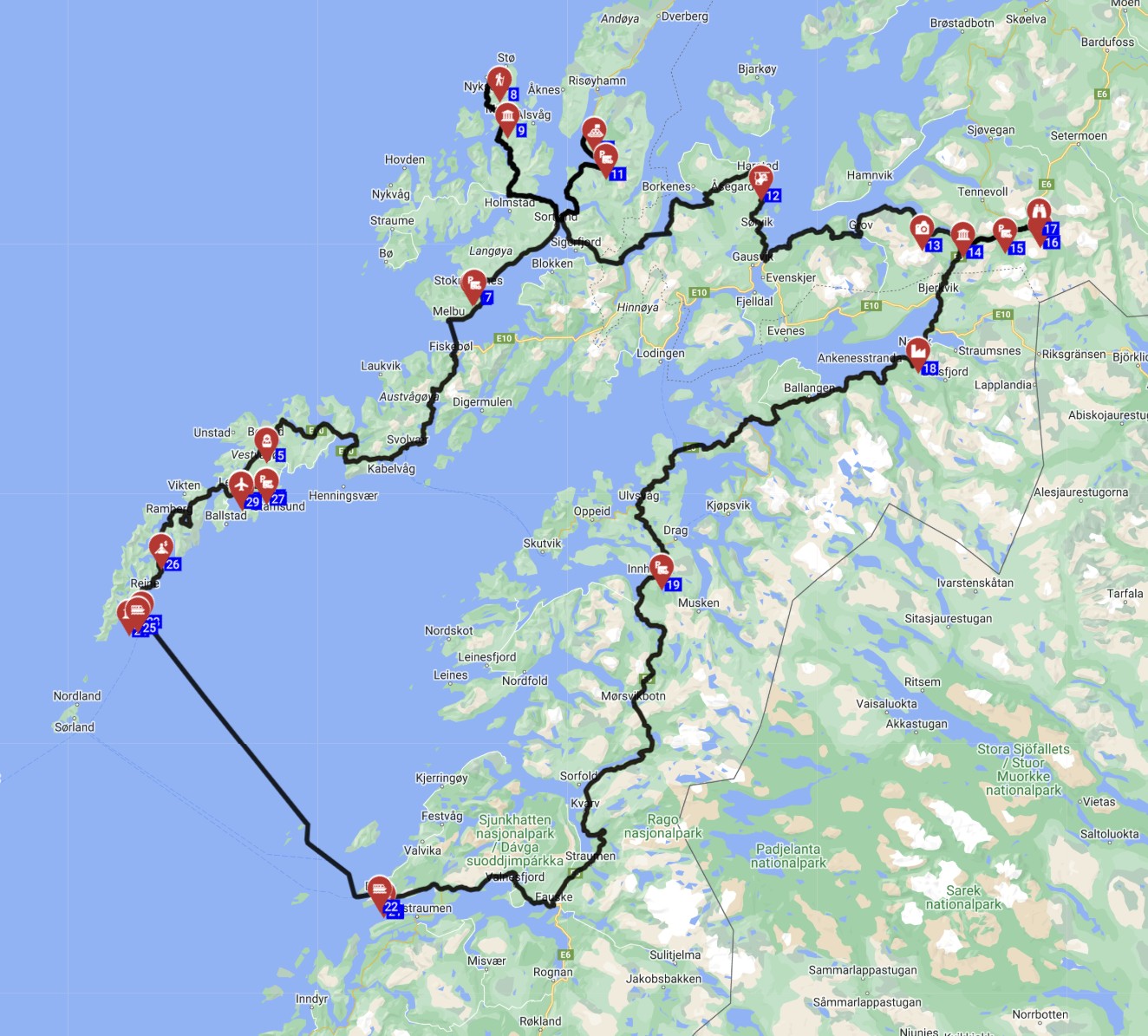
Beyond Norway's universally famous fjords, RV travelers can discover unique cultural immersion and truly off-the-beaten-path experiences by exploring less-visited regions, engaging with local communities, and seeking out regional festivals or food traditions. Consider driving the Kystriksveien (Coastal Route 17) in Northern Norway, a less-trafficked alternative to the main E6, offering stunning coastal scenery, charming fishing villages, and numerous ferry crossings. This scenic route, often called 'The World's Most Beautiful Coastal Road,' spans over 650 km and requires six ferry crossings, making it a true adventure.
Explore inland regions like Telemark or Valdres for authentic traditional Norwegian culture, historic stave churches (such as the Heddal Stave Church, the largest surviving stave church), and opportunities to learn about local crafts and folklore. Seek out regional food experiences such as tasting locally smoked salmon, 'klippfisk' (dried and salted cod), or 'brunost' (brown cheese) directly from producers or at farmers' markets. Engage with local communities by attending small festivals, visiting local museums, or simply striking up conversations in village shops and cafes to gain a deeper understanding of Norwegian life. For a unique blend of nature and culture, head to the Lofoten Islands during the off-peak season to experience dramatic landscapes and active fishing village life with fewer crowds. If you're looking for premium experiences, check out our Luxury RV Rental in Norway - Premium Prices 2026 to enhance your unique cultural journey.
What You Shouldn't Miss
- Drive the Atlantic Ocean Road: This iconic 8.3-kilometer stretch of road zigzags across several small islands, connecting them with eight bridges, offering some of Norway's most spectacular coastal views and engineering marvels.
- Hike to Preikestolen (Pulpit Rock): An approximately 4-hour round trip hike to a flat-topped cliff 604 meters above Lysefjorden offers one of the world's most dramatic viewpoints. Park your RV at nearby Preikestolen Fjellstue or a local campsite.
- Explore the Lofoten Islands by RV: Drive through picturesque fishing villages like Reine and Nusfjord, surrounded by dramatic peaks and turquoise waters. Visit during late spring or early autumn for fewer crowds.
- Experience the Midnight Sun or Northern Lights: Depending on the season, drive north of the Arctic Circle (e.g., around Tromsø) to witness the sun at midnight in summer or the magical aurora borealis in winter.
- Visit Geirangerfjord: A UNESCO World Heritage site, this majestic fjord is famous for its steep cliffs and numerous waterfalls, including 'The Seven Sisters'. Accessible by RV via scenic drives or car ferry.
- Sample Local Flavors: Stop at local farm stands or small-town bakeries for traditional Norwegian pastries like 'skillingsboller' (cinnamon buns) or fresh seafood directly from coastal communities.
Looking for expert insights from Avi Bandana? Top 5 Adventures - recommendations from Avi Bandana
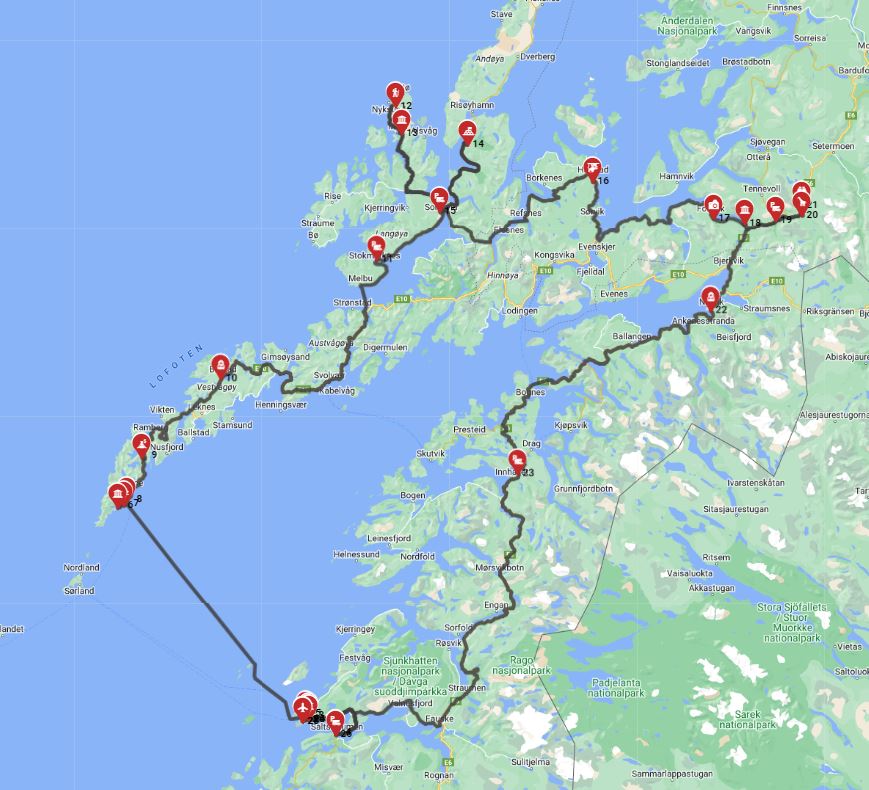
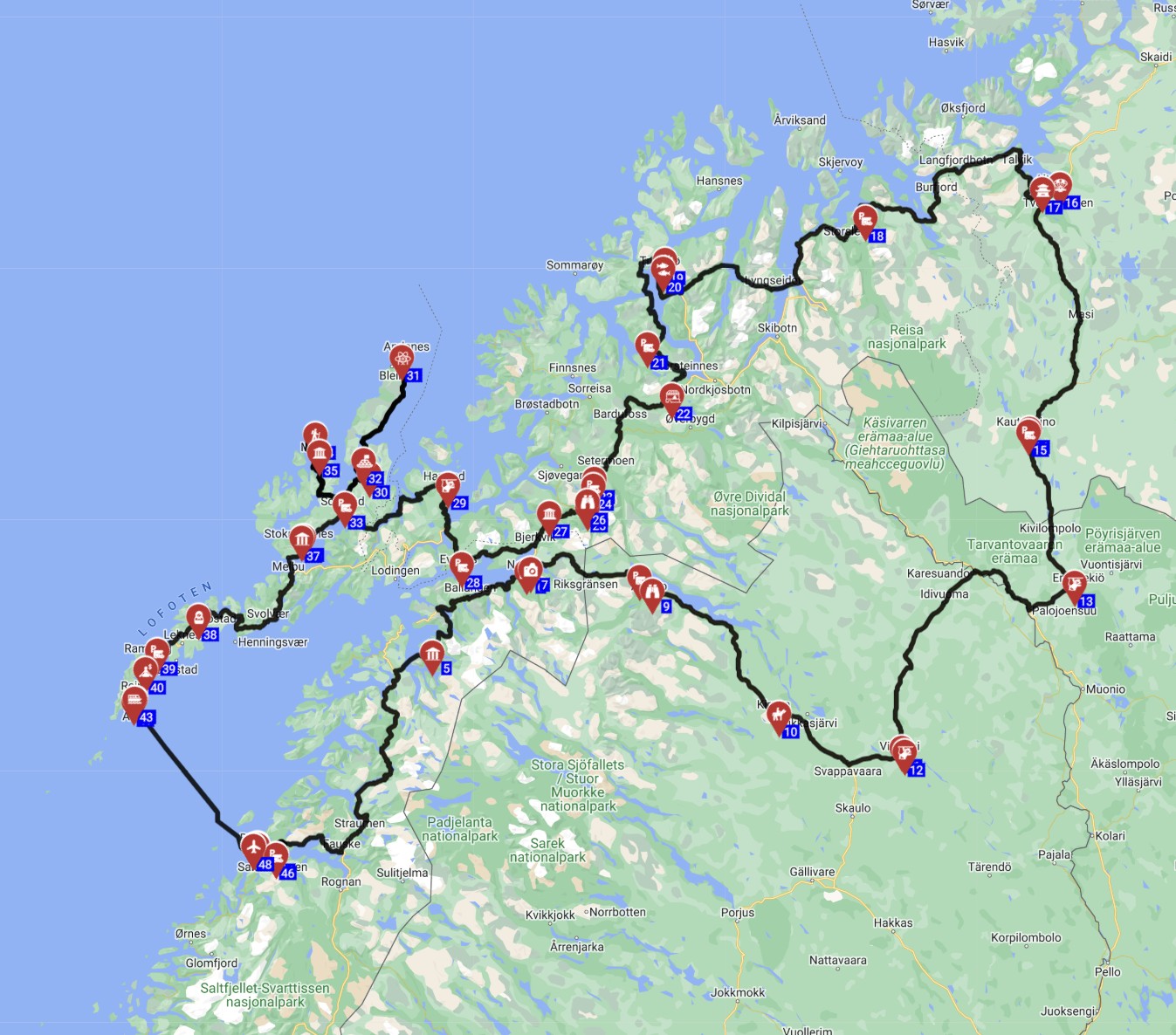
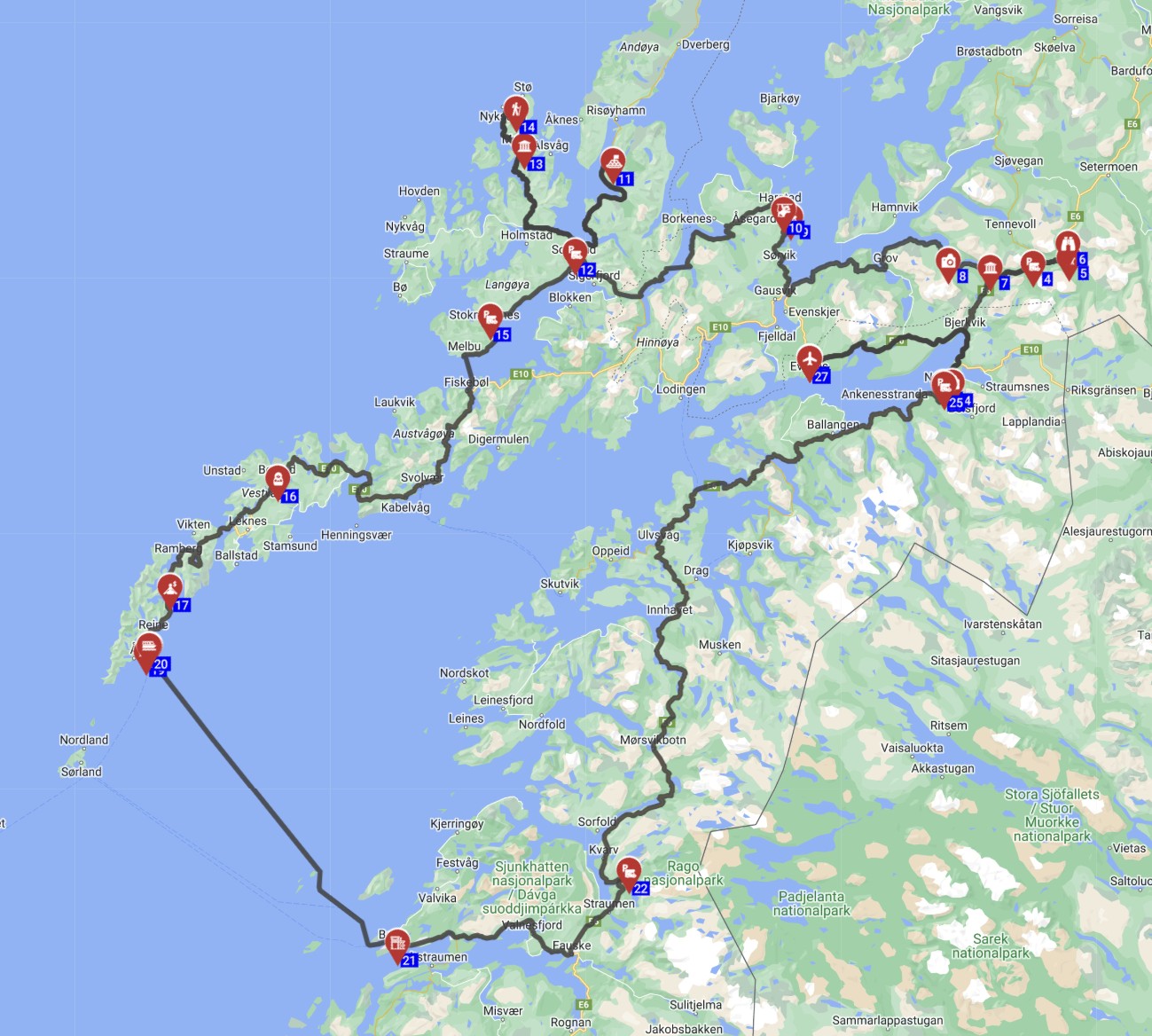
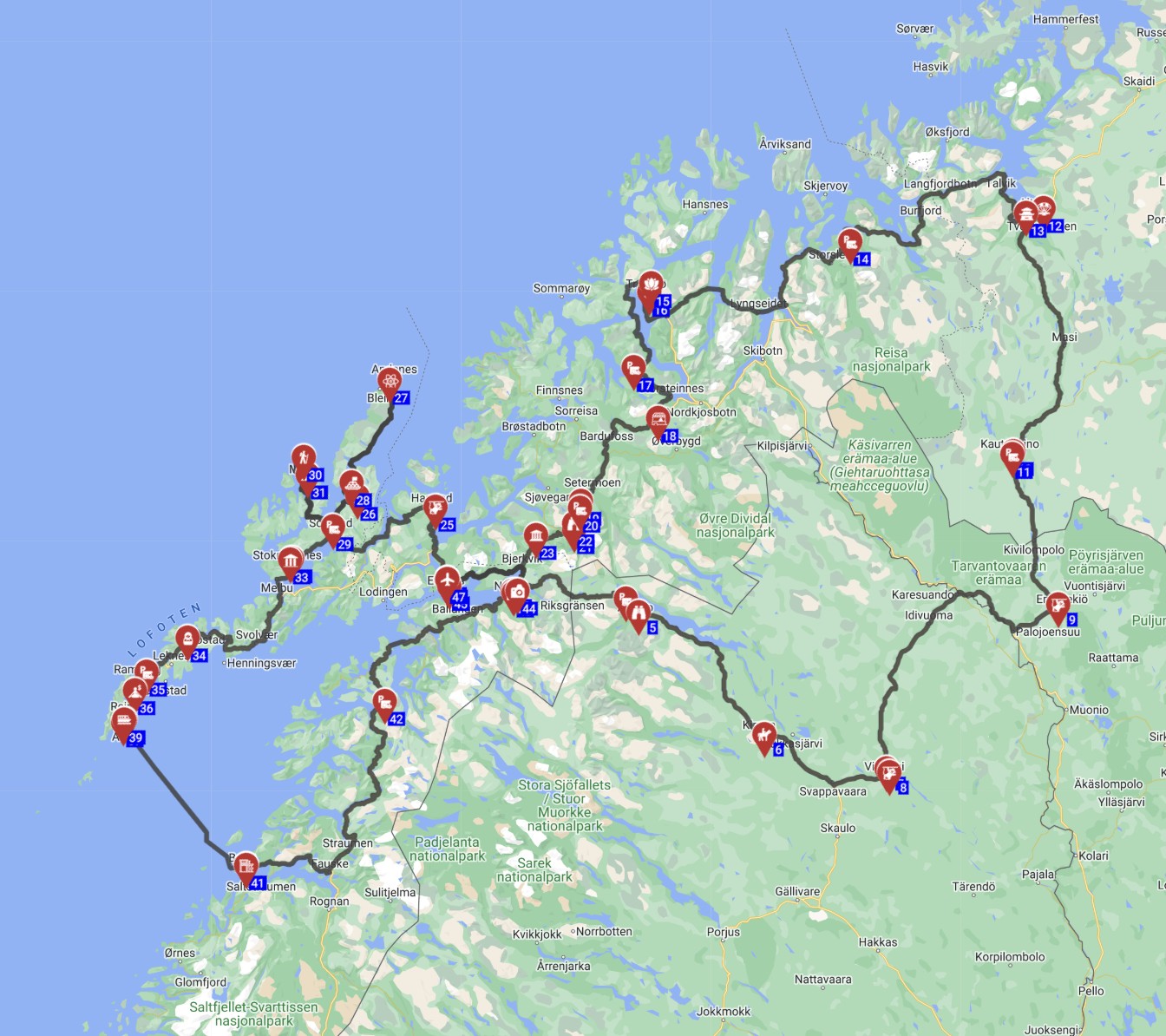
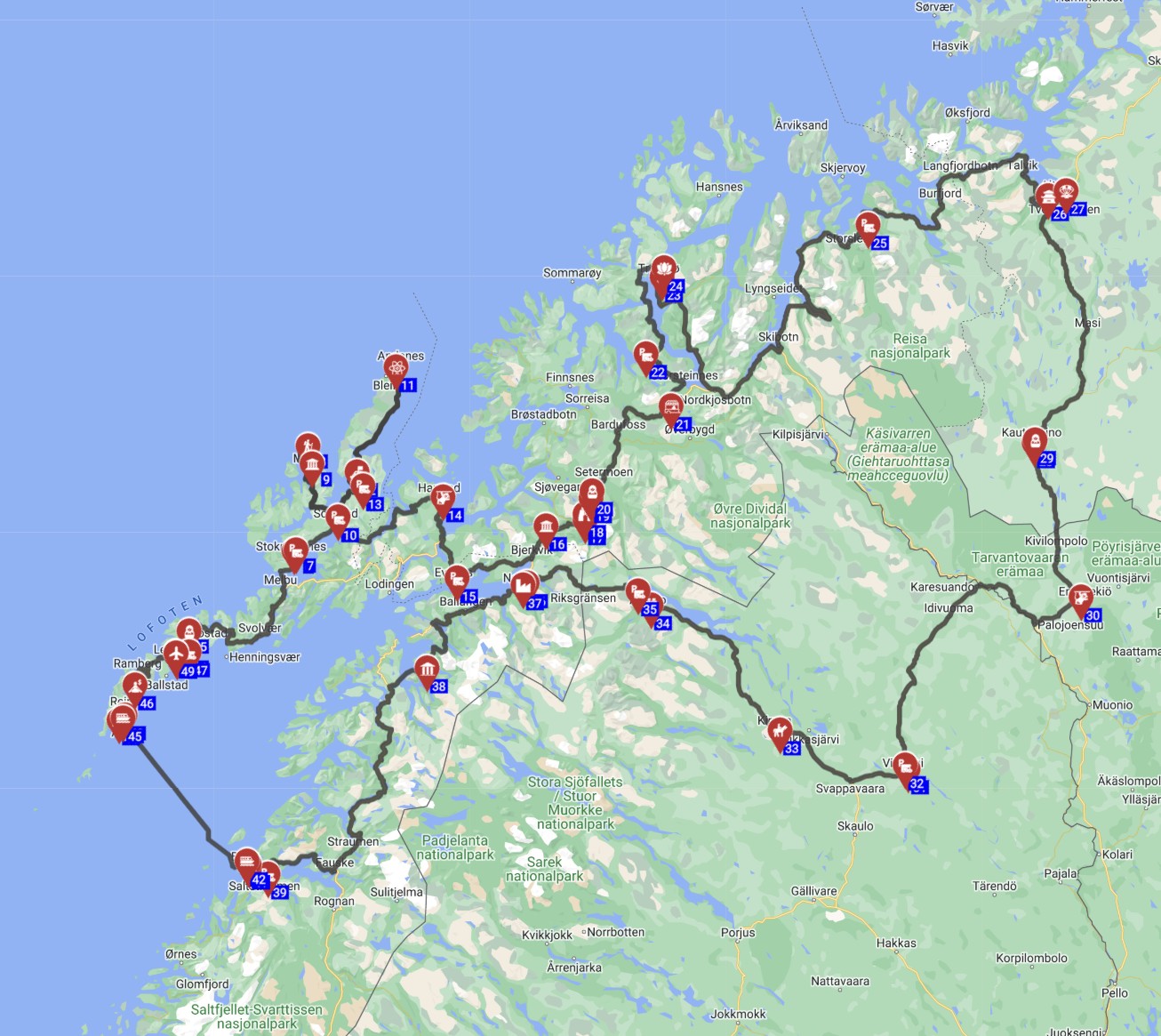
Discover arctic wonders on the RV PLANET routes such as the Tromsø Round Trip - Arctic Wonders: Northern Norway Family Road Trip, a 15-day, 2,402 km journey that includes 3 wildlife watches, 4 museums, and 2 hiking areas.
For a taste of coastal beauty, the Bergen Round trip - Norway’s Coastal Wonders is an 8-day, 782 km adventure starting and ending in Bergen, featuring 2 cruise terminals and 2 hiking areas, showcasing Norway's incredible natural features.
Final Thoughts
Your first RV adventure in Norway is more than just a trip; it's an opportunity to embrace freedom, connect with unparalleled natural beauty, and create lasting memories. While the thought of driving a rented motorhome for the first time in a new country might seem daunting, Norway's excellent infrastructure and the comprehensive guidance available ensure a manageable and incredibly rewarding experience. Remember, the journey itself is the destination – drive slowly, savor every moment, and let the magnificent Norwegian landscapes unfold around you.
At Bandana, we're dedicated to making your RV rental experience in Norway seamless and enjoyable, from your initial comparison to your post-booking coordination. We offer the expertise and support you need, ensuring you feel confident and prepared for the road ahead. Imagine waking up to a new fjord vista each morning, with your mobile home providing all the comforts you need.
So, take the leap! Norway is waiting to be discovered at your own pace, with the flexibility only a rented RV can offer. Get inspired for your next trip and plan a truly unforgettable adventure with Bandana.