In This Guide
- Can You Drive an RV in New Zealand? License & Age Rules
- Road Conditions & Terrain in New Zealand
- RV Size Limits, Bridges & Restricted Zones
- Fuel: Diesel vs. Petrol & Cost per 100 km
- Tolls, Vignettes & Border Rules
- Driving Tips for RV Rental Travelers
- Recommended RV Class for New Zealand Roads
- Should I Choose a Compact Van Instead of a Large RV in New Zealand?
- Can I Park Anywhere? Free & Wild Camping Rules in New Zealand
- Can I Drive an RV Into the City Center? Heights, Tunnels & Local Signage
- What is the 4-second rule in New Zealand?
- Is it difficult for Americans to drive in New Zealand?
- What is the 333 rule for campervan?
- Who insures motorhomes in NZ?
- Top Cities for RV Rental in New Zealand
- What You Shouldn't Miss
Imagine yourself winding through majestic fiords, past snow-capped peaks, and along pristine coastlines, all from the comfort of your own home on wheels. New Zealand is a dream destination for RV travel, offering unparalleled freedom and breathtaking scenery around every corner. As true RV specialists, we at Bandana RV have been helping tens of thousands of travelers explore the world by RV since our founding in 2001, and New Zealand is a favorite. For live availability and current prices, start with our RV Rental New Zealand - Complete Guide 2026 guide.
Embarking on a motorhome adventure, especially in a new country, comes with its unique set of questions and considerations. This guide is crafted specifically for first-time RV drivers in New Zealand, providing you with all the essential information to navigate the roads confidently and make the most of your adventure. We believe in full transparency: what you see is what you pay, with no hidden fees or surprises.
Can You Drive an RV in New Zealand? License & Age Rules
To drive a rented RV in New Zealand, international visitors generally need a current and valid overseas driver's license, accompanied by an official English translation or an International Driving Permit (IDP).
For most recreational vehicles (RVs) weighing under 3,500 kg Gross Vehicle Mass (GVM), a standard car license (equivalent to a New Zealand Class 1 license) is sufficient. This covers the vast majority of campervans and smaller Class C motorhomes, such as the "Koru Star 3 Freedom" model, which are popular choices for couples and families.
RVs exceeding 3,500 kg but remaining under 6,000 kg GVM might require a heavier vehicle license (Class 2 or equivalent), though most common rental motorhomes fall comfortably within the standard Class 1 limit. The minimum rental age for all motorhome classes (Class A, Class B, and Class C) is 21, and thankfully, there are no young driver surcharges or vehicle class restrictions based on age, making it accessible for a wider range of adventurers. Always carry your physical license with you, as digital copies are not accepted as legal identification for driving in New Zealand.
Road Conditions & Terrain in New Zealand
New Zealand's roads are generally well-maintained, but they are often narrower, more winding, and steeper than what many international drivers are accustomed to, especially in dramatic regions like the Southern Alps.
You will encounter a diverse mix of sealed (paved) roads, gravel (unsealed) roads, and numerous one-lane bridges, all of which demand careful and slower driving, particularly when maneuvering a larger vehicle like a rented motorhome. Urban areas like Auckland and Wellington feature good road networks, but traffic can be denser around major cities during peak hours. Drivers should anticipate rapidly changing conditions, from coastal routes to alpine passes, and always allow ample travel time for a scenic and safe journey. Remember our philosophy: travel slowly, a maximum of 100-150 km per day on average, to truly absorb the beauty of the place, connect to the culture, the food, and the scenery.
RV Size Limits, Bridges & Restricted Zones
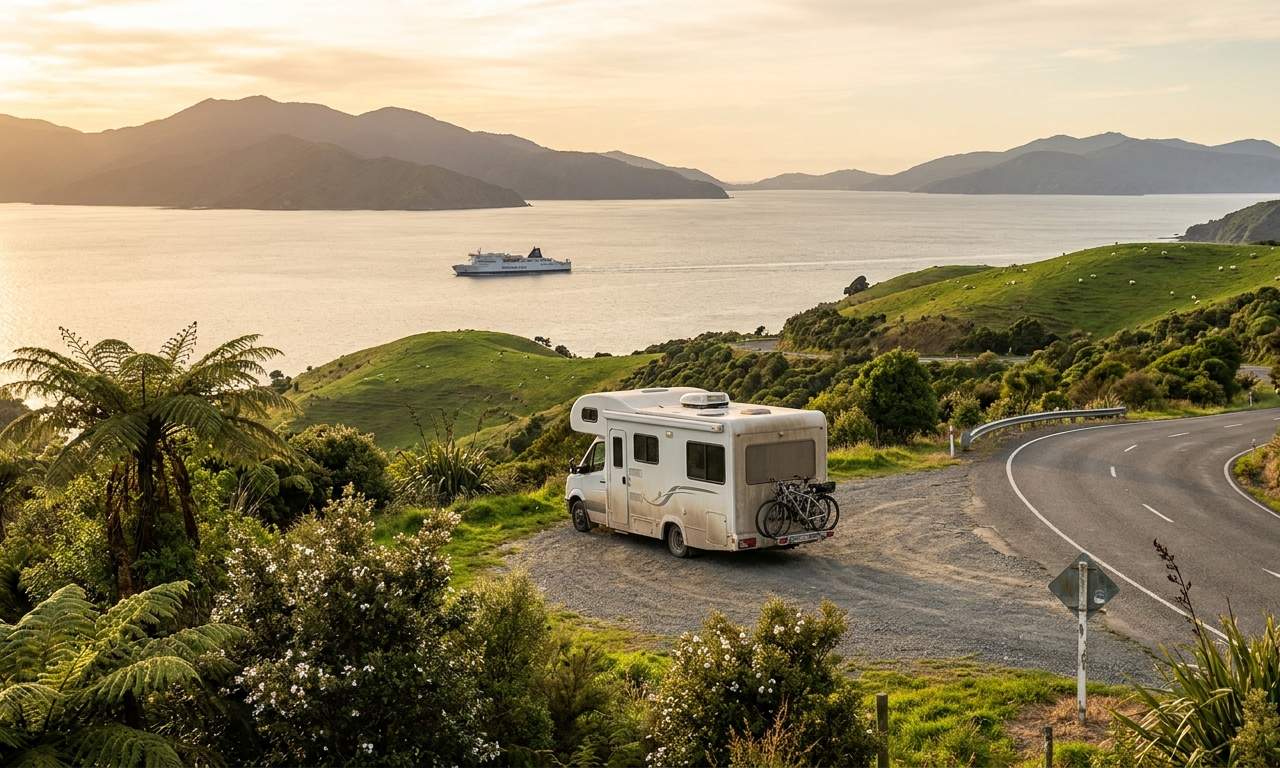
Most rented RVs can navigate New Zealand's roads, but drivers must always be vigilant about vehicle height and length, especially when approaching low bridges, tunnels like the iconic Homer Tunnel, and ferry crossings between the North and South Islands.
For example, larger RVs (often around 7 meters or more in length, like a Class C "Euro Deluxe" which has a length of 7.5 meters) should confirm their dimensions and any specific booking requirements when planning Interislander or Bluebridge ferry passages, as space can be limited and vary by vessel. Environmental zones or restricted access areas are rare for RVs in New Zealand, but paying close attention to local signage is always important, particularly in national parks or sensitive ecological areas where certain tracks may have length or weight restrictions. Always check your specific rental RV's dimensions and consult your rental provider for any known local restrictions to ensure a smooth trip.
Fuel: Diesel vs. Petrol & Cost per 100 km
Most larger rental motorhomes in New Zealand operate on diesel, which is typically more fuel-efficient than petrol, though smaller campervans may use petrol.
Bandana's global fleet averages suggest a Class SI (Semi-integrated) RV typically consumes 10-11 Liters/100 km, a Class C (Alcove) RV around 10-12 Liters/100 km, and a Class B (Camper Van) RV approximately 8-10 Liters/100 km. Diesel vehicles in New Zealand are also subject to Road User Charges (RUC), a fee based on distance traveled, which is usually pre-calculated and included in your rental agreement or managed by the rental company. Fuel availability is generally good in towns and cities across both the North and South Islands, but it is always wise to plan ahead on longer rural routes where service stations may be sparse. When budgeting for your trip, remember to account for these ancillary costs like fuel, campground fees, and groceries; many RV PLANET routes allow travelers to itemize and track every expense along the way for easy budgeting. On the routes offered through RV PLANET routes, you can itemize and track every expense along the way for easy budgeting.
Tolls, Vignettes & Border Rules
New Zealand has very few toll roads, primarily including the Northern Gateway Toll Road north of Auckland, and occasionally the Tauranga Eastern Link and Takitimu Drive toll roads.
There are no national vignettes or border crossings to worry about when driving a rented RV within New Zealand, simplifying travel logistics significantly. Many rental RVs, including some available through Bandana, allow for pre-purchasing toll passes or include electronic toll payment systems to streamline your journey and help you avoid potential fines. Always check with your rental provider about their specific toll management policies and how charges are handled to ensure a transparent and stress-free experience.
Driving Tips for RV Rental Travelers
Always drive on the left side of the road in New Zealand, and be highly mindful of your speed, as limits are strictly enforced and the often-winding roads demand caution.
Take frequent breaks, especially with family, and politely pull over safely in designated areas to allow faster traffic to pass on winding or narrow routes. Account for the larger size and weight of a motorhome; this means allowing for wider turns, significantly longer braking distances, and more time for overtaking, if necessary. Be prepared for rapidly changing weather conditions, particularly in mountainous areas of the South Island, and always check local forecasts before setting out. Familiarize yourself with distinctive New Zealand road signs, especially those indicating one-lane bridges, sharp bends, and areas prone to wildlife, such as kiwis or sheep. For finding campsites and campgrounds during your trip, we recommend using RV PLANET (rvplan.net) - a great resource for locating available spots along your route. You'll often find opportunities to enjoy meals cooked right in your campervan; check out our RV-friendly recipes playlist for inspiration.
Recommended RV Class for New Zealand Roads
For navigating New Zealand's diverse roads, a Class B Campervan or a Class SI (Semi-integrated) RV is often recommended for its optimal balance of maneuverability and onboard comfort.
Class B Campervans, averaging around 5.8 meters in length in Bandana's global fleet, offer exceptional agility for narrow roads and easier parking in towns and at attractions. These are ideal for couples or small families. Class SI (Semi-integrated) RVs, with an average length of 6.9 meters, provide more generous living space and amenities like full bathrooms and kitchens, while still being quite manageable on most routes. Larger Class C (Alcove) and Class A (Integrated) RVs (both averaging around 7.5 meters or more, such as the "cruise america rv rental example Explorer" model with a length of 7.1 meters or the "Jayco Grandiose" at 8 meters) are also suitable for New Zealand, offering superior comfort and space for longer extended trips or larger families, though they naturally require more cautious driving on winding roads and during ferry crossings. No matter the size, drive slowly and carefully, and you can drive almost anywhere without issues. No need to stress - just use common sense and pay attention.
Should I Choose a Compact Van Instead of a Large RV in New Zealand?
While New Zealand's road infrastructure generally accommodates all RV sizes, a compact campervan offers distinct advantages for drivers who prioritize maneuverability and access to tighter spaces.
Compact vans, such as many Class B Campervans like the "Active Pop Top" which is 5.99 meters long, are notably easier to park, more fuel-efficient, and less intimidating on New Zealand's often narrow, winding roads and when navigating bustling city centers like Queenstown. However, larger motorhomes, such as a 6-berth "Euro Deluxe" or a "Category Family 5" model, provide significantly more living space, enhanced privacy, and a wider range of amenities, including more extensive kitchen facilities and private bathrooms, which can be a better trade-off for extended family trips. The decision ultimately depends on your comfort level with driving a larger vehicle versus your desire for spacious onboard facilities and comfort for your particular adventure. For ideas on routes tailored to different vehicle sizes, explore RV PLANET routes.
Can I Park Anywhere? Free & Wild Camping Rules in New Zealand
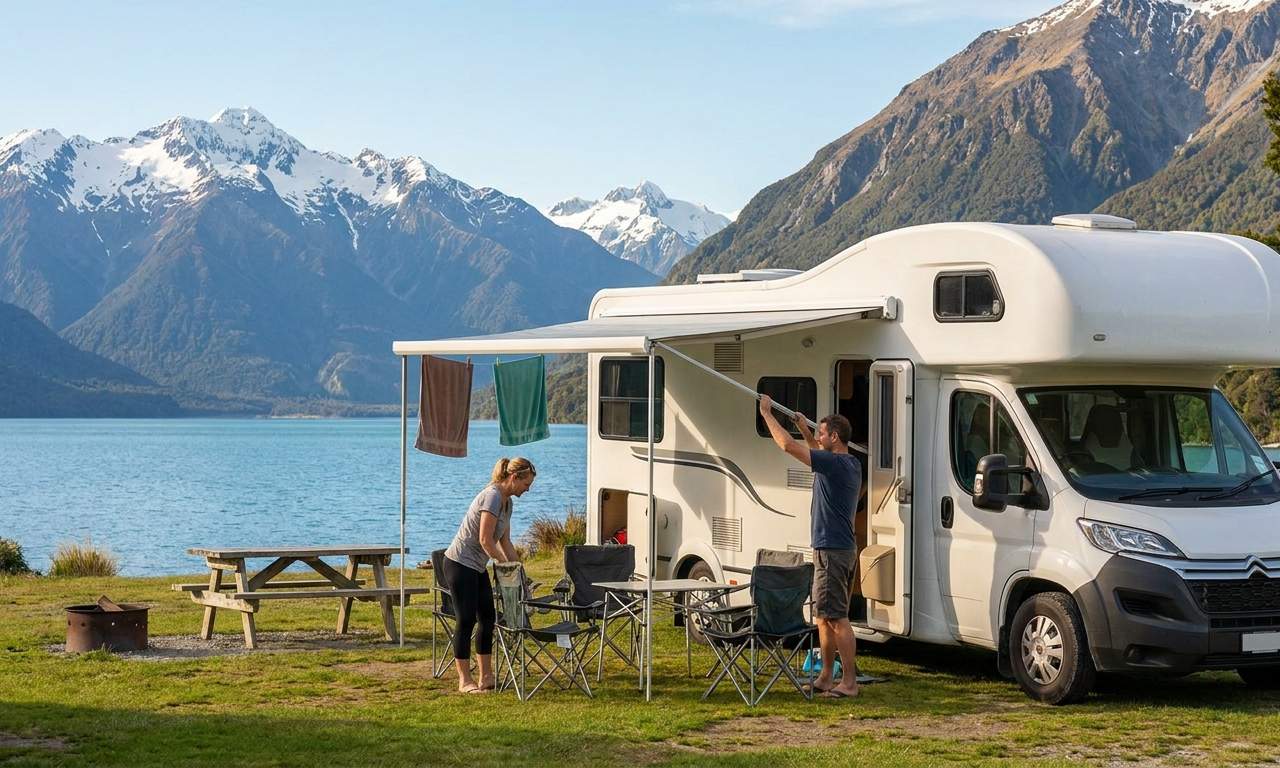
In New Zealand, "freedom camping" (often referred to as wild camping) is strictly permitted only for certified self-contained vehicles in designated areas.
Strict regulations are enforced under the Freedom Camping Act 2026, with significant fines, often up to $400 NZD, for illegal camping, especially if your rented motorhome is not certified self-contained (meaning it has a toilet, fresh water, grey water, and waste water tanks). Designated freedom camping sites can be found through the Department of Conservation (DOC), local council resources, and specialized camping apps; these sites typically offer basic facilities or none at all. For guaranteed amenities, including powered sites, showers, and cooking facilities, commercial holiday parks are plentiful throughout both the North and South Islands. Remember, freedom camping rules vary by region, so always check local regulations and follow local laws and signage before parking overnight.
Can I Drive an RV Into the City Center? Heights, Tunnels & Local Signage
Yes, you can drive almost any rented RV into New Zealand city centers, but careful attention to local signage, especially regarding height and weight restrictions, is paramount.
Drivers should always watch for overhead clearances, particularly for underground car parks, tunnels (like the one pictured in the "Mighty Campervan" description which needs careful navigation), and low bridges, which can be an issue for taller Class C or Class A motorhomes. Parking a large RV can be challenging and expensive in dense urban areas, so consider parking on the outskirts of major cities like Auckland or Christchurch and utilizing efficient public transport. Always be alert for residents-only streets, clearway zones during peak hours, and any specific environmental regulations that may restrict vehicle access in particular city areas. Drive slowly and carefully, and you can drive almost anywhere without issues. No need to stress - just use common sense and pay attention.
What is the 4-second rule in New Zealand?
The 4-second rule in New Zealand is a crucial defensive driving technique designed to help you maintain a safe following distance behind the vehicle in front of your rented RV.
To apply this rule, choose a fixed point ahead (like a roadside sign or a utility pole); once the vehicle in front of you passes that point, count "one thousand and one, one thousand and two, one thousand and three, one thousand and four." If your vehicle reaches the fixed point before you finish your count, you are following too closely and need to increase your distance. For larger vehicles like motorhomes, or in adverse weather conditions such as rain, fog, or on gravel roads, increasing this following distance to 5 or even 6 seconds is highly recommended to allow for longer braking distances and safer navigation.
Is it difficult for Americans to drive in New Zealand?
While many Americans find driving a rented RV in New Zealand to be a thrilling and rewarding experience, it can present some initial challenges primarily due to driving on the left side of the road and the country's unique road conditions.
New Zealand's roads are frequently narrower, more winding, and often less direct than typical American highways, with numerous changes in elevation and the common presence of one-lane bridges, which require specific give-way etiquette. Americans might also encounter different road signage and a driving culture that emphasizes patience and caution, especially when operating a larger motorhome or campervan. With adequate preparation, a conscious effort to adjust to left-hand driving, and strict adherence to local road rules, driving a rented RV in New Zealand is very manageable and offers an incredibly scenic adventure. Many find that the automatic transmission in most rental RVs, like the "rv rentals utah example Sunrise Escape", eases the transition.
What is the 333 rule for campervan?
The "333 rule" for campervans is not an official New Zealand traffic regulation but rather a widely adopted guideline for responsible and sustainable freedom camping, particularly relevant for motorhome and campervan users.
It generally suggests: do not stay more than "3 nights" in one location, do not park with more than "3 vehicles" (if not in a designated campground), and try to stay at least "3 kilometers" away from major towns or residential areas when freedom camping. This informal rule promotes a "Leave No Trace" philosophy, helps minimize environmental impact, and maintains positive relations with local communities by preventing overcrowding and ensuring fair access to popular spots. Adhering to principles like the "333 rule" complements official freedom camping laws, which mandate certified self-contained vehicles and designated sites. For finding legal campsites, remember rvplan.net is a fantastic resource.
Who insures motorhomes in NZ?
When renting a motorhome in New Zealand through Bandana, the rental company typically provides basic vehicle insurance as part of your rental agreement, which includes a standard excess (deductible) amount.
This basic insurance covers the rental vehicle itself, but renters usually have the option to purchase additional excess reduction insurance. This can be done directly from the rental company or through a third-party provider to significantly lower or even eliminate the deductible in case of damage. For international visitors, your personal travel insurance might offer coverage for rental vehicle excess, though it is crucial to meticulously check your policy details for specific exclusions or limitations related to RVs and motorhomes. We pride ourselves on full transparency, ensuring you understand all insurance options and costs before you book, with no hidden fees or surprises.
Top Cities for RV Rental in New Zealand
New Zealand offers several excellent starting points for your rented motorhome adventure, each providing easy access to different scenic regions.
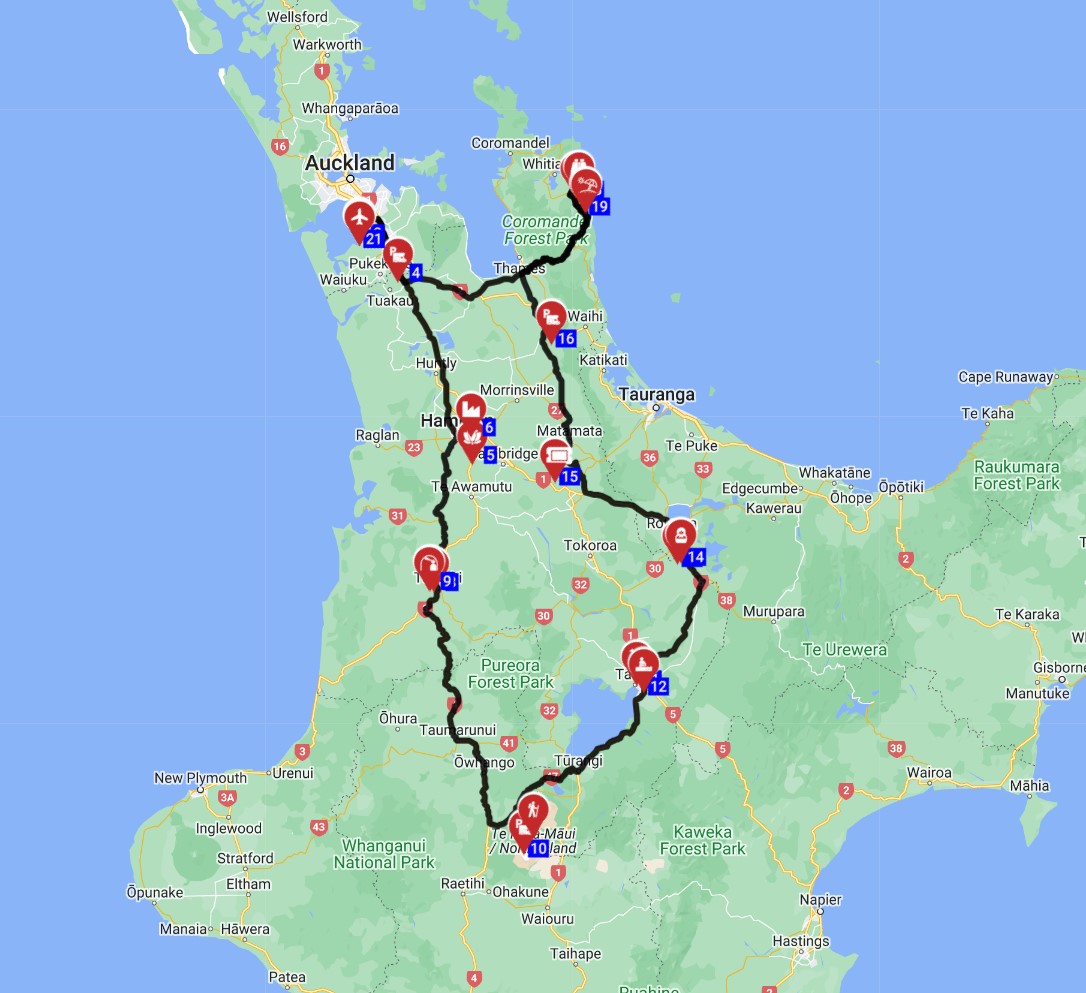
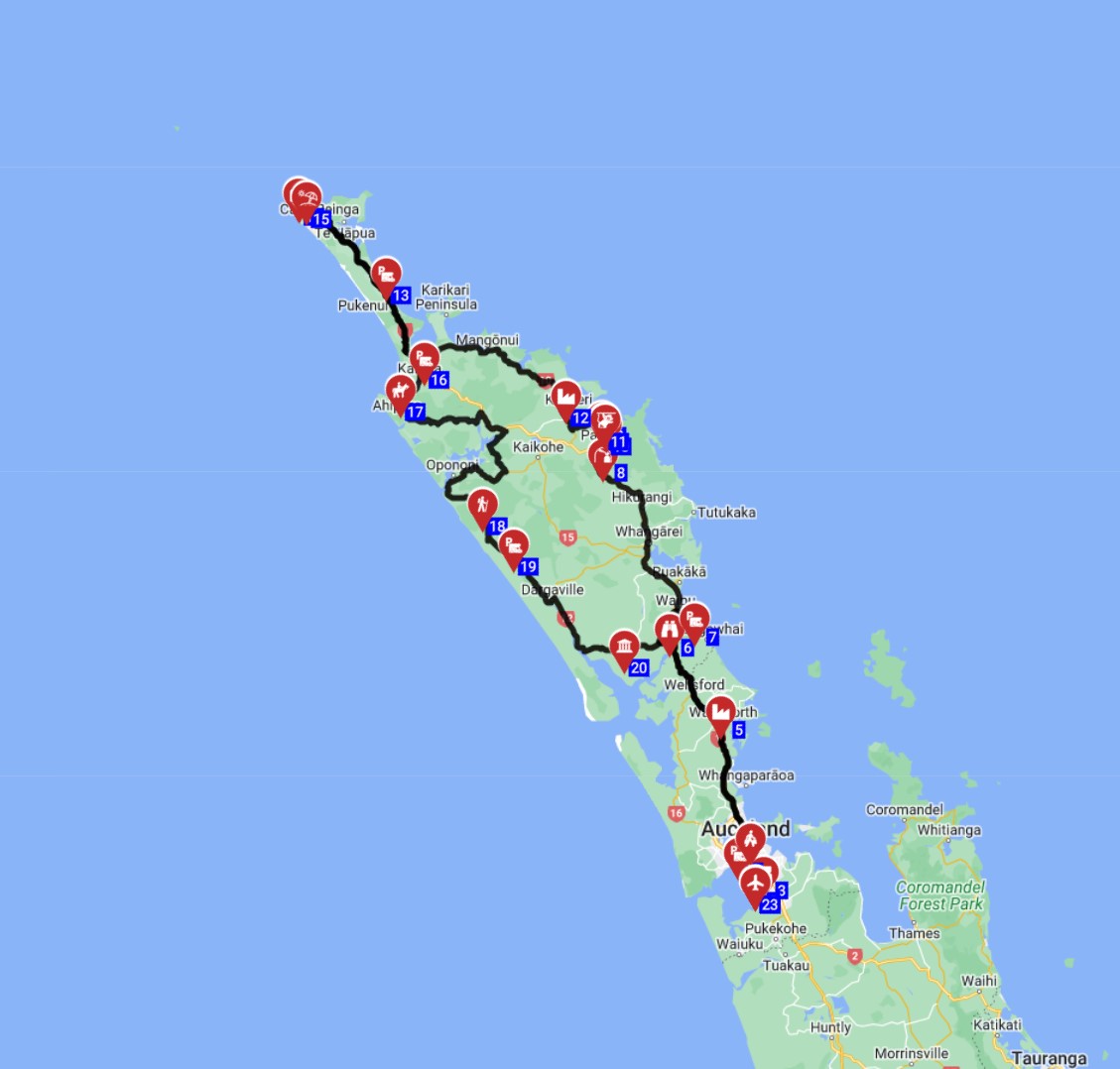
- Auckland: As the largest city, Auckland on the North Island is a major international gateway and offers the widest selection of RV rental suppliers. It's a perfect launchpad for exploring the Northland, Coromandel Peninsula, or heading south towards Rotorua.
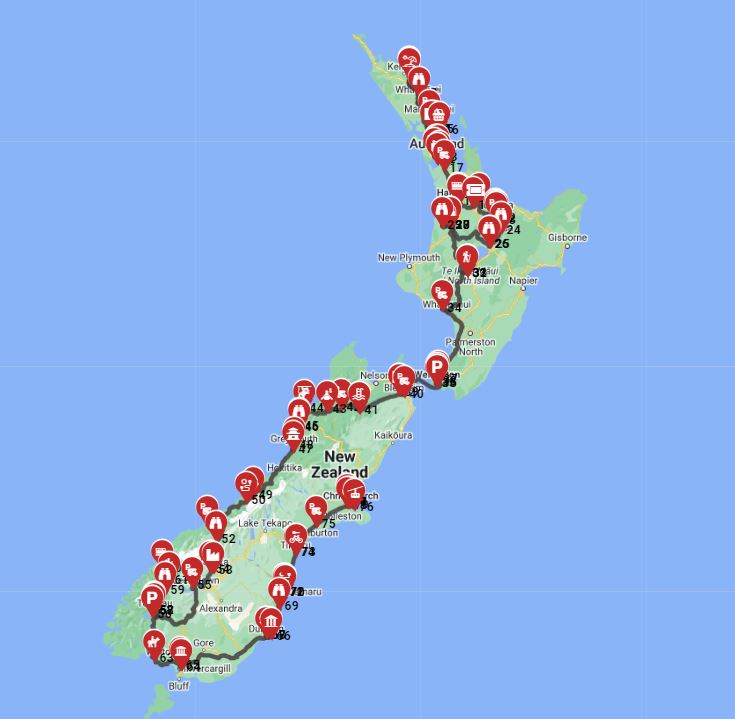
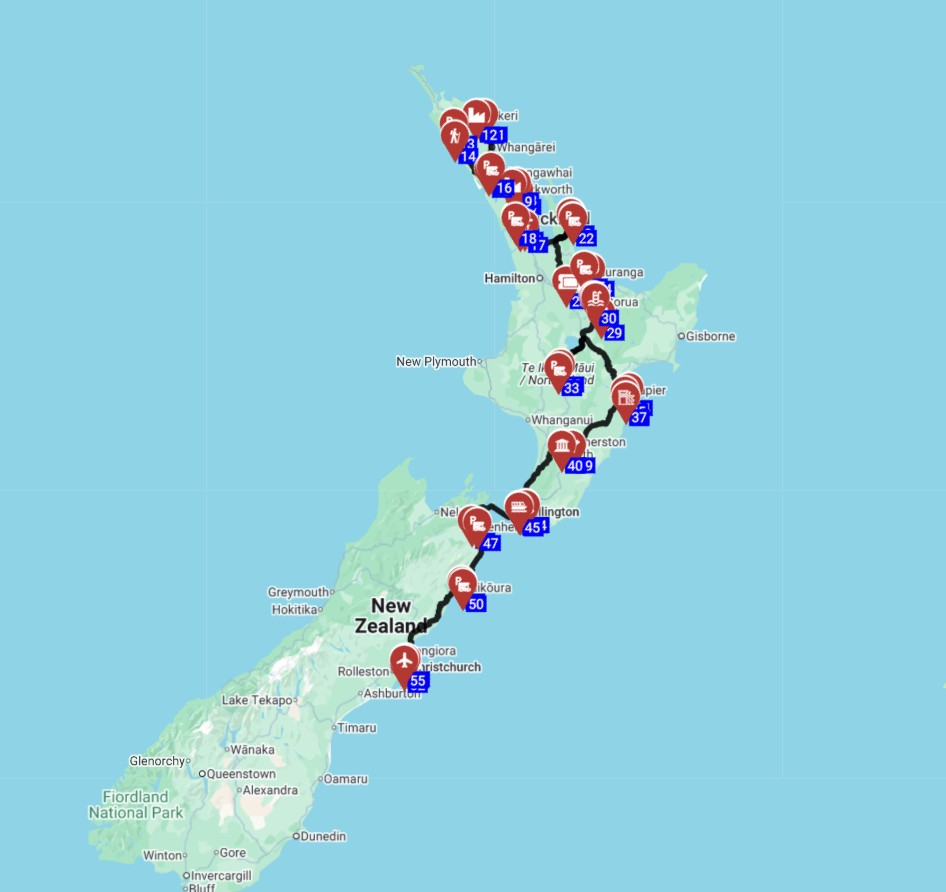
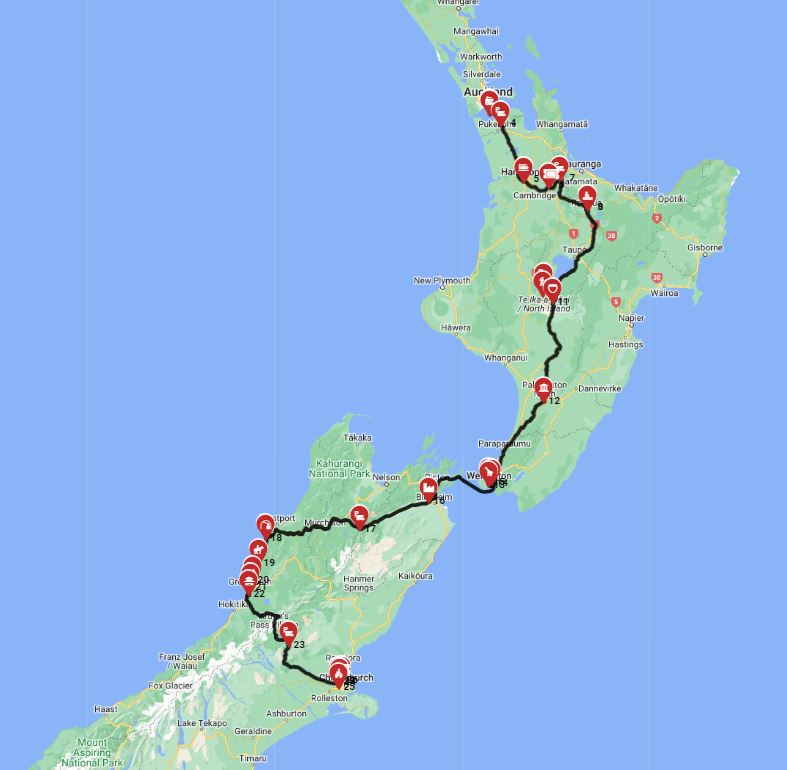
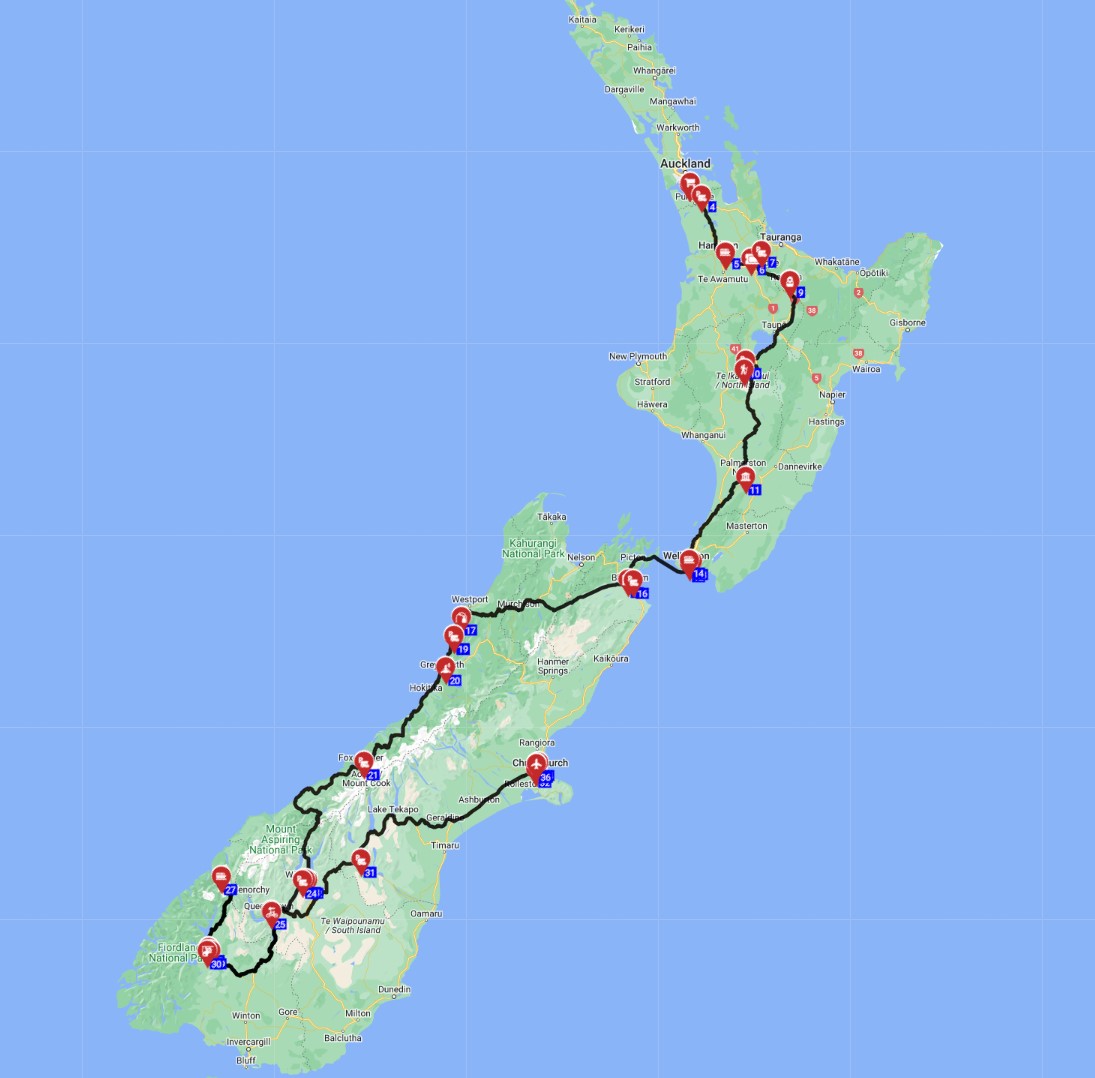
- Christchurch: The largest city on the South Island, Christchurch is a fantastic base for exploring the stunning landscapes of the Southern Alps, the West Coast glaciers, or the fiords of Milford Sound. Our "
" route plan covers 18 days and 2647.3 km, taking in 5 hiking areas and 3 museums.
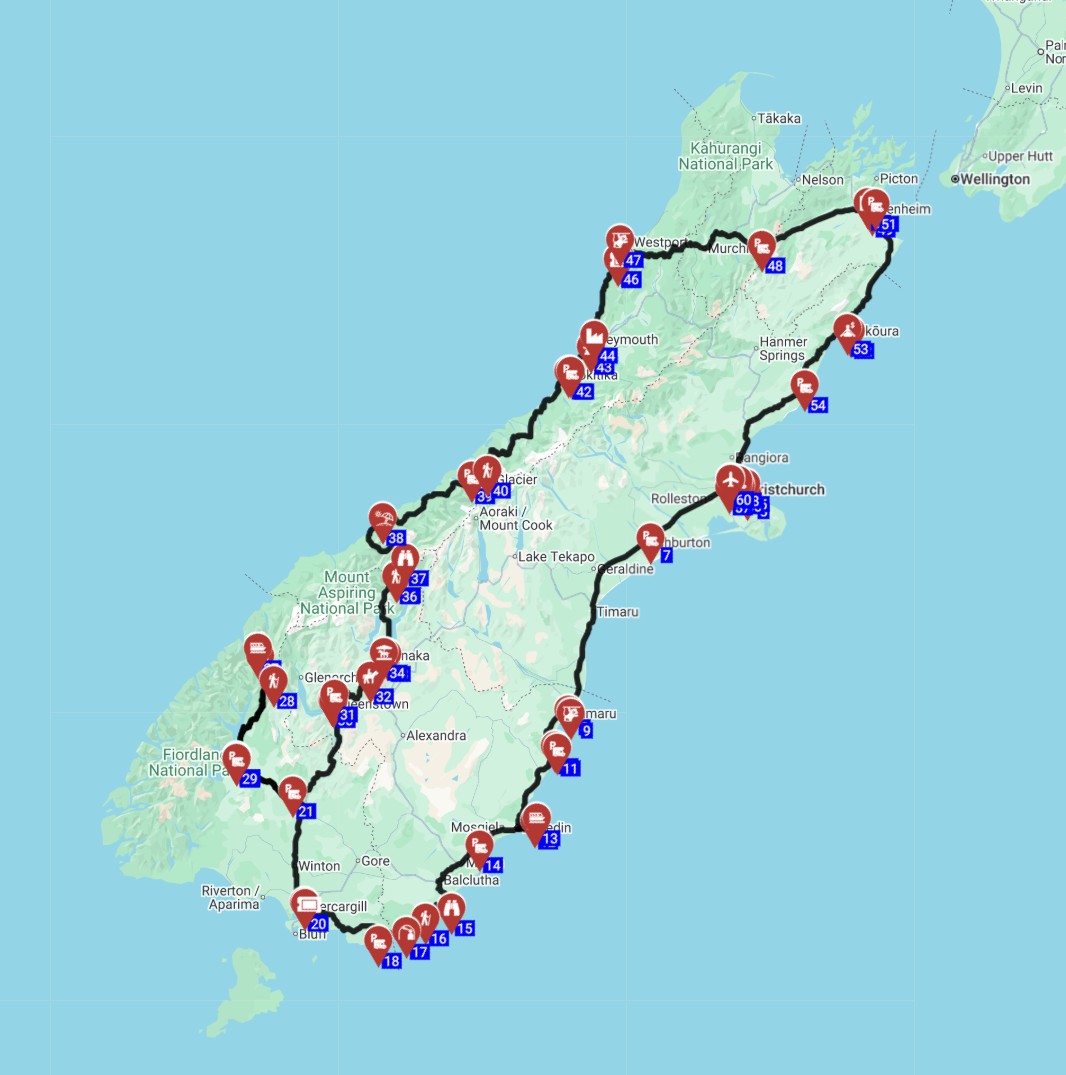 Christchurch Roundtrip - Around the South Island
 - Queenstown: Known as the adventure capital of the world, Queenstown on the South Island is ideal for those wanting immediate access to stunning alpine scenery, ski fields, and thrilling activities. Many rentals offer convenient airport pickups here.
- Wellington: New Zealand's capital city, located at the southern tip of the North Island, is a vibrant cultural hub. It's also the main ferry crossing point for those traveling between the North and South Islands with their RV.
- Dunedin: On the southeast coast of the South Island, Dunedin offers a unique Scottish heritage and is a great starting point for exploring the Otago Peninsula and its incredible wildlife.
- Rotorua: Famous for its geothermal activity and rich Māori culture, Rotorua on the North Island provides an excellent mid-trip pickup location for a more focused regional RV adventure.
When selecting your pickup and drop-off locations, consider if a one-way rental is an option for your itinerary. One-way RV rentals in New Zealand are very popular with most suppliers, allowing you to maximize exploration without backtracking, though a drop-off fee may apply depending on the route and distance. Plan a trip itinerary in advance with minimal effort and maximum enjoyment using RV PLANET.
🎬 Video coming soon
What You Shouldn't Miss
New Zealand offers an incredible array of experiences for RV travelers. Here are some top adventures that truly capture the spirit of the Land of the Long White Cloud:
- Milford Sound Cruise: Journey through the Homer Tunnel and embark on a breathtaking cruise through Milford Sound in Fiordland National Park, often described as the "eighth wonder of the world." The scale of the fiord and its waterfalls is simply immense.
- Hike in Tongariro National Park: On the North Island, explore the volcanic landscapes of Tongariro National Park, a dual World Heritage site. Even if you don't tackle the famous Tongariro Alpine Crossing, numerous shorter walks offer stunning views.
- Experience Māori Culture in Rotorua: Immerse yourself in the vibrant Māori culture in Rotorua. Enjoy a Hāngi (traditional feast cooked in an earth oven), witness a captivating cultural performance, and marvel at the geothermal wonders.
- Explore the Abel Tasman National Park: Paddle a kayak through the golden beaches and turquoise waters of Abel Tasman National Park on the South Island. It’s perfect for a multi-day trip with coastal camping spots accessible by water taxi.
- Queenstown's Adventure Hub: From bungee jumping to jet boating, Queenstown is your adrenaline capital. Take a scenic gondola ride for panoramic views, or enjoy a leisurely cruise on Lake Wakatipu.
- West Coast Glaciers: Drive the dramatic West Coast of the South Island to witness the Franz Josef and Fox Glaciers. While glacial recession means distant views, the surrounding rainforest and mountain scenery are spectacular.
Looking for expert insights from Avi Bandana? Top 5 Adventures - recommendations from Avi Bandana.
Final Thoughts
Embarking on your first rented RV adventure in New Zealand is an incredible way to experience the country's stunning landscapes and vibrant culture at your own pace. With a bit of preparation and understanding of local driving customs, you'll find navigating the roads to be a delightful part of the journey. Remember to embrace the slow travel philosophy, allowing plenty of time to explore and connect with each unique place.
Whether you choose a compact campervan for agile exploration or a spacious motorhome for family comfort, the freedom of an RV rental gives you a mobile base to create unforgettable memories. Our team at Bandana is here to support you before, during, and after your booking, ensuring a smooth and enjoyable experience. We invite you to discover top destinations, planning tips, all in one place!
So, are you ready to hit the open road and explore the breathtaking beauty of New Zealand? Your ultimate adventure awaits!