In This Guide
- Can You Drive an RV in Christchurch? License & Age Rules
- Road Conditions & Terrain in Christchurch
- RV Size Limits, Bridges & Restricted Zones
- Fuel: Diesel vs. Petrol & Cost per 100 km
- Tolls, Vignettes & Border Rules
- Driving Tips for rv rental beginners Travelers
- Recommended RV Class for Christchurch Roads
- Should I Choose a Compact Van Instead of a Large RV in Christchurch?
- Can I Park Anywhere? Free & Wild Camping Rules in Christchurch
- Can I Drive an RV Into the City Center? Heights, Tunnels & Local Signage
- What You Shouldn't Miss
Can You Drive an RV in Christchurch? License & Age Rules
 A standard Class 1 New Zealand driver's license typically permits driving most rental RVs up to 3,500 kg Gross Vehicle Mass (GVM) without any special endorsements. This means that a regular car license is generally sufficient for all motorhome classes (Class A, Class B, and Class C) offered for rental in New Zealand. International visitors can legally drive an RV in New Zealand for up to 12 months with a valid overseas driver's license, provided it is either in English or accompanied by an approved English translation or an International Driving Permit (IDP). The minimum driving age for most RV rental companies in Christchurch is 21 years, and Bandana Caravan ensures there are no young driver surcharges or vehicle class restrictions based on age, making RV travel accessible to a broader audience. Remember to always carry your valid license and, if applicable, your IDP with you while driving.
Road Conditions & Terrain in Christchurch
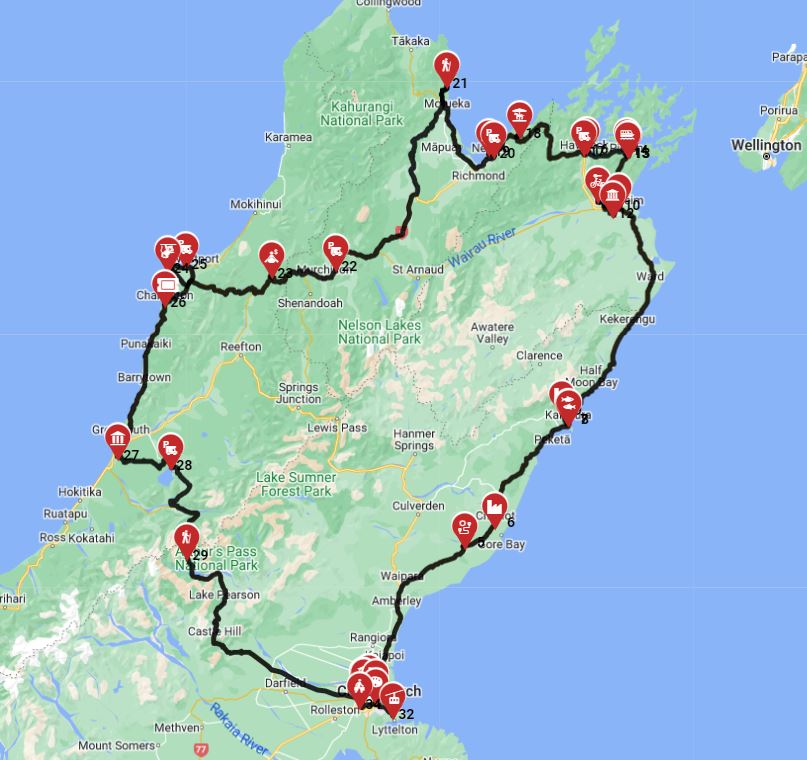
Road conditions around Christchurch are generally well-maintained, providing a comfortable driving experience for most of your journey. However, when venturing beyond the flat Canterbury Plains towards the Southern Alps or coastal routes like State Highway 1 North or South, you should be prepared for diverse terrain, including winding sections, narrow passes, and occasionally unsealed (gravel) roads. Many New Zealand roads, especially scenic routes, can be narrower than those found in other countries, often featuring one-lane bridges and tight corners that require cautious driving. Encouraging slow and scenic driving, ideally max 100-150 km per day on average, allows for better appreciation of the breathtaking landscapes and safer navigation for beginners in larger vehicles. This approach lets you take time to feel the place, connect to the culture, the food, and the scenery. For comprehensive itineraries that factor in New Zealand's varied terrain, explore the professionally curated RV PLANET routes, which allow you to itemize and track every expense along the way for easy budgeting.RV Size Limits, Bridges & Restricted Zones
While there are generally no specific city-wide RV size restrictions in Christchurch, drivers must be mindful of individual vehicle dimensions for parking and low-clearance areas, such as underground car parks or older bridges. Most rental RVs, with lengths typically ranging from 5.8m (a compact Class B Camper Van like the "rv rental denver example Category Van" or "Active Standard") to 7.5m (a larger Class A Integrated motorhome such as the "Euro Deluxe"), will fit comfortably on New Zealand roads and standard parking spaces. For instance, a typical Class C motorhome like the "cruise america rv rental example Explorer" measures around 7.1 meters in length and 2.78 meters in width. When planning your route or booking ferries, such as the Interislander or Bluebridge services between the North and South Islands, precise vehicle measurements for length and height are required for booking and pricing purposes. Unlike some European cities, environmental zones are not typically present in Christchurch or other New Zealand urban centers, simplifying city navigation.Fuel: Diesel vs. Petrol & Cost per 100 km
Most larger rental RVs in New Zealand, including Class SI (Semi-integrated) and Class C (Alcove) models, typically run on diesel fuel, while smaller Camper Vans (Class B) may use either petrol or diesel. Diesel is generally cheaper per liter than petrol, but diesel vehicles in New Zealand are subject to Road User Charges (RUCs), which are often pre-paid by rental companies or charged upon return based on mileage. Fuel consumption for Bandana's fleet in Christchurch typically ranges from 8-13 Liters per 100 km; for example, a "V3" campervan averages 11-13 L/100 km, while larger models like the "C-30" might consume around 23 L/100 km. Budgeting for approximately NZD $20-35 per 100 km for fuel (including RUC for diesel) is a reasonable estimate, depending on vehicle type and current fluctuating prices. Fuel prices can vary across regions, so it's always a good idea to fill up before leaving major towns.Tolls, Vignettes & Border Rules
New Zealand has very few toll roads, and importantly, none are located directly within Christchurch or the immediate Canterbury region. Most toll roads are situated in the North Island, primarily near Auckland and Tauranga. Unlike some European countries that use a vignette system, there are no such requirements for driving on New Zealand roads. As New Zealand is a single country, travelers experience no internal border rules or customs checks when traveling between different regions, including journeys from Auckland to Christchurch or any other domestic route. If you do happen to encounter a toll road elsewhere in New Zealand, some rental companies may offer convenient pre-purchased toll passes or automated payment systems to simplify your journey and help you avoid potential fines.Driving Tips for rv rental beginners Travelers
Always drive on the left-hand side of the road in New Zealand and be especially vigilant after rest stops or exiting campsites, as this is a common point for confusion for international drivers. Adhere strictly to posted speed limits, which are a maximum of 100 km/h on open roads and 50 km/h in urban areas like central Christchurch, and reduce your speed on winding roads, unsealed (gravel) sections, or when approaching one-lane bridges. Take frequent breaks, especially for longer journeys, as New Zealand's diverse scenery can be distracting and roads can be more demanding than expected. Utilize passing lanes where provided, and if a queue of vehicles forms behind your rented RV on a winding road, pull over safely at the next available opportunity to let them pass. Be aware of local wildlife, particularly sheep and cattle in rural areas, and flightless birds like kiwi and weka near conservation land, especially when exploring areas accessible from Christchurch.Recommended RV Class for Christchurch Roads
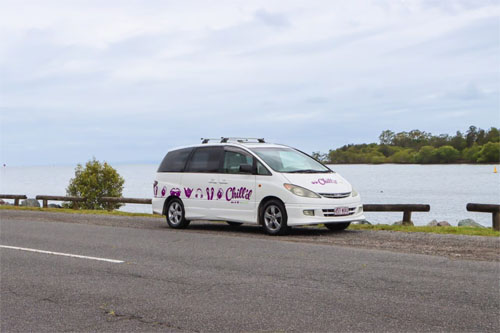
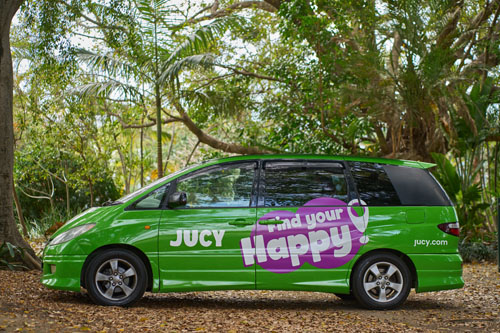
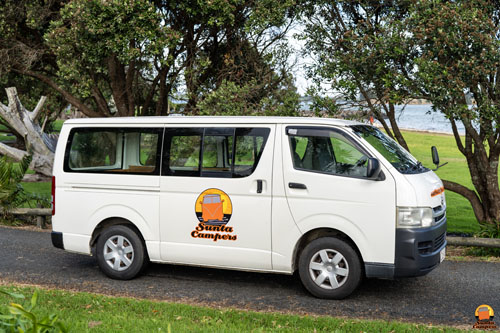
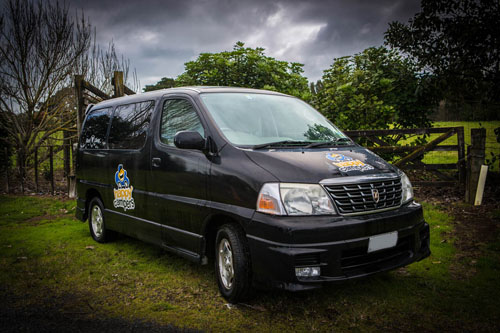
For RV rental beginners in Christchurch, a Class B Camper Van or a Class SI Semi-integrated RV is generally recommended due to their optimal balance of maneuverability and comfortable amenities. Class B Camper Vans, averaging around 5.8 meters in length like the "2 Berth Hi Top" or "Active Compact Select," are the easiest to drive and park, making them ideal for navigating city streets, smaller campsites, and tighter scenic routes, while still offering essential amenities for 2-3 people. Class SI Semi-integrated RVs, with an average length of 7 meters, such as the "2 Berth Rover" or "Active Long Select," provide more living space and amenities for up to 3-4 people, yet remain manageable on New Zealand's main roads without feeling overly cumbersome. While larger Class C Alcove (averaging 7.3m, like the "4 Berth Deluxe") and Class A Integrated (averaging 7.5m, like a "Class A - Thor ACE 30") RVs offer ample space for larger groups (4-5 adults), their increased length and height can be more challenging for first-time RV drivers on narrower or winding roads. Our "RV Travel Guide to Christchurch - Tips and Top Spots 2026" offers video insights into choosing the right vehicle.Should I Choose a Compact Van Instead of a Large RV in Christchurch?
Choosing a compact van (Class B Camper Van) over a larger motorhome for your Christchurch trip offers significantly easier maneuverability and parking, particularly in urban areas and smaller, more rustic campsites. While compact vans are typically more fuel-efficient, with models like the "Paradise Family 5" consuming around 13 L/100km, and generally more nimble on winding roads, they usually offer less interior space, fewer amenities (like a full bathroom or large kitchen), and more limited storage for longer trips. For beginners, the perceived difficulty of driving a larger RV in Christchurch is often overstated; most main roads and highways are well-suited for all common RV sizes. The decision ultimately hinges on your travel priorities: a compact van for maximum agility and budget efficiency, or a larger RV like a Class SI Semi-integrated for enhanced comfort, dedicated sleeping areas, and more extensive facilities, which might be a better trade-off for a week-long trip or larger group. Our "RV Rental in Christchurch - Prices and Best Deals 2026" guide can help you compare costs for different sizes.Can I Park Anywhere? Free & Wild Camping Rules in Christchurch
Freedom camping, or wild camping, in Christchurch and across New Zealand is heavily regulated and generally requires your rented RV to be certified 'self-contained' to stay in designated areas. Christchurch City Council bylaws specifically restrict freedom camping in many urban and popular recreational areas, often limiting it to specific sites or prohibiting it entirely, so don't expect to just pull over anywhere. Using resources like the CamperMate app is essential for finding legal overnight parking spots, including designated freedom camping sites, Department of Conservation (DOC) campsites (some offering basic facilities for NZD $8-15 per night), and commercial holiday parks (typically NZD $20-80 per night for a powered site). Unauthorised freedom camping can result in significant fines (up to NZD $400) and is a common issue for beginner RV renters, so always check local regulations and follow posted signage before parking overnight. Many established sites, like the Christchurch TOP 10 Holiday Park, offer full amenities including cooking facilities and dump stations. Looking for more options? Our "Weekly RV Rental in Christchurch - Pricing 2026" guide provides context for trip planning.Can I Drive an RV Into the City Center? Heights, Tunnels & Local Signage
Yes, you can almost always drive a rented RV into the Christchurch city center, as there are no specific blanket restrictions against RVs entering the central business district. The primary considerations for driving an RV in Christchurch's city center are limited parking availability, particularly for larger vehicles exceeding 6.5 meters, and potential height restrictions in multi-story car parks. Always pay close attention to local signage for height limits, especially when attempting to enter underground or covered parking facilities, and be mindful of narrow streets or pedestrian zones which may require extra care. Christchurch does not have specific low bridges, tunnels with restrictive heights, or environmental (low emission) zones that would typically impede RV access to its central areas. Drive slowly and carefully, and you can drive almost anywhere without issues. No need to stress - just use common sense and pay attention. For instance, parking near Hagley Park or the Canterbury Museum is often more accommodating for larger vehicles than on tight inner-city streets.What You Shouldn't Miss
- Explore the re-emerging city center, visiting the **Re:START Mall**, the innovative **Cardboard Cathedral**, and the vibrant **Riverside Market** for local delicacies.
- Take a tranquil punt ride on the **Avon River**, drifting past the stunning **Botanic Gardens**, a perfect way to relax after your RV journey.
- Drive up to the **Port Hills** (Summit Road) for panoramic views of Christchurch, the Southern Alps, and the Pacific Ocean. Consider a hike or bike ride along one of the many tracks.
- Visit the **International Antarctic Centre** near Christchurch Airport for an immersive experience that simulates Antarctic conditions, complete with a Hagglund ride and a storm dome.
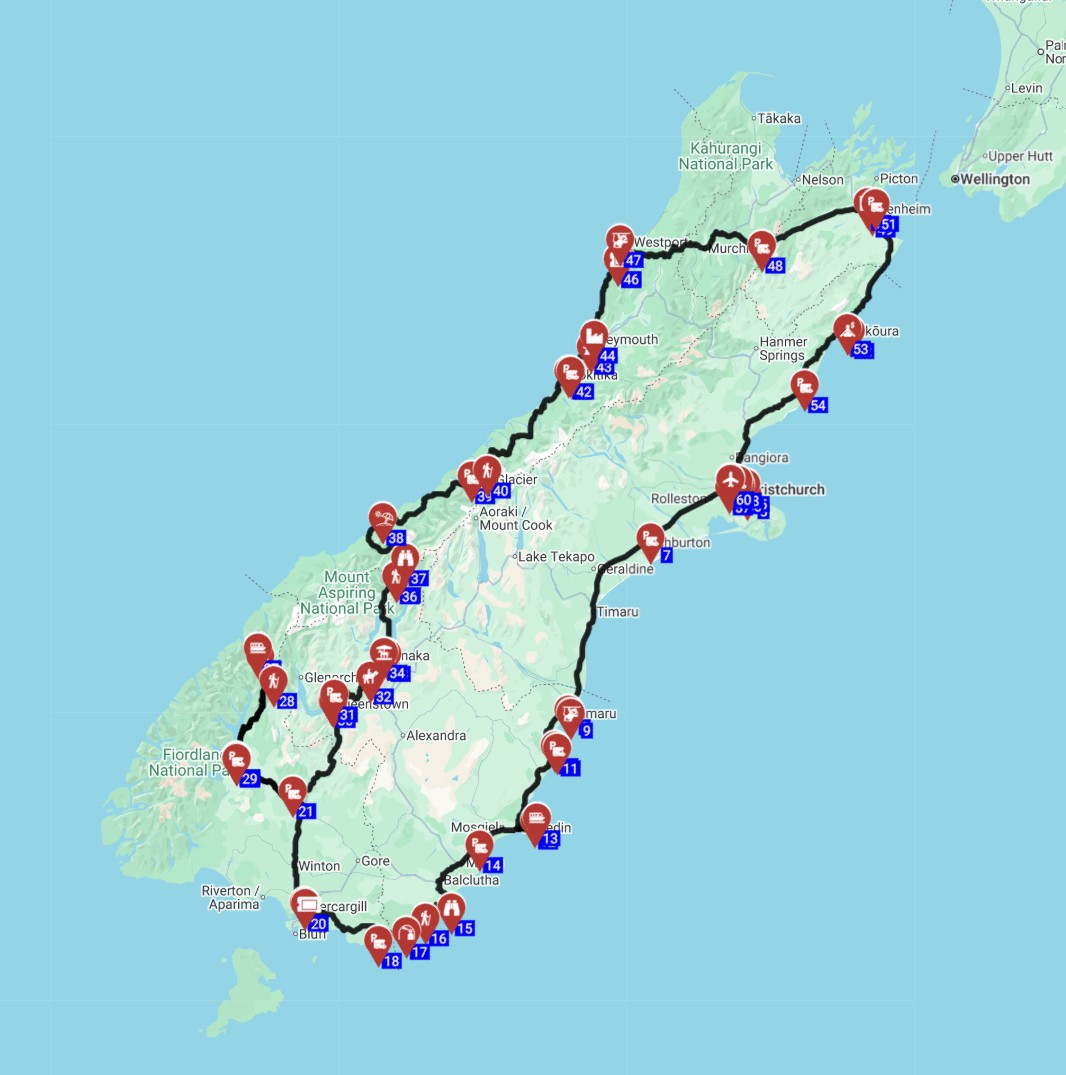
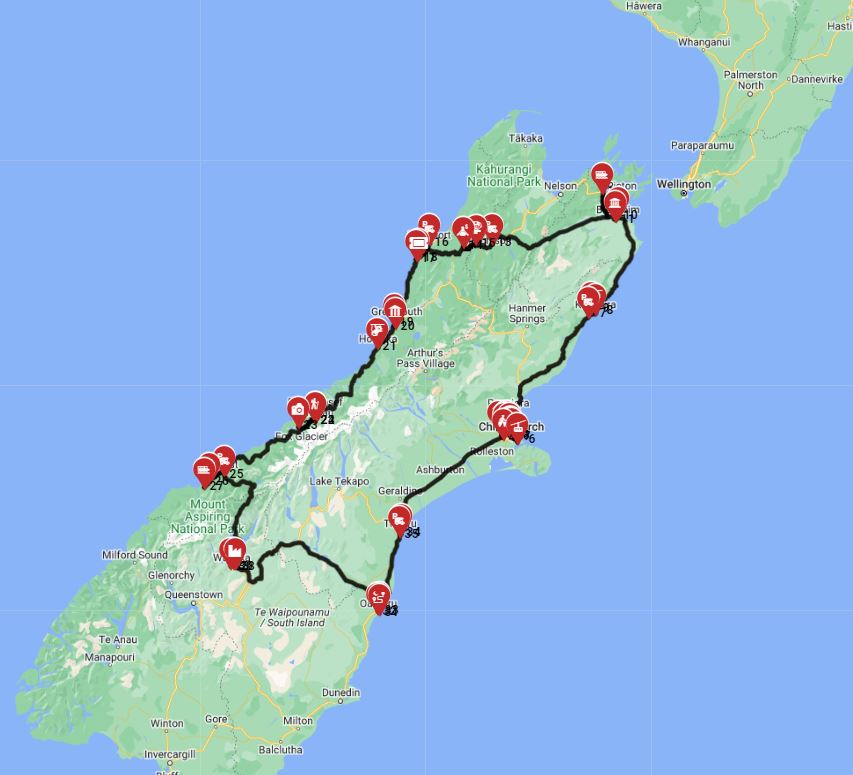
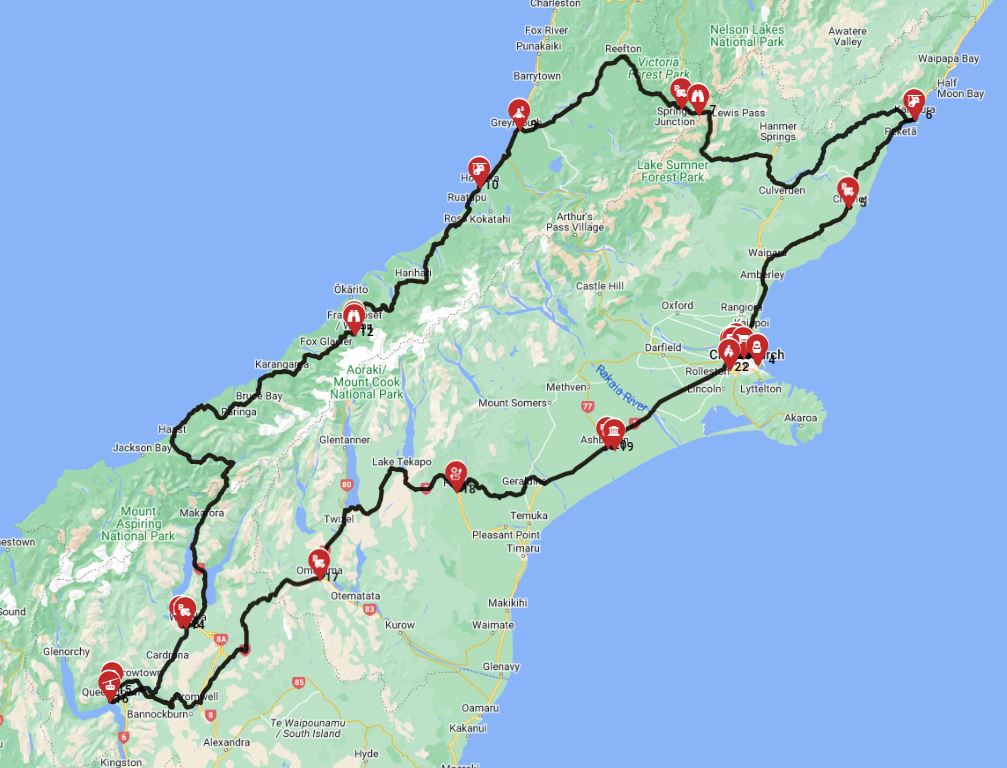
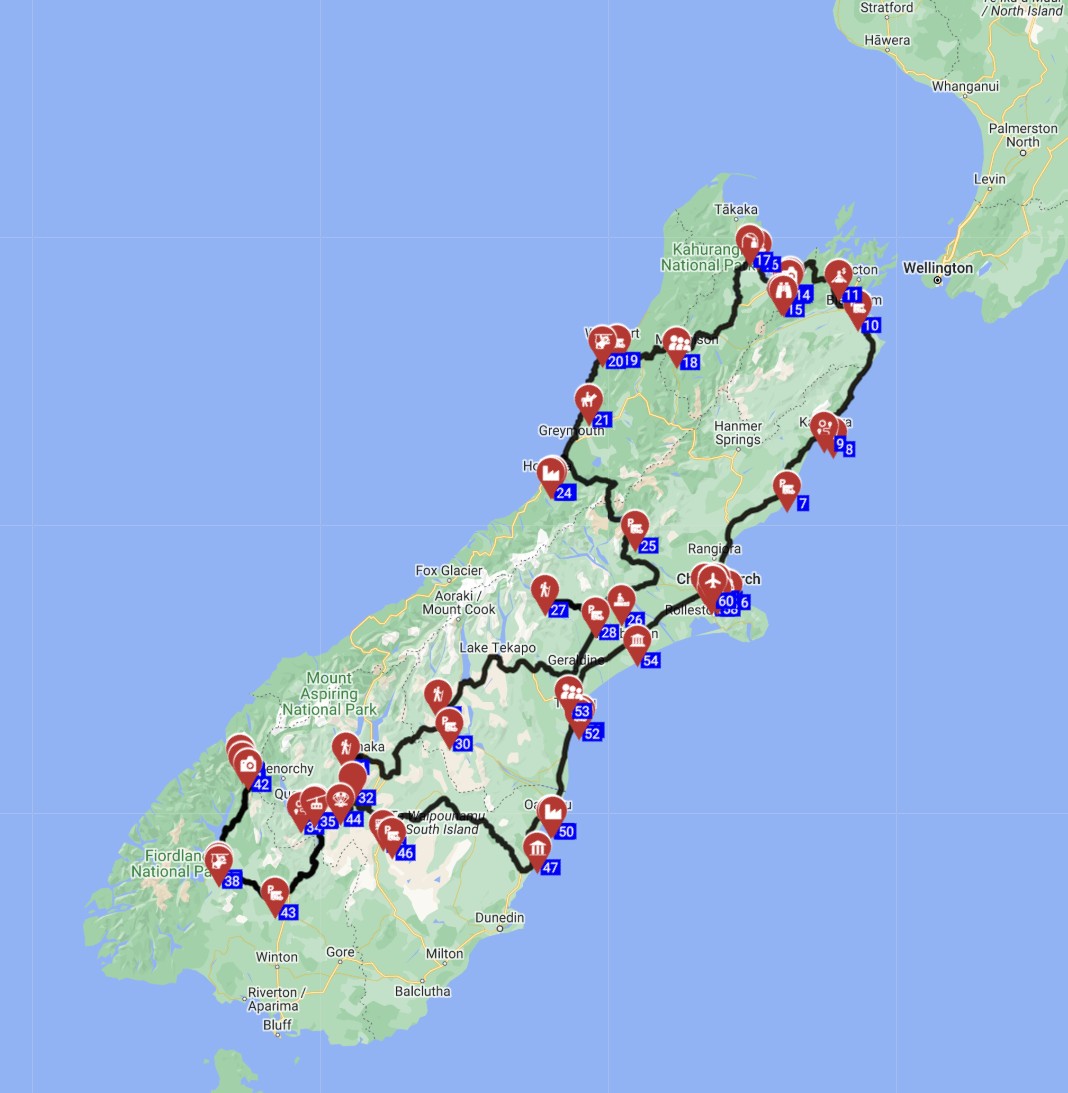
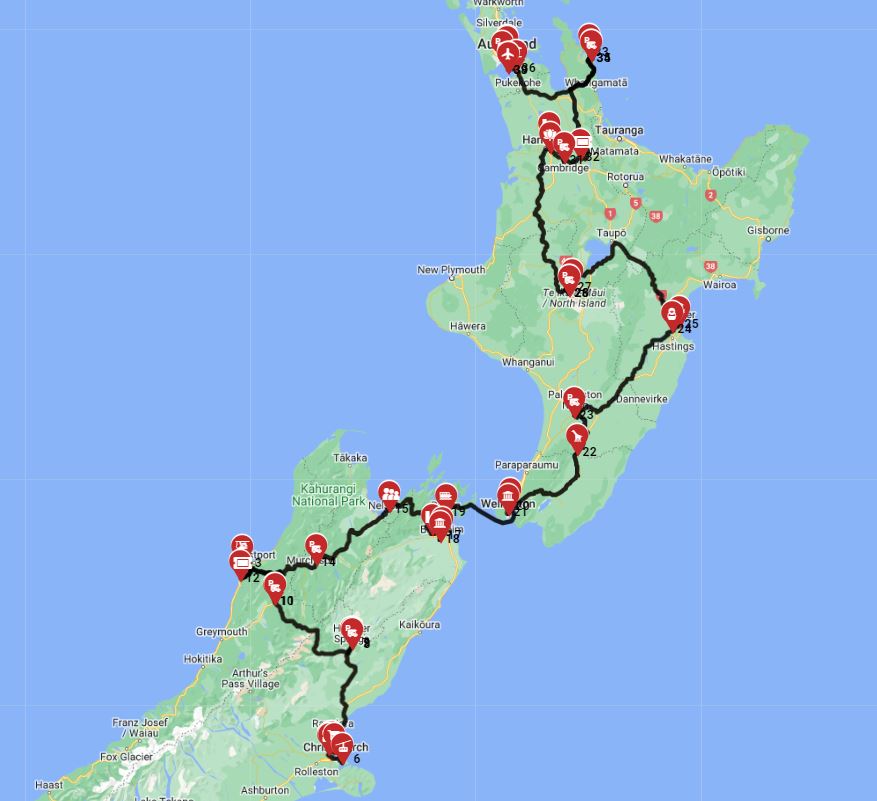
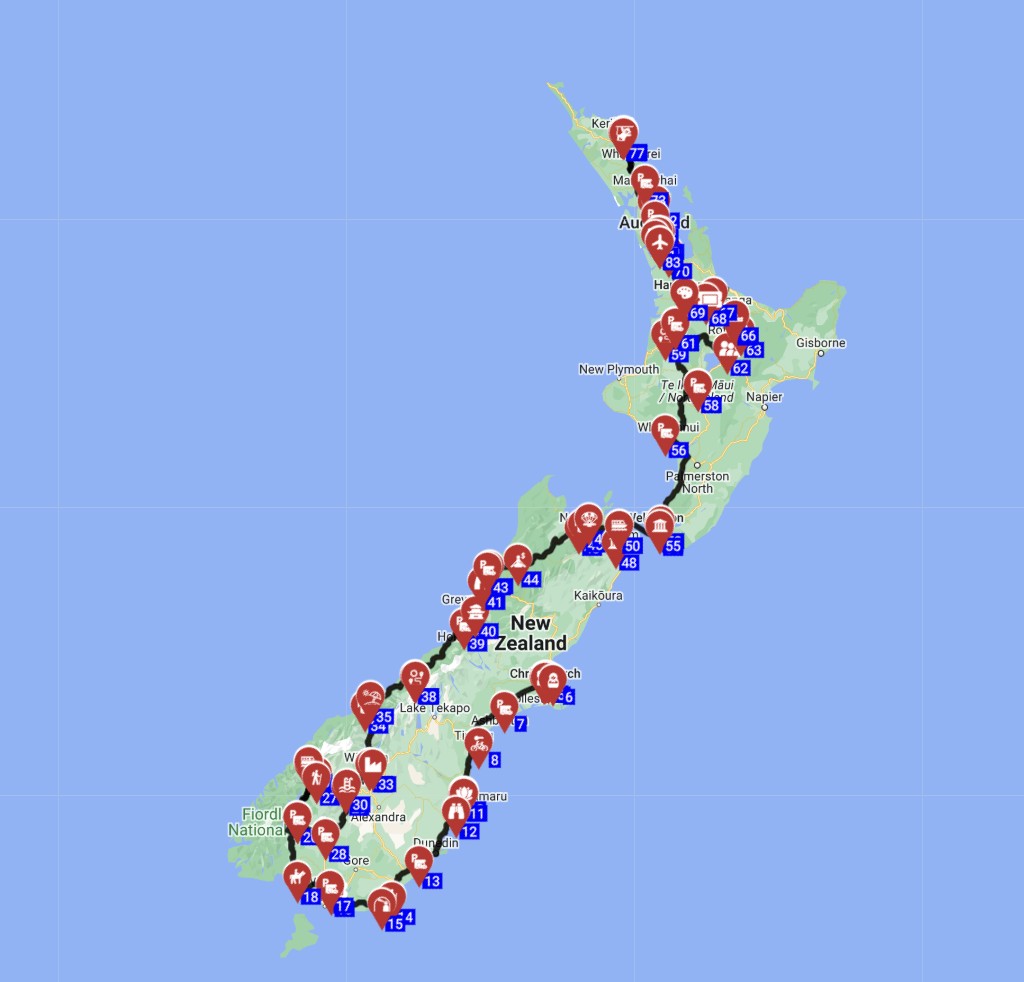
- Embark on a scenic two-week adventure, perhaps on a route like "Auckland to Christchurch - The best of the north island" (19 days, 2713.1 km), which offers diverse activities including wildlife watches, hiking, and cultural visits.
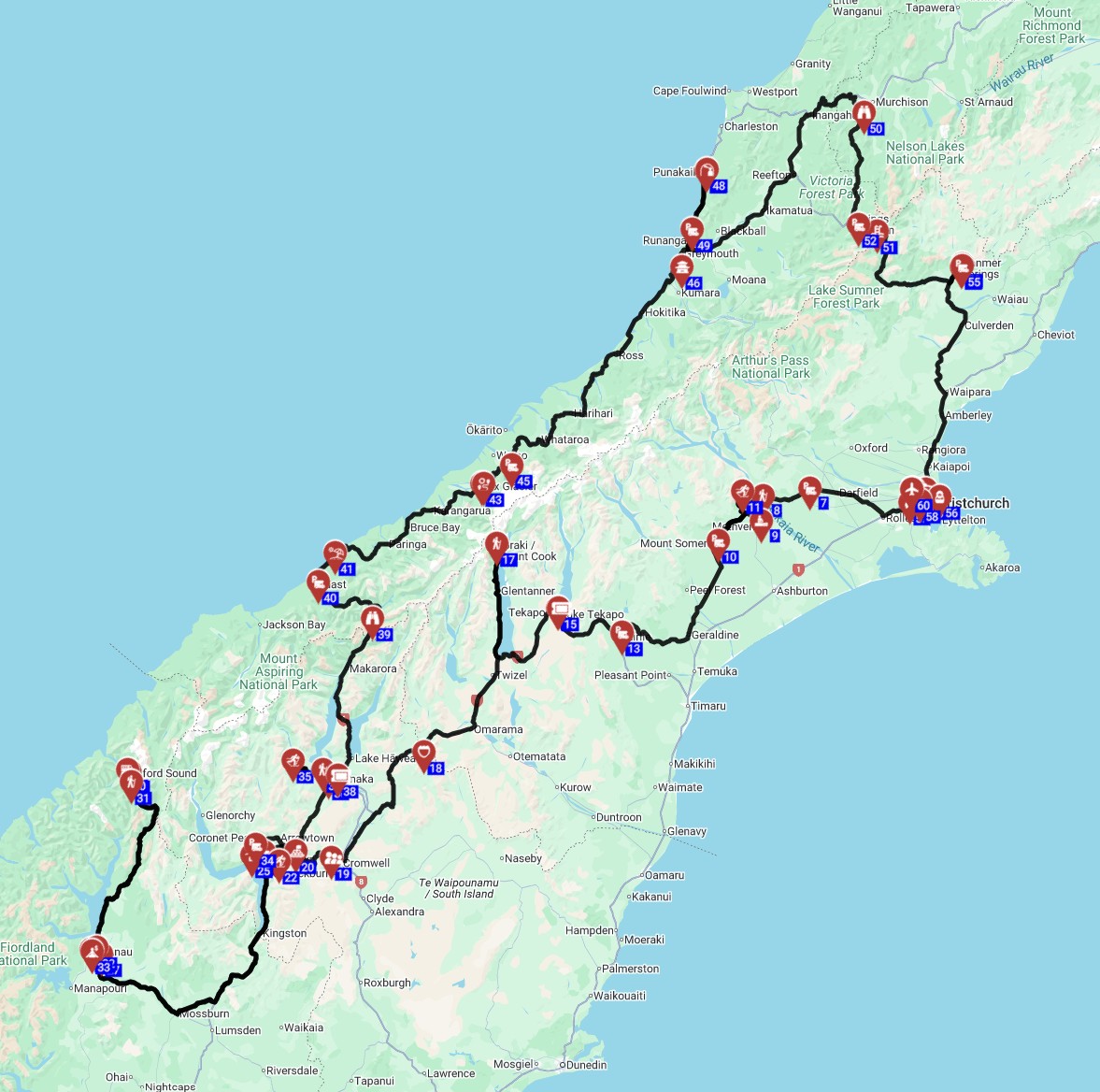
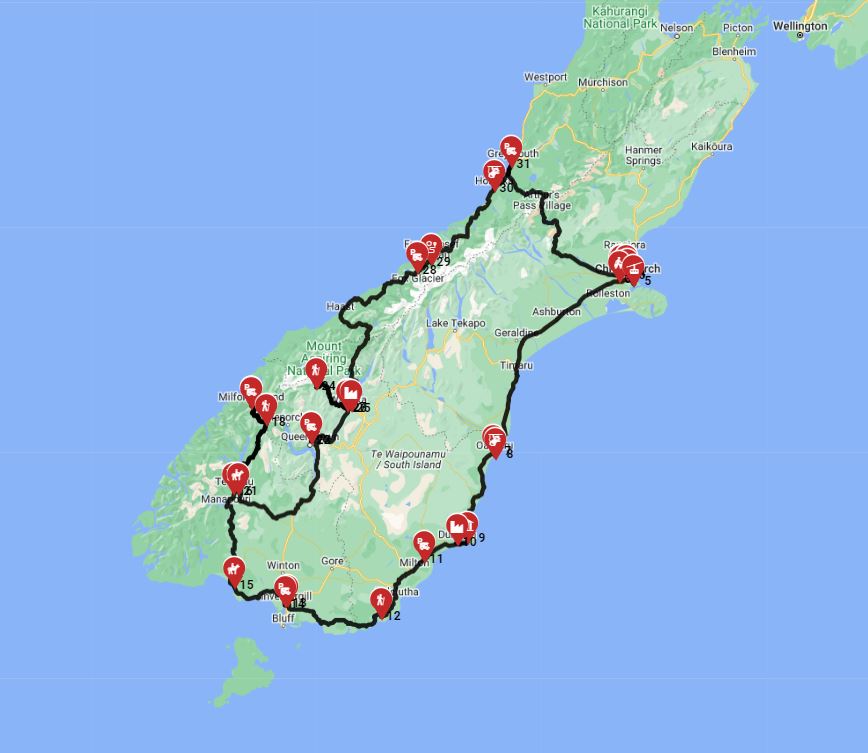
- Venture further afield with a "
" (20 days, 3064.9 km) route plan to discover epic landscapes, including potential filming locations in the wider Canterbury region, known for its natural beauty.
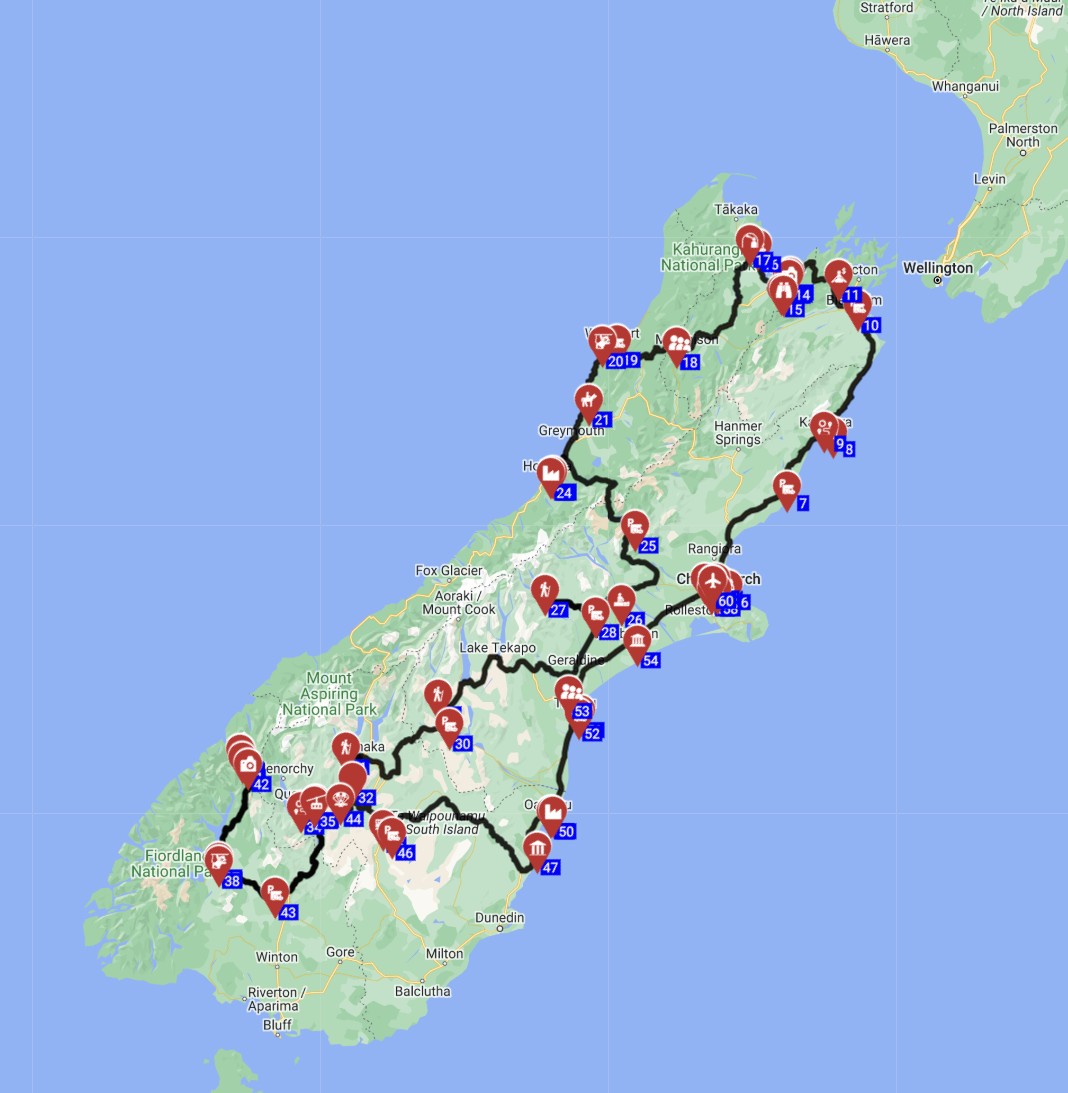 Christchurch Round trip - Lord of the Rings South Island
🎬 Video coming soon