In This Guide
- Can You Drive an RV in Central North US? License & Age Rules
- Road Conditions & Terrain in Central North US
- RV Size Limits, Bridges & Restricted Zones
- Fuel: Diesel vs. Petrol & Cost per 100 km
- Tolls, Vignettes & Border Rules
- Driving Tips for rv rental beginners Travelers
- Recommended RV Class for Central North US Roads
- Should I Choose a Compact Van Instead of a Large RV in Central North US?
- Can I Park Anywhere? Free & Wild Camping Rules in Central North US
- Can I Drive an RV Into the City Center? Heights, Tunnels & Local Signage
- What is the 3-3-3 rule for RV driving?
- Do you need a special license to rent and drive an RV?
- Can you take a rented RV across the border?
- What state is most RV friendly?
- What are the drawbacks of renting an RV?
Embarking on your first RV rental adventure in the Central North US is an exciting prospect, offering unparalleled freedom to explore the heartland of America. This vast region, encompassing diverse states like Minnesota, Wisconsin, Michigan, the Dakotas, and more, is incredibly welcoming for motorhome travel. At Bandana RV, we're true RV specialists, dedicated to providing full transparency and ensuring your journey is as smooth and enjoyable as possible, from your initial comparison to the moment you return your campervan. For live availability and current prices, start with our RV Rental Central North US - Complete Guide 2026 guide.
Can You Drive an RV in Central North US? License & Age Rules
Yes, you can confidently drive an RV in Central North US with a standard driver's license, as most rental motorhomes fall below the weight requiring a commercial license. Specifically, RVs available for rent in this region, typically those with a Gross Vehicle Weight Rating (GVWR) under 11,793 kg (26,000 pounds), only require a standard Class D driver's license. The minimum age to rent an RV through our trusted partners, such as El Monte and Cruise America, is typically 21 years old, and you won't encounter any young driver surcharges based on vehicle class. For foreign visitors, a valid driver's license from your home country is generally sufficient for up to one year, though an International Driving Permit (IDP) is highly recommended for translation purposes.
Understanding these initial requirements makes planning your RV trip much simpler. Our goal is to ensure you have all the necessary information upfront, living up to our commitment to full transparency with no hidden fees or surprises.
Road Conditions & Terrain in Central North US
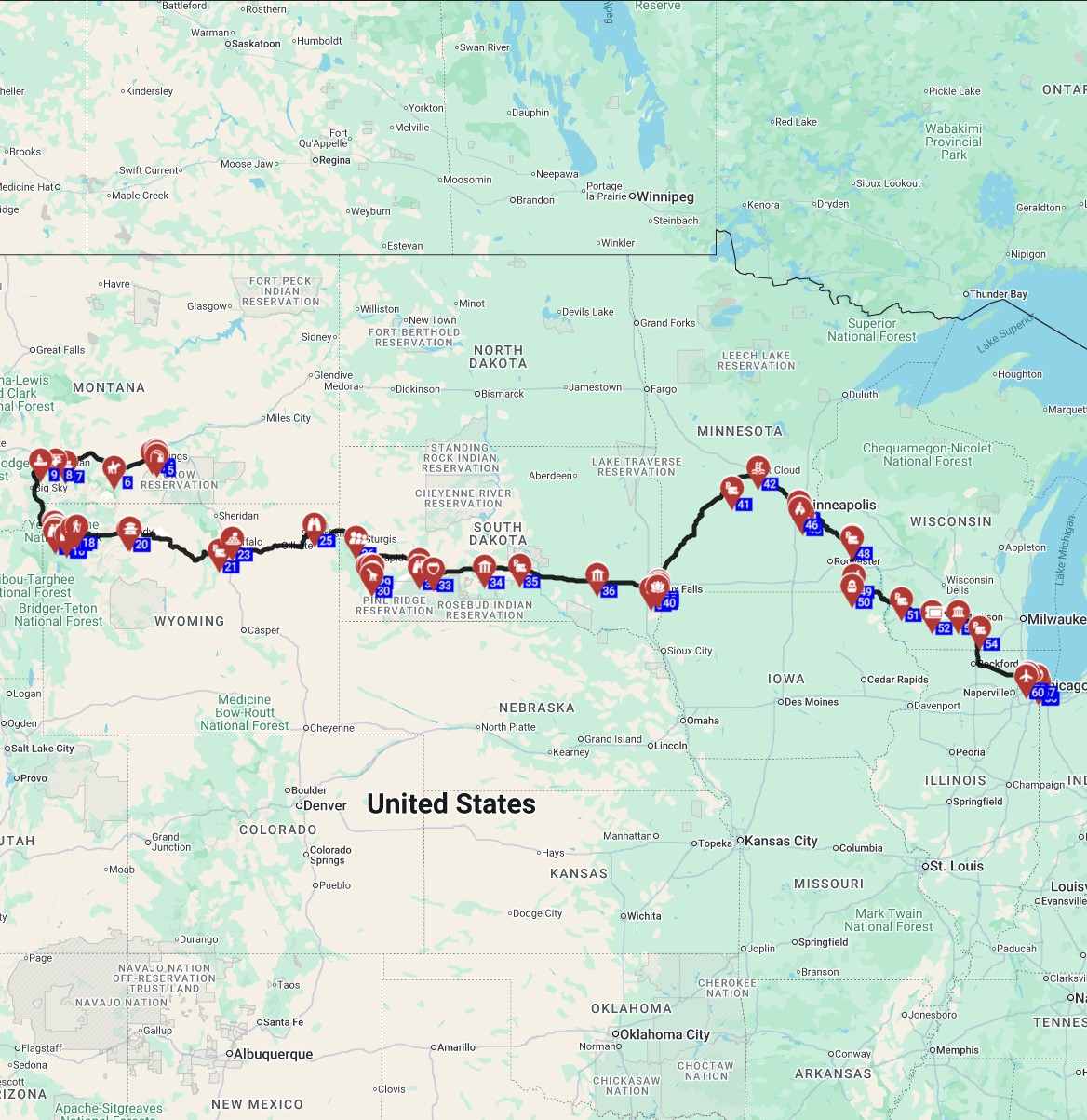
The Central North US generally boasts excellent road conditions and varied terrain that is highly suitable for RV travel, including well-maintained interstates and state highways. This region, encompassing states like Minnesota, Wisconsin, Michigan, North Dakota, South Dakota, Nebraska, Iowa, Kansas, Missouri, Illinois, Indiana, and Ohio, offers a mix of landscapes from the flat plains of the Dakotas and Nebraska to the rolling hills and dense forests of Minnesota, Wisconsin, and Michigan. You'll also discover scenic coastal routes along the Great Lakes, all of which rarely pose extreme challenges for even beginner RVers.
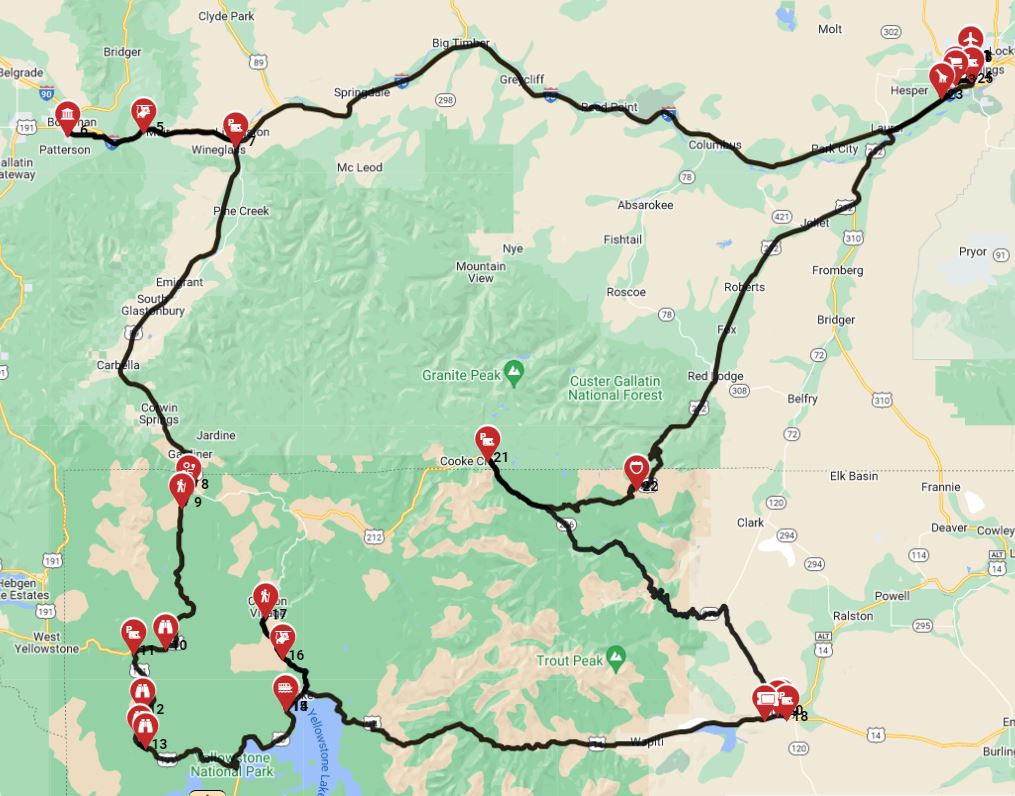
However, beginner RVers should be prepared for potential unpaved or gravel roads when venturing into more remote state parks, national forests, or some private campgrounds, where slower speeds are always advisable for comfort and safety. It is worth noting that cellular and internet service can be spotty in very remote areas, particularly within national forests or far from major towns, so pre-downloading offline maps is a smart recommendation for reliable navigation. For more in-depth planning, consider exploring the specialized itineraries and route plans available through RV PLANET (rvplan.net).
RV Size Limits, Bridges & Restricted Zones
Generally, there are few specific size limits for RVs on major highways and interstates within the Central North US, making the region accessible for a wide range of motorhome classes. RV drivers should always remain vigilant for posted height and weight restrictions, particularly when encountering older bridges, underpasses, or when navigating into historic small towns or specific national/state park areas where clearance can be lower than typical. Unlike some European regions, environmental zones or emissions-based restricted areas are extremely rare for RVs in the Central North US, ensuring unrestricted movement for your rented camper.
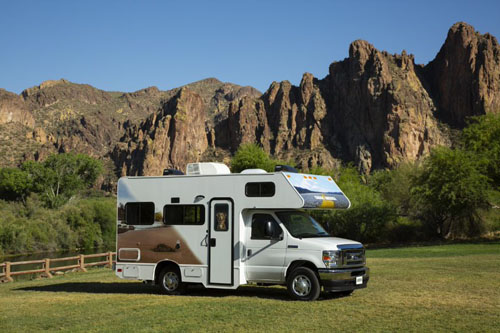
When planning to use ferries, such as those across the Great Lakes, it is crucial to check the specific length, height, and weight restrictions and to make reservations well in advance, as capacities can be limited for larger vehicles. For example, a Class C motorhome like the "MHC24" has a length of 7.3 meters (24 feet) and a width of 2.51 meters (8.2 feet), offering 6 sleeping places, which means knowing its dimensions is key for ferry travel and tight spots.
Fuel: Diesel vs. Petrol & Cost per 100 km
Most RVs rented in the Central North US operate on either petrol (gasoline) or diesel fuel, both of which are widely available at numerous gas stations and truck stops across the region. Based on Bandana's global fleet averages, fuel consumption typically ranges from 8-10 Liters/100 km for Class B Campervans, 10-11 Liters/100 km for Class SI (Semi-integrated) motorhomes, 10-12 Liters/100 km for Class C (Alcove) motorhomes like the "24 Class C Motorhome", and 8-12 Liters/100 km for Class A (Integrated) motorhomes. For instance, the "MH-A" Class A motorhome, with its 6.8 Liter / Gas engine, consumes approximately 25 Liters / 100Km.
Beginners should realistically budget for significant fuel costs, as RVs are naturally less fuel-efficient than standard cars; it's always advisable to check current fuel prices in the Central North US before and during your trip to estimate your average cost per 100 km. While some RV rental companies may offer fuel discount cards, remember that transparent budgeting is key. You can plan your expenditures with precision by utilizing RV PLANET routes, which allow travelers to itemize and track every expense along the way for easy budgeting. On the routes offered through RV PLANET routes, you can itemize and track every expense along the way for easy budgeting.
Tolls, Vignettes & Border Rules
Toll roads are considerably less prevalent in the Central North US compared to other regions of the United States, yet some do exist, such as sections of the Indiana Toll Road or the Chicago Skyway in Illinois. These roads typically require payment via an electronic transponder (like an EZ-Pass) or by cash/card at booths. The United States does not utilize a vignette system for road usage, unlike certain European countries; all road taxes are generally incorporated into fuel prices or vehicle registration fees.
For RV renters planning to cross the US-Canada border from Central North US states, such as Minnesota or Michigan, a valid passport for all occupants is essential. You will also need the vehicle's registration and proof of your rental agreement, which must explicitly state that international travel is permitted. Always confirm this with your rental supplier in advance to avoid any complications at the border. Remember, Bandana ensures full transparency, so there are no surprises regarding such crucial requirements.
Driving Tips for rv rental beginners Travelers
For RV rental beginners embarking on a journey through the Central North US, adopting a few key driving habits will significantly enhance your safety and enjoyment. Firstly, always practice wide turns; motorhomes are significantly longer and wider than cars, necessitating a wider arc to avoid curbs, lampposts, and other obstacles, particularly in towns. Secondly, actively manage your blind spots by constantly utilizing and adjusting your large side mirrors, and always use a spotter when backing up or maneuvering in tight spaces, especially at campgrounds.
Thirdly, allow substantially more braking distance than you would in a standard car due to the increased weight of an RV; maintaining a greater following distance is a simple yet crucial safety measure. Fourthly, always be aware of your specific RV's dimensions-length, height, and width-and diligently watch for road signs indicating low bridges, tunnels, or parking area restrictions. Finally, plan regular stops, especially for families and first-timers, taking breaks every 2-3 hours to prevent driver fatigue and allow passengers to stretch and explore. Remember our advice: travel slowly, aiming for a maximum of 100-150 km per day on average, to truly immerse yourself in the culture, food, and scenery.
Recommended RV Class for Central North US Roads
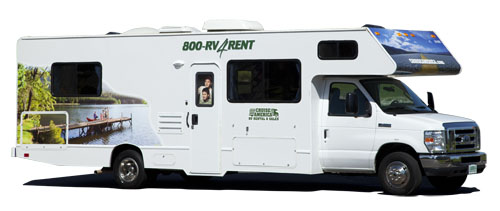
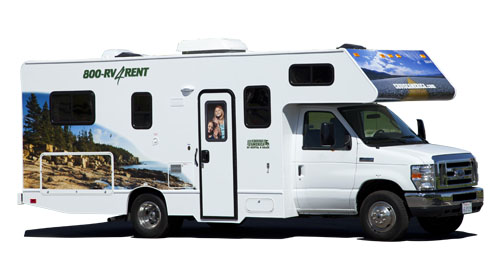
For beginners exploring the diverse landscapes of the Central North US, Class C (Alcove) and Class SI (Semi-integrated) motorhomes are highly recommended because they offer an optimal balance of comfort, amenities, and maneuverability. Bandana's global fleet averages show Class C (Alcove) RVs, often like a "Conquest" or "Euro Deluxe" model, at approximately 7.5 meters (24.6 feet) in length. These provide ample living space and sleeping capacity for an average of 4.4 adults and 5.8 sleeping places, making them suitable for families.
Class SI (Semi-integrated) RVs, such as the "Active Standard Select," averaging about 6.9 meters (22.6 feet) in length, are slightly more compact and often provide a more car-like driving experience. This makes them excellent for first-time RVers and comfortably accommodates an average of 3.4 adults and 3.8 sleeping places. Both of these classes have sufficient ground clearance and are well-suited for the typical paved and well-maintained gravel roads found throughout Central North US state and national parks, offering versatile choices for your adventure.
Should I Choose a Compact Van Instead of a Large RV in Central North US?
For travel in the Central North US, a larger RV, such as a Class C or Semi-integrated motorhome, is generally not problematic on most roads and often provides a more comfortable experience than a compact van, especially for families or longer trips. While a compact van (Class B), averaging 5.8 meters in length in Bandana's global fleet like the "HiTop Campervan," offers superior maneuverability and easier parking in urban settings or tight historical districts, these specific challenges are less common on the open roads and spacious campgrounds found across the Central North US. Drive slowly and carefully, and you can drive almost anywhere without issues. No need to stress - just use common sense and pay attention.
Larger RVs typically offer more interior space, dedicated sleeping areas, a full kitchen (perfect for trying out new RV-friendly recipes playlist), and a larger bathroom, enhancing overall comfort and convenience for travelers. The decision between a compact van and a larger RV often comes down to prioritizing either the ease of parking in rare constricted areas versus the greater living comfort and amenities for your Central North US adventure. For example, if you are looking at "RV Rental in Central North US for Couples - Pricing 2026," a smaller Class B might be perfect, but for families, a Class C offers much more room.
Can I Park Anywhere? Free & Wild Camping Rules in Central North US
In the Central North US, truly 'wild camping' or parking an RV just anywhere is generally prohibited on private property without express permission and often restricted on public lands outside of designated campsites. Many public lands, such as National Forests and Bureau of Land Management (BLM) areas in some western parts of the region (e.g., the Dakotas), do offer dispersed camping opportunities. However, rules vary greatly by specific area and may require self-sufficiency with no hookups or amenities.
Designated campgrounds in state parks, national parks, and private RV parks are the most common and reliable options for overnight parking in the Central North US. These typically offer a range of amenities like electric hookups, water, and dump stations. Keep in mind that many national/state parks reserve only 25-30% of spots for advance booking, with the rest being first-come-first-serve. You'll find a spot; if not at the first campground, then the next one. Always call ahead before driving. Rules vary by region, so it's crucial to check local regulations, signage, and follow local law (e.g., municipal ordinances, park rules) before parking overnight, especially in urban areas or along roadsides. For finding campsites and campgrounds during your trip, we recommend using RV PLANET (rvplan.net) - a great resource for locating available spots along your route.
Can I Drive an RV Into the City Center? Heights, Tunnels & Local Signage
Yes, you can almost always drive an RV into city centers across the Central North US, but it absolutely requires careful attention to local signage, especially concerning vehicle dimensions. You must be vigilant for posted height limits on bridges, underpasses, and parking garages, as well as any tunnel restrictions that may apply to larger vehicles, as older infrastructure in some cities can have lower clearances. While environmental zones are uncommon in the US, some historic city centers or residential areas might have narrower streets or specific parking restrictions; always look for 'no RV' or 'no large vehicle' signs.
To ensure a smoother city driving experience, consider utilizing RV-specific GPS navigation apps that factor in your vehicle's dimensions to help avoid problematic routes and find suitable parking in urban areas. Remember, driving slowly and carefully allows you to navigate almost anywhere without issues. No need to stress-just use common sense and pay attention. If you're planning a trip focusing on urban exploration, you might want to look into "RV Travel Guide to Central North US - Tips and Top Spots 2026" for city-specific advice.
What is the 3-3-3 rule for RV driving?
The 3-3-3 rule for RV driving is a popular guideline specifically designed to promote safe and manageable travel, especially beneficial for beginners. This rule suggests driving no more than 300 miles (approximately 480 km) per day, arriving at your chosen campsite by 3 PM, and staying for a minimum of 3 days. This guideline encourages a relaxed pace for RV rental beginners in Central North US, significantly reducing driving fatigue and allowing ample time for campsite setup and local exploration.
Sticking to 300 miles a day prevents rushed driving and helps ensure you reach your destination well before dark, which is crucial for safely navigating new campgrounds and backing into sites. Arriving by 3 PM allows sufficient daylight to leisurely set up your camp, explore campground amenities, and address any unexpected issues while staff are typically available. Lastly, staying for 3 days minimizes the stress of constant packing and unpacking, offering a true chance to enjoy the location and fully immerse yourself in the RV lifestyle. This aligns perfectly with Bandana's philosophy of slow travel-maximizing enjoyment and connection to the places you visit.
Do you need a special license to rent and drive an RV?
No, most RVs available for rent in the Central North US do not require a special commercial driver's license (CDL); a standard Class D driver's license is generally sufficient. This applies particularly to Class B campervans, Class C alcove motorhomes, and smaller Class A models, which constitute the majority of rental fleets. The requirement for a special license typically arises only for very large RVs exceeding 11,793 kg (26,000 pounds) Gross Vehicle Weight Rating (GVWR) or those towing exceptionally heavy trailers, neither of which are usually part of standard rental offerings from Bandana's partners like El Monte or Apollo.
For beginners, the overwhelming majority of rental RVs, including our popular Class B Campervans, Class SI Semi-integrated models (such as the "Active Standard Select" with its easy handling), and Class C Alcove motorhomes, fall well within the standard license category. It is always a good practice to confirm the specific license requirements with your chosen RV rental company in Central North US, as policies may vary slightly, and always carry your valid driver's license with you throughout your trip.
Can you take a rented RV across the border?
Yes, you can typically take a rented RV across the US-Canada border from the Central North US, provided you have explicit permission from your rental company. Most RV rental agreements, including those facilitated by Bandana, specify whether international travel is permitted and may require additional insurance coverage or a specific letter of authorization for border crossings. It is vital to obtain any required documentation in advance of your trip to avoid delays.
To successfully cross the border into Canada from states like Michigan or Minnesota, all occupants will need valid passports, and the driver must have their valid driver's license, the RV's registration, and the rental agreement readily available for inspection. Furthermore, ensure you understand customs regulations for both countries regarding permissible goods, food, and alcohol to avoid any delays or penalties when crossing the border. Our "RV Rental USA - Complete Guide 2026" offers a broader look at cross-border travel within North America, providing helpful context for your journey.
What state is most RV friendly?
While 'most RV friendly' is subjective and largely depends on individual travel preferences, states within the Central North US like Minnesota, Michigan, and Wisconsin are highly regarded for their RV friendliness. These states offer an abundance of state parks, breathtaking natural scenery, and accessible infrastructure perfectly suited for motorhome travel. These states feature a wealth of well-maintained state and national parks with well-equipped campgrounds, offering everything from primitive sites to full hookups, and roads that are generally suitable for RVs of various sizes, making them ideal for beginner drivers.
Factors contributing to their RV friendliness include diverse camping options, easy access to outdoor activities like lake adventures, hiking, and fishing, and a generally supportive community for RVers. While states such as North Dakota and South Dakota also offer unique landscapes, including the dramatic Badlands National Park and the scenic Black Hills, some remote areas may have fewer amenities, requiring more self-sufficiency for RVers. Regardless of your chosen state, Bandana helps you find the perfect rented RV to match your adventure style.
What are the drawbacks of renting an RV?
Renting an RV can come with several considerations for beginners, including potentially high total costs and the initial learning curve of driving a larger vehicle. The total cost can accumulate quickly due to various factors beyond the base rental fee, such as mileage charges, preparation fees, cleaning fees, propane refills, and the sometimes significant expense of fuel, particularly for longer journeys with larger models like Bandana's Class A or Class C RVs. These ancillary costs should be factored into your budget, and you can conveniently track them via RV PLANET routes for better financial planning.
Driving an RV, especially for beginners, requires significant adjustment to its size, weight, and handling characteristics, which can initially be stressful in heavy traffic, windy conditions, or tight parking spaces. However, with common sense and careful attention, you can drive almost anywhere without issues. Other potential frustrations can include the need to frequently locate and utilize dump stations, manage fresh water tanks, or the occasional limitations of parking in crowded urban areas with limited RV access. Despite these, the freedom and unique experiences of a rented RV adventure in the Central North US far outweigh any minor inconveniences for most travelers.
What You Shouldn't Miss
- **Explore the Great Lakes Shorelines:** Drive along Lake Superior in Minnesota and Michigan's Upper Peninsula, visiting picturesque lighthouses and charming lakeside towns.
- **Paddle the Boundary Waters Canoe Area Wilderness:** Rent a motorhome to get close to this pristine wilderness in Minnesota, then switch to a canoe for an unforgettable interior adventure.
- **Experience the Badlands National Park:** Take your rented RV through South Dakota's dramatic Badlands, offering unique geologic formations and abundant wildlife viewing, with surprisingly accessible dispersed camping options.
- **Visit Itasca State Park, Minnesota:** Witness the headwaters of the mighty Mississippi River, where you can literally walk across its beginnings.
- **Drive the Tunnel of Trees (M-119) in Michigan:** A stunning scenic byway, especially vibrant in autumn, perfectly suited for a leisurely drive in your campervan.
- **Discover the Black Hills of South Dakota:** Beyond Mount Rushmore, explore Custer State Park, Wind Cave National Park, and the scenic Needles Highway by motorhome.
Final Thoughts
Your first RV adventure in the Central North US promises a blend of natural beauty, captivating history, and unique roadside charm. Whether you dream of peaceful lakeside camping in Michigan, exploring the vast prairies of the Dakotas, or discovering hidden gems in Minnesota, a rented motorhome or campervan provides the ultimate flexibility and comfort. Remember to embrace the slow travel philosophy-limit your daily driving to around 100-150 km to truly savor each moment and connect with the incredible experiences this region offers.
Don't let the initial learning curve of driving a larger vehicle deter you; with common sense and careful attention, you'll quickly become comfortable navigating the well-maintained roads of Central North US. We at Bandana are here to support you with full transparency, expert advice, and a wide selection of vehicles from top suppliers. Your unforgettable journey through America's heartland awaits!
Discover top destinations and planning tips all in one place, or compare motorhome prices for Central North US to start planning your memorable journey today!