In This Guide
- Can You Drive an RV in Brisbane? License & Age Rules
- Road Conditions & Terrain in Brisbane
- RV Size Limits, Bridges & Restricted Zones
- Fuel: Diesel vs. Petrol & Cost per 100 km
- Tolls, Vignettes & Border Rules
- Driving Tips for rv rental beginners Travelers
- Recommended RV Class for Brisbane Roads
- Should I Choose a Compact Van Instead of a Large RV in Brisbane?
- Can I Park Anywhere? Free & Wild Camping Rules in Brisbane
- Can I Drive an RV Into the City Center? Heights, Tunnels & Local Signage
- What do you need when renting an RV?
- Is it worth renting a campervan in Australia?
- How much does it cost to rent a campervan in Brisbane?
- How much does it cost to insure a rental RV?
- Essential RV Management: Water, Waste & Propane for Beginners
- Navigating Brisbane's Seasons: Weather & Road Considerations
- Beyond the City: Recommended Itineraries & Unique Stops from Brisbane
Can You Drive an RV in Brisbane? License & Age Rules
In Australia, most rental RVs, including those up to 4.5 tonnes Gross Vehicle Mass (GVM), can be driven with a standard C-class car license, which is generally sufficient for most rental campervans and motorhomes in Brisbane. This standard license covers vehicles up to 4.5 tonnes GVM, encompassing popular classes like Class B campervans and Class C alcove motorhomes. The minimum driver age for RV rentals is typically between 21 and 25 years old, depending on the rental company's policy. For international visitors, a valid home country license is required, and often an International Driving Permit (IDP) or an official English translation is recommended or mandatory. Vehicles exceeding 4.5 tonnes GVM, such as larger buses or heavy trucks, would necessitate a higher license class, but these are rarely encountered in standard rental fleets.
Road Conditions & Terrain in Brisbane
Brisbane offers generally well-maintained roads and a varied terrain, from busy urban streets to scenic coastal highways and rolling hinterland hills, making it suitable for RV travel. Major highways connecting Brisbane, such as the M1 to the Gold Coast and Bruce Highway to the Sunshine Coast, are multi-lane, high-quality, and provide an easy experience for RV drivers. However, inner-city roads can be busy, requiring drivers to pay close attention to traffic flow, pedestrian crossings, and specific signage. As you venture into the Brisbane hinterland, including areas like the Scenic Rim or the Glass House Mountains, you'll encounter narrower, winding roads with steeper sections that demand careful and gentle driving. Always check your rental agreement for restrictions on driving on unsealed roads, as many RVs are not permitted on gravel or dirt tracks.
RV Size Limits, Bridges & Restricted Zones
While most standard rental RVs comfortably navigate Brisbane and its surrounding areas, it's crucial for beginners to be mindful of general height, length, and weight restrictions. Drivers should pay close attention to marked height clearances for tunnels, multi-story car parks, and drive-through facilities, as many motorhomes will exceed common low clearances (e.g., 2.0-2.3 meters). Central Brisbane may have some areas with restricted access or challenging maneuvering for very large vehicles, so always obey local signage. Environmental zones are not typically a concern for standard RVs in Brisbane, but it's wise to check for any local updates or specific regulations. If you plan to use vehicle ferries, such as those providing access to islands like North Stradbroke, verify their length and weight limits and book your passage well in advance, as these can sometimes have restrictions.
Fuel: Diesel vs. Petrol & Cost per 100 km
Most rental RVs available for hire in Brisbane, particularly the larger motorhome classes, run on diesel. Diesel is widely available across Queensland and is generally more fuel-efficient, with these vehicles typically consuming around 13-15 litres per 100 km. For example, Bandana's Class C - Alcove and Class SI - Semi-integrated RVs average about 13 litres per 100 km. Smaller Class B camper vans, however, often use petrol and might consume around 10-15 litres per 100 km, with Bandana's fleet averaging approximately 14 litres per 100 km. Based on recent average fuel prices in Queensland (ranging from AUD $1.90-$2.20 per litre in 2026), a diesel RV consuming 13 L/100km would cost approximately AUD $24.70 - $28.60 per 100 km. A petrol camper van at 14 L/100km would be around AUD $26.60 - $30.80 per 100 km. It's worth inquiring if your rental provider offers any fuel discount cards for added savings.
Tolls, Vignettes & Border Rules
Brisbane and its surrounding motorways feature several electronic toll roads, primarily on modern highways and tunnels, which do not use physical toll booths. This means drivers must arrange for payment, usually via a pre-purchased toll pass or an online account, within a specified timeframe to avoid fines. Key toll roads in the Brisbane region include the Gateway Motorway, Logan Motorway, Clem7 Tunnel, and Legacy Way Tunnel. Some rental RVs, including certain vehicles available through Bandana, can come equipped with pre-purchased toll passes for convenience, with the costs typically passed on to the renter. Failure to pay tolls promptly can result in significant fines issued by the toll provider. Australia does not use vignettes for road use, nor are there internal 'border rules' between states that require special permits for recreational vehicles. On the routes offered through RV PLANET routes, you can itemize and track every expense along the way for easy budgeting.
Driving Tips for rv rental beginners Travelers
For RV rental beginners exploring Brisbane, adopting a mindful driving approach, planning routes meticulously, and understanding your specific vehicle's capabilities are key to a safe and enjoyable journey. Always drive slower than you would in a car; RVs have longer braking distances and a higher center of gravity, requiring gentler acceleration, braking, and cornering. Plan your routes using RV-specific GPS or apps, which help identify potential hazards like low bridges, narrow streets, and areas where unsealed roads might be prevalent. Familiarize yourself with your RV's exact height, width, and length, and continuously observe road signage for clearance information. Remember to plan for regular breaks, especially when travelling with family, aiming for stops every 2-3 hours to combat driver fatigue. Before departing, conduct a thorough vehicle walkthrough with your rental company to understand all controls, amenities, and emergency procedures. Also, be extra vigilant for wildlife, particularly kangaroos and wallabies, when driving outside urban areas during dawn and dusk.
Recommended RV Class for Brisbane Roads
For beginners venturing onto Brisbane's roads and exploring its surrounds, a Class SI - Semi-integrated motorhome or a nimble Class B - Camper Van generally offers the best balance of maneuverability and comfort for navigating varied road conditions. A Class SI motorhome, typically around 6.5 meters long and accommodating about 2-3 people, provides more interior living space and amenities than a campervan while remaining relatively easy to drive and park. The Class B camper van, averaging 5.7 meters and designed for 2-3 people, is highly maneuverable, easier to park in tighter spots, and more fuel-efficient. Larger Class C - Alcove motorhomes, averaging 7.6 meters and sleeping 4-6 people, offer ample space for families but require more caution in urban settings and campgrounds. While all RV classes available through Bandana are generally suitable for Queensland's major road networks, opting for a smaller class often enhances agility for city exploration.
Should I Choose a Compact Van Instead of a Large RV in Brisbane?
While a compact van, like a Class B - Camper Van, undeniably offers superior maneuverability and ease of parking in urban Brisbane, larger RVs such as Class SI or Class C motorhomes provide significantly more comfort and living space. For most beginner travelers, the enhanced interior comfort, dedicated living areas, and comprehensive amenities like a private shower and toilet often outweigh the slight driving inconvenience, especially on longer trips. Brisbane's main arterial roads and CBD access routes are generally wide enough to accommodate larger RVs without major difficulty. While finding parking for any RV size can be a challenge in peak city areas, many attractions and shopping centers do offer suitable RV-friendly parking options. If prioritizing interior comfort, ample living space, and amenities, a Class SI or Class C motorhome is generally a more practical choice for exploring Brisbane and beyond.
Can I Park Anywhere? Free & Wild Camping Rules in Brisbane
In Brisbane and across Queensland, designated campsites (both commercial caravan parks and national park campgrounds) are the primary legal options for overnight RV parking. Free or 'wild' camping is generally restricted and not permitted within urban areas or on private land without explicit landowner permission. Overnight parking in RVs on public streets or in carparks within Brisbane city limits is typically illegal and may result in fines. It's essential to utilize commercial caravan parks, such as the Brisbane Holiday Village or Newmarket Caravan Park, or Queensland National Parks campgrounds for legal and safe overnight stays. Some highway rest areas outside of major urban centers may permit short overnight stays (e.g., a 24-hour limit) for rest purposes, but these are not intended for extended camping. Always obtain explicit permission from landowners before parking overnight on private property, and be aware that local councils across Queensland have varying bylaws regarding overnight parking; always consult local signage or council websites for specific regulations. National parks near Brisbane, like D'Aguilar National Park, offer RV-friendly campgrounds, but booking and permits are usually required.
Can I Drive an RV Into the City Center? Heights, Tunnels & Local Signage
Yes, you can generally drive an RV into Brisbane's city center, but drivers must pay very close attention to local signage, particularly regarding height limits for tunnels and parking garages, as well as one-way streets and bus lanes that may restrict larger vehicles. Brisbane's main arterial roads leading into the CBD are typically wide and suitable for RVs. However, tunnels (such as Clem7 and Legacy Way) and most multi-story car parks have height restrictions, usually between 2.0-2.3 meters, which most motorhomes will exceed; it's best to avoid these. Finding on-street parking for larger RVs in the CBD is extremely difficult; consider parking at designated RV-friendly locations further out, like in South Bank or near Roma Street Parklands, and then utilizing public transport for city exploration. RVs are generally not permitted in designated bus lanes during their operational hours, so pay close attention to lane signage. Always be vigilant for local signage indicating one-way streets, no-right-turn zones, specific vehicle size restrictions, or environmental zones. For pick-up/drop-off logistics, plan your route to avoid Brisbane's peak hour traffic and confirm any specific access instructions with your rental provider.
What do you need when renting an RV?
When renting an RV in Brisbane, beginners will typically need a valid driver's license, a credit card for payment and the security deposit, and an awareness of your planned itinerary. Essential documentation includes your valid driver's license (plus an IDP if you're an international driver) and often a passport or other photo identification. A credit card is crucial for both rental fees and a security bond, which can range from AUD $2,500 to $7,000 and is usually refunded upon the RV's safe return. Beyond the rental company's basic insurance, consider additional travel insurance that specifically covers RV rental excess or personal liabilities. Plan your provisions, including groceries and cooking supplies, though basic bedding and kitchenware are often provided or available as optional extras. It's highly recommended to have a rough itinerary, including planned campsites and estimated fuel stops, especially for your first RV trip. For ideas you can prep on the road, watch our RV-friendly recipes playlist on YouTube.
Is it worth renting a campervan in Australia?
Renting a campervan in Australia is often considered highly worthwhile for beginners, offering unparalleled freedom and flexibility to explore diverse landscapes at your own pace. It provides both adventure and a potentially cost-effective travel experience compared to traditional accommodation and transportation methods. Campervans offer the ultimate freedom to explore Australia's vast distances, allowing for spontaneous detours and access to unique destinations not easily reached by other means. They can be a cost-effective travel option as they combine accommodation and transport costs, potentially saving money on hotels and dining, especially for longer trips. RV travel immerses you more deeply in Australia's natural beauty, from pristine beaches to the rugged outback, and allows for more authentic connections with local communities. Brisbane serves as an excellent gateway for diverse RV adventures, whether heading north to the Sunshine Coast, south to the Gold Coast, or west into the scenic Queensland hinterland. While RV travel requires careful planning and responsible waste management, the sense of adventure and flexibility often outweighs these considerations.
How much does it cost to rent a campervan in Brisbane?
The cost to rent a campervan in Brisbane varies significantly based on vehicle size, rental duration, season, and included features. Typically, prices range from AUD $80 per day for a compact campervan in the off-season to over AUD $300 per day for a larger motorhome during peak travel periods. Base rental fees generally start from AUD $80-$150 per day for smaller Class B campervans, increasing to AUD $120-$250 for mid-range Class SI motorhomes, and AUD $150-$300+ for larger Class C family RVs. Prices are heavily influenced by seasonality; expect significantly higher rates during Australian school holidays, long weekends, and peak travel times. Longer rental durations often benefit from lower per-day rates, making extended trips more cost-effective. It's crucial to review what is included in the base rate (e.g., unlimited or limited kilometers, basic insurance, standard equipment) and anticipate additional costs for optional extras like GPS, camping furniture, or extra drivers. A security deposit, typically ranging from AUD $2,500 to $7,000, is required and is usually refunded after the RV is returned undamaged. Be aware of potential 'hidden fees' such as administration fees, credit card surcharges, cleaning fees, or one-way rental charges if applicable.
How much does it cost to insure a rental RV?
The cost of insuring a rental RV in Brisbane is typically factored into the daily rental rate. Standard liability coverage is often included, but renters usually pay an additional daily fee (ranging from AUD $20-$70) to reduce their insurance excess (deductible) in case of damage. Most rental companies include a basic level of mandatory insurance, but this often comes with a high excess, typically ranging from AUD $5,000 to $7,500. To significantly reduce this excess, rental companies offer daily excess reduction options, which can cost an additional AUD $20-$40 per day for basic reduction, or AUD $40-$70 per day for premium or zero excess packages. It's worth considering purchasing separate travel insurance that specifically covers RV rental excess, as this can sometimes be a more cost-effective option for longer trips than the rental company's daily fees. Always thoroughly review the insurance policy to understand what is covered and, critically, what is excluded (e.g., roof damage, undercarriage damage, single-vehicle accidents on unsealed roads, water damage, or internal negligence). Coverage for specific items like tyres and windscreens is often an extra add-on, even with reduced excess packages.
Essential RV Management: Water, Waste & Propane for Beginners
Understanding the basics of managing your RV’s water, waste, and propane systems is crucial for a smooth and enjoyable trip from Brisbane, ensuring comfort and adherence to local regulations. Locate your fresh water tank fill point and always use potable water for drinking and cooking. Monitor water levels carefully, especially when showering or washing dishes, as usage can be higher than expected. Grey water (from sinks and showers) must be disposed of at designated dump points, never directly onto the ground. Black water (from the toilet) requires careful handling and disposal exclusively at designated RV dump stations, which are commonly found at caravan parks or public amenities. Learn how to operate and monitor propane (LPG) tanks, used for cooking, water heating, and sometimes refrigeration; identify local refill locations at service stations or hardware stores. Familiarize yourself with your RV's battery management system, understanding how the house battery charges (either via driving or shore power) and practicing energy conservation when not connected to external power. Utilize apps like WikiCamps Australia or CamperMate to easily locate nearby dump points and fresh water refill stations.
Navigating Brisbane's Seasons: Weather & Road Considerations
Brisbane experiences distinct seasons, with hot, humid summers and mild, dry winters. Beginners should consider these seasonal variations when planning an RV trip to optimize comfort and avoid potential weather-related road challenges. Summer (December-February) is characterized by hot, humid days with average temperatures often exceeding 30°C, frequent afternoon thunderstorms, and the potential for heavy rainfall or even tropical cyclone activity further north. Ensure your RV's air conditioning is in good working order for this period. Autumn (March-May) generally offers pleasant, warm days and milder nights, making it an ideal time for RV travel with comfortable conditions. Winter (June-August) features mild, dry, and sunny days (averaging 15-25°C) with cool nights, making it the most popular season for RV travel, particularly for those escaping colder southern climates. Spring (September-November) brings warming temperatures, increasing humidity, and beautiful blooming landscapes, though it can also see an increase in storm activity. During periods of heavy rain, exercise caution regarding flash flooding, especially in low-lying areas or on unsealed roads, and always check local weather forecasts and road closure information before driving. If planning a winter RV trip, especially to popular coastal areas, booking your campsites well in advance is highly recommended due to increased demand.
Beyond the City: Recommended Itineraries & Unique Stops from Brisbane
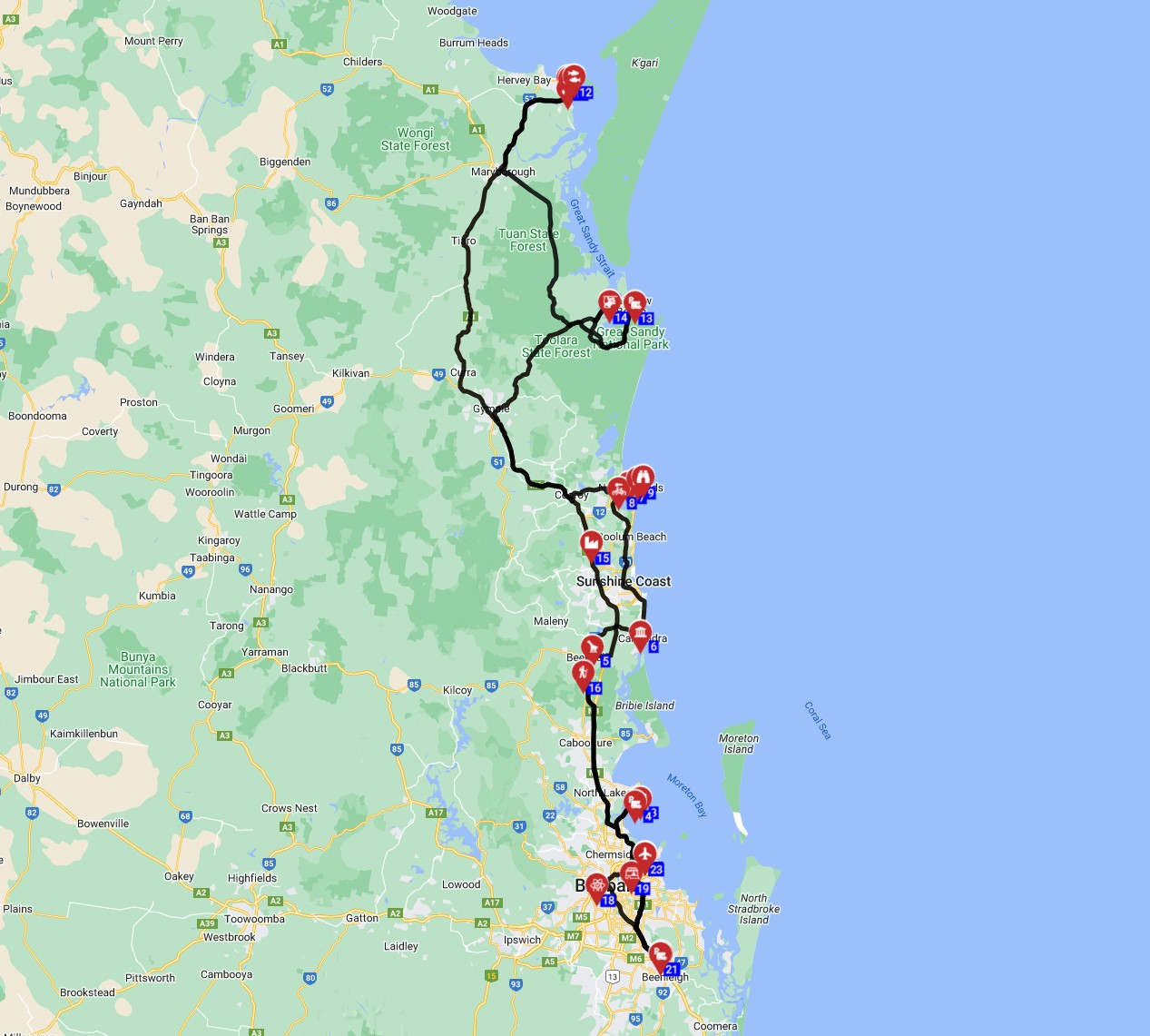
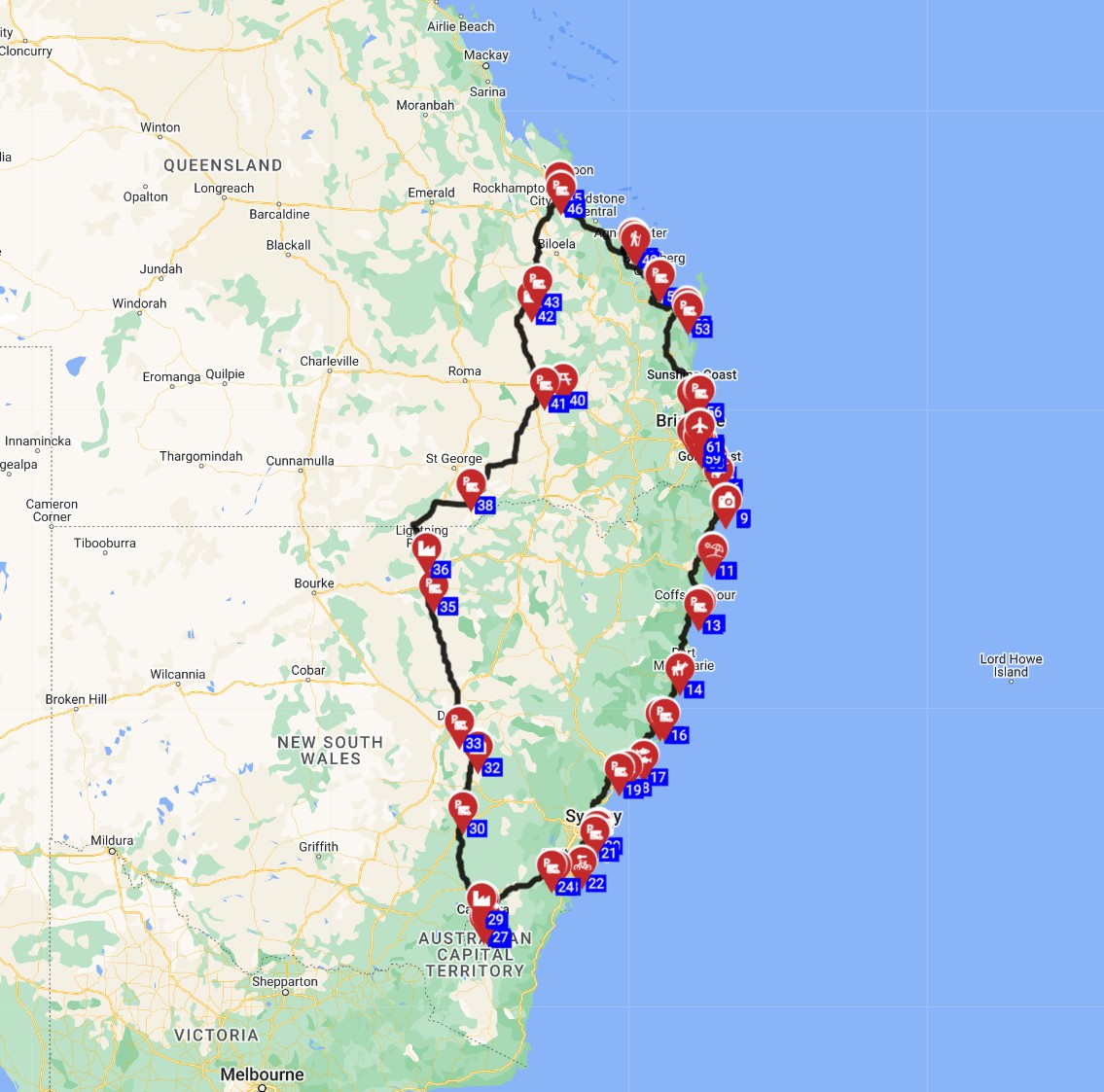
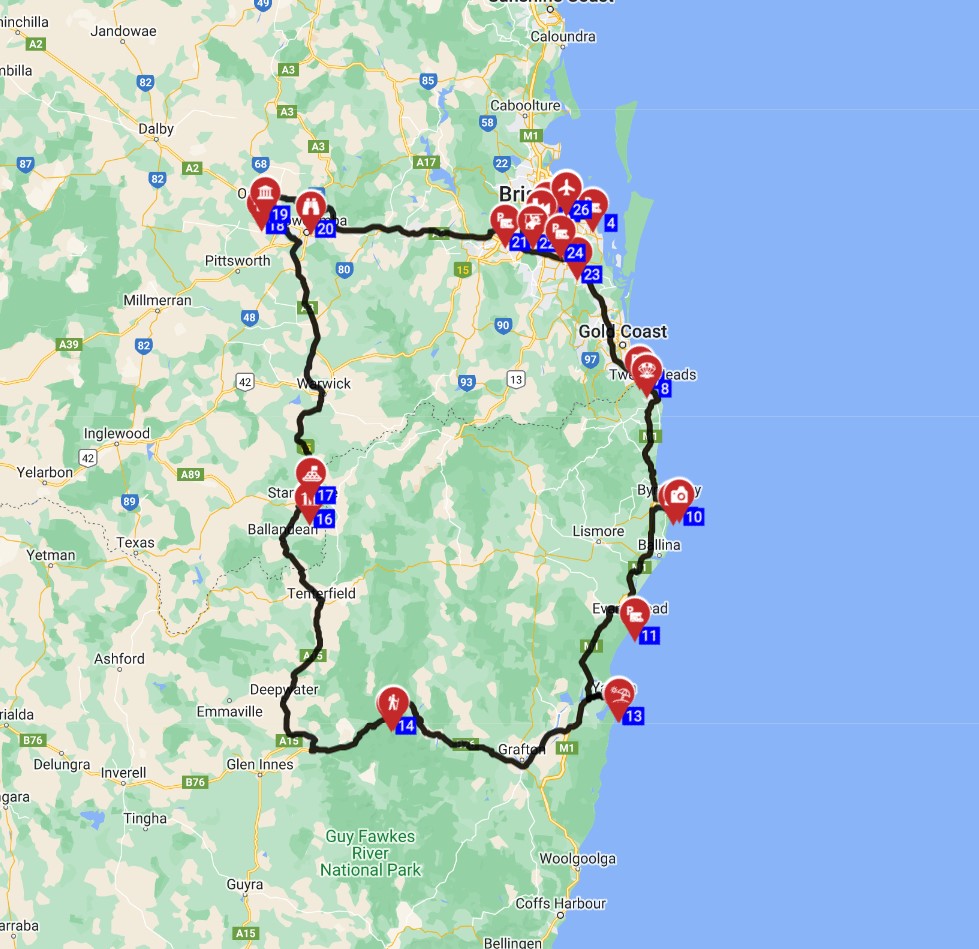
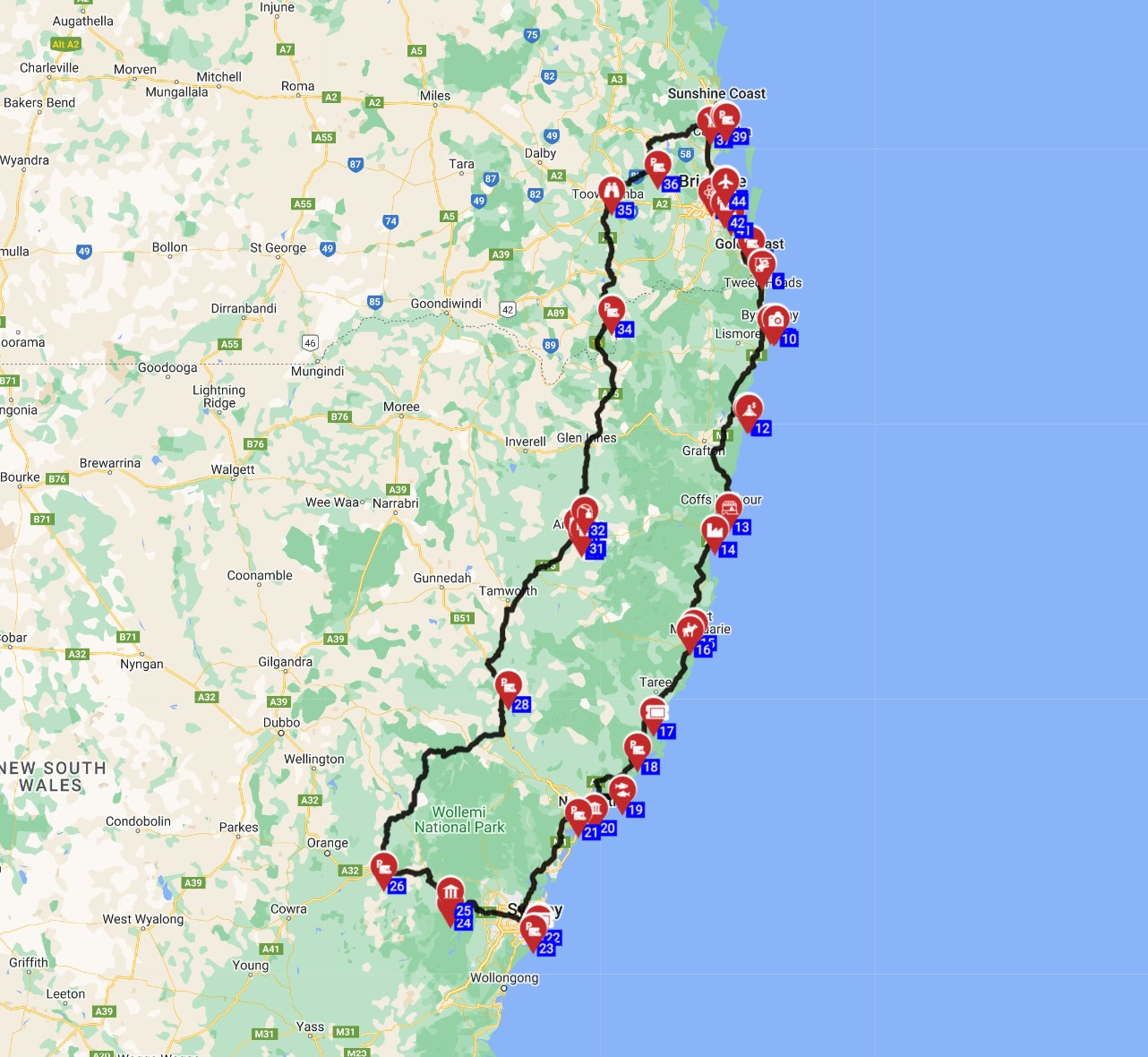
From Brisbane, RV beginners have access to a wealth of diverse attractions, from stunning coastlines to tranquil hinterland retreats. Popular itineraries include exploring the Sunshine Coast, the vibrant Gold Coast, and the serene Scenic Rim. The Sunshine Coast, located just 1-2 hours north, offers pristine beaches like Noosa, the dramatic Glass House Mountains, and the lively Eumundi Markets, with numerous RV-friendly campgrounds available. The Gold Coast, about an hour south, is renowned for its world-class surfing beaches, theme parks, and the natural beauty of Burleigh Heads National Park. Venturing west or south-west to the Scenic Rim (1-2 hours) reveals the stunning Lamington National Park (check RV access restrictions), charming wineries, and picturesque country towns ideal for leisurely exploration. For those heading further afield, the Sunshine Coast's hinterland provides quaint villages and breathtaking views. You can also explore Brisbane's immediate surroundings, including the South Bank Parklands (with RV parking options nearby), the famous Lone Pine Koala Sanctuary, and panoramic views from Mount Coot-tha Lookout. Don't miss opportunities to discover local foodie trails, visiting regional produce markets, farm-gate sales, and craft breweries or distilleries for unique local experiences.
Final Thoughts
Embarking on your first RV adventure in Brisbane is an exciting prospect! By understanding the essential driving rules, road conditions, and vehicle management, you'll be well-prepared for a memorable journey. Remember to pack smart, plan your route, and embrace the freedom that comes with exploring Queensland at your own pace.
With Bandana Caravan, you can compare prices and book with confidence, knowing you're getting the best value with full transparency. Get inspired by the diverse landscapes and unique experiences Australia offers.
Find Motorhome Rentals in Brisbane