In This Guide
- Can You Drive an RV in Australia? License & Age Rules
- Road Conditions & Terrain in Australia
- RV Size Limits, Bridges & Restricted Zones
- Fuel: Diesel vs. Petrol & Cost per 100 km
- Tolls, Vignettes & Border Rules
- Driving Tips for rv rental Travelers
- Recommended RV Class for Australia Roads
- Should I Choose a Compact Van Instead of a Large RV in Australia?
- Can I Park Anywhere? Free & Wild Camping Rules in Australia
- Can I Drive an RV Into the City Center? Heights, Tunnels & Local Signage
- Top Cities for RV Rental in Australia
- What You Shouldn't Miss
- Why Book with Bandana Caravan
- Final Thoughts
- Frequently Asked Questions
Embarking on a rented RV adventure across Australia offers unparalleled freedom and the chance to truly immerse yourself in its diverse landscapes. For first-time RV drivers in this incredible country, understanding the local driving rules, road conditions, and vehicle specifics is key to a smooth and enjoyable journey. At Bandana Caravan, we've helped tens of thousands of travelers since 2001, providing not just rentals but also the expertise to make your dream trip a reality.
Australia is a vast continent, offering everything from stunning coastal drives to rugged outback tracks. Whether you're planning a week-long coastal exploration or an extended road trip into the Red Centre, preparing yourself with practical driving knowledge will ensure you navigate with confidence. For live availability and current prices, start with our RV Rental Australia - Complete Guide 2026 guide.
Can You Drive an RV in Australia? License & Age Rules
A standard car driver's license is generally sufficient for most rented RVs in Australia, as the majority of motorhomes and campervans available for rental have a Gross Vehicle Mass (GVM) under 4.5 tonnes.
For vehicles with a GVM exceeding 4.5 tonnes, a heavier vehicle license (such as a Light Rigid or Medium Rigid license) would be required, but these are rarely encountered in typical leisure RV rental fleets. The minimum rental driver age in Australia is 21 years old, which applies to all motorhome classes, including Class A, Class B, and Class C. There are no young driver surcharges or vehicle class restrictions based on age when renting with Bandana Caravan partners, ensuring a straightforward booking process.
Foreign drivers must possess a valid, current driver's license from their home country. If your license is not in English, an International Driver's Permit (IDP) or an official, certified English translation is mandatory. We strongly recommend all international drivers obtain an IDP, as it simplifies identification for local authorities and ensures compliance with varying state-specific regulations across Australia.
Road Conditions & Terrain in Australia
Australia's road network offers a mix of meticulously maintained sealed highways and challenging unsealed (gravel) roads, providing diverse driving experiences for your rented RV.
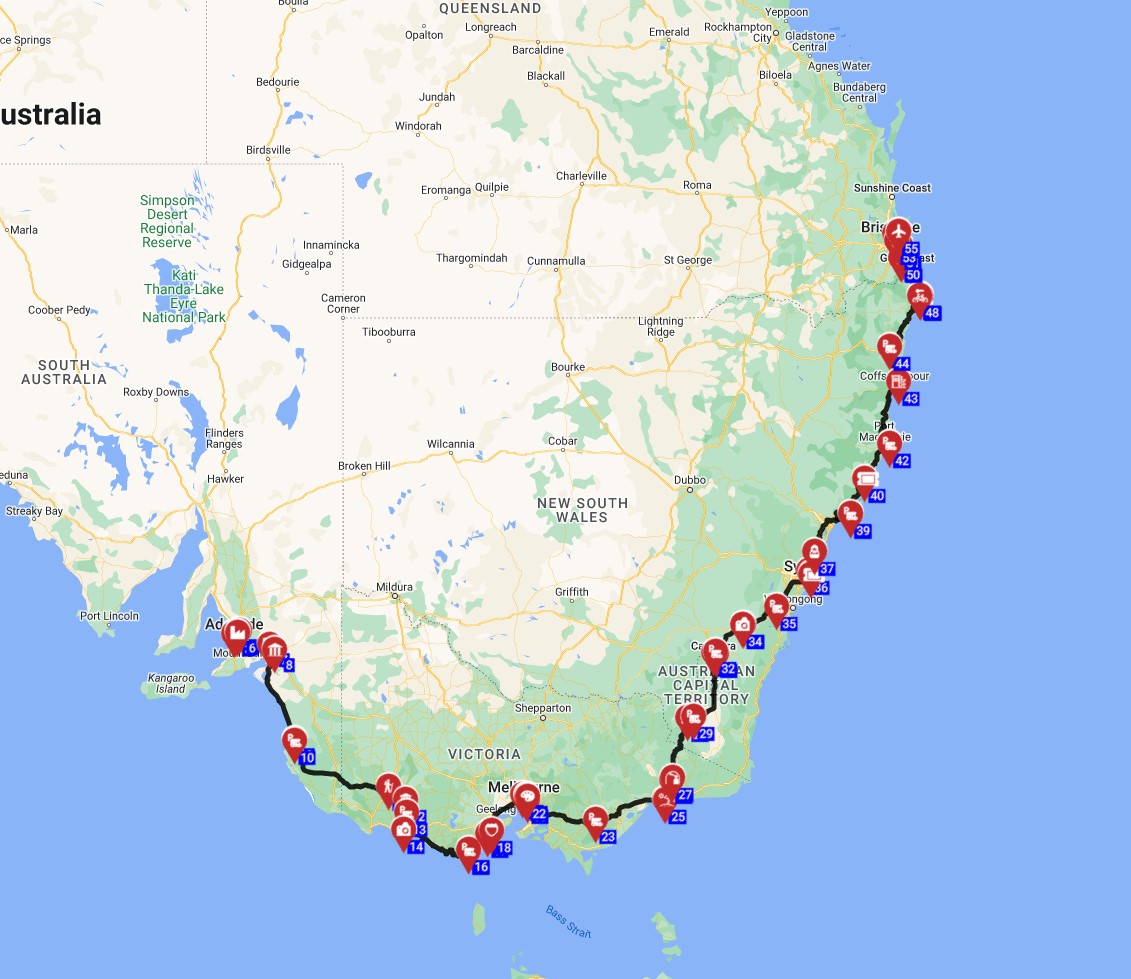
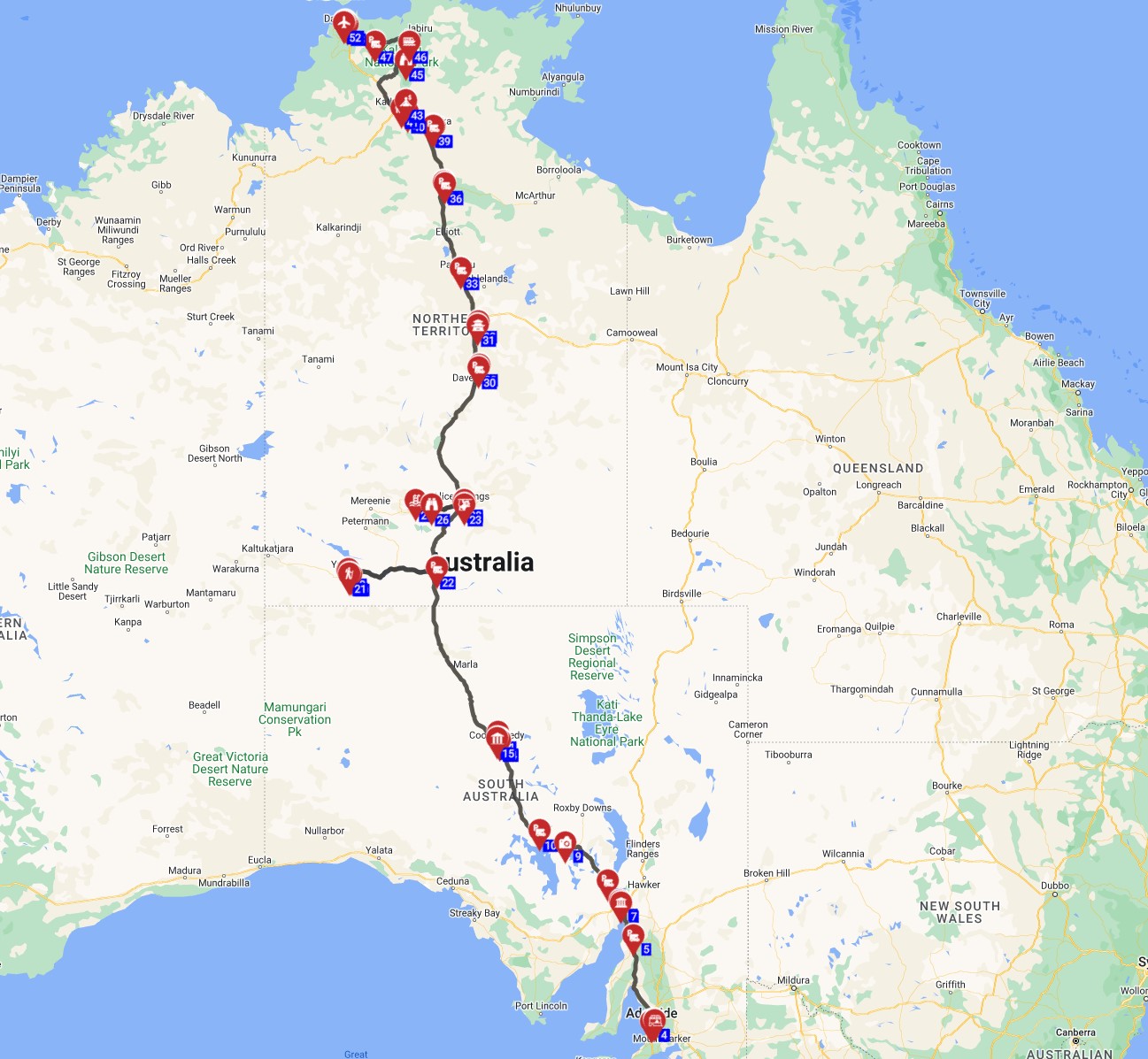
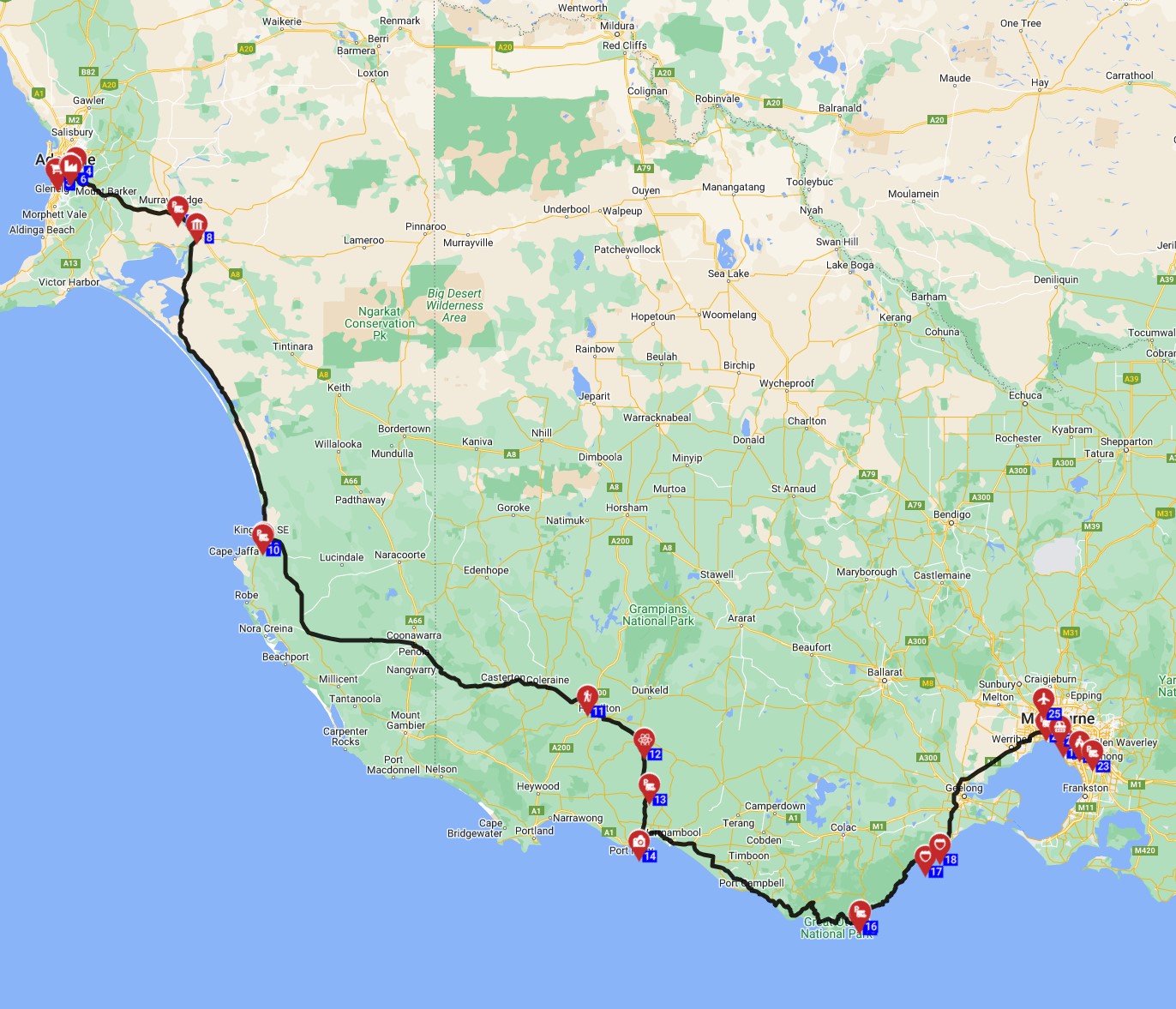
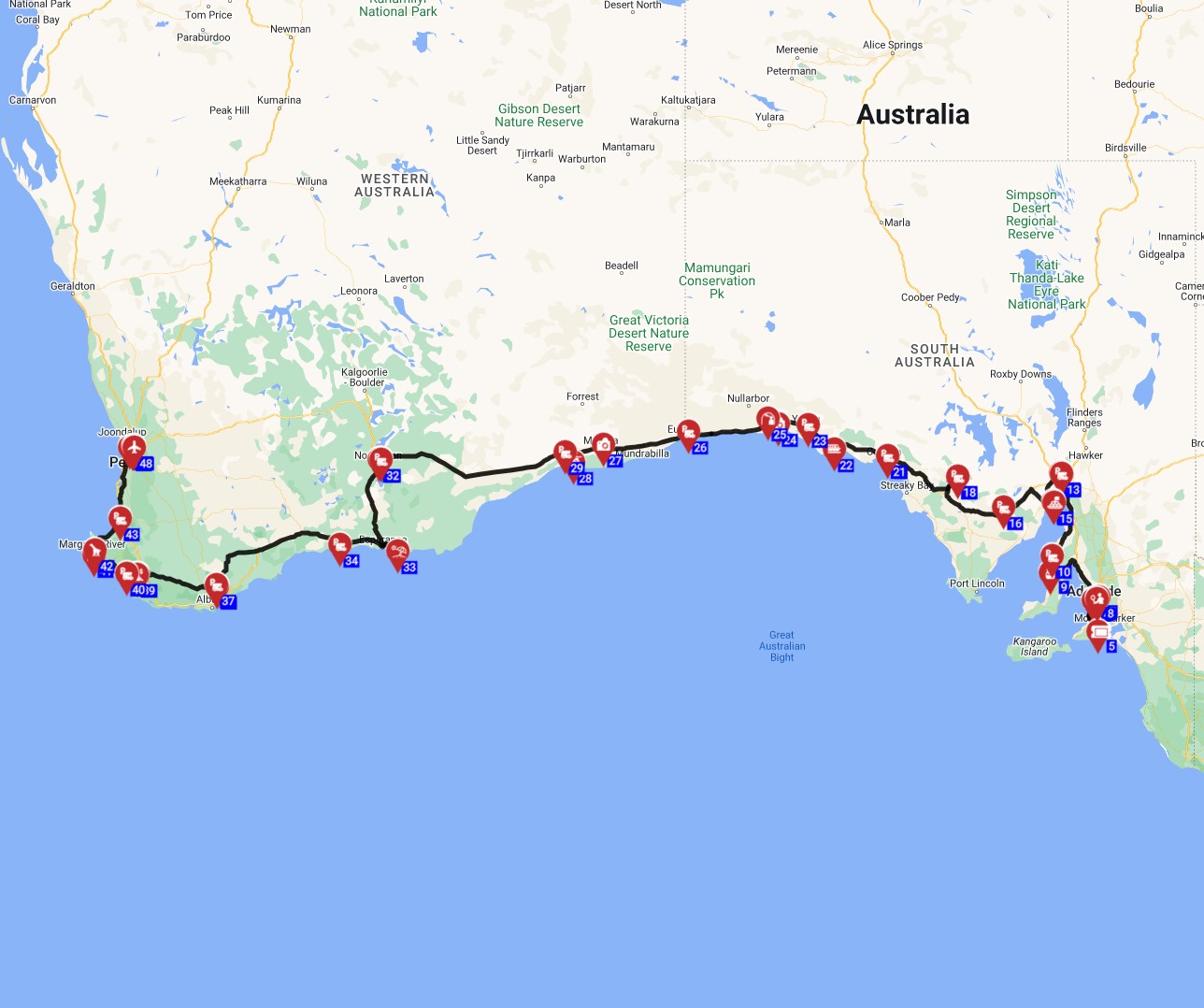
Major routes along the coast and between capital cities, such as the highways connecting Sydney, Melbourne, and Brisbane, are excellent, allowing for smooth travel. However, venturing into rural, regional, or remote areas, particularly in states like South Australia or the Northern Territory, often means encountering extensive networks of well-maintained gravel roads. The terrain itself is incredibly varied, ranging from the vast, flat plains of the Nullarbor, to the rolling hills of wine regions, the towering ranges of the Great Dividing Range, and the arid desert landscapes of the outback. You might even find yourself on routes like the "Melbourne to Darwin - Australia’s Heartline Road Trip," a 26-day, 5622.8 km journey that showcases this immense diversity. Drive slowly and carefully, and you can drive almost anywhere without issues. No need to stress - just use common sense and pay attention.
Wildlife, notably kangaroos and emus, presents a significant driving hazard, especially during dawn and dusk. Exercising extreme caution during these periods in rural settings is crucial to avoid collisions. Travelers should also be aware of seasonal conditions; the northern parts of Australia experience a wet season (typically November to April) with potential for flooding and road closures, while southern and eastern regions face bushfire risks during hotter, drier months. Always monitor local alerts and weather forecasts when planning your RV PLANET routes to ensure safe passage.
RV Size Limits, Bridges & Restricted Zones
Most major Australian roads are well-suited for all standard rented RV sizes, but careful attention to height and weight restrictions is always necessary for safe navigation.
General road height limits in Australia are typically 4.3 meters, but drivers of taller motorhomes must be vigilant for lower clearances, especially in urban areas, tunnels, and multi-story car parks, where limits can drop to 2.1-2.2 meters. Weight limits, specified by Gross Vehicle Mass (GVM), are clearly indicated on bridges and road signs, though these primarily concern commercial vehicles and heavier specialized RVs. Ferry operators, for instance, impose specific length and weight restrictions, making advance booking essential for routes like Kangaroo Island. Some national parks and remote tracks may also have specific vehicle restrictions, often requiring 4WD capabilities that extend beyond conventional motorhome or campervan access. Always check park regulations beforehand, especially if your route includes a 4WD-only section. For any questions about the best RV for your route, our true RV specialists are here to help before, during, and after your booking.
Fuel: Diesel vs. Petrol & Cost per 100 km
The majority of rented RVs in Australia, including much of Bandana's diverse fleet, operate on diesel fuel, which is widely accessible across the country.
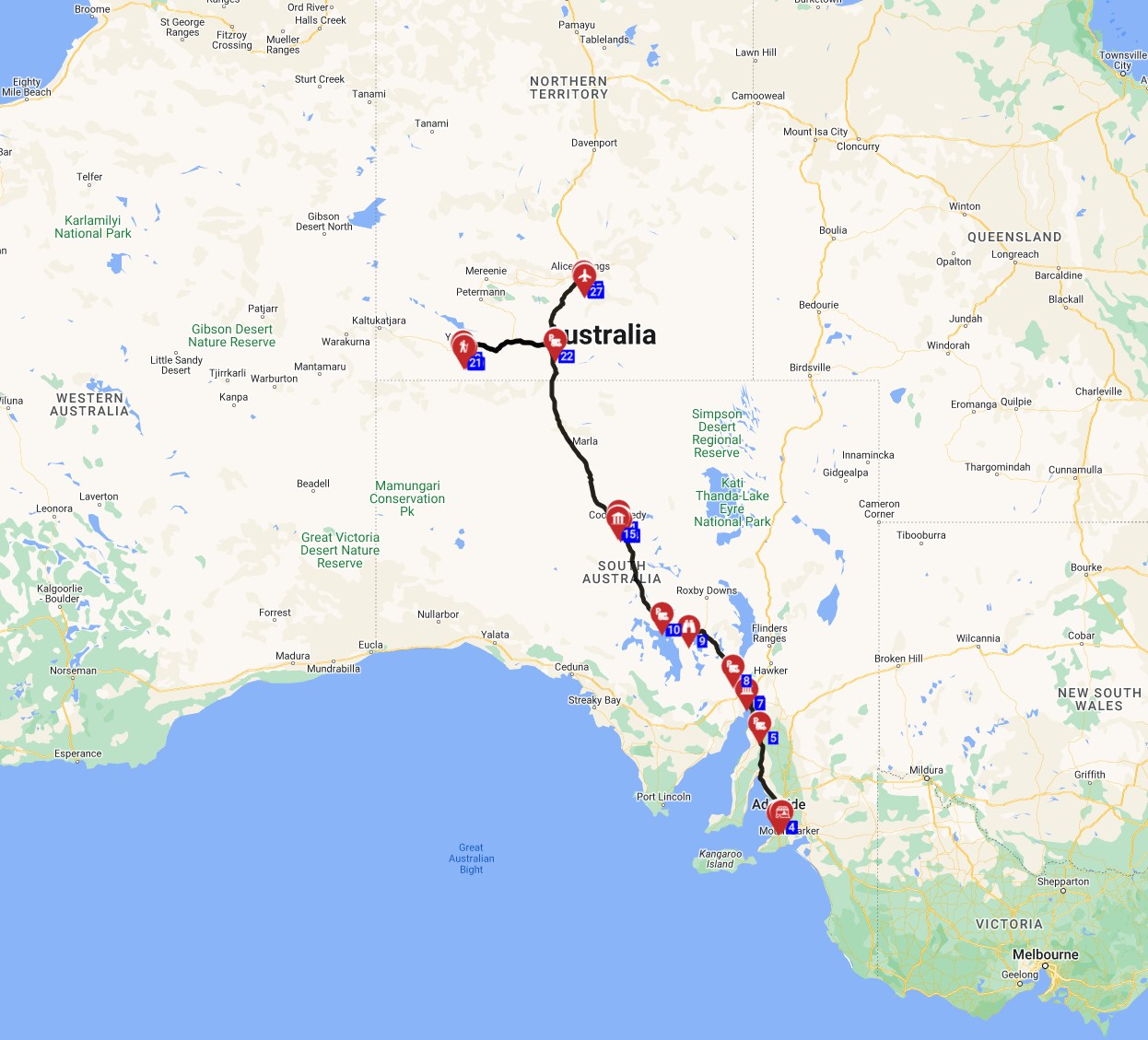
Fuel prices in Australia are dynamic and can vary significantly by region, with more remote areas generally experiencing higher costs per liter. When budgeting for your journey, consider these average global fuel consumption rates for our fleet: Class SI (10-11 Liters/100 km), Class C (10-12 Liters/100 km), and Class B campervans (8-10 Liters/100 km). For example, a cruise america rv rental example Explorer Class C motorhome has a 75 Liter fuel tank and consumes about 11 Liters/100 km. Currently, average fuel costs across Australia typically range from AUD $1.80 to $2.50 per liter. Always plan your fuel stops carefully when traveling long distances, especially on routes like the "Perth to Alice Springs - The Dreamtime Highway," a 21-day, 5447.3 km journey, as service stations can be hundreds of kilometers apart. Some rental suppliers may offer access to fuel discount cards; it's always a good idea to inquire about these when booking your rented motorhome. When planning your trip with RV PLANET, you can even itemize and track every expense along the way for easy budgeting on RV PLANET routes. On the routes offered through RV PLANET routes, you can itemize and track every expense along the way for easy budgeting.
Tolls, Vignettes & Border Rules
Australia primarily utilizes electronic toll systems on its major motorways, particularly around Sydney, Melbourne, and Brisbane, without the need for cash payment booths.
These tolls are managed through electronic tags or passes, such as Linkt or E-Toll, which your RV rental company will often provide or manage on your behalf. Typically, rental companies either include a pre-purchased pass or bill you post-trip for any tolls incurred, adding a small administrative fee. It is crucial to confirm your specific rental company's toll payment policy at pickup to avoid unexpected fines. Unlike some other continents, Australia does not have national vignettes or border crossing fees when traveling between its states or territories, making interstate RV travel seamless. Our full transparency promise means you'll always know about any potential fees upfront, including how tolls are handled, ensuring no hidden surprises at pickup.
Driving Tips for rv rental Travelers
Remember to drive on the left-hand side of the road in Australia, a key difference for many international visitors, and prepare for vast distances by incorporating frequent breaks to prevent fatigue.
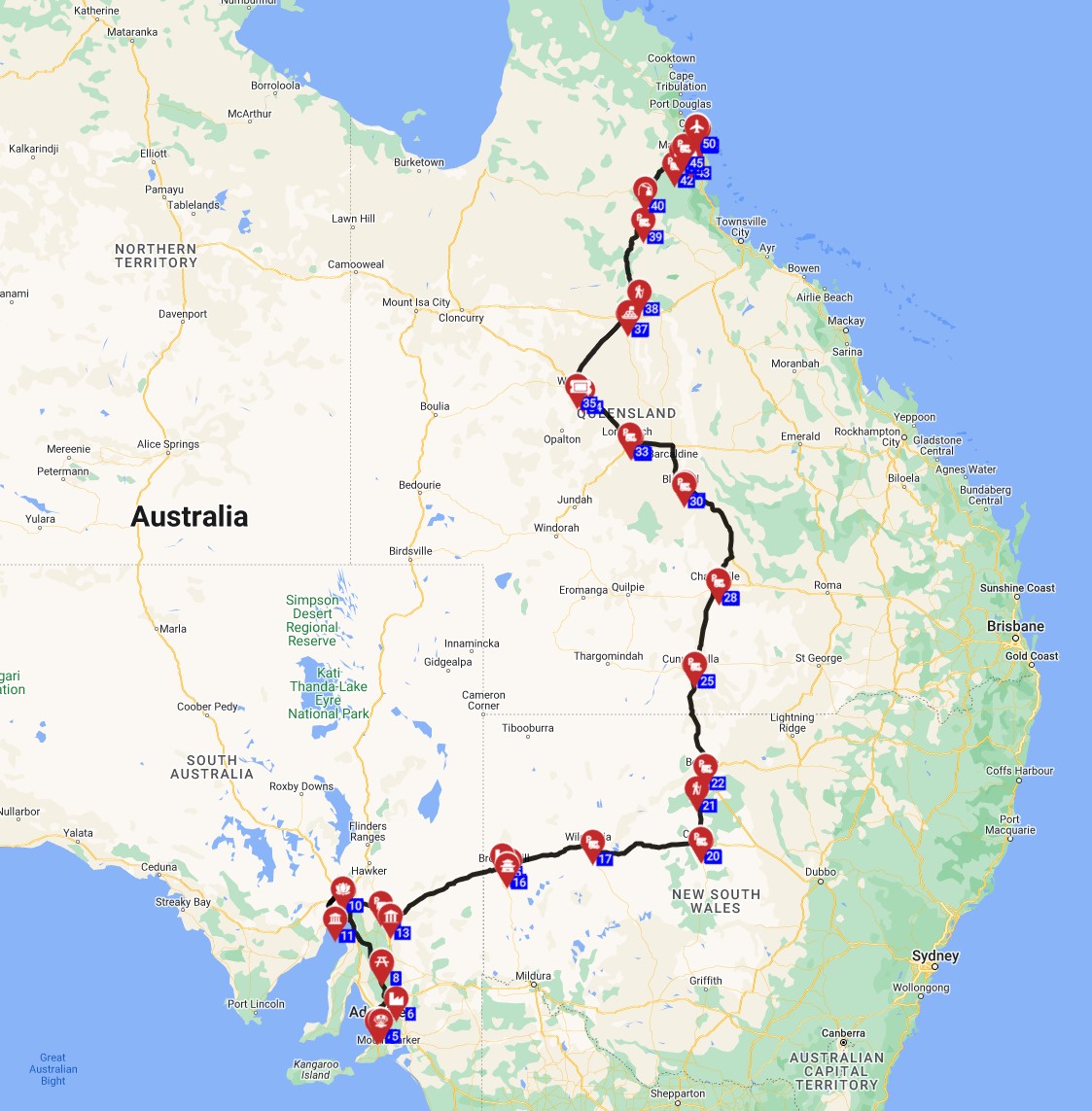
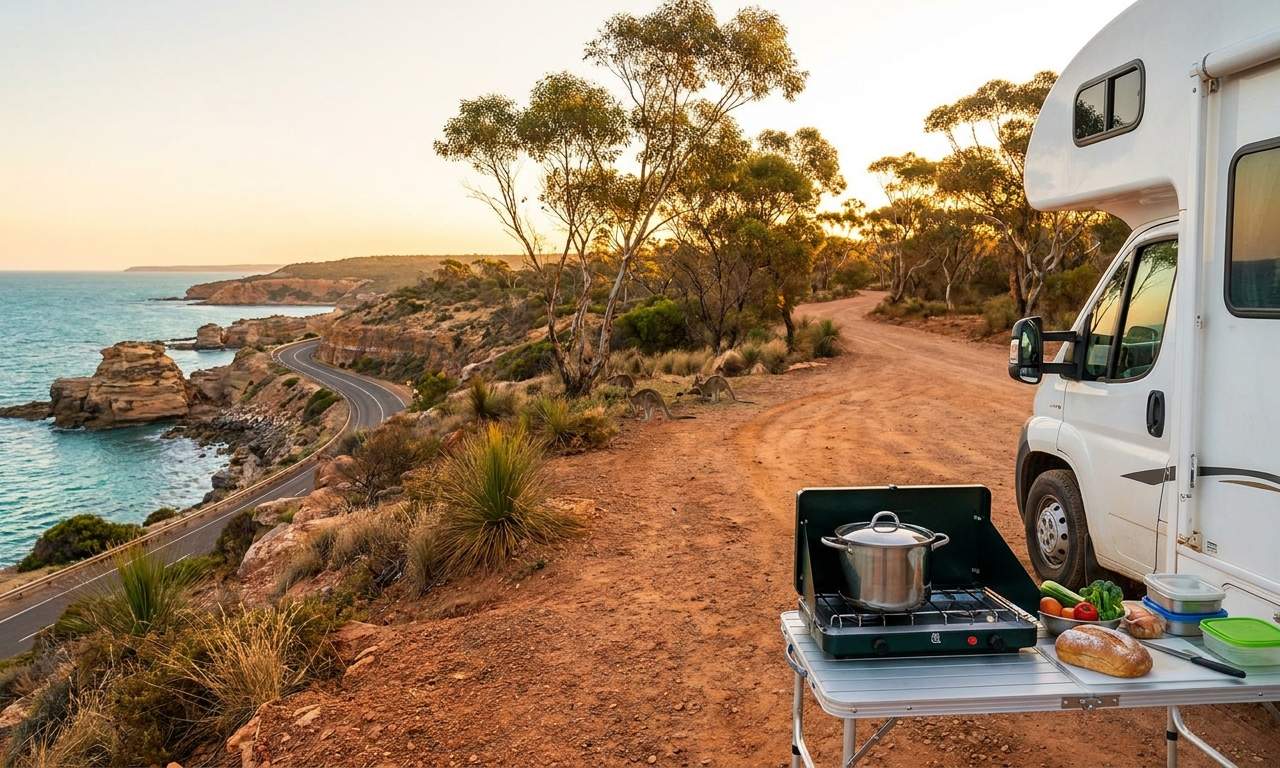
Adhere strictly to posted speed limits, which are rigorously enforced; these typically range from 50 km/h in urban areas to 100/110 km/h on major highways. You'll often see specific wildlife warning signs for kangaroos, emus, and other unique Australian creatures. Take these seriously, especially at dawn and dusk. Always plan ahead for fuel and water refills, particularly when venturing into remote regions or on extended itineraries like the "Cairns to Alice Springs - Northern Horizons" which spans 17 days and 4003.6 km, as service stations can be few and far between. Furthermore, be prepared for Australia's diverse weather conditions, including extreme heat, potential bushfires, and seasonal floods in certain areas, by monitoring local alerts and forecasts. Travel slowly, max 100-150 km per day on average. Take time to feel the place, connect to the culture, the food, and the scenery. Imagine preparing a delicious meal in your rented motorhome kitchen, perhaps using some RV-friendly recipes playlist, after a day of exploring an incredible national park.
🎬 Video coming soon
Recommended RV Class for Australia Roads
For comfortable travel on Australia's extensive network of sealed roads and access to most popular destinations, Semi-integrated (Class SI) and Alcove (Class C) motorhomes are highly recommended.
Class SI motorhomes, with an average length of 6.9 meters and sleeping up to 3.8 people, strike an excellent balance between spacious comfort and manageable driving, typically consuming 10-11 Liters/100 km (Bandana's global fleet average). The "2 Berth Tamar" or "2 Berth Rover" are great examples of Class SI options. Class C Alcove motorhomes, averaging 7.5 meters in length and accommodating up to 5.8 people, offer generous living space, full amenities, and are ideal for families or longer journeys, with typical fuel consumption of 10-12 Liters/100 km. A "24' Class C Motorhome" is a popular choice for families. If your adventure involves accessing more rugged, unsealed roads or remote national park tracks, a 4WD-capable vehicle like a Truck Camper (Class TC), such as the "4x4 Scout Adventure Truck Camper Gold," becomes a necessity, as conventional RVs may be restricted in such areas. Always consult with our true RV specialists to match the perfect rented motorhome to your planned route and ensure it's suitable for the road conditions you anticipate.
Should I Choose a Compact Van Instead of a Large RV in Australia?
Opting for a larger RV significantly enhances comfort, living space, and amenities, which are highly advantageous for extended road trips across Australia's vast distances, often outweighing minor maneuverability considerations on main roads.
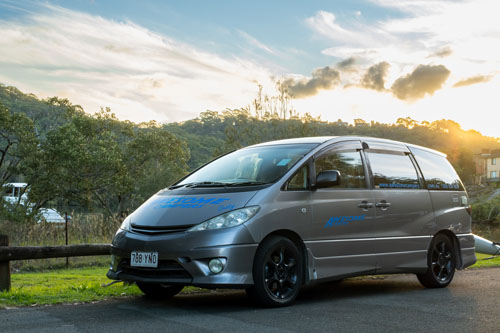
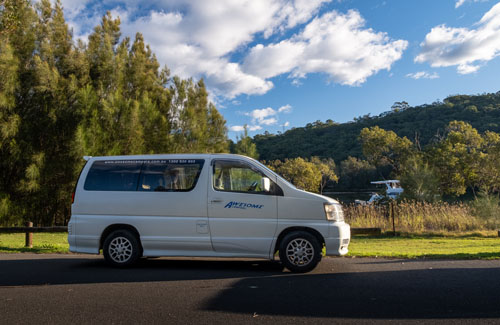
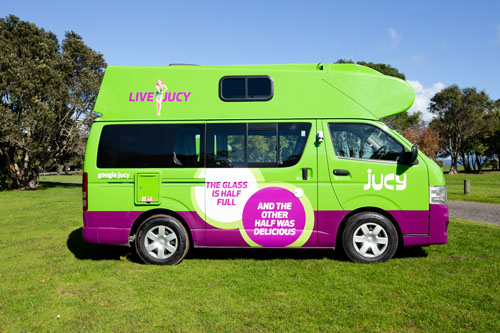
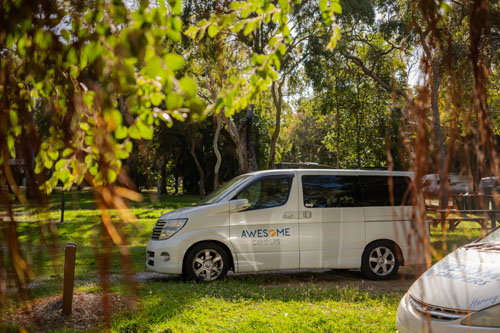
For couples or small groups seeking flexibility and better fuel efficiency (8-10 Liters/100 km), compact campervans like Bandana’s Class B models, such as the "2 Berth Hi Top" which averages 5.8 meters in length, are an excellent choice. These campervans are generally easier to park in urban centers like Sydney or Melbourne and are well-suited for smaller campsites. However, for families or travelers planning a two-week adventure or longer, a larger motorhome like a 7.5-meter Class C - Alcove offers full bathrooms, more spacious beds, and greater storage capacity, making it ideal for self-sufficient journeys through regions like South Australia. Consider a rented campervan if your priorities are budget, urban exploration, or navigating tight spots; choose a larger rented motorhome for superior comfort, self-sufficiency, and family travel on the open road. Our experts can help you compare final prices across suppliers to find the perfect fit for your trip.
Can I Park Anywhere? Free & Wild Camping Rules in Australia
In Australia, free camping or 'wild camping' is generally restricted to designated areas, and overnight parking in a rented RV is only permitted in official caravan parks, authorized rest stops, or approved free camping sites.
Regulations concerning overnight parking and camping vary significantly by state, territory, and even local council, with strict penalties for illegal camping. Always look for clear signage indicating permission for overnight stays; "No Overnight Camping" signs must be respected to avoid fines. Many regional areas, including popular road trip destinations, offer numerous free and low-cost campsites, but these require prior research and planning. Resources like WikiCamps Australia or RV PLANET are invaluable for locating available spots and understanding local rules. Always check local regulations and follow the law before parking overnight to ensure a hassle-free experience. Remember, Bandana Caravan offers 24/7 support throughout your booking process and assistance with post-booking coordination, but we do not provide campsite finding services during your rental.
Can I Drive an RV Into the City Center? Heights, Tunnels & Local Signage
Yes, you can generally drive a rented RV into most Australian city centers, but diligent attention to local signage, particularly for height restrictions and parking regulations, is crucial.
Major Australian cities such as Sydney, Melbourne, Adelaide, and Perth feature well-maintained arterial roads that are designed to accommodate larger vehicles. However, RV drivers must be vigilant for height limits on tunnels, bridges, and especially multi-story car parks, where most motorhomes are too tall to enter (often clearances are 2.1-2.2m). Parking directly in city centers can be challenging and expensive; consider parking your rented campervan or motorhome on the outskirts and utilizing Australia's efficient public transport systems for city exploration. Always observe local signage for parking zones, such as residents-only areas, clearways during peak hours, and time-limited spots. Drive slowly and carefully, and you can drive almost anywhere without issues. No need to stress - just use common sense and pay attention.
Top Cities for RV Rental in Australia
Australia boasts several excellent cities from which to begin your RV rental adventure, offering diverse starting points for exploring the continent's stunning landscapes.
Sydney, New South Wales, is a vibrant hub providing easy access to coastal drives, the Blue Mountains, and a starting point for north or south road trips. Melbourne, Victoria, serves as a fantastic gateway to the Great Ocean Road, the Grampians, and Tasmania via ferry. Brisbane, Queensland, is ideal for exploring the Gold Coast, Sunshine Coast, and heading north towards tropical Queensland. Perth, Western Australia, offers unique journeys through the Margaret River region, the vast Nullarbor Plain, and the stunning West Coast. Adelaide, South Australia, is perfect for wine country tours in Barossa Valley and McLaren Vale, or venturing into the Flinders Ranges and the Eyre Peninsula. Cairns, in tropical North Queensland, is the ultimate base for exploring the Great Barrier Reef, Daintree Rainforest, and routes to Alice Springs. Darwin, Northern Territory, provides access to the wild beauty of Kakadu and Litchfield National Parks. These cities are where you'll find Bandana Caravan's direct partnerships with 50+ leading RV suppliers worldwide, including trusted names like Apollo and Britz.
What You Shouldn't Miss
Australia offers a truly unforgettable RV rental experience, with countless natural wonders and cultural gems that should be on every traveler's itinerary.
Don't miss a drive along the iconic Great Ocean Road in Victoria, marveling at the Twelve Apostles and charming coastal towns. Explore the ancient landscapes and Indigenous culture of Uluru-Kata Tjuta National Park in the Red Centre, a truly spiritual experience. Discover the vibrant underwater world of the Great Barrier Reef from Cairns, or immerse yourself in the lush Daintree Rainforest. For wildlife enthusiasts, spotting kangaroos and koalas in their natural habitat, perhaps in a wildlife park or along a scenic drive, is a must. And be sure to savor the incredible local produce and world-class wines in regions like the Barossa Valley or Margaret River, which you can easily collect and enjoy in your fully equipped rented motorhome. With a rented motorhome like the "Euro Deluxe" which has features like a refrigerator and gas stove, you have everything you need to enjoy these local flavors on the road. Remember to travel slowly, allowing yourself ample time to connect with the culture, the food, and the breathtaking scenery Australia has to offer, keeping your average daily distance to a maximum of 100-150 km.
Looking for expert insights from Avi Bandana? Top 5 Adventures - recommendations from Avi Bandana
Avi Bandana, our founder, is a true advocate for immersive RV travel. He recommends taking advantage of longer trips to really connect with the Australian spirit. "My personal favorites include the vastness of the Nullarbor, the ancient beauty of Uluru, and the vibrant culture of Indigenous communities. These are journeys best taken slowly, giving yourself time to absorb everything."
Why Book with Bandana Caravan
Full Transparency
We believe in honest pricing. What you see is what you pay, with no hidden fees or surprises at pickup. Our goal is to make your RV rental experience as straightforward as possible from the start.
True RV Specialists
We're not just a side department of a larger travel agency. Bandana Caravan is dedicated exclusively to RV travel, meaning our team comprises genuine enthusiasts who know the ins and outs of motorhome adventures across 50+ countries. We handle the details, you live the journey.
Top-Level Deductible Reimbursement
Travel with extra peace of mind. You can upgrade your rental to include a top-level deductible reimbursement, ensuring you're covered in case of unexpected events on the road. It's an optional upgrade designed to protect your adventure.
24/7 Support
Real people are behind you before, during, and after your booking. Our dedicated team is available around the clock to provide support and ensure a smooth booking experience and post-booking coordination, from comparing options to confirming your reservation.
Since being founded in 2001, Bandana Caravan has been helping tens of thousands of travelers explore the world by RV. We have direct partnerships with 50+ leading RV suppliers worldwide, including esteemed names like El Monte, Cruise America, Apollo, and Britz. Our sister company, RV PLANET (rvplan.net), offers 1,300+ pre-planned routes across 5 continents, and we facilitate bookings in 30+ currencies with full price transparency, meaning no hidden conversion commissions.
Final Thoughts
Driving a rented RV in Australia is an incredible way to experience its vast and varied landscapes. With a little preparation and an understanding of local rules, you'll find navigating this spectacular country to be an immensely rewarding journey. From the vibrant cityscapes to the serene outback, your mobile home provides the perfect base for exploration.
Remember to plan your route, keep an eye on road conditions and wildlife, and enjoy the freedom that RV travel offers. Our team at Bandana Caravan is here to support you with full transparency and expertise every step of the way, ensuring your Australian adventure is as smooth and joyful as possible. We’re true RV specialists, ready to help you find the perfect rental.
So, take the leap, embrace the open road, and discover the magic of Australia from the comfort of your rented motorhome. The adventure of a lifetime awaits!
Compare Campervan Prices for Australia